

Frozen Transport Services
Frozen Transport Services:
How to Safeguard Perishable Goods with Efficient Cold Chain Solutions

Frozen Transport Services is the backbone of many global industries, providing a critical solution for transporting perishable goods across long distances while maintaining their integrity. From frozen foods to life-saving vaccines, the need to keep products frozen and fresh is essential. In this guide, we will delve into the ins and outs of Frozen Transport Services, exploring why it’s essential, how it works, and the technology that makes it all possible.
First a quick plug – Our sister companies Fresh Pharma who are GDP Compliant Pharma couriers and Fresh Fridge Hire are out (compliant GDP) refrigerated vehicle hire.
| Key Takeaways | Summary |
| Choosing the Right Provider | Evaluate experience, technology, and compliance when selecting a partner |
| Technological Advancements | Innovations like AI and IoT improve energy efficiency and ensure consistency |
| Future of Frozen Transport Services | Trends like sustainability and automation will shape the industry’s future |
What is Frozen Transport Services?
Frozen Transport Services refers to the use of temperature-controlled logistics to keep products at or below freezing temperatures throughout their journey. These systems ensure that goods, especially perishable ones, remain in optimal condition from the point of origin to their destination. Without Frozen Transport Services, many products would spoil or become unsafe to use.
Key Industries That Rely on Frozen Transport Services
- Food Industry: Frozen meats, seafood, ice cream, and ready-to-eat meals must remain frozen to prevent spoilage.
- Pharmaceuticals: Vaccines and certain medicines require precise frozen conditions to maintain efficacy.
- Chemical Industry: Certain chemicals, like those used in lab environments, require sub-zero temperatures for stability.
Frozen Transport Services is the keystone of the cold chain, the system that moves goods under controlled temperature conditions from production to consumption. It plays a vital role in ensuring product quality and safety, helping prevent spoilage and contamination.
1. Why Frozen Transport Services is Essential for Perishable Goods
For perishable goods, maintaining temperatures below freezing is crucial. Whether it’s food or pharmaceuticals, Frozen Transport Services helps prolong shelf life and ensure product safety.
Importance of Frozen Transport Services
Perishable goods such as meat, seafood, and dairy products quickly degrade if temperatures rise above freezing. In many cases, once a product has thawed, bacteria and pathogens can grow, leading to spoilage or contamination.
- Food Industry: Frozen Transport Services keeps products safe for consumption by preventing the growth of harmful bacteria.
- Pharmaceuticals: Some medicines and vaccines require freezing to preserve their chemical structure and effectiveness.
- Chemicals: Chemicals used in laboratories or manufacturing may become unstable if exposed to higher temperatures, necessitating frozen storage and transport.
| Product Type | Importance of Frozen Transport Services |
| Frozen Food | Prevents spoilage and extends shelf life |
| Vaccines | Maintains efficacy and safety for medical use |
| Chemicals | Prevents degradation and maintains chemical stability |
2. Products That Require Frozen Transport Services
Frozen Transport Services is essential for a wide range of products that must be kept at sub-zero temperatures to remain viable.
Types of Products That Depend on Frozen Logistics
- Seafood: Fish and shellfish require freezing to preserve their texture and taste. Spoiled seafood is not only unappetizing but also poses health risks.
- Ice Cream: Ice cream must be kept below freezing to maintain its creamy consistency and prevent melting during transit.
- Vaccines and Medications: Many vaccines, like those for COVID-19, require freezing to ensure their potency remains intact.
- Certain Chemicals: Chemicals that are sensitive to temperature fluctuations rely on Frozen Transport Services to maintain their effectiveness.
Shelf Life Extension and Safety
Frozen Transport Services ensures that these products retain their quality over long periods. For example, seafood that is immediately frozen after being caught can maintain its freshness for months, allowing global distribution. Similarly, frozen vaccines can be stored for extended periods without losing potency, making them more accessible in remote areas.
| Product | Required Temperature Range | Reason for Freezing |
| Seafood | Below -18°C | Maintains texture, prevents spoilage |
| Ice Cream | Below -20°C | Prevents melting and texture loss |
| Vaccines | -20°C to -70°C | Preserves efficacy |
3. How Frozen Transport Services Works
Frozen Transport Services involves more than just cold storage; it requires a series of steps and technologies to ensure goods remain frozen throughout their journey.
Frozen Transport Services Process
- Storage: The journey begins with frozen storage at a manufacturing or processing facility. The goods are stored in industrial freezers designed to maintain sub-zero temperatures.
- Loading and Preparation: Products are packed into insulated containers or refrigerated trucks, depending on their destination. Ensuring minimal exposure to ambient temperatures during loading is crucial.
- Transportation: Specialised vehicles, such as reefer trucks and containers, are equipped with refrigeration units that maintain the required temperatures during transport.
- Delivery and Unloading: Once the goods reach their destination, they are carefully unloaded into another cold storage unit or used directly, ensuring the cold chain remains intact.
Technologies That Keep Foods Frozen
Frozen Transport Services relies on several advanced technologies to ensure products stay at the right temperature:
- Refrigeration Units: Modern refrigeration units in trucks and containers can maintain temperatures as low as -70°C.
- Temperature Monitoring Systems: Continuous temperature monitoring helps track any fluctuations, ensuring prompt corrective measures if needed.
- Cryogenic Systems: For products that need to be kept at ultra-low temperatures, cryogenic transport systems using liquid nitrogen or carbon dioxide are employed.
| Step in Frozen Transport Services | Key Technologies Used |
| Storage | Industrial freezers |
| Transportation | Refrigeration units, reefer trucks, cryogenic systems |
| Monitoring | Temperature monitoring devices |
4. Temperature Control in Frozen Transport Services
Maintaining precise temperature control is critical for Frozen Transport Services. Different products require varying degrees of cold, and failure to maintain these conditions can result in significant losses.
Necessary Temperature Ranges
The required temperature range for frozen goods varies based on the product:
- Frozen Food: Most frozen food products, such as meat, poultry, and seafood, need to be kept at or below -18°C to prevent spoilage.
- Ice Cream: For ice cream, a temperature of -20°C or lower is necessary to maintain its creamy texture.
- Vaccines: Vaccines may need ultra-low temperatures, as low as -70°C, particularly for mRNA-based vaccines.
Tools Used to Maintain Temperature Stability
- Refrigeration Units: These units are installed in trucks, containers, and warehouses to keep goods frozen throughout the journey.
- Temperature Monitoring Devices: These devices track temperature levels in real time, sending alerts if there is a fluctuation that could affect the products.
- Insulated Packaging: Insulated containers and boxes help minimise temperature variations during handling and transportation.
| Product | Recommended Temperature | Key Temperature Control Tools |
| Frozen Food | -18°C or lower | Refrigeration units, insulated packaging |
| Ice Cream | -20°C or lower | Temperature monitoring devices |
| Vaccines | -20°C to -70°C | Cryogenic systems, temperature tracking |
5. Types of Frozen Transport Services Vehicles
Different types of vehicles are equipped for Frozen Transport Services, each suited to specific logistics needs. Whether for short-haul or long-distance transport, the right vehicle ensures goods remain frozen from start to finish.
Overview of Vehicles Equipped for Frozen Transport Services
- Reefer Trucks: Reefer trucks are refrigerated vehicles commonly used for short and long-distance transport of frozen goods. These trucks are equipped with powerful refrigeration systems that can maintain temperatures down to -30°C.
- Reefer Containers: For intermodal transport, reefer containers are used. These refrigerated containers can be loaded onto ships, trains, and trucks, allowing for flexible, long-distance shipping without breaking the cold chain.
- Cryogenic Transport Systems: For products requiring ultra-low temperatures (e.g., vaccines or certain chemicals), cryogenic transport systems using liquid nitrogen are used to maintain temperatures as low as -150°C.
Differences Between Refrigerated and Deep-Frozen Vehicles
- Refrigerated Vehicles: These vehicles maintain a range of temperatures, typically between 0°C and -20°C, suitable for products like fresh produce or frozen foods.
- Deep-Frozen Vehicles: These are designed for more extreme conditions, maintaining temperatures below -20°C, often necessary for pharmaceuticals or high-value frozen goods.
| Vehicle Type | Temperature Range | Best For |
| Reefer Trucks | -20°C to -30°C | Frozen foods, seafood |
| Reefer Containers | -18°C to -25°C | Long-distance, intermodal shipping |
| Cryogenic Systems | As low as -150°C | Ultra-low temperature goods like vaccines |
6. Industry Standards and Regulations for Frozen Transport Services
Frozen Transport Services is highly regulated to ensure that perishable goods, particularly food and pharmaceuticals, are safely transported. Regulatory bodies like the FDA and international standards such as HACCP (Hazard Analysis and Critical Control Points) provide clear guidelines for businesses to follow.
Key Regulations Governing Frozen Transport Services
- Good Distribution Practices (GDP): GDP standards ensure that products, especially pharmaceuticals, are stored and distributed under the correct conditions to maintain quality.
- FDA Regulations: In the U.S., the Food and Drug Administration (FDA) sets strict guidelines on the transport of frozen food and medical products to ensure public safety.
- HACCP: This internationally recognized system identifies potential hazards in food production and distribution, and outlines preventive measures to ensure food safety.
Importance of Compliance
Meeting these regulatory standards is crucial for businesses. Non-compliance can result in product recalls, legal repercussions, and significant financial losses. Moreover, failure to meet these standards can harm a company’s reputation and customer trust.
| Regulation | Applies To | Key Focus |
| GDP | Pharmaceuticals and medical supplies | Ensures proper handling and storage |
| FDA | Food, pharmaceuticals, cosmetics | Public safety and product quality |
| HACCP | Food products, especially perishable items | Prevents contamination and spoilage |
7. Tracking and Monitoring in Frozen Transport Services
With temperature-sensitive products, it’s essential to track the temperature of the goods throughout their journey. Real-time tracking and monitoring systems play a crucial role in ensuring that goods remain frozen from the point of departure to their final destination.
Real-Time Tracking and Temperature Monitoring
Modern Frozen Transport Services systems use advanced technology to provide real-time updates on the condition of goods. Devices embedded within trucks and containers monitor temperature levels and send alerts when deviations occur, allowing companies to take immediate corrective action.
- Temperature Sensors: These sensors are installed in refrigerated vehicles and containers to continuously monitor temperature levels.
- IoT Integration: The Internet of Things (IoT) allows for the integration of tracking devices that provide real-time data on the location, temperature, and status of goods during transport.
- GPS Tracking: GPS technology is used to track the precise location of the vehicle or container, ensuring that goods are on the correct route and schedule.
The Role of GPS and IoT in Frozen Logistics
By integrating IoT and GPS technology into frozen logistics, companies can achieve better transparency and control over their shipments. This technology not only ensures that goods remain within the required temperature range but also helps optimise routes, reducing the chances of delays and improving overall efficiency.
| Tracking Tool | Function |
| Temperature Sensors | Monitor and report real-time temperature levels |
| IoT Systems | Enable real-time monitoring and alerts |
| GPS Tracking | Track vehicle location and optimise routing |
8. Packaging Solutions for Frozen Transport Services
Effective packaging is another key element of successful Frozen Transport Services. Thermo boxes with dry ice, and cold packs are all used to help keep products frozen during transit, even in the event of a refrigeration system failure.
Insulated Packaging
Insulated packaging is designed to minimise temperature fluctuations by creating a barrier between the external environment and the product. Common materials used for insulated packaging include:
- Foam Panels: Lightweight and easy to handle, foam panels provide strong thermal insulation.
- Vacuum Insulated Panels (VIPs): These high-tech materials are more effective than traditional foam but come at a higher cost.
Dry Ice and Cold Packs
- Dry Ice: Dry ice, or frozen carbon dioxide, is commonly used in Frozen Transport Services due to its extremely low temperature (-78.5°C). It helps keep products frozen for extended periods, especially when combined with insulated packaging.
- Cold Packs: While not as cold as dry ice, cold packs are used for products that require less extreme temperatures.
Preventing Temperature Fluctuations
Using the right combination of insulated packaging and cooling materials helps prevent dangerous temperature fluctuations that could compromise the quality of the goods. Proper packaging ensures that if a delay occurs or the refrigeration system fails, the product remains frozen until delivery.
| Packaging Material | Key Benefit |
| Insulated Boxes | Provides thermal protection, reducing heat transfer |
| Dry Ice | Maintains extremely cold temperatures for long periods |
| Cold Packs | Ideal for maintaining moderate freezing conditions |
9. Challenges in Frozen Transport Services and How to Overcome Them
Transporting frozen goods comes with several challenges, including temperature deviations, equipment failure, and logistical delays. However, businesses can implement strategies to minimise these risks.
Common Issues
- Equipment Failure: Malfunctions in refrigeration units can cause temperature spikes, leading to product spoilage.
- Logistical Delays: Delays due to traffic, bad weather, or customs can affect the quality of frozen goods.
- Temperature Deviations: Any slight variation in the required temperature range can lead to the degradation of sensitive products.
Solutions to Overcome These Challenges
- Backup Refrigeration Systems: Having a backup system in place can prevent product spoilage in the event of equipment failure.
- Route Optimisation: Advanced route planning can help minimise delays, ensuring products reach their destination on time.
- Temperature Alerts: Real-time temperature monitoring systems that send alerts in the event of deviations can help logistics teams respond quickly to potential issues.
| Challenge | Solution |
| Equipment Failure | Backup refrigeration systems, regular maintenance |
| Logistical Delays | Route optimisation and contingency planning |
| Temperature Deviations | Real-time monitoring and alerts |
10. Environmental Impact of Frozen Transport Services
Frozen Transport Services is energy-intensive, often leading to significant carbon emissions due to the fuel required to power refrigeration units. However, the industry is gradually shifting towards greener alternatives to minimise its environmental footprint.
Carbon Footprint of Frozen Logistics
Refrigerated vehicles, especially those running on diesel, contribute to greenhouse gas emissions. The need to maintain low temperatures 24/7 means energy consumption is high, which has a direct impact on the environment.
Eco-Friendly Alternatives in Frozen Transport Services
- Electric Refrigerated Trucks: These trucks, powered by electricity rather than diesel, reduce carbon emissions. They are becoming increasingly popular in urban areas where emission regulations are strict.
- Sustainable Refrigerants: Traditional refrigerants, such as hydrofluorocarbons (HFCs), are potent greenhouse gases. New eco-friendly refrigerants, such as CO2-based or ammonia systems, have a lower environmental impact.
- Solar-Powered Cooling: Solar technology is being used to power refrigeration units, reducing dependency on fossil fuels and lowering the carbon footprint of Frozen Transport Services.
Sustainability in the Future of Frozen Transport Services
As businesses and consumers become more eco-conscious, there is growing pressure to adopt sustainable practices in the Frozen Transport Services industry. In addition to electric vehicles and sustainable refrigerants, companies are also looking into optimising packaging materials and reducing waste in the cold chain process.
| Sustainability Measure | Environmental Benefit |
| Electric Refrigerated Trucks | Reduces carbon emissions and fuel consumption |
| Eco-Friendly Refrigerants | Lower global warming potential |
| Solar-Powered Cooling | Utilises renewable energy to reduce carbon footprint |
11. Choosing a Reliable Frozen Transport Services Provider
Selecting the right Frozen Transport Services provider is critical to ensure the safe and efficient delivery of perishable goods. A reliable logistics partner can significantly impact the quality, safety, and efficiency of your supply chain.
Key Factors to Consider
When choosing a Frozen Transport Services provider, it’s essential to evaluate several important factors:
- Experience and Expertise
Providers with extensive experience in frozen logistics understand the complexities of maintaining strict temperature controls and managing perishable goods. Look for companies with proven track records in your industry, whether it’s food, pharmaceuticals, or chemicals. - Technology and Equipment
Modern Frozen Transport Services requires advanced technology for real-time temperature tracking, GPS monitoring, and reliable refrigeration systems. Ensure the provider uses the latest innovations to maintain product integrity throughout the supply chain. - Compliance with Regulations
It’s vital to choose a provider that complies with industry standards such as GDP (Good Distribution Practices), FDA regulations, and HACCP protocols. Compliance not only ensures safety but also helps avoid legal issues.
Questions to Ask Your Frozen Logistics Partner
To ensure you’re making the right decision, ask the following questions when evaluating a transport provider:
- How do you monitor and control temperature throughout the delivery process?
- What backup systems do you have in place for refrigeration failures?
- How do you ensure compliance with industry regulations (e.g., FDA, GDP, HACCP)?
- Can you provide references or case studies from similar clients?
- What tracking systems do you use, and how can I access real-time data on my shipments?
12. Technology Innovations in Frozen Transport Services
Technology is rapidly transforming Frozen Transport Services, improving energy efficiency, and ensuring more consistent freezing. Innovations in AI, IoT, and alternative energy sources are driving major changes in the cold chain.
Latest Advancements in Freezing Technologies
- AI-Driven Temperature Monitoring
Artificial intelligence is revolutionising the way temperatures are controlled during transit. AI systems can predict potential risks, optimise energy use, and send automatic alerts if any temperature deviations occur, ensuring goods remain frozen without manual intervention. - Solar-Powered Refrigeration
Solar-powered refrigeration units are an eco-friendly alternative to traditional diesel-powered systems. These units reduce carbon emissions and lower energy costs while providing reliable freezing capabilities, particularly in areas with limited access to electricity. - IoT-Enabled Tracking
The Internet of Things (IoT) allows for the integration of smart sensors that provide real-time data on temperature, humidity, and the location of goods. IoT-enabled systems help logistics companies detect issues immediately and make adjustments to ensure product safety.
| Key Giveaway | Benefit |
| AI-Driven Monitoring | Automatically optimises temperature and reduces energy usage |
| Solar-Powered Refrigeration | Lowers carbon footprint and energy costs while maintaining reliable freezing |
| IoT-Enabled Tracking | Provides real-time visibility and alerts, improving response times |
Benefits of Technological Innovation
Innovations in freezing technologies offer numerous benefits to businesses, including:
- Energy Efficiency: AI and solar-powered refrigeration reduce energy consumption, resulting in cost savings and a lower environmental impact.
- Enhanced Consistency: Automated temperature controls ensure goods remain at a consistent freezing temperature throughout the journey.
- Increased Transparency: IoT systems provide real-time data that helps logistics teams make informed decisions, improve efficiency, and prevent spoilage.
13. Case Studies: Successful Frozen Transport Services Operations
To highlight the real-world benefits of Frozen Transport Services optimisation, here are two case studies from companies that successfully improved their cold chain logistics.
Case Study 1: A Global Food Manufacturer
A global frozen food manufacturer faced recurring issues with inconsistent temperatures during transport, leading to spoilage and customer complaints. By partnering with a logistics provider that offered IoT-enabled temperature tracking and AI-driven systems, the company achieved real-time monitoring of its shipments.
Results:
- Reduced product spoilage by 30%
- Improved delivery timelines with better route planning
- Enhanced customer satisfaction by ensuring product quality
Case Study 2: A Pharmaceutical Company
A pharmaceutical company needed to transport temperature-sensitive vaccines to remote areas. Their existing transport systems were unreliable in maintaining the required temperature, which risked the safety of the vaccines. By switching to a provider offering cryogenic transport systems and solar-powered refrigeration, the company ensured that its products remained at the correct temperature throughout the entire supply chain.
Results:
- Ensure 100% compliance with regulatory standards
- Expanded reach to remote locations with eco-friendly solutions
- Reduced carbon emissions by 15% through solar-powered refrigeration
Lessons Learned
These case studies highlight the importance of advanced technology and reliable logistics partners in Frozen Transport Services. By investing in modern systems and efficient transport providers, companies can not only reduce waste but also improve customer satisfaction and expand their market reach.
14. Future of Frozen Transport Services: Trends and Predictions
As the global demand for frozen products continues to grow, several trends are expected to shape the future of Frozen Transport Services. Companies must stay ahead of these changes to remain competitive in the marketplace.
Key Trends Driving the Future of Frozen Transport Services
- Sustainability and Green Logistics
Environmental concerns are driving the need for more sustainable practices in Frozen Transport Services. Expect to see an increase in electric refrigerated vehicles, solar-powered cooling systems, and the use of eco-friendly refrigerants to reduce the carbon footprint of the cold chain. - Automation and Smart Logistics
Automation will play a major role in improving efficiency across frozen supply chains. From AI-driven inventory management to automated loading systems, smart logistics will streamline operations and reduce human error. - Rising Demand for Frozen Foods
With consumers increasingly seeking convenient, long-lasting food options, the demand for frozen foods is expected to rise. This trend will place greater pressure on companies to scale their Frozen Transport Services operations, improving efficiency and expanding capacity.
The Role of Smart Logistics and AI
AI-powered systems will optimise routes, monitor conditions in real-time, and automate processes that previously required human oversight. The future of Frozen Transport Services will see a shift toward fully integrated, data-driven supply chains that can predict and adapt to changing conditions.
| Future Trend | Impact |
| Sustainability | Reduces environmental impact and aligns with eco-conscious consumers |
| Automation | Streamlines logistics and reduces operational costs |
| Growing Frozen Food Demand | Increases need for efficient, large-scale Frozen Transport Services solutions |
15. Conclusion: Ensuring Efficiency and Safety in Frozen Transport Services
Frozen Transport Services is a critical part of the global supply chain, ensuring that perishable goods such as food, pharmaceuticals, and chemicals reach their destinations safely and in optimal condition. As businesses face the challenges of maintaining temperature control, navigating regulations, and minimising their environmental impact, the right logistics partner can make all the difference.
Optimising Frozen Logistics
To optimise Frozen Transport Services and meet modern demands, businesses should:
- Embrace New Technologies: Invest in AI-driven systems, IoT tracking, and eco-friendly refrigeration solutions to improve efficiency and transparency.
- Ensure Compliance: Work with transport providers that adhere to industry regulations and prioritise safety and quality control.
- Prioritise Sustainability: Adopt green logistics practices to reduce the environmental impact of Frozen Transport Services and align with growing consumer expectations for eco-conscious brands.
By focusing on innovation, regulatory compliance, and sustainability, businesses can protect product quality, enhance customer satisfaction, and position themselves for success in the evolving world of frozen logistics.
By mastering the challenges of Frozen Transport Services, businesses can safeguard their perishable goods, reduce waste, and optimise their cold chain for a more sustainable future.
Frozen Transport
- How does frozen transport impact the food industry's sustainability?
Frozen transport reduces food waste, contributing to a more sustainable food supply chain.
- How can companies ensure compliance with frozen transport regulations?
- What role did frozen transport play in the COVID-19 vaccine distribution?
Frozen transport maintained the cold chain, ensuring that vaccines remained effective during their journey to vaccination centres.
- Are there any emerging technologies in frozen transport?
Yes, emerging technologies like blockchain are being used to enhance transparency and traceability in frozen transport, improving overall efficiency.


Extreme Temperature & Refrigerated Fleets | Complete Guide
Extreme Temperature and the Challenges Facing Refrigerated Van Fleets
The Complete Guide to Reliable Cold Chain Logistics
 Extreme weather & Refrigerated Fleets has become one of the biggest operational challenges facing temperature-controlled transport throughout the UK. Record-breaking summer heatwaves, prolonged freezing winters, and increasingly unpredictable weather patterns are placing greater demands on refrigerated van fleets than ever before. For businesses transporting fresh food, pharmaceuticals, medical supplies, flowers, laboratory samples, and other temperature-sensitive goods, maintaining a stable internal temperature is not simply good practice—it is essential for product quality, regulatory compliance, and customer confidence.
At the heart of every successful cold chain operation is a refrigerated vehicle capable of performing consistently in all weather conditions. However, refrigeration alone is not enough. Successful temperature-controlled transport relies on a combination of advanced refrigeration technology, superior vehicle insulation, preventative maintenance, driver expertise, route optimisation, and real-time temperature monitoring. When one part of this process fails, the integrity of the entire cold chain can be compromised.
Whether delivering chilled food to supermarkets, transporting vaccines to hospitals, or moving specialist pharmaceutical products between distribution centres, every degree matters. A brief temperature excursion can result in spoiled goods, rejected deliveries, significant financial losses, and long-term reputational damage.
In this comprehensive guide, we examine how extreme temperatures affect refrigerated van fleets, the operational challenges businesses face throughout the year, and the strategies professional temperature-controlled logistics providers use to ensure products remain within their required temperature range from collection through to final delivery.
First a quick plug – Our sister companies Fresh Pharma whom are GDP Compliant Pharma couriers and ‘Fresh Fridge Hire‘ are our (compliant GDP) refrigerated vehicle hire.
What Is Temperature-Controlled Transport?
Temperature-controlled transport refers to the movement of products that must remain within a specified temperature range throughout transit. Unlike conventional freight, refrigerated logistics requires precise environmental control to protect product quality, safety, and effectiveness.
Industries that depend on reliable temperature-controlled transport include:
- Food manufacturing
- Fresh produce distribution
- Dairy logistics
- Meat and seafood suppliers
- Pharmaceutical companies
- Hospitals and healthcare providers
- Biotechnology laboratories
- Catering suppliers
- Event and hospitality businesses
- Floral wholesalers
- Cosmetic manufacturers
Every product has its own ideal storage temperature, and professional refrigerated fleets are designed to maintain these conditions regardless of external weather.
Why the Cold Chain Is Critical
The cold chain is a continuous, temperature-controlled supply process that begins at the point of manufacture and ends when the product reaches its final destination. Every stage, including storage, loading, transport, unloading, and delivery, must be carefully managed to maintain temperature integrity.
Typical product temperature requirements include:
| Product | Recommended Temperature |
| Frozen food | -18°C or below |
| Ice cream | -25°C |
| Fresh meat | 0°C to +2°C |
| Fish | 0°C |
| Dairy products | +1°C to +5°C |
| Fresh fruit and vegetables | +2°C to +8°C |
| Pharmaceuticals | +2°C to +8°C |
| Vaccines | Manufacturer specific |
| Ambient healthcare products | +15°C to +25°C |
Even a short period outside these limits may lead to:
- Food spoilage
- Reduced shelf life
- Product recalls
- Regulatory action
- Customer complaints
- Loss of pharmaceutical effectiveness
- Insurance claims
- Financial losses
- Brand damage
For businesses operating within the food and healthcare sectors, maintaining an uninterrupted cold chain is fundamental to compliance with UK food hygiene regulations and Good Distribution Practice (GDP) requirements.
The Impact of Summer Heatwaves on Extreme Temperature & Refrigerated Fleets
The UK has experienced increasingly frequent periods of extreme summer temperatures in recent years, with ambient temperatures exceeding 35°C in some regions. While modern refrigeration units are designed to cope with demanding conditions, prolonged heat places significant strain on both the vehicle and its refrigeration system.
Increased Compressor Workload
As external temperatures rise, refrigeration systems must remove substantially more heat from the load compartment. Compressors operate almost continuously to maintain internal temperatures, resulting in increased mechanical wear and higher energy consumption.
The harder the refrigeration unit works, the greater the demand placed on the vehicle’s engine or independent power source, particularly during urban multi-drop deliveries where frequent stops and door openings make maintaining stable temperatures even more challenging.
Higher Fuel Consumption
Heatwaves also increase fuel usage. Refrigeration systems consume more energy during hotter weather, while vehicles operating in congested city centres often spend extended periods idling with refrigeration units running continuously.
Professional fleet operators reduce unnecessary fuel consumption through careful route planning, regular maintenance, efficient loading procedures, and the use of modern refrigeration equipment designed for improved energy efficiency.
Solar Heat Gain
Direct sunlight significantly increases the temperature of vehicle bodywork. Dark-coloured panels absorb additional heat, forcing refrigeration systems to compensate for increased thermal transfer through insulated walls and doors.
Operators minimise this effect by using high-quality insulated body construction, reflective roof materials, shaded parking where possible, and minimising unnecessary vehicle exposure during loading operations.
Winter Weather Creates Different Challenges
Cold weather introduces an entirely different set of operational risks. Although refrigeration systems work less intensively during winter, many temperature-sensitive products must never be allowed to freeze.
Fresh fruit, dairy products, pharmaceuticals, laboratory samples, and certain medical supplies can all be permanently damaged if temperatures fall below their specified range.
Modern refrigerated vehicles equipped with heating capability can automatically maintain positive temperatures during freezing weather, ensuring products remain protected throughout transport.
Multi-Temperature Refrigerated Vehicles
Many logistics providers now operate dual-compartment or multi-temperature refrigerated vehicles capable of transporting frozen, chilled, and ambient products simultaneously.
For example, one compartment may operate at -18°C for frozen food while a second compartment maintains +4°C for fresh dairy products.
This flexibility reduces transport costs, improves vehicle utilisation, and allows businesses to consolidate deliveries without compromising temperature integrity.
Why Vehicle Insulation Matters as Much as Refrigeration to prevent Extreme Temperature & Refrigerated Fleets
A refrigeration unit is only as effective as the insulated body it serves.
High-quality insulated panels reduce heat transfer between the external environment and the load compartment, enabling refrigeration systems to maintain stable temperatures more efficiently.
Premium insulated refrigerated bodies typically feature:
- High-density polyurethane insulation
- Glass reinforced plastic (GRP) construction
- Vapour barriers
- Thermal break technology
- Insulated rear and side doors
- Heavy-duty door seals
- Reinforced flooring
Superior insulation not only protects cargo but also reduces refrigeration run times, lowering fuel consumption and extending equipment lifespan.
The Importance of Real-Time Temperature Monitoring
Modern refrigerated fleets increasingly rely on telematics and cloud-based monitoring systems to provide continuous visibility throughout every journey.
Fleet managers can remotely monitor:
- Internal compartment temperatures
- Ambient temperature
- Refrigeration performance
- Door opening events
- Vehicle location
- Fuel levels
- Engine diagnostics
- Alarm notifications
Real-time alerts allow operators to respond immediately if temperatures begin to deviate from acceptable limits, reducing the likelihood of product loss and ensuring complete traceability for customers.
Preventative Maintenance Reduces Operational Risk during Extreme Temperature & Refrigerated Fleets
Preventative maintenance is one of the most important investments any business operating refrigerated van fleets can make. Unlike reactive maintenance, which addresses faults only after a breakdown has occurred, preventative maintenance is a planned programme of inspections, servicing, testing, and component replacement designed to identify potential issues before they lead to costly failures.
For businesses involved in temperature-controlled transport, cold chain logistics, and refrigerated courier services, vehicle reliability is directly linked to customer satisfaction and regulatory compliance. An unexpected refrigeration failure during transit can result in temperature excursions, spoiled products, rejected deliveries, and significant financial losses. In sectors such as food distribution and pharmaceutical logistics, even a minor fluctuation outside the required temperature range can render products unsafe or unusable.
Routine preventative maintenance not only protects valuable cargo but also improves vehicle efficiency, reduces fuel consumption, extends the lifespan of refrigeration equipment, and minimises unplanned downtime. Well-maintained refrigerated vehicles operate more efficiently, recover temperature faster after door openings, and are less likely to experience expensive emergency repairs.
Essential Preventative Maintenance Tasks
The following maintenance checks should form part of every scheduled service programme for refrigerated vehicles.
| Maintenance Task | Purpose | Recommended Frequency |
| Refrigeration system inspection | Checks overall refrigeration performance and identifies worn components. | Every service interval |
| Compressor performance testing | Ensures the compressor maintains correct cooling capacity and operating pressures. | Quarterly |
| Refrigerant leak detection | Identifies refrigerant loss that could reduce cooling efficiency and increase running costs. | Every service |
| Condenser cleaning | Removes dirt, road debris, and insects that restrict airflow and reduce cooling performance. | Monthly |
| Evaporator servicing | Ensures unrestricted airflow and efficient heat exchange inside the load compartment. | Quarterly |
| Temperature probe calibration | Confirms temperature readings remain accurate for compliance and product protection. | Every 6 months |
| Door seal inspection | Prevents cold air escaping and warm air entering the vehicle. | Monthly |
| Electrical system diagnostics | Checks wiring, sensors, controllers, and safety systems for faults. | Every service |
| Battery health checks | Ensures sufficient power for refrigeration controls and vehicle starting. | Quarterly |
Why Preventative Maintenance Matters
Every component within a refrigerated vehicle plays a critical role in maintaining the cold chain. A damaged door seal, blocked condenser, or inaccurate temperature probe may seem insignificant, but together these faults can compromise refrigeration performance and increase operating costs.
Preventative maintenance helps fleet operators:
| Benefit | Business Impact |
| Improved vehicle reliability | Fewer roadside breakdowns and delivery delays |
| Better temperature control | Maintains product quality and protects the cold chain |
| Lower fuel consumption | Refrigeration units operate more efficiently |
| Reduced repair costs | Small issues are resolved before becoming major failures |
| Increased vehicle lifespan | Protects valuable fleet assets and reduces replacement costs |
| Improved customer confidence | Reliable deliveries strengthen long-term customer relationships |
| Greater regulatory compliance | Supports food safety and pharmaceutical transport standards |
| Reduced downtime | Maximises vehicle availability and productivity |
Common Refrigeration Faults That Can Be Prevented in Extreme Temperature & Refrigerated Fleets
Many refrigeration failures develop gradually and can be detected during routine inspections before they affect deliveries.
| Common Fault | Potential Consequences |
| Worn door seals | Temperature loss, increased compressor workload and higher fuel consumption |
| Dirty condenser | Reduced cooling performance and overheating |
| Low refrigerant levels | Poor temperature control and compressor damage |
| Blocked evaporator | Restricted airflow leading to uneven temperatures |
| Faulty temperature sensor | Incorrect temperature readings and compliance risks |
| Weak battery | Refrigeration control failures and vehicle starting issues |
| Loose electrical connections | Intermittent refrigeration faults and system shutdowns |
| Compressor wear | Complete refrigeration failure if left unresolved |
Building a Planned Maintenance Programme to prevent Extreme Temperature & Refrigerated Fleets
A successful preventative maintenance programme should combine manufacturer servicing schedules with regular operational inspections carried out by drivers and fleet managers.
Daily vehicle checks should include:
- Confirming the refrigeration unit reaches the required operating temperature.
- Inspecting door seals for visible damage.
- Checking the load compartment is clean and free from obstructions.
- Verifying temperature monitoring equipment is functioning correctly.
- Reporting any unusual noises, warning lights, or refrigeration alarms immediately.
Monthly and quarterly inspections should include more comprehensive servicing by qualified refrigeration engineers to ensure all mechanical, electrical, and temperature control systems continue to operate efficiently.
Preventative Maintenance to prevent Extreme Temperature & Refrigerated Fleets – Is an Investment, Not a Cost
Although scheduled servicing requires time and resources, the long-term financial benefits significantly outweigh the costs. Preventative maintenance reduces unexpected repairs, extends the operational life of refrigerated vehicles, improves fuel efficiency, protects valuable cargo, and helps businesses maintain compliance with food safety and pharmaceutical transport regulations.
For operators of temperature-controlled transport and refrigerated van fleets, preventative maintenance is not simply a maintenance strategy—it is a fundamental part of delivering a reliable, compliant, and professional cold chain service that customers can trust.
Why Professional Drivers Are Essential to the Cold Chain
Driver behaviour has a direct impact on temperature performance.
Experienced refrigerated transport drivers understand the importance of:
- Pre-cooling vehicles before loading
- Maintaining airflow around products
- Reducing door opening times
- Confirming correct thermostat settings
- Monitoring refrigeration alarms
- Completing accurate temperature records
Continuous driver training remains one of the most valuable investments any refrigerated transport business can make.
The Future of Extreme Temperature & Refrigerated Fleets
As technology continues to evolve, refrigerated transport is becoming smarter, cleaner, and more efficient.
Future developments include:
- AI-powered route optimisation
- Predictive refrigeration maintenance
- Electric refrigerated vans
- Hydrogen-powered transport refrigeration
- Solar-assisted auxiliary power
- Remote refrigeration diagnostics
- IoT temperature sensors
- Automated compliance reporting
These innovations will help operators reduce emissions, improve operational efficiency, and deliver even greater reliability throughout the cold chain.
Extreme Temperature & Refrigerated Fleets Conclusion
Extreme temperatures are no longer exceptional events—they are becoming a regular challenge for refrigerated transport operators across the UK. Whether facing intense summer heat or freezing winter conditions, maintaining the integrity of the cold chain requires far more than simply operating a refrigerated van. It demands investment in advanced refrigeration technology, high-performance insulated vehicles, preventative maintenance, skilled drivers, intelligent route planning, and continuous temperature monitoring.
Businesses that rely on temperature-controlled logistics cannot afford unnecessary risk. Choosing an experienced refrigerated transport partner ensures products arrive in perfect condition, regulatory standards are maintained, and customers receive the level of service they expect.
By combining industry expertise with modern fleet technology and a commitment to operational excellence, professional refrigerated logistics providers keep food fresh, pharmaceuticals effective, and supply chains moving—whatever the weather.
The most common issues include refrigerant leaks, worn compressors, damaged door seals, blocked condensers, faulty temperature sensors and electrical faults. Regular servicing helps prevent breakdowns and keeps the cold chain intact.
Most refrigerated vans and trucks operate between +25°C and -25°C, depending on the cargo. Frozen food is typically transported at -18°C, while chilled food and pharmaceuticals are usually kept between +2°C and +8°C.
Refrigerated vehicles keep food fresh, medicines effective and temperature-sensitive products safe during transport. They help reduce waste, maintain food safety and ensure reliable deliveries across the UK.
Yes. Refrigerated vans are built with high-performance insulated walls, floors, roofs and doors. This insulation keeps cold air in, heat out and allows the refrigeration unit to operate efficiently.
The three vegetables best stored outside the fridge are: Store them in a cool, dry, well-ventilated place instead.
The two most common refrigeration problems are: Both issues reduce efficiency and can lead to costly breakdowns if left untreated.Extreme Weather
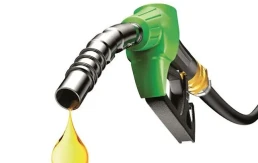
Fuel Levy Charge - secrets revealed
Fuel Levy Charge in the UK: Understanding Its Purpose and Calculation
Fuel levy charge (FLC) is a significant aspect of the UK logistics industry that affects both the shippers and carriers. It’s an additional cost that the carriers impose on shippers to compensate for the fluctuating fuel prices. However, there’s still a lot of confusion surrounding this charge, such as why it exists, how it’s calculated, and whether shippers are legally bound to pay it. In this article, we’ll delve into these questions and more to help you gain a better understanding of the flc in the UK.
First a quick plug – Our sister companies Fresh Pharma whom are GDP Compliant Pharma couriers and ‘Fresh Fridge Hire‘ are our (compliant GDP) refrigerated vehicle hire.
 1. What is the FLC?
The FLC is an additional charge that carriers impose on shippers to compensate for the fluctuating fuel prices. It’s calculated as a percentage of the freight charges and is designed to help carriers manage their fuel costs. The FLC is usually separate from the freight charges and is added as a separate line item on the invoice.
2. Why does the FLC exist?
The FLC exists to help carriers manage their fuel costs, which can fluctuate significantly due to external factors such as oil prices, geopolitical tensions, and weather conditions. Carriers need to ensure that they have enough revenue to cover their costs and maintain profitability, which is why they impose charges on shippers.
3. How is the fuel levy charge calculated?
The FLC is calculated as a percentage of the freight charges. The percentage varies depending on the carrier, and it can change frequently based on the fuel prices. Carriers usually update their rates regularly, often monthly or quarterly, to reflect changes in the fuel prices.
4. Who is responsible for paying the FLC?
The responsibility of paying the FLC varies depending on the agreement between the carrier and the shipper. In most cases, the shipper is responsible for paying. However, some carriers may include the rate in the freight charges, making them responsible for paying it. It’s essential to clarify the responsibility of paying before entering into a shipment agreement.
5. Are shippers legally bound to pay the fuel levy charge?
Shippers are not legally bound to pay. However, it’s an industry standard to impose this charge, and carriers may refuse to transport goods if the shipper refuses to pay. Therefore, shippers need to understand the implications of refusing to pay and negotiate the terms of the shipment agreement accordingly.
6. How does the FLC affect the logistics industry?
It helps carriers manage their fuel costs, ensuring that they remain profitable and can continue to provide transport services. However, it also increases the cost of transportation for shippers, making it more expensive to transport goods. It can also create a competitive advantage for carriers who can manage their fuel costs more efficiently.
-
What are the alternatives to the fuel levy charge?
There are several alternatives that carriers and shippers can consider. One option is to negotiate fixed fuel prices for a specific period, which can provide both parties with stability and predictability. Another option is to use more fuel-efficient modes of transport, such as trains or ships, which can reduce the amount of fuel needed to transport goods. Carriers can also invest in fuel-efficient vehicles and technologies to reduce their fuel consumption.
-
How can shippers manage the FLC?
Shippers can manage by negotiating the terms of the shipment agreement and clarifying the responsibility of paying. They can also consider using more fuel-efficient modes of transport, consolidating shipments to reduce the number of trips, and working with carriers who have efficient fuel management practices. Shippers can also track their fuel consumption and use this information to negotiate better rates with carriers.
-
What are the consequences of not paying ?
The consequences of not paying depend on the terms of the shipment agreement between the carrier and the shipper. In some cases, carriers may refuse to transport goods if the shipper refuses to pay. This can result in delays in delivery, additional costs, and damage to the shipper’s reputation. Shippers should carefully consider the implications of refusing to pay and negotiate the terms of the shipment agreement accordingly.
-
What is the impact on the environment by the Fuel Levy Charge?
The rate can have both positive and negative impacts on the environment. On the one hand, it can incentivize carriers and shippers to use more fuel-efficient modes of transport and reduce their fuel consumption. This can help reduce greenhouse gas emissions and mitigate the negative effects of climate change.
On the other hand, It can also increase the cost of transportation, which can discourage some shippers from using more sustainable transport options. In some cases, shippers may opt for cheaper and less sustainable modes of transport, such as road transport, which can lead to higher greenhouse gas emissions and other negative environmental impacts.
Overall, the impact of the on the environment depends on how it is implemented and how carriers and shippers respond to it. If it is used in conjunction with other policies and initiatives to promote sustainability in the logistics industry, it can be an effective tool for reducing greenhouse gas emissions and mitigating the negative effects of climate change.
-
What is the future?
The future is uncertain, as it depends on several factors, such as the price of oil, government regulations, and technological advancements in the transport industry. Some experts predict that the rates may become obsolete as more sustainable transport options become available, while others believe that it will continue to be an essential aspect of the logistics industry.
12. Conclusion to Fuel Levy Charge
In conclusion, The rate is a necessary aspect of the logistics industry in the UK. It helps carriers manage their fuel costs. While it may increase the cost of transportation for shippers. It’s an industry standard that is unlikely to disappear in the near future. Shippers should understand the purpose of the charge. Negotiate the terms of the shipment agreement, and consider using more sustainable transport options to manage this cost effectively.
Fuel Levy
- What is a fuel levy charge, and why is it imposed by carriers?
A fuel levy charge is an additional fee imposed by carriers to customers to cover the cost of fuel for their transportation services. Carriers impose this charge to offset the increase in fuel prices, which can fluctuate frequently. Pay attention as this charge can be over 50% to the costs charged
- How is the fuel levy charge calculated, and how much does it typically cost?
The fuel levy charge is calculated based on the fuel consumption rate of the carrier and the current fuel prices in the market. The cost of the fuel levy charge varies depending on the carrier, the mode of transportation, and the distance travelled. Typically, the cost ranges from 20% to 50% of the transportation fee.
- Do all carriers impose a fuel levy charge, and is it a mandatory fee?
Maybe not all carriers impose a fuel levy charge, as it is not a mandatory fee. However, 99.9% carriers choose to impose this charge to offset their fuel costs and remain profitable. Fresh Logistics does not charge a Fuel Levy.
- Can customers negotiate or waive the fuel levy charge?
Customers can try to negotiate the fuel levy charge with the carrier, but it is not always (or almost never) possible. Carriers may have different policies regarding the fuel levy charge, and negotiating or waiving it may depend on various factors, such as the volume of business or the relationship between the carrier and the customer.
Is the fuel levy charge subject to VAT or other taxes? The fuel levy charge is typically subject to VAT or other taxes, depending on the carrier’s policies and the current tax laws in the UK. Customers should check with the carrier regarding the applicable taxes for the fuel levy charge.
- Is the fuel levy charge subject to VAT or other taxes?
The fuel levy charge is typically subject to VAT or other taxes, depending on the carrier’s policies and the current tax laws in the UK. Customers should check with the carrier regarding the applicable taxes for the fuel levy charge.

Dry Ice Samples
Dry Ice Samples: Everything You Need to Know
Dry Ice Samples contain the solid form of carbon dioxide (CO2), It is a versatile cooling agent with a wide array of applications.

It is particularly valued in scientific, medical, and industrial fields for its ability to maintain extremely low temperatures. Understanding the importance and uses of dry ice today can help us appreciate its role in preserving samples and much more.
First a quick plug – Our sister companies Fresh Pharma whom are GDP Compliant Pharma couriers and ‘Fresh Fridge Hire‘ are our (compliant GDP) refrigerated vehicle hire.
Origin of Dry Ice
Dry ice was first observed in 1835 by French chemist Charles Thilorier, who noted that solid CO2 formed when the gas was exposed to extreme cold. Since then, dry ice has evolved from a mere laboratory curiosity to a critical component in various industries.
Major Milestones
Key milestones in the development of dry ice include its commercial production in the early 20th century and its widespread use during World War II for preserving food and medical supplies. Today, dry ice is indispensable in fields ranging from transportation to entertainment.
Understanding the Composition of Dry Ice
Key Ingredients
Dry ice is composed entirely of carbon dioxide (CO₂), a colourless, odourless gas that is naturally present in Earth’s atmosphere. Unlike ice, which is made from water (H₂O), dry ice consists solely of CO₂. The process of creating dry ice involves compressing and cooling carbon dioxide gas until it reaches -78.5 degrees Celsius (-109.3 degrees Fahrenheit). At this low temperature, CO₂ solidifies into a dense, white solid known as dry ice. This solid form of carbon dioxide is unique due to its specific physical properties and its applications across various industries.
Unique Properties
One of the most distinctive characteristics of dry ice is its sublimation process. Sublimation is the transition of a substance directly from a solid to a gas without passing through the liquid phase. For dry ice, this occurs as it warms up above -78.5 degrees Celsius (-109.3 degrees Fahrenheit). Unlike water ice, which melts into liquid water before evaporating, dry ice bypasses the liquid stage entirely. This property is particularly advantageous for applications where the presence of liquid water is undesirable, such as in refrigeration and transportation of perishable goods. The absence of moisture helps prevent the growth of mould and bacteria, ensuring that products remain dry and preserved.
How Dry Ice Works
Mechanism of Action
Dry ice operates through a process known as sublimation. Sublimation is the transition of a substance from a solid state directly to a gas, bypassing the liquid phase. For dry ice, this transition occurs when it absorbs heat from its surroundings. As dry ice absorbs heat, it maintains an extremely low temperature, causing it to sublimate at -78.5 degrees Celsius (-109.3 degrees Fahrenheit). This constant absorption of heat results in a significant cooling effect in the immediate area, making dry ice an exceptionally effective cooling agent. The gaseous carbon dioxide produced during sublimation disperses into the air, ensuring that there is no liquid residue left behind.
Benefits of Using Dry Ice
The use of dry ice offers several notable benefits:
- High Cooling Capacity: Dry ice has a superior cooling capacity compared to traditional ice. It can maintain extremely low temperatures for extended periods, making it ideal for preserving temperature-sensitive materials.
- Lack of Residue: One of the most significant advantages of dry ice is that it sublimates directly into gas, leaving no liquid residue. This characteristic is particularly beneficial in applications where moisture could damage the product or create undesirable conditions, such as in electronic equipment or certain food items.
- Non-Toxicity: Dry ice is composed of carbon dioxide, a naturally occurring, non-toxic gas. It does not introduce harmful chemicals or contaminants into the environment, making it a safe option for use in various industries, including food preservation and medical fields.
Applications of Dry Ice
Medical and Scientific Uses
In the medical and scientific fields, dry ice is indispensable for preserving biological samples, vaccines, and other temperature-sensitive materials. Its ultra-cold temperature and stable cooling properties make it ideal for maintaining the integrity of these materials during storage and transport. For example, vaccines often require stringent temperature controls to remain effective. Dry ice ensures that these temperature-sensitive materials do not degrade, providing a reliable solution for the healthcare and research industries. Additionally, dry ice is used in laboratories to freeze and transport biological samples, ensuring their viability for future analysis.
Industrial Uses
Dry ice has a broad range of industrial applications due to its unique properties. One notable use is in blast cleaning, where dry ice pellets are propelled at high speeds to clean surfaces. This method, known as dry ice blasting, is effective for removing contaminants without damaging the underlying material or leaving any residue. Another application is in the shrinking of metal parts, where the cold temperature of dry ice causes metal components to contract, facilitating easier assembly or disassembly. Moreover, in stage productions and entertainment, dry ice is used to create dramatic fog effects. When combined with water, it produces dense, white fog that enhances the visual experience without the hazards associated with chemical flogger’s.
Environmental Impact
While dry ice itself does not contribute to greenhouse gas emissions, the production and transportation of CO2 can have environmental impacts. The process of capturing and converting CO2 into dry ice requires energy, and if this energy comes from fossil fuels, it can contribute to carbon emissions. However, efforts are underway to develop more sustainable methods of CO2 capture and utilisation. These include using renewable energy sources for production and improving the efficiency of CO2 capture technologies. Additionally, some initiatives focus on recycling CO2 emissions from industrial processes, turning a waste product into a useful resource, thereby reducing the overall environmental footprint.
Entertainment
How Dry Ice Fog Machines Work
Dry ice fog machines create a dramatic, dense fog effect that is commonly used in theatrical productions, concerts, and Halloween displays. The fog is produced through the sublimation of dry ice, which transitions directly from a solid to a gas when exposed to warmer temperatures. Here’s a step-by-step breakdown of how these machines operate:
- Dry Ice and Water Interaction:
- The machine contains a chamber where dry ice is placed. When hot water is added to this chamber, it rapidly heats the dry ice.
- Sublimation Process:
- The heat from the water causes the dry ice (solid CO₂) to sublimate, transforming directly into carbon dioxide gas.
- Fog Production:
- As the CO₂ gas is released, it interacts with the water vapour, creating a thick, white fog that is heavier than air and tends to stay low to the ground.
- Dispersion:
- The fog is then directed out of the machine through a nozzle, spreading across the stage or venue to create the desired atmospheric effect.
Advantages of Using Dry Ice in Fog Machines
- Dense and Long-Lasting Fog:
- Dry ice produces a dense, white fog that is visually impressive and effective for creating a mysterious or eerie ambiance. The fog tends to linger low to the ground, which is ideal for dramatic scenes.
- Non-Toxic and Residue-Free:
- The fog generated from dry ice is non-toxic and safe for use in various settings. Unlike other fogging methods that might use chemicals, dry ice leaves no residue, making it clean and easy to use.
- Immediate Effect:
- The sublimation process begins almost immediately upon adding hot water, allowing for quick setup and rapid fog production.
Applications in Entertainment
Dry ice fog machines are a staple in the entertainment industry for creating immersive environments. They are used in:
- Theatre Productions: To enhance scenes with fog effects that add mystery or highlight specific moments.
- Concerts and Events: To produce stunning visual effects that complement lighting and stage design.
- Film and Television: Dry ice fog machines are often used on set to create atmospheric effects that enhance the visual storytelling, such as eerie graveyard scenes or mystical landscapes.
- Theme Parks: Attractions and shows within theme parks frequently use dry ice fog to add to the immersive experience, from pirate-themed rides to magical fantasy lands.
- Special Events: Weddings, parties, and other special events sometimes incorporate dry ice fog machines to create a dramatic entrance or highlight key moments, such as the first dance.
Dry Ice in Sample Preservation
Importance in Sample Preservation
Dry ice plays a crucial role in sample preservation, particularly for biological and temperature-sensitive materials. Its capability to maintain ultra-low temperatures is essential for preventing degradation and ensuring the integrity of samples during storage and transportation. Biological samples, such as tissues, cells, and DNA, are highly vulnerable to damage from temperature fluctuations. Dry ice provides a stable and reliable environment, significantly extending the shelf life of these samples compared to conventional refrigeration methods.
Specific Applications in Research and Medicine
In both research and medicine, dry ice is extensively utilised for various critical applications:
- Transportation of Vaccines:
- Vaccines often require strict temperature control to maintain their potency. Dry ice is used to create a deep-freeze environment during transportation, ensuring that vaccines remain effective from production facilities to distribution points and vaccination sites.
- Storage of Biological Specimens:
- Laboratories rely on dry ice to store biological specimens that require long-term preservation at ultra-low temperatures. This includes samples used in genetic research, microbiology, and clinical diagnostics. By maintaining stable conditions, dry ice helps researchers preserve the viability and integrity of these specimens for future analysis.
- Clinical Trials:
- During clinical trials, where biological samples are collected from patients, it is essential to preserve these samples under optimal conditions to maintain their scientific validity. Dry ice provides a portable and effective solution for transporting samples from clinical sites to research laboratories without compromising their quality.
- Emergency Medicine:
- In emergency medicine scenarios, such as organ transplantation or trauma cases, where rapid transport and preservation of biological materials are critical, dry ice ensures that tissues and organs remain viable for transplantation or further analysis.
The Science Behind Dry Ice
Chemical Reactions
When dry ice sublimates, it absorbs a significant amount of heat from its surroundings, creating a cooling effect. This endothermic reaction is what makes dry ice such an effective refrigerant.
Biological Interactions
Biological materials stored with dry ice are kept in a state of suspended animation, preserving their structure and function. This is crucial for maintaining the viability of samples over extended periods.
Advantages of Dry Ice Over Alternatives
Efficiency
Dry ice is highly efficient, providing rapid cooling and maintaining low temperatures longer than traditional ice or gel packs.
Cost-Effectiveness
While the initial cost of dry ice can be higher, its efficiency and ability to keep samples preserved for longer periods can result in overall cost savings.
Environmental Benefits
Dry ice sublimates into CO2 gas, leaving no liquid residue, which can be beneficial for certain applications where moisture would be problematic.
Potential Risks and Drawbacks
Health Concerns
Handling dry ice requires caution, as it can cause severe frostbite if it comes into direct contact with skin. Additionally, sublimated CO2 can displace oxygen in confined spaces, posing a risk of suffocation.
Environmental Risks
The production and transportation of dry ice involve CO2, a greenhouse gas. However, efforts to use captured CO2 from industrial processes can mitigate some of these environmental concerns.
Handling and Safety Tips for Dry Ice
Safe Handling Practices
Always use gloves and eye protection when handling dry ice to prevent frostbite and eye injury. Avoid direct contact with skin.
Storage Guidelines
Store dry ice in a well-ventilated area to prevent the build-up of CO2 gas. Use insulated containers to slow down the sublimation process.
Transportation Tips
Transport dry ice in well-ventilated vehicles to prevent CO2 build-up. Ensure that containers are securely closed but not airtight, as the gas needs to escape to prevent pressure build-up.
Innovations and Future Prospects for Dry Ice Samples
Emerging Technologies
Innovations in dry ice production include using captured CO2 from industrial processes and developing more efficient methods of transportation and storage.
Research and Development
Ongoing research aims to improve the efficiency and sustainability of dry ice, making it even more viable for future applications.
Comparing Dry Ice to Other Preservation Methods
Liquid Nitrogen
While liquid nitrogen can achieve lower temperatures than dry ice, it is more hazardous to handle and requires specialised equipment.
Traditional Refrigeration
Traditional refrigeration is less effective for maintaining ultra-low temperatures and can introduce moisture, which is undesirable for certain samples.
Case Studies and Real-World Examples of Dry Ice Samples
Success Stories in Medicine
Dry ice has been pivotal in the transport and storage of COVID-19 vaccines, ensuring they remain viable until administration.
Industrial Applications
Industries have used dry ice for cleaning applications, where its sublimation property helps remove contaminants without leaving residue.
Entertainment Applications
Remember Christopher Lee in Count Dracula.
Environmental Considerations using Dry Ice Samples
Carbon Footprint
Efforts are being made to reduce the carbon footprint of dry ice production by using more sustainable sources of CO2.
Sustainable Alternatives
Research into alternatives to dry ice, such as other phase-change materials, is ongoing, but dry ice remains a leading option due to its effectiveness and versatility.
To Finish on Dry Ice Samples
Dry ice is a critical tool in various fields, from medicine to industry, due to its unique properties and effectiveness in maintaining low temperatures. While there are environmental and safety concerns associated with its use, ongoing innovations and research are addressing these issues. The future of dry ice looks promising, with potential for even greater applications and efficiencies.
Dry Ice Parcel
- Is dry ice parcel delivery service safe?
Yes, dry ice parcel delivery service is safe as long as it’s handled properly. It’s important to follow all safety guidelines when packaging and shipping your items to ensure that they arrive at their destination intact.
- How long does dry ice last in a shipping container?
Dry ice typically lasts for about 24 to 36 hours in a shipping container, depending on the amount of dry ice used, the size of the container, and the ambient temperature.
- Can I ship items internationally with dry ice parcel delivery service?
Yes, you can ship items internationally with dry ice parcel delivery service, but you may need to check with the courier service to ensure that you comply with any international regulations on the shipping of dry ice.
- How much dry ice do I need to use for my shipment?
The amount of dry ice you need to use will depend on the size and weight of your package, as well as the distance it needs to be shipped. You should consult with your courier service to determine the appropriate amount of dry ice to use for your shipment.
- Can I reuse the shipping container and dry ice?
In most cases, the shipping container and dry ice cannot be reused. Dry ice sublimates quickly and can cause the container to become brittle or warped, and the container may no longer be able to provide adequate insulation. It’s best to use a new container and fresh dry ice for each shipment.
Refrigerated Fleet Selection
Refrigerated Fleet – Selecting the right Refrigerated Vehicle
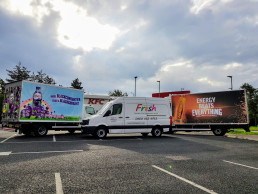
In today’s fast-paced world, where the demand for fresh and perishable goods is at an all-time high, the role of Refrigerated Fleet has become indispensable. These fleets are the unsung heroes of modern logistics, ensuring that everything from fresh produce to life-saving medicines reaches us in optimal condition. So, what exactly is a refrigerated fleet, and why is it so crucial?
Importance in Modern Refrigerated Fleet
Imagine trying to get your hands on fresh strawberries in the middle of winter or ensuring that vaccines remain effective during transit. Without refrigerated fleets, these scenarios would be nearly impossible. They are the backbone of many industries, ensuring that goods are kept at the right temperature throughout their journey, preventing spoilage, and maintaining quality.
First a quick plug – Our sister companies Fresh Pharma whom are GDP Compliant Pharma couriers and ‘Fresh Fridge Hire‘ are our (compliant GDP) refrigerated vehicle hire.
Overview of Refrigerated Fleet Logistics
Refrigerated fleet logistics involve a complex network of vehicles equipped with refrigeration units that maintain a specific temperature range. These vehicles, often referred to as reefer trucks, come in various sizes and are used across multiple sectors. The logistics encompass everything from temperature monitoring and route planning to compliance with stringent regulations. The most common is chilled transport
History of Refrigerated Refrigerated Fleet
Understanding the history of refrigerated transport gives us a deeper appreciation of how far we’ve come.
Early Methods of Food Preservation with Refrigerated Fleet
Before the advent of modern refrigeration, people relied on methods like salting, smoking, and ice blocks to preserve food. These methods, while effective to some extent, couldn’t ensure long-term preservation and were not suitable for all types of goods.
Evolution of Refrigerated Fleet
The real game-changer came in the mid-19th century with the invention of mechanical refrigeration. Initially used for shipping meat across long distances, refrigerated transport quickly expanded to other perishable goods. Over the decades, technological advancements have made these vehicles more efficient and reliable.
Types Vehicles in the Refrigerated Fleet
Not all refrigerated vehicles are created equal. They come in various forms, each designed to meet specific needs.
Vans
Refrigerated vans are ideal for small-scale operations and short distances. They are commonly used by local businesses like bakeries and florists.
Trucks
These are the workhorses of the refrigerated fleet. They come in medium to large sizes and are used for regional distribution, handling larger quantities of goods.
Trailers
For long-haul and large-scale transportation, refrigerated trailers are the go-to option. They are often part of a semi-truck configuration and can carry significant loads over long distances.
Technological Advancements in Refrigerated Fleet
Technology has played a pivotal role in the evolution of refrigerated transport.
Temperature Control Systems
Modern refrigerated vehicles are equipped with advanced temperature control systems that can maintain precise temperature ranges. These systems are often programmable and can adapt to different types of goods.
GPS and Tracking Systems
With GPS and real-time tracking, fleet managers can monitor the location and condition of their vehicles. This technology helps in optimising routes, ensuring timely deliveries, and preventing losses.
Energy-Efficient Technologies
Newer vehicles are designed to be more energy-efficient, reducing fuel consumption and environmental impact. Innovations include better insulation, more efficient compressors, and alternative fuel sources.
Industries Relying on Refrigerated Fleet
The reach of refrigerated fleets spans across various industries.
Food and Beverage Industry
From farm to table, the food and beverage industry relies heavily on refrigerated transport to ensure that fresh produce, dairy products, and beverages remain safe and fresh.
Pharmaceutical Industry
Medicines, vaccines, and other pharmaceutical products often require strict temperature control to remain effective. Refrigerated fleets ensure these critical supplies reach their destinations without compromising quality.
Floral Industry
Flowers are delicate and can wilt quickly if not kept at the right temperature. Refrigerated transport ensures that florists and retailers receive fresh blooms.
Chemical Industry
Certain chemicals need to be transported at specific temperatures to prevent reactions and ensure safety. Refrigerated fleets are essential for these sensitive materials.
Challenges in the Refrigerated Fleet
Managing a refrigerated fleet is not without its challenges.
Regulatory Compliance
There are stringent regulations governing the transport of perishable goods. Compliance with these rules is crucial to avoid penalties and ensure the safety of goods.
Maintenance and Repairs
Refrigeration units require regular maintenance to function correctly. Any breakdown can lead to significant losses, making upkeep a priority.
Temperature Fluctuations
Maintaining a consistent temperature can be challenging, especially during long hauls or in varying weather conditions. Even slight fluctuations can affect the quality of goods.
Fuel Costs
Refrigerated vehicles often consume more fuel than their non-refrigerated counterparts, leading to higher operating costs. Managing fuel efficiency is a constant concern. Electric trucks are becoming mainstream and fuel utilisation not usage is paramount
Best Practices for Managing a Refrigerated Fleet
To overcome these challenges, businesses must adopt best practices.
Regular Maintenance Schedules
Implementing a strict maintenance schedule helps in preventing breakdowns and ensures that the refrigeration units are always in top condition.
Training for Drivers
Drivers should be trained not only in operating the vehicles but also in handling perishable goods. Proper loading and unloading techniques can prevent damage and spoilage. In modern day fleets the inclusion of disabled driver and vehicle adaption must be included in all refrigerated fleets strategy
Implementing Advanced Tracking Systems
Using advanced tracking and monitoring systems helps in real-time management of the fleet, ensuring timely deliveries and optimal route planning.
Environmental Impact and Sustainability within the Refrigerated Fleet
As the world moves towards sustainability, the refrigerated transport industry is also adapting.
Eco-Friendly Refrigerants
Traditional refrigerants can be harmful to the environment. Eco-friendly alternatives are now available that reduce the carbon footprint.
Reducing Carbon Footprint
Using energy-efficient technologies and optimising routes can significantly reduce the carbon footprint of refrigerated fleets.
Innovations in Green Technology
Innovations in green technology include hybrid and electric refrigerated vehicles, which are becoming more common as companies strive to reduce their environmental impact. These technologies not only help in reducing emissions but also offer cost savings in the long run by decreasing dependency on fossil fuels.
Refrigerated Fleet Cost Management Strategies
Effective cost management is essential for the profitability of refrigerated fleets.
Fuel Efficiency
Improving fuel efficiency can significantly cut down operating costs. This can be achieved through regular maintenance, proper tire inflation, and training drivers in fuel-efficient driving techniques.
Route Optimisation
Advanced routing software can help in finding the most efficient routes, reducing mileage and fuel consumption. This also helps in delivering goods faster, enhancing customer satisfaction.
Preventive Maintenance
Regularly scheduled maintenance can prevent costly breakdowns and extend the lifespan of both the vehicles and the refrigeration units. This proactive approach helps in avoiding unexpected expenses and downtime.
Future Trends in Refrigerated Transport
The future of refrigerated transport looks promising with several emerging trends.
Autonomous Refrigerated Vehicles
Autonomous vehicles are set to revolutionise the logistics industry, including refrigerated transport. These vehicles can operate without human intervention, reducing labour costs and the potential for human error.
Advances in Cooling Technologies
New cooling technologies, such as magnetic refrigeration and thermoacoustic cooling, are on the horizon. These innovations promise greater efficiency and lower environmental impact compared to traditional methods.
Integration with Smart Logistics
Smart logistics involve the integration of Internet of Things (IoT) devices, artificial intelligence (AI), and big data analytics. This can enhance the efficiency and reliability of refrigerated fleets by providing real-time data and predictive maintenance capabilities.
Case Studies for the Refrigerated Fleet
Successful Implementation in the Food Industry
One notable example is a major grocery chain that implemented a refrigerated fleet to streamline its supply chain. By investing in state-of-the-art vehicles and advanced tracking systems, the company was able to reduce spoilage rates and improve delivery times, leading to higher customer satisfaction.
Pharmaceutical Supply Chain Success Story
A leading pharmaceutical company faced challenges in transporting temperature-sensitive vaccines. By adopting refrigerated trailers with advanced temperature control systems and real-time monitoring, the company ensured that the vaccines remained effective throughout the journey, maintaining public health and safety.
Impact of Globalisation on Refrigerated Fleet
Globalisation has significantly impacted the refrigerated transport industry.
International Trade
The demand for fruits, vegetables, and other perishables has increased with globalisation. Refrigerated fleets play a crucial role in facilitating international trade by ensuring that these goods reach global markets in fresh condition.
Cross-Border Regulations within the Refrigerated Fleet
Transporting goods across borders involves navigating different regulatory environments. Compliance with these regulations is essential to avoid delays and ensure the smooth flow of goods.
Safety Measures in use within the Refrigerated Fleet
Safety is paramount when transporting perishable goods.
Handling Perishable Goods
Proper handling procedures, including maintaining the correct temperature and preventing contamination, are essential. Training staff in these procedures can prevent spoilage and ensure the safety of the goods.
Accident Prevention
Regular vehicle inspections and driver training can help in preventing accidents. Additionally, advanced safety features like collision avoidance systems and automated braking can enhance the safety of refrigerated fleets.
Selecting the Right Refrigerated Vehicle for your Refrigerated Fleet
Choosing the right vehicle is crucial for the efficiency and effectiveness of your refrigerated fleet.
Assessing Your Needs
Consider the volume and type of goods you need to transport, the distances involved, and the specific temperature requirements. This will help in determining the size and type of refrigerated vehicle that best suits your needs.
Cost vs. Benefit Analysis
While it might be tempting to opt for the most advanced and expensive vehicle, it’s important to perform a cost-benefit analysis. Consider the initial investment, operating costs, and the potential return on investment to make an informed decision.
Conclusion
Refrigerated fleets are a vital component of modern logistics, ensuring that perishable goods reach their destinations in optimal condition. From the early days of food preservation to the cutting-edge technologies of today, the industry has evolved significantly. Despite the challenges, effective management practices and advancements in technology continue to drive the industry forward. As we look to the future, trends like autonomous vehicles and smart logistics promise to further transform refrigerated transport, making it more efficient, sustainable, and reliable.
Refrigerated Van Fleet
- What is refrigerated van fleet management?
Refrigerated van fleet management refers to the process of overseeing and optimising a fleet of refrigerated vans used to transport temperature-sensitive goods. It includes tasks such as scheduling, maintenance, monitoring temperature, and compliance with regulations.
- Why is refrigerated van fleet management important?
Proper refrigerated van fleet management is crucial in ensuring the safe and timely transport of temperature-sensitive goods. It helps to maintain the quality of the goods, prevent spoilage, reduce waste, and ensure compliance with regulations. Effective fleet management can also lead to cost savings and increased efficiency.
- Toggle Title
Some of the common challenges in refrigerated van fleet management include maintaining consistent temperature, complying with regulations, minimising fuel consumption, reducing maintenance costs, and ensuring timely delivery.
- How can I ensure the temperature inside the refrigerated van is consistent?
To ensure consistent temperature inside the refrigerated van, you should regularly calibrate the temperature sensors and thermometers, monitor the temperature during transport, and make sure the refrigeration unit is well-maintained. You can also use telematics or GPS tracking systems to monitor the temperature and location of the van in real-time.
- How often should I perform maintenance on my refrigerated van fleet?
Regular maintenance is critical in ensuring the reliability and longevity of your refrigerated van fleet. It is recommended to perform maintenance at least once a year or every 10,000 to 15,000 miles. However, you should also perform routine checks daily

Food Service Inventory
Optimising Food Service Inventory Management
In the bustling world of food service Inventory, where efficiency and quality are paramount, one often-overlooked aspect plays a pivotal role:

inventory management. The importance of efficient inventory management cannot be overstated, especially in the context of the United Kingdom’s vibrant and competitive industry.
The UK’s food service sector is a dynamic and rapidly evolving landscape. From quaint cafes nestled in picturesque towns to high-end restaurants in the heart of London, the demand for quality dining experiences is ever-growing. However, this growth comes with its unique set of challenges, and effective inventory management is at the forefront of addressing them.
Read our blog – Converting Storage Area into Retail Space: A Profitable Move for Restaurants
First a quick plug – Our sister companies Fresh Pharma whom are GDP Compliant Pharma couriers and ‘Fresh Fridge Hire‘ are our (compliant GDP) refrigerated vehicle hire.
Challenges in Food Service Inventory Management
1. Unpredictable Demand
One of the most significant challenges facing establishments in the UK is the unpredictability of customer demand. For example, a restaurant in a tourist hotspot may experience seasonal fluctuations, making it challenging to maintain consistent inventory levels.
Real-life Example: A seaside restaurant might experience a surge in customers during the summer months but struggle to maintain inventory during the off-season.
2. Food Spoilage
Food businesses often deal with perishable goods, leading to potential food spoilage. This not only results in financial losses but also raises concerns about sustainability and waste.
Real-life Example: A study conducted in 2020 found that UK restaurants waste approximately 920,000 tonnes of food each year, highlighting the urgency of efficient inventory management.
3. Supply Chain Disruptions
Global events, such as Brexit and the COVID-19 pandemic, have disrupted supply chains, making it challenging to source essential ingredients. These disruptions can lead to stockouts and impact the overall customer experience.
Real-life Example: Many UK restaurants faced supply chain disruptions during the initial lockdowns of the COVID-19 pandemic, forcing them to adapt their inventory strategies rapidly.
Benefits of Effective Food Service Inventory Management
Efficient inventory management offers a myriad of benefits to food service establishments in the UK, enhancing their competitiveness and sustainability.
1. Cost Reduction
Proper inventory management helps reduce food waste and control overstocking, leading to substantial cost savings. In the UK, where operating costs are high, this can significantly impact a business’s profitability.
Data: According to a study by WRAP (Waste and Resources Action Programme), UK businesses could save up to £300 million per year by reducing food waste.
2. Improved Customer Satisfaction
Maintaining optimal inventory levels ensures that menu items are consistently available, improving customer satisfaction. In the competitive UK food scene, satisfied customers are more likely to become loyal patrons.
Statistics: A survey conducted by Restaurant Business UK found that 87% of customers consider menu item availability when choosing a restaurant.
3. Enhanced Sustainability
Efficient inventory management contributes to sustainability by reducing food waste and minimising the environmental footprint of the food service industry.
Data: The Carbon Trust reports that reducing food waste can lead to a 7% reduction in greenhouse gas emissions from the food and drink sector in the UK.
Key Strategies for Food Service Inventory Management
To navigate the complexities of inventory management successfully, food service businesses can adopt the following key strategies:
| Strategy | Description |
| Regular Demand Forecasting | Utilise historical data and trends to predict demand accurately. |
| JIT (Just-in-Time) Inventory | Maintain low stock levels and order inventory as needed to reduce waste. |
| Inventory Tracking Software | Implement modern software solutions for real-time inventory monitoring. |
| Supplier Relationships | Build strong relationships with suppliers to ensure timely deliveries. |
| Menu Simplification | Streamline the menu to reduce the variety of ingredients needed. |
Food Service Inventory Tracking Technologies
Modern technologies and software solutions have revolutionised inventory tracking in the UK food service industry. Some popular tools and software include:
-
POS Systems:
- Point of Sale systems integrated with inventory management capabilities help track sales and inventory simultaneously.
-
Inventory Management Software:
- Specialised software like Toast, Upserve, and TouchBistro offer comprehensive inventory tracking features tailored for food service businesses.
-
RFID Tags:
- Radio-frequency identification tags enable real-time tracking of individual items, reducing errors in inventory management.
-
Barcode Scanners:
- These tools facilitate quick and accurate inventory counts, minimising human errors.
Food Service Inventory Case Studies
Case Study 1: The Green Eatery
A vegetarian restaurant in Manchester implemented efficient inventory management, reducing food waste by 40% and saving approximately £12,000 annually. This allowed them to reinvest in sustainable sourcing practices.
Case Study 2: The Bistro by the Bridge
A quaint bistro in a tourist town leveraged technology to streamline inventory. This not only improved customer satisfaction by ensuring menu consistency but also increased revenue by 15% due to reduced waste.
Food Service Inventory Regulatory Compliance
Adhering to food safety and regulatory standards is crucial for inventory management in the UK. Some relevant regulations and standards include:
- Food Safety Act 1990
- Food Hygiene Regulations 2013
- Allergen Labelling Laws
- Environmental Health Standards
Food Service Inventory :-Sustainability and Waste Reduction
Efficient inventory management contributes significantly to reducing food waste and promoting sustainability in the industry. Several restaurants and cafes in the UK have adopted eco-friendly practices, such as:
- Sourcing locally-produced ingredients to reduce food miles.
- Offering smaller portion sizes to minimise plate waste.
- Donating surplus food to charities and shelters.
Finally
In conclusion, optimising stock management in the UK is not just a business necessity; it’s a pathway to success and sustainability. By addressing the challenges, embracing efficient strategies, and leveraging technology, food establishments can reduce costs, enhance customer satisfaction, and contribute to a more sustainable future.
Efficient inventory management isn’t just about numbers on a spreadsheet; it’s about ensuring that every plate served in the UK’s vibrant food scene is a delicious and responsible contribution to a thriving industry.
Inventory Management
- What are the main challenges of inventory management in the UK food service industry?
The UK food service industry faces challenges like unpredictable demand, food spoilage, and supply chain disruptions. These factors make it crucial to implement efficient inventory management strategies.
- How can efficient inventory management reduce costs for food service businesses in the UK?
- What technologies can food service businesses in the UK use to track inventory effectively?
Food service businesses can use technologies like RFID, barcode scanning, and inventory management software to track inventory in real-time, ensuring accurate and up-to-date records.
- Are there specific regulations in the UK that food service businesses must follow regarding inventory management?
Yes, in the UK, food service businesses must adhere to regulations like the Food Safety Act 1990, Food Hygiene Regulations 2013, and various allergen labelling laws to ensure safe and compliant inventory management.
- How can sustainable inventory management practices benefit food service establishments in the UK?
Sustainable inventory management reduces food waste, promotes eco-friendly sourcing, and aligns with customer preferences for environmentally responsible businesses. It can enhance the reputation of food service establishments in the UK and attract eco-conscious customers.

Carbon Reduction Plan
Carbon Reduction Plan Guidance for the Logistics Industry
In an era where environmental concerns are paramount, the need to address Carbon Reduction Plan (CRP) and reduce our impact on the planet has become crucial. CRP provides a strategic framework for organisations and communities to minimise their greenhouse gas emissions and work towards a sustainable future. This article aims to guide you through the concept of CRP, their key components, challenges in implementation, successful case studies, and the numerous benefits they offer.
First a quick plug – Our sister companies Fresh Pharma whom are GDP Compliant Pharma couriers and ‘Fresh Fridge Hire‘ are our (compliant GDP) refrigerated vehicle hire.
Click the link at the end of this post for your FREE UK government template download
 Understanding Carbon Reduction Plans
What is a Carbon Reduction Plan?
A CRP is a comprehensive strategy that outlines the steps and measures needed to reduce carbon dioxide (CO2) and other greenhouse gas emissions. It serves as a roadmap for organisations, cities, and individuals to quantify their carbon footprint, set targets, and implement strategies to achieve emissions reductions.
Importance of Carbon Reduction Plans
Carbon reduction plans play a crucial role in mitigating climate change and transitioning to a low-carbon economy. By addressing the sources of greenhouse gas emissions, such as energy consumption, transportation, and waste management, these plans pave the way for sustainable practices and contribute to global efforts to limit temperature rise.
Benefits of Implementing Carbon Reduction Plans
Implementing CRP offers numerous benefits. It helps organisations and communities enhance their environmental stewardship, improve resource efficiency, reduce operating costs, and demonstrate their commitment to sustainability. Furthermore, it can strengthen reputation, attract eco-conscious customers, and foster innovation.
Key Components of a Carbon Reduction Plan
A well-structured carbon reduction plan consists of several key components, each playing a vital role in achieving emission reduction goals.
Setting Goals and Targets
The first step in creating a carbon reduction plan is setting clear and measurable goals and targets. These objectives should be aligned with international frameworks such as the Paris Agreement and consider both short-term and long-term goals.
Assessing Carbon Footprint
To effectively reduce carbon emissions, it is essential to assess the organisation’s or community’s carbon footprint. This involves calculating the total greenhouse gas emissions generated across various activities, including energy consumption, transportation, waste generation, and supply chain.
Identifying Reduction Strategies
Once the carbon footprint is determined, the next step is to identify suitable reduction strategies. This may involve implementing energy-efficient technologies, promoting renewable energy adoption, optimising transportation systems, improving waste management practices, and encouraging sustainable procurement.
Implementing Measures and Monitoring Progress
After selecting the reduction strategies, it is crucial to implement them effectively. This includes allocating resources, engaging stakeholders, and establishing monitoring and reporting mechanisms to track progress and ensure continuous improvement.
Creating an Effective Carbon Reduction Plan
Conducting a Baseline Assessment
To create an effective carbon reduction plan, it is important to conduct a baseline assessment. This involves evaluating the current state of emissions, identifying the major sources, and understanding the potential for reduction in each area.
Establishing Realistic Goals and Targets
Setting realistic and achievable goals is crucial for the success of a CRP. Goals should consider the organisation’s or community’s capacity, available resources, and external factors. They should be specific, measurable, attainable, relevant, and time-bound (SMART).
Identifying Suitable Reduction Strategies
Based on the baseline assessment, suitable reduction strategies should be identified. This may involve a combination of energy efficiency measures, renewable energy adoption, waste reduction and recycling initiatives, transportation optimization, and behaviour change campaigns.
Engaging Stakeholders
Successful implementation of a carbon reduction plan requires the active involvement and support of stakeholders. This includes employees, management, suppliers, customers, and the local community. Engaging stakeholders through communication, education, and collaboration helps create a shared vision and fosters commitment.
Allocating Resources and Budget
Implementing a CRP may require financial resources. Allocating a budget for initiatives such as energy audits, equipment upgrades, renewable energy installations, and employee training is essential. Additionally, considering the long-term cost savings resulting from emissions reduction can justify the investment.
Monitoring and Reporting
Regular monitoring of progress is crucial to ensure the effectiveness of the plan. Monitoring mechanisms should be established to track energy consumption, emissions, waste generation, and other relevant metrics. Periodic reporting allows for transparency, accountability, and identification of areas for improvement.
Challenges and Solutions in Implementing Carbon Reduction Plans
- Lack of Awareness and Understanding
One of the major challenges in implementing carbon reduction plans is the lack of awareness and understanding among stakeholders. Many individuals and organisations are unaware of the impact of their activities on carbon emissions or the available strategies to reduce them. Education and awareness campaigns can help address this challenge.
- Limited Resources and Funding
Limited financial resources can hinder the implementation of carbon reduction plans, especially for small businesses or underfunded organisations. Seeking external funding opportunities, leveraging government incentives, and prioritising initiatives with high returns on investment can help overcome this challenge.
- Technological and Infrastructural Barriers
In some cases, the lack of appropriate technologies or infrastructure can impede the adoption of carbon reduction measures. Collaborating with technology providers, exploring innovative solutions, and advocating for supportive policies and regulations can help overcome these barriers.
- Regulatory Compliance
Complying with regulatory requirements related to carbon emissions can be challenging, particularly for industries with complex operations. Staying updated with applicable regulations, investing in emission monitoring systems, and collaborating with regulatory bodies can aid in meeting compliance obligations.
- Engaging Stakeholders
Engaging stakeholders and obtaining their buy-in is crucial for the success of a carbon reduction plan. This requires effective communication, involvement in decision-making processes, and addressing concerns or resistance. Building partnerships with relevant stakeholders, such as community organisations, industry associations, and government agencies, can help overcome this challenge.
Case Studies: Successful Carbon Reduction Plans
Company A: Achieving Carbon Neutrality through Renewable Energy
Company A, a manufacturing firm, implemented a carbon reduction plan that focused on transitioning to renewable energy sources. They installed solar panels on their facilities, reducing their reliance on grid electricity and significantly lowering their carbon emissions. Additionally, they invested in energy-efficient equipment and implemented employee training programs to promote energy conservation practices. As a result, Company A successfully achieved carbon neutrality and reduced their operational costs.
City B: Implementing Sustainable Transportation Solutions
City B recognized the importance of addressing transportation-related emissions and implemented a comprehensive plan. They prioritised the development of a robust public transportation system, including electric buses and bike-sharing programs. The city also invested in infrastructure to support walking and cycling, reducing the reliance on private vehicles. Through these initiatives, City B significantly decreased carbon emissions from transportation and improved air quality for its residents.
Organisation C: Reducing Emissions through Energy Efficiency Measures
Organization C, a non-profit organisation, implemented a plan focused on energy efficiency measures. They conducted energy audits of their buildings and implemented upgrades such as LED lighting, efficient HVAC systems, and smart energy management systems. Organization C also engaged employees in energy conservation practices, raising awareness and encouraging behavioural changes. As a result, they achieved substantial energy savings and a significant reduction in carbon emissions.
Benefits and Impacts of Carbon Reduction Plans
Environmental Benefits
Implementing carbon reduction plans leads to significant environmental benefits. By reducing greenhouse gas emissions, these plans contribute to mitigating climate change, preserving natural resources, and protecting ecosystems. They help in conserving biodiversity, improving air quality, and minimising environmental pollution.
Economic Advantages
Carbon reduction plans can bring economic advantages to organisations and communities. By implementing energy-efficient measures, businesses can reduce operating costs, improve resource efficiency, and enhance their competitive edge. Additionally, renewable energy investments create new job opportunities and stimulate economic growth in the clean energy sector.
Health and Social Benefits
Reducing carbon emissions has direct health and social benefits. By transitioning to cleaner energy sources and improving air quality, carbon reduction plans help reduce respiratory diseases and other health issues associated with pollution. Moreover, they contribute to creating healthier and more liveable communities, promoting well-being and quality of life for residents.
Conclusion
Implementing a comprehensive plan is crucial for organisations, cities, and individuals to address climate change and work towards a sustainable future. By setting clear goals, assessing carbon footprints, implementing reduction strategies, engaging stakeholders, and monitoring progress, we can achieve significant emissions reductions and contribute to global efforts to combat climate change. The numerous benefits, including environmental preservation, economic advantages, and improved health and well-being, make the implementation of carbon reduction plans a win-win for all. Let us take action now and pave the way for a greener and more sustainable world.
Carbon Reduction plan
- Why are carbon reduction plans important?
Carbon reduction plans are vital for addressing climate change, reducing greenhouse gas emissions, and transitioning to a sustainable future. They provide a roadmap for organisations and communities to take concrete actions and contribute to global efforts in combating climate change.
- How can businesses benefit from implementing carbon reduction plans?
Businesses can benefit from carbon reduction plans in multiple ways. By implementing energy-efficient measures and transitioning to renewable energy sources, they can reduce operating costs, enhance their environmental stewardship, attract eco-conscious customers, and improve their reputation.
- What are some key challenges in implementing carbon reduction plans?
Challenges in implementing carbon reduction plans include lack of awareness and understanding, limited resources and funding, technological and infrastructural barriers, regulatory compliance requirements, and engaging stakeholders. Overcoming these challenges requires education and awareness campaigns, seeking external funding opportunities, collaborating with technology providers, staying updated with regulations, and effective communication with stakeholders.
- Are there any regulatory requirements for carbon reduction plans?
Regulatory requirements for carbon reduction plans vary across jurisdictions. Many countries and regions have implemented regulations and policies to address carbon emissions, such as carbon pricing mechanisms and emission reduction targets. It is crucial to stay informed about the specific requirements applicable to your location and industry.
- How can individuals contribute to carbon reduction efforts?
Individuals can play a significant role in carbon reduction efforts. Simple actions such as conserving energy at home, using public transportation or carpooling, reducing waste, recycling, and supporting sustainable products and services can contribute to lowering carbon emissions. Additionally, raising awareness, advocating for sustainable practices, and participating in community initiatives can make a positive impact.

Role of IoT will have a major impact in 2025
The Role of IoT in Temperature Controlled Logistics
The Role of IoT

IoT (Internet of Things) has become a buzzword in recent years, and its applications are diverse, ranging from smart homes to healthcare, transportation, and logistics. Temperature-controlled logistics, also known as cold chain logistics, is one of the areas where the Role of IoT has made significant contributions.
In temperature-controlled logistics, products such as perishable foods, vaccines, and pharmaceuticals require specific temperature ranges to maintain their safety, quality, and efficacy. The use of IoT in temperature-controlled logistics has transformed the industry, making it possible to monitor and manage the temperature of products in real-time, ensuring that they are always at the right temperature.
First a quick plug – Our sister companies Fresh Pharma whom are GDP Compliant Pharma couriers and ‘Fresh Fridge Hire‘ are our (compliant GDP) refrigerated vehicle hire.
The Challenges with the Role of IoT in Temperature Controlled Logistics
Maintaining the temperature of products in transit is critical to their safety, quality, and efficacy. However, achieving temperature control is challenging, especially when products are transported over long distances and through different weather conditions.
Temperature deviations can occur due to various factors, such as human error, equipment failure, power outages, and environmental factors such as temperature fluctuations, humidity, and sunlight exposure. The risks associated with temperature deviations can be severe, ranging from product spoilage, reduced efficacy, and compromised safety.
The Role of IoT
IoT provides a solution to the challenges of temperature-controlled logistics by enabling real-time monitoring and management of the temperature of products in transit. IoT sensors and devices can be attached to products or containers to measure and transmit temperature data to a central platform. The IoT platform can then analyse the data and provide real-time insights and alerts to stakeholders.
IoT-enabled real-time alerts and notifications can be sent to stakeholders such as shippers, carriers, and receivers, informing them of any temperature deviations. This allows them to take corrective actions promptly, such as adjusting the temperature, rerouting the shipment, or replacing the affected products.
Benefits within the Role of IoT in Temperature-Controlled Logistics
The integration of IoT (Internet of Things) in temperature-controlled logistics offers several advantages, enhancing operational efficiency, product safety, cost-effectiveness, and customer satisfaction.
Increased Efficiency and Productivity
Automated Monitoring
IoT-enabled solutions automate temperature monitoring and management, reducing the need for manual checks. This automation frees up resources and personnel, allowing companies to focus on core operational activities.
Streamlined Processes
By automating critical control points (CCPs) and HACCP (Hazard Analysis Critical Control Points), IoT ensures consistent adherence to safety standards and regulatory requirements. This streamlines processes and minimises human error.
Improved Safety and Product Quality
Real-Time Monitoring
Real-time monitoring of product temperatures ensures that items remain within specified temperature ranges throughout the supply chain journey. This prevents spoilage, maintains product efficacy, and enhances overall safety and quality.
Reduced Risks
By proactively monitoring conditions, IoT helps mitigate risks of product degradation, spoilage, or contamination. This proactive approach safeguards product integrity and reduces the likelihood of costly recalls.
Cost-Effective Solutions
Minimised Product Loss with in Temperature-Controlled Logistics
Product loss is one of the most expensive problems within temperature-controlled logistics. Even small temperature fluctuations can damage perishable goods. Food, pharmaceuticals, and healthcare products are particularly sensitive to incorrect storage conditions. Internet of Things technology helps reduce these risks through continuous monitoring and automated alerts.
IoT devices use sensors placed inside vehicles, storage units, and containers. These sensors track temperature, humidity, and environmental conditions in real time. When a reading moves outside the acceptable range, the system instantly alerts logistics managers. This rapid notification allows teams to take corrective action before products become damaged.
For example, a refrigerated delivery vehicle transporting dairy products across the UK may experience a refrigeration fault. An IoT monitoring system can detect the change immediately. The driver and operations team receive an alert and can reroute the vehicle to a nearby facility. Without this monitoring, the entire shipment could spoil before the issue is discovered.
Reducing product loss delivers major financial benefits. Businesses avoid the cost of replacing damaged goods and prevent expensive disposal processes. Retailers also avoid empty shelves caused by spoiled deliveries. In sectors such as pharmaceuticals, preventing product loss protects patient safety and regulatory compliance.
By improving monitoring accuracy and response speed, IoT significantly reduces spoilage risks. This results in stronger supply chain reliability and measurable cost savings. Companies operating temperature-controlled logistics networks benefit from improved efficiency and reduced waste across their operations.
Efficient Resource Allocation with Role of IoT in Temperature-Controlled Logistics
Efficient resource allocation is essential for managing modern logistics operations. Temperature-controlled supply chains require careful coordination of vehicles, storage facilities, equipment, and staff. IoT technologies help businesses allocate these resources more effectively by providing accurate operational data.
IoT platforms collect real-time data from sensors installed throughout the logistics network. This includes information from refrigerated vehicles, warehouse storage areas, and distribution hubs. Managers can monitor environmental conditions, asset performance, and shipment status from a single digital dashboard.
This visibility helps companies make faster and more informed decisions. For instance, if a refrigerated container reports rising temperatures, the system alerts maintenance teams immediately. Technicians can address the issue before products spoil, reducing emergency repairs and product rejections.
IoT data also supports better fleet and warehouse planning. Logistics managers can analyse temperature trends and equipment performance across multiple shipments. This information allows businesses to schedule preventative maintenance and avoid unexpected breakdowns. As a result, resources are used more efficiently and operational disruptions become less frequent.
Waste management costs are also reduced. Fewer spoiled products mean fewer disposal processes and less environmental impact. In addition, staff time is used more productively because fewer emergency interventions are required.
Through improved monitoring and data analysis, IoT enables smarter resource allocation. Businesses gain stronger control over logistics operations while reducing unnecessary costs. This efficiency supports long-term operational sustainability and improved supply chain performance.
Enhanced Customer Satisfaction and Loyalty Through Role of IoT
Customer satisfaction depends heavily on product quality and reliability. In temperature-controlled logistics, even minor handling issues can affect product safety and freshness. IoT technology plays an important role in maintaining high service standards and strengthening customer trust.
Continuous monitoring ensures that temperature-sensitive products remain within safe storage ranges throughout the entire journey. From warehouse storage to final delivery, IoT systems provide constant visibility over product conditions. This transparency reassures customers that goods are handled correctly at every stage.
For example, a pharmaceutical distributor transporting vaccines must maintain strict temperature requirements. IoT monitoring systems provide detailed temperature records for each shipment. Healthcare providers receiving the products can review these records and confirm that storage conditions remained compliant. This verification builds confidence in the supplier’s reliability.
Retailers and food distributors also benefit from consistent product quality. Fresh produce, dairy items, and frozen foods arrive in optimal condition when monitored by IoT systems. Customers notice the difference in product freshness and shelf life.
Reliable logistics performance strengthens brand reputation. Businesses that consistently deliver high-quality products are more likely to build long-term relationships with customers. This leads to repeat orders, stronger partnerships, and increased market trust.
By ensuring consistent product quality and transparency, IoT technologies help logistics providers maintain high customer satisfaction levels. These improvements contribute directly to stronger customer loyalty and long-term commercial success.
The Role of IoT in Transforming Temperature-Controlled Logistics
Role of IoT technology is transforming temperature-controlled logistics by improving monitoring, efficiency, and supply chain reliability. Real-time sensors, automated alerts, and data analytics provide logistics teams with accurate information throughout the distribution process. This visibility allows businesses to respond quickly to potential issues and maintain strict environmental conditions.
One of the most significant advantages is improved product protection. Continuous monitoring reduces the risk of temperature fluctuations that cause spoilage or product damage. As a result, companies experience fewer losses and lower operational costs. This improvement is particularly valuable for sectors such as food distribution, pharmaceuticals, and healthcare logistics.
IoT also enhances operational efficiency. Real-time data helps logistics managers allocate vehicles, storage space, and maintenance resources more effectively. Preventative maintenance becomes easier because equipment performance can be monitored continuously. This reduces the likelihood of unexpected breakdowns and emergency interventions.
Customer satisfaction also improves when supply chains operate reliably. Businesses can provide clear temperature records and shipment tracking information. This transparency builds trust with retailers, healthcare providers, and end consumers. Consistent product quality strengthens brand reputation and encourages long-term partnerships.
As technology continues to advance, IoT will become even more important in logistics operations. Companies that invest in these systems gain greater operational control and supply chain resilience. By embracing IoT-driven solutions, organisations can achieve improved efficiency, stronger compliance, and sustainable growth within a competitive global marketplace.
Challenges and Risks within the Role of IoT in Temperature-Controlled Logistics
While IoT (Internet of Things) offers substantial benefits in temperature-controlled logistics, its implementation comes with several challenges and risks that businesses need to address.
Security and Privacy Concerns within the Role of IoT
Data Vulnerability
IoT involves the collection and transmission of sensitive data, such as product temperatures and location information. This data is susceptible to cyber attacks and breaches, posing risks to confidentiality and integrity. Ensuring robust cybersecurity measures is crucial to mitigate these threats and protect sensitive information.
Compliance with Regulations
Adhering to data privacy regulations (e.g., GDPR, HIPAA) adds complexity to IoT implementation. Businesses must implement mechanisms to secure data storage, transmission, and access, ensuring compliance with regulatory requirements.
Compatibility Issues with Legacy Systems within the Role of IoT
Integration Complexity
Integrating IoT-enabled solutions with existing legacy systems can be challenging, particularly when legacy systems lack compatibility with IoT technologies. Upgrading or replacing outdated systems may be necessary to facilitate seamless integration and functionality.
Interoperability
Ensuring interoperability between diverse IoT devices and systems from different vendors can be complex. Standardisation efforts and compatibility testing are essential to avoid integration issues and ensure smooth operations.
Cost of Implementation to ensure the Role of IoT
Initial Investment
Implementing IoT in temperature-controlled logistics requires significant upfront investments in hardware, software, infrastructure, and personnel training. High implementation costs can be prohibitive for smaller businesses, limiting adoption and scalability.
Long-Term Maintenance
Ongoing expenses associated with maintaining and upgrading IoT infrastructure should also be considered. Businesses need to budget for regular updates, cybersecurity measures, and technical support to ensure continuous operation and security.
Training and Expertise within the Role of IoT
Skill Gaps
IoT implementation demands specialised skills in data analytics, cybersecurity, and IoT platform management. Businesses may face challenges in recruiting and retaining skilled personnel with expertise in these domains.
Training Requirements
Investing in training programs is essential to equip existing staff with the knowledge and skills needed to operate and troubleshoot IoT systems effectively. Continuous education ensures that personnel stay updated on evolving IoT technologies and best practices.
In addition to the Role of IoT
While IoT enhances efficiency, quality, and customer satisfaction in temperature-controlled logistics, businesses must navigate challenges related to security, compatibility, costs, and expertise. Addressing these challenges requires strategic planning, robust cybersecurity measures, investment in technology infrastructure, and ongoing training initiatives. By proactively managing risks and implementing comprehensive strategies, businesses can harness the full potential of IoT while safeguarding data integrity, operational continuity, and regulatory compliance in their logistics operations.
Conclusion
IoT has revolutionized temperature-controlled logistics by enabling real-time monitoring and management of product temperatures. The benefits of IoT in this field are extensive, including increased efficiency and productivity, improved safety and product quality, cost-effective solutions, and enhanced customer satisfaction and loyalty.
Embracing the Role of IoT, Despite Challenges
Competitive Advantage
Despite challenges such as security risks, compatibility issues with legacy systems, and initial costs, companies that adopt IoT-enabled solutions can gain a competitive edge. They can streamline operations, reduce costs associated with product spoilage, and meet stringent regulatory requirements more effectively.
Future Growth
As technology continues to advance, IoT’s role in temperature-controlled logistics is poised to expand. This growth promises ongoing improvements in operational efficiency, supply chain transparency, and responsiveness to market demands.
In conclusion, IoT stands as a transformative force in temperature-controlled logistics, offering unprecedented opportunities for businesses to achieve operational excellence and meet the evolving expectations of customers and regulatory bodies alike. By navigating challenges thoughtfully and leveraging IoT’s capabilities strategically, companies can pave the way for sustainable growth and leadership in their respective industries.
Role of IoT FAQs
- What is temperature-controlled logistics?
Temperature-controlled logistics is the transportation and storage of products that require specific temperature ranges to maintain their safety, quality, and efficacy, such as perishable foods, vaccines, and pharmaceuticals.
- Have the risks of IoT in temperature-controlled logistics been assessed?
The risks of IoT in temperature-controlled logistics include security and privacy concerns. Also, compatibility issues with legacy systems, cost of implementation, and the need for specialised training and expertise.
- Can you identify the benefits of IoT in temperature-controlled logistics?
The benefits of IoT in temperature-controlled logistics include increased efficiency and productivity. Further, improved safety and quality of products, cost-effective solutions, and enhanced customer satisfaction and loyalty.
- How is IoT likely to impact temperature-controlled logistics in the future?
As technology continues to evolve, the use of IoT in temperature-controlled logistics is likely to increase. This leads to further improvements in the industry such as increased automation, predictive analytics, and enhanced development
Food Waste - The Carbon and Financial Cost
Food Waste in Temperature Controlled Logistics: Reducing Loss Across the UK Supply Chain
Food Waste in Temperature Controlled Logistics remains a pressing concern across the United Kingdom. Approximately 9.5 million tonnes of food are wasted annually
This costs the UK economy close to £20 billion each year. A substantial proportion occurs within the supply chain. Temperature controlled logistics plays a crucial role in protecting perishable goods. These include fresh produce, meat, seafood, dairy, and chilled ready meals. When temperature control fails, spoilage accelerates rapidly.
Even minor fluctuations can shorten shelf life significantly. Food Waste in Temperature Controlled Logistics increases carbon emissions unnecessarily. Wasted food represents wasted energy, water, and labour. Retailers and distributors also face reputational risk. Consumers increasingly expect sustainable practices from suppliers.
The challenge requires coordinated action across storage, transport, and distribution stages. Cold chain management must remain consistent from farm to retailer. Any break in that chain creates financial and environmental consequences. Fortunately, targeted strategies can reduce avoidable waste. Modern technologies and improved collaboration offer practical solutions. Businesses that address Food Waste in Temperature Controlled Logistics strengthen resilience. They also support national sustainability objectives and regulatory compliance.
First a quick plug – Our sister companies Fresh Pharma whom are GDP Compliant Pharma couriers and ‘Fresh Fridge Hire‘ are our (compliant GDP) refrigerated vehicle hire.
3 Key Takeaways on Food Waste in Temperature Controlled Logistics
1. Food Waste in Temperature Controlled Logistics Is Largely Preventable
Food Waste in Temperature Controlled Logistics often results from avoidable operational weaknesses. Poor visibility, inaccurate forecasting, and inconsistent temperature control create unnecessary losses. Small temperature deviations can significantly reduce shelf life. Perishable goods deteriorate quickly without strict monitoring. Real-time tracking systems and predictive analytics reduce this risk. Preventative maintenance also limits refrigeration failures. Businesses that monitor performance data consistently identify problems earlier. Early intervention protects product quality and revenue. Waste reduction therefore depends on proactive management rather than reactive correction.
2. Technology and Collaboration Are Essential for Reducing Food Waste in Temperature Controlled Logistics
Technology alone cannot solve Food Waste in Temperature Controlled Logistics. However, it provides the foundation for informed decision-making. RFID tracking, wireless sensors, and automated forecasting improve accuracy. Data sharing between suppliers and retailers enhances planning. Joint forecasting reduces surplus production and overstocking. Collaboration ensures smoother scheduling and fewer delivery delays. Integrated systems create transparency across the supply chain. This transparency improves accountability at every stage. Organisations that share data responsibly reduce inefficiencies significantly.
3. Sustainable Practices Strengthen Profitability and Reputation
Reducing Food Waste in Temperature Controlled Logistics delivers financial and environmental benefits. Lower spoilage rates protect profit margins. Reduced landfill disposal lowers environmental impact. Customers increasingly favour sustainable suppliers. Retailers prefer logistics partners with measurable waste reduction targets. Strong environmental performance enhances brand trust. Businesses that prioritise sustainability gain competitive advantage. Long-term resilience depends on responsible cold chain management. Waste reduction is therefore both a moral and commercial imperative within the UK food sector.
Food Waste in Temperature Controlled Logistics: Understanding the Wider Impact
Food Waste in Temperature Controlled Logistics affects environmental, social, and economic systems. When chilled goods spoil during transit, landfill disposal often follows. This produces methane emissions and increases landfill pressure. The UK food supply chain involves producers, processors, wholesalers, logistics firms, and retailers. Each stage presents potential waste risks. Temperature deviations during overnight storage can compromise dairy products. Delays in distribution may reduce shelf life for fresh fruit. Supermarkets often reject deliveries that fall outside temperature specifications. This creates additional waste upstream. The table below outlines key impacts.
| Impact Area | Consequence | UK Example |
| Environmental | Increased greenhouse gases | Landfill disposal of spoiled produce |
| Economic | Financial losses | Rejected chilled supermarket deliveries |
| Social | Reduced food availability | Less surplus for redistribution charities |
| Operational | Compliance breaches | Failure to meet food safety standards |
Food Waste in Temperature Controlled Logistics therefore extends beyond financial loss. It undermines sustainability goals and resource efficiency. Addressing these impacts requires coordinated cold chain management. Improved oversight and accountability are central to long-term reduction.
The Issue of Food Waste in Temperature Controlled Logistics: Supply Chain Challenges
Food Waste in Temperature Controlled Logistics arises from the complexity of modern distribution networks. Perishable goods require strict temperature ranges during every transfer point. Chilled goods typically remain between 0°C and 5°C. Frozen items require temperatures below -18°C. Any deviation increases bacterial growth risk. The perishability of food amplifies small operational errors. Delays at regional depots can shorten retail shelf life. Inadequate vehicle maintenance may lead to refrigeration breakdowns. Multi-drop deliveries increase door opening frequency. This raises internal vehicle temperatures. Poor forecasting may result in surplus stock. Overstocked goods often expire before sale. The issue involves interconnected factors. The table below summarises common systemic challenges.
| Contributing Factor | Operational Effect | Waste Outcome |
| Complex supply chains | Multiple handling stages | Higher damage risk |
| Inaccurate forecasting | Overstocking | Expired inventory |
| Weak monitoring | Delayed response | Spoilage during transit |
| Limited coordination | Inefficient scheduling | Reduced product freshness |
Food Waste in Temperature Controlled Logistics therefore reflects structural inefficiencies. Addressing root causes requires better data sharing and proactive management.
Causes of Food Waste in Temperature Controlled Logistics: Root Cause Analysis
Understanding Food Waste in Temperature Controlled Logistics begins with identifying root causes. Lack of supply chain visibility remains a leading factor. Without real-time data, businesses struggle to manage stock accurately. Inefficient inventory systems often result in surplus goods. Excess inventory increases spoilage risk. Packaging also plays a vital role. Inadequate insulation exposes products to fluctuating temperatures. Poor pallet stacking may restrict airflow in refrigerated vehicles. Humidity mismanagement can damage fresh produce quality. Collaboration gaps compound the issue. Suppliers and retailers may operate with misaligned forecasts. Limited technology adoption reduces process optimisation. Staff training gaps further increase risk. Improper handling during loading can compromise chilled goods quickly. The table below categorises root causes clearly.
| Root Cause | Practical Example | Resulting Impact |
| Poor visibility | No live tracking system | Overstocking or delays |
| Weak packaging | Thin insulation liners | Temperature excursions |
| Limited collaboration | Separate planning systems | Excess buffer stock |
| Inadequate training | Incorrect loading methods | Damaged perishables |
| Minimal analytics use | No demand modelling | Inefficient distribution |
Food Waste in Temperature Controlled Logistics therefore stems from preventable inefficiencies. Identifying these drivers supports targeted improvement strategies.
Practical Solutions
Reducing Food Waste in Temperature Controlled Logistics requires coordinated strategic action. Improving supply chain visibility offers immediate benefit. Real-time monitoring tools provide accurate stock and temperature data. Technologies such as RFID and wireless sensors improve transparency. Efficient inventory management systems reduce overstocking. Automated forecasting tools align supply with demand. Proper packaging protects goods against temperature fluctuations. Insulated containers and humidity control extend shelf life. Collaboration across suppliers and retailers improves scheduling accuracy. Shared data reduces duplication and surplus production. Technology adoption enhances predictive maintenance of refrigeration units. Data analytics identifies inefficiencies before loss occurs. Staff training strengthens operational discipline. Employees must understand correct loading procedures. They should also recognise early warning signs of spoilage. The table below summarises key strategies.
| Strategy | Benefit | Example in Practice |
| Real-time tracking | Faster intervention | Monitoring chilled fleet vehicles |
| Automated forecasting | Reduced surplus | Retail demand modelling |
| Improved packaging | Extended shelf life | Insulated pallet covers |
| Stakeholder collaboration | Better coordination | Joint supply planning meetings |
| Staff education | Fewer handling errors | Cold chain compliance workshops |
Food Waste in Temperature Controlled Logistics can decline significantly with structured implementation. A proactive approach strengthens profitability and sustainability simultaneously.
Strengthening Long-Term Resilience and Sustainability
Food Waste in Temperature Controlled Logistics demands sustained strategic attention from every stakeholder within the UK supply chain. The cold chain does not end at delivery. It extends into retail storage and final distribution stages. A single weak link can undermine the entire process. Temperature deviations, delayed decision-making, and fragmented communication all contribute to avoidable waste. Businesses must therefore embed waste reduction into daily operational culture. Leadership commitment is essential for measurable improvement. Clear performance indicators should track temperature compliance and spoilage rates. Continuous monitoring enables early intervention before products deteriorate. Investment in predictive maintenance reduces refrigeration breakdowns. Advanced analytics can forecast seasonal demand more accurately. This reduces surplus stock and markdown losses.
Sustainability reporting increasingly influences procurement decisions. Retailers favour logistics partners demonstrating measurable waste reduction. Environmental responsibility now shapes brand perception across the UK market. Food Waste in Temperature Controlled Logistics also connects to national carbon reduction targets. Lower waste volumes reduce landfill emissions and resource consumption. Collaboration with redistribution charities can further minimise surplus disposal. Surplus edible food may support community programmes rather than enter waste streams. Staff engagement also plays a critical role. Employees must understand how daily decisions influence waste outcomes. Ongoing training reinforces accountability and compliance standards.
Ultimately, reducing Food Waste in Temperature Controlled Logistics strengthens operational resilience. It protects profit margins while supporting environmental stewardship. Businesses that prioritise innovation and collaboration will lead industry transformation. A transparent, data-driven cold chain ensures long-term sustainability and competitive advantage within the evolving UK food sector.
Food Waste
- How much food is wasted in the UK each year?
Approximately 9.5 million tonnes of food are wasted in the UK each year.
- Why is temperature controlled logistics particularly challenging in terms of managing food waste?
Temperature controlled logistics involves the storage, transportation, and distribution of temperature-sensitive goods, which are more susceptible to spoilage and waste.
- What are some common causes of food waste in temperature controlled logistics?
Some common causes include lack of visibility across the supply chain, inefficient inventory management, poor packaging and storage practices, lack of collaboration between stakeholders, limited use of technology, and lack of training and education for staff.
- Why is reducing food waste important?
- How can technology be used to reduce food waste in temperature controlled logistics?
Technology such as data analytics and automation can help to optimise processes and reduce waste by identifying areas for improvement and reducing human error.

Alternative Financing Options instead of Bank Loans
Alternative Financing Options for SMEs in the UK
As a disabled small business owner, you may find that traditional financing options, such as bank loans, are not always feasible. In such cases, alternative financing options can provide the necessary funds to take your business to the next level. In this blog, we will discuss various alternative financing options available to small and medium-sized enterprises (SMEs) in the UK, including crowdfunding, invoice financing, invoice factoring, peer-to-peer lending, venture capital, finance broker, asset finance, investment seminars, talking to your accountant, and other finance options. We will also outline the advantages, disadvantages, and application process for each option.
First a quick plug – Our sister companies Fresh Pharma whom are GDP Compliant Pharma couriers and ‘Fresh Fridge Hire‘ are our (compliant GDP) refrigerated vehicle hire.

1. Crowdfunding
Crowdfunding involves raising money from a large group of individuals, typically through an online platform. Small and medium-sized enterprises (SMEs) can use crowdfunding as a method to secure capital for their business endeavours. This is achieved by offering various incentives, such as rewards or equity, in exchange for investments or contributions from the crowd of investors. It has become a popular and accessible way for SMEs to fund their projects and achieve their financial goals.
Advantages of Crowdfunding |
Disadvantages of Crowdfunding |
| No collateral required | May not reach funding goals |
| Exposure to a wide audience | May require giving up equity or control |
| Can help validate a business idea | Potential for negative publicity if the campaign fails |
| Lower costs compared to traditional financing options |
How to apply for crowdfunding in the UK.
To apply for crowdfunding in the UK, you can follow these steps:
Choose a crowdfunding platform that aligns with your business goals:
Research and select a crowdfunding platform that best suits your business type and funding needs. Consider factors like the platform’s focus (rewards-based, equity-based, etc.), fees, and target audience.
Create a compelling campaign that highlights your business and offering:
Craft a persuasive campaign that clearly communicates your business idea, product, or project. Use engaging content, images, and videos to tell your story and captivate potential investors.
Set funding goals and offer rewards or equity to attract investors:
Determine the amount of funding you need and set clear, achievable funding goals. Depending on the platform, you can choose to offer rewards, equity, or other incentives to attract investors. Make these offers enticing and valuable to potential backers.
Promote your campaign through social media and other channels:
Use various marketing and promotional channels, such as social media, email marketing, and your network, to spread the word about your crowdfunding campaign. Engage with your audience, answer questions, and keep them updated on your progress.
2. Invoice Financing as a Alternative Financing Options
Invoice financing, also known as accounts receivable financing, is a financial solution that offers businesses a means to unlock the cash tied up in their unpaid invoices. It operates by allowing companies to sell their outstanding invoices to a third-party financial institution, often called a factor or invoice financing company. In return, the business receives an immediate advance, typically a percentage of the invoice’s total value, which can range from 70% to 90%, though it varies based on the agreement.
This method of financing is particularly beneficial for businesses dealing with delayed payments from clients or customers. By converting unpaid invoices into readily available working capital, companies can address immediate financial needs, such as covering operational costs, payroll, and growth initiatives. Invoice financing helps maintain a healthy cash flow, enabling businesses to meet their obligations and seize opportunities without the burden of waiting for customers to settle their invoices.
Furthermore,
The responsibility for collecting payment from the customers on the invoices generally shifts to the invoice financing company. This allows businesses to focus on their core operations while experts handle the collection process. However, the financing company may charge a fee or discount for its services, which is typically a percentage of the invoice amount. Invoice financing serves as a flexible and effective tool for managing cash flow and ensuring business continuity, making it a valuable financial option for many enterprises.
Advantages of Invoice Financing |
Disadvantages of Invoice Financing |
| Quick access to cash | High fees and interest rates |
| Low risk, as the invoices serve as collateral | Risk of damaging customer relationships if they are not aware of the financing arrangement |
| Flexible financing options | Not suitable for businesses with no outstanding invoices |
Applying for invoice financing in the UK is a straightforward process that can provide your business with quick access to much-needed working capital. Here’s a step-by-step guide on how to get started:
Find a reputable invoice financing company:
The first step is to research and select a reputable invoice financing company that aligns with your business’s needs and requirements. Look for factors such as their fees, customer reviews, and the types of industries they specialise in.
Provide information about outstanding invoices:
Once you’ve chosen a suitable financing partner, you’ll need to provide them with information about your outstanding invoices. This typically involves sharing details about the invoices you wish to finance, including the invoice amount, due date, and the customer’s information.
Agree to terms and conditions:
The financing company will present you with terms and conditions, including the fees and the percentage of the invoice amount they’ll advance to you. Review these terms carefully and ensure you understand the agreement before proceeding.
Receive funds against the invoices:
After agreeing to the terms, the financing company will advance a percentage of the invoice’s value, usually ranging from 70% to 90%. The financing provider will then take over the responsibility of collecting payment from your customers on the invoices. Once the customers settle their invoices, you’ll receive the remaining balance, minus the financing fees.
By following these steps, you can apply for invoice financing in the UK and gain access to the funds tied up in your outstanding invoices, improving your cash flow and supporting your business’s financial stability
3. Invoice Factoring as a Alternative Financing Options

invoice factoring is an alternative financing option that shares similarities with invoice financing, yet it operates with a distinctive approach. In invoice factoring, businesses take a more comprehensive step by selling their entire accounts receivable to a third-party financial institution, known as a factor. This factor, often a specialised financial service provider, takes over the management and collection of the accounts receivable on behalf of the business.
Here’s how invoice factoring works: a company trades its unpaid customer invoices to the factor in exchange for an immediate cash advance. The factor then becomes responsible for pursuing payment from the customers. While the business does not receive the full value of the accounts receivable upfront, it can access a significant portion of the funds, usually between 70% and 90%, based on the agreement.
One key distinction
Between invoice factoring and traditional financing options is the reduced focus on the creditworthiness of the business itself. The factor evaluates the creditworthiness of the business’s customers because they are the ones ultimately responsible for settling the invoices. This can be advantageous for smaller businesses or those with credit challenges.
Invoice factoring can be a valuable tool for companies that want to convert their accounts receivable into immediate working capital, even if they have been struggling with credit issues. It allows businesses to manage cash flow effectively, address outstanding financial obligations, and seize opportunities for growth without the long wait for customers to fulfil their payment obligations.
Advantages of Invoice Factoring |
Disadvantages of Invoice Factoring |
| Quick access to cash | High fees and interest rates |
| No need for credit checks or collateral | Potential for negative impact on customer relationships |
| Can be used to manage cash flow or fund growth | May not be suitable for businesses with low margins |
How to Apply for Invoice Factoring in the UK
Applying for invoice factoring in the UK is a straightforward process that can provide your business with quick access to much-needed working capital. Here’s a step-by-step guide on how to get started:
Find a reputable invoice factoring company.
The first step is to research and select a reputable invoice factoring company that aligns with your business’s needs and industry. Consider factors such as their fees, industry expertise, and customer reviews to ensure a good fit.
Provide information about your accounts receivable:
Once you’ve chosen an invoice factoring partner, you’ll need to provide them with information about your accounts receivable. This typically involves sharing details about your outstanding invoices, including the invoice amounts, due dates, and information about your customers.
Agree to terms and conditions:
The factoring company will present you with terms and conditions, including the fees and the percentage of the accounts receivable they’ll advance to you. Review these terms carefully and ensure you understand the agreement before proceeding.
Receive funds against the accounts receivable:
After agreeing to the terms, the factoring company will advance a percentage of the total value of your accounts receivable, typically ranging from 70% to 90%. They will then take over the responsibility of collecting payment from your customers on the accounts receivable. Once the customers settle their invoices, you’ll receive the remaining balance, minus the factoring fees.
By following these steps, you can apply for invoice factoring in the UK and gain access to the funds tied up in your accounts receivable, supporting your business’s financial stability and enabling you to address immediate financial needs and opportunities for growth.
4. Peer-to-Peer Lending as a Alternative Financing Options
Peer-to-peer lending, often referred to as P2P lending, has emerged as a transformative financial solution in recent years. It offers an alternative means for businesses and individuals to access funds by borrowing directly from a network of individual investors through online peer-to-peer lending platforms.
In the realm of business finance, P2P lending provides a lifeline for enterprises that may struggle to secure financing through traditional bank loans. Many businesses, particularly start-up’s and small enterprises, often face difficulties in meeting the stringent requirements and credit checks imposed by traditional financial institutions. Peer-to-peer lending steps in to fill this void.
The mechanics of P2P lending,
are relatively straightforward. Businesses seeking capital create loan listings on P2P platforms, outlining the amount they require and the terms they can offer to prospective lenders. These listings are then made available to individual investors who assess the risk and potential return associated with each opportunity. Investors can fund a portion or the entirety of a loan.
One of the key advantages of P2P lending for businesses is its accessibility. It simplifies the borrowing process, making it more inclusive for a broader spectrum of businesses. The absence of traditional banking intermediaries streamlines the lending experience, often resulting in quicker loan approvals and disbursements.
Nonetheless,
It’s important to note that P2P lending may come with higher interest rates and a potentially shorter repayment term than traditional bank loans. However, it remains a viable option for businesses that do not meet conventional lending criteria and seek a more flexible and accessible source of financing. Peer-to-peer lending has democratised access to capital, providing a lifeline for businesses to realise their goals and growth potential.
Advantages of Peer-to-Peer Lending |
Disadvantages of Peer-to-Peer Lending |
| Quick and easy application | Higher interest rates compared to traditional financing options |
| Potential for scams or fraudulent activity | |
| Limited availability in some regions |
How to Apply for Peer-to-Peer Lending in the UK
Utilising a peer-to-peer lending platform for your business financing needs can be a strategic and accessible way to secure the capital you require. Here’s a step-by-step guide on how to apply for a P2P loan:
Choose a peer-to-peer lending platform:
The initial step is to select a P2P lending platform that aligns with your business goals. Different platforms may cater to various industries, types of loans, or regions. Research and compare the platforms to find the one that best suits your needs, taking into account factors like interest rates, fees, and user reviews.
Create a profile and provide necessary information about your business:
Once you’ve identified the appropriate platform, you’ll need to create a detailed profile for your business. This profile typically includes information about your business, its financials, the purpose of the loan, and your creditworthiness. It’s important to be transparent and provide accurate details to gain the trust of potential investors.
Set the loan amount and terms:
Determine the specific loan amount you require and set the terms for repayment, including the interest rate and the loan duration. Be realistic and ensure that the terms align with your business’s ability to repay the loan while offering attractive returns to investors.
Investors will review your profile and decide whether to fund your loan
Your loan request will be listed on the P2P platform, and individual investors will review your profile and loan terms. They may assess factors such as your creditworthiness, business plan, and the purpose of the loan. If investors find your proposal appealing, they may fund your loan by contributing a portion or the full amount.
Peer-to-peer lending platforms often facilitate communication between borrowers and investors, and you may have the opportunity to provide additional details or answer questions from potential lenders.
By following these steps, you can effectively apply for a P2P loan, gain access to the funds you need to support your business’s financial goals, and potentially secure favourable terms based on your unique circumstances and business vision.
5. Venture Capital as a Alternative Financing Options
Venture capital is a dynamic and influential aspect of the entrepreneurial and investment landscape. It represents a form of financing that plays a pivotal role in fostering innovation, supporting high-growth start-ups, and nurturing the growth of new businesses.
In the venture capital model, entrepreneurial ventures, particularly high-growth start-ups with substantial growth potential, seek investment from venture capitalists. These venture capitalists are typically professional investors or investment firms who provide funding in exchange for an equity stake in the business. They bring not only capital but also a wealth of expertise, industry knowledge, and valuable networks to the table.
Venture capital is distinctive for several key reasons.
Firstly, it is an equity investment, meaning that venture capitalists take a share in the ownership of the business. This alignment of interests often motivates them to actively engage in the growth and success of the business. Secondly, venture capital is not just about funding existing operations; it’s about fuelling rapid expansion, innovation, and market disruption. This makes it particularly well-suited to start-ups with ground-breaking ideas and substantial scalability.
While venture capital can provide start-ups with the financial firepower to break new ground and scale quickly, it is important to note that venture capitalists often expect a significant return on their investment. Consequently, they may place high demands on the start-up’s growth and profitability, sometimes necessitating trade-offs between ownership and external funding.
In essence,
Venture capital is a high-risk, high-reward endeavour that fuels innovation, fosters economic growth, and propels pioneering start-ups toward achieving their full potential. It represents a unique partnership between entrepreneurs and investors, with the ultimate goal of turning ambitious ideas into market-transforming realities.
Advantages of Venture Capital |
Disadvantages of Venture Capital |
| Access to large amounts of funding | Requires giving up equity and control |
| Expertise and resources from venture capitalists | Limited availability, as venture capitalists typically seek high-growth start-up’s with high potential returns |
| Can help accelerate growth and reach new markets | Potential for conflicts with investors |
How to Apply for Venture Capital in the UK
Securing venture capital for your start-up is an exciting yet rigorous process that can significantly propel your business’s growth and innovation. To embark on this journey, follow these key steps:
Research and identify potential venture capitalists
The first step is to meticulously research and identify venture capitalists whose investment focus aligns with your business goals and values. Consider factors such as the industry sectors they specialise in, their track record with similar start-ups, and their overall investment philosophy. Building a targeted list of potential investors is essential.
Prepare a pitch deck and financial projections:
Craft a compelling pitch deck that effectively communicates your business concept, market opportunity, and your team’s capabilities. Your pitch deck should also include detailed financial projections, showcasing how you plan to utilise the capital and achieve substantial returns for both your business and the investors. A solid pitch deck is critical in making a positive impression.
Pitch to potential investors and negotiate terms:
Once you have a list of potential venture capitalists and a well-prepared pitch, it’s time to engage in the pitching process. Reach out to these investors and arrange meetings or presentations to showcase your business. During these interactions, be prepared to answer questions and negotiate terms, including the equity stake, the amount of funding, and any expectations or conditions set by the investors.
Successful negotiations may result in a term sheet, which outlines the agreed-upon terms and conditions. It’s crucial to review and understand this document thoroughly, potentially seeking legal counsel if needed.
In this process, maintaining a clear and transparent line of communication with potential investors is essential. The alignment of your business vision with the investor’s objectives and values is a key factor in securing venture capital. While the journey can be challenging, it holds the potential to fuel your start-up’s rapid growth and transformation
6. Finance Broker as a Alternative Financing Options
 Finance brokers play a pivotal role in the world of small and medium-sized enterprises (SMEs) by assisting these businesses in navigating the complex terrain of financing. Their primary function is to act as intermediaries, connecting SMEs with suitable financing options while negotiating favourable terms with lenders or investors. The value they bring to the table cannot be understated.
For SMEs, finding the right financing solution can be a daunting task. The financial landscape is teeming with a variety of options, from traditional bank loans to venture capital, peer-to-peer lending, and more. Each option has its unique terms, requirements, and advantages. SMEs, often burdened with numerous operational responsibilities, may not have the time, expertise, or industry knowledge to navigate this financial labyrinth effectively.
This is where finance brokers step in.
They possess a deep understanding of the financial market and a vast network of contacts, which enables them to match SMEs with the most suitable financing option tailored to their specific needs and goals. By doing so, they save SMEs valuable time and effort.
Finance brokers also excel in negotiations. They advocate on behalf of the SMEs, working to secure terms and conditions that are in the best interest of their clients. This can include negotiating interest rates, repayment schedules, collateral requirements, and equity stakes, depending on the type of financing involved.
In essence, finance brokers serve as trusted advisors and facilitators, simplifying the financing process for SMEs. They play a critical role in helping these businesses secure the capital they need to grow, innovate, and thrive in the competitive business landscape
Advantages of Finance Brokers |
Disadvantages of Finance Brokers |
| Knowledge and expertise in the financing market | Fees and commissions for services provided |
| Can save time and effort in finding suitable financing options | May not always act in the best interest of the business |
| Can negotiate terms on behalf of the business | Limited availability in some regions |
How to Work with a Finance Broker in the UK
Securing the services of a finance broker is an effective strategy for small and medium-sized enterprises (SMEs). When looking to navigate the complex world of financing. To make the most of this partnership, here are the essential steps to follow:
Research and identify potential finance brokers.
The first step is to conduct thorough research to identify potential finance brokers. Ideally who specialise in the type of financing you require. Consider factors such as their expertise, industry knowledge, track record, and reputation. Building a list of potential brokers is a crucial starting point.
Set clear goals and expectations for the financing search.
Before engaging a broker, define your specific goals, needs, and expectations. Be clear about the amount of capital required. The purpose of the financing, your budget, and the terms you are seeking. This clarity will enable the broker to tailor their efforts to your precise requirements.
Provide necessary information and documents to the broker.
To facilitate the financing search, you’ll need to furnish the broker with all the relevant information and documents. This may include financial statements, business plans, credit history, and any other documentation requested by the broker. Accurate and complete information is essential for the broker to identify suitable financing options.
Work with the broker to identify suitable financing options and negotiate terms.
Collaborate closely with the broker to explore potential financing sources. The broker will leverage their expertise and network to match your needs with the most suitable financing options. As they identify potential sources, they will also assist in negotiating terms. Furthermore, interest rates, repayment schedules, and any other relevant conditions.
Throughout this process, maintaining open and transparent communication with the broker is crucial. A successful partnership with a finance broker can save your SME valuable time and effort. Securing the right financing solution to support your business’s growth and financial objectives.
7. Asset Finance as a Alternative Financing Options
Asset finance is a valuable financial tool for businesses seeking to acquire or upgrade assets, including equipment, vehicles, or machinery. This financing option operates on the premise of using these assets as collateral to secure a loan. The inherent benefits of asset finance make it an attractive solution for businesses looking to optimise their operational capabilities.
For companies in need of new equipment or vehicles, asset finance offers a practical way to acquire these assets without exhausting their working capital. Instead of making a significant upfront investment, businesses can leverage the value of their existing assets or the assets they intend to purchase to secure a loan. This ensures that essential assets are readily available for business operations.
Asset finance provides businesses with a range of financing options tailored to their specific needs. These options can include hire purchase agreements, finance leases, or operating leases. The flexibility of asset finance allows businesses to choose the structure that best aligns with their financial goals.
One notable advantage,
Asset finance is that it allows companies to keep their cash flow intact. This preserves working capital for other operational needs, such as payroll, inventory, and unforeseen expenses. Additionally, asset finance may offer tax benefits, as interest payments and depreciation can often be deducted as business expenses.
Ultimately, asset finance empowers businesses to invest in essential assets that drive growth and productivity while maintaining financial stability. It streamlines the process of acquiring or upgrading assets. Making it a practical and cost-effective solution for businesses of various sizes and industries.
Advantages of Asset Finance |
Disadvantages of Asset Finance |
| Quick access to cash | Higher interest rates compared to traditional loans |
| Assets serve as collateral, reducing risk for the lender | Risk of losing assets if loan payments are not made |
| Can be used to purchase or upgrade assets | Limited availability for some types of assets |
How to Apply for Asset Finance as a Alternative Financing Options
Utilising asset finance to acquire or upgrade assets is a strategic move for businesses seeking to optimise their operational capabilities. To successfully secure asset finance, consider the following steps:
Identify suitable lenders that offer asset finance.
Begin your journey by researching and identifying potential lenders who specialise in asset finance. These lenders should have a proven track record in providing asset-based loans. Also a clear understanding of your specific industry needs. Compile a list of potential lenders to explore further.
Provide information about the assets to be used as collateral.
Once you’ve identified potential lenders, you’ll need to furnish them with detailed information. Specifically about the assets you intend to use as collateral. This may include asset specifications, appraisals, and any relevant documentation. Accurate and comprehensive information is vital to the loan application process.
Agree to terms and conditions.
After presenting the details of your intended collateral. You will work with the lender to agree on the terms and conditions of the asset finance arrangement. This includes determining the loan amount, interest rates, repayment schedules, and any specific conditions that apply. It’s essential to review and understand these terms thoroughly before proceeding.
Receive funds for the asset purchase or upgrade.
Once the terms and conditions are mutually agreed upon, the lender will disburse the funds required. Ensure that you use these funds for the intended purpose, whether it’s acquiring new assets or upgrading existing ones.
Throughout this process, maintaining transparent and open communication with the lender is vital. By following these steps and collaborating closely with your chosen lender. You can leverage asset finance to acquire or upgrade assets while maintaining financial stability and optimising your business operations.
8. Investment Seminars as a Alternative Financing Options
Investment seminars are a valuable resource for small and medium-sized enterprises (SMEs). When seeking to enhance their financial knowledge and explore various financing options. These seminars offer insights into diverse funding strategies, making them a worthwhile endeavour for business owners and decision-makers.
SMEs can benefit from investment seminars in several ways. These seminars often feature presentations, workshops, and discussions that cover a wide range of financing topics. Whether it’s traditional bank loans, venture capital, peer-to-peer lending, or asset finance. SMEs can gain valuable insights into the pros and cons of each option.
The flexible nature
Investment seminars are another advantage. They can be conducted either in-person or online, offering convenience for attendees. SMEs can choose the format that best suits their schedules and preferences.
Investment seminars are typically hosted by a variety of entities, including financial institutions, business associations, or independent consultants. This diversity ensures that SMEs can access information from different sources and gain a well-rounded understanding of their financing choices.
In summary, investment seminars serve as a platform for SMEs to expand their financial knowledge. Discover financing options, and network with experts and peers. These seminars empower businesses to make informed decisions and select the financing strategies that align with their specific goals.
Advantages of Investment Seminars |
Disadvantages of Investment Seminars |
| Access to valuable information and insights about financing options | May be costly to attend or participate in |
| Opportunities to network with other SMEs and financial experts | Potential for biased or incomplete information |
How to Attend Investment Seminars in the UK
Participating in investment seminars is a proactive approach for SMEs looking to gain insights into various financing options and strategies. To make the most of these seminars and enhance your financial knowledge, consider the following steps:
Research and identify potential investment seminars.
Start by conducting thorough research to identify investment seminars that align with your business goals and needs. Consider factors such as the seminar’s topic, the reputation of the organisers, and the expertise of the speakers. Compile a list of potential seminars to explore further.
Register for the seminar and pay any necessary fees.
Once you’ve identified a seminar that suits your requirements, proceed to register for the event. Pay any registration fees or charges as required by the organisers. Keep track of important event details, including the date, time, and location (whether in-person or online).
Attend the seminar and engage with the speakers and other attendees.
On the day of the seminar, make a proactive effort to attend the event either in person or online.. Actively engage with the speakers by participating in discussions, asking questions, and seeking clarification on any topics of interest. Networking with other attendees can also provide valuable insights and connections.
Take notes and ask questions to get the most out of the seminar.
During the seminar, take detailed notes to document key insights, strategies, and financing options discussed. Don’t hesitate to ask questions to gain a deeper understanding of the topics covered. Active participation ensures that you extract the maximum value from the seminar.
By following these steps and actively participating in investment seminars, you can expand your financial knowledge. Furthermore, discover practical financing options, and establish valuable connections within the financial industry. This, in turn, empowers you to make informed financing decisions that align with your SMEs specific goals and needs
9. Talk to Your Accountant as a Alternative Financing Options
Accountants play a crucial role in guiding small and medium-sized enterprises (SMEs) toward making informed financial decisions. Particularly when it comes to financing options. These financial professionals possess the expertise and knowledge necessary to help businesses navigate the complex landscape of funding and financing.
One of the key areas where accountants excel is in assisting SMEs in identifying suitable financing options. They carefully assess the financial needs and goals of the business and consider various financing avenues. Including traditional loans, venture capital, peer-to-peer lending, and asset finance. Accountants can provide an objective evaluation of the pros and cons of each option. Thus allowing SMEs to make informed choices that align with their specific circumstances.
Accountants also help SMEs ensure that their financial decisions
Well-informed and aligned with their overall business objectives. They provide expert financial advice, guidance, and strategies that are tailored to the unique needs and challenges faced by SMEs. This includes helping businesses assess their financial health, manage cash flow, and plan for sustainable growth.
In summary, accountants are indispensable partners for SMEs seeking to make informed financing decisions. Their expertise in identifying suitable financing options and providing tailored financial guidance. This empowers businesses to navigate the complex world of finance with confidence and clarity.
Advantages of Talking to Your Accountant about Alternative Financing Options |
Disadvantages of Talking to Your Accountant |
| Expertise and knowledge about financing options and regulations | May charge fees for their services |
| Can provide tailored advice based on the business’s financial situation and goals | Limited availability or access to some accountants |
| Can help businesses make informed financing decisions | Potential for biased or incomplete information |
How to Work with Your Accountant in the UK
Scheduling a consultation with your accountant is a proactive step in making informed financing decisions for your business. Here’s a suggested approach to ensure a productive consultation:
Schedule a consultation with your accountant:
Reach out to your accountant to set up a consultation meeting. Ensure you choose a convenient time and method, whether it’s an in-person meeting, a phone call, or a video conference.
Provide information about your business’s financial situation and goals.
Prepare in advance by compiling all relevant financial information about your business. Share details about your current financial status, including assets, liabilities, cash flow, and revenue. Additionally, clearly outline your financial goals, whether it’s funding for growth, working capital, or specific investment needs.
Ask questions and discuss financing options with your accountant:
During the consultation, engage in a meaningful discussion with your accountant. Ask questions about the various financing options available and their suitability for your business. Explore the pros and cons of each option and assess their alignment with your financial goals.
Follow their advice and guidance to make informed financing decisions.
Your accountant will provide expert advice and tailored guidance based on the information you’ve shared. Take their recommendations seriously and consider them in your decision-making process. Their insights can be invaluable in helping you make well-informed financing decisions.
By following this structured approach, you can ensure a productive consultation with your accountant. Thus maximise the benefits of their financial expertise. This collaboration can empower your business to navigate the world of financing with clarity and confidence.
Conclusion to the Alternative Financing Options
SMEs have several alternative financing options available to them. Crowdfunding, invoice financing, invoice factoring, peer-to-peer lending, venture capital, finance brokers, asset finance, investment seminars, and talking to their accountant. Each option has its own advantages and disadvantages. Businesses should carefully consider their financing needs and goals before choosing a financing option. By exploring these alternative financing options, SMEs can access the funding they need to grow and succeed.
Invoice financing is a financing option where a business sells its unpaid invoices to a third-party lender to receive immediate cash. Peer-to-peer lending is a financing option where businesses can receive loans from individual investors through an online platform. Asset finance is a financing option where a business uses its assets, such as equipment or vehicles, as collateral to secure a loan. Venture capital is a financing option where investors provide funding in exchange for equity in a high-growth start-up. Accountants can provide expert guidance and advice on suitable financing options for your business based on your financial situation and goals.Finance Options

Logistics Jargon - Rough Guide
Comprehensive Guide to Logistics Jargon: Demystifying the Language of Supply Chain Management
In the world of supply chain management, this Comprehensive Guide to Logistics Jargon will give an understanding of the intricate language and terminology used. This is crucial for effective communication and successful operations. Logistics jargon plays a significant role in this realm, encompassing a wide range of terms and concepts that professionals in the field encounter daily. This comprehensive guide aims to demystify the language of supply chain management by providing clear explanations and definitions of key logistics terms. Whether you are a seasoned supply chain professional or just starting in the industry, this guide will equip you with the knowledge to navigate the logistics landscape with confidence.
First a quick plug – Our sister companies Fresh Pharma whom are GDP Compliant Pharma couriers and ‘Fresh Fridge Hire‘ are our (compliant GDP) refrigerated vehicle hire.

Logistics Jargon in Logistics
To grasp the significance of logistics jargon, it is essential to comprehend the broader concepts of logistics and supply chain management. Logistics refers to the process of planning, implementing, and controlling the efficient flow of goods, services, and related information from the point of origin to the point of consumption. On the other hand, supply chain management (SCM) encompasses the coordination and integration of various activities involved in sourcing, procurement, production, and distribution to deliver value to customers.
Logistics Jargon in Logistics and Supply Chain Management
3.1 Supply Chain
The supply chain refers to the network of organisations, individuals, activities, resources, and technologies involved in producing and delivering a product or service to the end consumer. It encompasses everything from sourcing raw materials to delivering the final product.
3.2 Logistics
Logistics involves the management of the physical flow of goods, information, and resources throughout the supply chain. It includes transportation, warehousing, inventory management, and related activities that ensure the smooth movement of products from suppliers to customers.
3.3 Freight
Freight refers to the goods being transported, typically by land, air, or sea. It can include raw materials, finished products, or any other items that are shipped as part of the supply chain. Freight plays a crucial role in the movement and delivery of goods within the supply chain.
3.4 Warehousing
Warehousing involves the storage and management of goods at various stages of the supply chain. Warehouses serve as strategic locations for storing inventory and facilitate the efficient movement of goods. They play a vital role in managing inventory levels and ensuring timely order fulfilment.
3.5 Inventory Management
Inventory management is the process of overseeing and controlling the flow of goods within a company’s supply chain. It involves managing the quantity, location, and timing of inventory to ensure optimal levels while minimising costs. Effective inventory management helps prevent stockouts, reduces holding costs, and improves overall supply chain efficiency.
3.6 Distribution
Distribution refers to the process of delivering goods from a central location to multiple destinations. It involves planning routes, coordinating transportation, and ensuring timely delivery to meet customer demands. Distribution activities vary depending on the nature of the product and the target market.
3.7 Transportation
Transportation is the movement of goods and materials from one location to another within the supply chain. It can involve various modes of transportation, such as trucks, ships, aeroplanes, or railways. Efficient transportation is crucial for timely delivery, cost optimization, and overall supply chain performance.
3.8 Fulfilment
Fulfilment refers to the process of receiving, processing, and delivering customer orders. It involves order picking, packing, and shipping to ensure that products reach customers accurately and on time. Fulfilment operations can be managed in-house or outsourced to third-party logistics providers (3PLs).
3.9 Just-in-Time (JIT)
Just-in-Time (JIT) is an inventory management strategy that aims to minimise inventory levels by receiving goods only when needed in the production process or to fulfil customer orders. JIT helps reduce carrying costs, improve cash flow, and streamline operations. It requires efficient coordination with suppliers and a reliable supply chain network.
3.10 Cross-Docking
Cross-docking is a logistics practice that involves unloading goods from inbound vehicles and loading them directly onto outbound vehicles with minimal or no storage time in between. It enables fast and efficient product transfers, reducing warehousing costs and transit times. Cross-docking is commonly used in industries with time-sensitive products or perishable goods.
3.11 Reverse Logistics
Reverse logistics encompasses the process of managing and handling the return of products from customers back to the manufacturer or seller. It involves activities such as product returns, repairs, recycling, or disposal. Effective reverse logistics helps optimise resource utilisation, minimise waste, and enhance customer satisfaction.
3.12 Last Mile Delivery
Last mile delivery refers to the final leg of the delivery process, where goods are transported from a distribution centre or store to the end customer’s location. It is often the most critical and challenging part of the supply chain, as it directly impacts customer experience and satisfaction. Last mile delivery services strive to ensure timely and efficient delivery to the customer’s doorstep.
3.13 KPIs (Key Performance Indicators)
Key Performance Indicators (KPIs) are measurable values that indicate the performance and effectiveness of various aspects of the supply chain. They help track and evaluate performance against specific goals and objectives. Common logistics KPIs include on-time delivery, order accuracy, inventory turnover, transportation costs, and customer satisfaction.
3.14 3PL (Third-Party Logistics)
Third-Party Logistics (3PL) refers to the outsourcing of logistics activities to external service providers. These providers specialise in logistics functions such as transportation, warehousing, distribution, and fulfilment. 3PLs offer expertise, infrastructure, and resources that can help businesses optimise their supply chain operations.
3.15 SCM (Supply Chain Management)
Supply Chain Management (SCM) encompasses the coordination and integration of activities involved in sourcing, procurement, production, and distribution to deliver products or services to customers. SCM aims to achieve efficient and cost-effective operations while meeting customer demands. It involves strategic planning, collaboration, and continuous improvement throughout the supply chain.
3.15 Same Day Refrigerated Courier
A service that is instant demand for a vehicle to aid in service or supply issues. Specialised companies such as Fresh are experts in this field
How Logistics Jargon Impacts Supply Chain Professionals
Logistics jargon plays a crucial role in the daily lives of supply chain professionals. Understanding and using the correct terminology ensures effective communication, collaboration, and coordination across different functions and stakeholders in the supply chain. It enables professionals to discuss complex concepts, processes, and challenges with clarity and precision. Logistics jargon helps streamline operations, enhance decision-making, and facilitate efficient problem-solving within the supply chain ecosystem.
Benefits of Understanding Logistics Jargon
Proficiency in logistics jargon offers several benefits for supply chain professionals:
Clear Communication will help understand Logistics Jargon:
- Using precise terminology eliminates confusion and misunderstandings when discussing logistics-related matters. It enables effective communication with colleagues, partners, suppliers, and customers.
Improved Collaboration:
- When everyone speaks the same logistics language, collaboration becomes smoother. Professionals can work together seamlessly, share insights, and contribute to the overall success of the supply chain.
Enhanced Problem-Solving:
- Logistics jargon provides a common vocabulary to address challenges and find solutions. It helps professionals identify issues, analyse root causes, and implement effective strategies to overcome obstacles.
Efficient Decision-Making
- Understanding logistics jargon enables supply chain professionals to make informed decisions based on accurate information and industry-specific knowledge. It supports data-driven decision-making for optimising processes and improving overall supply chain performance.
Career Advancement:
- Proficiency in logistics jargon is highly valued in the supply chain industry. It demonstrates expertise and professionalism, opening up opportunities for career growth and advancement.
Common Challenges in Communicating Logistics Jargon
Despite the importance of logistics jargon, there are common challenges that professionals face when communicating within the supply chain:
Industry-Specific Logistics Jargon
Logistics terminology can be complex and industry-specific, making it challenging for newcomers to grasp. The abundance of acronyms, technical terms, and specialised concepts may create barriers to effective communication.
Logistics Jargon Barriers:
In a globalised supply chain environment, language barriers can hinder effective communication. Dealing with international partners, suppliers, or customers may require additional efforts to ensure clarity and understanding.
Contextual Differences:
The meaning of logistics terms can vary depending on the context and industry. Professionals must be aware of these contextual differences to avoid misinterpretation and confusion.
Lack of Standardisation of Logistics Jargon:
Logistics terminology may lack standardisation, with variations in usage across different regions, organisations, or sectors. This can lead to inconsistencies and challenges in communication.
Strategies for using and understanding Logistics Jargon in Supply Chain Management
To overcome the challenges associated with logistics jargon and ensure effective communication in supply chain management, consider the following strategies:
Define and Clarify will help understand Logistics Jargon:
Clearly define and explain logistics terms within your organisation or team. Develop a glossary of common terms and ensure everyone understands their meaning and usage.
Simplify and Adapt:
When communicating with non-experts or stakeholders outside the supply chain, simplify complex logistics jargon and adapt your language to their level of understanding. Use analogies, metaphors, or real-life examples to convey concepts effectively.
Provide Context when using Logistics Jargon::
Always provide context when using logistics terminology. Explain how a term relates to specific processes, functions, or objectives within the supply chain. This helps others understand its significance and relevance.
Active Listening:
Practise active listening to ensure comprehension and address any misunderstandings promptly. Encourage open dialogue and create a supportive environment where questions and clarifications are welcomed.
Continuous Learning will help understand Logistics Jargon:
Stay updated with industry trends, new terms, and evolving practices in logistics and supply chain management. Continuously expand your knowledge and vocabulary to improve your communication skills.
By implementing these strategies, professionals can overcome communication barriers and foster effective collaboration across the supply chain.
Conclusion to the issue with Logistics Jargon
A comprehensive understanding of logistics jargon is essential for successful supply chain management. This guide has provided an overview of key logistics terminology and its impact on supply chain professionals. By demystifying the language of supply chain management, professionals can improve communication, enhance decision-making, and optimise supply chain operations. Remember to embrace logistics jargon, adapt it for different audiences, and continue learning to stay ahead in the dynamic world of supply chain management.
Logistics Jargon
- What's the difference between logistics and supply chain management?
logistics focuses on the physical flow of goods, while supply chain management involves coordinating and managing various functions within the supply chain.
- What are the key performance indicators (KPIs) used in logistics?
Logistics KPIs include on-time delivery, order accuracy, inventory turnover, transportation costs, warehouse utilisation, and customer satisfaction.
- How does just-in-time (JIT) inventory management work?
JIT inventory management minimises inventory levels by receiving goods only when needed for production or customer orders.
- What are the advantages of outsourcing logistics to a 3PL provider?
Outsourcing logistics to a 3PL provider offers benefits like cost savings, improved efficiency, access to advanced technologies, scalability, and focusing on core competencies.
- How does reverse logistics contribute to sustainability?
Reverse logistics efficiently manages product returns, repairs, recycling, or disposal, reducing waste and environmental impact, and promoting a circular economy.

Customer Service
The Importance of Customer Service in UK Temperature Controlled Logistics
In the intricate world of logistics, Customer Service precision and reliability are paramount. Nowhere is this more critical than in the realm of temperature-controlled logistics, where the transportation of perishable goods demands not only accuracy but also a high level of customer service. In the United Kingdom, a nation known for its stringent regulations and high standards, the importance of top-notch customer service in temperature-controlled logistics cannot be overstated.
First a quick plug – Our sister companies Fresh Pharma whom are GDP Compliant Pharma couriers and ‘Fresh Fridge Hire‘ are our (compliant GDP) refrigerated vehicle hire.
| Key Takeaways | Description |
| Supply Chain Integrity Is Paramount | Maintaining supply chain integrity is critical. This involves documenting the chain of custody, implementing security measures, and preparing for disasters. It’s fundamental for the success of temperature-controlled logistics, ensuring the reliability and security of the entire supply chain. |
| Sustainability Matters | Embracing sustainable practices is crucial. Practices like energy efficiency, eco-friendly packaging, and alternative refrigerants are essential for reducing the environmental footprint of temperature-controlled logistics. These practices not only benefit the planet but also contribute to cost savings and operational efficiency within the industry. |
| Human Element in Customer Service | Despite technology’s role, the human element in customer service is irreplaceable. Human agents bring expertise, empathy, and problem-solving skills to ensure responsive communication and client satisfaction. Balancing cost and service quality remains a constant challenge that necessitates continuous improvement and a steadfast commitment to excellence within temperature-controlled logistics. |

Why Customer Service Matters
Customer service, often considered a secondary aspect of logistics, is, in fact, the linchpin that holds together the entire temperature-controlled logistics industry. It is the factor that can differentiate between a successful operation and one plagued by inefficiencies and losses.
In this context, exceptional customer service extends beyond the traditional notion of helpfulness and courtesy. It encompasses a multifaceted approach that ensures the safe and timely delivery of temperature-sensitive cargo while nurturing strong and lasting client relationships.
Ensuring Product Quality in Customer Service
Central to the significance of customer service in temperature-controlled logistics is its direct impact on product quality. Temperature-controlled logistics, by definition, revolves around the preservation and transportation of goods that are highly susceptible to temperature fluctuations. These goods include pharmaceuticals, perishable foods, and sensitive chemicals.
In such a delicate supply chain, maintaining the precise temperature conditions required for these goods is non-negotiable. This is where customer service comes into play. Responsive customer service teams can swiftly address any deviations or issues, ensuring that the cargo remains within the specified temperature range throughout its journey. This level of care directly contributes to the overall quality and safety of the transported products.
Meeting Regulatory Compliance
The United Kingdom, like many other countries, imposes stringent regulations on the temperature-controlled logistics industry. These regulations are designed to safeguard the quality and safety of goods in transit. Complying with these regulations is a complex and demanding task, often requiring detailed documentation, rigorous monitoring, and adherence to specific standards.
Exceptional customer service includes ensuring that all regulatory requirements are met seamlessly. From the documentation of temperature logs to compliance with safety protocols, a dedicated customer service team plays a pivotal role in navigating this regulatory landscape.
Building Trust and Loyalty within Customer Service
Beyond the technical aspects, trust and loyalty are built upon the foundation of exceptional customer service. In the temperature-controlled logistics industry, where reliability is paramount, a track record of consistent, high-quality service is invaluable.
When clients know they can depend on your logistics services to meet their temperature-sensitive needs reliably, they are more likely to become repeat customers. Moreover, satisfied clients often become advocates for your business, recommending your services to others in their industry. In this way, outstanding customer service can fuel organic growth and foster a positive reputation within the logistics community.
Challenges and Solutions
While the importance of customer service in temperature-controlled logistics is evident, it comes with its own set of unique challenges. In the following sections, we’ll delve deeper into these challenges and explore effective solutions to address them. From managing temperature fluctuations to ensuring transparent communication, we’ll uncover strategies to enhance the customer service experience within this specialised sector.
Managing Temperature Fluctuations
Temperature fluctuations in transit can pose a significant risk to the quality and safety of temperature-sensitive goods. These fluctuations can occur due to various factors, including external weather conditions, equipment malfunctions, or operational errors.
Responsive customer service teams are equipped to tackle this challenge head-on. Through proactive monitoring and rapid responses to temperature deviations, they can mitigate the risks associated with unexpected fluctuations. This not only protects the cargo but also reassures clients that their goods are in safe hands.
Communication and Transparency in Customer Service
Effective communication and transparency are fundamental pillars of success in the intricate world of temperature-controlled logistics. In an industry where precision and reliability are paramount, keeping all stakeholders informed and maintaining transparent processes is non-negotiable.
Clear and Timely Updates
Temperature-controlled logistics demand that all parties involved are on the same page. This begins with clear and timely updates on the status of shipments. Customers need to know where their temperature-sensitive cargo is at any given moment and whether it’s within the specified temperature range. Consistent updates can provide peace of mind and help clients plan their operations more efficiently.
Real-time Monitoring
Advanced technology has revolutionised temperature monitoring. Real-time tracking and monitoring systems have become standard in temperature-controlled logistics. These systems allow for continuous surveillance of cargo conditions. When deviations from the desired temperature range occur, alerts are sent to the relevant parties, including the customer and logistics provider. This level of real-time monitoring enhances transparency and enables immediate corrective actions.
Streamlining Temperature-Controlled Logistics for Customer Service
Streamlining operations in temperature-controlled logistics is essential to minimise errors and maximise efficiency. This involves the optimization of various processes, from warehousing to transportation.
Efficient Warehousing
Efficient warehousing is a critical component of streamlined temperature-controlled logistics. It involves proper storage and organisation of temperature-sensitive goods in facilities equipped with advanced temperature control systems. This ensures that products are maintained at the required temperatures until they are ready for transportation.
Route Optimisation
Optimising transportation routes is another key element in streamlining temperature-controlled logistics. By using advanced routing software and considering factors such as traffic conditions and climate variations, logistics providers can plan routes that minimise travel time while maintaining the required temperature conditions.
Just-in-Time Delivery
The concept of just-in-time delivery is especially relevant in temperature-controlled logistics. It involves delivering goods precisely when they are needed, reducing storage time and minimising the risk of temperature deviations. Effective communication and real-time monitoring are critical for executing just-in-time deliveries successfully.
Effective Customer Service Strategies
Customer service in temperature-controlled logistics goes beyond addressing issues—it involves proactive strategies to meet and exceed client expectations.
Customised Solutions
One effective customer service strategy is offering customised solutions. Recognizing that each temperature-sensitive product may have unique requirements, logistics providers can tailor their services to meet these specific needs. This might include specialised packaging, temperature monitoring, or delivery schedules.
24/7 Support
Temperature-controlled logistics operate around the clock. Offering 24/7 customer support is essential to address any concerns or issues promptly, even during non-traditional working hours. Clients need the assurance that assistance is just a call away, no matter the time.
Performance Metrics
To continuously improve customer service, logistics providers often establish and share performance metrics with their clients. These metrics may include on-time delivery rates, temperature compliance records, and response times to inquiries. Transparency in performance fosters trust and accountability.
Temperature Monitoring Technologies to drive Customer Service
Temperature monitoring technologies have become indispensable tools in the temperature-controlled logistics industry.
IoT Sensors
The Internet of Things (IoT) has enabled the widespread use of sensors in temperature-controlled logistics. These sensors are placed within cargo containers to continuously monitor temperature, humidity, and other environmental factors. Data from these sensors is transmitted in real-time to a central monitoring system, allowing for immediate intervention in case of temperature deviations.
RFID Tags
RFID (Radio-Frequency Identification) tags are used to track individual items within a shipment. They can store temperature data and other relevant information, providing an additional layer of tracking and traceability. This level of detail is particularly crucial in industries such as pharmaceuticals and food, where product integrity is paramount.
Data Analytics
The collected data from sensors and RFID tags are analysed using data analytics tools. These tools provide insights into temperature trends, potential issues, and areas for improvement. By leveraging data analytics, logistics providers can optimise their processes and prevent temperature-related incidents.
Adhering to Cold Chain Standards to enhance Customer Service
Adhering to cold chain standards is not just a regulatory requirement; it’s a commitment to maintaining the integrity of temperature-sensitive goods throughout the supply chain.
GMP Compliance
In industries like pharmaceuticals, adherence to Good Manufacturing Practices (GMP) is vital. This includes strict temperature control measures at every stage of production, storage, and distribution. Failure to comply with GMP can result in the loss of product efficacy and regulatory penalties.
HACCP Principles
The Hazard Analysis and Critical Control Points (HACCP) principles are crucial in the food industry. These principles involve identifying potential hazards related to temperature control and implementing measures to mitigate them. HACCP ensures that food products are safe for consumption even in temperature-sensitive supply chains.
ISO Standards
The International Organization for Standardization (ISO) has established various standards related to temperature-controlled logistics. ISO 9001, for example, focuses on quality management, while ISO 22000 addresses food safety. Compliance with ISO standards demonstrates a commitment to quality and safety in temperature-controlled logistics.
Enhancing Customer Service
An exceptional customer experience is the hallmark of successful temperature-controlled logistics providers.
Responsive Communication
One key aspect of enhancing the customer experience is responsive communication. Clients should have easy access to their logistics provider and receive prompt responses to inquiries or concerns. This can significantly reduce anxiety in industries where the timely delivery of temperature-sensitive goods is critical.
Education and Training
Education and training are often overlooked but are vital components of the customer experience. Clients may not fully understand the intricacies of temperature-controlled logistics. Offering educational resources and training on best practices can empower clients to make informed decisions and minimise risks.
Collaborative Problem-Solving
In complex supply chains, challenges are inevitable. An effective way to enhance the customer experience is through collaborative problem-solving. When issues arise, working together with clients to find solutions demonstrates commitment and fosters strong partnerships.
Navigating Industry Regulations
The temperature-controlled logistics industry is subject to a myriad of regulations and standards, both national and international. Navigating this regulatory landscape requires expertise and diligence.
Temperature Recordkeeping
One common regulatory requirement is temperature recordkeeping. This involves documenting temperature data throughout the supply chain. Advanced systems automate this process, ensuring accuracy and compliance.
Validation and Qualification
Pharmaceutical and life sciences industries require validation and qualification of temperature-controlled systems. This entails rigorous testing and documentation to ensure that these systems consistently maintain the required temperatures.
Compliance Audits
Regulatory agencies conduct compliance audits to ensure that temperature-controlled logistics providers adhere to established standards. Preparation for these audits and maintaining meticulous records are essential to passing with flying colours.
Customer Service Logistic Solutions
To excel in temperature-controlled logistics, providers must offer customer-centric logistic solutions that cater to the unique needs of their clients.
Cold Chain Mapping
Cold chain mapping is a service that involves thoroughly mapping the temperature-controlled supply chain. This includes identifying potential risks and vulnerabilities and devising strategies to mitigate them. Cold chain mapping offers clients a comprehensive view of their logistics operations.
Temperature-Verified Packaging
For sensitive goods, temperature-verified packaging is crucial. These specialised packaging solutions come equipped with temperature monitoring technology, providing clients with real-time information on the condition of their
Maintaining Supply Chain Integrity
Supply chain integrity is the bedrock of temperature-controlled logistics. It encompasses a range of principles and practices that ensure the reliability and security of the entire supply chain, from the point of origin to the final destination.
Chain of Custody
In temperature-controlled logistics, maintaining the chain of custody is critical. This involves documenting every step of the journey, from the initial loading of the temperature-sensitive goods to their final delivery. This meticulous record-keeping provides transparency and accountability, assuring clients that their products have been handled with care.
Supply Chain Integrity Checklist
| Aspect of Supply Chain Integrity | Description |
| Chain of Custody | Document every step of the journey |
| Security Measures | Implement GPS tracking, secure facilities, and seals |
| Disaster Preparedness | Prepare for emergencies with backup systems |
Security Measures
Supply chain integrity also extends to security measures. Temperature-sensitive cargo, often high-value goods, can be vulnerable to theft or tampering. Therefore, logistics providers employ a range of security measures, including GPS tracking, secure facilities, and tamper-evident seals, to safeguard these goods.
Disaster Preparedness
Disasters can strike at any time, threatening the integrity of the supply chain. Robust disaster preparedness plans are essential. These plans include contingencies for power outages, natural disasters, or other emergencies. Adequate backup systems and alternative transportation routes can ensure that temperature-sensitive cargo remains protected.
Sustainable Practices in Cold Chain
The temperature-controlled logistics industry is increasingly embracing sustainable practices to reduce its environmental footprint and meet evolving sustainability goals.
Sustainable Practices in Cold Chain
| Sustainable Practice | Description |
| Energy Efficiency | Reduce energy consumption with efficient technologies |
| Eco-friendly Packaging | Use biodegradable and recyclable materials for packaging |
| Alternative Refrigerants | Adopt environmentally friendly refrigerants |
Energy Efficiency
One key area of focus is energy efficiency. Refrigeration and temperature control systems are major energy consumers. Implementing energy-efficient technologies can significantly reduce energy consumption, lower costs, and decrease greenhouse gas emissions.
Eco-friendly Packaging
Sustainable practices extend to packaging. Providers are adopting eco-friendly packaging materials and designs that minimise waste and environmental impact. Biodegradable and recyclable materials are becoming the norm in cold chain packaging.
Alternative Refrigerants
Traditional refrigerants are known contributors to global warming. The adoption of alternative refrigerants with lower environmental impact is on the rise. These refrigerants are more energy-efficient and have a reduced carbon footprint.
Responsive Customer Communication
In temperature-controlled logistics, responsive communication is a lifeline for clients. It’s not merely about providing updates; it’s about creating a sense of partnership and trust.
Real-time Tracking
Clients expect real-time tracking of their temperature-sensitive cargo. Modern technology allows logistics providers to offer real-time tracking solutions that provide clients with instant visibility into the status and location of their goods.
Proactive Issue Resolution
Responsive communication also involves proactive issue resolution. When unforeseen challenges arise, a dedicated customer service team should be ready to tackle them swiftly and effectively. Clients should feel confident that their concerns will be addressed promptly.
Performance Reporting
Transparent reporting on performance is a cornerstone of responsive communication. Logistics providers often share performance reports with clients, including on-time delivery statistics, temperature compliance data, and response times to inquiries. These reports foster transparency and accountability.
Ensuring Timely Deliveries is paramount in Customer Service
Timeliness is of the essence in temperature-controlled logistics. Late deliveries or delays can have severe consequences for temperature-sensitive cargo.
Efficient Route Planning
Efficient route planning is a key strategy to ensure timely deliveries. Advanced routing software takes into account factors such as traffic conditions, climate variations, and delivery windows to optimise routes.
Just-in-Time Delivery
As mentioned earlier, just-in-time delivery is a strategy that minimises storage time and reduces the risk of temperature deviations. Ensuring that products are delivered precisely when they are needed is a hallmark of excellence in cold chain logistics.
Contingency Planning
Despite meticulous planning, unexpected events can disrupt schedules. Having contingency plans in place is essential. These plans outline steps to take in case of unforeseen delays, ensuring that deliveries remain on track as much as possible.
The Human Element in Customer Service
In the age of automation, the human element remains irreplaceable in customer service, particularly in temperature-controlled logistics.
Expertise and Knowledgeable Customer Services
Human customer service agents bring expertise and knowledge to the table. They understand the intricacies of temperature-controlled logistics and can provide valuable insights and solutions that technology alone cannot.
Empathy and Understanding in Customer Services
Empathy and understanding are qualities that human customer service representatives excel at. They can empathise with clients’ concerns and provide reassurance in moments of uncertainty. This personal touch is invaluable in an industry where the stakes are high.
Problem-Solving and Adaptability by trained Customer Service team
Complex supply chains often encounter unforeseen challenges. The problem-solving and adaptability skills of human agents shine in such situations. They can think on their feet and devise creative solutions to keep cargo safe and deliveries on track.
Safeguarding Perishable Goods with Customer Service
Safeguarding perishable goods is at the core of temperature-controlled logistics. Any compromise in this regard can result in significant losses and reputational damage.
Temperature Monitoring to ensure Customer Service
Central to safeguarding perishable goods is temperature monitoring. Advanced sensors continuously track temperature conditions, and any deviations trigger alerts. Immediate corrective actions can then be taken to protect the cargo.
Quality Control by Customer Service
Quality control processes also play a vital role. QA checks at various points in the supply chain ensure that products remain intact and unspoiled. This includes inspections for packaging integrity, product condition, and adherence to regulations.
Compliance with Standards set by Customer Service
Meeting industry-specific standards and regulations is non-negotiable when it comes to safeguarding perishable goods. Compliance ensures that the highest standards of quality and safety are maintained throughout the cold chain.
Balancing Cost and Customer Service Quality
Balancing cost and service quality is an ongoing challenge in temperature-controlled logistics.
Cost-Efficiency from Customer Service
Logistics providers strive for cost-efficiency without compromising service quality. This involves optimising processes, managing resources effectively, and leveraging technology to reduce operational costs.
Value-Added Services by Customer Services
To balance cost, providers often offer value-added services that enhance service quality. These services may include customised solutions, enhanced tracking options, and additional security measures. Clients are willing to pay for added value.
Continuous Improvement within Customer Service
Balancing cost and service quality is an ever-evolving process. Logistics providers engage in continuous improvement initiatives, seeking ways to enhance efficiency and reduce costs while maintaining the highest standards of service.
Finally – A round up for Customer Service
In the dynamic world of temperature-controlled logistics, success hinges on a combination of factors. From maintaining supply chain integrity to embracing sustainability, from responsive customer communication to ensuring timely deliveries, each aspect plays a crucial role in the safe and efficient transport of temperature-sensitive cargo. The human element in customer service, the safeguarding of perishable goods, and the delicate balance between cost and service quality are all integral to the equation. As the industry continues to evolve, one thing remains constant—the unwavering commitment to excellence in temperature-controlled logistics.
One of the most common methods for measuring customer satisfaction is through surveys, which can be distributed online or in person. Surveys can be designed to collect feedback on specific aspects of the customer experience and provide valuable insights into customer preferences and expectations. Other methods for measuring customer satisfaction include monitoring customer complaints and feedback on social media and review sites, analysing sales data, and tracking customer retention rates. By regularly measuring customer satisfaction, businesses can identify areas for improvement and make data-driven decisions to better meet customer needs. Some common quality management frameworks include ISO 9001, Six Sigma, and Total Quality Management (TQM). These frameworks provide a structured approach to quality management and can help you identify areas for improvement and drive continuous improvement. Handling difficult customers can be challenging, but there are several best practices you can follow. These include active listening, acknowledging their concerns, remaining calm and professional, and finding a solution that meets their needs. To ensure consistency in customer service, you can establish service level agreements (SLAs), provide training and coaching, monitor customer interactions, and use technology to track and measure performance. Some common mistakes to avoid when providing customer service include not listening to customer needs, being rude or dismissive, failing to follow up on customer issues, and not taking ownership of problems. By avoiding these mistakes and focusing on providing exceptional customer service, you can build a loyal customer base and differentiate yourself from the competition.Customer Services and Quality Management
Distribution Failures Are Causing Food Inflation
Distribution Failures Are Causing Food Inflation Around The World
Food inflation is a global problem that affects millions of people. Distribution Failures are a key contributor to the prices of basic food items which have skyrocketed in many regions. Making it harder for people to afford a healthy diet. But what is the main cause of this crisis? Is it the rising cost of production, Distribution Failures or something else?
First a quick plug – Our sister companies Fresh Pharma whom are GDP Compliant Pharma couriers and ‘Fresh Fridge Hire‘ are our (compliant GDP) refrigerated vehicle hire.
| Key Takeaway | Explanation |
| Food inflation is a global problem that affects millions of people | The prices of basic food items have skyrocketed in many regions, making it harder for people to afford a healthy diet. Food inflation can be caused by various factors, such as supply and demand, weather, trade policies, currency fluctuations, Distribution Failures and production costs. |
| Inefficient and outdated Distribution Failures are one of the main causes of food inflation | Poor supply chain management, fractured relationships across distribution networks, outdated manual processes and reliance on outdated legacy tech across the industry have significantly driven up the costs of goods and resulted in huge losses of food. |
| Open Commerce technology is one of the promising solutions that can help transform the food system and eliminate Distribution Failures | Open Commerce technology is designed to connect buyers and sellers of essential consumer goods directly. So that they can trade fairly and equitably. It can help reduce waste, Distribution Failures, lower prices, and improve food security. |
In this article, we will explore how inefficient and outdated Distribution Failures are driving up food prices and creating food insecurity. We will also look at how technology and the web can help transform the global food supply chain and distribution industry and make it more efficient and sustainable.

The Impact Of Food Inflation On People And The Economy
Food inflation is the increase in the prices of food items over time. It affects the purchasing power of consumers, the profitability of producers, and the stability of the economy. Food inflation can be caused by various factors, such as supply and demand, weather, trade policies, currency fluctuations, and production costs.
One of the regions that has been hit hard by food inflation is sub-Saharan Africa. According to the International Monetary Fund, staple food prices in this region have soared by an average of 23.9% between 2020 and 2022, the highest since the 2008 financial crisis. This has affected the livelihoods of millions of people, especially the low income and the vulnerable. For example, in Kenya, a trader has had to reduce the size of his dough balls or mandazi due to the rising cost of oil and flour.
But food inflation is not limited to Africa. It has touched almost every corner of the globe. In March, grocery inflation in the UK reached a staggering 17.5%, resulting in an £837 increase in average annual bills for shoppers, as reported by Kantar. Some of the steepest global rises were for everyday household products such as cheese, milk and eggs, resulting in three billion people being unable to afford to eat healthily – a number which could climb even higher by the end of this year.
Reports from the World Bank also show that over 90% of all lower-middle-income countries are experiencing high inflation rates. The costs of essential consumer goods are skyrocketing, with the most affected regions being Africa, Latin America, and South & Central Asia.
The Role Of Distribution In Food Inflation
While many believe that rising production costs are primarily responsible for sky-high prices, the real culprit is far more fundamental. It’s the outdated and inefficient trading and Distribution Failures that are truly to blame. Did you know that, for example, in today’s world of increased online connectivity, most essential consumer goods trading is still done offline?
Poor supply chain management, fractured relationships across distribution networks, outdated manual processes and reliance on outdated legacy tech across the industry has significantly driven up the costs of goods. Recent research from Lloyd’s found that 25 – 30% of all global food is lost between farms and retail stores. This is especially alarming, considering that up to 205 million people are expected to face acute food insecurity across 45 countries.
The global food supply chain and distribution industry needs a transformative overhaul, but it’s hard to implement wholesale changes overnight to reduce Distribution Failures. Businesses across the global food production and distribution network need to leverage both technology and the power of the web as solutions to reduce inefficiency, Distribution Failures and, with that, food prices.
How Amazon And Other Big Corporations Are Hurting Small Businesses And Consumers
Another problem that worsens the food inflation crisis is the dominance of large corporations and established brands such as Amazon over the market and the supply chain. As Amazon has grown, independent businesses have receded, with small retailer numbers declining by 65,000 between 2007 and 2017.
Amazon and other big players have the power to control the prices, quality, and availability of food products, leaving little room for competition and innovation. They also have the resources to invest in technology and logistics, giving them an edge over small businesses that struggle to access finance and technology to reduce their Distribution Failures.
This creates a vicious cycle, where small businesses are unable to offer affordable and diverse food products to consumers, who then turn to Amazon and other big corporations for convenience and lower prices. This further reduces the market share and profitability of small businesses, forcing some of them to close down.
How Lack Of Finance And Technology Compounds Distribution Failures
Distribution Failures and supply chain issues perpetuate the food crisis, worsened by limited access to finance and technology for farmers and small businesses.
In developing nations, 70% of smallholder farmers lack adequate financial services, hindering investment, business expansion, and combating food waste.
Farmers relying on cash payments face exclusion from the formal financial system, lacking essential tools like insurance to protect against uncertainties, impeding their full potential.
Adopting technology across the entire supply chain to improve how food products are distributed and paid for could help make food available to those who need it. Many viable solutions like smart process automation, remote monitoring, supply chain planning, and digital payments can help farmers. However, these technologies are inaccessible, unaffordable and unusable by those that need them the most. Many also become redundant as soon as they’re launched. According to research by McKinsey, many digital solutions struggle to scale and fail to improve the lives of farmers and other end users, with most applications having less than 30% active users.
How Open Commerce Technology Can Help Transform The Global Food Supply Chain And Distribution Failures
All of these issues have collectively created a perfect storm, preventing millions of consumers from accessing the goods that they need at affordable prices. And this dire situation will only worsen if something isn’t done to address the problem.
While there is no silver bullet solution, it’s clear food producers and sellers need access to innovative and easy-to-use technology. Open Commerce technology is one solution that can help. It is designed to connect buyers and sellers of essential consumer goods directly so that they can trade fairly and equitably. Open Commerce platform has the potential to unlock a new way of trading for many retailers. Ensuring that essential food products are always available on every retailer’s shelf.
Conclusion
The food inflation crisis is a complex and urgent problem that affects millions of people around the world. It is caused by various factors. One of the main ones is the inefficient and outdated systems causing Distribution Failures. Resulting in high costs and huge losses of food. To solve this problem, the global food supply chain and distribution industry needs to adopt technology. Also using the web as solutions to connect buyers and sellers directly. Reducing waste, Distribution Failures, lower prices, and improve food security. Open Commerce technology is one of the promising solutions that can help transform the food system and make it more sustainable andresilient.
In this article, we have explored the causes, impacts, and potential solutions of the food inflation crisis. We have seen how food prices have soared in many regions. Making it harder for people to afford a healthy diet. We have also seen how food inflation can affect the purchasing power of consumers, the profitability of producers. Therefore effecting the stability of the economy. Distribution Failures can be reduced easily in some cases
Distribution Failures
Logistics plays a pivotal role in food inflation. Poor supply chain practices, fractured networks, outdated processes, and reliance on legacy tech raise costs and cause substantial food losses. The dominance of large corporations like Amazon in both the market and supply chain adversely affects small businesses and consumers. Additionally, the lack of access to finance and technology among farmers and small businesses exacerbates distribution failures. Recognising these problems emphasises the vital need to reform distribution for a resilient and equitable food supply chain.
Proposals to reduce Distribution Failures
We have proposed some possible measures to reduce food inflation and Distribution Failures. Adopting technology and the web to connect buyers and sellers of food products directly. Enhance supply chain efficiency and transparency with tools like automation, remote monitoring, planning, and digital payments. We have also suggested regulating the market and the supply chain. The aim is to prevent the exploitation of large corporations and established brands. Promoting fair and equitable trade. We have also recommended supporting the access to finance and financial services for farmers and small businesses. Such as insurance, credit, and savings, to help them invest and expand their businesses. Reducing Distribution Failures , eliminating food waste, and cope with shocks and risks.
Open Commerce
Open Commerce technology is a promising solutions that can help transform the global food supply chain. Thus reducing Distribution Failures. Open Commerce technology is designed to connect buyers and sellers of essential consumer goods directly. Giving the ability to trade fairly and equitably. It can help reduce waste, Distribution Failures, lower prices, and improve food security. Open Commerce technology has the potential to unlock a new way of trading for the next billion retailers. Ensuring that essential food products are always available on every retailer’s shelf.
This article has provided you with some insights and inspiration on how to tackle the food inflation crisis. Reducing Distribution Failures thus improve the global food system. Leveraging technology and the web, and by collaborating across the supply chain, we can create a more efficient food system. Which can benefit everyone. We invite you to join us in this mission and to share your thoughts and ideas with us. Together, we can make a difference.
Distribution Failures
- What is food inflation and what causes it?
Food inflation is the increase in the prices of food items over time. It affects the purchasing power of consumers, the profitability of producers, and the stability of the economy. Food inflation can be caused by various factors, such as supply and demand, weather, trade policies, currency fluctuations, and production costs1
- How high is food inflation in the UK and other countries?
In October 2023, the annual rate of food and non-alcoholic beverage prices inflation in the UK was 10.1%, down from a recent high of 19.2% in March 2023, which was the highest annual rate seen for over 45 years. The UK had the second highest food inflation among the G7 countries in March 2023, after Germany. The average food inflation for the OECD countries was 15.2% in January 2023123
- How does distribution affect food inflation?
Distribution refers to the process of moving food products from the producers to the consumers, through various intermediaries such as wholesalers, retailers, and transporters. Distribution affects food inflation by adding costs and risks to the supply chain, such as storage, handling, transportation, and wastage. Inefficient and outdated distribution methods can result in high costs and huge losses of food, which can drive up food prices and create food insecurity12
- What are the impacts of food inflation on people and the economy?
Food inflation can have negative impacts on people and the economy, such as:
Reducing the real income and living standards of consumers, especially the poor and the vulnerable, who spend a larger share of their income on food.
Increasing the cost of production and reducing the profitability and competitiveness of producers, especially smallholder farmers and small businesses, who face higher input costs and lower demand.
Creating uncertainty and volatility in the market, which can affect the investment and consumption decisions of both producers and consumers, and hamper the economic growth and development12
- What are the potential solutions to reduce food inflation and improve distribution?
There is no single solution to reduce food inflation and improve distribution, but some possible measures include:
Adopting technology and the web to connect buyers and sellers of food products directly, and to improve the efficiency and transparency of the supply chain, such as smart process automation, remote monitoring, supply chain planning, and digital payments.
Regulating the market and the supply chain to prevent the dominance and exploitation of large corporations and established brands, such as Amazon, over the prices, quality, and availability of food products, and to promote fair and equitable trade.
Supporting the access to finance and financial services for farmers and small businesses, such as insurance, credit, and savings, to help them invest and expand their businesses, eliminate food waste, and cope with shocks and risks1

Refrigerated Air Freight V Sea Freight
Refrigerated Air Freight V Sea Freight: When to Use Each One
When it comes to transporting temperature-sensitive goods, such as perishable items or pharmaceuticals, choosing between Refrigerated Air Freight and Sea Freight is a critical decision. Both methods have their advantages and drawbacks, and selecting the right one can significantly impact the quality and integrity of your cargo. In this article, we’ll explore the factors to consider when deciding between these two shipping options.
First a quick plug – Our sister companies Fresh Pharma whom are GDP Compliant Pharma couriers and ‘Fresh Fridge Hire‘ are our (compliant GDP) refrigerated vehicle hire.
Key Takeaways For using Refrigerated Air Freight
1. Consider Cargo Type |
| – Choose Refrigerated Air Freight for perishables and time-sensitive goods. |
| – Opt for Refrigerated Sea Freight for cost-effectiveness and bulk shipments. |
2. Temperature Control |
| – Dry ice for Air Freight offers precise control with sublimation considerations. |
| – Diesel engine reefers in Sea Freight provide reliability with environmental concerns. |
3. Remote Monitoring |
| – Implement remote temperature monitoring in both Air and Sea Freight for real-time tracking, data analysis, and cargo safety. |

Refrigerated Air Freight: A Quick Overview
Refrigerated Air Freight involves the transportation of goods in temperature-controlled containers on aircraft. This method is well-suited for items that require a specific temperature range to maintain their quality. Here are some key points to consider:
Speed and Precision
One of the primary advantages of Refrigerated Air Freight is its speed and precision. Air cargo planes can quickly deliver temperature-sensitive goods to their destination, ensuring minimal exposure to temperature fluctuations. This is crucial for items with strict temperature requirements, such as fresh produce or vaccines.
Reliability
Refrigerated Air Freight is known for its reliability. Airlines have rigorous protocols in place to maintain the temperature integrity of the cargo. This helps prevent spoilage and ensures that your goods arrive in the same condition they were shipped.
Global Reach
Refrigerated Air Freight provides access to a vast network of destinations worldwide. Major airports serve as international hubs, making it possible to transport perishable items globally within a short time frame.
When to Choose Refrigerated Air Freight |
| 1. You need to transport perishable goods or pharmaceuticals. |
| 2. Temperature control and consistency are paramount. |
| 3. Speed is a critical factor in meeting market demand. |
| 4. You are shipping high-value, time-sensitive products. |
Refrigerated Sea Freight: A Closer Look
Refrigerated Sea Freight, on the other hand, involves the transportation of temperature-sensitive cargo in refrigerated containers on cargo ships. While it may not match the speed of Air Freight, it has its own set of advantages:
Cost-Effectiveness
Refrigerated Sea Freight is often more cost-effective, making it a suitable choice for businesses that deal with large volumes of temperature-sensitive cargo. The lower transportation costs can help reduce overall expenses.
Capacity
Cargo ships have the capacity to carry a significant volume of refrigerated cargo. This is advantageous for businesses with substantial shipments of items that do not require immediate delivery.
Sustainability
In some cases, Refrigerated Sea Freight may be a more environmentally friendly option compared to air transport. If sustainability aligns with your business goals, Sea Freight is a consideration.
Flexibility
Refrigerated Sea Freight is flexible in terms of the types of temperature-sensitive cargo it can accommodate. Whether you’re shipping fresh produce, seafood, or other goods that require temperature control, Sea Freight can cater to various products.
When to Choose Refrigerated Sea Freight |
| 1. You are dealing with large shipments of temperature-sensitive goods. |
| 2. Speed is not the primary concern, and you can plan for longer transit times. |
| 3. Cost-effectiveness is a priority, especially for bulk cargo. |
| 4. Reducing the carbon footprint aligns with your business values. |
The choice between Refrigerated Air Freight and Refrigerated Sea Freight depends on your specific shipping requirements. Consider factors such as the nature of your temperature-sensitive cargo, your budget, and the urgency of delivery when making your decision. Both methods offer unique advantages, and selecting the right one will ultimately depend on the unique needs of your business and the goods you intend to transport.
Refrigerated Air Freight Refrigerants
Dry ice is predominantly used in refrigerated Air Freight due to its unique properties that make it an ideal choice for maintaining the temperature of temperature-sensitive cargo during transit. Here, we’ll explore the advantages and disadvantages of using dry ice in this context:
Advantages of Using Dry Ice in Refrigerated Air Freight:
| Advantages of Dry Ice | Description |
| Exceptional Temperature Control | Dry ice (solid CO2) maintains temperatures as low as -78.5°C (-109.3°F), ideal for preserving perishable goods and pharmaceuticals. |
| No Residue | Dry ice sublimates without leaving any residue, ensuring cargo like food and medications remain uncontaminated. |
| Reduced Risk of Temperature Fluctuations | Dry ice stabilises the container temperature, reducing the risk of fluctuations that could harm cargo. |
| Longer Shelf Life | Dry ice extends the shelf life of goods during extended transit by keeping temperatures consistently low. |
| Non-Toxic and Safe | Dry ice is non-t oxic, making it safe for use with food and pharmaceuticals, and it’s approved for air transportation. |
Disadvantages of Using Dry Ice in Refrigerated Air Freight:
| Aspect | Description |
| Sublimation Rate | Dry ice sublimates over time, transitioning directly from solid to gas, which can reduce the quantity in the container, potentially affecting temperature control. Proper monitoring and replenishment are necessary. |
| Ventilation Requirements | Dry ice releases carbon dioxide gas, requiring proper ventilation to prevent CO2 buildup within the container. This can be challenging in tightly sealed cargo compartments. |
| Handling Precautions | Dry ice is extremely cold and can cause frostbite or injury if not handled with care. Proper training is essential for personnel involved in its handling and loading. |
| Additional Costs | Using dry ice involves extra expenses for purchasing and handling, which must be considered in the overall logistics budget. |
| Limited Temperature Range | While effective for extremely low temperatures, dry ice may not be suitable for cargo requiring specific temperatures above its sublimation point. |
In summary, dry ice is a valuable tool in maintaining the temperature of temperature-sensitive cargo during refrigerated Air Freight. It offers precise temperature control, leaves no residue, and is safe for various types of cargo. However, it does require careful handling, monitoring, and additional costs, and its sublimation rate can be a consideration when planning shipments. Proper planning and precautions can maximise the advantages of using dry ice while mitigating its disadvantages.
Diesel engine/ standby refrigeration units,
Commonly referred to as “diesel engine reefers,” are widely used in refrigerated Sea Freight for their ability to provide consistent temperature control during the transportation of temperature-sensitive cargo. Here, we’ll explore the advantages and disadvantages of using diesel engine reefers in the context of refrigerated Sea Freight:
Advantages of Using Diesel Engine Reefers in Refrigerated Sea Freight:
| Key Advantages of Diesel Engine Reefers | Description |
| Reliable Temperature Control | Diesel engine reefers excel at maintaining precise and consistent temperatures, crucial for preserving perishable goods during long sea voyages. |
| Independence from External Power Sources | Unlike electric reefers that rely on shore power, diesel engine reefers have onboard power sources, making them ideal for areas with limited access to electricity. |
| Extended Runtime | Diesel engines can run for extended periods without frequent refuelling, a significant advantage for sea freight shipments with limited refuelling opportunities. |
| Ease of Maintenance | Diesel engine reefers are easy to maintain, and spare parts are widely available, reducing downtime and ensuring operational consistency. |
| Temperature Flexibility | Diesel engine reefers offer a wide range of temperature settings, making them suitable for various temperature-sensitive cargo, from frozen goods to chilled products. |
Disadvantages of Using Diesel Engine Reefers in Refrigerated Sea Freight:
| Environmental Impact | Description |
| Emissions | Diesel engines produce emissions, contributing to air pollution and greenhouse gas emissions, which may be a concern for businesses aiming to reduce their carbon footprint and adhere to environmental regulations. |
| Fuel Costs | While diesel engines provide independence from external power sources, the cost of diesel fuel can be a significant expense, especially if fuel prices are high. Businesses need to factor in these ongoing costs. |
| Noise Pollution | Diesel engines can be noisy, potentially affecting residential areas near port facilities and the comfort of crew members on vessels. Noise pollution can be a concern in these contexts. |
| Safety Concerns | Proper ventilation is required to prevent the accumulation of exhaust gases, such as carbon monoxide, from diesel engines. Inadequate ventilation can pose health and safety risks to personnel working near or with the reefers. |
| Regulatory Compliance | Diesel engines in reefers need to comply with various emissions and environmental regulations, which can involve additional costs and administrative efforts for businesses. |
In summary, diesel engine reefers are a popular choice in refrigerated Sea Freight due to their reliable temperature control and independence from external power sources. They are well-suited for long sea voyages and offer temperature flexibility. However, their environmental impact, fuel costs, noise pollution, safety considerations, and regulatory compliance are factors that need to be carefully managed and addressed by businesses using these reefers in their operations.
Remote temperature monitoring in Refrigerated Air Freight
Remote temperature monitoring of air freight parcels is a crucial practice in ensuring the safe and reliable transport of temperature-sensitive cargo by air. This technology allows for the continuous tracking and control of temperature conditions during the entire journey of air freight parcels. Here are some key aspects to consider:
1. Real-Time Temperature Tracking:
Remote temperature monitoring systems use sensors placed inside the cargo area of the aircraft to measure and transmit temperature data in real time. This allows shippers and logistics teams to have constant visibility into the conditions of the cargo.
2. Preventing Temperature Fluctuations:
One of the primary purposes of remote temperature monitoring is to prevent temperature fluctuations. This is especially vital for goods like pharmaceuticals, fresh produce, and sensitive chemicals that can degrade or spoil if exposed to temperature variations. Continuous monitoring allows for immediate corrective actions if the temperature strays from the desired range.
3. Data Logging and Analysis during Refrigerated Air Freight legs:
The systems often record and log temperature data at regular intervals. This data can be analysed after the shipment to identify any temperature excursions or trends. It is invaluable for quality control and maintaining the integrity of the cargo.
4. Alerts and Notifications:
Remote temperature monitoring systems can be configured to send alerts and notifications to relevant personnel if temperature conditions fall outside the predetermined range. This proactive approach enables timely intervention to address any issues.
5. Compliance and Reporting:
For certain industries, such as pharmaceuticals, adherence to specific temperature conditions is mandated by regulations. Remote monitoring systems help maintain compliance and provide detailed reports that can be submitted to regulatory authorities as necessary.
6. Improved Cargo Safety during Refrigerated Air Freight:
Ensuring that cargo remains within the required temperature range enhances the safety of the products being transported. This, in turn, minimises the risk of spoilage, degradation, or product recalls, which can be costly and damaging to a company’s reputation.
7. Cost Savings:
By preventing spoilage or damage to temperature-sensitive cargo, remote temperature monitoring ultimately leads to cost savings. It reduces the need for reshipment, disposal of damaged goods, or insurance claims.
8. Customer Confidence while Refrigerated Air Freight transit:
Offering remote temperature monitoring reassures customers that their cargo is being handled with care. It can be a significant selling point for businesses that specialise in the transportation of sensitive goods.
In conclusion, remote temperature monitoring of air freight parcels is a critical aspect of modern logistics. It ensures the quality and safety of temperature-sensitive cargo, provides valuable data for analysis, and helps businesses comply with regulatory requirements. Implementing such monitoring systems is a proactive and cost-effective measure to maintain the integrity of cargo during air transport.
Temperature monitoring in reefer containers
Temperature monitoring in reefer containers is an essential practice for maintaining the quality and integrity of temperature-sensitive cargo during its transportation. Reefer containers, or refrigerated containers, are used in Sea Freight to carry goods that require specific temperature conditions. Here’s a closer look at temperature monitoring in reefer containers:
1. Temperature Control Systems:
Reefer containers are equipped with temperature control systems that allow operators to set and maintain the desired temperature. These systems can either be integrated into the container or attached as external units.
2. Remote Monitoring:
Many modern reefer containers come with remote monitoring capabilities. This allows for real-time tracking and control of temperature conditions, even from a remote location. Operators can adjust settings and receive alerts if the temperature deviates from the specified range.
3. Data Logging:
Reefer containers often have data logging capabilities that record temperature data at regular intervals throughout the journey. This data is valuable for quality control, compliance, and post-shipment analysis.
4. Alarms and Alerts:
Reefer containers are typically equipped with alarms and alerts that activate if the temperature inside the container goes outside the pre-set range. These alarms can notify personnel or control centres, enabling swift action to correct any issues.
5. Dual Temperature Zones:
Some reefer containers feature dual temperature zones, allowing for the simultaneous transport of goods with different temperature requirements in a single container. The monitoring system ensures that each zone maintains the appropriate conditions.
6. Backup Power Supply:
Reefer containers often have backup power supplies to ensure temperature control continues even in the event of power disruptions. This is crucial to prevent temperature fluctuations.
7. Compliance and Regulatory Requirements:
Certain industries, such as pharmaceuticals and food, have stringent temperature regulations. Temperature monitoring in reefer containers helps companies comply with these requirements and provide necessary documentation for audits.
8. Preventing Cargo Spoilage:
Accurate temperature monitoring helps prevent spoilage, damage, or degradation of cargo. This is especially critical for perishable goods, including fruits, vegetables, meat, and pharmaceutical products.
9. Quality Assurance:
Temperature monitoring enhances the overall quality assurance process. It allows for the verification of product integrity and can serve as a record to resolve disputes or claims related to damaged cargo.
10. Cost-Efficiency:
By preventing cargo spoilage and damage, temperature monitoring ultimately leads to cost savings. It reduces the need for compensation, reshipment, or disposal of damaged goods.
In summary, temperature monitoring in reefer containers is a fundamental aspect of ensuring the safe and reliable transport of temperature-sensitive cargo in Sea Freight. It provides real-time control, data logging, and compliance with regulations, ultimately safeguarding the quality of the goods and reducing operational risks and costs.
Finally,
The choice between Refrigerated Air Freight and Refrigerated Sea Freight is a critical decision for businesses involved in the transportation of temperature-sensitive goods. Both methods offer unique advantages and drawbacks, and the decision must align with the specific needs of the cargo, budget, and delivery requirements.
Refrigerated Air Freight is a speedy and reliable option that excels in maintaining temperature integrity and has a global reach. It is the preferred choice when speed, precision, and real-time monitoring are paramount. If you are dealing with perishable goods, pharmaceuticals, or high-value, time-sensitive products, Refrigerated Air Freight is the way to go.
On the other hand of Refrigerated Air Freight
Refrigerated Sea Freight offers cost-effectiveness, ample capacity for large shipments, and can be a more environmentally friendly option. It is ideal when speed is not the primary concern, you are transporting bulk cargo, and when reducing the carbon footprint aligns with your business values.
The choice between these methods is also influenced by the specific temperature control technology used, such as dry ice for Air Freight and diesel engine reefers for Sea Freight. Both technologies offer precise temperature control but come with their unique advantages and disadvantages.
Dry ice in Refrigerated Air Freight
Offers exceptional temperature control and is ideal for perishable goods and pharmaceuticals. However, its sublimation rate, ventilation requirements, handling precautions, and additional costs need to be considered.
Diesel engine reefers in Refrigerated Sea Freight provide reliable temperature control and independence from external power sources, making them suitable for long sea voyages and bulk shipments. Yet, they come with environmental concerns, fuel costs, noise pollution, safety considerations, and regulatory compliance requirements.
In addition to these technologies
Remote temperature monitoring is a crucial practice in both Air and Sea Freight, ensuring the safety and quality of temperature-sensitive cargo. It offers real-time tracking, prevention of temperature fluctuations, data logging for analysis, alarms and alerts, compliance with regulations, improved cargo safety, cost savings, and boosts customer confidence.
Ultimately, the decision between Refrigerated Air Freight and Refrigerated Sea Freight, along with the choice of temperature control technology, should be driven by the unique needs of your cargo, your budget constraints, and the urgency of delivery. Ensuring the quality and integrity of temperature-sensitive goods is a priority, and making the right choice will help your business meet its logistical goals efficiently while safeguarding the cargo throughout its journey.
Yes, air freight is generally more expensive than sea freight. Yes, sea freight has a lower carbon footprint compared to air freight, making it a more environmentally friendly option. Air freight is the better option for time-sensitive goods as it is faster than sea freight. The carrying capacity of an aircraft is limited, which means that air freight may not be suitable for large or heavy goods. You should consider various factors such as cost, time, and the nature of the goods being transported to determine which mode of transport is suitable for your shipment.Air v Sea

Brexit on Logistics - The Impact on the UK
The Impact of Brexit on Logistics in the UK: Fresh Logistics Perspective
The Impact of Brexit on Logistics in the UK has reshaped trade operations nationwide. The departure from the European Union altered customs procedures and regulatory alignment.

Fresh Logistics operators have felt these changes most acutely. Perishable goods require rapid border clearance and strict temperature control. Any administrative delay increases spoilage risk. The UK officially left the EU single market on 1 January 2021. A Trade and Cooperation Agreement was agreed in December 2020.
This established tariff-free trade for qualifying goods. However, customs declarations and compliance checks became mandatory. Fresh produce, chilled foods, and seafood exporters experienced immediate disruption. Lorries transporting mixed consignments faced additional paperwork complexity. Time-sensitive loads became vulnerable to border congestion. The Impact of Brexit on Logistics in the UK therefore extends beyond cost implications.
It directly affects food freshness, shelf life, and consumer availability. Logistics providers have invested heavily in compliance systems. They have also restructured supply routes to reduce uncertainty. From a Fresh Logistics viewpoint, reliability and speed remain paramount. Businesses now prioritise documentation accuracy as highly as temperature control. The sector continues adapting to a new trading framework that demands resilience and operational agility.
First a quick plug – Our sister companies Fresh Pharma whom are GDP Compliant Pharma couriers and ‘Fresh Fridge Hire‘ are our (compliant GDP) refrigerated vehicle hire.
Three Key Takeaways on the Impact of Brexit on Logistics in the UK
1. Brexit Has Introduced Significant Complexity in Trade and Compliance
The Impact of Brexit on Logistics in the UK includes new customs procedures, documentation requirements, and regulatory divergence from the EU. Fresh logistics operators face heightened risk of delays that can affect perishable goods. Businesses must now navigate tariffs, border inspections, and sanitary and phytosanitary checks, adding operational complexity and administrative workload. Firms that fail to manage these requirements risk financial penalties, spoilage, and disruption to delivery schedules.
2. Labour Shortages and Workforce Challenges Are Ongoing
Post-Brexit immigration rules have reduced access to EU workers in the logistics sector. Driver shortages and gaps in warehouse staffing continue to affect operational capacity. Companies are responding with recruitment drives, training programmes, and workforce upskilling. Strategic workforce planning is now critical for maintaining efficiency in transport, storage, and delivery, particularly for time-sensitive goods like fresh produce and chilled items.
3. Adaptation, Technology, and Collaboration Drive Resilience
The logistics industry has responded to Brexit through investment in digital systems, automation, and diversified supply routes. Real-time tracking, automated customs platforms, and alternative trade channels enhance resilience and reduce delays. Collaboration between logistics firms, suppliers, and government agencies improves operational planning. Firms that embrace technology and strategic partnerships are better positioned to remain competitive and maintain reliable supply chains despite ongoing Brexit-related challenges.
What Is Brexit? Understanding the Impact of Brexit on Logistics in the UK
Brexit refers to the United Kingdom’s withdrawal from the European Union. The referendum took place in June 2016. Formal departure occurred in January 2020. Transitional arrangements ended on 31 December 2020. Since then, new customs and regulatory requirements apply. Prior to departure, goods moved freely within the EU single market. There were no routine customs checks between the UK and EU states. The Impact of Brexit on Logistics in the UK became evident when border formalities were introduced. Export health certificates are now required for many food products. Rules of origin documentation determines tariff eligibility. Safety and security declarations are also mandatory. These procedures increased administrative workload for logistics firms. Fresh Logistics operators must also meet sanitary and phytosanitary controls. These protect food safety and plant health standards. The table below summarises structural changes.
| Area of Change | Pre-Brexit Position | Post-Brexit Requirement |
| Customs Declarations | Not required | Mandatory documentation |
| Tariffs | None within EU | Conditional on origin rules |
| Regulatory Alignment | Shared EU standards | Separate UK and EU systems |
| Border Checks | Minimal | Increased inspections |
These structural shifts underpin the ongoing Impact of Brexit on Logistics in the UK.
Trade and Customs: Core Impact of Brexit on Logistics in the UK
The Impact of Brexit on Logistics in the UK is most visible in trade procedures. Tariffs may apply if goods fail to meet origin criteria. Even tariff-free goods require documentation verification. Customs declarations must accompany every consignment. This increases administrative processing time. Fresh Logistics operators transporting seafood or dairy face additional veterinary certification. Delays at ports risk temperature breaches. Dover and other key gateways experienced early congestion after transition. Logistics providers responded by adjusting schedules and routes. Some shifted to unaccompanied freight through alternative ports. The following table outlines operational consequences.
| Trade Change | Logistics Effect | Fresh Goods Risk |
| Customs paperwork | Longer processing times | Reduced shelf life |
| Veterinary checks | Inspection delays | Spoilage risk |
| Tariff complexity | Increased compliance costs | Price volatility |
| Border congestion | Route restructuring | Delivery uncertainty |
The Impact of Brexit on Logistics in the UK therefore combines financial and operational pressures. Fresh supply chains remain particularly sensitive to disruption.
Labour and Regulation: Workforce Impact of Brexit on Logistics in the UK
The Impact of Brexit on Logistics in the UK also extends to workforce availability. The sector historically relied on EU nationals. Drivers, warehouse operatives, and packers filled critical roles. Post-Brexit immigration rules require visas for many workers. This contributed to driver shortages during 2021. Labour scarcity disrupted distribution schedules nationwide. Fresh Logistics operations require timely handling to maintain quality. Recruitment and training costs subsequently increased. Regulatory divergence also created compliance uncertainty. The UK may adopt standards differing from EU frameworks. Logistics companies must monitor both regimes carefully. Dual compliance increases administrative burden. The table below highlights workforce and regulatory effects.
| Factor | Pre-Brexit Situation | Current Challenge |
| Labour Mobility | Free EU movement | Visa restrictions |
| Driver Availability | Wider labour pool | Recruitment shortages |
| Regulatory Framework | Unified EU standards | Diverging compliance |
| Training Needs | Stable requirements | Expanded documentation training |
The Impact of Brexit on Logistics in the UK therefore includes structural workforce transformation. Adaptation requires investment in domestic skills development.
Northern Ireland Protocol: Regional Impact of Brexit on Logistics in the UK
The Northern Ireland Protocol remains a complex dimension of the Impact of Brexit on Logistics in the UK. It seeks to avoid a hard border on the island of Ireland. Northern Ireland continues aligning with certain EU goods rules. This created checks on goods moving from Great Britain to Northern Ireland. Fresh food shipments require certification and declarations. Supermarkets serving Northern Ireland adjusted supply models accordingly. Some established dedicated distribution hubs within the region. Administrative burdens initially disrupted chilled deliveries. Additional paperwork increased preparation time before dispatch. The protocol has evolved through subsequent agreements. However, compliance obligations remain significant for logistics providers.
Future Outlook:
1. Continued Economic Drag from Post‑Brexit Barriers
Current economic modelling suggests that Brexit will still be casting a negative influence on UK growth through 2026 and beyond. Independent research indicates Brexit may already have reduced UK GDP by around 6 – 8 per cent compared with if the UK had stayed in the EU, with investment and productivity growth also affected. (NBER)
The Office for Budget Responsibility (OBR) forecasts relatively modest overall trade growth beyond 2026 and expects the UK’s trade intensity to remain lower than before Brexit, reflecting extra friction in cross‑border trade with the EU. (Office for Budget Responsibility)
This suggests that some of the economic consequences of Brexit will persist into 2026, particularly for export‑orientated industries and sectors still adjusting to customs and regulatory divergence.
2. Sluggish Growth and Trade Remains a Challenge
Broader economic forecasts for the UK in 2026 show moderate and subdued growth, partly because of trade challenges linked to Brexit plus global economic conditions. The British Chambers of Commerce expects UK GDP growth to remain weak around 1.2 – 1.5 per cent in 2026, with net trade still holding back expansion. (British Chambers of Commerce)
Global forecasts highlight that trade barriers and a more restrictive trading environment could slow the UK’s export performance relative to pre‑Brexit expectations. (lrd.org.uk)
In Fresh Logistics and perishable goods sectors, frictions with the EU and the need for additional documentation will still influence operating costs and supply chain planning in 2026.
3. Policy Shifts and Trade Relationship Resets May Shape 2026
There are also signs of evolving UK–EU relations that could influence Brexit outcomes by 2026. Recent UK government moves aim to deepen cooperation on economic and competition policy, reflecting a pragmatic approach rather than seeking to rejoin the EU single market. (The Guardian)
At the same time, think‑tanks warn that closer regulatory alignment with EU standards on food and farming could have both positive and negative economic implications. (The Sun)
Ongoing negotiations, including agricultural and SPS (sanitary and phytosanitary) discussions, may reduce some border friction by 2026 — particularly for fresh food exporters and logistics operators — but are not yet fully resolved. (logistics.org.uk)
Summary: Brexit Prediction for 2026
- Economic growth is expected to remain modest, with Brexit continuing to dampen long‑term productivity and trade performance.
- Trade frictions with the EU persist, impacting logistics, especially sectors handling fresh and time‑sensitive goods.
- Negotiations on regulatory and agricultural arrangements could mitigate some barriers by 2026, but full frictionless trade with the EU remains unlikely under current political conditions.
Conclusion on the Impact of Brexit on Logistics in the UK: Long-Term Outlook and Strategic Adaptation
The Impact of Brexit on Logistics in the UK has fundamentally reshaped trade, labour, and compliance frameworks, creating both challenges and opportunities. Fresh Logistics operators remain particularly exposed, as delays at borders or minor regulatory misalignments can directly affect product quality and shelf life. Customs procedures, increased paperwork, and divergent UK–EU regulations have introduced additional complexity for transport and distribution networks. Labour shortages, particularly of HGV drivers and warehouse operatives previously supplied by EU nationals, have further constrained operational capacity.
Despite these pressures, the sector has responded with innovation and strategic investment. Digital customs platforms, automated documentation, and advanced tracking systems have streamlined compliance. Diversified transport routes, regional logistics hubs, and alternative trade channels have strengthened supply chain resilience. Many companies have adopted proactive workforce planning and upskilling to mitigate labour challenges. Collaboration between logistics firms, suppliers, and government agencies has improved information flow and operational planning.
Looking ahead, the Impact of Brexit on Logistics in the UK will continue to influence supply chain structure and operational strategy. While some trade frictions are likely to persist, firms that embrace technology, maintain regulatory vigilance, and foster strategic partnerships will remain competitive. Fresh Logistics, in particular, will benefit from integrated systems that combine real-time temperature monitoring with route optimisation to safeguard perishable goods.
Ultimately, Brexit has accelerated a transformation in UK logistics, pushing the industry toward greater agility, digitalisation, and resilience. Companies that anticipate challenges, invest in smart solutions, and maintain flexible operational strategies will thrive in the evolving post-Brexit trading environment, ensuring reliable supply chains and continued growth for years ahead.
Brexit Logistics
- What is Brexit?
Brexit refers to the UK’s departure from the European Union, which was finalised on January 1, 2021.
- How has Brexit impacted the logistics industry in the UK?
Brexit has had a significant impact on the logistics industry in the UK, with changes in trade, tariffs, border checks, and supply chains.
- What are tariffs?
Tariffs are taxes that are placed on imported goods.
- What is the Northern Ireland Protocol?
The Northern Ireland Protocol is a complex issue related to Brexit that aims to avoid a hard border between Northern Ireland (which is part of the UK) and the Republic of Ireland (which is part of the EU).
- What are some potential solutions to the challenges posed by Brexit for the logistics industry?
Potential solutions include investing in technology and automation, developing alternative transportation routes, building new logistics hubs, negotiating new trade agreements, and working with customs agents and brokers to ensure compliance.

Mobile Refrigeration Units
A Complete Guide to Mobile Refrigeration Units in the UK
Mobile Refrigeration Units in the UK Cold Chain Logistics Sector
Mobile refrigeration units play an essential role in the UK cold chain logistics sector. They pro vide reliable temperature-controlled storage and transport for perishable goods across multiple industries. Businesses handling fresh food, pharmaceuticals, flowers, and laboratory materials rely on these units to maintain product safety and quality. Maintaining correct temperatures during transit is vital to prevent spoilage, contamination, and regulatory breaches.
In the UK, weather conditions can change rapidly, creating additional challenges for temperature-sensitive logistics. Heatwaves during summer events or freezing winter conditions can impact product stability. Mobile refrigeration units provide stable, controlled environments regardless of external conditions. This reliability is particularly valuable for food retailers, catering companies, and pharmaceutical distributors that must comply with strict safety regulations.
Mobile refrigeration units are also widely used for temporary storage during events and emergencies. Outdoor festivals, sporting events, and large public gatherings often require portable chilled storage for food, beverages, and medical supplies. Similarly, emergency response teams may use these units during power outages or disaster recovery operations to preserve essential supplies.
First a quick plug – Our sister companies Fresh Pharma whom are GDP Compliant Pharma couriers and ‘Fresh Fridge Hire‘ are our (compliant GDP) refrigerated vehicle hire.
Takeaway |
Description |
| Cost-Effective Solution | Mobile refrigeration units help reduce waste, avoid delays, and ensure regulatory compliance. |
| Eco-Friendly Options | Businesses can choose electric-powered or hybrid units to reduce their carbon footprint. |
| Future Trends | The future of mobile refrigeration includes driverless units, EV integration, and smart cooling. |
Importance of Mobile Refrigeration Units in UK Industries
The demand for mobile refrigeration has grown significantly as businesses increasingly rely on these units for flexibility and convenience. Industries such as food service, pharmaceuticals, and floristry use mobile refrigeration to maintain product quality during transit, extend the shelf life of goods, and meet stringent safety standards.
Why are Mobile Refrigeration Units Crucial?
| Sector | Importance of Mobile Refrigeration |
| Food & Beverage | Ensures fresh and frozen foods are stored at optimal temperatures, preventing spoilage. |
| Pharmaceuticals | Critical for transporting vaccines, medicines, and other temperature-sensitive supplies. |
| Floral Industry | Keeps flowers fresh for longer periods, especially during transit or at outdoor events. |
These industries, and many others, depend on mobile refrigeration units to ensure their products are delivered safely, fresh, and undamaged. Without reliable cold storage, businesses risk product degradation, financial loss, and non-compliance with health and safety standards.
2. What Are Mobile Refrigeration Units?
Mobile refrigeration units are portable, temperature-controlled storage solutions designed to keep goods at a stable temperature during transport or at temporary locations. Unlike static refrigeration units, which are installed in fixed locations like warehouses or restaurants, mobile units can be transported easily and used for temporary or emergency cooling needs.
Functionality and Key Differences
The main feature that sets mobile refrigeration units apart from their static counterparts is their portability. These units are built to withstand movement and can be easily connected to a power source while in transit. Some units even come with battery backup systems to ensure consistent cooling without interruptions.
Key differences between mobile and static refrigeration units include:
| Feature | Mobile Refrigeration Units | Static Refrigeration Units |
| Portability | Can be moved and used in different locations | Fixed in one place, typically within a building |
| Power Options | Often equipped with portable power sources (e.g., generators, batteries) | Rely on a fixed electrical supply |
| Use Cases | Ideal for temporary needs, events, or transport | Used for permanent storage in restaurants, warehouses, etc. |
| Temperature Control | Can be set to different temperatures for varying goods (chilled, frozen) | Designed for specific temperature needs, depending on installation |
Industries Benefiting from Mobile Refrigeration Units
Mobile refrigeration units serve many industries across the UK, ensuring that products remain at the correct temperature from the point of origin to their final destination. Here’s a closer look at how various sectors benefit:
| Industry | Benefits of Mobile Refrigeration |
| Food Industry | Restaurants, caterers, and grocery delivery services rely on these units to transport fresh and frozen goods without compromising on quality. |
| Pharmaceuticals | Ensures that vaccines, medications, and lab samples are kept at safe temperatures during transport. |
| Event Management | Outdoor events, festivals, and temporary food stalls require mobile refrigeration for food safety and convenience. |
| Florists | Mobile units help in keeping flowers fresh when transporting them to events or customers across distances. |
Whether it’s a catering business delivering food for an outdoor wedding or a pharmaceutical company transporting temperature-sensitive medicine, mobile refrigeration units offer a versatile solution to meet the unique demands of various industries.
Heating
It might seem counterintuitive to ask a refrigeration unit to heat a product or maintain a positive temperature, but certain goods require just that to avoid spoilage. For instance, bananas must be kept at around 12°C, or they will brown, while chocolate must remain above 8°C to prevent blooming. Similarly, wax models, such as those used by Rolls Royce, need to stay above 10°C to avoid damage. If temperatures drop below these thresholds, especially in cold climates, such as -2°C or -10°C, the chamber of a regular refrigeration unit without heating will match the external cold, causing product damage.
At Fresh Logistics, we’ve handled many courier journeys to Scandinavia, where extreme cold meant the chamber needed heating to maintain product integrity. Compliance with regulations, such as those set by the Food Standards Agency (FSA) and the British Retail Consortium (BRC), requires that certain products stay within a temperature range of 0°C to 5°C. Without proper temperature control, products could spoil, leading to a breach of compliance. Using a heating element in mobile refrigeration units ensures that the necessary temperature is maintained, safeguarding both the goods and the compliance integrity of the transport process..
3. Key Benefits of Using Mobile Refrigeration Units in the UK
Mobile refrigeration units come with several key benefits that make them an essential asset for UK businesses. Their versatility, energy efficiency, and convenience allow businesses to maintain product quality in different settings, regardless of the external conditions.
1. Flexibility
One of the primary advantages of mobile refrigeration units is their flexibility. These units can be used for both short-term and long-term cooling needs. Whether a business needs a cold storage solution for a single event or during peak delivery periods, mobile units offer a quick, efficient, and adaptable solution.
2. Energy Efficiency
Modern mobile refrigeration units are designed to be energy-efficient, helping businesses reduce their energy consumption. Some models come equipped with advanced cooling technologies that minimise power usage while maintaining optimal temperatures. This not only saves energy costs but also reduces the environmental impact of refrigeration.
3. Portability
The portable nature of these units means businesses can transport refrigerated goods anywhere in the UK without worrying about temperature fluctuations. They are particularly useful for food service companies, pharmaceutical deliveries, and event organisers.
Applications of Mobile Refrigeration Units in the UK
| Application | How Mobile Refrigeration Helps |
| Outdoor Events | Provides temporary cold storage for food, drinks, and other perishables at festivals, weddings, and markets. |
| Emergency Cooling | Mobile units can be deployed quickly in emergency situations, such as when a static unit breaks down. |
| Temporary Storage | Ideal for businesses undergoing renovations or experiencing seasonal demand surges. |
4. Types of Mobile Refrigeration Units Available in the UK
There are several types of mobile refrigeration units available to suit different business needs. The choice of unit will depend on factors such as the size of the load, the temperature requirements, and the type of transportation.
1. Refrigerated Trailers
Refrigerated trailers are among the most popular types of mobile refrigeration units. These trailers are attached to vehicles and are capable of transporting large quantities of perishable goods over long distances. They are frequently used in the food, beverage, and event industries.
2. Refrigerated Vans
Smaller and more compact than trailers, refrigerated vans are perfect for businesses that need to transport smaller loads. These vans are often used for food delivery services, florist deliveries, and pharmaceutical transport. They are ideal for navigating narrow urban streets in cities across the UK.
3. Refrigerated Containers
Refrigerated containers are ideal for temporary cold storage solutions. They can be placed at event sites or on business premises to provide additional cold storage during peak periods. Containers are typically used in large events or as additional storage during busy seasons.
4. Refrigerated Trucks
For large-scale transport, refrigerated trucks are the go-to option. These trucks are equipped with powerful cooling systems and can carry large amounts of perishable goods over extended distances. They are ideal for bulk deliveries across the UK, especially in industries like food production and pharmaceuticals.
Comparison of Mobile Refrigeration Options
| Type of Unit | Ideal For | Capacity | Mobility |
| Refrigerated Trailer | Large events, bulk deliveries | High | Requires towing vehicle |
| Refrigerated Van | Small businesses, urban deliveries | Moderate | Self-driven |
| Refrigerated Container | Temporary on-site storage | Varies by size | Static once placed |
| Refrigerated Truck | Large-scale, long-distance transport | Very high | Self-driven |
Each of these units offers unique benefits, and the right choice will depend on the specific needs of the business or event. For example, a catering company delivering to a local event might find a refrigerated van more suitable, while a pharmaceutical company shipping medicines across the UK would likely prefer a refrigerated truck.
5. Temperature Control Features in UK Mobile Refrigeration Units
Mobile refrigeration units offer a range of temperature settings to cater to different types of products. Whether you’re transporting chilled goods like dairy or frozen items like ice cream, it’s crucial that the refrigeration unit provides precise temperature control.
Variable Temperature Settings
Most mobile refrigeration units are equipped with adjustable temperature controls that allow users to set specific temperatures according to the needs of their cargo. Here’s a breakdown of common temperature ranges and their applications:
| Temperature Range | Application |
| Chilled (0°C to 4°C) | Fresh produce, dairy, beverages |
| Frozen (-18°C and below) | Ice cream, frozen meats, pharmaceuticals |
| Moderate (4°C to 8°C) | Florals, temperature-sensitive chemicals |
By offering precise temperature settings, mobile refrigeration units ensure that goods remain fresh and safe throughout their journey, regardless of the external conditions. In the UK, where temperatures can fluctuate dramatically, this feature is particularly valuable for businesses that need to maintain product integrity.
11. How Mobile Refrigeration Units Save Costs for UK Businesses
Mobile refrigeration units can significantly reduce operational costs for UK businesses, particularly those in the food, beverage, and pharmaceutical industries. By preventing spoilage, ensuring compliance with regulatory standards, and offering flexible cold storage solutions, businesses can optimise their operations and save money.
1. Reducing Food Waste
For food businesses, one of the biggest contributors to financial losses is food waste. Mobile refrigeration units allow companies to store food at the appropriate temperature, preventing spoilage and extending the shelf life of perishable goods. This is especially important for catering companies, restaurants, and supermarkets that handle large quantities of food daily.
2. Avoiding Costly Delays
In industries such as pharmaceuticals, maintaining the cold chain during transport is critical. Any disruption in temperature control can result in damaged or ineffective products, leading to costly delays and reputational damage. Mobile refrigeration units help ensure that products are stored and transported safely, minimising the risk of temperature-related issues.
3. Meeting Compliance Standards
Many UK industries are subject to strict regulations regarding the storage and transport of temperature-sensitive goods. Mobile refrigeration units enable businesses to meet these standards, avoiding potential fines or legal issues. For instance, in the pharmaceutical industry, compliance with the Medicines and Healthcare products Regulatory Agency (MHRA) guidelines is essential for maintaining the safety and efficacy of medicines and vaccines.
| Key Cost-Saving Area | How Mobile Refrigeration Helps |
| Reducing Food Waste | Extends the shelf life of perishables, reducing waste and losses. |
| Avoiding Delays | Maintains cold chain integrity, preventing costly delays or spoiled goods. |
| Meeting Compliance Standards | Ensures businesses adhere to regulations, avoiding fines and legal issues. |
12. Maintaining Your Mobile Refrigeration Unit for Long-Term Use
To maximise the lifespan and efficiency of your mobile refrigeration unit, regular maintenance is crucial. Poorly maintained units can result in unexpected breakdowns, leading to operational disruptions and costly repairs.
1. Regular Maintenance Checks
UK businesses should schedule regular maintenance checks to ensure their mobile refrigeration units are in optimal working condition. This includes inspecting the compressor, evaporator, and condenser, which are critical components of the refrigeration system. Early detection of issues can prevent more serious problems later on.
2. Keeping the Unit Clean
Regularly cleaning the interior and exterior of your mobile refrigeration unit is important to maintain hygiene and prevent contamination, particularly if the unit is used for food storage. Cleaning also helps improve airflow within the unit, ensuring it operates efficiently.
3. Monitoring Temperature Settings
Consistently monitoring and maintaining the correct temperature settings is essential to prevent spoilage or damage to sensitive goods. Businesses should invest in temperature monitoring systems to alert them of any fluctuations that could impact the quality of the stored products.
| Maintenance Task | Why It’s Important |
| Regular Checks | Identifies and fixes issues before they lead to breakdowns. |
| Cleaning | Maintains hygiene and improves efficiency. |
| Temperature Monitoring | Ensures consistent cold storage, preventing product spoilage. |
13. Eco-Friendly Mobile Refrigeration Options
As businesses in the UK become more environmentally conscious, the demand for eco-friendly mobile refrigeration options has grown. Companies are looking for ways to reduce their carbon footprint while maintaining reliable cold storage.
1. Electric-Powered Refrigeration Units
One of the most significant innovations in sustainable refrigeration is the use of electric-powered units. These units use renewable energy sources or electric vehicle (EV) technology to reduce greenhouse gas emissions, making them an attractive option for eco-conscious businesses.
2. Hybrid Refrigeration Systems
Hybrid refrigeration systems, which combine traditional fuel-powered systems with electric or solar energy, offer businesses the flexibility to reduce their reliance on fossil fuels. These systems are particularly useful for long-distance transport, where maintaining energy efficiency is essential.
3. Low-GWP Refrigerants
Another way to make mobile refrigeration more eco-friendly is by using low-GWP (global warming potential) refrigerants. These refrigerants have a reduced environmental impact compared to traditional options like HFCs (hydrofluorocarbons) and help businesses meet the UK’s environmental standards.
| Eco-Friendly Option | How It Benefits the Environment |
| Electric-Powered Units | Reduces greenhouse gas emissions by using renewable energy sources. |
| Hybrid Refrigeration | Combines fuel and electric power for greater energy efficiency. |
| Low-GWP Refrigerants | Minimises the environmental impact of refrigeration systems. |
14. The Future of Mobile Refrigeration in the UK
As technology advances and industries evolve, the mobile refrigeration sector in the UK is poised for significant growth. Several trends are shaping the future of mobile refrigeration, from smart cooling systems to electric vehicles.
1. Driverless Refrigeration Units
The rise of autonomous vehicles is expected to impact mobile refrigeration in the near future. Driverless refrigeration trucks and vans will streamline logistics, improving efficiency and reducing labour costs. These units will also be equipped with advanced temperature monitoring systems to ensure that goods are stored at the correct temperature throughout their journey.
2. Electric Vehicles with Refrigeration
As electric vehicles (EVs) become more widespread in the UK, we can expect to see more EVs equipped with refrigeration units. These vehicles offer a greener alternative to traditional fuel-powered transport and align with the UK government’s goal of reducing carbon emissions.
3. Smart Cooling Systems
Smart cooling technology allows for real-time monitoring of temperature and performance. These systems use data analytics and automation to optimise energy use, ensuring that the refrigeration unit operates as efficiently as possible. For businesses transporting high-value or sensitive goods, this technology provides peace of mind by preventing temperature fluctuations.
| Future Trend | Impact on Mobile Refrigeration |
| Driverless Refrigeration | Enhances logistics efficiency and reduces labour costs. |
| Electric Refrigeration Vehicles | Reduces environmental impact and supports green initiatives. |
| Smart Cooling Systems | Improves energy efficiency through real-time temperature monitoring. |
15. Conclusion: Why Mobile Refrigeration Units Are Essential for UK Businesses
Mobile refrigeration units have become indispensable for a wide range of industries in the UK. From food and beverage businesses to pharmaceutical companies, these units offer flexible, reliable, and cost-effective cold storage solutions. As technology evolves, mobile refrigeration is set to become even more efficient, sustainable, and essential for businesses that require on-the-go cooling solutions.
Mobile Refrigeration Unit
- What is mobile refrigeration?
- How does the mobile refrigerator work?
- What is a transport refrigeration unit?
A transport refrigeration unit (TRU) is a specialized cooling system designed for vehicles to transport perishable items. It maintains the desired temperature in trucks, trailers, and other transport vehicles, ensuring products stay fresh and within regulatory guidelines during delivery.
- What is the life expectancy of a refrigerated trailer?
The life expectancy of a refrigerated trailer generally ranges from 8 to 12 years with regular maintenance. Factors like usage frequency, environmental conditions, and upkeep impact its lifespan, and periodic servicing can help extend its operational life.
- Does a mobile fridge use electricity?
Yes, mobile fridges often use electricity as a power source, though they can also be powered by:
- Vehicle engines
- Diesel generators
- Battery packs For stationary cooling or while parked, they might use an external electrical connection
- What are the three types of refrigeration?
The three main types of refrigeration are:
- Mechanical-compression refrigeration: Most common, using a compressor and refrigerant cycle.
- Absorption refrigeration: Uses a heat source instead of a compressor, often for off-grid applications.
- Thermoelectric refrigeration: Uses the Peltier effect, ideal for compact, small-capacity cooling solutions

Product Damage
Identifying the Root Cause to Reduce Product Damage in Logistics
 Product damage during the logistics process can result in significant financial losses and harm the reputation of a business in the UK. However, reducing costs is possible by adopting specific strategies and best practices. In this blog, i will identify effective ways to reduce product damage during the logistics process
First a quick plug – Our sister companies Fresh Pharma whom are GDP Compliant Pharma couriers and ‘Fresh Fridge Hire‘ are our (compliant GDP) refrigerated vehicle hire.
Proper Packaging and Labelling to reduce Product damage
Proper packaging and labelling are critical components in reducing shipping and handling. Ensuring that products arrive at their destination intact is essential for maintaining customer satisfaction, reducing costs associated with returns and replacements, and upholding a company’s reputation. Here’s how proper packaging and labelling can mitigate these risks effectively.
Selecting the Right Packaging Materials
First and foremost, selecting the right packaging materials is crucial. Products should be packed in sturdy containers that are capable of withstanding the rigours of transportation. Corrugated cardboard boxes, plastic containers, and wooden crates are commonly used for their durability and strength. The choice of packaging material depends on the nature of the product being shipped; heavier and more fragile items may require stronger and more secure packaging solutions.
Cushioning and Protection
Inside these containers, adequate cushioning materials must be used to protect the products from shock and vibration. Materials such as bubble wrap, foam peanuts, air pillows, and corrugated inserts are excellent for absorbing impacts and preventing movement within the package. For especially delicate items, custom foam inserts or moulded pulp packaging can offer additional protection by fitting snugly around the product, minimizing movement and distributing stress more evenly.
Secure Sealing
Another vital aspect of proper packaging is ensuring that the package is securely sealed. Using high-quality packing tape or strapping can prevent the package from opening during transit. It’s also important to avoid overpacking or under packing, as both can lead to damage. Overpacking can cause the package to burst, while under packing can result in the product moving around and getting damaged.
Importance of Clear Labelling to reduce Product damage

In addition to physical protection, clear and accurate labelling plays a significant role in ensuring the safe handling of packages. Labels should clearly indicate the contents of the package, along with any special handling or storage requirements. For instance, labels such as “Fragile,” “This Side Up,” or “Handle with Care” alert handlers to take extra precautions. Labels indicating temperature sensitivity, such as “Keep Refrigerated” or “Store in a Cool Place,” are also essential for products that require specific environmental conditions.
Sender and Recipient Information
Proper labelling also includes providing information about the sender and recipient, ensuring that packages are delivered to the correct address. Including a packing list inside the package can help recipients verify the contents upon arrival and streamline the inventory process.
Technological Enhancements
Barcodes and QR codes on labels can further enhance the efficiency and accuracy of the shipping process. These codes can be scanned to track the package’s journey, providing real-time updates and reducing the likelihood of lost or misplaced items. This technology also facilitates easier inventory management and quicker processing times at various stages of the supply chain.
Regulatory Compliance
Moreover, regulatory compliance is another critical consideration. Certain products, such as hazardous materials, require specific labelling and packaging to comply with legal and safety standards. Adhering to these regulations is essential to prevent accidents and ensure the safety of all parties involved in the transportation process.
In Addition to prevent Product damage
Proper packaging and labelling are indispensable in reducing the risk of product damage during shipping and handling. By using sturdy containers, adequate cushioning materials, and clear labels, businesses can protect their products, minimize losses, and enhance customer satisfaction. Investing in high-quality packaging solutions and accurate labelling practices not only safeguards the products but also strengthens the overall efficiency and reliability of the supply chain.
Training Employees

Properly trained employees can help prevent loss by ensuring that products are handled and loaded in accordance with best practices. This includes understanding proper lifting techniques, how to stack products safely, and how to identify and report any potential issues or hazards.
Efficient Loading and Unloading
Efficient loading and unloading practices can help prevent product damage by minimising the amount of time that products are exposed to potential hazards. This includes using proper equipment, such as forklifts and pallet jacks, and following proper loading and unloading procedures.
Use of Pallets to Reduce product damage
Using pallets can help prevent product damage by providing a stable and secure platform for products during transportation. Pallets can also help prevent moisture and debris from coming into contact with products, which can cause damage.
Choosing the Right Carrier to reduce Product damage
Choosing the right carrier like Fresh is essential for preventing product damage during shipping. Carriers should have a proven track record of safe and reliable transportation, as well as adequate insurance coverage to protect against losses.
Real-Time Tracking
Real-time tracking can help prevent product damage by providing visibility into the location and condition of products during transportation. This can help identify potential issues or hazards in real-time, allowing for quick intervention and resolution.
Reduce Handling and Reduce product damage
Reducing the amount of handling that products undergo during transportation can help prevent product damage. This can be achieved through the use of automation, such as conveyor systems and automated loading and unloading equipment.
Climate / Temperature Control
Maintaining proper temperature and humidity levels during transport can help prevent product damage, particularly for perishable or sensitive products. This can be achieved through the use of climate–controlled trucks and trailers.
Regular Maintenance of Vehicles and Trailers
Regular maintenance of vehicles and trailers is essential for preventing product damage during transport. This includes ensuring that vehicles are in good working condition, that tyre are properly inflated, and that all safety equipment is functioning correctly.
Use of Automation
The use of automation can help prevent product damage by reducing the amount of handling that products undergo during transportation. This includes the use of conveyor systems, automated loading and unloading equipment, and other forms of automation.
Avoid Overloading
Overloading vehicles can increase the risk of product damage during transportation. It is important to ensure that vehicles are loaded within their maximum weight capacity, and that products are evenly distributed throughout the vehicle.
Use of Insurance to Reduce product damage
Using insurance can help protect against losses due to product damage during transportation. It is important to ensure that adequate insurance coverage is in place for all products being transported.
Monitor and Analyse
Monitoring and analysing transportation processes can help identify areas where product damage is occurring, allowing for targeted improvements to be made. This includes tracking product damage rates, identifying root causes, and implementing corrective actions as necessary.
Conclusion to Reduce Product damage
Identifying the root cause of product damage is crucial in preventing it from happening and reducing losses for businesses. By implementing the strategies mentioned above, such as proper packaging and labelling, employee training, efficient loading and unloading, the use of pallets, choosing the right carrier, real-time tracking, reducing handling, climate control, regular maintenance of trucks and trailers, use of automation, avoiding overloading, using insurance, and monitoring and analysing, businesses can significantly reduce the incidence of product damage.
It is important to note
That there is no one-size-fits-all solution when it comes to preventing product damage. Each business must analyse its operations and identify the areas where product damage is most likely to occur. By doing so, they can develop and implement a customised strategy that fits their specific needs.
While preventing product damage is important for businesses, it is also essential for building and maintaining customer trust. Customers expect to receive their products in good condition, and any damage to the product during shipping can result in dissatisfaction and loss of trust. By taking steps to prevent losses, businesses can ensure that their customers receive their products in good condition, leading to increased customer satisfaction and loyalty.
Overall
Identifying the root cause of stock casualties is a critical step for businesses to minimise losses, increase customer satisfaction, and build long-term trust. By implementing the strategies mentioned above, businesses can significantly reduce the incidence of stock casualties and improve their bottom line.
Reduce Product Damage
- What is the most common cause of product damage during transportation?
Improper packaging and labelling is one of the most common causes of product damage during transportation. Load security is also an important factor.
- How can employees be trained to prevent product damage during transportation?
Employees can be trained in proper lifting techniques, how to stack and wrap products safely, and how to identify and report any potential issues or hazards.
Pallets are an important tool in ensuring the safety of products during transportation. Pallets provide a stable base for products to sit on and prevent them from shifting during transit. They also make it easier to load and unload products, reducing the chances of damage.
- How should pallets be loaded to prevent damage?
Pallets should be loaded evenly and stacked in a stable manner, with heavier items at the bottom and lighter items on top. Products should also be secured to the pallet using shrink wrap or strapping to prevent movement during transit.
- How can I choose the right Logistics company?
Choosing the right Logistics company is crucial in preventing product damage. A carrier with a good reputation and a track record of safe transportation can make all the difference in ensuring the safety of products during transit. Beware. The cheapest carrier may not always be the best option. While cost is an important factor, it should not be the only consideration. It’s important to take a balanced approach to cost, safety and reliability.. You can lose your annualised savings in a loss of a few pallets. Weigh it up..
- How can automation help reduce product damage?
Automation can help reduce product damage by minimising the need for manual handling, which can cause accidental drops and impacts. Automated systems can also ensure that products are handled and stored properly to prevent damage.

Outsourcing Logistics Services - PROs & CONs
The Benefits of Outsourcing Logistics Services

Outsourcing logistics services has become an increasingly popular strategy for businesses across the UK. Logistics operations involve the management of transportation, warehousing, inventory control, and order fulfilment. These activities require specialised expertise, infrastructure, and advanced technology. For many organisations, managing these processes internally can be complex, time-consuming, and expensive. By outsourcing logistics services to a third-party logistics provider, businesses can streamline operations and improve overall supply chain performance.
A major advantage of outsourcing logistics services is the ability to access professional logistics networks without large capital investments. Establishing warehouses, purchasing vehicles, and implementing logistics software requires substantial financial resources. Third-party providers already operate these systems, allowing businesses to use existing infrastructure instead of building their own. This reduces operational costs and speeds up the development of efficient distribution systems.
Focus
Another important benefit is improved operational focus. Logistics management often demands significant attention from internal teams. When logistics functions are outsourced, businesses can focus more effectively on their core activities. These may include product development, marketing, sales, and customer relationship management. By concentrating on their primary strengths, companies can strengthen competitiveness and drive long-term growth.
Outsourcing logistics services also provides access to modern technologies and data-driven supply chain insights. Many third-party providers operate advanced tracking systems, warehouse automation tools, and real-time monitoring platforms. These technologies offer improved visibility across the supply chain, helping businesses make informed decisions and respond quickly to changing conditions.
In the UK’s competitive marketplace, efficient logistics operations are essential for customer satisfaction and business success. By outsourcing logistics services, organisations can improve efficiency, reduce costs, and enhance delivery reliability. As supply chains continue to evolve, outsourcing remains a valuable strategy for companies seeking flexibility, expertise, and operational excellence.
First a quick plug – Our sister companies Fresh Pharma whom are GDP Compliant Pharma couriers and ‘Fresh Fridge Hire‘ are our (compliant GDP) refrigerated vehicle hire.
Introduction to Outsourcing Logistics Services
Outsourcing logistics services is a strategic approach where businesses delegate the management of their supply chain functions to a specialised third-party provider. Many companies struggle to handle logistics in-house due to the complexity, costs, and expertise required to manage transportation, warehousing, and inventory. Third-party logistics providers (3PLs) offer a comprehensive solution, combining industry knowledge, advanced technology, and established networks to deliver reliable and efficient logistics services. By leveraging a 3PL, businesses can access professional supply chain management without the need for large capital investments or additional personnel.
3PL providers are particularly valuable because they offer flexible solutions tailored to the unique needs of each business. Whether a company requires warehousing, order fulfilment, transportation, or inventory management, 3PLs can design customised services to match operational requirements. They also provide scalability, allowing businesses to adjust logistics capacity based on seasonal demand or growth without investing in permanent resources. Outsourcing logistics not only improves efficiency but also frees internal teams to focus on core business activities, such as product development, customer service, and strategic planning.
By integrating with a 3PL, businesses gain access to advanced technologies, such as route optimisation software, real-time tracking systems, and automated warehouse management. These tools enhance supply chain visibility and enable data-driven decision-making. Additionally, 3PLs bring industry expertise, risk management strategies, and regulatory compliance knowledge, helping companies navigate challenges in the logistics sector. For businesses in the UK, outsourcing logistics services offers a competitive edge, allowing them to reduce operational burdens, improve service reliability, and focus on growth opportunities in an increasingly complex market.
Cost Savings from Outsourcing Logistics Services
Cost savings are one of the most compelling reasons for outsourcing logistics services to a 3PL. Managing logistics in-house often requires significant investment in staff, vehicles, warehouse space, and technology. These expenses can quickly escalate, especially for small to medium-sized enterprises. By outsourcing to a 3PL, businesses can avoid upfront capital costs and benefit from the provider’s existing infrastructure, network, and expertise.
Transportation costs are another major area of potential savings. 3PL providers operate established networks and optimise routes to reduce fuel usage, delivery times, and vehicle wear. They also consolidate shipments, which helps lower per-unit transport costs. Beyond transportation, 3PLs provide warehousing solutions that reduce overheads, including rent, utilities, and staffing, while maintaining high service levels.
Using a 3PL can also improve efficiency, reducing delays, errors, and lost inventory. Efficient logistics translates into cost reductions through fewer stockouts, damaged goods, and emergency shipping expenses. Moreover, 3PLs help businesses scale operations efficiently without investing in additional resources during periods of growth or peak demand. Overall, outsourcing logistics enables companies to streamline operations, reduce costs, and focus their resources on strategic growth initiatives while maintaining high-quality service delivery.
Increased Efficiency When Outsourcing Logistics Services
Outsourcing logistics services to a third-party logistics provider, often called a 3PL, can significantly increase operational efficiency. Many businesses struggle to manage transport, warehousing, and distribution internally. These activities require specialist systems, skilled staff, and constant coordination. When a company partners with a 3PL provider, these responsibilities transfer to a specialist organisation with established processes and infrastructure.
3PL providers design logistics systems specifically to maximise speed, accuracy, and reliability. They often use advanced warehouse management systems, route optimisation tools, and automated tracking platforms. These technologies help reduce delays, minimise errors, and streamline product movement across the supply chain. Businesses therefore spend less time resolving operational issues and more time focusing on growth and customer service.
For example, a UK food distributor may rely on a 3PL to handle refrigerated transport and nationwide delivery schedules. Instead of managing drivers, vehicle maintenance, and route planning internally, the distributor uses the provider’s established network. This approach reduces administrative workload and improves delivery consistency.
Efficiency gains also come from improved labour utilisation. Logistics providers operate warehouses and transport fleets at scale. This means staff, equipment, and vehicles are used more effectively across multiple clients. As a result, businesses benefit from professional logistics operations without maintaining their own infrastructure.
By outsourcing logistics services, companies free internal teams to concentrate on core business activities. Sales, product development, and customer relationships receive greater attention. Over time, this improved focus strengthens competitiveness and operational performance.
Scalability When Outsourcing Logistics Services
One of the greatest advantages of outsourcing logistics services is the ability to scale operations quickly. As businesses expand, their logistics requirements become more complex. Order volumes increase, delivery networks expand, and warehouse capacity must grow accordingly. Managing these changes internally often requires large investments in facilities, vehicles, and technology.
Third-party logistics providers offer flexible solutions that allow businesses to adjust capacity as demand changes. During peak trading periods, such as Christmas or seasonal promotions, companies may experience sudden increases in order volumes. A 3PL provider can rapidly allocate additional warehouse space, transport vehicles, and staff to handle this demand.
This scalability prevents operational bottlenecks and ensures customers receive orders on time. Once demand returns to normal levels, businesses can scale operations back down without carrying unnecessary costs. This flexibility is particularly valuable for growing retailers, e-commerce businesses, and manufacturers with seasonal demand patterns.
For example, a UK clothing retailer may experience a surge in orders during major sales events. A 3PL partner can expand fulfilment operations temporarily to meet the increased workload. When sales stabilise, the retailer avoids the expense of maintaining unused warehouse space or excess staff.
Scalable logistics support also allows businesses to expand into new markets more easily. A 3PL network may already include regional warehouses and transport connections across the UK or Europe. This infrastructure enables companies to extend their distribution reach without building new facilities.
By providing adaptable logistics capacity, outsourcing services supports sustainable business growth.
Access to Expertise When Outsourcing Logistics Services
Outsourcing logistics services gives businesses access to highly specialised expertise. Logistics operations involve complex processes, including transport planning, warehouse management, customs compliance, and supply chain coordination. Many companies lack the in-house knowledge required to manage these functions efficiently.
Third-party logistics providers employ experienced professionals who understand the challenges of modern supply chains. Their teams include logistics planners, warehouse managers, data analysts, and compliance specialists. These experts develop efficient distribution strategies and apply best practices across transport and storage operations.
For instance, temperature-controlled logistics requires careful monitoring and specialised handling procedures. A 3PL provider experienced in cold chain logistics understands how to maintain product integrity throughout transportation and storage. This knowledge ensures that sensitive products, such as pharmaceuticals or fresh food, remain safe and compliant with regulations.
3PL providers also invest heavily in technology and training. They implement advanced tracking systems, automated warehouses, and integrated logistics software. Businesses partnering with these providers gain access to sophisticated systems without purchasing them directly.
Another benefit of logistics expertise is improved regulatory compliance. Supply chains must meet various legal requirements related to transport safety, product handling, and environmental standards. Experienced providers understand these regulations and ensure that operations meet required guidelines.
Through outsourcing logistics services, companies gain professional knowledge that improves supply chain performance. This expertise strengthens reliability, reduces operational errors, and enhances overall logistics quality.
Improved Risk Management When Outsourcing Logistics Services
Effective risk management is essential in modern supply chains. Disruptions can occur due to transport delays, equipment failures, extreme weather, or supplier issues. When businesses outsource logistics services, they benefit from the risk management capabilities of experienced 3PL providers.
Third-party logistics companies constantly monitor transport networks, warehouse conditions, and shipment progress. They use tracking technology and data analysis to identify potential disruptions before they escalate. When issues arise, contingency plans help maintain service continuity and minimise operational impact.
For example, if severe weather affects road transport routes in the UK, a logistics provider may quickly reroute deliveries through alternative networks. Their experience managing complex logistics operations allows them to respond quickly and maintain supply chain stability.
Risk management also includes maintaining compliance with safety regulations. Warehouses handling temperature-sensitive goods must follow strict storage guidelines. A professional 3PL ensures these standards are met through monitoring systems and trained personnel.
Additionally, logistics providers often maintain insurance coverage and contingency resources that protect against unexpected losses. This reduces financial exposure for businesses relying on their services.
By outsourcing logistics operations to experienced partners, companies strengthen their resilience against disruptions. Effective risk management ensures products reach customers safely and reliably.
Enhanced Customer Experience When Outsourcing Logistics Services
Customer expectations for delivery speed and reliability continue to rise. Businesses must ensure that products arrive quickly, accurately, and in good condition. Outsourcing logistics services can greatly enhance the overall customer experience by improving distribution performance.
Third-party logistics providers operate established delivery networks and professional fulfilment centres. These facilities are designed to process orders quickly and accurately. Automated systems reduce picking errors, while efficient transport planning ensures timely deliveries. Customers therefore receive their orders faster and with fewer mistakes.
Many 3PL providers also offer value-added services that enhance the buying experience. These may include custom packaging, labelling, product assembly, and returns management. Such services help businesses present their products professionally and maintain customer satisfaction throughout the purchasing journey.
Real-time shipment tracking is another key benefit. Customers increasingly expect to monitor their orders from dispatch to delivery. Logistics providers use digital tracking systems that provide detailed updates throughout the delivery process. This transparency builds trust and improves communication with customers.
For example, an online retailer using a 3PL partner can offer next-day delivery across the UK. The logistics provider manages order processing, packaging, and transport scheduling. Customers receive prompt deliveries and accurate tracking information, which improves their overall experience.
By improving delivery reliability and service quality, outsourcing logistics services strengthens customer relationships and brand reputation.
Better Data Management
Data plays an increasingly important role in modern logistics operations. Businesses need accurate information about inventory levels, shipment status, and delivery performance. Outsourcing logistics services can significantly improve data management by providing access to advanced technology systems.
Third-party logistics providers typically operate sophisticated logistics platforms that integrate warehouse management, transport tracking, and inventory control. These systems collect large volumes of operational data and present it through easy-to-use dashboards. Businesses can view real-time information about orders, stock levels, and delivery progress.
This visibility helps companies make informed decisions about their supply chain operations. For example, a manufacturer can monitor stock levels across multiple warehouses and adjust production schedules accordingly. Retailers can track delivery performance and identify areas for improvement.
Data management also supports better forecasting and demand planning. By analysing historical order patterns, businesses can anticipate peak demand periods and prepare logistics resources in advance. This reduces the risk of stock shortages or delivery delays.
Many 3PL platforms also integrate with existing business systems such as enterprise resource planning software. This integration creates a seamless flow of information between logistics operations and internal management systems.
By outsourcing logistics services, companies gain access to powerful data tools that enhance visibility and decision-making.
Greater Flexibility
Flexibility is a major advantage of outsourcing logistics services. Businesses often face changing market conditions, shifting customer demands, and evolving distribution requirements. Managing these changes internally can be difficult without significant investments in resources and infrastructure.
Third-party logistics providers offer a wide range of logistics solutions that businesses can select according to their needs. These services may include warehousing, transportation management, inventory control, order fulfilment, and reverse logistics. Companies can combine these services to create a customised logistics strategy.
For instance, a growing e-commerce retailer may initially outsource only warehousing and order fulfilment. As the business expands, it may add nationwide distribution and returns processing services. This gradual expansion allows the company to adapt its logistics operations without large upfront investments.
Flexibility also allows businesses to respond quickly to unexpected changes in demand. A 3PL provider can adjust storage capacity, transport schedules, and workforce levels to meet changing requirements. This adaptability helps maintain service quality even during unpredictable market conditions.
Additionally, logistics providers often operate extensive distribution networks. Businesses can therefore expand their delivery coverage without establishing new warehouses or transport fleets.
By outsourcing logistics services, companies gain the flexibility to adapt operations efficiently. This adaptability supports growth, improves resilience, and strengthens overall supply chain performance.
Outsourcing Logistics Services
Using a 3PL can provide businesses with a range of benefits, from cost savings and increased efficiency to access to expertise and improved risk management. Additionally, 3PL can provide businesses with greater flexibility and scalability, improved customer experience, better data management, and access to specialised expertise.
Using A 3PL, businesses can focus on their core competencies, increase their productivity and competitiveness, and improve their overall supply chain management. However, businesses should carefully consider the costs and risks associated with a 3PL before making a decision.
Outsourcing
- What is a 3PL?
3PL refers to the practice of hiring a third-party logistical provider (3PL) to manage some or all of a business’s logistics operations.
- What are the benefits of using a 3PL?
The benefits of using a 3PL services include cost savings, increased efficiency, scalability, access to expertise, improved risk management, enhanced customer experience, better data management, and greater flexibility.
- How do businesses choose a logistics service provider?
Businesses should consider factors such as the provider’s experience and expertise, the quality of their technology and infrastructure, their network and capabilities, their pricing and contract terms, and their reputation and customer service.
- What are the risks of using a 3PL services?
The risks of using a 3PL include loss of control over logistics operations, reduced transparency and visibility, dependency on the provider, increased risk of data breaches, and potential damage to brand reputation in case of service failures.
- How can businesses mitigate the risks?
Businesses can mitigate the risks of using a 3PL by carefully selecting the provider, establishing clear communication and performance metrics, ensuring data security and compliance, and having contingency plans in case of service disruptions or failures.
Food Fraud
Food Fraud Within Food Manufacturers in the UK:
Understanding the Problem and Solutions
 Food is an essential aspect of our lives, and we expect it to be safe and nutritious. However, the food industry has been experiencing a growing problem in recent years of Food Fraud . A significant challenge that food manufacturers face, affecting not only consumers’ health but also the industry’s reputation and finances.
This article explores the problem within food manufacturers in the UK. We will discuss what food fraud is, its impact on the food industry, the common types and causes of food fraud in the food industry. How to detect and prevent damaging activity
First a quick plug – Our sister companies Fresh Pharma whom are GDP Compliant Pharma couriers and ‘Fresh Fridge Hire‘ are our (compliant GDP) refrigerated vehicle hire.
What is Food Fraud?
The intentional act of deceiving consumers by misrepresenting food products, ingredients, or packaging for financial gain. It can involve the substitution, addition, tampering, or misrepresentation of food products, packaging, or labelling. Food fraud is not the same as food safety issues, which occur due to contamination, toxins, or other hazards.
The Impact on the Food Industry
Creates severe consequences for the food industry. The reputational damage caused can result in loss of consumer trust, and ultimately, reduced sales and profits. The financial losses caused can also be significant, with some estimates suggesting that it costs the industry billions of pounds every year. Compromising food safety, causing illnesses and deaths.
Common Types of Food Fraud
There are several types that food manufacturers can fall victim to. Some common examples include:
- Substitution: Substituting one ingredient for another cheaper or inferior ingredient.
- Dilution: Adding a cheaper ingredient to the product to increase its weight or volume.
- Adulteration: Adding an unauthorised substance to the product, such as a colouring agent, to enhance its appearance or flavour.
- Mislabelling: Falsely labelling the product or its ingredients, such as labelling a product as organic when it is not.
- Counterfeiting: Creating fake products or packaging to mimic a popular product.
The Causes in the Food Industry
There are several reasons why, in the food industry. Some of the common causes include:
- Profit Motive: The primary reason is financial gain. The desire to maximise profits can lead to fraudulent activities.
- Complex Supply Chains: The food industry has complex supply chains that can make it difficult to trace the origin of ingredients, making it easier to simpler to commit.
- Weak Regulations: The lack of strict regulations can make it easier to deceive consumers and the industry.
- Lack of Transparency: Lack of transparency in the food industry can make it challenging for easy detection.
- Low Risk of Detection: The low risk of detection can make an attractive option for fraudsters.
How to Detect Food Fraud in the Food Industry
Detecting food fraud can be challenging, but there are several ways to identify it, including:
- Analysing the product’s composition: This involves testing the product to detect any adulteration or substitution.
- Examining the product’s labelling: Examining the product’s label to check for any discrepancies or mislabeling.
- Conducting audits: Regular audits can help identify any irregularities in the supply chain.
- Monitoring social media and consumer complaints: Monitoring social media and consumer complaints can provide early warning signs.
Preventing Food Fraud in the Food Industry
Prevention requires a concerted effort from all players in the food industry, including manufacturers, suppliers, regulators, and consumers. Some ways to prevent food fraud include:
- Establishing strict regulations: Implementing strict regulations can deter illegality and provide a legal framework for prosecuting offenders.
- Enhancing transparency: Improving transparency in the supply chain can help detection and prevention.
- Conducting regular audits: Regular audits can help identify any vulnerabilities in the supply chain and preventative actions
- Educating consumers: Educating consumers can help them identify and report any suspicious activities.
The UK Landscape
It is a significant problem in the UK, with some estimates suggesting that it costs the industry billions of pounds every year. The UK government has taken steps to address the issue, including establishing the Food Crime Unit, which aims to tackle food crime and protect consumers.
Cases in the UK
The UK has had several high-profile cases in recent years. Some examples include:
- The horsemeat scandal: In 2013, it was discovered that several beef products contained horsemeat, causing a significant public outcry.
- The olive oil scandal: In 2015, it was discovered that some olive oil products contained lower-quality oils, which were falsely labelled as extra-virgin olive oil.
- The honey laundering scandal: In 2018, it was discovered that some honey products contained illegal antibiotics and other substances.
-
The Role of Government in Preventing Food Fraud
The UK government plays a crucial role in preventing food fraud and protecting both consumers and businesses. Effective prevention requires strong regulation, active enforcement, and collaboration with the food industry. Through regulatory frameworks and dedicated investigative bodies, the government works to detect fraudulent practices and maintain trust within the national food supply chain. These measures help ensure that food products are accurately labelled, safe to consume, and traceable throughout the supply chain.
One important step taken by the government is the establishment of the National Food Crime Unit. This specialist unit investigates serious food fraud offences and works with enforcement agencies to prosecute offenders. By targeting organised criminal activity within the food sector, the unit helps deter fraudulent practices and safeguard public health. The presence of a dedicated investigative body also improves intelligence sharing between regulators, law enforcement, and industry stakeholders.
The UK has also introduced strict regulatory requirements to improve transparency in the food supply chain. Measures such as mandatory country-of-origin labelling help consumers understand where their food comes from and make informed purchasing decisions. These regulations also encourage suppliers and distributors to maintain accurate records, reducing opportunities for misrepresentation or substitution of products.
Collaboration between government and industry is equally important. Regulators work closely with producers, manufacturers, logistics providers, and retailers to develop strategies that strengthen supply chain integrity. Joint initiatives, guidance programmes, and industry partnerships allow businesses to adopt best practices for fraud prevention. Through these combined efforts, the government helps create a safer and more transparent food system.
The Role of Technology in Detecting and Preventing Food Fraud
Technology is becoming a powerful tool in detecting and preventing food fraud across the supply chain. Advanced technologies provide improved visibility, traceability, and verification of food products, allowing businesses and regulators to identify suspicious activities quickly. By combining digital monitoring systems with scientific testing methods, companies can strengthen their defence against fraudulent practices.
One emerging solution is blockchain technology, which provides a secure and transparent digital ledger for recording supply chain transactions. Each stage of the food production and distribution process can be recorded and verified, creating a permanent record that cannot easily be altered. This allows businesses to trace ingredients back to their source and quickly identify inconsistencies in the supply chain. Blockchain systems also improve accountability among suppliers and distributors.
DNA testing is another valuable method used to verify product authenticity. This scientific technique can identify whether a food product has been adulterated or substituted with another ingredient. For example, DNA analysis can confirm whether meat products contain the species listed on the label. This testing method became widely recognised after previous food fraud scandals, demonstrating its effectiveness in protecting consumers.
Smart packaging technologies are also helping prevent food fraud and maintain product quality. Packaging equipped with sensors can monitor temperature, humidity, and potential tampering during transportation and storage. These systems provide real-time alerts if conditions fall outside acceptable ranges or if packaging integrity is compromised.
By combining government oversight with modern technological solutions, the food industry can significantly reduce the risks associated with food fraud. These tools improve traceability, strengthen supply chain transparency, and help ensure that food products remain authentic, safe, and trustworthy for consumers.g.
Conclusion: Addressing the Growing Problem of Food Fraud
Food fraud is an increasing concern that presents serious risks to both the food industry and consumers. It involves the deliberate substitution, mislabelling, or adulteration of food products for financial gain. These practices can undermine consumer trust, damage brand reputations, and create significant public health risks. When fraudulent products enter the supply chain, businesses may unknowingly distribute goods that fail to meet safety standards or regulatory requirements.
Preventing food fraud requires a multi-layered approach that involves every participant in the food supply chain. Producers, processors, distributors, retailers, and logistics providers all share responsibility for ensuring product authenticity and traceability. Businesses must implement robust supplier verification processes, maintain clear documentation, and use reliable traceability systems to track products throughout the supply chain. Regular audits, quality checks, and staff training are also essential to detect suspicious activity and maintain high standards of food integrity.
Technology also plays an increasingly important role in combating food fraud. Digital traceability systems, blockchain platforms, and real-time monitoring tools allow companies to verify product origins and identify inconsistencies quickly. These technologies enhance transparency across supply chains and provide stronger evidence when investigating potential fraud.
The UK Government has also recognised the seriousness of food fraud and taken steps to address the issue through stronger regulatory frameworks and enforcement initiatives. Organisations such as the Food Standards Agency continue to monitor threats and support businesses in protecting food authenticity.
In conclusion, tackling food fraud requires collaboration, vigilance, and strong regulatory support. By adopting proactive prevention measures and strengthening supply chain transparency, the food industry can protect consumers, maintain product integrity, and safeguard public confidence in the food system.
Food Fraud
- What is food fraud?
Food fraud involves the intentional act of deceiving consumers by misrepresenting food products, ingredients, or packaging for financial gain.
- What are the common types of food fraud?
Common types of food fraud include substitution, dilution, adulteration, mislabelling, and counterfeiting.
- How can food fraud be detected?
Food fraud can be detected by analysing the product’s composition, examining the product’s labelling, conducting audits, and monitoring social media and consumer complaints.
- How can consumers protect themselves from food fraud?
Consumers can protect themselves from food fraud by buying products from reputable sources, reading the labels carefully, being aware of any suspicious activities, and reporting any concerns to the appropriate authorities.
- What are the potential health risks associated with food fraud?
Food fraud can pose significant health risks to consumers, such as exposure to harmful substances or allergens, foodborne illnesses, and decreased nutritional value. It can also undermine public trust in the food industry and regulatory authorities.
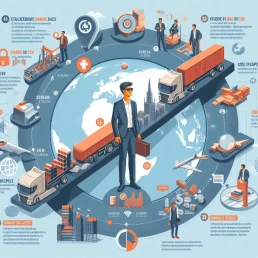
Supply Chain Challenges
Amid Supply Chain Challenges & Optimising Christmas Holiday Season
The holiday season in the retail world is a double-edged sword, bringing both opportunities and Supply Chain Challenges. As we plunge into the festivities, retailers are gearing up to face the hurdles presented by Supply Chain Challenges. This article explores the intricacies of optimising holiday sales amidst these challenges, offering insights and strategies for retailers to navigate through the storm.
First a quick plug – Our sister companies Fresh Pharma whom are GDP Compliant Pharma couriers and ‘Fresh Fridge Hire‘ are our (compliant GDP) refrigerated vehicle hire.
Takeaways for Supply Chain Challenges and Holiday Sales Success
| Key Takeaway | Description |
| Proactive Strategies Mitigate Supply Chain Challenges | Retailers can proactively address supply chain challenges by adopting strategies such as diversifying suppliers, implementing technology solutions, and ensuring transparent vendor collaboration. These measures not only help overcome obstacles but also enhance overall business resilience in the face of unforeseen challenges. |
| Seamless Shopping Experience Drives Holiday Sales | In the era of online shopping dominance, providing a seamless and enjoyable customer experience is crucial for retailers. Optimising ecommerce platforms with fast loading times, intuitive navigation, and secure payment gateways is essential. Additionally, offering exclusive holiday deals adds an extra layer of appeal, driving both online and in-store traffic during the festive season. |
| Festive Marketing Campaigns Connect Emotionally | Crafting compelling marketing campaigns during the holiday season involves a delicate balance between creativity and strategy. Retailers can tap into the emotional aspect of the holidays by creating narratives that evoke joy, warmth, and togetherness. Exclusive holiday deals, combined with engaging content, create a sense of urgency and excitement, further enhancing the connection with the audience. |
Understanding the Supply Chain Challenges
The Concerns
TheGrocer.co.uk recently shed light on the concerns swirling around supply chain disruptions and their potential impact on Christmas sales. It is imperative to delve into these concerns to craft effective strategies for the upcoming festive season.
Analysing Key Supply Chain Challenges
Mastering Inventory Management: Striking the Balance Between Overstock and Stockouts
In the intricate world of retail, effective inventory management stands tall as a cornerstone challenge. Striking the delicate balance between maintaining optimal stock levels and avoiding both overstock and stockouts requires a nuanced and agile approach. Retailers, in their pursuit of excellence, must embrace strategies that enable them to navigate this intricate landscape seamlessly.
The Challenge of Effective Inventory Management
Strategies to Maintain Optimal Stock Levels
| Strategy | Description |
| Demand Forecasting | Employ advanced techniques to predict market trends and consumer behaviour accurately. This data-driven approach allows retailers to align inventory levels with expected demand, minimising the risk of overstocking or stockouts. |
| Real-Time Inventory Tracking | Embrace technology solutions providing real-time visibility into inventory levels. Accurate and up-to-date information empowers retailers to make informed decisions, ensuring optimised stock levels and prompt replenishment when needed. |
| Dynamic Reordering Systems | Implement dynamic systems automatically adjusting order quantities based on changing demand patterns. This proactive approach prevents overstock and stockouts by aligning order quantities with current market conditions. |
| Collaboration with Suppliers | Foster strong relationships with suppliers, enabling flexibility in order quantities and delivery schedules. Transparent communication channels enhance the ability to adapt to changing market dynamics, maintaining optimal inventory levels.
|
Overcoming Transportation Woes: Prioritising Timely Deliveries in Supply Chain Challenges
In the face of Supply Chain Challenges in transportation networks, the importance of timely deliveries cannot be overstated. Retailers must address transportation woes by building robust partnerships with logistics providers. These partnerships are essential not only to mitigate delays but also to ensure that products reach customers promptly, fostering customer satisfaction and loyalty.
Navigating Disruptions in Transportation Networks
Building Robust Logistics Partnerships:
In the intricate choreography of global commerce, disruptions to the supply chain can cast a looming shadow over the seamless flow of goods. However, when faced with obstacles along traditional pathways, couriers emerge as unsung heroes, wielding the power to salvage the day and keep the wheels of commerce turning. In times of supply chain turmoil, the agility, speed, and adaptability of courier services prove to be instrumental in bridging gaps and ensuring the timely delivery of essential goods.
Agility in Adversity:
Courier services, renowned for their nimble and responsive nature, excel in adapting to unforeseen challenges. When a disruption occurs in the supply chain, couriers deftly navigate alternative routes, leveraging their extensive networks to circumvent bottlenecks. This agility enables them to sidestep obstacles, ensuring that crucial goods reach their destinations despite disruptions in the conventional supply chain channels.
Alternative Route Navigation:
A key strength of couriers during Supply Chain Challenges lies in their ability to identify and utilize alternative routes. Traditional supply chains may encounter roadblocks due to reasons such as natural disasters, geopolitical tensions, or unforeseen events. Couriers, armed with real-time tracking systems and a profound understanding of regional logistics, strategically reroute shipments, bypassing affected areas and minimizing delays.
Real-Time Tracking Systems:
The integration of advanced technology, particularly real-time tracking systems, empowers couriers to monitor shipments with unprecedented precision. In the face of Supply Chain Challenges, this technology serves as a beacon of assurance for both businesses and customers. By providing real-time visibility into the movement of goods, couriers enhance transparency and enable proactive communication about potential delays. This not only builds trust but also allows all stakeholders to make informed decisions based on the latest information.
Proactive Communication:
Couriers play a pivotal role not only in physical logistics but also in maintaining open lines of communication. In times of Supply Chain Challenges, transparent and timely communication becomes paramount. Couriers excel in keeping all parties informed about the status of shipments, potential delays, and alternative delivery arrangements. This proactive communication not only manages expectations but also allows businesses and customers to plan accordingly, mitigating the impact of disruptions.
Adaptability to Changing Dynamics:
The dynamic nature of Supply Chain Challenges demands a level of adaptability that traditional channels may struggle to achieve. Couriers, with their flexible systems and proactive approaches, excel in adapting to changing market dynamics. Whether adjusting delivery schedules, rerouting shipments, or implementing contingency plans, couriers can swiftly respond to evolving situations. This adaptability ensures that disruptions don’t translate into prolonged delays, safeguarding the efficiency of the overall supply chain.
Customer Satisfaction and Loyalty:
In the face of supply chain disruptions, the timely deliveries achieved through the efforts of couriers significantly contribute to customer satisfaction. Businesses that can uphold their commitments even in challenging times build trust and loyalty among their customer base. Couriers, by ensuring that products reach customers promptly despite disruptions, play a pivotal role in maintaining this trust and fostering long-term customer relationships.
In conclusion, when the traditional supply chain faces disruptions, couriers emerge as beacons of reliability and adaptability. Their agility in navigating alternative routes, utilization of real-time tracking systems, proactive communication, adaptability to changing dynamics, and contribution to customer satisfaction collectively position courier services as saviours in times of supply chain turmoil. As businesses navigate the complexities of the global market, the role of couriers becomes increasingly indispensable in preserving the resilience and continuity of supply chains worldwide.
Diversification of Logistics Partners to dilute Supply Chain Challenges:
Engage with multiple logistics providers to reduce reliance on a single entity. Diversification enhances flexibility and resilience, allowing retailers to reroute shipments in the event of disruptions with one provider.
Real-Time Tracking and Communication:
Implement real-time tracking systems to monitor the movement of shipments. This not only provides visibility into the status of deliveries but also allows for proactive communication with customers, keeping them informed about potential delays.
Contingency Planning:
Work collaboratively with logistics partners to develop contingency plans for unforeseen disruptions. These plans should outline alternative routes, modes of transportation, and communication strategies to address challenges swiftly and minimize the impact on delivery schedules.
The Essence of Vendor Collaboration: Navigating Uncertainties Through Transparent Communication
Collaborating with vendors stands as a pivotal strategy in addressing the intricate challenges of the supply chain. Transparent communication channels and contingency plans form the bedrock of effective vendor collaboration. By fostering strong relationships with vendors, retailers can navigate uncertainties and ensure a steady flow of products to meet customer demands.
The Key Components of Vendor Collaboration
Transparent Communication Channels:
- Regular Communication Meetings:
- Schedule regular communication meetings with vendors to discuss inventory levels, market trends, and potential challenges. This open line of communication enables both parties to stay informed and make proactive decisions to optimise the supply chain.
- Information Sharing:
- Share relevant data and insights with vendors, allowing them to align their production and distribution processes with market demand. Transparent information sharing fosters a collaborative environment, where both retailers and vendors work together towards shared success.
Contingency Plans to reduce Supply Chain Challenges:
- Jointly Develop Contingency Strategies:
- Collaborate with vendors to develop contingency plans that address potential hazards in the supply chain. Having pre-established strategies ensures a swift response to challenges, minimising the impact on product availability and delivery timelines. See our blog Capacity Constraints in Logistics
- Flexibility in Production and Delivery:
- Encourage flexibility in production and delivery schedules. This adaptability allows vendors to respond effectively to changes in demand or unexpected disruptions, maintaining a seamless flow of products through the supply chain.
A Unified Approach to Supply Chain Challenges
In conclusion, the challenges posed by inventory management, transportation hazards, and vendor collaboration require a unified approach from retailers. By embracing agile strategies in inventory management, building robust logistics partnerships, and fostering transparent collaboration with vendors, retailers can navigate the complexities of the supply chain with finesse.
As retailers strive for supply chain excellence, the ability to maintain optimal stock levels, ensure timely deliveries, and collaborate seamlessly with vendors becomes a competitive advantage. In the dynamic world of retail, a well-managed supply chain is not just a logistical necessity but a strategic asset that propels businesses towards sustained success.
Strategies for Retailers to Overcome Supply Chain Challenges
The Power of Diversifying Suppliers in Mitigating Supply Chain Challenges
In the intricate web of retail operations, supply chain disruptions can send shockwaves through the entire system. To fortify against such disruptions, retailers are increasingly recognizing the importance of diversifying their supplier base. This strategic move aims to reduce dependence on a single source, thereby enhancing resilience and ensuring a more robust response to unforeseen challenges.
Why Diversify Suppliers to reduce Supply Chain Challenges?
The reliance on a single supplier can expose retailers to a heightened risk of disruptions. Whether it be geopolitical events, natural disasters, or economic fluctuations, a single-source dependency can amplify the impact of such hazards. Diversifying suppliers involves strategically engaging with multiple sources for the same or similar goods and services. This not only provides a safety net but also offers several compelling advantages.
Reduced Risk Exposure:
Diversification inherently spreads the risk. If one supplier faces challenges, such as production delays or logistical issues, others in the diversified network can compensate. This minimises the impact of hazards on the overall supply chain.
Enhanced Negotiating Power:
Engaging with multiple suppliers strengthens a retailer’s negotiating position. The ability to switch between suppliers based on performance or negotiate favourable terms ensures a more dynamic and adaptive supply chain strategy.
Geographical Resilience:
Diversifying suppliers geographically adds an extra layer of resilience. Different suppliers in various regions provide insulation against localised hazards, ensuring a more stable and globally connected supply chain.
Innovation and Quality Improvement:
Having multiple suppliers encourages healthy competition. Suppliers may innovate and improve their offerings to stay competitive, leading to enhanced product quality and efficiency in the supply chain.
Embracing the Future: Implementing Technology Solutions to omit Supply Chain Challenges
In the digital age, the integration of technology is a game-changer for optimising supply chain processes. To navigate the complexities of modern commerce, retailers are increasingly turning to advanced tracking systems and AI-driven predictive analytics. These technological solutions empower real-time decision-making, offering a transformative approach to managing the entire supply chain.
The Role of Technology in Supply Chain Challenges
Advanced Tracking Systems:
Implementing advanced tracking systems provides retailers with unprecedented visibility into the movement of goods. This level of transparency enables better inventory management, reduces the risk of stockouts, and ensures timely restocking. From the manufacturer to the end consumer, each stage of the supply chain becomes traceable, enhancing overall efficiency.
AI-Driven Predictive Analytics:
Artificial Intelligence (AI) has become a driving force in supply chain management. Predictive analytics powered by AI algorithms analyse vast datasets to forecast demand, identify potential hazards, and optimise inventory levels. This proactive approach allows retailers to respond to changing market conditions in real-time, preventing bottlenecks and ensuring a more agile supply chain.
Improved Decision-Making:
Technology solutions provide actionable insights that empower decision-makers. Retailers can make informed choices based on real-time data, leading to more accurate demand forecasting, streamlined logistics, and optimised inventory levels. This not only reduces operational costs but also enhances overall supply chain performance. Our blog Distribution Failures Are Causing Food Inflation
Adaptability to Market Dynamics:
In a rapidly changing market, the adaptability afforded by technology is invaluable. Retailers can respond to shifts in consumer behaviour, market trends, and external factors with agility. This adaptability ensures that the supply chain remains aligned with the dynamic nature of the retail landscape.
A Dual Approach to Supply Chain Challenges
In conclusion, diversifying suppliers and implementing technology solutions are two pillars of resilience for retailers navigating the complexities of the supply chain. While diversification spreads risk and enhances flexibility, technology empowers retailers with data-driven insights for agile decision-making. Together, these strategies create a supply chain that is not only resistant to disruptions but also positioned for sustained growth in the ever-evolving retail landscape.
As retailers embrace diversification and technology, they pave the way for a future where the supply chain is not merely a logistical challenge but a strategic asset. By reducing risk exposure, enhancing adaptability, and optimising operational efficiency, retailers can build a resilient supply chain capable of withstanding the uncertainties of the modern business environment.
3. Ensuring a Seamless Shopping Experience
While addressing supply chain challenges is crucial, retailers must also prioritise enhancing the customer experience to drive holiday sales.
| Section | Content |
| Streamlining Online Shopping | Given the surge in online shopping, retailers must optimise e-commerce platforms for a seamless user experience. Factors include fast loading times, intuitive navigation, and secure payment gateways. These elements contribute significantly to customer satisfaction. |
| Offering Exclusive Holiday Deals | Enticing customers during the festive season involves providing exclusive holiday promotions and discounts. This proven method, coupled with compelling marketing campaigns that resonate with the holiday spirit, can effectively drive both online and in-store traffic. |
Streamlining Online Shopping: The Key to a Seamless Customer Experience
In the ever-evolving landscape of retail, the surge in online shopping has reshaped the way consumers interact with businesses. As a result, optimising e-commerce platforms for a seamless user experience has become paramount for retailers looking to stay ahead in the digital age. This article delves into the crucial elements of streamlining online shopping, focusing on fast loading times, intuitive navigation, and secure payment gateways, all of which contribute to heightened customer satisfaction.
Thriving Amidst Challenges
In the face of Supply Chain Challenges, retailers stand at a crossroads — one path leading to challenges, the other to opportunities. By adopting proactive strategies, diversifying suppliers, embracing technology, and prioritising a seamless shopping experience, retailers not only navigate the storm but also position themselves to thrive in the competitive holiday market.
As we approach the festive season, the key lies in preparation and adaptability. The challenges may be formidable, but with the right approach, retailers can turn them into stepping stones toward success.
Logistics Disruption
- What are logistics disruptions?
Logistics disruptions refer to situations where the normal flow of goods and services in a supply chain is interrupted. This can be caused by a variety of factors, such as natural disasters, transportation issues, or unforeseen events.
- What are the consequences of logistics disruptions?
The consequences of logistics disruptions can be significant, including delayed shipments, increased costs, lost revenue, and damage to a company’s reputation. In some cases, it may even lead to lost business or supply chain failure.
- How can logistics disruptions be managed?
Logistics disruptions can be managed by:
Developing a robust contingency plan to mitigate potential risks
Maintaining open lines of communication with suppliers and customers
Investing in technology to track and monitor supply chain operations in real-time
Diversifying suppliers and transportation modes to reduce reliance on a single source
- How can a contingency plan be developed to manage logistics disruptions?
A contingency plan should include:
Identification of potential risks and their likelihood
A plan of action to mitigate risks
A list of key stakeholders and their roles and responsibilities
A communication plan to ensure that all stakeholders are informed in a timely manner
A process for reviewing and updating the plan regularly
- How can open communication lines help manage logistics disruptions?
Open communication lines can help manage logistics disruptions by enabling quick and effective collaboration between suppliers, customers, and other stakeholders. This can help identify potential issues early and allow for prompt resolution.
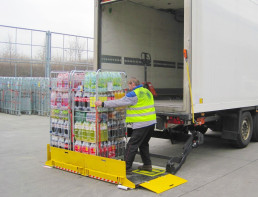
Roll Cages Delivery
Roll Cages Delivery on a Refrigerated Specialised 18t Lorry
Introduction to Refrigerated 18t and 26t Lorries in Food Logistics for Roll Cages Delivery
Overview of the Role of Refrigerated Lorries in UK Food Logistics
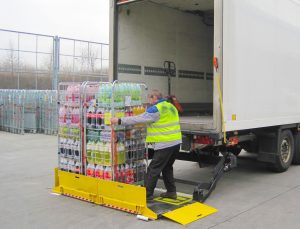
Refrigerated lorries are a vital component in the UK’s food logistics sector, transporting temperature-sensitive goods such as fresh produce, dairy, meat, and frozen products in Roll Cages Delivery. As consumers demand faster deliveries and higher standards of freshness, the need for vehicles that can maintain consistent cold chain management has become more crucial than ever.
These lorries are equipped with advanced refrigeration units to ensure that products remain at the correct temperature throughout the delivery process. By preventing spoilage and reducing food waste, they ensure that goods reach their destination in optimal condition, which is key for both retailers and consumers.
Before this blog starts on Roll Cages Delivery. First a quick plug – Our sister companies Fresh Pharma whom are GDP Compliant Pharma couriers and ‘Fresh Fridge Hire‘ are our (compliant GDP) refrigerated vehicle hire.
Key Takeaways for Roll Cages Delivery
| Takeaway | Description |
| Temperature Control | Essential for food safety and quality |
| Operational Efficiency | Larger lorries optimise delivery processes |
| Sustainability | Reducing carbon footprints through consolidated deliveries |
Introduction to 18-tonne and 26-tonne Specialised Lorries for Roll Cages Delivery
Within the category of refrigerated lorries, 18t and 26t vehicles are particularly useful for transporting roll cages—mobile, wheeled containers that allow for the easy movement of goods. These lorries are large enough to carry multiple roll cages, making them ideal for businesses that handle high volumes of perishable items.
- 18-tonne lorries are suitable for medium-sized deliveries, commonly used by supermarkets, grocery stores, and regional food distributors.
- 26-tonne lorries offer a higher capacity, making them ideal for large-scale deliveries, particularly for national distribution centres and bulk orders.
Importance of Using the Right Vehicles for Efficient Roll Cages Delivery
Selecting the right-sized lorry is critical for maximising delivery efficiency. Overloading a vehicle can lead to delays, safety risks, and compromised refrigeration, while under utilising a vehicle results in wasted resources and higher operational costs. 18t and 26t lorries strike a balance between capacity and manoeuvrability, enabling businesses to handle larger loads without sacrificing efficiency or safety.
| Feature | 18t Lorry | 26t Lorry |
| Capacity | Medium capacity (suitable for regional deliveries) | Large capacity (suitable for national distribution) |
| Ideal Use | Supermarkets, small to medium grocery stores | Large distribution centres, bulk deliveries |
| Manoeuvrability | More manoeuvrable in urban areas | Less manoeuvrable, but ideal for high-volume routes |
| Operational Costs | Lower fuel costs due to smaller size | Higher fuel costs but more cost-efficient for large deliveries |
2. What Are Roll Cages Delivery and Their Role in Food Logistics?
Defining Roll Cages and Their Function in Food Logistics
Roll cages are mobile, four-wheeled containers used for transporting goods in a safe and organised manner. Typically made of metal, they are designed to hold multiple layers of products and can be easily moved around warehouses, into delivery vehicles, and directly to the store or point of sale. In the food logistics industry, they are used to transport temperature-sensitive products such as fresh produce, dairy, and frozen goods.
Key Benefits of Roll Cages in Food Logistics
The use of roll cages in food logistics provides several key advantages:
- Flexibility: Roll cages can be easily loaded and unloaded from lorries, making them ideal for fast-paced food logistics operations.
- Organisation: Goods are neatly arranged within the roll cage, reducing the risk of damage during transit and making it easier to track items.
- Ease of Movement: Since roll cages are wheeled, they can be moved around with minimal effort, reducing manual labour and speeding up the loading and unloading process.
Why Roll Cages Are Crucial for Temperature-Sensitive Goods
Maintaining the cold chain is essential for perishable items. By using roll cages in conjunction with refrigerated lorries, businesses can ensure that products remain at the optimal temperature throughout the transportation process. The cages make it easier to load and unload goods without compromising refrigeration, and their compact design allows for efficient stacking and organisation inside the lorry, ensuring consistent airflow and cooling.
| Feature | Benefit |
| Mobility | Easily moved around by hand, reducing manual handling efforts |
| Organisation | Keeps products arranged neatly, improving load management |
| Temperature Maintenance | Efficient stacking ensures consistent refrigeration |
| Versatility | Suitable for transporting different types of perishable goods |
3. Why Choose 18t or 26t Lorries for Roll Cages Delivery?
Overview of 18t and 26t Lorries in Logistics
Refrigerated 18t and 26t lorries play a critical role in ensuring efficient and cost-effective deliveries for the food industry. Their primary advantage lies in their capacity and size:
- 18-tonne lorries are the perfect balance between size and capacity, offering enough room for a significant number of roll cages while maintaining good manoeuvrability, particularly in urban areas.
- 26-tonne lorries are ideal for larger deliveries, offering even more capacity, and are typically used for long-distance hauls or bulk deliveries between distribution centres.
Why These Vehicle Sizes Are Ideal for Handling Roll Cage Deliveries
When it comes to transporting roll cages, the size of the lorry matters. Both 18t and 26t lorries offer enough space for a significant number of roll cages without overloading, which helps in maintaining the cold chain during transit. These vehicles are large enough to maximise delivery efficiency but small enough to navigate through urban and regional areas.
For businesses, choosing the right size lorry ensures that:
- Goods are delivered on time without compromising on safety or temperature control.
- More goods can be delivered in a single trip, reducing the number of journeys required.
- Space inside the vehicle is optimised, meaning roll cages can be properly arranged to ensure consistent airflow for refrigeration.
Efficiency Gains from Using Properly Sized Lorries in UK Food Distribution
The choice between an 18t or 26t lorry can have a significant impact on efficiency. Smaller vehicles may need to make multiple trips to deliver the same amount of goods that a single larger lorry could handle in one go. On the other hand, a larger vehicle like the 26t lorry allows businesses to:
- Reduce fuel costs by minimising the number of trips.
- Optimise delivery routes, improving the speed and reliability of deliveries.
- Lower operational costs by reducing wear and tear on smaller vehicles that might not be suitable for larger deliveries.
| Feature | 18t Lorry | 26t Lorry |
| Capacity | Ideal for medium-sized deliveries | Suitable for large or bulk deliveries |
| Fuel Efficiency | More efficient for smaller loads | More efficient for high-capacity loads |
| Urban Navigation | Easier to navigate through cities | Best for regional or long-distance routes |
| Delivery Volume | Medium volume deliveries | High-volume deliveries in fewer trips |
4. Benefits of Using Specialised Refrigerated Lorries for Roll Cage Delivery
Ensuring Temperature Control for Large Deliveries with Multiple Roll Cages
One of the key benefits of using specialised refrigerated lorries for roll cage deliveries is the ability to maintain temperature control for large volumes of goods. Unlike standard delivery vehicles, these lorries are equipped with sophisticated refrigeration systems that ensure the entire load remains within the desired temperature range.
When dealing with multiple roll cages, this is crucial for preserving the freshness and quality of products such as dairy, meat, and fresh produce. The refrigeration units in these vehicles are designed to cool evenly across the entire load, ensuring that even the roll cages at the back of the lorry are kept at the correct temperature.
Improved Operational Efficiency for Transporting Large Quantities of Goods
Using an 18t or 26t refrigerated lorry enhances operational efficiency by allowing businesses to transport large quantities of goods in a single trip. This is particularly beneficial for larger grocery chains, distribution centres, and wholesalers, who need to move high volumes of perishable goods quickly and efficiently.
By minimising the number of trips required, businesses can also reduce fuel costs, cut down on vehicle wear and tear, and optimise delivery schedules, all of which contribute to a more efficient logistics operation.
5. Understanding Lane Segregation in Refrigerated Lorries for Roll Cages Delivery
Defining Lane Segregation and Its Importance in a Refrigerated Lorry
Lane segregation refers to the division of the cargo space within a refrigerated lorry into different sections or “lanes,” which can be used to transport different types of goods at varying temperatures. This is especially important when handling roll cages filled with a mix of fresh, chilled, and frozen products, as each type of product
6. Challenges in Food Logistics and How Specialised Lorries Address Roll Cages Delivery
Common Logistical Challenges
Food logistics is inherently complex, presenting various challenges that can impact delivery efficiency and product quality. Here are some of the most common logistical challenges:
- Route Optimisation: Delivering perishable goods requires careful planning to ensure that products arrive at their destination in a timely manner. Delays can lead to spoilage, affecting both customer satisfaction and business profitability.
- Vehicle Capacity: Insufficient vehicle capacity can result in multiple trips, increasing operational costs and delivery times. Conversely, overloading can compromise safety and temperature control.
- Temperature Stability: Maintaining the correct temperature during transit is vital for food safety. Fluctuations can lead to spoilage, waste, and potential legal issues.
How 18t and 26t Lorries Equipped with Roll Cages Address These Challenges
Refrigerated lorries in the 18t and 26t categories are specifically designed to tackle these logistical challenges effectively:
- Route Optimisation: Equipped with modern GPS and route planning technology, these lorries allow logistics companies to determine the most efficient delivery routes. This helps reduce travel time and ensure that products reach customers quickly, maintaining freshness.
- Increased Capacity: With their larger load capabilities, 18t and 26t lorries can transport multiple roll cages in a single trip, effectively reducing the number of journeys required. This not only optimises fuel usage but also decreases delivery times.
- Enhanced Temperature Stability: Advanced refrigeration systems ensure that the internal temperature remains consistent throughout the journey. Insulation and airflow management within the lorry further support maintaining the cold chain, mitigating the risk of spoilage.
Role of Technology and Design in Improving Food Logistics Efficiency
Modern refrigerated lorries are outfitted with technology that enhances operational efficiency. For instance, real-time temperature monitoring systems provide alerts if the temperature strays from the ideal range, allowing for immediate corrective action. Additionally, ergonomic designs facilitate easier loading and unloading of roll cages, minimising handling time and improving overall workflow.
| Challenge | Solution Provided by 18t/26t Lorries |
| Route Optimisation | GPS technology for efficient route planning |
| Vehicle Capacity | Increased load capacity reduces trips |
| Temperature Stability | Advanced refrigeration systems maintain consistent temps |
| Operational Efficiency | Ergonomic designs enhance loading/unloading processes |
7. Temperature Control and Cold Chain Management for Roll Cages Delivery
Importance of Maintaining a Consistent Cold Chain During Food Deliveries
The cold chain is a temperature-controlled supply chain essential for preserving the quality and safety of perishable goods. It encompasses all steps in the logistics process, from storage to transportation and final delivery. Any break in this chain can result in significant food spoilage, which poses health risks and financial losses.
How Specialised Lorries Keep Different Food Products at the Right Temperature
Specialised refrigerated lorries maintain the cold chain through several mechanisms:
- Efficient Insulation: High-quality insulation materials prevent external heat from affecting the internal environment, ensuring that food products remain at the required temperatures.
- Refrigeration Units: Equipped with powerful refrigeration units, these lorries can quickly adjust temperatures to match specific needs—whether for frozen, chilled, or ambient goods.
- Airflow Management: Advanced airflow designs within the lorry ensure that cold air circulates effectively around all roll cages, preventing hot spots and ensuring even cooling.
Preventing Food Spoilage and Waste with Effective Temperature Management
Effective temperature management is crucial for preventing spoilage and minimising waste. By consistently maintaining optimal temperatures throughout the journey, refrigerated lorries reduce the risk of foodborne illnesses and ensure that products arrive at their destination fresh and safe for consumption.
| Temperature Management Feature | Benefit |
| High-Quality Insulation | Maintains internal temperatures |
| Powerful Refrigeration Units | Quickly adjusts temperatures as needed |
| Airflow Management | Ensures even cooling throughout the load |
| Real-Time Monitoring | Alerts for temperature deviations |
8. Advantages of Lane Segregation for Roll Cages Delivery
How Lane Segregation Helps Organise Different Food Products Within the Same Load
Lane segregation involves dividing the cargo area of refrigerated lorries into designated sections for different types of goods. This practice is particularly useful for transporting mixed loads of perishable items that require varying temperature settings.
Importance of Separating Fresh, Frozen, and Chilled Items for Safety and Quality
The separation of goods is critical for several reasons:
- Temperature Control: Different food items have specific temperature requirements. For instance, frozen goods need to be kept at -18°C, while fresh produce may only require temperatures between 0°C and 4°C. Segregating these items ensures that each type is kept within its ideal temperature range.
- Preventing Cross-Contamination: By keeping different types of food products separated, the risk of cross-contamination is minimised, ensuring food safety and quality.
How Businesses Benefit from Improved Load Management in Food Logistics
Businesses that utilise lane segregation can experience several benefits:
- Enhanced Efficiency: Load management becomes more streamlined, allowing for faster loading and unloading processes.
- Reduced Spoilage: With proper segregation, businesses can ensure that products remain in optimal condition, leading to less waste and higher customer satisfaction.
- Better Inventory Control: Organised loads make it easier to track inventory, facilitating more accurate stock management and order fulfilment.
| Benefit | Description |
| Enhanced Efficiency | Streamlined loading/unloading processes |
| Reduced Spoilage | Maintains optimal conditions for different items |
| Better Inventory Control | Easier tracking and management of stock |
| Food Safety | Minimises the risk of cross-contamination |
9. Cost Efficiency of Using Larger Refrigerated Lorries in Roll Cages Delivery
How Using 18t or 26t Lorries Reduces Costs by Optimising Load Capacity
Using larger refrigerated lorries, such as 18t and 26t vehicles, allows businesses to optimise their load capacity significantly. This optimisation reduces the overall cost per delivery, leading to increased profitability for logistics operations.
Savings on Fuel, Labour, and Delivery Times by Reducing the Number of Trips
By transporting larger volumes of goods in a single journey, businesses can realise substantial savings across various operational metrics:
- Fuel Costs: Fewer trips mean lower fuel consumption, directly translating to reduced fuel expenses.
- Labour Costs: With larger loads, businesses can employ fewer drivers, thus lowering labour costs associated with delivery.
- Delivery Times: Streamlined operations result in quicker deliveries, enhancing customer satisfaction and allowing companies to take on more business.
Benefits of Using Fewer but Larger Deliveries for UK Businesses
The efficiency gained from using fewer but larger deliveries translates into improved service offerings. Businesses can respond more effectively to customer demands, ensuring that products are delivered fresh and on time. Additionally, the operational simplicity of handling fewer trips reduces logistical complexities, further streamlining business processes.
| Cost Factor | Benefit |
| Fuel Costs | Lower due to fewer trips |
| Labour Costs | Reduced by employing fewer drivers |
| Delivery Times | Enhanced efficiency leads to quicker deliveries |
| Operational Simplicity | Easier management of logistics and planning |
10. Compliance with UK Food Safety Standards and Regulations when Roll Cages Delivery
Overview of Key UK Regulations Related to Food Transport and Safety
In the UK, stringent regulations govern the transport of food to ensure safety and quality. Key regulations include:
- Food Safety Act 1990: Establishes the legal framework for food safety, ensuring that all food is safe to consume.
- Hygiene Regulations: Require businesses to maintain specific hygiene standards during the storage and transportation of food.
- The Cold Chain Management Guidelines: Set standards for temperature control throughout the food supply chain, emphasising the importance of maintaining a consistent cold chain.
How Specialised Refrigerated Lorries Meet Regulatory Requirements
Specialised refrigerated lorries are designed to comply with these regulations. They feature advanced refrigeration systems that help maintain temperature control, and many are equipped with monitoring devices that log temperature data throughout the delivery process. This data can be invaluable during compliance audits and inspections.
The Importance of Documented Cold Chain Integrity in Compliance Audits
Documenting cold chain integrity is crucial for meeting regulatory requirements and passing compliance audits. By maintaining accurate records of temperature control, businesses can demonstrate adherence to food safety standards. This documentation helps protect against legal liabilities and strengthens customer trust in the brand.
| Regulation | Compliance Feature Provided by Lorries |
| Food Safety Act 1990 | Advanced refrigeration systems for safety |
| Hygiene Regulations | Clean, well-maintained vehicle interiors |
| Cold Chain Guidelines | Real-time temperature monitoring and logging |
| Compliance Documentation | Data logging for audits and inspections |
11. Technology and Innovation in Specialised Refrigerated Lorries
Discuss Technology Like IoT Sensors for Real-Time Temperature Monitoring
The integration of Internet of Things (IoT) technology in refrigerated lorries has significantly enhanced food logistics. IoT sensors provide real-time temperature monitoring throughout the transport process, ensuring that food items remain within the designated temperature range. This technology alerts drivers and logistics managers if temperatures deviate from acceptable levels, allowing immediate corrective action.
Role of GPS and Route Optimisation in Making Food Deliveries More Efficient
The use of GPS technology and advanced route optimisation software has transformed delivery efficiency. These tools allow logistics companies to:
- Identify the fastest routes: Minimising travel time helps preserve the quality of perishable goods.
- Monitor traffic conditions: Adjusting routes based on real-time traffic data to avoid delays.
- Plan deliveries: Efficiently scheduling deliveries to meet customer needs without compromising quality.
Innovations in Refrigeration and Energy-Saving Features for Lorries
Modern refrigerated lorries are equipped with innovative refrigeration technologies that enhance energy efficiency. These include:
- Variable Speed Compressors: Adjust cooling power based on the load, reducing energy consumption.
- Solar Panels: Some lorries incorporate solar technology to assist with refrigeration, promoting sustainability.
- Advanced Insulation Materials: These materials improve thermal efficiency, reducing the workload on refrigeration units.
| Technology/Innovation | Benefit |
| IoT Sensors | Real-time temperature monitoring |
| GPS Route Optimisation | Efficient delivery scheduling |
| Energy-Saving Features | Reduced energy consumption and costs |
12. Industries Benefiting from 18t and 26t Refrigerated Lorry Deliveries
Key Sectors Using Roll Cage Deliveries: Supermarkets, Restaurants, and Food Service Providers
Various industries rely on refrigerated lorries for transporting temperature-sensitive goods. Key sectors include:
- Supermarkets: Ensure fresh produce, dairy, and frozen goods are delivered efficiently to stores.
- Restaurants: Require timely deliveries of fresh ingredients to maintain quality and service standards.
- Food Service Providers: Depend on consistent supplies of perishable goods for catering and meal preparation.
Case Studies of Businesses Benefiting from Large-Capacity Refrigerated Lorries
Case Study 1: A Leading Supermarket Chain
A prominent UK supermarket chain upgraded its logistics operations by incorporating 26t refrigerated lorries with roll cages. As a result, they reported a 25% reduction in delivery times and significant improvements in product quality, thanks to effective temperature control.
Case Study 2: A National Restaurant Chain
A national restaurant chain adopted 18t refrigerated lorries for their deliveries. They achieved a 30% decrease in food waste due to enhanced temperature management and efficient delivery schedules, allowing them to maintain high-quality service across all locations.
How These Lorries Are Transforming Supply Chains for UK Food Businesses
The introduction of larger refrigerated lorries is transforming supply chains by:
- Increasing delivery capacity: Businesses can fulfil larger orders in fewer trips, improving overall logistics efficiency.
- Enhancing product freshness: Consistent temperature control leads to higher quality food products reaching consumers.
| Industry | Benefit |
| Supermarkets | Improved delivery efficiency |
| Restaurants | Consistent quality of ingredients |
| Food Service Providers | Reduced food waste and improved service |
13. Sustainability and Environmental Considerations
How Using Larger Refrigerated Lorries Can Reduce the Carbon Footprint
Using 18t and 26t refrigerated lorries allows businesses to consolidate deliveries, reducing the number of trips required and consequently lowering carbon emissions. This consolidation helps organisations meet their sustainability goals and reduce their overall environmental impact.
Energy-Efficient Refrigeration Technologies Used in Modern Lorries
The latest refrigerated lorries feature energy-efficient technologies that contribute to environmental sustainability, such as:
- Eco-friendly refrigerants: These alternatives have a lower global warming potential than traditional refrigerants.
- Fuel-efficient engines: Improved fuel efficiency in modern vehicles reduces emissions associated with transport.
Sustainable Practices in Fleet Management and Logistics
In addition to vehicle technology, businesses are adopting sustainable practices in fleet management:
- Regular vehicle maintenance: Ensures optimal performance and reduces emissions.
- Driver training programs: Focus on eco-driving techniques to improve fuel efficiency.
| Sustainability Practice | Benefit |
| Consolidated Deliveries | Reduced carbon footprint |
| Eco-Friendly Refrigerants | Lower environmental impact |
| Driver Training | Improved fuel efficiency |
14. Future Trends in Refrigerated Lorry Logistics
Emerging Trends in the UK Food Logistics Sector
The food logistics sector is evolving, with emerging trends shaping the future landscape. Some key trends include:
- Automation: The rise of automated systems for loading, unloading, and inventory management.
- Smart Lorries: Integration of advanced technology for enhanced logistics management, including predictive maintenance systems.
Innovations Such as Electric Refrigerated Lorries and Automation
As the logistics industry seeks to reduce its carbon footprint, electric refrigerated lorries are gaining traction. These vehicles offer several advantages:
- Zero emissions: Contribute to cleaner urban environments.
- Lower operational costs: Electric vehicles generally have lower fuel and maintenance costs.
How Businesses Can Prepare for Future Developments in Logistics
To remain competitive, businesses should invest in technology and training that align with future trends, such as:
- Investing in automation: Streamlining operations to improve efficiency.
- Adopting electric vehicles: Transitioning to sustainable transport solutions to meet regulatory and consumer expectations.
| Future Trend | Description |
| Automation | Streamlined operations for efficiency |
| Electric Vehicles | Reduced emissions and operational costs |
| Smart Lorries | Enhanced logistics management with technology |
15. Conclusion: Why Specialised Refrigerated 18t and 26t Lorries Are Essential for UK Food Logistics
In conclusion, specialised refrigerated 18t and 26t lorries play a pivotal role in the UK food logistics sector. They offer numerous advantages for transporting roll cages, including:
- Improved temperature control: Ensuring food safety and quality.
- Increased efficiency: Optimising delivery processes and reducing operational costs.
- Enhanced sustainability: Helping businesses meet environmental goals through reduced carbon footprints.
As the food logistics landscape continues to evolve, adopting specialised refrigerated lorries will be crucial for businesses seeking to remain competitive and ensure the safety of their products.
Roll Cages
- Which of the following are hazards when pushing a roll cage?
Common hazards when pushing a roll cage include:
- Overloading: Exceeding the weight limit can make the cage hard to control, increasing the risk of tipping over or strain injuries.
- Uneven surfaces: Rough floors or slopes can cause roll cages to become unstable, making them harder to push safely.
- Obstructions: Objects in the path can cause sudden stops, leading to potential collisions or injuries.
- Poor handling posture: Incorrect pushing technique can cause muscle strains or other physical injuries.
- Do roll cages have brakes?
Yes, many roll cages are equipped with brakes or locking mechanisms on the wheels to prevent them from moving when stationary. These brakes are particularly useful on slopes or in high-traffic areas, providing additional stability when loading or unloading goods.
- Can a roll cage break?
Yes, a roll cage can break, especially if it is poorly maintained, overloaded, or damaged through frequent use. Breakages can occur in the wheels, joints, or frame, compromising its stability and posing a hazard to the user. Regular inspection and maintenance are recommended to ensure the safety and integrity of the roll cage.
- Should you push or pull a roll cage?
You should generally push a roll cage rather than pull it. Pushing allows for better control, reduces strain on the back, and minimizes the risk of the cage tipping over, especially when moving heavy loads. Pushing also improves visibility and helps you manoeuvre around obstacles more safely.
- How to move a roll cage?
To safely move a roll cage:
- Check the load: Ensure it’s not overloaded and is evenly distributed.
- Push, don’t pull: Push the cage to reduce strain and maintain control.
- Use brakes: Lock the wheels when stopping or on an incline.
- Clear the path: Ensure your route is free of obstacles.
- Use proper posture: Keep your back straight and use your legs to help push the load, which helps prevent injury.
- Does a roll cage improve safety when moving goods?
Yes, roll cages improve safety by providing a secure, enclosed structure for goods, reducing the risk of items falling during transport. They allow for safe handling of heavy or bulky items, especially when used correctly and with appropriate weight limits, and prevent products from shifting or tipping.

Final-mile logistics through the Gig Economy
 Final-mile logistics through the Gig Economy -Exploring the Historical Shifts
The Final-mile logistics sector has experienced a remarkable transformation over the years, and at the heart of this evolution lies the gig economy. In this article, we’ll embark on a journey to explore how the gig economy has revolutionised the final stage of product delivery. From the rise of gig workers to their substantial impact on the last-mile landscape, we’ll uncover the pivotal changes that have shaped this dynamic industry.
First a quick plug – Our sister companies Fresh Pharma whom are GDP Compliant Pharma couriers and ‘Fresh Fridge Hire‘ are our (compliant GDP) refrigerated vehicle hire.
Unveiling the Last-Mile logistics: A Gig Economy Perspective
As we dive into this exploration, it’s essential to understand the significance of the last-mile in the broader supply chain. This final stage of delivery is often the most critical, as it represents the moment when products reach the hands of the end consumers. Historically, this phase was characterised by traditional courier services, which relied on full-time employees to ensure timely deliveries. However, the landscape has shifted dramatically.
Riding the Gig Wave: The Gig Economy’s Influence on Final-mile logistics
The gig economy has surged into the Final-mile logistics landscape, reshaping it in multiple ways. Gig workers, often referred to as independent contractors or freelancers, have become the backbone of this transformation. Their on-demand availability and flexible schedules enable companies to meet the evolving needs of modern consumers. Let’s analyse the multifaceted impact of gig workers on Final-mile logistics:
Analysing the Impact of Gig Workers on the Final-mile logistics Landscape
Gig workers, also known as drivers or couriers in the last-mile context, have brought about several significant changes to the way products are delivered to consumers. The impact can be summarised in the following key areas:
- Increased Speed and Efficiency:
- Gig workers, armed with navigation apps and real-time tracking tools, have revolutionised the speed and efficiency of Final-mile logistics. Their familiarity with local areas and ability to respond quickly to orders has reduced delivery times significantly.
- Flexibility and On-Demand Availability:
- The gig economy is defined by flexibility, and this quality extends to Final-mile logistics. Gig workers are available on a per-task basis, making it easier for companies to scale their delivery workforce according to demand fluctuations.
- Cost-Effective Solutions:
- Many businesses find cost advantages in the gig economy model. They can save on full-time employee expenses and offer competitive pricing to consumers. This has allowed businesses to offer more affordable delivery options.
From Couriers to Gig Workers: The Last-Mile Evolution
To appreciate the full scope of the last-mile’s transformation, we need to step back and trace the evolution of Final-mile logistics personnel over the years. The journey begins with traditional courier services, which employed full-time couriers to ensure packages reached their destinations. However, with the advent of the gig economy, the nature of the workforce in this sector has undergone a significant shift.
In the past, courier services typically hired full-time employees with fixed schedules. These employees were responsible for delivering packages and mail. This model had its advantages, particularly in terms of company loyalty and a consistent workforce. However, it lacked the flexibility required to meet the ever-changing demands of the modern market.
As we transition from the historical context to the present, we can see how the gig economy has emerged as a dynamic solution to the challenges of Final-mile logistics. The next section will delve into the specific role of the gig economy in addressing the unique challenges posed by e-commerce delivery.
The Gig Economy’s Role in E-Commerce Last-Mile Challenge
The exponential growth of e-commerce has introduced unique challenges to the Final-mile logistics process. Consumers now expect faster delivery times, real-time tracking, and the ability to schedule deliveries at their convenience. This shift in consumer behaviour has put pressure on companies to adapt and meet these evolving expectations.
Stay with us as we explore how gig workers are rising to the occasion and offering innovative solutions. Plus the distinctive challenges of e-commerce delivery. The gig economy’s adaptability and on-demand nature make it particularly well-suited to address these challenges. We will dissect how this transformation is taking place.
In summary, the gig economy is reshaping the final stage of product delivery. Revolutionising the last-mile landscape, and providing efficient and cost-effective solutions. It’s a pivotal force in the world of e-commerce and modern consumer expectations. Thus making it an essential component of the evolving Final-mile logistics sector. In the next section, we’ll further analyse how gig workers are meeting the specific challenges posed by e-commerce, underlining their crucial role in this transformative journey.
The Gig Economy’s Role in E-Commerce Last-Mile Challenge
E-commerce has become a dominant force in the retail landscape, with consumers increasingly turning to online shopping for convenience and a vast array of product options. As this trend continues to rise, it brings forth unique challenges, particularly in the final stage of product delivery known as the last-mile. This article delves into the pivotal role played by gig workers in addressing the distinct challenges posed by e-commerce delivery.
How Gig Workers Are Addressing the Unique Challenges of E-Commerce Final-mile logistics
The rise of e-commerce has introduced several complexities and demands in the Final-mile logistics process. Consumers now expect fast, reliable, and often flexible delivery options, creating a need for adaptable and agile delivery personnel. Gig workers, with their on-demand availability, flexible schedules, and efficiency, have become key players in meeting these challenges head-on.
E-commerce presents a set of unique challenges for Final-mile logistics:
- Speed and Timeliness:
- Customers expect quicker deliveries, often with same-day or next-day options. Gig workers, who can respond to orders promptly, contribute significantly to meeting these expectations.
- Delivery Windows:
- Many consumers prefer specific delivery time slots. Gig workers’ flexibility allows companies to offer these personalised options, enhancing customer satisfaction.
- High Volume and Seasonal Peaks:
- E-commerce experiences surges during peak seasons and sales events. Gig workers can be scaled up or down as needed, providing the capacity to handle fluctuations in demand.
- Last-Mile Efficiency:
- Optimising the last-mile is critical for cost-effectiveness. Gig workers are skilled at navigating local areas, improving route planning, and reducing delivery costs.
- Customer Communication:
- Real-time tracking and communication are vital in e-commerce. Gig workers use technology to keep customers informed about their deliveries, enhancing the overall experience.
Final-mile logistics Gig Economy Trends: What Lies Ahead?
The gig economy’s role in Final-mile logistics is expected to grow and evolve in response to shifting consumer expectations and advancements in technology. Let’s take a glimpse into what the future holds for this transformative segment:
| Trends and Innovations in Final-mile logistics | Description |
| Advanced Route Optimization | Gig platforms and delivery companies will invest in cutting-edge route optimization tools to further improve efficiency, reduce delivery times, and lower costs. |
| Eco-Friendly Initiatives | Sustainability is a growing concern. Gig workers and delivery companies will adopt eco-friendly practices, including electric vehicles and reduced packaging, to align with evolving environmental standards. |
| Customised Services | Expect more personalised delivery experiences, with options for consumers to choose their preferred gig worker, delivery speed, and delivery window. |
| Last-Mile Automation | Automation, including the use of drones and autonomous vehicles, will complement gig workers, enhancing speed and precision in Final-mile logistics. |
| Enhanced Worker Benefits | Gig worker platforms will likely offer improved benefits, including insurance and earnings stability, to attract and retain a skilled and reliable workforce. |
Flexible Workforces and Fast Final-mile logistics: The Gig Economy Connection
The gig economy has proven to be the ideal connector between the demand for fast deliveries in the e-commerce era and a flexible, agile workforce. Gig workers, equipped with the right technology and support, enable companies to provide efficient and responsive Final-mile logistics services.
As e-commerce continues to thrive, the synergy between flexible gig workers and the need for rapid deliveries will remain a linchpin in the evolution of the Final-mile logistics sector. In our next section, we’ll explore the symbiotic relationship between e-commerce growth and the gig economy’s vital contribution to the last-mile ecosystem.
Challenges and Opportunities: Gig Economy Final-mile logistics Innovations
The gig economy has brought significant innovations to the Final-mile logistics sector. However, like any transformative force, it has also faced its share of challenges. In this section, we will explore how gig workers and companies have overcome hurdles and seized opportunities, ushering in a new era of Final-mile logistics.
How Gig Workers and Companies Are Overcoming Hurdles and Seizing Opportunities in the Final-mile logistics
Meeting High Demand
One of the key challenges in Final-mile logistics, especially in the context of e-commerce, is managing surges in demand. Gig workers have proven invaluable in this regard. Companies can swiftly scale their workforce to handle increased delivery requests during peak seasons and promotions. For gig workers, this means more opportunities for income.
Ensuring Consistency on the Final-mile logistics
Consistency in service quality can be challenging in a gig economy setup where delivery personnel change frequently. To address this, companies invest in training and technology. Gig workers are provided with training on customer service and efficient delivery practices, ensuring a consistent customer experience.
Navigating Urban Logistics
Urban areas pose unique challenges for Final-mile logistics, with congestion, limited parking, and complex routes. Gig workers equipped with GPS and route optimization technology are better positioned to navigate these obstacles efficiently.
Leveraging Technology
Technology, including mobile apps and real-time tracking, is a vital component of gig economy last-mile innovations. It enhances the customer experience, allows for efficient route planning, and provides gig workers with tools to perform their tasks more effectively.
The Human Element in Final-mile logistics: Gig Workers Unveiled
While technology plays a crucial role in Final-mile logistics, it’s essential not to overlook the human element. Behind every successful Final-mile logistics, there is a gig worker. In this section, we’ll delve into the stories of these individuals and explore the human side of the gig economy’s last-mile success.
Exploring the People Behind the Gig Economy’s Final-mile logistics Success Stories
Gig workers are a diverse group, encompassing people from various backgrounds, experiences, and motivations. They might be students, retirees, freelancers, or part-time workers. What unites them is their ability to adapt to a gig-based work model, where flexibility and on-demand availability are key.
| Type of Gig Worker | Motivation and Role |
| The Student Gig Worker | Many students turn to gig work to financially support themselves during their studies. The flexibility of gig work allows them to effectively balance academic commitments with earning income. |
| The Retiree Returning to Work | Retirees often find fulfilment and an additional source of income through gig work. Their wealth of experience and strong work ethic makes them valuable contributors to the gig economy. |
| The Freelancer Supplementing Income | Freelancers may take up gig work to supplement their irregular income. This provides them with a steady source of earnings while retaining the freedom and independence of freelance work. |
| The Part-Timer with a Side Gig | Some individuals who work part-time jobs choose to engage in gig work as a side hustle to increase their overall earnings. This flexible approach to work aligns with their lifestyle and financial goals. |
The Gig Worker’s Perspective on Final-mile logistics and gig economy
Gig workers enjoy the autonomy, flexible hours, and often the ability to choose the gigs they accept. While there are challenges, such as income stability and access to benefits, many gig workers appreciate the non-traditional career path the gig economy offers.
In the next section, we’ll explore how technology and gig workers have formed a winning combination that is revolutionising Final-mile logistics. This fusion is at the heart of the gig economy’s success in this sector, and it presents unique opportunities for further growth and innovation.
Conclusion to Final-mile logistics:
In the ever-evolving world of Final-mile logistics, the gig economy stands as a transformative force. Reshaping the landscape of product delivery and e-commerce. We’ve taken an in-depth journey through the historical shifts, explored how gig workers are addressing the unique challenges of e-commerce, and uncovered the innovations and human stories behind this remarkable transformation. The gig economy’s role in Final-mile logistics is poised for continued growth, promising both challenges and opportunities.
Challenges Met with Innovation:
The surge in demand, the need for consistency, navigating complex urban logistics, and other challenges have been met with innovative solutions. Gig workers and companies have adapted through training, technology, and flexible scaling, ensuring efficiency and quality.
The Human Element:
It’s crucial to recognize that behind the gig economy’s success are diverse individuals with their unique stories and motivations. The gig workforce spans students, retirees, freelancers, and part-timers. Each finding a niche in the gig economy that suits their lifestyle and financial goals.
Technology’s Role:
Technology is a vital enabler of the gig economy’s influence on Final-mile logistics. Mobile apps, real-time tracking, and route optimization tools enhance efficiency and the overall customer experience, making the gig worker’s job more effective.
A Bright Future:
The synergy between technology and the gig economy creates an environment ripe for future innovation. Advanced route optimization, eco-friendly initiatives, customised services, automation, and improved worker benefits are on the horizon, promising a brighter future for Final-mile logistics.
In closing,
the gig economy’s transformative journey in Final-mile logistics is a testament to adaptability and the human spirit. As we look ahead, the gig economy’s continued growth. Its role in shaping the future of delivering products to our doorsteps is a narrative filled with promise and potential. It’s a testament to the power of innovation. The capacity of individuals to meet challenges, seize opportunities, and redefine industries.
Last Mile
- What is last-mile delivery?
Last-mile delivery is the final stage of the delivery process where goods are transported from the distribution centre to the end customer.
- What are the challenges of last-mile delivery?
Some of the common challenges of last-mile delivery include traffic congestion, delivery density, time sensitivity, and last-minute changes.
- How can I manage customer expectations and communications?
You can manage customer expectations and communications by providing accurate delivery estimates, offering delivery tracking, and providing clear communication channels.

ROI - Marketers must Understand
The Importance of ROI in Marketing
In the ever-evolving landscape of marketing, return on investment (ROI) stands as a beacon of truth, guiding marketers through the complexities of campaigns, strategies, and decision-making. ROI is more than just a metric; it’s a vital element that influences the success and direction of marketing endeavours. In this article, we delve into the profound significance of ROI in marketing and the pivotal role it plays in shaping strategies and achieving accountability.
First a quick plug – Our sister companies Fresh Pharma whom are GDP Compliant Pharma couriers and ‘Fresh Fridge Hire‘ are our (compliant GDP) refrigerated vehicle hire.
| Takeaway | Description |
| Data-Driven Marketing | Leveraging customer data for personalisation and optimisation is crucial for maximising ROI. |
| Challenges in Calculating ROI | Marketers encounter challenges in attributing outcomes to marketing efforts and accounting for multiple touchpoints, but these can be overcome with the right techniques. |
| Complementing ROI with Other Metrics | Utilising multiple metrics alongside ROI offers a holistic view of marketing effectiveness, aiding informed decision-making. |
| Effective ROI Measurement | The use of tools such as marketing automation platforms and CRM systems, alongside clear and consistent ROI formulas, is essential for accurate measurement. |
| Communicating ROI Data | Effectively communicating ROI data to stakeholders, highlighting its impact on the organisation’s growth and profitability, fosters support and trust. |
The Importance of ROI in Marketing
In the ever-evolving landscape of marketing, Return On Investment (ROI) stands as a beacon of truth, guiding marketers through the complexities of campaigns, strategies, and decision-making. ROI is more than just a metric; it’s a vital element that influences the success and direction of marketing endeavours. In this article, we delve into the profound significance of ROI in marketing and the pivotal role it plays in shaping strategies and achieving accountability.
| Takeaway | Description |
| Data-Driven Marketing | Leveraging customer data for personalisation and optimisation is crucial for maximising ROI. |
| Challenges in Calculating ROI | Marketers encounter challenges in attributing outcomes to marketing efforts and accounting for multiple touchpoints, but these can be overcome with the right techniques. |
| Complementing ROI with Other Metrics | Utilising multiple metrics alongside ROI offers a holistic view of marketing effectiveness, aiding informed decision-making. |
| Effective ROI Measurement | The use of tools such as marketing automation platforms and CRM systems, alongside clear and consistent return on investment formulas, is essential for accurate measurement. |
| Communicating return on investment Data | Effectively communicating return on investment data to stakeholders, highlighting its impact on the organisation’s growth and profitability, fosters support and trust. |

Setting the Stage for Understanding ROI Impact
Before we dive deep into the intricacies of return on investment in marketing, let’s establish a fundamental understanding of what ROI is and why it matters. In a marketing context, return on investment measures the efficiency and effectiveness of investments made in marketing campaigns, strategies, or channels. It is the ratio of the net gain from marketing investments to the cost of those investments.
ROI Explained
Defining ROI in Marketing
ROI in marketing is the quintessential metric for assessing the financial success of marketing efforts. It allows marketers to answer one fundamental question: “Is our marketing spending contributing to our company’s growth and profitability?” Essentially, return on investment provides clarity on whether marketing investments are generating revenue beyond the cost incurred.
In its simplest form, the ROI formula is:
ROI = (Net Profit / Marketing Costs) x 100
This formula calculates the return on investment as a percentage, enabling marketers to easily evaluate the efficiency of their campaigns and strategies. A positive ROI indicates that marketing efforts are contributing to profit growth, while a negative return on investment signals a need for adjustments.
Key Components and Calculations
| Component | Description |
| Net Profit | Net profit is the revenue generated from marketing activities minus all related expenses. It includes both immediate campaign revenue and the long-term value of acquired customers. |
| Marketing Costs | Marketing costs encompass all expenses related to marketing initiatives, including advertising, promotional materials, and labour. It’s important to account for both direct and indirect costs to calculate accurate return on investment. |
The Role of ROI in Marketing Strategy
How ROI Shapes Marketing Strategies
Return on investment serves as a compass for marketers, guiding them in crafting effective strategies. Marketers must make informed decisions about where to allocate their resources, and return on investment is a key factor in these choices. For example, if a particular advertising channel consistently delivers a higher return on investment compared to others, it makes strategic sense to invest more in that channel.
Furthermore, return on investment helps marketers identify underperforming strategies or campaigns. By analysing which efforts are not yielding a positive return, marketers can make data-driven decisions to improve or reallocate resources to more profitable areas.
Aligning Goals with Measurable Outcomes
Return on investment necessitates setting clear, measurable goals for marketing campaigns. Without defined objectives, it’s challenging to assess the success of marketing efforts. Marketers need to ask questions like, “What is the specific revenue target for this campaign?” or “How many leads or conversions do we aim to achieve?” These goals should be aligned with the overarching business objectives.
ROI brings accountability to the table by demanding that marketers establish specific, measurable, achievable, relevant, and time-bound (SMART) goals for their marketing activities. This alignment of goals with measurable outcomes is a cornerstone of successful marketing strategies.
Budget Allocation and ROI
The ROI-Driven Budgeting Process
The budgeting process in marketing is a critical aspect of resource allocation. With limited resources, marketers must make decisions about where to invest. return on investment is the guiding light in this process, helping to ensure that budget allocation is rational and data-driven.
Marketers often face the challenge of allocating their budget across various marketing channels, such as social media, content marketing, and paid advertising. return on investment plays a pivotal role in determining which channels are most profitable and, therefore, deserving of a larger share of the budget.
Balancing Spending Across Channels
Balancing spending across marketing channels is not a one-size-fits-all endeavour. The allocation should be based on the historical performance of each channel, as indicated by their respective ROIs. For example, if paid advertising consistently delivers a higher ROI compared to other channels, it may warrant a larger portion of the budget.
However, achieving a balanced approach is essential. While one channel may exhibit a higher ROI, it’s vital to consider the overall marketing strategy and how each channel contributes to reaching different segments of the target audience. Achieving a balance between high return on investment channels and those that fulfil other strategic purposes is key to optimising the marketing budget.
Marketing Accountability Through ROI
ROI as a Metric of Accountability
Accountability is the cornerstone of any successful marketing strategy. In a world where marketing budgets are under constant scrutiny, return on investment stands as a beacon of accountability. It serves as a clear and measurable metric that allows marketing teams to demonstrate their contribution to the organisation’s bottom line.
Return on investment, in essence, is the proof that marketing activities are not just creative endeavours but investments with a concrete financial impact. When the ROI is positive, it signifies that marketing efforts are generating more revenue than the cost of the investments, showcasing the effectiveness and accountability of the marketing team.
Gaining Stakeholder Trust
Trust is a valuable asset in the marketing world, and return on investment plays a pivotal role in earning and maintaining it. Marketing teams often need the support and resources of key stakeholders, such as executives, investors, and board members, to drive their strategies forward. Positive return on investment is the currency of trust in this context.
When marketing teams consistently deliver positive return on investment, it’s a clear indication that their investments are translating into measurable financial success. This fosters trust among stakeholders, who become confident that the marketing department is making data-driven decisions that contribute to the organisation’s growth and profitability.
ROI and Customer Acquisition
Strategies for Maximising ROI on New Customers
Acquiring new customers is a fundamental goal for many businesses, and return on investment plays a critical role in achieving this objective. To maximise return on investment on new customer acquisition, marketers employ a range of strategies. These strategies are not only cost-effective but also ensure that the investment in acquiring new customers translates into long-term value.
The key is to focus on targeting the right audience. Marketers leverage data and analytics to identify the most promising leads and tailor their efforts to attract and convert these potential customers. Personalisation, precision targeting, and compelling value propositions are just a few of the tactics employed to boost ROI in this context.
Evaluating Customer Acquisition Channels
Not all customer acquisition channels are created equal. Some deliver a higher return on investment than others, and it’s essential to identify which ones are most efficient. Marketers use data-driven evaluation to determine the channels that bring in the most valuable customers at the lowest cost.
This evaluation extends beyond immediate return on investment; it considers the long-term value of customers acquired through different channels. While some channels may have a higher upfront acquisition cost, they might yield customers with a higher lifetime value. Thus, the evaluation takes into account both the immediate and future return on investment of customer acquisition channels.
ROI and Customer Retention
Building Long-Term Value with Existing Customers
Customer retention is the backbone of any sustainable business. Existing customers often provide a more dependable source of revenue than constantly acquiring new customers. The return on investment of retaining customers over time is often significantly higher than that of acquiring new ones.
Marketers implement strategies that focus on providing exceptional customer experiences, offering personalised services, and building customer loyalty. These efforts contribute to increased customer retention, resulting in higher return on investment over the long term.
Strategies for Reducing Churn and Increasing Loyalty
Reducing customer churn is a key focus for marketers aiming to improve ROI. Strategies such as targeted communication, loyalty programs, and customer feedback analysis are employed to retain customers and prevent them from moving to competitors.
Loyalty programs, in particular, are effective in fostering long-term relationships. They incentivize repeat purchases and reward customer loyalty, enhancing the overall return on investment by maintaining a consistent revenue stream.
The Digital Marketing Landscape and Return On Investment
Impact of ROI on Digital Campaigns
The digital marketing landscape is dynamic and ever-evolving. return on investment is a critical performance indicator in this context, guiding marketers in making data-driven decisions to maximise the impact of their digital campaigns.
Digital marketing allows for precise targeting and real-time data analysis, which, in turn, enables marketers to adjust campaigns on the fly for optimal return on investment. The ability to track and measure the impact of digital marketing activities in real-time ensures that resources are allocated efficiently to activities that yield the highest ROI.
Measuring ROI in the Digital Realm
In the digital realm, measuring return on investment is both complex and highly valuable. Marketers rely on various digital analytics tools to track the performance of their online activities. From website traffic and conversion rates to social media engagement and email marketing metrics, every data point contributes to a comprehensive understanding of return on investment in the digital space.
Digital marketing offers the advantage of accurate and real-time return on investment measurement. Marketers can make rapid adjustments to their strategies, optimising campaigns for the best possible return on investment. This level of granularity in return on investment measurement is a testament to the power of digital marketing in driving efficient and effective marketing strategies.
Channel Selection and ROI
Making Informed Decisions About Marketing Channels
Selecting the right marketing channels is a critical decision for marketers. return on investment serves as a guiding factor in this decision-making process. By analysing historical performance data, marketers can make informed choices about which channels offer the best return on investment.
The choice of marketing channels should align with the business’s objectives and target audience. The goal is to select channels that not only provide a positive return on investment but also contribute to the overall marketing strategy. An optimal channel mix balances high return on investment channels with those that fulfil other strategic purposes.
Assessing Channel Performance Through Return On Investment
The performance of marketing channels is not static; it evolves over time. ROI is a dynamic metric that reflects these changes. Marketers continually assess the performance of their chosen channels by monitoring return on investment and adjusting strategies as needed.
The evaluation extends beyond the immediate return on investment of individual channels. It considers how channels work in concert with each other and their cumulative impact on the business’s overall return on investment. By regularly assessing channel performance through return on investment, marketers ensure that their resources are directed towards the most efficient and effective channels.
Data-Driven Marketing and Maximising ROI
Leveraging Data for Improved ROI
In the digital age, data is king, and it plays a pivotal role in maximising ROI in marketing. Marketers are increasingly harnessing the power of data to make informed decisions and drive more efficient and effective campaigns. Leveraging data allows marketers to understand their audience better, target their efforts more precisely, and optimise their strategies for higher return on investment.
Data-driven marketing involves the collection, analysis, and utilisation of customer data to inform marketing strategies. This data can include demographics, online behaviour, purchase history, and more. By mining this information, marketers gain valuable insights into customer preferences and can tailor their campaigns to align with these preferences, ultimately leading to higher return on investment.
Personalisation and Optimisation Strategies
Personalisation is a key strategy in data-driven marketing that significantly impacts return on investment. Marketers use data to create personalised experiences for customers, from tailored product recommendations to individualised marketing messages. Personalisation not only enhances the customer experience but also drives higher engagement and conversion rates, resulting in improved return on investment.
Optimisation strategies, guided by data, allow marketers to fine-tune their campaigns for maximum efficiency. A/B testing, for example, enables marketers to experiment with different elements of a campaign to identify what resonates most with their audience. By continuously optimising based on data-driven insights, marketers can ensure that every marketing dollar is spent effectively, leading to a higher return on investment.
Challenges in Calculating ROI
Common Challenges Marketers Face
While return on investment is a crucial metric, calculating it is not without its challenges. Marketers encounter various obstacles in their quest to measure return on investment accurately. Common challenges include attributing specific outcomes to marketing efforts, accounting for the impact of multiple touchpoints on the customer journey, and the time lag between marketing activities and results. These challenges can make it difficult to arrive at a precise return on investment figure.
Overcoming Measurement Obstacles
To overcome these challenges, marketers adopt various measurement techniques and technologies. Attribution models help distribute credit for conversions across different touchpoints, providing a more accurate picture of the impact of marketing activities. Advanced analytics tools and marketing automation platforms enable marketers to track customer interactions and the influence of each touchpoint on the customer journey. Overcoming measurement obstacles is vital for accurate return on investment calculation and optimisation of marketing strategies.
Marketing Effectiveness Metrics Beyond ROI
ROI’s Place Among Other Marketing Metrics
While ROI is a critical metric, it is not the only one that matters in evaluating marketing effectiveness. Marketers use a range of metrics to gain a comprehensive understanding of their strategies. These include metrics like customer acquisition cost (CAC), customer lifetime value (CLV), conversion rate, click-through rate, and more.
Each metric provides unique insights into different aspects of marketing performance. CAC, for example, helps assess the efficiency of customer acquisition efforts, while CLV considers the long-term value of customers. ROI serves as the overarching metric that ties these various metrics together, demonstrating the financial impact of marketing activities.
Complementing ROI with Additional Insights
Marketers recognize that ROI alone may not provide a complete picture of marketing success. Complementing ROI with other metrics offers additional insights. For instance, understanding the CAC alongside ROI helps gauge the cost-effectiveness of acquiring new customers. Additionally, tracking metrics like conversion rate and click-through rate helps assess the efficiency of specific campaigns or channels.
By combining multiple metrics, marketers gain a holistic view of their marketing performance, allowing them to make more informed decisions and adjustments to optimise ROI.
Measuring and Communicating ROI: Best Practices
Effective Methods for ROI Measurement
To measure ROI effectively, marketers employ a combination of tools and techniques. Marketing automation platforms, web analytics, and customer relationship management (CRM) systems provide the data necessary for ROI calculation. These tools track customer interactions, conversions, and sales, enabling marketers to attribute revenue to specific marketing activities.
Additionally, utilising a clear and consistent formula for ROI calculation is essential. The formula should encompass all relevant costs and revenue streams. Regular reporting and analysis of ROI data are vital for staying informed and making data-driven decisions.
Communicating ROI Data to Stakeholders
Effectively communicating ROI data to stakeholders is essential for gaining support and resources. Marketers must present ROI findings in a clear and compelling manner,. Focusing on the impact of marketing activities on the organisation’s bottom line. Visual aids, such as charts and graphs, help convey complex data in an easily digestible format.
It’s also important to align ROI data with the organisation’s broader objectives and goals. Demonstrating how marketing ROI contributes to the company’s overall growth and profitability fosters trust and support from stakeholders.
Key Takeaways for Marketers
In conclusion, ROI is an indispensable metric in the world of marketing. It guides decision-making, ensures accountability, and reflects the financial impact of marketing activities. To maximise ROI, marketers leverage data, personalise campaigns, and optimise strategies. They address challenges in ROI measurement, complement ROI with other metrics. The employment of effective tools and techniques for measurement and reporting.
The Ongoing Significance of ROI in Marketing
The significance of ROI in marketing is not waning; it’s growing. In an era of data-driven decision-making, ROI serves as a compass for marketers. Guiding them toward strategies that generate the highest ROI. As marketing continues to evolve, the understanding and application of ROI will remain essential. Ensuring marketing goals are achieved thus driving business success.
ROI
- What is ROI in marketing?
ROI in marketing stands for “Return on Investment.” It’s a metric used to measure the profitability and effectiveness of marketing campaigns. Essentially, it quantifies the return a company gets on the money it invests in marketing activities.
- Why is ROI in marketing important?
ROI is crucial because it helps businesses evaluate the efficiency and success of their marketing efforts. It allows them to allocate resources wisely and determine which strategies are delivering the best results, ultimately maximising profits.
- How is marketing ROI calculated?
To calculate marketing ROI, you subtract the cost of your marketing campaign from the revenue it generates and then divide that by the cost of the campaign. The formula is: ROI = (Net Profit from Marketing – Cost of Marketing) / Cost of Marketing. The result is typically expressed as a percentage.
- What factors can impact marketing ROI?
Several factors can affect marketing ROI, including campaign targeting, ad creatives, timing, and the choice of marketing channels. Market fluctuations, competition, and economic conditions can also influence ROI. Additionally, how well you track and analyze data can significantly impact ROI.
- How can I improve marketing ROI?
To improve marketing ROI, consider the following strategies:
Segment your audience and target specific demographics.
A/B test different marketing campaigns to find the most effective strategies.
Invest in data analytics to track and measure the performance of your marketing efforts.
Optimize your website and landing pages for conversions.
Continuously refine your marketing strategies based on data and feedback.

Main Dealer HGV Workshop
Main Dealer HGV Workshop Rant Incoming: Why We’ve Had Enough
The Truth Behind the Main Dealer HGV Workshop Rant
In the often stressful, always deadline-driven world of haulage, Main Dealer HGV Workshop is a critical pillar of safety, compliance and operational efficiency.  Yet, increasingly, transport professionals are finding themselves frustrated – or downright enraged – by the standards and accountability (or lack thereof) of main dealer HGV workshops. This isn’t just an angry outburst; it’s a long-overdue call for scrutiny, reform, and transparency. This blog was born from years of collective head-shaking, MOT failures that defy logic, and customer service that falls spectacularly short of professional.
Main dealer HGV workshops have traditionally held a reputation for reliability, bolstered by manufacturer backing and large-scale operations. However, many fleet operators and transport managers are now asking: is that reputation still deserved? Why are MOT fails rising under their watch? Why do internal audits paint a picture of perfection that falls apart under DVSA inspection? And most crucially, why are main dealers seemingly untouchable while the legal and professional consequences fall squarely on transport managers and business owners?
The truth behind this HGV workshop rant is not just a vent; it’s a spotlight. Aimed at unearthing the hard facts, sharing real-life frustrations, and opening the floor for much-needed industry change, this blog is your no-holds-barred guide to what’s going wrong – and what needs to be done about it.
First a quick plug – Our sister companies Fresh Pharma whom are GDP Compliant Pharma couriers and ‘Fresh Fridge Hire‘ are our (compliant GDP) refrigerated vehicle hire.
3 Key Takeaways:
- Transparency in workshop performance would raise national standards.
- IRTEC and DVSA are the right bodies to lead this initiative.
- Open data empowers safer, smarter transport operations.
Who’s Maintaining Your Fleet? Independents vs In-House vs Main Dealer HGV Workshops
Choosing who maintains your fleet is not just a matter of cost or convenience. It’s a decision that can significantly impact your legal compliance, vehicle safety, and operational efficiency. The three primary options are independent workshops, in-house teams, and main dealer HGV workshops. Each comes with its own set of advantages and drawbacks – and understanding these nuances is key to making an informed choice. Smaller firm maybe capable to DIY LGV Maintenance have a read of must read blog.
Independent Workshops: Often local, agile, and highly customer-focused, independents typically offer more flexible scheduling and a personalised service. Their survival depends on repeat business and reputation, so many go above and beyond to ensure high standards. Pricing is often more competitive, and transparency is generally stronger. However, not all independents have access to the latest diagnostic tools or training, especially for newer models. Ensuring an independent is IRTEC-certified and has strong MOT pass rates is essential.
In-House Maintenance Teams: Larger operators may opt to keep maintenance internal. This allows for full oversight, consistent standards, and quicker turnaround times. The downside is the significant upfront investment in facilities, equipment, and skilled personnel. For those who can afford it, this route offers ultimate control – but requires robust management and ongoing training investment.
Main Dealer HGV Workshops: These are often perceived as the gold standard. Backed by the manufacturer, they have access to OEM parts, cutting-edge diagnostic tools, and supposedly the best-trained technicians. But reality often paints a different picture. Booking lead times can be long, communication poor, and standards inconsistent. While their invoices come at a premium, the value returned – in terms of quality and compliance – is increasingly under scrutiny.
Comparison Table: HGV Maintenance Providers
| Criteria | Independent Workshop | In-House Maintenance | Main Dealer Workshop |
| Cost | Low to Moderate | High Initial, Lower Long-Term | High |
| Flexibility | High | High | Low |
| Access to OEM Tools | Limited | Depends on Investment | Full |
| Technician Training | Variable | Internal Control | Manufacturer-led |
| MOT Pass Rate (Typical) | Transparent, Variable | Controlled Internally | Claimed High, Reality Mixed |
| Customer Service | Often Personalised | Fully Internalised | Often Poor |
| Accountability & Oversight | Direct | Fully Controllable | Often Diffused |
Ultimately, the key message is this: don’t assume main dealer equals better. Do your due diligence. Request MOT pass rates. Ask tough questions about accountability. And remember – the legal responsibility always falls back to you, not the workshop.
Every MOT Fail in 3 Years – Courtesy of Main Dealer HGV Workshops!
When a fleet vehicle fails its MOT, it’s more than an inconvenience. It’s a compliance issue, a legal risk, and a potential red flag on your Operator Compliance Risk Score (OCRS). Now imagine if every single MOT fail across a three-year period came from vehicles supposedly maintained by the same main dealer workshop. That’s not coincidence. That’s systemic failure.
This is not a hypothetical scenario. Real-world fleet managers have documented patterns of MOT failures on vehicles with full, supposedly “dealer-standard” maintenance records. From minor defects like bulbs and wipers to major issues with braking systems or emissions compliance, the failures are consistent, predictable, and utterly unacceptable.
So why does this happen? A few key issues crop up repeatedly:
- Superficial Inspections: Many dealer workshops appear to prioritise speed (profit) over depth (safety). Vehicles go through quick checks that miss critical wear or developing faults.
- Inadequate Pre-MOT Prep: Some dealers claim to have done a pre-MOT (cost c£500), yet DVSA inspections reveal faults that should have been obvious.
- Technician Accountability: The same name never appears twice. Who is actually inspecting the vehicle? Who is held responsible?
- Poor Internal Oversight: There seems to be little correlation between failed MOTs and any internal performance consequences.
Worse still, many operators are finding that when vehicles fail, they’re the last to know. Communication from the workshop is often slow, vague, or defensive if at all. Many times the MOT failure is discovered on the OCRS.. The blame is frequently shifted back to the fleet operator for “bringing it in too late” or “wear and tear” or DVSA examiner wanted to go home so failed the vehicle.
It’s not good enough. As a customer paying premium rates for dealer maintenance, you should expect a service that catches faults before they lead to failure. An MOT fail under these circumstances is not just a cost – it’s evidence of negligence.
In the sections to follow, we’ll dive deeper into why these failures continue unchecked, what should be happening instead, and how schemes like IRTE’s MPRS are starting to hold the worst offenders to account.
The Auditing Illusion: Why Main Dealer HGV Workshops Always “Pass”
There’s a dangerous contradiction at the heart of HGV maintenance in the UK: how can vehicles consistently fail MOTs, yet pass every internal workshop audit (safety) with flying colours? The answer lies in the illusory nature of many audit processes. For years, main dealer HGV workshops have relied on internal audits – often conducted by head office or manufacturer representatives – that focus more on form than function. These audits might tick all the compliance boxes: is there a signed job sheet? Are the tools calibrated? Is there a technician training log? But what they don’t seem to assess properly is actual mechanical performance and outcomes.
Transport managers often report the surreal experience of receiving a perfect audit score from a dealer one week, only to have multiple vehicles fail MOTs days later for issues that should have been detected. The inconsistency is not just frustrating – it’s dangerous and expensive.
Auditing
 Part of the problem is the nature of auditing itself. Internal audits tend to be heavily procedural, focused on paperwork and systems rather than outcomes. There is minimal incentive to flag deeper issues or admit non-compliance. In contrast, DVSA roadside checks and MOT inspections are outcome-based – they look at whether the vehicle is roadworthy in real-world conditions.
Moreover, the current audit system lacks transparency. Operators are rarely given access to meaningful data about how workshops perform over time. There’s no centralised comparison of pass/fail rates, technician performance, or customer satisfaction. As a result, dealers can continue to claim high standards while delivering sub-par work.
A truly effective audit system should include:
- Real-world MOT outcome tracking
- Technician-specific accountability
- Customer feedback mechanisms
- External, independent auditors
- Data transparency across the sector
Until such changes are adopted, the audit system will remain a smokescreen – one that benefits workshops more than operators, and does little to improve real-world safety or compliance.
When Things Go Wrong, It’s Always on the Transport Manager
Why Transport Managers Carry the Can, Even When Others Are Responsible for Service Quality
In the complex and demanding world of logistics and haulage, few roles are as scrutinised or burdened with responsibility as that of the Transport Manager (TM). When something goes wrong — a missed delivery, a compliance failure, a safety issue, or worse — the finger almost invariably points at the TM.
Is it real accountability
This happens even when the root cause lies elsewhere: poor maintenance by a third-party workshop, failure by drivers to report defects, or inadequate investment from senior management.
Transport Managers are held legally accountable under the terms of their Operator Licence, as stipulated by the Office of the Traffic Commissioner. This responsibility is not diluted by the involvement of subcontractors, depot managers, or directors. Whether or not a TM had direct control over an issue, they are expected to have had the oversight and systems in place to prevent or catch it. In practice, this can be wildly unrealistic, especially in underfunded or stretched operations.
Let’s consider an example.
A vehicle is stopped at a DVSA checkpoint and found to have defective brakes. The TM had signed off on inspections completed by a third-party garage. The inspection sheet appeared compliant, but clearly, the job had been done poorly. Despite this, it is the TM who faces investigation, not the technician who ticked the boxes. The Traffic Commissioner will question whether the TM carried out sufficient oversight or audits, even if they were never given the time or budget to do so.
| Scenario | Root Cause | Who Gets Blamed |
| Vehicle defect missed | Third-party garage oversight | Transport Manager |
| Late delivery | Traffic or planning failure | Transport Manager |
| Driver hours breach | Driver did not follow advice | Transport Manager |
| Safety recall ignored | Director failed to act | Transport Manager |
This persistent scapegoating creates a toxic risk environment. Good TMs either leave the industry or become so risk-averse that they stifle efficiency. Those who remain are under pressure to perform miracles without the support, authority, or resources required to truly manage transport in a compliant and safe manner.
Transport Managers need to be empowered, not just blamed. Directors must recognise that delegating a legal responsibility does not remove their own accountability. Until the industry acknowledges the systemic causes of failure, TMs will continue to bear an unfair burden.
Directors and Due Diligence: “That’s What We Pay a Transport Manager For…”
Examining the Pressure on Transport Managers When Directors Shrug Off Legal Responsibility
The legal framework underpinning the UK’s transport operations is crystal clear: while Transport Managers have specific responsibilities for compliance, company directors and owners are also held accountable under the Operator Licensing system. However, in day-to-day operations, the reality is far murkier. All too often, directors view compliance as a “TM problem” and use the appointment of a TM as a shield against their own duties. This attitude not only undermines compliance but places impossible pressure on Transport Managers.
In hearings with the Traffic Commissioner,
One phrase crops up far too often from company directors: “That’s what we pay the TM for.” It’s a statement that reveals a fundamental misunderstanding of corporate responsibility. Directors have a duty to ensure adequate resources, systems, and culture to support compliance. This includes investment in proper maintenance, training, software, and staff. Simply paying a TM is not a get-out-of-jail-free card.
Take the case of a medium-sized operator where the TM raised concerns about outdated vehicles and insufficient workshop facilities. The directors declined to invest. A month later, a fatal incident occurs due to mechanical failure. The investigation reveals the TM had documented their concerns. While the TM is still held accountable, the directors are also found to have failed in their duty to support compliance.
| Duty | Who Holds It | Common Director Excuses | Reality |
| Ensure adequate facilities | Director | “TM should tell us what’s needed” | The director must act on advice |
| Fund training & systems | Director | “That’s not in our budget” | Ignorance is not an excuse |
| Monitor TM effectiveness | Director | “We trust the TM knows best” | Directors must oversee compliance |
The pressure on TMs becomes untenable when they are left to manage compliance with inadequate tools, poor internal communication, and little backing from above. In some cases, the TM may not even be a full-time employee but an external consultant working only a few hours a week. Expecting them to prevent every mishap in such scenarios is absurd.
To drive real change,
Directors must engage with the compliance process, not just delegate it. This includes attending compliance reviews, reading reports, and being proactive in resolving risks. The Traffic Commissioner is increasingly calling out directors who fail to act, and rightly so. Compliance must be a boardroom issue, not just a workshop one.
In summary, until directors take genuine ownership of their role in transport compliance, TMs will continue to face disproportionate accountability. A shift in mindset is overdue. Appointing a TM is a start – but it’s not the end of a director’s duty.
significantly expand each following section to at least 500 words, enhancing details, explanations, and tables for clarity. USE UK ENGLISH and examples….. no USA References . CHANGE all H1, H2, TO CONTAIN THE KEYPHRASE. IF H3 CAN BE USED WITHOUT SEEMING SPAMMY THAT’S GREAT….no line breaks…
Skills, Facilities & Process: The Real Workshop Metrics That Matter
When it comes to evaluating the performance and reliability of commercial vehicle workshops in the UK, most traditional systems focus heavily on compliance checklists and mandatory regulation adherence. However, this limited view fails to capture the true capabilities and day-to-day operations that determine whether a workshop genuinely upholds industry standards. This is where a more robust, outcomes-focused system like MPRS (Maintenance Performance Rating Scheme) steps in, offering a detailed analysis of workshop quality, not just paper-based compliance.
What MPRS Measures That Traditional Compliance Misses
Unlike conventional audits, MPRS does not merely check whether a box has been ticked. Instead, it evaluates the real-world impact of workshop practices. Key performance indicators include:
| Metric | Description | Example |
| MOT Pass Rate | The percentage of vehicles passing MOT on the first attempt | A workshop with 92% first-time pass rate is far more trustworthy than one with 68% |
| Rework Rate | Frequency of returns due to improper repairs | Low rework rates indicate precision and reliability |
| Rectification Time | Average time taken to correct faults after discovery | Faster times reflect better organisation and skilled workforce |
| Preventative Maintenance Failures | Vehicles failing due to issues that should have been caught during routine checks | High numbers here expose weak inspection routines |
These metrics focus not only on outcome but on the journey to those outcomes. MPRS thus promotes a culture of continuous improvement rather than one of box-ticking, encouraging workshops to invest in training, tools, and better operational discipline.
Why Skillsets and Equipment Shouldn’t Be Assumed
A workshop equipped with the latest diagnostic tools means nothing if the staff aren’t trained to use them effectively. MPRS audits look deeper into the competency of mechanics, the calibration of tools, and the consistency of processes. For example, it’s not enough for a workshop to own a brake tester; MPRS looks at whether it’s calibrated, how often it’s used, and whether technicians understand how to interpret results accurately.
A real-world case might involve a workshop that consistently records tyre tread depths incorrectly. Traditional compliance may never catch this, but MPRS will highlight it via pattern-based performance analysis.
MPRS, therefore, creates a performance narrative that is far more useful for fleet operators, safety officers, and compliance managers who want reliable, data-driven insights.
Voluntary Main Dealer HGV Workshop Standards: It’s Not About Regulation – It’s About Progress
The prevailing attitude in many sectors of the transport industry is that if something isn’t required by law, it isn’t worth doing. This mindset has led to widespread mediocrity in workshop practices across the UK. Yet, the most respected and high-performing workshops are not the ones doing the bare minimum to pass inspections. They are the ones proactively adopting voluntary schemes to push their standards beyond regulatory compliance.
Why Voluntary Accreditation Drives Quality
Voluntary schemes like MPRS, IRTEC technician accreditation, or FORS (Fleet Operator Recognition Scheme) demonstrate a commitment to excellence. Participation in these programmes isn’t mandated by law, but the workshops and operators that engage with them often outperform their counterparts in safety, reliability, and customer satisfaction.
By embracing voluntary standards, workshops signal that they view compliance as the floor, not the ceiling. They pursue benchmarking, peer reviews, and third-party inspections not because they have to, but because they want to learn and improve. This forward-thinking approach benefits the entire industry.
| Scheme | Focus | Benefit |
| MPRS | Workshop performance analytics | Promotes data transparency and service quality |
| IRTEC | Technician skills certification | Ensures individual competency and upskilling |
| FORS | Fleet and operational management | Enhances road safety and environmental impact |
How Voluntary Progress Elevates the Industry
Consider an operator who chooses to undergo IRTEC accreditation for all their technicians. This creates a competitive advantage, not just in tendering but also in safety outcomes. Drivers report fewer mechanical issues, service managers spend less on rework, and fleet downtime decreases.
Voluntary standards also encourage a more cooperative industry culture. Rather than hiding poor practices or fearing inspection, workshops begin to share best practices, tools, and techniques. This shift from secrecy to transparency drives faster innovation and collective improvement.
Ultimately, it’s about mindset. Regulation will always lag behind innovation. Workshops that chase progress, not compliance, become industry leaders.
Why MOT Pass Rates Should Be Publicly Available Data from all and Main Dealer HGV Workshops
In the current UK workshop environment, there’s little visibility for the end-user into how well a workshop actually performs. MOT pass rates, rework frequencies, and fault rectification stats are closely guarded or non-existent in the public domain. This opacity harms customers and perpetuates low standards. Publicising MOT pass rates could be a simple yet powerful way to improve accountability and empower informed decision-making.
The Case for Transparency
When MOT pass rates are made publicly available, fleet operators, vehicle owners, and even insurers gain an invaluable tool for assessing workshop competence. For instance, two workshops might both be approved to conduct HGV MOT prep. But one has a pass rate of 95%, and the other lingers at 63%. Without access to that data, customers make blind choices.
Transparency compels underperforming workshops to improve. No one wants to be seen as the weakest link, and reputational risk becomes a motivator for change. Conversely, high performers are rewarded with trust and increased business.
| Workshop | Pass Rate | Inferred Quality |
| ABC Ltd. | 96% | Highly skilled, thorough inspections |
| XYZ Services | 72% | Likely to miss key faults or cut corners |
Learning from Existing Models
The DVSA already publishes Operator Compliance Risk Scores (OCRS) for fleets, which informs roadside enforcement priorities. A similar framework for MOT centres could follow this precedent. Making this data available through an online portal would support procurement decisions, risk management, and ultimately road safety.
Public performance data would also encourage investment in technician training, better equipment, and process improvement. If workshops know their outcomes are visible, the internal conversation shifts from “What can we get away with?” to “How can we be the best?”
Making MOT pass rates public is not about punishment – it’s about improvement, fairness, and elevating the entire industry.
The “Headlight Discount” Main Dealer HGV Workshop: When Discounts Don’t Equal Solutions
It’s a scenario that’s all too common across fleet workshops in the UK. A vehicle rolls in with a known issue—let’s say a misaligned or malfunctioning headlight. The driver logs the defect correctly. The job gets authorised. The workshop takes the vehicle in, and then… a miracle happens. The issue is marked as resolved in record time, often without any diagnostic work done. The customer, sometimes reassured by the workshop’s quick turnaround and perhaps even offered a “discount”, assumes all is well. But within days, the fault reappears. Worse yet, it was never actually rectified in the first place.
Classic Scenario within a Main Dealer HGV Workshop
This is the classic “headlight discount” fail—a metaphor for workshops cutting corners or pacifying complaints with cost reductions rather than delivering genuine fixes. It’s a deceptive tactic that frustrates operators and undermines confidence in the industry. The discount isn’t really a bonus; it’s a band-aid to cover poor service.
Let’s break it down with an example rooted in reality. A logistics company based in the Midlands sends in a vehicle with an offside headlamp pointing too low. A safety concern, and an MOT failure item if not addressed. The vehicle returns from the workshop the same day. The invoice states: “Headlight checked and realigned. Discount applied – customer goodwill.” The technician’s notes? Minimal. No record of what equipment was used. No before-and-after photos. Within three days, another driver reports the same issue. This time, it goes to a different, more rigorous independent workshop. They discover the bracket is cracked—realignment was never going to fix it.
This example underlines several core issues:
- Poor documentation and accountability.
- Prioritising speed and cost-savings over correct diagnosis.
- Lack of proper technician training or motivation.
Here’s a simple comparison to illustrate the gap between workshops:
| Aspect | Poor Workshop Practice | Good Workshop Practice |
| Defect Resolution | Quick fixes, superficial checks | Thorough diagnostics and root-cause fixes |
| Documentation | Sparse notes, unclear outcomes | Full job cards, photographic evidence |
| Customer Handling | Discount offered, issue unresolved | Honest feedback, full repair completed |
| Technician Expertise | Inadequate training, rushed jobs | Certified, skilled staff |
Lack of Main Dealer HGV Workshop Consequences Means No Standards in the UK Transport Sector
One of the most pressing issues plaguing fleet maintenance across the UK is the absence of public workshop performance data. While transport operators are scrutinised through regular DVSA checks, OCRS scores, and potential Traffic Commissioner investigations, the workshops they depend on to maintain vehicle safety are subject to far less oversight—and even less transparency.
This lack of consequences leads to a dangerous level of complacency. Main dealer workshops, in particular, often carry an assumption of inherent trustworthiness, yet many fail to meet basic standards for diagnostic accuracy, repair quality, or timely turnaround. Because there’s little to no risk of reputational damage—no star ratings, public performance records, or mandatory reporting—there’s minimal pressure to improve.
In practice, this results in issues such as:
- Repeat defects being ignored.
- MOT advisories unaddressed.
- Paperwork being manipulated to “look right” on audits.
- Warranty work rejected due to poor record-keeping.
To illustrate the gap, let’s consider a main dealer in South Yorkshire. Despite repeated complaints from fleet clients about unresolved brake issues and poor customer service, the workshop continues to win service contracts. Why? Because there is no open-access data or feedback platform where operators can warn others. And even when complaints are raised directly to the manufacturer, responses are slow and protective, prioritising brand image over operator safety.
Imagine if every DVSA-approved workshop was scored on key metrics—first-time fix rates, turnaround time, audit compliance, and customer feedback—and those scores were publicly visible. Suddenly, workshops would be held to a standard that matters.
What Good Main Dealer HGV Workshop in the UK Transport Sector Do Differently
Amidst the frustration, there’s hope. Across the UK, there are standout workshops—independents and in-house operations alike—that are doing things right. These are the unsung heroes of fleet maintenance: the ones who care not just about ticking boxes, but about truly ensuring vehicle safety and longevity.
What sets them apart?
- Diagnostic Diligence: Good workshops go beyond the obvious. If a driver reports uneven tyre wear, they don’t just swap the tyres—they check alignment, bushes, and suspension geometry. They understand that treating the symptom without addressing the cause is a waste of everyone’s time.
- Skilled, Certified Technicians: These workshops invest in their staff. Many insist on ongoing IRTEC certification or equivalent technical development. They conduct regular toolbox talks, encourage fault replication during test drives, and take pride in their findings.
- Real-Time Communication with Operators: Good workshops don’t wait for the end of the day to report delays. They use WhatsApp, workshop management software like FleetCheck or r2c, and proactively share updates. This transparency reduces downtime and builds trust.
- Quality Over Quantity: The best operations limit their intake so they can spend the right amount of time on each vehicle. They’re not chasing volume at the cost of quality. If something needs to stay overnight to be safe, they’ll say so.
- Data-Driven Reporting: They document their work thoroughly. Job cards are completed with precision. Photos and fault codes are shared. Audits are a breeze, and operators don’t have to chase paperwork for compliance reports.
Here’s how they compare Main Dealer HGV Workshops:
| Feature | Poor Workshop | Good Workshop |
| Technician Training | Minimal, ad hoc | Certified, ongoing development |
| Communication Style | Passive, delayed | Proactive, transparent |
| Diagnostic Process | Reactive, checklist-based | Analytical, root-cause driven |
| Customer Relations | Dismissive, transactional | Supportive, long-term focused |
| Job Documentation | Incomplete or vague | Clear, comprehensive |
IRTEC & DVSA Must Mandate Transparent Workshop Data Across UK Fleets
For the UK transport industry to evolve, industry bodies like IRTEC and the DVSA need to take decisive action. One of the most impactful changes they could lead is the mandatory publication of workshop performance data. Just as operators are held accountable through compliance scores and audits, workshops must also be measured and compared.
Imagine an open-access dashboard where fleet operators could see how workshops performed across key KPIs: first-time fix rates, defect recurrence, MOT pass rate history, technician certification status, and customer satisfaction scores. This would revolutionise how operators choose their maintenance partners and push underperforming garages to raise their game.
Currently, there is little incentive for workshops to change. Many operate in an echo chamber—only responding when something goes catastrophically wrong. And for operators, there’s no easy way to tell whether the workshop that just quoted them £2,500 for a gearbox replacement is actually any good.
IRTEC and DVSA are perfectly positioned to lead this shift. They already have the credibility and reach. The groundwork could begin with pilot schemes where approved workshops voluntarily submit data. Over time, transparency could be tied to accreditation status.
A phased approach might look like this:
- Phase 1: Voluntary Reporting – Workshops submit performance KPIs via IRTEC or DVSA portal.
- Phase 2: Verified Auditing – Independent audits validate submitted data annually.
- Phase 3: Public Dashboards – Data is made available to operators through a central portal.
- Phase 4: Compliance-Based Incentives – High-performing workshops get fast-track approvals or insurance discounts.
Other sectors have done it. Think of the food hygiene “Scores on the Doors” system. Why shouldn’t the fleet maintenance sector have its equivalent?
Final Thoughts on Main Dealer HGV Workshop Standards: The Rant is Over, But the Campaign Continues
So here we are. After the frustrations, failures, and wishful thinking, we end with a call to arms—not a complaint, but a commitment. The UK transport sector is full of dedicated professionals, but it’s let down by opaque systems, inconsistent workshop standards, and a lack of public accountability.
Every operator has a story. The job that wasn’t done. The invoice that didn’t match the work. The technician who shrugged. And yet, for every one of those, there’s a positive story too. A workshop that went the extra mile. A mechanic who caught a serious fault before it became dangerous. A fleet manager who refused to cut corners.
Change doesn’t start with policy. It starts with people. If you’re reading this, you’re probably someone who gives a damn. And that matters.
Let’s keep pushing—through trade associations, networking groups, LinkedIn posts, or even open letters to the DVSA. Support good workshops and call out bad ones. Demand better data, better training, and better accountability.
Closing on a positive but firm note, urging others in transport to push for change.
LGV Maintenance
- What is a main dealer garage?
A main dealer garage (also called a franchised dealer) is a workshop authorised by a vehicle manufacturer, such as Ford Motor Company, Volkswagen Group or BMW.
They:
- Use manufacturer-approved parts and diagnostic tools
- Follow official service schedules
- Employ brand-trained technicians
- Can carry out warranty repairs and software updates
They usually cost more than independent garages.
- How often does an HGV need to be serviced?
For HGVs (Heavy Goods Vehicles):
- Typically every 6–8 weeks or every 6,000–10,000 miles (varies by use and manufacturer)
- Must also have:
- Daily walk-around checks
- Regular safety inspections
- Annual MOT (HGV test) via DVSA
Operators must keep full maintenance records to stay compliant with their Operator’s Licence.
- How much do main dealers charge per hour in the UK?
Typical 2026 labour rates:
- £100–£180 per hour (higher in London and for premium brands)
- Prestige brands (e.g., Mercedes-Benz or Audi) can exceed £180/hr
Independents often charge £50–£90 per hour.
- Is it worth getting a service done with a main dealer?
Pros:
- Protects manufacturer warranty
- Official digital service record
- Software updates included
- Better for newer/premium cars
Cons:
- Higher cost
- Not legally required for warranty (see below)
For cars under warranty or nearly new, dealer servicing can help resale value. For older cars, a reputable independent is usually more cost-effective.
- Does “full service history” have to be main dealer?
No.
A Full Service History (FSH) simply means:
- All scheduled services completed
- Done at correct intervals
- Properly documented
It can be:
- Main dealer
- Independent VAT-registered garage
- Specialist
Main dealer history may increase resale value slightly, especially for prestige cars.
- Why are dealership garages so expensive?
Because they have:
- Brand-trained technicians
- Manufacturer diagnostic systems
- Higher premises/showroom overheads
- Genuine OEM parts pricing
- Warranty administration costs
- Due to scarcity artificially creating high demand Vs supply
You’re partly paying for brand backing and facilities.
- Does doing my own maintenance void my warranty?
No — not automatically.
Under UK consumer law (post-Brexit rules similar to former EU Block Exemption):
- You do not have to use a main dealer.
- You must:
- Follow manufacturer service schedule
- Use correct-spec parts and fluids
- Keep receipts and records
However, if your DIY work causes damage, that repair won’t be covered.
- Do I have to go to the main dealer for service?
No.
As long as:
- The garage follows manufacturer guidelines
- Uses equivalent quality parts
- Records the service properly
Your warranty remains valid but the main dealer will not like it.
- How long is too long for a vehicle to be in the main dealer?
Typical expectations:
- Routine service: 1 -3 day
- Major repair: 2–20 days
- Parts delay/backorder: 1–6+ weeks (often happens)
If:
- You’ve had no updates for several days
- They can’t give a completion estimate
- The car sits untouched
You’re entitled to ask for progress updates and reasonable completion time under the Consumer Rights Act.
- Can you legally service your own vehicle in the UK?
Yes.
You can legally:
- Change oil & filters
- Replace brakes
- Carry out routine servicing
You must:
- Dispose of waste oil properly
- Ensure the vehicle remains roadworthy
- Keep service records
For leased, financed, or warranty vehicles, check contract terms first.

Training in Logistics
Effective Training in Logistics
A Comprehensive Guide for UK Businesses.
Logistics is a backbone of the UK economy, driving industries from manufacturing to retail. 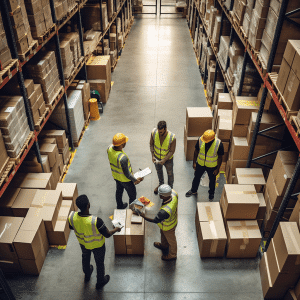 With Brexit reshaping trade routes and the rise of e-commerce demanding faster, more efficient services, businesses in the UK must continuously improve their logistics operations. One of the most effective ways to achieve this is through well-structured and comprehensive training. In this first part of a three-part series, we will explore the importance of logistics training, its role in enhancing business operations, and how it helps companies stay competitive in the ever-evolving UK market.
First a quick plug – Our sister companies Fresh Pharma whom are GDP Compliant Pharma couriers and ‘Fresh Fridge Hire‘ are out (compliant GDP) refrigerated vehicle hire.
Brief Overview of Training in Logistics
Logistics training has become a strategic imperative for businesses in the UK. In a sector where timely deliveries, optimal stock management, and effective fleet operations are critical, a well-trained workforce can make the difference between success and failure. Effective training helps logistics professionals keep pace with changing regulations, customer expectations, and technological advancements, ensuring that businesses remain agile, efficient, and profitable.
Training programmes help employees develop the technical and soft skills necessary to handle complex logistics challenges, from managing inventory and warehouse operations to optimising transport routes. As the industry faces new challenges—such as Brexit’s effect on trade regulations and the growing demand for sustainable practices—companies need to prioritise continuous learning to stay ahead.
Training in Logistics Statistics
The UK logistics sector is a key contributor to the economy, valued at approximately £127 billion annually. With more than 2.5 million people employed in the sector, effective training is crucial for sustaining growth. The logistics industry is also undergoing rapid digital transformation, with 41% of companies planning to invest in new technologies and automation, making training in these areas essential for businesses to remain competitive.
2. Why Training in Logistics is Crucial
Efficiency and Productivity
One of the primary benefits of logistics training is the improvement in overall efficiency and productivity. Employees who are well-trained in the latest logistics practices, technology, and safety protocols can execute their tasks more quickly and with fewer errors. This leads to faster turnaround times, smoother operations, and a better allocation of resources.
For instance, training warehouse staff to handle advanced automated systems or teaching drivers how to use real-time route optimization tools can significantly reduce delays, lower fuel consumption, and enhance delivery accuracy. Efficiency improvements at every stage of the logistics process lead to increased profitability.
Customer Satisfaction
Customer satisfaction is a vital component of any business strategy, and logistics plays a central role in meeting customer expectations. Well-trained logistics teams ensure that products are delivered on time, in perfect condition, and with real-time tracking capabilities. By implementing advanced training in areas such as inventory management and customer communication, businesses can offer quicker responses to customer queries, reduce delivery errors, and enhance the overall customer experience.
An example of this is in the growing e-commerce sector, where customers expect same-day or next-day deliveries. Logistics teams trained to handle high volumes with precision and care are more likely to meet these expectations, thereby boosting customer loyalty and repeat business.
Cost Management
Training employees in logistics not only improves service quality but also helps businesses manage and reduce costs. Errors in logistics, such as mishandling stock or inefficient transport routes, can lead to costly delays, wasted resources, and customer dissatisfaction. By equipping staff with the skills to avoid these mistakes, businesses can save money on both short-term operational costs and long-term expenses like returned goods or lost customers.
Additionally, logistics professionals trained in cost-saving techniques—such as efficient fleet management, optimal inventory control, and waste reduction—can contribute to a leaner, more profitable business model.
| Key Benefits of Logistics Training | Impact on Business |
| Increased efficiency and productivity | Faster operations, reduced delays |
| Improved customer satisfaction | On-time delivery, better customer experience |
| Enhanced cost management | Reduced errors, lower operational costs |
3. Understanding the UK Logistics Training Landscape
Brexit and Its Impact
Brexit has had a profound impact on the logistics industry in the UK, introducing new customs regulations, border checks, and paperwork. Businesses now face longer lead times, more complex documentation requirements, and the need to adapt to new trade routes. Logistics professionals must be well-versed in these changes to prevent delays and ensure compliance.
Training plays a crucial role in helping staff understand the new post-Brexit regulations, navigate cross-border complexities, and streamline processes to minimise disruptions. This is especially important for companies trading with the European Union, as new customs checks and documentation requirements have increased the risk of delays.
E-commerce Growth
The growth of e-commerce in the UK has placed significant pressure on the logistics sector. With more consumers shopping online, businesses are now handling larger volumes of orders and returns. This has increased demand for logistics staff who are trained to manage fast-paced, high-volume operations without compromising on accuracy or service quality.
Training in areas such as order fulfilment, last-mile delivery, and inventory management is essential for businesses to meet the expectations of the modern consumer. Additionally, with many e-commerce businesses offering same-day or next-day delivery, companies need to ensure that their logistics teams are equipped to handle tight deadlines and efficient routing.
Sustainability Focus
Sustainability has become a key focus for UK businesses, and the logistics industry is no exception. As consumers and regulators place increasing importance on reducing carbon footprints, companies are being pushed to adopt eco-friendly practices across their supply chains.
Logistics training can help staff understand how to implement sustainable practices, such as using fuel-efficient vehicles, reducing waste in warehousing, and optimising transport routes to lower emissions. Training programmes can also focus on educating employees about new regulations, such as the UK’s net-zero emissions targets, and how to align operations with these goals.
| Logistics Trend | Training Focus |
| Post-Brexit compliance | Understanding new customs regulations, documentation, and trade routes |
| E-commerce growth | Managing high-volume operations, last-mile delivery |
| Sustainability | Implementing eco-friendly logistics practices |
4. Key Areas of Training in Logistics
Warehouse Management
Training in warehouse management is crucial for improving efficiency and reducing errors. Employees need to be proficient in handling various warehouse functions, such as inventory tracking, order picking, and stock replenishment. Additionally, with the rise of automated systems and robotics in modern warehouses, staff must be trained to operate and maintain this technology effectively.
Proper warehouse management training ensures that products are stored and handled correctly, minimising damage and maximising space utilisation. Well-organised warehouses lead to faster order processing and better stock accuracy, resulting in improved customer satisfaction.
Inventory Control
Effective inventory control is essential to avoid overstocking or understocking, both of which can negatively impact business profitability. Overstocking ties up capital and increases storage costs, while understocking leads to missed sales and disappointed customers. Training in inventory management teaches employees how to monitor stock levels, forecast demand accurately, and use technology to maintain optimal inventory levels.
By implementing training in this area, businesses can reduce the risk of stockouts, minimise excess inventory, and improve cash flow. Well-trained employees can also respond more quickly to fluctuations in demand, helping businesses stay agile and competitive.
Transport & Fleet Management
The transport and fleet management aspect of logistics is critical for ensuring that goods are delivered on time, at the lowest possible cost. Training in this area includes optimising routes, managing driver schedules, and maintaining vehicles to prevent breakdowns and delays. With the increasing use of telematics and route-planning software, it is essential that drivers and fleet managers are trained to use these tools effectively.
Well-trained transport and fleet managers can significantly reduce operational costs by improving fuel efficiency, reducing vehicle wear and tear, and minimising delivery times. Additionally, they can ensure that drivers comply with regulations on working hours, vehicle safety, and road transport laws.
Supply Chain Management
Supply chain management is the backbone of logistics, encompassing everything from sourcing raw materials to delivering finished products to customers. Training in supply chain management helps staff understand the entire process, identify bottlenecks, and implement strategies to optimise each stage.
Well-trained supply chain professionals can improve coordination between different departments, ensuring that goods flow smoothly from suppliers to end customers. This leads to faster production cycles, reduced lead times, and better supplier relationships.
| Key Area | Training Benefits |
| Warehouse Management | Improved efficiency, reduced errors, better space utilisation |
| Inventory Control | Optimal stock levels, reduced stockouts, improved cash flow |
| Transport & Fleet Management | Reduced operational costs, improved fuel efficiency, faster deliveries |
| Supply Chain Management | Smoother operations, reduced lead times, better supplier coordination |
5. Modern Training in Logistics
E-learning
E-learning has become an increasingly popular training method in logistics, offering flexibility and convenience. Online courses allow employees to learn at their own pace, fitting training around their work schedules. These courses can cover a wide range of topics, from warehouse management and supply chain logistics to specific software training.
E-learning platforms often include interactive content such as quizzes, videos, and case studies, helping employees retain information more effectively. This training method is particularly beneficial for businesses with dispersed workforces or limited training budgets, as it reduces the need for physical classrooms and travel costs.
On-the-Job Training
On-the-job training (OJT) is one of the most effective ways to teach logistics employees practical skills. By learning in a real-world environment, staff can immediately apply what they’ve learned to their daily tasks. OJT is especially valuable in logistics, where hands-on experience with equipment, software, and processes is crucial.
This training method allows employees to learn while contributing to the business, reducing downtime and increasing productivity. It is also highly customizable, allowing trainers to focus on specific areas where employees need improvement.
Workshops & Seminars
Workshops and seminars provide employees with the opportunity to learn from industry experts, share experiences, and discuss new trends and challenges. These events often cover specific topics such as regulatory updates, new technology, or best practices in logistics.
Workshops are particularly useful for team-building and problem-solving, as they encourage collaboration and active participation. Seminars, on the other hand, are more focused on delivering new information, making them ideal for keeping employees up-to-date with the latest industry developments.
Gamification & Simulation
Simulations and gamification are innovative training methods that help employees develop complex skills in a risk-free environment. Simulations allow employees to practise scenarios they may encounter in their day-to-day roles, such as navigating a supply chain disruption or optimising a warehouse layout. Gamification adds a competitive element to training, motivating employees to engage with the material and apply their learning in real-world situations.
By incorporating technology into training, businesses can create a more engaging and effective learning experience for their employees.
| Training Method | Benefits |
| E-learning | Flexible, cost-effective, scalable |
| On-the-Job Training | Practical experience, immediate application |
| Workshops & Seminars | Expert insights, networking opportunities |
| Simulations & Gamification | Engaging, risk-free, skill development |
6. Certified Training in Logistics Programs and Qualifications in the UK
To ensure that logistics professionals are equipped with the skills and knowledge required in today’s complex logistics environment, several certified programs and qualifications are available in the UK. These certifications not only enhance the competency of employees but also boost the reputation of businesses by showcasing a commitment to high standards.
CILT (Chartered Institute of Logistics and Transport)
The Chartered Institute of Logistics and Transport (CILT) is one of the most respected professional bodies in the logistics and transport industry. It offers a wide range of certification and professional development programs that cater to logistics professionals at all stages of their careers.
- Certifications: CILT offers qualifications such as the CILT Level 2 Certificate in Logistics and Transport, which is ideal for individuals starting their careers, and advanced courses like the CILT Level 6 Advanced Diploma, suited for managers and decision-makers.
- Professional Development: CILT provides continuous professional development (CPD) opportunities that ensure staff stay updated with industry trends and best practices.
IOSCM (Institute of Supply Chain Management)
The Institute of Supply Chain Management (IOSCM) is another leading body that offers accredited logistics and supply chain courses. It focuses on practical, vocational training that equips learners with hands-on skills.
- Accredited Courses: IOSCM offers courses that cover various aspects of logistics and supply chain management,. Such as Level 2 in Warehouse Management and Level 5 in Supply Chain and Operations Management.
- Flexible Learning: IOSCM courses are designed to be flexible, allowing employees to study part-time or online while working. Making it easier for businesses to support their staff’s education.
NVQs in Logistics
National Vocational Qualifications (NVQs) are practical qualifications based on the skills required for specific roles. NVQs in logistics are highly regarded for logistics and warehousing staff and are recognized across the UK.
- Logistics & Warehousing NVQs: There are different levels of NVQs. Such as the Level 2 NVQ in Warehousing and Storage for entry-level staff and the Level 3 NVQ in Supply Chain Management. This is for more experienced workers.
- Skill Development: NVQs focus on practical, on-the-job learning. Ensuring that employees gain the real-world skills they need to perform their tasks efficiently.
| Certified Training Program | Certification Offered | Target Audience |
| CILT (Chartered Institute) | Level 2-6 Qualifications in Logistics & Transport | Entry-level staff to senior management |
| IOSCM (Institute of Supply Chain Management) | Levels 2-5 in Logistics and Supply Chain Management | Operational staff to mid-level managers |
| NVQs in Logistics | NVQ Level 2-3 in Warehousing, Logistics, and Storage | Warehousing, logistics, and supply chain workers |
7. Training in Logistics for New Technologies
With technological advancements rapidly reshaping logistics, businesses must ensure that their staff are trained to work with cutting-edge systems and tools. Artificial intelligence (AI), automation and the Internet of Things (IoT) are revolutionising the industry, and employees need the right training to leverage these technologies effectively.
Automation & Robotics
Automation is becoming increasingly prevalent in UK warehouses, with robotic systems handling everything from sorting to packing. Training employees to work alongside these machines is critical to ensure smooth operations.
- Robot Programming: Training focuses on teaching staff how to program, troubleshoot, and maintain robotic systems.
- Safety Protocols: Employees must also be trained in safety protocols to ensure safe interaction with automated equipment.
Artificial Intelligence (AI)
AI is being used in logistics to optimise processes, predict demand, and enhance decision-making. Staff need to be trained to understand and work with AI-powered tools.
- Predictive Analytics: Training covers how AI can predict stock levels, optimise routes, and anticipate customer demand.
- AI-driven Decision Making: Employees are taught how to use AI tools to make informed logistics decisions, such as dynamic pricing or adjusting inventory levels.
Internet of Things (IoT)
IoT devices are used to track shipments in real time, monitor environmental conditions (such as temperature in reefer containers), and manage fleet performance. Employees need to understand how to use these systems to gain real-time insights.
- Real-time Monitoring: Training involves using IoT systems for real-time tracking of goods throughout the supply chain.
- Data Analysis: Employees are trained to analyse data from IoT devices to make informed decisions, such as rerouting shipments based on real-time traffic updates.
| Technology | Training Focus | Benefits |
| Automation & Robotics | Robot programming, safety protocols | Increased efficiency, reduced human error |
| Artificial Intelligence | Predictive analytics, AI-driven decision-making | Optimised operations, demand forecasting |
| Internet of Things (IoT) | Real-time tracking, data analysis | Improved visibility, better decision-making |
8. Training Compliance and Safety in UK Logistics
Safety and compliance are non-negotiable aspects of logistics operations in the UK. Businesses must ensure that their staff are fully trained in health and safety regulations, data protection, and compliance with industry standards.
Health & Safety Regulations
The logistics sector involves several hazards, from working with heavy machinery to handling hazardous materials. Health and safety training is essential to minimise risks and prevent workplace accidents.
- Safety Procedures: Training includes safe lifting techniques, operating machinery, and emergency response protocols.
- Risk Assessments: Employees are trained to conduct risk assessments to identify potential hazards and mitigate risks.
Driver CPC (Certificate of Professional Competence)
For professional drivers in the logistics sector, the Driver CPC is a mandatory qualification that ensures they meet the required standards for driving large vehicles.
- CPC Courses: These include modules on vehicle safety, eco-driving, and first aid.
- Continuous Professional Development: Drivers must undergo periodic training to keep their CPC qualification up to date.
GDPR and Data Security
With increasing reliance on digital systems and data, logistics companies must comply with the General Data Protection Regulation (GDPR) to protect customer information.
- Data Security: Training focuses on data handling, encryption, and secure data storage.
- GDPR Compliance: Employees are taught how to ensure that customer data is processed and stored according to GDPR guidelines.
| Compliance Area | Training Focus | Outcome |
| Health & Safety | Safety procedures, risk assessments | Reduced workplace accidents, better compliance |
| Driver CPC | Vehicle safety, eco-driving, periodic training | Safer driving practices, legal compliance |
| GDPR and Data Security | Data handling, encryption, GDPR compliance | Secure data management, legal compliance |
9. The Role of Apprenticeships as part of Training in Logistics
Apprenticeships play a key role in developing the next generation of logistics professionals. In the UK, the government has introduced several initiatives to encourage businesses to offer apprenticeships in logistics, which benefit both employers and employees.
Government Initiatives
The UK government offers financial support for businesses that provide apprenticeships in logistics. These schemes help businesses develop a skilled workforce without incurring high upfront training costs.
- Apprenticeship Levy: Large businesses contribute to the Apprenticeship Levy, which funds apprenticeship training.
- Financial Incentives: Smaller businesses can receive financial support for taking on apprentices, helping to offset the costs of training.
Benefits for Employers and Employees
For employers, apprenticeships offer a way to shape and develop talent from the ground up. Apprentices learn on the job, gaining practical experience while working towards a recognised qualification.
- Employer Benefits: Businesses can tailor the training to their specific needs, ensuring that apprentices gain the skills required for the company’s operations.
- Employee Benefits: Apprentices gain hands-on experience while earning a qualification, making them highly employable and valuable assets to their employers.
| Aspect of Apprenticeship | Benefit for Employer | Benefit for Employee |
| Government Initiatives | Financial support for training | Opportunity to gain qualifications while working |
| Tailored Training | Customised training to meet business needs | Practical experience in logistics operations |
| Long-term Development | Building a loyal, skilled workforce | Career progression opportunities |
10. Challenges in Implementing Effective Training in Logistics
While training is essential for maintaining a competitive edge in logistics, businesses often face challenges when trying to implement effective training programs.
Cost & Time
One of the most common concerns is the cost and time involved in training employees. Logistics businesses often operate on thin margins, and taking staff out of their roles for training can disrupt operations.
- Cost Management: To overcome this challenge, businesses can opt for more cost-effective training methods, such as online courses and e-learning.
- Time Efficiency: Flexible training options, such as part-time or evening courses, allow employees to continue working while learning.
Staff Turnover
The logistics industry is known for its relatively high staff turnover rates. This can make it difficult for businesses to invest in training, only for employees to leave shortly after.
- Retention Strategies: Offering career progression opportunities and creating a positive work environment can help retain employees, making training a more worthwhile investment.
Keeping Up with Change
The logistics industry is rapidly evolving, with new technologies and regulations constantly being introduced. Keeping staff up-to-date with these changes can be a challenge for businesses.
- Continuous Learning: Businesses can establish a culture of continuous learning by offering regular training updates and encouraging employees to stay informed about industry developments.
11. Measuring the Success of Training in Logistics
Training is an investment, and like any business investment, it’s important to measure its effectiveness. By evaluating logistics training through specific metrics, businesses can ensure that their training programmes are delivering tangible results.
Key Performance Indicators (KPIs)
To measure the impact of logistics training on operational performance, businesses should track key performance indicators (KPIs) such as:
- Order Accuracy Rate: A well-trained team can significantly reduce errors in order picking, packaging, and delivery.
- Delivery Times: Improved efficiency in logistics processes can lead to faster deliveries and higher customer satisfaction.
- Inventory Turnover: Effective inventory management training can optimise stock levels, reducing overstock and stockouts.
These KPIs help businesses assess whether their training has led to improvements in productivity, accuracy, and overall logistics performance.
Employee Retention & Satisfaction
Training is not only about improving logistics performance but also about retaining skilled employees. A strong correlation exists between employee satisfaction and retention after effective training programmes.
- Retention Rates:. Companies that invest in their employees’ growth often see higher retention rates. Reducing the costs associated with high turnover.
- Employee Surveys:. Surveys can be used to gauge how employees feel about their training. Including whether they believe it has improved their skills and career prospects.
Customer Feedback
Satisfied customers are the ultimate measure of a successful logistics operation. After implementing training, it’s important to monitor customer feedback:
- Customer Satisfaction Scores (CSAT): By comparing CSAT scores before and after training implementation, businesses can determine whether training has led to an improvement in service quality.
- Net Promoter Score (NPS): NPS helps measure customer loyalty by determining how likely they are to recommend a company’s services. Well-trained logistics teams contribute to better customer experiences, resulting in higher NPS.
| Measure of Success | What it Monitors | Impact of Training |
| Order Accuracy Rate | Accuracy in fulfilling customer orders | Reduction in errors and improved service |
| Delivery Times | Speed of deliveries | Faster operations and higher customer satisfaction |
| Employee Retention & Surveys | Employee engagement and retention rates | Higher satisfaction and lower turnover |
| Customer Satisfaction (CSAT) | Customer feedback on service quality | Improved customer experience and loyalty |
12. Case Studies: Successful Training in Logistics in the UK
To illustrate the real-world impact of logistics training, let’s explore two case studies of UK businesses that enhanced their logistics operations through targeted training.
Example 1: Company A – Enhancing Warehouse Efficiency
Company A, a major UK retail chain, faced issues with warehouse inefficiencies, resulting in delayed deliveries and customer dissatisfaction. The company implemented a focused training programme that targeted warehouse operations, including inventory management and order processing.
- Training Approach: On-the-job training was combined with e-learning modules to cover warehouse management and operational best practices.
- Results: Within six months, the company reported a 20% improvement in order accuracy and a 15% reduction in delivery times, leading to increased customer satisfaction.
Example 2: Company B – Leveraging Technology-Driven Training
Company B, a logistics provider, struggled to adopt new technologies such as automated systems and AI-driven analytics. By implementing a technology-driven training programme that included simulations and gamification, they improved their team’s ability to work with these tools.
- Training Approach: The company introduced simulation-based training that allowed employees to work with virtual systems before transitioning to real-life applications.
- Results: After the training, the company saw a 25% increase in productivity, with employees now adept at managing automated systems and using AI for predictive analytics.
13. Choosing the Right Training in Logistics Partner in the UK
Choosing the right training provider is critical to the success of a logistics training programme. Here are some factors to consider when selecting a partner for logistics training in the UK.
Top Training Providers
Several reputable logistics training providers operate in the UK, offering a variety of certified courses, workshops, and bespoke programmes:
- CILT (Chartered Institute of Logistics and Transport): Offers a wide range of qualifications, from entry-level to advanced logistics certifications.
- IOSCM (Institute of Supply Chain Management): Specialises in supply chain and logistics management courses, with a focus on practical, vocational training.
- Logistics Skills Alliance: Offers accredited apprenticeships and bespoke training programmes tailored to the specific needs of businesses.
Factors to Consider
When selecting a training partner, businesses should evaluate the following criteria:
- Reputation and Accreditation: Ensure the provider is accredited by recognized bodies such as CILT or IOSCM.
- Flexibility and Delivery Method: Opt for a provider that offers flexible learning options. Including e-learning and on-site training, to suit your business needs.
- Customisation: Choose a training partner that offers bespoke training solutions tailored to your specific logistics operations and challenges.
Custom Training Programs
Some businesses may require training that is tailored to their specific logistics needs, such as working with new technologies or handling unique supply chain challenges. Custom training programs offer the flexibility to focus on areas that matter most to the business.
| Training Partner | Strengths | Training Focus |
| CILT (Chartered Institute) | Industry-recognized certifications | Logistics and transport management qualifications |
| IOSCM (Institute of Supply Chain Management) | Vocational, practical training | Supply chain and operations management |
| Logistics Skills Alliance | Bespoke training, apprenticeships | Apprenticeships, custom training for businesses |
14. Future Trends in Training in Logistics
As the logistics industry evolves, training methods and content will need to adapt to new challenges and technologies. Here are some key trends shaping the future of logistics training.
Digital Transformation within Training in Logistics
The logistics sector is undergoing a digital transformation. With technologies such as AI, automation, and big data analytics becoming central to operations. Future training will need to focus heavily on these areas to keep employees at the forefront of innovation.
-
AI and Machine Learning:
Employees will need to be trained to use AI-powered tools for demand forecasting, route optimization, and supply chain management.
-
Data Analytics
Training will need to focus on interpreting and using big data to make informed decisions, improve efficiency, and predict trends.
Sustainability & Green Logistics is a key part of Training in Logistics
With growing pressure to reduce the environmental impact of logistics operations, sustainability training will become a priority for businesses. This includes training employees on:
- Eco-friendly practices: How to reduce carbon emissions through greener transportation methods and more efficient warehouse operations.
- Sustainable Supply Chains: Understanding how to integrate sustainability into every part of the supply chain, from sourcing to distribution.
Continuous Learning within Training in Logistics
As logistics operations continue to evolve, continuous learning will become essential. Businesses need to create a culture of ongoing education. Where employees are encouraged to update their skills regularly through professional development courses and certifications.
- Lifelong Learning:. Offering opportunities for employees to engage in continuous education and skill-building will ensure that businesses remain agile and competitive.
| Future Trend | Focus Area | Impact on Logistics Training |
| Digital Transformation | AI, automation, data analytics | Employees need to master new technologies |
| Sustainability & Green Logistics | Eco-friendly practices, sustainable supply chains | Training will focus on reducing environmental impact |
| Continuous Learning | Lifelong learning, professional development | Businesses will prioritise ongoing training |
15. Conclusion
In today’s competitive and rapidly evolving logistics landscape, investing in effective training is essential for UK businesses. From certified programmes that enhance operational efficiency to forward-thinking training on new technologies and sustainability. Well-trained staff are the key to staying ahead.
By measuring the success of training programs through KPIs. Employee retention, and customer feedback, businesses can ensure their investment pays off. Real-life case studies show how UK companies have benefited from targeted and technology-driven training. Choosing the right training partner is also crucial in ensuring that businesses get the most out of their training efforts.
As logistics continues to evolve with advancements in technology and a focus on sustainability. Ongoing training will be vital to maintaining a skilled and agile workforce. UK businesses that embrace training as a continuous process will be best positioned to thrive in the future.
Protecting Your Operator Licence
- How much is an operator's licence in the UK?
The cost of a UK operator’s licence depends on the type and number of vehicles operated. For example, the application fee for a Goods Vehicle Operator Licence is £257, with an annual continuation fee of £401 per vehicle.
- How do I become an owner-operator truck driver in the UK?
To become an owner-operator truck driver, you need to:
- Obtain an Operator’s Licence.
- Have a valid HGV driving licence.
- Pass a medical exam.
- Secure commercial insurance and financing for a vehicle.
- How many types of licences are there in the UK?
There are three types of operator licences in the UK:
Standard National (for domestic haulage).
Standard International (for cross-border transport).
Restricted (for businesses carrying goods for their own use).
- How long is an OLAT course?
An OLAT (Operator Licence Awareness Training) course typically lasts one day, covering the key aspects of compliance, vehicle safety, and legal obligations.
- What is an operator's licence in the UK?
An operator’s licence is a legal requirement for businesses using goods vehicles above a certain weight for commercial purposes. It ensures compliance with safety and environmental standards for transport operators.
- Is OLAT Mandatory for All Operators?
No, OLAT is not mandatory for all operators. However, the Traffic Commissioner may recommend or require it if there are compliance issues or if a transport manager’s performance is under review.
- How Often Should I Attend OLAT?
While OLAT is usually required when compliance issues arise, it is also beneficial to attend regularly as part of Continuing Professional Development (CPD). This ensures that transport managers stay updated on changes to regulations and best practices.
- Can I Complete OLAT Online?
Yes, many providers now offer online OLAT courses. This option has become more popular, especially after the increased demand for remote learning during the COVID-19 pandemic.
- What Happens If I Don’t Comply with Operator Licence Regulations?
Non-compliance can lead to severe penalties, including fines, licence revocation, and even a ban from operating commercial vehicles. It can also damage a company’s reputation and result in lost business.
- How Long Does the OLAT Certification Last?
OLAT certification does not have an official expiry date. However, attending refresher courses periodically can help ensure ongoing compliance and keep transport managers updated on any regulatory changes.

Christmas Logistics
Christmas Logistics – planning for the Christmas Increase: A Comprehensive Guide
1. Introduction: Preparing for the Christmas Logistics Surge
 Christmas Logistics season represents the most significant period for retailers and supply chain managers worldwide. In the UK, online sales and brick-and-mortar shopping spike, leading to a substantial increase in logistics operations. However, this surge comes with challenges like increased customer demand, shipping bottlenecks, and inventory management issues. Efficient logistics planning is key to ensuring smooth operations, timely deliveries, and happy customers.
Why Early Christmas Logistics Planning is Crucial
Christmas Logistics Planning for the holiday season months in advance allows businesses to secure resources like warehouse space, staff, and delivery services. Failure to prepare may result in stockouts, delayed deliveries, and unhappy customers, damaging the brand’s reputation.
First a quick plug – Our sister companies Fresh Pharma whom are GDP Compliant Pharma couriers and ‘Fresh Fridge Hire‘ are our (compliant GDP) refrigerated vehicle hire.
| Key Challenges | Impact on Operations |
| Higher Customer Demand | Increased orders and need for faster shipping |
| Congested Delivery Networks | Slower deliveries and potential customer dissatisfaction |
| Managing Returns | Handling reverse logistics efficiently |
| Seasonal Staffing | Temporary workers may lack the necessary experience |
2. Understanding Christmas Logistics Peak Season Trends
Understanding customer behaviour during the Christmas season is critical for forecasting and managing logistics. In the months leading up to Christmas, shoppers begin buying gifts and other holiday essentials, leading to increased demand for goods across industries.
Analysing Consumer Behaviour
- Early Shopping: More consumers are shopping early to avoid last-minute stress. Retailers typically see a sales spike as early as October.
- Discount Events: Sales events like Black Friday and Cyber Monday in November further drive peak season traffic.
- Last-Minute Shoppers: A significant portion of consumers will still wait until December for last-minute purchases, putting pressure on logistics networks for fast deliveries.
Christmas Logistics Holiday Demand Patterns
Retailers must examine historical sales data and analyse current consumer trends to make accurate demand forecasts. Peak season analysis should factor in:
- Product categories with the highest demand
- Days with the most significant sales spikes (e.g., Black Friday, Super Saturday)
- Timeframes for increased shipping volumes
By using predictive analytics, businesses can anticipate consumer needs and adjust inventory levels and delivery schedules accordingly.
| Key Holiday Sales Trends | Impact on Logistics |
| Black Friday & Cyber Monday | Sudden surge in orders, shipping needs |
| Early Christmas Shopping | Inventory must be ready by mid-October |
| Last-Minute Shopping | Increased pressure on same-day/next-day shipping |
3. Inventory Management for the Christmas Logistics Holiday
Effective inventory management is one of the most critical components of Christmas logistics planning. Managing stock levels efficiently ensures that high-demand products are readily available while avoiding the costs associated with overstocking.
Tips for Efficient Inventory Management
- Accurate Forecasting: Use data-driven demand forecasting based on historical sales data and current trends. Invest in software tools that automate forecasting and inventory tracking.
- Stock Popular Products: Prioritise best-selling items and ensure ample stock levels. Consider offering limited-time deals on slow-moving items to free up warehouse space.
- Use Just-in-Time (JIT) Strategies Cautiously: While JIT strategies work well during regular periods, they may not be suitable for the Christmas rush due to the unpredictability of supply and delivery during this peak season.
- Diversify Suppliers: Don’t rely on a single supplier for crucial inventory. Building strong relationships with multiple vendors reduces the risk of stockouts if one supplier faces delays.
| Inventory Strategy | Description |
| Data-Driven Forecasting | Uses sales history to predict holiday demand |
| Prioritising Best-Selling Items | Ensure popular items are well-stocked to meet customer demand |
| Supplier Diversification | Mitigates risk by using multiple suppliers |
Stockout and Overstock Management
Avoiding stock outs is essential, but overstocking can also be costly, as it ties up capital and takes up valuable warehouse space. Balance is key. Implementing a mix of JIT with strategic bulk buying of high-demand items can help optimise stock levels.
4. Optimising Your Warehouse for the Christmas Logistics Rush
As demand surges during the holidays, your warehouse becomes the heart of logistics operations. Streamlining warehouse processes ensures faster picking, packing, and shipping of orders.
Best Practices for Warehouse Optimisation
- Layout Efficiency: Redesign warehouse layout to reduce travel time between storage areas. Store high-demand items closer to packing stations and the shipping area.
- Automate Processes: Use Warehouse Management Systems (WMS) to automate picking, packing, and inventory tracking. This improves accuracy and reduces human error.
- Organise by Product Type: Group products based on categories, demand, or size to optimise picking routes. Seasonal items should be easily accessible.
- Cross-Docking: Implement cross-docking techniques to reduce the time products spend in the warehouse. This method transfers products directly from receiving to shipping, reducing handling time.
| Warehouse Strategy | Description |
| Layout Optimisation | Reducing travel time between storage and packing stations |
| Automation | Implementing WMS for accurate picking and packing |
| Cross-Docking | Direct transfer from receiving to shipping |
Managing Order Volume
During the Christmas rush, the order volume skyrockets. Ensure your warehouse can handle this volume by employing scalable systems, adding temporary staff, and expanding warehouse hours.
5. Staffing Solutions: Preparing Your Workforce for Christmas Logistics uplift
The holiday season requires additional workforce planning to meet increased operational demands. Seasonal workers, combined with your core team, can help manage the Christmas surge. However, hiring and training temporary staff presents its own challenges.
Strategies for Hiring Seasonal Workers
- Start Recruitment Early: Begin recruiting temporary workers months before the Christmas season. Early hires allow time for proper training and onboarding.
- Flexible Scheduling: Create flexible schedules for seasonal and permanent staff to accommodate the fluctuating workload. Offer incentives for overtime work during peak days.
- Training Seasonal Staff: Invest in quick yet thorough training for seasonal workers. Focus on core tasks such as picking, packing, and safety protocols.
- Retention of Temporary Workers: Provide incentives for returning seasonal workers to reduce training time in the future. A reward system for outstanding performance can also motivate temporary staff to exceed expectations.
| Staffing Strategy | Benefits |
| Early Recruitment | More time for training and onboarding |
| Flexible Scheduling | Adapting workforce to fluctuating demand |
| Incentives for Seasonal Staff | Motivates high performance and encourages returning workers |
Utilising Technology for Workforce Management
Use Human Resource Management Systems (HRMS) to monitor and schedule your workforce efficiently. These systems allow you to track employee hours, assign tasks, and adjust staffing levels according to real-time demand.
Cross-Training Core Staff
Cross-training permanent staff in multiple roles (e.g., picking, packing, shipping) ensures flexibility and reduces bottlenecks when demand spikes.
6. Securing Reliable Delivery Partners for Christmas Logistics uplift
During the Christmas season, timely and efficient delivery is crucial for maintaining customer satisfaction. Establishing strong relationships with courier and freight companies well ahead of the holiday rush is essential.
Why Choose the Right Delivery Partner?
At fresh we pride ourselves as a reliable delivery partner ensuring timely shipping, helping to avoid missed delivery windows and disgruntled customers. Partnering with couriers that offer real-time tracking, flexible delivery options, and have experience handling increased holiday volumes is vital to streamline operations.
Selecting the Right Partners
When choosing delivery partners, consider their capacity, service quality, and ability to scale with increased holiday demand. Look for couriers that specialise in both domestic and international shipments if needed, and make sure they offer reliable express services. Couriers with a history of managing Christmas spikes, offering flexibility with extended working hours, and additional resources during peak season are the best fit.
| Delivery Partner | Key Features | Why Choose? |
| Major Couriers (e.g., DPD, UPS) | Real-time tracking, fast shipping | Scalable and experienced in peak periods |
| Local Couriers | Quick local deliveries, flexible pickup options | Ideal for same-day or regional deliveries |
| Freight Companies | Bulk and heavy shipments | Efficient for large volumes and palletised goods |
7. Mitigating Christmas Shipping Delays
Shipping delays are one of the most significant challenges during the holiday season, but there are several strategies businesses can adopt to mitigate these risks.
Plan for Shipping Peaks
Planning ahead is key. Begin by collaborating with delivery partners to schedule regular pickups and avoid bottlenecks at warehouses or during transit. Work with couriers to map out peak delivery days and schedule additional capacity. For cross-border shipping, ensure compliance with customs regulations well before the holiday season to prevent delays.
Communicate with Customers
Clear communication with customers can help manage expectations. Provide delivery estimates at checkout and notify them of potential delays caused by high volumes. Offering express or premium shipping options can also help meet last-minute demand, especially for urgent purchases.
Multi-Carrier Solutions
Using a multi-carrier shipping strategy can diversify your shipping routes and reduce dependency on a single courier. This approach can speed up deliveries when one carrier is overwhelmed, as you’ll have options to pivot to a less congested service.
| Delay Mitigation Strategy | Description |
| Multi-Carrier Solutions | Diversifies shipping to prevent delays |
| Regular Customer Updates | Manage expectations by communicating proactively |
| Early Shipping Planning | Schedule pickups to avoid peak season bottlenecks |
8. Managing Return Logistics Post-Christmas Logistics rush.
After Christmas, returns management—also known as reverse logistics—becomes a focal point for retailers. The volume of returns spikes dramatically after the holiday period, often due to unwanted gifts, incorrect orders, or sizing issues. Efficient management of returns is crucial for maintaining customer satisfaction and controlling operational costs.
Prepare for Return Peaks
Anticipate the post-holiday rush by organising a dedicated team to handle returns processing. Implement a clear, customer-friendly returns policy and communicate it across your platforms. This transparency can reduce friction for customers looking to return items.
Streamline Reverse Logistics
Optimising your reverse logistics process involves integrating technology to track returns and automatically update inventory. Partner with logistics companies that offer streamlined returns services and simplified returns labels. Offering in-store returns for online purchases is also an efficient way to manage returns.
| Returns Strategy | Benefits |
| Clear Returns Policy | Reduces customer confusion and enhances satisfaction |
| Partnering with Return-Friendly Couriers | Speeds up the reverse logistics process |
| Dedicated Returns Team | Reduces delays in restocking and refund processing |
9. Using Technology to Streamline Christmas Logistics
Technology plays a vital role in ensuring efficient logistics during the Christmas surge. Integrating advanced systems like automation, AI, and Warehouse Management Systems (WMS) helps streamline operations and manage high order volumes without compromising on service quality.
Automation in Warehousing
Automation can speed up repetitive processes like picking, packing, and sorting orders, which are essential during the holiday season. Automated guided vehicles (AGVs) and conveyor belts can move goods faster than manual processes, helping you handle more orders in less time.
AI and Predictive Analytics
AI-powered tools can predict demand more accurately by analysing consumer trends, historical data, and external factors like weather or economic conditions. These insights enable businesses to better manage inventory, avoid stockouts, and optimise delivery routes.
Warehouse Management Systems (WMS)
A WMS can track inventory in real-time, improve picking accuracy, and reduce the risk of overstocking or understocking. It integrates with various delivery partners to automate shipping labels, tracking, and dispatch, reducing manual errors and speeding up the process.
| Technology | Advantages for Christmas Logistics |
| Automation | Faster, more accurate order processing |
| AI & Predictive Analytics | Improved demand forecasting and inventory management |
| Warehouse Management Systems | Real-time inventory tracking and shipping integration |
10. Sustainable Christmas Logistics Planning
As consumers become increasingly conscious of environmental impact, incorporating sustainability into your logistics strategy is not just a good practice—it’s a competitive advantage.
Eco-Friendly Packaging
Switch to recyclable or biodegradable packaging materials to reduce your carbon footprint. Encourage customers to opt for eco-friendly shipping methods and provide them with choices for slower but more sustainable deliveries.
Reducing Emissions in Shipping
Consider partnering with delivery companies that use electric vehicles or have carbon offset programs. Optimising delivery routes through AI tools can also reduce the total distance travelled, minimising fuel consumption and emissions.
Minimise Waste in Warehousing
Implement sustainable warehouse practices such as energy-efficient lighting, reducing plastic use, and recycling materials wherever possible. Smart warehouse designs can also reduce energy consumption during peak periods.
| Sustainability Measure | Benefits |
| Eco-Friendly Packaging | Reduces waste and appeals to environmentally-conscious customers |
| Optimised Delivery Routes | Decreases fuel consumption and emissions |
| Energy-Efficient Warehousing | Lowers operational costs and carbon footprint |
11. Disruptions
Despite thorough planning, unforeseen events like bad weather, strikes, or supply chain disruptions can significantly impact Christmas logistics. Contingency plans ensure your business can continue operations when faced with these challenges.
Why You Need Contingency Plans
In the hectic Christmas logistics season, even minor disruptions can cascade into significant delays. Whether it’s supplier shortages, delivery mishaps, or adverse weather conditions, having backup plans for key operational areas can save your business from costly delays and dissatisfied customers.
Key Areas to Focus on
- Supplier Disruptions: Have alternative suppliers ready, especially for critical products. Building relationships with multiple vendors can mitigate the impact of stock shortages.
- Increased Demand: Preparing for demand surges requires both inventory buffers and the ability to scale your shipping capacity on short notice.
- Bad Weather: Extreme weather can stall deliveries. Diversify your carriers and ensure you have options like local couriers for last-minute, emergency deliveries.
| Disruption Type | Contingency Plan |
| Supplier Delays | Have backup suppliers and stock buffers |
| Increased Demand | Scale up staff and warehouse capacity |
| Weather Disruptions | Partner with local couriers and utilise multi-carrier strategy |
12. Customer Communication During Christmas: Keeping Clients Informed
Clear and consistent communication with customers is crucial for managing expectations during the holiday rush. Miscommunication or lack of updates can lead to frustration, so keeping clients informed about order status is key to maintaining a positive customer experience.
Proactive Communication Strategies
- Order Confirmations and Delivery Updates: Send automated emails or text messages to customers after orders are placed and dispatched, providing tracking information.
- Real-Time Delivery Estimates: Provide accurate delivery estimates during checkout, factoring in potential delays due to high demand or bad weather.
- Delay Notifications: If a delay occurs, communicate promptly with customers, offering solutions such as expedited shipping or discounts for the inconvenience.
| Communication Tool | How It Helps |
| Real-Time Order Tracking | Keeps customers informed, reducing anxiety about delays |
| Automated Notifications | Provides immediate updates on order progress |
| Customer Service Support | Resolves issues quickly, increasing satisfaction |
13. The Role of Data in Christmas Logistics Planning
Leveraging data can drastically improve logistics efficiency during the Christmas season. By analysing past performance and current trends, businesses can make informed decisions to anticipate demand, optimise shipping routes, and allocate resources effectively.
Key Data Points to Monitor
- Sales Trends: Analysing historical data on holiday sales helps forecast demand, enabling better stock planning.
- Delivery Times: Past performance on delivery times can help refine shipping processes and avoid bottlenecks.
- Customer Behaviour: Understanding peak order times, preferred shipping options, and product returns allows for more targeted logistics strategies.
Utilising Predictive Analytics
Predictive analytics can forecast potential demand spikes and identify the best shipping routes, improving efficiency. For instance, data can show which products are likely to be high sellers during the season, helping you prioritise stocking and distribution.
| Data Type | Usage |
| Sales Trends | Forecast demand and optimise inventory levels |
| Delivery Performance | Improve shipping processes and prevent bottlenecks |
| Customer Preferences | Offer tailored shipping options and promotions |
14. Global Supply Chain Challenges During Christmas Logistics
If your business operates internationally, managing global supply chains during Christmas adds another layer of complexity. Customs delays, import/export regulations, and international shipping lead times can all impact your ability to fulfil orders on time.
Navigating Customs and Import/Export Challenges
Holiday shipping periods can increase customs processing times, especially when dealing with countries that have their own holiday schedules or customs bottlenecks. To mitigate this:
- Plan for Longer Lead Times: Allow extra time for international deliveries and communicate this to customers.
- Ensure Compliance with Regulations: Work closely with freight forwarders to ensure all necessary documentation is in place for smooth customs clearance.
- Consider Alternative Routes: Explore alternative shipping routes or partners to avoid delays in congested ports.
Key Considerations for International Shipping
- Carrier Partnerships: Partner with international carriers that have experience handling peak season volumes.
- Inventory Placement: Consider placing inventory in multiple international locations to reduce transit times and meet local demand faster.
| Global Shipping Challenge | Solution |
| Customs Delays | Prepare documentation early and allow longer lead times |
| Port Congestion | Use alternative routes and diversify carrier options |
| International Demand Surges | Stock products in multiple global warehouses |
15. Post-Christmas Logistics Evaluation: What Can Be Improved for Next Year?
Once the Christmas season concludes, it’s essential to conduct a thorough evaluation of your logistics performance. This review allows you to identify what worked, what didn’t, and what improvements can be made for the next holiday season.
Key Areas to Evaluate
- Delivery Performance: Review the effectiveness of your delivery partners and on-time performance. Were there consistent delays, and if so, what was the cause?
- Inventory Management: Assess whether your stock levels were sufficient to meet demand without overstocking. Were there products that sold out too quickly or were overstocked?
- Customer Feedback: Gather feedback from customers to understand their experience during the holiday season. Use surveys or post-purchase reviews to identify pain points in the delivery process or communication gaps.
Implementing Lessons Learned after the Christmas Logistics season
After reviewing the season’s performance, set clear goals and strategies for improvement. If certain delivery partners underperformed, consider switching for the next year. If staffing levels were inadequate, start recruiting seasonal workers earlier.
| Evaluation Metric | Focus Area for Improvement |
| Delivery Performance | Improve shipping efficiency and partner selection |
| Inventory Management | Optimise stock levels based on demand forecasts |
| Customer Feedback | Enhance customer service and communication processes |
16. Conclusion – trying to smooth Christmas Logistics
Christmas Logistics planning requires a proactive and strategic approach to manage increased demand, prevent disruptions, and maintain high customer satisfaction. From securing reliable delivery partners to leveraging data and technology, every aspect of the supply chain must be optimised for peak performance. By focusing on sustainable practices, contingency planning, and post-holiday evaluations, businesses can ensure a successful holiday season while preparing for future growth. Start planning early, anticipate challenges, and remain adaptable to keep your logistics operations running smoothly throughout the festive period. Read our blog Beat Holiday Shortages with Effective Logistics Planning
Logistics Peak
- How does Christmas affect the supply chain?
Christmas has a significant impact on the supply chain, primarily because of the surge in consumer demand for goods and services. Retailers experience increased orders, leading to higher volumes of shipments and deliveries. This can result in potential delays, stock shortages, and logistical challenges. Companies often start preparing months in advance to ensure that production, inventory, and transportation can handle the seasonal rush. Labour shortages, bad weather, and bottlenecks at ports can also complicate the supply chain around this time.
- Does anything ship on Christmas Day?
On Christmas Day, most shipping companies, including major carriers like UPS, FedEx, and USPS, typically do not operate, as it’s a public holiday. However, at Fresh Logistics and other emergency or specialty services might be available in certain cases, but standard parcel deliveries are unlikely to happen on that day. Shipping resumes after the holiday.
- How does Christmas affect business?
Christmas affects businesses in multiple ways. For retailers, it’s usually the busiest season of the year, with many relying on holiday sales to make up a significant portion of their annual revenue. For non-retail businesses, especially B2B companies, Christmas might slow down operations as employees take time off and clients close for the holiday season. Marketing campaigns and special promotions are usually ramped up to take advantage of the consumer spending frenzy.
- Why is Christmas a big deal?
Christmas is a big deal for several reasons:
- Cultural significance: It’s a key holiday for millions of people globally, rooted in religious and cultural traditions.
- Family and social gatherings: It’s a time for families and friends to come together and exchange gifts.
- Economic impact: The holiday drives massive consumer spending, from gifts and decorations to food and travel, making it vital for businesses.
- Does the market go down during Christmas?
Historically, the stock market doesn’t typically go down during the Christmas season. In fact, there’s often a phenomenon known as the Santa Claus Rally, where the market tends to rise in the last week of December and the first two days of January. This can be attributed to holiday optimism, lower trading volumes, and year-end financial adjustments. However, external factors like economic instability can always cause fluctuations.
- Why is Christmas important for the economy?
Christmas is crucial for the economy because it stimulates vast consumer spending. Many industries—retail, hospitality, travel, and entertainment—see increased sales and activity during this period. Retailers often generate a large percentage of their annual revenue in the last quarter, largely due to Christmas shopping. The holiday creates jobs, boosts advertising, and generally leads to economic growth through consumer confidence and spending.
Chilled Courier
- Why is Christmas important for the economy?
Christmas is crucial for the economy because it stimulates vast consumer spending. Many industries—retail, hospitality, travel, and entertainment—see increased sales and activity during this period. Retailers often generate a large percentage of their annual revenue in the last quarter, largely due to Christmas shopping. The holiday creates jobs, boosts advertising, and generally leads to economic growth through consumer confidence and spending.
Refrigerated Delivery
- Why is Christmas important for the economy?
Christmas is crucial for the economy because it stimulates vast consumer spending. Many industries—retail, hospitality, travel, and entertainment—see increased sales and activity during this period. Retailers often generate a large percentage of their annual revenue in the last quarter, largely due to Christmas shopping. The holiday creates jobs, boosts advertising, and generally leads to economic growth through consumer confidence and spending.

Disabled Lorry Drivers: Adaptive technology
Disabled Lorry Drivers revolutionising Logistics with Adaptive Technology
Overview of the Disabled Lorry Drivers Project’s Goals and Significance
July is disability pride month and disabled Lorry Drivers are an untapped market and the logistics industry is experiencing a critical shortage of qualified drivers. Exacerbated by an ageing workforce and increasing demand for transport services. To address this issue, Fresh Logistics Group is spearheading a ground-breaking project aimed at developing adaptive technology for commercial Lorry’s. Enabling disabled individuals to enter the driving workforce. Read Alans blog Disable MD in UK Logistics to get further insights. This initiative seeks to create disability-adaptive Lorry’s, specifically designed to accommodate various disabilities, thus providing new employment opportunities and addressing the driver shortage crisis.
First a quick plug – Our sister companies Fresh Pharma whom are GDP Compliant Pharma couriers and ‘Fresh Fridge Hire‘ are our (compliant GDP) refrigerated vehicle hire.
 Background on the Driver Shortages in the UK and Europe
The driver shortage in the UK and Europe is a well-documented issue, with estimates suggesting a shortfall of c100k of drivers. Factors contributing to this shortage include an ageing workforce, stringent regulatory requirements, and a lack of interest among younger generations in pursuing careers in driving. Driver Recruitment is expensive, time consuming and laborious. This project by Fresh Logistics Group aims to tap into a largely overlooked demographic—disabled individuals—who possess the potential to significantly alleviate this shortage.
The Vision Behind the Disabled Lorry Drivers Innovation
The Motivation to Create the Disabled Lorry Drivers project
The motivation behind this innovative project is twofold: to provide meaningful employment opportunities for disabled individuals and to mitigate the severe driver shortages affecting the logistics industry. By developing Lorry’s equipped with adaptive technology, Fresh Logistics Group envisions a more inclusive and diverse workforce, capable of meeting the growing demands of the transport sector.
Filling the Driver Gap
With significant driver shortages in the UK and Europe, (100k at the last estimate in the UK) the logistics industry faces critical operational challenges. Fresh Logistics Group is pioneering an innovative solution to address both national and European driver shortages. By tapping into the largely untapped pool of disabled drivers, the industry can mitigate these shortages. According to the UK government’s Family Resources Survey, there were approximately 6.9 million disabled people aged 45 to 64 in the UK in 2019/2020. This demographic represents a significant potential workforce for the logistics sector.
Leveraging Untapped Potential
As of January 2022, there were over 40 million people holding a valid driving license in the UK, which equates to about 60% of the UK population. This includes a substantial portion of disabled individuals who are capable of driving but may not currently have access to suitable commercial vehicle opportunities. Specifically, 60% of the 6.9 million disabled people aged 45 to 64 translates to approximately 4.4 million potential drivers. Furthermore, DVLA statistics indicate that 74% of individuals in this age group hold a full driving license, underscoring the vast, untapped potential within the disabled community.
The Need for Adaptive Technology in Commercial Vehicles
Challenges Faced by Disabled Lorry Drivers in the Current Market
Despite the substantial number of disabled individuals with driving capabilities, several challenges prevent them from participating in the commercial driving sector. These challenges include a lack of accessible vehicles, insufficient training programs, and societal misconceptions about the capabilities of disabled drivers. The development of adaptive technology specifically for commercial vehicles aims to address these barriers, providing disabled individuals with the tools and support they need to succeed in this field. When it comes to un/loading some small adaptions need to be made by the company leadership team to bring equality and inclusivity. This is ‘real Diversity, equity, and inclusion (DE&I)’ that effects real lives and not a box ticking training course.
Fresh Logistics Group: Leading the Charge
Company Background and Previous Innovations
Fresh Logistics Group has a long-standing reputation for innovation and excellence in the logistics sector. Known for their cutting-edge solutions and commitment to customer satisfaction, they have consistently pushed the boundaries of what is possible in transport and logistics. This new initiative to develop disability-adaptive commercial Lorries is a testament to their forward-thinking approach and dedication to inclusivity.
Partnership with Matt Fieldhouse and Mobility in Motion
To bring this ambitious project to fruition, Fresh Logistics Group has partnered with Matt Fieldhouse, the Managing Director of Mobility in Motion. Mobility in Motion specialises in adaptive technology for vehicles, making them the ideal collaborator for this project. Together, they aim to create a range of commercial Lorry adaptions that are fully accessible and operable by disabled drivers, leveraging Mobility in Motion’s expertise in adaptive technology.
Designing Adaptive Lorry’s: Key Features
Overview of the Technology Being Developed
The technology being developed for these adaptive Lorry’s is ground-breaking, focusing on making commercial vehicles accessible to drivers with a range of disabilities. Key features include adaptive controls, customised seating arrangements, and enhanced accessibility options. These modifications are designed to ensure that disabled drivers can operate the vehicles safely and efficiently, without compromising on comfort or control.
Types of Adaptations (e.g., Controls, Seating, Accessibility)
- Adaptive Controls: These include hand controls, voice-activated systems, and other modifications that allow drivers with limited mobility to operate the Lorry’s essential functions. This ensures that drivers can maintain full control of the vehicle, regardless of their physical limitations.
- Customised Seating: The seating arrangements in these Lorry’s are designed to accommodate various disabilities, providing adjustable and supportive seats that enhance comfort and reduce strain. This includes features like swivel seats, height adjustments, and supportive cushioning.
- Enhanced Accessibility: To make the Lorry’s accessible to all drivers, features such as hydraulic lifts, wide doorways, and low-entry steps are being incorporated. These modifications ensure that drivers can enter and exit the vehicle with ease, regardless of their mobility challenges.
Collaborating with Industry Experts
Profiles of Key Partners and Their Roles in the Project
Fresh Logistics Group has strategically partnered with key experts. To ensure the success of their innovative project to develop adaptive technology for disabled Lorry drivers. Among these partners is Matt Fieldhouse, the Managing Director of Mobility in Motion. A company renowned for its expertise in adaptive vehicle technology. Fieldhouse brings a wealth of knowledge in designing and implementing adaptive solutions. Making vehicles accessible to individuals with various disabilities. His role in the project is pivotal. He oversees the integration of adaptive technologies into commercial Lorry’s, ensuring they meet the specific needs of disabled drivers.
In addition to Mobility in Motion, Fresh Logistics Group are looking to collaborate with a team of engineers and designers from leading automotive technology firms. These professionals will be responsible for developing and testing the adaptive controls and other modifications that will be incorporated into the Lorry’s. Their expertise in automotive engineering ensures that the vehicles are not only functional but also safe and reliable.
Medical experts will also play a crucial role in the project. These professionals will provide insights into the physical and cognitive challenges faced by disabled individuals. Thus allowing the design team to create solutions that address these issues effectively. Their contributions ensure that the adaptive technologies are user-friendly and can be operated by drivers with a wide range of disabilities.
The Prototype Development Process
Steps Involved in Designing and Testing the Adaptive Lorry’s
The development of adaptive Lorry’s for disabled drivers involves several critical steps. The process begins with extensive research and consultation with disabled individuals to understand their specific needs and challenges. This information forms the basis for the initial design concepts, which are then developed by the engineering and design teams.
Once the initial designs are complete, prototypes are created and subjected to rigorous testing. This phase includes both laboratory testing and real-world trials to ensure that the adaptive features function as intended and can withstand the demands of commercial driving. Engineers and designers work closely with test drivers, including disabled individuals, to gather feedback and make necessary adjustments to the designs.
The testing phase also includes evaluations of the Lorry’s’ performance under various conditions, such as different weather and road types. This ensures that the adaptive technologies are robust and reliable in all scenarios. The prototypes undergo multiple iterations of testing and refinement until they meet the required standards of safety, functionality, and user satisfaction.
Regulatory and Safety Considerations
Compliance with UK and EU Regulations
Ensuring that the adaptive Lorry’s comply with UK and EU regulations is a top priority for Fresh Logistics Group. The project teams will work closely with regulatory bodies to understand the specific requirements for commercial vehicles and adaptive technologies. This includes standards related to vehicle safety, accessibility, and emissions.
The adaptive Lorry’s are designed to meet or exceed all relevant regulations, ensuring that they can be legally operated on public roads. This involves comprehensive testing and certification processes to demonstrate that the vehicles comply with safety and environmental standards. The project team also will stay abreast of any changes in regulations to ensure ongoing compliance as the adaptive technologies evolve.
Ensuring Safety and Reliability for All Users
Safety and reliability are paramount in the development of adaptive Lorry’s. The project team will employ rigorous testing protocols to ensure that all adaptive features are safe and reliable under various conditions.
Training Programs for Disabled Lorry Drivers
Initiatives to Train Disabled Individuals to Operate Adaptive Lorry’s
To support the successful integration of disabled individuals into the commercial driving workforce, Fresh Logistics Group has developed comprehensive training programs. Fresh Logistics will be seeking expert support from training professionals. These programs are designed to equip disabled drivers with the skills and knowledge. Required and needed to operate adaptive Lorry’s safely and efficiently.
The training initiatives include both theoretical and practical components. Covering topics such as vehicle operation, safety protocols, and adaptive technology usage. Trainees receive hands-on experience driving adaptive Lorry’s under the guidance of experienced instructors. Ensuring they are fully prepared for real-world driving conditions. Drivers CPC and further hands on training is also part of the training programme.
Support and Resources Available for New Drivers
In addition to formal training programs, Fresh Logistics Group provides ongoing support and resources for new drivers. This includes access to a network of mentors, online training materials, and regular check-ins to address any challenges or concerns. The company also collaborates with vocational rehabilitation organisations to offer additional support services, such as job placement assistance and career counselling.
These resources are designed to help disabled drivers transition smoothly into their new roles. Achieving long-term success in the commercial driving industry. By providing comprehensive training and support, Fresh Logistics Group ensures that disabled drivers are fully equipped to meet the demands of their new careers.
Potential Economic and Social Benefits
How the Project Can Alleviate Driver Shortages
The development of adaptive Lorry’s has the potential to significantly alleviate driver shortages in the UK and Europe. By enabling disabled individuals to join the commercial driving workforce, the project expands the pool of available drivers and helps address the current shortfall. This not only benefits the logistics industry but also ensures that goods can be transported efficiently and reliably.
The inclusion of disabled drivers also brings a diverse range of skills and perspectives to the workforce, enhancing overall productivity and innovation. This can lead to improved operational efficiency and increased competitiveness for logistics companies.
Broader Societal Impacts, Including Increased Employment Opportunities for Disabled Lorry Drivers
Beyond addressing driver shortages, the project has broader societal impacts, including increased employment opportunities for disabled individuals. By providing these individuals with access to meaningful and well-paying jobs, the project promotes economic inclusion and reduces unemployment among disabled populations.
The initiative also fosters greater societal acceptance and understanding of disabilities, helping to break down barriers and challenge stereotypes. This can lead to more inclusive and equitable workplaces, where individuals of all abilities are valued and supported.
The project fosters greater societal acceptance and understanding of disabilities by making disabled drivers more visible in the workforce. Which challenges stereotypes and breaks down barriers, promoting a more inclusive society. This initiative leads to more equitable workplaces and communities where individuals of all abilities are valued and supported. The development of adaptive technology for disabled lorry drivers is a transformative initiative with significant economic and social benefits. By leveraging innovative technologies and collaborating with industry experts, Fresh Logistics Group is paving the way for a more inclusive and diverse workforce. This project not only addresses critical driver shortages but also creates new opportunities for disabled individuals, contributing to a more equitable and sustainable future.
Stories from Potential Disabled Lorry Drivers
Testimonials from Disabled Individuals Interested in Becoming Lorry Drivers
Many disabled individuals have expressed interest in becoming Lorry drivers, sharing inspiring testimonials about their aspirations and motivations. For instance, John, a wheelchair user, dreams of a career in driving. “I’ve always loved driving, and this project gives me the chance to pursue my passion while earning a living,” he says. “It’s empowering to know that adaptive technology can help me achieve my goals.”
Similarly, Sarah, who has limited mobility in her arms, looks forward to the opportunity to drive commercially. “This initiative opens doors that were previously closed to me. I’m excited about the independence and freedom it offers,” she shares. These personal stories highlight the transformative potential of the project for disabled individuals, providing them with new avenues for personal and professional growth.
Disabled Lorry Drivers – Personal Stories and Their Aspirations
These potential drivers have diverse backgrounds and aspirations. For example, Ash, a former IT professional who lost his job due to his disability, sees driving as a way to regain his independence and support his family. “Driving offers a stable and rewarding career path. I’m eager to learn and contribute to the industry,” he explains.
Another aspiring driver, Jayne, hopes to inspire others with disabilities to pursue their dreams. “By becoming a Lorry driver, I want to show that disabilities don’t define our capabilities. We can achieve great things with the right support and technology,” she asserts. These stories underscore the significant impact the project can have on individuals’ lives, offering them hope and opportunities for a brighter future.
Challenges and Solutions
Obstacles Faced During the Development and Implementation
Developing and implementing adaptive technology for commercial Lorry’s presents several challenges. These include technical difficulties in creating reliable and user-friendly adaptations, regulatory hurdles, and the need for extensive testing to ensure safety and functionality. Additionally, securing funding and support for the project can be challenging, given the high costs associated with research and development.
Future of Adaptive Technology in Logistics
Long-Term Vision for Adaptive Vehicles in the Logistics Industry
The long-term vision for adaptive vehicles in the logistics industry is one of inclusivity and innovation. As the technology continues to evolve. It has the potential to become a standard feature in commercial vehicles, making the industry more accessible to disabled individuals. This can lead to a more diverse and dynamic workforce, driving progress and efficiency in logistics operations.
In the future, adaptive technology may also include advanced features such as autonomous driving capabilities. Real-time health monitoring systems, further enhancing the safety and convenience of commercial driving for disabled individuals.
Potential for Expansion Beyond the UK and Europe cfor Disabled Lorry Drivers
While the current focus is on the UK and Europe. The potential for expansion is significant. Other regions facing similar driver shortages with disability inclusion can benefit from the adaptive technology. By sharing knowledge and collaborating with international partners, Fresh Logistics Group aims to promote global adoption of these innovations. With the aspiration of transforming the logistics industry worldwide.
Funding and Support for the Disabled Lorry Drivers Project
Current Funding Sources and Future Needs
The project currently receives funding from Fresh Logistics. However, continued support is essential to sustain research and development efforts and expand the project’s reach. Additional funding is needed to cover the costs of prototype development, testing, training programs, and marketing initiatives to raise awareness.
How Individuals and Organisations Can Support Disabled Lorry Drivers
Individuals and organisations can support the project in several ways. Donations and sponsorships can provide much-needed financial resources, while partnerships with technology companies can offer technical expertise and innovative solutions. Additionally, advocating for policy changes and raising awareness about the project’s benefits can garner public and industry support. Ensuring its long-term success.
Recap of the Project’s Importance and Progress for Disabled Lorry Drivers
The project to develop adaptive technology for disabled Lorry drivers is a transformative initiative with the potential to alleviate driver shortages. Thus promoting economic inclusion, and foster a more inclusive society.
Public and industry support is vital to the project’s success. By contributing financially, partnering on technology development, or advocating for policy changes. Individuals and organisations can play a crucial role in driving this initiative forward. Supporting this project means investing in a more inclusive and efficient logistics industry. Thus everyone has the opportunity to contribute and succeed.
Disability
- What is the 34-hour rule for truck drivers?
The 34-hour weekly rest rule is part of EU/UK drivers’ hours regulations for HGVs:
- HGV drivers must take at least 45 hours of weekly rest, which can be split.
- If a driver has reduced weekly rest (<45 hours), they can compensate later.
- The “34-hour reset” (also called a weekly rest reset) allows drivers to reset weekly driving limits if they take at least 34 consecutive hours off-duty.
This ensures drivers do not exceed maximum weekly driving hours and helps prevent fatigue.
- Can truckers be handicapped?
Yes — individuals with disabilities can become lorry drivers, provided:
- They meet DVLA medical standards for driving an HGV.
- They can safely operate the vehicle with or without adaptations.
Some disabilities may require adaptations to the cab (e.g., hand controls) or additional medical clearance. “Handicapped” is outdated — modern terminology is disabled driver.
- How can I become a lorry driver for free in the UK?
- Some UK schemes offer funded HGV training (Category C / C+E) for unemployed people, long-term benefits claimants, or certain apprenticeships.
- Examples:
- National Careers Service guidance
- Local council-funded HGV training programmes
- Jobcentre Plus initiatives covering some or all licence costs
Eligibility criteria vary. Full free funding is rare but possible in targeted schemes.
- What 10 medical conditions must be reported to DVLA?
When applying for or holding an HGV licence in the UK, drivers must report certain conditions, including but not limited to:
- Heart disease / pacemaker
- Epilepsy or seizures
- Diabetes (insulin-dependent)
- Stroke / TIA
- Severe eyesight problems
- Psychiatric disorders affecting driving
- Sleep apnoea / narcolepsy
- Limb loss or significant mobility impairment
- Neurological conditions (e.g., MS, Parkinson’s)
- Chronic fatigue or other conditions causing sudden incapacity
DVLA guidelines are strict because HGVs carry high public safety responsibilities.
- How many hours can a lorry driver drive without a break?
UK HGV rules (EU/UK drivers’ hours):
- Maximum 4.5 hours driving continuously without a break.
- Must take a minimum 45-minute break after 4.5 hours.
Breaks can be split: 15 min + 30 min if desired.
- What is the 8/2 split rule?
The 8/2 split rule allows drivers to take their 45-minute driving break as:
- 15 minutes + 30 minutes, or
- 30 minutes + 15 minutes
Instead of taking the full 45 minutes at once. This is useful for scheduling shorter stops.
- Can an HGV driver have a 15-minute break?
Yes — under the split break option, the 45-minute required break after 4.5 hours can be split into:
- 15 minutes + 30 minutes or
- 30 minutes + 15 minutes
Both parts must be taken before exceeding 4.5 hours driving.
- What's the maximum hours a truck driver can drive in a day?
- Maximum daily driving hours: 9 hours normally
- Can extend to 10 hours twice a week
- Weekly driving maximum: 56 hours
- Two-week total maximum: 90 hours
These limits prevent driver fatigue.
- How many 15-hour days can an HGV driver do?
- 15-hour “day” refers to the total time on duty, not driving alone.
- UK HGV rules allow up to 14–15 hours duty, with max 10 hours driving, if planned properly and breaks are observed.
- Not daily — must comply with weekly and two-week maximums.
- How many 34-hour resets can be taken in a week?
- Only one 34-hour weekly rest period can be counted in a week for “resetting” weekly limits.
- This resets weekly driving totals, allowing drivers to start fresh for the new week.
- Cannot use multiple 34-hour rests in the same week to extend hours illegally.
Protecting Your Operator Licence
- What's the maximum hours a truck driver can drive in a day?
- Maximum daily driving hours: 9 hours normally
- Can extend to 10 hours twice a week
- Weekly driving maximum: 56 hours
- Two-week total maximum: 90 hours
These limits prevent driver fatigue.
- How many 15-hour days can an HGV driver do?
- 15-hour “day” refers to the total time on duty, not driving alone.
- UK HGV rules allow up to 14–15 hours duty, with max 10 hours driving, if planned properly and breaks are observed.
- Not daily — must comply with weekly and two-week maximums.
- How many 34-hour resets can be taken in a week?
- Only one 34-hour weekly rest period can be counted in a week for “resetting” weekly limits.
- This resets weekly driving totals, allowing drivers to start fresh for the new week.
- Cannot use multiple 34-hour rests in the same week to extend hours illegally.
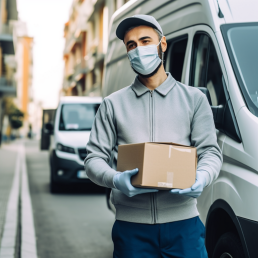
Refrigerated Courier Prices
Refrigerated Courier Prices in the UK
Refrigerated Courier Prices in the United Kingdom play a vital role in ensuring the safe and timely delivery of temperature-sensitive goods.

Whether you’re a business owner looking to transport perishable products or a consumer in need of a reliable service, understanding the pricing dynamics is essential. In this comprehensive guide, we’ll delve into the specifics of refrigerated courier prices in the UK, exploring various aspects and offering valuable insights to help you make informed decisions. Affordable Food Transfer are a critical supply chain attribute.
First a quick plug – Our sister companies Fresh Pharma whom are GDP Compliant Pharma couriers and ‘Fresh Fridge Hire‘ are our (compliant GDP) refrigerated vehicle hire.
Factors Influencing Refrigerated Courier Prices
Several key factors influence the pricing of refrigerated courier services in the UK. By comprehending these factors, you can make informed decisions when choosing a courier and optimising your shipping costs.
1. Distance and Destination
The distance your goods need to travel within the UK greatly affects the price you’ll pay for refrigerated courier services. Shipping between major cities like London and Manchester may be more cost-effective than reaching more remote areas. When considering the distance, it’s important to remember that the UK has a well-developed transportation network, but reaching more remote regions might incur higher costs due to longer transit times and increased fuel expenses.
2. Temperature Requirements
Different goods have varying temperature requirements. Some items, like frozen foods, must be transported at lower than -18oC, while others, like pharmaceuticals, may require a controlled environment +2oC to +8oC. We have found that some couriers adjust their prices based on the specific temperature conditions needed. Again not at Fresh. It’s essential to communicate your goods’ precise temperature requirements to the courier to ensure they can meet these conditions.
3. Urgency of Delivery
The urgency of your shipment can significantly impact the cost. If you need a quick delivery, such as same-day or next-day service, expect to pay a premium. Standard deliveries with longer transit times tend to be more budget-friendly. Understanding the balance between urgency and cost is crucial. Consider your shipment’s time sensitivity and budget constraints to make the best choice for your needs.
4. Packaging and Handling
Proper packaging and handling are essential to maintain the integrity of temperature-sensitive cargo. Couriers may charge extra for specialised packaging materials and handling procedures to ensure your goods arrive in perfect condition. Investing in quality packaging is often a wise choice to safeguard your products during transit. Couriers with expertise in handling temperature-sensitive items can provide valuable guidance on suitable packaging options.
5. Courier Reputation and Service Quality
The reputation and service quality of the refrigerated courier provider also play a significant role in pricing. Established couriers with a track record of reliability and customer satisfaction may charge slightly higher prices than newer or less reputable competitors. We do not at Fresh, However, the peace of mind that comes with knowing your goods are in capable hands is often worth the investment.
6. Volume of Shipments affect Refrigerated Courier Prices
If your business frequently relies on refrigerated courier services, you may be eligible for volume discounts. Many couriers offer preferential rates to businesses with high shipping volumes. It’s worth discussing these options with your courier provider to explore potential cost savings.
7. Seasonal Variations
Seasonal fluctuations in demand can impact some refrigerated courier prices. For instance, during the holiday season, there may be increased demand for transporting perishable goods. Prices can rise during peak periods, so planning your shipments in advance can help mitigate costs. This does not apply at Fresh
Real-Life Refrigerated Courier Prices
To provide a clearer picture of how these factors come into play in the UK, let’s consider a real-life pricing scenario. Imagine a family-owned dairy farm in rural Scotland that specialises in producing artisanal cheeses. They need to ship a batch of their premium cheeses to a distributor in London.
- Distance and Destination: Shipping from rural Scotland to London involves a considerable distance within the UK. The courier will factor in the mileage and the destination’s accessibility when calculating the base price.
- Temperature Requirements: Cheeses typically require a cool but not freezing environment to maintain their quality. The need for temperature control will influence the pricing, ensuring that the cheeses reach London in optimal condition.
- Urgency of Delivery: The distributor in London has a specific order deadline to meet demand. To ensure timely delivery, the dairy farm opts for an expedited service, which comes at a higher cost.
- Packaging and Handling: Quality packaging is crucial to prevent damage to the cheeses during transit. The dairy farm invests in specialised packaging materials to maintain the ideal temperature and protect the cheeses during their journey.
By examining this real-life example, it becomes clear how the unique requirements of a shipment directly impact the refrigerated courier prices for the dairy farm in the UK.
Choosing the Courier offering the best Refrigerated Courier Prices
Selecting the right refrigerated courier service in the UK is a crucial decision that can affect the cost and success of your shipments. Here are some key considerations when choosing a courier:
1. Specialisation
Look for a courier that specialises in transporting goods similar to yours. Whether you’re shipping frozen foods, pharmaceuticals, or any other temperature-sensitive items, a courier with expertise in handling your specific products is essential.
2. Reliability
Reputation and reliability are paramount when choosing a refrigerated courier. Check customer reviews, ask for references, and inquire about the courier’s track record for on-time deliveries and product integrity.
3. Temperature Control Technology
Ensure that the courier uses modern temperature control technology in their vehicles. Temperature fluctuations can compromise the quality and safety of your goods, so advanced technology is a must.
4. Communication
Clear and open communication with your courier provider is essential. Discuss your requirements, including temperature specifications, packaging needs, and delivery schedules, to avoid misunderstandings and ensure a smooth shipping process.
5. Cost Transparency
Request a detailed breakdown of pricing, including any additional charges for packaging, handling, and expedited services. Transparent pricing helps you budget effectively and avoid unexpected costs.
6. Insurance Coverage
Check if the courier provides insurance coverage for your shipments. While professional couriers take every precaution to protect your goods, having insurance in place adds an extra layer of security.
Realising Cost Savings in Refrigerated Courier Prices
While refrigerated courier services are essential for preserving the quality of temperature-sensitive goods, there are strategies to optimise costs without compromising on quality. Here are some tips to realise cost savings:
1. Plan Ahead
Whenever possible, plan your shipments well in advance. Rush deliveries tend to be more expensive, so giving yourself ample time can lead to cost savings.
2. Bulk Shipments
If your business frequently requires refrigerated shipping, consider consolidating multiple smaller shipments into one larger shipment. This can reduce per-unit shipping costs.
3. Regular Audits
Periodically review your shipping processes and costs. Look for opportunities to streamline operations and negotiate better rates with your courier provider.
4. Explore Volume Discounts
If your business experiences consistent high shipping volumes, inquire about volume discounts with your chosen courier. Many providers offer preferential rates for frequent and substantial shipments.
5. Optimise Packaging
Invest in packaging solutions that are both effective at maintaining the required temperature and cost-efficient. Reusable and eco-friendly packaging options can also provide long-term savings.
Real-Life Example 2: Refrigerated Courier Prices – The Pharmaceutical Challenge
To further illustrate the impact of refrigerated courier prices in the UK, let’s consider a pharmaceutical company based in Manchester. This company specialises in producing temperature-sensitive vaccines that need to be distributed to healthcare facilities across the UK. Ensuring the integrity and safety of these vaccines during transportation is of utmost importance, and compliance plays a pivotal role.
Regulatory Compliance:
The pharmaceutical industry is highly regulated, with strict requirements for the storage and transportation of temperature-sensitive medications and vaccines. The courier chosen by the pharmaceutical company must adhere to all relevant regulations, such as Good Distribution Practice (GDP) guidelines.
Temperature Monitoring:
To meet compliance standards, the courier must implement robust temperature monitoring systems in their vehicles. These systems should provide real-time data on temperature conditions, ensuring that vaccines are transported within the specified temperature range.
Documentation:
Compliance often requires thorough documentation of the entire shipping process. This includes records of temperature logs, packaging details, and handling procedures. Couriers that excel in compliance provide comprehensive documentation for their shipments.
Qualified Personnel:
The courier’s staff must be trained and qualified to handle pharmaceutical shipments. This includes knowledge of proper handling procedures, temperature control, and emergency response protocols.
Auditing and Validation:
Regular auditing and validation of the courier’s processes are essential to maintain compliance. Pharmaceutical companies often conduct audits or require couriers to undergo third-party validation to ensure that all standards are met.
For the pharmaceutical company, compliance is non-negotiable, even if it means slightly higher courier costs. The safety and efficacy of their vaccines depend on it, and any compromise could lead to serious consequences.
International Refrigerated Courier Prices and Compliance
While we’ve primarily focused on domestic refrigerated courier services in the UK, international shipments involving temperature-sensitive goods require an even more stringent approach to compliance. Here are some key considerations:
1. International Regulations effect Refrigerated Courier Prices
When shipping temperature-sensitive goods internationally, you must navigate a complex web of international regulations. Each country may have its own set of requirements for pharmaceuticals, food products, and other temperature-sensitive items. Ensuring compliance with these regulations is paramount to avoid customs issues and maintain the integrity of your products.
2. Cold Chain Management
International shipments often involve longer transit times and various modes of transportation, such as air and sea. Maintaining a seamless cold chain, where temperature control is maintained throughout the journey, becomes a critical challenge. Compliance requires meticulous planning and coordination among various stakeholders, including couriers, customs authorities, and logistics partners.
3. Documentation and Certifications
International shipments often require extensive documentation and certifications to meet the regulatory requirements of both the exporting and importing countries. This may include Certificates of Analysis, Certificates of Origin, and compliance with the World Health Organization’s guidelines for pharmaceutical products.
4. Risk Mitigation
International shipments are exposed to additional risks, including customs delays, extreme weather conditions, and logistical challenges. Compliance involves thorough risk assessment and mitigation strategies to ensure that temperature-sensitive goods reach their international destinations intact.
International Refrigerated Courier Prices: Key Considerations
| Aspect | Description |
| International Regulations | Navigating a complex web of international regulations specific to each country’s requirements. |
| Cold Chain Management | Ensuring seamless temperature control throughout the journey, especially for longer international routes. |
| Documentation and Certifications | Gathering extensive paperwork and certifications to meet the regulatory needs of exporting and importing countries. |
| Risk Mitigation | Assessing and addressing various international risks, including customs delays and logistical challenges. |
The Future of Refrigerated Courier Services
As technology advances and sustainability becomes a growing concern, the future of refrigerated courier services in the UK is likely to evolve. Here are some trends and innovations to watch for:
1. Sustainable Practices
With increasing environmental awareness, refrigerated couriers are exploring eco-friendly options. This includes electric or hybrid refrigerated vehicles and sustainable packaging materials, reducing both carbon emissions and costs in the long run.
2. IoT and Temperature Monitoring reducing Refrigerated Courier Prices
The Internet of Things (IoT) is transforming the way temperature-sensitive goods are shipped. IoT sensors can provide real-time temperature data, allowing for better monitoring and control. This not only ensures compliance but also enhances product quality and safety.
3. Automation reducing Refrigerated Courier Prices
Automation, including automated loading and unloading systems, is streamlining the shipping process. This reduces labour costs and improves efficiency, potentially leading to more competitive pricing.
4. Data Analytics
Advanced data analytics are helping couriers optimise routes, reduce fuel consumption, and improve overall efficiency. This, in turn, can positively impact pricing and service quality.
Future Trends and Innovations in Refrigerated Courier Services
| Trend/Innovation | Description |
| Sustainable Practices | Adoption of eco-friendly options, such as electric/hybrid vehicles and sustainable packaging materials. |
| IoT and Temperature Monitoring | Implementation of IoT sensors for real-time temperature data, enhancing monitoring and control. |
| Automation | Streamlining processes with automation, including loading/unloading systems, reducing labour costs. |
| Data Analytics | Utilising advanced data analytics for optimised routes, fuel consumption reduction, and efficiency improvement. |
Conclusion to finding the best Refrigerated Courier Prices
In conclusion, navigating refrigerated courier prices in the UK involves a deep understanding of the factors that influence pricing, the importance of compliance in various industries, and the evolving landscape of temperature-sensitive shipping. Whether you’re a business owner seeking to transport perishable products, Hazardous or a pharmaceutical company with stringent compliance requirements, the right choice of refrigerated courier is critical.
As the industry continues to evolve, staying informed about the latest technologies and best practices is key to optimising costs while ensuring the safe and reliable transport of your temperature-sensitive goods. Compliance remains at the forefront of this process, ensuring that your shipments meet all regulatory standards and reach their destinations in perfect condition.
Refrigerated Courier Prices
- What Is a Refrigerated Courier Service?
Answer: A refrigerated courier service is a specialised logistics service that transports temperature-sensitive goods, such as perishable foods, pharmaceuticals, and other items requiring precise temperature control. These couriers use refrigerated vehicles to maintain the required temperature throughout the delivery process.
- How Are Refrigerated Courier Prices Calculated in the UK?
Answer: Refrigerated courier prices in the UK are calculated based on several factors, including the distance the goods need to travel, the specific temperature requirements, the urgency of delivery, and any additional packaging or handling needs. Longer distances, faster delivery times, and specialised temperature control all contribute to higher prices.
- Are Refrigerated Couriers Only for Businesses?
Answer: No, refrigerated courier services in the UK cater to both businesses and individuals. While businesses often use these services for commercial purposes, individuals can also utilise them to transport temperature-sensitive items, such as cakes for special occasions or medications.
- What Temperature Ranges Can Refrigerated Couriers Maintain?
Answer: Refrigerated couriers in the UK can maintain a wide range of temperatures to accommodate various types of goods. Typically, they can transport items at sub-zero temperatures for frozen goods, as well as maintain controlled environments slightly above freezing for products like pharmaceuticals.
- How Can I Ensure the Safe Transport of My Goods Using a Refrigerated Courier?
Answer: To ensure the safe transport of your goods with a refrigerated courier, consider the following steps:
- Proper Packaging: Use appropriate packaging that insulates and protects your items.
- Communication: Clearly communicate the temperature requirements and any special handling instructions to the courier.
- Choose the Right Service: Select a refrigerated courier service that specialises in your type of shipment and has a good reputation for reliability.
- Track Your Shipment: Use tracking services provided by the courier to monitor your shipment’s progress and ensure it arrives on time.
- Inspect on Arrival: Upon delivery, inspect your goods to ensure they have been transported in the desired condition.

Food Theft in Distribution
Mitigating Food Theft in Distribution.
In the realm of food distribution in the United Kingdom, the challenges of mitigating theft have grown increasingly complex. Theft not only disrupts the supply chain but also impacts the livelihoods of countless individuals and businesses involved in the food industry. In this comprehensive article, we delve into the multifaceted issue of theft in the food distribution sector in the UK, exploring the root causes, consequences, and, most importantly, the strategies and solutions to mitigate this problem effectively.
First a quick plug – Our sister companies Fresh Pharma whom are GDP Compliant Pharma couriers and ‘Fresh Fridge Hire‘ are our (compliant GDP) refrigerated vehicle hire.
| Key Takeaways | |
| 1. Economic Motivations | Address economic disparities that drive food theft. |
| 2. Enhanced Security | Comprehensive security measures are essential. |
| 3. Collaboration is Key | Building strong partnerships for effective prevention. |
 Understanding the Prevalence of Food Theft
Food theft, whether it occurs during transit, warehousing, or even within the retail sector, poses a significant challenge to the
industry in the UK. This illicit activity is driven by various factors, including economic disparities, opportunism, and the allure of high-value food products. The consequences of food theft can be dire, ranging from financial losses for businesses to the disruption of the food supply chain and even potential health risks when stolen products re-enter the market.
Unveiling the Root Causes of Food Theft in the UK
In the intricate landscape of food distribution in the United Kingdom, the spectre of food theft casts a shadow over the entire supply chain. The issue of food theft is multifaceted, impacting businesses, consumers, and the industry as a whole. In this comprehensive exploration of the root causes of food theft, we unravel the underlying factors that drive this challenge, from economic motivations to vulnerabilities within the supply chain, and the allure of high-value goods.
Economic Motivations for Food Theft
One of the primary drivers behind food theft in the UK is economic hardship. In a society grappling with income inequality and financial uncertainty, individuals facing economic challenges may resort to theft as a means of survival or a way to make quick money by selling stolen food products.
Economic Disparities and Food Theft
Economic disparities across the United Kingdom continue to influence patterns of retail crime, including food theft. While the UK remains a developed economy, income inequality, rising housing costs, and fluctuating energy prices place sustained pressure on lower-income households. When essential living expenses increase faster than wages or benefits, disposable income contracts sharply. For families already operating within tight financial margins, even modest price rises can disrupt household budgeting.

Food is a fundamental human necessity rather than a discretionary purchase. When households face competing demands between heating, rent, and groceries, difficult choices emerge. In extreme circumstances, individuals may perceive food theft as a means of immediate survival rather than criminal intent. This does not excuse unlawful behaviour, but it highlights the social and economic context surrounding certain offences. Reports from charitable organisations such as The Trussell Trust indicate sustained demand for emergency food parcels across many regions. Increased reliance on food banks suggests deeper structural pressures affecting vulnerable groups.
Retailers also report higher levels of shoplifting involving staple items such as bread, milk, and infant formula. These goods differ from high-value luxury theft. They reflect basic consumption needs. Urban areas with pronounced deprivation often experience more frequent incidents, though rural hardship remains significant.
Addressing economic disparities requires coordinated policy approaches. Employment support, living wage adjustments, affordable housing initiatives, and accessible welfare systems all contribute to reducing financial distress. Preventative strategies are more sustainable than enforcement alone. Tackling the root causes of hardship ultimately reduces incentives for food-related theft while strengthening social cohesion across communities.
| Strategies for Mitigation | Description |
| Supporting Vulnerable Communities | Initiatives aimed at alleviating economic disparities and providing support to vulnerable communities can significantly reduce the motivation for food theft by addressing the root economic causes. |
| Community Engagement | Encouraging community engagement and support creates safety nets for individuals facing financial difficulties. It fosters a sense of solidarity and provides assistance in times of need. |
| Food Banks and Assistance Programs | Expanding the availability and accessibility of food banks and assistance programs offers a dignified way for those in need to obtain food, reducing the necessity to resort to theft. |
These strategies focus on addressing the economic motivations behind food theft by providing support to vulnerable individuals and communities, thereby reducing the incentive for theft.
Opportunities in the Supply Chain to reduce Food Theft
The food distribution supply chain in the UK is vast and complex, making it susceptible to theft at various points. Vulnerabilities within the supply chain may include unsecured warehouses, poorly monitored transport routes, and weak inventory control systems.
Vulnerabilities Within the Supply Chain to Food Theft
Unsecured Warehouses
Warehouses storing food products are often targets for theft, especially if they lack proper security measures. Criminals may exploit vulnerabilities such as inadequate lighting, weak access controls, or insufficient surveillance.
| Mitigation Strategies | Description |
| Enhanced Security Measures | Installing robust security systems that include surveillance cameras, access control systems, and alarm systems can deter potential thieves by creating a secure environment. |
| Training and Awareness | Educating warehouse staff about security protocols and the importance of reporting suspicious activities is essential in preventing theft and ensuring a vigilant workforce. |
| Regular Audits | Implementing regular audits and inspections of warehouses is vital to identify and address security weaknesses promptly, maintaining the integrity of the supply chain. |
These strategies are designed to bolster security within warehouses, reduce vulnerabilities, and promote vigilance among staff to prevent theft.
Weak Transport Routes
During the transportation of food products, vulnerabilities may emerge due to poorly planned routes, lack of real-time tracking, or inadequate security measures. Thieves may target delivery trucks, pilfering goods during transit.
| Mitigation Strategies | Description |
| Route Optimisation | Implementing careful route planning that takes into account security concerns can minimise the risk of theft during transit. Strategic route selection is essential to reduce vulnerabilities. |
| Real-time Monitoring | Employing tracking technology to monitor the location and security of goods during transit in real-time helps ensure their safety and enables rapid response to any security threats. |
| Driver Training | Ensuring that drivers are adequately trained to recognize and respond to security threats is a critical component in preventing theft during transportation within the supply chain. |
These strategies are designed to enhance security and minimise vulnerabilities in the supply chain during the transportation phase.
Inventory Control to reduce Food Theft
Inaccurate or lax inventory control systems can lead to unnoticed discrepancies and theft within the supply chain. If products are not tracked effectively, it becomes easier for thieves to pilfer items without detection.
| Mitigation Strategies | Description |
| Advanced Inventory Management Systems | Implementing modern inventory management systems that offer real-time tracking and reporting capabilities can help businesses maintain tight control over their stock and identify potential theft or discrepancies promptly. |
| Employee Training | Providing training to employees on the importance of accurate inventory control and teaching them to recognize signs of theft helps in deterring and detecting theft within the supply chain. |
| Regular Audits | Conducting regular audits of inventory is essential to identify and address discrepancies promptly, ensuring the integrity of the supply chain and preventing potential theft. |
These strategies focus on enhancing inventory management, empowering employees to prevent theft, and maintaining the integrity of the supply chain through regular audits.
Demand for High-Value Goods
Certain food products, such as spices, premium meats, and luxury beverages, hold significant resale value in the black market. The demand for these high-value goods entices criminals to specifically target them for theft.
High-Value Targets for Food Theft
Luxury Food Products
Products like truffles, high-end wines, and specialty cheeses are often associated with fine dining and gourmet cuisine. They are not only sought after by consumers but also command high prices in the illicit market.
Premium Meats
Top-quality cuts of meat, such as Wagyu beef or Iberian ham, are delicacies that can fetch premium prices. Criminals may target these meats due to their high value.
Spices
Spices and herbs are prized in the culinary world for their unique flavours. Their scarcity and desirability make them attractive targets for theft.
| Mitigation Strategies | Description |
| Security for High-Value Products | High-value food products should be given special attention when it comes to security measures. This includes ensuring secure storage, robust tracking systems, and safe transportation to prevent theft. |
| Discreet Packaging | Using discreet packaging for high-value items is an effective strategy to reduce the risk of theft during transit. Packaging that does not draw attention can deter potential thieves. |
| Traceability and Serialisation | Employing traceability and serialisation technologies allows for the tracking of high-value goods throughout the supply chain. This makes it difficult for thieves to sell stolen products undetected. |
| Consumer Awareness | Educating consumers about the risks associated with purchasing stolen or illicit food products is crucial. Creating awareness can reduce the demand for such items in the black market, mitigating the problem. |
These strategies aim to address the root causes of food theft by focusing on high-value products. Thus enhancing security, reducing the appeal of stolen goods, and raising awareness among consumers.
Conclusion
The root causes of food theft in the UK are deeply intertwined with economic disparities and vulnerabilities. Recognizing these causes is the first step toward implementing effective mitigation strategies. By addressing economic hardships, strengthening security within the supply chain, and reducing the appeal of stolen goods. The food distribution industry can work collectively to combat the issue of food theft. Thus ensuring a more secure and ethical supply chain. In the subsequent sections, we will explore in depth the consequences of food theft and the strategies for effective prevention.
Finally, mitigating food theft in the UK’s food distribution sector is a complex challenge. It is possible to reduce the impact of theft and secure the supply chain for the benefit of all involved.
Theft in Food Distribution
- What are some common types of food theft in the UK?
Some common types of food theft in the UK include theft of fresh produce, meat, dairy products, and packaged goods.
- What are the consequences of food theft for food distributors and retailers?
Food theft can result in significant financial losses for food distributors and retailers, as well as damage to their reputation and brand image.
- What are some best practices for preventing food theft?
Best practices for preventing food theft include implementing strong security measures, conducting background checks on employees, and using technology such as GPS tracking and electronic locks.
- How can collaboration between stakeholders in the food supply chain help prevent food theft?
Collaboration between stakeholders in the food supply chain can help prevent food theft by improving communication and information sharing, and by creating a more coordinated and secure supply chain.
- What role can consumers play in preventing food theft?
Consumers can play a role in preventing food theft by reporting suspicious activity or products, and by supporting retailers and distributors that have strong security measures in place.

Bribery in Your Supply Chain
Dealing with Bribery in Your Refrigerated Supply Chain
Bribery in the supply chain must be taken seriously. In today’s interconnected global market, refrigerated supply chains are a lifeline for businesses dealing with perishable goods.
Whether it’s fresh produce, pharmaceuticals, or other temperature-sensitive products, the refrigerated supply chain plays a vital role in ensuring the safe and efficient transportation of these goods. However, amidst the myriad advantages, there is a lurking threat – bribery. Bribery can infiltrate your refrigerated supply chain, compromising its integrity and reliability. In this article, we will delve into the menace of bribery within the refrigerated supply chain and the critical steps to mitigate its impact.
| Key Takeaways | Description |
| 1. Prioritise Ethics | Prioritising ethical practices in your refrigerated supply chain is crucial for maintaining trust with stakeholders and ensuring the integrity of your operations. |
| 2. Create a Robust Anti-Bribery Policy | Craft a comprehensive anti-bribery policy tailored to the specific risks of your refrigerated supply chain. Clear definitions, legal compliance, and reporting mechanisms are fundamental elements. |
| 3. Conduct Regular Risk Assessments | Regularly assess vulnerabilities within your supply chain to identify and address potential bribery risks. Customise your anti-bribery strategy based on these assessments for effective prevention. |
 Understanding the Menace of Bribery
Bribery is a pervasive issue that can erode the transparency and trustworthiness of supply chains. It involves the exchange of something valuable to influence the actions of an official or person in a position of authority. Within refrigerated supply chains, corruption can manifest in various forms. For instance, customs officials might accept bribes to expedite clearance processes, or suppliers could offer kickbacks to secure contracts, potentially jeopardise the safety and quality of perishable goods in transit.
First a quick plug – Our sister companies Fresh Pharma whom are GDP Compliant Pharma couriers and ‘Fresh Fridge Hire‘ are our (compliant GDP) refrigerated vehicle hire.
The Importance of Ethical Supply Chains to prevent Bribery
Ethical supply chains are the backbone of sustainable and dependable business operations. They are rooted in principles of integrity, transparency, and fairness, which enable organisations to establish robust and enduring relationships with stakeholders. In refrigerated supply chains, ethical practices are paramount for upholding the quality and safety of temperature-sensitive products. A single instance of bribery can lead to disastrous consequences, ranging from product spoilage to public health hazards.
See our slide share power point
 Establishing a Clear Anti-Bribery Policy
To effectively combat corruption in your refrigerated supply chain, it is imperative to establish a robust anti-bribery policy. This policy outlines the organisation’s unwavering commitment to ethical practices and delineates the repercussions for those involved in bribery. It acts as both a deterrent to unethical behaviour and a guideline for employees and stakeholders on identifying and reporting bribery-related activities.
Crafting a Comprehensive Anti-Bribery Policy
A comprehensive corruption policy should be customised to address the unique risks and challenges inherent in your refrigerated supply chain. It should include the following components:
1. Clear Definitions
Define bribery and the various forms it can take within the supply chain. Providing clarity on what constitutes bribery is essential for all stakeholders to recognize the issue.
2. Compliance with Laws
Emphasise strict adherence to both international and local corruption laws and regulations. Compliance should be at the core of your anti-bribery efforts to ensure legal protection for your organisation.
3. Responsibilities
Clearly define the roles and responsibilities of individuals involved in the supply chain. This section of the policy should underscore that every participant has a role to play in preventing and reporting bribery.
4. Reporting Mechanisms
Establish easy-to-use and confidential reporting mechanisms for employees and stakeholders to report instances of corruption. Encouraging whistle-blowers is crucial to unveiling unethical activities within the supply chain.
5. Consequences
Outline the consequences of engaging in bribery, including disciplinary actions and potential legal ramifications. Transparency about the repercussions of unethical behaviour acts as a deterrent.
Communicating the Bribery Policy to All Stakeholders
Once your anti-bribery policy is in place, it is essential to communicate it effectively to all stakeholders. This includes employees, suppliers, distributors, and anyone else involved in your refrigerated supply chain. Training programs, workshops, and online resources can be used to educate stakeholders about the policy’s importance and how to abide by it.
Conducting Risk Assessment of Bribery
Understanding the specific bribery risks within your refrigerated supply chain is crucial. Not all supply chains are the same, and identifying the potential points of vulnerability is essential for effective mitigation. Conduct a thorough risk assessment to pinpoint areas where corruption may occur.
Identifying Vulnerable Points in the Supply Chain for Bribery
Within the refrigerated supply chain, there are several key areas where bribery risks may be more pronounced. These include:
1. Customs and Clearance Processes
Customs officials have the power to expedite or delay the clearance of temperature-sensitive goods. This makes them susceptible to bribery, as suppliers may attempt to bypass standard procedures.
2. Supplier Relationships
Suppliers play a critical role in the supply chain. Unethical suppliers may resort to corruption to secure or maintain contracts, potentially compromising the quality and safety of products.
3. Transportation and Logistics
At every stage of transportation, from loading to unloading, there are opportunities for bribery. This can lead to mishandling or theft of perishable goods.
4. Distribution and Retail
In the distribution and retail stages, employees may be incentivized to engage in bribery to manipulate inventory, expiration dates, or other critical aspects that affect product quality.
To combat these vulnerabilities effectively, targeted strategies and monitoring mechanisms are necessary.
Assessing the Local Regulatory Environment for Bribery
To develop a comprehensive anti-bribery strategy within your refrigerated supply chain, it is essential to assess the local regulatory environment. This step involves understanding the anti-bribery laws and regulations specific to the regions in which your supply chain operates. Compliance with these laws is critical not only to prevent bribery but also to protect your organisation from legal repercussions.
Ensuring Ethical Business Practices: A Comprehensive Guide
In the complex world of business, maintaining ethical standards is of paramount importance. This guide explores various aspects of due diligence and anti-bribery measures to ensure that your business operates ethically and legally. We will cover key topics such as business partner vetting, continuous supplier monitoring, employee training, whistleblowing channels, and compliance with relevant laws and regulations.
Due Diligence on Business Partners
Before entering into any business relationship, it’s essential to conduct due diligence on potential partners. This practice helps in assessing the integrity and reputation of your partners and minimises the risk of unethical or illegal activities.
Vendor Screening and Selection
- Vendor Background Checks: Conduct thorough background checks on vendors to ensure they align with your ethical standards.
- Reference Verification: Talk to past clients or partners to gauge their experience with the vendor.
Ongoing Monitoring of Suppliers with regards to Bribery
The relationship with business partners should not end once the deal is sealed. Continuous monitoring is vital to detect any deviations from ethical conduct.
Training and Awareness
Education is a fundamental step in building an ethical business culture. Training programs help employees understand the importance of ethical practices and anti-bribery measures.
Educating Employees About Anti-Bribery Measures
- Workshops and Seminars: Organise workshops and seminars on anti-bribery practices to inform employees.
- Online Resources: Develop online resources and e-learning modules for easy accessibility.
Building a Culture of Ethics to prevent Bribery
Ethical behaviour starts with the company culture. Establishing a culture of ethics encourages employees to act ethically and report any unethical behaviour.
Reporting Mechanisms
Creating channels for reporting unethical behaviour is essential. Employees should feel safe when reporting wrongdoing.
Setting Up Whistle-blower Channels
- Dedicated Hotlines: Establish dedicated hotlines for employees to report issues anonymously.
- Third-Party Reporting: Consider third-party services to maintain confidentiality.
Encouraging Anonymous Reporting
Promote and encourage anonymous reporting to protect whistle-blowers from retaliation.
Auditing and Compliance
Regular audits and compliance checks are necessary to ensure that the business adheres to ethical standards and legal requirements.
Regular Audits to Ensure Compliance
- Internal Audits: Conduct internal audits to assess compliance with anti-bribery policies.
- Third-Party Audits: Engage third-party auditors for unbiased evaluations.
Corrective Actions for Non-Compliance
Identify and address non-compliance issues promptly. Implement corrective actions and provide necessary training.
Transparency in Financial Transactions
Transparent financial dealings are a cornerstone of ethical business practices. It’s crucial to have clear and open financial transactions.
Open Book Policy for Financial Dealings
- Full Disclosure: Emphasise complete financial disclosure within the organisation.
- Regular Reporting: Regularly share financial reports with stakeholders.
Tracing Financial Flows
Implement systems to trace financial transactions to detect any suspicious activity.
Legal Framework
Understanding the legal landscape is vital to ensure compliance with anti-bribery laws and regulations.
Understanding Applicable Laws and Regulations
- Compliance Officers: Appoint compliance officers who are well-versed in relevant laws and regulations.
- Regular Updates: Stay updated on changes in laws to adapt your policies accordingly.
Collaborating with Legal Authorities
In cases of suspected bribery or unethical practices, collaborate with legal authorities to ensure proper investigations and actions are taken.
By incorporating these measures into your business operations, you can create a robust framework for ethical conduct and anti-bribery measures. Ethical business practices not only protect your business’s reputation but also contribute to a fair and just marketplace.
The Path to a Transparent and Ethical Refrigerated Supply Chain
In our unyielding pursuit of a transparent and ethical refrigerated supply chain, a comprehensive strategy is essential. This concluding section brings together the critical elements that pave the way for a brighter, bribery-free future. Let’s delve into each aspect in detail.
Continuous Improvement: Elevating Ethical Supply Chains
Maintaining an ethical supply chain hinges on an unwavering commitment to continuous improvement. This requires actively seeking out opportunities to enhance and refine anti-bribery measures.
Gathering Feedback and Lessons Learned: Encourage stakeholders to provide feedback and share their experiences. Analysing lessons learned from past incidents is the linchpin of more effective anti-bribery strategies. This iterative process cultivates a culture of growth and resilience.
Adapting to Changing Threats and Challenges: The business landscape is dynamic, marked by ever-evolving threats and challenges. Your anti-bribery policies and practices must exhibit flexibility and agility, capable of adapting to the fluid terrain. It is essential to stay ahead of potential vulnerabilities, ensuring that your supply chain remains resilient.
Zero Tolerance: A Strong Message Against Bribery
Zero tolerance for bribery sends an unequivocal message to your stakeholders about the gravity of the issue and your dedication to upholding ethical principles.
Communicating the Consequences of corruption : Effectively communicating the consequences of engaging in corruption within your organisation is paramount. This includes outlining disciplinary actions, legal repercussions, and the potential for enduring reputational damage. Transparency in consequences serves as a deterrent and strengthens the commitment to zero tolerance.
Swift and Uncompromising Action Against Offenders: In cases where bribery is detected, swift and uncompromising action is imperative. Ensuring that individuals involved in corruption face appropriate consequences is pivotal in preserving the integrity of the supply chain.
International Standards and Certifications: Boosting Credibility
Leveraging established anti-bribery standards and pursuing relevant certifications can substantially enhance your organisation’s credibility and efficacy in combating corruption .
Leveraging ISO 37001 and Other Anti-Bribery Standards: ISO 37001 stands as a globally recognized benchmark for anti-bribery management systems. The implementation of such standards showcases a firm dedication to ethical practices, reinforcing the commitment to a transparent supply chain.
Pursuing Certification for Credibility: Seeking certification under anti-bribery standards bolsters your reputation, acting as a beacon for partners and customers who prioritise ethical conduct. Certification not only enhances credibility but also communicates your commitment to ethical business practices.
Engagement with Industry Associations: A Unified Approach
Collaborating with industry associations provides a fertile ground for the exchange of best practices and concerted efforts to establish a bribery-free industry.
Sharing Best Practices: By sharing your anti-bribery best practices within your industry, you contribute to the elevation of ethical standards across the entire sector, fostering a collective commitment to transparency. This collaborative approach helps in raising the industry’s ethical bar.
Collaborating for a corruption -Free Industry: Collaboration with industry associations, competitors, and peers forges a united front against corruption. A collective effort makes it more challenging for unethical practices to persist, promoting a culture of ethical conduct throughout the industry.
Sustainability and Social Responsibility: A Comprehensive Approach
Integrating your anti-corruption efforts into sustainability and social responsibility goals amplifies the impact on your supply chain and the world.
Linking Anti-Bribery Efforts to Sustainability Goals: Aligning anti-bribery efforts with sustainability initiatives contributes to a more responsible and ethical supply chain. This synergy reinforces the connection between ethical conduct and environmental and social welfare.
Promoting Social Responsibility in the Supply Chain: Encouraging not only your organisation but also suppliers, distributors, and all stakeholders to adopt socially responsible practices fosters a holistic approach to ethical business. This approach embodies a commitment to making the world a better place.
Case Studies: Learning from Real-World Examples
Drawing inspiration and guidance from real-world examples and success stories in fighting corruption is invaluable for steering your own anti-bribery efforts.
Success Stories in Fighting Bribery: Explore and learn from organisations that have effectively combating bribery. Their experiences and strategies offer a wellspring of inspiration and practical insights for your journey. Success stories are a testament to the feasibility of an ethical and transparent supply chain.
In closing, the path to a transparent and ethical refrigerated supply chain is an ongoing journey, marked by continuous improvement, unwavering ethical principles, and a commitment to a brighter, corruption -free future. The collective effort to maintain integrity and transparency in the supply chain is an investment in the future of ethical business practices.
Conclusion
In the pursuit of a transparent and ethical refrigerated supply chain, we have uncovered the critical components needed to combat corruption effectively. It’s a journey that requires dedication, vigilance, and a commitment to the highest ethical standards. By implementing anti-bribery policies, continuous improvement, and a culture of ethics, your organisation can contribute to a brighter, bribery-free future. Together, we can create a supply chain where integrity and transparency prevail, ensuring the safety and quality of temperature-sensitive goods for consumers worldwide.
Bribery in the supply chain involves offering, giving, receiving, or soliciting something of value to influence the actions of individuals within the supply chain, such as customs officials or suppliers. It is a significant concern because it can compromise the integrity and safety of products, potentially leading to legal issues, financial losses, and damaged reputations. To establish an effective anti-bribery policy, you should define clear standards, responsibilities, and consequences, ensure compliance with anti-bribery laws, and implement reporting mechanisms. Regular training and communication with stakeholders are also essential components of a robust policy. Common vulnerable points in a refrigerated supply chain include customs and clearance processes, supplier relationships, transportation and logistics, and distribution and retail stages. These areas provide opportunities for bribery that can compromise product quality and safety. To stay updated on anti-bribery laws and regulations, you can appoint compliance officers who are knowledgeable in this area. Regularly monitoring legal developments and collaborating with legal authorities and industry associations can also help your organisation stay informed and compliant. Aligning anti-bribery efforts with sustainability goals promotes responsible and ethical business practices. It enhances your organisation’s reputation, attracts socially conscious partners and customers, and contributes to a more transparent, ethical, and sustainable supply chain.Bribery

Temperature-Controlled Delivery
The Ultimate Guide to Temperature-Controlled Delivery: Ensuring Safe and Efficient Logistics
What is Temperature-Controlled Delivery?
Temperature-controlled delivery refers to the transportation of goods in a carefully regulated environment to ensure they remain within specified temperature ranges.  This process is critical for industries such as food, pharmaceuticals, and cosmetics, where temperature fluctuations can lead to spoilage, contamination, or degradation. A well-managed cold chain delivery system helps maintain product integrity, ensuring compliance with stringent safety standards in the UK and across Europe.
First a quick plug – Our sister companies Fresh Pharma whom are GDP Compliant Pharma couriers and ‘Fresh Fridge Hire‘ are our (compliant GDP) refrigerated vehicle hire.
Key Takeaways:
- Cold chain logistics are essential for the safe and efficient transport of perishable goods, pharmaceuticals, and other temperature-sensitive products.
- Compliance with UK regulations and standards is crucial to maintaining product quality and safety.
- Technological advancements, including autonomous vehicles, smart packaging, and sustainable refrigerants, will shape the future of temperature-controlled logistics.
- Sustainable practices, such as the use of electric vehicles and renewable energy refrigeration, will play an increasingly important role in reducing the environmental impact of cold chain logistics.
Key Features of Temperature-Controlled Delivery
- Optimal Temperature Maintenance – Goods are kept within strict temperature limits throughout transit.
- Spoilage and Contamination Prevention – Reduces microbial growth and preserves product efficacy.
- Advanced Monitoring Technology – Uses real-time sensors and GPS tracking to ensure temperature consistency.
- Regulatory Compliance – Meets the strict UK and EU laws governing perishable and sensitive goods transportation.
- Customised Transport Solutions – Different categories of goods require specific temperature controls, such as refrigerated vans, insulated containers, and dry ice cooling systems.
- Data Logging and Reporting – Provides audit trails for regulatory inspections and quality assurance.
2. Why Temperature-Controlled Delivery Matter?
Temperature-controlled logistics play a crucial role in modern supply chains. From ensuring that medicines remain effective to delivering fresh food to supermarkets, these logistics solutions help businesses maintain quality standards while adhering to legal and safety regulations.
What are the Benefits of Temperature-Controlled Delivery?
| Benefit | Impact |
| Product Quality Assurance | Prevents spoilage, contamination, and degradation, ensuring goods arrive in optimal condition. |
| Regulatory Compliance | Meets UK and EU safety laws, including the MHRA and HACCP guidelines. |
| Customer Satisfaction | Guarantees fresh, safe, and high-quality products for consumers. |
| Reduced Wastage | Lowers financial losses from spoiled goods, benefiting businesses and the environment. |
| Market Expansion | Allows businesses to transport sensitive products over long distances while maintaining quality. |
3. Industries That Depend on Temperature-Controlled Delivery
Several industries rely on temperature-controlled delivery to ensure product safety, efficacy, and compliance with regulations.
What are the Key Sectors Requiring Temperature-Controlled Logistics?
- Pharmaceuticals – Vaccines, insulin, biologics, and blood products require precise temperature maintenance to remain effective. For example, the Pfizer COVID-19 vaccine needed storage at -70°C to maintain stability.
- Food and Beverage – Fresh meat, dairy, seafood, fruits, and frozen foods require constant refrigeration to prevent spoilage and contamination.
- Cosmetics and Chemicals – Beauty products, perfumes, and certain chemicals degrade if exposed to excessive heat or cold. For instance, organic skincare products often require refrigeration to maintain their effectiveness.
- Floral and Horticultural Industry – Fresh flowers and plants require a controlled environment to maintain their quality during transit.
- Biomedical and Laboratory Samples – Biological samples, tissues, and reagents must be stored within specified temperature ranges to remain viable.
4. How Temperature-Controlled Delivery Works
Temperature-controlled transport involves using refrigeration and insulation technologies to maintain specific conditions throughout the supply chain. These logistics solutions range from refrigerated trucks to temperature-monitored packaging.
What are the Temperature Categories and Examples of Products?
| Temperature Range | Examples of Products |
| Deep Frozen (-30°C to -18°C) | Ice cream, frozen meat, frozen ready meals. |
| Frozen (-18°C to -10°C) | Frozen vegetables, seafood, some pharmaceuticals. |
| Chilled (0°C to 5°C) | Dairy products, fresh meat, vaccines requiring cold storage. |
| Cool (5°C to 15°C) | Specialty food items, wine, cosmetics with active ingredients. |
| Ambient (15°C to 25°C) | Most pharmaceuticals, beauty products, canned foods. |
Temperature-controlled delivery systems use a combination of:
- Refrigerated Vehicles – Lorries and vans equipped with temperature control.
- Insulated Packaging – Specialised containers and cool boxes to maintain temperature stability.
- Dry Ice and Gel Packs – Common for medical supplies and frozen foods.
- Real-Time Monitoring – IoT sensors track and record temperature variations throughout transit.
5. Challenges in Temperature-Controlled Delivery
Despite advancements in logistics and refrigeration technology, temperature-controlled delivery still faces several challenges. These obstacles can impact product safety, business operations, and compliance with regulatory standards.
What are the Common Challenges and Solutions in Temperature-Controlled Delivery?
1. Maintaining Stable Temperatures
Challenge: External factors such as ambient temperature fluctuations, delays in transit, and improper packaging can impact temperature stability.
Solution: Advanced insulation, real-time monitoring, and contingency plans for transport delays help mitigate risks.
2. Compliance with Stringent Regulations
Challenge: UK and EU laws, such as GDP (Good Distribution Practice) for pharmaceuticals and HACCP (Hazard Analysis and Critical Control Points) for food, require strict adherence to temperature-controlled logistics.
Solution: Investing in compliant transport solutions, training staff on regulatory requirements, and using digital tracking systems to maintain records.
3. High Operational Costs
Challenge: Refrigerated transport and cold storage facilities require significant investment in specialised equipment, maintenance, and energy consumption.
Solution: Optimising route planning, using energy-efficient refrigeration units, and leveraging technology to reduce waste can help lower costs.
4. Risk of Equipment Failure
Challenge: Power outages, refrigeration system malfunctions, and mechanical failures can disrupt cold chain logistics.
Solution: Regular maintenance, backup generators, and remote monitoring systems ensure uninterrupted service.
5. Last-Mile Delivery Complexities
Challenge: The final stage of delivery often faces additional challenges such as traffic delays, limited access to refrigeration facilities at delivery points, and exposure to external temperatures.
Solution: Implementing insulated packaging, using dedicated last-mile refrigerated vehicles, and ensuring swift unloading to minimise exposure time.
6. Regulations and Compliance in the UK for Temperature-Controlled Delivery
In the UK, temperature-controlled logistics is subject to strict regulations designed to ensure that products are safely transported, stored, and delivered. These regulations not only safeguard public health but also maintain the integrity of various goods, especially those that require specific temperature conditions for safety and efficacy. Some of the key regulatory bodies and frameworks responsible for ensuring compliance in the transportation and storage of temperature-sensitive goods include the Food Standards Agency (FSA), the Medicines and Healthcare Products Regulatory Agency (MHRA), and the Hazard Analysis and Critical Control Points (HACCP) framework.
Food Standards Agency (FSA)
The Food Standards Agency (FSA) plays a crucial role in overseeing food safety regulations in the UK. One of the core areas of responsibility is ensuring that food is stored, transported, and handled at appropriate temperatures to prevent contamination, spoilage, and foodborne illnesses. The FSA provides clear guidelines regarding the safe transportation of perishable foods such as meat, dairy, and frozen products. These guidelines cover aspects such as the maximum allowable temperature for transportation, the types of refrigeration equipment that must be used, and the frequency with which temperatures must be monitored during transit.
For example, when transporting chilled foods, the FSA recommends that products must be kept at a temperature between 0°C and 5°C, while frozen foods should be transported at temperatures of -18°C or lower. Regular temperature checks and proper documentation are essential for compliance, ensuring that products are kept within the safe temperature range throughout the entire journey.
Medicines and Healthcare Products Regulatory Agency (MHRA)
For temperature-sensitive pharmaceutical products, the Medicines and Healthcare Products Regulatory Agency (MHRA) is the governing body that ensures medicines and medical devices maintain their efficacy, safety, and quality. The MHRA enforces stringent rules and regulations regarding the transportation and storage of pharmaceutical products that require temperature-controlled conditions, including vaccines, insulin, and biologics.
Under MHRA guidelines,
pharmaceutical products must be transported in compliance with the Good Distribution Practice (GDP) standards, which set out the requirements for maintaining temperature integrity during storage and transit. These guidelines mandate that temperature-sensitive products are monitored throughout the entire distribution chain, with emergency procedures in place to address any deviations from the required conditions. For instance, the MHRA specifies that certain pharmaceutical products, such as vaccines, must be stored and transported between 2°C and 8°C to ensure their effectiveness.
Hazard Analysis and Critical Control Points (HACCP)
HACCP is a globally recognised framework for managing food safety risks. In the UK, it is often implemented by businesses involved in the production, processing, and transportation of food. The HACCP system is designed to identify potential hazards in the food supply chain and establish critical control points where temperature management is vital.
For example,
within a temperature-controlled logistics system, HACCP might identify specific points in the supply chain, such as the loading and unloading of temperature-sensitive goods, where temperature control must be closely monitored. By regularly assessing and mitigating potential risks, businesses can ensure that food products remain safe to consume and maintain their quality from the moment they leave the production facility until they reach the end consumer.
Overall,
businesses involved in temperature-sensitive logistics must be familiar with and adhere to these regulations to ensure the safety, efficacy, and quality of their products. Non-compliance can lead to significant health risks, legal consequences, and damage to a company’s reputation.
7. The Role of Temperature-Controlled Delivery in Supply Chains
Cold chain logistics refers to the process of storing, transporting, and handling temperature-sensitive products in a manner that maintains their quality and safety. This aspect of supply chain management is particularly important for products such as food, pharmaceuticals, chemicals, and certain types of electronics, all of which require specific temperature conditions throughout their journey. The role of cold chain logistics is to maintain these conditions and ensure that the products arrive in optimal condition, ready for use or consumption.
Pre-cooling
The cold chain process begins with pre-cooling, which involves preparing goods for transport by bringing them to the required temperature before they are loaded onto vehicles or placed into storage. For example, when transporting fresh produce or meat, it is essential to pre-cool the products to a temperature that will prevent spoilage during the transit process. Pre-cooling ensures that products are already within the safe temperature range, reducing the risk of temperature fluctuations during the subsequent stages of the supply chain.
Pre-cooling can be accomplished using various methods, including blast chilling, refrigeration, or freezing, depending on the type of product being transported. For instance, fruits and vegetables might be pre-cooled using refrigeration systems, while meat products may require freezing to preserve their freshness.
Storage
Once goods are pre-cooled, the next step is to store them in temperature-controlled facilities such as refrigerated warehouses, cold storage units, or frozen storage rooms. These facilities are equipped with advanced refrigeration systems that maintain the required temperature range to prevent spoilage, contamination, or degradation of products. For example, vaccines, which are highly temperature-sensitive, are often stored in specialised freezers that maintain a constant temperature of around -70°C.
Storage is a critical component of cold chain logistics, as any lapse in temperature control during storage can lead to product spoilage or reduced efficacy. To mitigate this risk, temperature monitoring systems are employed, ensuring that the conditions within storage facilities remain within the specified range at all times.
Transport
Transporting temperature-sensitive goods is the next key phase in the cold chain. This stage typically involves the use of specialised vehicles, such as refrigerated trucks, vans, or containers, to ensure that the products are kept at the correct temperature during transit. The use of temperature-controlled vehicles helps prevent any fluctuations that could compromise the safety or quality of the goods.
In some cases, depending on the product, additional measures may be taken to further protect goods during transport. For example, some pharmaceutical products may be transported in insulated containers with built-in cooling systems that provide an extra layer of protection against temperature deviations.
Last-Mile Delivery
The final leg of the cold chain journey is the last-mile delivery, which involves getting the product from the distribution centre to the end consumer. Last-mile delivery is a crucial part of the supply chain, as it ensures that products arrive at their destination quickly and in optimal condition. In the case of food deliveries, for example, last-mile delivery ensures that products such as fresh groceries or frozen meals are delivered to consumers’ homes while maintaining their required temperature.
To ensure the integrity of products during last-mile delivery, logistics providers often employ temperature-monitoring devices, real-time tracking systems, and specialised delivery vehicles. These measures help maintain consistent temperature control, even during the final stretch of the journey.
8. Advanced Technology in Temperature-Controlled Delivery
The advancement of technology plays a pivotal role in transforming temperature-controlled delivery systems, especially in industries where precise temperature management is critical, such as pharmaceuticals, food, and perishable goods. Temperature-controlled logistics ensure that products maintain their required conditions throughout their journey, minimising the risk of spoilage or degradation. With the continual evolution of technology, businesses now have access to innovative tools and solutions that enhance the efficiency, reliability, and safety of temperature-sensitive deliveries.
What are IoT Sensors: Real-Time Temperature Tracking?
One of the most significant innovations in temperature-controlled logistics is the integration of Internet of Things (IoT) sensors. These sensors are small, wireless devices that can be attached to shipments or containers to monitor and track the internal temperature in real-time. IoT sensors are capable of continuously collecting data, sending it to a central system, where it can be monitored and analysed. This data can include temperature, humidity, and other environmental factors that can affect the condition of the goods in transit.
The key benefit of IoT sensors in temperature-controlled delivery is the ability to respond immediately to temperature fluctuations, even in remote or inaccessible areas. For instance, if a shipment of chilled pharmaceuticals experiences a temperature spike during transport, the sensor can alert the logistics team, allowing them to take corrective actions. In industries like food production, this real-time tracking prevents goods from being exposed to conditions that may compromise their quality, such as exceeding a safe range of temperatures.
Additionally,
IoT sensors can significantly reduce the time spent on manual inspections, increase operational efficiency, and provide a comprehensive log for regulatory compliance purposes. For example, UK businesses shipping temperature-sensitive products are required to maintain an audit trail to comply with industry regulations, such as the European Union’s Good Distribution Practices (GDP) for pharmaceuticals. IoT-based solutions provide that level of accuracy and transparency, which is critical for avoiding legal and financial repercussions.
AI and Predictive Analytics: Optimising Routes and Storage Conditions
Artificial intelligence (AI) and predictive analytics have revolutionised temperature-controlled delivery by enhancing decision-making processes related to routing, storage, and inventory management. These technologies use historical data, algorithms, and machine learning models to predict and optimise factors that may impact temperature-sensitive deliveries.
For example, AI can help optimise delivery routes to avoid delays caused by traffic, adverse weather conditions, or roadworks. By selecting the most efficient route, AI ensures that goods spend as little time as possible in transit, thus reducing the risk of temperature deviations. AI can also analyse historical patterns to predict peak temperature changes during particular seasons, allowing companies to pre-emptively adjust storage conditions and transportation methods.
Predictive analytics can also be applied to warehouse management. It helps forecast when temperature-controlled storage units are likely to reach their capacity or require maintenance. By leveraging this data, businesses can take proactive measures to prevent system failures or the spoilage of goods. For example, warehouses storing fresh produce may use predictive analytics to forecast when a refrigeration unit may need servicing or when additional cold storage capacity will be required during peak harvest seasons.
Blockchain: Enhancing Supply Chain Transparency
Blockchain technology, which gained prominence through cryptocurrency, is now being applied in temperature-controlled logistics to ensure transparency, security, and trust. By using blockchain to record and track every stage of a product’s journey, from manufacturer to end-user, temperature-controlled supply chains become more secure and traceable.
In a typical cold chain, there are multiple touchpoints, including suppliers, manufacturers, transportation, storage facilities, and distributors. Each of these touchpoints involves different parties and potentially different systems for tracking temperature data. Blockchain technology can create a single, immutable ledger that records all events related to temperature-sensitive goods, ensuring that every action is securely documented.
For example, a pharmaceutical company shipping temperature-sensitive vaccines can use blockchain to verify that each shipment has been kept within the required temperature range from the moment it leaves the warehouse until it reaches the clinic. If the temperature deviates at any point, the blockchain record will contain a timestamp, enabling the company to pinpoint when and where the breach occurred.
Additionally, blockchain enhances the security of sensitive data by using encryption and decentralised records, which reduce the risk of data tampering or cyber-attacks. This is particularly important for industries like healthcare, where safeguarding the integrity of the supply chain is critical.
9. Best Practices for Businesses Using Temperature-Controlled Delivery
Effective temperature-controlled delivery is essential for businesses in industries such as food production, pharmaceuticals, and chemicals. To ensure that goods are transported and stored under the right conditions, businesses need to follow best practices that optimise the cold chain and reduce the risk of temperature excursions. Implementing these best practices can result in more reliable service, better customer satisfaction, and adherence to regulatory standards.
Partnering with Reliable Logistics Providers
One of the most crucial steps in optimising temperature-controlled logistics is choosing a reliable logistics provider. A trusted partner with expertise in managing cold chains will have the knowledge, infrastructure, and technology required to handle temperature-sensitive shipments effectively. When selecting a logistics provider, businesses should look for partners with a proven track record, certifications such as GDP (Good Distribution Practice) for pharmaceuticals, and capabilities in real-time tracking, which helps ensure transparency and accountability.
Moreover, businesses should work closely with their logistics provider to ensure they understand the specific needs of their temperature-sensitive products. Whether it’s food, medical supplies, or chemicals, different products may have unique requirements for temperature range, humidity levels, and storage conditions. A strong partnership with the right provider can help businesses navigate these complexities and ensure the quality of their goods is maintained throughout the transportation process.
Investing in High-Quality Refrigeration Equipment
A critical aspect of temperature-controlled delivery is the refrigeration equipment used during transportation and storage. Businesses should invest in high-quality refrigeration units that are capable of maintaining precise temperature ranges, ensuring the safety and integrity of the goods. For instance, refrigerated trailers, or “reefers,” should be well-maintained and regularly serviced to avoid malfunctions during transit. Businesses should also consider investing in backup systems, such as generators or additional cooling units, in case of equipment failure.
Additionally, proper insulation in storage containers, vehicles, and warehouses can help reduce energy consumption and prevent temperature fluctuations that could damage sensitive products. By investing in reliable refrigeration equipment, businesses can safeguard the quality of their goods and ensure compliance with industry regulations.
Using Data-Driven Monitoring Systems to Track Shipments
Data-driven monitoring systems are essential for maintaining the integrity of temperature-controlled shipments. These systems allow businesses to track shipments in real-time, providing updates on temperature, humidity, and other environmental factors that may affect the product. By using cloud-based monitoring systems, companies can access this data from any location, ensuring that they have full visibility of their supply chain at all times.
In addition to real-time tracking, data-driven systems can provide valuable insights that help businesses improve their logistics processes. For example, by analysing trends in temperature data, businesses can identify recurring issues such as hotspots in storage areas or transportation delays, and take corrective action to mitigate these problems in the future.
Training Staff on Proper Handling Procedures
Employee training is a vital part of ensuring the smooth operation of temperature-controlled delivery systems. Staff should be well-versed in the proper handling procedures for temperature-sensitive goods, including how to load and unload refrigerated containers, monitor temperature fluctuations, and respond to temperature breaches. Furthermore, training should include safety protocols, such as the correct handling of hazardous materials or medications that may require special attention.
Regular refresher courses are also important to keep staff updated on industry best practices, technological advancements, and regulatory changes. By fostering a culture of awareness and responsibility, businesses can reduce the risk of human error and enhance the overall reliability of their temperature-controlled delivery operations.
10. How to Choose a Temperature-Controlled Delivery Service
When selecting a temperature-controlled courier service, businesses must consider several key factors that can influence the success of their cold chain logistics. The right logistics partner can help ensure that goods are delivered in optimal condition while maintaining compliance with regulatory standards. Here are the primary factors to consider when choosing a temperature-controlled courier service.
Factor |
Why It Matters |
Experience |
Proven expertise in cold chain logistics ensures reliability, reducing the risk of temperature breaches and spoilage. A courier service with a long history in handling temperature-sensitive goods is likely to have the necessary infrastructure and knowledge to manage complex cold chain operations. |
Real-Time Tracking |
Provides transparency and control over the shipment process. Being able to monitor temperature and condition data in real-time allows businesses to take immediate action in case of an issue, preventing delays and product degradation. |
Compliance |
Adheres to UK and EU regulations, including GDP (Good Distribution Practices) and food safety standards. Compliance ensures that the courier service follows strict guidelines for handling and transporting temperature-sensitive goods, safeguarding both the product and the business’s reputation. |
Cost-Effectiveness |
Balances quality service with affordability. While quality should always be the priority, it’s important to select a courier service that offers competitive pricing without compromising on safety, reliability, or compliance. |
By carefully evaluating these factors, businesses can make an informed decision when selecting a temperature-controlled courier service, helping to ensure the successful transport and delivery of temperature-sensitive products.
11. Cost Factors in Temperature-Controlled Delivery
Temperature-controlled delivery, also known as cold chain logistics, involves a range of cost factors that businesses must consider to ensure the integrity of their products while maintaining efficiency in the supply chain. The cold chain plays a vital role in industries such as food, pharmaceuticals, and cosmetics, where products are highly sensitive to temperature fluctuations. Understanding the various cost considerations in temperature-controlled logistics is essential for companies to make informed decisions and optimise their operations. Below are some key cost factors in temperature-controlled delivery:
Cost Factor |
Impact on Business |
Fuel and Energy |
Refrigerated vehicles, including trucks and vans, require significantly more fuel than standard transport vehicles. The need to maintain a constant temperature inside the vehicle means that energy consumption is higher. This results in higher fuel costs, especially when operating over long distances or in regions with extreme weather conditions. |
Equipment Investment |
Temperature-controlled logistics rely heavily on refrigeration equipment, such as fridges, freezers, and temperature-controlled packaging. Investing in high-quality equipment is essential to ensure products remain at the correct temperature throughout the delivery process. However, the cost of purchasing, maintaining, and servicing this equipment can be substantial, especially if the refrigeration units are advanced and require specialised maintenance. |
Compliance Fees |
The cold chain industry is subject to strict regulatory requirements, particularly in sectors like food and pharmaceuticals. Companies must comply with standards such as Good Distribution Practices (GDP) and Good Manufacturing Practices (GMP), which ensure the safe transport of temperature-sensitive goods. This compliance often involves certification fees, regular inspections, and audits, all of which can contribute to the overall cost of cold chain logistics. |
Logistics Planning |
Efficient routing and scheduling are crucial in temperature-controlled delivery. Delays in delivery or inefficient routes can lead to temperature fluctuations, potentially compromising the quality of the products. Poor planning may also result in higher fuel costs due to longer travel times or unnecessary detours. Proper logistics planning, including the use of advanced software to optimise routes and schedules, can help businesses save on transportation costs and ensure timely deliveries. |
Fuel and Energy Considerations
Fuel and energy consumption is one of the most significant cost factors in temperature-controlled logistics. Refrigerated vehicles, especially those running on diesel or petrol, consume more fuel due to the additional power required to operate the refrigeration units. A refrigerated truck can consume up to 30% more fuel than a standard truck of the same size, which can have a substantial financial impact over time. As businesses aim to cut costs, some are exploring alternatives like electric refrigerated vehicles. These vehicles, although initially more expensive to purchase, offer long-term savings on fuel and maintenance.
Equipment Investment and Maintenance
Another important cost factor is the investment in refrigeration equipment. The purchase of high-quality refrigeration units, freezers, or temperature-controlled containers is essential to ensure that products are transported at the correct temperature. However, the initial investment in this equipment can be high. In addition, regular maintenance is required to keep the units functioning optimally. Preventive maintenance can help avoid breakdowns, which could lead to spoilage or product loss. Some companies also invest in backup systems, such as battery-powered refrigeration, to ensure the temperature is maintained in case of power failures, further increasing costs.
Compliance Costs
Cold chain logistics are governed by numerous regulations, particularly in the food and pharmaceutical industries. For example, the UK Food Standards Agency requires strict temperature control for perishable goods, and pharmaceutical companies must adhere to guidelines set by the Medicines and Healthcare products Regulatory Agency (MHRA). Compliance with these regulations ensures the safety and quality of the products, but it also comes with costs. Businesses must invest in certification processes, regular audits, and documentation to prove compliance. Failure to meet these regulations could result in fines, product recalls, or damage to the company’s reputation.
Logistics Planning and Optimisation
Efficient logistics planning is essential to reduce costs in temperature-controlled delivery. Businesses need to carefully consider factors such as route optimisation, delivery windows, and the time of day when the goods are being transported. Advanced route-planning software can help identify the most fuel-efficient routes, reducing travel times and lowering fuel costs. Additionally, businesses must factor in the need for emergency plans in case of breakdowns, road closures, or extreme weather conditions, all of which can impact the temperature-controlled delivery process. Effective logistics planning can result in reduced operational costs and fewer instances of product spoilage or waste.
By carefully managing these cost factors, businesses can strike a balance between ensuring product integrity and maintaining financial sustainability in their temperature-controlled supply chain operations.
12. Sustainability in Temperature-Controlled Delivery
Sustainability has become a growing concern in many industries, and temperature-controlled logistics is no exception. The transportation of goods that require refrigeration has a significant environmental impact. Primarily due to the energy consumption of refrigerated vehicles and cooling units. However, advancements in technology and a greater focus on eco-friendly practices. This have paved the way for more sustainable solutions in cold chain logistics. The following are some of the key sustainable practices that are being implemented in temperature-controlled logistics to help reduce its carbon footprint:
-
Use of Electric Vehicles
As part of the global push towards reducing carbon emissions, electric vehicles (EVs) are being increasingly used in the cold chain industry. Electric refrigerated vehicles (e-trucks and e-vans) are becoming more popular due to their ability to reduce fuel consumption. They also lower greenhouse gas emissions. These vehicles operate quietly and efficiently, making them suitable for urban environments where noise reduction is also a priority. They also offer long-term savings on fuel and maintenance costs, as electric motors are generally more efficient than their petrol or diesel counterparts.
-
Renewable Energy Refrigeration
Another innovative approach to reducing the environmental impact of cold chain logistics is the use of renewable energy for refrigeration. Traditional refrigeration systems are powered by fossil fuels or electricity, but renewable energy solutions, such as solar-powered refrigeration units, are becoming more widely available. These units use solar panels to power the refrigeration systems, significantly reducing the carbon emissions associated with the transport of temperature-sensitive goods. Some businesses are also adopting hybrid systems that combine renewable energy sources with conventional power, ensuring a consistent and reliable temperature control while minimising environmental impact.
-
Sustainable Packaging
The packaging used in temperature-controlled logistics plays an important role in maintaining product quality, but it can also contribute to environmental waste. As a result, there is a growing emphasis on sustainable packaging materials. Biodegradable or recyclable materials, such as plant-based insulation, are now being used to replace traditional plastic foam insulation. These eco-friendly packaging solutions help reduce waste and minimise the environmental footprint of the cold chain. In addition, reusable packaging options, such as returnable plastic containers (RPCs). These are becoming more popular for transporting goods that need to be kept at specific temperatures.
-
Integration of Technology for Sustainability
In addition to the physical changes to equipment and packaging. Technological innovations are also playing a crucial role in making temperature-controlled logistics more sustainable. For example, smart sensors and IoT (Internet of Things) devices can be used to monitor the temperature of goods in real-time. Ensuring that they are kept within the required temperature range and reducing the need for excessive cooling. By improving the efficiency of temperature management, businesses can cut down on energy usage and reduce waste.
Finally
Sustainability in temperature-controlled logistics is not only beneficial for the environment but can also provide cost savings. By adopting renewable energy, electric vehicles, and sustainable packaging. Businesses can reduce their carbon footprint and contribute to a more sustainable supply chain. Moreover, the integration of smart technologies allows for more efficient operations. Which in turn leads to reduced energy consumption and fewer emissions. As the demand for eco-friendly solutions continues to grow. It is likely that sustainability will play an even greater role in the future of temperature-controlled logistics.
13. Common Mistakes to Avoid in Temperature-Controlled Delivery
Temperature-controlled transport is a critical component of many industries, but it comes with its challenges. Businesses must be mindful of several common mistakes that can compromise the integrity of the goods being transported and lead to financial losses. By understanding and avoiding these mistakes, companies can ensure that their temperature-sensitive products reach their destination in optimal condition. Here are some of the most common mistakes to avoid in temperature-controlled transport:
Inadequate Packaging
One of the most common errors in temperature-controlled transport is inadequate packaging. Packaging plays a crucial role in maintaining the temperature of the products throughout the delivery process. If packaging is insufficient, temperature fluctuations can occur, leading to product spoilage, contamination, or degradation. For example, perishable food items like dairy products, meat, and fresh produce require insulated packaging. This can maintain the required temperature for an extended period. If the packaging is too thin or not properly sealed, it may not be able to keep the temperature stable, putting the product at risk.</span>
To avoid this mistake, businesses must invest in high-quality, insulated packaging materials that are designed specifically for temperature-sensitive goods. Additionally, packaging should be checked regularly to ensure it is not damaged or compromised during transport. Proper packaging ensures that products are protected from external temperature changes, preventing loss and wastage.
Ignoring Real-Time Monitoring within Temperature-Controlled Delivery
Real-time monitoring is essential for ensuring that products are transported within the required temperature range. Ignoring this aspect of temperature-controlled logistics can lead to significant risks. Such as spoilage or the growth of harmful bacteria in food products. Temperature-sensitive pharmaceuticals, such as vaccines and biologics, can lose their efficacy if exposed to temperatures outside the specified range, leading to the potential for harm to patients.</span>
Using temperature monitoring devices that provide real-time alerts is essential to avoid this mistake. These devices can be installed in refrigerated vehicles or containers to track the internal temperature of the shipment. If the temperature deviates from the required range, an alert is sent to the driver or logistics team. Allowing them to take corrective action immediately. This can help prevent costly losses and ensure the safety and quality of the products being transported.
Poor Route Planning
Poor route planning is another common mistake that can result in delays and temperature fluctuations during transport. If the delivery route is not optimised for efficiency, it can lead to longer travel times. Which increases the risk of temperature deviations. Delays due to traffic, road closures, or unforeseen circumstances can exacerbate this issue.
To avoid this mistake, businesses should invest in advanced route-planning software that can help optimise delivery routes. Based on real-time traffic data, weather conditions, and other factors. By planning the most efficient route, businesses can reduce the time spent in transit. Thus ensuring that products are delivered on time, within the required temperature range.
By avoiding these common mistakes and adopting best practices for temperature-controlled transport. Businesses can ensure the safe and efficient delivery of temperature-sensitive goods. Also to reduce waste, and enhance customer satisfaction.
14. Future Trends in Temperature-Controlled Delivery
The temperature-controlled logistics industry is constantly evolving, with new innovations and trends shaping the future of cold chain transportation. As businesses strive to improve efficiency, reduce costs, and meet growing demand for sustainable solutions. Several trends are expected to have a significant impact on temperature-controlled delivery in the coming years. Here are some of the key trends to watch:
Trend |
Expected Impact |
| Autonomous Vehicles | The use of autonomous vehicles is set to revolutionise the logistics industry. Self-driving trucks and drones could reduce the need for human drivers, lowering labour costs and improving efficiency. AI-powered logistics will allow for optimised routing and scheduling, reducing delays and increasing delivery speed. |
| Smart Packaging | Advances in smart packaging will lead to greater transparency and control over temperature-sensitive goods. Packaging with built-in temperature indicators or sensors will allow businesses to track the temperature of their products. This technology will provide real-time data and alerts, ensuring that products remain within the required temperature range. |
| Sustainable Refrigerants | Traditional refrigeration systems often use refrigerants that contribute to global warming. However, new sustainable refrigerants, such as natural or low-GWP (Global Warming Potential) alternatives, are being developed. These refrigerants offer the same cooling capabilities while reducing the environmental impact of cold chain logistics. |
| Brexit Impact | Brexit has introduced new challenges and complexities in logistics, particularly for companies that operate between the UK and the EU. Changes in regulations, customs procedures, and transport costs have led to a need for greater flexibility and adaptability. Businesses may need to invest in more localised distribution networks to avoid delays and additional costs. |
Autonomous Vehicles and AI-powered Logistics
One of the most exciting developments in temperature-controlled logistics is the use of autonomous vehicles. Self-driving refrigerated trucks and delivery drones are already being tested in some parts of the world. These vehicles are equipped with AI-powered logistics systems that optimise routes and monitor traffic conditions. This ensures that goods are delivered efficiently. Autonomous vehicles can help reduce human error, improve delivery speed, and lower operational costs.
Smart Packaging and Sensors in Temperature-Controlled Delivery
The integration of smart packaging and temperature sensors will play a pivotal role in the future of cold chain logistics. Smart packaging allows businesses to monitor the temperature of products in real-time. Providing greater transparency and control over the supply chain. Temperature data can be collected and analysed to optimise future deliveries and ensure that products meet the required quality standards.
Sustainable Refrigerants
With increasing pressure to reduce carbon emissions. The development and adoption of sustainable refrigerants are becoming a major trend in temperature-controlled logistics. Traditional refrigerants, such as hydrofluorocarbons (HFCs), are being replaced with more environmentally friendly alternatives. Such as natural refrigerants or low-GWP refrigerants. These sustainable solutions help reduce the environmental impact of refrigeration systems. Thus making cold chain logistics more eco-friendly.
Brexit Impact on Temperature-Controlled Delivery
Brexit has introduced several challenges for the logistics industry. Particularly for businesses involved in cross-border trade between the UK and the EU. Changes in customs procedures, tariffs, and regulations have increased the complexity of international logistics. Businesses involved in temperature-controlled delivery must navigate these new challenges and adapt to the evolving landscape. Some companies may need to establish localised distribution networks to ensure smoother operations and reduce the risk of delays.
15. The Future of Safe and Efficient Temperature-Controlled Delivery
Temperature-controlled logistics plays a critical role in the modern supply chain. Particularly for industries that rely on the safe transport of perishable goods, pharmaceuticals, and sensitive materials. As demand for temperature-controlled delivery services continues to rise. Businesses must focus on optimising their cold chain operations to ensure product quality. Reducing costs, and meet growing consumer expectations for sustainability.
By investing in the latest technologies, such as electric vehicles, renewable energy refrigeration, and smart packaging. Businesses can improve the efficiency of their temperature-controlled delivery processes. In addition, staying compliant with regulations and adopting sustainable practices can help companies. This will reduce their environmental footprint while remaining competitive in the market.
For businesses looking to ensure the safe and efficient transport of their temperature-sensitive products. Selecting a trusted logistics partner with expertise in real-time monitoring, compliance, and sustainability is essential. By doing so, businesses can optimise their cold chain operations. Furthermore minimise waste, and enhance customer satisfaction while contributing to a more sustainable future.
Temperature Control
- What is Temperature-Controlled Transportation?
Temperature-controlled transportation refers to the transport of goods that require specific temperature conditions to maintain their quality and integrity. This type of transportation uses specialized vehicles equipped with refrigeration or heating units to keep the cargo within a designated temperature range throughout the journey.
- What is a Temperature-Controlled Truck?
A temperature-controlled truck is a type of vehicle designed to transport goods at specific temperature conditions. These trucks are equipped with refrigeration or heating systems that can be adjusted to maintain the required temperature, ensuring the cargo remains in optimal condition. These trucks are commonly used for transporting perishable items such as food, pharmaceuticals, and certain chemicals.
- What is an Example of Temperature-Controlled Cargo?
An example of temperature-controlled cargo includes:
- Pharmaceuticals: Medicines and vaccines that must be kept at specific temperatures to ensure their efficacy and safety.
- Perishable Foods: Fresh produce, dairy products, meat, and seafood that need to be kept cool or frozen to prevent spoilage.
- Floral Products: Flowers and plants that require specific temperature conditions to remain fresh and vibrant.
- Certain Chemicals: Chemicals that must be stored at certain temperatures to maintain their stability and effectiveness.
- What is Temperature-Controlled Transport?
Temperature-controlled transport is the process of moving goods that require specific temperature conditions using specialized vehicles equipped with refrigeration or heating units. This type of transport ensures that the cargo remains within the required temperature range from the point of origin to the final destination, preventing spoilage, degradation, or loss of efficacy.
- What is a Temperature-Controlled Van?
A temperature-controlled van is a smaller vehicle equipped with refrigeration or heating systems, similar to those found in larger temperature-controlled trucks. These vans are used for the transport of smaller quantities of temperature-sensitive goods, providing the same level of control over the cargo’s temperature conditions. They are ideal for local deliveries and situations where access to larger vehicles might be limited.

Pharmaceutical Cold Chain
What is the Pharmaceutical Cold Chain?
The pharmaceutical cold chain refers to a temperature-controlled supply chain that is specifically designed for the storage, handling, and transportation of temperature-sensitive pharmaceutical products. These include vaccines, biologics, insulin, certain antibiotics, and other injectables, all of which must be kept within a specific temperature range—typically between 2°C and 8°C, although some may require freezing temperatures or even ultra-low conditions below -80°C. The purpose of this system is to ensure that medicinal products maintain their integrity, safety, and efficacy throughout their journey from manufacturer to end-user, typically a healthcare provider or patient.
This system encompasses various stages, including manufacturing, warehousing, packaging, transportation, and final distribution. Each of these phases must maintain stringent temperature controls, supported by monitoring and documentation to ensure compliance. In the UK, the pharmaceutical cold chain is especially critical given the importance of maintaining product quality in both domestic healthcare and international exports.
First a quick plug - Our sister companies Fresh Pharma whom are GDP Compliant Pharma couriers and 'Fresh Fridge Hire' are our (compliant GDP) refrigerated vehicle hire.
Importance in Global Healthcare
The pharmaceutical cold chain plays an essential role in global healthcare by ensuring that life-saving medications reach patients in a safe and effective form. Many medicines, particularly biological products and vaccines, are sensitive to temperature fluctuations. If exposed to conditions outside their recommended temperature range, these products can degrade, becoming either less effective or potentially harmful.
For instance, the efficacy of vaccines—such as those for measles, mumps, rubella, and COVID-19—can be compromised by temperature excursions. This can result in failed immunisation programmes, outbreaks of preventable diseases, and loss of public trust in healthcare systems.
Low-resource settings and during humanitarian missions, maintaining an unbroken cold chain becomes even more crucial. In these scenarios, the cold chain enables the safe delivery of critical medical supplies in remote or crisis-affected areas. Moreover, a reliable pharmaceutical cold chain supports global health initiatives like those led by GAVI (Global Alliance for Vaccines and Immunisation) and WHO-led vaccination campaigns.
Key Terminology Explained (GDP, Cold Chain Logistics, etc.)
To understand the pharmaceutical cold chain, it's important to familiarise oneself with the terminology used within the industry:
- Good Distribution Practice (GDP): This set of guidelines, enforced by regulatory agencies like the MHRA (Medicines and Healthcare products Regulatory Agency) in the UK, outlines the proper distribution of medicinal products to ensure their quality and integrity. Compliance with GDP is legally required.
- Cold Chain Logistics: This term refers to the specialised logistics processes involved in maintaining a consistent, controlled temperature throughout the supply chain. This includes everything from refrigerated transport to insulated packaging solutions.
- Temperature Excursion: A deviation from the designated temperature range for a product. This can lead to reduced potency or total spoilage, necessitating thorough investigation and often product disposal.
- Time-Temperature Indicators (TTIs): These are devices that provide a visual representation of a product's exposure to temperature over time, aiding in assessing whether a product is still usable.
- Refrigerated and Frozen Zones: Refrigerated products are usually stored between 2°C and 8°C, while frozen goods are kept below -20°C. Ultra-low temperature storage often refers to environments below -80°C
- Passive and Active Shipping Systems: Passive systems use insulating materials and phase-change materials like gel packs to maintain temperatures. Active systems use battery or externally powered refrigeration units.
Why Temperature Control Matters in the Pharmaceutical Cold Chain
Effects of Temperature Excursions on Drug Efficacy
Temperature control in the pharmaceutical cold chain is critical because even minor deviations can render a medicinal product ineffective or unsafe. Proteins and enzymes, often found in biological medications, are highly sensitive to thermal stress. When exposed to incorrect temperatures, they may denature or aggregate, losing their therapeutic properties.
For example, insulin—a hormone used to manage diabetes—loses its effectiveness if frozen. A similar vulnerability applies to monoclonal antibodies and certain cancer therapies. Temperature excursions, whether due to equipment failure or human error, can lead to a complete loss of product viability. Even brief exposure to ambient conditions during transit or storage can compromise product quality.
Real-World Case Studies and Consequences
In 2018, a major UK-based pharmaceutical distributor had to recall an entire batch of flu vaccines after a warehouse refrigeration failure. The incident resulted in financial losses and delayed vaccinations. Similarly, during the COVID-19 vaccine rollout, numerous doses were discarded globally due to improper storage and transport.
Another case in point is the Ebola vaccine distribution in West Africa, where the ultra-cold requirement of -80°C posed significant logistical challenges. Despite these obstacles, successful deployment was possible only due to robust cold chain infrastructure, including portable ultra-cold freezers and meticulous monitoring.
These examples underscore the tangible consequences of poor temperature control, ranging from financial losses to compromised public health.
Regulatory Implications
Regulatory bodies, including the MHRA in the UK and the European Medicines Agency (EMA), require that temperature-sensitive pharmaceuticals be stored and transported under strict conditions. Failure to adhere to these guidelines can result in severe penalties, including product recalls, fines, and revocation of licences.
Compliance with GDP ensures that every step of the supply chain is documented and monitored. Temperature logs, deviation reports, and validated equipment are non-negotiables. Moreover, regulators often conduct unannounced audits to assess compliance, further emphasising the need for robust temperature control practices.
Key Components of a Pharmaceutical Cold Chain System
Packaging, Storage, and Transportation
Each component of the cold chain must be meticulously designed to protect product integrity.
Packaging: Specialised packaging solutions such as insulated boxes, vacuum-insulated panels (VIPs), and phase-change materials (PCMs) help maintain internal temperatures. For example, a PCM gel pack can maintain a 2°C to 8°C environment for up to 72 hours during transit.
Storage: Warehouses and storage facilities must be equipped with pharmaceutical-grade refrigeration units. These are often validated to operate within narrow temperature margins and include backup power systems to prevent outages.
Transportation: Depending on the product, cold chain transport may involve refrigerated vans, temperature-controlled air cargo, or cryogenic containers for ultra-low temperatures. Every transit stage must be carefully planned and monitored.
Monitoring Technologies
Modern cold chain systems rely on a suite of technologies to ensure compliance:
- Data Loggers: Devices that record temperature at regular intervals. They provide a downloadable report for audit and quality control.
- Real-Time GPS Trackers: These combine location data with environmental readings, allowing logistics teams to respond to issues immediately.
- IoT Sensors: Internet-connected sensors that continuously send data to central systems for real-time monitoring and alerting
- Cloud-Based Monitoring Platforms: These aggregate data from various sources to provide dashboards, trend analyses, and automatic reporting.
Roles of Various Stakeholders (Manufacturers, Distributors, Pharmacists)
Ensuring the integrity of the pharmaceutical cold chain involves a collaborative effort:
- Manufacturers are responsible for producing the medicine under controlled conditions and ensuring it is appropriately packaged for cold chain transport.
- Distributors manage the logistics, including warehousing and transport. They must adhere strictly to GDP guidelines.
- Pharmacists and healthcare providers are the final custodians before administration to patients. They must verify storage conditions upon receipt and ensure proper refrigeration at the point of care.
Each stakeholder must maintain detailed records, participate in training, and have contingency plans in place to address temperature deviations.
Cold Chain Compliance: Regulations and Guidelines in the Pharmaceutical Cold Chain
MHRA, WHO, EU GDP, and Other Global Standards
The MHRA regulates pharmaceutical distribution in the UK, ensuring that companies comply with Good Distribution Practice (GDP) standards. These standards align with EU GDP guidelines and include:
- Maintaining validated temperature-controlled environments
- Regular calibration of monitoring equipment
- Thorough documentation and record-keeping
- Training of personnel involved in the handling of temperature-sensitive products
The World Health Organization (WHO) provides guidelines particularly useful for global health programmes, including specifications for vaccine storage and transport. WHO guidelines are frequently used by NGOs and low-resource countries to establish baseline practices.
UK-Specific Compliance Practices
In the UK, companies must obtain a Wholesale Distribution Authorisation (WDA) to legally distribute medicinal products. This licence requires evidence of GDP compliance, including the presence of a Responsible Person (RP) responsible for ensuring adherence to regulations.
The MHRA conducts periodic inspections and publishes guidance documents outlining best practices. For instance, their Blue Guide provides detailed expectations on storage and distribution. UK practices also place a strong emphasis on risk assessments, deviation management, and continuous improvement.
How to Prepare for Audits and Inspections
Preparation involves:
- Maintaining a comprehensive Quality Management System (QMS)
- Ensuring all equipment is qualified and maintained
- Conducting internal audits and mock inspections
- Training staff regularly and keeping detailed training records
- Keeping documentation up to date and accessible
Auditors will often examine temperature logs, equipment maintenance schedules, and deviation reports. They may also interview staff to verify training and procedural knowledge.
Cold Chain Transportation in the Pharmaceutical Cold Chain: Air, Sea, and Land Logistics
Comparison of Different Modes of Transport
| Mode of Transport | Speed | Temperature Control | Risk Level | Cost |
| Air Freight | Fastest | Moderate to High | Medium | Highest |
| Sea Freight | Slow | Moderate | High | Lower |
| Land Transport | Variable | High (short distance) | Medium | Moderate |
Air freight is ideal for time-sensitive deliveries, though it comes at a high cost. Sea freight, while economical, poses challenges in maintaining stable temperatures over long durations. Land transport offers flexibility for short to mid-range distances, particularly within the UK and Europe.
Best Practices for Each
- Air Freight: Use temperature-controlled air containers (e.g., Envirotainer). Ensure pre-clearance with customs to minimise tarmac delays.
- Sea Freight: Employ refrigerated containers with remote monitoring. Plan routes and transhipment points carefully to avoid exposure.
- Land Transport: Use refrigerated lorries with backup systems. Route planning is essential to avoid traffic and ensure timely deliveries.
Risk Mitigation During Transit
To mitigate risks during transit:
- Implement route risk assessments
- Use validated packaging and containers
- Employ dual temperature monitoring systems
- Train drivers and handlers on emergency procedures
- Maintain contingency plans for delays and equipment failures
These measures, combined with robust SOPs (Standard Operating Procedures), help ensure that pharmaceutical products arrive at their destination without compromise.
Innovations in Cold Chain Packaging: Phase-Change Materials (PCMs)
Phase-change materials (PCMs) have emerged as a revolutionary component in modern cold chain packaging, allowing for more stable, energy-efficient temperature control throughout the transport of temperature-sensitive products. PCMs operate by absorbing and releasing latent heat during their phase transitions, typically from solid to liquid or vice versa, thus maintaining a predetermined temperature range. This makes them particularly valuable for transporting perishable goods, pharmaceuticals, and especially vaccines that require strict temperature compliance.
In traditional systems, ice packs or gel-based coolants were commonly used, which often led to temperature fluctuations, posing risks to the integrity of the goods. In contrast, PCMs can be engineered to maintain specific temperature thresholds such as 2°C to 8°C or even ultra-low ranges like -70°C. These materials not only enhance stability but also extend the duration over which a product can be maintained at its optimal temperature.
For example, UK-based temperature-controlled logistics firms have begun integrating PCM technologies into their packaging to deliver advanced thermal performance. These solutions reduce the reliance on active refrigeration systems, making them particularly useful for remote or underdeveloped regions. Further, with a range of biodegradable and non-toxic PCMs now available, this technology supports sustainable cold chain operations.
A comparative table of PCMs used in cold chain logistics:
| Temperature Range | Common PCMs | Applications | Duration (hours) |
| 2°C to 8°C | Water-salt mixtures | Vaccines, fresh food, lab samples | 48-72 |
| -20°C | Fatty acid esters | Frozen meat, ice cream, biotech | 24-48 |
| -70°C | Eutectic salt solutions | mRNA vaccines, research samples | 48 |
Phase-change materials have thus significantly elevated the standards in cold chain packaging, ensuring regulatory compliance, reducing waste, and enhancing operational efficiency.
Innovations in Cold Chain Packaging: Smart Containers and Vacuum Insulation
Smart containers equipped with advanced insulation and digital monitoring features are transforming cold chain logistics. One of the most notable innovations is vacuum insulated panels (VIPs), which offer superior thermal resistance compared to traditional foam-based insulation. VIPs consist of a rigid, evacuated core material encased in a gas-tight outer barrier. This technology drastically minimises heat transfer, maintaining precise temperature control even during extended transit.
These smart containers often come embedded with sensors that allow real-time monitoring of internal conditions. For instance, temperature, humidity, and shock sensors feed data to cloud-based dashboards accessible by logistics managers. This proactive monitoring ensures that any deviation from prescribed storage conditions can be immediately addressed, thus preventing spoilage.
In the UK, pharmaceutical companies rely on such containers to transport critical biologics between facilities. The use of VIPs ensures long-haul flights or prolonged customs checks do not compromise product quality. Additionally, the reusability of these containers contributes to reducing environmental impact and long-term costs.
An example from a leading UK healthcare logistics provider showed that the use of smart containers with VIPs reduced temperature excursions by 95% compared to conventional boxes.
| Feature | Traditional Box | VIP Smart Container |
| Thermal Resistance | Low | Very High |
| Real-Time Monitoring | No | Yes |
| Reusability | Limited | High |
| Carbon Footprint | High | Low |
Smart containers and vacuum insulation technology are vital components in enhancing the reliability, traceability, and sustainability of the cold chain infrastructure.
Innovations in Cold Chain Packaging: Sustainable and Reusable Solutions
With growing environmental concerns, sustainable and reusable cold chain packaging solutions are gaining traction. Traditional single-use polystyrene containers and ice packs contribute significantly to landfill waste and carbon emissions. As a result, UK-based logistics providers and pharmaceutical companies are increasingly turning to greener alternatives.
These solutions include insulated shippers made from biodegradable materials such as mycelium (fungus-based foam) and recycled denim. Reusable high-performance coolers, made from rugged materials and designed for extended use, are also on the rise. These containers are engineered to maintain thermal performance across multiple trips and often come with replaceable PCM inserts.
One exemplary approach adopted in the UK involves a closed-loop reverse logistics system, where used containers are returned, sanitised, and redeployed. This system not only reduces environmental impact but also results in substantial cost savings over time. Companies are encouraged to track container usage and lifespan through integrated RFID tags and digital inventory systems.
A case study from a British pharmaceutical distributor revealed that shifting to reusable containers cut their packaging waste by over 80% within a year, while also maintaining regulatory compliance for temperature-sensitive medicines.
| Packaging Type | Material | Reusability | Environmental Impact |
| Polystyrene | Plastic-based | No | High |
| Recycled Denim | Natural Fibre | Yes | Low |
| Mycelium Foam | Biodegradable Biomass | Yes | Very Low |
| High-performance Coolers | Composite Materials | Yes | Low |
Sustainable and reusable packaging solutions are no longer optional; they are essential innovations that align with regulatory frameworks and public expectations for environmental stewardship.
Real-Time Monitoring and IoT in the Cold Chain: Importance of Real-Time Data
The integration of real-time monitoring and Internet of Things (IoT) technologies in cold chain logistics is pivotal for ensuring product integrity and regulatory compliance. Real-time data allows logistics managers to track critical parameters such as temperature, humidity, location, and even light exposure, ensuring products remain within required conditions throughout the journey.
Real-time monitoring mitigates risks associated with human error, equipment failure, and unforeseen delays. For instance, a refrigerated vehicle stuck in traffic or at customs can be immediately flagged if temperature thresholds are breached. The system can alert operators via SMS, email, or app notifications, enabling immediate corrective actions such as rerouting or initiating contingency storage.
In the UK, the Medicines and Healthcare products Regulatory Agency (MHRA) mandates strict guidelines for Good Distribution Practice (GDP), which can be better upheld with real-time data. This ensures that pharmaceutical companies maintain the quality and safety of drugs from manufacture to end-user delivery.
Real-time data also supports continuous improvement through analytics. Historical trends can be analysed to optimise routes, assess supplier performance, and identify recurring issues, all of which enhance overall supply chain resilience.
Real-Time Monitoring and IoT in the Cold Chain: Sensors, GPS Tracking, and Cloud-Based Dashboards
Sensors and GPS tracking form the backbone of modern IoT-enabled cold chains. Temperature sensors, humidity detectors, and shock sensors are integrated into containers, pallets, or even individual packages. These sensors continuously collect data which is transmitted via cellular, Bluetooth, or satellite networks to cloud-based platforms.
GPS tracking ensures location transparency, offering stakeholders real-time visibility of where a shipment is and whether it's following the planned route. This is particularly critical for high-value or highly sensitive items like biologics or clinical trial samples.
Cloud-based dashboards present this data in an accessible format, offering features like route replay, alert logs, compliance reports, and predictive analytics. UK-based cold chain software providers such as Sensitech and Berlinger offer platforms tailored to meet GDP and other regulatory requirements.
| Feature | Benefit |
| Temperature Sensors | Prevent spoilage by detecting fluctuations |
| GPS Tracking | Full visibility of shipment in real time |
| Cloud Dashboards | Centralised monitoring and analytics |
| Alert Systems | Immediate response to potential failures |
The convergence of these technologies offers a proactive, transparent, and reliable cold chain system crucial for both healthcare and food logistics.
Real-Time Monitoring and IoT in the Cold Chain: Case Examples of Tech-Enabled Solutions
Numerous case examples from the UK illustrate the benefits of adopting real-time IoT solutions in the cold chain. One notable instance involved a major NHS trust using IoT-enabled vaccine storage units during the COVID-19 rollout. The system monitored internal temperatures every five minutes, automatically logging the data and sending alerts in case of deviations.
In another example, a British food distributor implemented GPS and temperature tracking for their chilled lorry fleet. Within six months, they reported a 30% reduction in spoilage-related losses and improved compliance with Food Standards Agency (FSA) regulations.
A third case involved a pharmaceutical company shipping biologics from London to Edinburgh. Using cloud-connected smart containers, they maintained strict 2°C to 8°C conditions across multiple transit modes including air, rail, and van, while providing real-time updates to all stakeholders via a central dashboard.
These cases illustrate how tech-enabled monitoring ensures greater control, enhances traceability, and builds confidence among partners and consumers alike.
Managing Risk and Emergency Response in Cold Chain Logistics: Common Cold Chain Failures and Causes
Despite technological advances, cold chain logistics remain vulnerable to several types of failures. Common issues include temperature excursions due to equipment malfunction, delays in transit, and improper handling. Human error, such as incorrect storage procedures or failure to close refrigerated doors properly, also accounts for a significant percentage of cold chain failures.
Electrical failures are another major concern, particularly in storage facilities or vehicles lacking backup systems. Inadequate packaging or incorrect loading practices can exacerbate thermal degradation, especially in extreme weather conditions.
A 2023 UK government report noted that up to 10% of temperature-sensitive pharmaceutical shipments faced compliance issues due to avoidable cold chain breaks. This highlights the need for robust systems and training.
Managing Risk and Emergency Response in Cold Chain Logistics: Creating Contingency and Recovery Plans
Having a well-documented contingency and recovery plan is essential for mitigating the impact of cold chain failures. These plans should include alternative storage sites, back-up power supplies, secondary transportation options, and trained personnel ready to respond.
A tiered response strategy can help differentiate between minor deviations and major failures. For instance, a slight rise in temperature for a short duration may require monitoring, while a sustained breach could trigger product quarantine or disposal.
Training is equally crucial. UK-based firms are investing in simulation-based training programmes that allow staff to practise emergency responses under realistic scenarios. Regular audits and drills ensure readiness and compliance.
Digital tools can support contingency planning through automated alerts and decision trees that guide users on appropriate actions. This proactive approach reduces downtime and preserves product integrity.
Managing Risk and Emergency Response in Cold Chain Logistics: Insurance and Liability Considerations
Insurance plays a vital role in mitigating financial losses from cold chain failures. Policies should cover not just the value of goods, but also consequential losses such as delivery penalties or reputational damage. It’s important to work with insurers who understand the unique risks of cold chain logistics.
Documentation is key to claims. Real-time monitoring data, audit trails, and compliance records can support or refute liability claims. In the UK, legal frameworks around product liability place the burden on logistics providers to demonstrate due diligence and adherence to GDP standards.
Collaborative contracts with clear roles, responsibilities, and limits of liability help prevent disputes. Some firms also adopt blockchain-based systems to create tamper-proof logs that can be used in legal proceedings.
Cold Chain Solutions for Vaccines: COVID-19 and Lessons Learned
The COVID-19 pandemic underscored the critical importance of cold chain infrastructure for global health. The rapid deployment of vaccines, many requiring stringent temperature controls, revealed both the strengths and gaps in existing logistics systems.
In the UK, the NHS coordinated an extensive vaccine distribution campaign involving central hubs, regional storage centres, and mobile units. Success depended on real-time monitoring, cross-sector collaboration, and transparent communication.
Key lessons include the need for investment in scalable cold storage, training for healthcare workers, and public-private partnerships. Mobile cold chain units and flexible packaging solutions enabled rapid deployment even in remote areas.
Cold Chain Solutions for Vaccines: Ultra-Cold Storage for mRNA Vaccines
mRNA vaccines, such as those for COVID-19, require storage at ultra-low temperatures, often around -70°C. This posed unprecedented challenges for logistics providers, necessitating the use of specialised ultra-cold freezers, dry ice, and high-performance PCM containers.
UK distributors responded by upgrading storage facilities and training staff to handle such extremes. Airlines partnered with pharma firms to create dedicated cargo lanes equipped for ultra-cold transit. The experience demonstrated the need for redundancy, robust tracking, and clear communication.
Cold Chain Solutions for Vaccines: Future Trends in Vaccine Logistics
Looking forward, vaccine logistics will likely focus on adaptability, digital integration, and sustainability. Smart packaging, AI-driven route planning, and blockchain traceability are poised to become standard.
Efforts are also being made to develop thermostable vaccines that reduce or eliminate cold chain requirements. However, until such vaccines are widely available, investment in advanced cold chain systems will remain essential.
In the UK, government and private sector collaboration will be key to building a resilient, responsive cold chain capable of meeting both everyday healthcare needs and future public health crises.
Digital Transformation of the Cold Chain
Digital Transformation of the Cold Chain: Blockchain for Transparency
Blockchain technology is transforming the pharmaceutical cold chain by providing an immutable and transparent record of all transactions and events. In a cold chain context, where temperature deviations can jeopardise product efficacy, transparency is not just a benefit but a necessity. Blockchain ensures that each hand-off, temperature reading, and logistical movement is recorded in a decentralised ledger that cannot be tampered with. This provides stakeholders with end-to-end visibility and real-time alerts in case of anomalies. For example, a pharmaceutical company shipping vaccines from London to Nairobi can track the consignment through each waypoint, confirming that storage temperatures remained within prescribed limits.
This traceability is critical during audits, particularly with regulatory bodies such as the MHRA (Medicines and Healthcare products Regulatory Agency). Blockchain also facilitates quicker recalls by pinpointing affected batches with precision. Smart contracts further automate compliance checks, enabling proactive responses. Moreover, the integration of Internet of Things (IoT) sensors into blockchain networks enhances data integrity, as real-time data can be uploaded automatically without human interference, significantly reducing the potential for error or fraud.
Digital Transformation of the Cold Chain: Data Analytics and Predictive Maintenance
Data analytics is increasingly central to enhancing operational efficiency within the pharmaceutical cold chain. By gathering and analysing vast quantities of data from refrigerated transport units, warehouses, and sensors, companies can gain actionable insights into patterns, inefficiencies, and risks. Predictive maintenance uses these insights to forecast when equipment is likely to fail or require servicing. For instance, by tracking compressor vibration levels and power usage trends, predictive algorithms can signal when a refrigeration unit is on the brink of failure, allowing for pre-emptive repairs and avoiding costly product losses.
Predictive analytics can also optimise route planning by accounting for variables such as weather conditions, traffic congestion, and vehicle performance, reducing transit times and energy consumption. In the context of compliance, data analytics aids in ensuring that every point in the cold chain meets stringent temperature and handling standards, thereby supporting quality assurance. Moreover, predictive insights into inventory and demand help avoid overstocking and understocking, which are particularly problematic with high-value biologics.
Digital Transformation of the Cold Chain: Digital Twins and AI Integration
Digital twins and artificial intelligence (AI) are revolutionising the monitoring and management of pharmaceutical cold chains. A digital twin is a virtual replica of a physical system—in this case, a cold storage facility, vehicle, or shipment—that receives real-time data from IoT devices. This enables simulation and analysis of various scenarios without affecting actual operations. For instance, a logistics manager in Manchester can simulate the impact of a cooling system failure in a Nairobi-based storage facility and strategies contingencies.
AI algorithms further enhance the utility of digital twins by enabling autonomous decision-making. For example, if a digital twin detects rising internal temperatures in a shipment container, AI can trigger automatic rerouting to the nearest compliant storage facility or notify technicians for immediate intervention. These technologies are not only improving real-time responsiveness but also contributing to long-term strategic planning through predictive modelling and trend analysis. Additionally, integrating AI with digital twins facilitates advanced risk assessment models that can anticipate supply chain disruptions due to political unrest, port delays, or climate events.
The Role of 3PLs and Cold Chain Logistics Providers
The Role of 3PLs and Cold Chain Logistics Providers: Criteria for Selecting a Logistics Partner
Selecting the right third-party logistics provider (3PL) for cold chain operations is a critical decision that directly affects product integrity, regulatory compliance, and patient safety. Key criteria include temperature control capabilities, geographical reach, technology adoption, and compliance record. For example, a pharmaceutical manufacturer in the UK would seek a 3PL with proven expertise in managing -20°C cold storage and who possesses GDP (Good Distribution Practice) certification. Infrastructure robustness, such as backup generators, insulated docks, and multi-compartmentalised vehicles, is also a vital consideration. Additionally, the ability to integrate with the pharma company's IT systems, including ERP and WMS (Warehouse Management Systems), facilitates seamless data exchange and tracking. It's equally essential to assess the 3PL's experience with customs clearance, especially for temperature-sensitive goods requiring rapid transit across borders. Due diligence should also involve reviewing the provider's audit history, customer testimonials, and responsiveness to emergencies or deviations.
The Role of 3PLs and Cold Chain Logistics Providers: Benefits of Outsourcing
Outsourcing cold chain logistics to specialised 3PLs provides a range of benefits, from cost efficiency to enhanced service levels. For one, pharmaceutical companies can avoid the capital expenditure associated with building and maintaining temperature-controlled facilities and fleets. 3PLs typically invest in state-of-the-art equipment and technologies, offering access to high-quality infrastructure without the associated overheads. Moreover, these providers bring industry-specific expertise, allowing pharma companies to focus on core competencies such as R&D and marketing.
Outsourcing also offers scalability; during periods of fluctuating demand, such as vaccine rollouts, 3PLs can ramp up operations quickly. In addition, established 3PLs have strong global networks, which are especially useful for navigating complex cross-border regulations. They also bring data-driven insights through advanced analytics platforms that monitor KPIs and track shipments in real time, thus improving operational transparency. Risk mitigation is another key benefit; by leveraging a 3PL’s experience, pharma companies reduce the likelihood of temperature excursions, inventory losses, and compliance breaches.
The Role of 3PLs and Cold Chain Logistics Providers: SLAs and Contract Considerations
Service Level Agreements (SLAs) form the backbone of successful partnerships with cold chain logistics providers. A well-crafted SLA clearly defines performance expectations, responsibilities, and penalties for non-compliance. Key metrics typically include temperature maintenance accuracy, on-time delivery rates, incident response times, and reporting frequency. For example, an SLA might stipulate that 95% of deliveries must be made within a ±2-hour window and that all storage facilities must maintain a temperature variance of no more than ±2°C. Contracts should also outline contingency plans for equipment failure, strikes, or natural disasters. It's advisable to include clauses on data ownership and access, especially where digital systems and analytics are concerned. Legal teams should ensure that contracts adhere to national and international regulations, such as the UK MHRA standards or the EU GDP guidelines. Regular performance reviews and audit rights should also be embedded to ensure continuous improvement and accountability.
Environmental Impact and Sustainability in Pharma Cold Chain
Environmental Impact and Sustainability in Pharma Cold Chain: Carbon Footprint of Cold Storage and Transport
The pharmaceutical cold chain contributes significantly to global greenhouse gas emissions, primarily due to the energy-intensive nature of temperature-controlled storage and transport. Cold storage facilities consume vast amounts of electricity, often generated from fossil fuels, to maintain temperatures as low as -80°C for sensitive biologics. Refrigerated transport also adds to this footprint, particularly air freight, which is often used for high-value or time-critical pharmaceuticals. A detailed analysis conducted in the UK revealed that cold chain logistics for pharmaceuticals can contribute up to 25% of a product's total lifecycle emissions.
These emissions are not only an environmental concern but also a reputational risk, as both regulators and consumers increasingly prioritise sustainability. Companies are now being urged to measure and report their carbon footprints in line with standards such as the Greenhouse Gas Protocol. Technologies such as energy-efficient compressors, solar-powered cold rooms, and alternative refrigerants are being adopted to reduce the impact. Lifecycle assessments and carbon audits help in identifying key areas for improvement, making carbon footprint reduction a critical aspect of cold chain strategy.
Environmental Impact and Sustainability in Pharma Cold Chain: Green Logistics and Eco-Friendly Packaging
Green logistics involves designing logistics operations to minimise environmental impact, a growing priority within the pharmaceutical cold chain. This encompasses route optimisation to reduce fuel usage, switching to electric or hybrid delivery vehicles, and implementing reverse logistics for reusable containers. Sustainable packaging solutions are also gaining ground. Traditional polystyrene-based insulated packaging is being replaced with biodegradable or recyclable alternatives, such as moulded pulp and paper-based insulation.
Phase-change materials (PCMs) and vacuum insulation panels (VIPs) offer superior temperature control while being more environmentally friendly. In the UK, several pharmaceutical companies are trialling returnable packaging schemes, where insulated containers are retrieved, sterilised, and reused, significantly reducing waste. Green logistics also includes training drivers in eco-driving techniques, retrofitting older vehicles with fuel-saving technologies, and collaborating with logistics partners that share sustainability goals. Regulatory support and consumer demand are pushing pharma companies to embed green logistics principles into their operational frameworks.
Environmental Impact and Sustainability in Pharma Cold Chain: Circular Economy Models
The adoption of circular economy models represents a transformative shift in how pharmaceutical companies approach cold chain sustainability. Unlike the traditional linear model—take, make, dispose—a circular economy aims to design out waste and keep materials in use for as long as possible. This philosophy is particularly relevant for cold chain logistics, where packaging, energy use, and equipment life cycles are major concerns. For example, a UK-based biopharmaceutical company might implement a closed-loop system in which temperature-controlled containers are leased from a provider, used multiple times, and refurbished as necessary.
This approach not only reduces waste but also cuts costs over time. Circular models can also extend to cold chain infrastructure, where modular cold rooms are designed for disassembly and reuse. Additionally, partnerships with waste management firms enable the safe recycling of expired medicines and damaged packaging. Innovation in materials science is also critical, with research focusing on developing biodegradable refrigerants and compostable thermal insulation. By embracing circularity, pharmaceutical companies can significantly enhance their environmental credentials and future-proof their supply chains.
Training and Workforce Competency in Cold Chain Handling
Required Certifications and Training for Cold Chain Handling in Pharmaceuticals
Ensuring that staff involved in the pharmaceutical cold chain are adequately trained and certified is fundamental to maintaining product integrity from production to administration. Cold chain handling involves managing temperature-sensitive pharmaceuticals, including vaccines, biologics, and certain types of insulin, which must be stored and transported within stringent temperature parameters. Training in this area goes beyond basic logistics or warehousing skills, demanding a deep understanding of Good Distribution Practices (GDP), temperature monitoring technologies, emergency response procedures, and regulatory compliance.
Regulatory Bodies
In the United Kingdom and across Europe, training requirements are guided by regulatory bodies such as the Medicines and Healthcare products Regulatory Agency (MHRA) and the European Medicines Agency (EMA). Certifications commonly pursued include GDP certification, which educates individuals on the correct practices for maintaining the safety, quality, and efficacy of pharmaceutical products during distribution. Additionally, personnel are trained in the use of data loggers, thermal mapping, and Standard Operating Procedures (SOPs) for handling excursions or deviations in temperature.
Beyond certification, continuous professional development is necessary due to technological advancements and regulatory updates. Companies often invest in e-learning platforms, simulation-based training modules, and real-time scenario-based workshops. For example, a warehouse operative in a UK-based pharma company may be required to complete annual cold chain refresher courses and pass competency evaluations. Supervisors and quality assurance personnel may undergo more rigorous assessments, including risk management training and audits preparedness.
A structured training matrix ensures all levels of staff, from drivers to pharmacists, understand their roles in maintaining the cold chain. Table 1 below illustrates a sample cold chain training matrix for different roles:
| Role | Required Training | Certification | Frequency |
| Warehouse Operative | GDP, SOPs, Temperature Monitoring | GDP Certificate | Annually |
| Driver | Vehicle Temp Control, Emergency Handling | Transport Compliance Cert | Bi-annually |
| QA Officer | Risk Management, Audit Readiness, Validation | GDP, Quality Systems Cert | Annually |
| Pharmacist | Product Sensitivity, SOPs, Documentation | Professional Registration | CPD Annually |
These training protocols ensure that each staff member contributes effectively to maintaining the integrity of temperature-sensitive pharmaceutical products.
Building a Cold Chain Culture in Pharma Companies
Establishing a robust cold chain culture within pharmaceutical companies is vital for operational excellence and patient safety. A cold chain culture is not merely about compliance with guidelines; it embodies a shared organisational mindset that prioritises temperature control at every stage of the supply chain. This culture must be instilled from the top management down to operational personnel and embedded into daily routines, decision-making processes, and strategic planning.
In the UK, pharmaceutical companies often lead by example through transparent policies, visible leadership engagement, and a proactive approach to cold chain management. A cold chain culture starts with leadership endorsing and funding training initiatives, investing in high-quality monitoring equipment, and supporting a zero-tolerance policy for cold chain breaches.
Creating cross-functional cold chain teams that include logistics, quality assurance, procurement, and IT departments promotes collaboration and shared accountability. These teams conduct regular reviews of cold chain incidents, encourage open reporting, and implement corrective actions collectively. For instance, a logistics team might work with IT to develop a real-time alert system for temperature excursions, ensuring a quick response and minimal product loss.
Moreover, communication plays a pivotal role in sustaining a cold chain culture. Regular newsletters, internal campaigns, and town hall meetings reinforce the importance of cold chain adherence. Celebrating milestones such as 'X Days Without Excursion' can further motivate staff. British pharma firms have successfully deployed gamification techniques, where teams earn points for compliance and innovation in cold chain handling, fostering a healthy sense of competition.
Ultimately, a strong cold chain culture results in fewer product losses, improved compliance, enhanced patient safety, and stronger reputational standing within the pharmaceutical industry.
Human Error in Cold Chain Handling: Risks and Prevention
Human error remains one of the most significant risks in pharmaceutical cold chain handling. From incorrect packaging to delayed responses during temperature excursions, the impact of even minor mistakes can be severe, leading to compromised drug efficacy, regulatory penalties, and patient harm. Understanding the root causes of these errors and implementing effective prevention strategies is crucial.
Common human errors include mislabelling of products, incorrect temperature logger settings, neglecting to follow SOPs, and failure to act on temperature deviation alerts. These errors often stem from inadequate training, fatigue, poor communication, or over-reliance on automated systems. For instance, if a delivery driver forgets to verify the refrigerated truck's temperature before loading vaccines, the entire consignment could be rendered unusable.
Preventive measures begin with robust training programmes tailored to specific job roles and responsibilities. Reinforcement through job aids, checklists, and visual cues in workspaces can significantly reduce memory-related errors. Incorporating automation intelligently—such as digital checklists and barcode scanning—further reduces reliance on human memory.
Moreover, fostering a no-blame culture where staff feel comfortable reporting near misses encourages proactive problem-solving and continuous improvement. In the UK, many pharmaceutical companies integrate regular human error analysis into their quality systems, using tools like Root Cause Analysis (RCA) and Failure Mode and Effects Analysis (FMEA) to identify potential vulnerabilities.
Investment in ergonomic workplace design can also lower the likelihood of errors. For example, clearly labelled storage areas, intuitive data entry systems, and minimised manual handling reduce physical and cognitive strain on staff. Regular drills and simulations prepare teams to respond effectively under pressure, such as during equipment failure or power outages.
In essence, addressing human error in cold chain handling requires a holistic approach involving training, systems design, leadership support, and a strong safety culture.
Challenges in Emerging Markets in Pharmaceutical Cold Chain Handling
Infrastructure Limitations in Emerging Markets
Emerging markets face significant infrastructural challenges that hinder the efficient implementation of pharmaceutical cold chain logistics. These limitations include unreliable electricity supply, poor road conditions, inadequate warehousing facilities, and a shortage of trained personnel. Such constraints severely compromise the integrity of temperature-sensitive pharmaceuticals, especially in rural and remote regions.
In many parts of Sub-Saharan Africa and South Asia, frequent power outages can lead to cold storage failures, while limited access to refrigerated transport increases the risk of thermal excursions. Moreover, the lack of standardised regulatory frameworks and monitoring systems means breaches often go unnoticed or unreported. For example, in certain regions, vaccines may be stored in domestic refrigerators without temperature monitoring, drastically increasing the risk of spoilage.
Overcoming these limitations requires targeted investment in infrastructure, policy reform, and international support. Solar-powered refrigerators, which have gained popularity in areas with high solar potential, provide a reliable alternative where electricity is scarce. Furthermore, mobile cold rooms and passive cooling technologies offer temporary but effective storage solutions during transport.
Governments and international bodies must prioritise building resilient healthcare logistics infrastructure. In the UK, partnerships with local suppliers and community health centres in emerging markets often include capacity-building initiatives that aim to improve cold chain reliability and sustainability.
Ultimately, infrastructure development must be contextual, sustainable, and community-centric to ensure long-term success in emerging markets.
Innovative Local Solutions in Emerging Pharmaceutical Markets
Despite infrastructural limitations, many emerging markets have developed innovative local solutions to maintain pharmaceutical cold chains. These grassroots innovations often combine low-cost technology with traditional knowledge to address logistical challenges creatively and effectively.
One notable example is the use of passive cooling boxes made from locally sourced materials such as straw, clay, or thermally insulated fabric, which can keep medicines within safe temperature ranges for several hours. These are especially effective in last-mile delivery scenarios. Another innovation involves repurposing existing infrastructure—such as equipping milk delivery vans with refrigeration units to transport vaccines.
Mobile applications are also playing a crucial role. In countries like Kenya and India, mobile-based platforms are used to monitor and report temperature conditions in real-time. Health workers input data via SMS or apps, which is then aggregated and analysed centrally to flag potential issues. These systems enable prompt corrective actions and help maintain product integrity.
Community involvement is another key factor. By engaging local stakeholders—such as health workers, volunteers, and small-scale transporters—pharmaceutical companies and NGOs can create decentralised cold chain networks that are both flexible and resilient. These community-driven models often outperform rigid, centralised systems in challenging environments.
Ultimately, the success of local solutions in emerging markets underscores the importance of adaptability, community engagement, and context-aware innovation in pharmaceutical cold chain management.
Collaborations with NGOs and Global Health Organisations in Cold Chain Development
Collaborations with non-governmental organisations (NGOs) and global health bodies are instrumental in strengthening cold chain infrastructure in emerging markets. Organisations such as Gavi, the Vaccine Alliance, and the World Health Organization (WHO) play a pivotal role in funding, strategising, and implementing cold chain projects in underserved regions.
These collaborations often focus on three key areas: funding infrastructure, training personnel, and policy development. For example, Gavi's Cold Chain Equipment Optimisation Platform has facilitated the deployment of modern refrigeration units to over 70 countries. Similarly, WHO provides technical assistance in developing national cold chain strategies and regulatory frameworks.
In the UK, several pharmaceutical companies have partnered with international organisations to co-develop and fund projects in low-income countries. These include initiatives to train local staff, implement real-time monitoring systems, and establish regional distribution hubs.
One such project involved a collaboration between a UK-based vaccine manufacturer, UNICEF, and local governments in West Africa to establish solar-powered cold rooms and train community health workers in their use and maintenance. These efforts not only ensured vaccine availability but also empowered local communities through skill development.
Through these partnerships, pharmaceutical companies benefit from extended reach and improved brand perception, while recipient countries gain access to critical expertise and resources. Such synergy is essential for establishing sustainable and scalable cold chain solutions in emerging markets.
Future Trends in the Pharmaceutical Cold Chain
Predictive Supply Chains in Cold Chain Pharmaceuticals
Predictive supply chains represent the next evolution in pharmaceutical cold chain logistics. Leveraging advanced analytics and real-time data, predictive systems can forecast demand, monitor supply levels, and anticipate potential disruptions. This proactive approach helps pharmaceutical companies optimise inventory levels, reduce waste, and ensure timely delivery of temperature-sensitive products.
In the context of cold chain logistics, predictive modelling uses historical temperature data, weather patterns, transport routes, and equipment performance to anticipate risks. For example, if a delivery route frequently experiences delays due to traffic or weather, the system can suggest alternative paths or dispatch additional units in advance. This capability is particularly vital in mitigating the effects of supply chain shocks like those experienced during the COVID-19 pandemic.
UK pharmaceutical firms are increasingly investing in predictive logistics platforms that integrate seamlessly with warehouse management systems (WMS) and transportation management systems (TMS). These platforms provide visual dashboards, alert systems, and scenario simulations that aid decision-making.
By shifting from reactive to predictive supply chain models, pharmaceutical companies can achieve higher levels of efficiency, compliance, and patient satisfaction. The predictive supply chain model is not just a technological advancement but a strategic enabler of resilience in cold chain logistics.
AI and Machine Learning Applications in Pharmaceutical Cold Chain Management
Artificial Intelligence (AI) and machine learning (ML) are revolutionising pharmaceutical cold chain management by enabling real-time decision-making, automating routine tasks, and enhancing predictive analytics. These technologies allow for continuous learning and improvement, adapting to new data inputs to optimise operations.
AI algorithms can process vast amounts of data from IoT sensors, GPS devices, and climate forecasts to identify patterns and recommend actions. For example, machine learning models can predict when a refrigeration unit is likely to fail based on performance metrics, allowing for pre-emptive maintenance. This predictive maintenance reduces downtime and prevents product spoilage.
In the UK, companies like GlaxoSmithKline are exploring AI-driven systems to monitor and optimise cold chain processes, from manufacturing to final delivery. These systems can automatically adjust refrigeration settings, reroute shipments during delays, and flag potential breaches in real-time.
Additionally, AI-powered chatbots and virtual assistants are being used to guide staff through SOPs, troubleshoot equipment issues, and provide training support. These tools enhance workforce competency while reducing reliance on human supervisors.
By embracing AI and ML, pharmaceutical companies gain a competitive edge through improved compliance, reduced operational costs, and greater agility in responding to market changes and supply chain disruptions.
The Future of Cold Chain Automation in the Pharmaceutical Industry
The future of cold chain automation in the pharmaceutical industry lies in fully integrated, self-regulating systems that ensure uninterrupted temperature control across the entire supply chain. Automation minimises human intervention, thereby reducing error rates and improving consistency.
Key components of automated cold chains include smart packaging, autonomous vehicles, robotic warehouse systems, and blockchain-based traceability. Smart packaging, for instance, can monitor and record temperature data throughout transit, while autonomous delivery vehicles equipped with climate control systems can transport pharmaceuticals efficiently over short distances.
In UK pharmaceutical logistics, automation is already transforming warehouse operations. Robotic arms manage cold storage retrieval, automated guided vehicles (AGVs) move products between temperature zones, and integrated software systems ensure real-time synchronisation of stock levels and delivery schedules.
Blockchain technology further enhances automation by creating an immutable record of every transaction and movement, providing transparency and traceability that meet regulatory standards. These digital ledgers enable faster recalls, easier audits, and better trust among stakeholders.
While upfront costs for automation can be significant, the long-term benefits in terms of reliability, scalability, and compliance make it a worthwhile investment. As technology evolves, the pharmaceutical industry will continue to adopt more sophisticated automation solutions, setting new benchmarks for efficiency and safety in cold chain logistics.
Conclusion to Pharmaceutical Cold Chain
The pharmaceutical cold chain is a critical component of modern healthcare systems, ensuring that temperature-sensitive medicines, vaccines, and biologics maintain their safety, efficacy, and quality from manufacture to administration. As the global demand for advanced therapeutics grows—particularly in areas such as biologics, cell and gene therapies, and temperature-sensitive vaccines—the importance of a resilient, well-managed cold chain becomes ever more pronounced.
From rigorous workforce training and certification to the cultivation of a cold chain-focused culture within pharmaceutical organisations, human factors play a central role in maintaining compliance and protecting patient health. Meanwhile, challenges in emerging markets highlight the necessity for adaptive infrastructure, local innovation, and collaborative support from NGOs and international health bodies. These efforts are vital to closing gaps in global health equity and ensuring that life-saving medicines reach all populations, regardless of geography.
Looking ahead, the integration of predictive analytics, artificial intelligence, and advanced automation offers transformative potential. These technologies not only promise greater efficiency and transparency but also enable a shift from reactive to proactive cold chain management. UK pharmaceutical companies, in particular, are at the forefront of adopting these innovations, setting an example for global best practices.
Ultimately, the future of the pharmaceutical cold chain lies in a seamless fusion of human expertise, technological advancement, and global cooperation. By continuing to invest in training, infrastructure, innovation, and ethical partnerships, the industry can uphold its responsibility to deliver safe and effective medicines to patients—wherever they are in the world, and under any conditions.
Pharmaceutical Cold Chain
- What is a pharmaceutical cold chain?
The pharmaceutical cold chain refers to a temperature-controlled supply chain used to store, transport, and distribute medications that are sensitive to heat or temperature fluctuations. It ensures that these products remain effective, safe, and stable from the point of manufacture to the end user.
- What are the 2 types of cold chain?
The two main types of cold chain are:
- Refrigerated Cold Chain: Maintains temperatures typically between 2°C and 8°C (36°F to 46°F). This is the most common type used for vaccines and many biologics.
- Frozen Cold Chain: Maintains temperatures at or below -20°C (-4°F). This is required for some vaccines, certain drugs, and raw materials.
Some ultra-cold chains (e.g., -70°C) exist for highly sensitive products like some mRNA vaccines.
- What is the purpose of the cold chain?
The purpose of the cold chain is to:
- Maintain the integrity and effectiveness of temperature-sensitive medications
- Prevent spoilage, contamination, or degradation
- Ensure patient safety and treatment efficacy
- Comply with regulatory standards and good distribution practices
- What is the cold chain rule for medicine?
The cold chain rule requires that temperature-sensitive medicines must be consistently stored and transported within a specific temperature range (e.g., 2–8°C for refrigerated products) without interruption. Any break in the chain—called a cold chain breach—can compromise the quality, potency, and safety of the medicine.
- What are examples of cold chain drugs?
Examples of cold chain drugs include:
- Vaccines (e.g., Pfizer-BioNTech COVID-19 vaccine, flu vaccine)
- Insulin
- Biologics (e.g., monoclonal antibodies, growth hormones)
- Certain antibiotics
- Blood products and plasma-derived products

Become a Truck Driver
Become a Truck Driver in the UK: A Comprehensive Guide to Launching Your Career

Becoming a truck driver in the UK offers stability, strong earning potential, and varied working patterns. The logistics sector supports every major industry, from retail to pharmaceuticals. Road freight moves most domestic goods across Britain each day. Without skilled drivers, supply chains would quickly stall. Whether you seek a career change or your first profession, this guide explains each stage clearly. It also highlights compliance expectations and industry standards. Our sister companies,
Fresh Pharma and Fresh Fridge Hire, operate GDP compliant refrigerated transport solutions. They demonstrate how specialist logistics adds value in temperature-controlled supply chains. Professional drivers in such sectors require precision and regulatory awareness. In this guide, you will learn about licensing, training routes, employment strategies, and career progression. Y
ou will also see structured tables for clarity. Each chapter explores real UK examples, not overseas comparisons. The aim is practical understanding. By the end, you will know exactly how to become a truck driver in the UK and position yourself confidently within the British logistics market.
First a quick plug – Our sister companies Fresh Pharma whom are GDP Compliant Pharma couriers and ‘Fresh Fridge Hire‘ are our (compliant GDP) refrigerated vehicle hire.
Become a Truck Driver in the UK: Understanding the UK Trucking Industry
The UK haulage industry underpins national commerce. Supermarkets, hospitals, manufacturers, and construction firms depend upon reliable freight movement. Drivers connect ports such as Felixstowe with inland distribution hubs. They also support regional economies across England, Scotland, Wales, and Northern Ireland. The industry includes large national fleets and small family firms. Each offers different work cultures and pay structures.
Key sectors within UK haulage include:
| Sector | Description | Example Work |
| Long-Distance Haulage | National or cross-border routes | Birmingham to Glasgow trunking |
| Local Multi-Drop | Regional deliveries | Delivering to shops in Leeds |
| Refrigerated Transport | Temperature-controlled loads | Pharmaceutical distribution |
| ADR/Hazardous | Regulated materials | Fuel tanker operations |
Specialist freight often commands higher wages due to responsibility levels. Refrigerated logistics demands strict temperature monitoring and documentation. Hazardous transport requires ADR certification and compliance audits. Many firms invest heavily in telematics and route optimisation technology. Sustainability also shapes modern fleets, with electric and alternative fuel vehicles emerging. Understanding these categories helps you select a suitable career path when you become a truck driver in the UK.
Meeting the Legal and Health Requirements
To become a truck driver in the UK, you must meet licensing, medical, and conduct standards. The primary licence category is LGV, sometimes called HGV. The Driver and Vehicle Licensing Agency manages applications and records.
Core requirements include:
| Requirement | Details | Notes |
| Minimum Age | Usually 18 for Category C | Some roles prefer 21+ |
| Medical Examination | D4 medical with GP or approved doctor | Eyesight standards apply |
| Theory Test | Multiple-choice and hazard perception | Book via GOV.UK |
| Practical Test | On-road assessment | Conducted by DVSA examiner |
A clean driving record improves employability. Employers review endorsements and penalty points carefully. The Driver and Vehicle Standards Agency enforces roadside compliance checks. Drivers must also meet Driver CPC requirements for professional work. CPC ensures continued training every five years. Health standards include cardiovascular fitness and good vision. Certain conditions require DVLA disclosure. Honesty protects your licence and career. Meeting these criteria ensures you can legally and safely become a truck driver in the UK.
Become a Truck Driver in the UK: Training and Professional Development
Professional training forms the foundation of competence and safety. Accredited LGV training providers offer structured courses combining theory and practice. Courses typically last one to three weeks. Intensive options accelerate qualification.
Training components usually include:
| Module | Focus | Outcome |
| Vehicle Controls | Pre-use inspections | Safe operation knowledge |
| Road Driving | Urban and motorway practice | Confidence in traffic |
| Reversing Exercises | Yard manoeuvres | Precision handling |
| CPC Modules | Safety and compliance | Professional certification |
On-the-job mentoring often follows qualification. Experienced drivers provide route guidance and operational advice. Many companies fund periodic CPC training. This may cover load security or fuel efficiency. Continuous professional development improves earning potential. Advanced qualifications, such as ADR or HIAB crane operation, expand job options.
Some drivers progress into transport management roles. Investing in reputable training strengthens long-term prospects. Skill refinement remains essential after you become a truck driver in the UK.
Become a Truck Driver in the UK: Finding Employment and Securing Your First Role
Securing employment requires preparation and industry awareness. Begin with a professional CV highlighting licence categories and certifications. Emphasise reliability and safety record.
Effective job search methods include:
| Strategy | Benefit | Example |
| Online Job Boards | Wide vacancy access | Indeed UK logistics listings |
| Company Websites | Direct applications | Major supermarket fleets |
| Recruitment Agencies | Specialist placement | Regional haulage recruiters |
| Networking | Hidden opportunities | Local transport associations |
Consider location and working pattern preferences. Trunking roles may involve overnight stays. Multi-drop roles offer regular home time. Interviewers value punctuality and compliance knowledge. Research the employer’s fleet and service type beforehand. Demonstrating awareness of UK regulations creates confidence. Smaller firms may offer quicker progression. Larger fleets may provide structured benefits and pension schemes. Choosing the right employer shapes early career satisfaction when you become a truck driver in the UK.
Advancing and Building Long-Term Success
Career advancement depends on skill development and professional reputation. Safe driving records and punctual deliveries build trust. Many drivers increase income through specialist qualifications.
Career progression pathways include:
| Path | Description | Advantage |
| ADR Certification | Hazardous goods transport | Higher pay rates |
| Transport Manager CPC | Management qualification | Office-based progression |
| Fleet Trainer | Coaching new drivers | Leadership role |
| Owner-Driver | Operating own vehicle | Business independence |
Staying informed about regulatory updates remains essential. Environmental standards and tachograph rules evolve regularly. Digital record systems are becoming standard across fleets. Developing IT literacy improves efficiency. Some drivers transition into logistics planning or compliance auditing. Others build niche expertise in pharmaceutical or refrigerated transport. Reputation, punctuality, and communication skills matter greatly. By focusing on improvement and professionalism, you strengthen long-term prospects after you become a truck driver in the UK.
Become a Truck Driver in the UK: Salary Expectations and Working Conditions
When you become a truck driver in the UK, understanding salary structures is essential. Pay varies according to licence category, region, and specialism. Entry-level Category C drivers often earn between £28,000 and £34,000 annually. Experienced Category C+E drivers can exceed £45,000, particularly in specialised sectors. London and the South East may offer higher wages. However, living costs also rise in those regions. Overtime and night allowances increase overall earnings. Many employers provide pension schemes and holiday pay.
Typical Salary Overview:
| Licence Type | Experience Level | Estimated Annual Salary |
| Category C | Newly Qualified | £28,000–£32,000 |
| Category C+E | 2+ Years | £35,000–£42,000 |
| ADR Qualified | Specialist | £40,000–£50,000+ |
| Tanker/Refrigerated | Experienced | £42,000–£55,000 |
Working hours must comply with UK Drivers’ Hours Regulations. These rules limit driving to promote safety. Tachographs record driving and rest periods digitally. Shifts may include early starts or night work. Some roles operate four-on, four-off patterns. Others follow Monday to Friday schedules. Physical fitness and time management remain important. Understanding pay structures and work patterns prepares you realistically before you become a truck driver in the UK.
Become a Truck Driver in the UK: Understanding Drivers’ Hours and Compliance
Compliance defines professionalism when you become a truck driver in the UK. Drivers’ Hours Regulations protect road safety and driver welfare. These rules apply to most LGV operations. Digital tachographs record driving time, breaks, and rest periods. Enforcement officers conduct roadside inspections regularly. Non-compliance risks fines and licence suspension.
Key EU Retained Drivers’ Hours Rules in the UK:
| Rule | Limit | Purpose |
| Daily Driving | 9 hours, extendable to 10 twice weekly | Prevent fatigue |
| Weekly Driving | 56 hours maximum | Maintain balance |
| Fortnightly Driving | 90 hours total | Reduce overwork |
| Daily Rest | 11 hours standard | Ensure recovery |
Drivers must complete walkaround vehicle checks daily. These inspections confirm roadworthiness and load security. The Driver CPC requires 35 hours of periodic training every five years. Training topics include safety, legislation, and fuel efficiency. Companies often conduct compliance audits internally. Maintaining accurate records protects both driver and employer. Professional conduct builds long-term credibility. A strong compliance mindset distinguishes reliable professionals when you become a truck driver in the UK.
Costs and Financial Planning
Financial planning plays a crucial role before you become a truck driver in the UK. Training and licensing involve upfront investment. Costs vary depending on provider and course length. Some employers sponsor training through apprenticeship schemes. Others require self-funding initially.
Estimated Training Costs:
| Item | Approximate Cost | Notes |
| Medical Examination | £50–£120 | GP or approved clinic |
| Theory Test | Around £26 | Multiple-choice |
| Practical Test | Around £115 | Weekday rate |
| LGV Training Course | £1,200–£3,000 | Category dependent |
| Driver CPC | £300–£500 | If required |
Government-funded bootcamps occasionally support new entrants. These schemes reduce financial barriers. Consider budgeting for travel and accommodation during training. Income increases significantly after qualification. Many drivers recover training costs within the first working year. Careful budgeting ensures stability during transition. Understanding these expenses avoids surprises. Preparing financially strengthens confidence as you become a truck driver in the UK.
Become a Truck Driver in the UK: Technology and Modern Fleet Innovation
Technology increasingly shapes operations when you become a truck driver in the UK. Modern fleets utilise telematics systems for tracking and efficiency. These systems monitor fuel consumption and driving behaviour. Dash cameras enhance safety and insurance protection. Many vehicles feature advanced driver assistance systems. Examples include lane departure warnings and adaptive cruise control.
Electric and alternative fuel trucks are gradually entering fleets. Sustainability targets influence purchasing decisions. Urban Low Emission Zones affect route planning. Drivers must understand environmental compliance requirements. Paper-based delivery notes are declining. Digital proof-of-delivery systems are becoming standard.
Common Technologies in UK Fleets:
| Technology | Function | Benefit |
| Digital Tachograph | Records driving hours | Legal compliance |
| Telematics | Tracks performance | Fuel savings |
| Sat Nav for LGVs | Route optimisation | Avoid restricted roads |
| Temperature Monitoring | Controls refrigerated loads | Cargo protection |
Comfort improvements also matter. Modern cabs include ergonomic seating and climate control. Some provide in-cab infotainment systems. Technology enhances both safety and driver wellbeing. Embracing innovation improves employability. Adaptability ensures long-term success after you become a truck driver in the UK.
Truck Jobs

Ransomware Attacks - The Impact and Cost of Attack
The Increase in Ransomware on Logistics Businesses in the UK and the True Cost
Increase in Ransomware attacks in the modern day is rife. Ransomware is a type of malware that restricts access to a computer system until a sum of money is paid. Over the past few years, the Increase in Ransomware have increased dramatically, affecting businesses of all sizes and industries. One sector that has been particularly targeted by these attacks is the logistics industry in the UK. This blog will explore the recent increase in ransomware attacks on logistics businesses in the UK, the true cost of these attacks, and what companies can do to protect themselves.
First a quick plug – Our sister companies Fresh Pharma whom are GDP Compliant Pharma couriers and ‘Fresh Fridge Hire‘ are our (compliant GDP) refrigerated vehicle hire.
What is Ransomware?
Ransomware is a form of malicious software designed to block access to computer systems or data until a payment is made. It typically works by encrypting files on a victim’s device or network. Encryption renders documents, databases, and applications unusable without a unique decryption key. Attackers then demand a ransom in exchange for restoring access.

In recent years, ransomware attacks have grown significantly more advanced. Cybercriminal groups now conduct targeted campaigns rather than random mass infections. They research organisations in advance to identify vulnerabilities and valuable data. Healthcare providers, local authorities, logistics firms, and educational institutions have all been targeted within the UK. Attackers often demand payment in cryptocurrency such as Bitcoin. Cryptocurrency transactions are harder to trace than traditional banking payments. This anonymity makes recovery and prosecution more complex.
Modern ransomware frequently involves “double extortion” tactics. Criminals not only encrypt data but also steal copies. They threaten to publish sensitive information if payment is refused. This increases pressure on organisations handling personal or commercially sensitive data. Phishing emails remain a common entry point. However, weak passwords and outdated software also create vulnerabilities.
Prevention relies on layered cybersecurity measures. Regular offline backups reduce recovery time after an incident. Multi-factor authentication limits unauthorised access. Staff awareness training reduces phishing risks. Prompt software updates close security gaps. Reporting incidents to the National Cyber Security Centre ensures coordinated support and threat intelligence sharing. Strong preparation remains the most effective defence against ransomware disruption.
The Increase in Ransomware Attacks on Logistics Businesses in the UK
The logistics sector in the United Kingdom has emerged as a prime target for ransomware attacks due to its heavy reliance on digital systems. Warehousing software, fleet management platforms, and inventory tracking all depend on uninterrupted access to data. Cybercriminals exploit these dependencies, encrypting critical systems to pressure businesses into paying ransoms. Even temporary disruptions can create cascading effects across supply chains, delaying deliveries and impacting customer commitments.
Targeted attacks often involve pre-attack reconnaissance. Hackers identify high-value data or bottleneck systems within transport and distribution networks. Operations may grind to a halt if key files, such as route planning or warehouse management databases, are inaccessible. Some UK logistics businesses have experienced full operational shutdowns lasting several days, highlighting their vulnerability. Smaller operators may be particularly at risk because they often lack dedicated IT security teams and have fewer resources to implement robust cybersecurity measures.
The disruption extends beyond the immediate business. Suppliers, retailers, and customers relying on timely deliveries experience delays, which can damage trust and contractual relationships. Recovery involves complex technical processes, often requiring external cybersecurity experts to restore encrypted files safely. As attackers evolve their methods, the logistics industry is increasingly recognising the urgent need for comprehensive prevention, detection, and response strategies to minimise the risk of operational paralysis.
The True Cost of the Increase in Ransomware Attacks on Logistics Businesses
Ransomware attacks impose substantial costs on logistics companies, far exceeding the immediate ransom demands. Beyond the payment, businesses must often invest in new hardware, software, and enhanced cybersecurity infrastructure to prevent repeat attacks. Incident response services, forensic investigations, and downtime can further inflate costs. For example, the inability to access fleet scheduling systems may force manual operations, resulting in delays, overtime payments, and additional fuel expenses.
Reputational damage also carries significant weight. Customers expect reliability in logistics services, and repeated cyber incidents can erode confidence, leading to lost contracts and reduced market share. Regulatory compliance adds another layer of financial pressure. UK laws such as the UK Data Protection Act require businesses to maintain adequate cybersecurity. Breaches may result in fines or legal proceedings if negligence is found.
Indirect costs, including staff retraining, insurance premium increases, and ongoing IT audits, can continue for months after an attack. Double extortion tactics, where stolen data is threatened to be published, can compound the financial impact. Overall, the true cost of ransomware includes operational disruption, reputational harm, regulatory risk, and the long-term expense of strengthening cybersecurity. Comprehensive preparation and investment in preventative measures are essential to reduce exposure and protect both revenue and trust within the highly interconnected logistics sector.
How to Protect Your Logistics Business from the Increase in Ransomware Attacks
There are several steps that logistics businesses can take to protect themselves from ransomware attacks. These include:
- Conducting regular security audits to identify vulnerabilities in their systems and processes.
- Investing in comprehensive cybersecurity solutions, including firewalls, anti-virus software, and intrusion detection systems.
- Educating employees on the risks of ransomware attacks and how to identify and report suspicious activity.
- Backing up all critical data on a regular basis, both on-site and off-site.
- Developing and implementing an incident response plan in case of a ransomware attack.
Do not pay the Ransom
If a business becomes the victim of a ransomware attack, it is essential to take immediate action to minimise the damage and avoid paying the ransom. Here are some steps that businesses can take to get their systems sorted out without paying the ransom:
- Isolate the infected systems: The first step is to isolate the infected systems to prevent the malware from spreading to other parts of the network. This may involve shutting down affected servers or disconnecting infected computers from the network.
- Identify the type of ransomware: The next step is to identify the type of ransomware that has infected the system. This information can help in developing a strategy to remove the malware and recover the encrypted files.
- Restore from backup: If the business has a backup of its data, it may be possible to restore the systems to a previous state before the attack occurred. This may involve wiping the infected systems clean and restoring the data from a clean backup.
- Seek professional help: In some cases, it may be necessary to seek professional help from IT security experts to remove the ransomware and recover the encrypted files. These experts may be able to use specialised tools and techniques to decrypt the files without paying the ransom.
- Improve security measures: Once the ransomware has been removed and the system is back online, it is important to review and improve the organisation’s security measures to prevent future attacks. This may involve investing in new security technologies, conducting security audits, and educating employees on how to identify and report suspicious activity.
By taking these steps, businesses can get their systems sorted out without paying the ransom and minimise the impact of a ransomware attack on their operations.
Source of Ransomware Attacks
To find out how a ransomware attack happened and where it originated from. It is important to ‘plug the hole’ so businesses can take the following steps:
- Investigate the incident: The first step is to investigate the incident thoroughly. This may involve reviewing system logs, analysing network traffic, and interviewing employees who were using the affected systems at the time of the attack.
- Look for indicators of compromise: Indicators of compromise (IOCs) are signs that an attack has taken place. These may include unusual network activity, unauthorised access attempts, or suspicious file activity. By identifying IOCs, businesses can gain insights into how the attack happened and where it came from.
- Engage a cybersecurity expert: In some cases, it may be necessary to engage a cybersecurity expert to help investigate the incident. These experts have specialised tools and techniques to identify and analyse IOCs, trace the attack back to its source, and provide guidance on how to prevent future attacks.
- Review security controls: Once the incident has been investigated, it is important to review the organisation’s security controls to identify any weaknesses that may have allowed the attack to occur. This may involve conducting a security audit, patching vulnerable systems, and implementing new security measures.
By taking these steps, businesses can gain a better understanding of how the attack happened and where it originated from. This information can be used to strengthen the organisation’s security posture and prevent similar attacks from occurring in the future.
How to choose the right protection for future Ransomware Attacks
Choosing the right protection against ransomware attacks is crucial for businesses to avoid falling victim to these malicious attacks. Here are some steps that businesses can take to choose the right protection:
Assess the organisation’s needs:
The first step is to assess the organisation’s needs based on its size, industry, and the types of data it handles. This information can help in selecting a security solution that is tailored to the organisation’s specific needs.
Evaluate different security solutions:
Once the organisation’s needs have been assessed, businesses should evaluate different security solutions that are available in the market. This may involve researching and comparing different products based on their features, performance, and cost.
Look for ransomware-specific features:
When evaluating security solutions, businesses should look for features that are specifically designed to detect and prevent ransomware attacks. This may include behaviour-based detection, ransomware rollback, and file backups.
Choose a solution that integrates with existing systems:
Businesses should choose a security solution that can integrate seamlessly with their existing systems. This can help to ensure that the solution is easy to manage and maintain.
- Consider managed services: For businesses that do not have in-house IT security expertise, it may be beneficial to consider managed security services. These services provide ongoing monitoring and support, which can help to ensure that the organisation’s security posture remains strong.
Finally
Ransomware attacks on logistics businesses in the UK have become increasingly common in recent years, with potentially devastating consequences. It is essential that businesses take steps to protect themselves from these attacks, including conducting regular security audits, investing in comprehensive cybersecurity solutions, and educating employees on the risks of ransomware attacks. https://www.ncsc.gov.uk/cyberaware
Ransomware is a type of malware that restricts access to a computer system until a sum of money is paid. Logistics businesses rely heavily on technology and data to manage their operations, making them vulnerable to ransomware attacks. The cost of a ransomware attack can be significant, both in terms of financial losses and damage to a company’s reputation. Businesses should develop and implement an incident response plan in case of a ransomware attack, including contacting law enforcement and IT security experts.Ransomware

Supply Chain Resiliency - 5 Digital Strategies in 2026
5 Digital Strategies Driving Supply chain resiliency.
In today’s globalised and interconnected world, supply chain resiliency is one of the critical aspects of businesses’ operations. The COVID-19 pandemic has demonstrated the need for businesses to show Supply chain resiliency in the face of unexpected disruptions. In this blog, we will discuss five digitised strategies that are driving supply chain resiliency.
First a quick plug – Our sister companies Fresh Pharma whom are GDP Compliant Pharma couriers and ‘Fresh Fridge Hire‘ are our (compliant GDP) refrigerated vehicle hire.
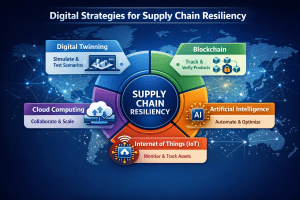 Introduction to Supply chain resiliency.
The COVID-19 pandemic has highlighted the importance of having a resilient supply chain. The pandemic disrupted global supply chains, causing shortages of essential products and increasing costs for businesses. To prevent such disruptions in the future, businesses must implement digitised strategies that increase the agility and resiliency of their supply chains.
The Importance of Supply Chain Resiliency
Supply chain resiliency is the ability of a supply chain to withstand and recover quickly from disruptions. Disruptions can be caused by various factors, such as natural disasters, geopolitical events, or unexpected demand changes. A resilient supply chain can mitigate the impact of these disruptions and ensure business continuity.
Natural Disasters and severe weather affecting supply chain resiliency
Natural disasters such as floods, hurricanes, and earthquakes can have a significant impact on the supply chain in the UK. For example, flooding in the UK has caused disruptions to transportation and logistics, resulting in delayed shipments and lost revenue for businesses.
To mitigate the impact of natural disasters on the supply chain, businesses can implement several strategies, such as identifying alternate transportation routes, diversifying suppliers, and investing in insurance policies that cover losses due to natural disasters.
Cybersecurity Threats
With the increasing reliance on technology in supply chain management, cybersecurity threats have become a major concern for businesses in the UK. Cyber attacks can result in data breaches, stolen intellectual property, and financial losses.
To mitigate the impact of cybersecurity threats, businesses can implement several strategies, such as investing in robust cybersecurity measures, conducting regular risk assessments, and providing cybersecurity training to employees.
1. Digital Twinning – Simulate & Test Scenarios
Overview:
Digital twinning creates a virtual replica of a physical supply chain, allowing companies to simulate various scenarios and test responses without disrupting actual operations.
Applications:
- Simulate the impact of a supplier failure or transportation delay.
- Test different inventory strategies to see which minimizes disruptions.
- Assess the effect of natural disasters, strikes, or geopolitical events on delivery timelines.
Benefits:
- Identifies weak points in the supply chain before they become real problems.
- Enables contingency planning and faster decision-making.
- Reduces costs by preventing trial-and-error in real operations.
Example:
A UK-based electronics company can use digital twins to simulate how a port closure would affect shipments, allowing it to pre-plan alternative routes or suppliers.
2. Blockchain – Track & Verify Products to ensure supply chain resiliency
Overview:
Blockchain is a secure, decentralised ledger that records transactions across multiple participants, ensuring transparency and traceability.
Applications:
- Track the movement of goods from supplier to customer.
- Verify the authenticity of products and prevent counterfeiting.
- Facilitate faster payments and contracts through smart contracts.
Benefits:
- Improves trust among partners by providing an immutable record.
- Enhances regulatory compliance and reporting.
- Reduces losses due to fraud, theft, or mismanagement.
Example:
A pharmaceutical company can use blockchain to trace medicine from manufacturing to pharmacy shelves, preventing counterfeit drugs from entering the market.
3. Artificial Intelligence (AI) – Automate & Optimise to ensure supply chain resiliency
Overview:
AI uses advanced algorithms and machine learning to analyse large datasets, enabling predictive insights and automated decision-making in supply chain operations.
Applications:
- Predict demand fluctuations based on historical and real-time data.
- Optimise inventory levels and reduce overstock or stockouts.
- Automate logistics planning, including route optimization and load management.
Benefits:
- Faster response to changing market conditions.
- Reduces human error and operational costs.
- Enhances supply chain efficiency and customer satisfaction.
Example:
An e-commerce retailer in the UK can use AI to predict peak order periods and adjust inventory and shipping schedules accordingly, avoiding delays.
4. Internet of Things (IoT) – Monitor & Track Assets
Overview:
IoT connects physical devices to the internet, enabling real-time monitoring and communication across the supply chain.
Applications:
- Track shipment location and condition (temperature, humidity, vibration).
- Monitor equipment health to predict maintenance needs.
- Enable automated alerts for potential disruptions.
Benefits:
- Reduces losses due to spoilage or damage.
- Provides transparency for stakeholders.
- Improves operational efficiency with real-time insights.
Example:
A food distribution company can use IoT sensors to ensure perishable goods maintain the correct temperature throughout transit, preventing spoilage.
5. Cloud Computing – Collaborate & Scale
Overview:
Cloud computing provides scalable data storage and applications accessible over the internet, enabling better collaboration across supply chain partners.
Applications:
- Centralised access to inventory, shipment, and supplier data.
- Real-time collaboration with global suppliers and partners.
- Rapid scaling of systems during peak demand periods.
Benefits:
- Improves agility and responsiveness.
- Reduces IT infrastructure costs.
- Facilitates seamless communication and coordination.
Example:
A manufacturing firm can use cloud platforms to share production schedules with suppliers worldwide, ensuring timely delivery of raw materials and reducing bottlenecks.
Finally
The COVID-19 pandemic has demonstrated the need for businesses to be agile and resilient in the face of unexpected disruptions. To increase their supply chain resiliency, businesses must implement digitalized strategies such as digital twinning, blockchain, AI, 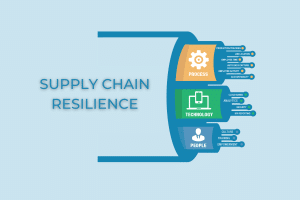 IoT, and cloud computing. These digitised strategies can help businesses identify potential weaknesses in the supply chain, automate and optimise various aspects of the supply chain, ensure transparency and accountability, and enable real-time collaboration with suppliers and partners.
By implementing these strategies, businesses can increase their supply chain resiliency and mitigate the impact of unexpected disruptions. However, businesses must also be mindful of potential drawbacks, such as data privacy concerns and the need for significant investments in technology and infrastructure.
Overall, the digitisation of supply chain management is a necessary step for businesses to remain competitive and thrive in today’s rapidly changing business landscape.
Supply chain resiliency is the ability of a supply chain to withstand and recover quickly from disruptions. These digitised strategies can help businesses identify potential weaknesses in the supply chain, automate and optimise various aspects of the supply chain, ensure transparency and accountability, and enable real-time collaboration with suppliers and partners. Yes, these strategies can be implemented in any industry that relies on a supply chain. A company can measure the effectiveness of these digitised strategies by monitoring key performance indicators (KPIs) such as lead time, inventory turnover, and customer satisfaction. Yes, potential drawbacks include data privacy concerns and the need for significant investments in technology and infrastructure. Digital Strategies

Electric Vehicles
Electric Vehicles vs Hydrogen Vehicles: Comparing the Future of Sustainable Transport
In recent years, the UK and global markets have witnessed a significant shift towards sustainable transportation solutions. Rising environmental concerns, stricter emissions regulations, and increasing fuel costs have prompted businesses and consumers to explore alternative mobility technologies. Among these, electric vehicles (EVs) and hydrogen fuel cell vehicles (HFCVs) stand out as two of the most promising solutions driving the green mobility revolution.
Electric vehicles are powered by rechargeable batteries, using electricity as a clean energy source. They have become increasingly popular across the UK, with major manufacturers expanding EV lineups and government incentives encouraging adoption. Hydrogen vehicles, on the other hand, use hydrogen gas to generate electricity via fuel cells. While less widespread than EVs, hydrogen technology offers distinct advantages for long-distance travel and heavy-duty applications.
This comparison is particularly relevant for logistics companies, public transport providers, and fleet operators in the UK, where the choice between EVs and hydrogen vehicles can impact operational efficiency, costs, and sustainability targets. Understanding the differences in performance, infrastructure requirements, environmental impact, and total cost of ownership is crucial for informed decision-making.
In this blog, we will explore:
- How EVs and hydrogen vehicles work and their core technologies
- Environmental and economic benefits of each option
- Practical considerations for adoption in UK logistics and transport sectors
- Infrastructure and refuelling challenges affecting deployment
- Long-term sustainability and market outlook for EVs and hydrogen vehicles
By analysing these factors, UK businesses and consumers can make informed choices about which technology aligns best with their operational needs, environmental goals, and long-term cost efficiency.
First a quick plug – Our sister companies Fresh Pharma whom are GDP Compliant Pharma couriers and ‘Fresh Fridge Hire‘ are our (compliant GDP) refrigerated vehicle hire.
Overview of Electric Vehicles (EVs)
Electric vehicles (EVs) are powered by electric motors fuelled by electricity stored in batteries. They come in two main types:
Definition and Types of Electric Vehicles
Electric vehicles (EVs) are automobiles powered by electricity stored in rechargeable batteries. They come in two primary types:
Battery Electric Vehicles (BEVs): These vehicles rely solely on electric batteries for power,
Plug-in Hybrid Electric Vehicles (PHEVs): PHEVs combine a conventional internal combustion engine with an electric motor and a battery. They can be charged through both regenerative braking and plugging into an external power source.
Advantages of Electric Vehicles
Electric vehicles offer several advantages over traditional internal combustion engine vehicles:
Lower emissions and environmental impact: EVs produce zero tailpipe emissions, reducing greenhouse gases and air pollutants.
Lower operating costs: EVs have lower fuel and maintenance costs compared to traditional vehicles powered by gasoline or diesel.
Ease of home charging infrastructure: Charging an EV at home is convenient and cost-effective, especially with the availability of residential charging stations.
Challenges of Electric Vehicles
Despite their advantages, EVs face several challenges that need addressing:
Limited driving range: EVs typically have a shorter driving range compared to hydrogen vehicles, which can limit long-distance travel without frequent recharging. Range anxiety has become a common worry.
Dependence on charging infrastructure development: The availability and accessibility of charging stations are crucial for EV adoption. Rural areas and regions with limited infrastructure may face challenges.
Environmental concerns: Issues such as battery production’s environmental impact, including mining and disposal, need sustainable solutions.
Overview of Hydrogen Vehicles
Hydrogen vehicles use hydrogen gas to power an electric motor through a fuel cell, or in some cases, through internal combustion engines. They are classified into two main types:
Definition and Types of Hydrogen Vehicles
Hydrogen vehicles utilise hydrogen gas as a fuel source, typically through two main types:
Fuel Cell Electric Vehicles (FCEVs): FCEVs generate electricity through a chemical reaction between hydrogen and oxygen in fuel cells, producing electricity to power the vehicle’s electric motor.
Hydrogen Internal Combustion Engine Vehicles (HICEVs): These vehicles use hydrogen in a modified internal combustion engine, similar to traditional gasoline or diesel engines.
Advantages of Hydrogen Vehicles
Hydrogen vehicles offer unique advantages in the realm of sustainable transportation:
Zero emissions at point of use: Hydrogen vehicles emit only water vapour and heat, making them emission-free at the tailpipe and environmentally friendly.
Fast refuelling times: Refuelling hydrogen vehicles is comparable to refuelling traditional vehicles, taking just a few minutes, offering convenience similar to gasoline or diesel vehicles.
Potential for longer driving ranges: Hydrogen vehicles can achieve longer driving ranges compared to many electric vehicles, making them suitable for long-distance travel and heavy-duty applications.
Challenges of Hydrogen Vehicles
However, hydrogen vehicles also face significant challenges:
Limited refuelling infrastructure: Hydrogen refuelling stations are currently sparse and concentrated in specific regions, limiting the widespread adoption of hydrogen vehicles.
High production costs: Producing and storing hydrogen requires energy-intensive processes, which can be costly and may rely on fossil fuels.
Technological advancements: Developing efficient and durable fuel cell technology remains a challenge, requiring ongoing research and investment.
Comparison of Environmental Impact
Lifecycle Emissions Comparison Between Electric Vehicles and Hydrogen Vehicles
Electric vehicles typically have lower lifecycle emissions compared to hydrogen vehicles, primarily due to the energy-intensive nature of hydrogen production. However, this comparison can vary depending on the electricity sources used for EV charging and hydrogen production. Green Logistics initiatives and a carbon reduction plan are important strategic goal in modern business
Impact of Production, Distribution, and Disposal/Recycling Processes
Both EVs and hydrogen vehicles have environmental impacts associated with their production, distribution, and end-of-life processes. EVs face challenges related to battery production and disposal/recycling, while hydrogen vehicles contend with emissions from hydrogen production and distribution.
Market Adoption and Consumer Acceptance
Current Market Penetration and Adoption Rates of Electric Vehicles and Hydrogen Vehicles
Electric vehicles have seen significant market penetration, especially in passenger cars, with increasing adoption rates driven by government incentives and environmental awareness. Hydrogen vehicles, however, have a slower adoption rate due to infrastructure limitations and higher costs.
Consumer Preferences and Concerns Influencing Adoption Decisions
Consumers are influenced by factors such as vehicle cost, driving range, refuelling infrastructure availability, and environmental considerations when choosing between EVs and hydrogen vehicles. Perception of reliability and convenience also play crucial roles in adoption decisions.
Technological Advancements and Innovation
Recent Advancements in Battery Technology for Electric Vehicles
Recent advancements in battery technology have led to improvements in energy density, charging speed, and battery life for electric vehicles. These innovations are crucial for extending driving ranges and enhancing overall performance.
Innovations in Hydrogen Production, Storage, and Fuel Cell Technology
Technological advancements in hydrogen production methods, storage solutions, and fuel cell technology are ongoing. Innovations aim to reduce costs, improve efficiency, and expand the viability of hydrogen as a sustainable fuel source for vehicles.
Government Policies and Incentives
Overview of Governmental Support and Incentives for Electric Vehicles and Hydrogen Vehicles
Governments worldwide have implemented various incentives to promote the adoption of electric vehicles (EVs) and hydrogen vehicles. These incentives include subsidies, tax credits, grants for research and development, and exemptions from road taxes or congestion charges.
Impact of Regulatory Frameworks on Market Growth and Consumer Adoption
Regulatory frameworks play a critical role in shaping the market dynamics for EVs and hydrogen vehicles. Policies such as emission standards, vehicle procurement mandates, and incentives for renewable energy adoption significantly influence consumer adoption rates and market growth.
Infrastructure Development
Challenges and Progress in Developing Charging and Refuelling Infrastructure
The development of charging infrastructure for EVs and refuelling stations for hydrogen vehicles presents significant challenges. These include high initial investment costs, regulatory approvals, and the need for extensive network coverage to alleviate range anxiety among consumers.
Investment Trends in Public and Private Sectors
Both public and private sectors are investing heavily in infrastructure development for EVs and hydrogen vehicles. Governments are allocating funds for charging stations and hydrogen refuelling stations, while private companies are exploring partnerships and innovative business models to expand infrastructure rapidly.
Cost Considerations
Total Cost of Ownership Comparison Between Electric Vehicles and Hydrogen Vehicles
The total cost of ownership (TCO) for EVs and hydrogen vehicles involves upfront purchase costs, operational costs (including fuel or electricity costs), maintenance costs, and potential savings over the vehicle’s lifetime. EVs generally have lower TCO due to lower fuel and maintenance costs, but hydrogen vehicles may offer competitive advantages in specific use cases.
Factors Influencing Upfront Costs, Operational Costs, and Long-Term Savings
Upfront costs for EVs are primarily influenced by battery prices and technological advancements, while hydrogen vehicles face higher costs related to fuel cell technology and hydrogen production infrastructure. Operational costs depend on electricity or hydrogen prices, maintenance requirements, and government incentives affecting long-term savings.
Future Outlook and Industry Trends
Predictions for the Future of Electric Vehicles and Hydrogen Vehicles
The future of EVs and hydrogen vehicles is promising, with advancements expected in battery technology, charging infrastructure, hydrogen production methods, and fuel cell efficiency. Market growth will be driven by technological innovations, environmental regulations, and consumer preferences for sustainable transportation solutions.
Emerging Technologies and Potential Disruptions in the Automotive Industry
Emerging technologies such as solid-state batteries for EVs and advancements in renewable hydrogen production could disrupt the automotive industry. These innovations have the potential to enhance vehicle performance, reduce costs, and accelerate the adoption of zero-emission vehicles.
Finally
EVs and hydrogen vehicles represent promising solutions for achieving sustainable transportation goals. Each technology has unique advantages and challenges, influenced by government policies, infrastructure development, and cost considerations. Consumers and policymakers must consider these factors carefully when choosing between EVs and hydrogen vehicles to promote a greener and more efficient automotive industry.
Electric Vehicles
- What are electric vehicles (EVs)?
Electric vehicles are automobiles powered by electric motors, using rechargeable batteries or other energy storage systems. They operate without internal combustion engines, reducing or eliminating tailpipe emissions.
- What are the benefits of electric vehicles?
Electric vehicles offer several advantages, including environmental benefits due to zero tailpipe emissions, lower operating costs from cheaper electricity compared to gasoline or diesel, and enhanced performance with instant torque.
- What types of electric vehicles are there?
There are primarily two types of electric vehicles: Battery Electric Vehicles (BEVs), which run solely on electric power from rechargeable batteries, and Plug-in Hybrid Electric Vehicles (PHEVs), which have both an electric motor and a gasoline engine.
- What are the challenges of adopting electric vehicles?
Challenges include concerns about range anxiety for long trips, the availability of charging infrastructure, higher upfront costs compared to gasoline vehicles, and issues related to battery life, recycling, and production.
- Are electric vehicles suitable for everyone?
Electric vehicles are suitable for a wide range of drivers, particularly those with access to home or workplace charging facilities who primarily drive shorter distances. They are ideal for urban commuting, local errands, and fleet operations where charging infrastructure is readily available.
- Are there any fully electric trucks?
Yes. There are several fully electric trucks operating today, especially in short-haul and urban logistics. Big fleets in the UK — like Amazon — have deployed 160 electric heavy goods vehicles (eHGVs), including Mercedes-Benz eActros 600 and Volvo electric trucks, on UK roads for deliveries. These can cover hundreds of miles and cut carbon emissions on regional runs.(CILT
- What is the best EV truck in the UK?
For heavy electric HGVs, models like the Mercedes-Benz eActros and DAF CF Electric are among the most advanced specs being used by fleets in the UK. These suit local and regional freight, with up to ~310-mile range and fast charging solutions.
For pickup EVs (light trucks) coming soon, options such as the Isuzu D-Max Electric and Fisker Alaska are projected to arrive in the UK market — though currently full-electric pickups are limited
- Are there electric lorries in the UK?
Yes — major logistics firms are already operating them. For example, Amazon has expanded its electric lorry fleet in the UK significantly, with plans to support up to 160 eHGVs carrying goods between depots with zero tailpipe emissions.(CILT)
- What is the 80/20 rule for electric cars?
In EV charging context, the “80/20 rule” refers to charging the battery between 20% and 80% for everyday use. Charging beyond 80% (up to 100%) frequently can stress the battery, slowing long-term health, whereas staying above 20% avoids deep discharge that can also degrade cells. This practice optimises battery lifespan. (General EV guidance)
- What are the drawbacks of electric trucks?
Electric HGVs promise environmental benefits, but there are some challenges right now:
- Longer charging times compared to refuelling a diesel truck — often 8–12 hours in real-world conditions for a full charge.
- High upfront cost — electric trucks tend to cost more than diesel equivalents.
- Battery recycling/disposal concerns due to chemical contents.
- Payload reductions because battery weight takes space and weight limit share.
Infrastructure (chargers for HGVs across motorways) is still developing, which limits long-haul practicality.
- How many electric trucks are there in the UK?
Numbers are currently small compared to diesel fleets, but growing:
- Only a few hundred electric HGVs are reported to be registered and used across the UK, compared to hundreds of thousands of diesel lorries on the road.
- Major commercial orders (like Amazon’s) are expanding this number rapidly in logistics operations.
Industry sources estimate tens of thousands electric trucks could be needed — but currently they make up a tiny fraction of the fleet.
- Is Ford stopping electric trucks?
Ford is delaying some electric truck projects — for example, the next-gen electric full-size truck (codenamed T3) has been pushed to around 2028, later than originally planned.
Other industry news suggests Ford has shifted strategy away from some full EV truck projects toward hybrid or extended-range systems.
- What is the lifespan of an electric truck?
EV truck lifespan depends on battery health, use, charging cycles and maintenance. Generally:
- Battery packs are expected to maintain usable capacity for around 8–12 years or many thousands of kilometres before significant degradation occurs. (Typical EV battery guidance)
- The vehicle chassis and motors may last much longer with less maintenance than diesel engines.
- How long would it take to charge an electric truck?
Charging a large electric truck depends on charger power:
- High-power DC charging (250–400+ kW) can get a truck from ~20% to ~80% in about 1–2 hours with suitable infrastructure.
- Using lower-power chargers or depot charging, a full charge could take 8–12 hours or more.
This is longer than refuelling a diesel truck — part of the challenge for mass adoption.
- Why are there no EV trucks?
There are EV trucks, but they are not yet widespread because of a few key barriers:
- High cost of purchase and infrastructure investment.
- Lack of dedicated high-power charging network for HGVs nationwide.
- Range and charging speed makes long-haul logistics harder without network build-out.
As infrastructure improves and governments support adoption (e.g., subsidies in the UK), uptake is increasing.
- How long do electric truck batteries last?
Electric truck batteries typically last many years but gradually lose capacity:
- A typical EV battery pack may hold good capacity for 8–12+ years before needing replacement. (General EV battery longevity principle)
- Actual lifespan varies with temperature, charging habits, load and usage patterns.
- Is Cybertruck a hit or flop?
Tesla’s Cybertruck sales have fallen well below Musk’s original projections, with only about 20,000 units sold in the U.S. in 2025 — significantly short of earlier targets. It has faced quality and pricing challenges, and wider global availability has been limited due to regulatory, design and market factors.
That said, whether it’s a “hit” or “flop” depends on perspective: it continues to generate attention, but its sales haven’t matched Tesla’s initial expectations.
Range Anxiety
- What are electric vehicles (EVs)?
Electric vehicles are automobiles powered by electric motors, using rechargeable batteries or other energy storage systems. They operate without internal combustion engines, reducing or eliminating tailpipe emissions.
- What are the benefits of electric vehicles?
Electric vehicles offer several advantages, including environmental benefits due to zero tailpipe emissions, lower operating costs from cheaper electricity compared to gasoline or diesel, and enhanced performance with instant torque.
- What types of electric vehicles are there?
There are primarily two types of electric vehicles: Battery Electric Vehicles (BEVs), which run solely on electric power from rechargeable batteries, and Plug-in Hybrid Electric Vehicles (PHEVs), which have both an electric motor and a gasoline engine.
- What are the challenges of adopting electric vehicles?
Challenges include concerns about range anxiety for long trips, the availability of charging infrastructure, higher upfront costs compared to gasoline vehicles, and issues related to battery life, recycling, and production.
- Are electric vehicles suitable for everyone?
Electric vehicles are suitable for a wide range of drivers, particularly those with access to home or workplace charging facilities who primarily drive shorter distances. They are ideal for urban commuting, local errands, and fleet operations where charging infrastructure is readily available.

Minimum Wage increase
Minimum Wage increase: Impact on SMEs
The upcoming Minimum Wage increase in the UK’s minimum wage in April 2026 will have significant implications for small and medium-sized enterprises (SMEs). While the aim of raising the minimum wage is to improve living standards for low-income workers, it poses several challenges and opportunities for SMEs.
First a quick plug – Our sister companies Fresh Pharma whom are GDP Compliant Pharma couriers and ‘Fresh Fridge Hire‘ are our (compliant GDP) refrigerated vehicle hire.
Here’s a comprehensive look at how this change will affect SMEs
 Financial Impact from the Minimum Wage increase
Increased Payroll Costs
The most immediate impact of the minimum wage increase is the rise in payroll costs. SMEs, particularly those in labour-intensive industries such as retail, hospitality, and care services, will see a substantial increase in their wage bills. This can put a strain on their financial resources, especially for businesses already operating on thin margins.
Compression of Wage Structure
Beyond the direct increase in wages for minimum wage earners, SMEs may also need to adjust the wages of employees earning slightly above the minimum wage to maintain wage differentials and employee morale. This wage compression can further elevate overall payroll expenses.
Operational Challenges due to the Minimum Wage increase
Pricing Adjustments
To offset the increased labour costs, many SMEs may need to consider raising prices for their goods and services. However, this approach carries the risk of reduced competitiveness, particularly if larger competitors or those in regions with less wage pressure do not raise their prices accordingly.
Productivity Pressures
With higher wages, there may be increased pressure on SMEs to enhance productivity to maintain profitability. This could involve investing in technology and automation to streamline operations and reduce reliance on manual labour. However, these investments require capital, which may not be readily available to all SMEs.
Employee Relations and Retention
Improved Employee Morale
On the positive side, the increase in minimum wage can lead to higher employee satisfaction and morale, as workers benefit from higher earnings. This can result in reduced turnover and lower recruitment costs, as employees may feel more valued and financially secure.
Recruitment Challenges
However, SMEs may face challenges in recruiting new staff if they cannot offer competitive wages compared to larger firms with more financial flexibility. This could exacerbate existing labour shortages, particularly in sectors already struggling to attract workers.
Strategic Adjustments to compensate the Minimum Wage increase
Cost Management Strategies
SMEs will need to adopt effective cost management strategies to cope with increased labour costs. This might include optimising supply chains, renegotiating supplier contracts, and reducing non-essential expenditures.
Focus on Upskilling
Investing in employee training and development can help SMEs improve productivity and efficiency. By upskilling their workforce, SMEs can better leverage their human capital and potentially justify higher wages through enhanced performance and innovation.
Market and Competitive Dynamics: Impact of Minimum Wage Increase on SMEs
The upcoming minimum wage increase in April 2026 will significantly impact small and medium-sized enterprises (SMEs) in various ways, shaping both competitive disadvantages and potential market opportunities. This blog explores how SMEs navigate these dynamics and strategize to maintain competitiveness in the evolving business landscape.
Competitive Disadvantage for SMEs due to the Minimum Wage increase
Small and medium-sized enterprises often face substantial challenges when minimum wage increases are implemented. Here are key factors contributing to their competitive disadvantage:
- Economic Pressures: SMEs typically operate with tighter profit margins compared to larger corporations. When minimum wage rises, SMEs face increased labour costs without the benefit of scale economies that larger firms enjoy. This can strain their financial resources and limit their ability to invest in growth initiatives.
- Resource Limitations: Unlike large companies with robust financial reserves, SMEs may struggle to absorb higher wage costs. They have fewer resources available for capital investments in technology, infrastructure, and productivity-enhancing tools that can offset increased labour expenses.
- Pricing Constraints: Rising wage costs may compel SMEs to raise prices of their products or services to maintain profitability. However, price hikes can make them less competitive in price-sensitive markets, where consumers may opt for cheaper alternatives offered by larger competitors with greater financial flexibility.
- Talent Retention Challenges: With higher minimum wages, SMEs may face difficulties in attracting and retaining skilled employees. Larger firms can offer more attractive compensation packages, including benefits and career advancement opportunities, which SMEs may struggle to match.
Market Opportunities for SMEs
Despite the challenges posed by minimum wage increases, there are opportunities for SMEs to leverage these changes to their advantage:
- Differentiation Through Value Proposition: SMEs can differentiate themselves by emphasising ethical business practices and fair wages. Consumers increasingly prioritise sustainability and social responsibility, giving SMEs an edge if they can demonstrate commitment to fair labour practices despite higher costs.
- Niche Market Focus: In certain niche markets, consumers are willing to pay premium prices for products or services that align with their values, including supporting businesses that pay fair wages. SMEs can target these segments by offering unique value propositions that resonate with ethically-minded consumers.
- Agility and Innovation: SMEs, known for their agility and flexibility, can capitalise on their ability to adapt quickly to market changes. They can innovate in operational efficiency, customer service, and product offerings to stay competitive without solely relying on price competition.
- Local and Personalized Approach: SMEs often have closer ties to local communities compared to larger corporations. They can leverage these relationships to build customer loyalty and trust, emphasising personalised service and community engagement initiatives that resonate with local consumers.
Strategic Responses to Market Dynamics
To navigate the market and competitive dynamics influenced by minimum wage increases, SMEs can adopt several strategic responses:
- Operational Efficiency Improvements: Invest in technology and process improvements to enhance productivity and reduce operational costs. Automation, lean management practices, and digital tools can streamline operations and mitigate the impact of higher labour costs.
- Diversification of Revenue Streams: Explore diversifying product or service offerings to cater to different market segments. This strategy reduces dependence on any single market and spreads risk across multiple revenue streams.
- Enhancing Customer Value Proposition: Focus on delivering exceptional value to customers through superior quality, service, and customer experience. Emphasise the benefits of supporting a local, ethical business that prioritises fair wages and employee welfare.
- Collaboration and Partnerships: Form strategic partnerships with suppliers, distributors, or other SMEs to leverage collective strengths and resources. Collaborative efforts can lead to shared efficiencies, cost savings, and expanded market reach.
Additionally
The impending minimum wage increase in April 2026 presents both challenges and opportunities for SMEs in the UK. While SMEs may face competitive disadvantages due to higher labour costs, they can strategically position themselves to capitalise on market opportunities. By focusing on operational efficiency, innovation, differentiation through ethical practices, and leveraging their agility, SMEs can navigate these dynamics successfully. Ultimately, adapting to market changes and maintaining a customer-centric approach will be crucial for SMEs to thrive amidst evolving competitive landscapes.
Government and Policy Considerations for SMEs Amidst Minimum Wage Increases
The impending minimum wage increase in April 2026 presents a pivotal moment for small and medium-sized enterprises (SMEs) in the UK. As businesses prepare to navigate the impact of higher labour costs, government and policy considerations become crucial in shaping their strategies and resilience. This blog explores potential opportunities for increased government support and emphasises the importance of regulatory compliance for SMEs.
Potential for Increased Support to implement the Minimum Wage increase
With the introduction of higher minimum wages, SMEs may find opportunities to advocate for additional government support measures. These initiatives could alleviate the financial strain and facilitate smoother transitions for SMEs adjusting to increased operational costs. Key forms of support may include:
- Tax Relief: Government could consider offering tax relief or tax credits to offset the impact of higher labour costs on SMEs. This could involve reducing corporate tax rates or introducing deductions specific to wage expenditures.
- Grants and Subsidies: Grants and subsidies targeted at SMEs could provide financial assistance to help cover the additional costs incurred due to the wage increase. These funds could support investments in technology, employee training, or operational improvements aimed at enhancing efficiency and competitiveness.
- Access to Finance: Ensuring SMEs have access to affordable finance options is crucial. Government-backed loan schemes or guarantees can help SMEs secure capital for growth initiatives or to weather temporary financial challenges brought on by wage increases.
- Business Support Programs: Enhanced business support programs tailored for SMEs could offer consultancy services, mentoring, and training to optimise operations and adapt to new regulatory requirements effectively.
Regulatory Compliance for the Minimum Wage increase
Alongside opportunities for increased support, SMEs must prioritise regulatory compliance to adhere to new wage regulations effectively. Compliance measures include:
- Updating Payroll Systems: SMEs must update their payroll systems to reflect the new minimum wage rates accurately. This involves ensuring that wage calculations are in accordance with legislative changes and implementing necessary adjustments promptly.
- Accurate Record-Keeping: Maintaining accurate records of wage payments and hours worked is essential for compliance and transparency. SMEs should establish robust record-keeping practices to facilitate audits and ensure adherence to regulatory requirements.
- Communication with Employees: Clear communication with employees regarding changes in wage rates is crucial. SMEs should inform their workforce about upcoming wage increases, explain how these changes will be implemented, and address any questions or concerns promptly.
- Compliance Reviews and Audits: Regular reviews and audits of wage practices can help SMEs identify and rectify compliance issues proactively. This includes conducting internal audits or seeking professional advice to ensure adherence to legal obligations.
Strategic Approaches for SMEs to the Minimum Wage increase
In navigating government and policy considerations amidst minimum wage increases, SMEs can adopt strategic approaches to optimise their response:
- Engage in Advocacy: SMEs can participate in industry associations or chambers of commerce to advocate for policies that support small business interests. Collaborative efforts can amplify voices and influence policymakers to prioritise SME needs.
- Financial Planning and Forecasting: Proactive financial planning is essential to anticipate the impact of wage increases on cash flow and profitability. SMEs should conduct scenario analysis, budgeting, and forecasting to identify potential financial implications and plan accordingly.
- Embrace Efficiency and Innovation: Investing in technology and process improvements can enhance operational efficiency and offset higher labour costs. Automation, digitalization, and lean management practices enable SMEs to optimise resource allocation and improve productivity.
- Seek Professional Advice: Consultation with legal and financial experts can provide SMEs with valuable insights into compliance requirements and opportunities for financial support. Expert guidance helps navigate complex regulations and optimise strategic decision-making.
Additionally
As SMEs prepare for the minimum wage increase in April 2026, government and policy considerations play a pivotal role in shaping their operational strategies. By advocating for increased government support, ensuring regulatory compliance, and adopting strategic approaches, SMEs can mitigate challenges and capitalise on opportunities arising from wage adjustments. Effective engagement with policymakers, proactive compliance measures, and strategic planning are essential for SMEs to navigate regulatory changes successfully and sustain business growth amidst evolving economic landscapes.
Long-Term Implications due to Minimum Wage increase
Shift Towards Sustainable Business Models
In the long term, the increase in minimum wage could drive SMEs to adopt more sustainable and resilient business models. This might involve a greater focus on innovation, customer value, and operational efficiency.
Enhanced Social Responsibility
By paying higher wages, SMEs can enhance their reputation as socially responsible employers. This can attract socially-conscious consumers and employees, ultimately contributing to long-term success and sustainability.
HR and Compliance Considerations for Employers – Minimum Wage 2026
- SMEs must prioritise HR and compliance to avoid fines and protect employee rights under Minimum Wage 2026.
- Payroll accuracy is critical. Employers must pay all staff at or above their statutory rates.
- Payroll systems must include deductions, benefits, training, and working time for correct pay calculations.
- Employee contracts should reflect updated pay clauses, overtime rules, shift patterns, and benefits including holiday and sick pay.
- Zero-hours and casual contracts require careful monitoring to comply with anti-avoidance and fair scheduling regulations.
- Transparent communication is vital. Issue written statements explaining pay changes, updated policies, and rota adjustments.
- Maintain digital records, including timesheets, contracts, training logs, and payroll calculations for HMRC audits.
- Pre-audit reviews by HR consultants or accountants help reduce compliance risk.
- Train line managers on pay and working-time rules to prevent inadvertent breaches.
- For example, unrecorded early “team warm-ups” could unintentionally violate Minimum Wage 2026 if not included as paid time.
- Strong HR governance ensures legal compliance, reduces penalties, and improves employee satisfaction and retention.
- SMEs following these practices remain resilient, competitive, and capable of managing ongoing wage increases effectively.
Improving Workforce Productivity to Offset Higher Wages
Minimum Wage 2026 Improving workforce productivity becomes a strategic priority for UK SMEs operating under the Minimum Wage 2026 framework, enabling them to offset rising labour costs while maintaining service quality, profitability, and customer satisfaction. Productivity enhancements do not necessarily require large capital investments; instead, many rely on smarter planning, better utilisation of existing tools, and targeted skills development. Training and upskilling remain among the most effective strategies for raising output per employee. When staff receive structured training, they work more confidently and complete tasks more efficiently, reducing errors, rework, and wastage.
Encouraging employee involvement
In continuous improvement further boosts productivity. Staff often identify inefficiencies better than management because they work directly with systems and customers. Establishing suggestion schemes, quality circles, or monthly improvement forums empowers workers to propose changes that reduce waste and improve service flow. Motivation plays a significant role in productivity. Fair scheduling, recognition schemes, career development pathways, and small perks such as monthly awards or flexible working options can increase engagement and reduce turnover. High-retention teams are typically more productive because they maintain expertise and team cohesion.
Incentivisation
A clear example might be a local bakery introducing a “productivity bonus” linked to waste reduction, encouraging staff to follow best-practice baking processes and reducing ingredient costs. Ultimately, productivity improvements help SMEs absorb wage increases associated with Minimum Wage 2026 without compromising competitiveness. By combining training, technology, performance management, and employee engagement, businesses can create more resilient, efficient operations capable of thriving despite rising labour pressures.
Future Outlook
Predicted Minimum Wage Trends Beyond 2026 – Minimum Wage 2026 Looking ahead, the future outlook for Minimum Wage trends beyond 2026 is shaped by economic forecasts, political movements, industry pressures, and the broader cost-of-living landscape in the UK. While predicting exact figures is challenging, experts widely anticipate continued upward momentum in wage floors as the Government remains committed to ensuring that work pays and reducing in-work poverty. The Low Pay Commission (LPC), which advises the Government on wage policy, has historically followed a trajectory aimed at aligning the National Living Wage with a proportion of median earnings. Assuming the economy grows moderately, analysts expect the Minimum Wage to continue rising annually through 2027–2030, with increases likely to be more incremental than the sharp jumps seen over the past few years. After 2026, wage policy may increasingly incorporate real-time inflation data to prevent erosion of purchasing power.
Inflationary Periods
This could lead to mid-year adjustments in exceptional inflationary periods, similar to approaches occasionally used in European nations. The political landscape also plays a major role. If future Governments adopt more progressive labour policies, we may see a push towards a “Real Living Wage” model—currently calculated independently by the Living Wage Foundation—being considered as a long-term benchmark. Although not legally binding today, pressure from unions, social justice groups, and local authorities suggests it may become more influential in shaping wage expectations.
For industries such as hospitality, retail, and social care.
Which rely heavily on lower-paid staff, future wage rises beyond 2026 could accelerate adoption of automation technologies, from self-checkout kiosks to AI-powered scheduling systems. Conversely, these increases may drive positive change by encouraging employers to invest in better career development pathways, leading to higher skill levels across the workforce. SMEs will need to remain agile by forecasting wage scenarios, building contingency plans, and adopting flexible budgeting models. Implementing productivity improvements, digital transformation, and staff retention strategies will help businesses absorb future increases. Export-based businesses may also need to monitor exchange rates, as wage rises combined with fluctuating currency values can affect competitiveness. Structural economic factors such as labour shortages, demographic changes, and regional inequalities may further influence wage policy beyond 2026. For example, persistent shortages in healthcare or construction could prompt targeted wage adjustments or sector-specific support schemes.
Wage Pilots
Meanwhile, regional wage pilots might emerge as policymakers explore differentiated minimum wages to address varying living costs across the UK. Ultimately, SMEs should expect the upward trajectory of wage floors to continue, although the pace and scale will depend on economic stability, inflation levels, and political direction. Preparing early—through scenario planning, cost modelling, and investment in workforce development—will ensure businesses remain resilient as they navigate the evolving wage landscape beyond Minimum Wage 2026.
Minimum Wage 2026: Strategic Insights for UK SMEs
Improving Workforce Productivity to Offset Higher Wages
- SMEs must focus on workforce productivity to offset rising labour costs under Minimum Wage 2026.
- Training and upskilling increase output per employee, reduce errors, and improve efficiency without large capital investments.
- Cross-training staff across multiple roles enhances flexibility, reduces overtime, and mitigates staff shortages.
- Workflow optimisation streamlines tasks, eliminating non-value-added activities while improving service quality.
- Digital tools, including scheduling software, automated stock tracking, and document automation, cut manual workloads.
- Performance management frameworks clarify expectations, set measurable goals, and highlight areas for improvement.
- Employee involvement in continuous improvement boosts engagement and identifies inefficiencies invisible to management.
- Motivation through recognition, career pathways, and small perks encourages higher productivity and lower turnover.
- For example, a bakery linking bonuses to waste reduction encourages staff to follow efficient processes.
- Combining training, digital adoption, and engagement strategies enables SMEs to maintain competitiveness despite wage increases.
Future Outlook: Predicted Minimum Wage Trends Beyond 2026
- The Government aims to continue increasing minimum wages beyond 2026, aligning pay with median earnings.
- Annual incremental rises are expected, with potential mid-year adjustments during periods of high inflation.
- Pressure from unions and social justice groups may increase adoption of a “Real Living Wage” benchmark.
- Higher wage floors will encourage automation in industries like hospitality, retail, and social care.
- SMEs must forecast wage scenarios, implement flexible budgeting, and plan for productivity improvements.
- Regional wage pilots may emerge to reflect different living costs across the UK.
- Structural factors like labour shortages, demographics, and sector-specific challenges will influence future wage policy.
- Early preparation ensures SMEs remain resilient, competitive, and compliant amid rising labour costs.
Conclusion and Action Steps for SME Owners
- SME owners should conduct a wage audit to identify staff requiring 2026 adjustments.
- Updating contracts, payroll systems, and HR policies ensures compliance with Minimum Wage 2026 legislation.
- Investing in staff training, digital tools, and performance management offsets higher wage costs.
- Government support, including grants, tax relief, and training subsidies, can ease operational pressures.
- Transparent employee communication improves engagement, retention, and workforce stability.
- Monitoring economic trends, HMRC updates, and policy developments prepares SMEs for future wage adjustments.
- Strategic planning transforms the challenges of Minimum Wage 2026 into opportunities for efficiency and growth.
Minimum Wage increase 2024
- Why is the minimum wage increasing in 2024
The minimum wage is increasing in 2024 as part of the government’s commitment to improve standards of living and ensure fair compensation for workers. This adjustment reflects economic conditions and aims to provide adequate income to meet basic needs.
- How will the minimum wage increase impact businesses in the UK
The minimum wage increase may impact businesses by increasing labor costs, potentially affecting profit margins, pricing strategies, and operational budgets. Businesses, especially SMEs, may need to adjust their financial planning and employment practices accordingly.
- What sectors will be most affected by the minimum wage increase
Sectors with a high proportion of low-wage workers, such as hospitality, retail, and care services, are expected to be most affected by the minimum wage increase. These industries may experience significant adjustments in labour costs and operational dynamics.
- How can businesses prepare for the minimum wage increase
Businesses can prepare for the minimum wage increase by conducting financial assessments to understand the impact on operating costs, exploring efficiency measures like automation or process optimization, renegotiating contracts, and reviewing pricing strategies to maintain competitiveness.
- Will the minimum wage increase lead to job losses
While there is debate, research suggests that moderate increases in the minimum wage typically have minimal impact on overall employment levels. However, businesses may reassess staffing levels, productivity, and business models in response to increased labour costs to manage operational efficiencies effectively.
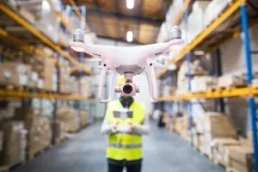
Drone-Powered Inventory Monitoring
10 Benefits of Drone-Powered Inventory Monitoring in refrigerated warehouse in the UK
At Fresh Logistics, we understand the importance of maintaining efficient inventory management systems for businesses, particularly those in the refrigerated industry. We also recognise that manual inventory monitoring can be time-consuming, labour-intensive, and prone to errors. That’s why we’ve started to investigate in drone-powered inventory monitoring to provide our clients with a reliable, cost-effective, and time-efficient solution. In this blog, we’ll explore the benefits in refrigerated warehouses in the UK.
First a quick plug – Our sister companies Fresh Pharma whom are GDP Compliant Pharma couriers and ‘Fresh Fridge Hire‘ are our (compliant GDP) refrigerated vehicle hire.
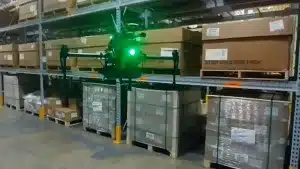
Improved Accuracy and Precision due to Drone-powered inventory monitoring
One of the key advantages is its ability to provide accurate and precise data. With manual inventory monitoring, there is always a risk of human error, such as miscounting or mislabelling. These mistakes can have significant implications for businesses, such as stock shortages or overstocking. Eliminating the risk of human error, providing businesses with reliable and accurate data to make informed decisions about their inventory levels.
Increased Efficiency and Productivity
Manual inventory monitoring can be a time-consuming and labour-intensive task, particularly for businesses with large warehouses. Labour costs can significantly be reduced due to the less time and effort required for inventory management. Drones can scan barcodes and RFID tags in a fraction of the time it takes for a human to manually scan each item. This increased efficiency can also lead to improved productivity, as employees can focus on other tasks that require human intervention.
Cost-Effective Solution
Another advantage is its cost-effectiveness. Manual inventory monitoring can require a significant investment in terms of time, labour, and resources. Costs are dramatically reduced, as drones can cover large areas in a short amount of time, with minimal human intervention required. This can result in significant cost savings for businesses, particularly those with large warehouses.
Improved Safety and Security due to Drone-powered inventory monitoring
Inventory monitoring can also present safety and security challenges for businesses. In large warehouses, employees may need to climb ladders or use forklifts to access items on high shelves, which can be hazardous. Safety risks can now be eliminated as drones can easily access items on high shelves and other hard-to-reach areas. Additionally, drones can provide enhanced security measures, such as monitoring for unauthorised access to restricted areas.
Real-Time Data and Analytics
Finally, businesses can now be provided with real-time data and analytics. With manual inventory monitoring, businesses may need to wait for hours or even days to receive updated inventory levels. However, businesses can receive real-time data and analytics, allowing you to make informed decisions about your inventory levels and adjust your operations accordingly.
Staff Management
This Tech can improve staff management in several ways. Firstly, it can reduce the need for manual labour, which can be physically demanding and time-consuming. By using drones to perform inventory tasks, staff can be freed up to focus on other tasks, such as managing customer orders or performing quality checks. This can lead to improved employee satisfaction, as staff can feel more valued and have a better work-life balance.
Secondly, drones can also improve staff safety by reducing the need for staff to climb ladders or use forklifts to access items on high shelves. This can significantly reduce the risk of accidents or injuries in the workplace. Additionally, drones can provide enhanced security measures, such as monitoring for unauthorised access to restricted areas, which can also improve staff safety.
Industrial Relations are dramatically improved due to Drone-powered inventory monitoring
Drones can also improve industrial relations by providing a
fair and impartial method of inventory monitoring. With manual inventory monitoring, there is always a risk of human error. Which can lead to disagreements and disputes between employees and management. By using drones, businesses can provide an objective and accurate method of inventory monitoring, reducing the risk of disputes and improving employee morale.

Furthermore, drones can also help to improve communication between management and employees. By using drones to perform inventory tasks. Businesses can ensure that inventory levels are accurately recorded, reducing the need for staff to manually record inventory levels. This can free up time for staff to communicate with management about any issues or concerns they may have.
24/7 Use
Tech does not sleep and can also be used 24/7. Providing businesses with a round-the-clock solution to their inventory management needs. With manual inventory monitoring, businesses may need to rely on staff working overtime. Or worse, hiring additional staff to cover inventory tasks outside of regular business hours. However, businesses can operate around the clock without the need for additional staff or overtime pay.
Conclusion
Drone-powered inventory monitoring not only provides businesses in the refrigerated industry with benefits such as improved accuracy and precision. Increased efficiency and productivity, cost-effectiveness, improved safety and security, and real-time data and analytics. Furthermore, advantages for staff management, industrial relations, and 24/7 use. At [company name], we’re committed to providing our clients with innovative solutions to their inventory management needs.
Drone-powered inventory monitoring involves using drones equipped with cameras and sensors to fly through a warehouse and capture data on inventory levels and locations. The data is then processed using software that can generate reports and analytics to help businesses make informed decisions about their inventory management. Drone-powered inventory monitoring provides several benefits, including improved accuracy and precision, increased efficiency and productivity, cost-effectiveness, improved safety and security, and real-time data and analytics. It also provides advantages for staff management, industrial relations, and 24/7 use. Any business that manages inventory can benefit from drone-powered inventory monitoring, including those in the refrigerated industry. It can be particularly useful for businesses with large warehouses or complex inventory management systems. While the initial cost of implementing drone-powered inventory monitoring may be higher than traditional inventory monitoring methods, it can provide significant cost savings in the long run by reducing the need for manual labour, improving efficiency, and reducing the risk of errors or accidents. Yes, drone-powered inventory monitoring is safe when conducted by trained professionals using properly maintained equipment. Drones can actually improve safety by reducing the need for staff to climb ladders or use forklifts to access high shelves. While drones can be operated in a variety of weather conditions, extreme weather such as heavy rain or strong winds may impact their ability to operate effectively. However, with proper planning and equipment, drone-powered inventory monitoring can be used in most weather conditions.Drone-Powered Inventory

Increased Costs on SMEs
Increased Costs on SMEs Within the UK
Small and medium-sized enterprises (SMEs) are a critical part of the UK’s economy, contributing significantly to employment, innovation, and economic growth. Defined as businesses with fewer than 250 employees and an annual turnover of less than £50 million, SMEs play a vital role in creating jobs, generating wealth, and driving economic dynamism. However, these enterprises are particularly vulnerable to changes in the business environment, such as increased costs. When the cost of doing business rises, SMEs may struggle to stay afloat and compete with larger companies. This article explores the impact of increased costs on SMEs in the UK, examining the factors contributing to rising business expenses and the challenges faced by these businesses. Our blog called Distribution Failures Are Causing Food Inflation is relative read.
First a quick plug – Our sister companies Fresh Pharma whom are GDP Compliant Pharma couriers and ‘Fresh Fridge Hire‘ are our (compliant GDP) refrigerated vehicle hire.
The Role and Importance of SMEs in the UK Economy

Job Creation and Economic Contribution
SMEs are the backbone of the UK economy, accounting for a significant portion of private sector employment and GDP. According to the Federation of Small Businesses (FSB), SMEs employ around 16.3 million people, which is about 60% of all private sector employment in the UK. They also contribute approximately 52% of the total turnover generated by UK businesses. This substantial contribution underscores the importance of maintaining a healthy and supportive environment for SMEs to thrive.
Innovation and Entrepreneurship
SMEs are often at the forefront of innovation and entrepreneurship. Due to their size and flexibility, they can quickly adapt to market changes and implement new ideas. This agility allows them to drive innovation across various industries, from technology and manufacturing to services and retail. Supporting SMEs in their innovation efforts is crucial for the overall competitiveness and resilience of the UK economy.
Regional Development and Community Impact
SMEs also play a vital role in regional development and community cohesion. They often operate in local markets, providing essential goods and services to their communities. By creating local employment opportunities and supporting regional economies, SMEs contribute to balanced economic development and help reduce regional disparities.
Challenges Faced by Increased Costs on SMEs
Despite their significant contributions, SMEs face numerous challenges that can hinder their growth and sustainability. These challenges include limited access to capital, lack of economies of scale, increased competition, and the rising cost of doing business.
The Impact of Increased Costs on SMEs in the UK
Small and medium-sized enterprises (SMEs) are crucial to the UK economy, driving job creation, innovation, and regional development. However, they face significant challenges, particularly when it comes to rising business costs. Increased costs can have far-reaching implications for SMEs, affecting their financial health, operational efficiency, and overall competitiveness. This article explores the impact of rising costs on SMEs in the UK and offers strategies for adaptation and resilience. The minimal wage increase in April 2024 is explored in this link.
Financial Challenges
Reduced Profit Margins
When costs rise, SMEs often face the difficult decision of whether to absorb the additional expenses or pass them on to customers through higher prices. Increasing prices can make SMEs less competitive in the marketplace, potentially leading to reduced sales. Lower sales volume, coupled with higher operational costs, can significantly reduce profit margins, making it challenging for SMEs to reinvest in their business or pay off existing debts.
Cash Flow Issues
Higher costs can strain an SME’s cash flow, the lifeblood of any business. With more funds allocated to cover rising expenses, less money is available for other critical activities such as marketing, research and development, and capital improvements. This can hinder growth and limit the business’s ability to respond to new opportunities or unexpected challenges.
Operational Challenges when Increased Costs on SMEs
Staffing Reductions
To manage increased costs, SMEs might need to cut back on staffing. Reducing the workforce can help lower expenses but can also lead to a loss of productivity and efficiency. Smaller teams may struggle to meet demand, which can affect service quality and customer satisfaction. Additionally, remaining staff may experience increased workloads, leading to higher stress levels and potential burnout.
Reduced Production
In some cases, SMEs might need to scale back production to control costs. This can impact their ability to fulfil orders and meet market demand, potentially driving customers to competitors. Reduced production can also affect the business’s ability to negotiate better terms with suppliers, further increasing costs in the long run.
Stress and Burnout
Increased financial and operational pressures can take a toll on business owners and employees alike. Owners may face heightened stress as they navigate rising costs, tight cash flow, and the pressure to maintain profitability. Employees, particularly those in reduced or stretched teams, may experience burnout due to increased workloads and job insecurity.
How SMEs Can Adapt to the Changing Environment to reduce Increased Costs on SMEs
While increased costs present significant challenges, SMEs can employ various strategies to adapt and thrive in the changing business landscape.
Exploring New Markets
Market Diversification
Expanding into new markets can help SMEs reduce their reliance on a single product, service, or geographic location. International foodservice is a classic example of diversification. Diversification can open up new revenue streams and spread risk more evenly across different areas. For instance, a company that primarily serves the domestic market might explore opportunities abroad, thereby tapping into new customer bases and reducing the impact of local economic fluctuations.
Product and Service Innovation
Innovation is key to staying competitive and meeting changing customer demands. SMEs can diversify their product or service offerings by identifying gaps in the market or by enhancing existing products with new features. This approach can attract new customers and provide additional value to existing ones, helping to mitigate the impact of rising costs.
Focusing on Efficiency and Productivity
Technological Integration
Adopting new technologies can significantly enhance efficiency and productivity. Automation, for instance, can streamline routine tasks, reducing labour costs and minimising errors. Cloud computing, data analytics, and customer relationship management (CRM) systems can also help SMEs optimise their operations and improve decision-making processes.
Lean Management Practices
Implementing lean management practices can help SMEs reduce waste and improve efficiency. Lean practices involve analysing and optimising workflows, eliminating non-value-added activities, and continuously seeking improvements. This approach can lead to more efficient use of resources, lower costs, and higher productivity.
Exploring Alternative Financing Options
Crowdfunding and Peer-to-Peer Lending
Alternative financing options such as crowdfunding and peer-to-peer lending can provide SMEs with access to capital that might not be available through traditional banking channels. These platforms allow businesses to raise funds directly from individuals or groups, often with more flexible terms and fewer restrictions than traditional loans.
Venture Capital and Angel Investors
For SMEs with high growth potential, seeking investment from venture capitalists or angel investors can be a viable option. These investors provide capital in exchange for equity in the business, bringing not only financial resources but also expertise and networks that can support business growth.
Building Stronger Customer Relationships will prevent Increased Costs on SMEs
Exceptional Customer Service
Providing excellent customer service can help SMEs differentiate themselves from competitors. By building strong relationships with customers, businesses can foster loyalty and repeat business, which is crucial for maintaining steady revenue streams, especially during challenging times.
Personalization and Loyalty Programs
Personalising products or services to meet individual customer needs can enhance satisfaction and loyalty. Implementing loyalty programs that reward repeat customers can also strengthen relationships and encourage ongoing patronage.
Upskilling the Workforce
Employee Training and Development
Investing in employee training and development can lead to increased productivity and efficiency. By equipping staff with new skills and knowledge, SMEs can enhance their capabilities and adapt more readily to changes in the business environment. Training programs can also boost employee morale and retention by demonstrating a commitment to their professional growth.
Flexible Working Arrangements
Offering flexible working arrangements, such as remote work or flexible hours, can improve employee satisfaction and retention. These arrangements can also help businesses attract talent in a competitive labour market, reducing recruitment costs and ensuring that the workforce remains motivated and productive.
Specific Strategies for Managing Increased Costs on SMEs
Costs
Cost-Cutting Measures
Operational Audits
Conducting regular operational audits can help identify areas where costs can be reduced without compromising quality or customer satisfaction. Audits can reveal inefficiencies, redundant processes, and opportunities for cost savings.
Supplier Negotiations
Negotiating better terms with suppliers can lead to cost reductions. SMEs can explore bulk purchasing, longer-term contracts, or collaborative partnerships to secure more favourable pricing and terms.
Outsourcing will prevent Increased Costs on SMEs
Non-Core Activities
Outsourcing non-core activities, such as accounting, IT support, and marketing, can reduce overhead costs and allow SMEs to focus on their core competencies. Outsourcing can provide access to specialised expertise and technology without the need for significant in-house investment.
Innovation and Collaboration will prevent Increased Costs on SMEs
Collaborative Innovation
Partnering with other businesses, research institutions, or industry bodies can drive innovation and reduce costs. Collaborative projects can share the financial and resource burden of research and development, leading to new products, services, or processes that benefit all parties involved

.Conclusion
Increased costs present significant challenges for SMEs in the UK, impacting their financial stability, operational efficiency, and competitive position. However, by implementing strategic measures, SMEs can adapt to the changing environment and maintain their profitability and growth.
Key strategies include exploring new markets, diversifying product and service offerings, focusing on efficiency and productivity, leveraging alternative financing opt
ions, building stronger customer relationships, and upskilling the workforce. Additionally, specific cost-cutting measures, outsourcing, and collaborative innovation can further help SMEs manage rising expenses.
By adopting these approaches, SMEs can not only survive but thrive despite the challenges posed by increased costs, continuing to play their vital role in driving economic growth, innovation, and regional development in the UK.
SMEs face challenges such as increased costs of raw materials, labour, utilities, taxes, and compliance with regulations. Increased costs can lead to reduced profitability, cash flow problems, reduced innovation, and delayed expansion. SMEs can increase their profitability by diversifying their product range, increasing efficiency, enhancing customer relationships, and upskilling their workforce. SMEs generate employment opportunities, contribute to innovation, and boost economic growth. They are essential to the economy’s health and vitality. Increased costs refer to a rise in the expenses a business has to pay to produce goods or services. This can include raw materials, wages, rent, utilities, or other operational expenses. Example: If the price of steel goes up, a car manufacturer faces increased costs. Increased production costs specifically relate to higher expenses in the process of making goods or services. This includes costs of raw materials, machinery, labor, and energy required in production. Example: A bakery may experience increased production costs if flour or electricity prices rise. Costs can increase due to several reasons: Business costs are rising because of: The three main types of costs are: Additional increased cost of working refers to extra expenses incurred as business activity grows. Example: Hiring extra staff to meet higher demand increases payroll and training costs. Increasing costs refer to the situation where the cost of producing goods or services rises as production expands, often due to factors like scarcity of resources or higher input prices. Economic context: This is also called diseconomies of scale in economics, where expanding production leads to higher per-unit costs. Cost for SME's

Perishable Goods Transport
Perishable Goods transported by Roads in the UK
When it comes to transporting Perishable Goods in the UK, the stakes are high, and the margin for error is razor-thin. Each day, countless tons of perishable items, ranging from fresh produce to pharmaceuticals, traverse the roadways of this nation. The safe and efficient transportation of these goods is not merely a logistical challenge; it’s a vital component of our daily lives. In this blog, we will delve into the world of perishable goods movement in the UK and explore the critical factors that keep the supply chain moving smoothly.
First a quick plug – Our sister companies Fresh Pharma whom are GDP Compliant Pharma couriers and ‘Fresh Fridge Hire‘ are our (compliant GDP) refrigerated vehicle hire.
3 takeaways on Perishable Goods
| Takeaway | Description |
| Proper packaging and handling are essential to prevent spoilage and damage. | Ensuring that goods remain fresh and undamaged during transit is crucial. |
| Efficient route planning minimises transit time, preserving product freshness. | Timely deliveries help maintain the quality and freshness of perishable goods. |
| Safety, security, and fleet maintenance are paramount for successful transportation. | Ensuring the safety and maintenance of transportation assets is critical. |
| Sustainability is gaining importance, with eco-friendly options offering benefits for both the environment and businesses. | Embracing eco-friendly practices benefits the environment and reduces operational costs. |
 II. The Vital Role of Perishable Goods Transport
Roads as Lifelines for Perishable Goods
Road transport stands as the lifeline of perishable goods in the United Kingdom. It’s the force that connects farmers to markets, manufacturers to retailers, and patients to medications. Fresh food, medical supplies, and time-sensitive cargo all depend on the intricate web of roads and highways that crisscross the nation.
Industries at the Heart of It Agriculture, food production, pharmaceuticals, and the floral industry – these are just a few examples of sectors heavily reliant on road transport for their perishable products. The speed and reliability of road networks determine whether these industries can deliver their goods to consumers with freshness and quality intact.
III. Challenges in Perishable Goods Transport
The Perils of Perishability
Transporting perishable goods comes with its own set of unique challenges. Temperature control is paramount. Freshness and safety hang in the balance, and there’s no room for errors. The clock is always ticking, and every delay can mean the difference between a pristine product and a spoiled one.
The Race Against Time In addition to temperature sensitivity, the time-sensitive nature of these goods adds to the complexity. Delays in transit can lead to product spoilage, financial losses, and, in the case of certain medical supplies, even endanger lives.
Navigating Regulatory Hurdles To complicate matters further, regulations abound. The transportation of perishable goods is governed by a web of rules and standards. Compliance with these regulations is not optional; it’s a legal and ethical imperative.
IV. Regulations and Compliance when Transporting Perishable Goods
The Rulebook
In the intricate and high-stakes world of transporting perishable goods in the United Kingdom, the adherence to a meticulously crafted “rulebook” is an absolute necessity. These regulations and compliance standards are not just paperwork, but rather the cornerstone of ensuring that everything from fresh produce to pharmaceuticals reaches its destination in an optimal state. In this exploration, we delve into the comprehensive framework that governs the transportation of perishable goods in the UK.
The Significance of Regulations
Transporting perishable goods is a complex and multifaceted task, with the margin for error being razor-thin. Any deviation from the prescribed conditions can result in significant losses, compromise the quality and safety of the goods, and even pose risks to public health. This is where regulations and compliance standards step in as the guiding principles that maintain order and consistency.
A Comprehensive Set of Rules
The United Kingdom has put in place an extensive and well-defined set of regulations and compliance standards that encompass every critical aspect of transporting perishable goods. These standards are designed to address the unique challenges and vulnerabilities associated with goods that have a limited shelf life.
Temperature Control
One of the fundamental aspects regulated is temperature control. Perishable goods, whether it’s fresh fruits and vegetables, medicines, or other temperature-sensitive items, are extremely susceptible to temperature variations. Deviations from prescribed temperatures can lead to irreversible damage, rendering the goods unsuitable for consumption or use. This regulation ensures that temperature-sensitive goods are kept within the specified range throughout the journey.
Sanitation
The importance of maintaining proper sanitation cannot be overstated. Perishable goods, particularly those meant for human consumption, need to be transported in hygienic conditions. The regulation covers everything from the cleanliness of storage facilities and transportation units to the handling practices that prevent contamination. Sanitation is critical for preserving the safety and quality of the goods.
Documentation
Accurate and thorough documentation is another essential aspect of these regulations. Every stage of the journey must be meticulously recorded and documented, from the origin of the goods to their final destination. This documentation includes details about the temperature at which the goods were stored, the conditions during transit, and any deviations from the prescribed standards. Such records are not only a regulatory requirement but also serve as critical evidence of compliance.
The Imperative of Compliance
Understanding these regulations is only part of the equation; adhering to them is the crux of the matter. Compliance with these rules is not optional; it’s a legal and ethical imperative. The consequences of non-compliance can be severe, ranging from financial penalties to legal actions. However, the importance of compliance goes beyond the fear of punitive measures.
Quality Assurance
For businesses involved in transporting perishable goods, compliance is a means of quality assurance. Adhering to these regulations ensures that the goods remain in optimal condition, reducing the risk of spoilage and damage. This is not just about avoiding penalties but also about safeguarding the reputation and reliability of the business.
Consumer Safety
Consumer safety is a paramount concern. When it comes to perishable goods, the end-users, whether they are individuals purchasing fresh produce or patients relying on medical supplies, must be able to trust that the products they receive are safe and of high quality. Compliance with regulations is a direct way to ensure consumer safety and maintain public trust.
Ethical Responsibility
Beyond the legal and financial aspects, there is an ethical responsibility that comes with transporting perishable goods. The ethical imperative is to ensure that goods, especially those meant for human consumption or medical use, are treated with care and responsibility throughout their journey. This ethical responsibility is at the heart of these regulations.
The Role of Stakeholders
These regulations and compliance standards involve a wide array of stakeholders, from producers and manufacturers to logistics companies and regulatory bodies. Each entity plays a vital role in ensuring that the “rulebook” is not just a set of guidelines on paper but a living, breathing framework that safeguards the transportation of perishable goods.
Producers and Manufacturers
Producers and manufacturers are at the origin of the supply chain. They are responsible for the initial handling, packaging, and storage of perishable goods. Compliance with regulations begins at this stage. Proper handling and initial quality control are essential to setting the goods on a safe and sound journey.
Logistics Companies
Logistics companies serve as the bridge between producers and consumers. They are responsible for the transportation of goods and must ensure that the conditions stipulated in the regulations are met. This includes providing the necessary equipment, such as refrigerated trucks and temperature monitoring systems, to maintain the integrity of the goods during transit.
Regulatory Bodies
Regulatory bodies, at the national and local levels, oversee the adherence to these regulations. They conduct inspections, issue permits, and enforce penalties when necessary. Regulatory bodies are essential in ensuring that everyone in the supply chain is held accountable for their actions.
Consumers
Consumers are the ultimate stakeholders in the transportation of perishable goods. They rely on the integrity of the supply chain to receive products that meet safety and quality standards. Consumer demand for safe and reliable products incentivizes businesses and regulatory bodies to uphold and enforce these regulations.
Regulation and Compliance
In the realm of transporting perishable goods, regulations and compliance are not just a set of rules to follow; they are the guardians of quality, safety, and ethics. The “rulebook” is a testament to the commitment of the United Kingdom to uphold these principles and ensure that the transportation of perishable goods is not just efficient but also responsible. Compliance is not merely a legal requirement; it’s a moral obligation to safeguard the well-being and trust of consumers, as well as the reputation and reliability of the businesses involved. In this intricate dance of regulations, the ultimate goal is to ensure that what arrives on our plates or in our medicine cabinets is not just a product but a promise of quality and safety.
V. Temperature Control and Refrigeration when Transporting Perishable Goods
The Cold Chain
Refrigeration technology is the backbone of maintaining the cold chain. It’s not merely about refrigerated trucks; it’s about a seamless journey from the producer to the consumer. Temperature-controlled storage facilities, refrigerated trucks, and cutting-edge monitoring systems are all part of the equation.
Preserving Quality and Safety Proper temperature control isn’t just a matter of compliance; it’s the key to preserving the quality and safety of perishable goods. Without it, goods arrive at their destination compromised, leading to financial losses and potentially jeopardising public health.
VI. Packaging and Handling
Preventing Peril: The Significance of Proper Packaging and Handling
When it comes to the transportation of perishable goods in the UK, success begins with proper packaging and handling. Why? Because ensuring that goods remain fresh and undamaged during transit is a complex and critical task. In this section, we’ll explore the importance of these practices and provide valuable tips to help you get it right.
The Perils of Inadequate Packaging Perishable goods are, by their very nature, susceptible to spoilage and damage. Without the right packaging and handling methods, these risks increase substantially. Moisture, temperature fluctuations, and physical jostling are just a few factors that can quickly turn a valuable cargo into waste.
Best Practices for Effective Packaging and Handling when transporting Perishable Goods
| Best Practice | Description |
| Temperature Control | Maintain the required temperature for the goods, using insulated containers or refrigerated units to prevent temperature fluctuations and preserve freshness. |
| Proper Sealing | Ensure airtight seals on packages to prevent moisture and contaminants from entering, especially for food items and medicines. |
| Cushioning | Use appropriate padding and cushioning materials to protect fragile items from bumps and vibrations during transit. |
| Labelling | Clearly label packages with contents, temperature requirements, and any special handling instructions for carriers and handlers. |
| Training | Train personnel on proper handling procedures to minimise risks, especially for delicate goods requiring gentle treatment. |
| Quality Control | Implement quality checks before and after transportation to ensure goods remain in optimal condition, minimising spoilage. |
The Importance of Best Practices when Transporting Perishable Goods
Temperature Control
Maintaining the correct temperature is crucial for preserving perishable goods. Whether it’s fresh produce, pharmaceuticals, or other temperature-sensitive items, ensuring that the cargo stays within the specified temperature range is non-negotiable. Insulated containers and refrigerated units are key to achieving this.
Proper Sealing
Airtight seals are vital for packages, especially when dealing with food items, medicines, or other products sensitive to moisture and contaminants. Proper sealing prevents external elements from compromising the goods’ quality during transportation.
Cushioning
Fragile goods need adequate protection. Using appropriate padding and cushioning materials helps shield these items from the jostling and vibrations that occur during transit. This step is essential in preventing physical damage.
Labelling
Clear and informative labels on packages serve multiple purposes. They help carriers and handlers understand the cargo’s contents, temperature requirements, and any special handling instructions. This transparency ensures that goods receive the necessary care and attention throughout the journey.
Training
Proper handling procedures are essential, especially when dealing with delicate goods. Training personnel to follow best practices in handling minimises the risk of damage. Delicate items may require gentle treatment to avoid spoilage.
Quality Control
Implementing quality checks before and after transportation is a proactive approach to preserving product quality. By verifying that goods remain in optimal condition, companies can minimise the risk of spoilage and damage.
Effective packaging and handling are the cornerstones of successful perishable goods transportation. By adhering to these best practices, businesses can significantly reduce the risk of spoilage, damage, and financial losses while ensuring that customers receive fresh and high-quality products. These practices not only benefit the bottom line but also enhance the reputation of companies committed to providing reliable and safe transport for perishable goods.
VII. Efficient Route Planning in Perishable Goods
The Road to Freshness: Efficient Route Planning for Perishable Goods
Efficiency is key when it comes to transporting perishable goods. The longer the transit time, the greater the risk to product freshness. In this section, we delve into the importance of efficient route planning and how technology, including GPS systems, plays a pivotal role in achieving it.
Minimising Transit Time for Freshness One of the major challenges in the transportation of perishable goods is the need to get products from point A to point B as quickly as possible. Delays are not an option. The longer it takes, the higher the chance of spoilage. Efficient route planning is the answer.
The Role of Technology GPS systems and advanced route optimization technology are invaluable tools in ensuring that perishable goods reach their destination with minimal delay. These systems provide real-time information on traffic, weather, and road conditions, allowing for on-the-fly adjustments to the route.
By selecting the most efficient path, carriers can reduce travel time, conserve fuel, and ultimately preserve the quality of perishable items. In addition to speed, these systems also factor in considerations like temperature and handling requirements.
XI. Sustainability and Environmental Considerations When Transporting Perishable Goods
Navigating a Greener Path: Sustainable Transportation for Perishable Goods
In an age where environmental consciousness is on the rise, the perishable goods industry is no exception. The focus has shifted towards sustainable transportation practices, driven by the need to minimise the carbon footprint and adopt eco-friendly alternatives. In this section, we delve into the growing importance of sustainability in perishable goods transportation and explore eco-friendly options and their benefits.
The Green Revolution in Transport Transporting perishable goods often requires large quantities of fuel and resources, contributing to greenhouse gas emissions and environmental degradation. Recognizing this, the industry is embracing sustainable practices to reduce its impact on the planet.
Eco-Friendly Perishable Goods Transportation Options
| Transportation Option | Description |
| Electric Vehicles (EVs) | Vehicles powered by electricity, producing zero emissions. |
| Hybrid Vehicles | Combine internal combustion engines with electric power. |
| Biofuels | Fuels derived from renewable sources, like plant-based materials. |
| Efficiency Improvements | Utilising technology and design improvements for fuel efficiency. |
Benefits of Sustainable Perishable Goods Transport
| Benefit | Description |
| Reduced Environmental Impact | Eco-friendly transportation reduces carbon emissions, air pollution, and reliance on non-renewable resources, contributing to a cleaner environment. |
| Cost Savings | Sustainable practices often lead to reduced operating costs, as eco-friendly vehicles tend to be more fuel-efficient and require less maintenance. |
| Compliance and Reputation | Adopting green transportation practices can enhance a company’s reputation and help in meeting increasingly stringent environmental regulations. |
XII. Conclusion
In the UK, the transportation of perishable goods is not merely a logistical challenge; it’s a commitment to preserving freshness and quality. In this blog, we’ve explored the critical components that ensure safe and efficient transportation. From packaging and handling to sustainable practices, it’s evident that every step plays a vital role in the journey.
Key Takeaways:
- Proper packaging and handling are essential to prevent spoilage and damage.
- Efficient route planning minimises transit time, preserving product freshness.
- Safety, security, and fleet maintenance are paramount for successful transportation.
- Sustainability is gaining importance, with eco-friendly options offering benefits for both the environment and businesses.
Finally, the perishable goods industry in the UK is at a crossroads. The choices made now, from adopting sustainable practices to embracing advanced technology, will shape the future of the supply chain. We encourage businesses and transportation professionals to take these key takeaways to heart, fostering a more reliable and sustainable industry for all. By doing so, we can ensure that the journey from producer to consumer is one that benefits us today and preserves the planet for generations to come.
Perishable Goods
- What are the key regulations for Transport perishable goods in the UK and Europe?
The key regulations include European Union standards, UK-specific regulations, and international standards like HACCP and ISO, all aimed at ensuring safe and efficient Transport .
- How can I ensure the temperature is maintained during Transport ?
Using refrigerated trucks, insulated vans, and continuous temperature monitoring systems helps maintain the required temperature during Transport .
- What are the best packaging practices for perishable goods?
Using insulated boxes, gel packs, dry ice, and vacuum packaging helps protect perishable goods and maintain their temperature.
- What should I do in case of a temperature control failure during Transport ?
Follow emergency protocols, which include contacting the relevant parties, assessing the situation, and taking immediate action to rectify the temperature issue.

Augmented Reality in Warehousing
Using Augmented Reality to Enhance Warehouse Operations
Augmented reality (AR) is revolutionising various industries by overlaying digital information onto the real world, providing an immersive and interactive experience. One such industry where AR holds tremendous potential is warehouse operations. In this blog, we will explore how augmented reality can be used to enhance warehouse operations, improve efficiency, and streamline processes.
First a quick plug – Our sister companies Fresh Pharma whom are GDP Compliant Pharma couriers and ‘Fresh Fridge Hire‘ are our (compliant GDP) refrigerated vehicle hire.

Introduction to Augmented Reality (AR)
Augmented reality is a technology that superimposes digital elements, such as images, videos, or 3D models, onto the physical environment. It enhances the user’s perception and interaction with the real world, creating a blended experience. AR can be experienced through mobile devices, smart glasses, or headsets, allowing users to see both the physical world and virtual information simultaneously.
Overview of Warehouse Operations
Warehouse operations involve various tasks, such as receiving and storing inventory, order picking and packing, inventory management, quality control, and maintenance. These operations are critical to supply chain management and require efficient execution to meet customer demands and ensure timely deliveries.
Challenges Faced in Traditional Warehouse Operations
Traditional warehouse operations often face several challenges that can hinder productivity and efficiency. Some common challenges include:
- Lack of training and onboarding: New employees require extensive training to familiarise themselves with warehouse processes, leading to delays and potential errors.
- Inefficient picking and packing processes: Manual picking and packing can be time-consuming and error-prone, resulting in delays and increased costs.
- Inaccurate inventory management: Traditional inventory management systems may lack real-time visibility, leading to stockouts or overstocking.
- Quality control and inspection: Ensuring product quality and inspecting incoming and outgoing shipments can be labour-intensive and prone to errors.
- Maintenance and repair: Equipment maintenance and repair activities can be complex and time-consuming, affecting operational uptime.
How Augmented Reality Can Enhance Warehouse Operations
Training and Onboarding
AR can greatly improve the training and onboarding process for new employees. By using AR-enabled devices, new workers can receive interactive and visual instructions overlaid onto their real-world environment. This allows them to quickly understand the tasks and procedures, reducing the learning curve and enabling faster integration into the workforce.
Picking and Packing Processes
AR can enhance picking and packing processes by providing real-time guidance to workers. Through AR headsets or smart glasses, warehouse staff can see digital overlays indicating the location of items, the optimal picking paths, and the quantities to be packed. This reduces errors, increases picking speed, and improves overall efficiency.
Inventory Management
AR can revolutionise inventory management by providing real-time visibility and accurate tracking. By scanning barcodes or using computer vision, workers can instantly retrieve product information, check stock levels, and identify the precise location of items within the warehouse. This eliminates the need for manual searching and minimises the risk of errors, ensuring efficient inventory management and reducing stock discrepancies.
Quality Control and Inspection
AR can streamline the quality control and inspection processes in warehouses. By overlaying digital instructions, workers can easily identify the specific criteria for quality checks and inspections. AR can highlight defects or anomalies, guiding workers through the inspection process and ensuring accurate and consistent results. This improves the overall quality control process, reduces errors, and enhances customer satisfaction.
Maintenance and Repair
AR can be a valuable tool for maintenance and repair activities in warehouses. By wearing AR-enabled devices, technicians can access digital manuals, schematics, and step-by-step instructions while performing equipment maintenance or repair tasks. AR overlays can provide real-time guidance, highlighting components, displaying error messages, and offering interactive troubleshooting assistance. This enables technicians to perform tasks more efficiently, reducing equipment downtime and optimising operational efficiency.
Benefits of Using Augmented Reality in Warehouses
The integration of augmented reality in warehouse operations offers several benefits:
- Increased efficiency and productivity: AR streamlines processes, reduces errors, and enhances worker performance. With real-time information and visual guidance, workers can complete tasks more quickly and accurately, leading to improved overall efficiency and productivity.
- Reduced errors and improved accuracy: AR eliminates manual data entry and provides real-time guidance, reducing the likelihood of errors and improving the accuracy of warehouse operations. This minimises order discrepancies, inventory inaccuracies, and quality control issues.
- Enhanced worker safety: AR can improve worker safety by providing real-time safety instructions and highlighting potential hazards. Workers can be alerted to dangerous areas, equipment malfunctions, or unsafe practices, reducing the risk of accidents and injuries.
- Streamlined processes and cost savings: By optimising warehouse operations, AR can streamline processes, reduce cycle times, and minimise operational costs. Improved efficiency leads to cost savings, as fewer resources are required to achieve the same output.
Case Studies and Real-World Examples of Augmented Reality in Warehouse Operations
Several companies have already implemented AR technology in their warehouse operations with impressive results. One such example is a large e-commerce company that utilised AR headsets for order picking. By providing workers with digital overlays of optimal picking paths and item locations, they experienced a 40% reduction in picking errors and a significant increase in productivity.
Another case study involves a logistics company that used AR for inventory management. By scanning barcodes with AR-enabled devices, they achieved real-time visibility of inventory levels, reducing stock outs by 30% and improving order fulfilment rates.
These real-world examples demonstrate the tangible benefits of using AR in warehouse operations and highlight its potential to transform the industry.
Implementing Augmented Reality in Warehouses
To successfully implement AR in warehouses, several key considerations must be taken into account:
- Hardware and software requirements: Determine the appropriate AR devices and software solutions based on specific operational needs. Consider factors such as device compatibility, battery life, durability, and ease of use.
- Integration with existing systems: Ensure seamless integration between AR technology and existing warehouse management systems (WMS) or enterprise resource planning (ERP) systems. Data synchronisation and compatibility are crucial for accurate inventory tracking and overall operational efficiency.
- Training and support: Provide comprehensive training programs to familiarise workers with AR devices and software. Ongoing technical support and troubleshooting resources should be readily available to address any issues or questions that may arise.
Potential Challenges and Considerations
While AR offers numerous advantages for warehouse operations, there are also potential challenges that need to be considered:
Cost and ROI analysis:
Implementing AR technology requires an investment in hardware, software, training, and support. Conduct a thorough cost and return on investment (ROI) analysis to ensure that the benefits outweigh the expenses and justify the implementation.
Adoption and change management:
Introducing AR technology may require a cultural shift within the organisation. Employees may need time to adapt to the new tools and processes. Effective change management strategies, including communication, training, and stakeholder engagement, can facilitate smooth adoption.
Data security and privacy with Augmented Reality:
AR devices may collect and process sensitive data within the warehouse environment. It is essential to implement robust security measures to protect this data from unauthorised access or breaches. Compliance with data privacy regulations should also be ensured.
User experience and usability:
AR technology should be intuitive and user-friendly. Consider the ergonomics of the devices, the clarity of digital overlays, and the ease of interaction. User feedback and continuous improvement efforts can enhance the overall usability of AR systems.
Future Trends and Developments in Augmented Reality for Warehouse Operations
The field of AR is continuously evolving, and future advancements are likely to further enhance warehouse operations. Some emerging trends and developments include:
Gesture recognition:
AR systems can incorporate gesture recognition technology, allowing workers to interact with digital interfaces using hand movements or gestures. This can further streamline processes and improve user experience.
Artificial intelligence integration:
Combining AR with artificial intelligence (AI) capabilities can enable intelligent decision-making and automation. AI algorithms can analyse data from AR devices, optimise routes, predict inventory needs, and suggest process improvements.
Collaborative AR:
Collaborative AR allows multiple workers to share the same augmented environment. This fosters teamwork, enables remote assistance, and enhances training and knowledge transfer among warehouse staff.
AR in Warehouse
- Can AR be integrated with existing warehouse management systems?
- What are the potential cost implications of implementing AR in warehouses?
Implementing AR technology in warehouses involves upfront costs for hardware, software, training, and support. However, the potential benefits, such as increased efficiency and cost savings, should be considered when evaluating the overall return on investment.
- Are there any privacy concerns related to using AR in warehouses?
Data security and privacy are important considerations when implementing AR technology. It is crucial to establish robust security measures to protect sensitive data collected by AR devices and ensure compliance with data privacy regulations.
- Can AR improve worker safety in warehouses?
- What are some future trends in AR for warehouse operations?
Future trends in AR for warehouses include gesture recognition, artificial intelligence integration, and collaborative AR, enabling more intuitive interactions, intelligent decision-making, and enhanced teamwork.

Gig Economy - The Future
Exploring the Historical Shifts in Last-Mile Delivery through the Gig Economy
The last-mile delivery sector has experienced a remarkable transformation over the years, and at the heart of this evolution lies the gig economy. In this article, we’ll embark on a journey to explore how the gig economy has revolutionised the final stage of product delivery. From the rise of gig workers to their substantial impact on the final-mile landscape, we’ll uncover the pivotal changes that have shaped this dynamic industry.
First a quick plug – Our sister companies Fresh Pharma whom are GDP Compliant Pharma couriers and ‘Fresh Fridge Hire‘ are our (compliant GDP) refrigerated vehicle hire.
| Key Takeaway | Description |
|---|---|
| 1. Transformation Over Time | Last-mile delivery has evolved significantly, with gig workers playing a pivotal role in reshaping the landscape. |
| 2. Gig Economy’s Impact | The gig economy has introduced flexibility and efficiency, addressing the changing demands of consumers and e-commerce. |
| 3. Ongoing Evolution | The gig economy’s influence in last-mile delivery is expected to continue to adapt and thrive in the future, promising further innovation. |

Unveiling the Last-Mile Revolution: A Gig Economy Perspective
As we dive into this exploration, it’s essential to understand the significance of the last-mile in the broader supply chain. This final stage of delivery is often the most critical, as it represents the moment when products reach the hands of the end consumers. Historically, this phase was characterised by traditional courier services, which relied on full-time employees to ensure timely deliveries. However, the landscape has shifted dramatically.
Riding the Gig Wave: The Gig Economy’s Influence on Last-Mile Delivery
The gig economy has surged into the last-mile delivery landscape, reshaping it in multiple ways. Gig workers, often referred to as independent contractors or freelancers, have become the backbone of this transformation. Their on-demand availability and flexible schedules enable companies to meet the evolving needs of modern consumers. Let’s analyse the multifaceted impact of gig workers on last-mile delivery:
Analysing the Impact of Gig Economy Workers on the Last-Mile Delivery Landscape
Gig workers, also known as drivers or couriers in the last-mile context, have brought about several significant changes to the way products are delivered to consumers. The impact can be summarised in the following key areas:
Increased Speed and Efficiency:
Gig workers, armed with navigation apps and real-time tracking tools, have revolutionised the speed and efficiency of last-mile delivery. Their familiarity with local areas and ability to respond quickly to orders has reduced delivery times significantly.
Flexibility and On-Demand Availability:
The gig economy is defined by flexibility, and this quality extends to last-mile delivery. Gig workers are available on a per-task basis, making it easier for companies to scale their delivery workforce according to demand fluctuations.
Cost-Effective Solutions:
Many businesses find cost advantages in the gig economy model. They can save on full-time employee expenses and offer competitive pricing to consumers. This has allowed businesses to offer more affordable delivery options. See our blog on Reducing last mile costs
From Couriers to Gig Economy Workers: The Last-Mile Evolution
To appreciate the full scope of the last-mile’s transformation, we need to step back and trace the evolution of last-mile delivery personnel over the years. The journey begins with traditional courier services, which employed full-time couriers to ensure packages reached their destinations. However, with the advent of the gig economy, the nature of the workforce in this sector has undergone a significant shift.
In the past, courier services typically hired full-time employees with fixed schedules. These employees were responsible for delivering packages and mail. This model had its advantages, particularly in terms of company loyalty and a consistent workforce. However, it lacked the flexibility required to meet the ever-changing demands of the modern market.
As we transition from the historical context to the present, we can see how the gig economy has emerged as a dynamic solution to the challenges of last-mile delivery. The next section will delve into the specific role of the gig economy in addressing the unique challenges posed by e-commerce delivery.
The Gig Economy’s Role in E-Commerce Last-Mile Challenge
The exponential growth of e-commerce has introduced unique challenges to the last-mile delivery process. Consumers now expect faster delivery times, real-time tracking, and the ability to schedule deliveries at their convenience. This shift in consumer behaviour has put pressure on companies to adapt and meet these evolving expectations.
Stay with us as we explore how gig workers are rising to the occasion and offering innovative solutions to the distinctive challenges of e-commerce delivery. The gig economy’s adaptability and on-demand nature make it particularly well-suited to address these challenges, and we’ll dissect how this transformation is taking place.
In summary, the gig economy is reshaping the final stage of product delivery, revolutionising the last-mile landscape, and providing efficient and cost-effective solutions. It’s a pivotal force in the world of e-commerce and modern consumer expectations, making it an essential component of the evolving last-mile delivery sector. In the next section, we’ll further analyse how gig workers are meeting the specific challenges posed by e-commerce, underlining their crucial role in this transformative journey.
The Gig Economy’s Role in E-Commerce Last-Mile Challenge
E-commerce has become a dominant force in the retail landscape, with consumers increasingly turning to online shopping for convenience and a vast array of product options. As this trend continues to rise, it brings forth unique challenges, particularly in the final stage of product delivery known as the last-mile. This article delves into the pivotal role played by gig workers in addressing the distinct challenges posed by e-commerce delivery.
How Gig Economy Workers Are Addressing the Unique Challenges of E-Commerce Delivery
The rise of e-commerce has introduced several complexities and demands in the last-mile delivery process. Consumers now expect fast, reliable, and often flexible delivery options, creating a need for adaptable and agile delivery personnel. Gig workers, with their on-demand availability, flexible schedules, and efficiency, have become key players in meeting these challenges head-on.
E-commerce presents a set of unique challenges for last-mile delivery:
-
Speed and Timeliness:
- Customers expect quicker deliveries, often with same-day or next-day options. Gig workers, who can respond to orders promptly, contribute significantly to meeting these expectations.
-
Delivery Windows:
- Many consumers prefer specific delivery time slots. Gig workers’ flexibility allows companies to offer these personalised options, enhancing customer satisfaction.
-
High Volume and Seasonal Peaks:
- E-commerce experiences surges during peak seasons and sales events. Gig workers can be scaled up or down as needed, providing the capacity to handle fluctuations in demand.
-
Last-Mile Efficiency:
- Optimising the last-mile is critical for cost-effectiveness. Gig workers are skilled at navigating local areas, improving route planning, and reducing delivery costs.
-
Customer Communication:
- Real-time tracking and communication are vital in e-commerce. Gig workers use technology to keep customers informed about their deliveries, enhancing the overall experience.
Last-Mile Gig Economy Trends: What Lies Ahead?
The gig economy’s role in last-mile delivery is expected to grow and evolve in response to shifting consumer expectations and advancements in technology. Let’s take a glimpse into what the future holds for this transformative segment:
| Trends and Innovations in Last-Mile Delivery | Description |
| Advanced Route Optimization | Gig platforms and delivery companies will invest in cutting-edge route optimization tools to further improve efficiency, reduce delivery times, and lower costs. |
| Eco-Friendly Initiatives | Sustainability is a growing concern. Gig workers and delivery companies will adopt eco-friendly practices, including electric vehicles and reduced packaging, to align with evolving environmental standards. |
| Customised Services | Expect more personalised delivery experiences, with options for consumers to choose their preferred gig worker, delivery speed, and delivery window. |
| Last-Mile Automation | Automation, including the use of drones and autonomous vehicles, will complement gig workers, enhancing speed and precision in last-mile delivery. |
| Enhanced Worker Benefits | Gig worker platforms will likely offer improved benefits, including insurance and earnings stability, to attract and retain a skilled and reliable workforce. |
Flexible Workforces and Fast Deliveries: The Gig Economy Connection
The gig economy has proven to be the ideal connector between the demand for fast deliveries in the e-commerce era and a flexible, agile workforce. Gig workers, equipped with the right technology and support, enable companies to provide efficient and responsive last-mile delivery services.
As e-commerce continues to thrive, the synergy between flexible gig workers and the need for rapid deliveries will remain a linchpin in the evolution of the last-mile delivery sector. In our next section, we’ll explore the symbiotic relationship between e-commerce growth and the gig economy’s vital contribution to the last-mile ecosystem.
Challenges and Opportunities: Gig Economy Last-Mile Innovations
The gig economy has brought significant innovations to the last-mile delivery sector. However, like any transformative force, it has also faced its share of challenges. In this section, we will explore how gig workers and companies have overcome hurdles and seized opportunities, ushering in a new era of last-mile delivery.
How Gig Economy Workers and Companies Are Overcoming Hurdles and Seizing Opportunities
Meeting High Demand
One of the key challenges in last-mile delivery, especially in the context of e-commerce, is managing surges in demand. Gig workers have proven invaluable in this regard. Companies can swiftly scale their workforce to handle increased delivery requests during peak seasons and promotions. For gig workers, this means more opportunities for income.
Ensuring Consistency in the Gig Economy
Consistency in service quality can be challenging in a gig economy setup where delivery personnel change frequently. To address this, companies invest in training and technology. Gig workers are provided with training on customer service and efficient delivery practices, ensuring a consistent customer experience.
Navigating Urban Logistics
Urban areas pose unique challenges for last-mile delivery, with congestion, limited parking, and complex routes. Gig workers equipped with GPS and route optimization technology are better positioned to navigate these obstacles efficiently.
Leveraging Technology
Technology, including mobile apps and real-time tracking, is a vital component of gig economy last-mile innovations. It enhances the customer experience, allows for efficient route planning, and provides gig workers with tools to perform their tasks more effectively.
The Human Element in Last-Mile Delivery: Gig Economy Workers Unveiled
While technology plays a crucial role in last-mile delivery, it’s essential not to overlook the human element. Behind every successful last-mile delivery, there is a gig worker. In this section, we’ll delve into the stories of these individuals and explore the human side of the gig economy’s last-mile success.
Exploring the People Behind the Gig Economy’s Last-Mile Success Stories
Gig workers are a diverse group, encompassing people from various backgrounds, experiences, and motivations. They might be students, retirees, freelancers, or part-time workers. What unites them is their ability to adapt to a gig-based work model, where flexibility and on-demand availability are key.
| Type of Gig Worker | Motivation and Role |
| The Student Gig Worker | Many students turn to gig work to financially support themselves during their studies. The flexibility of gig work allows them to effectively balance academic commitments with earning income. |
| The Retiree Returning to Work | Retirees often find fulfilment and an additional source of income through gig work. Their wealth of experience and strong work ethic makes them valuable contributors to the gig economy. |
| The Freelancer Supplementing Income | Freelancers may take up gig work to supplement their irregular income. This provides them with a steady source of earnings while retaining the freedom and independence of freelance work. |
| The Part-Timer with a Side Gig | Some individuals who work part-time jobs choose to engage in gig work as a side hustle to increase their overall earnings. This flexible approach to work aligns with their lifestyle and financial goals. |
The Gig Economy Worker’s Perspective
Gig workers enjoy the autonomy, flexible hours, and often the ability to choose the gigs they accept. While there are challenges, such as income stability and access to benefits, many gig workers appreciate the non-traditional career path the gig economy offers.
In the next section, we’ll explore how technology and gig workers have formed a winning combination that is revolutionising last-mile delivery. This fusion is at the heart of the gig economy’s success in this sector, and it presents unique opportunities for further growth and innovation.
Conclusion:
In the dynamic last-mile realm, the gig economy transforms product delivery and e-commerce. We’ve explored history, challenges, and innovations. Expect growth and opportunities.
Challenges Met with Innovation:
The surge in demand, the need for consistency, navigating complex urban logistics, and other challenges have been met with innovative solutions. Gig workers and companies have adapted through training, technology, and flexible scaling, ensuring efficiency and quality.
The Human Element:
It’s crucial to recognize that behind the gig economy’s success are diverse individuals with their unique stories and motivations. The gig workforce spans students, retirees, freelancers, and part-timers, each finding a niche in the gig economy that suits their lifestyle and financial goals.
Technology’s Role:
Technology is a vital enabler of the gig economy’s influence on last-mile delivery. Mobile apps, real-time tracking, and route optimization tools enhance efficiency and the overall customer experience, making the gig worker’s job more effective.
A Bright Future:
The synergy between technology and the gig economy creates an environment ripe for future innovation.
Future: Advanced route optimisation, eco-friendly efforts, customized services, automation, and better worker benefits brighten last-mile delivery.
In closing, the gig economy’s transformative journey in last-mile delivery is a testament to adaptability and the human spirit. As we look ahead, the gig economy’s continued growth and its role in shaping the future. Delivering products to our doorsteps. This is a narrative filled with promise and potential. It’s a testament to the power of innovation and the capacity of individuals. As they meet challenges, seize opportunities, and redefine industries.
Gig Economy
- Are gig economy workers entitled to any employment rights?
Gig economy workers in the UK are entitled to some employment rights, such as the right to be paid the national minimum wage, protection against discrimination, and the right to take rest breaks. However, they are not entitled to other rights that traditional employees have, such as sick pay, holiday pay, and the right to claim unfair dismissal.
- Do gig economy workers pay taxes?
Yes, gig economy workers in the UK are responsible for paying their own taxes and national insurance contributions. They are considered self-employed and need to register with HM Revenue and Customs (HMRC) and file a self-assessment tax return each year.
- Are there any risks associated with working in the gig economy?
Working in the gig economy can come with some risks, such as irregular income, lack of job security, and a potential lack of legal protection. Workers may also face challenges with accessing benefits, such as sick pay or maternity leave.
- How can workers in the gig economy protect themselves?
Workers in the gig economy can protect themselves by ensuring that they are aware of their legal rights and obligations, including tax and national insurance requirements. They should also keep detailed records of their earnings and expenses, and consider investing in insurance or savings to protect against financial risks. Additionally, workers should try to build up a network of contacts and seek out support from industry groups or unions.

Digital Twins in Supply Chain Management
The Role of Digital Twins in Supply Chain Management
In today’s rapidly evolving business landscape, companies are constantly seeking innovative solutions to optimise their supply chain management processes. One such solution that has gained significant attention is the implementation of digital twins. Digital twins have emerged as a transformative technology that enables businesses to create virtual replicas of physical assets and processes. This blog delves into the role of digital twins in supply chain management, highlighting their benefits, use cases, challenges, and future implications.
First a quick plug – Our sister companies Fresh Pharma whom are GDP Compliant Pharma couriers and ‘Fresh Fridge Hire‘ are our (compliant GDP) refrigerated vehicle hire.

Introduction to Digital Twins in Supply Chain Management
Supply chain management is the intricate orchestration of activities such as procurement, production, inventory management, and distribution, all aimed at ensuring the seamless flow of goods and services from suppliers to customers. The increasing complexity of modern supply chains, combined with the demand for real-time visibility and agility, has spurred the adoption of advanced digital technologies. Among these, digital twins stand out as a revolutionary approach.
Applications
The application of digital twins in supply chain management offers numerous benefits. They provide a comprehensive view of the supply chain, allowing for better decision-making through real-time data insights. This real-time monitoring helps in predicting potential disruptions, optimising inventory levels, and enhancing overall efficiency. By simulating different scenarios, digital twins enable businesses to foresee the impact of various strategies and make informed adjustments proactively.
Digital twins facilitate improved collaboration across the supply chain network. By sharing a unified, up-to-date model of the supply chain, stakeholders can better coordinate their activities, reducing bottlenecks and enhancing the responsiveness to market demands. This collaborative approach ensures that all parts of the supply chain are aligned, leading to improved customer satisfaction and competitive advantage.
Digital Twins in Supply Chain Management: Introduction to Digital Twins
Digital twins are virtual replicas of physical assets, systems, or processes, built using real-time data from sensors, IoT devices, and other monitoring technologies. These digital counterparts mimic the behaviour and characteristics of their physical equivalents, allowing organisations to visualise, analyse, and optimise performance remotely. For example, a warehouse manager can create a digital twin of a storage facility to monitor temperature, humidity, and stock placement without being physically present. By bridging the physical and digital realms, digital twins provide actionable insights, support predictive decision-making, and enable more efficient operations. This technology is especially valuable in complex environments such as supply chains. Where multiple interconnected systems must work seamlessly to ensure timely delivery, product quality, and compliance.
Digital Twins in Supply Chain Management: Enhancing Operational Control
In supply chain management, digital twins enable organisations to gain unprecedented visibility and control over their logistics networks. By modelling warehouses, transport fleets, production lines, and entire distribution systems digitally. Managers can track goods in real time, monitor inventory levels, and detect inefficiencies before they escalate. For instance, a chilled food supplier in Manchester can use a digital twin to simulate the transport of perishable goods. Ensuring that refrigeration units maintain the correct temperature and identifying potential risks along the delivery route. Digital twins also allow businesses to test operational changes virtually. Such as adjusting delivery schedules or reconfiguring warehouse layouts, without disrupting live operations. This capability reduces errors, minimises waste, and ensures smoother day-to-day functioning across the supply chain.
Benefits of Digital Twins in Supply Chain Management: Predictive Maintenance
One of the most significant advantages of digital twins is predictive maintenance. By analysing historical and real-time data from machinery, vehicles, or refrigeration units, businesses can forecast potential failures before they occur. This reduces unexpected downtime, prevents costly delays, and extends the lifespan of critical assets. For example, refrigerated trucks used in frozen transport can be monitored continuously, allowing logistics managers to schedule maintenance when a component shows early signs of wear. Predictive maintenance not only protects high-value assets but also ensures that temperature-sensitive products remain safe and compliant throughout the supply chain.
Benefits of Digital Twins in Supply Chain Management: End-to-End Visibility
Digital twins provide end-to-end visibility across the supply chain, helping organisations monitor inventory, track shipments, and identify bottlenecks in real time. This visibility enhances collaboration among suppliers, distributors, and retailers by providing shared insights and data-driven dashboards. For instance, a fresh produce supplier in the UK can monitor stock levels across multiple warehouses simultaneously, ensuring that no location experiences overstocking or shortages. End-to-end transparency also enables faster response to disruptions, such as delays in transport or supplier issues, and improves overall operational efficiency.
Benefits of Digital Twins in Supply Chain Management: Scenario Simulation and Optimisation
Another key benefit of digital twins is the ability to simulate and model different operational scenarios. Supply chain managers can test changes in processes, delivery routes, or inventory allocation without impacting live operations. For example, a pharmaceutical distributor can simulate temperature-controlled deliveries during peak demand periods to identify potential risks and optimise routes. Scenario modelling allows businesses to develop resilient strategies, reduce operational costs, and improve service reliability. By experimenting digitally before implementing real-world changes, organisations can make informed, proactive decisions that strengthen the supply chain’s efficiency, flexibility, and reliability.
Use Cases of Digital Twins in Supply Chain Management
It has been identified that applications in various aspects of supply chain management can be utilised. In warehousing, the system can optimise layout design, space utilisation, and material handling processes. They can simulate different storage configurations and evaluate the impact on throughput and efficiency. For transportation, the system can monitor vehicle performance, track shipments, and optimise route planning to minimise fuel consumption. In manufacturing, it can streamline production processes, identify bottlenecks, and optimise machine utilisation. By simulating different production scenarios, businesses can optimise resource allocation and improve overall productivity.
Challenges and Limitations for Digital Twins
The system offers immense potential, their implementation also comes with challenges and limitations. One major challenge is the integration of diverse data sources and systems. They rely on accurate and real-time data to provide meaningful insights. Ensuring data compatibility and establishing secure data exchange protocols is crucial for the successful implementation in supply chain management.
Another limitation is the cost associated with developing and maintaining the system. Building an accurate virtual representation requires investment in sensors, IoT devices and data analytics platforms. Additionally, organisations need to allocate resources for continuous updates and maintenance to keep the system aligned with their physical counterparts.
Furthermore, privacy and data security concerns arise when dealing with sensitive supply chain information. Protecting data integrity and ensuring confidentiality are essential to maintain trust and mitigate the risk of unauthorised access or data breaches.
Future Implications
As technology advances, the role of the supply chain management is expected to expand further. Integration with emerging technologies such as artificial intelligence (AI), machine learning, and blockchain can enhance the capabilities, AI algorithms can analyse vast amounts of data generated to identify patterns, anomalies, and optimise decision-making. Blockchain technology can provide secure and transparent data sharing, facilitating trust and collaboration among supply chain partners.
Moreover, the increasing adoption of Internet of Things (IoT) devices and the growth of interconnected ecosystems will generate more data, enabling even deeper insights and facilitate predictive analytics. Real-time monitoring, autonomous decision-making, and adaptive supply chain networks are some of the future implications in supply chain management.
Digital Twins in Supply Chain Management Conclusion: Unlocking Efficiency and Insight
Digital twins have become a transformative tool for optimising modern supply chain management. By creating accurate virtual replicas of physical assets, processes, and logistics networks, businesses gain unprecedented real-time visibility and control. This enables managers to monitor operations continuously, identify inefficiencies, and make proactive decisions to improve performance. For example, refrigerated transport fleets, warehouses, or production lines can be modelled digitally, allowing organisations to detect potential failures or delays before they occur.
The benefits of digital twins extend across multiple operational areas. Predictive maintenance allows businesses to anticipate equipment issues and reduce costly downtime. End-to-end visibility ensures stakeholders can track inventory, shipments, and workflow processes across the entire supply chain. Simulation and scenario modelling provide opportunities to test process changes virtually, optimising routes, warehouse layouts, and resource allocation without disrupting live operations. Together, these capabilities improve efficiency, reduce costs, and enhance customer satisfaction.
However,
Implementing digital twins is not without challenges. Integrating large volumes of data from diverse systems, managing costs, and ensuring cybersecurity are critical considerations for successful adoption. Overcoming these challenges requires careful planning, skilled personnel, and investment in reliable technologies.
Looking ahead, the integration of digital twins with artificial intelligence, machine learning, and blockchain will further expand their potential. These advancements will enable smarter forecasting, automated decision-making, and enhanced traceability across supply chains. Organisations that embrace digital twin technology now will be well-positioned to navigate complex logistics landscapes, maintain competitiveness, and deliver greater operational resilience in an increasingly dynamic market.
Digital Twins
- How are digital twins different from traditional simulation models?
Digital twins differ from traditional simulation models in that they are real-time virtual replicas that mimic the behaviour of physical assets or processes. They continuously receive data from sensors and IoT devices, allowing for dynamic analysis and optimisation.
- Can digital twins be applied to all industries?
- Are there any privacy concerns with digital twins?
Yes, privacy concerns exist when dealing with sensitive data in digital twins. It is essential to implement robust security measures to protect data integrity and ensure confidentiality.
- How can digital twins improve supply chain resilience?
Digital twins enable simulation and scenario modelling, allowing supply chain managers to evaluate the impact of disruptions and devise resilient strategies. They facilitate proactive risk management and quicker response to unforeseen events.
- What are the future trends in digital twin technology?
Future trends in digital twin technology include integration with AI, machine learning, and blockchain. These advancements will enable real-time monitoring, autonomous decision-making, and adaptive supply chain networks.
Supply Chain Management and AI
The Role of Artificial Intelligence in Supply Chain Management
In today’s rapidly evolving business landscape, supply chain management plays a crucial role in ensuring the seamless flow of goods and services from suppliers to customers. With the advent of technology, artificial intelligence (AI) has emerged as a powerful tool that revolutionises supply chain operations. This blog explores the various ways AI is transforming and enhancing supply chain management.
First a quick plug – Our sister companies Fresh Pharma whom are GDP Compliant Pharma couriers and ‘Fresh Fridge Hire‘ are our (compliant GDP) refrigerated vehicle hire.
 Introduction
Supply chain management involves the coordination and integration of various activities, including procurement, production, warehousing, transportation, and distribution. It aims to optimise these processes to deliver products or services efficiently, reduce costs, and meet customer demands. The integration of AI into supply chain management has opened up new possibilities for efficiency, accuracy, and decision-making.
Definition of Supply Chain Management
Supply chain management is the strategic management of the flow of goods, services, information, and finances involved in the production and delivery of products or services from the point of origin to the point of consumption. It encompasses activities such as sourcing, procurement, production, refrigerated logistics, and customer service.
Importance of Supply Chain Management
Efficient supply chain management is vital for businesses to gain a competitive edge. It enables companies to streamline their operations, reduce costs, minimise inventory holding, and deliver products or services to customers promptly. Effective supply chain management also enhances customer satisfaction by ensuring product availability and timely deliveries.
Challenges in Supply Chain Management
Supply chain management faces several challenges that impact operational efficiency and customer satisfaction. These challenges include demand volatility, supply disruptions, complex global networks, lack of visibility, inefficient inventory management, and increasing customer expectations. AI-powered solutions have the potential to address these challenges effectively.
Role of Artificial Intelligence (AI)
Artificial intelligence refers to the simulation of human intelligence in machines that are programmed to think, learn, and make decisions. Technologies empower businesses to process vast amounts of data, analyse complex patterns, and make accurate predictions. ART INT enables real-time visibility, proactive decision-making, and automation of routine tasks.
AI Applications in Supply Chain Management
Demand Forecasting with AI
Accurate demand forecasting is crucial for optimising inventory levels, production planning, and meeting customer demands. AI algorithms can analyse historical data, market trends, external factors, and customer behaviour to generate more accurate demand forecasts. This helps companies avoid stockouts, minimise inventory costs, and optimise their supply chain processes.
AI for Inventory Management
AI-powered inventory management systems enable real-time tracking and optimisation of inventory levels. By analysing demand patterns, lead times, and supplier performance, AI algorithms can recommend optimal inventory levels, reorder points, and safety stocks. This ensures that companies maintain sufficient inventory while minimising holding costs and stockouts.
AI for Supplier Selection and Management
Selecting reliable suppliers and managing supplier relationships are critical aspects. AI can assist in supplier evaluation, risk assessment, and performance monitoring. By analysing supplier data, quality metrics, and market dynamics, AI algorithms can provide insights to optimise supplier selection and negotiate better terms.
AI for refrigerated logistics and Route Optimisation
Efficient refrigerated logistics and route optimisation are essential for timely deliveries and cost reduction. AI algorithms can analyse various parameters such as distance, traffic patterns, weather conditions, and delivery constraints to optimise delivery routes. By considering real-time data and dynamic factors, AI can help companies minimise transportation costs, reduce fuel consumption, and enhance overall refrigerated logistics efficiency.
AI for Risk Management
Supply chain management involves inherent risks such as supply disruptions, natural disasters, and market fluctuations. AI can aid in risk identification, assessment, and mitigation. By analysing data from multiple sources, including historical data, market trends, and external factors, AI algorithms can predict potential risks and provide early warnings. This allows companies to take proactive measures, develop contingency plans, and minimise the impact of disruptions on the supply chain.
AI for Customer Relationship Management
Customer satisfaction is a key driver of business success. AI can assist in enhancing customer relationship management by analysing customer data, preferences, and behaviour patterns. AI-powered chatbots and virtual assistants can provide personalised recommendations, address customer queries, and facilitate seamless interactions. By leveraging AI, companies can improve customer engagement, loyalty, and overall satisfaction.
Benefits of AI in Supply Chain Management
The integration of AI offers numerous benefits. These include:
- Improved Operational Efficiency: AI enables automation of routine tasks, data analysis, and decision-making processes, leading to increased efficiency and productivity.
- Enhanced Accuracy and Predictability: AI algorithms can analyse vast amounts of data, identifying patterns and making accurate predictions, thereby improving forecasting and planning accuracy.
- Real-time Visibility and Transparency: AI provides real-time visibility into supply chain processes, allowing companies to track inventory, monitor shipments, and identify bottlenecks promptly.
- Cost Reduction: AI-powered optimisation algorithms can minimise costs associated with inventory management, transportation, and resource allocation.
- Proactive Decision-making: AI algorithms can identify potential risks and opportunities, enabling companies to make proactive decisions and stay ahead of the competition.
Concerns and Limitations of AI
While AI offers significant advantages, it is essential to address potential concerns and limitations. These include:
- Data Security and Privacy: AI relies on vast amounts of data, raising concerns regarding data security, privacy, and compliance with regulations.
- Dependence on Technology: Overreliance on AI systems may create vulnerabilities and potential disruptions if the technology fails or malfunctions.
- Ethical Considerations: The use of AI in supply chain management raises ethical concerns, such as job displacement, algorithmic bias, and decision accountability.
- Implementation Challenges: Integrating AI into existing supply chain systems and processes may require substantial investments, technical expertise, and change management efforts.
Future Trends in AI and Supply Chain Management
The role of AI is expected to evolve further in the future. Some key trends to watch out for include:
- Advanced Predictive Analytics: AI algorithms will become more sophisticated, leveraging advanced predictive analytics techniques to enhance demand forecasting, risk management, and decision-making.
- Internet of Things (IoT) Integration: The integration of AI with IoT devices will enable real-time data collection, enabling better visibility and control over supply chain processes.
- Blockchain Technology: Blockchain technology can enhance transparency, traceability, and security in supply chain management by providing immutable records and smart contracts.
- Autonomous Vehicles and Drones: AI-powered autonomous vehicles and drones have the potential to revolutionise last-mile delivery, enabling faster and more efficient transportation.
Conclusion
Artificial intelligence is reshaping the field offering unprecedented opportunities for efficiency, accuracy, and innovation. By harnessing the power of AI, companies can streamline their operations, enhance customer satisfaction, and gain a competitive edge in the dynamic business landscape. However, it is crucial to address concerns surrounding the ethical implications, data security, and implementation challenges associated with AI adoption.
In conclusion, the role of artificial intelligence in supply chain management cannot be overstated. AI technologies have the potential to transform the way businesses operate, optimise processes, and deliver value to customers. From demand forecasting and inventory management to refrigerated logistics optimisation and risk mitigation. AI offers a range of applications that enhance efficiency, accuracy, and decision-making.
However, it is essential for businesses to approach AI implementation thoughtfully and address concerns surrounding data security, privacy, and ethical considerations. Collaboration between human expertise and AI capabilities is crucial to leverage the full potential of this technology. By embracing AI in companies can unlock new possibilities and gain a competitive edge. Navigate the complexities of the modern business landscape.
Supply Chain Management and AI
- How does AI improve demand forecasting in supply chain management?
AI utilises advanced algorithms to analyse historical data, market trends, and external factors, resulting in more accurate demand forecasts. This helps businesses optimise inventory levels, production planning, and meet customer demands effectively.
- Can AI help in reducing transportation costs in the supply chain?
Yes, AI can optimise refrigerated logistics and route planning, taking into account various parameters such as distance, traffic patterns, and delivery constraints. By minimising transportation costs and improving efficiency, AI contributes to cost reduction in the supply chain.
- What are the potential risks associated with AI adoption in supply chain management?
Some risks include data security and privacy concerns, dependence on technology, ethical considerations, and implementation challenges. It is crucial for businesses to address these risks and establish robust strategies to mitigate them.
- How does AI enhance customer relationship management in the supply chain?
AI analyses customer data, preferences, and behaviour patterns to provide personalised recommendations and address customer queries. AI-powered chatbots and virtual assistants facilitate seamless interactions, improving customer engagement and satisfaction.
- What are the future trends in AI and supply chain management?
Future trends include advanced predictive analytics, integration of AI with IoT devices, blockchain technology for transparency and security, and the use of autonomous vehicles and drones for efficient transportation.

Festive Logistics
Sleigh Your Competitors: 5 Key Profit Strategies for Festive Logistics
 The Festive Logistics period includes Christmas Logistics. is a double-edged sword for businesses. On the one hand, the surge in consumer demand offers opportunities for record-breaking profits. On the other hand, meeting those demands presents significant challenges such as tight deadlines, increased operational costs, and intense competition.
To succeed during this festive season including Christmas Logistics, logistics companies must adopt effective strategies that optimise operations and enhance customer satisfaction. This blog outlines five key profit-boosting strategies that can help logistics businesses outshine competitors and make the most of the Festive Logistics rush.
First a quick plug – Our sister companies Fresh Pharma whom are GDP Compliant Pharma couriers and ‘Fresh Fridge Hire‘ are our (compliant GDP) refrigerated vehicle hire.
Key Takeaways:
- Strategic planning and technology adoption are essential for overcoming holiday challenges.
- Offering flexible, sustainable, and transparent services builds customer trust and loyalty.
- Collaborating with partners and tracking performance metrics ensures continuous improvement.
Take Action:
Implement these strategies to “sleigh” your competitors and ensure a profitable and efficient holiday season.
2. The Festive Logistics Boom: Opportunities and Challenges
The festive logistics season sees an unprecedented rise in online shopping, with customers relying heavily on efficient and timely deliveries. While this presents excellent opportunities for growth, it also brings unique challenges that can derail operations if not properly managed.
| Opportunities | Challenges |
| Surge in consumer spending and order volumes | Meeting tighter delivery deadlines |
| Increased demand for last-mile delivery services | Rising operational and labour costs |
| Expansion of partnerships with retailers | Managing seasonal staff shortages |
| Potential to build brand loyalty through service | Navigating supply chain disruptions and bottlenecks |
Why Strategic Planning Matters in Festive Logistics
Without proper preparation, businesses risk missing delivery windows, damaging customer trust, and incurring higher costs. Strategic planning can help you navigate these hurdles while capitalising on the festive demand.
3. Strategy 1: Optimise Your Festive Logistics Network
Efficient delivery networks are the backbone of a successful logistics operation during the holiday season. Streamlining routes and hubs ensures faster deliveries and reduces costs.
Tips for Optimising Your Festive Logistics Network:
- Invest in Route Optimisation Software:
Use technology to plan the most efficient delivery routes, minimising travel time and fuel consumption. - Collaborate with Local Delivery Partners:
Partner with local couriers or fulfilment centres to handle last-mile deliveries, reducing bottlenecks. - Monitor Performance Metrics:
Track key performance indicators (KPIs) such as on-time delivery rates to identify and resolve inefficiencies.
| Benefits of Optimisation |
| Reduced operational costs |
| Faster delivery times |
| Enhanced customer satisfaction |
Pro Tip: Plan routes in advance but stay flexible to accommodate changes in traffic and weather conditions.
4. Strategy 2: Strengthen Staff and Resource Planning for your Festive Logistics
To meet the heightened demand during Festive, your workforce and fleet must be adequately prepared. Poor resource planning can lead to delays, customer dissatisfaction, and lost revenue.
Tips for Resource Planning:
- Hire Seasonal Staff Early:
Begin recruitment for temporary workers well before the Festive rush. Prioritise experienced candidates to minimise training time. - Train Your Team:
Provide training to improve efficiency, customer service, and safety, ensuring a seamless operation. - Perform Fleet Maintenance:
Conduct thorough maintenance checks on vehicles to avoid breakdowns during critical delivery periods.
| Resource Planning Checklist |
| Seasonal staff hired and onboarded |
| Training schedules completed |
| Fleet maintenance checks conducted |
Pro Tip: Use workforce management software to optimise shift planning and monitor productivity.
5. Strategy 3: Offer Flexible Delivery Options during Festive Logistics
Customer expectations are higher than ever during Festive, and flexibility is key to meeting their needs. Offering diverse delivery options can significantly enhance customer satisfaction and boost loyalty.
Tips for Offering Flexibility:
- Same-Day or Next-Day Delivery:
Cater to last-minute shoppers by providing expedited delivery services. - Click-and-Collect Services:
Allow customers to collect their orders from convenient pick-up locations, reducing delivery pressure. - Eco-Friendly Delivery Options:
Offer sustainable options like bike couriers or electric vehicles to appeal to environmentally-conscious consumers.
| Flexible Options | Benefits |
| Same-day/next-day delivery | Attracts last-minute shoppers |
| Click-and-collect | Reduces delivery congestion |
| Eco-friendly options | Builds trust with eco-conscious buyers |
Pro Tip: Highlight these delivery options prominently on your website or app to attract more customers.
6. Strategy 4: Leverage Technology for Real-Time Tracking in Festive Logistics
Transparency is essential for building trust with customers during the busy festive period. When customers can track their parcels in real time, they feel more in control, which significantly reduces anxiety and dissatisfaction. This transparency also minimises complaints, making your operations smoother and your customers happier.
Tips for Leveraging Technology:
- Implement GPS Tracking for Shipments:
GPS-enabled technology allows both you and your customers to know the precise location of parcels at any time. - Provide Live Updates:
Offer real-time notifications via mobile apps, email, or SMS. Alerts about delays or changes help manage customer expectations effectively.
Benefits of Real-Time Tracking:
| Customer Benefits | Business Benefits |
| Increased confidence and trust | Reduced inbound customer complaints |
| Better control over delivery timing | Improved operational visibility |
| Fewer missed deliveries | Enhanced brand reputation |
Pro Tip: Integrate tracking capabilities with your customer service channels so that agents can access shipment information instantly when responding to queries.
7. Strategy 5: Implement Dynamic Pricing Models for Festive Logistics
During the Festive rush, logistics demand often outstrips supply. A dynamic pricing model can help balance this, allowing businesses to maximise revenue without overloading their resources.
Tips for Using Dynamic Pricing:
- Surge Pricing:
Charge a premium for peak delivery times to manage demand while protecting profit margins. - Off-Peak Discounts:
Incentivise customers to book deliveries during quieter periods by offering reduced rates. - Early Booking Discounts:
Encourage early orders by offering discounts for pre-scheduled deliveries, helping to spread demand across the season.
Benefits of Dynamic Pricing:
| Advantages for Customers | Advantages for Businesses |
| Options to save money | Maximised revenue during peaks |
| Flexible delivery timing | Better resource allocation |
| Predictable pricing for early orders | Balanced supply-demand cycles |
Pro Tip: Communicate pricing changes clearly to avoid confusion and maintain customer trust.
8. Case Study: A Logistics Success Story utilising Festive Logistics
Company Name: FastTrack Logistics
Challenge: FastTrack Logistics faced skyrocketing order volumes during Festive, leading to delayed deliveries and overwhelmed staff.
Solution: The company implemented several strategies, including:
- Investing in route optimisation software.
- Hiring and training seasonal staff in October.
- Introducing surge pricing for same-day deliveries.
- Providing real-time tracking to customers.
Results:
- On-time delivery rates improved by 30%.
- Customer complaints decreased by 40%.
- Seasonal revenue increased by 25%, thanks to dynamic pricing.
Key Takeaway: By adopting these strategies, FastTrack Logistics not only survived the Festive rush but also enhanced its reputation and profitability.
9. Common Mistakes to Avoid During the Festive Logistics Period
The festive season can be overwhelming, but many pitfalls can be avoided with proper preparation and awareness.
Examples of Common Mistakes:
- Overpromising Delivery Times:
Unrealistic guarantees may lead to missed deadlines and damaged trust. - Neglecting Staff Well-Being:
Overworked employees are less productive and more likely to make errors. - Ignoring Contingency Plans:
Weather disruptions, supply chain issues, or system failures can bring operations to a standstill without backup plans.
Solutions to Avoid These Mistakes:
| Mistake | Solution |
| Overpromising delivery times | Communicate realistic timelines clearly |
| Neglecting staff well-being | Schedule regular breaks and offer incentives |
| Ignoring contingency plans | Develop robust emergency protocols |
Pro Tip: Conduct a risk assessment in November to prepare for potential disruptions.
10. The Role of Customer Experience in Driving Profitability during Festive Logistics
Exceptional customer experience is critical for retaining loyal customers and winning new ones during the festive season. Beyond delivering parcels, logistics companies must ensure seamless communication and efficient issue resolution.
Why Customer Experience Matters:
- Repeat Business: Satisfied customers are more likely to return.
- Positive Reviews: Happy customers are also more likely to leave glowing reviews, boosting your brand reputation.
- Competitive Advantage: Exceptional service sets you apart from competitors.
Tips for Enhancing Customer Experience:
- Improve Communication:
Keep customers informed at every stage of the delivery process. Use friendly and professional messaging for updates. - Handle Complaints Efficiently:
Train your team to resolve issues promptly and empathetically. Offer compensation, such as discounts, for unresolved complaints. - Exceed Expectations:
Include small touches, such as festive packaging or personalised thank-you messages, to delight customers.
| Customer-Focused Actions | Impact on Business |
| Transparent communication | Builds trust and reduces complaints |
| Efficient complaint resolution | Increases customer loyalty |
| Exceeding expectations | Differentiates your brand |
Pro Tip: Gather customer feedback post-delivery to identify improvement areas and show that you value their input.
11. Sustainability in Logistics: A Competitive Edge during Festive Logistics
In today’s eco-conscious world, sustainability is more than a buzzword; it’s a necessity. Customers are increasingly considering the environmental impact of their choices, including how their goods are delivered. By adopting eco-friendly practices, logistics businesses can attract environmentally conscious customers while reducing operational costs.
Why Sustainability Matters in Logistics
- Customer Appeal: Many consumers now prioritise brands that align with their values, including sustainability.
- Cost Savings: Practices like reducing fuel consumption or using energy-efficient vehicles can significantly lower operational expenses.
- Regulatory Compliance: Governments and local authorities are implementing stricter environmental regulations, making sustainability a competitive necessity.
Eco-Friendly Delivery Options to Implement:
- Electric and Hybrid Vehicles:
Transitioning to electric delivery vans can drastically reduce carbon emissions and fuel costs. - Consolidated Deliveries:
Combining orders for nearby locations reduces the number of trips required, saving time and resources. - Sustainable Packaging:
Partner with retailers to use biodegradable or recyclable packaging to minimise waste.
| Eco-Friendly Practices | Impact on Business |
| Use of electric vehicles | Reduces emissions and fuel costs |
| Consolidating deliveries | Improves efficiency and saves fuel |
| Green branding | Attracts eco-conscious customers |
Pro Tip: Promote your sustainability initiatives in marketing campaigns to enhance your brand image.
12. How Partnerships Can Strengthen Your Festive Logistics Operations
Collaboration can play a pivotal role in overcoming seasonal challenges. Strategic partnerships with retailers, couriers, and technology providers can optimise operations, improve service quality, and boost profitability.
Benefits of Strategic Partnerships:
- Shared Resources: Collaborating with couriers or fulfilment centres helps share the workload and reduce bottlenecks.
- Improved Technology: Partnering with tech providers for route optimisation, tracking systems, or warehouse automation can enhance efficiency.
- Retail Synergy: Working with retailers ensures smooth inventory management and quicker fulfilment times.
Examples of Successful Partnerships:
- Third-Party Couriers:
A UK-based logistics company partnered with regional couriers to manage last-mile deliveries, cutting delivery times by 20%. - Tech Collaboration:
A partnership with a software provider enabled real-time tracking and automated route planning, boosting on-time deliveries by 15%.
Pro Tip: Establish clear terms and expectations with partners to ensure a smooth working relationship during the busy Festive season.
13. Measuring Success: Key Metrics to Track during Festive Logistics
To gauge the effectiveness of your Festive strategies, tracking the right metrics is essential. These insights will help identify what worked and where improvements are needed.
Key Metrics to Measure Success:
- Revenue Growth:
Compare Festive sales figures to previous years to evaluate the financial impact of your strategies. - On-Time Delivery Rates:
Monitor the percentage of deliveries made within the promised timeframes to assess operational efficiency. - Customer Satisfaction Scores:
Gather feedback through surveys or reviews to measure how well you met customer expectations. - Retention Rates:
Track the percentage of repeat customers to determine the long-term impact of exceptional service.
| Metric | Why It Matters |
| Revenue growth | Indicates overall business performance |
| On-time delivery rates | Reflects operational reliability |
| Customer satisfaction scores | Highlights areas for improvement |
| Retention rates | Demonstrates customer loyalty and trust |
Pro Tip: Use analytics tools to collect and visualise data for better decision-making.
14. Preparing for Post-Festive Logistics Returns
The festive season doesn’t end with Festive Day. The post-holiday period brings a surge in returns, which can overwhelm unprepared logistics businesses. A streamlined reverse logistics process is crucial for maintaining customer satisfaction.
Tips for Managing Post-Festive Returns:
- Simplify the Returns Process:
Offer customers clear instructions and easy access to return labels via your website or app. - Allocate Resources for Returns:
Dedicate staff and warehouse space to manage returns efficiently and avoid disruptions to ongoing deliveries. - Encourage Exchange Options:
Promote exchanges over refunds to retain revenue and keep customers engaged with your brand.
Benefits of Efficient Returns Management:
| Customer Benefits | Business Benefits |
| Hassle-free returns | Retains customer loyalty |
| Clear communication | Reduces complaints |
| Exchange incentives | Minimises revenue loss |
Pro Tip: Analyse return patterns to identify recurring issues with products or delivery methods.
15. Conclusion
The Festive season is a critical time for logistics businesses, offering immense opportunities for growth alongside its challenges. By implementing the five key strategies—optimising delivery networks, strengthening resource planning, offering flexible options, leveraging technology, and adopting dynamic pricing models—you can maximise profitability while enhancing customer satisfaction. Read our blog Beat Holiday Shortages with Effective Logistics Planning
Take Action Today!
Don’t let the festive rush overwhelm your operations. Start preparing now to optimise your logistics processes, “sleigh” the competition, and make this Festive your most profitable yet!
Logistics Peak
- How does Christmas affect the supply chain?
Christmas has a significant impact on the supply chain, primarily because of the surge in consumer demand for goods and services. Retailers experience increased orders, leading to higher volumes of shipments and deliveries. This can result in potential delays, stock shortages, and logistical challenges. Companies often start preparing months in advance to ensure that production, inventory, and transportation can handle the seasonal rush. Labour shortages, bad weather, and bottlenecks at ports can also complicate the supply chain around this time.
- Does anything ship on Christmas Day?
On Christmas Day, most shipping companies, including major carriers like UPS, FedEx, and USPS, typically do not operate, as it’s a public holiday. However, at Fresh Logistics and other emergency or specialty services might be available in certain cases, but standard parcel deliveries are unlikely to happen on that day. Shipping resumes after the holiday.
- How does Christmas affect business?
Christmas affects businesses in multiple ways. For retailers, it’s usually the busiest season of the year, with many relying on holiday sales to make up a significant portion of their annual revenue. For non-retail businesses, especially B2B companies, Christmas might slow down operations as employees take time off and clients close for the holiday season. Marketing campaigns and special promotions are usually ramped up to take advantage of the consumer spending frenzy.
- Why is Christmas a big deal?
Christmas is a big deal for several reasons:
- Cultural significance: It’s a key holiday for millions of people globally, rooted in religious and cultural traditions.
- Family and social gatherings: It’s a time for families and friends to come together and exchange gifts.
- Economic impact: The holiday drives massive consumer spending, from gifts and decorations to food and travel, making it vital for businesses.
- Does the market go down during Christmas?
Historically, the stock market doesn’t typically go down during the Christmas season. In fact, there’s often a phenomenon known as the Santa Claus Rally, where the market tends to rise in the last week of December and the first two days of January. This can be attributed to holiday optimism, lower trading volumes, and year-end financial adjustments. However, external factors like economic instability can always cause fluctuations.
- Why is Christmas important for the economy?
Christmas is crucial for the economy because it stimulates vast consumer spending. Many industries—retail, hospitality, travel, and entertainment—see increased sales and activity during this period. Retailers often generate a large percentage of their annual revenue in the last quarter, largely due to Christmas shopping. The holiday creates jobs, boosts advertising, and generally leads to economic growth through consumer confidence and spending.
Chilled Courier
- Why is Christmas important for the economy?
Christmas is crucial for the economy because it stimulates vast consumer spending. Many industries—retail, hospitality, travel, and entertainment—see increased sales and activity during this period. Retailers often generate a large percentage of their annual revenue in the last quarter, largely due to Christmas shopping. The holiday creates jobs, boosts advertising, and generally leads to economic growth through consumer confidence and spending.
Refrigerated Delivery
- Why is Christmas important for the economy?
Christmas is crucial for the economy because it stimulates vast consumer spending. Many industries—retail, hospitality, travel, and entertainment—see increased sales and activity during this period. Retailers often generate a large percentage of their annual revenue in the last quarter, largely due to Christmas shopping. The holiday creates jobs, boosts advertising, and generally leads to economic growth through consumer confidence and spending.

Refrigerated Vehicle Maintenance Regime
Introduction to Maintaining Refrigerated Vehicle
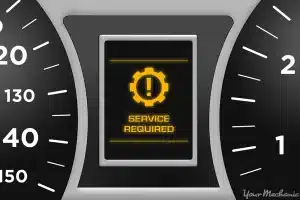 Refrigerated vehicle are indispensable in the UK for transporting perishable goods, from fresh produce and frozen foods to pharmaceuticals and temperature-sensitive chemicals. These vehicles are designed with specialised refrigeration units that maintain precise temperature ranges, ensuring that the cargo reaches its destination in optimal condition. Whether operating small vans for local deliveries or large lorries for long-haul transport, the integrity of the refrigeration system is essential to prevent spoilage and maintain compliance with industry standards such as GDP for pharmaceuticals or food safety regulations for consumables. Regular maintenance ensures that the vehicles perform reliably, reduces operational downtime, and protects the quality of the transported goods.
First a quick plug – Our sister companies Fresh Pharma whom are GDP Compliant Pharma couriers and ‘Fresh Fridge Hire‘ are our (compliant GDP) refrigerated vehicle hire.
Three Key Giveaways
Consistent Maintenance Prevents Failures: Regular checks of the cooling system, compressor, insulation, and door seals help prevent temperature fluctuations, refrigerant leaks, and costly breakdowns.
Cleanliness Ensures Product Safety: Cleaning both the interior and exterior of the vehicle protects against contamination and ensures compliance with hygiene and industry standards.
Preventive Care Extends Lifespan and Efficiency: A structured maintenance routine prolongs the vehicle’s life, ensures reliable performance, reduces emergency repairs, and safeguards customer trust.
Maintaining refrigerated vehicles is more than a mechanical concern. It is a critical part of supply chain management. Issues such as faulty compressors, refrigerant leaks, or electrical failures. This can compromise temperature control, leading to wasted stock and financial losses. Additionally, poorly maintained vehicles can increase fuel consumption and risk non-compliance with safety and regulatory requirements. Companies like Fresh Pharma, which provide GDP-compliant refrigerated transport, and Fresh Fridge Hire, offering temporary refrigerated vehicle hire, understand the importance of preventive maintenance. By following a structured maintenance programme, businesses can ensure reliable vehicle performance. Also maintaining product quality, and reduce the likelihood of costly disruptions to logistics operations.
Importance of Regular Maintenance of Refrigerated Vehicle
Regular maintenance of refrigerated vehicles is essential to ensure efficiency, reliability, and product safety. Refrigeration units rely on complex systems, including compressors, condensers, evaporators, and thermostats, which require regular inspection and servicing. Failure to maintain these components can result in temperature fluctuations, leading to product spoilage, regulatory breaches, and financial losses. For example, a minor refrigerant leak might seem negligible, but over time it can reduce cooling efficiency and increase the risk of perishable goods being compromised.
Scheduled maintenance also extends the lifespan of the vehicle and its refrigeration kit. Components such as compressors, belts, and electrical wiring degrade over time, and timely servicing prevents unexpected breakdowns. Routine checks include monitoring coolant levels, inspecting insulation, cleaning condenser coils, testing temperature accuracy, and reviewing the battery and engine systems. Regular maintenance reduces emergency repair costs and improves fuel efficiency, supporting both operational and environmental objectives. Ultimately, businesses that prioritise maintenance protect their investment, safeguard product quality, and maintain customer trust, making it a critical component of refrigerated vehicle operations in the UK.
Here’s a fully coherent, polished text combining all the sections you provided into a single, flowing article while keeping it practical, detailed, and UK-focused:
Essential Maintenance Tips for Refrigerated Vehicles
Proper maintenance of refrigerated vehicles is critical for ensuring they operate efficiently and keep perishable goods safe. These vehicles play a vital role in transporting temperature-sensitive products such as food, pharmaceuticals, and healthcare items across the UK. Regular upkeep reduces the risk of breakdowns, prevents product spoilage, and prolongs the lifespan of the vehicle and refrigeration system.
Regular Temperature Monitoring
Monitoring and recording the temperature inside the vehicle is essential. Use calibrated thermometers or digital data loggers to ensure the refrigeration unit consistently maintains the required temperature range. Frequent monitoring allows early detection of fluctuations that could compromise cargo quality, preventing spoilage and reducing financial losses. Temperature alerts can also help drivers take immediate corrective actions if the unit fails.
Inspect and Service the Refrigeration Unit
The refrigeration system is the heart of a refrigerated vehicle. Regularly inspect the compressor, condenser, evaporator, fans, and thermostats for signs of wear, refrigerant leaks, or unusual noises. Scheduling routine servicing with a qualified technician ensures the system functions efficiently and reliably. Proactive servicing reduces the risk of emergency repairs and keeps the fleet operational.
Maintain Vehicle Insulation
Inspect the vehicle’s insulation, particularly on doors, panels, and seals, for damage or wear. Proper insulation maintains consistent temperatures, reduces energy consumption, and improves refrigeration efficiency. Damaged insulation allows heat ingress, increasing fuel use and risking product quality, especially during long hauls or hot weather conditions.
Check Electrical and Mechanical Systems
Ensure that the battery, alternator, and electrical connections are in good condition, as refrigeration units rely heavily on a stable power supply. Also, regularly check the engine, brakes, tyres, and other mechanical components to prevent failures that could delay deliveries. A well-maintained vehicle reduces the likelihood of costly breakdowns.
Clean Condenser Coils and Air Filters
Dirty condenser coils or clogged air filters restrict airflow and reduce cooling efficiency. Regular cleaning ensures proper heat exchange, extends the refrigeration unit’s life, and prevents temperature inconsistencies that could compromise transported products.
Plan a Preventive Maintenance Schedule
Establish a regular maintenance schedule for all vehicles in the fleet. This should include inspections, servicing, and replacement of worn components. Preventive maintenance reduces emergency repairs, ensures reliable operation, and guarantees consistent temperature control for perishable goods.
Additional Maintenance Considerations for Refrigerated Vehicle
Regular cleaning of the vehicle’s interior, cargo area, and refrigeration unit is essential for hygiene and contamination prevention. Inspect door seals, compressors, and insulation for wear or damage, replacing components as necessary. Check refrigerant levels and repair any leaks promptly. Implement a temperature monitoring system with alerts to detect deviations in real-time. Common issues like temperature fluctuations, compressor failure, or refrigerant leaks can often be prevented through these proactive steps.
By following these maintenance tips, businesses in the UK can ensure that their refrigerated vehicles operate efficiently, maintain product quality, and comply with regulatory standards, ultimately protecting their investment and reputation..
Conclusion: Maintaining Refrigerated Vehicle for Safe and Efficient Transport
Regular maintenance of refrigerated vehicles is essential to ensure they operate efficiently and keep perishable products safe during transport. A comprehensive maintenance checklist should cover all critical components. Including the cooling system, compressor, insulation, door seals, and temperature monitoring systems. Consistent checks help identify potential issues early, preventing temperature fluctuations, compressor failures, refrigerant leaks that could compromise cargo quality.
Equally important is the regular cleaning of both the vehicle’s interior and exterior. A clean cargo area prevents contamination and ensures compliance with hygiene standards, particularly for food, pharmaceuticals, and healthcare products. Cleaning also extends the life of door seals, insulation, and refrigeration components by reducing wear and buildup of dirt or frost.
By following a structured maintenance routine, operators can significantly reduce the risk of unexpected breakdowns, minimise spoilage, and avoid costly emergency repairs. Preventive maintenance not only protects products but also prolongs the lifespan of the vehicle, ensuring that fleets remain reliable and compliant with industry standards.
Ultimately, investing time in regular maintenance and monitoring allows businesses to maintain high operational efficiency, uphold product safety, and safeguard customer trust. Refrigerated vehicles that are properly cared for deliver consistent, safe, and high-quality service, supporting both profitability and regulatory compliance.
Refrigerated Vehicle
- How often should I clean my truck?
It’s recommended to clean your truck after every use or at least once a week.
- How often should I check the refrigerant level?
You should check the refrigerant level at least once a month and use a specialist to refill it if necessary.
- How can you identify refrigerator compressor failing?
Signs of a failing compressor include unusual noises, increased energy consumption, and reduced cooling capacity.
- Can I do the maintenance myself, or do I need a professional?
While some maintenance tasks can be done by yourself, it’s recommended to have a professional inspect and maintain your truck regularly. They have the necessary tools and expertise to identify and fix any issues safely and in full

Green Logistics - Benefits and Challenges in the UK
The Benefits of Implementing Green Logistics Practices in the UK: A Comprehensive Overview
Introduction to Green Logistics Practices in the UK
Green Logistics has a considerable impact on the environment, particularly through carbon emissions, energy consumption, and waste generation.

In the UK, supply chains increasingly contribute to air pollution and resource depletion, prompting companies to explore sustainable solutions. Green Logistics is a holistic approach that seeks to minimise environmental impact while maintaining efficiency and competitiveness. It covers every aspect of the supply chain, including transportation, warehousing, packaging, and reverse logistics.
The UK government’s Net Zero 2050 target and stricter environmental regulations have accelerated the adoption of Green Logistics practices. Businesses now recognise that sustainability is no longer optional but a core operational requirement. Green Logistics delivers benefits across three major areas: environmental, economic, and social. Environmentally, it reduces emissions, optimises resource use, and mitigates waste. Economically, it can lower operational costs, improve customer loyalty, and ensure regulatory compliance. Socially, it improves public health, creates green employment, and enhances brand reputation.
This article explores these benefits in detail, examines challenges in implementation, and highlights strategies and real-world UK case studies that demonstrate successful adoption.
First a quick plug – Our sister companies Fresh Pharma whom are GDP Compliant Pharma couriers and ‘Fresh Fridge Hire‘ are our (compliant GDP) refrigerated vehicle hire.
Three Key Takeaways on Green Logistics in the UK
1. Environmental Benefits Are Substantial and Measurable
Implementing Green Logistics practices significantly reduces carbon emissions, energy consumption, and waste. Sustainable transport methods, such as electric or hybrid vehicles, combined with route optimisation and energy-efficient warehousing, minimise environmental impact. Recycling programmes and reusable packaging further reduce landfill contributions. These practices not only support UK environmental regulations but also enhance air quality and conserve natural resources.
2. Economic Advantages Strengthen Competitiveness
Green Logistics offers tangible economic benefits, including lower fuel and energy costs, reduced waste disposal expenses, and improved operational efficiency. Compliance with environmental legislation prevents fines and penalties, while demonstrating sustainability can increase customer loyalty. Companies investing in technology, automation, and process optimisation gain cost savings and maintain a competitive edge in the UK market.
3. Social Impact and Reputation Are Enhanced
Sustainable logistics practices improve public health by reducing air pollution and creating safer working conditions. They also generate green employment opportunities in transport, warehouse management, and renewable technologies. Additionally, companies that adopt Green Logistics strengthen brand reputation, attracting environmentally conscious consumers and fostering trust with stakeholders. These social benefits reinforce a company’s commitment to responsible and sustainable operations.
Environmental Benefits of Green Logistics Practices in the UK
The most significant environmental benefit of Green Logistics practices is the reduction of carbon emissions. Transportation accounts for a major share of greenhouse gas emissions in the UK, particularly road haulage and air freight. Adopting electric or hybrid vehicles, optimising delivery routes using AI-based route planning, and shifting to low-emission transport modes can substantially reduce fuel consumption. In addition, sustainable warehouse practices, such as energy-efficient lighting, solar power installations, and water conservation measures, help minimise resource use. Waste reduction initiatives, including recycling, reusable packaging, and circular economy approaches, further mitigate environmental impact. For example, companies adopting reusable pallet systems or biodegradable packaging significantly reduce landfill contributions.
These practices not only support environmental stewardship but also align with UK regulations, including the Environment Act 2021, which promotes sustainable business practices and resource efficiency. The integration of environmentally friendly logistics contributes to cleaner air, reduced greenhouse gases, and lower operational footprints, forming a foundation for long-term corporate sustainability.
Economic Benefits of Green Logistics Practices in the UK
Green Logistics practices also deliver measurable economic advantages. By reducing fuel use, energy consumption, and waste, companies can achieve significant cost savings. Route optimisation and transport consolidation reduce unnecessary mileage and improve fleet efficiency, lowering operational expenses. Customers increasingly prioritise environmentally responsible brands, enhancing customer loyalty and trust for companies that adopt sustainable logistics practices. Compliance with environmental regulations, such as carbon reporting requirements or packaging waste directives, helps avoid fines and penalties, which can be costly for large-scale operations.
Moreover, Green Logistics often leads to operational efficiency improvements. Automated systems, electric vehicle fleets, and smart warehousing reduce human error and streamline processes, creating long-term savings. In the competitive UK market, companies with sustainable practices gain both financial and reputational advantages, making sustainability a strategic investment rather than a mere ethical choice.
Social Benefits of Green Logistics Practices in the UK
Green Logistics has significant social benefits that extend beyond business operations. Reducing emissions and pollution improves air quality, which benefits public health, lowering respiratory illnesses and related healthcare costs. Sustainable practices also create employment opportunities in emerging “green” sectors, such as electric vehicle maintenance, renewable energy logistics, and environmental compliance roles. Employees working in companies committed to sustainability often report higher job satisfaction, as they perceive their work as contributing to positive environmental and social outcomes. Implementing sustainable practices also enhances brand reputation.
UK consumers are increasingly environmentally conscious, and companies that demonstrate responsibility through Green Logistics can build trust and loyalty. Collectively, these social benefits strengthen communities, improve health outcomes, and create a workforce aligned with sustainability values, reinforcing a company’s social licence to operate.
Challenges of Implementing Green Logistics in the UK
Despite the benefits, implementing Green Logistics practices presents challenges. One major hurdle is the lack of awareness or understanding among logistics professionals, leading to resistance to change. High initial investment costs, particularly for electric fleets, renewable energy systems, and automated warehouses, can be prohibitive, especially for small and medium-sized enterprises (SMEs). Organisational resistance is another challenge, as employees and management may be reluctant to adopt new practices or technologies. In addition, infrastructure limitations, such as insufficient EV charging networks or inadequate recycling facilities, can hinder adoption. Overcoming these obstacles requires clear strategic planning, stakeholder engagement, and phased investment strategies to make sustainable logistics practical and cost-effective.
Strategies for Implementing Green Logistics Practices in the UK
Companies can adopt several strategies to overcome these challenges. Setting clear environmental goals, such as reducing carbon emissions by specific percentages or adopting fully electric fleets, provides measurable targets. Collaboration with supply chain partners allows knowledge and resources to be shared, supporting more efficient and widespread adoption. Investment in technology, including AI-based route optimisation, telematics, and automated warehouses, improves efficiency while reducing environmental impact. Staff training and awareness programmes ensure employees understand the importance and practical application of sustainable practices. Pilot projects can test new methods before scaling, reducing risk while demonstrating feasibility. By integrating these strategies, UK logistics companies can achieve sustainability objectives while maintaining operational performance.
Case Studies of Successful Green Logistics in the UK
Several UK companies provide examples of successful Green Logistics implementation. Tesco has reduced carbon emissions by using alternative fuels, optimising delivery routes, and consolidating supply chain operations. The John Lewis Partnership uses electric vans for home deliveries and has reduced packaging waste through reusable systems. DHL Supply Chain UK has implemented route optimisation, introduced electric and hybrid vehicles, and adopted renewable energy in warehouses. These companies demonstrate that sustainable logistics can be cost-effective, operationally efficient, and environmentally beneficial when planned and executed strategically.
Conclusion: The Strategic Importance of Green Logistics in the UK
In conclusion, the benefits of Green Logistics practices in the UK are wide-ranging. Environmentally, they reduce emissions, conserve resources, and minimise waste. Economically, they lower costs, increase efficiency, and strengthen customer loyalty. Socially, they enhance public health, create green jobs, and improve corporate reputation. Although challenges such as high initial costs, resistance to change, and infrastructure limitations exist, these can be overcome with strategic planning, collaboration, and technological innovation. Ultimately, adopting Green Logistics is essential for companies that aim to remain competitive, meet regulatory requirements, and satisfy growing consumer demand for sustainable products and services. The UK logistics sector that embraces these practices is not only contributing to environmental stewardship but also positioning itself for long-term operational resilience and success.
Green Logistics
- What is Green Logistics?
Green Logistics refers to the practice of minimising the environmental impact of supply chain activities such as transportation, warehousing, and packaging.
- What are the economic benefits of implementing sustainable practices?
- What are the challenges of implementing sustainable practices in the UK?
The challenges include lack of awareness and understanding, high initial costs, and resistance to change.
- How can stakeholders in the supply chain industry collaborate to implement sustainable practices?
Stakeholders can collaborate by setting clear environmental goals and objectives, adopting technology and innovation, and partnering with supply chain partners.
- Can you provide examples of companies that have successfully implemented sustainable practices in the UK?
Yes, Tesco, John Lewis Partnership, and DHL are examples of companies that have successfully implemented sustainable practices in the UK.

Logistics Costs - How to Reduce and Control Them.
Logistics Costs Reduction Without Sacrificing Quality in the UK
Logistics costs represent a significant portion of operational expenditure for UK businesses.

From transportation and warehousing to inventory management, order fulfilment, and last-mile delivery, these expenses can quickly escalate if not carefully managed. Rising fuel prices, labour costs, and complex supply chains make cost control a top priority for companies across retail, manufacturing, and e-commerce sectors.
However, reducing logistics costs does not mean compromising on service quality. Customers and clients increasingly expect fast, reliable, and accurate delivery, especially in sectors such as perishable goods, pharmaceuticals, and high-value items. Striking the right balance between efficiency, cost savings, and quality assurance is therefore essential.
This article explores actionable strategies and best practices that UK businesses can implement to optimise logistics operations. By combining technology, process improvement, and smart operational planning, companies can lower costs while maintaining—or even enhancing—service standards.
Key areas we will cover include:
- Optimising transportation and fleet management: Reducing fuel consumption, minimising empty miles, and improving delivery scheduling.
- Enhancing warehousing efficiency: Implementing space utilisation strategies, automating key processes, and reducing handling times.
- Inventory management improvements: Leveraging data-driven demand forecasting to prevent overstocking or stockouts.
- Supplier and partner collaboration: Negotiating favourable contracts and fostering strong supply chain relationships.
- Technology adoption: Using logistics management systems, route optimisation software, and real-time tracking to improve operational visibility and reduce inefficiencies.
By following these strategies, businesses can achieve measurable reductions in logistics costs while continuing to meet high-quality service expectations. For companies such as Fresh Refrigerated Couriers and other UK-based logistics providers, implementing these practices ensures operational resilience, customer satisfaction, and sustainable growth in a competitive market.
First a quick plug – Our sister companies Fresh Pharma whom are GDP Compliant Pharma couriers and ‘Fresh Fridge Hire‘ are our (compliant GDP) refrigerated vehicle hire.
Understanding Logistics Costs
Before diving into specific strategies, it’s important to understand the different types of Logistics Costs that businesses incur. These costs can be categorised into three main areas:
1. Direct Logistics Costs
Direct costs are expenses that are directly related to the physical movement of goods, including transportation, warehousing, and handling.
2. Indirect Logistics Costs
Indirect costs are expenses that are not directly related to the physical movement of goods but are still necessary for logistics operations, including administration, IT systems, and insurance.
3. External Logistics Costs
External costs are expenses that are beyond the control of businesses but still affect logistics operations, including fuel prices, regulatory compliance, and weather conditions.
Identifying Areas to reduce Logistics Costs
The first step in reducing logistics costs is to identify the areas that offer the most potential for cost savings. This may involve conducting a thorough analysis of current logistics operations to determine where inefficiencies and waste exist.
1. Conducting Analysis of the Logistics Costs
Conducting a cost analysis can help businesses identify areas where costs can be reduced. This analysis should include a breakdown of all direct and indirect costs associated with logistics operations.
2. Analysing Current Processes
Analysing current processes can help businesses identify areas of inefficiency and waste. This may involve tracking the movement of goods from start to finish and identifying any bottlenecks or areas of delay.
3. Reviewing Supplier and Carrier Contracts
Reviewing supplier and carrier contracts can help businesses negotiate better rates and terms. This may involve consolidating suppliers and carriers to reduce transportation costs or renegotiating contracts to include volume discounts.
Streamlining Processes and Operations
Streamlining processes and operations is essential for reducing logistics costs. This may involve implementing lean principles to eliminate waste and improve efficiency.
1. Implementing Lean Principles
Implementing lean principles can help businesses eliminate waste and reduce costs. This may involve implementing just-in-time inventory management, reducing excess inventory, and optimising production processes.
2. Automating Processes
Automating processes can help businesses improve efficiency and reduce costs. This may involve implementing warehouse management systems, transportation management systems, and order management systems.
3. Outsourcing Non-Core Activities
Outsourcing non-core activities can help businesses focus on their core competencies and reduce costs. This may involve outsourcing warehousing and distribution, order fulfilment, and transportation.
Adopting Technology Solutions
Adopting technology solutions can help businesses by improving efficiency and accuracy.
1. Implementing Real-Time Visibility Solutions
Implementing real-time visibility solutions can help businesses track the movement of goods and optimise logistics operations. This may involve implementing GPS tracking, RFID tagging, and barcode scanning.
2. Implementing Predictive Analytics Solutions
Implementing predictive analytics solutions can help businesses anticipate demand and optimise logistics operations. This may involve implementing forecasting and demand planning tools.
Optimising Inventory Management
Optimising inventory management is essential and may involve implementing inventory control policies and reducing excess inventory.
1. Implementing Inventory Control Policies
Implementing inventory control policies can help businesses reduce excess inventory and optimise storage space. This may involve implementing first-in-first-out (FIFO) or last-in-first-out (LIFO) inventory management policies.
2. Reducing Excess Inventory
Reducing excess inventory can help businesses save on storage and holding costs. This may involve implementing demand-driven inventory management or just-in-time inventory management.
3. Optimising Storage Space
Optimising storage space can help businesses reduce storage costs. This may involve implementing vertical storage solutions, optimising warehouse layouts, or consolidating inventory across multiple locations.
Collaborating with Suppliers and Carriers
Collaborating with suppliers and carriers can help businesses improve efficiency and reduce waste. Here are some key strategies:
1. Consolidating Suppliers, Carriers and reducing Logistics Costs
Reducing Transportation Costs
Consolidating suppliers and carriers can help businesses lower their transportation expenses. By working with fewer suppliers and carriers, businesses can negotiate volume discounts, reducing the overall cost of transportation.
Improving Efficiency
A single carrier strategy can streamline logistics operations, leading to better coordination and fewer disruptions. This approach can enhance delivery schedules and ensure more reliable service.
2. Implementing Collaborative Planning
Enhancing Communication
Collaborative planning improves communication between businesses, suppliers, and carriers. By sharing demand forecasts and production schedules, all parties can better understand each other’s needs and capabilities.
Reducing Waste
Sharing information helps in aligning production and delivery schedules, minimising excess inventory and reducing waste. This coordination ensures that products are manufactured and delivered in sync with actual demand.
3. Implementing Vendor-Managed Inventory
Lowering Inventory Holding Costs
Vendor-managed inventory (VMI) allows suppliers to manage inventory levels based on demand forecasts. This reduces the burden on businesses to maintain large stock levels, lowering inventory holding costs.
Improving Efficiency
With VMI, suppliers can respond more quickly to changes in demand, ensuring that inventory levels are always optimal. This leads to improved efficiency in inventory management and reduces the risk of stockouts or overstock situations.
Enhancing Customer Service and Reducing Logistics Costs
Enhancing customer service and experience is essential for reducing logistics costs. This can be achieved through implementing customer-centric logistics strategies and improving order fulfilment processes.
1. Implementing Customer-Centric Logistics Strategies
Real-Time Order Tracking
Providing real-time order tracking allows customers to monitor their shipments from dispatch to delivery. This transparency enhances customer satisfaction by keeping them informed and reducing anxiety about their orders.
Flexible Delivery Options
Offering flexible delivery options, such as same-day delivery, scheduled deliveries, or pick-up points, can significantly improve the customer experience. By catering to customers’ preferences and schedules, businesses can increase customer loyalty and satisfaction.
2. Improving Order Fulfilment Processes and reducing Logistics Costs
Pick-to-Light and Voice Picking Systems
Implementing advanced picking systems like pick-to-light or voice picking can streamline the order fulfilment process. These systems improve picking accuracy and speed, reducing lead times and enhancing overall efficiency.
Improved Packaging and Labelling
Enhancing packaging and labelling processes can reduce errors and improve the speed of order processing. Efficient packaging ensures that products are protected during transit, reducing the risk of damage and returns. Accurate labelling helps in quick and correct identification of orders, facilitating smoother logistics operations.
Measuring and Monitoring Performance
Measuring and monitoring performance is crucial for identifying areas of improvement and ensuring the effectiveness of cost-saving strategies in logistics.
1. Implementing Key Performance Indicators (KPIs) Driving Logistics Costs
Order Cycle Time
Tracking order cycle time helps businesses assess the efficiency of their order fulfilment process. Shorter cycle times typically indicate faster delivery and reduced holding costs.
Inventory Turnover
Monitoring inventory turnover rates helps businesses understand how quickly products are sold and replaced. Higher turnover rates often signify efficient inventory management and reduced storage costs.
Transportation Costs
Tracking transportation costs allows businesses to evaluate the efficiency of their shipping and delivery operations. Monitoring these costs helps in identifying opportunities for consolidation, route optimization, or carrier negotiation to lower expenses.
2. Conducting Regular Audits on Logistics Costs
Process Audits
Conducting process audits helps businesses identify inefficiencies or bottlenecks in their logistics operations. By reviewing procedures and workflows, businesses can streamline processes to reduce costs and improve performance.
Financial Audits
Performing financial audits helps in analysing expenditure related to logistics activities. This includes reviewing invoices, contracts, and financial records to ensure accuracy and identify areas where costs can be minimized or controlled.
3. Implementing Continuous Improvement Processes to Reduce Logistics Costs
Kaizen Events
Implementing Kaizen events involves organizing focused improvement activities aimed at eliminating waste and enhancing efficiency in specific aspects of logistics operations. These events encourage participation from employees at all levels to continuously improve processes.
Root Cause Analysis
Conducting root cause analysis helps in identifying underlying reasons for inefficiencies or cost overruns in logistics. By addressing root causes, businesses can implement targeted solutions to prevent recurrence and optimize performance.
Investing in Employee Training and Development
Investing in employee training and development plays a crucial role in ensuring that cost-saving strategies are effectively implemented in logistics operations.
1. Providing Training on Lean Principles to Reduce Logistics Costs
Identifying Waste and Inefficiencies
Training employees on lean principles helps them identify various types of waste, such as overproduction, excess inventory, unnecessary motion, and defects. By recognizing these inefficiencies, employees can suggest and implement process improvements to streamline operations and reduce costs.
Implementing Process Improvements
Lean training empowers employees to participate in continuous improvement initiatives. They learn how to analyse workflows, eliminate non-value-added activities, and optimize processes for efficiency. This proactive approach leads to cost reductions and enhances overall operational effectiveness.
2. Providing Training on Technology Solutions to Reduce Logistics Costs
Effective Utilization of Technology
Training employees on technology solutions, such as inventory management systems, warehouse automation, and transportation management software, equips them with the skills to utilize these tools effectively. They learn how to leverage technology to improve accuracy, efficiency, and decision-making in logistics operations.
Streamlining Operations
Proficiency in technology enables employees to automate repetitive tasks, track inventory in real-time, optimize route planning, and reduce administrative overhead. This results in cost savings through improved operational efficiency and reduced resource consumption.
3. Providing Cross-Functional Training to Understand How to Reduce Logistics Costs
Collaboration Across Departments
Cross-functional training fosters collaboration and communication across different departments involved in logistics processes, such as procurement, operations, and customer service. Employees gain a holistic understanding of how their roles impact overall logistics costs.
Identifying Collaboration Opportunities
By understanding the interconnectedness of logistics activities, employees can identify opportunities for collaboration and process integration. They can work together to streamline supply chain activities, optimize inventory levels, and enhance customer service while minimizing costs.
Conclusion
Reducing Logistics Costs without sacrificing quality is a challenging task for businesses in the UK. However, by adopting the strategies and best practices outlined in this article, businesses can identify areas for cost reduction, streamline processes and operations, adopt technology solutions, optimise inventory management, collaborate with suppliers and carriers, enhance customer service and experience, measure and monitor performance, and invest in employee training and development.
By taking a holistic approach to logistics cost reduction, businesses can achieve significant cost savings while maintaining quality and improving customer satisfaction. It is important to regularly assess the effectiveness of these strategies and adjust them as needed to ensure continuous improvement.
Logistics Costs
- Can businesses reduce Logistics Costs without sacrificing quality?
Yes, businesses can reduce Logistics Costs without sacrificing quality by adopting cost-saving strategies such as optimising inventory management, collaborating with suppliers and carriers, enhancing customer service and experience, measuring and monitoring performance, and investing in employee training and development.
- How can collaborative planning help businesses reduce Logistics Costs?
Collaborative planning can help businesses improve communication and reduce waste by sharing demand forecasts and production schedules with suppliers and carriers.
- What are some key performance indicators (KPIs) that businesses can use to measure logistics performance?
Businesses can track order cycle time, inventory turnover, or transport performance.
- How can employee training and development help businesses reduce Logistics Costs?
Employee training and development can help businesses identify waste and inefficiencies, effectively use technology solutions, and understand the impact of their actions on other departments and functions.

Reduce Carbon Footprint in Logistics
How to Reduce Carbon Footprint in Logistics
Logistics is an important part of many businesses, but it is also one of the most polluting industries in the world. The carbon footprint of logistics is enormous, and it is responsible for a significant amount of greenhouse gas emissions. Fortunately, there are ways to reduce the carbon footprint of logistics, and in this article, we will explore some of these solutions.
Three Key Takeaways
| Key Takeaway | Explanation | Example |
|---|---|---|
| Optimise Transport and Fleet | Efficient route planning and maximising vehicle loads reduce fuel consumption and emissions | Using telematics to plan delivery routes in urban areas |
| Adopt Eco-Friendly Vehicles | Electric, hybrid, or alternative-fuel vehicles lower greenhouse gas emissions | Replacing diesel vans with electric vans for last-mile deliveries |
| Green Warehousing Practices | Energy-efficient lighting, temperature control, and renewable energy reduce warehouse carbon footprint | Installing solar panels and LED lighting in refrigerated warehouses |
These strategies collectively help businesses in the UK reduce carbon emissions, improve operational efficiency, and strengthen their sustainability credentials.
First a quick plug – Our sister companies Fresh Pharma whom are GDP Compliant Pharma couriers and ‘Fresh Fridge Hire‘ are our (compliant GDP) refrigerated vehicle hire.
Introduction: Reducing Carbon Footprint in Logistics
Logistics is a cornerstone of modern business operations, enabling the movement of goods efficiently across regions and countries. Yet, it comes with a significant environmental cost. The logistics industry contributes heavily to greenhouse gas emissions, primarily carbon dioxide, through fuel consumption, electricity use in warehouses, and transportation activities. This growing carbon footprint not only affects the environment but also increases operational costs and regulatory pressures for businesses.
Fortunately, businesses can implement strategies to reduce emissions without sacrificing efficiency or competitiveness. These solutions range from optimising transportation routes and leveraging fuel-efficient or electric vehicles to adopting sustainable warehousing practices and minimising packaging waste. Technology and data-driven tools, such as telematics, route-planning software, and energy management systems, can also play a pivotal role in reducing emissions while improving operational performance.
What is a Carbon Footprint?
A carbon footprint quantifies the total greenhouse gases produced, directly or indirectly, by an activity, product, or service. It is commonly measured in tonnes of carbon dioxide equivalent (CO2e) per year. In logistics, the carbon footprint arises from multiple sources, including fuel consumption by trucks, vans, and ships, electricity usage in storage and distribution centres, and even packaging materials. Understanding and measuring this footprint is the first step for businesses aiming to implement effective carbon-reduction strategies.
By accurately calculating their carbon footprint, companies can identify the largest emission sources, prioritise reduction initiatives, and track progress over time. This approach allows businesses to make informed decisions that balance environmental responsibility with operational efficiency, helping them stay competitive in a market where sustainability is increasingly valued by consumers and regulators alike.
If you want, I can continue by expanding the practical solutions for reducing carbon footprint in logistics, complete with examples and best practices in the UK context. Do you want me to do that?
The Importance of Reducing Carbon Footprint in Logistics
Reducing carbon emissions in logistics is essential not only for environmental sustainability but also for economic efficiency. The logistics sector is a major contributor to global greenhouse gas emissions due to fuel consumption by trucks, vans, ships, and aeroplanes, as well as energy usage in warehouses and distribution centres. These emissions accelerate climate change, contribute to air pollution, and increase regulatory pressures on businesses.
Beyond environmental responsibility,
Reducing the carbon footprint in logistics can bring significant financial benefits. Lower fuel consumption through optimised routes or eco-friendly vehicles directly reduces operating costs. Efficient energy use in warehouses and storage facilities can decrease electricity expenses, while minimising packaging materials and waste reduces disposal costs. These operational efficiencies improve profitability while supporting corporate sustainability goals.
Sustainability is increasingly important to consumers, investors, and regulators. Businesses that demonstrate measurable reductions in carbon emissions gain a competitive advantage by building a positive brand reputation and meeting environmental compliance standards. Furthermore, proactive carbon management can help companies anticipate and adapt to future regulations, avoiding potential fines and penalties.
Finally, reducing carbon emissions encourages innovation in logistics operations. Implementing electric vehicles, renewable energy solutions, smart route planning, and green warehouse practices not only lowers emissions but also fosters technological advancement and operational resilience. Overall, businesses that prioritise reducing their carbon footprint in logistics can achieve a triple benefit: protecting the environment, enhancing efficiency, and strengthening their market position.
Ways to Reduce Carbon Footprint in Logistics
Optimise Transport Routes to Reduce Carbon Footprint in Logistics
One of the most effective ways to reduce the carbon footprint of logistics is to optimise transport routes. This involves using data and analytics to find the most efficient routes for transport. By optimising transport routes, businesses can reduce the number of miles travelled, leading to lower fuel consumption and fewer emissions.
Use Eco-Friendly Vehicles
Another way to reduce the carbon footprint of logistics is to use eco-friendly vehicles. Electric vehicles, hybrid vehicles, and other alternative fuel vehicles produce fewer emissions than traditional petrol and diesel vehicles. Switching to eco-friendly vehicles can also help businesses comply with environmental regulations and reduce operating costs.
Implement Electric Vehicles
In addition to using eco-friendly vehicles, businesses can also consider implementing electric vehicles. Electric vehicles produce zero emissions, making them an excellent option to lower your footprint. Although electric vehicles have a higher upfront cost, they offer significant long-term benefits, including reduced fuel costs and lower maintenance costs.
Use Renewable Energy to Reduce Carbon Footprint in Logistics
Using renewable energy sources, such as solar or wind power, can also help reduce the carbon footprint of logistics. Businesses can install solar panels or wind turbines on their premises or purchase renewable energy credits to offset their energy consumption. By using renewable energy sources, businesses can reduce their reliance on fossil fuels and lower their carbon emissions.
Reduce Packaging
Another way to lower carbon is to minimalise packaging. Excessive packaging leads to more waste, higher transportation costs and more emissions. By reducing packaging, businesses can reduce the amount of waste generated, lower transport costs, and improve the efficiency of logistics operations. Businesses can use sustainable packaging materials, such as biodegradable or recyclable materials, to reduce their carbon footprint.
Implement Green Warehouses to Reduce Carbon Footprint in Logistics
Implementing green warehouses can also help reduce the carbon footprint of logistics. Green warehouses are designed to be energy-efficient and use renewable energy sources, such as solar or wind power. They also use sustainable building materials and technologies to reduce their environmental impact. By implementing green warehouses, businesses can reduce their energy consumption and carbon emissions while improving the efficiency of their logistics operations.
The Role of Technology in Reducing Carbon Footprint in Logistics
Technology plays a critical role in reducing carbon in logistics. Digital technologies, such as data analytics, artificial intelligence, and the internet of things, can help businesses optimise their logistics operations and reduce their carbon emissions. For instance, data analytics can be used to optimise transport routes, reduce fuel consumption, and minimise waste. Artificial intelligence can be used to forecast demand, optimise inventory levels, and reduce energy consumption. The internet of things can be used to monitor energy consumption, optimise warehouse operations, and improve supply chain visibility.
The Benefits of Reducing Carbon Footprint in Logistics
Reducing the carbon footprint of logistics offers many benefits for businesses and the environment. Firstly, it can help businesses comply with environmental regulations and meet sustainability goals. Secondly, it can lead to cost savings, such as lower energy costs, lower waste, and more efficient operations. Thirdly, it can improve the reputation of businesses, as consumers increasingly demand environmentally sustainable products and services. Fourthly, it can reduce the environmental impact of logistics, helping to mitigate the effects of climate change.
Challenges in Implementing Solutions to Reduce Carbon Footprint in Logistics
Implementing solutions can be challenging, as it requires significant investment, changes in business processes, and stakeholder buy-in. For instance, switching to eco-friendly vehicles or implementing green warehouses can be expensive and time-consuming. It may also require changes in supply chain management, logistics operations, and employee behaviour. Additionally, it may require regulatory compliance and coordination with stakeholders, such as suppliers, customers, and government agencies.
Conclusion: Reducing Carbon Footprint in Logistics
Reducing carbon emissions in logistics is essential for both environmental sustainability and long-term business efficiency. Companies can adopt multiple strategies to lower their carbon footprint, including optimising transport routes, using eco-friendly or electric vehicles, and implementing renewable energy in warehouses. Efficient route planning reduces unnecessary fuel consumption, while fleet electrification and hybrid vehicles help cut greenhouse gas emissions significantly. Energy-efficient warehouses, combined with sustainable packaging, further reduce the environmental impact of logistics operations.
Technology plays a pivotal role in achieving carbon reduction goals. Digital tools such as route-optimisation software, telematics, and inventory management systems enable businesses to monitor emissions, improve operational efficiency, and make data-driven sustainability decisions. Although implementing these solutions may involve upfront costs and operational changes, the long-term benefits—including cost savings, regulatory compliance, and improved brand reputation—far outweigh the challenges.
In summary, businesses that proactively adopt carbon-reduction strategies in their logistics operations can achieve sustainable growth, contribute to environmental protection, and meet increasing consumer expectations for greener supply chains.
Carbon Footprint
- What is a carbon footprint in logistics?
A carbon footprint is a measure of the amount of greenhouse gases emitted by logistics activities, such as transportation, warehousing, and packaging.
- Why is reducing your carbon footprint important?
It is important to achieve sustainability goals, reduce the impact of climate change, and improve the reputation and cost efficiency of businesses.
- What are some ways to reduce your carbon footprint?
Optimising transport routes, using eco-friendly and electric vehicles, using renewable energy, reducing packaging, and implementing green warehouses.
- What is the role of technology in reducing carbon footprint?
Technology plays a critical role in enabling businesses to optimise their operations and reduce pollution

Route Optimisation
Understanding the Importance of Route Optimisation and Reducing Delivery Times
 Route optimisation is a critical factor for businesses in the UK that rely on timely delivery of goods. Efficient routing ensures that products reach customers quickly, while simultaneously reducing fuel consumption, operational costs, and vehicle wear and tear. By planning routes intelligently, companies can avoid traffic congestion, roadworks, or other unexpected delays, helping maintain reliable delivery schedules and enhancing customer satisfaction.
Optimising routes is not just about shortest distance; it also considers factors such as delivery windows, vehicle capacity, load types, and time-sensitive products. For example, pharmaceutical or chilled food deliveries require strict adherence to temperature and time constraints, making precise routing essential. With route optimisation software or planning systems, businesses can simulate multiple delivery scenarios and identify the most efficient paths, improving both speed and reliability.
Reducing delivery times contributes to a better customer experience. Customers expect fast and predictable delivery, particularly in competitive markets such as e-commerce and perishable goods. Faster delivery also reduces the risk of product spoilage or damage, especially for temperature-sensitive items, improving brand reputation and reducing waste.
Additionally,
Optimised routes lead to environmental benefits. Fewer miles driven and less fuel consumption directly reduce greenhouse gas emissions, supporting corporate sustainability targets and compliance with environmental regulations in the UK. Efficient routing also frees up resources, allowing businesses to manage more deliveries without additional vehicles or staff, increasing scalability and profitability.
Finally, regular analysis of delivery performance and route efficiency ensures continuous improvement. Using telematics, GPS tracking, and real-time traffic data allows businesses to adapt quickly to changing conditions, minimise delays, and maintain consistent delivery standards. Optimising routes is therefore a win-win strategy for cost efficiency, customer satisfaction, and environmental responsibility.
First a quick plug – Our sister companies Fresh Pharma whom are GDP Compliant Pharma couriers and ‘Fresh Fridge Hire‘ are our (compliant GDP) refrigerated vehicle hire.
Analysing Your Delivery Routes for Optimisation
Before implementing any route optimisation strategies, it is essential to thoroughly analyse your current delivery routes. Start by collecting comprehensive data on all routes, including total miles driven, average delivery times, frequent delays, and recurring obstacles. GPS tracking and telematics systems are particularly useful for capturing this information in real time, providing accurate insights into vehicle locations, speed, and idle times. Historical delivery data can also help identify patterns of inefficiency, such as recurring traffic hotspots, delayed deliveries, or frequent returns. By understanding the current state of your logistics network, you can prioritise areas that require improvement.
Identifying Areas of Improvement in Delivery Routes for Route Optimisation
Once you have a detailed analysis, the next step is identifying areas where improvements can be made. Inefficient routes, long delivery times, or recurring delays are common issues that reduce productivity and increase costs. Route optimisation software can be invaluable here, as it considers traffic conditions, delivery windows, vehicle capacity, and other variables to calculate the most efficient routes. It is especially important to focus on last-mile logistics, as this stage is typically the most expensive and time-consuming part of the delivery process. Optimising the last mile can reduce fuel consumption, improve delivery speed, and enhance customer satisfaction. In addition, consolidating deliveries where possible, adjusting schedules, and leveraging real-time updates can further improve efficiency and reliability.
By analysing routes and identifying bottlenecks, businesses can implement strategies that reduce costs, shorten delivery times, and make their logistics operations more sustainable and customer-focused.
Practical UK-Focused Strategies and Tools for Route Optimisation
Optimising delivery routes in the UK requires a combination of strategic planning, the right tools, and ongoing performance monitoring. Businesses can implement several practical strategies to improve efficiency, reduce delivery times, and lower operational costs.
Use Advanced Route Planning Software
Modern route optimisation software can calculate the most efficient paths for multiple deliveries, taking into account traffic patterns, vehicle capacity, delivery windows, and road restrictions. Popular UK-friendly platforms include MyRouteOnline, RouteXL, and PTV Map&Guide. These tools can help businesses plan routes in advance, reduce driving distances, and avoid congestion hotspots.
Leverage GPS and Telematics Systems
Integrating GPS tracking and telematics allows fleet managers to monitor vehicles in real time. This data provides insights into actual delivery times, driver behaviour, fuel consumption, and potential delays. By analysing this information, businesses can make data-driven adjustments to routes, schedules, and driver assignments.
Plan for Time-Sensitive Deliveries
Some goods, such as pharmaceuticals or temperature-sensitive food, require strict delivery windows. When planning routes, assign high-priority deliveries first and cluster stops by location to minimise travel time. Using refrigerated vehicles with real-time temperature monitoring ensures that sensitive products maintain quality during transit.
Consider Local Traffic Patterns and Restrictions
Urban areas in the UK often have congestion zones, low-emission zones, or restricted access during peak hours. Route planning should account for these restrictions to avoid fines, delays, or additional fuel costs. Tools with live traffic updates help drivers avoid bottlenecks and plan the fastest alternative routes.
Implement Dynamic Routing
Dynamic routing allows routes to be adjusted in real time based on changing conditions such as traffic incidents, weather, or urgent delivery requests. This approach improves responsiveness and ensures customers receive their deliveries on time.
Review and Analyse Performance Regularly
Continuously monitoring delivery KPIs, such as on-time delivery rates, fuel consumption, and vehicle utilisation, allows businesses to identify inefficiencies and make improvements. Regular reviews of routes and schedules help refine operations over time.
By combining these strategies with the right technology, UK businesses can significantly reduce delivery times, cut operational costs, improve customer satisfaction, and contribute to sustainability goals.
Conclusion: Route Optimisation and Reducing Delivery Times
Route optimisation and reducing delivery times can transform your business operations. By carefully analysing delivery routes, businesses can identify inefficiencies, avoid congestion. Allowing to plan the most effective paths for their vehicles. Implementing route optimisation strategies, such as GPS tracking, AI-based planning tools, and real-time traffic updates, ensures that deliveries are faster, more reliable, and cost-effective.
The benefits of optimised routes extend beyond time savings. Reduced mileage lowers fuel costs and vehicle wear and tear, contributing to significant operational savings. Faster deliveries improve customer satisfaction, strengthen trust, and increase repeat business. In addition, efficient routing supports sustainability goals by decreasing carbon emissions associated with transportation.
Ultimately, businesses that prioritise route optimisation gain a competitive edge in the market. By continuously monitoring performance, adjusting routes based on data insights. By leveraging technology, companies can maximise efficiency while maintaining high service levels. Effective route management not only boosts revenue but also builds a reputation for reliability and professionalism in logistics operations.
Rroute Optimisation
- How much can I save by optimising my delivery routes?
The amount you can save by optimising your delivery routes depends on several factors, including the size of your fleet and the distance you typically travel. However, studies have shown that businesses can save up to 30% on fuel costs by optimising their delivery routes.
- What is dynamic routing?
Dynamic routing is a route optimisation strategy that adjusts delivery routes in real-time based on factors such as traffic, weather conditions, and delivery windows. This allows businesses to respond to unexpected changes and avoid delays.
- How can I improve customer satisfaction with faster delivery times?
Faster delivery times can improve customer satisfaction by meeting their expectations and needs. Communicate delivery times clearly to customers and offer expedited delivery options when necessary. Additionally, providing updates on delivery status can help customers feel informed and in control.

Metrics in Logistics - The Run Down.
Identifying and Discussing KPI, SLA, and All other Metrics in Logistics
The refrigerated logistics industry in the UK is growing rapidly, driven by the increasing demand for temperature-sensitive products such as food, pharmaceuticals, and chemicals. With this growth comes the need for effective monitoring and management of the Metrics in Logistics such as key performance indicators (KPIs), service level agreements (SLAs), and other metrics that ensure the quality and efficiency of refrigerated logistics operations. In this blog, we will identify and discuss these metrics in logistics.
First a quick plug – Our sister companies Fresh Pharma whom are GDP Compliant Pharma couriers and ‘Fresh Fridge Hire‘ are our (compliant GDP) refrigerated vehicle hire.
 Key Performance Indicators (KPIs) as one of the Metrics in Logistics
KPIs are critical metrics that enable companies to monitor and evaluate the performance of their refrigerated logistics operations. The following are some of the essential KPIs for refrigerated logistics in the UK:
Temperature Compliance
Temperature compliance is a critical KPI in refrigerated logistics. It refers to the percentage of shipments that are transported within the specified temperature range. The temperature range varies depending on the type of product being transported. For example, frozen foods need to be transported at -18°C, while pharmaceuticals may require a temperature range of +2°C to +8°C. Temperature compliance is crucial as it ensures that products are delivered in optimal condition and that they meet regulatory requirements.
On-Time Delivery
On-time delivery is another critical KPI in refrigerated logistics. It refers to the percentage of shipments that are delivered on time. Delays in refrigerated logistics can be costly, as they can lead to spoilage of temperature-sensitive products. On-time delivery is also critical as it ensures that customers receive their products as scheduled, which enhances customer satisfaction.
Product Damage
Product damage is a KPI that measures the percentage of shipments that are damaged during transportation. refrigerated logistics operations must ensure that products are transported in a way that prevents damage during transit. This is particularly crucial for temperature-sensitive products, as damage can compromise product quality and safety.
Inventory Accuracy
Inventory accuracy is a KPI that measures the accuracy of inventory records. refrigerated logistics operations must have accurate inventory records to ensure that products are delivered as scheduled and that customers receive the correct products. Accurate inventory records also help to prevent inventory shortages and overstocking.
Cost per Shipment / unit
KPI that measures the cost of transporting a shipment. refrigerated logistics operations must manage their costs effectively to remain competitive. Cost per shipment includes various factors, such as transportation costs, warehousing costs, and labour costs.
Service Level Agreements (SLAs) to control the Metrics in Logistics
Service level agreements (SLAs) are contractual agreements between customers and logistics providers that define the levels of service to be provided. In refrigerated logistics, SLAs are critical as they ensure that customers receive the required level of service. The following are some of the key components of SLAs in refrigerated logistics:
Definition of SLAs and the relevance to the Metrics in Logistics
SLAs define the level of service that logistics providers have committed to deliver.
Importance of SLAs in Metrics in Logistics
SLAs are critical in refrigerated logistics as they provide a framework for measuring and monitoring performance. They also ensure that customers receive the required level of service, which enhances customer satisfaction and loyalty. In addition, SLAs help logistics providers to manage their operations effectively, as they provide a clear understanding of customer requirements.
| Component of SLA | Description |
|---|---|
| Service Description | Defines the scope of the service, including the type of product, required temperature range, and delivery schedule. |
| Performance Measures | Specifies Key Performance Indicators (KPIs) used to measure and monitor performance, e.g., temperature compliance, on-time delivery, shipment damage. |
| Remedies | Outlines actions to be taken in case of SLA breaches, such as compensation or penalty clauses. |
| Reporting Requirements | Defines the logistics provider’s reporting obligations, including report frequency and format. |
Refrigerated Logistics other Metrics in Logistics
Apart from KPIs and SLAs, there are other metrics that are important in refrigerated logistics. These include:
Customer Satisfaction are important Metrics in Logistics
Customer satisfaction is a critical metric in refrigerated logistics, as it measures the degree to which customers are satisfied with the service provided. Logistics providers must ensure that they meet customer expectations in terms of product quality, delivery time, and customer service.
Dwell Time
Dwell time is the amount of time that products spend in a warehouse or transit hub. It is an important metric in refrigerated logistics as it can impact product quality. Prolonged dwell times can lead to spoilage of temperature-sensitive products, while shorter dwell times can reduce the risk of spoilage. Many clients insist on the product life is utilised in store on the shelf and not in the RDC.
Transit Time
Transit time is the time taken for a shipment to be transported from the origin to the destination. It is an important metric in refrigerated logistics as it impacts product quality and customer satisfaction. Longer transit times can increase the risk of product spoilage, while shorter transit times can improve customer satisfaction. Route optimisation is a paramount activity for this metric
Order Fulfilment Accuracy
Order fulfilment accuracy is a metric that measures the accuracy of order fulfilment. Logistics providers must ensure that they deliver the correct products to customers, as errors can result in customer dissatisfaction and lost revenue.
Carbon Emissions
Carbon emissions are an important metric in refrigerated logistics, as they impact the environment. Logistics providers must manage their carbon emissions effectively to reduce their environmental impact and comply with regulatory requirements.
Addressing Poor Metrics with Logistics Providers
Review the Contract
The first step in addressing poor logistics performance is to carefully review the contract with the supplier. Contracts often include key performance indicators (KPIs), delivery expectations, quality standards, and penalties for non-compliance. Understanding these terms ensures that any discussions about underperformance are grounded in the agreed obligations. By referencing specific benchmarks and contractual commitments, businesses can set clear expectations and create a structured foundation for corrective action. This review also helps identify if performance issues arise from unclear terms, unrealistic expectations, or factors beyond the supplier’s control.
Identify the Root Cause
After reviewing the contract, it is crucial to investigate why the supplier is underperforming. Root causes may include process inefficiencies, outdated equipment, staffing shortages, or technology limitations. Engaging directly with the supplier provides insight into operational challenges and constraints that might not be visible externally. Identifying the true cause ensures that any remedial actions target the underlying issues rather than just addressing symptoms. Without understanding the root cause, attempts to improve performance may be ineffective or short-lived.
Communicate the Issue
Clear and professional communication with the supplier is essential. Businesses should present evidence of underperformance, set expectations, and outline potential consequences if improvements are not made. Effective communication should be collaborative, aiming to involve the supplier in problem-solving. By providing precise, data-driven feedback, both parties can focus on solutions instead of assigning blame. Open dialogue also fosters trust and encourages suppliers to take responsibility for resolving issues promptly.
Develop an Action Plan
Once the issues are identified, work with the supplier to create a detailed action plan. This plan should include specific steps, responsibilities, and timelines for improvement. It may involve process modifications, training, system upgrades, or temporary workflow adjustments. Setting measurable milestones allows both parties to track progress objectively and ensures accountability. A structured action plan provides clarity and direction for achieving improved performance.
Monitor Progress
Monitoring progress is a critical step in ensuring that corrective actions are effective. Regular audits, inspections, and performance reporting can help track improvements against agreed milestones. Continuous engagement with the supplier allows businesses to identify emerging challenges early, provide additional support where needed, and adjust strategies as necessary. Consistent monitoring ensures that performance issues are resolved sustainably.
Consider Termination
If the supplier consistently fails to meet targets despite interventions, termination may be necessary. Any termination should follow contractual and legal obligations to avoid disputes or financial consequences. While it is a last resort, replacing underperforming suppliers can protect the efficiency, reliability, and reputation of the supply chain. Making decisive decisions reinforces accountability and ensures long-term operational stability.
In conclusion, addressing poor logistics metrics requires a structured approach. By reviewing contracts, identifying root causes, communicating clearly, developing action plans, monitoring progress, and considering termination, businesses can maintain a resilient and efficient supply chain.
Conclusion
In conclusion, the refrigerated logistics industry in the UK relies on key performance indicators, service level agreements, and other metrics to ensure that perishable goods are transported and stored in optimal conditions. The KPIs and SLAs used in this industry are diverse and may vary depending on the type of product, customer requirements, and logistics provider. However, some of the most common metrics used in refrigerated logistics include temperature accuracy, delivery performance, inventory accuracy, and product quality. These metrics are critical to maintaining the integrity of perishable goods, minimising waste, and maximising efficiency.
In summary, understanding the importance of KPIs, SLAs, and other metrics in refrigerated logistics is crucial for companies operating in this industry. By tracking and analysing these metrics, logistics providers can improve their performance, meet customer expectations, and achieve a competitive advantage. As the demand for refrigerated logistics continues to grow, it is essential that logistics providers prioritise the development and implementation of effective KPIs, SLAs, and other metrics to ensure the safe and efficient transportation and storage of perishable goods.
KPI & SLA
- How can I ensure that the KPIs and SLAs I set for my logistics provider are reasonable and achievable?
It’s important to work closely with your provider to understand their capabilities and limitations, and to set targets that are both challenging and realistic. Look at historical data and industry benchmarks to get a sense of what’s achievable, and be willing to adjust your expectations if necessary.
- How often should I review my provider's performance against KPIs and SLAs?
This will depend on the specific metrics you’re tracking and your business needs. However, it’s generally a good idea to review performance on a regular basis (e.g. monthly or quarterly) to identify trends and areas for improvement.
- What should I do if my provider consistently fails to meet KPIs and SLAs?
First, it’s important to have a frank conversation with your provider to understand the root causes of the performance issues. It may be possible to address these through process improvements or other changes. If the issues persist, you may need to consider finding a new provider who can better meet your needs.
- How can I use data and analytics to improve temperature-controlled logistics performance?
Data and analytics can be extremely powerful tools for identifying trends, spotting inefficiencies, and making data-driven decisions. By collecting and analysing data on metrics such as temperature control, delivery times, and product quality, you can gain valuable insights into your supply chain and make targeted improvements.
- How can I ensure that my logistics provider is meeting regulatory requirements and industry standards?
It’s important to work with a provider that has a strong track record of compliance and adherence to relevant regulations and standards. Look for providers that have relevant certifications (e.g. ISO 9001, HACCP) and that are transparent about their quality control processes. Regular audits and inspections can also help ensure compliance.
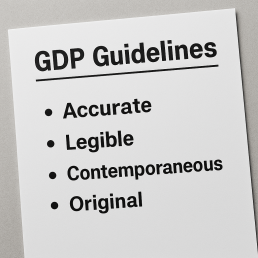
GDP guidelines
Complete Guide to Good Distribution Practice (GDP) Guidelines for Medicines
Introduction to Good Distribution Practice (GDP) Guidelines for Medicines
GDP guidelines is a critical component of the pharmaceutical supply chain and GDP Couriers that ensures the proper distribution of medicinal products for human use.  It encompasses a set of quality assurance principles that guide the transportation, storage, and handling of medicines to maintain their quality, safety, and efficacy throughout the supply process. GDP guidelines serve to safeguard patients by preventing contamination, tampering, and degradation of pharmaceuticals, ensuring that every product received by healthcare providers and ultimately by patients is of the highest standard.
GDP regulations are not just theoretical ideals but practical obligations enforced by various regulatory agencies. These guidelines mandate that all parties involved in the distribution of medicinal products—manufacturers, wholesalers, logistics providers, and distributors—adhere to rigorous standards. For instance, every batch of medicine must be traceable from the manufacturer to the end-user, and any deviation from defined protocols must be documented and investigated.
First a quick plug – Our sister companies Fresh Pharma whom are GDP Compliant Pharma couriers and ‘Fresh Fridge Hire‘ are our (compliant GDP) refrigerated vehicle hire.
The importance of GDP guidelines
Within the pharmaceutical supply chain (Pharma Logistics)cannot be overstated. Medicines are often sensitive to environmental factors such as temperature, light, and humidity. Inappropriate handling during transportation or storage can result in diminished efficacy or increased toxicity, potentially endangering lives. For example, vaccines must be stored within a narrow temperature range; if they are exposed to heat, they may become ineffective, posing a serious public health risk.
The UK’s Medicines and Healthcare products Regulatory Agency (MHRA), the European Medicines Agency (EMA), and the World Health Organization (WHO) have all issued guidelines that align closely with GDP principles. These regulations have been harmonised to a significant extent, ensuring that products moving across international borders retain their integrity. For instance, the EU GDP guidelines, which came into force in 2013, align closely with those of the WHO and MHRA, reinforcing a globally unified approach to pharmaceutical distribution.
Why GDP Compliance Matters in GDP guidelines
GDP compliance in the pharmaceutical sector is not merely a regulatory requirement; it is a critical safeguard for public health, a determinant of market credibility, and a linchpin in maintaining an efficient, transparent supply chain. Its importance can be examined through several interrelated dimensions: patient safety, legal obligations, and commercial integrity.
Patient safety
Is the foremost concern. Medicines are not ordinary commodities—they are therapeutic agents that can save lives or, if mishandled, cause harm. Failure to comply with GDP guidelines can lead to temperature excursions, contamination, or falsified medicines entering the supply chain. A well-documented example is the exposure of certain biologic medicines to improper storage temperatures during transit, which rendered them ineffective. Patients relying on those medicines were potentially left without therapeutic benefits, risking deterioration of their health. GDP compliance ensures rigorous control measures such as tamper-evident packaging, real-time temperature monitoring, and accurate documentation of storage and transportation conditions.
Regulatory obligations
Are equally significant. In the UK, the MHRA enforces GDP standards, and non-compliance can result in severe penalties, including the suspension or revocation of a wholesale dealer’s licence. Companies are subject to periodic inspections, and failure to meet GDP standards often leads to regulatory action. For example, a pharmaceutical distributor that fails to implement adequate pest control or maintain temperature records could face product recalls, legal action, and reputational damage. These inspections ensure that only compliant entities operate within the supply chain, protecting consumers and maintaining market standards.
Brand reputation and supply chain integrity
Are closely linked. In an age of global logistics and online pharmacies, the risk of counterfeit or substandard products infiltrating legitimate supply chains is higher than ever. A single GDP lapse can result in counterfeit medicines reaching patients, severely damaging a company’s reputation. In contrast, GDP compliance builds trust among healthcare providers, patients, and regulatory bodies. Pharmaceutical companies that uphold the highest standards of distribution are often seen as more reliable and ethical, which can lead to competitive advantages, especially in tenders and public contracts.
Moreover, non-compliance can disrupt supply chain continuity. If a distributor’s GDP certificate is suspended, downstream partners may halt purchases, leading to stock shortages and potential loss of life-saving treatments. For example, hospitals depending on a steady supply of oncology drugs could face delays if a distributor is barred from operating due to GDP violations.
Key Regulatory Bodies and GDP Standards in GDP guidelines
Understanding the role of regulatory authorities and the various GDP standards they enforce is vital for ensuring compliance across the pharmaceutical distribution network. The Medicines and Healthcare products Regulatory Agency (MHRA) in the UK, the European Medicines Agency (EMA), and the World Health Organization (WHO) are among the most influential bodies shaping GDP standards worldwide.
MHRA,
Under the UK’s Department of Health and Social Care, is responsible for ensuring that medicines meet applicable standards of safety, quality, and efficacy. It inspects and licenses wholesalers, ensuring they adhere to GDP guidelines. Post-Brexit, while the UK has maintained alignment with many EU directives, the MHRA has also implemented specific regulations under UK law, such as the Human Medicines Regulations 2012, which incorporate GDP principles.
EMA
Sets out comprehensive GDP standards for the European Union. These were most notably updated in 2013 and provide a detailed framework on aspects such as documentation, pharmaceutical cold chain, personnel, and temperature monitoring. The EU GDP Guidelines are legally binding for all member states and ensure harmonisation of distribution practices across Europe, facilitating intra-EU trade while maintaining high safety standards.
WHO,
Through its global perspective, provides GDP guidelines that serve as a reference for countries developing or refining their own standards. These are especially important for low- and middle-income countries that may lack robust regulatory systems. The WHO’s guidelines cover a broad spectrum, including storage, distribution, and counterfeit prevention, offering flexibility for various economic and infrastructural contexts.
There are ongoing efforts towards international harmonisation of GDP standards. Initiatives such as the Pharmaceutical Inspection Co-operation Scheme (PIC/S) and International Conference on Harmonisation (ICH) promote unified quality standards. This harmonisation is crucial as many pharmaceutical products cross multiple borders before reaching the end user. A unified approach ensures that regardless of where a medicine is manufactured or distributed, it maintains consistent quality.
However, there are differences in regional guidelines that businesses must navigate. For example, the UK’s MHRA may have slightly stricter requirements on aspects like GDP certification for brokers and third-party logistics providers, compared to some EU states. Additionally, the WHO’s flexibility in GDP interpretation can lead to significant variability in implementation in developing countries. For instance, while the EU mandates temperature mapping for all storage facilities, WHO guidelines may allow exemptions based on risk assessments and available infrastructure.
To operate globally, pharmaceutical companies must adopt a compliance strategy that recognises these differences while adhering to the highest standard among the jurisdictions they operate in. They often use harmonised Standard Operating Procedures (SOPs) tailored to meet or exceed the strictest applicable GDP guidelines.
Personnel Roles and GDP Training in GDP guidelines
Key Responsibilities in GDP guidelines for Responsible Person, Warehouse Staff, and Drivers
In a GDP-compliant environment, every individual involved in the distribution of medicinal products must clearly understand their specific responsibilities. The Responsible Person (RP), warehouse staff, and delivery drivers each play distinct and crucial roles in maintaining product integrity and regulatory compliance.
Responsible Person (RP)
The RP is legally mandated under the UK’s Human Medicines Regulations and is accountable for ensuring that the company meets GDP requirements. Their responsibilities include overseeing quality systems, managing deviations, approving suppliers and customers, conducting self-inspections, and being the main point of contact with regulatory authorities. The RP must be continuously available or designate a suitable deputy with comparable training and experience.
Warehouse Staff
Warehouse personnel are responsible for the proper receipt, storage, picking, packing, and dispatch of medicinal products. They must follow Standard Operating Procedures (SOPs) meticulously to ensure products are stored within the designated temperature ranges, stock rotation is managed according to FEFO (First Expiry First Out), and any suspected defects or damages are promptly reported. They also assist in monitoring temperature-controlled areas and maintaining cleanliness and security within the warehouse.
Drivers
Drivers are often the last individuals in the distribution chain before the medicinal product reaches the customer. They must be trained in handling pharmaceutical goods, maintaining Pharma cold chain requirements where applicable, and recognising signs of tampering or packaging damage. Drivers must also be familiar with route planning, vehicle validation, and emergency protocols in case of delays or temperature excursions.
| Role | Key Responsibilities |
| Responsible Person | Oversee GDP compliance, manage quality systems, authorise activities |
| Warehouse Staff | Storage, order preparation, environmental monitoring |
| Delivery Drivers | Secure transportation, temperature maintenance, delivery reporting |
Training Programmes and Documentation in GDP guidelines
GDP training programmes must be systematic, documented, and role-specific. All staff involved in distribution must undergo initial training upon employment, followed by periodic refresher courses to stay updated with regulatory changes, revised SOPs, or new technologies.
Training topics for GDP typically include:
- Understanding of GDP principles and regulatory framework (including MHRA guidance)
- Product handling and storage conditions
- Temperature monitoring and recording procedures
- Use of tracking and alert systems
- Incident reporting and deviation management
- Security and anti-counterfeit protocols
Training must be documented with records indicating the date, content, trainer, attendees, and outcomes (e.g. test results or evaluations). For example, a pharmaceutical wholesaler based in Leeds may conduct quarterly in-house training sessions for drivers and warehouse staff, covering seasonal challenges such as summer heat management or winter delivery disruptions.
Continuous Professional Development (CPD) in GDP guidelines
Continuous Professional Development (CPD) is essential, particularly for Responsible Persons and management-level staff, to ensure they remain knowledgeable about regulatory updates, best practices, and emerging risks. CPD activities may include attending MHRA seminars, participating in online GDP forums, completing accredited courses, or engaging in peer review and knowledge sharing.
Organisations should encourage and support CPD by allocating time and resources for learning. For instance, an RP could be sponsored to attend a GDP-focused conference hosted by the Pharmaceutical Distribution Group UK, ensuring exposure to real-world case studies, regulatory updates, and networking with industry experts.
GDP Documentation and Record Keeping in GDP guidelines
Standard Operating Procedures (SOPs) in GDP Documentation
SOPs form the backbone of any GDP-compliant system, outlining how every critical activity must be performed. These documents standardise operations, reduce human error, and serve as training tools. Each SOP must be clearly written, regularly reviewed, version-controlled, and readily accessible to relevant staff.
Key GDP-related SOPs include:
- Goods receipt and inspection
- Temperature monitoring and equipment calibration
- Deviation and complaint handling
- Recall and returns procedures
- Vehicle validation and route planning
- Supplier and customer qualification
All SOPs must reflect current practices and regulatory requirements. For example, a UK wholesaler might review its ‘Cold Chain Management’ SOP annually or sooner if the MHRA releases new guidance or internal audits identify inconsistencies.
SOP Example |
Purpose |
| Receiving Goods SOP | Ensures proper inspection, documentation, and quarantine |
| Transport SOP | Details validated transport methods and driver responsibilities |
| Recall Management SOP | Defines rapid and documented recall procedures |
| Environmental Monitoring SOP | Outlines temperature checks and alarm response protocols |
Audit Trails in GDP Record Keeping
Audit trails provide a transparent record of who performed what action, when, and why. In digital systems, audit trails are automatically generated and must be protected from alteration. For paper-based systems, manual entries must be signed, dated, and justified for any changes.
A robust audit trail helps ensure data integrity and supports investigations into deviations, customer complaints, or inspection findings. For instance, if a delivery of refrigerated vaccines arrives at a pharmacy with temperature damage, the audit trail can confirm the time of dispatch, temperatures recorded in transit, and personnel involved at each stage.
Digital systems used in GDP (e.g., warehouse management or temperature logging software) must comply with ALCOA+ principles—Attributable, Legible, Contemporaneous, Original, and Accurate, plus Complete, Consistent, Enduring, and Available.
Record Retention Policies in GDP guidelines
All records relevant to the distribution of medicinal products must be retained for an appropriate period, in accordance with GDP guidelines and national laws. In the UK, MHRA guidance typically requires retention for at least 5 years, although this can vary depending on the type of product or activity.
Records that must be retained include:
- Delivery and dispatch records
- Temperature monitoring data
- Training documentation
- Audit reports
- Validation and qualification records
- Supplier and customer verifications
Records must be stored securely, with restricted access to prevent tampering, loss, or unauthorised disclosure. Both digital and paper-based systems must be backed up, with contingency plans in place in case of system failure. For example, a GDP-compliant wholesaler might store digital records on encrypted servers with weekly cloud backups, while physical documents are archived in a secure, access-controlled storage room.
| Record Type | Minimum Retention Period (UK GDP) |
| Distribution & Delivery Logs | 5 years |
| Temperature Data | 5 years |
| Training Records | 5 years after employee departure |
| Supplier Qualification Files | 5 years post-termination of business relationship |
Quality Management System (QMS) for GDP guidelines
QMS for Distribution: CAPA (Corrective and Preventive Actions)
The Corrective and Preventive Action (CAPA) process is a fundamental element within a Quality Management System (QMS) for pharmaceutical distribution. It ensures that systemic issues affecting the quality or compliance of medicines are identified, investigated, and resolved in a structured and documented manner. The goal is not only to rectify current issues (corrective actions) but also to prevent their recurrence (preventive actions), ensuring continued compliance with Good Distribution Practice (GDP).
Corrective actions are taken in response to an identified problem or non-conformity. For example, if a shipment of medicinal products arrives damaged due to improper handling, a corrective action would involve an immediate investigation, identification of the root cause—perhaps inadequate training or lack of proper equipment—and the implementation of steps to rectify the issue, such as retraining staff or updating handling protocols.
Preventive actions, on the other hand, are proactive. They are initiated based on risk assessments, trends from audits, complaints, or near-miss incidents. For instance, if data from internal audits indicate an increasing trend of temperature excursions during transport, preventive actions may include revising transport validation procedures, increasing monitoring frequency, or switching to more reliable transport partners.
Effective CAPA systems require well-documented procedures, responsibilities, timelines, and verification steps. A typical CAPA form includes sections such as the description of the issue, risk assessment, root cause analysis, corrective and preventive measures, implementation plan, and effectiveness checks. Regular reviews and audits should verify that CAPAs are closed on time and have achieved their intended outcomes.
QMS for Distribution: Change Control
Change control is the systematic approach to managing changes within a distribution environment to ensure that product quality and compliance with GDP are not compromised. This applies to changes in facilities, equipment, processes, documentation, suppliers, and IT systems.
Every proposed change should be assessed through a formal change control process. This includes the initiation of a change request, impact assessment (including quality, safety, and regulatory implications), approval by the Quality Assurance (QA) team, and post-implementation review. Changes should be classified according to their risk level, with high-risk changes requiring more thorough evaluation and validation.
For example,
If a distributor plans to upgrade its Warehouse Management System (WMS), the change control process would involve identifying all potential impacts on data integrity, inventory tracking, and integration with other systems like Enterprise Resource Planning (ERP). The process would include validation of the new system, updating relevant SOPs, training users, and ensuring data migration is accurate and secure.
Change control promotes consistency, traceability, and accountability in operations. It also prepares organisations for audits and inspections, demonstrating a commitment to continual improvement and compliance.
QMS for Distribution: Management Reviews and Self-Inspections
Management reviews are periodic evaluations conducted by senior management to assess the effectiveness of the QMS, identify areas for improvement, and ensure alignment with regulatory requirements. They encompass a broad range of metrics including CAPA status, audit findings, customer complaints, training records, change control effectiveness, and supplier performance.
Self-inspections, also known as internal audits, are critical tools for detecting weaknesses before they lead to compliance failures. These inspections must be scheduled regularly and cover all GDP-relevant activities. They should be conducted by trained personnel independent of the area being inspected to maintain objectivity.
For instance, a self-inspection of a temperature-controlled warehouse would verify calibration records of monitoring equipment, maintenance logs for refrigeration units, training of personnel in temperature-sensitive handling, and adequacy of alarm systems. Any findings should be documented with assigned corrective actions and timelines.
Management reviews and self-inspections reinforce a culture of continuous improvement. They provide a feedback loop into the QMS, ensuring that strategic decisions are data-driven and operational practices remain compliant with current regulations.
GDP Audit and Inspection Readiness
GDP Audit and Inspection Readiness: Internal Audits
Internal audits are essential for maintaining GDP compliance and ensuring that all distribution practices meet regulatory and organisational standards. A great resource is GDP Association. These audits are proactive evaluations of the company’s adherence to documented procedures, identifying any gaps that could compromise the quality or integrity of medicinal products.
A comprehensive internal audit plan should cover all areas of GDP, including premises, equipment, personnel training, documentation, temperature control, and transportation. The frequency of audits depends on risk assessments, with high-risk areas audited more frequently. Each audit should follow a structured process: planning, execution, reporting, and follow-up.
For example, during an audit of document control practices, the auditor may review how SOPs are approved, distributed, and updated. Findings such as outdated procedures or lack of employee signatures would be flagged, requiring corrective actions.
Audit outcomes must be documented in detailed reports, with clear recommendations and timelines for resolution. The involvement of senior management ensures that findings are addressed promptly and systematically.
GDP Audit and Inspection Readiness: MHRA Inspections
The Medicines and Healthcare products Regulatory Agency (MHRA) conducts GDP inspections to assess compliance with applicable legislation. Inspections may be routine, triggered by risk signals, or conducted in response to reported issues.
MHRA inspections involve a thorough review of facilities, operations, documentation, and interviews with staff. Inspectors expect to see evidence of a robust QMS, effective CAPA processes, validated IT systems, and full traceability of products.
Companies should prepare by maintaining a state of constant readiness. This involves regular training, up-to-date documentation, accessible records, and a clear understanding of roles during the inspection. A pre-inspection checklist covering all aspects of GDP can help ensure preparedness.
During the inspection, transparency and cooperation with inspectors are critical. Prompt access to documents, honest responses, and demonstration of compliance efforts create a positive impression. After the inspection, companies receive a report detailing findings. It is crucial to respond with a comprehensive corrective action plan and implement changes swiftly.
GDP guidelines for Audit and Inspection Readiness: Common Deficiencies and How to Avoid Them
MHRA often identifies recurring deficiencies during GDP inspections. These include inadequate temperature control, poor documentation practices, insufficient training, lack of change control, and ineffective CAPA implementation.
To avoid these, companies must:
- Ensure all staff are trained and competent in GDP requirements
- Validate and maintain all equipment used in distribution
- Keep records accurate, complete, and readily retrievable
- Conduct thorough risk assessments and root cause analyses
- Maintain an up-to-date QMS with periodic reviews
For example, a common deficiency is the failure to adequately monitor and record storage temperatures. This can be mitigated by installing automated temperature monitoring systems with real-time alerts and ensuring all deviations are promptly investigated and documented.
Regular internal audits, a strong quality culture, and management commitment are key to avoiding deficiencies and ensuring successful inspections.
GDP guidelines for Handling Returns, Recalls and Complaints
Returns Handling Procedures in GDP guidelines
Returned medicinal products pose a significant risk to patient safety and must be handled with strict controls. The GDP guidelines require that returns be assessed systematically to determine whether they can be reintroduced into saleable stock or must be destroyed.
Returns procedures should include:
- Verification of the reason for return
- Inspection of packaging integrity and expiry date
- Evaluation of storage conditions during the product’s possession
- Documentation of all findings and decisions
Only authorised personnel should handle returns, using clear SOPs to guide decisions. If there is any doubt about the product’s integrity, it should be quarantined and investigated. Reintroducing returned goods must be rare and based on stringent criteria.
Product Recall Strategies in GDP guidelines Compliance
Recalls are initiated when products are found to be defective or potentially harmful. An effective recall strategy is crucial for patient safety and regulatory compliance.
A GDP-compliant recall strategy includes:
- A written recall procedure with roles and responsibilities
- Immediate notification of affected customers and regulatory authorities
- Efficient batch traceability to identify impacted stock
- Rapid retrieval and secure storage of recalled products
- Documentation of all recall actions and outcomes
Mock recalls should be conducted regularly to test the effectiveness of procedures. These drills help ensure that, in an actual recall, actions are swift, coordinated, and fully documented.
Complaint Handling and Escalation Procedures in GDP
Customer complaints provide valuable feedback on product quality and service performance. GDP requires a documented process for recording, investigating, and resolving complaints in a timely manner.
A robust complaint handling system includes:
- Logging each complaint with detailed information
- Classifying complaints by severity
- Investigating the root cause
- Implementing corrective and preventive actions
- Escalating critical complaints to relevant authorities
For example, a complaint about a broken cold chain should trigger an immediate investigation, product quarantine, and review of transport logs. If found valid, the distributor must inform the manufacturer and MHRA as appropriate.
Digital Solutions for GDP Guidelines Compliance
Warehouse Management Systems (WMS) and ERP Integration in GDP
Digitalisation has transformed GDP compliance, particularly through integrated Warehouse Management Systems (WMS) and Enterprise Resource Planning (ERP) solutions. These systems automate inventory control, batch traceability, and order fulfilment, reducing the risk of human error.
A WMS tracks product movement in real-time, ensuring FIFO (First-In, First-Out) and FEFO (First-Expiry, First-Out) principles are adhered to. It provides alerts for approaching expiries and enables location-based tracking within the warehouse.
ERP systems integrate WMS with purchasing, finance, and customer service, offering a holistic view of operations. This integration supports rapid decision-making and compliance reporting. For instance, if a temperature deviation occurs, the system can automatically flag affected stock, initiate CAPA, and notify stakeholders.
Digital Signatures and Cloud Storage for GDP Guidelines Documentation
Electronic signatures and cloud storage systems offer secure, compliant alternatives to paper-based documentation. Digital signatures ensure authenticity, integrity, and non-repudiation of records, meeting regulatory requirements such as EU Annex 11.
Cloud-based document management allows for real-time access, version control, and audit trails. It enhances collaboration between sites and ensures critical records are maintained. For example, inspection readiness improves significantly when SOPs, audit reports, and training records are instantly accessible from a secure platform.
AI Applications in GDP guidelines Risk Management
Artificial Intelligence (AI) is increasingly used in risk management, helping predict and mitigate potential supply chain disruptions. AI algorithms analyse vast datasets to identify patterns and outliers, supporting proactive decision-making.
In GDP, AI can monitor transport routes for risks such as weather, traffic, or geopolitical instability. It can optimise delivery schedules, forecast demand surges, and highlight suppliers with recurring quality issues.
AI also supports predictive maintenance of equipment, reducing downtime and ensuring uninterrupted cold chain compliance. By automating routine tasks and analysing complex data, AI enhances both efficiency and regulatory compliance.
Future Trends in GDP guidelines
GDP in the Age of Personalised Medicine
Personalised medicine involves tailored therapies for individual patients, requiring new distribution models.
GDP practices must evolve to manage these challenges. Real-time tracking, smaller and more frequent shipments, and enhanced patient confidentiality are necessary. Distributors need to collaborate closely with healthcare providers, using secure systems to manage patient-specific logistics.
For example, cell and gene therapies require specialised containers and time-critical delivery. GDP compliance in this context involves advanced planning, validated packaging, and continuous temperature monitoring.
Sustainability and Green Logistics in GDP guidelines
Environmental sustainability is becoming integral to GDP. Green logistics focuses on reducing carbon emissions, minimising waste, and optimising energy use.
Strategies include:
- Using electric or low-emission vehicles
- Optimising delivery routes to reduce fuel consumption
- Implementing recyclable and biodegradable packaging
- Installing solar panels on warehouse facilities
Regulatory bodies are beginning to encourage sustainable practices, and companies adopting green logistics can improve reputation while meeting compliance standards.
Blockchain for GDP Traceability
Blockchain technology offers an immutable and transparent ledger for tracking medicinal products through the supply chain. It enhances traceability, prevents counterfeiting, and ensures data integrity.
In GDP, blockchain can log every transaction, from manufacturing to end-user delivery, with real-time updates. It allows for immediate identification of compromised batches, supporting rapid recalls and enhancing patient safety.
For example, using blockchain, a wholesaler can verify the authenticity of a product before distribution, ensuring full compliance with falsified medicines regulations.
The Critical Role of GDP and Resources for Continued Compliance
GDP guidelines is essential for safeguarding public health by ensuring the quality and integrity of medicinal products throughout the supply chain. A robust QMS, readiness for audits, effective handling of returns and complaints, and the integration of digital solutions are all critical elements.
Proactive compliance is not only about avoiding penalties but about building trust and ensuring the safety of patients. By staying informed, investing in technology, and fostering a culture of quality, distributors can navigate the evolving regulatory landscape with confidence.
For further reading and training, resources include:
- MHRA GDP Guidelines
- EU Guidelines on Good Distribution Practice
- Chartered Institute of Logistics and Transport (CILT)
- Pharmaceutical Distribution Training Courses by Cogent Skills
Continuous improvement and education are key to maintaining compliance and leading the industry forward in the face of future challenges.
GDP
- What are Good Distribution Practices?
Good Distribution Practices (GDP) are a set of guidelines and standards to ensure that medicinal products are stored, transported, and distributed safely and securely, while maintaining their quality and efficacy. The guidelines are established to ensure the prevention of contamination, damage, or tampering of the products during their transportation and storage.
- Why is GDP important in the UK?
GDP guidelines are essential to maintain the quality, safety, and efficacy of medicinal products during their transportation and storage. The UK pharmaceutical industry follows strict GDP regulations to ensure that all medicinal products meet the required standards and regulations.
- What are the consequences of not following GDP guidelines?
Failure to follow GDP guidelines can result in the contamination, damage or tampering of medicinal products. This can lead to serious health risks to patients, financial losses for the pharmaceutical industry, and loss of public trust in the safety and efficacy of medicinal products.
- How are GDP guidelines enforced in the UK?
The GDP guidelines are enforced in the UK by regulatory bodies such as the Medicines and Healthcare products Regulatory Agency (MHRA). The MHRA carries out inspections to ensure that pharmaceutical companies are complying with the GDP guidelines and takes appropriate actions if any violations are found.
- How can pharmaceutical companies ensure compliance with GDP guidelines?
Pharmaceutical companies can ensure compliance with GDP guidelines by:
- Providing appropriate training to all personnel involved in the distribution of medicinal products.
- Establishing and following the guidelines and standard operating procedures (SOPs) for all activities involved in the distribution of medicinal products.
- Regularly reviewing and updating the documentation and record-keeping procedures.
- Ensuring that all premises and equipment used for the storage and transportation of medicinal products are suitable and maintained appropriately.
- Conducting regular self-inspections to identify any areas for improvement.
- Are there any recent changes to GDP guidelines in the UK?
The GDP guidelines are regularly reviewed and updated to ensure that they are up-to-date and reflect the latest regulatory requirements.
- What is the role of the MHRA in ensuring the safety of medicinal products?
The Medicines and Healthcare products Regulatory Agency (MHRA) is responsible for ensuring the safety, quality, and efficacy of medicinal products in the UK. The MHRA carries out inspections to ensure that pharmaceutical companies are complying with the GDP guidelines and takes appropriate actions if any contraventions are found. The MHRA also monitors the safety of medicinal products after they have been authorised for use in the UK market.
- Are there any international standards for GDP?
Yes, there are international standards for GDP that have been established by the World Health Organization (WHO). These standards provide a framework for the management of the distribution of medicinal products and are recognized by regulatory authorities around the world.
- What is GDP compliance in the UK?
GDP stands for Good Distribution Practice.
GDP compliance ensures that the quality and integrity of medicines and pharmaceutical products are maintained during storage, transportation, and distribution. In the UK, GDP compliance is required by the MHRA (Medicines and Healthcare products Regulatory Agency) to prevent contamination, deterioration, or falsification of medicines. - What are the GDP requirements?
The key UK GDP requirements include:
- Quality Management System (QMS): Establish policies and procedures to ensure product integrity.
- Personnel: Employees must be trained and qualified for handling pharmaceuticals.
- Premises and Equipment: Facilities must protect products from contamination and damage.
- Documentation: Maintain records for traceability (shipping, storage, delivery).
- Operations: Ensure proper storage, transportation, and distribution practices.
- Complaints and Returns Handling: Investigate complaints and manage returned products correctly.
- Audits: Regular self-inspections and external audits to ensure compliance.
- What is GDP and GMP compliance?
- GDP (Good Distribution Practice): Focuses on distribution, storage, and transport of medicines.
- GMP (Good Manufacturing Practice): Focuses on manufacturing and production of medicines.
Compliance with both ensures medicines are consistently produced and handled according to quality standards from factory to patient.
- Wht are the 4 elements of GDP?
The 4 main elements of GDP are:
- Quality Management System (QMS) – Policies, procedures, audits.
- Personnel – Training, qualifications, roles.
- Premises and Equipment – Storage, security, and environmental controls.
- Operations and Documentation – Handling, transportation, traceability, and record-keeping.
- What are the 4 criteria for GDP?
The key criteria for GDP compliance are:
- Product quality and integrity – Medicines must remain safe and effective.
- Traceability – Ability to track products from manufacturer to patient.
- Regulatory compliance – Adherence to MHRA and EU/UK GDP guidelines.
- Risk management – Identify and mitigate risks during distribution.
- What are the 5 principles of good documentation?
Good documentation in pharmaceutical compliance should follow:
- Accuracy – Data must be correct and precise.
- Legibility – Clearly readable by others.
- Completeness – Include all relevant details.
- Timeliness – Document activities at the time they occur.
- Traceability – Easy to track who did what, when, and why.
- How does GDP stand for?
GDP = Good Distribution Practice
- What are the 5 GMP practices?
Key GMP practices include:
- Quality management – Systems for consistent quality.
- Personnel training and hygiene – Competent staff and hygiene standards.
- Premises and equipment control – Safe, clean, and suitable facilities.
- Documentation and record keeping – Accurate batch records and traceability.
- Process validation and control – Ensure manufacturing processes produce consistent results.
- What are GDP guidelines?
GDP guidelines outline how to properly store, transport, and distribute medicinal products, including:
- Temperature control and storage conditions
- Secure transport and anti-tampering measures
- Documentation and record-keeping
- Handling of returned products and complaints
- Staff training and auditing
These guidelines are based on EU Guidelines on Good Distribution Practice of Medicinal Products for Human Use, adapted for UK law by the MHRA.
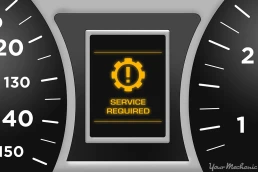
Light Goods Vehicle Maintenance
The Ultimate Guide to (LGV) Light Goods Vehicle Maintenance: Keep Your Fleet Running Smoothly
With over 25 years of hands-on experience in Light Goods Vehicle (LGV) maintenance across the UK, the author brings a wealth of practical knowledge and technical expertise to the subject.

Having worked extensively in both independent garages and large fleet maintenance operations, he has developed a deep understanding of diagnostic procedures, repair techniques, and industry best practices. His career has been marked by a commitment to safety, efficiency, and evolving with modern vehicle technologies. This guide reflects his passion for the trade and his dedication to sharing valuable insights with professionals and newcomers alike.
First a quick plug – Our sister companies Fresh Pharma whom are GDP Compliant Pharma couriers and ‘Fresh Fridge Hire‘ are our (compliant GDP) refrigerated vehicle hire.
Introduction to LGV Maintenance: Importance of Proper LGV Care for Businesses and Self-Employed Drivers
Light Goods Vehicle Maintenance is not merely a matter of vehicle longevity; it is a critical component of ensuring road safety, reducing operational costs, and complying with UK regulations. For fleet managers, small business owners, and self-employed drivers, LGVs often represent the backbone of daily operations. Whether transporting goods locally or nationally, these vehicles undergo significant wear and tear. Thus, regular maintenance is essential to avoid breakdowns, costly repairs, and downtime.
One of the most important reasons to prioritise LGV maintenance is the legal requirement set forth by UK laws, particularly under the Driver and Vehicle Standards Agency (DVSA) and Health and Safety Executive (HSE). Regular checks and maintenance are not optional; they are legal obligations designed to protect not just the driver, but everyone on the road.
From a business perspective, preventative maintenance helps reduce long-term costs. Addressing small issues early can prevent more serious mechanical failures that result in expensive repairs or total vehicle loss. Furthermore, vehicles in top condition consume fuel more efficiently, which directly impacts profitability in an environment where fuel prices can fluctuate significantly.
Safety is another paramount concern. A well-maintained LGV is far less likely to be involved in accidents caused by mechanical failure. Tyre blowouts, brake failure, or poor visibility due to faulty lights can have catastrophic consequences.
Moreover, regular maintenance enhances your professional image. Clients and partners take notice when goods arrive on time in clean, well-maintained vehicles. It communicates reliability and attention to detail, attributes that can set a business apart in a competitive marketplace.
DVSA Daily Vehicle Checks: What to Inspect Before Every Journey for Effective Light Goods Vehicle Maintenance
Conducting daily checks before setting off is a legal and practical necessity. The DVSA mandates that LGV drivers perform a walkaround inspection every day to ensure the vehicle is roadworthy. Neglecting this duty can lead to severe penalties, including fines, points on your licence, or vehicle prohibition notices.
Key Areas to Inspect For Daily Safety Checks:
| Component | What to Check |
| Lights | Ensure all lights are working, including indicators, brake lights, and hazards |
| Brakes | Listen for unusual noises, check for adequate pressure and pedal resistance |
| Tyres | Look for bulges, cuts, and ensure tread depth is above legal minimum |
| Mirrors | Confirm all mirrors are secure and give a clear view |
| Fluid Levels | Check oil, coolant, brake fluid, and windscreen washer levels |
How to Perform a Walkaround Vehicle Check (DVSA Vehicle Check):
A thorough walkaround check should be methodical and recorded either on paper or using digital tools, such as a fleet management app. Start from the driver side and work clockwise around the vehicle. Use the following checklist:
- Exterior Condition: Look for damage to the bodywork, number plates, and reflectors.
- Tyres and Wheels: Check for correct inflation, damage, and legal tread depth (1.6mm across central ¾ of the tyre).
- Lights and Indicators: Confirm all lights are functioning, including high beams and fog lights.
- Mirrors and Windows: Check for cracks and cleanliness.
- Brakes: Test brake function and check air pressure levels if applicable.
- Cab Interior: Ensure the horn, wipers, steering, and dashboard warning lights are functioning correctly.
Failing to report and rectify identified defects can result in prosecution and invalidate insurance in the event of an accident. A robust daily check routine significantly reduces the risk of unexpected issues on the road.
Weekly and Monthly Routines: Keeping Your Light Goods Vehicle Maintenance in Optimal Condition
While daily checks catch obvious and immediate issues, weekly and monthly maintenance focuses on components that degrade over time. These routines are crucial for long-term LGV performance and safety.
Weekly Tasks:
- Check Engine Oil: Top up if necessary, using the manufacturer-recommended grade.
- Battery Condition: Look for signs of corrosion or leaks, and check terminal tightness.
- Windscreen Washer Fluid: Ensure it is full, especially in winter when salt can reduce visibility.
- Tyre Pressure: Use a gauge to ensure all tyres are inflated to the correct pressure.
Monthly Tasks:
- Inspect Drive Belts: Look for signs of cracking or wear.
- Check Coolant Levels and Condition: Coolant should be between the min and max marks.
- Examine Brake Pads: Listen for squealing and check for thickness visually if possible.
- Inspect Exhaust System: Look for rust, cracks or noise that may suggest a problem.
Creating a Regular Light Goods Vehicle Maintenance Checklist:
Having a maintenance log or checklist ensures nothing is overlooked. Here’s a sample format:
| Frequency | Task | Date Completed | Notes |
| Weekly | Check engine oil | ||
| Weekly | Check battery terminals | ||
| Monthly | Inspect brake pads | ||
| Monthly | Inspect exhaust system |
Consistency is key. Assign responsibilities and set reminders to avoid skipped checks. Using spreadsheets or mobile apps helps streamline the process and provide records for compliance audits.
Understanding Your Manufacturer’s Service Schedule for Light Goods Vehicle Maintenance
Every LGV comes with a manufacturer-recommended service schedule, which must be followed to keep the vehicle running efficiently and maintain warranty cover. There are usually three levels of servicing: Interim, Full, and Major.
What Service Intervals Mean:
| Service Type | Frequency (Miles/Time) | Typical Checks Included |
| Interim | Every 6,000 miles or 6 months | Oil change, oil filter, basic safety inspection |
| Full | Every 12,000 miles or 12 months | Interim service plus air filter, fuel filter, brake checks |
| Major | Every 24,000 miles or 24 months | Full service plus spark plugs, transmission fluid, coolant |
Importance of Following the Service Schedule:
- Warranty Compliance: Ignoring service schedules may void your warranty, leaving you liable for repairs.
- Resale Value: A full service history increases resale value and reassures potential buyers.
- Performance and Efficiency: Vehicles that receive regular servicing perform better and are more fuel-efficient.
Keeping receipts and updating a service log can prove invaluable in the event of a dispute with manufacturers or insurers.
Tyre Safety and Maintenance in Light Goods Vehicle Maintenance
Tyres are one of the most critical components affecting safety, handling, and fuel economy. The UK has strict legal requirements regarding tyre condition, and non-compliance can lead to fines, points on your licence, and increased accident risk.
Legal Tread Depth Requirements:
The legal minimum tread depth in the UK for LGVs is 1.6mm across the central three-quarters of the tread width and around the entire circumference of the tyre. Failing to meet this standard can result in a fine of up to £2,500 and three penalty points per tyre.
Spotting Signs of Uneven Wear and Damage:
| Symptom | Possible Cause | Action Required |
| Centre Wear | Over-inflation | Reduce pressure to recommended level |
| Edge Wear | Under-inflation or excessive cornering | Inflate properly, adjust driving habits |
| One-Sided Wear | Misalignment | Have alignment checked professionally |
| Cupping or Scalloping | Worn suspension components | Inspect and repair suspension |
| Visible Bulges or Cuts | Impact damage or structural weakness | Replace tyre immediately |
Check tyres for embedded objects like nails or glass, and ensure that valve caps are present to maintain pressure. Rotating tyres as part of your service schedule can help extend their lifespan.
In conclusion, tyre maintenance should never be underestimated. Regular checks, adherence to legal standards, and timely replacement are all essential components of responsible LGV ownership and operation.
Brake System Care – How to Recognise Worn Brake Pads or Discs
Proper brake system care is critical for the safety and performance of any Large Goods Vehicle (LGV). One of the most vital elements is the ability to recognise when brake pads or discs are worn. Ignoring signs of wear can result in reduced stopping power, increased stopping distances, and the risk of total brake failure. LGV operators and drivers should be trained to identify early warning signs and act promptly.
Recognising Worn Brake Pads or Discs in Light Goods Vehicle Maintenance
Worn brake pads or discs often show clear, physical, and audible symptoms. A high-pitched squealing noise when braking is commonly caused by wear indicators – small metal tabs designed to alert drivers when the brake pads are close to the end of their service life. A grinding noise indicates that the pads are completely worn down, and metal is making contact with the brake disc, potentially damaging the disc.
Visual inspection is another effective method. Pads should have at least 3mm of friction material remaining. If they appear thinner, replacement is necessary. Uneven wear may point to sticking callipers or issues with the brake calliper pistons. Brake discs should be smooth and even; grooves or deep scoring can signal significant wear.
Below is a table summarising key indicators:
| Symptom | Likely Cause | Action Required |
| Squealing when braking | Brake pad wear indicators active | Inspect and possibly replace pads |
| Grinding noise | Pads completely worn | Replace pads and inspect discs |
| Vibration during braking | Warped brake discs | Replace or resurface discs |
| Vehicle pulling to one side | Uneven brake pad wear | Inspect calipers and replace as needed |
Regular inspections should be part of the preventive maintenance schedule for LGVs. Brake components on heavy vehicles endure more stress due to the vehicle’s weight and operational demands, especially in stop-start urban environments or steep descents.
Brake System Care – Importance of Regular Brake Fluid Changes
The importance of regular brake fluid changes in LGVs cannot be overstated. Brake fluid is hygroscopic, meaning it absorbs moisture over time. This leads to a decrease in boiling point, resulting in reduced braking performance or brake fade, particularly under heavy braking or in prolonged use, such as descending steep hills or during long motorway hauls.
In the UK, the climate contributes to the deterioration of brake fluid. High humidity can accelerate moisture absorption. As a rule, LGV brake fluid should be changed every two years, or according to the manufacturer’s maintenance schedule, whichever comes first.
Contaminated brake fluid can also corrode internal braking components, such as the master cylinder, brake lines, and callipers, leading to expensive repairs or dangerous failures. During a routine check, the fluid should be clear or slightly yellow. If it appears dark or murky, it’s time for a change.
A simple brake fluid tester can be used to check moisture content. If the water content is above 3%, the fluid must be replaced immediately. Many fleet operators incorporate fluid testing into their maintenance schedule, ensuring safety and compliance with UK transport regulations.
Brake Fluid Condition |
Action |
| Clear/Light Yellow | No action needed |
| Dark Yellow/Brown | Plan fluid replacement soon |
| Cloudy/Dark or Over 3% Water | Immediate fluid change required |
By maintaining optimal brake fluid quality, LGVs can retain effective braking performance, reduce wear on braking components, and uphold road safety.
Oil Changes and Engine Lubrication – How Often Oil Should Be Changed Iin Light Goods Vehicle Maintenance Schedule
Regular oil changes and engine lubrication are the lifeblood of an LGV’s mechanical longevity and efficiency. The frequency of oil changes depends on several factors, including vehicle usage, engine type, load weight, and driving conditions. In the UK, with varied terrain and stop-start urban traffic, oil degradation can happen faster.
Typically, for diesel-powered LGVs, oil changes should occur every 20,000 to 30,000 miles or every 12 months, whichever comes first. However, vehicles operating under severe conditions, such as frequent towing, hill driving, or heavy stop-start usage, may require oil changes every 10,000 to 15,000 miles.
Signs that oil needs changing include darker oil colour, a decrease in oil level, engine noise, or the oil warning light illuminating. Neglecting timely oil changes leads to increased engine wear, sludge build-up, reduced fuel efficiency, and ultimately, premature engine failure.
Modern LGVs often include oil life monitoring systems, which use sensors to track engine conditions and advise on oil change intervals. While useful, these systems should not replace physical inspections or routine maintenance records.
Operating Condition |
Recommended Oil Change Interval |
| Normal motorway use | Every 25,000–30,000 miles |
| Urban stop-start driving | Every 10,000–15,000 miles |
| Heavy towing/load hauling | Every 12,000–18,000 miles |
| Manufacturer’s guidance | As Stated |
MOT and Roadworthiness Checks: Preparing Your LGV for Its MOT Test
Ensuring your Large Goods Vehicle (LGV) is roadworthy and ready for its MOT (Ministry of Transport) test is not only a legal obligation in the UK but also a matter of safety and efficiency. A well-maintained LGV reduces the risk of breakdowns, enhances driver safety, and ensures that delivery schedules are met consistently. Preparing your LGV for its MOT involves a thorough and systematic inspection process, focusing on both common fail points and general mechanical soundness.
To begin with, drivers and fleet managers should conduct a pre-MOT check at least a few weeks before the scheduled MOT date. This includes examining brakes, lights, tyres, suspension, and emissions systems. For instance, worn brake pads or discs can lead to a failed MOT and compromise braking efficiency. Ensuring that all lights (headlamps, brake lights, indicators) are working correctly and are free from cracks or condensation is another essential step. Tyres must meet the UK minimum tread depth requirement of 1.0mm for LGVs, and they must be free from cuts, bulges, or signs of uneven wear, which could indicate alignment issues.
Documentation
Plays a critical role. Ensure that service history, previous MOT certificates, and any recent repair invoices are readily available. These documents not only prove ongoing maintenance but can also help mechanics identify recurring issues. Additionally, the cleanliness of your vehicle should not be overlooked. A clean undercarriage and cab make it easier for testers to conduct inspections and can reflect positively on your overall vehicle care.
Table: Pre-MOT Checklist for Light Goods Vehicle Maintenance
| Component | What to Check |
| Brakes | Pads, discs, fluid levels, ABS warning light |
| Tyres | Tread depth, pressure, visible damage |
| Lights | Functionality, alignment, lens condition |
| Suspension | Unusual noises, visible damage, shock absorbers |
| Emissions | Check engine light, recent exhaust smoke patterns |
| Windscreen | Chips, cracks, washer fluid levels, wiper condition |
| Horn | Functionality |
| Mirrors | Secure and clean |
By following these steps and addressing issues proactively, you increase the likelihood of a first-time MOT pass, minimise downtime, and avoid costly re-tests.
Common MOT Fails and How to Avoid Them with good Light Goods Vehicle Maintenance
Understanding the most frequent MOT failures for LGVs can significantly enhance your vehicle maintenance strategy and reduce the risk of costly delays. The Driver and Vehicle Standards Agency (DVSA) regularly publishes data on MOT failures, and several patterns emerge consistently, particularly with commercial vehicles.
Lamps
One of the leading causes of MOT failures is lighting and signalling. This includes faulty indicator bulbs, brake lights not illuminating, or headlamps not aligned correctly. These issues are usually inexpensive and quick to fix, so regular inspections and replacing bulbs as needed can make a significant difference. Investing in LED lights can also offer longer lifespans and better performance.
Another common fail point is braking systems. Worn-out brake pads, unbalanced brake forces, or faulty anti-lock braking systems (ABS) can all lead to a failed test. Regular brake performance testing should be included in your scheduled maintenance. Using brake testing rollers or scheduling periodic checks with a garage equipped with a brake tester helps ensure that your vehicle meets legal standards.
Tyre condition
Is also a recurrent issue. LGV tyres undergo significant wear and tear, especially on long hauls and under heavy loads. Uneven tyre wear can point to suspension or alignment problems, and tyres below the legal tread depth are an automatic failure. Regular rotation, alignment checks, and replacing tyres before they are near the legal limit is crucial.
Suspension and steering faults make up another chunk of MOT fails. Broken coil springs, leaking shock absorbers, or excessive play in steering components are issues that should be addressed promptly. These are not always visible without lifting the vehicle, so inspections by a qualified technician are advisable.
To summarise, here are practical tips to avoid common MOT fails:
- Conduct pre-MOT checks using a comprehensive checklist
- Schedule regular preventative maintenance
- Replace worn or questionable parts promptly
- Keep detailed service records
Table: Top 5 Common MOT Fails for LGVs and Prevention Tips
| Issue | Cause | Prevention Tip |
| Lighting | Faulty bulbs, misalignment | Test lights weekly, use LEDs |
| Brakes | Worn pads/discs, fluid issues | Monthly brake testing |
| Tyres | Low tread depth, damage | Rotate tyres, check pressure |
| Suspension | Leaking shocks, broken springs | Quarterly mechanic inspections |
| Emissions | Engine issues, poor fuel mix | Use quality fuel, service injectors |
Proactively addressing these areas will not only help pass the MOT but also maintain your LGV’s performance and safety standards.
Keeping Maintenance Records: Why It is important for Light Goods Vehicle Maintenance Operators
Keeping thorough and up-to-date maintenance records for your LGV fleet is not just good practice; it’s a legal requirement in the UK. The Driver and Vehicle Standards Agency (DVSA) mandates that operators must keep maintenance records for a minimum of 15 months and must make them available for inspection upon request. These records serve as proof that the operator is maintaining the vehicle in a roadworthy condition and following the regulations set out in the operator licensing system.
From a legal standpoint, failure to produce these records can lead to penalties, fines, or even suspension of your operator licence. In severe cases, especially if a poorly maintained LGV is involved in an accident, lack of records can result in criminal prosecution. For insurance purposes, detailed maintenance documentation can prove that a vehicle was roadworthy at the time of an incident, potentially influencing the outcome of a claim or investigation.
Beyond legality, well-kept records contribute to operational efficiency. They help identify patterns, such as recurring faults or component failures, enabling fleet managers to address root causes instead of symptoms. For example, if several vehicles show premature brake wear, it might suggest a problem with driving behaviour or load distribution. Proactive steps can then be taken to adjust training or routes accordingly.
A detailed maintenance log typically includes the date of service, type of work carried out, parts replaced, mileage at the time of service, and the name of the technician or service provider. The more precise the record, the more useful it becomes.
Table: Essential Elements of a Maintenance Record
Element |
Description |
| Date | When the maintenance occurred |
| Mileage | Vehicle mileage at the time |
| Service Type | Preventative or reactive maintenance |
| Work Done | Specific tasks completed |
| Parts Replaced | Components changed or repaired |
| Technician | Name of responsible person or garage |
| Notes | Additional observations or future work needed |
Keeping these logs not only protects your business but also builds trust with clients who value reliability and regulatory compliance.
Using Digital Logbooks or Fleet Management Apps for Light Goods Vehicle Maintenance
Modern LGV fleet management has evolved significantly with the advent of digital tools. Digital logbooks and fleet management apps are becoming the standard for efficient and accurate record-keeping. These tools not only simplify the maintenance tracking process but also ensure better compliance with UK regulations.
Digital logbooks, unlike paper-based records, are less prone to damage or loss. They provide centralised access to data, allowing fleet managers to track the condition of each vehicle in real-time. Most apps allow for custom notifications, such as service reminders based on mileage or time intervals, and can integrate with GPS systems for added functionality.
Some popular UK-based fleet management platforms include FleetCheck, r2c Online, and MyFleet. These tools typically offer dashboards for quick insights, the ability to upload photographs (useful for documenting damage or completed repairs), and multi-user access for driver and mechanic collaboration. For instance, if a driver notices a warning light, they can log it instantly, and the maintenance team can schedule a service before the issue worsens.
Furthermore, digital tools assist in compliance audits. When DVSA inspectors request records, digital systems can generate comprehensive reports in seconds, saving time and demonstrating professionalism. Insurance companies are also beginning to favour businesses with digital records, recognising them as lower risk.
In summary, moving to digital maintenance tools improves:
- Accuracy and completeness of records
- Accessibility and data security
Efficiency in maintenance scheduling
- Regulatory compliance
By embracing technology, LGV operators can streamline their operations and stay ahead of potential issues.
Seasonal Maintenance Tips for LGVs: Winterising and Summer Preparation
Seasonal changes bring unique challenges for LGV maintenance, making it essential to adapt your servicing schedule accordingly. During winter, UK roads can be hazardous due to ice, snow, and freezing temperatures. Conversely, summer presents its own concerns, such as overheating and increased tyre wear. Proactive seasonal maintenance ensures consistent performance and driver safety throughout the year.
Winterising Your LGV: De-icing, Tyres, and Heating
Winter preparation starts with checking and replacing antifreeze. This fluid prevents the engine from freezing and ensures it operates efficiently in cold weather. It’s essential to use a coolant that meets manufacturer specifications, and to test its freezing point before winter sets in.
Tyres are another critical component. In the UK, while winter tyres are not mandatory, they can significantly enhance grip and braking performance on icy or wet roads. At the very least, tyre pressures should be adjusted as cold weather can reduce inflation levels. Ensure the tread depth exceeds the legal minimum, preferably more than 3mm for winter conditions.
De-icing systems such as screen wash, wipers, and heated mirrors should be fully functional. Using a high-quality screen wash rated for sub-zero temperatures is vital. Wiper blades should be inspected for splits or wear, as they are heavily used in winter.
Heating systems must be tested to ensure cabin comfort and demisting functions are working. A malfunctioning heater can impair visibility and driver concentration. Battery checks are also crucial, as cold temperatures affect battery performance. Replace old or weak batteries before winter to prevent breakdowns.
Summer Considerations: Overheating and Air Con Checks for Light Goods Vehicle Maintenance
Hot weather poses a different set of risks. Engine overheating is common if cooling systems are not in top condition. Inspect radiators for leaks or blockages, ensure coolant levels are correct, and that the fan operates as required. Water pumps and belts should also be examined for wear.
Air conditioning isn’t just a luxury; it improves driver concentration by keeping the cabin cool. Before summer, test the air con system, checking refrigerant levels and inspecting for leaks. A non-functioning air con can lead to driver fatigue, particularly on long-haul trips.
Tyre pressure increases with heat, so regular checks are essential to avoid blowouts. Braking systems also need to be monitored, as higher temperatures can cause brake fade if components are not well maintained.
Implementing a season-specific checklist ensures your LGV is prepared, reducing the likelihood of weather-related failures.
Common Mistakes to Avoid in Light Goods Vehicle Maintenance
Maintaining a Large Goods Vehicle (LGV) involves a complex mix of routine inspections, scheduled servicing, and driver vigilance. However, despite best intentions, certain common maintenance mistakes are regularly made by LGV operators and drivers in the UK. These oversights can lead to increased operating costs, vehicle downtime, safety risks, and even legal complications. Understanding these pitfalls—and how to avoid them—is essential for any fleet manager or owner-operator.
Ignoring Warning Lights in Light Goods Vehicle Maintenance: A Costly Oversight
One of the most frequent and dangerous maintenance mistakes is ignoring dashboard warning lights. 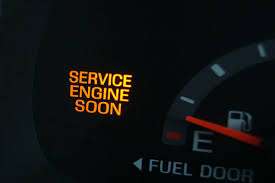 These lights serve as the vehicle’s primary method of communicating faults to the driver, often providing early warning of issues that could escalate if not addressed promptly. Common warning indicators in LGVs include the engine management light, brake system light, and oil pressure warning light. Ignoring these alerts can lead to catastrophic failures. For example, neglecting an illuminated oil warning light may result in engine seizure, necessitating costly repairs or even full engine replacement.
Unfortunately, some drivers may assume these lights are false alarms or believe they can delay action until the next scheduled service. This mindset not only jeopardises the vehicle’s mechanical health but may also invalidate warranty agreements if the manufacturer can prove the issue was neglected. It can further result in roadside breakdowns, missed delivery deadlines, and increased insurance premiums.
To prevent this, all drivers should be trained to recognise dashboard lights and understand the severity associated with each. A simple laminated dashboard warning light guide placed within the cab can be a practical tool for reference during a journey.
Table: Common LGV Warning Lights and Their Implications
| Warning Light | Meaning | Recommended Action |
| Engine Management | Engine fault or emission issue | Diagnostic check ASAP |
| Brake System | Low fluid or fault in braking | Stop immediately, inspect |
| Oil Pressure | Low oil or pump failure | Turn off engine, check oil |
| Battery | Charging issue | Inspect alternator/battery |
| ABS | ABS malfunction | Reduced braking performance |
DIY Light Goods Vehicle Maintenance That Might Invalidate Your Insurance or Warranty
Another critical mistake is the use of DIY (do-it-yourself) fixes on LGVs, particularly when these repairs are not conducted by certified professionals. While it may seem cost-effective to carry out minor repairs or diagnostics using online tutorials or generic parts, this approach carries significant risks.
Firstly, most LGV manufacturers require repairs and servicing to be conducted by trained professionals using approved parts. Any deviation from this, such as using non-OEM (original equipment manufacturer) components or skipping documented servicing, can void warranty coverage. In turn, this means the operator would bear the full cost of any future failures that might otherwise have been covered.
Secondly, insurers may refuse to pay out if a claim arises from or is exacerbated by unauthorised repairs. For example, if a self-installed brake component fails and causes an accident, an investigation may reveal that the work was not carried out by a certified mechanic, rendering the policy null and void.
Some LGV owners may attempt to disable warning lights using software or diagnostic tools rather than fixing the underlying issue. This not only breaches compliance but can also result in fines or prohibition notices if detected during a DVSA roadside inspection.
To avoid these problems:
- Only use authorised mechanics and workshops for all repairs
- Maintain detailed documentation of all services and part replacements
- Never attempt to override or disable vehicle safety systems
Ultimately, while DIY maintenance might appear cheaper in the short term, the long-term financial and legal risks far outweigh any initial savings.
When to Call a Professional Light Goods Vehicle Maintenance Provider
There is a clear distinction between basic LGV maintenance that drivers can undertake—such as checking tyre pressure or topping up fluids—and more complex diagnostics or repairs that require the expertise of a qualified professional. Recognising when a problem is beyond your ability is crucial for both safety and compliance.
Recognising Issues Beyond Basic Light Goods Vehicle Maintenance
While daily checks and minor tasks are essential parts of LGV operation, certain symptoms indicate the need for immediate professional attention. For instance, persistent noises from the engine bay, unusual vibrations, or a significant drop in fuel efficiency should not be ignored. These may signal underlying mechanical problems such as injector failure, turbocharger issues, or gearbox faults.
Similarly, any issues related to braking performance—such as longer stopping distances, grinding sounds, or brake pedal irregularities—must be investigated by a trained mechanic. Suspension irregularities, including uneven tyre wear or pulling to one side while driving, may suggest worn-out components or alignment issues that need professional equipment to assess and fix.
Table: When to Contact a Professional Light Goods Vehicle Maintenance Provider
| Symptom | Possible Issue | Action Required |
| Engine noise or knocking | Timing or combustion fault | Full diagnostic test |
| Vibration through steering wheel | Tyre imbalance or suspension wear | Mechanic inspection |
| Brake fade or spongy pedal | Brake fluid or pad issue | Immediate brake service |
| Drop in power | Turbocharger or fuel system | ECU and fuel diagnostics |
| Warning lights | Various systems | Diagnostic scanner required |
Attempting to fix these problems without proper tools or knowledge can worsen the damage and even pose safety hazards. Using uncalibrated tools or non-genuine parts may further impair vehicle integrity.
Choosing a Qualified Light Goods Vehicle Maintenance Provider in the UK
Selecting the right LGV service provider is just as important as recognising when to call one. Look for mechanics or garages that specialise in commercial vehicle maintenance and are accredited by industry bodies such as the Institute of the Motor Industry (IMI) or the Retail Motor Industry Federation (RMIF).
A good LGV service provider should:
- Offer clear pricing and itemised quotes
- Use manufacturer-approved diagnostic tools
- Provide service and repair documentation
- Be familiar with the type of LGVs you operate (e.g., box trucks, articulated lorries, refrigerated vehicles)
- Be able to provide fleet-level services if managing multiple vehicles
Additionally, mobile mechanics certified for commercial vehicles are becoming more common in the UK and offer the advantage of on-site repairs, reducing vehicle downtime.
Checking online reviews, asking for references from other fleet operators, and verifying credentials through DVSA or industry portals can help ensure you’re choosing a reliable partner.
Summary of Light Goods Vehicle Maintenance Essentials and Proactive Culture
Effective LGV maintenance is the cornerstone of safe, reliable, and compliant fleet operations in the UK. From understanding the intricacies of MOT and roadworthiness checks to using digital tools for record-keeping, the responsibilities of fleet managers and drivers are wide-ranging but manageable with the right approach. Seasonal maintenance, whether preparing for icy roads or managing summer overheating risks, plays a vital role in reducing breakdowns and ensuring consistent vehicle performance.
Crucially, avoiding common mistakes—such as ignoring warning lights or attempting unauthorised repairs—can save considerable expense and legal hassle. Recognising the limits of basic maintenance and knowing when to engage qualified mechanics ensures vehicles are maintained to the highest standards. Choosing a reputable LGV service provider offers peace of mind, regulatory compliance, and mechanical reliability.
To summarise the essential elements of LGV maintenance:
- Conduct regular inspections and pre-MOT checks
- Maintain thorough, accessible maintenance records
- Use digital fleet tools for efficiency and compliance
- Adapt maintenance to seasonal conditions
- Train drivers to identify warning signs and faults
- Avoid DIY fixes that compromise warranties or safety
- Partner with certified, experienced LGV mechanics
Fostering a proactive maintenance culture within your organisation leads to fewer breakdowns, greater operational efficiency, and enhanced driver safety. Encourage open communication between drivers and fleet managers, reward compliance with maintenance protocols, and invest in continuous training. A well-maintained LGV is not just a regulatory requirement—it’s a competitive advantage in the demanding world of logistics and commercial transport.
LGV Maintenance
- What are the legal requirements for LGV (van) maintenance in the UK?
The Driver and Vehicle Standards Agency (DVSA) is responsible for ensuring that all LGVs on UK roads are roadworthy and safe. To meet the legal requirements, you must have regular inspections, maintenance, and repairs conducted by a qualified technician. The DVSA recommends that you have a yearly MOT test and a regular service schedule based on the manufacturer’s recommendations.
- How can I keep track of LGV (van) maintenance and repairs?
You can keep track of LGV maintenance and repairs by maintaining a service logbook or using a digital maintenance tracking system. This can help you keep track of important maintenance tasks and ensure that you are meeting legal requirements.
- What should I do if I'm unsure about LGV (van) maintenance requirements?
If you are unsure about LGV maintenance, it’s always best to seek advice from a qualified technician. They can provide guidance on maintenance schedules and answer any questions you may have about your LGV.
- How often should I get my LGV (van) serviced?
The frequency of LGV servicing varies depending on the make, model, and mileage of your vehicle. As a general rule, the manufacturer’s recommended service schedule is a good starting point. You should also have your LGV serviced before any long trips or if you notice any unusual noises or performance issues.
- Can I do LGV (van) maintenance myself?
While some LGV maintenance tasks can be done by an owner or operator, it’s best to have a qualified technician handle most repairs and maintenance. This ensures that your LGV is repaired to the correct standard and meets legal requirements.
- How can I prevent LGV (van) maintenance issues?
Regular maintenance and inspections are the best way to prevent LGV maintenance issues. You should also perform daily checks on your LGV before use to identify any potential problems before they become more serious.
- How much does LGV (van) maintenance cost?
The cost of LGV maintenance varies depending on the make, model, and age of your vehicle. Regular maintenance and inspections can help keep costs down by identifying problems before they become more serious.
- Can LGV (van) maintenance improve fuel efficiency?
Yes, regular maintenance can improve fuel efficiency by ensuring that your LGV is running at peak performance. Regular oil changes, tyre pressure checks, and air filter replacements can all contribute to improved fuel efficiency.
- What should I do if my LGV (van) breaks down?
If your LGV breaks down, you should pull over to a safe location as soon as possible and turn on your hazard lights. If you are on a motorway, you should try to reach the hard shoulder if possible. You should then contact a breakdown service or a qualified technician to assist you.
- Can I drive my LGV (van) if it fails an MOT test?
No, if your LGV fails an MOT test, it is illegal to drive it on UK roads until the necessary repairs have been made.
- How can I find a qualified LGV (van) technician?
You can find qualified LGV technicians by searching for approved garages on the DVSA website. You should also check reviews and ask for recommendations from other LGV owners or operators.
- How can I keep track of LGV (van) maintenance and repairs?
You can keep track of LGV maintenance and repairs by maintaining a service logbook or using a digital maintenance tracking system. This can help you keep track of important maintenance tasks and ensure that you are meeting legal requirements.
- What should I do if I'm unsure about LGV (van) maintenance requirements?
If you are unsure about LGV maintenance, it’s always best to seek advice from a qualified technician. They can provide guidance on maintenance schedules and answer any questions you may have about your LGV.

Temperature on the Effectiveness of Medications
The Impact of Temperature on the Effectiveness of Medications:
A Comprehensive Guide
Temperature on the Effectiveness of Medications is crucial for patient safety and optimal healthcare outcomes. Temperature plays a pivotal role in determining the potency, stability, and overall quality of pharmaceuticals. Even minor deviations from recommended storage conditions can reduce the therapeutic effect of medications, potentially causing treatment failure or harmful side effects.
First a quick plug – Our sister companies Fresh Pharma whom are GDP Compliant Pharma couriers and ‘Fresh Fridge Hire‘ are our (compliant GDP) refrigerated vehicle hire.
| 3 Key Takeaway | Why It Matters | Practical Example |
| Temperature Directly Affects Potency and Stability | High or low temperatures can degrade medicines, reducing efficacy or causing harm | Store insulin at 2–8°C; avoid exposing tablets to heat or frost |
| GDP Compliance Ensures Safe Handling and Transport | Protects medicines from temperature fluctuations during storage and distribution | Fresh Pharma couriers and Fresh Fridge Hire refrigerated vehicles maintain correct temperatures |
| Best Practices in Storage and Administration | Following proper storage, container use, and disposal preserves effectiveness and patient safety | Use airtight containers, keep medicines out of children’s reach, and dispose of expired medicines at pharmacies |

In the UK, GDP-compliant companies such as our sister organisations, Fresh Pharma and Fresh Fridge Hire, demonstrate the importance of temperature-controlled distribution. Fresh Pharma operates as a GDP-compliant pharmaceutical courier, ensuring medicines remain within required temperature ranges. Fresh Fridge Hire provides GDP-compliant refrigerated vehicles, essential for transporting temperature-sensitive medicines safely.
Understanding the impact of temperature on medications helps healthcare providers, pharmacists, and patients make informed decisions about storage and handling. This guide explores temperature effects on medication potency, chemical stability, and the practical measures required to preserve their effectiveness, including high- and low-temperature risks and best storage practices.
Understanding the Impact of Temperature on Medication Potency and Stability: A Detailed Guide
Medication potency refers to a drug’s ability to produce its intended therapeutic effect consistently. Maintaining this potency is critical for patient safety and effective treatment. Even small deviations from recommended storage temperatures can accelerate chemical reactions that degrade the active ingredients, potentially rendering medications less effective or even unsafe. For example, insulin, a commonly prescribed hormone for diabetes management, must be stored between 2–8°C. Exposure to higher temperatures can reduce its biological activity, meaning it may fail to regulate blood glucose properly, putting patients at risk of hyperglycaemia. Vaccines are another clear example; when exposed to temperatures above the recommended range, their immunogenicity may be compromised, reducing the protection they provide against diseases such as influenza or hepatitis B.
Conversely, low temperatures can also negatively impact medications. Certain liquid formulations, like oral suspensions or some vaccines, can precipitate, separate, or form crystals when exposed to cold conditions. This can lead to inaccurate dosing and decreased therapeutic effectiveness. Even solid oral medications, such as tablets or capsules, may experience structural changes if repeatedly exposed to freezing conditions, particularly if condensation occurs during thawing.
Medication stability, distinct from potency, refers to a drug’s ability to maintain its chemical composition, physical properties, and therapeutic effectiveness over its shelf life. Stability is influenced not only by temperature but also by environmental factors such as humidity, light exposure, and container integrity. High humidity can cause powders to clump or tablets to dissolve prematurely, while UV light can trigger photodegradation in light-sensitive medicines, including eye drops and some antibiotics.
Key Factors Influencing Potency and Stability on the Temperature on the Effectiveness of Medications:
| Factor | Effect on Medication | Example |
| High Temperature | Accelerates chemical breakdown | Paracetamol tablets may lose efficacy |
| Low Temperature | Causes crystallisation or precipitation | Liquid vaccines may become ineffective |
| Humidity | Moisture can degrade drugs | Tablets clumping in poorly sealed bottles |
| Light Exposure | Can trigger photodegradation | Eye drops losing potency |
Understanding these factors is essential for both healthcare professionals and patients. Proper storage and handling, including adherence to GDP-compliant transport and refrigerated storage, ensures medications retain their intended potency and stability throughout their lifecycle. This knowledge forms the foundation for safe and effective medication use.
Examples of Temperature Effects:
| Temperature Condition | Effect on Medications | Example |
| High (>25°C) | Accelerates chemical breakdown | Antibiotics may degrade, reducing effectiveness |
| Low (<2°C) | May freeze or precipitate compounds | Liquid vaccines can lose potency |
| Fluctuating | Repeated changes cause instability | Creams and ointments separate or lose texture |
| Correct 2–8°C | Maintains intended potency and stability | Insulin, some vaccines, biologics |
Understanding these effects ensures medications are stored and handled to maintain their therapeutic value.
The Effects of High Temperatures on Medications: A Detailed UK Perspective
High temperatures can severely compromise the safety and effectiveness of medications. Heat accelerates chemical reactions that degrade active pharmaceutical ingredients, reducing therapeutic potency. For example, paracetamol tablets exposed to sustained high temperatures above 25°C may lose their analgesic effect, potentially failing to relieve pain. Similarly, liquid medicines, such as cough syrups or reconstituted antibiotics, may evaporate or change viscosity when stored in warm conditions, which can lead to inaccurate dosing. Powders, including certain paediatric formulations or effervescent tablets, can absorb moisture and clump together in heat, making precise measurement difficult and potentially affecting treatment outcomes.
In the UK, common scenarios where medicines may be exposed to excessive heat include storage in hot vehicles, loft spaces during summer months, or cabinets located near radiators or direct sunlight. These conditions are particularly risky for temperature-sensitive products, including vaccines, insulin, and biologics. For example, vaccines used in GP surgeries must be kept strictly within 2–8°C, as exposure to higher temperatures can render them ineffective, reducing immunogenic response in patients.
High temperatures can also compromise packaging integrity. Blister packs may warp, bottle seals may fail, and light-sensitive medications such as eye drops, retinoids, or certain antibiotics may undergo photodegradation. Photodegradation occurs when UV light or heat triggers chemical breakdown, which can reduce potency or create potentially harmful by-products.
In clinical practice, administering degraded medicines can result in ineffective treatment, prolonged illness, or even adverse effects, which may have serious implications for patient safety. Strict temperature control, as implemented in GDP-compliant storage and transport systems, is therefore essential. UK distributors and pharmacies must use validated temperature-controlled fridges, monitoring devices, and alarms to ensure medicines remain within safe temperature ranges. Following these practices protects both patients and healthcare providers, ensuring medicines deliver their intended therapeutic benefits.
The Effects of Low Temperature on the Effectiveness of Medications. Ensuring Safety and Effectiveness in the UK
While high temperatures are widely recognised as a threat to medication stability, low temperatures can also compromise effectiveness. Freezing can cause water-based solutions, such as oral suspensions or reconstituted antibiotics, to crystallise. This may rupture containers, alter the chemical composition, or reduce the bioavailability of the medicine. Insulin is a classic example: if frozen, insulin can form crystals that make dosing unpredictable, reducing its ability to regulate blood glucose and posing significant risks to patients with diabetes.
Vaccines and biologics are particularly vulnerable to sub-zero temperatures. Exposure to freezing can destroy active components, rendering the product ineffective. For instance, the seasonal influenza vaccine or certain monoclonal antibody therapies lose immunogenicity if frozen, potentially leaving patients unprotected. Even solid oral medications are not immune. Moisture condensation during freeze-thaw cycles can degrade tablets or capsules, causing uneven potency or physical deterioration. Similarly, some topical creams and ointments may separate, losing emollient properties and usability.
To mitigate these risks, medications must be stored according to manufacturer instructions. Most refrigerated products require a controlled environment between 2°C and 8°C and should be kept away from frost-prone locations such as freezer compartments, cold exterior walls, or uninsulated storage rooms. In addition, transportation of temperature-sensitive products must use GDP-compliant refrigerated vehicles. These vehicles provide validated temperature control and continuous monitoring to prevent excursions that could compromise medication quality.
Using GDP-compliant storage and transport systems also allows real-time alerts for temperature deviations, ensuring rapid corrective action. This practice not only protects the integrity and potency of medicines but also safeguards patient safety. UK healthcare providers, pharmacies, and logistics operators rely on these standards to maintain high-quality pharmaceutical care. Proper adherence to low-temperature storage guidelines is just as crucial as avoiding high-temperature exposure to ensure medicines remain safe and therapeutically effective throughout their lifecycle.
Best Practices for Storing Temperature on the Effectiveness of Medications
Proper storage and administration practices are essential to maintain medication effectiveness. Below is a comprehensive approach:
| Best Practice | Purpose | Example |
| Store at recommended temperature | Preserve potency and stability | Refrigerate insulin 2–8°C; keep most tablets below 25°C |
| Follow manufacturer instructions | Prevent degradation and side effects | Do not expose eye drops to direct sunlight |
| Use suitable containers | Protect from moisture, light, or contamination | Airtight amber bottles or blister packs |
| Secure from children and pets | Prevent accidental ingestion | Locked medicine cabinet or high shelf |
| Dispose of expired medications | Ensure safety and prevent misuse | Use pharmacy take-back or local NHS disposal services |
By implementing these practices, both patients and healthcare providers can ensure medications remain safe and therapeutically effective throughout their lifecycle.
Temperature on the Effectiveness of Medications: Ensuring Safe and Reliable Treatment in the UK
Temperature plays a pivotal role in determining the effectiveness of medications. Both excessive heat and extreme cold can compromise potency, destabilise chemical composition, and even damage packaging, ultimately affecting patient safety and treatment outcomes. Heat can accelerate chemical degradation, cause liquid formulations to evaporate or change viscosity, and make powders clump, leading to inaccurate dosing. Conversely, cold conditions can cause freezing, crystallisation, or separation in water-based solutions, while freeze-thaw cycles may degrade tablets or capsules. Topical creams and biologics are also vulnerable to temperature extremes, potentially reducing usability or therapeutic activity.
In the UK, ensuring medicines remain effective requires adherence to strict storage and handling guidelines. GDP-compliant transport and storage systems, such as those provided by Fresh Pharma and Fresh Fridge Hire, exemplify best practice. Fresh Pharma operates as a GDP-compliant pharmaceutical courier, maintaining continuous temperature control and monitoring during transit, while Fresh Fridge Hire supplies refrigerated vehicles designed to meet GDP standards. These systems prevent deviations that could compromise sensitive products like insulin, vaccines, or reconstituted antibiotics.
Healthcare providers, pharmacists, and patients must also follow manufacturer instructions regarding storage, administration, and disposal. Using appropriate containers, avoiding direct sunlight, securing medicines from children and pets, and disposing of expired or compromised products responsibly are all critical practices. Regular audits, temperature monitoring, and staff training reinforce compliance and help maintain medicine quality.
By combining GDP-compliant logistics with proper handling and storage, medicines remain safe, potent, and reliable for patient use. Awareness of the effects of temperature and adherence to these best practices ensures that pharmaceuticals retain their intended therapeutic benefits. In this way, the integrity of vital healthcare treatments across the UK is preserved, supporting positive patient outcomes and reinforcing confidence in the pharmaceutical supply chain.
Temperature Effects on Medication
- Can temperature fluctuations affect all types of medications?
Yes, temperature fluctuations can affect the potency of all types of medications, including prescription drugs, over-the-counter medications, and supplements.
- What should I do if I suspect that my medications have been exposed to temperature fluctuations?
If you suspect that your medications have been exposed to temperature fluctuations, you should consult your healthcare provider or pharmacist for advice.
- What is the ideal temperature range for storing medications?
The ideal temperature range for storing most medications is typically between 15°C and 25°C.
- How can I ensure that my medications are transported safely and effectively?
To ensure that your medications are transported safely and effectively, you should use insulated packaging, avoid exposure to extreme temperatures, and follow any special handling instructions provided by your healthcare provider or pharmacist.
- Can medications lose their potency over time even if they are stored correctly?
Yes, medications can lose their potency over time even if they are stored correctly. This is why it is important to check the expiration date on medications and discard any that are expired or no longer effective.

Humidity and Temperature in Logistics.
The Vital Connection between Humidity and Temperature in Logistics
In the world of logistics, temperature control is paramount to ensure the safe and effective transport of goods. However, many people overlook the importance of humidity and how it can impact the temperature-controlled environment. In this article, we will delve into the critical connection between humidity and temperature in logistics and explore the impact of humidity on temperature-controlled logistics.
First a quick plug – Our sister companies Fresh Pharma whom are GDP Compliant Pharma couriers and ‘Fresh Fridge Hire‘ are our (compliant GDP) refrigerated vehicle hire.

The Relationship between Humidity and Temperature in Logistics
Before we dive into the specifics of how humidity impacts temperature-controlled logistics, let’s first understand the relationship between these two factors. Simply put, humidity refers to the amount of moisture present in the air, while temperature refers to the level of heat in the air.
Humidity and temperature have a direct relationship with each other. As the temperature increases, the air can hold more moisture, which means that the humidity levels increase as well. Conversely, as the temperature decreases, the air cannot hold as much moisture, resulting in lower humidity levels.
Understanding the Impact of Humidity and Temperature in Logistics
Now that we understand the relationship between humidity and temperature let’s explore how these factors impact temperature-controlled logistics.
Impact on Food Products
One of the most significant areas where humidity and temperature-controlled logistics intersect is in the transportation of food products. Humidity can have a significant impact on the shelf life and quality of food products, especially those that are perishable or sensitive to moisture.
For example, fruits and vegetables are highly perishable and can quickly spoil when exposed to high humidity levels. On the other hand, dry goods such as grains and cereals can become stale and lose their texture when exposed to low humidity levels.
Impact on Pharmaceuticals
Another area where humidity can have a severe impact is in the transportation of pharmaceuticals. Many medications are sensitive to temperature and humidity changes and require strict temperature and humidity controls to maintain their effectiveness.
For example, vaccines require strict temperature controls to remain effective, and exposure to high humidity levels can cause them to degrade quickly. Similarly, some medications can become less effective or even harmful when exposed to low humidity levels.
Impact on Electronics
Humidity can also have a significant impact on the transportation of electronics. High humidity levels can cause electronics to short-circuit or malfunction, while low humidity levels can cause static electricity build-up, which can also damage electronics.
Additionally, humidity can impact the packaging of electronics. Moisture can cause damage to packaging materials such as cardboard and foam, which can lead to product damage during transportation.
Mitigating the Impact of Humidity and Temperature in Logistics
Given the significant impact that humidity can have on temperature-controlled logistics, it is essential to take steps to mitigate any negative effects. Here are a few ways that companies can mitigate the impact of humidity on temperature-controlled logistics:
- Implement strict temperature and humidity controls: Companies should ensure that their temperature-controlled logistics operations have strict temperature and humidity controls in place. This can include using specialised temperature-controlled trucks or containers that can maintain consistent temperature and humidity levels.
- Use proper packaging materials: Companies should use packaging materials that can withstand humidity changes and protect the products inside. This can include using moisture-resistant packaging materials such as plastic or using desiccants to absorb excess moisture.
- Regularly monitor temperature and humidity levels: Companies should regularly monitor temperature and humidity levels during transportation and make adjustments as necessary to maintain consistent levels.
- Train employees: Employees who handle temperature-controlled products should be trained on how to properly handle and transport products to minimise the impact of humidity.
What Effect Does Humidity and Temperature in Logistics Have on Heated Transport?
When transporting goods, the right temperature and humidity levels are critical to maintaining the integrity and quality of the load. The term “humidity” refers to the amount of water vapour in the air. High humidity can cause various problems in heated transport, affecting the load and the vehicle. This article will discuss the impact of humidity on heated transport, the problems it causes, and how to control it.
The Impact of Humidity and Temperature in Logistics on Heated Transport
Humidity is the amount of moisture present in the air, and it affects heated transport in several ways. When the air is humid, it contains more moisture and is less able to hold additional moisture, causing it to condense. This condensation can lead to the formation of water droplets on surfaces, including metal parts and load. Moisture can also cause rusting, corrosion, and damage to electrical equipment.
Problems Caused by High Humidity in Heated Transport
High humidity in heated transport can cause several problems, including:
Corrosion of Metal Parts
Metal parts in vehicles can corrode due to high humidity. The moisture in the air can cause metal surfaces to rust and weaken, leading to damage and potential failure.
Short-Circuit in Electrical Equipment
High humidity levels can also cause electrical equipment to short-circuit. Moisture can cause electrical components to malfunction, leading to equipment failure and potential safety hazards.
Moisture Damage to load
When transporting goods, high humidity can damage the load. The moisture in the air can cause damage to packaging, resulting in leaks or damage to the product itself. This damage can affect the quality of the product, making it unsuitable for sale.
How to Control Humidity and Temperature in Logistics in Heated Transport
To prevent the problems caused by high humidity in heated transport, it is necessary to control the humidity levels. Some of the ways to control humidity include:
Use of Dehumidifiers
Dehumidifiers can be used to reduce the humidity levels in heated transport. These devices work by removing moisture from the air and maintaining a controlled environment.
Proper Ventilation
Proper ventilation can also help control humidity levels in heated transport. Good ventilation allows for the movement of air, reducing humidity levels and preventing condensation.
Conclusion: Managing Humidity and Temperature in Logistics
Understanding the impact of humidity is critical for successful temperature-controlled logistics operations. Humidity directly affects the quality, safety, and shelf life of perishable products, pharmaceuticals, and other moisture-sensitive items. Excess moisture can accelerate spoilage, promote bacterial growth, and compromise packaging integrity, while overly dry conditions can cause dehydration or shrinkage in fresh produce. Companies that ignore humidity risks may face increased waste, product recalls, and dissatisfied customers, highlighting the need for proactive management.
Implementing strict temperature and humidity controls is essential to mitigate these risks. Modern refrigerated vehicles and storage facilities often include integrated humidity sensors that provide real-time monitoring. These systems allow logistics managers to adjust environmental conditions dynamically, ensuring that products remain within their specified thresholds. Combining temperature and humidity control optimises the preservation of sensitive items, such as fresh fruit, vegetables, flowers, and vaccines, maintaining both appearance and functionality during transit.
Packaging
Proper packaging is another key element in managing humidity. Insulated boxes, moisture-absorbing materials, and sealed containers can prevent condensation and moisture ingress. Packaging must be designed for the specific product type, accounting for its susceptibility to humidity-related damage. For example, delicate baked goods require different moisture protection compared to leafy greens or pharmaceuticals.
Regular monitoring and documentation are also crucial. Maintaining logs of temperature and humidity throughout the supply chain allows companies to demonstrate compliance with regulatory standards, identify potential issues, and implement corrective actions promptly. Proactive monitoring enhances traceability, reduces the risk of rejected loads, and increases confidence among customers and regulators alike.
In conclusion, effectively managing humidity in temperature-controlled logistics ensures products arrive safely, retain their quality, and maximise shelf life. By combining environmental controls, suitable packaging, and continuous monitoring, businesses can optimise their cold chain operations, minimise losses, and enhance customer satisfaction.
Impact of Humidity on Temperature Controlled Logistics
- What is the ideal humidity level for temperature-controlled logistics?
The ideal humidity level for temperature-controlled logistics varies depending on the type of product being transported. Generally, humidity levels between 40% and 60% are ideal for most products.
- How does humidity affect temperature control in transportation?
Humidity can impact temperature control in transportation by causing condensation to form on products, which can result in temperature fluctuations. This can be especially problematic for products that are sensitive to temperature changes.
- What are some common causes of humidity-related issues in temperature-controlled logistics?
Common causes of humidity-related issues in temperature-controlled logistics include inadequate packaging, improper temperature and humidity controls, and insufficient employee training.
- Can humidity impact the safety of temperature-controlled products?
Yes, humidity can impact the safety of temperature-controlled products by causing spoilage or degradation. This can be especially dangerous for food products or pharmaceuticals.
- How can companies ensure the safe transportation of temperature-controlled products?
Companies can ensure the safe transportation of temperature-controlled products by implementing strict temperature and humidity controls, using proper packaging materials, regularly monitoring temperature and humidity levels, and training employees on how to handle and transport products properly.

Extreme Weather Conditions
How to Manage Logistics During Extreme Weather Conditions
Managing logistics during extreme weather conditions is essential for businesses that rely on timely deliveries and supply chain efficiency. Adverse weather events such as heavy rain, snow, ice, strong winds, or flooding can cause delays, vehicle damage, and safety hazards. Planning ahead and implementing effective strategies can help mitigate these risks and maintain operational continuity.
Three Key Giveaways
| Key Takeaway | Description |
|---|---|
| Proactive Planning | Assess risks, prepare contingency plans, and identify alternative routes to minimise disruption. |
| Workforce Safety | Train staff, provide protective equipment, and implement shift rotations to ensure employee safety. |
| Technology Integration | Use GPS tracking, telematics, and weather monitoring to make informed decisions and optimise logistics operations. |
Planning and Forecasting
 The first step in managing logistics during extreme weather is proactive planning. Monitor weather forecasts regularly to anticipate disruptions. Identify routes that may be affected by severe conditions and prepare alternative paths in advance. Forecasting tools and logistics software can help predict delivery delays and allow businesses to adjust schedules, resources, and staffing levels accordingly. Early planning also enables communication with customers about potential delays, maintaining transparency and trust.
Flexible Scheduling and Routing during Extreme Weather Conditions
Flexibility in scheduling is critical during extreme weather events. Adjust delivery times to avoid peak disruption periods, such as heavy snowfall or flooding hours. Use route optimisation tools to identify safer or faster alternative routes. In some cases, consolidating shipments or delaying non-urgent deliveries can reduce risk. For last-mile deliveries, prioritise critical or perishable goods to ensure they reach their destination safely.
Vehicle and Driver Preparedness
Ensure that vehicles are winterised or equipped for adverse conditions. For example, snow tyres, chains, or additional insulation for temperature-sensitive loads can be crucial. Train drivers on safe driving techniques in extreme weather, including reduced speeds, increased braking distances, and cautious manoeuvring. Regularly check vehicle maintenance, including brakes, lights, and battery health, to prevent breakdowns during challenging conditions.
Real-Time Monitoring and Communication
Implement real-time tracking systems to monitor vehicle locations, delivery progress, and weather-related delays. Communicate proactively with drivers, warehouse teams, and customers about any route changes or delays. Mobile apps and telematics can provide instant updates, helping logistics managers respond quickly to emerging issues and reroute deliveries if needed.
Contingency Planning for Extreme Weather Conditions
Have a contingency plan in place for severe disruptions, such as stranded vehicles or inaccessible delivery locations. Maintain backup suppliers, alternative storage facilities, and emergency response procedures. Document lessons learned from each event to improve future preparedness.
By combining forecasting, flexible scheduling, vehicle preparation, real-time monitoring, and contingency planning, businesses can effectively manage logistics during extreme weather, minimise delays, and protect goods, employees, and customer satisfaction.
First a quick plug – Our sister companies Fresh Pharma whom are GDP Compliant Pharma couriers and ‘Fresh Fridge Hire‘ are our (compliant GDP) refrigerated vehicle hire.
Extreme Weather Conditions
Extreme weather conditions, such as heavy rain, snow, wind, heatwaves, and droughts, can significantly disrupt logistics operations. These events can delay deliveries, increase operational costs, and risk the quality of goods in transit. For UK businesses, unplanned weather disruptions can lead to reputational damage and lost revenue. Preparing for such conditions is critical to maintain smooth operations and safeguard supply chain performance.
Understanding Extreme Weather Conditions
Different weather conditions impact logistics in unique ways. Heavy rain can cause flooding and road closures, snow and ice can delay transport and increase accident risk, and heatwaves can affect perishable goods. Droughts may reduce waterway transport capacity, while high winds can restrict air freight. Understanding these impacts enables businesses to anticipate challenges and implement targeted mitigation strategies.
Importance of Managing Logistics during Extreme Weather
Managing logistics effectively during extreme weather ensures operational continuity and protects the workforce and products. Businesses that fail to plan may face delayed deliveries, disrupted supply chains, financial losses, and dissatisfied customers. Proactive management supports resilience, allowing companies to maintain service levels even during challenging conditions.
Preparing for Extreme Weather
Preparation involves assessing potential risks and identifying vulnerable points in the supply chain. Companies should review transportation routes, warehouse locations, and delivery schedules. Contingency measures, such as alternative routes, additional storage, or flexible delivery windows, can help mitigate the impact of severe weather on logistics operations.
Developing a Contingency Plan
A well-defined contingency plan outlines procedures to follow during extreme weather events. It should include backup transportation options, alternative delivery routes, and emergency contacts for drivers, suppliers, and customers. Regularly updating the plan ensures it remains effective as weather patterns and operational needs change.
Implementing a Communication Strategy during Extreme Weather Conditions
Clear communication is essential during extreme weather. Businesses should establish dedicated channels to provide real-time updates to employees, suppliers, and customers. Effective communication minimises confusion, reduces delays, and builds trust with stakeholders by keeping them informed of delivery changes or disruptions.
Protecting the Workforce
Employee safety must be a priority. Companies should implement training for working safely in adverse conditions, provide appropriate protective equipment, and consider shift rotations to reduce exposure. Protecting staff ensures both compliance with health and safety regulations and the continued functioning of logistics operations.
Managing Inventory and Supply Chain
Proper inventory management helps maintain product availability despite disruptions. Businesses should monitor stock levels, adjust replenishment schedules, and identify alternative suppliers or storage solutions to reduce the risk of stockouts during extreme weather. Efficient supply chain management ensures continuity of service.
Investing in Technology
Technology can improve logistics resilience. GPS tracking, telematics, and real-time weather monitoring allow companies to optimise routes, reroute deliveries, and make data-driven decisions during disruptions. Digital tools increase visibility and operational efficiency while reducing delays and risks.
Training the Workforce for Extreme Weather Conditions
Staff training is essential for effective extreme weather management. Employees should understand safety protocols, contingency procedures, and communication processes. Regular training ensures the workforce can respond quickly and confidently, reducing the impact of weather-related disruptions on operations.
Conclusion
Managing logistics effectively is crucial to maintaining a resilient and reliable supply chain. Companies should proactively prepare for extreme weather, develop detailed contingency plans, implement clear communication strategies, and prioritise workforce safety. Additionally, managing inventory and supply chain operations efficiently, investing in technology, and training employees ensures that deliveries remain timely and products are protected. By following these steps, businesses can minimise the disruption caused by harsh weather, maintain customer satisfaction, protect their reputation, and safeguard profitability.
Extreme Weather
- What should companies do to prepare for extreme weather conditions?
Companies should assess potential risks, develop contingency plans, and invest in technology.
- What should be included in a contingency plan?
A contingency plan should include backup transportation options, alternative routes, and protocols for communicating with customers and suppliers.
- How can technology help manage logistics during extreme weather conditions?
Technology such as GPS tracking and real-time weather updates can help companies make informed decisions about transportation and route planning.
- How can companies protect their workforce in extreme weather?
Companies can provide training on how to work safely, provide protective equipment, and implement shift rotations.

Collaborative Temperature Controlled Logistics
Collaborative Temperature Controlled Logistics Solutions in the UK

In the realm of logistics, collaborative temperature-controlled solutions have emerged as a critical need, particularly in the dynamic UK market. This blog explores the advantages offered by collaborative logistics solutions and their significance in meeting the evolving demands of various industries.
First a quick plug – Our sister companies Fresh Pharma whom are GDP Compliant Pharma couriers and ‘Fresh Fridge Hire‘ are our (compliant GDP) refrigerated vehicle hire.
Collaborative Temperature Controlled Logistics
The transportation of temperature-sensitive goods, such as pharmaceuticals, food, and beverages, requires meticulous care to ensure safe and timely delivery. Collaborative temperature-controlled logistics present a novel approach where multiple logistics providers join forces to enhance efficiency and reduce costs. This blog delves into the benefits of such collaborative solutions within the UK logistics landscape. The collaboration should reduce food waste.
What are Collaborative Temperature-Controlled Logistics Solutions?
Collaborative temperature-controlled logistics involve the cooperation of multiple logistics providers to transport goods that require specific temperature conditions. By pooling resources such as vehicles, warehouses, and expertise, these solutions enable efficient and cost-effective delivery of sensitive goods.
Why are Collaborative Temperature-Controlled Logistics Solutions Necessary?
The demand for temperature-controlled logistics has surged due to the critical nature of goods involved and stringent regulatory requirements. Collaborative solutions address this demand by optimising resource utilisation and minimising operational risks and costs associated with transporting sensitive goods.
Benefits of Collaborative Temperature Controlled Logistics Solutions
Collaborative temperature-controlled logistics solutions have revolutionised the transportation of sensitive goods like pharmaceuticals and perishable foods. By leveraging partnerships and shared resources, these solutions offer numerous advantages to logistics providers and their customers.
1. Cost Savings
Collaboration among logistics providers allows for the sharing of critical resources such as vehicles, warehouses, and staff. By pooling these resources, operational expenses are significantly reduced. Shared costs enable providers to offer competitive pricing to customers without compromising service quality. This cost-effectiveness enhances profitability and market competitiveness in the logistics sector.
2. Improved Visibility
One of the primary benefits of collaborative solutions is enhanced visibility throughout the transportation process. Advanced tracking technologies and real-time monitoring systems enable customers to track their goods from origin to destination. This transparency reduces uncertainties and enhances reliability in delivery timelines. Customers can access crucial information about their shipments, ensuring goods arrive on time and in optimal condition. Improved visibility also facilitates proactive decision-making and responsiveness to unforeseen events, thereby enhancing overall supply chain efficiency.
3. Reduced Risk of Loss and Damage
Pooling resources and expertise through collaboration minimises the risk of damage or loss to temperature-sensitive goods during transit. Partnerships enable logistics providers to implement stringent handling procedures and adhere to industry-specific regulations. Proper temperature control and monitoring throughout the journey ensure the integrity of goods, maintaining their quality and safety upon arrival. By mitigating risks associated with transportation, collaborative solutions enhance customer confidence and satisfaction.
4. Greater Control and Flexibility
Collaborative logistics solutions empower providers with greater control over operations and flexibility in resource allocation. Partners can strategically allocate resources based on demand fluctuations, seasonal variations, or specific customer requirements. This agility enables quick adjustments to optimise routes, manage inventory levels efficiently, and respond promptly to changing market dynamics. With enhanced control and flexibility, logistics providers can streamline operations, minimise disruptions, and deliver superior service tailored to meet diverse customer needs.
5. Enhanced Customer Satisfaction
By delivering cost-effective, reliable, and transparent services, collaborative solutions significantly enhance overall customer satisfaction. Customers benefit from consistent delivery of high-quality goods, improved communication channels, and responsive customer support. The ability to track shipments in real-time and receive timely updates fosters trust and loyalty. Moreover, cost savings achieved through collaboration translate into competitive pricing and better value propositions for customers. Enhanced satisfaction leads to long-term partnerships and strengthens the reputation of logistics providers in the marketplace.
In addition
Collaborative temperature-controlled logistics solutions offer compelling advantages that transform supply chain dynamics. From cost savings and improved visibility to reduced risks and enhanced customer satisfaction, these solutions drive operational efficiency and competitiveness in the logistics industry. Embracing collaboration enables providers to navigate complexities, deliver excellence in service, and achieve sustainable growth amidst evolving market demands. As technology and partnerships continue to evolve, collaborative approaches will remain pivotal in shaping the future of temperature-controlled logistics worldwide
Factors to Consider When Choosing a Collaborative Temperature Controlled Logistics Provider
When selecting a provider, consider their experience, reputation, capabilities (including types of vehicles and warehouses), IT systems, and geographical reach. These factors ensure that the chosen partner aligns with your logistical requirements and regulatory obligations.
Key Steps in Implementing Collaborative Temperature-Controlled Logistics Solutions
In the realm of logistics, collaborative approaches have become essential, especially in managing temperature-controlled goods like pharmaceuticals and perishable foods. Implementing collaborative temperature-controlled logistics solutions involves several strategic steps to ensure efficient and effective delivery while meeting stringent regulatory requirements. This article explores the key steps necessary to successfully implement such solutions.
1. Identify Potential Partners
The first crucial step in implementing collaborative temperature-controlled logistics solutions is identifying suitable partners. These partners should possess complementary capabilities and resources that enhance service delivery. Factors to consider include their experience in handling temperature-sensitive goods, the quality of their infrastructure (such as warehouses and vehicles), and their geographical reach. Collaborating with partners who align with your logistical requirements ensures a seamless integration of resources for optimal efficiency.
2. Define Collaboration Scope
Once partners are identified, the next step is to define the scope of collaboration. This involves specifying key logistics details such as:
- Types of Goods: Clearly outline the categories of temperature-sensitive goods that will be transported. This could include pharmaceuticals, frozen foods, or chemicals requiring specific temperature ranges.
- Required Temperature Ranges: Define the precise temperature ranges necessary for the safe transportation and storage of each type of goods. Different products may require different temperature conditions to maintain their integrity.
- Geographical Coverage: Determine the geographical areas that will be covered by the collaborative logistics network. Consider factors such as transportation regulations, proximity to suppliers and customers, and logistical hubs.
By clearly defining these parameters, all partners involved gain a comprehensive understanding of the project scope and requirements, ensuring alignment and effective coordination.
3. Develop Collaborative Strategy
With the scope defined, the next step is to develop a collaborative strategy. This strategy serves as a blueprint for how partners will work together to achieve common goals. Key components of the collaborative strategy include:
- Roles and Responsibilities: Clearly outline the roles and responsibilities of each partner within the collaborative network. Define who will handle transportation, storage, temperature monitoring, regulatory compliance, and customer communication.
- Processes and Workflows: Establish standardised processes and workflows to streamline operations across all partners. This includes protocols for handling goods, managing inventory, responding to disruptions, and executing emergency procedures.
- Performance Metrics: Define measurable performance metrics to assess the success of the collaborative effort. Metrics may include on-time delivery rates, temperature compliance, inventory accuracy, customer satisfaction scores, and cost efficiencies. Setting clear benchmarks helps track progress and identify areas for improvement.
4. Implement the Collaborative Temperature Controlled Logistics Solution
Once the collaborative strategy is finalised, partners can proceed to implement the solution. This phase involves operationalizing the collaborative framework and putting the strategy into action. Key activities include:
- Sharing Resources: Pool resources such as temperature-controlled vehicles, specialised warehouses, and trained personnel among partners. This optimises resource utilisation and enhances operational flexibility.
- Optimising Routes: Develop optimised transportation routes that minimise transit time, reduce fuel consumption, and ensure compliance with temperature requirements. Use route optimisation software and real-time data to make informed decisions.
- Enhancing Data Sharing and Visibility: Implement robust IT systems for seamless data sharing and visibility across the collaborative network. Utilise technologies like IoT (Internet of Things) for real-time monitoring of temperature and environmental conditions throughout the supply chain.
5. Monitor and Optimise Performance to achieve Collaborative Temperature Controlled Logistics
Continuous monitoring and optimization are essential for the ongoing success of collaborative temperature-controlled logistics solutions. This final step involves:
- Performance Monitoring: Regularly monitor the predefined performance metrics to assess the effectiveness of the collaborative effort. Use data analytics to identify trends, detect potential issues, and make data-driven decisions.
- Continuous Improvement: Leverage insights gained from performance monitoring to drive continuous improvement initiatives. Implement corrective actions, refine processes, and introduce innovations that enhance efficiency, reduce costs, and improve service quality.
By diligently following these key steps, logistics providers can successfully implement collaborative temperature-controlled logistics solutions. These solutions not only meet the specialised needs of transporting temperature-sensitive goods but also foster stronger partnerships, optimise resources, and ultimately deliver superior value to customers in a competitive marketplace. Embracing collaboration ensures resilience, efficiency, and compliance in the ever-evolving logistics landscape.
Conclusion
Collaborative temperature-controlled logistics solutions offer numerous benefits, including cost savings, improved visibility, reduced risks, and enhanced customer satisfaction. As the demand for efficient and reliable transportation grows, these collaborative approaches are becoming increasingly pivotal in the UK logistics sector and beyond. Embracing collaborative strategies not only meets regulatory requirements but also positions logistics providers for sustainable growth and competitiveness in the evolving market landscape.
Collaborative Temperature Controlled Logistics Solutions
- What is temperature-controlled logistics?
Temperature-controlled logistics refers to the transportation and storage of goods that require specific temperature ranges, such as pharmaceuticals and perishable foods.
- Why are collaborative temperature-controlled logistics solutions becoming popular?
Collaborative temperature-controlled logistics solutions are becoming popular because they allow logistics providers to pool their resources, such as vehicles and warehouses, to deliver goods more efficiently and cost-effectively.
- How can collaborative temperature-controlled logistics solutions benefit customers?
Collaborative temperature-controlled logistics solutions can benefit customers by providing more cost-effective and efficient services, improved visibility and transparency, and reduced risk of loss and damage.
- What factors should be considered when choosing a collaborative temperature-controlled logistics provider?
When choosing a collaborative temperature-controlled logistics provider, factors to consider include the provider’s experience, expertise, reputation, capabilities, and geographical reach.
- How can collaborative temperature-controlled logistics solutions contribute to sustainability?
Collaborative temperature-controlled logistics solutions can contribute to sustainability by reducing carbon emissions through more efficient and cost-effective transportation and by minimising waste and loss through better handling and management of goods.

Refrigerated Truck Transport
The Complete Guide to Refrigerated Truck Transport in the UK
Introduction to Refrigerated Truck Transport in the UK
Refrigerated truck transport in the UK plays a pivotal role in maintaining the integrity of temperature-sensitive goods during transit.  This specialised logistics service ensures that products such as perishable food, pharmaceuticals, and delicate horticultural items like flowers are transported in a controlled environment, preserving their quality, safety, and usability upon delivery. In an increasingly globalised economy where timing and quality are crucial, refrigerated logistics provide a vital link between producers, distributors, and consumers.
The UK, with its diverse industries and demanding regulatory environment, requires a robust cold chain logistics infrastructure. From rural farms in Cornwall to pharmaceutical manufacturers in Cambridge and flower markets in London, temperature-controlled transport enables consistent delivery standards across the country. This guide explores the critical aspects of refrigerated truck transport in the UK, from its history and mechanisms to the specific benefits it offers and the sectors that depend on it.
First a quick plug – Our sister companies Fresh Pharma whom are GDP Compliant Pharma couriers and ‘Fresh Fridge Hire‘ are our (compliant GDP) refrigerated vehicle hire.
3 Key Takeaways:
- The UK refrigerated transport sector uses a variety of vehicle types—from small chillers to large freezers—each suited to specific temperature and route requirements.
- Multi-temperature trucks enhance delivery efficiency by allowing various perishable goods to be transported simultaneously under optimal conditions.
- Businesses should align vehicle choice with cargo needs, route lengths, and delivery environments to ensure compliance, reduce costs, and maintain product quality.
Why Temperature-Controlled Logistics Matter in the UK
Temperature-controlled logistics, commonly referred to as cold chain logistics, are essential for ensuring that products sensitive to heat or cold are delivered in optimal condition. In the UK, the weather can be unpredictable and vary drastically across regions. This inconsistency makes refrigerated transport indispensable in avoiding product degradation due to temperature fluctuations.
Maintaining a specific temperature range is not just about quality; it’s also about legal compliance and safety. For example, dairy products must be transported below 5°C, while frozen foods must remain at -18°C or lower. Pharmaceuticals like vaccines often require transportation between 2°C and 8°C. If these temperature thresholds are exceeded, the products may become unsafe, ineffective, or unsellable.
Temperature-controlled transport also allows for a longer shelf life and reduces wastage. With mounting pressure on businesses to adopt sustainable practices and reduce their carbon footprint, minimising spoilage through effective refrigeration contributes to both environmental goals and cost efficiency.
UK Industries That Rely on Refrigerated Truck Transport
Several key UK industries are heavily dependent on refrigerated transport to maintain the continuity of their supply chains:
- Food and Beverage Sector: This is perhaps the most visible user of refrigerated logistics. Meat, seafood, dairy products, fresh produce, and ready meals all require specific temperature ranges during transport to prevent bacterial growth and spoilage. Supermarkets like Tesco and Sainsbury’s rely on a network of refrigerated trucks to stock shelves with fresh items daily.
- Pharmaceutical Industry: Medicines and vaccines often have stringent temperature requirements. The COVID-19 pandemic highlighted the critical role refrigerated transport plays in vaccine distribution. In the UK, companies such as GlaxoSmithKline and AstraZeneca rely on cold chain logistics to distribute temperature-sensitive products domestically and internationally.
- Horticulture and Floriculture: Flowers and ornamental plants require controlled environments to preserve freshness and extend vase life. The UK imports a large volume of flowers from the Netherlands and beyond, and refrigerated transport ensures they arrive in pristine condition. Domestic growers also depend on temperature control when distributing to retail outlets.
These industries, along with others such as cosmetics and fine art, underscore the necessity of reliable refrigerated logistics in the UK.
What is Refrigerated Truck Transport in the UK?
Refrigerated truck transport in the UK refers to the use of specially designed vehicles equipped with refrigeration units to move temperature-sensitive goods. These trucks are built with insulation and advanced climate control systems that maintain a consistent internal temperature regardless of the external weather conditions.
How Refrigerated Trucking Works in the UK
At its core, a refrigerated truck functions by circulating cold air within an insulated trailer to keep cargo at a specified temperature. The system is powered either by a separate diesel engine or by the truck’s engine itself. Some newer models also incorporate electric or hybrid systems for reduced emissions, aligning with the UK government’s push towards sustainable transport.
The interior of a refrigerated truck is typically divided into zones using bulkheads. These zones can maintain different temperatures, making it possible to transport multiple types of goods within the same journey. For instance, frozen food can be transported in one zone while fresh produce occupies another, each at their ideal temperatures.
The History and Evolution of Cold Chain Logistics in the UK
The concept of temperature-controlled transport dates back to the early 20th century when ice blocks were used to keep goods cool during transit. However, it wasn’t until the mid-1900s that mechanical refrigeration systems became widely available and reliable.
In the UK, cold chain logistics began to mature significantly in the 1970s with the introduction of more sophisticated refrigerated trailers and stricter food safety regulations. Over the decades, technology has continued to evolve, with modern systems offering GPS integration, real-time temperature monitoring, and remote diagnostics.
Today, the UK cold chain industry is supported by associations such as the Cold Chain Federation, which provides guidance on best practices and compliance with UK and EU regulations. The industry is also rapidly digitising, using blockchain and IoT devices to provide greater transparency and traceability across the entire supply chain.
Key Components of a Refrigerated Truck in the UK
Refrigerated trucks in the UK are complex systems designed to handle the unique logistical challenges of transporting perishable goods. The key components include refrigeration units, insulated trailers, and temperature monitoring systems.
Refrigeration Units Used in the UK
The refrigeration unit is the heart of a refrigerated truck. It can be powered by a separate diesel engine, the truck’s own engine, or electricity. Leading manufacturers such as Thermo King and Carrier Transicold supply a range of units suitable for different cargo sizes and temperature requirements.
These units typically use a compressor, condenser, and evaporator to cool the air. The compressor compresses the refrigerant, which is then condensed into a liquid and evaporated within the trailer, absorbing heat and thereby lowering the internal temperature.
Insulated Trailer Construction
The trailer of a refrigerated truck is constructed with high-performance insulation materials such as polyurethane foam. This insulation is critical for maintaining internal temperatures and reducing the load on the refrigeration unit.
Walls, ceilings, and floors are built to be airtight and often reinforced with fibreglass or aluminium to prevent heat exchange. Some trailers also feature double doors and air curtains to minimise temperature loss during loading and unloading.
Temperature Monitoring Systems
Advanced temperature monitoring systems are essential for ensuring product safety and regulatory compliance. These systems use sensors placed throughout the trailer to track temperature in real time.
Data is often displayed on an onboard screen and transmitted to a central control system via GPS or GSM. If the temperature deviates from the set range, alerts are automatically sent to the driver or logistics manager, allowing for immediate corrective action.
The ability to generate historical temperature reports is also crucial for audits, especially in sectors like pharmaceuticals, where stringent documentation is required.
How Temperature Control Works in Refrigerated Truck Transport in the UK
In refrigerated truck transport in the UK, maintaining a consistent temperature during transit is both a technological and operational challenge. Effective temperature control is achieved through a combination of advanced mechanisms, reliable equipment, and strict cold chain management protocols.
Cooling and Heating Mechanisms in UK Refrigerated Trucks
Refrigerated trucks use mechanical systems based on vapour compression refrigeration. These systems consist of four key components: a compressor, condenser, expansion valve, and evaporator. Refrigerant gas circulates through the system, absorbing heat from inside the trailer and releasing it outside, thereby cooling the internal environment.
In addition to cooling, some refrigerated trucks are also equipped with heating capabilities. This is essential for transporting goods that must not fall below a certain temperature. For instance, some pharmaceutical products or tropical fruits need to be kept above 5°C even during the winter months.
Heating can be achieved through electrical resistance heaters or by reversing the refrigeration cycle, functioning similarly to a heat pump. Dual-mode systems provide versatility, ensuring temperature control in both hot and cold climates, which is particularly useful in the UK’s variable weather conditions.
Maintaining Constant Temperatures in Transit
Once the desired temperature is reached, it must be maintained throughout the journey. This requires a tightly sealed, insulated trailer and constant airflow circulation to prevent hot or cold spots.
Fans are strategically placed to distribute cold or warm air evenly. Modern control systems automatically adjust compressor cycles based on real-time data from temperature sensors. Doors are equipped with seals and often feature warning systems if left ajar too long, to prevent heat ingress.
Regular maintenance of the refrigeration unit and insulation is crucial. Drivers are trained to carry out pre-trip inspections, monitor system performance, and take action if alarms are triggered. UK logistics companies often provide training modules to ensure staff are competent in managing these systems.
Cold Chain Management Practices in the UK
Cold chain management encompasses all the logistical and procedural steps taken to ensure temperature-sensitive goods remain within their required temperature ranges from origin to destination. This includes pre-cooling the vehicle before loading, maintaining proper airflow around the cargo, and timely unloading.
In the UK, regulations such as those from the Food Standards Agency (FSA) and Medicines and Healthcare products Regulatory Agency (MHRA) govern cold chain practices. Documentation is essential for traceability, with digital logbooks and cloud-based systems becoming increasingly common.
Auditing and validation are also standard. Many UK companies conduct regular route mapping and use temperature probes to verify performance. Some even implement predictive analytics to foresee potential failures and proactively adjust routes or equipment.
Types of Refrigerated Trucks in the UK
Refrigerated truck transport in the UK is not a one-size-fits-all operation. Different types of refrigerated vehicles are utilised depending on the nature of the cargo, delivery distances, and required temperature ranges. Understanding the types of refrigerated trucks available helps businesses make informed decisions about logistics strategies tailored to their products.
Chiller Vans vs. Freezer Trucks in the UK
The two most common classifications of refrigerated vehicles in the UK are chiller vans and freezer trucks. Both are essential to cold chain operations but serve very different purposes:
Chiller Vans:
- These are designed to maintain temperatures between 2°C and 8°C.
- Ideal for transporting perishable but non-frozen items such as dairy, fresh fruit and vegetables, and beverages.
- Often used for short to medium-range deliveries, such as restocking supermarket shelves or local catering events.
- Typically have smaller payloads and are more manoeuvrable, making them perfect for urban areas like central Manchester or Edinburgh.
Freezer Trucks:
- Maintain much lower temperatures, usually at or below -18°C.
- Suitable for transporting frozen foods, ice cream, or pharmaceutical goods that must stay frozen.
- Require more robust insulation and higher capacity refrigeration units.
- Often used in long-haul or cross-border logistics, such as transporting frozen fish from Scotland to mainland Europe.
Single-Temperature vs. Multi-Temperature Refrigerated Vehicles
UK logistics providers often use either single-temperature or multi-temperature trucks based on their delivery routes and product diversity:
Single-Temperature Vehicles:
- Maintain one consistent temperature throughout the entire cargo space.
- Cost-effective for transporting large quantities of the same product, such as a full load of chilled meat.
Multi-Temperature Vehicles:
- Feature separate compartments with independent temperature controls.
- Allow for the transport of various goods with differing requirements—like chilled dairy and frozen poultry—in a single trip.
- Use internal bulkheads and multiple evaporators to manage the temperature zones.
- Particularly useful for supermarket delivery fleets and wholesalers with mixed product loads.
Small vs. Large Refrigerated Fleet Applications in the UK
Refrigerated vehicles in the UK vary in size, from small van conversions to large articulated lorries:
Small Vans (up to 3.5 tonnes):
- Suitable for local deliveries within cities or short distances.
- Used by florists, bakeries, or small-scale food businesses.
- Easier to park and navigate through congested areas.
Medium-Sized Trucks (7.5 to 18 tonnes):
- Common among regional distributors.
- Balance decent cargo volume with mobility.
- Often used for regional supermarket deliveries or wholesale supply.
Large Articulated Lorries (up to 44 tonnes):
- Designed for bulk deliveries over long distances.
- Frequently used by national chains and distribution centres.
- Require advanced telematics, temperature control, and driver training due to the scale of operation.
Benefits of Using Refrigerated Truck Transport
Refrigerated Truck Transport and Product Freshness and Safety
Refrigerated transport is a cornerstone of modern logistics in the UK, particularly for temperature-sensitive goods. One of the primary advantages it offers is the preservation of product freshness and safety throughout the supply chain. Refrigerated vehicles, often referred to as “reefer lorries” or vans, maintain controlled environments that help to slow the biological degradation of perishable goods such as dairy, meat, seafood, and pharmaceuticals.
For instance, fresh salmon transported from Scotland to supermarkets across England requires constant temperatures between 0°C and 4°C to prevent bacterial growth and spoilage. Similarly, frozen products like ice cream must remain at -18°C or lower. Refrigerated transport ensures these exacting conditions are maintained from the point of origin to the destination.
Moreover, temperature monitoring systems provide real-time data to logistics operators, allowing any deviation from set parameters to be corrected immediately. This technological integration reduces the risk of contamination, thereby safeguarding consumer health. With the rise in demand for organic and fresh products in the UK market, ensuring freshness through refrigeration has become more critical than ever.
Refrigerated Truck Transport and Compliance with UK Regulations
Adhering to UK regulations is another substantial benefit of using refrigerated transport. Businesses that deal with food, pharmaceuticals, and chemicals must comply with stringent legislation to avoid penalties and product recalls. For example, the Food Standards Agency (FSA) mandates that chilled food be kept below 8°C, while frozen food must remain at -18°C or colder. Failure to comply can lead to fines or business closures.
The Hazard Analysis and Critical Control Point (HACCP) framework requires businesses to identify and manage food safety risks, and proper cold chain management is integral to this. Similarly, the Medicines and Healthcare products Regulatory Agency (MHRA) outlines temperature requirements for transporting pharmaceutical goods such as vaccines, which often need to be kept between 2°C and 8°C.
Refrigerated transport helps businesses meet these legal obligations by offering precise temperature control and documented logs, which are vital during inspections. By using calibrated thermographs and GPS tracking, logistics providers can supply proof of compliance, fostering trust among partners and customers.
Reducing Spoilage and Waste through Refrigerated Truck Transport Logistics
Spoilage and waste are significant issues in supply chains, particularly when it comes to food and pharmaceuticals. In the UK alone, it is estimated that nearly 9.5 million tonnes of food are wasted annually, with a significant proportion due to inadequate storage and transportation. Refrigerated transport plays a vital role in reducing this waste.
By maintaining appropriate temperatures throughout the journey, refrigerated vehicles ensure that goods arrive in optimal condition. For example, strawberries from Kent destined for supermarkets in Manchester can lose shelf life rapidly if exposed to temperatures above 6°C. A refrigerated van equipped with humidity controls and temperature sensors prevents such degradation.
In pharmaceuticals, improper temperature control can render products ineffective or dangerous. By ensuring medicines are stored within their required ranges, refrigerated transport minimises costly waste and ensures patients receive effective treatments.
Industries That Depend on Refrigerated Truck Transport in the UK
Food & Beverage Industry and Refrigerated Truck Transport in the UK
The UK food and beverage sector is heavily reliant on refrigerated logistics. From local farm produce to imported seafood, maintaining temperature integrity is essential. Milk, for example, must be stored at 4°C, while frozen vegetables require -18°C. Without refrigerated transport, the safety and quality of these products would be compromised.
Retail chains such as Tesco, Sainsbury’s, and Waitrose rely on a seamless cold chain to stock their shelves with fresh produce daily. Even during long hauls or cross-country deliveries, refrigerated vehicles ensure that meats, dairy, ready meals, and chilled drinks remain within safe temperature ranges.
Furthermore, refrigerated storage enables food producers in rural areas to access national markets. Artisanal cheese producers in Somerset, for instance, can deliver their goods to London restaurants in perfect condition thanks to temperature-controlled transport.
Pharmaceuticals and Healthcare Refrigerated Truck Transport
The pharmaceutical and healthcare industries are among the most regulated sectors in the UK. Medications, vaccines, and biological products must be stored and transported under strict temperature conditions to ensure efficacy and safety.
For instance, the NHS requires vaccines such as the flu jab or COVID-19 boosters to be maintained at 2°C to 8°C. Some specialised treatments, like certain cancer therapies, need ultra-low temperatures of -70°C. Only refrigerated transport with advanced monitoring systems can meet such stringent requirements.
Additionally, pharmacies, hospitals, and clinics across the UK depend on these deliveries being timely and accurate. A delay or temperature excursion could compromise patient care, making refrigerated logistics essential for public health.
Agriculture and Floristry Refrigerated Truck Transport Needs
UK farmers and florists also benefit significantly from refrigerated transport. Freshly harvested fruits, vegetables, and flowers are highly perishable. Without proper temperature control, their shelf life is drastically reduced.
Cut flowers from Lincolnshire or tulips from Norfolk, for example, are transported in refrigerated vans that maintain ideal humidity and temperature levels. This ensures they reach London flower markets or wedding venues looking fresh and vibrant.
Likewise, seasonal produce like asparagus or berries must be moved quickly and in the right conditions to retain freshness. Refrigerated logistics bridges the gap between rural production and urban consumption efficiently.
Chemical and Industrial Goods Requiring Temperature Control
While less discussed, the chemical and industrial sectors also rely on refrigerated transport. Certain chemicals used in manufacturing processes, laboratories, or cleaning products can degrade if exposed to high temperatures.
For instance, adhesives, resins, and certain solvents must be kept within defined temperature parameters to prevent changes in viscosity or efficacy. In sectors such as aerospace and automotive manufacturing, the failure of a single chemical component due to poor transport conditions could cause costly delays or safety risks.
Therefore, refrigerated logistics supports consistent quality and compliance in these industries, underlining its multifaceted importance across the UK economy.
UK Laws and Regulations for Refrigerated Truck Transport
Food Safety Standards and HACCP Compliance in the UK
UK food safety legislation mandates strict temperature controls during the transport of perishable goods. The Food Safety and Hygiene (England) Regulations 2013, enforced by the Food Standards Agency (FSA), require that food businesses ensure the integrity of temperature-sensitive products during transit.
Key to this compliance is the Hazard Analysis and Critical Control Point (HACCP) framework. Under HACCP, transport operators must identify potential food safety hazards and implement controls to mitigate them. For example, meat must be transported at or below 4°C, while ice cream must be kept at -18°C or lower.
To support HACCP, refrigerated transport vehicles are fitted with digital temperature recorders, thermographs, and alarms. These devices provide a continuous record, which is vital during inspections by local authorities or the FSA.
Failure to comply can result in enforcement action ranging from improvement notices to criminal prosecution. As such, refrigerated logistics not only maintains product quality but is essential for regulatory compliance.
MHRA Guidelines for Pharmaceutical Refrigerated Truck Transport Compliance
Pharmaceutical logistics in the UK are governed by the Medicines and Healthcare products Regulatory Agency (MHRA). It requires that medicines and vaccines be stored and transported within their specified temperature ranges, commonly 2°C to 8°C for most vaccines.
The MHRA’s “Good Distribution Practice” (GDP) guidelines outline the requirements for the storage and transportation of medicinal products. Vehicles must be validated, calibrated, and monitored continuously. Additionally, drivers must be trained in handling temperature-sensitive pharmaceuticals and emergency procedures.
Any deviation from set parameters must be documented and investigated. Cold chain failures can result in product recalls, regulatory fines, and harm to patients. Therefore, compliance is non-negotiable and heavily reliant on reliable refrigerated transport solutions.
Vehicle and Driver Compliance for Refrigerated Truck Transport in the UK
Beyond product-specific regulations, vehicles and drivers engaged in cold chain logistics must adhere to broader transport laws. Vehicles must undergo regular maintenance, calibration, and inspection to ensure refrigeration units are functioning correctly.
Drivers must hold the appropriate category of licence and, in many cases, undergo specialised training in handling temperature-sensitive cargo. They must also comply with tachograph regulations and the Working Time Directive to avoid fatigue, which can jeopardise cold chain integrity.
Logistics companies often adopt telematics systems that provide real-time data on vehicle location, door openings, and internal temperatures. This enhances accountability and provides critical data in case of disputes or audits.
Refrigerated Truck Transport Challenges in the UK
Maintaining Temperatures During Long Hauls in Refrigerated Truck Transport
One of the primary challenges in refrigerated logistics is maintaining consistent temperatures during long-haul journeys. Goods transported from Inverness to London, for instance, may be on the road for over 10 hours. During this time, the internal temperature of the transport vehicle must not fluctuate.
Variables such as traffic congestion, roadworks, or accidents can cause delays, increasing the risk of temperature deviations. To mitigate this, operators use dual evaporator units, pre-cooling protocols, and battery backups to maintain stable conditions.
Additionally, multi-drop deliveries can pose a challenge, as frequent door openings can cause temperature spikes. Advanced solutions such as partitioned loading areas and rapid-close doors help address this issue.
Dealing with Mechanical Failures and Delays in Refrigerated Truck Transport Systems
Mechanical failures—A lot of vehicle repairs must be carried out by Main Dealer HGV Workshop – Read the blog for more information. Refrigeration unit breakdown—can be catastrophic. A single fault could compromise an entire load of goods, leading to financial loss and regulatory breaches. As a result, many logistics companies employ real-time monitoring systems and predictive maintenance strategies.
Backup systems, such as auxiliary power units or dry ice for temporary refrigeration, are also commonly used in high-value or sensitive cargo transport. Rapid-response maintenance teams and contingency rerouting are standard procedures to reduce disruption.
Delays caused by unforeseen events like adverse weather, road closures, or port hold-ups further compound these issues. Clear communication channels and dynamic scheduling tools are essential in managing these risks.
Navigating Seasonal Demand and Fuel Costs in Refrigerated Truck Transport
Seasonal demand spikes—such as during Christmas, Easter, or summer holidays—can strain cold chain capacity. Increased volumes require more vehicles, drivers, and warehouse space, which must all meet cold chain compliance.
Additionally, refrigerated transport is more energy-intensive than standard haulage, making it susceptible to fuel price volatility. With fuel costs rising due to global market fluctuations, operating expenses for refrigerated logistics companies have increased significantly.
To remain competitive, companies are investing in energy-efficient vehicles, electric refrigeration units, and route optimisation technologies. Government incentives and green grants are also helping UK logistics firms transition towards more sustainable refrigerated transport solutions.
In summary, while refrigerated transport brings invaluable benefits across sectors, it also faces notable operational and regulatory challenges that require strategic planning and technological innovation.
Best Practices for Cold Chain Management in Refrigerated Truck Transport
Ensuring the integrity of temperature-sensitive goods during transport requires adherence to best practices for cold chain management in refrigerated transport. This is especially critical when transporting pharmaceuticals, perishable food items, and specialised medical supplies, where even slight deviations in temperature can lead to spoilage or render products unusable. Below are some of the essential practices that industry leaders must follow to maintain cold chain integrity.
Regular Vehicle Maintenance in Refrigerated Truck Transport Management
One of the most fundamental practices in cold chain management for refrigerated transport is regular maintenance of the transport vehicles. Vehicles used for chilled or frozen transport are more complex than standard freight lorries due to their onboard refrigeration units, which require consistent upkeep. Regular servicing helps prevent mechanical failures that could disrupt temperature control. This includes checking the engine, inspecting seals on doors to prevent thermal leakage, calibrating refrigeration systems, and examining insulation materials.
Routine inspections also mitigate the risk of contamination. For example, food-grade refrigerated lorries must be cleaned to strict hygiene standards to prevent bacterial growth. A failure in any part of the refrigeration system could result in goods arriving spoiled, incurring not only financial losses but also reputational damage. A proactive vehicle maintenance schedule, complete with documentation and digital checklists, ensures compliance with regulatory standards such as those set by the UK’s Food Standards Agency (FSA).
Real-Time Temperature Tracking in Refrigerated Truck Transport Best Practices
Modern refrigerated logistics increasingly rely on real-time temperature tracking. This technology allows operators to monitor the internal climate of the vehicle throughout the delivery route. Any deviations from the required temperature range can be immediately detected and corrected. For example, if the interior of a chilled unit transporting dairy rises above 5°C, alerts can be sent to the driver and operations team to trigger immediate action.
In the UK, where varying seasonal weather and traffic congestion can affect journey times, real-time monitoring is vital. Advanced systems integrate with GPS data, giving both temperature readings and exact locations, allowing for more accurate delivery time estimations and route adjustments if needed.
Driver Training and Standard Operating Procedures (SOPs)
Drivers are the frontline in cold chain management for refrigerated transport. Comprehensive training ensures they understand the importance of maintaining temperature consistency, how to check for equipment faults, and how to handle unexpected delays. SOPs (Standard Operating Procedures) should be developed and implemented to guide drivers on pre-trip inspections, loading and unloading practices, and emergency response protocols.
For instance, drivers should be trained to avoid frequent door openings, which can drastically alter internal temperatures. SOPs may also outline procedures during unforeseen events, such as breakdowns or traffic delays, instructing drivers to contact dispatch immediately and to ensure that backup cooling measures are initiated if necessary.
The Role of Technology in Refrigerated Truck Transport
The role of technology in refrigerated transport logistics cannot be overstated. In recent years, advancements in digital tools have revolutionised how temperature-controlled goods are monitored, stored, and delivered. From telematics to artificial intelligence, modern systems offer a level of precision and efficiency previously unimaginable.
Telematics and GPS Tracking in Refrigerated Truck Transport
Telematics combines telecommunications and informatics to provide detailed information about the vehicle’s location, speed, and operational status. GPS tracking systems integrated with telematics software allow operators to monitor refrigerated lorries in real time. This is essential in the UK where timely deliveries to supermarkets, hospitals, and restaurants are mission-critical.
Telematics systems also provide valuable data on driving behaviour, idling times, fuel consumption, and vehicle performance. For instance, a driver idling at a depot with doors open might compromise the temperature inside the truck. With real-time telematics, alerts can be sent to the driver to resolve the issue quickly. It also helps companies optimise routes to reduce delays, especially in high-traffic areas like Greater London.
Data Logging for Regulatory Compliance
Compliance with cold chain transport regulations in the UK and the EU requires accurate documentation. Digital data loggers automatically record temperature and humidity levels at set intervals throughout the journey. These logs are critical in demonstrating adherence to storage requirements outlined in guidelines such as the UK’s MHRA Good Distribution Practice (GDP) or the FSA regulations for perishable goods.
Digital data logging eliminates human error and provides traceability. In the event of a dispute over spoiled goods, data logs serve as verifiable evidence of compliance. For high-value shipments, such as vaccines or speciality foods, this information can be a deciding factor for insurance claims.
The Integration of IoT and AI in Refrigerated Transport
The Internet of Things (IoT) and Artificial Intelligence (AI) are increasingly influencing the role of technology in refrigerated transport logistics. IoT-enabled sensors embedded throughout a lorry provide granular insights, such as ambient temperature, door open/close status, vibration levels, and even spoilage risk predictions.
AI algorithms can process this massive stream of data to identify patterns and optimise performance. For example, AI can recommend route changes in real-time based on historical traffic data and expected delays, all while maintaining the correct temperature settings to reduce fuel usage and prevent spoilage.
Hiring a Reliable Refrigerated Truck Transport Provider in the UK
Hiring a reliable refrigerated transport provider in the UK is a crucial step for businesses that depend on consistent temperature control for their products. Whether you’re in the food, pharmaceutical, or floral industry, selecting the right logistics partner can mean the difference between a successful delivery and a costly loss.
What to Look for in a Refrigerated Truck Transport Service
When selecting a provider, it’s important to assess both infrastructure and experience. A trustworthy service will have a modern fleet of well-maintained refrigerated lorries capable of handling different temperature zones – for example, dual-compartment vehicles for frozen and chilled items. Also check if the company offers real-time tracking and digital temperature monitoring to ensure constant oversight.
Reliability also hinges on responsiveness and availability. Does the provider offer 24/7 support? Can they handle urgent or last-minute deliveries, such as restocking a supermarket chain in Manchester or delivering emergency medical supplies in Edinburgh?
Questions to Ask Potential Refrigerated Truck Transport Partners
To evaluate a refrigerated logistics provider thoroughly, ask the following questions:
- What is the age and condition of your fleet?
- Can you provide real-time temperature and location tracking?
- Do you have contingency plans in place for breakdowns or delays?
- Are your drivers trained in GDP and FSA compliance?
- Do you carry goods-in-transit insurance that covers temperature-sensitive items?
Asking these types of questions ensures that you’re not just hiring a delivery company, but a partner who understands the stakes involved in cold chain logistics.
Understanding Pricing and Service Level Agreements (SLAs)
Pricing models in refrigerated transport can vary significantly. While cost is important, it should not be the sole deciding factor. Evaluate what’s included in the price—are there hidden charges for weekend deliveries, unloading assistance, or extended wait times?
Service Level Agreements (SLAs) should clearly define expectations around delivery windows, acceptable temperature ranges, penalties for failure, and customer support standards. A well-structured SLA protects both parties and ensures accountability.
Cost Factors in Refrigerated Truck Transport in the UK
Understanding the cost factors in refrigerated trucking in the UK is essential for businesses planning to optimise their supply chain expenses. From fuel to equipment maintenance, each component plays a role in the final delivery cost. Knowing these variables helps shippers make informed decisions and better negotiate service contracts.
Fuel Consumption and Impact on Transport Costs
Refrigerated lorries consume more fuel than standard vehicles due to the added burden of running refrigeration units. Fuel prices in the UK are among the highest in Europe, making this a significant cost factor. Additionally, idling during loading or in traffic can increase fuel use. Transport companies often use route-optimisation software to reduce mileage and avoid congestion-heavy areas like the M25.
Some companies are also shifting towards alternative fuels or electric refrigerated vehicles to curb long-term fuel costs, though this transition requires investment and infrastructure adaptation.
Refrigeration Unit Maintenance and Costs
The refrigeration unit is the heart of any cold chain vehicle. Regular maintenance is non-negotiable, and this includes checking compressors, electrical systems, refrigerant levels, and insulation integrity. Depending on the vehicle size and cooling specifications, annual maintenance costs can range from hundreds to thousands of pounds.
Unplanned breakdowns not only incur repair costs but may also result in lost or spoiled cargo, impacting revenue. Thus, many logistics firms implement preventive maintenance programmes and remote diagnostics.
Route Planning and Load Capacity Considerations
Efficient route planning directly impacts cost. Planning a route that minimises delivery times and avoids toll roads or restricted zones saves both time and money. For instance, deliveries to urban areas like Birmingham may require timed access windows, leading to possible idle times and penalties if missed.
Load capacity is also a major consideration. Underutilising a refrigerated truck results in wasted resources, whereas overloading can compromise cooling efficiency and violate UK legal weight limits. Companies often invest in load optimisation software to ensure maximum payload without compromising product integrity.
Sure! Here’s the significantly expanded and enhanced content in UK English, with all required sections rewritten to include the key phrases naturally and thoroughly, and formatted as per your instructions.
Sustainable Refrigerated Truck Transport Solutions
Electric and Hybrid Refrigerated Truck Transport
Electric and hybrid refrigerated trucks represent a key advancement in sustainable refrigerated transport solutions. As concerns about climate change and urban air pollution grow, the shift towards greener logistics methods has become essential. Electric refrigerated trucks operate solely on electric power, emitting zero tailpipe emissions, which makes them ideal for urban and suburban deliveries, especially in low-emission zones (LEZs) now common across many UK cities such as London and Birmingham. These vehicles are not only quieter, reducing noise pollution in residential areas, but also cheaper to operate over time due to lower fuel and maintenance costs.
Hybrid refrigerated trucks, on the other hand, combine traditional internal combustion engines with electric drivetrains. This allows for flexibility over longer distances while still significantly reducing fuel usage and emissions during low-speed or idle operation, such as during loading and unloading. For example, a hybrid truck might use diesel power on the motorway but switch to electric mode in city centres. This dual approach can reduce CO₂ emissions by up to 30% compared to standard diesel trucks.
The UK government supports the adoption of electric and hybrid vehicles through grants such as the Plug-in Van Grant and various local clean air incentives. Moreover, logistics companies like Tesco and Sainsbury’s have already begun integrating electric refrigerated lorries into their fleets, showcasing industry leadership in sustainability.
From a technical perspective, these vehicles often use lithium-ion batteries to power both the motor and the refrigeration unit. Advanced thermal management systems ensure that the cargo remains within required temperature ranges without compromising battery life. Newer models also support regenerative braking, which helps recharge the batteries while the vehicle slows down.
Despite higher upfront costs, the long-term benefits of electric and hybrid refrigerated trucks make them a crucial part of sustainable refrigerated transport solutions in the UK.
Solar-Assisted Refrigeration
Solar-assisted refrigeration is another pivotal component in the development of sustainable refrigerated transport solutions. This technology involves installing photovoltaic (PV) panels on the roofs of refrigerated lorries and trailers. These solar panels generate electricity from sunlight, which is then used to power the refrigeration unit or supplement the truck’s primary energy source.
In the UK, where sunlight availability is moderate but consistent throughout the year, solar-assisted refrigeration can significantly enhance energy efficiency. A typical system can reduce diesel usage by 10–25%, translating into substantial savings and emissions reductions over the lifespan of a vehicle. For example, a solar-assisted trailer transporting perishable goods from Leeds to Southampton could save hundreds of litres of fuel annually.
Solar panels used in transport applications are lightweight and designed to withstand vibrations and changing weather conditions. They are typically coupled with battery storage systems to ensure refrigeration continues even during the night or on cloudy days.
These systems not only contribute to lower operational costs but also support compliance with environmental regulations such as the UK Climate Change Act and corporate sustainability goals. As technology advances, we can expect even more efficient solar panels and smarter integration with vehicle electronics, enabling real-time monitoring and optimisation of power usage.
By incorporating solar-assisted refrigeration, companies can significantly improve the energy efficiency of their cold chain logistics, reinforcing their commitment to sustainable refrigerated transport solutions.
Reducing Carbon Footprint
Reducing the carbon footprint of cold chain logistics is a central goal within sustainable refrigerated transport solutions. The carbon footprint includes all greenhouse gas emissions associated with the transportation of perishable goods, from fuel consumption to refrigerant leakage.
Several strategies can be employed to reduce this environmental impact. First, the adoption of low-emission vehicles, such as electric and hybrid trucks, directly cuts down on carbon dioxide output. Second, using eco-friendly refrigerants with lower global warming potential (GWP) — such as R-744 (CO₂) or R-1234yf — can significantly reduce environmental harm in the event of leaks.
Optimising logistics routes is another effective method. Advanced telematics and route planning software can reduce unnecessary mileage, idle time, and fuel consumption. For instance, choosing the shortest or least congested routes during delivery reduces emissions and improves fuel efficiency.
Load optimisation also plays a key role. Ensuring that trucks are filled to their capacity without exceeding weight limits helps decrease the number of trips required, thereby lowering overall emissions. Additionally, maintaining the integrity of the cold chain with properly insulated vehicles ensures that refrigeration systems operate efficiently without overcompensation.
A sample carbon footprint comparison:
| Transport Method | CO₂ Emissions (kg per 100km) |
| Diesel refrigerated lorry | 115 |
| Hybrid refrigerated lorry | 85 |
| Electric refrigerated lorry | 0 (excluding grid emissions) |
| Solar-assisted hybrid lorry | 70 |
In summary, reducing the carbon footprint through modern vehicle technology, smart logistics, and alternative energy sources is vital for sustainable refrigerated transport solutions in the UK.
How to Prepare Goods for Refrigerated Truck Transport
Packaging Requirements for Refrigerated Shipping
Proper packaging is fundamental when considering how to prepare goods for refrigerated shipping. The right packaging ensures product quality, prevents spoilage, and supports temperature consistency throughout transit. Packaging materials must be selected based on the nature of the goods — whether they are fresh produce, dairy, pharmaceuticals, or frozen meats — with the aim of maintaining required temperatures from dispatch to delivery.
Insulated boxes and liners are commonly used to create an additional barrier between the product and external temperature variations. These can include materials such as expanded polystyrene (EPS), polyurethane foam, or reflective bubble wrap. Gel packs and dry ice are often added inside the packaging for extra cooling, especially for items that must remain frozen.
In the UK, regulations such as those set out by the Food Standards Agency (FSA) dictate that chilled food must be kept at 8°C or below, and frozen food at -18°C or lower. Packaging must therefore be capable of supporting these temperature levels, even during unexpected delays.
Here’s a practical comparison of common packaging materials:
| Packaging Material | Temperature Retention | Suitable for Frozen | Reusable |
| EPS Foam Boxes | High | Yes | Yes |
| Insulated Liners | Medium | Yes (with ice) | Yes |
| Cardboard with Gel Packs | Medium | No | No |
| Vacuum-sealed Containers | High | Yes | Yes |
Selecting robust, leak-proof, and properly sealed containers also reduces contamination risk and maintains hygiene standards. Furthermore, packaging should allow for effective air circulation within the vehicle to avoid hot spots during transport. Correct packaging is not just a technical requirement — it’s a critical factor in how to prepare goods for refrigerated shipping to maintain both quality and compliance.
Labelling and Documentation for Refrigerated Shipping
Accurate labelling and documentation are essential steps in how to prepare goods for refrigerated shipping. They ensure that products are handled correctly, meet regulatory standards, and can be tracked efficiently through the cold chain.
Every package should be clearly labelled with temperature requirements, contents, expiry dates, and handling instructions. For example, labels might read “Keep Refrigerated: 0–4°C” or “Do Not Freeze.” These instructions help logistics providers handle goods appropriately during loading, unloading, and storage.
In the UK, the responsibility for labelling typically falls under the Food Information Regulations (FIR) and, for exports, may include customs and Brexit-specific documentation. This includes:
- Commercial invoices
- Packing lists
- Export health certificates
- Certificates of origin (when required)
- Temperature records for journey compliance
Digital tracking systems, often integrated with RFID tags or QR codes, are increasingly being used to streamline documentation and monitor real-time temperature data. This transparency ensures traceability and can assist in verifying the cold chain’s integrity during audits or disputes.
Documentation is not merely a formality — it’s an integral aspect of how to prepare goods for refrigerated shipping that protects all stakeholders involved.
Pre-Cooling and Loading Best Practices
Pre-cooling and loading practices are vital components in how to prepare goods for refrigerated shipping. These practices ensure that the cold chain begins before the journey, reducing thermal shock and ensuring temperature stability during transit.
Pre-cooling involves reducing the temperature of the goods and the vehicle’s cargo space to the required level before loading. This is especially crucial for fresh produce, dairy, and seafood. For instance, strawberries cooled to 2°C before transport are less likely to spoil than those loaded warm into a cold truck.
Loading should be conducted in a cold environment — ideally a temperature-controlled warehouse — to prevent warm air ingress. The use of air curtains and rapid-close doors can help maintain conditions during the loading process. Load spacing is also critical; pallets should be arranged to allow air circulation around and between goods, preventing temperature gradients within the load.
Best practices include:
- Use pre-cooled transport vehicles
- Load goods quickly to avoid temperature rise
- Avoid overloading, which can block airflow
- Use temperature loggers to monitor during transit
By following these steps, businesses ensure their products reach the customer in optimal condition, making pre-cooling and loading a crucial part of how to prepare goods for refrigerated shipping.
The Future of Refrigerated Truck Transport in the UK
Innovations in Refrigerated Truck Transport Technology in the UK
Innovations in refrigeration technology are reshaping the future of refrigerated truck transport in the UK. Traditional diesel-powered refrigeration units are being replaced or supplemented by more sustainable, energy-efficient systems. Technologies such as cryogenic cooling, eutectic plates, and fully electric refrigeration units are gaining traction.
Cryogenic systems use liquid nitrogen or carbon dioxide to provide rapid cooling without mechanical compressors, resulting in near-zero noise and emissions. Eutectic plates, on the other hand, act like thermal batteries, freezing at the depot and releasing cold during transit without requiring ongoing power.
Modern electric refrigeration units powered by lithium-ion batteries offer precise temperature control and can be recharged via the grid or even solar panels. These units are highly efficient and suitable for use in urban settings where quiet operation is a requirement.
Digitalisation is another key innovation. Telematics and IoT-enabled sensors now allow operators to track cargo temperature, humidity, and location in real-time. If a deviation occurs, alerts are sent instantly, allowing for corrective action.
Such technological progress will play a central role in making refrigerated truck transport in the UK more resilient, environmentally friendly, and compliant with emerging regulations.
Brexit Impact on UK Refrigerated Truck Transport
The impact of Brexit on UK cold chain logistics has been profound and multifaceted, particularly affecting the future of refrigerated truck transport in the UK. New customs checks, additional paperwork, and delays at borders have disrupted previously seamless supply chains, especially with EU countries that are major exporters of fresh produce, meat, and dairy.
Perishable goods, which rely on rapid and uninterrupted transport, have been particularly vulnerable. Delays at ports like Dover and Holyhead have led to increased spoilage risks and higher costs. In response, many UK companies have had to develop new supply chain strategies, including increasing domestic sourcing, stockpiling non-perishable goods, and investing in more local cold storage.
Regulatory divergence has also introduced complications. For instance, changes in phytosanitary requirements and food safety certifications now require additional documentation and inspections. The Northern Ireland Protocol adds further complexity for goods crossing between Northern Ireland and Great Britain.
While these challenges have created short-term disruption, they also present opportunities for investment in UK-based production, refrigerated logistics infrastructure, and advanced planning tools to navigate the post-Brexit landscape more efficiently.
Growth Outlook and Trends in UK Refrigerated Truck Transport
The future of refrigerated truck transport in the UK appears promising, with several growth trends shaping the industry. The rise of e-commerce, particularly in the grocery and pharmaceutical sectors, has increased demand for reliable and efficient cold chain delivery systems. Online supermarkets, meal kit providers, and direct-to-consumer meat and dairy businesses now rely heavily on temperature-controlled delivery to meet customer expectations.
Additionally, sustainability goals are encouraging companies to adopt greener technologies, as discussed in earlier sections. The UK government’s targets for net-zero emissions by 2050 include transport and logistics, driving innovation and fleet renewal.
Another notable trend is the growing investment in data analytics and AI for route optimisation, predictive maintenance, and real-time monitoring. These tools not only enhance efficiency but also reduce fuel usage and operational costs.
As consumer expectations for speed, quality, and environmental responsibility grow, refrigerated truck transport in the UK must adapt. Those who invest in cutting-edge technologies and sustainable practices will be best positioned to thrive.
Summary
Key Points
This guide explored the key components of sustainable Refrigerated Truck Transport solutions, including electric and hybrid trucks, solar-assisted refrigeration, and carbon footprint reduction strategies. We examined in detail how to prepare goods for refrigerated shipping by focusing on appropriate packaging, precise labelling, and effective pre-cooling practices. Finally, we looked ahead to the future of refrigerated truck transport in the UK, addressing technological innovations, Brexit’s ongoing impact, and industry growth trends.
Importance of Choosing the Right Refrigerated Transport Solution
Choosing the right refrigerated transport solution is essential for maintaining product quality, meeting regulatory requirements, and achieving sustainability goals. Whether transporting fresh produce, medical supplies, or chilled meals, businesses must consider not only the cost and speed of delivery but also the environmental and operational implications of their chosen method.
If you’re looking for reliable, efficient, and environmentally conscious refrigerated transport solutions in the UK, contact us today. Our team is ready to help you streamline your cold chain logistics with the latest technology and best practices. Let’s move your business forward — sustainably.
Refrigerated Delivery
- What are the primary uses of refrigerated Lorry services?
Refrigerated Lorry services are primarily used for transporting perishable goods such as food, pharmaceuticals, flowers, and chemicals that require specific temperature conditions to remain fresh and effective.
- How do refrigerated Lorry services ensure product safety?
Refrigerated Lorry services ensure product safety by maintaining precise temperature control, using high-quality insulation materials, and employing real-time temperature monitoring systems.
W
- What are the most common challenges faced in refrigerated Transport?
The most common challenges include maintaining consistent temperature, high operational costs, regulatory compliance, and environmental impact.
- How is technology improving refrigerated Lorry services?
Technology is improving refrigerated Lorry services through advanced refrigeration units, real-time temperature monitoring, automation, and IoT integration, which enhance efficiency and reliability.
- What should I consider when choosing a refrigerated Lorry service provider?
When choosing a provider, consider factors such as reliability, experience, technology, customer service, compliance with regulations, and how they handle emergencies or temperature deviations.

Lean Principles in Logistics
How to Implement Lean Principles in Logistics
In today’s competitive business environment, implementing lean principles in Refrigerated logistics solutions has become essential for organisations striving to enhance efficiency and reduce waste.

Lean logistics focuses on maximising customer value while minimising activities that do not add value, thereby streamlining operations across the supply chain.
First a quick plug - Our sister companies Fresh Pharma whom are GDP Compliant Pharma couriers and 'Fresh Fridge Hire' are our (compliant GDP) refrigerated vehicle hire
Implementing lean principles in logistics is a strategic approach aimed at enhancing efficiency, reducing waste, and improving overall operational performance. This methodology, rooted in lean manufacturing, focuses on streamlining temperature controlled vehicle processes by identifying and eliminating non-value-added activities. In the UK, numerous organisations have adopted lean logistics to optimise their supply chains, leading to significant improvements in service delivery and cost reduction.
Benefits of Implementing Lean Principles in Logistics
Adopting lean principles in logistics offers a multitude of advantages that can transform an organisation's operations.
Increased Efficiency
By systematically identifying and eliminating waste, organisations can streamline their logistics processes, leading to reduced lead times and enhanced operational efficiency. For instance, optimising transportation routes can minimise unnecessary travel, thereby saving time and fuel costs.
Improved Customer Satisfaction
Lean logistics emphasises delivering value to the customer. By ensuring timely deliveries and maintaining product quality, organisations can enhance customer satisfaction. For example, implementing a just-in-time delivery system ensures that products arrive exactly when needed, reducing waiting times for customers.
Enhanced Profitability
Reducing waste directly correlates with cost savings. By minimising excess inventory, unnecessary transportation, and overproduction, organisations can significantly lower operational costs, thereby improving profitability.
Boosted Employee Morale
Simplified and efficient processes contribute to a better working environment. When employees are not burdened with redundant tasks and can see the direct impact of their work on organisational success, morale and job satisfaction improve.
Enhanced Competitiveness
Organisations that implement lean logistics can respond more swiftly to market changes and customer demands, providing a competitive edge in the marketplace. This agility allows them to adapt to new opportunities and challenges more effectively than competitors.
Detailed Steps to Implement Lean Principles in Logistics
Implementing lean principles in logistics involves a structured approach to transform operations effectively. Below is a comprehensive guide using structured headings, tables, and charts to illustrate key concepts.
Identify the Value Stream
The value stream includes all activities required to deliver a product or service to the customer via Connected Supply chains
Customer Requirements
Understanding what customers value is paramount. For example:
| Sector | Customer Priority |
| UK Retail | Next-day delivery, real-time tracking |
| UK Manufacturing | Just-in-time (JIT) inventory, quality assurance |
| UK Healthcare | Fast restocking, temperature-controlled delivery |
Current Processes
Documenting existing processes provides a clear picture of operations. A UK-based e-commerce company might map out steps from order receipt to dispatch to identify inefficiencies.
Value-Added vs. Non-Value-Added Activities within Lean Principles in Logistics
Distinguishing between value-added and non-value-added activities helps focus improvement efforts.
| Activity | Value-Added? | Example |
| Assembling components | Yes | UK manufacturing firm |
| Excessive workstation movement | No | UK production line inefficiencies |
| Sorting orders systematically | Yes | UK logistics company |
| Repackaging already sealed items | No | UK food supplier |
Map the Current State of Lean Principles in Logistics
Mapping the current state visualizes the entire logistics process, highlighting inefficiencies.
Process Steps
Listing all steps such as procurement, storage, and distribution provides clarity.
Example: UK Logistics Process Map
Order Received → Inventory Check → Procurement → Storage → Picking & Packing → Dispatch → Delivery
Material Flow
Tracing material movement helps identify delays.
- Example: A UK automotive company might analyse the flow of parts from suppliers to assembly lines to reduce waiting times.
Information Flow
Documenting information flow ensures transparency.
| Information Flow Step | Responsible Department | Example |
| Sales Order Received | Sales | Customer places an order |
| Order Processing | Warehouse | Order details sent for picking |
| Dispatch Notification | Logistics | Tracking information shared |
| Delivery Confirmation | Customer Service | Customer receives the order |
Time Metrics
Measuring processing and waiting times identifies bottlenecks.
| Process Stage | Time Taken (Hours) | Target Time (Hours) |
| Order Processing | 4 | 2 |
| Picking & Packing | 6 | 3 |
| Delivery Dispatch | 8 | 5 |
Identify and Eliminate Waste
Recognizing and removing waste is central to Lean Principles in Logistics
| Type of Waste | Description | Example |
| Transport | Reducing unnecessary movement of goods | Optimizing delivery routes for a UK food supplier |
| Inventory | Maintaining optimal inventory levels | UK electronics retailer uses real-time monitoring |
| Motion | Streamlining employee movements | UK warehouse layout adjustments |
| Waiting | Addressing delays to keep processes flowing | Reducing parcel handling time in courier services |
| Overproduction | Aligning production with demand | Make-to-order strategies in clothing manufacturing |
| Over Processing | Avoiding unnecessary steps | Standardizing packaging sizes |
| Defects | Ensuring quality to reduce rework | Implementing quality checks at each stage |
Design the Future State for Lean Principles in Logistics
Envisioning an improved process guides transformation efforts.
Simplified Processes
- Example: A UK healthcare provider consolidates ordering systems to streamline procurement.
Optimised Material Flow
- Example: A UK supermarket chain redesigns its distribution centres for smoother operations.
Enhanced Information Flow
- Example: A UK fashion retailer integrates systems for real-time inventory updates.
Balanced Workload
- Example: A UK postal service adjusts staffing based on parcel volumes.
Implement the Future State of Lean Principles in Logistics
Executing the planned improvements brings the future state to reality.
Training and Development
Equipping staff with necessary skills ensures successful implementation.
| Training Area | Target Group | Example |
| Lean Logistics Principles | Warehouse Staff | UK e-commerce company workshop |
| Process Optimisation | Logistics Managers | UK automotive firm seminar |
| Technology Utilisation | IT & Operations | UK fashion retailer software training |
Continuous Improvement
- Use of KPIs: Regularly track performance improvements.
- Feedback Mechanism: Gather insights from employees and customers.
- Periodic Audits: Evaluate lean implementation effectiveness.
Implementing the Future State of Lean Principles in Logistics
Executing the planned improvements is the critical phase where lean principles are put into practice. To ensure a seamless transition and successful implementation, organisations must take the following steps:
Training and Development
Equipping staff with the necessary skills ensures a smooth transition to lean logistics. Employees should understand the rationale behind changes and how they impact daily operations.
- Lean Workshops: Conduct training sessions focusing on lean methodologies such as Kaizen, 5S, and Just-in-Time (JIT).
- Hands-on Simulations: Allow employees to practice new workflows in a controlled environment before full-scale implementation.
- Cross-Functional Training: Encourage staff to gain knowledge of various functions to improve flexibility and collaboration.
Technology Integration
Technology plays a pivotal role in optimising lean logistics. Implementing digital tools helps improve accuracy, reduce manual errors, and streamline processes.
- Inventory Management Systems: Deploy automated stock monitoring to track real-time inventory levels and prevent overstocking or shortages.
- Warehouse Robotics: Use robotic systems for picking and packing operations to enhance efficiency and reduce human error.
- Real-Time Tracking: Implement GPS-enabled tracking systems for transport logistics to optimise routes and delivery schedules.
- Data Analytics: Leverage predictive analytics to forecast demand and streamline supply chain decisions.
Workflow Adjustments
Reorganising workflows is necessary to eliminate redundancies and align processes with lean objectives.
- Warehouse Redesign: Restructure warehouse layouts to minimise movement and optimise picking paths.
- Standardised Operating Procedures: Document and enforce best practices to maintain consistency across operations.
- Lean Scheduling: Implement pull-based scheduling to align supply with demand and prevent overproduction.
Performance Metrics and Monitoring for Lean Principles in Logistics
Tracking performance is essential to measure the impact of lean initiatives and identify areas for further refinement.
- Key Performance Indicators (KPIs): Establish metrics such as order fulfilment rates, inventory turnover, and lead times.
- Regular Audits: Conduct periodic assessments to ensure adherence to lean principles and address deviations.
- Employee Feedback: Encourage staff to provide insights on challenges and opportunities for improvement.
Continuous Improvement in Lean Principles in Logistics
Lean logistics is not a one-time initiative but an ongoing journey of refinement and enhancement. Organisations should embed a culture of continuous improvement to sustain long-term benefits.
Regular Reviews
Performing frequent reviews helps to maintain lean efficiency and identify new areas for enhancement.
- Quarterly Performance Assessments: Analyse data trends to evaluate process improvements.
- Supply Chain Reviews: Work with suppliers and distributors to assess logistics performance and explore collaborative enhancements.
Feedback Mechanisms to achieve Lean Principles in Logistics
Encouraging input from employees and customers ensures that logistics processes continue to align with business goals and customer expectations.
- Employee Engagement Surveys: Gather insights on operational challenges and improvement opportunities.
- Customer Satisfaction Metrics: Monitor delivery performance and customer feedback to identify areas requiring attention.
- Stakeholder Collaboration: Engage with key partners to refine supply chain efficiency.
Kaizen Events
Regularly conducting Kaizen (continuous improvement) events fosters innovation and proactive problem-solving.
- Process Optimisation Workshops: Bring together cross-functional teams to brainstorm process enhancements.
- Root Cause Analysis: Investigate recurring inefficiencies and develop corrective actions.
- Pilot Initiatives: Test new solutions on a small scale before full implementation.
Performance Tracking
Continuously monitoring key performance indicators (KPIs) ensures that lean logistics remain effective and evolve with changing business dynamics.
- Data Dashboards: Utilise real-time dashboards to track logistics performance.
- Benchmarking: Compare performance against industry standards and competitors.
- Agile Adjustments: Make necessary process changes based on performance insights.
Challenges and Solutions in Implementing Lean Principles in Logistics
Although lean logistics brings substantial benefits, implementing these principles can present challenges. Here’s how organisations can overcome them:
Resistance to Change to Lean Principles in Logistics
Employees may be hesitant to adopt new workflows and technologies. Overcoming this resistance requires:
- Clear Communication: Highlight the advantages of lean logistics to gain employee buy-in.
- Employee Involvement: Engage staff in decision-making to make them feel valued.
- Change Management Training: Offer support and training to ease the transition.
Initial Costs
The adoption of lean logistics may require investment in technology, training, and infrastructure. Managing costs effectively involves:
- Cost-Benefit Analysis: Evaluate potential savings versus initial expenditure.
- Phased Implementation: Roll out lean initiatives gradually to distribute costs over time.
- Leveraging Existing Resources: Utilise current technologies and infrastructure where possible.
Complexity of Integration for Lean Principles in Logistics
Integrating lean principles into an existing logistics framework can be complex. Strategies to streamline integration include:
- Step-by-Step Approach: Break down implementation into manageable phases.
- Cross-Functional Teams: Ensure collaboration across departments for seamless integration.
- Pilot Programs: Test lean strategies on a small scale before full deployment.
Future Trends in Lean Principles in Logistics
As technology advances, lean logistics will continue to evolve. Emerging trends shaping the future of lean logistics include:
Internet of Things (IoT)
IoT devices provide real-time tracking of shipments, inventory, and equipment status, enhancing visibility and efficiency.
Artificial Intelligence (AI)
AI-powered analytics help optimise supply chain operations, improve demand forecasting, and automate decision-making processes.
Automation and Robotics
Automated warehouses and robotic process automation (RPA) enhance operational speed and accuracy, reducing reliance on manual labour.
Blockchain
Blockchain technology improves supply chain transparency and security by providing tamper-proof records of transactions and product movements.
Conclusion
Implementing lean principles in logistics is a fundamental strategy for organizations striving to improve efficiency, minimise waste, and remain competitive in an increasingly dynamic marketplace. By systematically identifying inefficiencies, businesses can pinpoint areas that require improvement, allowing them to streamline workflows and optimize resource utilization. This proactive approach reduces costs, enhances productivity, and improves overall supply chain performance.
One of the key aspects of lean logistics is the continuous refinement of processes through data-driven decision-making and the integration of cutting-edge technology. Automation, artificial intelligence, and real-time tracking systems enable businesses to gain greater visibility into their supply chain operations, helping them to identify bottlenecks and implement solutions more effectively. Additionally, the application of lean methodologies, such as Just-in-Time (JIT) inventory management and value stream mapping, ensures that logistics functions remain agile and responsive to market fluctuations.
Moreover, fostering a culture of continuous improvement within an organization plays a crucial role in sustaining lean logistics practices. Encouraging employees to embrace innovation, participate in process enhancements, and contribute to waste reduction efforts fosters a more adaptable and resilient logistics system. Regular training, performance monitoring, and cross-functional collaboration further reinforce these principles, ensuring long-term success.
As global supply chains continue to evolve, businesses that prioritize lean logistics will be better equipped to handle disruptions, meet customer expectations, and drive sustainable growth. By continuously refining their logistics strategies and leveraging emerging technologies, organizations can strengthen their operational resilience, reduce environmental impact, and secure a competitive advantage in an ever-changing economic landscape.
Lean Logistics
- What is the difference between lean manufacturing and Lean Principles in Logistics?
Lean manufacturing focuses on streamlining production processes, while Lean Principles in Logistics focuses on streamlining logistics processes. Both methodologies are based on the same principles of identifying and eliminating waste to increase efficiency and customer value.
- How long does it take to implement Lean ?
The time it takes to implement lean principles in logistics varies depending on the complexity of the logistics processes and the size of the organisation. Some organisations can implement lean principles in a few months, while others may take several years to fully implement.
- What are the challenges implementing Lean Principles ?
The challenges of implementing Lean Principles include resistance to change, lack of employee engagement, lack of resources and difficulties in measuring the effectiveness of the changes.
- Can lean principles be applied to all types of logistics processes?
Yes, lean principles can be applied to all types of logistics processes, including transportation, warehousing, inventory management and order processing.
- How can an organisation measure the effectiveness OF lEAN pRINCIPLE?
An organisation can measure the effectiveness by tracking key performance indicators (KPIs), such as lead times, inventory levels, on-time delivery and customer satisfaction. Regular reviews of the value stream and continuous improvement efforts can also help measure the effectiveness of lean principles
Lean Logistics
- What is the difference between lean manufacturing and Lean Principles in Logistics?
Lean manufacturing focuses on streamlining production processes, while Lean Principles in Logistics focuses on streamlining logistics processes. Both methodologies are based on the same principles of identifying and eliminating waste to increase efficiency and customer value.
- How long does it take to implement Lean ?
The time it takes to implement lean principles in logistics varies depending on the complexity of the logistics processes and the size of the organisation. Some organisations can implement lean principles in a few months, while others may take several years to fully implement.
- What are the challenges implementing Lean Principles ?
The challenges of implementing Lean Principles include resistance to change, lack of employee engagement, lack of resources and difficulties in measuring the effectiveness of the changes.
- Can lean principles be applied to all types of logistics processes?
Yes, lean principles can be applied to all types of logistics processes, including transportation, warehousing, inventory management and order processing.
- How can an organisation measure the effectiveness OF lEAN pRINCIPLE?
An organisation can measure the effectiveness by tracking key performance indicators (KPIs), such as lead times, inventory levels, on-time delivery and customer satisfaction. Regular reviews of the value stream and continuous improvement efforts can also help measure the effectiveness of lean principles
Operator Licence Awareness Training
Operator Licence Awareness Training in the UK: A Comprehensive Guide
What is Operator Licence Awareness Training (OLAT)?
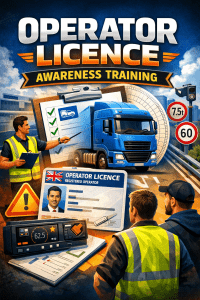 Operator Licence Awareness Training (OLAT) is designed to help transport managers, operators, and drivers understand their legal obligations under the operator licence system. It focuses on compliance, safety, and efficiency in logistics operations, ensuring that businesses meet the standards required by law. OLAT is essential for maintaining the safe operation of vehicles and helps prevent potential penalties or licence revocation.
3 Key Takeaways
- Legal Requirement: Operator’s licence are mandatory for running goods vehicles for commercial purposes in the UK.
- Compliance Training: OLAT helps transport managers ensure compliance with vehicle safety and legal requirements.
- Business Benefits: Proper training and licences reduce risks, improve operational efficiency, and enhance reputation.
This training is particularly important for transport managers whose businesses rely on the movement of goods across the UK or internationally. It offers insight into the regulatory framework enforced by the Traffic Commissioner, which helps operators avoid common compliance pitfalls and improves overall road safety.
First a quick plug – Our sister companies Fresh Pharma whom are GDP Compliant Pharma couriers and ‘Fresh Fridge Hire‘ are out (compliant GDP) refrigerated vehicle hire.
Why is Operator Licence Awareness Training Crucial?
Ensuring compliance with operator licence requirements is critical not just for avoiding penalties but also for ensuring the safety of drivers, the public, and the goods being transported. The Traffic Commissioner, who oversees the licensing and regulation of goods vehicle operators in the UK, expects businesses to stay compliant with regulations regarding vehicle maintenance, driver hours, and road safety. Failure to do so can result in severe penalties, including fines and loss of operating licences.
Key benefits of OLAT include:
- Legal Compliance: Stay up to date with the latest legal obligations to avoid penalties or suspension of licences.
- Safety: Reduce the risk of accidents by ensuring that both drivers and vehicles meet safety standards.
- Operational Efficiency: Enhances your business’s efficiency by keeping vehicles roadworthy and ensuring that drivers comply with working hours regulations.
Keywords: Operator Licence Awareness Training, transport compliance, Traffic Commissioner.
Section 1: Understanding Operator Licences in the UK
What is an Operator Licence?
An operator licence is a legal document required by any business that uses vehicles over 3.5 tonnes for carrying goods as part of a trade or business. There are three types of operator licences in the UK, each serving different business needs:
| Licence Type | Description | Who Requires It? |
| Standard National | Allows the transport of goods within the UK. | Haulage companies, distribution firms. |
| Standard International | Permits the transport of goods across both the UK and internationally. | Haulage firms operating across borders. |
| Restricted | For businesses that transport goods for themselves and not for hire. | Non-haulage businesses with commercial vehicles. |
Each licence type imposes specific obligations and responsibilities on the licence holder, including proper vehicle maintenance, safe driving practices, and adherence to drivers’ hours regulations.
Who Needs an Operator Licence?
Any business using heavy goods vehicles (HGVs) with a gross weight of over 3.5 tonnes to carry goods related to its trade or business requires an operator licence. This includes haulage companies and businesses that transport goods for their own use.
To apply for an operator licence, businesses must meet certain legal criteria, such as having a registered operating centre, financial resources for maintaining the vehicles, and ensuring the good reputation of company directors. Failure to comply with these regulations can lead to penalties or even the suspension of the operator licence.
| Vehicle Type | Licence Requirement |
| HGVs over 3.5 tonnes | Requires an operator licence for business purposes. |
| Vehicles carrying own goods | Requires a restricted operator licence. |
| Vehicles used for hire or reward | Requires a Standard National or International operator licence. |
For more detailed information, refer to official government guidance on operator licences here.
Compliance and Consequences
Non-compliance with operator licence regulations can have serious consequences for businesses. Penalties can range from fines to the loss of the operator licence, significantly impacting a business’s ability to operate. In extreme cases, the Traffic Commissioner may even disqualify the operator or transport manager from running vehicles in the future.
Here are some consequences of non-compliance:
- Fines: Failure to adhere to maintenance standards or driver hours regulations can result in hefty fines.
- Licence Revocation: Operators who consistently fail to comply may lose their licence, effectively shutting down their business.
- Reputation Damage: Non-compliance can harm a business’s reputation, affecting customer trust and future contracts.
Section 2: What is Covered in Operator Licence Awareness Training?
Operator Licence Awareness Training (OLAT) is comprehensive and covers all essential aspects of running a transport operation in compliance with UK law. The training ensures that operators and transport managers understand their responsibilities under the operator licensing system, ensuring safety, efficiency, and legal compliance.
Main Topics Covered in Operator Licence Awareness Training
OLAT courses typically cover the following key topics:
| Topic | Key Learnings |
| Compliance Responsibilities | Understanding the legal obligations and requirements of holding an operator licence. |
| Vehicle Maintenance and Roadworthiness | Ensuring vehicles are maintained to legal standards and are roadworthy. |
| Driver Hours and Tachographs | Learning how to manage drivers’ working hours and how to properly use tachographs. |
| Safety Inspections and Defect Reporting | How to conduct regular safety checks and report vehicle defects. |
- Compliance Responsibilities
The course covers the obligations transport managers and operators have to stay compliant with legal requirements. This includes ensuring that vehicles are maintained correctly, drivers are trained and informed of their responsibilities, and records are kept up to date. The Traffic Commissioner’s role in enforcing compliance is also highlighted. - Vehicle Maintenance and Roadworthiness
Proper vehicle maintenance is critical for road safety and legal compliance. OLAT teaches operators how to implement regular vehicle checks, maintenance routines, and repair schedules to ensure that their vehicles remain in good working order. This helps prevent accidents and avoid costly breakdowns. - Driver Hours and Tachographs
Driver fatigue is a major cause of road accidents, which is why UK law mandates strict controls on how long drivers can work. OLAT covers how to manage and monitor drivers’ working hours, including the use of tachographs to record these hours accurately. Failure to comply with driver hours regulations can result in penalties and accidents. - Safety Inspections and Defect Reporting
The training also highlights the importance of conducting safety inspections and reporting any vehicle defects. Operators are responsible for ensuring that all vehicles in their fleet are regularly inspected and that any issues are reported and addressed in a timely manner.
Training Duration and Format
OLAT is typically delivered in a one-day workshop, although online courses are becoming more common. Both formats offer flexible learning opportunities, allowing transport managers and operators to complete the course in a format that suits them best.
| Training Format | Duration | Delivery Mode |
| In-Person Workshops | 1 Day | Classroom-style with interaction and group discussions . |
| Online Courses | 1 Day (self-paced or live) | Delivered through webinars or e-learning platforms. |
The certification from OLAT serves as evidence of compliance and can be presented during audits or inspections by the Traffic Commissioner.
Section 3: Who Needs Operator Licence Awareness Training and Why?
Mandatory for Transport Managers
Transport managers play a crucial role in maintaining compliance with operator licence regulations. They are often required to attend Operator Licence Awareness Training (OLAT) when their compliance is at risk, such as after receiving warnings or requests from the Traffic Commissioner. If a company faces persistent compliance issues, OLAT may be mandated by the Traffic Commissioner to improve the knowledge and understanding of transport managers.
By attending OLAT, transport managers gain essential insights into regulatory obligations, vehicle maintenance standards, and driver working hours laws. It also helps managers demonstrate their commitment to correcting issues and ensuring future compliance. In turn, this reduces the risk of future penalties and helps preserve the business’s operator licence.
Benefits for Operators and Drivers
OLAT is not just beneficial for transport managers but also for operators and drivers. Here are some of the key benefits:
- Improved Compliance: OLAT ensures that operators understand the legal requirements, helping to prevent infringements and ensuring that vehicles are roadworthy.
- Fewer Penalties: By understanding the rules regarding vehicle maintenance, driver hours, and road safety, operators can avoid costly fines and penalties.
- Enhanced Operational Efficiency: Better maintenance practices, compliance with driver hours, and efficient record-keeping result in smoother, more efficient operations.
- Increased Road Safety: Operators and drivers who adhere to safety standards reduce the risk of accidents and other road incidents, contributing to safer roads.
| Benefit | Impact |
| Compliance | Reduced legal risks and better alignment with operator licence requirements. |
| Operational Efficiency | Optimised fleet performance and improved driver management. |
| Safety | Enhanced safety practices to lower accident risks and vehicle downtime. |
| Fewer Penalties | Lower risk of receiving fines, reducing financial strain on the business. |
When is Operator Licence Awareness Training Required?
There are several circumstances when OLAT may be required or recommended for transport operators:
- Non-Compliance Warnings: If the Traffic Commissioner issues a formal warning due to a compliance breach, they may require a transport manager to attend OLAT as part of remedial action.
- Vehicle Inspection Failures: Failing routine vehicle inspections or receiving prohibitions due to vehicle defects can trigger the need for OLAT, as it helps operators rectify issues before future inspections.
- Continuing Professional Development (CPD): OLAT can also form part of ongoing CPD for transport managers, ensuring they remain up-to-date with evolving regulations and best practices in the transport industry.
By understanding the circumstances in which OLAY is necessary, operators can proactively seek training before serious issues arise.
Section 4: How to Enrol in Operator Licence Awareness Training
Course Providers
There are several trusted course providers across the UK that offer OLAT. Many of these providers are JAUPT-approved (Joint Approvals Unit for Periodic Training), ensuring that their courses meet high standards and are recognised by regulatory bodies.
Some well-known providers include:
| Provider | Cost Range | Duration | Link to Course |
| Fleet Source | £250-£450 | 1 Day | Fleet Source Training |
| Road Haulage Association | £200-£350 | 1 Day | RHA Training |
| Logistics UK | £300-£500 | 1 Day | Logistics UK Training |
These providers offer flexible training formats, including both in-person and online courses. Making it easier for transport managers and operators to attend at their convenience.
Cost and Duration
OLAT courses cost from £200 to £500, depending on the provider and the format of the training (online or in-person). Most OLAT courses are completed in one day. Making them a time-efficient way for transport managers and operators to meet compliance requirements.
These courses are a sound investment for transport businesses. Helping them avoid costly penalties and maintain operational efficiency.
Certification
Upon completing an OLAT course, attendees receive a certification that demonstrates their understanding of operator licence compliance requirements. This certification can be used to satisfy the Traffic Commissioner and is often required when remedial actions are suggested after a non-compliance warning.
Certified training also shows that operators and transport managers are actively taking steps to improve their knowledge and compliance standards, which can help mitigate future penalties or licence suspensions.
Certification is an important aspect of demonstrating to regulators that your business is committed to compliance and safety.
Section 5: Benefits of Operator Licence Awareness Training for Your Business
Reduced Risk of Fines and Licence Revocation
One of the main benefits of Operator Licence Awareness Training (OLAT) is the reduced risk of costly penalties and potential licence suspensions. OLAT equips transport managers with the knowledge to stay compliant with the legal requirements surrounding operator licences. By ensuring that vehicles are properly maintained and driver hours are tracked accurately, businesses can avoid fines and avoid losing their operator licences, which could significantly impact operations.
OLAT also helps operators demonstrate their commitment to regulatory compliance when responding to queries from the Traffic Commissioner. This can be a key factor in maintaining good standing with licensing authorities and preventing unwanted scrutiny.
Improved Efficiency and Safety
OLAT promotes best practices that improve both operational efficiency and safety. By providing operators and drivers with clear guidance on vehicle maintenance, tachograph usage, and compliance with driver hours, businesses can reduce vehicle breakdowns, extend the life of their fleet, and enhance overall performance.
Furthermore, adherence to safety standards helps reduce accidents, improves road safety, and leads to fewer work disruptions. This creates a safer working environment for drivers and reduces costs associated with accidents, such as vehicle repair, downtime, and insurance premiums.
| Benefit | Impact |
| Reduced Risk of Fines | Compliance prevents fines, licence suspensions, and potential business losses. |
| Improved Operational Efficiency | Better vehicle upkeep, leading to fewer breakdowns and smoother operations. |
| Enhanced Road Safety | Safer driving practices result in fewer accidents and legal complications. |
Enhanced Reputation
A compliant and safety-conscious operation not only benefits from fewer penalties but also gains a competitive advantage by enhancing its reputation. Customers and business partners are more likely to trust and work with transport companies that prioritise compliance and safety. This reputation can help secure more contracts and build long-term relationships in the industry.
Operators who demonstrate a proactive approach to compliance and road safety through regular OLAT participation are seen as reliable and trustworthy partners. This, in turn, leads to greater customer satisfaction and potential growth for the business.
| Enhanced Reputation | Benefit |
| Positive Market Perception | Builds customer trust and creates new business opportunities. |
| Competitive Advantage | A compliant operation is seen as reliable and trustworthy by clients. |
Finally……… Operator Licence Awareness Training
Operator Licence Awareness Training is a key element for maintaining compliance and ensuring the safe and efficient transport of goods across the UK. For transport managers, operators, and drivers, OLAT offers crucial knowledge on legal responsibilities, vehicle safety, and operational best practices. Investing in OLAT not only protects your business from penalties but also enhances performance and safety.
To ensure your business stays compliant and efficient, consider enrolling in an OLAT course today. Trusted providers like Fleet Source and the Road Haulage Association (RHA) offer comprehensive courses to help you meet your obligations and drive operational success.
Protecting Your Operator Licence
- How much is an operator's licence in the UK?
The cost of a UK operator’s licence depends on the type and number of vehicles operated. For example, the application fee for a Goods Vehicle Operator Licence is £257, with an annual continuation fee of £401 per vehicle.
- How do I become an owner-operator truck driver in the UK?
To become an owner-operator truck driver, you need to:
- Obtain an Operator’s Licence.
- Have a valid HGV driving licence.
- Pass a medical exam.
- Secure commercial insurance and financing for a vehicle.
- How many types of licences are there in the UK?
There are three types of operator licences in the UK:
Standard National (for domestic haulage).
Standard International (for cross-border transport).
Restricted (for businesses carrying goods for their own use).
- How long is an OLAT course?
An OLAT (Operator Licence Awareness Training) course typically lasts one day, covering the key aspects of compliance, vehicle safety, and legal obligations.
- What is an operator's licence in the UK?
An operator’s licence is a legal requirement for businesses using goods vehicles above a certain weight for commercial purposes. It ensures compliance with safety and environmental standards for transport operators.
- Is OLAT Mandatory for All Operators?
No, OLAT is not mandatory for all operators. However, the Traffic Commissioner may recommend or require it if there are compliance issues or if a transport manager’s performance is under review.
- How Often Should I Attend OLAT?
While OLAT is usually required when compliance issues arise, it is also beneficial to attend regularly as part of Continuing Professional Development (CPD). This ensures that transport managers stay updated on changes to regulations and best practices.
- Can I Complete OLAT Online?
Yes, many providers now offer online OLAT courses. This option has become more popular, especially after the increased demand for remote learning during the COVID-19 pandemic.
- What Happens If I Don’t Comply with Operator Licence Regulations?
Non-compliance can lead to severe penalties, including fines, licence revocation, and even a ban from operating commercial vehicles. It can also damage a company’s reputation and result in lost business.
- How Long Does the OLAT Certification Last?
OLAT certification does not have an official expiry date. However, attending refresher courses periodically can help ensure ongoing compliance and keep transport managers updated on any regulatory changes.

Chilled Transport in the UK
Chilled Transport: The Ultimate Guide to Keeping Your Goods Fresh
Introduction to Chilled Transport
Chilled transport, a pivotal component of the modern supply chain, refers to the process of transporting perishable goods at controlled low temperatures to ensure they remain fresh and safe for consumption upon reaching their destination. This specialised mode of transportation is essential for maintaining the quality and integrity of a wide range of products, including food items, pharmaceuticals, and biological materials. By utilising temperature-controlled environments, chilled transport mitigates the risks associated with spoilage, contamination, and degradation, thereby preserving the value and safety of these sensitive goods.
First a quick plug – Our sister companies Fresh Pharma whom are GDP Compliant Pharma couriers and ‘Fresh Fridge Hire‘ are our (compliant GDP) refrigerated vehicle hire.
 What is Chilled Transport?
Chilled transport refers to the transportation of perishable goods at controlled temperatures to preserve their quality and extend their shelf life. This includes a wide range of products like food, beverages, pharmaceuticals, and even flowers. These goods are highly sensitive to temperature variations, and even a slight deviation can lead to spoilage or reduced efficacy. Chilled transport systems use advanced refrigeration technologies to maintain optimal temperature conditions throughout the journey.
Maintaining the chill chain
A continuous series of refrigerated production, storage, and distribution activities—ensures that perishable items remain within the required temperature range from origin to destination. This is critical for preventing spoilage and maintaining product quality, which is particularly important for industries that deal with high-value, temperature-sensitive goods.
Importance of Chilled Transport
The importance of chilled transport cannot be overstated. It plays a vital role in several key areas:
-
Reducing Food Waste
Food waste is a significant global issue, with a considerable portion of it occurring due to improper storage and transport. Chilled transport helps mitigate this problem by ensuring that perishable food items remain fresh during transit. By maintaining the appropriate temperatures, it reduces the risk of spoilage and extends the shelf life of products, ultimately leading to less waste and more efficient use of resources.
-
Ensuring Food Safety
Food safety is paramount in the supply chain. Perishable goods, especially fresh produce, dairy products, and meats, are prone to bacterial growth if not stored correctly. Chilled transport systems help prevent the growth of harmful bacteria by keeping these items at safe temperatures. This not only protects consumers from foodborne illnesses but also helps businesses comply with stringent food safety regulations.
-
Maintaining Pharmaceutical Efficacy
Pharmaceuticals, including vaccines and biologics, are often temperature-sensitive. If exposed to temperatures outside their recommended range, they can lose their efficacy, leading to significant health risks. Chilled transport ensures that these critical medical supplies maintain their potency from the manufacturing facility to the end user, which is crucial for public health and safety.
-
Supporting Global Trade
Without chilled transport, the global trade of perishable goods would be nearly impossible. Many countries rely on imported food products, such as fruits, vegetables, seafood, and meats, to meet their demands. Chilled transport makes it possible to move these products across vast distances without compromising their quality. This facilitates international trade, supports local economies, and provides consumers with a diverse array of fresh products year-round.
-
Economic Benefits
Efficient chilled transport systems contribute to the economy by reducing losses due to spoilage and ensuring that products reach markets in optimal condition. This increases the profitability of businesses that deal with perishable goods, from farmers and manufacturers to retailers and distributors. Additionally, it helps stabilise prices by reducing fluctuations caused by product shortages or excess supply.
-
Environmental Impact
While chilled transport does consume energy, advances in technology are making it more efficient and environmentally friendly. New refrigeration systems use eco-friendly refrigerants and better insulation materials, reducing their carbon footprint. Moreover, some companies are adopting renewable energy sources, such as solar power, to further minimise their environmental impact. By reducing food waste, chilled transport also indirectly helps conserve resources and reduce greenhouse gas emissions associated with food production and disposal.
The History of Chilled Transport
Understanding the history of chilled transport gives us a greater appreciation for the sophisticated systems we rely on today.
Early Methods of Food Preservation
Before refrigeration, people used natural methods like salting, smoking, and drying to preserve food. Ice was also harvested and stored in ice houses to keep food cool during transport.
Evolution of Refrigeration Technology
The invention of mechanical refrigeration in the 19th century revolutionised food preservation and transport. From there, technology advanced rapidly, leading to the modern refrigerated transport systems we use today.
How Chilled Transport Works
The mechanics of chilled transport involve complex systems designed to maintain precise temperature conditions.
The Science Behind Refrigeration
Refrigeration works by removing heat from the interior of the transport unit and dissipating it outside. This process involves a refrigerant that absorbs heat as it changes from liquid to gas and then releases it as it condenses back into a liquid.
Key Components of a Chilled Transport System
The main components include the compressor, condenser, evaporator, and expansion valve. Together, these parts work to circulate the refrigerant and maintain the desired temperature.
Types of Chilled Transport
Various modes of chilled transport cater to different logistical needs.
Refrigerated Trucks
These are the most common form of chilled transport, ideal for short to medium distances.
Refrigerated Rail Cars
Used for longer domestic transport, rail cars offer a cost-effective solution for large quantities of goods.
Refrigerated Shipping Containers
Essential for international trade, these containers maintain consistent temperatures over long sea voyages.
Air Freight Refrigeration
For high-value or time-sensitive goods, refrigerated air freight offers the fastest transport method. Most air chilled parcels are chilled by dry ice
Advantages of Chilled Transport
The benefits of chilled transport extend beyond mere convenience.
Extending Shelf Life
By keeping products at optimal temperatures, chilled transport significantly extends their shelf life.
Reducing Food Waste
Properly chilled goods are less likely to spoil, reducing food waste and ensuring more products reach consumers.
Ensuring Food Safety
Maintaining the cold chain from production to delivery helps prevent foodborne illnesses and ensures safety.
Challenges in Chilled Transport
Despite its benefits, chilled transport comes with its own set of challenges.
Temperature Control
Maintaining a consistent temperature is crucial but can be challenging, especially during long hauls or in extreme weather.
Energy Consumption
Refrigeration systems consume significant energy, contributing to higher operational costs and environmental impact.
Maintenance and Repairs
Regular maintenance is essential to prevent system failures, which can lead to product spoilage and financial losses.
Technological Innovations in Chilled Transport
Technology continues to drive improvements in chilled transport, making it more efficient and reliable.
Smart Sensors and IoT
Internet of Things (IoT) devices and smart sensors provide real-time monitoring and control of temperature conditions.
Advanced Insulation Materials
New materials offer better insulation, reducing energy consumption and maintaining temperatures more effectively.
Solar-Powered Refrigeration
Solar power is emerging as a sustainable energy source for refrigeration, particularly in sunny regions.
Environmental Impact of Chilled Transport
The environmental footprint of chilled transport is a growing concern.
Carbon Footprint
Refrigerated transport contributes to greenhouse gas emissions, primarily due to the energy required for cooling.
Eco-Friendly Refrigerants
New refrigerants with lower global warming potential are being developed to replace traditional ones.
Sustainable Practices
Adopting sustainable practices, like optimising routes and using renewable energy, can mitigate environmental impact.
Industry Applications of Chilled Transport
Various industries rely heavily on chilled transport to maintain the integrity of their products.
Food and Beverage Industry
From fresh produce to dairy products, chilled transport is essential to keep food safe and fresh.
Pharmaceutical Industry
Temperature-sensitive drugs and vaccines require precise temperature control to remain effective.
Floral Industry
Flowers need to be kept cool to preserve their freshness and appearance during transport.
Regulations and Standards in Chilled Transport
Chilled transport, essential for maintaining the integrity and safety of perishable goods, operates under strict regulations and standards. These guidelines are crucial to ensuring that products reach their destination in prime condition, safeguarding public health, and maintaining the efficacy of temperature-sensitive items. This framework of regulations and standards encompasses global directives as well as industry-specific requirements.
Global Standards for Chilled Transport
International standards play a fundamental role in regulating chilled transport, providing a unified framework that ensures consistency and reliability across borders. Key organisations such as the World Health Organization (WHO) and the International Air Transport Association (IATA) have established comprehensive guidelines to govern the cold chain.
The WHO’s guidelines for chilled transport
Emphasise is on the importance of maintaining the cold chain for vaccines and other temperature-sensitive medical products. These guidelines specify the necessary conditions for storage, handling, and transportation, ensuring that vaccines remain effective from the point of manufacture to administration. The WHO also provides recommendations for monitoring and validating the temperature control mechanisms used in chilled transport.
The IATA guidelines on chilled transport
has developed the Perishable Cargo Regulations (PCR), which detail the handling, packaging, and transportation requirements for perishable goods in the air transport sector. These regulations cover a wide range of products, including fresh produce, seafood, and pharmaceuticals. The IATA PCR outlines the necessary temperature ranges, packaging materials, and handling procedures to maintain product quality and prevent spoilage during transit.
Industry-Specific Regulations
Beyond global standards, various industries have their own specific regulations to address the unique challenges associated with transporting perishable goods. One of the most prominent examples is the Good Distribution Practice (GDP) guidelines for pharmaceuticals.
The GDP guidelines on chilled transport
They are designed to ensure that pharmaceutical products are consistently stored, transported, and handled under appropriate conditions. These guidelines cover all aspects of the distribution process, including the qualifications of personnel, hygiene standards, and the suitability of transportation equipment. The GDP emphasises the need for a documented quality management system that includes regular audits, risk assessments, and corrective actions to address any deviations from established protocols.
The Hazard Analysis and Critical Control Points (HACCP) system and chilled transport
HACCP is widely implemented to manage food safety risks. The HACCP system involves identifying potential hazards, establishing critical control points, and implementing monitoring procedures to ensure that food products are transported under safe conditions. Compliance with HACCP standards helps prevent contamination and spoilage, ensuring that food remains safe for consumption.
Regulation of Transportation of Food and Medical Products in the UK
In the United Kingdom, the transportation of food and medical products is regulated by various governmental bodies to ensure safety, quality, and compliance with national and international standards. These regulatory authorities establish and enforce guidelines that are crucial for maintaining the integrity of perishable goods throughout the supply chain.
Food Regulations for chilled transport
The Food Standards Agency (FSA) is the primary body responsible for regulating the transportation of food within the UK. The FSA works to ensure that food transported across the country is safe, correctly labelled, and complies with established food safety standards. The agency provides guidelines and requirements for the entire food supply chain, from production to transportation.
The FSA mandates the implementation of the Hazard Analysis and Critical Control Points (HACCP) system, which is a preventive approach to food safety. The HACCP system involves identifying potential hazards in the food transportation process, establishing critical control points, and implementing monitoring procedures to prevent contamination and spoilage. Compliance with HACCP is critical for businesses involved in the transportation of perishable food items, ensuring that food remains safe for consumption.
In addition to HACCP
The FSA also enforces regulations related to temperature control, hygiene practices, and the use of appropriate transportation equipment. Regular inspections and audits are conducted to verify compliance, and businesses found in violation of these regulations may face penalties, including fines and mandatory corrective actions.
Medical Products Transportation Regulation
The regulation of the transportation of medical products, including pharmaceuticals and medical devices, falls under the purview of the Medicines and Healthcare products Regulatory Agency (MHRA). The MHRA is responsible for ensuring that medical products are transported in a manner that maintains their safety, efficacy, and quality.
One of the key regulatory frameworks enforced by the MHRA is the Good Distribution Practice (GDP) guidelines. The GDP guidelines provide comprehensive requirements for the storage, handling, and transportation of pharmaceutical products. These guidelines ensure that medical products are consistently transported under conditions that preserve their integrity, from the point of manufacture to the final destination.
The GDP guidelines cover various aspects of the distribution process, including the qualification of personnel, validation of transportation equipment, and implementation of quality management systems. Companies involved in the transportation of medical products must adhere to these guidelines, conduct regular risk assessments, and maintain thorough documentation of all processes.
The MHRA conducts inspections and audits to verify compliance with GDP guidelines. Non-compliance can result in significant penalties, including product recalls, fines, and damage to the company’s reputation. The MHRA also provides guidance and support to businesses to help them meet regulatory requirements and ensure the safe transportation of medical products.
Best Practices for Effective Chilled Transport
Effective chilled transport is essential for ensuring the safe and reliable delivery of perishable goods while maintaining their quality and integrity throughout the supply chain. Adhering to best practices in chilled transport not only enhances efficiency but also minimises the risk of spoilage, contamination, and product degradation. Here are key best practices that businesses should implement:
1. Proper Loading Techniques
Proper loading techniques are critical to maintaining uniform temperatures throughout the transportation process. It’s essential to arrange goods in a way that allows for adequate air circulation within the transport vehicle or container. This ensures that cold air can circulate freely around the perishable items, preventing hot spots or areas where temperatures could rise above safe levels.
- Organisation and Stacking: Goods should be organised and stacked in a manner that promotes airflow. Heavy items should be placed at the bottom, with lighter and more temperature-sensitive items positioned on top.
- Use of Pallets and Racks: Utilising pallets or racks can help elevate goods off the floor of the vehicle, allowing air to circulate underneath as well.
- Air Vents: Ensure that air vents or ducts are not blocked by cargo, enabling the refrigeration system to distribute cold air effectively.
2. Regular Monitoring and Maintenance
Routine monitoring and maintenance of refrigeration equipment and transport vehicles are essential to prevent breakdowns and ensure consistent temperature control. Temperature fluctuations can compromise the quality and safety of perishable goods, making regular checks crucial.
- Temperature Monitoring: Install and regularly calibrate temperature monitoring devices within transport units to track temperature variations accurately.
- Preventive Maintenance: Implement a schedule for preventive maintenance of refrigeration units, including inspections of insulation, seals, and mechanical components.
- Emergency Plans: Develop contingency plans for handling equipment failures or temperature deviations to minimise the impact on product quality.
3. Employee Training and Awareness
Proper training of personnel involved in chilled transport is fundamental to maintaining product quality and safety. Employees should be educated on the importance of temperature control, proper handling techniques, and adherence to best practices throughout the transportation process.
- Temperature Management: Train staff on how to monitor temperatures effectively and respond to deviations promptly.
- Handling Procedures: Educate employees on correct handling procedures to minimise the risk of damage or contamination during loading, unloading, and transit.
- Hygiene Practices: Emphasise hygiene practices to prevent cross-contamination and maintain the cleanliness of transport vehicles and storage areas.
4. Documentation and Record-Keeping
Maintaining accurate documentation and records is crucial for ensuring compliance with regulatory requirements and facilitating traceability throughout the supply chain. Documentation should include:
- Temperature Logs: Keep detailed records of temperature readings during transport, including timestamps and any corrective actions taken.
- Maintenance Records: Document all maintenance activities performed on refrigeration units and transport vehicles.
- Training Records: Maintain records of employee training sessions and certifications related to chilled transport practices.
5. Collaboration and Communication
Effective chilled transport often involves coordination between various stakeholders, including suppliers, transporters, and recipients. Clear communication and collaboration are essential to ensure that everyone involved understands their roles and responsibilities.
- Supplier Requirements: Communicate temperature and handling requirements to suppliers to ensure goods are prepared appropriately for transport.
- Transport Planning: Collaborate with transporters to plan routes and schedules that minimise transit times and optimise temperature control.
- Recipient Instructions: Provide clear instructions to recipients regarding the handling and storage of goods upon arrival to maintain product quality.
By implementing these best practices, businesses can enhance the efficiency, reliability, and safety of chilled transport operations. These practices not only protect the quality of perishable goods but also contribute to customer satisfaction and regulatory compliance in the supply chain.
Future Trends in Chilled Transport
The future of chilled transport looks promising, with several exciting trends on the horizon.
Autonomous Refrigerated Vehicles
Self-driving refrigerated trucks could revolutionise logistics, offering greater efficiency and reduced labour costs.
Artificial Intelligence in Temperature Control
AI can optimise temperature settings and predict maintenance needs, ensuring better control and fewer breakdowns.
Increased Use of Renewable Energy
The shift towards renewable energy sources, like solar and wind power, can make chilled transport more sustainable.
Choosing the Right Chilled Transport Solution
Selecting the appropriate chilled transport solution is crucial for ensuring the safe and efficient delivery of perishable goods. This decision requires careful evaluation of several factors to meet specific requirements and maintain product integrity throughout the supply chain. Here’s a comprehensive guide to help businesses navigate the selection process:
1. Assessing Your Needs
The first step in choosing the right chilled transport solution is to assess the unique requirements of your goods:
- Temperature Requirements: Determine the precise temperature range that your perishable goods require during transport. Different products may have varying temperature sensitivities, so it’s essential to specify whether you need chilled (typically 2°C to 8°C) or frozen (-18°C or below) transport.
- Transport Duration: Consider the duration of transport from origin to destination. Longer transit times may require more robust refrigeration systems or additional measures to maintain consistent temperatures.
- Volume and Packaging: Evaluate the volume of goods to be transported and their packaging requirements. Some transport solutions may be better suited for bulk shipments, while others may cater to smaller, more fragile packages.
2. Evaluating Different Providers
Once you’ve identified your specific needs, evaluate different chilled transport providers to find the most suitable option:
- Reliability: Assess the reliability and reputation of potential transport providers. Look for companies with a proven track record in chilled transport, particularly in handling products similar to yours.
- Technology and Equipment: Review the type of refrigeration technology and equipment used by each provider. Modern refrigerated vehicles or containers equipped with advanced temperature control systems offer greater reliability and precision.
- Safety and Compliance: Ensure that transport providers adhere to relevant safety standards and regulatory requirements, such as HACCP (Hazard Analysis and Critical Control Points) or GDP (Good Distribution Practice) guidelines for pharmaceuticals.
- Track Record: Seek references or customer testimonials to gauge the provider’s performance in terms of on-time delivery, temperature control, and customer service.
3. Cost Considerations
While cost is a significant factor, it should be balanced against the quality and reliability of the chilled transport service:
- Transparent Pricing: Compare pricing structures offered by different providers. Look for transparent pricing that includes all relevant costs, such as handling fees, fuel surcharges, and any additional services required.
- Value for Money: Consider the overall value offered by each provider, which includes reliability, quality of service, and adherence to your specific requirements.
- Avoiding Compromise: Avoid compromising on the quality and reliability of chilled transport to reduce costs. Cheaper options may cut corners on equipment maintenance or temperature monitoring, potentially jeopardising the safety and quality of your goods.
4. Flexibility and Customer Support
Choose a chilled transport provider that offers flexibility and excellent customer support:
- Customised Solutions: Look for providers who can tailor their services to meet your specific needs, whether it’s regarding temperature control, scheduling, or route optimization.
- Communication: Ensure clear and open communication channels with the provider to address any concerns or unexpected changes during transport.
- Emergency Response: Evaluate the provider’s ability to respond promptly to emergencies or unforeseen circumstances that may impact the transport of your perishable goods.
Conclusion
Chilled transport is an indispensable part of the global supply chain, ensuring that perishable goods reach consumers in optimal condition. As technology advances, we can expect even greater efficiency and sustainability in this field. By understanding the complexities and adopting best practices, businesses can enhance their chilled transport operations and contribute to a more sustainable future.
Chilled Transport
- What is chilled food transport?
What is chilled food transport?
Chilled food transport involves the safe movement of perishable goods, such as fresh produce, dairy products, and meats, while maintaining specific temperature conditions. Here are some key points:
Temperature Control: Refrigerated vehicles, vans, or trailers are used to transport chilled food. Consistent temperatures are crucial to preserve product integrity and prevent spoilage. Maintaining a tight temperature band with minimal variations ensures the longest possible shelf life
Best Practices: Transporters follow recognized best practices, including:
Proper refrigeration to keep food at the required temperature.
Adequate cleaning of vehicles between loads to prevent cross-contamination.
Properly protecting food during transportation to prevent damage or contamination3.
Regulations: Regulatory bodies, such as the FSA, enforce guidelines to ensure food safety during transport. Compliance with these rules is essential for maintaining food quality and preventing health risks3.
Remember that proper handling and adherence to safety protocols are critical to maintaining food quality throughout the supply chain.
- sk_e?=~jg3qQRG7JOe.mb;*xA&dtI3qE
sk_e?=~jg3qQRG7JOe.mb;*xA&dtI3qE
- Toggle Title123
sk_e?=~jg3qQRG7JOe.mb;*xA&dtI3qE
Chilled Refrigerated Delivery
1. Introduction to Chilled Refrigerated Delivery in the UK
Chilled refrigerated delivery in the UK is a cornerstone of the modern logistics industry, playing a vital role in ensuring that reach their destinations in optimal condition. 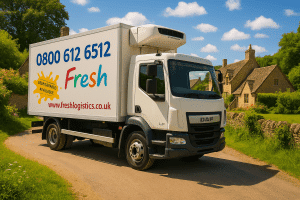 These delivery services involve transporting perishable goods within a specific chilled temperature range, typically between 0°C and 8°C, to maintain quality, freshness, and safety. With the rise of consumer demand for fresh products and strict regulations in food safety and pharmaceutical handling, temperature-controlled logistics have become more important than ever.
The importance of chilled refrigerated delivery services cannot be overstated. The UK government, through agencies like the Food Standards Agency (FSA) and Medicines and Healthcare products Regulatory Agency (MHRA), has imposed stringent regulations to ensure public safety. Delivering goods at the correct temperature helps to prevent bacterial growth, spoilage, and degradation of sensitive items, particularly food, medicines, and certain cosmetic or chemical products.
First a quick plug – Our sister companies Fresh Pharma whom are GDP Compliant Pharma couriers and ‘Fresh Fridge Hire‘ are our (compliant GDP) refrigerated vehicle hire.
1. Sustainability Is a Competitive Advantage
Investing in eco-friendly refrigeration methods (like CO₂ or cryogenic systems), electric vehicles, and route optimisation not only reduces environmental impact but also enhances brand image. Businesses that embrace sustainable cold chain logistics are more attractive to environmentally conscious customers and may benefit from government incentives.
2. Cost Isn’t Just About Distance
The price of chilled delivery depends on multiple factors including required temperature range, delivery time sensitivity, load volume, and even access conditions at the destination. Understanding these variables can help businesses make informed decisions and negotiate better service agreements.
3. Shared Logistics & Tech Drive Efficiency
Using shared transport solutions (multi-drop or pooled deliveries) and leveraging modern technology like real-time temperature tracking and route optimisation software can significantly cut costs without sacrificing reliability or safety in delivery.
A wide range of sectors depend on chilled refrigerated delivery services. The most common users include:
- Food and beverage producers: Dairy, meat, seafood, ready meals, and fresh produce.
- Pharmaceutical companies: Vaccines, insulin, and other temperature-sensitive drugs.
- Florists and agricultural suppliers: Fresh flowers and plant materials.
- Catering and hospitality businesses: Hotels, restaurants, and event venues.
Each of these industries relies on reliable chilled transportation to maintain their reputation, meet compliance standards, and deliver high-quality products to end users.
2. What Is Chilled Refrigerated Delivery in the UK?
Chilled refrigerated delivery in the UK refers to the transportation of goods in vehicles equipped with temperature control systems, specifically designed to maintain a chilled environment (0°C to 8°C) throughout the journey. This differs from frozen delivery, where goods are kept at sub-zero temperatures, often at -18°C or lower.
Key Differences Between Chilled and Frozen Delivery
| Feature | Chilled Delivery | Frozen Delivery |
| Temperature Range | 0°C to 8°C | -18°C or below |
| Typical Products | Fresh produce, dairy, meat | Ice cream, frozen meals |
| Shelf Life Impact | Extended but limited | Much longer preservation |
| Energy Requirements | Moderate | High |
| Unloading Time Sensitivity | High | Moderate |
Chilled delivery is more sensitive to fluctuations during unloading or transit delays, as items may quickly rise above safe temperatures, leading to spoilage.
Industries That Rely on Chilled Refrigerated Delivery
- Supermarkets and retailers: Daily restocking of fresh produce, meat, dairy, and chilled drinks.
- Catering services: Delivery of prepared meals and fresh ingredients to events and restaurants.
- Pharmaceutical and healthcare services: Critical for medicines like insulin, certain vaccines, and clinical trial materials.
- Agriculture and horticulture: Ensuring fresh flowers and plants remain viable in transit.
With the increase in online shopping and grocery delivery, the demand for reliable chilled transport solutions continues to grow, prompting advancements in vehicle technology and logistics management systems.
3. How Does Chilled Refrigerated Delivery Work in the UK?
Chilled refrigerated delivery in the UK operates through a comprehensive cold chain logistics system. This system ensures that products are kept within their required temperature range from the point of origin to the final destination.
Cold Chain Logistics Explained
The cold chain is a temperature-controlled supply chain that includes:
- Production site (e.g., food processing plant or pharmaceutical lab)
- Cold storage facilities
- Temperature-controlled transport (chilled vans or lorries)
- Retail or distribution centres
- Final delivery to the customer or end-user
Each stage of the cold chain must be meticulously managed to prevent temperature breaches. Even short periods outside the specified range can compromise product integrity.
Types of Refrigerated Vehicles and Technology Used
- Chilled Vans: Ideal for short, local deliveries. Often used by local butchers, bakers, and caterers.
- Refrigerated Lorries: Suitable for long-distance or large-volume transport. Feature powerful refrigeration units.
- Multi-Temperature Vehicles: Equipped with compartments to carry both chilled and frozen goods simultaneously.
Monitoring Systems in Chilled Refrigerated Delivery
Modern refrigerated delivery systems utilise advanced technologies:
- IoT Sensors: Continuously monitor and record internal temperature, humidity, and location.
- Telematics Systems: Provide real-time updates to fleet managers and alert them of any anomalies.
- Temperature Loggers: Ensure compliance by creating historical records for regulatory review.
These systems not only help meet regulatory requirements but also build customer trust by providing transparency and traceability.
4. Benefits of Chilled Refrigerated Delivery in the UK
Implementing a reliable chilled refrigerated delivery system in the UK provides numerous benefits across multiple sectors.
Ensures Product Freshness and Safety
Maintaining a consistent chilled environment prevents spoilage and bacterial growth. This is especially critical for items like dairy products, meat, and seafood. For example, milk kept above 8°C for several hours can spoil and become unsafe for consumption.
Compliance with UK Food Safety Regulations
UK businesses must adhere to regulations such as:
- The Food Hygiene (England) Regulations 2013
- The Food Safety and Hygiene (Scotland) Regulations 2013
- MHRA Guidelines for pharmaceuticals
Chilled refrigerated delivery services help businesses remain compliant by ensuring proper temperature control during transport.
Reduces Waste and Extends Shelf Life
Perishable goods that remain within the recommended temperature range experience less spoilage, leading to:
- Reduced financial loss from discarded products
- Fewer customer complaints
- More sustainable operations
For instance, extending the shelf life of prepared meals by even one or two days can significantly reduce waste for supermarkets.
Enhances Business Reputation
Reliability in chilled delivery leads to improved customer satisfaction and brand trust. Businesses that consistently deliver fresh, safe products are more likely to retain customers and receive positive reviews.
5. Industries That Depend on Chilled Refrigerated Delivery in the UK
A wide array of industries across the UK are deeply reliant on chilled refrigerated delivery services to maintain product quality, meet compliance, and satisfy consumer expectations.
Food and Beverage Industry
Perhaps the largest user of chilled logistics, the food and beverage industry includes:
- Supermarkets: Require daily restocking of fresh dairy, meats, fruits, and vegetables.
- Restaurants and Cafes: Depend on timely delivery of fresh ingredients.
- Online Grocery Services: Companies like Ocado and Tesco deliver chilled goods directly to households.
Even small businesses like local bakeries or delis require reliable chilled transport to keep their products fresh.
Pharmaceutical and Healthcare Sector
Pharmaceutical products often have strict temperature requirements:
- Vaccines and biologics: Often require temperatures between 2°C and 8°C.
- Clinical trial samples: Must remain stable and uncontaminated.
- Blood and tissue samples: Require careful handling and documentation.
Reliable delivery systems are critical to ensure patient safety and maintain regulatory compliance.
Floral and Perishable Goods
Fresh flowers are sensitive to temperature and humidity. Chilled refrigerated delivery helps preserve:
- Colour and appearance
- Fragrance and freshness
- Lifespan of flowers and plants
This is especially important for businesses supplying weddings, events, and retail florists.
Overall, chilled refrigerated delivery in the UK forms the backbone of perishable logistics, enabling a wide range of industries to function efficiently, safely, and sustainably.
6. UK Regulations for Chilled Refrigerated Delivery
Ensuring compliance with UK regulations for chilled refrigerated delivery is essential for businesses involved in the transport of perishable goods, particularly within the food and pharmaceutical sectors. The United Kingdom enforces strict legal standards to maintain food safety, protect public health, and ensure proper logistics management. Adhering to these regulations not only safeguards consumers but also protects businesses from legal repercussions and reputational damage.
Food Standards Agency (FSA) Guidelines
The Food Standards Agency (FSA) is a government department responsible for food safety and hygiene in England, Wales, and Northern Ireland. The FSA outlines critical standards for transporting perishable items, especially chilled goods, ensuring that they remain safe throughout the supply chain.
One of the core principles is that perishable foods such as meat, dairy, and seafood must be transported at specific temperatures—usually between 0°C and 5°C for chilled goods. FSA guidelines dictate that vehicles used for chilled refrigerated delivery must be regularly cleaned, sanitised, and inspected. Drivers and handlers are required to follow food hygiene protocols, including proper handwashing, the use of clean clothing, and avoidance of cross-contamination.
HACCP & GDP Compliance
Hazard Analysis and Critical Control Point (HACCP) is a globally recognised food safety system adopted across the UK. Businesses involved in chilled refrigerated delivery must implement HACCP to identify, monitor, and control biological, chemical, and physical hazards in their supply chain.
HACCP requires the identification of critical control points (CCPs) such as loading, unloading, and the maintenance of specific temperature thresholds. If temperatures rise above the safe limit, swift corrective actions—such as removing affected goods or rerouting deliveries—must be taken.
Good Distribution Practice (GDP), particularly relevant for pharmaceutical logistics, ensures that medical products are consistently stored and transported under suitable conditions. In the context of chilled refrigerated delivery, GDP requires the use of qualified vehicles, validated temperature monitoring systems, and full traceability of delivery routes and storage conditions.
Legal Requirements for Refrigerated Logistics
In the UK, legal frameworks governing chilled refrigerated delivery include The Food Safety Act 1990 and The General Food Law Regulation (EC) 178/2002. These laws mandate that food must not be placed on the market if it is unsafe, and businesses must have procedures in place to recall products if necessary.
All logistics companies must maintain full documentation, including:
| Document Type | Purpose |
| Temperature Logs | Evidence of compliance with chill chain requirements |
| Vehicle Maintenance Records | Proof that vehicles are roadworthy and refrigeration units are functional |
| Cleaning Schedules | Ensure hygiene standards are consistently met |
| Staff Training Certificates | Show that staff are knowledgeable in food handling and hygiene |
These legal obligations are regularly monitored by Environmental Health Officers (EHOs), who conduct routine inspections and can issue penalties or shutdown orders for non-compliance.
In summary, maintaining adherence to UK regulatory frameworks is vital in chilled refrigerated delivery. By following FSA guidelines, ensuring HACCP and GDP compliance, and meeting legal requirements, businesses can operate efficiently, ethically, and safely.
7. Choosing the Right Chilled Refrigerated Delivery Service
Selecting the right partner for chilled refrigerated delivery is a critical decision for any business that relies on the safe transport of temperature-sensitive goods. Whether you operate in the food, pharmaceutical, or horticultural sectors, ensuring that your delivery provider can meet your specific logistical needs can affect both customer satisfaction and regulatory compliance.
Key Factors to Consider: Temperature Control, Reliability, and Coverage
When choosing a chilled refrigerated delivery provider, the following elements must be closely evaluated:
- Temperature Control Capabilities
Look for a provider that offers precise, real-time temperature regulation. Some providers offer multi-compartment vehicles, allowing different temperature zones within a single van or lorry. This is especially beneficial for businesses delivering both frozen and chilled items simultaneously. - Reliability and Punctuality
The freshness and safety of chilled goods are dependent on timely delivery. An ideal provider should have a strong track record of on-time deliveries, even in challenging conditions like adverse weather or high-traffic urban zones. - Geographical Coverage
Consider whether you need a local or national delivery network. Local services may provide faster, more responsive delivery times, whereas national providers may offer better economies of scale and extended reach. - Fleet Size and Availability
A larger, well-maintained fleet ensures flexibility and resilience in case of vehicle breakdowns or peak delivery periods. - Technology and Tracking Systems
Advanced tracking, real-time updates, and temperature logging systems are invaluable tools that provide transparency and control throughout the logistics process.
Questions to Ask Potential Providers
To assess whether a potential chilled refrigerated delivery partner is the right fit, here are key questions to pose:
- What is your standard delivery temperature range?
- How often are your vehicles serviced and sanitised?
- Can I access real-time temperature and location data for my shipments?
- Do you provide contingency planning in the event of vehicle breakdowns?
- Are your drivers trained in food hygiene and HACCP standards?
- Do you offer bespoke solutions for multi-drop or time-sensitive deliveries?
The answers to these questions will reveal the provider’s capacity to meet your specific operational and regulatory requirements.
Comparing Local vs. National Services
Each type of provider has its own advantages, and the best choice often depends on your delivery footprint and business size:
| Service Type | Advantages | Drawbacks |
| Local Providers | Faster response times, more personalised service, flexibility | Limited reach, fewer vehicles and backup options |
| National Providers | Wider coverage, economies of scale, standardised service levels | May lack local knowledge or offer less customisation |
In conclusion, selecting a chilled refrigerated delivery service should be based on a comprehensive evaluation of operational needs, compliance expectations, and technological capabilities. A reliable logistics partner will protect the integrity of your goods and the reputation of your brand.
8. Challenges in Chilled Refrigerated Logistics
Operating in the realm of chilled refrigerated delivery involves navigating a range of logistical, technological, and regulatory challenges. The need to maintain constant temperatures, mitigate delays, and manage high operational costs makes cold chain logistics one of the most complex areas in modern supply chains.
Maintaining Consistent Temperatures
Perhaps the most crucial aspect of chilled refrigerated delivery is maintaining an uninterrupted cold chain from the point of origin to the final delivery destination. A lapse in temperature—even briefly—can lead to spoilage, safety concerns, and legal liability.
Factors that can disrupt temperature consistency include:
- Traffic delays causing extended journey times
- Equipment failures, such as faulty refrigeration units
- Door openings during multi-drop routes
- Poor packaging and insulation
To counter these risks, companies often use data loggers, temperature alarms, and backup cooling units. Continuous staff training is also vital, ensuring drivers understand the significance of rapid loading/unloading and door-sealing techniques.
Higher Operational Costs
The operational expenses involved in chilled refrigerated delivery are significantly higher compared to ambient logistics. This is due to:
- Specialised vehicles fitted with insulation and cooling systems
- High fuel usage by refrigeration units
- Regular vehicle maintenance and cleaning to meet hygiene standards
- Cost of monitoring technology and compliance documentation
Rising fuel prices, wage inflation, and equipment depreciation further add to these costs. Many businesses address this by investing in electric or hybrid refrigerated vehicles and route-optimisation software to improve efficiency.
Handling Delays and Breakdowns
Delays can be catastrophic in chilled refrigerated delivery, particularly when dealing with highly perishable goods like seafood, fresh dairy, or biological materials. Vehicle breakdowns, road accidents, or weather disruptions can result in spoiled cargo and broken contracts.
To mitigate these risks, logistics companies must:
- Maintain emergency protocols, such as rerouting deliveries
- Keep backup vehicles on standby
- Inform customers of delays in real time
- Use predictive maintenance systems to identify potential faults before they occur
Proactive contingency planning is critical. For example, a cold chain distributor supplying chilled artisan cheeses across the UK might equip its fleet with GPS-monitored, dual-compressor refrigeration systems and maintain partnerships with local couriers as backup.
Ultimately, the success of a chilled refrigerated delivery operation depends on its ability to pre-empt and resolve these challenges swiftly and efficiently.
9. Technology in Chilled Refrigerated Delivery
The integration of technology has transformed the landscape of chilled refrigerated delivery, improving transparency, reliability, and efficiency across the entire cold chain. Innovations like real-time temperature tracking, GPS-based fleet management, and automation have made it easier to meet increasingly strict safety and compliance standards.
Real-Time Temperature Monitoring
One of the most important technological advancements in chilled refrigerated delivery is the use of real-time temperature sensors. These IoT-enabled devices continuously monitor the internal temperature of delivery vehicles and transmit data to central monitoring systems.
Benefits include:
- Immediate alerts if temperatures fall outside safe limits
- Detailed historical logs for audits or inspections
- Enhanced accountability and proof of compliance
For example, a meat supplier distributing across England might use thermograph sensors that track compartment temperatures and alert drivers if readings breach 5°C. This allows for immediate action, such as diverting to a backup unit or adjusting the refrigeration system mid-route.
GPS Tracking for Refrigerated Vehicles
Global Positioning System (GPS) tracking enhances visibility and control over chilled refrigerated delivery operations. Managers can monitor the exact location of each vehicle, anticipate arrival times, and identify inefficiencies in real-time.
Key advantages include:
- Route optimisation to avoid traffic or weather delays
- Enhanced security, with alerts for unauthorised stops
- Improved customer satisfaction via live delivery updates
Combined with geofencing, GPS can automate alerts when vehicles enter or leave designated zones—ensuring faster responses to potential issues.
AI and Automation in Cold Storage
Artificial Intelligence (AI) is playing a growing role in chilled refrigerated delivery, particularly within cold storage facilities. AI-powered systems can predict demand patterns, optimise inventory placement, and automatically adjust storage temperatures based on product type.
Automated Guided Vehicles (AGVs) and robotic arms are also being deployed to handle delicate goods, reducing human error and improving speed. For example, an AI system in a refrigerated warehouse in Manchester could autonomously assign picking routes to robotic pickers, ensuring that chilled foods are stored and dispatched in the correct order.
Furthermore, AI-driven predictive maintenance systems can analyse data from refrigeration units and suggest repairs before breakdowns occur—minimising disruption and cost.
10. Sustainable Chilled Refrigerated Delivery in the UK
Sustainable chilled refrigerated delivery in the UK is becoming an increasingly vital aspect of modern logistics. As environmental concerns grow and regulations tighten, businesses must find ways to balance efficiency with eco-conscious practices. The cold chain industry, which involves the transportation of temperature-sensitive goods such as dairy, meat, pharmaceuticals, and fresh produce, is particularly energy-intensive. Therefore, adopting sustainable methods is both a moral and operational imperative.
Eco-Friendly Refrigeration Methods
Traditional refrigeration systems rely heavily on hydrofluorocarbons (HFCs), potent greenhouse gases that contribute to global warming. In response, many UK logistics providers are transitioning to natural refrigerants such as carbon dioxide (CO2), ammonia (NH3), and hydrocarbons like propane. These alternatives have significantly lower Global Warming Potential (GWP) and are more efficient in certain conditions.
For instance, CO2-based refrigeration systems, often referred to as transcritical CO2 systems, perform well in the cooler UK climate. These systems are increasingly used in refrigerated delivery vans and larger refrigerated trailers. Moreover, cryogenic cooling, which uses liquefied gases such as nitrogen, offers a chemical-free alternative ideal for urban deliveries where emissions and noise are tightly regulated.
Another advancement includes the integration of phase-change materials (PCMs), which can store and release thermal energy during the delivery process. These are particularly useful for maintaining a stable temperature without constant energy input, thus reducing power demands during transportation.
Electric & Hybrid Refrigerated Vehicles
One of the most promising trends in sustainable chilled refrigerated delivery is the rise of electric and hybrid vehicles. These vehicles eliminate or significantly reduce tailpipe emissions, which is crucial in meeting the UK’s Net Zero goals by 2050.
Electric refrigerated vans, such as the Renault Kangoo E-Tech and the Mercedes eSprinter, are gaining popularity in urban centres. These vehicles often incorporate solar panels on the roof to power refrigeration units, reducing strain on the battery. Hybrid options, which combine internal combustion engines with electric motors, provide a balance of range and efficiency for longer routes.
To further support the transition, the UK government has rolled out incentives such as the Plug-in Van Grant and offers for charging infrastructure development. These schemes make it more financially viable for companies to invest in green technology.
Reducing Carbon Footprint in Cold Chain Logistics
Beyond vehicles and refrigerants, there are numerous ways to minimise the carbon footprint of chilled refrigerated delivery. Route optimisation using GPS and AI helps reduce fuel consumption by avoiding traffic congestion and minimising idle times. Consolidated deliveries also help reduce the number of trips, enhancing both cost efficiency and environmental performance.
Packaging plays a crucial role too. Reusable insulated containers and biodegradable materials not only keep products at the right temperature but also cut down on single-use plastics. Additionally, digital temperature monitoring and real-time tracking ensure that goods are stored and transported under optimal conditions, reducing waste due to spoilage.
Investment in logistics hubs closer to urban centres also helps reduce emissions. By reducing the last-mile delivery distance, businesses can rely on smaller, electric-powered vehicles and reduce overall carbon output.
In conclusion, sustainable chilled refrigerated delivery in the UK requires a multifaceted approach—adopting cleaner technologies, refining operational practices, and adhering to stricter environmental standards. With growing consumer awareness and regulatory pressure, businesses that invest in sustainability are likely to gain a competitive edge in the years to come.
11. Cost of Chilled Refrigerated Delivery Services in the UK
Understanding the cost of chilled refrigerated delivery services in the UK is essential for businesses managing temperature-sensitive supply chains. This section explores the factors influencing pricing, how to manage costs effectively, and how to compare quotes to find the best value.
Pricing Factors: Distance, Temperature Requirements, Volume
Several key variables influence the cost of chilled refrigerated delivery in the UK.
- Distance: Longer routes naturally incur higher costs due to fuel consumption, driver hours, and vehicle wear and tear. Urban deliveries may involve additional costs related to congestion charges or limited access zones.
- Temperature Requirements: The colder the required temperature (e.g., frozen vs. chilled), the more energy the refrigeration unit must use, increasing operational costs. Highly sensitive items may require specialised equipment.
- Volume and Load Type: Larger or bulkier loads require bigger vehicles, which consume more fuel and space. Partial loads might incur higher costs per unit unless bundled with other deliveries (multi-drop logistics).
- Time Sensitivity: Deliveries that require same-day or timed delivery slots can be more expensive due to increased coordination and potential for dedicated vehicles.
- Access Conditions: Remote or hard-to-reach delivery locations can increase costs due to additional time, fuel, and vehicle suitability requirements.
| Factor | Impact on Cost |
| Long Distance | Increases fuel and labour costs |
| Sub-zero Temperature | Requires more powerful and expensive refrigeration |
| Large Volume | Necessitates larger vehicles, affecting fuel usage |
| Multi-drop Efficiency | Can reduce per-unit delivery cost |
| Timed Deliveries | May need bespoke scheduling, increasing costs |
| Challenging Access | Can require special vehicles or longer unloading |
How to Reduce Costs Without Compromising Quality
There are several ways businesses can keep costs manageable without sacrificing the quality of chilled deliveries:
- Optimise Delivery Schedules: Consolidating orders and planning efficient routes can significantly lower mileage and fuel costs.
- Negotiate Contracts: Long-term partnerships often result in better rates than ad-hoc bookings.
- Leverage Technology: Real-time temperature tracking ensures compliance without manual checks, reducing labour costs and improving efficiency.
- Choose the Right Vehicle Size: Using appropriately sized vehicles prevents underutilisation and lowers fuel consumption.
- Shared Transport Solutions: Collaborating with other businesses to share delivery vehicles can cut costs while maintaining reliability.
- Flexible Delivery Windows: Offering a broader delivery window can reduce the need for premium timed services.
Comparing Quotes from Different Providers
When comparing quotes for chilled refrigerated delivery, it’s important to look beyond just the price tag. Consider:
- Service Inclusions: Does the quote include insurance, temperature monitoring, and unloading?
- Experience: Does the provider specialise in your industry (e.g., food, pharmaceuticals)?
- Reputation: Reviews and testimonials can offer insights into reliability and customer service.
- Sustainability Practices: Choosing a green provider may offer long-term cost savings and align with CSR goals.
- Technology Use: Modern tracking, route optimisation, and data reporting can ensure smoother logistics operations.
Creating a comparison table may help in assessing multiple providers:
| Provider | Base Price | Temperature Range | Inclusions | Sustainable Options | Client Ratings |
| ColdChain Ltd | £50/load | 0°C to 5°C | GPS, Temp Tracker, Unloading | Electric Fleet | 4.8/5 |
| ChillFast UK | £45/load | -1°C to +7°C | Basic insurance only | None | 4.2/5 |
| EcoFreeze Ltd | £55/load | -5°C to +4°C | Full package + CO2 cooling | Solar & Hybrid | 4.9/5 |
In summary, while chilled refrigerated delivery services in the UK come with significant costs, understanding pricing factors and applying strategic cost-saving measures can help businesses optimise their logistics budgets effectively.
12. Same-Day & Next-Day Chilled Refrigerated Delivery in the UK
When speed is of the essence, businesses across the United Kingdom increasingly rely on same-day and next-day chilled refrigerated delivery to ensure the freshness, quality, and compliance of perishable goods. Whether you operate in the food, pharmaceutical, or floral industries, having a rapid-response cold chain logistics solution is essential for customer satisfaction and regulatory adherence.
When Urgent Chilled Refrigerated Delivery Is Needed
There are numerous scenarios in which a company might require urgent chilled refrigerated delivery. For instance:
- Emergency resupply of perishable food to restaurants or supermarkets due to unexpected demand.
- Pharmaceutical deliveries where temperature-sensitive medicines or vaccines must be maintained within strict temperature ranges.
- Special events and catering, such as weddings or corporate gatherings, which may demand fresh ingredients or chilled beverages at short notice.
- E-commerce or subscription boxes offering same-day or next-day delivery of gourmet foods or chilled produce.
In each of these cases, the timely arrival of goods is as important as maintaining the correct temperature range, often between 0°C and 8°C for chilled items.
Best Providers for Fast Chilled Logistics in the UK
Selecting the right provider for chilled refrigerated delivery involves more than simply choosing a courier. It requires assurance that your products will be handled with the utmost care using industry-standard equipment and protocols. Top UK providers often include:
| Provider | Coverage Area | Services Offered | Technology Used |
|---|---|---|---|
| Reed Boardall | Nationwide | Chilled and frozen logistics, warehousing | Real-time tracking, telematics |
| M&H Transport | London & South East | Urgent same-day chilled delivery | Temperature-monitored vans |
| Nagel Langdons | National & EU-wide | Multi-temperature transport | Dual-compartment lorries |
| FreshLinc | UK & Europe | Time-critical chilled food logistics | IoT monitoring, real-time data |
It’s also crucial to look for operators with FORS accreditation, ISO certifications, and those compliant with HACCP standards, which ensure proper handling of food and medical products.
How to Ensure Speed Without Sacrificing Safety in Chilled Refrigerated Delivery
Balancing speed with safety in chilled refrigerated delivery requires robust processes and cutting-edge technology. Businesses should look for logistics partners who offer:
- Real-time temperature monitoring, with alerts if a consignment goes out of range.
- GPS tracking for live ETAs and route optimisation to reduce delays.
- Well-maintained refrigerated fleets, including multi-temperature vehicles to carry mixed loads.
- Trained drivers who understand the specific requirements of chilled goods and comply with food safety regulations.
Ultimately, the success of same-day or next-day deliveries hinges on tight coordination between warehouse, transport and client communication teams. Investing in logistics software or partnering with tech-enabled couriers can significantly reduce the risk of product spoilage during transit.
13. Case Study: Successful Chilled Refrigerated Delivery in the UK
Real-world examples provide valuable insights into how chilled refrigerated delivery transforms operational efficiency and customer satisfaction. This case study highlights a UK-based meal prep company that revolutionised its delivery process using high-quality chilled logistics.
Example of a Business Benefiting from Chilled Logistics
Company: FreshFit Meals Ltd (Leeds, West Yorkshire)
FreshFit Meals, a fast-growing meal prep company serving health-conscious consumers across the UK, faced logistical challenges with product freshness and delivery consistency. With expanding online orders and rising customer expectations, maintaining product integrity became a top priority.
Challenges:
- Frequent delays with general couriers not specialised in cold chain delivery.
- Customer complaints about warm or spoiled meals.
- Inability to track deliveries in real-time.
- High wastage rates and compliance concerns with food safety regulations.
Solution Implemented: FreshFit partnered with a specialist chilled refrigerated delivery provider offering same-day and next-day services. This included:
- GPS-tracked refrigerated vans with 24/7 temperature logs.
- Integration of booking systems with FreshFit’s e-commerce platform for seamless logistics.
- Custom packaging to reduce transit vibration and maintain freshness.
Results:
- 35% increase in customer satisfaction scores.
- 45% reduction in food spoilage and wastage.
- 60% improvement in delivery punctuality.
- Stronger compliance with environmental health standards.
Key Takeaways for Other Companies
- Specialised delivery partners matter: Working with providers who understand your product and industry ensures better outcomes.
- Data and visibility are vital: Being able to track both location and temperature in real-time prevents losses.
- Customer loyalty improves with reliability: FreshFit saw a marked increase in repeat customers once they improved the delivery experience.
For any company operating in the food, floral, or pharmaceutical sectors, investing in quality chilled logistics isn’t just a matter of operational necessity—it’s a competitive edge.
14. Future Trends in Chilled Refrigerated Delivery in the UK
As technology evolves, so too does the landscape of chilled refrigerated delivery in the UK. Several key trends are set to reshape the industry over the next decade, promising improved efficiency, sustainability, and speed.
Advances in Cooling Technology
One of the biggest shifts is in the development of eco-friendly refrigeration units and battery-powered cooling systems. Traditional diesel-powered fridge units are under scrutiny due to environmental concerns, and innovations now include:
- Electric refrigeration systems: Used in electric delivery vans, reducing carbon emissions.
- Phase-change materials (PCM): These gels or panels can maintain set temperatures for long periods without mechanical cooling.
- Solar-powered chillers: Ideal for remote or off-grid deliveries, especially useful in rural parts of the UK.
Moreover, new smart sensors can adjust cooling levels based on ambient temperature and product requirements, extending product life and reducing energy waste.
Drone & Autonomous Refrigerated Deliveries
Although still in early testing stages, drone and autonomous vehicle deliveries offer exciting potential. For example:
- Medical deliveries: Small refrigerated drones have been used in remote parts of Wales for urgent medicine delivery trials.
- Urban deliveries: Autonomous pods, such as those developed by Starship Technologies, could eventually include cooled compartments for fresh goods.
As regulatory frameworks evolve and pilot schemes increase, these technologies could make niche, high-speed deliveries more accessible and reduce inner-city congestion.
Growing Demand for Cold Chain Logistics
Consumer behaviour is a key driver in the evolution of chilled refrigerated delivery:
- Online grocery and meal kit services are booming, creating high demand for reliable cold chain fulfilment.
- Pharmaceutical and vaccine logistics are expanding, with NHS contracts increasingly dependent on compliant temperature-controlled supply chains.
- Sustainability concerns are pushing companies to audit their supply chains for carbon impact, incentivising greener cold chain solutions.
With these factors at play, businesses must remain agile, tech-savvy, and forward-looking to stay competitive in this rapidly evolving sector.
15. Finding the Right Chilled Refrigerated Delivery Partner in the UK
Summary of Key Points
Chilled refrigerated delivery is an essential service for a wide array of industries in the UK, including food production, healthcare, and floristry. Key considerations include:
- The importance of reliable, same-day or next-day options for perishable goods.
- Choosing a delivery provider with advanced temperature tracking, route optimisation, and industry-specific expertise.
- Staying informed about emerging technologies such as electric refrigeration, smart sensors, and autonomous transport systems.
How to Find the Best Chilled Refrigerated Delivery Partner
When selecting a provider, consider the following criteria:
| Criteria | Why It Matters |
|---|---|
| Temperature control technology | Ensures product integrity throughout transit |
| Speed and flexibility | Supports dynamic business needs and consumer demand |
| Industry experience | Reduces risk of compliance issues or mishandling |
| Environmental credentials | Helps meet sustainability goals and consumer values |
Ask for references, inspect their fleet, and request a trial delivery to evaluate real-world performance.
If your business depends on the timely and safe delivery of temperature-sensitive products, it’s time to elevate your logistics strategy. Partner with a trusted chilled refrigerated delivery expert that understands your needs.
Refrigerated Delivery
- What are the primary uses of refrigerated Lorry services?
Refrigerated Lorry services are primarily used for transporting perishable goods such as food, pharmaceuticals, flowers, and chemicals that require specific temperature conditions to remain fresh and effective.
- How do refrigerated Lorry services ensure product safety?
Refrigerated Lorry services ensure product safety by maintaining precise temperature control, using high-quality insulation materials, and employing real-time temperature monitoring systems.
W
- What are the most common challenges faced in refrigerated Transport?
The most common challenges include maintaining consistent temperature, high operational costs, regulatory compliance, and environmental impact.
- How is technology improving refrigerated Lorry services?
Technology is improving refrigerated Lorry services through advanced refrigeration units, real-time temperature monitoring, automation, and IoT integration, which enhance efficiency and reliability.
- What should I consider when choosing a refrigerated Lorry service provider?
When choosing a provider, consider factors such as reliability, experience, technology, customer service, compliance with regulations, and how they handle emergencies or temperature deviations.
Refrigerated Delivery
- How do I know what temperature range is required for my perishable items?
The required temperature range will depend on the specific perishable item you want to transport. For example, frozen food may require a temperature range of -18°C to -20°C, while fresh produce may require a temperature range of 0°C to 5°C.b Pharma 2°C to 8°C and positive ambient 15°C to 25°C. Consult with a refrigerated delivery service to determine the temperature range needed for your specific items if you are unsure.
- How can I ensure that my items are properly packaged for transit?
Proper packaging is crucial for ensuring that perishable items remain fresh during transit. Choose packaging materials that are suitable for the specific item you’re transport and ensure that they provide adequate insulation and protection. Label the package as perishable and include instructions for handling and storage.
- What should I do if my items are damaged during transit?
If your items are damaged during transit, contact the refrigerated delivery service immediately to report the issue. They may offer a refund or replacement, depending on the circumstances. Check that they hold Goods In Transit insurance BEFORE you use them
- Can refrigerated delivery services transport items internationally?
Yes, refrigerated delivery services in the UK offer international transport for perishable items in a van. International deliveries in Europe will require the refrigerated delivery company to be awarded International Operator Licence. If the refrigerated delivery company does not have a IOL your goods could be impounded and be at a total loss with the cost of disposal is expected to be met by you.. However, additional regulations and requirements may apply, so be sure to consult with the refrigerated delivery service and research any necessary permits (Vet Cert for meats) and certifications required.
- What is the average delivery time for refrigerated delivery services?
The delivery time will depend on the distance between the pickup and delivery locations, as well as any additional transit time for customs or inspections. Consult with the refrigerated delivery service to get an Estimated Time of Arrival (ETA) for your specific shipment.
- What if I need to cancel or reschedule my shipment?
Contact the refrigerated delivery service as soon as possible to cancel or reschedule your shipment. Depending on the service’s policies, there may be a fee or penalty for cancellations or changes made after a certain point in the transport process. If you give more than 24 hours notice apart from statutory costs (pre booked ferries for example) their should not be any further costs applied. if their are you are using the wrong company.

Autonomous Vehicles: The Past, Present, and Future
The Past, Present, and Future of Autonomous Vehicles: A Look at Historical Issues and What’s on the Horizon
Autonomous vehicles, also known as self-driving cars, have come a long way in recent years. From their early beginnings in the 1920s to the present day, they have undergone significant advancements in technology and have become a hot topic of discussion in the automotive industry. This article takes a closer look at the past, present, and future of autonomous vehicles, including the historical issues they faced and what we can expect in the years to come.
First a quick plug – Our sister companies Fresh Pharma whom are GDP Compliant Pharma couriers and ‘Fresh Fridge Hire‘ are our (compliant GDP) refrigerated vehicle hire.
Historical Issues with Autonomous Vehicles
The history of autonomous vehicles dates back several decades, with early research and development focused on military applications such as unmanned aerial vehicles (UAVs) and ground-based vehicles. However, it wasn’t until the 1980s and 1990s that significant progress was made in the development of autonomous vehicles for civilian use. One of the earliest examples of an autonomous vehicle was the Navlab project, which was developed by researchers at Carnegie Mellon University in the late 1980s. This project involved modifying a conventional vehicle with a variety of sensors and computer systems to enable it to operate autonomously, with the goal of developing a vehicle that could drive itself from Pittsburgh to San Diego.
Since that time.
Numerous companies and organisations have been involved in the development of autonomous vehicles, with significant progress made in recent years thanks to advances in sensors, computer systems, and artificial intelligence. Major automakers such as Tesla, General Motors, and Ford have all invested heavily in autonomous vehicle technology, and companies such as Google’s Waymo and Uber have developed their own autonomous vehicle platforms.
The main driver
The development of autonomous vehicles has the potential for increased safety and reduced accidents. Autonomous vehicles have the potential to eliminate many of the human errors that can lead to accidents, such as distracted or impaired driving, and can also react more quickly to changing road conditions. While there have been several high-profile accidents involving autonomous vehicles in recent years. The overall trend has been towards increased safety and reliability. As the technology continues to evolve and become more widespread. It is likely that autonomous vehicles will become an increasingly common sight on roads around the world.
Challenges and Potential Roadblocks with Autonomous Vehicles
As with any emerging technology, there are still several challenges and potential roadblocks that need to be addressed before fully autonomous vehicles become a widespread reality. Some of these challenges include:
Autonomous Vehicles and the Technical Challenges
One of the biggest technical challenges is their ability to operate in a wide range of weather conditions. Heavy rain, snow, and fog can all impact the vehicle’s sensors and make it more difficult for the vehicle to “see” the road ahead.
Additionally, road construction and other temporary obstacles can also pose a challenge for autonomous vehicles. While human drivers are able to adapt to changing conditions and adjust their driving accordingly, autonomous vehicles may struggle to navigate around these obstacles.
Public Perception and Trust of Autonomous Vehicles
Another challenge is public perception and trust. While many people are excited about the potential benefits of such as increased safety and reduced traffic congestion. There are also concerns about their safety and reliability.
In particular, high-profile accidents have raised concerns about their safety, and it may take time for the public to fully trust this technology.
Legal and Regulatory Challenges
Finally, there are also legal and regulatory challenges that need to be addressed before it can become a widespread reality. Different states and countries have different regulations, and these regulations can impact the development and deployment of this technology.
Additionally, liability and insurance issues need to be addressed, as well as the potential impact on the transportation industry and job displacement.
Insurance of Autonomous Vehicles
One of the key issues is insurance and who is responsible if there is a collision. With traditional human-driven vehicles, the driver is typically responsible for any accidents or collisions that occur. However, this responsibility may shift to the automaker or technology provider.
Currently, there is no consensus on who should be held liable in the event of an accident involving an autonomous vehicle. Some argue that the automaker or technology provider should be held responsible. They are the ones developing and deploying the technology. Others argue that the responsibility should lie with the owner of the vehicle, as they are ultimately responsible for its operation.
Several states in the US have already passed legislation related to liability and insurance. For example, in California, automakers are required to carry liability insurance of at least $5 million per incident. However, this is still a relatively new area of law and regulation. It is likely that more guidance and regulations will be developed.
Another potential issue related to insurance is the cost of insurance. While some argue that insurance premiums may be lower due to their increased safety, others argue that the cost of repairing or replacing the advanced technology in these vehicles may drive up insurance costs.
Overall, the issue of insurance and liability is complex and multifaceted. It will require careful consideration and regulation as this technology continues to develop and become more widespread.
The cost of an autonomous car
Can vary widely depending on a variety of factors such as the make and model of the vehicle, the level of autonomy, and the specific technology and features included. Currently, most are in the development and testing phases, and are not yet available for purchase by consumers.
As autonomous technology continues to develop and become more widespread, it is likely that the cost will decrease over time. This is because economies of scale will come into play as more are produced. As the technology becomes more widely adopted, it will become less expensive to produce and deploy.
The Future of Autonomous Vehicles
Some experts predict that the cost could eventually be comparable to that of traditional vehicles. It could be even lower, as the technology becomes more advanced and widespread. Additionally, the potential cost savings associated with increased safety and reduced accidents may also help to make it more affordable for consumers.
It is also worth noting that there may be additional costs associated with owning an autonomous vehicle. Such as maintenance and repair costs for the advanced technology and sensors. However, it is still too early to know exactly how these costs will compare to those associated with traditional vehicles.
Overall, while the cost is likely to be higher initially. It is expected to decrease over time as the technology becomes more widespread and production costs decrease.
Not all autonomous vehicles will be electric.
While there is a growing trend towards electric vehicles in the automotive industry. Many of the most high-profile are currently in development are electric. There is no inherent connection between autonomous technology and electric propulsion. EV are preferred due to the reduced carbon footprint
In fact, many are currently in development and being built using traditional petrol or diesel engines. This is because autonomous technology is primarily focused on the systems and sensors that allow a vehicle to operate autonomously. Rather than the specific propulsion system used to power the vehicle.
However, it is worth noting that electric vehicles may be particularly well-suited to autonomous technology due to their increased efficiency. Low emissions, and reduced maintenance requirements. Additionally, many of the companies at the forefront of autonomous vehicle development. Such as Tesla are also heavily invested in electric vehicle technology.
Conclusion
In conclusion, the past, present, and future is a fascinating topic that continues to evolve. While there have been historical issues and challenges facing this technology. We are now on the brink of a new era in transportation.
Advancements in technology and collaboration between automakers and tech companies are driving the development. We can expect to see more autonomous features in production vehicles and the eventual deployment on a larger scale.
However, there are still challenges and potential roadblocks that need to be addressed it becomes a widespread reality. These include technical challenges, public perception and trust, and legal and regulatory challenges.
Despite these challenges. The future looks bright and they have the potential to revolutionise the way we travel and live our lives.
Overall, while there is no requirement to be electric. There may be significant benefits associated with the combination of autonomous and electric technology. It is likely that in the future will be electric.
Autonomous vehicle
Autonomous vehicles are capable of driving themselves without any human input, while self-driving cars require human intervention in certain situations.
While autonomous vehicles have the potential to be safer than human-driven vehicles, there have been accidents involving autonomous vehicles, highlighting the need for continued development and improvement.
While the deployment of fully autonomous vehicles has the potential to eliminate the need for drivers, it is unlikely to happen in the near future due to technical, legal, and societal challenges.
Autonomous vehicles have the potential to reduce traffic congestion by optimising traffic flow and reducing the number of accidents, but this will depend on the scale of deployment and other factors.
Artificial intelligence will play a significant role in the future of autonomous vehicles by enabling them to make decisions and adapt to changing situations in real-time.

Big Data Analytics
The Role of Big Data Analytics in Logistics Planning and Optimisation
Big data analytics plays a crucial role in logistics planning and optimisation by providing valuable insights and data-driven decision-making capabilities. The logistics industry generates vast amounts of data at every stage of the supply chain, including transport, warehousing, inventory management, and customer information. Leveraging this data through big data analytics helps organisations improve operational efficiency, reduce costs, enhance customer service, and optimise overall logistics processes.
First a quick plug – Our sister companies Fresh Pharma whom are GDP Compliant Pharma couriers and ‘Fresh Fridge Hire‘ are our (compliant GDP) refrigerated vehicle hire.
 Big Data Analytics
Here are some key ways which impacts logistics planning and optimisation:
Demand Forecasting from Big Data Analytics
Big data analytics enables accurate demand forecasting by analysing historical sales data, market trends, customer behaviour, and external factors. This information helps logistics planners anticipate demand patterns, optimise inventory levels, and plan transportation and warehousing accordingly.
Route Optimisation:
With big data analytics, logistics planners can optimise route planning and scheduling. By analysing real-time traffic data, weather conditions, and historical transportation data, organisations can identify the most efficient routes, reduce delivery times, and minimise fuel consumption.
Warehouse Management:
Data aids in optimising warehouse operations. By analysing data on inventory levels, product movement, and order fulfilment rates, logistics planners can identify bottlenecks. Thus streamline processes, and improve overall warehouse efficiency. Predictive analytics can also help forecast future storage requirements and optimise space allocation.
Supply Chain Visibility from Big Data Analytics
Big data analytics provides real-time visibility into the entire supply chain. By integrating data from various stakeholders, such as suppliers, manufacturers, distributors, and retailers, organisations can gain insights into the status of inventory, shipments, and delivery performance. This visibility enables proactive decision-making, timely issue resolution, and improved collaboration among supply chain partners.
Risk Management:
Big data analytics helps identify and mitigate risks in logistics operations. By analysing data related to transportation delays, disruptions, and external factors such as natural disasters or geopolitical events, organisations can develop contingency plans, improve resilience, and minimise the impact of disruptions on the supply chain.
Customer Experience: Logistics planners are enabled to gain a deeper understanding of customer preferences, behaviour, and satisfaction levels. By analysing customer data, such as order history, feedback, and social media interactions, organisations can personalise services, enhance the customer experience, and improve customer loyalty.
Continuous Improvement:
Big data analytics facilitates continuous improvement in logistics operations. By analysing operational data and performance metrics, organisations can identify areas for optimisation, implement process improvements, and measure the effectiveness of these changes over time. This iterative approach helps drive efficiency gains and cost savings.
Inventory Management:
Big data analytics aids in optimising inventory levels and reducing carrying costs. By analysing historical sales data, seasonality patterns, and market trends, logistics planners can accurately forecast demand, identify slow-moving or obsolete inventory, and implement effective inventory replenishment strategies. This ensures that the right products are available at the right time, minimising stockouts and excess inventory.
Cost optimisation:
Big data analytics helps identify cost-saving opportunities in logistics operations. By analysing data on transportation costs, fuel consumption, warehousing expenses, and supplier performance, organisations can identify areas for cost reduction and negotiate better contracts. For example, data analytics can identify opportunities to consolidate shipments, optimise transportation modes, or negotiate favourable rates with carriers.
Sustainability and Green Logistics:
Big data analytics can contribute to sustainable logistics practices. By analysing data on fuel consumption, emissions, and transportation routes, organisations can identify opportunities to reduce environmental impact. For instance, optimising routes to minimise distance travelled can reduce carbon emissions. While analysing energy consumption in warehouses can lead to energy-efficient practices.
Real-time Decision-making:
Big data analytics enables real-time decision-making in logistics operations. With the availability of real-time data from sensors, GPS tracking devices, and other IoT (Internet of Things) technologies, logistics planners can monitor the status of shipments, track vehicles, and respond to dynamic situations promptly. This agility allows organisations to proactively address issues, adjust plans, and ensure smooth operations.
Predictive Maintenance:
Big data analytics can help optimise maintenance processes in logistics. By analysing data from sensors and equipment monitoring systems, organisations can predict equipment failures, identify maintenance needs, and schedule maintenance activities proactively. This approach reduces unexpected breakdowns, minimises downtime, and enhances equipment reliability.
Data Security and Risk Mitigation:
Big data analytics also contributes to data security and risk mitigation in logistics operations. By analysing data access logs, user behaviour, and network traffic patterns, organisations can detect potential security breaches or unauthorised activities. Additionally, predictive analytics can help identify potential risks and develop risk mitigation strategies, such as alternative sourcing options or contingency plans.
Business Intelligence and Reporting with Big Data Analytics
Big data analytics provides powerful business intelligence capabilities for logistics planners. By visualising and reporting data through interactive dashboards and reports, organisations can gain insights into key performance indicators. Also monitor trends, and make data-driven decisions. This enhances transparency, facilitates strategic planning, and enables effective communication across the organisation.
The role of Big Data Analytics
The role of big data analytics in logistics planning and optimisation has revolutionised the way companies manage their supply chains and operations. With the exponential growth of data and advancements in technology. Logistics professionals now have access to vast amounts of information that can be harnessed to drive efficiency. Furthermore reduce costs, and enhance customer satisfaction.
Logistics planners are enabled to make more informed and data-driven decisions by analysing and interpreting large volumes of structured and unstructured data. This includes information from various sources such as transportation systems, weather patterns, customer behaviour, and inventory levels. By leveraging advanced analytics techniques, including machine learning and predictive modelling, companies can gain valuable insights into demand forecasting, route optimisation, inventory management, and risk mitigation.
The Advantages of Big Data Analytics
One advantage is in logistics planning is its ability to identify patterns and trends that were previously hidden. By analysing historical data and real-time information, logistics professionals can identify inefficiencies in the supply chain. Therefore anticipate disruptions, and proactively take corrective actions. This proactive approach not only helps in reducing delays and costs but also improves overall operational resilience.
Furthermore, facilitating collaboration and visibility across the entire supply chain network. By integrating data from multiple stakeholders, including suppliers, manufacturers, distributors, and retailers. Companies can gain a holistic view of the supply chain, enabling better coordination and synchronisation of activities. This leads to improved inventory management, reduced stockouts, and enhanced customer service levels.
It is important to note that the successful implementation of big data analytics in logistics planning requires a combination of technological capabilities. Including skilled personnel, and robust data governance frameworks. Companies need to invest in the right infrastructure and analytical tools. While also nurturing a culture of data-driven decision-making within their organisations.
Driving Smarter Supply Chain Decisions
Big data analytics has firmly established itself as a game-changer in logistics planning and optimisation. By analysing vast volumes of structured and unstructured data, businesses can gain deep insights into supply chain operations, identify patterns, and anticipate potential disruptions. This data-driven approach allows organisations to make smarter decisions, streamline workflows, and optimise routes, inventory, and resource allocation. For example, a UK-based food distributor can use big data analytics to predict peak demand periods, ensuring chilled and frozen products are delivered efficiently while minimising spoilage.
The benefits extend beyond operational efficiency. Big data enables predictive analytics, helping logistics managers forecast delays, maintenance needs, and demand fluctuations. It supports cost reduction by identifying inefficiencies in transportation and warehouse operations and provides actionable intelligence for strategic planning. Enhanced visibility and transparency across the supply chain also improve collaboration between suppliers, carriers, and retailers, resulting in better customer satisfaction and service reliability.
However,
Leveraging big data effectively requires robust data management, integration, and analytical capabilities. Organisations must ensure accurate data collection, secure storage, and advanced analytics platforms to extract meaningful insights. Skilled personnel and investment in technology are essential to realise the full potential of big data analytics in logistics.
Looking to the future, as data volumes continue to grow and technology evolves, big data analytics will become increasingly critical in driving operational excellence. Companies that adopt and integrate these capabilities will gain a competitive edge, improve decision-making, and deliver superior supply chain performance, ultimately shaping a smarter, more responsive, and customer-focused logistics landscape.
Big Data
- What is big data analytics in logistics?
Big data analytics in logistics refers to the process of analysing large and diverse datasets generated in the logistics industry to extract valuable insights and drive informed decision-making. It involves using advanced analytical techniques to identify patterns, trends, and correlations in the data, enabling organisations to optimise logistics operations, improve efficiency, and enhance overall performance.
- How does big data analytics help in logistics planning?
Big data analytics helps in logistics planning by providing accurate demand forecasting, optimising route planning, improving warehouse management, enhancing supply chain visibility, and mitigating risks. By analysing data from various sources, logistics planners can make informed decisions, streamline processes, and allocate resources effectively, resulting in improved operational efficiency and cost savings.
- What are the benefits of using big data analytics in logistics?
The benefits of using big data analytics in logistics are manifold. Some key benefits include improved demand forecasting, optimised route planning, enhanced inventory management, increased supply chain visibility, better risk management, enhanced customer experience, cost optimisation, sustainability improvements, real-time decision-making, and proactive maintenance. These benefits collectively lead to improved efficiency, reduced costs, and better customer satisfaction.
- What types of data are used in big data analytics for logistics planning?
Big data analytics in logistics utilises various types of data, including historical sales data, customer information, transportation data, weather data, market trends, social media data, sensor data from IoT devices, and more. This diverse dataset provides a comprehensive view of the logistics operations and enables better decision-making across different aspects of planning and optimisation.
- How does big data analytics contribute to sustainability in logistics?
Big data analytics contributes to sustainability in logistics by enabling organisations to optimise routes, reduce fuel consumption, minimise emissions, and implement energy-efficient practices. By analysing data on transportation routes, fuel consumption patterns, and energy usage in warehouses, organisations can identify opportunities for improvement, reduce environmental impact, and adopt more sustainable practices in their logistics operations.
- What role does real-time data play in logistics planning and optimisation?
Real-time data plays a crucial role in logistics planning and optimisation. It enables logistics planners to monitor the status of shipments, track vehicles, and respond to dynamic situations promptly. Real-time data allows organisations to make informed decisions, adjust plans in real-time, and address any issues or disruptions quickly, ensuring smooth operations and efficient logistics management.

Logistics Network - designing for the UK.
Steps to Design a Logistics Network in the UK: A Comprehensive Guide
Designing an efficient logistics network is essential for businesses in the UK to stay competitive, especially in an era where fast and reliable delivery can significantly impact customer satisfaction and overall business performance. The UK’s unique geographic, regulatory, and economic factors require businesses to carefully craft their logistics strategies. To ensure efficiency, reduce operational costs, and meet growing consumer demands. See our other blog on Refrigerated Logistics Network for more in depth detail.
| Key Takeaway | Description |
|---|
| 1. Strategic Location Selection is Vital | Choosing optimal warehouse and hub locations across the UK helps reduce delivery times and transportation costs. |
| 2. Technology is a Game Changer | Implementing WMS and TMS systems streamlines operations, improves efficiency, and optimizes routes for UK logistics. |
| 3. Flexibility and Compliance Post-Brexit | Building a flexible network that adapts to disruptions and complies with UK/EU regulations ensures long-term success. |
From navigating the complexities of post-Brexit trade regulations to managing road congestion and rising fuel costs. Logistics in the UK presents its own set of challenges and opportunities. This comprehensive guide explores the key steps UK-based businesses should follow to design an optimised Logistic. Network, ensuring not only smooth operations but also long-term success.
Step 1: Understand the UK Market Landscape
The first step in designing an Logistic Network is to have an understanding of the market landscape. In the UK, several unique challenges shape how businesses approach logistics, from infrastructure and fuel prices to regulatory changes influenced by Brexit, labour shortages. To develop a successful logistics strategy, it is important to be aware of these factors and plan accordingly.
First a quick plug – Our sister companies Fresh Pharma whom are GDP Compliant Pharma couriers and ‘Fresh Fridge Hire‘ are out (compliant GDP) refrigerated vehicle hire.
UK-Specific Logistics Challenges
Logistics in the UK comes with its own set of hurdles that businesses must address. One of the key challenges is road congestion, especially around major cities like London, Manchester, and Birmingham. Traffic congestion not only delays deliveries but also increases fuel consumption and operating costs. Additionally, some areas, particularly urban centres, enforce congestion charges or low-emission zones, which can further complicate transportation planning.
Another significant challenge is the rising cost of fuel, which can heavily impact logistics budgets. With the fluctuating price of diesel and petrol, UK businesses must find ways to optimise routes, reduce mileage, and explore alternative transportation modes to minimise fuel expenses.
The post-Brexit environment has introduced a new level of complexity in customs and trade regulations. Importing and exporting goods between the UK and EU now involves more paperwork, customs checks, and potential delays. Businesses must be well-prepared to deal with these additional requirements while ensuring minimal disruption to their supply chains. Compliance with the Rules of Origin and managing import tariffs are also important considerations for UK companies engaged in international trade.
Regulatory Considerations
The regulatory landscape in the UK is another key factor that affects logistics planning. Environmental concerns have led to stringent laws aimed at reducing carbon emissions. For instance, businesses operating in cities like London must comply with Ultra Low Emission Zones (ULEZ), where vehicles not meeting emission standards incur charges. As the UK government pushes towards carbon neutrality by 2050, Logistic Networks must incorporate more sustainable practices to remain compliant with these regulations.
In addition, road transport regulations such as working time directives, driver hours, and vehicle weight limits must be carefully managed to avoid legal penalties. Businesses must ensure their fleet and drivers comply with UK and EU transport laws, particularly if they operate cross-border logistics.
Finally, customs procedures following Brexit are a critical element for UK businesses involved in importing or exporting goods. Ensuring compliance with customs declarations, tariffs, and rules of origin has become essential to avoid delays and extra costs when shipping goods to or from the EU.
Step 2: Assess Your Current Logistics Setup
Before making any adjustments or improvements, businesses must first assess their existing Logistic Network. Understanding your current setup provides valuable insight into where inefficiencies lie and what improvements can be made to optimise your operations.
Analyse Existing Distribution Centres in the UK
One of the first areas to analyse is the location and performance of your distribution centres. Distribution centres play a critical role in how quickly and efficiently products can be delivered to customers. In the UK, businesses should consider whether their distribution centres are positioned in high-demand regions or if they are located near major transportation hubs like motorways, ports, or airports.
For instance, distribution centres located near urban centres such as London, Birmingham, and Manchester can significantly reduce delivery times to these populous areas. However, congestion and high land prices in these regions may make it costly to operate. On the other hand, centres located in more rural or less accessible areas may offer cost savings on property but can increase transportation time and expenses.
An effective logistics strategy considers the right balance between proximity to customers and operational costs when evaluating where to place distribution centres. For businesses that cater to multiple regions across the UK, it may be worthwhile to operate multiple distribution centres to ensure fast and efficient delivery times.
Evaluate Transport Networks
Another crucial element to evaluate is your business’s transport network. The UK offers a wide variety of transportation options, including road, rail, air, and sea. Each of these modes has its benefits and limitations depending on your product type, destination, and delivery timeline.
- Road transport is by far the most common method of distribution within the UK, thanks to the extensive motorway system. However, businesses must account for issues like congestion, fuel costs, and road tolls, particularly around high-traffic areas. Additionally, using fuel-efficient or electric vehicles may be an option to reduce costs and adhere to environmental regulations.
- Rail transport is an alternative to road transport, especially for moving large volumes of goods over long distances. The UK has several freight rail routes that connect major cities, and rail transport can offer cost savings for bulk shipments and reduced environmental impact.
- Air transport is typically used for time-sensitive deliveries, especially for high-value or perishable goods. Although more expensive, air transport can be essential for businesses that need to get products to customers quickly.
- Sea transport is commonly used for international shipments and can be a cost-effective solution for moving large quantities of goods between the UK and other countries. Ports like Felixstowe, Southampton, and London Gateway play crucial roles in the UK’s sea freight Logistic Network.
Evaluating the current state of your transportation network and identifying areas for improvement can help ensure you are using the most efficient and cost-effective modes of transportation for your logistics needs.
Step 3: Choose Optimal Locations for Warehouses and Hubs to serve the Logistics Network
Choosing the right locations for warehouses and logistics hubs is essential for ensuring smooth and cost-effective logistics operations. Location plays a significant role in determining how fast and efficiently goods can be distributed, and for UK-based businesses, there are a few unique factors to consider.
Geographic Factors in the UK
When selecting warehouse locations, businesses need to consider proximity to major population centres and key transportation routes. Major cities like London, Birmingham, Manchester, and Leeds are high-demand regions where quick delivery is often expected. Additionally, being located near major motorways such as the M1, M6, or M25 ensures easy access for road transport.
For businesses involved in international trade, it’s also important to consider proximity to ports like Felixstowe and Southampton or airports like Heathrow and Gatwick, as these locations serve as major gateways for importing and exporting goods.
Cost vs. Accessibility in the UK
While it may seem ideal to place your warehouses in or near major urban areas. Beware these locations often come with higher costs. The price of land, rent, and operating expenses can be significantly higher in urban areas compared to rural locations. Businesses must weigh the cost of operating in high-demand regions against the potential accessibility benefits.
In contrast, rural areas or areas located outside city centres can offer cheaper property and lower operating costs, but may result in longer transportation times and increased fuel expenses. It is crucial to find the right balance between cost and accessibility to create an efficient and profitable Logistic Network.
Step 4: Implement Advanced Technology Solutions through out the Logistics Network
Technology is playing an increasingly important role in improving logistics operations, and businesses in the UK should take advantage of advanced systems to streamline their processes and reduce costs. Two of the most important technologies to consider for logistics optimisation are Warehouse Management Systems (WMS) and Transportation Management Systems (TMS).
Warehouse Management Systems (WMS) for UK Operations
A Warehouse Management System (WMS) helps businesses manage their warehouse operations by automating tasks, tracking inventory, and optimising storage. For UK businesses, a WMS can significantly improve efficiency by reducing human error and speeding up order fulfilment processes.
By implementing a WMS, businesses can gain real-time visibility into their inventory levels, allowing for better planning and stock control. This technology can also help in picking and packing operations, ensuring that the right products are picked quickly and accurately for dispatch.
Additionally, a WMS can be integrated with other systems such as Enterprise Resource Planning (ERP) platforms or customer relationship management (CRM) systems, providing a comprehensive view of the entire supply chain.
Transportation Management Systems (TMS) in the UK Context
A Transportation Management System (TMS) is a valuable tool for UK businesses looking to optimise their transportation routes and schedules. With the congestion on UK roads and fluctuating fuel prices, it is more important than ever to ensure that transportation is as efficient as possible.
A TMS allows businesses to plan the most cost-effective routes, track vehicles in real-time, and even manage delivery schedules to avoid peak traffic times. Additionally, a TMS can help businesses comply with UK-specific regulations such as driver working hours and vehicle weight limits.
For companies looking to expand into international markets, a TMS can also assist with cross-border transportation, ensuring that customs documents are in order and that goods are transported efficiently across borders.
Stay tuned for Part 2, where we will continue exploring additional steps in designing an effective Logistic Network in the UK, including inventory management, multi-modal transport, and building flexibility into the network.
Step 5: Plan for Efficient Inventory Management
An effective Logistic Network is only as strong as its inventory management system. Planning and controlling stock across various regions in the UK can significantly impact delivery times. Also customer satisfaction, and overall operational costs. It’s essential to place stock strategically and plan for the ups and downs of demand. Especially given the UK’s seasonal shopping peaks.
Stock Placement in the UK Market
Strategic stock placement is critical to ensure that products are available when and where they’re needed most. In the UK, certain regions like southern England and the Midlands are major economic hubs, and having inventory close to these areas allows for fast delivery times and reduced transportation costs. Warehouses positioned near these demand centres, or near major transportation links, can minimise the distance goods must travel to reach customers.
For instance, companies should consider positioning regional warehouses in proximity to key hubs like London for southern England, and Birmingham or Manchester to cover the northern regions and industrial centres. Similarly, businesses serving devolved nations such as Scotland, Wales, or Northern Ireland may need dedicated stock in local facilities to ensure timely deliveries to customers in these areas.
Balancing inventory spread ensures that stock is neither too concentrated in one area (risking stockouts in other regions) nor too dispersed (leading to excessive carrying costs). The key is to ensure stock availability in the right regions to meet demand without causing inefficiencies.
Managing Inventory During Seasonal Peaks in the UK
Seasonality plays a significant role in UK consumer behaviour, and businesses need to prepare for spikes in demand around events like Black Friday, Christmas, and even summer holiday periods. Failing to stock adequately during these peaks can lead to delays, backorders, and missed sales opportunities.
Developing a strategy for seasonal inventory management is crucial. This involves analysing previous years’ sales data to identify patterns in demand fluctuations and adjusting your replenishment schedules accordingly. For example, in the lead-up to Christmas, many UK retailers experience a sharp increase in orders and need to stock additional inventory ahead of time to meet customer expectations for fast delivery.
Additionally, businesses must be able to scale their operations quickly during these peaks, using temporary labour or extending warehouse working hours to handle increased stock volume and order processing. UK-based companies also need to be aware of public holidays, as they can disrupt normal transportation and logistics schedules.
Step 6: Optimise Your Transport and Delivery Routes for the Logistics Network
Transportation is at the core of any Logistic Network. Whether delivering to customers across the UK or managing long-haul shipping routes. Optimising transportation can help businesses reduce costs, cut delivery times, and enhance overall efficiency.
Managing Road Congestion in the UK
One of the biggest challenges faced by Logistic Networks in the UK is road congestion, particularly in densely populated areas and on major motorways such as the M25 or M6. Traffic congestion not only delays deliveries but also leads to higher fuel consumption and increased operational costs.
To overcome these challenges, businesses should implement strategies like route optimisation and delivery scheduling. Advanced Transportation Management Systems (TMS) can help plan routes that avoid traffic hotspots or peak traffic hours, ensuring goods are delivered faster and more efficiently. Deliveries to urban areas, for instance, might be scheduled for early mornings or late evenings to avoid rush hour traffic.
Additionally, companies may consider using alternative routes or even partnering with local couriers who have expertise in navigating city congestion zones and can deliver packages in less time.
Leveraging Rail and Sea Freight
While road transport is common in the UK, integrating rail and sea freight into your Logistic Network can provide significant benefits, particularly for businesses involved in importing/exporting goods or those moving large volumes across long distances.
The UK’s well-established rail freight network offers an excellent option for moving bulk goods quickly between regions while reducing carbon emissions compared to road transport. Rail freight is especially useful for moving goods to and from industrial areas like the Midlands. Between ports and inland distribution centres.
Sea freight is essential for businesses importing or exporting through UK ports such as Southampton, Felixstowe, or Liverpool. By using sea freight to move goods between international markets and UK hubs. Businesses can reduce costs on large-volume shipments and avoid the traffic challenges posed by road transport. Additionally, ports play a vital role in facilitating post-Brexit trade with the EU and other global partners.
Step 7: Build Flexibility and Resilience into the Logistics Network
A Logistic Network should not only be efficient but also flexible enough to handle unexpected disruptions. In the UK, disruptions can arise from a variety of sources, including infrastructure issues, industrial action, or even weather events. Building resilience into your logistics operations helps you navigate these challenges while ensuring your supply chain remains intact.
Dealing with UK-Specific Disruptions
UK Logistic Networks are vulnerable to disruptions from various factors, such as rail strikes, road works, or even the ongoing impacts of Brexit on customs processes. Businesses need to build flexibility into their supply chains to handle these challenges.
For example, rail strikes can cause delays for companies relying on freight rail, and roadworks on major motorways can significantly slow down deliveries. To address these disruptions, businesses should have alternative transport options available, such as shifting from rail to road or using different motorway routes when needed.
Brexit-related changes in customs procedures have also created challenges for UK businesses, particularly those trading with the EU. By planning for customs delays, ensuring accurate paperwork, and having backup routes or couriers in place, businesses can minimise disruptions to their cross-border logistics.
Plan for Contingencies
Contingency planning is a critical part of building resilience in your Logistic Network. Whether it’s weather disruptions, driver shortages, or sudden fuel price spikes, having a backup plan ensures your operations can continue with minimal disruption.
For example, businesses should have access to temporary drivers or alternative fuel-efficient vehicles to navigate disruptions like fuel shortages. Planning for alternative suppliers or secondary distribution centres can also mitigate the risk of stock shortages or delivery delays.
Step 8: Reduce Carbon Footprint in Your UK Logistics Network
In recent years, there has been a growing focus on sustainability in the UK, driven both by government regulations and consumer expectations. Businesses are expected to reduce their carbon footprint, and this has a direct impact on logistics. Implementing green logistics practices not only helps companies comply with environmental regulations but can also lead to cost savings and improved brand reputation.
UK’s Push for Sustainability
The UK government has set ambitious goals to achieve carbon neutrality by 2050, and Logistic Networks play a significant role in meeting these targets. Regulations such as Ultra Low Emission Zones (ULEZ) and Low Emission Zones (LEZ) in cities like London require businesses to use eco-friendly vehicles or face financial penalties.
To align with these goals, businesses must consider sustainable logistics strategies that focus on reducing emissions. This may involve adopting cleaner technologies such as electric vehicles (EVs), switching to biofuels, or utilising energy-efficient warehouses.
Adopt Green Logistics Network Solutions
Reducing the carbon footprint of your Logistic Network requires adopting green logistics solutions. One of the most effective ways to achieve this is by switching to electric or hybrid vehicles for last-mile deliveries in urban areas. These vehicles produce fewer emissions and are more cost-effective over time. Particularly as the UK continues to implement stricter environmental regulations.
Additionally, businesses can optimise delivery routes to reduce fuel consumption, using software to plan the most efficient paths and avoid unnecessary mileage. Another strategy involves using eco-friendly packaging that minimises waste and reduces the environmental impact of the supply chain.
Lastly, consolidating shipments to reduce the number of trips can further cut emissions. Businesses can work with logistics partners to improve load capacity and avoid empty truckloads, ensuring that every journey is fully optimised for both cost and sustainability.
Step 9: Monitor KPIs and Continuously Improve the Logistics Network
Building an efficient Logistic Network requires constant monitoring and optimisation. By tracking key performance indicators (KPIs) and using data to drive improvements. Businesses can ensure their logistics operations are running smoothly and meeting both internal and external goals.
Key Metrics for UK Logistics Network Performance
Tracking the right KPIs is essential for measuring the success of your Logistic Network. Some of the most important metrics to focus on include:
- On-time delivery rates: How often deliveries arrive at their destination on or before the expected time.
- Cost per delivery: The total cost incurred for each delivery, including transportation, labour, and warehousing costs.
- Customer satisfaction: Measured through feedback, reviews, and return rates, indicating how well the logistics operation is meeting customer expectations.
- Warehouse efficiency: Metrics such as order pick time, stock turnover, and inventory accuracy help businesses evaluate their warehouse operations.
These metrics help businesses ensure they are meeting UK logistics standards, such as compliance with road regulations and timely deliveries, while also controlling costs and maintaining a high level of customer service.
Continuous Improvement Strategies
Continuous improvement is key to maintaining a competitive edge in the UK logistics market. Regularly reviewing KPI data allows businesses to identify **areas for improvement
Step 10: Leverage UK Logistics Partnerships and 3PL Providers with the Logistic Network
Outsourcing logistics operations can provide UK-based businesses with enhanced flexibility, reduced costs, and access to a broader range of services. Third-party logistics (3PL) providers offer specialised knowledge, resources, and networks, allowing businesses to focus on their core operations while improving logistics efficiency.
Benefits of Third-Party Logistics (3PL) in the UK
For many businesses, managing every aspect of the supply chain in-house is not feasible. By outsourcing logistics to 3PL providers, companies can scale their operations up or down as needed, without the overhead of maintaining their own fleets, drivers, or warehouse staff.
Some key benefits of working with 3PL providers in the UK include:
- Scalability: As your business grows or faces seasonal spikes in demand. A 3PL can easily adjust to handle more (or fewer) shipments.
- Access to established networks: 3PL providers often have well-established networks of warehouses. Plus transportation routes, and carrier partnerships, which can provide faster and more cost-effective shipping solutions.
- Expertise: 3PL companies possess in-depth knowledge of logistics processes. Investing in the latest technology and best practices. Which can improve the overall efficiency of your supply chain.
In the UK, where fuel prices, congestion, and regulatory changes often affect logistics costs. Working with a 3PL can help businesses mitigate these risks by tapping into their expertise and advanced solutions.
Choosing the Right 3PL Provider
Selecting the right 3PL provider is critical to ensuring a smooth and successful partnership. Businesses must carefully evaluate their options based on several factors:
- Industry expertise: Look for 3PLs with experience in your specific industry. They will be better equipped to handle the unique challenges of your supply chain.
- Service levels: Consider the provider’s ability to meet your delivery expectations. Particularly regarding lead times, flexibility, and customer service.
- Geographic reach: Ensure the 3PL has coverage in your target regions. Within the UK and internationally, especially if you require cross-border shipping.
- Technology integration: The provider should offer advanced tracking systems. Plus warehouse management solutions, and transportation management platforms that integrate seamlessly with your existing operations.
By carefully assessing these factors, businesses can ensure they choose a logistics partner that aligns with their needs and long-term goals.
Step 11: Comply with Post-Brexit Trade Regulations
Since the UK’s departure from the European Union, businesses have faced new challenges related to customs procedures, tariffs, and trade regulations. Understanding and complying with these changes is crucial for UK companies that rely on importing or exporting goods to and from the EU.
Understanding New Customs Procedures
Post-Brexit, UK businesses must navigate new customs procedures when trading with EU countries. This includes:
- Increased paperwork: Importers and exporters now need to provide detailed customs declarations. Including proof of origin and commodity codes, which were not required pre-Brexit.
- Tariffs and duties: While the UK has secured trade deals with the EU. Tariffs may still apply to certain goods depending on their origin and the nature of the product.
- Border delays: Customs checks at UK-EU borders. Including the ports of Dover and Felixstowe, have become more common, leading to potential delays in shipping times.
Businesses should work closely with customs brokers or 3PL providers experienced in UK-EU trade to ensure compliance and minimise disruptions. Ensuring that all documentation is accurate and complete can prevent unnecessary delays at customs.
Leveraging Freeports and Special Economic Zones within the Logistics Network
To help businesses mitigate some of the challenges associated with post-Brexit trade, the UK government has introduced freeports and special economic zones. These areas offer tax incentives, reduced customs duties, and simplified trade procedures, making them attractive locations for businesses involved in import/export activities.
UK companies can set up operations in these zones to benefit from:
- Duty deferment: Goods imported into a freeport can be stored, processed. Re-exported without paying duties until they enter the domestic market.
- Lower taxes: Special economic zones offer reduced rates on certain taxes. Such as business rates, making them a cost-effective choice for warehousing and distribution hubs.
Freeports such as Teesside and Humber offer UK businesses the chance to reduce costs while optimising their supply chains in a post-Brexit environment.
Step 12: Utilise E-Commerce and Last-Mile Delivery Solutions
The rise of e-commerce in the UK has significantly impacted logistics operations, as businesses must adapt to handle higher order volumes, faster shipping expectations, and more frequent customer returns. Designing a Logistic Network that can meet these demands is essential for success in today’s market.
E-Commerce Growth in the UK
E-commerce has exploded in the UK, especially following the COVID-19 pandemic, with consumers expecting fast, reliable delivery for online purchases. As a result, businesses must ensure their Logistic Networks are designed to handle:
- High order volumes: Managing an influx of orders, particularly during peak seasons like Black Friday. Plus Christmas, requires streamlined warehousing, picking, and packing processes.
- Customer returns: Offering hassle-free returns is an essential part of customer satisfaction. Having an efficient system in place for receiving and processing returned goods can reduce delays and ensure smooth operations.
- Same-day or next-day delivery: Customers increasingly expect fast shipping options, particularly for online orders. Businesses need to position inventory close to urban centres and major demand areas to facilitate quick deliveries.
Optimising Last-Mile Delivery in the UK
Last-mile delivery—the final leg of a product’s journey from warehouse to customer. This is often the most expensive and challenging part of the logistics process. Optimising this stage is crucial for ensuring cost-effectiveness and customer satisfaction.
Strategies for improving last-mile delivery include:
- Partnering with local couriers: Collaborating with UK-based couriers who are familiar with specific delivery regions .
- Using local delivery hubs: Establishing smaller, localised warehouses or fulfilment centres near key markets,. such as London or Manchester. .
- Implementing delivery tracking systems: Offering real-time tracking for customers not only enhances their experience. Also allows businesses to monitor deliveries and optimise routes.
Investing in last-mile technology and building relationships with experienced delivery partners are key to maintaining a competitive edge in the fast-paced UK e-commerce sector.
Step 13: Consider Multi-Modal Transport Options for the Logistics Network
A multi-modal transport strategy integrates multiple types of transportation—such as road, rail, and sea—to create a more reliable and cost-efficient Logistic Network. By diversifying transportation modes, businesses can reduce lead times, avoid disruptions, and improve overall efficiency.
Integrating Road, Rail, and Sea Transport in the Logistics Network in UK
The UK’s infrastructure offers various options for integrating road, rail, and sea transport, allowing businesses to move goods efficiently across the country and internationally. For example:
- Road transport is essential for short-haul deliveries and last-mile distribution, connecting urban centres and delivering goods to customers.
- Rail freight is an excellent option for long-haul, bulk shipments, particularly for moving goods between ports, warehouses, and distribution centres. It also helps reduce carbon emissions compared to road transport.
- Sea freight is critical for businesses that import/export goods through UK ports such as Felixstowe or Southampton. Sea transport is a cost-effective solution for large-volume shipments and international trade.
By integrating these modes into a multi-modal logistics strategy, businesses can ensure flexibility in their operations, reduce costs, and meet the growing demands of customers.
Reducing Lead Times with Multi-Modal Solutions
Using a multi-modal transport strategy can significantly reduce lead times, ensuring that goods reach their destination faster, even in the face of disruptions like road congestion or rail strikes. If road transport is delayed due to heavy traffic. Businesses can switch to rail or sea transport to maintain supply chain continuity.
This approach also allows companies to diversify their logistics operations, creating multiple pathways for goods to reach customers. This diversification helps prevent bottlenecks and reduces the risk of delays caused by infrastructure issues or regulatory changes.
Conclusion: Achieving an Optimised Logistics Network in the UK
Designing an optimised Logistic Network in the UK involves balancing efficiency, flexibility, and sustainability. By following the steps outlined in this guide. Ranging from strategic stock placement and route optimisation to leveraging 3PL providers and adapting to post-Brexit regulations. Businesses can build a Logistic Network that meets the demands of the modern market.
Key takeaways include the importance of:
- Utilising technology like WMS and TMS to streamline operations.
- Partnering with 3PL providers to access established networks and scale operations efficiently.
- Staying compliant with changing regulations, especially in the post-Brexit landscape.
- Optimising last-mile delivery and incorporating multi-modal transport options to reduce lead times and improve service.
By continuously monitoring performance and embracing new trends in sustainability and technology, UK businesses can maintain a competitive edge in an ever-evolving logistics landscape.
Leveraging Standards
- What are the benefits of standardised supply chains?
Standardised supply chains can lead to improved efficiency, reduced costs, and enhanced customer satisfaction.
- How can technology help achieve standardised supply chains?
Technology solutions such as blockchain and the IoT can help achieve transparency, traceability, and quality control in supply chains.
- What are management standards?
Management standards define the requirements for a quality management system, such as ISO 9001.
- Why is future-proofing supply chains essential?
Future-proofing supply chains is essential to remain competitive and adapt to future changes in the marketplace.
- How can standards provide a foundation for future-proofing supply chains?
Standards provide businesses with best practices and ensure that they meet regulatory and ethical requirements, which are essential for future-proofing supply chains.
- What are some challenges businesses face when future-proofing their supply chains?
Some challenges businesses face when future-proofing their supply chains include the need for significant investments in technology, changes in regulatory requirements, and changes in customer demand.
C
- Can technology solutions for supply chains be customised for different industries?
Yes, technology solutions for supply chains can be customised for different industries to meet their specific needs and requirements

Strategic Convergence:
Strategic Convergence: The Pitfalls of Following the Crowd in Business
In today’s rapidly changing business environment, strategic convergence is a phenomenon that has garnered significant attention. But what exactly is strategic convergence, and why does it matter? At its core, strategic convergence occurs when companies in the same industry start to look remarkably similar in their strategies, products, and services. This can happen when businesses read the same influential books, hire the same consultants, and adhere to industry norms without questioning them. In this article, we’ll explore the implications of strategic convergence, why it happens, and how companies can differentiate themselves in a crowded marketplace.
First a quick plug – Our sister companies Fresh Pharma whom are GDP Compliant Pharma couriers and ‘Fresh Fridge Hire‘ are our (compliant GDP) refrigerated vehicle hire.
 Understanding Strategic Convergence
What is Strategic Convergence?
Strategic convergence refers to the alignment of business strategies and practices across different companies, leading to a homogenisation of approaches within an industry. When companies adopt similar strategies, it often results from a collective reliance on popular business literature, consulting advice, and prevailing industry norms.
Historical Background to Strategic Convergence
The concept of strategic convergence isn’t new. It has been observed in various industries over the decades, from the automotive sector in the mid-20th century to the tech industry in recent years. Historical patterns show that when companies converge strategically, they often experience similar successes and failures.
Examples of Strategic Convergence in Various Industries
Consider the fast-food industry, where giants like McDonald’s, Burger King, and Wendy’s often adopt similar menu items and marketing strategies. In the tech world, companies like Apple, Samsung, and Google frequently release products with comparable features and designs. These examples illustrate how strategic convergence can lead to a lack of differentiation.
The Role of Business Literature within Strategic Convergence
Influence of Popular Business Books
Business books like “Good to Great” by Jim Collins and “The Lean Startup” by Eric Ries have profoundly impacted corporate strategies. While these books offer valuable insights, their widespread adoption can lead to strategic convergence. Companies that follow these strategies to the letter may find themselves indistinguishable from their competitors.
Case Studies of Companies Following Popular Strategies for Strategic Convergence
Many companies have seen initial success by following popular business strategies. For instance, the principles outlined in “The Lean Startup” have helped numerous startups achieve rapid growth. However, over time, as more companies adopt these same strategies, the competitive advantage diminishes.
Pros and Cons of Adhering to Widely Accepted Business Strategies
Adhering to widely accepted business strategies can provide a roadmap for success, but it also comes with risks. On the positive side, these strategies are often well-researched and proven to work. On the downside, reliance on these strategies can stifle creativity and lead to a lack of innovation.
Consultants and Their Impact on Corporate Strategy
A consultant is a person wo can answer three questions correctly consecutively
The Role of Business Consultants within Strategic Convergence
Business consultants play a pivotal role in guiding corporate strategies by offering specialised expertise, identifying operational inefficiencies, and recommending best practices. They bring an external perspective that can be invaluable in navigating complex business challenges and achieving organisational goals.
Common Practices Among Consultants
Consultants often employ well-established methodologies such as SWOT analysis, Porter’s Five Forces, and Lean Six Sigma to assess business environments and formulate strategic recommendations. These frameworks are renowned for their effectiveness in diagnosing strengths, weaknesses, opportunities, and threats, as well as analysing industry dynamics and optimising operational efficiency.
Potential for Strategic Convergence
Despite their benefits, the reliance on standardised consulting methodologies can inadvertently contribute to strategic convergence among companies. When multiple organisations engage the same consulting firms, they often receive similar strategic recommendations based on these widely accepted frameworks. As a result, companies may unintentionally adopt comparable strategies, leading to a homogenisation of approaches within their respective industries.
Risks of Homogenised Strategies
- Loss of Unique Identity: Companies risk losing their distinctive identity and market differentiation when their strategies mirror those of competitors who have also adopted similar consulting recommendations.
- Reduced Innovation: Homogenised strategies can stifle innovation by discouraging companies from exploring unconventional or disruptive approaches that could potentially lead to new market opportunities.
- Vulnerability to Market Shifts: Companies that follow homogenised strategies may find it challenging to pivot or adapt quickly to evolving market conditions. This inflexibility can leave them vulnerable to competitive threats and changes in consumer preferences.
Balancing Consulting Guidance with Innovation
To mitigate the risks associated with strategic convergence facilitated by consultants, organisations should adopt a balanced approach:
- Critical Evaluation: Companies should critically assess consulting recommendations in the context of their unique business goals, market position, and competitive landscape.
- Customisation of Strategies: Tailoring consulting insights to fit specific organisational strengths, weaknesses, and opportunities can help preserve uniqueness and foster innovation.
- Diverse Perspectives: Incorporating diverse viewpoints from internal teams and external stakeholders can provide alternative insights and fresh perspectives that challenge conventional wisdom.
While business consultants provide valuable expertise and methodologies for strategic decision-making, there is a need for caution against the potential pitfalls of strategic convergence. Companies that strike a balance between leveraging consulting insights and fostering a culture of innovation are better equipped to maintain a competitive edge and drive sustainable growth in today’s dynamic business environment.
Definition of Business Norms
Business norms are the unwritten rules and standards that govern corporate behaviour within an industry. These norms establish a framework for how companies operate, influencing strategic planning, decision-making processes, and everyday business practices.
How Norms Shape Strategic Decisions
Emulation of Industry Leaders
Norms often stem from the practices of industry leaders who have achieved success. Companies frequently look to these leaders as benchmarks for best practices and strategies. This emulation can create a herd mentality where businesses prioritise conformity over innovation.
Impact on Decision-Making
When companies adhere strictly to established norms, they may limit their ability to explore alternative strategies or approaches. This can lead to a reliance on outdated or suboptimal methods, hindering the company’s ability to adapt to changing market dynamics.
Risks of Following Norms Blindly
Complacency and Lack of Innovation
Following norms without critical evaluation can foster complacency within organisations. Companies may become comfortable with their current strategies and fail to innovate or seek new opportunities for growth. This stagnation can diminish their competitive edge over time.
Inflexibility in Response to Market Changes
Industries are constantly evolving, and market conditions can shift unexpectedly. Companies that rigidly adhere to norms may struggle to pivot or adjust their strategies in response to emerging trends or competitive pressures. This inflexibility can leave them vulnerable to more agile competitors.
Missed Opportunities for Differentiation
By conforming to industry norms, companies risk blending in with competitors rather than standing out. Differentiation is crucial for attracting customers and establishing a unique market position. Failure to differentiate can result in missed opportunities to capture new market segments or innovate in product offerings.
The norms
While business norms provide a valuable framework for industry practices, their blind adherence can pose significant risks to companies. It’s essential for organisations to critically evaluate norms, continually challenge assumptions, and maintain flexibility in their strategic decision-making. By striking a balance between leveraging industry best practices and fostering a culture of innovation, businesses can navigate challenges effectively and position themselves for sustained success in dynamic markets.
The Consequences of Strategic Convergence
Reduced Innovation
One of the most significant consequences of strategic convergence is a reduction in innovation. When companies adopt similar strategies, they often stop pushing the boundaries and exploring new ideas.
Market Saturation
Strategic convergence can lead to market saturation, where too many companies offer similar products and services. This makes it difficult for any single company to stand out and capture market share.
Increased Competition
As more companies adopt similar strategies, competition intensifies. This can lead to price wars, reduced profit margins, and a race to the bottom.
The Importance of Differentiation
Definition of Differentiation
Differentiation is the process of distinguishing a company’s products or services from those of its competitors. It’s about creating unique value that sets a company apart.
Strategies for Differentiation
There are several strategies companies can use to differentiate themselves, including innovation, exceptional customer service, and unique branding.
Successful Companies That Differentiated Themselves
Obviously, Apple is a prime example of a company that has successfully differentiated itself through innovative product design and a strong brand identity. Other examples include Tesla, known for its ground-breaking electric vehicles, and Netflix, which revolutionised the entertainment industry with its streaming service.
Innovation as a Counter to Strategic Convergence
The Role of Innovation in Business Success
Innovation is critical to business success. It drives growth, creates new markets, and provides a competitive edge. Companies that prioritise innovation are better equipped to navigate changing market conditions.
Examples of Innovative Companies
Companies like Google, Amazon, and SpaceX are known for their innovative approaches. They continuously push the envelope, exploring new technologies and business models.
How to Foster an Innovative Culture
Fostering an innovative culture requires a commitment to creativity, risk-taking, and continuous learning. Companies can encourage innovation by investing in research and development, promoting a culture of experimentation, and valuing diverse perspectives.
Balancing Conformity and Innovation preventing Strategic Convergence
The Importance of Strategic Balance for Strategic Convergence
While it’s essential to innovate, companies also need to maintain a certain level of conformity to industry standards. Striking the right balance between conformity and innovation is key to long-term success.
Tips for Balancing Conformity with Innovation
Companies can balance conformity with innovation by:
- Conducting regular market research to stay informed about industry trends.
- Encouraging creative thinking and idea generation within their teams.
- Leveraging their unique strengths to differentiate themselves.
Case Studies of Companies That Achieved Strategic Balance preventing Strategic Convergence
Companies like Microsoft and IBM have successfully balanced conformity with innovation. They adhere to industry standards while continuously exploring new technologies and business models.
Practical Steps to Avoid Strategic Convergence
Conducting Thorough Market Research
Thorough market research is crucial for identifying gaps in the market and understanding customer needs. This information can help companies develop unique strategies that set them apart from competitors.
Encouraging Creative Thinking
Encouraging creative thinking within an organisation can lead to innovative solutions and unique business strategies. Companies can foster creativity by promoting a culture of openness and experimentation.
Leveraging Unique Strengths
Every company has unique strengths that can be leveraged to differentiate itself. Identifying and capitalising on these strengths is essential for standing out in a crowded market.
Seeking Diverse Perspectives
Diverse perspectives can lead to fresh ideas and innovative solutions. Companies should seek input from employees with different backgrounds, experiences, and viewpoints.
The Future of Business Strategy in Strategic Convergence
Emerging Trends in Business Strategy
Emerging trends in business strategy include digital transformation, sustainability, and personalised customer experiences. Companies that stay ahead of these trends are better positioned for success.
The Role of Technology in Shaping Future Strategies
Technology plays a significant role in shaping future business strategies. Innovations in artificial intelligence, blockchain, and the Internet of Things are transforming industries and creating new opportunities.
Predictions for the Future of Strategic Convergence
As the business landscape continues to evolve, strategic convergence is likely to persist. However, companies that prioritise innovation and differentiation will be better equipped to navigate this phenomenon and achieve long-term success.
Conclusion
Strategic convergence is a common occurrence in the business world, but it comes with significant risks. Companies that read the same books, use the same consultants, and follow industry norms without question may find themselves struggling to stand out. However, by prioritising differentiation and innovation, businesses can avoid the pitfalls of strategic convergence and achieve lasting success.
Logistics Strategy
- What is strategic convergence?
Strategic convergence occurs when companies in the same industry adopt similar strategies, leading to a lack of differentiation.
- How can companies avoid strategic convergence?
Companies can avoid strategic convergence by conducting thorough market research, encouraging creative thinking, leveraging their unique strengths, and seeking diverse perspectives.
- Why is differentiation important in business?
Differentiation is important because it allows a company to stand out in a crowded market, attract customers, and achieve a competitive edge.
- What role do consultants play in strategic convergence?
Consultants can contribute to strategic convergence by providing similar recommendations to multiple companies, leading to a homogenisation of strategies.
- How can innovation help counteract strategic convergence?
Innovation can help counteract strategic convergence by driving growth, creating new markets, and providing a competitive edge through unique products and services.

Skills Gap in Logistics and How to Bridge It.
The Skills Gap in Logistics: Bridging the Divide
 Logistics is the backbone of every industry, ensuring the timely delivery of goods and services. However, the industry is facing a severe shortage of skilled workers, leading to a widening skills gap. The UK logistics industry has been struggling to attract and retain qualified workers, which is creating major challenges for businesses. This blog will explore the causes of the skills gap in logistics and discuss possible solutions to address this problem.
First a quick plug – Our sister companies Fresh Pharma whom are GDP Compliant Pharma couriers and ‘Fresh Fridge Hire‘ are our (compliant GDP) refrigerated vehicle hire.
The Current State of the Logistics Industry in the UK
The logistics industry is a vital part of the UK economy, contributing approximately £124 billion annually. However, the industry is facing a significant shortage of skilled workers, with an estimated shortfall of 59,000 workers by the end of 2023. This shortage is causing significant challenges for businesses in the industry, such as delayed deliveries and increased costs.
Causes
Several factors are contributing to the skills gap in the logistics industry. Some of the main causes include:
Lack of Awareness
Many young people are unaware of the opportunities available in the logistics industry. The industry is often viewed as old-fashioned and unattractive, leading to a lack of interest from potential candidates.
Ageing Workforce
The logistics industry has an ageing workforce, with a significant number of workers over the age of 50. As these workers retire, there is a shortage of younger workers to replace them.
Low Wages
The logistics industry has traditionally offered low wages, which makes it difficult to attract and retain skilled workers. The industry needs to offer competitive wages to attract and retain qualified workers.
Lack of Training
Many logistics companies do not provide adequate training and development opportunities for their employees. This lack of investment in training and development leads to a skills gap, as workers do not have the necessary skills to perform their jobs effectively.
Solutions to Address
Some of the main solutions include:
Raising Awareness
More needs to be done to raise awareness of the opportunities available in the logistics industry. This can be achieved by promoting the industry to young people through schools and colleges.
Offering Competitive Wages
The logistics industry needs to offer competitive wages to attract and retain skilled workers. This can be achieved by increasing wages and offering other benefits, such as flexible working hours and career development opportunities.
Providing Training and Development Opportunities
Logistics companies need to invest in training and development opportunities for their employees. This will help to develop a skilled workforce and ensure that workers have the necessary skills to perform their jobs effectively.
Promoting Diversity and Inclusion
The logistics industry needs to promote diversity and inclusion to attract a wider pool of candidates. This can be achieved by implementing policies that promote diversity and inclusion, such as flexible working hours and equal pay.
Automation and Technology
The logistics industry can also address the skills gap by investing in automation and technology. This will help to reduce the reliance on human workers and ensure that the industry remains competitive.
The Skills Gap in Logistics: Bridging the Divide
Logistics plays a pivotal role in facilitating the timely delivery of goods and services across industries. However, the UK logistics sector is grappling with a critical shortage of skilled workers, exacerbating operational challenges for businesses. This blog explores the root causes of the skills gap in logistics and proposes actionable solutions to mitigate its impact.
The Current State of the Skills Gap in Logistics in the UK
The logistics industry is a cornerstone of the UK economy, contributing approximately £124 billion annually. Despite its significance, the sector faces a looming shortfall of skilled workers, projected to reach 59,000 vacancies by 2023. This shortage undermines efficiency, leading to delayed deliveries and increased operational costs for businesses nationwide.
Causes of the Skills Gap
Several factors contribute to the widening skills gap in the logistics industry:
Lack of Awareness
Many young individuals are unaware of the career opportunities available within logistics, perceiving the industry as outdated or unappealing. This lack of awareness deters potential candidates from pursuing careers in logistics, perpetuating the skills shortage.
Ageing Workforce
The logistics sector grapples with an ageing workforce, with a substantial portion of employees aged 50 and above. As these experienced workers retire, there is a limited pipeline of younger talent to replenish their roles, exacerbating the skills deficit.
Low Wages
Historically, the logistics industry has offered lower wages compared to other sectors, making it challenging to attract and retain skilled professionals. Addressing wage competitiveness is crucial for attracting new talent and reducing turnover rates.
Insufficient Training Opportunities
Many logistics firms fail to invest adequately in training and development programs for their workforce. This deficit in skills training leaves employees ill-equipped to handle modern logistics challenges, perpetuating the skills gap.
Solutions to Address the Skills Gap
To mitigate the skills gap in logistics, industry stakeholders can implement several strategic initiatives:
Raising Awareness
Efforts should focus on promoting logistics careers through educational institutions and vocational training programs. Highlighting the industry’s technological advancements and career growth opportunities can attract a diverse pool of talent.
Offering Competitive Compensation
Enhancing wage structures and benefits packages can make logistics careers more attractive to skilled professionals. Competitive salaries, along with incentives like flexible working arrangements and career advancement prospects, can bolster retention rates.
Providing Training and Development
Investing in robust training and development initiatives is essential for upskilling existing employees and preparing them for evolving industry demands. Continuous professional development enhances workforce competency and adaptability.
Promoting Diversity and Inclusion
As a disable MD of a logistics business, embracing diversity and inclusion practices fosters a supportive workplace culture and attracts talent from diverse backgrounds. Policies promoting equal opportunity, flexible work arrangements, and inclusive recruitment practices can enhance workforce diversity.
Embracing Automation and Technology
Deploying advanced technologies and automation solutions can optimise operational efficiency and reduce dependency on manual labour. Embracing digital transformation enables logistics firms to streamline processes and remain competitive in a rapidly evolving market.
The Impact of the Skills Gap on the Logistics Industry
In today’s rapidly evolving logistics landscape, the skills gap presents a formidable challenge to industry players. This phenomenon refers to the mismatch between the skills required by employers and those possessed by the available workforce. For the logistics sector, this gap manifests in several critical ways, each exerting profound implications on businesses and their operational strategies.
Reduced Competitiveness and Operational Efficiency
One of the most pressing issues stemming from the skills gap in logistics is reduced competitiveness. Companies grappling with unfilled positions often find themselves at a disadvantage compared to their peers who have fully staffed teams. The inability to recruit and retain qualified personnel impedes operational efficiency. Tasks that require specialised skills may be delayed or compromised, impacting service delivery and customer satisfaction.
High Turnover Rates and Workforce Stability
Another significant consequence of the skills gap is the prevalence of high turnover rates within logistics companies. Difficulty in retaining skilled workers exacerbates the problem, leading to a revolving door of employees. This instability not only disrupts day-to-day operations but also hampers long-term workforce planning. Training new hires to fill the gaps left by departing employees adds to the workload and costs, further straining resources.
Impact on Operational Costs and Budget Allocation
Addressing the skills gap comes at a considerable financial cost for logistics firms. Investments in recruitment efforts, training programs, and competitive compensation packages are necessary to attract and retain skilled talent. These expenditures contribute to increased operational costs, squeezing profit margins and requiring careful budget allocation. Moreover, the financial burden extends beyond direct expenses to include indirect costs associated with productivity losses and operational inefficiencies caused by skill shortages.
Strategies to Mitigate the Skills Gap
To combat the challenges posed by the skills gap, logistics companies are adopting proactive strategies:
1. Investing in Training and Development
Recognizing the importance of upskilling and reskilling, firms are investing in robust training programs. These initiatives aim to bridge the gap between existing skills and industry demands, empowering employees with the knowledge and competencies needed to thrive in a dynamic environment.
2. Enhancing Recruitment Efforts to reduce the Skills Gap in Logistics
Improving recruitment practices is essential for attracting top talent. Logistics companies are refining their hiring processes to target candidates with the right skill sets and cultural fit. Leveraging technology and partnering with educational institutions help expand the talent pool and streamline the selection process.
3. Fostering a Culture of Continuous Learning
Promoting a culture that values continuous learning and professional development is crucial. Encouraging employees to pursue further education, certifications, and skills enhancement programs not only enhances individual capabilities but also strengthens the organisation’s overall competitiveness.
4. Adopting Technology and Automation
Embracing technological advancements and automation can alleviate some of the pressures caused by skill shortages. Robotics, artificial intelligence, and data analytics streamline operations, reduce dependency on manual labour, and augment human capabilities in complex decision-making processes.
In addition
The skills gap poses multifaceted challenges for the logistics industry, impacting competitiveness, operational efficiency, and financial stability. Addressing these challenges requires a strategic approach that combines investment in talent development, innovative recruitment practices, and the adoption of cutting-edge technologies. By proactively managing the skills gap, logistics companies can position themselves for sustained growth and resilience in an increasingly competitive global market.
Finally
The skills gap in the UK logistics industry demands proactive measures to attract, retain, and develop a skilled workforce. By raising awareness of career opportunities, enhancing compensation packages, investing in training, promoting diversity, and embracing technological innovations, the logistics sector can bridge the divide and thrive in a competitive global landscape. Addressing the skills gap not only strengthens industry resilience but also supports economic growth and sustainability in logistics operations.
Conclusion to Skills Gap in Logistics
The gap is a significant challenge that needs to be addressed. The industry needs to take proactive measures to attract and retain skilled workers, such as raising awareness of the opportunities available, offering competitive wages, providing training and development opportunities, promoting diversity and inclusion, and investing in automation and technology.
Skills Gap
- What is the skills gap in logistics?
The skills gap in logistics refers to the mismatch between the skills required by the industry and the skills possessed by workers.
- What are the consequences of the skills gap in logistics?
The consequences of the skills gap in logistics include reduced competitiveness, high staff turnover, and increased costs.
- How can the skills gap in logistics be addressed?
The skills gap in logistics can be addressed through education and training, apprenticeships, diversity and inclusion, and automation and technology.
- Why is education and training important for addressing the skills gap in logistics?
Education and training can help workers gain the necessary skills and knowledge to adapt to the changing nature of the industry. It can also help logistics companies to develop a workforce with the required skills.
- What are some benefits of apprenticeships for addressing the skills gap in logistics?
Apprenticeships can help workers gain practical skills and experience while earning a wage. They can also help logistics companies to develop a pipeline of skilled workers and reduce staff turnover.
- How can diversity and inclusion help to address the skills gap in logistics?
Encouraging more women, ethnic minorities, and people with disabilities to enter the industry can help to broaden the talent pool and address skills shortages. It can also bring new perspectives and ideas to the industry.
- How can automation and technology help to bridge the skills gap in logistics?
Automation and technology can help to reduce the need for manual labour and increase efficiency. Robotics, artificial intelligence, and other technologies can perform tasks that require specialised skills, freeing up workers to focus on more complex tasks.
- What are some challenges that may arise in addressing the skills gap in logistics?
Some challenges that may arise include the cost of education and training, the difficulty of attracting diverse talent, and the need to balance automation with human labour.
- What can logistics companies do to address the skills gap?
Logistics companies can partner with educational institutions to develop training programs, offer apprenticeships, promote diversity and inclusion, and invest in new technologies to improve efficiency and reduce the need for manual labour

IoT Sensing-as-a-Service role
The Role of IoT Sensing-as-a-Service in Reducing Food Waste
IoT Sensing-as-a-Service is transforming the way the food industry tackles waste. Delivering benefits for both businesses and the environment. In the UK, up to 40% of food goes uneaten, leading to significant financial losses and unnecessary greenhouse gas emissions. By deploying IoT sensors across the supply chain—from warehouses and transportation vehicles to retail stores. Businesses can monitor critical factors such as temperature, humidity, and storage conditions in real time. This continuous monitoring enables early detection of potential spoilage, improves inventory management, and ensures that perishable products are delivered in optimal condition.
Effeciency
Beyond operational efficiency, IoT Sensing-as-a-Service helps companies meet sustainability goals by reducing food waste, lowering carbon emissions,
minimising economic losses. Leveraging this technology allows food retailers and distributors to make data-driven decisions, optimise their supply chains, and contribute to a more sustainable and profitable food system.
First a quick plug – Our sister companies Fresh Pharma whom are GDP Compliant Pharma couriers and ‘Fresh Fridge Hire‘ are our (compliant GDP) refrigerated vehicle hire.

What is IoT Sensing-as-a-Service?
IoT Sensing-as-a-Service is an innovative technology that combines Internet of Things (IoT) sensors with cloud-based analytics to monitor and optimise the food supply chain. Sensors are deployed across warehouses, refrigerated vehicles, and retail environments to track critical parameters such as temperature, humidity, and location. The data collected is transmitted in real-time to a central cloud platform. Where advanced analytics generate actionable insights and alerts for businesses. This enables companies to detect deviations from optimal conditions instantly, prevent spoilage, and maintain the quality and safety of perishable products. By leveraging IoT Sensing-as-a-Service, food retailers and distributors can improve inventory management, reduce waste, enhance operational efficiency, and make data-driven decisions throughout their supply chain. It represents a proactive approach to food logistics. Helping businesses achieve sustainability goals while safeguarding customer satisfaction and profitability.
Real-Time Monitoring
IoT Sensing-as-a-Service enables businesses to monitor food products continuously across the supply chain, from warehouses to transport vehicles and retail stores. Sensors track critical parameters such as temperature, humidity, and light exposure, ensuring that products remain within optimal storage conditions. Any deviation triggers instant alerts, allowing staff to take corrective action before spoilage occurs. For example, if a refrigerated vehicle experiences a temperature fluctuation, the system can notify drivers or warehouse managers immediately. Preventing compromised products from reaching consumers. This proactive approach not only reduces food waste but also ensures compliance with food safety regulations, maintains product quality, and protects brand reputation. By integrating IoT-based real-time monitoring into supply chain operations, companies can detect potential issues early, reduce losses, and maintain higher levels of operational efficiency. The technology also provides detailed historical data for analysis, enabling continuous improvement in logistics and storage practices.
Predictive Analytics
Another powerful way IoT Sensing-as-a-Service combats food waste is through predictive analytics. The technology collects large volumes of real-time data across the supply chain and applies advanced analytics and machine learning algorithms to detect patterns and trends. For instance, if a specific product consistently spoils during transport from warehouse to store, predictive analytics can highlight the root cause, such as inadequate refrigeration or delayed handling. Armed with these insights, businesses can implement preventive measures, such as adjusting storage practices, rerouting shipments, or modifying delivery schedules. Predictive analytics also helps in demand forecasting by identifying consumption patterns, seasonality, and product turnover rates, allowing for more accurate ordering and production planning. This reduces overstocking, prevents expired products, and ensures food is used efficiently. By leveraging IoT data for predictive insights, businesses can proactively manage their supply chains, improve sustainability, and reduce financial losses associated with wasted food.
Better Inventory Management
Optimising inventory is another critical benefit of IoT Sensing-as-a-Service in reducing food waste. By providing real-time visibility into stock levels, expiration dates, and product conditions, IoT systems allow businesses to make informed decisions about replenishment and product rotation. Overstocking is minimised because managers can track which products are selling quickly and which are at risk of expiration, enabling timely redistribution or promotional sales. Automated alerts help staff prioritise the use of items approaching their expiry date, reducing waste at the retail or warehouse level. Moreover, integrating IoT data with inventory management software improves overall supply chain planning, optimising storage space and reducing unnecessary procurement. By streamlining inventory processes with IoT technology, businesses not only reduce waste but also enhance operational efficiency, lower costs, and improve customer satisfaction by consistently providing fresh, high-quality products.
IoT Sensing-as-a-Service will Reduce Spoilage
Implementing IoT Sensing-as-a-Service allowed the UK food retailer to significantly reduce spoilage across its supply chain. Sensors placed in warehouses, trucks, and retail stores continuously monitored critical conditions. Such as temperature, humidity, and product freshness. By detecting deviations in real time, the system could alert staff to take corrective actions before spoilage occurred. For example, perishable products approaching critical thresholds were prioritised for sale or redistribution, preventing losses. This proactive approach not only helped preserve the quality of products but also ensured compliance with food safety regulations. Over time, the retailer reported a measurable reduction in unsellable stock, lowering waste disposal costs and improving sustainability credentials. By integrating real-time IoT monitoring into daily operations, the retailer could maintain the freshness of products from supplier to shelf. Reinforcing consumer trust and satisfaction while simultaneously contributing to environmental responsibility by minimising food waste.
IoT Sensing-as-a-Service will Improve Inventory Management
IoT Sensing-as-a-Service also revolutionised the retailer’s inventory management processes. The cloud-based platform collected and analysed real-time data from sensors across all locations, enabling more accurate forecasting of stock requirements. Overstocking and understocking were reduced, as the system provided actionable insights into product demand trends and shelf-life constraints. By aligning inventory levels with actual consumption patterns. The retailer could make smarter purchasing decisions, reducing unnecessary purchases and lowering holding costs. Additionally, the technology facilitated automated stock rotation. Ensuring that items nearing expiration were prioritised for sale, further reducing food waste. This data-driven approach allowed the retailer to balance supply with demand more effectively, optimise storage space, and improve order planning. The integration of IoT technology into inventory workflows empowerer staff. The focus was on strategic tasks, enhanced operational visibility, and supported sustainable supply chain practices while maintaining high customer satisfaction and product availability.
IoT Sensing-as-a-Service role will Increase Operational Efficiency
The implementation of IoT Sensing-as-a-Service delivered a substantial boost in operational efficiency for the food retailer. Real-time monitoring allowed staff to respond immediately to environmental changes or potential disruptions in the supply chain. For instance, temperature fluctuations in refrigerated storage or transit could be addressed before products were compromised, avoiding costly waste. The insights provided by IoT analytics also enabled better route planning for delivery vehicles and optimised scheduling of stock replenishment in stores. By automating data collection and analysis, employees could focus on more strategic tasks rather than manual inspections, increasing productivity across the supply chain.
Furthermore
The retailer was able to identify bottlenecks and inefficiencies, enabling continuous improvement of warehouse operations, transportation, and store-level handling. Overall, the integration of IoT technology not only reduced food waste but also streamlined workflows, lowered operational costs, and reinforced sustainability initiatives, establishing the retailer as a more efficient, environmentally responsible, and customer-focused business.
IoT Sensing-as-a-Service in Agriculture
Beyond retail, IoT Sensing-as-a-Service is transforming agriculture by providing real-time insights into soil and crop conditions. Sensors placed in fields monitor soil moisture, temperature, and nutrient levels. Thus allowing farmers to optimise irrigation and fertilisation schedules. By using precise data to determine when and where to water crops, farmers can reduce water usage, minimise runoff, and prevent crop stress, leading to higher yields and better-quality produce. This approach not only reduces operational costs but also promotes sustainable farming practices by conserving natural resources. Data collected through IoT platforms can also help predict pest infestations and environmental threats, enabling timely interventions that protect crops and improve productivity. By integrating IoT technology into agricultural operations, farmers gain unprecedented visibility and control. Transforming traditional farming methods into smart, data-driven processes that improve efficiency, reduce waste, and support environmental stewardship.
IoT Sensing-as-a-Service role in Healthcare
In healthcare, IoT Sensing-as-a-Service is being applied to monitor patient vital signs and enhance care delivery. Wearable sensors and connected devices continuously collect data such as heart rate, blood pressure, oxygen saturation, and temperature. Which is transmitted in real time to healthcare providers. This allows for early detection of health deterioration, timely interventions, and reduced risk of adverse events. Hospitals and clinics can also track equipment usage, monitor environmental conditions, and manage medication storage efficiently, ensuring compliance with safety standards. The data-driven insights from IoT systems streamline workflows, reduce manual monitoring, and enhance patient outcomes by allowing clinicians to make informed decisions quickly. By leveraging IoT technology, healthcare providers improve operational efficiency, lower costs associated with complications or readmissions, and deliver higher-quality care. This approach exemplifies how IoT can transform critical industries by combining real-time monitoring with actionable insights.
Conclusion to IoT Sensing-as-a-Service role
Food waste is a significant problem that affects not only the food industry but also the environment and economy. In the UK. By providing real-time monitoring, predictive analytics, and better inventory management, the technology can help businesses optimise their operations and reduce waste. As a result, businesses can improve their bottom line while also contributing to a more sustainable future.
We hope that this blog provides you with valuable insights into how the technology can help combat food waste. By implementing this technology, businesses can reduce waste, improve operational efficiency, and profit.
Technology
By implementing this technology, businesses can reduce waste, improve operational efficiency, and contribute to a more sustainable future. As businesses become more aware of the benefits of the technology. They can expect to see widespread adoption of this technology across the food industry.
If you’re interested in implementing the technology in your business, there are several providers available in the market. It’s essential to research and compare different solutions to find the one that best fits your business’s needs and requirements.
In summary,
Reducing food waste is crucial for businesses to remain competitive and sustainable. With the emergence of the technology, businesses now have the technology to combat food waste effectively. By implementing this technology, businesses can gain real-time insights, optimise their operations, and reduce waste, ultimately improving their bottom line and contributing to a more sustainable future.
IoT Sensing-as-a-Service
- Q: Is IoT sensing-as-a-service only relevant to the food industry?
No, IoT sensing-as-a-service can be applied to a variety of industries where environmental conditions and real-time data insights are crucial to optimising operations and reducing waste.
- How does IoT sensing-as-a-service help reduce food waste?
IoT sensing-as-a-service helps to track and monitor food waste, improve inventory management, and facilitate food donations.
- What are the challenges of implementing IoT sensing-as-a-service for food waste reduction?
Privacy concerns, implementation challenges, and cost considerations are the main challenges of implementing IoT sensing-as-a-service for food waste reduction.
- What is the future of IoT sensing-as-a-service for food waste reduction?
The future of IoT sensing-as-a-service for food waste reduction looks promising, with advancements in IoT technology and increased adoption of this service.
Role of IoT FAQs
- How much food is wasted in the UK each year?
9.5 million tonnes of food are wasted annually in the UK.

Refrigerated Logistics Network in the UK
Understanding the Refrigerated Logistics Network in the UK
The refrigerated logistics network in the UK is essential to the country’s supply chain, ensuring the safe transportation and storage of temperature-sensitive goods.  Such as food, pharmaceuticals, and other perishable products. This intricate system supports a wide range of industries, and its effectiveness is critical in preventing product spoilage, ensuring food safety, and maintaining the integrity of medicines and other vital goods. In this article, we will explore how the UK’s refrigerated logistics network operates, examine the challenges it faces, and discuss the technologies and solutions that help keep the cold chain running smoothly.
First a quick plug – Our sister companies Fresh Pharma whom are GDP Compliant Pharma couriers and ‘Fresh Fridge Hire‘ are out (compliant GDP) refrigerated vehicle hire.
| Key Takeaway |
|---|
| Technology is transforming the refrigerated logistics network in the UK, with innovations such as AI-driven route planning and blockchain transparency playing crucial roles in maintaining temperature control and improving efficiency. |
| Sustainability is becoming a central focus in refrigerated logistics, with companies transitioning to eco-friendly refrigeration systems and adopting electric vehicles to reduce carbon emissions. |
| The refrigerated logistics sector faces ongoing challenges, including rising fuel costs, Brexit-related customs changes, and labour shortages, necessitating adaptation and innovative solutions to ensure a reliable cold chain. |
What is Refrigerated Logistics?
Refrigerated logistics, often referred to as the “cold chain,” involves the transportation, storage, and handling of products that require controlled temperatures to maintain quality and prevent spoilage. Temperature-sensitive goods such as fresh produce, dairy products, vaccines, and pharmaceuticals must be kept within specific temperature ranges to ensure safety and efficacy. This Refrigerated Logistics Network process is critical in preventing product waste, reducing foodborne illnesses, and maintaining the potency of medicines.
Maintaining the cold chain throughout the logistics process is vital to ensure that products reach consumers in optimal condition. A breakdown in the cold chain can lead to spoilage, product recalls, and financial losses. As a result, refrigerated logistics plays an essential role in both public health and the economy.
Key Sectors Relying on Refrigerated Logistics
Several sectors depend heavily on refrigerated logistics, including:
| Sector | Temperature-Sensitive Goods |
| Food & Beverage Industry | Fresh produce, dairy, meat, seafood, frozen foods |
| Pharmaceuticals & Vaccines | Vaccines, biologics, temperature-sensitive drugs, medical supplies |
| Agriculture & Flowers | Fresh produce, flowers, seeds |
| Cosmetics | Skincare products, cosmetics that are sensitive to heat or require cooling |
These industries rely on precise temperature control throughout the supply chain to ensure their products remain safe, effective, and marketable.
How Refrigerated Logistics Works in the UK
The refrigerated logistics network in the UK operates through a combination of specialised transport, warehousing, and advanced technologies designed to maintain precise temperature controls.
Key Players in the UK Market
In the UK, several logistics companies specialise in refrigerated transport, serving both domestic and international markets. These companies provide a range of services, including temperature-controlled warehousing, refrigerated vehicle fleets, and real-time monitoring of goods in transit.
| Company | Services Provided |
| DHL Supply Chain | Comprehensive cold chain management, temperature-controlled warehousing |
| Kuehne + Nagel | Refrigerated transportation, air and sea freight, global cold chain solutions |
| Gist | Specialist in food logistics, offering temperature-controlled distribution |
These logistics providers play a critical role in the UK’s cold chain network, leveraging their expertise and infrastructure to ensure temperature-sensitive products are delivered safely and efficiently.
Cold Storage Facilities and Warehousing
Cold storage facilities are an integral part of the refrigerated logistics network. These facilities are designed to store goods at various temperature ranges, from chilled to frozen, depending on the product’s needs. Strategically located cold storage facilities help reduce transportation time and ensure quick access to temperature-sensitive goods.
In recent years, innovations in warehousing technology have transformed cold storage operations. One notable advancement is the use of automated storage and retrieval systems (ASRS). These systems utilise robotics and automation to efficiently store and retrieve products, reducing the need for manual labour and improving the accuracy of inventory management. Additionally, ASRS systems help reduce the time products spend outside of controlled environments, further safeguarding product integrity.
Cold Storage Innovations
| Technology | Benefits |
| Automated Storage and Retrieval Systems (ASRS) | Faster, more efficient handling of temperature-sensitive products |
| IoT Sensors and Monitoring | Real-time tracking of temperature and humidity levels inside storage units |
| Energy-Efficient Cooling Systems | Reduced energy consumption and lower carbon footprint |
Types of Refrigerated Transport Used in the Refrigerated Logistics Network
Refrigerated Logistics Network relies on several types of transport to move temperature-sensitive goods across the UK and beyond. Each mode of transport offers unique benefits depending on the distance, speed of delivery, and nature of the product being transported.
Road Freight – Refrigerated Trucks
Refrigerated trucks, also known as “reefer trucks,” are the most common mode of transport for temperature-sensitive goods in the UK. These trucks are equipped with refrigeration units that can maintain a range of temperatures, ensuring that products remain within the required range throughout transit.
Features of Refrigerated Trucks:
- Insulated compartments to prevent heat exchange
- Thermostatic controls for precise temperature regulation
- Real-time temperature monitoring systems
- Multi-temperature compartments for transporting different goods
Road freight offers several advantages for short-to-medium distances, particularly in urban and rural areas. It provides flexibility in delivery schedules, making it suitable for distributing goods to supermarkets, retail stores, and other endpoints.
Air Freight for Perishables
Air freight is essential for transporting perishable goods throughout the Refrigerated Logistics Network that require rapid delivery over long distances. Although more expensive than road and sea transport, air freight is often used for high-value items such as vaccines, pharmaceuticals, and fresh produce that must reach their destination quickly.
Limitations of Air Freight:
- High cost compared to other modes of transport
- Limited space for large quantities of goods
- Restrictions on certain products due to safety regulations
Despite these limitations, air freight plays a crucial role in global refrigerated logistics, especially for products with strict time and temperature requirements.
Sea Freight and Refrigerated Containers (Reefers)
Sea freight is the most cost-effective option for long-distance international transport of temperature-sensitive goods. Refrigerated containers, or “reefers,” are used on ships to maintain controlled temperatures for extended periods. Reefers are insulated and equipped with cooling systems, ensuring products stay within their required temperature range during the journey.
How Reefers Work:
- Refrigerated containers are insulated to minimise external heat transfer.
- They have built-in refrigeration units that control temperature, humidity, and ventilation.
- Reefers can be monitored remotely during transit to ensure proper conditions are maintained.
UK ports play a significant role in refrigerated logistics, handling a large volume of reefer containers for import and export. Major ports such as the Port of Felixstowe and the Port of Southampton are equipped to manage these containers efficiently, ensuring the cold chain is maintained from origin to destination.
Regulations Governing Refrigerated Logistics in the UK
To ensure the safety and quality of temperature-sensitive goods, refrigerated logistics in the UK is subject to strict regulations. These regulations cover various aspects of the cold chain, from transport and warehousing to employee training and safety protocols.
Compliance with Temperature Standards
Compliance with temperature control regulations is critical to maintaining the integrity of perishable goods. Some key regulatory frameworks that govern refrigerated logistics in the UK include:
| Regulation | Description |
| HACCP (Hazard Analysis and Critical Control Points) | Food safety management system focusing on the control of potential hazards |
| GDP (Good Distribution Practice) | Guidelines for the proper distribution of pharmaceuticals, ensuring product quality and safety |
| BRC Global Standard for Food Safety | Certification for food safety and quality standards within the supply chain |
These regulations require that companies monitor temperature controls at every stage of the logistics process, ensuring that any deviation from the required temperature range is identified and corrected.
Health and Safety Protocols
In addition to temperature control, health and safety regulations govern the operation of cold storage facilities and refrigerated transport. Workers involved in the cold chain must receive specialised training to handle temperature-sensitive goods properly, operate cold storage equipment safely, and respond to emergencies such as equipment failures.
| Safety Protocol | Requirements |
| Training and Certification | Workers must be trained in safe handling of temperature-sensitive goods and use of equipment |
| Personal Protective Equipment (PPE) | Employees working in cold storage must wear appropriate PPE to protect against cold exposure |
| Emergency Response Plans | Companies must have contingency plans in place to address equipment failures or other cold chain disruptions |
Adhering to these safety protocols is essential not only for protecting workers but also for ensuring that products remain safe and of high quality throughout the logistics process.
The UK’s refrigerated logistics network is a highly complex and vital component of the country’s supply chain. From food to medicine, the ability to transport and store temperature-sensitive goods is essential to both public health and the economy. As technology continues to evolve and sustainability becomes increasingly important, the future of refrigerated logistics will likely see even greater advancements, ensuring that the cold chain remains robust and efficient for years to come.
The Role of Technology in the Refrigerated Logistics Network
Technology plays a pivotal role in enhancing the efficiency, reliability, and safety of the refrigerated logistics network in the UK. As the industry continues to evolve, advancements in technology are helping to maintain the integrity of the cold chain, improve tracking and monitoring, and automate processes to reduce human error.
Temperature Monitoring Systems
Maintaining precise temperature control is crucial in refrigerated logistics. Modern temperature monitoring systems utilise advanced technologies to ensure that goods remain within the required temperature ranges during transportation and storage.
IoT Sensors and Real-Time Tracking
The Internet of Things (IoT) has revolutionised the way temperature-sensitive goods are monitored throughout the supply chain. IoT sensors can be placed in refrigerated trucks and storage facilities to continuously monitor temperature and humidity levels. These sensors provide real-time data to logistics managers, allowing them to:
- Detect Anomalies: Immediate alerts are sent if temperatures deviate from the set range, enabling quick corrective actions.
- Enhance Transparency: Stakeholders can access real-time information about the condition of the goods, increasing trust in the supply chain.
The Use of Telematics in Refrigerated Fleets
Telematics refers to the integration of telecommunications and monitoring systems in vehicles. In refrigerated logistics, telematics systems are used to monitor vehicle performance, location, and cargo conditions.
| Telematics Features | Benefits |
| GPS Tracking | Real-time tracking of vehicle location and route optimization |
| Temperature Monitoring | Continuous tracking of cargo temperature |
| Driver Behavior Analysis | Insights into driver performance for better safety and efficiency |
| Maintenance Alerts | Predictive maintenance alerts to reduce downtime |
By leveraging telematics, logistics companies can optimise routes, reduce fuel consumption, and ensure compliance with temperature regulations.
Automation in Cold Chain Warehousing
Automation is increasingly being adopted in cold chain warehousing to improve efficiency, accuracy, and safety in operations. The integration of robotics and automation technologies is transforming how products are handled inv Refrigerated Logistics Network
Robotics and Automation in Cold Storage Facilities
Robots can perform various tasks in cold storage facilities, from picking and packing to inventory management. These robotic systems are designed to operate in low-temperature environments and can work continuously without the fatigue associated with human labour.
| Automated Systems | Advantages |
| Automated Guided Vehicles (AGVs) | Efficiently transport goods within the facility |
| Robotic Picking Systems | High-speed picking of items with minimal human intervention |
| Automated Inventory Management | Real-time inventory tracking and reduced stock discrepancies |
The use of robotics and automation not only increases operational efficiency but also reduces the risk of human error, ensuring that temperature-sensitive goods are handled appropriately.
Benefits of Automation in Reducing Human Error and Improving Efficiency
The benefits of automation in cold chain warehousing extend beyond efficiency. By reducing human error, automation helps ensure that temperature-sensitive goods are stored and transported correctly. Other key advantages include:
- Consistency: Automated systems maintain consistent handling practices, reducing variability.
- Safety: Automation minimises the need for human workers to operate in extreme cold conditions, enhancing safety.
- Cost Savings: Increased efficiency and reduced labour costs contribute to overall cost savings for logistics companies.
Sustainability in Refrigerated Logistics
As concerns about climate change and environmental impact grow, the refrigerated logistics sector is taking significant steps toward sustainability. Companies are focusing on reducing their carbon footprint and adopting eco-friendly practices throughout the cold chain.
Eco-Friendly Refrigeration Systems
Transition to Low-Carbon Refrigeration Technologies
The refrigeration systems used in cold chain logistics have traditionally relied on hydrofluorocarbons (HFCs), which are potent greenhouse gases. To address environmental concerns, the industry is transitioning to low-carbon refrigeration technologies, including:
- Natural Refrigerants: Substances such as ammonia, carbon dioxide, and hydrocarbons are being adopted as alternatives to HFCs. These natural refrigerants have a much lower global warming potential (GWP).
- Energy-Efficient Systems: Innovations in refrigeration technologies, such as variable speed compressors and advanced heat exchangers, are helping to reduce energy consumption.
Government Incentives and Green Certifications in the UK
The UK government supports the transition to sustainable refrigeration through various incentives and certifications. Programs include:
| Incentive/Certification | Description |
| Energy Savings Opportunity Scheme (ESOS) | Mandates large companies to improve energy efficiency |
| Green Deal Scheme | Provides funding for energy-efficient upgrades |
| BREEAM Certification | Environmental assessment method for master planning projects |
These initiatives encourage businesses to invest in eco-friendly technologies and practices, promoting sustainability across the logistics sector.
Reducing Emissions in Refrigerated Transport
Logistics companies are also focusing on reducing emissions from their transport fleets, which contribute significantly to their overall carbon footprint.
Adoption of Electric Refrigerated Trucks
Electric refrigerated trucks are emerging as a viable alternative to traditional diesel-powered vehicles. These trucks offer several benefits:
- Lower Emissions: Electric vehicles produce zero tailpipe emissions, significantly reducing air pollution.
- Cost Savings: While the initial investment may be higher, lower operating costs, such as fuel and maintenance, can lead to long-term savings.
- Quieter Operation: Electric trucks operate more quietly than diesel trucks, contributing to reduced noise pollution, particularly in urban areas.
How Logistics Companies are Cutting Carbon Emissions
In addition to adopting electric vehicles, logistics companies are implementing various strategies to cut carbon emissions:
| Strategy | Benefits |
| Route Optimisation | Use of software to find the most fuel-efficient routes |
| Load Optimisation | Maximising vehicle capacity to reduce the number of trips |
| Alternative Fuels | Exploring the use of biofuels and hydrogen for transport |
By adopting these measures, logistics companies can significantly reduce their environmental impact and contribute to a more sustainable future.
Challenges Facing the UK Refrigerated Logistics Sector
Despite the advancements and innovations in refrigerated logistics, several challenges persist. These challenges affect the efficiency and reliability of the cold chain, necessitating ongoing adaptation and improvement.
Rising Fuel and Energy Costs
Impact of Fuel Prices on Refrigerated Transport
The logistics sector is highly sensitive to fluctuations in fuel prices. Rising fuel costs directly impact the overall operational expenses of refrigerated transport, leading to increased freight charges for consumers.
| Impact | Description |
| Increased Operating Costs | Higher fuel prices lead to greater expenses for logistics companies |
| Price Pass-Through | Companies may pass increased costs onto consumers |
| Profit Margin Pressure | Rising costs may squeeze profit margins for logistics providers |
Solutions to Mitigate Energy Costs
To counteract rising fuel prices, logistics companies are adopting various strategies:
- Energy Efficiency Initiatives: Investing in energy-efficient vehicles and refrigeration systems to reduce overall energy consumption.
- Diversified Transport Modes: Utilising a mix of transport methods (road, rail, air) to find the most cost-effective solutions for specific routes and products.
Brexit Impact on Cross-Border Refrigerated Logistics
The UK’s exit from the EU has introduced several complexities for refrigerated logistics, particularly for cross-border transport.
Changes in Customs Regulations
Brexit has resulted in the implementation of new customs regulations that affect how goods move across borders. These changes can lead to delays and increased paperwork, impacting the efficiency of refrigerated logistics.
| Impact | Description |
| Longer Transit Times | Customs checks may lead to longer delivery times |
| Increased Administrative Burden | More paperwork and compliance requirements for logistics firms |
How Logistics Companies are Adapting to Post-Brexit Challenges
Logistics companies are taking steps to adapt to the new landscape:
- Investing in Compliance Training: Ensuring staff are trained in new customs regulations and documentation requirements.
- Improving Communication with Customs Authorities: Developing stronger relationships with customs agencies to streamline processes and resolve issues more efficiently.
Labour Shortages in the Cold Chain Industry
The refrigerated logistics sector is facing significant labour shortages, particularly in skilled positions such as drivers and warehouse staff.
Addressing the Shortage of Skilled Drivers and Warehouse Staff
The ongoing labour shortage poses a challenge to maintaining efficient operations in the cold chain. Contributing factors include:
- Retirement of Experienced Workers: An ageing workforce is leading to a loss of experienced drivers and staff.
- Competitive Job Market: With demand for logistics services increasing, other sectors may offer more attractive pay or working conditions.
Training and Recruitment Strategies
To tackle these challenges, companies are adopting various strategies:
| Strategy | Description |
| Apprenticeship Programs | Developing training programs to attract new talent |
| Flexible Working Arrangements | Offering flexible hours and better working conditions |
| Career Development Opportunities | Providing pathways for advancement to retain skilled workers |
By investing in workforce development and creating a more attractive working environment, logistics companies aim to overcome labour shortages and ensure a reliable cold chain.
Cold Chain Logistics for the Food Industry in the UK
Refrigerated logistics plays a vital role in the food industry, ensuring that fresh and perishable products reach consumers in optimal condition.
Transporting Fresh Produce and Meats within the Refrigerated Logistics Network
Temperature Requirements for Different Food Categories
Different food products have specific temperature requirements to maintain quality and safety. For example:
| Food Category | Recommended Temperature Range |
| Fresh Produce | 0°C to 4°C (32°F to 39°F) |
| Meat and Poultry | -1°C to 4°C (30°F to 39°F) |
| Dairy Products | 0°C to 4°C (32°F to 39°F) |
| Frozen Foods | Below -18°C (0°F) |
Maintaining these temperature ranges during transport is critical to prevent spoilage and foodborne illnesses.
Importance of Speed in the Food Supply Chain
The perishable nature of food products necessitates a swift and efficient supply chain. Key factors influencing speed include:
- Fast Transportation: Reduced transit times to ensure freshness upon delivery.
- Quick Turnaround Times: Efficient loading and unloading processes in warehouses and at distribution centres.
By optimising these aspects, logistics companies can enhance the speed and reliability of food distribution.
Challenges in Retail Distribution
The growth of e-commerce and changing consumer preferences are reshaping the retail distribution landscape for refrigerated goods.
The Role of Refrigerated Logistic Network in Supplying Supermarkets
Supermarkets rely heavily on efficient refrigerated logistics to ensure that shelves are stocked with fresh produce, meats, and dairy products. Efficient supply chain management is crucial for:
- Maintaining Stock Levels: Ensuring products are available for consumers while minimising waste.
- Responding to Demand Fluctuations: Adapting to changes in consumer purchasing patterns, especially during peak shopping periods.
Impact of E-Commerce on the Cold Chain
The rise of e-commerce has introduced new challenges and opportunities for refrigerated logistics. Key trends include:
| Trend | Implications for Logistics |
| Increased Direct-to-Consumer Deliveries | Higher demand for home delivery of perishable goods |
| Need for Efficient Last-Mile Delivery | Challenges in maintaining temperature control during the final delivery leg |
Logistics companies are adapting their operations to meet the demands of e-commerce while ensuring that temperature-sensitive goods are delivered safely and efficiently.
Refrigerated Logistic Network in the Pharmaceutical Sector
The pharmaceutical sector relies heavily on refrigerated logistics to ensure that medications and vaccines are delivered in a safe and effective manner.
Cold Chain for Vaccines and Medicines
The Crucial Role of Refrigerated Logistics During the COVID-19 Pandemic
The COVID-19 pandemic underscored the importance of refrigerated logistics in the pharmaceutical sector. The rapid development and distribution of vaccines required precise temperature control to maintain efficacy.
| Vaccine | Temperature Requirements |
| Pfizer-BioNTech | -70°C to -80°C |
| Moderna | -20°C |
| AstraZeneca | 2°C to 8°C |
Maintaining these temperature ranges throughout the supply chain was critical to ensure the safe distribution of vaccines.
Stringent Temperature Requirements for Vaccines
The stringent temperature requirements for vaccines necessitate robust monitoring systems and adherence to regulations. Key considerations include:
- Real-Time Monitoring: Continuous tracking of temperature conditions during transport and storage.
- Compliance with GDP: Adherence to Good Distribution Practice (GDP) regulations to ensure quality and safety.
Managing Sensitive Pharmaceutical Products
Compliance with GDP and UK Regulations for Pharmaceuticals
Compliance with regulations is paramount in the pharmaceutical sector. Key regulations include:
| Regulation | Description |
| HACCP (Hazard Analysis and Critical Control Points) | A system for ensuring food safety |
| Good Distribution Practice (GDP) | Guidelines to ensure the quality of medicines during transport |
Logistics companies must implement strict protocols to ensure compliance and protect the integrity of sensitive pharmaceutical products.
Technology Used to Maintain Integrity During Transport
Technology plays a critical role in maintaining the integrity of pharmaceutical products during transport. Key technologies include:
- Advanced Monitoring Systems: IoT sensors and data loggers provide real-time tracking of temperature and humidity.
- Blockchain Technology: Enhances traceability and transparency throughout the supply chain, ensuring compliance and accountability.
By leveraging these technologies, logistics companies can ensure the safe and effective delivery of pharmaceutical products.
As the UK’s refrigerated logistics network continues to evolve, the interplay between technology, sustainability, and regulatory compliance will be crucial in shaping the future of this vital industry. The integration of advanced monitoring systems, automation, and eco-friendly practices will not only enhance operational efficiency but also contribute to a more sustainable and resilient cold chain, ensuring that temperature-sensitive products are delivered safely and effectively to consumers and businesses alike.
Innovations Shaping the Future of Refrigerated Logistics
The refrigerated logistics sector is undergoing significant transformations driven by technological advancements and innovative practices. These innovations are not only enhancing operational efficiency but also improving the overall quality and safety of temperature-sensitive goods.
Artificial Intelligence and Predictive Analytics
Artificial Intelligence (AI) and predictive analytics are revolutionising the way refrigerated logistics operates. By leveraging these technologies, companies can optimise various aspects of the cold chain, ensuring that temperature-sensitive products are handled efficiently and safely.
AI-Driven Optimisations for Route Planning
AI-driven route planning utilises data analytics and machine learning algorithms to determine the most efficient delivery routes. Key benefits include:
- Reduced Fuel Consumption: By identifying the shortest and least congested routes, companies can minimise fuel usage and operating costs.
- Dynamic Route Adjustments: AI systems can adapt routes in real-time based on traffic conditions, weather, and other factors, ensuring timely deliveries.
Predictive Maintenance for Refrigerated Vehicles
Predictive analytics enables logistics companies to perform maintenance on refrigerated vehicles before issues arise, reducing the risk of breakdowns and ensuring consistent temperature control. This is achieved through:
| Feature | Benefit |
| Data Monitoring | Continuous tracking of vehicle performance |
| Predictive Algorithms | Anticipating maintenance needs based on usage |
| Reduced Downtime | Scheduling repairs proactively, minimising disruptions |
By implementing predictive maintenance, companies can enhance the reliability of their refrigerated fleets and maintain optimal operating conditions for sensitive goods.
Blockchain for Cold Chain Transparency
Blockchain technology is emerging as a key player in enhancing transparency and accountability within the refrigerated logistics network. By providing a secure and tamper-proof ledger of transactions, blockchain offers numerous advantages.
Ensuring Traceability and Accountability in the Cold Chain
Blockchain enables all stakeholders in the cold chain to access real-time data about the movement and condition of products. This traceability allows for:
- Enhanced Quality Control: Immediate access to data regarding temperature fluctuations or delays helps in identifying issues promptly.
- Improved Accountability: Each transaction is recorded, making it easier to pinpoint responsibility in case of discrepancies or quality issues.
Benefits of Blockchain for Both Logistics Companies and Consumers
The adoption of blockchain technology offers benefits for both logistics companies and consumers:
| Stakeholder | Benefits |
| Logistics Companies | Increased efficiency, reduced fraud, and enhanced reputation |
| Consumers | Greater assurance regarding product safety and quality |
By improving transparency and trust in the supply chain, blockchain technology can significantly enhance consumer confidence in refrigerated logistics.
The Economic Impact of Refrigerated Logistic Network in the UK
The refrigerated logistics sector plays a vital role in the UK economy, supporting a range of industries and contributing to job creation.
Contribution to the UK Refrigerated Logistics Network
Refrigerated logistics networks are essential for the functioning of various sectors, ensuring that temperature-sensitive goods are delivered safely and efficiently.
The Role of Refrigerated Logistic Networks in Supporting Various Industries
Key industries that rely heavily on refrigerated logistics include:
- Food and Beverage: Ensures the safe transport of perishable goods, maintaining quality and safety standards.
- Pharmaceuticals: Provides the necessary conditions for transporting sensitive medical products, including vaccines and medications.
The Importance of Refrigerated Logistics Network in Exports and Imports
The UK’s position as a global trading hub highlights the significance of refrigerated logistics in international trade. Key contributions include:
| Contribution | Description |
| Facilitating Exports | Supports the export of fresh produce and pharmaceuticals to global markets |
| Ensuring Compliance | Adheres to international standards for temperature control and safety |
By enabling the movement of temperature-sensitive goods across borders, refrigerated logistics is critical for the UK’s trade competitiveness.
Employment and Job Creation
The refrigerated logistics sector is a significant source of employment in the UK, offering a range of job opportunities across various functions.
How the Refrigerated Logistic networks Sector Generates Employment Opportunities
Key areas of employment within refrigerated logistics include:
- Drivers: Skilled drivers are essential for transporting temperature-sensitive goods.
- Warehouse Staff: Roles in cold storage facilities, including inventory management and order fulfilment.
Training Programs and Career Growth in the Industry
To address labour shortages and improve skill levels, the industry is investing in training and development programs:
| Program | Description |
| Apprenticeships | Hands-on training programs for new entrants |
| Continuing Education | Ongoing training for current employees |
| Safety Certifications | Training on health and safety regulations |
By fostering a skilled workforce, the refrigerated logistics sector can enhance operational efficiency and safety.
How to Choose a Refrigerated Logistics Network Partner in the UK
Selecting the right refrigerated logistics partner is crucial for ensuring the safe transport of temperature-sensitive goods.
Factors to Consider
When evaluating potential logistics partners, consider the following key factors:
Reliability and Temperature Control Capabilities within the Refrigerated Logistics Network
- Track Record: Assess the partner’s history of successful temperature control during transport.
- Certifications: Verify compliance with industry standards such as GDP and HACCP.
Fleet Size and Technology Integration
- Fleet Capacity: Ensure the partner has sufficient capacity to meet your logistical needs.
- Technology Use: Evaluate the integration of advanced technologies, such as IoT sensors and AI-driven systems, into their operations.
Service Levels and Customer Support
Providing high-quality service and support is essential for a successful partnership.
Importance of 24/7 Monitoring and Quick Response Times
- Real-Time Monitoring: Ensure that the logistics partner offers 24/7 tracking and monitoring capabilities for your shipments.
- Responsive Customer Service: Evaluate the partner’s ability to address issues and provide support promptly.
Ensuring Transparent Communication and Reporting
Transparency in communication is vital for maintaining trust and ensuring smooth operations. Look for partners that offer:
| Communication Aspect | Importance |
| Regular Updates | Keep stakeholders informed about shipment status |
| Detailed Reporting | Provide insights into performance and compliance |
By choosing a reliable logistics partner, businesses can ensure the safe and efficient transport of their temperature-sensitive products.
Tips for Maintaining a Smooth Refrigerated Logistics Network
Maintaining a seamless refrigerated logistics operation requires attention to detail and proactive management.
Regular Maintenance of Refrigerated Vehicles
Importance of Vehicle Upkeep for Temperature Control
Regular maintenance is essential to ensure that refrigerated vehicles function optimally and maintain the required temperature.
Key Maintenance Checks for Refrigerated Trucks
Key checks include:
| Maintenance Task | Frequency |
| Temperature Calibration | Monthly |
| Refrigeration Unit Inspection | Bi-annual |
| Vehicle Condition Checks | Weekly |
By conducting regular maintenance, companies can minimise the risk of equipment failure and maintain product integrity.
Efficient Route Planning for the Refrigerated Logistics Network
Efficient route planning is crucial for optimising delivery times while ensuring the quality of temperature-sensitive products.
Tools and Technologies for Optimising Routes
- Routing Software: Utilise advanced software solutions that analyse traffic patterns, weather conditions, and delivery schedules.
- Telematics Systems: Implement telematics for real-time tracking and route optimization.
Reducing Delivery Times While Maintaining Product Quality
Strategies for optimising delivery routes include:
- Dynamic Routing: Adjust routes in real-time based on traffic conditions.
- Load Optimisation: Ensure that vehicles are loaded efficiently to maximise capacity while maintaining temperature control.
The Future of Refrigerated Logistics Network in the UK
As the refrigerated logistics sector evolves, several trends are emerging that will shape its future.
Growth in E-Commerce and Home Delivery
The rise of e-commerce is significantly impacting the demand for refrigerated logistics services.
Impact of Online Grocery Shopping on Refrigerated Logistics Demand
The increasing popularity of online grocery shopping is driving the need for efficient cold chain solutions, leading to:
- Higher Demand for Last-Mile Delivery: Logistics companies must adapt their operations to ensure that temperature-sensitive goods are delivered directly to consumers’ homes.
Strategies for Addressing Last-Mile Delivery Challenges
Logistics providers are implementing innovative strategies to address last-mile delivery challenges:
| Strategy | Description |
| Micro-Fulfillment Centers | Establishing local warehouses for quicker delivery |
| Collaborations with Retailers | Partnering with grocery stores for efficient drop-off points |
By focusing on last-mile logistics, companies can enhance customer satisfaction and ensure the safe delivery of temperature-sensitive products.
Innovations in Refrigerated Logistics Network
Sustainability is becoming a central focus in the refrigerated network sector, with companies seeking to reduce their environmental impact.
Future Trends in Eco-Friendly Refrigeration
Key trends include:
- Transition to Low-Carbon Technologies: Adoption of eco-friendly refrigeration systems and energy-efficient vehicles.
- Sustainable Practices: Implementing practices such as waste reduction and recycling within logistics operations.
The Role of Policy and Innovation in Reducing the Environmental Impact
Government policies and industry standards are driving the push for sustainable practices in refrigerated logistics. Key initiatives include:
| Policy/Initiative | Impact |
| Green Certifications | Encourages companies to adopt sustainable practices |
| Carbon Reduction Targets | Sets benchmarks for reducing emissions in logistics |
By embracing sustainability, the refrigerated logistics sector can contribute to a greener future while meeting the growing demand for eco-friendly practices.
Conclusion
The refrigerated logistics network is essential for the UK’s supply chain, particularly in industries that require temperature-sensitive handling. As technology and sustainability trends continue to evolve, the future of refrigerated logistics holds promising advancements for efficiency, safety, and environmental impact. Consumers and businesses are leveraging innovations such as AI, blockchain, and eco-friendly practices, the industry is well-positioned to meet the challenges of tomorrow.
A logistics network is an interconnected system that manages the movement and storage of goods throughout the supply chain, ensuring that products reach their final destinations efficiently and cost-effectively. The elements of the logistics network include transportation, warehousing, inventory management, order fulfilment, information systems, supplier and customer relationships, and reverse logistics. A logistics distribution network focuses on the processes and systems involved in delivering goods from warehouses or production facilities to consumers and retailers, optimising the flow of products to enhance efficiency. The steps in the logistics network include planning, procurement, transportation, warehousing, inventory management, order fulfilment, delivery, returns management, and performance measurement. The benefits of a logistics network include cost efficiency, improved delivery times, enhanced customer satisfaction, flexibility and scalability, increased visibility, and better inventory management.Refrigerated Logistics Network

Artificial Intelligence in Modern Logistics
The Role of Artificial Intelligence in Modern Logistics
Artificial Intelligence in Modern Logistics has emerged as a transformative technology across various industries, and the logistics sector is no exception.

With its ability to process vast amounts of data, learn from patterns, and make intelligent decisions, AI is revolutionising the way logistics operations are managed and optimised. In this blog, we will explore the significant role of AI in modern logistics, highlighting its impact on efficiency, warehouse operations, last-mile delivery, customer experience, data analytics, and more.
First a quick plug – Our sister companies Fresh Pharma whom are GDP Compliant Pharma couriers and ‘Fresh Fridge Hire‘ are our (compliant GDP) refrigerated vehicle hire.
Introduction to Artificial Intelligence in Modern Logistics
In today’s fast-paced and interconnected world, logistics plays a crucial role in ensuring the smooth movement of goods and services. With the increasing complexity of supply chains and customer expectations, the need for efficient and intelligent logistics solutions has become paramount. This is where Artificial Intelligence comes into the picture.
Definition in use with Artificial Intelligence in Modern Logistics
AI refers to the development of computer systems that can perform tasks that typically require human intelligence. These tasks include learning, reasoning, problem-solving, and decision-making. AI technologies, such as machine learning, natural language processing, and computer vision, enable computers to analyse data, recognize patterns, and make informed decisions without explicit programming.
Overview of Modern Logistics
Modern logistics involves the management and coordination of various activities, including procurement, inventory management, warehousing, transportation, and distribution. The goal is to ensure the right products are delivered to the right place at the right time while minimising costs and optimising efficiency.
Transition to the Role of AI in Logistics
As the logistics industry continues to evolve, organisations are recognizing the potential of AI in overcoming challenges, improving operational efficiency, and enhancing customer satisfaction. AI-driven solutions are transforming traditional logistics processes by automating repetitive tasks, providing real-time insights, and enabling predictive capabilities.
Enhancing Efficiency in Supply Chain Management
Efficient supply chain management is crucial for businesses to meet customer demands, reduce costs, and maintain a competitive edge. AI technologies are playing a significant role in enhancing efficiency throughout the supply chain.
AI-Driven Demand Forecasting
Accurate demand forecasting is vital for effective supply chain management. AI algorithms can analyse historical sales data, market trends, weather patterns, and other relevant factors to predict future demand with greater precision. By leveraging AI-driven demand forecasting, logistics companies can optimise inventory levels, reduce stockouts, and minimise excess inventory.
Intelligent Inventory Management
AI-powered inventory management systems enable real-time monitoring and optimization of inventory levels. By analysing data on sales, lead times, and customer behaviour, AI algorithms can suggest optimal reorder points, identify slow-moving or obsolete items, and automate replenishment processes. This ensures that inventory is maintained at optimal levels, reducing carrying costs and improving order fulfilment.
Optimised Route Planning and Delivery Scheduling
Efficient route planning and delivery scheduling are essential for timely and cost-effective logistics operations. AI-based systems can analyse data on traffic conditions, delivery locations, vehicle capacity, and delivery time windows to optimise route planning. By considering multiple variables, such as delivery urgency and driver availability, AI algorithms can dynamically adjust delivery schedules, improving efficiency and customer satisfaction.
Streamlining Warehouse Operations
Warehousing is a critical component of the Artificial Intelligence in Modern Logistics process, and AI technologies are revolutionising warehouse operations, leading to increased efficiency and accuracy.
AI-Powered Inventory Tracking and Management
AI-enabled tracking systems utilise sensors, RFID tags, and computer vision technology to monitor and track inventory in real-time. This ensures accurate inventory counts, reduces errors, and enables proactive inventory replenishment. AI algorithms can also analyse data to identify optimal bin locations, improve warehouse layout, and streamline picking and put-away processes.
Autonomous Robots for Picking and Packing
Robots equipped with AI algorithms and advanced sensing capabilities can perform repetitive tasks, such as picking and packing, with greater speed and accuracy. These robots can navigate warehouse environments autonomously, identify and grasp items, and optimise picking routes. By deploying robots in warehouses, logistics companies can increase operational efficiency, reduce labour costs, and minimise errors.
Predictive Maintenance Using AI Algorithms
To ensure uninterrupted warehouse operations, predictive maintenance is crucial. AI algorithms can analyse sensor data from equipment, such as conveyors and forklifts, to detect anomalies and predict potential breakdowns. By proactively scheduling maintenance tasks based on AI-generated insights, logistics companies can minimise downtime, reduce maintenance costs, and optimise warehouse productivity.
Improving Last-Mile Delivery
The last mile of the delivery process, from the distribution centre to the end customer, is often the most challenging and costly. AI technologies are revolutionising last-mile delivery operations, making them more efficient and customer-centric.
AI-Driven Delivery Route Optimization
AI algorithms can analyse real-time data on traffic, weather, and customer locations to optimise delivery routes dynamically. By considering factors like time windows, delivery priorities, and vehicle capacities, AI-powered route optimization systems can reduce delivery time, fuel consumption, and overall transportation costs. This leads to faster and more efficient last-mile deliveries.
Delivery Drones and Autonomous Vehicles
The advent of delivery drones and autonomous vehicles is transforming the last-mile delivery landscape. AI enables these vehicles to navigate routes, avoid obstacles, and deliver packages safely. Drones and autonomous vehicles offer the potential for faster deliveries, especially in remote areas or congested urban environments. By leveraging AI-powered autonomous vehicles, logistics companies can enhance delivery speed, reduce carbon emissions, and improve customer convenience.
Real-Time Tracking and Customer Communication
AI technologies enable real-time tracking of deliveries, providing customers with accurate updates on the status of their shipments. Through AI-powered mobile applications or chatbots, customers can receive notifications, track their deliveries, and communicate with delivery personnel. This transparency and proactive communication improve customer satisfaction and help manage expectations regarding delivery times.
Enhancing Customer Experience
AI is reshaping the customer experience in logistics by enabling personalised interactions, efficient customer support, and streamlined returns and refunds management.
Personalised Recommendations and Product Suggestions
AI algorithms can analyse customer data, purchase history, and browsing behaviour to provide personalised product recommendations and suggestions. By understanding individual preferences and patterns, logistics companies can offer targeted promotions, cross-selling opportunities, and personalised shopping experiences. This enhances customer engagement, increases conversion rates, and fosters long-term loyalty.
Chatbots and Virtual Assistants available with Artificial Intelligence in Modern Logistics
AI-powered chatbots and virtual assistants are revolutionising customer support in the logistics industry. These intelligent systems can understand and respond to customer inquiries, provide real-time tracking updates, and assist with order-related issues. Chatbots offer 24/7 availability, instant responses, and consistency in service, improving customer satisfaction and reducing the burden on support teams.
AI-Powered Returns and Refunds Management
Returns and refunds management can be complex and time-consuming. AI algorithms can automate and streamline these processes by analysing return patterns, identifying fraudulent claims, and expediting refund processing. By leveraging AI-powered returns management systems, logistics companies can enhance efficiency, reduce costs, and provide a seamless customer experience.
Data Analytics / Predictive Insights available from Artificial Intelligence in Modern Logistics
AI’s ability to analyse vast amounts of data and generate predictive insights is invaluable in the logistics industry. By harnessing AI-powered data analytics, logistics companies can make informed decisions, mitigate risks, and optimise operations.
AI-Based Data Analysis and Pattern Recognition
AI algorithms can analyse large volumes of structured and unstructured data to identify patterns, trends, and correlations. This enables logistics companies to gain actionable insights into customer behaviour, market trends, and operational performance. By understanding these insights, companies can make data-driven decisions, optimise processes, and identify areas for improvement.
Predictive Analytics for Demand Forecasting
AI-powered predictive analytics models can forecast demand based on historical data, market trends, and external factors. This enables logistics companies to anticipate fluctuations in demand, optimise inventory levels, and plan resources more effectively. By leveraging predictive analytics, companies can reduce stockouts, minimise excess inventory, and improve overall supply chain efficiency.
Supply Chain Risk Management identified by Artificial Intelligence in Modern Logistics
AI algorithms can analyse various risk factors, such as supplier reliability, geopolitical events, and natural disasters, to assess and mitigate supply chain risks. By proactively identifying potential disruptions, logistics companies can implement contingency plans, diversify suppliers, and ensure business continuity. AI-driven risk management enhances resilience and enables agile responses to unexpected challenges.
Overcoming Challenges and Concerns
While AI offers significant benefits to the logistics industry, it also poses challenges and raises concerns that need to be addressed.
Data Privacy and Security within Artificial Intelligence in Modern Logistics
The use of AI in logistics involves the collection, storage, and analysis of vast amounts of sensitive data. Ensuring data privacy, protection against cybersecurity threats, and compliance with regulations are paramount. Logistics companies must implement robust security measures, establish data governance frameworks, and prioritise ethical data practices to maintain trust and mitigate risks.
Workforce Disruption and Reskilling
The adoption of AI technologies in logistics may lead to workforce disruption as certain tasks become automated. It is crucial for companies to provide reskilling and upskilling opportunities to employees to ensure a smooth transition. By equipping the workforce with AI-related skills, logistics companies can leverage technology effectively while empowering their employees for new roles and responsibilities.
Ethical Considerations within Artificial Intelligence in Modern Logistics
The ethical implications of AI in logistics should not be overlooked. Transparency, fairness, and accountability are essential when deploying AI algorithms that impact decision-making processes. Logistics companies must ensure that AI systems are free from biases, adhere to ethical standards, and maintain human oversight to prevent unintended consequences.
Future Trends and Innovations from Artificial Intelligence in Modern Logistics
The future of AI in logistics is filled with exciting possibilities and innovations that will further transform the industry.
Integration of AI with Internet of Things (IoT)
The integration of AI with the Internet of Things (IoT) will enable seamless connectivity and communication between physical devices and AI systems. IoT sensors embedded in vehicles, warehouses, and products will generate real-time data, which AI algorithms can analyse to optimise operations, track inventory, and enhance supply chain visibility. This synergy between AI and IoT will revolutionise logistics by creating a highly interconnected and intelligent ecosystem.
Blockchain Technology use with Artificial Intelligence in Modern Logistics
Blockchain technology holds immense potential in enhancing transparency, traceability, and security in logistics operations. By utilising distributed ledger technology, logistics companies can create immutable records of transactions, track goods throughout the supply chain, and ensure the authenticity of documents. Smart contracts powered by AI can automate and streamline contractual agreements, reducing administrative overhead and enhancing trust between parties.
Augmented Reality (AR) and Virtual Reality (VR) Applications within Artificial Intelligence in Modern Logistics
AR and VR technologies have the potential to revolutionise training, maintenance, and warehouse operations in logistics. By overlaying digital information onto the physical world, AR can provide real-time guidance to warehouse workers, improving picking accuracy and efficiency. VR simulations can be utilised for training purposes, allowing employees to practise complex tasks and scenarios in a virtual environment. These immersive technologies enhance operational performance and optimise resource utilisation.
Conclusion to Artificial Intelligence in Modern Logistics
Artificial Intelligence is playing an increasingly significant role in modern logistics, transforming traditional processes and revolutionising the industry. From enhancing supply chain efficiency and streamlining warehouse operations to improving last-mile delivery and elevating the customer experience, AI-driven solutions are driving innovation and competitiveness. However, challenges such as data privacy, workforce reskilling, and ethical considerations must be addressed for the responsible adoption of AI in logistics. As the technology continues to evolve, logistics companies that embrace AI and leverage its capabilities will be well-positioned to thrive in the dynamic and ever-changing landscape of the industry.
AI IN LO0GISTICS
- How is AI transforming logistics operations?
AI is transforming logistics operations by enhancing efficiency, automating processes, enabling predictive capabilities, and improving customer experiences. It optimises supply chain management, streamlines warehouse operations, and revolutionises last-mile delivery.
- What are the benefits of using AI in supply chain management?
Using AI in supply chain management leads to accurate demand forecasting, intelligent inventory management, optimised route planning, and proactive risk mitigation. It improves operational efficiency, reduces costs, and enhances customer satisfaction.
- Are there any limitations or challenges in adopting AI in logistics?
Adopting AI in logistics requires addressing challenges such as data privacy and security, workforce disruption, and ethical considerations. Logistics companies need to ensure data protection, provide reskilling opportunities, and prioritise ethical AI practices.
t
- How can AI improve last-mile delivery services?
AI improves last-mile delivery services by optimising delivery routes, leveraging delivery drones and autonomous vehicles, and providing real-time tracking and customer communication. It enhances efficiency, reduces delivery time, and improves the overall customer experience.
- What are some future trends in AI-driven logistics?
Future trends in AI-driven logistics include the integration of AI with IoT for seamless connectivity, blockchain technology for transparency and security, and the utilisation of AR and VR for training and operational optimization.

Capacity constraints in logistics
Capacity Constraints in Logistics Limbo: Escaping with Wit and Grit!
How to Address Capacity Constraints in Logistics
Capacity constraints in logistics are a common problem that many companies face. When capacity constraints affect your ability to produce, transport, or store goods, businesses may experience delays, inventory shortages, or lost sales. In this blog post, we’ll explore some practical strategies that businesses can implement to address capacity constraints and optimise their logistics operations.
First a quick plug – Our sister companies Fresh Pharma whom are GDP Compliant Pharma couriers and ‘Fresh Fridge Hire‘ are our (compliant GDP) refrigerated vehicle hire.
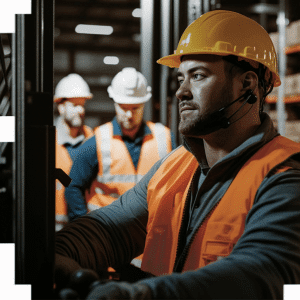
Understand the Root Causes of Capacity Constraints
To effectively address capacity issues, businesses must first understand the root causes of the problem. Capacity constraints can arise from various factors, such as:
Production Capacity Limitations
Equipment Shortages: Inadequate or outdated machinery can slow down production.
Labour Shortages: A lack of skilled workers can hinder the ability to meet production demands.
Material Shortages: Insufficient raw materials can disrupt manufacturing processes.
Transportation Capacity Limitations
Truck Availability: A shortage of available trucks can delay shipments.
Driver Shortages: A lack of qualified drivers can limit transportation capacity.
Route Limitations: Inefficient or congested routes can reduce transportation efficiency.
Storage Capacity Limitations
Limited Space: Insufficient warehouse space can lead to overcrowding and inefficiency.
Inefficient Inventory Management: Poor inventory practices can exacerbate storage issues.
Strategies to Address Capacity Constraints in Logistics
Once businesses understand the root causes of capacity issues in their logistics operations, they can implement strategies to tackle the problem. Here are some actionable strategies that businesses can consider:
Optimise Production Processes
To effectively address production capacity limitations, businesses can implement various strategies to optimise their manufacturing processes. These strategies may include:
Invest in Technology
Upgrading machinery and implementing automation can significantly increase production efficiency. Modern equipment can perform tasks faster and with greater precision, reducing downtime and enhancing output. Automation can streamline processes, minimise errors, and lower labour costs, contributing to overall productivity improvements.
Cross-Train Employees
Training employees to perform multiple roles can reduce the impact of labour shortages. Cross-training creates a more versatile workforce that can adapt to varying production needs, ensuring that operations continue smoothly even when there are staffing challenges. This flexibility also promotes a more collaborative work environment and can boost employee morale.
Diversify Suppliers
Establishing relationships with multiple suppliers helps mitigate material shortages and reduce dependency on a single source. Diversification ensures a more stable supply chain, as it allows businesses to switch to alternative suppliers if one encounters issues. This strategy also enables better negotiation of prices and terms, leading to cost savings and increased resilience in the supply chain.
Enhance Transportation Efficiency
To address transportation capacity limitations, businesses can implement various strategies to improve their transportation efficiency. These strategies may include:
Expand Carrier Networks
Partnering with multiple carriers like Fresh Logistics ensures flexibility and availability. By having relationships with various carriers, businesses can more easily find transportation options that meet their needs, especially during peak times or when demand fluctuates. This strategy helps prevent delays and ensures that goods are transported efficiently.
Utilise Intermodal Transport
Combining different modes of transport, such as rail, sea, and air, can optimise routes and reduce congestion. Intermodal transport leverages the strengths of each mode, such as the cost-efficiency of rail and the speed of air transport, to create the most efficient and cost-effective transportation solutions. This approach can help reduce bottlenecks and improve overall delivery times.
Implement Route Optimisation Software
Using route optimisation software can significantly reduce travel time and fuel costs. This technology analyses various factors, including traffic conditions, delivery windows, and vehicle capacities, to plan the most efficient routes. Implementing such software helps minimise unnecessary mileage and ensures timely deliveries, enhancing overall transportation efficiency.
Improve Storage Solutions
To address storage capacity limitations, businesses can implement various strategies to optimise their storage space. These strategies may include:
Expand Warehouse Space
Investing in additional storage facilities or utilising third-party logistics (3PL) providers can help manage increased storage demands. Expanding warehouse space allows businesses to accommodate more inventory, reducing the risk of stockouts and improving order fulfilment capabilities. 3PL providers can offer flexible storage solutions without the need for significant capital investment.
Implement Advanced Inventory Management
Using inventory management systems can optimise space utilisation and reduce excess stock. Advanced inventory management software provides real-time visibility into inventory levels, helping businesses make informed decisions about stock levels and storage arrangements. This technology can reduce carrying costs and improve warehouse efficiency by ensuring that space is used effectively.
Adopt Just-in-Time (JIT) Inventory
Reducing the amount of inventory held on-site by adopting a Just-in-Time (JIT) inventory system can minimise storage needs. JIT inventory involves receiving goods only as they are needed for production or sales, reducing the need for large storage spaces. This approach can lead to significant cost savings and more efficient use of warehouse space, while also reducing the risk of inventory obsolescence.
Leverage Technology and Automation
Utilising advanced technology and automation can significantly enhance logistics operations, improving efficiency and reducing costs. Here are some strategies businesses can implement:
Warehouse Management Systems (WMS)
Implementing WMS can greatly improve inventory tracking, order fulfilment, and space utilisation. These systems provide real-time visibility into warehouse operations, helping to streamline processes and reduce errors. With WMS, businesses can optimise picking, packing, and shipping activities, ensuring that products are handled efficiently.
Automated Guided Vehicles (AGVs)
Using AGVs for material handling can increase efficiency and reduce labour costs. AGVs can transport goods within warehouses autonomously, reducing the need for manual labour and minimising the risk of human error. These vehicles improve the speed and accuracy of material handling tasks, leading to higher productivity and lower operational costs.
Internet of Things (IoT)
Utilising IoT for real-time tracking and monitoring of goods throughout the supply chain can enhance visibility and control. IoT sensors can provide data on the location, condition, and status of products, enabling businesses to make informed decisions and respond quickly to any issues. This real-time information can improve inventory management, reduce losses, and enhance overall supply chain efficiency.
Foster Strategic Partnerships
Building strong strategic partnerships can help businesses address capacity constraints and improve Logistics Network. Here are some ways to foster these partnerships:
Collaborate with Suppliers
Working closely with suppliers ensures timely deliveries and better coordination. By establishing strong relationships and maintaining open communication, businesses can align their production schedules with supplier capabilities, reducing delays and improving efficiency.
Partner with Third-Party Logistics (3PL) Providers
Leveraging the expertise and infrastructure of 3PL providers can enhance logistics capabilities. 3PL providers offer specialised services such as transportation, warehousing, and inventory management, allowing businesses to scale their operations and focus on core activities.
Engage with Industry Networks
Participating in industry forums and networks allows businesses to share best practices and stay informed about market trends. Engaging with peers and experts can provide valuable insights and help identify new opportunities for improving logistics operations.
Implement Demand Forecasting
Accurate demand forecasting is crucial for managing capacity constraints and optimising logistics operations. Here are some strategies to improve demand forecasting:
Use Predictive Analytics
Employing predictive analytics helps businesses anticipate demand fluctuations and adjust production and inventory levels accordingly. Analysing historical data and market trends can provide insights into future demand, enabling better planning and resource allocation.
Monitor Market Trends
Staying updated on market trends and consumer behaviour allows businesses to make informed decisions about inventory and production. Understanding changes in demand patterns can help businesses adjust their strategies and avoid overstocking or stockouts.
Collaborate with Sales and Marketing
Aligning with sales and marketing teams ensures accurate demand forecasts and inventory planning. Collaboration between these departments can provide a comprehensive view of market conditions and customer preferences, leading to more effective demand management.
Optimise Supply Chain Design
Re-evaluating and optimising supply chain design can help businesses address capacity constraints and improve efficiency. Here are some strategies to consider:
Revaluate Supply Chain Networks
Analysing and redesigning supply chain networks can help identify inefficiencies and reduce bottlenecks. Optimising the flow of goods and resources can improve overall supply chain performance and reduce costs.
Nearshoring
Considering nearshoring, or moving production closer to the market, can reduce transportation time and costs. This strategy can enhance responsiveness to market demand and reduce the risk of supply chain disruptions.
Decentralised Warehousing
Distributing inventory across multiple locations can reduce the impact of capacity constraints in any single warehouse. Decentralising warehousing can improve delivery times and increase flexibility in responding to regional demand variations.
Enhance Flexibility and Scalability
Implementing strategies to enhance flexibility and scalability can help businesses adapt to changing market conditions and capacity constraints. Here are some approaches to consider:
Flexible Contracts
Negotiating flexible contracts with suppliers and logistics providers allows businesses to adjust capacity based on demand. Flexible agreements can provide the agility needed to respond to fluctuations in market conditions and avoid overcommitting resources.
Scalable Solutions
Investing in scalable technologies and infrastructure ensures that businesses can grow with their needs. Scalable solutions allow for gradual expansion without significant disruptions, enabling businesses to meet increasing demand effectively.
Agile Supply Chain Practices
Implementing agile practices helps businesses quickly respond to changes in demand and supply chain disruptions. Agile supply chains can adapt to unexpected events, ensuring continuity of operations and maintaining customer satisfaction.
How to Address Capacity Constraints in Logistics
Capacity constraints in logistics are a common problem that many companies face. When capacity constraints affect your ability to produce, transport, or store goods, businesses may experience delays, inventory shortages, or lost sales. In this blog post, we’ll explore some practical strategies that businesses can implement to address capacity constraints and optimise their logistics operations.
Understand the Root Causes of Capacity Constraints
To effectively address capacity issues, businesses must first understand the root causes of the problem. Capacity constraints can arise from various factors, such as:
Production Capacity Limitations
Equipment Shortages: Inadequate or outdated machinery can slow down production.
Labour Shortages: A lack of skilled workers can hinder the ability to meet production demands.
Material Shortages: Insufficient raw materials can disrupt manufacturing processes.
Transportation Capacity Limitations
Truck Availability: A shortage of available trucks can delay shipments.
Driver Shortages: A lack of qualified drivers can limit transportation capacity.
Route Limitations: Inefficient or congested routes can reduce transportation efficiency.
Storage Capacity Limitations
Limited Space: Insufficient warehouse space can lead to overcrowding and inefficiency.
Inefficient Inventory Management: Poor inventory practices can exacerbate storage issues.
Strategies to Address Capacity Constraints in Logistics
Once businesses understand the root causes of capacity issues in their logistics operations, they can implement strategies to tackle the problem. Here are some actionable strategies that businesses can consider:
Optimise Production Processes
To address production capacity limitations, businesses can implement various strategies to optimise their manufacturing processes. These strategies may include:
Investing in New Equipment
Upgrading machinery and investing in new technology can significantly improve production efficiency, reduce downtime, and increase output.
Implementing Lean Manufacturing Principles
Adopting lean manufacturing principles helps to reduce waste, streamline processes, and improve productivity. This can involve techniques like 5S, Kaizen, and value stream mapping.
Outsourcing Manufacturing Processes
Outsourcing some manufacturing processes to third-party providers can free up internal resources and allow businesses to focus on core competencies. This can help balance production loads and meet demand more effectively.
Improve Transportation Efficiency
To address transportation capacity limitations, businesses can implement various strategies to improve their transportation efficiency. These strategies may include:
Using Transportation Management Systems (TMS)
TMS can optimise routing and scheduling, reduce empty miles, and improve load planning. This leads to better utilisation of transportation assets and reduces costs.
Collaborating with Carriers
Building strong relationships with carriers can increase transportation capacity and flexibility. Collaborating on scheduling and capacity planning can ensure more reliable service.
Investing in a Private Fleet
Investing in a private fleet of vehicles can provide businesses with more control over transportation capacity, scheduling, and service quality. This can be particularly useful for companies with consistent high-volume transportation needs.
Optimise Storage Space
To address storage capacity limitations, businesses can implement various strategies to optimise their storage space. These strategies may include:
Using Automated Storage and Retrieval Systems (ASRS)
ASRS can maximise storage density and improve the efficiency of picking and placing items. These systems use advanced robotics to handle goods, making better use of available space.
Implementing Inventory Management Software
Advanced inventory management software provides better visibility and control over inventory levels. It helps to reduce excess stock, avoid stockouts, and optimise warehouse space.
Consolidating Storage Facilities
Consolidating multiple storage facilities into fewer, larger ones can reduce overhead costs and improve efficiency. This can also streamline inventory management and distribution processes.
Consider Outsourcing
Outsourcing logistics operations can be an effective way to address capacity shortages. Outsourcing providers can offer specialised expertise, economies of scale, and flexibility to meet fluctuating demand. Businesses can outsource various logistics operations, such as transportation, warehousing, inventory management, and order fulfilment. Outsourcing can also free up internal resources to focus on core business activities and strategic initiatives.
Collaborate with Suppliers and Customers
Collaborating with suppliers and customers can be an effective way to address capacity limitations in logistics. By working together, businesses can:
Forecast Demand More Accurately
Improved communication and collaboration help businesses forecast demand more accurately and plan capacity accordingly.
Share Resources and Information
Sharing resources and information with suppliers and customers can optimise logistics operations, reduce waste, and improve efficiency. This can include sharing transportation assets, warehousing space, and real-time data.
Align Incentives
Aligning incentives with suppliers and customers can foster a collaborative environment focused on reducing costs and improving service levels. This can lead to mutually beneficial relationships and improved logistics performance.
Conclusion
Capacity constraints can be a significant challenge for businesses, but they can also present opportunities for improvement and growth. By understanding the root causes and implementing practical strategies, businesses can optimise their logistics operations, improve efficiency, and enhance customer satisfaction. Whether through optimization, outsourcing, or collaboration, there are various ways to tackle capacity constraints and achieve logistics success.
Ultimately, the key to overcoming capacity constraints lies in flexibility, scalability, and proactive planning. By staying ahead of potential issues and continuously improving logistics practices, businesses can ensure smooth operations, meet customer demands, and maintain a competitive edge in the market.
Capacity in Logistics
- What are capacity constraints in logistics?
Capacity constraints in logistics refer to situations where the demand for logistics services exceeds the capacity of the logistics provider to meet that demand. This can occur due to various reasons, such as limited resources, lack of infrastructure, or unforeseen circumstances.
- What are the consequences of capacity constraints in logistics?
Capacity constraints can lead to several negative consequences, including delayed shipments, increased costs, reduced efficiency, and decreased customer satisfaction. In some cases, it may even result in lost business or damage to a company’s reputation.
- How can capacity constraints be addressed in logistics?
There are several strategies that logistics companies can use to address capacity constraints, such as:
- Investing in more infrastructure and equipment
- Optimising the use of existing resources through better planning and scheduling
- Collaborating with other logistics providers to share capacity and resources
- Outsourcing logistics services to third-party providers
- What role does technology play in addressing capacity constraints in logistics?
Technology can play a significant role in addressing capacity constraints in logistics by providing real-time visibility into operations, enabling better planning and scheduling, and automating various tasks. For example, using transportation management systems can help logistics providers optimise their operations and improve efficiency.
- How can logistics providers better manage their resources to address capacity constraints?
Logistics providers can better manage their resources by:
- Conducting regular capacity planning and forecasting to anticipate demand
- Optimising routes and scheduling to maximise efficiency
- Implementing inventory management systems to better manage inventory levels and reduce waste
- Investing in employee training and development to improve skills and productivity
- How can logistics providers ensure customer satisfaction despite capacity constraints?
To ensure customer satisfaction despite capacity constraints, logistics providers should prioritise effective communication and transparency. This includes providing timely updates on shipment status, managing customer expectations, and addressing any issues or concerns promptly.

Cold Chain Transport
Cold Chain Transport Services
Cold chain transport plays a pivotal role in industries where maintaining specific temperatures during transportation is critical for preserving the quality and safety of goods. From pharmaceuticals requiring precise temperature control to perishable food items needing consistent cold storage, the logistics involved are complex yet essential.
First a quick plug – Our sister companies Fresh Pharma whom are GDP Compliant Pharma couriers and ‘Fresh Fridge Hire‘ are our (compliant GDP) refrigerated vehicle hire.
 What is Cold Chain Transport?
Cold chain transport refers to the management and transportation of temperature-sensitive products along a supply chain that requires refrigeration or temperature control. This ensures that the products, which can include vaccines, medicines, fresh produce, and even certain chemicals, remain within specified temperature ranges from production to consumption. Chilled transport is another name used for this industry
Importance of Cold Chain Transport
The significance of cold chain transport lies in its ability to uphold product integrity and safety. For instance, vaccines and biopharmaceuticals can lose their effectiveness if exposed to temperatures outside recommended ranges, potentially rendering them unusable. Similarly, perishable foods such as dairy products, fruits, and seafood must be transported under controlled conditions to prevent spoilage and maintain freshness.
Key Components of Cold Chain Transport
Effective cold chain logistics are crucial for ensuring the safe and efficient transport of temperature-sensitive goods. To achieve this, several key components are indispensable. Among these, refrigerated vehicles and containers, along with advanced temperature monitoring systems, play pivotal roles.
Refrigerated Vehicles and Containers used for Cold Chain Transport
Specialised Refrigeration Units
At the heart of cold chain logistics are specialised trucks, vans, and containers equipped with advanced refrigeration units. These units are designed to maintain consistent temperatures throughout the journey, regardless of external conditions. The ability to control the internal environment precisely ensures that perishable goods remain within the required temperature range from origin to destination.
Types of Refrigerated Transport
Various types of refrigerated transport are used based on the nature and volume of goods being transported. Refrigerated trucks and trailers are commonly used for large shipments, while smaller vans are suitable for local deliveries and smaller loads. Additionally, refrigerated containers are essential for long-haul shipments, especially those involving sea or air transport, where maintaining temperature control over extended periods is critical.
Benefits of Refrigerated Vehicles
Refrigerated vehicles offer numerous benefits, including flexibility, reliability, and efficiency. They are designed to handle a wide range of temperatures, making them suitable for diverse products such as pharmaceuticals, fresh produce, and frozen foods. The reliability of these units ensures that goods are delivered in optimal condition, reducing spoilage and loss.
Temperature Monitoring Systems in Cold Chain Transport
Real-Time Monitoring Technology
Temperature monitoring systems are integral to modern cold chain logistics, providing real-time data on the conditions within refrigerated units. These systems use sensors placed inside the vehicles or containers to continuously track temperature variations. The data collected is transmitted in real-time to monitoring centres, where it can be analysed to ensure compliance with temperature requirements.
Compliance and Quality Assurance
By using temperature monitoring systems, logistics providers can ensure that they meet stringent regulatory standards and quality assurance protocols. These systems help in maintaining the integrity of the cold chain by providing a verifiable record of temperature conditions throughout the transportation process. This is particularly important for industries like pharmaceuticals and food, where maintaining specific temperature ranges is critical for product safety and efficacy.
Alerts and Interventions
One of the key features of advanced temperature monitoring systems is their ability to issue alerts in case of temperature deviations. If the temperature moves outside the acceptable range, the system can send immediate notifications to the relevant personnel, enabling prompt interventions to rectify the situation. This proactive approach helps in preventing potential spoilage and ensures that any issues are addressed before they impact the quality of the goods.
Integration with IoT
The integration of temperature monitoring systems with IoT (Internet of Things) technology further enhances their capabilities. IoT devices can provide more detailed insights into the condition of the goods, such as humidity levels, and can even predict potential issues before they occur. This level of detailed monitoring ensures a higher degree of control and reliability in cold chain logistics.
Challenges in Cold Chain Transport
Maintaining the integrity of the cold chain is essential for preserving the quality and safety of temperature-sensitive products. However, this process is fraught with several supply change challenges:
Consistent Temperature Maintenance is paramount for Cold Chain Transport
Impact on Product Quality
One of the most critical challenges in cold chain transport is maintaining consistent temperatures throughout the journey. Any variation can compromise product quality, leading to spoilage or loss of efficacy, especially in pharmaceuticals and perishables like dairy and produce. Ensuring that temperatures remain within the specified range is crucial for maintaining the integrity of the goods.
Temperature Fluctuations
Temperature fluctuations can occur due to various factors, including delays, equipment malfunctions, and external weather conditions. These fluctuations can be detrimental, making it imperative to have reliable and efficient refrigeration units as well as robust monitoring systems to track and manage temperatures in real-time.
Perishability within the Cold Chain Transport supply chain
Limited Shelf Life
Products like fresh produce and pharmaceuticals have limited shelf lives, necessitating swift and efficient transport. Delays or disruptions in the cold chain can lead to significant losses. The perishability of these goods requires a highly coordinated logistics effort to ensure timely delivery.
Handling and Storage
Proper handling and storage are vital to preserving the quality of perishable items. Any lapse in protocol can result in degradation of the product. This means that all personnel involved in the cold chain must be adequately trained and equipped to manage these sensitive items.
Operational Costs of Cold Chain Transport
Energy-Intensive Processes
The energy-intensive nature of refrigeration significantly contributes to higher operational costs. Keeping products at required temperatures demands a continuous power supply, which can be expensive. This is particularly true for long-haul transportation, where maintaining cold chain conditions over extended periods is necessary.
Specialised Equipment
The need for specialised equipment, such as advanced refrigeration units and temperature monitoring systems, adds to the overall cost. Investing in and maintaining this equipment is essential but can be a financial burden for many logistics providers. Balancing these costs while ensuring efficiency and reliability is a significant challenge in the industry.
Technological Innovations in Cold Chain Transport
Advancements in technology are transforming cold chain logistics, making it more efficient and reliable:
IoT (Internet of Things)
Real-Time Data
IoT-enabled devices provide real-time data on temperature, location, and other critical factors. These devices allow for proactive monitoring and intervention, significantly reducing the risk of temperature deviations. By continuously tracking conditions, IoT technology ensures that any issues are quickly identified and addressed.
Predictive Analytics
The integration of IoT with predictive analytics allows for forecasting potential problems before they occur. This predictive capability helps in planning and executing more effective logistics strategies, minimising disruptions and ensuring the smooth operation of the cold chain.
Refrigeration Technology for Cold Chain Transport
Energy-Efficient Units
Improved refrigeration technology has led to the development of more energy-efficient units. These units are capable of maintaining precise temperatures with reduced energy consumption, thereby lowering operational costs and environmental impact. Advances in insulation materials and compressor technology contribute to these efficiencies.
Precision Temperature Control
Modern refrigeration units offer enhanced precision in temperature control, reducing the risk of temperature excursions. This precision is crucial for transporting sensitive products that require strict adherence to temperature guidelines. The reliability of these units helps in maintaining product quality and compliance with regulatory standards.
Industries Utilising Cold Chain Transport
Cold chain logistics are indispensable across various sectors:
Pharmaceutical Industry: Ensures the safe transport of vaccines, blood products, and medications.
Food and Beverage Industry: Preserves the quality and extends the shelf life of perishable food items.
Biotechnology and Healthcare: Facilitates the transport of biological samples and medical devices requiring controlled environments.
Best Practices for Effective Cold Chain Management
To optimise cold chain logistics and ensure the safe and efficient transport of temperature-sensitive goods, companies must adhere to several best practices. These practices focus on proper packaging, personnel training, and equipment maintenance to maintain the integrity of the cold chain.
Proper Packaging and Insulation
Insulated Packaging
The use of insulated packaging is critical in minimising heat transfer and maintaining the desired temperature of the goods. Insulated boxes, thermal blankets, and gel packs are commonly used to create a controlled environment that protects products from external temperature fluctuations.
Temperature-Resistant Materials
Selecting the right materials for packaging is essential. Temperature-resistant materials help in preserving the temperature of the contents throughout the transportation process. For instance, vacuum-insulated panels and phase change materials are highly effective in maintaining specific temperature ranges for extended periods.
Packaging Design
The design of the packaging also plays a significant role in cold chain management. Packaging should be tailored to the specific requirements of the products being transported, taking into account factors like size, shape, and the duration of transit. Properly designed packaging can prevent temperature excursions and protect the product from physical damage.
Personnel Training within Cold Chain Transport
Handling Procedures
Training staff in proper handling procedures is vital for maintaining the integrity of the cold chain. Employees should be well-versed in the specific requirements of temperature-sensitive goods, including how to load and unload items correctly, and how to handle them during transit. Proper handling reduces the risk of temperature deviations and physical damage.
Emergency Protocols
In addition to standard procedures, personnel should be trained in emergency protocols. This includes knowing how to respond to equipment failures, temperature excursions, and other unexpected situations. Quick and effective action in these scenarios can prevent product spoilage and ensure the continuity of the cold chain.
Continuous Education
Ongoing education and training are essential for keeping staff up-to-date with the latest practices and technologies in cold chain management. Regular workshops, certifications, and training sessions help in maintaining high standards of operation and adapting to new industry developments.
Equipment Maintenance in Cold Chain Transport
Regular Maintenance
Regular maintenance of refrigeration units and temperature monitoring systems is crucial for ensuring their reliability and efficiency. Scheduled maintenance checks can identify potential issues before they lead to equipment failure, thereby preventing disruptions in the cold chain.
Calibration and Testing
Equipment should be regularly calibrated and tested to ensure it is operating within the required specifications. This includes checking the accuracy of temperature sensors, the efficiency of refrigeration units, and the performance of insulation materials. Proper calibration and testing help in maintaining precise temperature control.
Upgrading Equipment
Investing in the latest refrigeration and monitoring technologies can significantly enhance cold chain management. Newer equipment often offers improved energy efficiency, better temperature control, and advanced monitoring capabilities. Upgrading outdated equipment ensures that the cold chain remains robust and reliable.
Environmental Impact of Cold Chain Transport
Cold chain transport, while essential for preserving the integrity of temperature-sensitive goods, poses significant environmental challenges. The two primary areas of concern are the high energy consumption of refrigeration units and the ongoing efforts to implement sustainable practices within the industry.
Energy Consumption
Impact on Carbon Footprint
Refrigeration units, integral to cold chain logistics, are notorious for their substantial energy consumption. These units must operate continuously to maintain precise temperatures, leading to a high demand for electricity. The result is a significant carbon footprint, as most energy sources still rely on fossil fuels. This reliance on non-renewable energy contributes to greenhouse gas emissions, exacerbating global warming and climate change. The introduction of electric trucks will have an impact on the Carbon footprint.
Operational Efficiency
Despite advancements in technology, the operational efficiency of many refrigeration units remains a challenge. Older units, in particular, are often less energy-efficient, requiring more power to function effectively. This inefficiency not only increases operational costs but also adds to the environmental burden. Transitioning to newer, more efficient models can mitigate some of these impacts, but the initial investment can be a barrier for many companies.
Sustainability Efforts within Cold Chain Transport
Energy-Efficient Technologies
One of the most promising avenues for reducing the environmental impact of cold chain transport is the adoption of energy-efficient technologies. Modern refrigeration units are designed to consume less power while maintaining optimal temperatures. Innovations such as variable speed compressors and advanced insulation materials can significantly reduce energy consumption. Additionally, the integration of solar panels and other renewable energy sources can further decrease reliance on fossil fuels.
Eco-Friendly Refrigerants
Traditional refrigeration systems often use hydrofluorocarbons (HFCs), which have a high global warming potential. To combat this, the industry is shifting towards eco-friendly refrigerants with lower environmental impacts. Alternatives like ammonia, carbon dioxide, and hydrofluoroolefins (HFOs) offer effective cooling with reduced greenhouse gas emissions. The transition to these refrigerants is essential for minimising the cold chain’s contribution to climate change.
Sustainable Practices is paramount in Cold Chain Transport
Beyond technological upgrades, sustainable practices are becoming a cornerstone of modern cold chain logistics. Companies are increasingly adopting strategies such as route optimisation to reduce fuel consumption and emissions during transport. Additionally, regular maintenance of refrigeration units ensures they operate at peak efficiency, further lowering energy use. The use of biodegradable and recyclable packaging materials also helps reduce the environmental footprint of cold chain operations.
Regulatory Compliance
Governments and regulatory bodies worldwide are recognising the environmental impact of cold chain logistics and are implementing stricter regulations to promote sustainability. These regulations often require the use of energy-efficient equipment and environmentally friendly refrigerants. Compliance with these standards not only helps protect the environment but also enhances the reputation of companies committed to sustainable practices.
Global Trends in Cold Chain Transport
The global cold chain logistics market is experiencing rapid evolution, driven by various emerging trends. Among these, the expansion in emerging markets and the adoption of blockchain technology stand out as pivotal developments shaping the future of this sector.
Expansion in Emerging Markets for Cold Chain Transport
Growing Demand for Temperature-Sensitive Products
Emerging economies are witnessing a surge in demand for temperature-sensitive products such as pharmaceuticals, fresh produce, and frozen foods. This growing demand is a result of increasing urbanisation, rising disposable incomes, and a heightened awareness of health and nutritional standards. As a result, there is a significant expansion in cold chain infrastructure in these regions to meet the needs of consumers.
Infrastructure Development
To support this demand, substantial investments are being made in developing cold storage facilities, refrigerated transport systems, and advanced temperature monitoring technologies. Countries in Asia, Latin America, and Africa are particularly active in enhancing their cold chain capabilities. This development is not only facilitating better access to high-quality products but also creating new business opportunities and fostering economic growth in these regions.
Challenges and Opportunities
Despite the promising expansion, challenges such as inadequate infrastructure, high costs, and regulatory hurdles persist. However, these challenges also present opportunities for innovation and collaboration. By addressing these issues through public-private partnerships and technological advancements, emerging markets can build more robust and efficient cold chain logistics networks.
Blockchain Technology
Enhancing Transparency and Traceability
Blockchain technology is revolutionising cold chain logistics by providing unprecedented levels of transparency and traceability. Each transaction and movement of goods can be recorded on a decentralised ledger, which is immutable and accessible to all stakeholders. This ensures that every step of the supply chain is documented, reducing the risk of errors and fraud.
Compliance with Regulatory Standards
The use of blockchain technology helps in ensuring compliance with stringent regulatory standards, which is crucial in industries like pharmaceuticals and food. By maintaining accurate and real-time records of temperature conditions, blockchain can verify that products have been stored and transported under the required conditions. This not only safeguards product quality but also enhances consumer trust.
Quality Assurance
With blockchain, companies can achieve higher levels of quality assurance. The ability to track and trace products from origin to final destination allows for quick identification and resolution of any issues that may arise during transportation. This level of accountability is particularly beneficial in the event of recalls, as it enables precise pinpointing of affected batches, minimising waste and ensuring consumer safety.
Challenges and Future Prospects
While blockchain offers significant benefits, its implementation comes with challenges such as high initial costs and the need for widespread adoption across the supply chain. However, as the technology matures and more stakeholders recognise its advantages, its adoption is expected to grow. Future prospects for blockchain in cold chain logistics include integration with IoT devices for real-time monitoring and predictive analytics, further enhancing efficiency and reliability.
Regulatory Framework and Compliance
Strict regulations govern cold chain logistics to ensure product safety and efficacy:
FSA Regulations: The FSA and MHRA mandates stringent guidelines for transporting pharmaceuticals and biologics.
Food Safety Standards: International standards like HACCP (Hazard Analysis Critical Control Point) ensure food safety throughout the supply chain.
Cost Considerations in Cold Chain Logistics
Balancing quality with cost efficiency is crucial in cold chain logistics:
Operational Costs: Costs associated with refrigeration, monitoring systems, and compliance with regulatory requirements.
Risk Management: Investments in risk mitigation strategies to minimise losses due to temperature excursions and product spoilage.
Future Outlook for Cold Chain Transport
The future of cold chain logistics holds promising developments:
Technology Advancements: Continued advancements in IoT, AI (Artificial Intelligence), and automation for enhanced efficiency and reliability.
Growth Opportunities: Opportunities in cold chain infrastructure development and logistics optimisation, particularly in emerging markets and healthcare sectors.
Conclusion
In conclusion, cold chain transport is indispensable for maintaining the quality, safety, and efficacy of temperature-sensitive products across various industries. With technological advancements and stringent regulatory frameworks, the sector continues to evolve to meet growing global demand while addressing environmental concerns and operational challenges.
Cold Chain Solutions
- What is a Cold Chain Procedure?
A cold chain procedure involves all the steps required to maintain temperature-sensitive products within a safe temperature range during storage, transport, and distribution. It includes processes for refrigeration, monitoring, handling, and compliance to maintain the quality and effectiveness of the product.
- What Are Cold Chain Drugs?
Cold chain drugs are medications and biologicals that must be stored and transported at controlled low temperatures to maintain their effectiveness. Examples include vaccines, insulin, certain cancer therapies, biologics, and some antibiotics. Cold chain drugs typically require refrigeration between 2°C to 8°C (36°F to 46°F) or, for certain products, even freezing or ultra-cold storage (such as -70°C for some COVID-19 vaccines).
- What Are the Three Main Components of a Cold Chain?
The cold chain has three essential components:
- Storage: Proper refrigeration at production and distribution facilities to ensure products are stored at safe temperatures before they are transported.
- Transport: Specialized refrigerated vehicles and containers that can keep products within the required temperature range during transit.
- Monitoring and Control Systems: Use of temperature sensors, GPS tracking, and real-time monitoring systems to ensure that products remain within their required temperature range throughout the entire supply chain.
- What Is the Problem with the Cold Chain?
Cold chains face several challenges, including:
- Temperature Fluctuations: Exposure to non-optimal temperatures can render the products ineffective or unsafe.
- High Costs: Cold chain logistics are costly due to the need for specialized equipment, continuous monitoring, and trained personnel.
- Energy Dependence: Cold chains are energy-intensive, making them vulnerable to power outages and costly in areas with limited electricity.
- Infrastructure Issues: Inadequate storage and transport facilities, especially in developing regions, can lead to disruptions or product spoilage.
- What Is the Cold Chain Rule?
The cold chain rule typically refers to guidelines or regulations for maintaining temperature control during the entire supply chain process to ensure product quality. The “cold chain rule” may also include specific temperature ranges and procedures mandated by regulatory authorities, like the World Health Organization (WHO) or the UK Food Standards Agency. These rules ensure the consistent handling of temperature-sensitive products, particularly in healthcare settings.
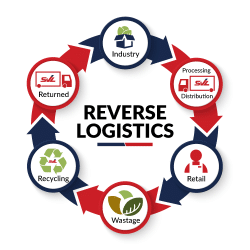
Managing Reverse Logistics
Best Practices for Managing Reverse Logistics.
Managing reverse logistics can be a challenging task for businesses, but it is an essential part of a sustainable supply chain. Efficient returns management ensures that products are handled correctly, resources are reused or recycled, and operational costs are minimised. In today’s competitive market, customers expect seamless returns processes, and businesses that deliver a smooth experience can gain a significant advantage over competitors.
This blog provides best practices for managing reverse logistics in the UK. By following these strategies, businesses can optimise returns processes, reduce costs, and maintain high levels of customer satisfaction. From prioritising sustainability and optimising your reverse logistics network to implementing technology solutions, these tips will help you build a more efficient, eco-friendly, and responsive supply chain.
First a quick plug – Our sister companies Fresh Pharma whom are GDP Compliant Pharma couriers and ‘Fresh Fridge Hire‘ are our (compliant GDP) refrigerated vehicle hire.
Understand the Importance of Reverse Logistics
Reverse logistics involves the management of the flow of products from the point of consumption back to the point of origin. This process includes product returns, repairs, refurbishment, and recycling.
Reverse logistics is crucial for businesses because it enables them to recover value from products that would otherwise be wasted It can also help companies reduce waste and improve their environmental sustainability.
In addition, efficient reverse logistics can improve customer satisfaction by providing hassle-free returns and exchanges. By investing in reverse logistics, companies can build trust with their customers and enhance their brand reputation.
Create a Comprehensive Returns Policy
To manage reverse logistics effectively, you need to have a comprehensive returns policy. Your policy should outline the conditions for returns, the process for returning products, and the time frame for returns.
Your returns policy should be easy to understand and prominently displayed on your website and in your store. This will help customers understand what they can expect when they need to return a product.
It is also essential to communicate your policy to your staff so they can handle returns effectively. Provide your employees with training on your returns policy so they can provide excellent customer service.
Optimise Your Reverse Logistics Network
A well-structured reverse logistics network is essential for efficiency and cost control. Companies must understand the locations of customers, suppliers, and warehouses to minimise unnecessary travel and reduce transport costs. Consolidating returns and establishing central processing hubs can lower operational expenses and carbon emissions. Collaborating with a third-party logistics provider (3PL) can also improve efficiency, as 3PLs bring expertise, technology, and scalable infrastructure to handle returns. By optimising routes and leveraging 3PL capabilities, businesses can reduce lead times, improve inventory management, and maintain higher service levels while keeping operational costs under control.
Implement Technology Solutions
Technology is a key enabler for efficient reverse logistics. Barcode scanning and RFID tagging allow real-time tracking of returned products, reducing errors and improving visibility across the network. Customer relationship management (CRM) software helps manage return requests, track patterns, and improve communication with clients. Furthermore, data analytics provides insights into return rates, processing times, and transport efficiency, allowing companies to identify bottlenecks and make data-driven decisions. Implementing technology solutions not only streamlines reverse logistics operations but also enhances sustainability, reduces costs, and improves the overall customer experience by ensuring timely and accurate returns processing.
Prioritising Sustainability in Reverse Logistics
Sustainability is becoming a central consideration in modern supply chain management, and it is equally crucial in reverse logistics. Companies that focus on sustainability not only reduce their environmental impact but also enhance their brand reputation and long-term operational efficiency. One effective way to prioritise sustainability is by adopting a circular economy approach. This involves designing products and packaging with reuse, refurbishment, and recycling in mind. By planning for the end-of-life stage of products from the outset, businesses can reduce waste, recover value from returned items, and create a more environmentally friendly supply chain.
In addition to product design, partnering with suppliers who follow sustainable practices is another critical step. Suppliers that prioritise energy efficiency, sustainable materials, and low-emission transportation contribute to a greener supply chain. By carefully selecting partners with strong sustainability credentials, companies can ensure that every stage of reverse logistics, from collection to refurbishment or recycling, aligns with environmental goals.
Furthermore, implementing sustainable practices in reverse logistics can include optimising return routes to reduce fuel consumption, consolidating shipments to lower transportation emissions, and employing digital tracking tools to manage returns efficiently. These actions not only reduce the carbon footprint but also improve operational efficiency. By embedding sustainability into reverse logistics strategies, businesses can turn environmental responsibility into a competitive advantage while contributing positively to broader climate goals.
Conclusion
Managing reverse logistics can be a challenging task, but it is essential for any business that wants to optimise its supply chain and provide excellent customer service. By implementing these best practices, you can minimise costs, reduce waste, and build a more sustainable supply chain.
To summarise, to manage reverse logistics effectively in the UK, you should:
- Understand the importance of reverse logistics and its impact on customer satisfaction and sustainability.
- Create a comprehensive returns policy and communicate it to your staff and customers.
- Optimise your reverse logistics network by understanding the locations of your customers, suppliers, and warehouses and consider using a 3PL.
- Implement technology solutions such as barcode scanning, CRM software, and data analytics.
- Prioritise sustainability by implementing a circular economy approach and working with sustainable suppliers.
By following these best practices, you can improve your returns processes and build a more efficient, sustainable, and customer-focused supply chain. Remember, reverse logistics is not just a cost centre, but a valuable opportunity to recover value from products and build customer trust. By investing in reverse logistics, you can stay ahead of the competition and provide a seamless customer experience.
Capacity in Logistics
- What are capacity constraints in logistics?
Capacity constraints in logistics refer to situations where the demand for logistics services exceeds the capacity of the logistics provider to meet that demand. This can occur due to various reasons, such as limited resources, lack of infrastructure, or unforeseen circumstances.
- What are the consequences of capacity constraints in logistics?
Capacity constraints can lead to several negative consequences, including delayed shipments, increased costs, reduced efficiency, and decreased customer satisfaction. In some cases, it may even result in lost business or damage to a company’s reputation.
- How can capacity constraints be addressed in logistics?
There are several strategies that logistics companies can use to address capacity constraints, such as:
- Investing in more infrastructure and equipment
- Optimising the use of existing resources through better planning and scheduling
- Collaborating with other logistics providers to share capacity and resources
- Outsourcing logistics services to third-party providers
- What role does technology play in addressing capacity constraints in logistics?
Technology can play a significant role in addressing capacity constraints in logistics by providing real-time visibility into operations, enabling better planning and scheduling, and automating various tasks. For example, using transportation management systems can help logistics providers optimise their operations and improve efficiency.
- How can logistics providers better manage their resources to address capacity constraints?
Logistics providers can better manage their resources by:
- Conducting regular capacity planning and forecasting to anticipate demand
- Optimising routes and scheduling to maximise efficiency
- Implementing inventory management systems to better manage inventory levels and reduce waste
- Investing in employee training and development to improve skills and productivity
- How can logistics providers ensure customer satisfaction despite capacity constraints?
To ensure customer satisfaction despite capacity constraints, logistics providers should prioritise effective communication and transparency. This includes providing timely updates on shipment status, managing customer expectations, and addressing any issues or concerns promptly.
Managing Inventory in Logistics
Best Practices for Managing Inventory in Logistics
At Fresh, Managing Inventory in Logistics is essential to the success of any business that relies on a supply chain. Poor inventory management can lead to stockouts, overstocking, and wastage, all of which can hurt your bottom line. This is especially true in logistics, where delays in inventory management can have a ripple effect on the entire supply chain.
First a quick plug – Our sister companies Fresh Pharma whom are GDP Compliant Pharma couriers and ‘Fresh Fridge Hire‘ are our (compliant GDP) refrigerated vehicle hire.
 In this blog post, we’ll explore the best practices for managing inventory in logistics. We’ll cover everything from setting up inventory controls to using technology to optimise your supply chain. By the end of this post, you’ll be able to improve your inventory management practices and achieve greater efficiency and cost savings in your logistics operations.
Setting Up Controls for Managing Inventory in Logistics
Effective inventory management begins with establishing robust inventory controls. These controls encompass policies and procedures aimed at maintaining optimal inventory levels and ensuring accurate tracking of stock.
Implementing Stock Counting and Reconciliation
Regular Stock Counts
Initiate a system for regular stock counting to verify physical inventory against recorded levels. This practice helps detect discrepancies promptly and prevents operational disruptions caused by inaccuracies.
Reconciliation Process
Conduct regular reconciliations between physical counts and inventory records. Address any discrepancies promptly to maintain inventory accuracy and reliability in fulfilling customer orders.
Establishing Reorder Points and Safety Stock Levels is a key lever in Managing Inventory in Logistics
Reorder Points Definition
Define reorder points that signal when inventory levels have dropped to a predetermined threshold. This proactive approach ensures timely replenishment to avoid stockouts and maintain seamless operations.
Safety Stock Allocation
Determine appropriate safety stock levels to buffer against unexpected fluctuations in demand or supply chain disruptions. Safety stock serves as a contingency measure to uphold service levels and customer satisfaction.
Conclusion
Setting up comprehensive inventory controls is essential for efficient logistics management. By instituting practices for stock counting, reconciliation, and establishing reorder points and safety stock levels, businesses can optimise inventory management processes. This structured approach not only enhances inventory accuracy but also improves operational efficiency and responsiveness to market dynamics. Effective inventory controls lay the foundation for reliable supply chain operations, ensuring businesses meet customer demands effectively while minimising costs associated with excess inventory or stockouts.
Use Technology for Managing Inventory in Logistics
Technology can play a crucial role in optimising inventory management in logistics. There are many software tools and systems available that can help you track inventory levels, automate reorder processes, and manage stock across multiple locations.
One example is inventory management software, which can help you track inventory levels in real-time, automate reorder processes, and generate reports to help you make data-driven decisions about inventory levels.
Another example is RFID (radio-frequency identification) technology, which uses radio waves to identify and track individual products or containers. RFID can help you improve the accuracy of your inventory counts and streamline the process of tracking stock across multiple locations.
Streamline Your Supply Chain
Effective Managing Inventory in Logistics is not just about managing stock levels. It’s also about streamlining your supply chain to reduce lead times and improve efficiency. This can involve working closely with suppliers to improve communication and coordination, as well as optimising your transportation and warehousing processes.
One key strategy is to use just-in-time (JIT) inventory management, which involves keeping only the minimum amount of inventory required to meet demand. This can help you reduce carrying costs and improve cash flow while ensuring that you always have enough inventory on hand to meet demand.
Another strategy is to optimise your transportation and warehousing processes. This can involve using technology to track shipments and optimise routing, as well as implementing efficient warehousing practices such as cross-docking and slotting.
Monitoring Metrics for Managing Inventory in Logistics
Effective inventory management necessitates continuous monitoring and analysis of key metrics to optimise inventory levels and enhance operational efficiency. By tracking these metrics, businesses can identify trends, anticipate demand fluctuations, and make informed decisions regarding inventory management strategies.
Key Inventory Metrics to Monitor
Inventory Turnover Rate
Inventory turnover rate measures how quickly inventory is sold and replaced over a specific period. A high turnover rate indicates efficient inventory management and effective sales, while a low rate may signify overstocking or slow sales.
Days’ Inventory Outstanding (DIO)
DIO calculates the average number of days that inventory is held before being sold or used. Lower DIO suggests faster inventory turnover and efficient utilisation of capital, whereas higher DIO may indicate excess inventory levels or inefficient stocking practices.
Fill Rate
Fill rate measures the percentage of customer demand that is met from stock on hand without backorders or stockouts. A high fill rate indicates effective inventory management and customer service, while a low fill rate suggests potential issues with stock availability or fulfilment processes.
Backorder Rate
Backorder rate reflects the percentage of customer orders that cannot be fulfilled immediately due to insufficient inventory. Monitoring backorder rates helps identify inventory shortages and optimise replenishment strategies to minimise customer service disruptions.
Order Cycle Time
Order cycle time measures the total time taken from order placement to order fulfilment. Reducing order cycle time enhances operational efficiency and customer satisfaction by accelerating order processing and delivery.
Identifying and Addressing Product Damage when Managing Inventory in Logistics
Root Cause Analysis
Identify root causes of repetitive product damage through detailed analysis of inventory handling processes, storage conditions, and equipment used.
Implementing Preventive Measures
Introduce preventive measures such as improved packaging, proper handling procedures, and investment in suitable equipment (e.g., pallets, handling tools) to mitigate product damage during storage and transportation.
In addition
By actively monitoring and analysing these key inventory metrics, businesses can gain valuable insights into their inventory management practices. This proactive approach enables timely adjustments to optimise inventory levels, minimise costs associated with excess inventory or stockouts, and improve overall efficiency in logistics operations. Additionally, addressing product damage through preventive measures ensures product quality and customer satisfaction are upheld throughout the supply chain journey. Continuous improvement based on metric analysis is crucial for maintaining competitiveness and meeting evolving customer expectations in the dynamic logistics landscape.
Conclusion
Managing Inventory in Logistics is essential to the success of any business. By setting up inventory controls and using technology to optimise your inventory. Managing Inventory in Logistics by streamlining the supply chain and monitoring inventory metrics improvement will be made. You can improve your inventory management practices and achieve greater efficiency with cost savings in your logistics operations.
Implementing these best practices can take time and effort, but the benefits are well worth it. By managing your inventory effectively, you can reduce stockouts, overstocking, and wastage. Ensuring that you always have the right amount of inventory on hand to meet demand. You can also streamline your supply chain and reduce lead times. Improved efficiency will lead to cost savings and increased competitiveness.
In today’s fast-paced business environment, effective inventory management is more critical than ever. By following these best practices, you can stay ahead of the competition. Improvement to your supply chain efficiency will achieve greater success in your logistics operations.
Logistics Inventory
- What is inventory management in logistics?
Inventory management in logistics refers to the process of managing the flow of goods in and out of a warehouse or distribution centre. It involves tracking inventory levels, ordering products, and managing stock.
- Why is inventory management important in logistics?
Inventory management is important in logistics because it ensures that products are available when customers need them. Effective inventory management can also help reduce costs by minimising the amount of inventory that needs to be stored.
- What are the key components of inventory management in logistics?
The key components of inventory management in logistics include:
- Tracking inventory levels
- Forecasting demand
- Ordering products
- Managing stock
- Minimising excess inventory
- Managing returns and damaged goods
- How can inventory levels be tracked effectively?
Inventory levels can be tracked effectively by using inventory management software, which can help automate the process and provide real-time data. Barcode scanning and RFID technology can also be used to track inventory levels.
- What is demand forecasting and why is it important?
Demand forecasting is the process of predicting the future demand for a product. It is important because it can help businesses plan their inventory levels and ordering schedules. Accurate demand forecasting can help minimise excess inventory and reduce costs.
Growing Demand for EV Charging
Growing Demand for EV Charging
The UK government has set ambitious targets to phase out the sales of petrol and diesel cars by 2030. This push towards electric vehicles (EVs) as a more environmentally-friendly alternative is a significant step in reducing carbon emissions. However, the growing demand for EV charging has raised concerns about the UK’s ability to support these needs, especially as more commercial fleets switch to EVs. In this blog, we will explore whether the UK National Grid can meet the growing demand for EV charging, including the charging requirements for commercial vehicles.
First a quick plug – Our sister companies Fresh Pharma whom are GDP Compliant Pharma couriers and ‘Fresh Fridge Hire‘ are our (compliant GDP) refrigerated vehicle hire.
The Current State of the UK National Grid by the Growing Demand for EV Charging
The UK’s National Grid has made significant strides in increasing its capacity to support the current level of EV adoption. As of now, Great Britain has 8.4GW of interconnector capacity, with National Grid’s portfolio totaling 6.4GW—enough to power around six and a half million British homes. One of the key components of this capacity is the 2GW IFA cable, which links Sellindge in Kent with Les Mandarins in Normandy.
While this capacity is sufficient for the present level of EV adoption, there are concerns about whether it can handle the anticipated surge in demand as more people switch to EVs. The transition to electric vehicles is expected to put additional stress on the grid, especially during peak usage times.
The Impact of Growing Demand for EV Charging on the National Grid
The impact of EV charging on the National Grid largely depends on the type and location of the charging infrastructure. Let’s break down the potential effects:
Home Charging is Growing Demand for EV Charging
Home charging accounts for the majority of EV charging and generally has a minimal impact on the National Grid. This is primarily because home charging can be done during off-peak hours when overall electricity demand is lower. However, widespread adoption of home EV chargers could still increase the baseline demand on the grid. Particularly if a large number of vehicles are charged simultaneously.
Public Charging Infrastructure
Public charging stations, particularly fast chargers, pose a greater challenge. Fast chargers can draw a significant amount of power in a short amount of time, which could strain the local grid infrastructure if not properly managed. This is especially true for charging stations located in high-traffic areas or those serving large numbers of vehicles simultaneously.
Commercial Vehicle Charging
Commercial vehicles, which typically have larger batteries and higher energy requirements, represent another significant impact. As more commercial fleets switch to EVs, the demand for energy to charge these vehicles will increase. This demand is often concentrated during business hours, which can coincide with peak electricity usage periods. Exacerbating the stress on the grid.
Measures to Address the Impact of Growing Demand for EV Charging on the National Grid
To mitigate the impact of growing EV charging demand on the National Grid, several measures have been proposed or are already being implemented. These measures aim to balance demand, optimise resource use, and ensure the grid’s stability.
Smart Charging
The technology can play a crucial role in balancing the demand for electricity. Smart chargers can delay charging during peak demand periods or adjust the charging speed based on real-time availability of electricity. By distributing the charging load more evenly throughout the day, smart charging helps prevent sudden spikes in demand that could strain the grid.
Time-of-Use Tariffs
Time-of-use tariffs incentivize EV owners to charge their vehicles during off-peak hours when the demand on the National Grid is lower. By offering lower electricity rates during these periods, these tariffs can encourage a shift in charging behaviour. Helping to balance overall demand and reduce the need for additional infrastructure.
Battery Storage
Battery storage systems can significantly smooth out electricity demand on the National Grid. These systems store excess electricity generated during low-demand periods and release it during peak periods. This approach not only helps balance supply and demand but also provides a backup power source in case of sudden spikes in usage or supply disruptions.
Increased Capacity is Growing Demand for EV Charging
To support the growing demand for EV charging, the National Grid may need to invest in increasing its overall capacity. This could involve upgrading existing infrastructure, building new power plants, or enhancing the interconnectivity with other grids. Increased capacity will ensure that the grid can meet the needs of EV owners, including those with commercial fleets.
The Role of Renewable Energy
Integrating renewable energy sources into the National Grid can also help address the growing demand for EV charging. Solar, wind, and other renewable energy sources can provide additional power to meet peak demand. Reducing reliance on fossil fuels and enhancing the sustainability of the electricity supply. Effective integration of renewable energy requires advancements in grid management technologies and storage solutions to ensure a stable and reliable supply of electricity.
Challenges and Considerations
While the measures discussed can help manage the growing demand for EV charging, several challenges and considerations must be addressed to ensure their effectiveness.
Infrastructure Development
Developing the necessary infrastructure to support widespread EV adoption requires significant investment and planning. This includes not only the charging stations themselves but also the underlying grid infrastructure to handle increased loads. Coordination between government agencies, private companies, and utility providers is essential to ensure that infrastructure development keeps pace with demand.
Regulatory and Policy Support
Government policies and regulations play a critical role in facilitating the transition to electric vehicles and the associated infrastructure. Incentives for EV adoption, funding for infrastructure projects, and regulations that promote the use of renewable energy are all necessary to support the growth of EV charging networks. Clear and consistent policies can encourage investment and provide a stable environment for development.
Public Awareness and Education is Growing Demand for EV Charging
Educating the public about the benefits of EVs and the importance of responsible charging practices is crucial. Awareness campaigns can encourage EV owners to take advantage of time-of-use tariffs and smart charging technologies. Increased public awareness can also drive demand for renewable energy and support for infrastructure projects, fostering a more sustainable energy future.
Technological Advancements in Growing Demand for EV Charging
Continued advancements in technology are essential to meet the growing demand for EV charging. Innovations in battery storage, grid management, and renewable energy integration. This will help ensure that the National Grid can handle increased loads without compromising stability or reliability. Ongoing research and development efforts are necessary to keep pace with evolving needs and technological capabilities.
Conclusion
The transition to electric vehicles is a crucial step in reducing carbon emissions and combating climate change. However, the growing demand for EV charging presents significant challenges for the UK’s National Grid. While the grid currently has the capacity to support the present level of EV adoption, future demand, particularly from commercial fleets, raises concerns about its ability to cope with increased loads.
To address these concerns, a combination of smart charging technologies, time-of-use tariffs, battery storage, and increased capacity is necessary. Integrating renewable energy sources and addressing infrastructure development, regulatory support, public awareness, and technological advancements are also critical components of a comprehensive strategy.
With careful planning, investment, and collaboration, it is possible for the UK National Grid to support the growing demand for EV charging. By embracing these measures, the UK can pave the way for a cleaner, more sustainable future, ensuring that the transition to electric vehicles is both smooth and successful.
EV Charging
- What is EV charging infrastructure?
EV charging infrastructure refers to the network of charging stations and equipment that allow EVs to recharge their batteries. This includes public charging stations, private charging stations, and mobile charging units.
- Why is there a growing demand for EV charging infrastructure?
The demand for EV charging infrastructure is growing because of the increasing popularity of electric vehicles. As more people switch to EVs, there is a greater need for charging stations to be installed in public spaces and at homes and businesses.
- What types of EV charging are available?
There are several types of EV charging, including:
Level 1 charging: This is the slowest type of charging and uses a standard 120-volt outlet. It can take up to 20 hours to fully charge an EV using level 1 charging.
Level 2 charging: This is a faster type of charging and requires a 240-volt outlet. It can take between 4 and 8 hours to fully charge an EV using level 2 charging.
DC fast charging: This is the fastest type of charging and can recharge an EV to 80% in as little as 30 minutes. However, it requires specialized equipment and is typically only available at public charging stations.
- Where are EV charging stations typically located?
EV charging stations can be located in a variety of places, including public parking lots, shopping centres, rest areas, and residential neighbourhoods. Many businesses are also starting to install EV charging stations to accommodate their customers and employees.
- How are EV charging stations funded?
EV charging stations can be funded through a variety of sources, including government grants, private investment, and public-private partnerships. In some cases, businesses may also choose to install charging stations at their own expense.
Managing Food Logistics
Managing Food Logistics in the UK
Food logistics is a crucial part of the food industry, and managing it effectively is essential for the success of any business. In the UK, the food industry is one of the largest and most dynamic sectors in the economy. The UK’s food industry is also one of the most complex, with numerous regulations and standards to comply with. As a result, it’s critical to have a solid understanding of best practices for managing food logistics. In this article, we’ll share our top tips for managing food logistics in the UK.
First a quick plug – Our sister companies Fresh Pharma whom are GDP Compliant Pharma couriers and ‘Fresh Fridge Hire‘ are our (compliant GDP) refrigerated vehicle hire.
 Managing Food Logistics
One of the most critical elements of managing food logistics is to have a robust supply chain strategy. This strategy should take into account various factors such as inventory management, transportation, and distribution. It’s crucial to have a solid understanding of your supply chain’s strengths and weaknesses, as well as its opportunities and threats. A well-developed supply chain strategy can help ensure that your food products are delivered to the right place, at the right time, and in the right condition.
Implementing Efficient Inventory Management
Efficient inventory management is critical for optimising food logistics, ensuring control over quantity, quality, and handling of products. This practice minimises waste, improves order accuracy, and boosts customer satisfaction while meeting stringent food safety regulations.
Real-Time Tracking assists Managing Food Logistics
Utilising inventory management software enables businesses to monitor stock levels, track expiration dates, and manage storage conditions in real-time. This data-driven approach supports informed decision-making, prevents overstocking, and reduces spoilage risks.
Accurate Order Fulfilment
Precise inventory records facilitate correct order picking and packing, enhancing efficiency and ensuring timely deliveries. This minimises errors and speeds up the fulfilment process, improving overall customer experience.
Waste Reduction and Compliance in Managing Food Logistics
Implementing first-in, first-out (FIFO) methods reduces the risk of product expiration, supported by regular audits and quality checks. Compliance with food safety regulations, including traceability and allergen management, is ensured through advanced inventory management systems.
Optimised Storage Practices
Organised storage facilities and temperature-controlled solutions maintain product quality and streamline retrieval processes, enhancing operational efficiency and reliability.
In conclusion, efficient inventory management practices not only streamline food logistics operations but also uphold quality standards and regulatory compliance, fostering a sustainable and resilient supply chain.
Leveraging Technology to Enhance Managing Food Logistics
Inventory Management Software
Inventory management software is crucial for optimising stock levels and minimising waste. These systems provide real-time data on inventory levels, expiration dates, and storage conditions, helping businesses make informed decisions and reduce spoilage.
Route Optimisation Software
Route optimisation software analyses traffic patterns, delivery windows, and geographic locations to plan efficient delivery routes. This reduces transportation costs, decreases fuel consumption, and improves delivery times, enhancing customer satisfaction and sustainability.
Temperature Monitoring Systems
Temperature monitoring systems ensure the quality and safety of perishable goods during transit. Real-time data on temperature and humidity conditions allows for prompt interventions, preventing spoilage and maintaining product integrity.
Tracking and Tracing Technologies
Advanced tracking and tracing technologies enhance supply chain transparency and accountability. These systems monitor the movement of goods from production to delivery, ensuring compliance with food safety regulations and providing traceability for recalls or quality issues.
Automation Technologies
Automation technologies, such as automated loading and unloading systems, reduce manual labour, speed up handling, and minimise errors. This leads to faster, more accurate order fulfilment, boosting efficiency in food logistics.
Ensuring Compliance with Food Safety Regulations
Compliance with food safety regulations is paramount for businesses operating in the food industry. In the UK, stringent standards, including the Food Safety Act 1990, the Food Hygiene (England) Regulations 2006, and the General Food Law Regulation (EC) 178/2002, govern food safety practices. Staying informed and implementing robust food safety management systems are essential to meet these requirements.
Understanding Regulatory Frameworks
Businesses must comprehend the specific regulations applicable to their operations, ensuring adherence to legal standards and industry best practices. This includes guidelines on hygiene, traceability, labelling, and allergen management.
Implementing Food Safety Management Systems
Robust food safety management systems are crucial for maintaining compliance and ensuring the safety and quality of food products. These systems encompass hazard analysis, critical control points (HACCP), sanitation procedures, and regular inspections.
Training and Awareness
Continuous training of staff on food safety protocols and regulations is essential. Employees should be equipped with knowledge and skills to handle food safely, prevent contamination, and respond effectively to emergencies.
Documentation and Record-Keeping
Accurate documentation of processes, procedures, and monitoring activities is vital for demonstrating compliance during inspections. Detailed records support traceability and provide evidence of adherence to regulatory requirements.
Continuous Improvement
Regular reviews and audits of food safety practices enable businesses to identify areas for improvement and ensure ongoing compliance with evolving regulations and industry standards.
In summary, adherence to food safety regulations is fundamental for safeguarding public health and maintaining consumer trust. By implementing rigorous food safety management systems, businesses can mitigate risks, uphold quality standards, and operate responsibly within the food industry regulatory framework.
Optimising Transportation in Managing Food Logistics
Transporting food products under controlled temperatures is critical in food logistics for maintaining quality and safety during transit. Optimising transportation processes can significantly benefit businesses by cutting costs, enhancing delivery times, and ensuring the secure and timely delivery of goods.
Route Optimisation Software is available in Managing Food Logistics
Utilizing route optimisation software is a key strategy for businesses to streamline transportation operations. This software analyses various factors such as traffic patterns, delivery schedules, and vehicle capacities to plan the most efficient routes. By minimizing travel distances and reducing idle time, businesses can lower fuel consumption and operational costs while improving delivery efficiency.
Temperature Control and Monitoring is important in Managing Food Logistics
Ensuring proper temperature control throughout the transportation process is essential for preserving food quality. Temperature monitoring systems provide real-time data on conditions inside refrigerated vehicles, enabling proactive adjustments to maintain optimal temperatures. This mitigates the risk of spoilage and ensures that products arrive at their destination in pristine condition.
Fleet Management and Maintenance
Effective fleet management practices, including regular maintenance and upgrades, contribute to efficient transportation. Well-maintained vehicles reduce the likelihood of breakdowns and delays, enhancing reliability and customer satisfaction. Monitoring fuel efficiency and vehicle performance also helps in optimising operational costs over the long term.
Collaboration and Logistics Integration in Managing Food Logistics
Collaborating with logistics partners and integrating supply chain processes can further optimise transportation. Coordination among suppliers, distributors, and retailers facilitates seamless movement of goods, reduces empty return trips, and maximizes vehicle utilization. This collaborative approach improves overall efficiency and responsiveness to customer demands.
Continuous Improvement and Adaptation
Regular evaluation of transportation strategies and adaptation to changing market conditions are crucial for sustained optimisation. Businesses should leverage data analytics and customer feedback to refine routes, enhance service levels, and align transportation practices with business goals.
In conclusion, optimising transportation in food logistics through route optimisation, temperature control, fleet management, collaboration, and continuous improvement strategies enables businesses to achieve cost efficiencies, uphold food safety standards, and deliver superior service to customers.
Monitor and Analyse Performance Metrics in Managing Food Logistics
Monitoring and analysing performance metrics is critical for improving supply chain efficiency. Key performance indicators (KPIs) such as on-time delivery, inventory accuracy, and order accuracy can help businesses identify areas for improvement and make data-driven decisions. By tracking these metrics, businesses can optimise their supply chain processes, reduce costs, and improve customer satisfaction.
Continuously Improving Processes in Managing Food Logistics
Continuously improving processes is essential for maintaining efficiency and competitiveness in the supply chain. Regular reviews and updates enable businesses to adapt to market changes and enhance operational effectiveness.
Regular Process Reviews in Managing Food Logistics
Periodically reviewing processes, such as inventory management and logistics operations, identifies opportunities for improvement. This includes reducing waste, increasing efficiency, and enhancing overall performance.
Adaptability to Market Changes
Adapting processes to changing market dynamics ensures that businesses remain agile and responsive. This might involve adjusting production schedules, optimizing inventory levels, or revising distribution strategies based on demand fluctuations.
Embracing Technology and Innovation in Managing Food Logistics
Integrating new technologies and innovative solutions improves process efficiency. This includes implementing advanced analytics for decision-making, adopting automation for repetitive tasks, and leveraging AI for predictive modelling.
Employee Engagement and Training
Involving employees in process improvement initiatives fosters innovation and commitment. Providing training on new processes and technologies ensures that teams are equipped with the skills needed to drive continuous improvement.
Metrics and Performance Monitoring
Establishing key performance indicators (KPIs) and regularly monitoring metrics helps track progress and identify areas needing attention. This data-driven approach facilitates informed decision-making and ensures accountability.
Collaborative Approach to succeed in Managing Food Logistics
Collaborating with stakeholders across the supply chain fosters shared goals and best practices. This includes suppliers, distributors, and customers, promoting transparency and alignment in process improvement efforts.
Customer Feedback and Satisfaction improving Managing Food Logistics
Listening to customer feedback informs process improvements that enhance satisfaction and loyalty. This includes addressing pain points, improving service delivery, and exceeding customer expectations.
In conclusion, continuously improving processes is crucial for sustaining competitiveness and meeting evolving customer demands in supply chain management. By embracing innovation, adapting to market changes, and engaging employees and stakeholders, businesses can achieve operational excellence and drive growth in dynamic environments.
Here’s an expanded, polished version of your conclusion with clear structure, UK focus, and sentences under 18 words:
Conclusion: Best Practices for Managing Food Logistics in the UK
Managing food logistics in the UK requires a strong understanding of industry best practices and strict compliance with regulations. Developing a robust supply chain strategy is essential to ensure smooth operations and minimise disruptions. Efficient inventory management allows businesses to reduce waste, prevent stockouts, and improve product availability for customers.
Leveraging technology, such as temperature monitoring systems, warehouse management software, and real-time tracking, helps businesses maintain product quality and streamline operations. Ensuring compliance with food safety regulations, including UK and EU standards, protects consumers and safeguards your brand reputation. Optimising transportation routes and methods reduces costs, lowers environmental impact, and improves delivery reliability.
Monitoring and analysing performance metrics enables businesses to identify inefficiencies and take corrective action quickly. Continuous improvement through process reviews, staff training, and adopting innovative solutions strengthens the supply chain over time. By implementing these best practices, food logistics companies in the UK can improve operational efficiency, reduce costs, and enhance overall customer satisfaction, while maintaining safety and quality at every stage of the supply chain.
When managing food logistics in the UK, some key considerations include: The regulations for importing and exporting food products in the UK can vary depending on the type of product and the country of origin or destination. Some common requirements include: Proper temperature control during transportation and storage of food products is crucial to maintain food safety and quality. This can be achieved through: Traceability refers to the ability to track a food product from its origin to its destination. This is important in food logistics to ensure food safety, quality, and compliance with regulations. Traceability can be achieved through proper record-keeping, labelling, and documentation. When choosing a logistics provider for your food products, some factors to consider include:Food Logistics

Hazardous Goods Transportation
Hazardous Goods ADR Transport in the UK:
Ensuring Safety and Compliance
The transportation of hazardous goods by road is a complex and risky process that requires careful planning and execution. In the European Union, the transportation of hazardous goods is regulated by the European Agreement concerning the International Carriage of Dangerous Goods by Road (ADR). ADR regulations set out the requirements for the transportation of hazardous goods, including the proper labelling, packaging, and handling of goods, as well as the training and competency requirements for drivers and other personnel involved in the transportation process.
| Key Takeaway | Description | Benefit |
|---|---|---|
| Regulatory Compliance | Follow ADR regulations and UK legal requirements for transporting hazardous goods. | Protects employees, the public, and the environment while avoiding fines and legal issues. |
| Proactive Risk Management | Conduct regular staff training, vehicle inspections, and safety audits. | Reduces accidents, spills, and operational disruptions. |
| Use of Reliable Equipment | Ensure vehicles and handling equipment are well-maintained and suitable for hazardous materials. | Maintains efficiency, prevents incidents, and supports safe and profitable operations. |
These three give-aways summarise the essential actions for safe, compliant, and efficient hazardous goods transport.

ADR regulations
Apply to all transportation companies involved in the transportation of hazardous goods. Either by road, including manufacturers, shippers, and carriers. Compliance with these regulations is crucial for ensuring the safety of employees, the public, and the environment. As well as avoiding legal and financial consequences.
In this blog, we will discuss the best practices for maintaining compliance with ADR regulations and ensuring the safe transportation of hazardous goods by road in the UK. We will cover the importance of driver training, vehicle inspections, emergency response planning, and other key aspects of hazardous goods transportation. By following these best practices, transportation companies can minimise the risks associated with hazardous goods transportation and maintain compliance with ADR regulations.
First a quick plug – Our sister companies Fresh Pharma whom are GDP Compliant Pharma couriers and ‘Fresh Fridge Hire‘ are our (compliant GDP) refrigerated vehicle hire.
What are Hazardous Goods?
Transporting hazardous goods can pose serious risks to people, the environment, and property. In the UK, the transport of hazardous goods is regulated by the European Agreement concerning the International Carriage of Dangerous Goods by Road (ADR). The ADR sets out rules and regulations for the transport of hazardous goods on the road, with the aim of ensuring safety and compliance.
Hazardous goods, also known as dangerous goods, are substances or articles that can pose a risk to people, property, or the environment during transport. These goods are categorised based on their properties, such as flammability, toxicity, or corrosivity. Examples of hazardous goods include explosives, gases, flammable liquids, toxic substances, and infectious substances.
Categories of Hazardous Goods
Hazardous goods are classified into nine categories, which are further divided into subcategories. These categories are:
- Explosives
- Division 1.1: Substances and articles which have a mass explosion hazard
- Division 1.2: Substances and articles which have a projection hazard but not a mass explosion hazard
- Division 1.3: Substances and articles which have a fire hazard and either a minor blast hazard or a minor projection hazard or both, but not a mass explosion hazard
- Division 1.4: Substances and articles which present no significant hazard
- Division 1.5: Very insensitive substances which have a mass explosion hazard
- Division 1.6: Extremely insensitive articles which do not have a mass explosion hazard
- Gases
- Division 2.1: Flammable gases
- Division 2.2: Non-flammable, non-toxic gases
- Division 2.3: Toxic gases
- Flammable liquids
- Flammable solids
- Oxidising substances
- Toxic substances
- Radioactive material
- Corrosive substances
- Miscellaneous dangerous goods
Why is Compliance Important for Hazardous Goods transport?
Risks of Non-compliance
Compliance with ADR regulations is crucial for the safe transport of hazardous goods. Failure to comply with these regulations can result in serious risks, including:
- Accidents and explosions: Improper handling and transport of hazardous goods can lead to accidents and explosions, causing injury or death to people and damage to property and the environment.
- Legal and financial penalties: Non-compliance with ADR regulations can result in legal and financial penalties, such as fines, imprisonment, and loss of licence.
- Reputation damage: Non-compliance can damage a company’s reputation and lead to loss of business and customers.
- Insurance issues: Non-compliance can also affect insurance coverage and premiums, making it difficult to obtain coverage or leading to higher premiums.
Benefits of ADR Compliance for Hazardous Goods Transport in the UK
Compliance with ADR regulations is crucial for any business involved in the transport of hazardous goods. One of the main benefits of adhering to ADR standards is enhanced safety. Following strict protocols for packaging, handling, and transporting dangerous materials reduces the risk of accidents, spills, and injuries, protecting drivers, employees, the public, and the environment.
Another key benefit is legal and financial protection. Companies that comply with ADR regulations avoid hefty fines, penalties, and potential license suspensions, ensuring smooth operations and reducing the risk of costly disruptions. Compliance also improves a company’s reputation. Demonstrating a commitment to safety and regulatory adherence can build trust with clients, partners, and regulatory authorities, giving businesses a competitive edge in the logistics sector.
Additionally, maintaining ADR compliance ensures insurance coverage remains valid. Insurance policies for hazardous goods transport often require proof of regulatory compliance; failure to meet these standards could invalidate coverage in case of incidents. Beyond legal requirements, ADR compliance fosters a culture of safety and reliability within the company, enhancing operational efficiency and reducing liability risks.
In summary, businesses that prioritise ADR compliance in hazardous goods transport not only meet legal obligations but also protect employees, maintain customer trust, reduce financial risk, and strengthen their brand reputation in the UK logistics market.
Driver training
It’s a crucial aspect of ensuring the safe transport of hazardous goods by road. ADR regulations require drivers to be adequately trained and competent in handling hazardous goods. It is the responsibility of transport companies to provide comprehensive training to their drivers to ensure compliance with ADR regulations and minimise the risks associated with hazardous goods transport.
Driver training should cover all aspects of hazardous goods transport, including the proper use of equipment and PPE, emergency procedures, and safe loading and unloading practices. It is essential to provide drivers with practical training and simulations to prepare them for real-world situations. Regular refresher training should also be provided to ensure that drivers stay up-to-date with any changes to ADR regulations and best practices.
Transport companies should also ensure that drivers are aware of the potential risks associated with hazardous goods transport. Ensuring drivers are trained to identify and respond to potential hazards. This includes understanding the potential consequences of a spill or leak and the importance of following emergency response procedures.
By investing in driver training, transport companies can minimise the risks associated with hazardous goods transport. Thus ensuring compliance with ADR regulations, and protect the safety of their employees, the public, and the environment.
Conclusion: Safe and Compliant Hazardous Goods Transport
Transporting hazardous goods is essential but inherently risky. The ADR regulations in the UK provide a framework for safe road transport. Compliance is crucial to protect human lives, the environment, and company reputation.
Transport companies must proactively manage risks by conducting regular staff training, vehicle inspections, and safety audits. Using reliable, well-maintained vehicles and equipment reduces the chance of accidents, spills, and operational disruptions.
Implementing best practices ensures regulatory compliance while maintaining employee, public, and environmental safety. Prioritising safety also strengthens operational efficiency and long-term profitability.
By following the guidelines outlined in this article, companies can achieve safe, compliant, and efficient hazardous goods transport. The benefits of safety and compliance far outweigh the risks and costs of non-compliance.
ADR Hhazardous Goods
- What types of goods are considered hazardous under ADR regulations?
ADR regulations cover a wide range of hazardous goods, including explosives, flammable liquids and gases, toxic substances, and radioactive materials.
- Who is responsible for ensuring compliance with ADR regulations?
All parties involved in the transportation of hazardous goods by road, including manufacturers, shippers, and carriers, are responsible for ensuring compliance with ADR regulations.
- What are the consequences of non-compliance with ADR regulations?
Non-compliance with ADR regulations can result in legal and financial consequences, including fines, penalties, and reputational damage.
- What type of training is required for drivers involved in the transportation of hazardous goods?
ADR regulations require drivers to be adequately trained and competent in handling hazardous goods. Training should cover all aspects of hazardous goods transportation, including emergency procedures, proper use of equipment and PPE, and safe loading and unloading practices.
- How often should driver training be provided?
Driver training should be provided initially and regularly updated to ensure compliance with any changes to ADR regulations or best practices.

Driver Facilities
Driver Facilities: A Comprehensive Guide
Introduction
In the intricate web of the logistics industry, one often overlooked yet indispensable component is the Heavy Goods Vehicle (HGV) Driver Facilities. These individuals are the lifeline of goods transportation, responsible for ensuring that products move seamlessly across the United Kingdom. However, in the grand scheme of things, their own well-being and the facilities they rely on have often been neglected.
| Takeaway Number | Key Point |
|---|---|
| 1 | Improving HGV driver facilities in the UK is crucial for driver satisfaction and safety. |
| 2 | Proposed enhancements include expanded rest areas, upgraded amenities, and enhanced security. |
| 3 | These improvements are expected to boost driver productivity, industry efficiency, and safety. |
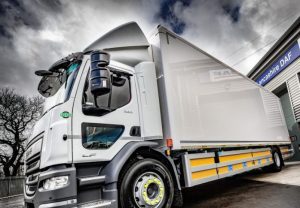
The purpose of this article is to delve into the critical issue of improving HGV driver facilities in the UK. It is a matter of paramount importance, as the logistics industry heavily depends on the dedication and efficiency of these drivers. In this comprehensive guide, we will explore the current state of HGV driver facilities, the challenges they face, and a visionary plan for transforming their working conditions.
First a quick plug – Our sister companies Fresh Pharma whom are GDP Compliant Pharma couriers and ‘Fresh Fridge Hire‘ are our (compliant GDP) refrigerated vehicle hire.
Proposed Rest Area Facilities
| Facility | Description |
|---|---|
| Ample Parking Spaces | Spacious parking areas for HGVs and easy manoeuvring. |
| Green Spaces | Well-maintained green areas for relaxation. |
| Picnic Areas | Outdoor spaces for drivers to enjoy meals. |
| Modern Restrooms | Clean and 24/7 accessible restrooms. |
| Shower Facilities | Private and secure shower facilities. |
| Healthy Dining Options | Nutritious food choices for healthier eating. |
| Recreational Facilities | Exercise and recreation areas for physical well-being. |
The Current State of UK HGV Driver Facilities
Limited Rest Areas
Imagine navigating a massive HGV across long stretches of the UK’s road network. The need for regular breaks and rest periods is not just desirable; it’s essential for the safety of drivers and the goods they transport. Unfortunately, the UK’s existing infrastructure fails to meet this critical requirement.
HGV drivers often find themselves struggling to locate suitable rest areas. Parking spaces designated for their vehicles are in short supply, forcing them to resort to makeshift locations that are far from ideal. This not only creates frustration but also poses significant risks. Inadequate parking facilities contribute to accidents, congestion, and even vehicle theft.
Inadequate Amenities
Rest areas are not just about parking; they should provide essential amenities that enable drivers to refresh and recharge during their journeys. However, many existing facilities fall woefully short in this regard.
Clean and accessible restrooms are a basic necessity, but they are far from guaranteed at many rest stops. Without proper facilities, drivers are left without a place to relieve themselves in comfort and hygiene. Moreover, the lack of secure and private shower facilities is another point of contention. Long-distance drivers, who spend extended periods on the road, require access to showers to maintain their personal hygiene.
Nutrition plays a pivotal role in a driver’s health and well-being. Yet, rest areas often offer limited or unhealthy food options. The absence of nutritious dining choices contributes to unhealthy eating habits among drivers, which can lead to long-term health issues.
Security Concerns
Safety is a fundamental concern for HGV drivers, not only in terms of road safety but also the security of their vehicles and personal belongings. Unfortunately, many drivers face security challenges at rest areas, especially during overnight stays.
The lack of security measures in parking areas can result in theft and vandalism, leaving driver’s feeling vulnerable and unsafe. It’s disheartening to consider that those responsible for delivering essential goods to our communities are often left exposed to such risks.
A Vision for Improved Driver Facilities
Addressing these challenges requires a visionary approach that reimagines the infrastructure supporting HGV drivers. We propose a multifaceted plan that encompasses the expansion of rest areas, the upgrading of amenities, and the implementation of enhanced security measures.

Expanding Rest Areas
Expanding designated rest areas is the cornerstone of our plan. These areas should not merely provide parking spots; they should offer a holistic experience for drivers. Our vision includes:
Ample Parking Spaces: Spacious areas for HGVs, designed to accommodate the vehicles comfortably and safely.
Green Spaces: Well-maintained green areas within rest stops, providing a serene environment for relaxation.
Picnic Areas: Outdoor spaces with seating where drivers can enjoy meals in a pleasant atmosphere.
Upgraded Amenities
To enhance the overall experience of HGV drivers, we propose a comprehensive upgrade of amenities at rest areas. This includes:
- Modern Restrooms: Clean and well-maintained restrooms with 24/7 availability, promoting hygiene and comfort.
- Shower Facilities: Private and secure shower facilities for drivers on extended journeys, ensuring they can maintain personal hygiene.
- Healthy Dining Options: Introduction of nutritious food options at rest areas to promote healthier eating habits among drivers.
- Recreational Facilities: Exercise and recreation areas for physical well-being, allowing drivers to unwind and stay active during breaks.
Enhanced Security Measures
Safety is paramount. To address security concerns, we propose the following measures:
- Surveillance Cameras: Installation of CCTV cameras throughout rest areas to deter criminal activities and ensure driver safety.
- Security Personnel: Employing trained security personnel who are present at rest areas to provide a sense of security to drivers.
- Secure Parking: Designated secure parking areas with controlled access to protect drivers’ vehicles and personal belongings.
These measures, collectively, aim to transform the existing HGV driver facilities into havens of safety, comfort, and productivity.
The Benefits of Improved Driver Facilities
As we embark on the journey to transform HGV driver facilities in the UK, it’s essential to understand the myriad benefits that this endeavour promises. These advantages extend not only to the drivers themselves but also to the entire logistics industry and society at large.
Improved Driver Facilities Satisfaction
Happy drivers are the backbone of a thriving logistics sector. Enhanced facilities translate directly into improved driver satisfaction. When drivers have access to well-designed rest areas with ample amenities, their overall job satisfaction soars. Here’s how improved facilities contribute to increased driver contentment:
- Comfortable Breaks: Rest areas with modern restrooms, showers, and green spaces offer drivers a comfortable environment to relax during their breaks. This leads to more enjoyable journeys and less stress on the road.
- Healthier Lifestyle: Access to nutritious dining options encourages healthier eating habits among drivers, promoting their physical well-being. Healthy drivers are less prone to fatigue and health-related issues.
- Peace of Mind: Enhanced security measures, such as surveillance cameras and the presence of security personnel, provide drivers with peace of mind. They can rest easy, knowing their vehicles and personal belongings are secure.
- Reduced Stress: The availability of secure and private shower facilities enables drivers to maintain personal hygiene, reducing the stress associated with long journeys.
All these factors combined result in a more content and motivated workforce, which in turn leads to better retention rates in the industry. When drivers are satisfied with their working conditions, they are more likely to stay in their jobs, reducing the turnover rate that plagues the logistics sector.
Safer Journeys
Safety is paramount in the world of logistics. Improved facilities contribute significantly to safer journeys for HGV drivers and all road users. Here’s how:
- Secure Parking: Designated secure parking areas with controlled access reduce the risk of vehicle theft and vandalism. Drivers can leave their trucks overnight with confidence.
- CCTV Surveillance: Surveillance cameras act as a deterrent to criminal activities in rest areas. They also serve as valuable tools in case an incident does occur, helping authorities to respond swiftly.
- Well-Rested Drivers: Adequate rest areas encourage drivers to take necessary breaks, reducing the likelihood of fatigue-related accidents. Well-rested drivers are more alert and capable of making safer decisions on the road.
- Emergency Response: Enhanced facilities often come with better communication infrastructure. In case of emergencies, drivers can quickly seek help and assistance, further enhancing road safety.
By addressing security concerns and promoting a safer environment, we not only protect our drivers but also contribute to safer roadways for everyone.
Efficiency and Productivity
Efficiency and productivity are the lifeblood of the logistics industry. Improved driver facilities have a direct impact on these crucial aspects:
- Reduced Downtime: Drivers who can access efficient rest areas with minimal waiting times can get back on the road more quickly. This translates to shorter delivery times and increased productivity.
- Lower Maintenance Costs: Enhanced security measures reduce the risk of theft and damage to vehicles, resulting in lower maintenance costs for logistics companies.
- Improved Route Planning: Drivers with access to upgraded amenities can better plan their routes. Knowing where to find secure parking, restrooms, and dining options streamlines their journeys.
- Enhanced Reputation: Companies that invest in their drivers’ well-being gain a reputation as caring and responsible employers. This can attract more skilled drivers and foster positive relationships with clients.
In essence, improved facilities boost the overall efficiency of the logistics industry. It’s a win-win situation where drivers enjoy better working conditions, and the industry benefits from heightened productivity and cost savings.
By investing in better facilities for HGV drivers, we not only elevate their quality of life but also drive positive change throughout the logistics sector. These improvements are more than just amenities; they are a testament to our commitment to the safety, satisfaction, and efficiency of the individuals who keep the wheels of our economy turning.
Conclusion to Driver Facilities
In conclusion, the state of HGV driver facilities in the UK is a pressing issue that demands immediate attention. This comprehensive guide has shed light on the current challenges faced by HGV drivers, including limited rest areas, inadequate amenities, and security concerns. However, we have also presented a visionary plan for improving these facilities, encompassing the expansion of rest areas, upgraded amenities, and enhanced security measures.
The benefits of these improvements are multifaceted. They include improved driver satisfaction, safer journeys, and increased efficiency and productivity in the logistics industry. But more than that, they represent a commitment to the well-being of the individuals who tirelessly navigate our roads, ensuring the timely delivery of goods that sustain our communities.
It is imperative that we collectively address the HGV driver facility crisis. By supporting these proposed improvements, we can set a new industry standard—one that values the hard work and dedication of our drivers. As individuals, organisations, and society as a whole, we must rally behind this cause to create a safer, more efficient, and more humane logistics industry in the United Kingdom.
Call to Action
The journey to improve HGV driver facilities does not end here. We invite you to take action and be part of this transformative movement:
- Spread Awareness: Share this article with your network to raise awareness about the challenges faced by HGV drivers and the proposed solutions.
- Advocate for Change: Contact local authorities, logistics organisations, and policymakers to advocate for the implementation of improved facilities for HGV drivers.
- Support Initiatives: Participate in or support initiatives that aim to enhance driver facilities, whether through donations, volunteering, or partnership opportunities.
- Stay Informed: Stay informed about developments in the logistics industry and the progress of initiatives to improve driver facilities.
- Promote Industry Standards: Encourage logistics companies and organisations to adopt higher standards for driver facilities, prioritising the well-being of their drivers.
Driver Facilities
- Why are improved HGV driver facilities necessary in the UK?
Improved HGV driver facilities are essential for several reasons. First and foremost, they enhance driver satisfaction and well-being, which is crucial for retaining skilled drivers in the logistics industry. Moreover, these facilities contribute to safer journeys and increased efficiency, benefiting both drivers and the industry as a whole.
- What are the key challenges faced by HGV drivers in the UK regarding facilities?
HGV drivers in the UK encounter various challenges, including limited rest areas, inadequate amenities such as clean restrooms and showers, and security concerns at rest stops. These challenges affect their comfort, safety, and overall job satisfaction.
- How can I support the improvement of HGV driver facilities in the UK?
You can support this important cause by raising awareness about the challenges faced by HGV drivers and advocating for the implementation of better facilities. Share information, contact local authorities, and participate in initiatives that aim to enhance driver facilities.
- What benefits will improved HGV driver facilities bring to the logistics industry?
Improved facilities lead to improved driver satisfaction, resulting in reduced turnover rates. They also contribute to safer journeys, with fewer accidents and reduced vehicle theft. Additionally, enhanced facilities boost efficiency and productivity in the logistics sector.
- What is the role of the logistics industry in improving driver facilities?
The logistics industry plays a pivotal role in improving driver facilities by investing in upgrades, adopting higher standards, and prioritising the well-being of its drivers. Logistics companies and organisations can lead the way in setting new industry standards for driver facilities.
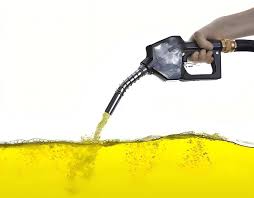
Fuelling Your Savings
Fuelling Your Savings: The Dramatic Rise in Diesel Prices Amid Global Tensions
Fuelling Your Savings, Diesel prices in the UK have experienced a sharp increase due to ongoing geopolitical tensions in the Middle East. The USA and Israel’s involvement in the Iran conflict has disrupted global oil supply chains, triggering widespread uncertainty in the fuel market. For businesses dependent on diesel, such as Fresh Refrigerated Couriers, this surge significantly affects operating costs, fleet management, and delivery pricing.
Rising diesel costs have immediate consequences for perishable goods transport, where timeliness and temperature control are critical. For instance, refrigerated transport of chocolate, dairy, and fresh flowers requires vehicles to remain running efficiently. Any increase in fuel costs directly impacts operational budgets, especially during peak periods like Easter.
UK consumers also feel the effect. Higher diesel prices increase the cost of goods transport, indirectly inflating retail prices across supermarkets and local food suppliers. Consequently, both individuals and businesses must carefully plan expenditure and seek efficiency gains to mitigate the financial strain caused by these rising fuel costs.
First a quick plug – Our sister companies Fresh Pharma whom are GDP Compliant Pharma couriers and ‘Fresh Fridge Hire‘ are our (compliant GDP) refrigerated vehicle hire
Geopolitical Factors Behind Fuelling Your Savings Surge
The primary driver of the diesel price spike is the instability in oil-producing regions. The USA and Israel’s conflict with Iran has created supply disruptions, with several oil export routes impacted. Markets react strongly to perceived scarcity, driving crude oil prices upward.
Additionally, sanctions and heightened security risks for tankers increase insurance costs, which are ultimately passed on to UK diesel consumers. OPEC nations have also been cautious in adjusting production, further tightening supply. The combination of these factors has created unprecedented volatility in diesel pricing.
Key Market Influences
- Disruption of Iranian crude oil exports due to geopolitical conflict
- Increased tanker insurance and shipping costs
- Reduced confidence in oil supply stability globally
- Delayed adjustments by major oil-producing nations
These factors collectively mean that diesel prices could continue to fluctuate unpredictably, affecting UK businesses reliant on road transport.
Economic and Business Implications Fuelling Your Savings Prices
The rise in diesel costs impacts multiple sectors across the UK. Logistics, construction, agriculture, and retail industries face immediate pressure as fuel accounts for a significant portion of operational expenditure.
Immediate Effects on Businesses
- Increased fleet operating costs for transport companies
- Higher prices for perishable goods and supermarket supply chains
- Strained margins for construction firms using diesel-powered machinery
- Elevated costs for refrigerated and GDP-compliant transport
| Sector | Impact of Diesel Price Increase | Potential Mitigation |
|---|---|---|
| Logistics & Couriers | Rising fleet running costs | Route optimisation, fuel-efficient vehicles |
| Retail & Food Supply | Higher transport costs | Bulk fuel contracts, staggered deliveries |
| Agriculture & Construction | Increased machinery running expenses | Scheduled maintenance, alternative fuels |
| Pharma & Refrigerated Transport | Higher refrigeration fuel usage | Energy-efficient vehicles, optimised delivery routes |
Businesses must reassess operational budgets and supply chain strategies to maintain profitability.
Strategies for UK Businesses to Manage Fuel Volatility and Fuelling Your Savings Costs
Rising diesel prices continue to challenge UK businesses, particularly those reliant on road transport. Companies that depend on fleets, heavy machinery, or refrigerated deliveries must proactively adopt strategies to manage costs and maintain operational efficiency. By implementing a combination of planning, technology, and practical measures, businesses can reduce fuel expenditure while safeguarding service quality.
1. Route Planning and Fleet Scheduling to enhance Fuelling Your Savings
Optimising routes is one of the most immediate ways to reduce fuel consumption. Advanced route planning software allows businesses to:
- Minimise unnecessary mileage and idle time
- Consolidate deliveries for efficiency
- Avoid congested areas, reducing fuel use and emissions
- Schedule deliveries to align with traffic patterns
For refrigerated couriers, optimised routes ensure perishable goods remain within temperature thresholds while reducing diesel consumption.
2. Upgrading to Fuel-Efficient or Hybrid Vehicles
Investing in modern, fuel-efficient vehicles or hybrid alternatives can significantly reduce long-term fuel costs. Benefits include:
- Lower diesel consumption per kilometre
- Reduced emissions, supporting environmental compliance
- Improved reliability with newer engines and technology
- Potential eligibility for government grants or incentives for eco-friendly vehicles
Hybrid or electric options can be particularly effective for urban delivery networks, where frequent stops increase fuel usage.
3. Bulk Fuel Purchasing Agreements will ensure Fuelling Your Savings
Securing diesel through bulk purchasing agreements can stabilise costs and reduce exposure to market volatility. Key advantages include:
- Locking in favourable prices with suppliers
- Ensuring consistent fuel supply for fleet operations
- Providing predictable budgeting for operational planning
Businesses can negotiate with UK fuel suppliers to take advantage of volume discounts and priority delivery.
4. Dynamic Pricing and Cost Recovery
Some transport and logistics businesses may implement dynamic pricing strategies to absorb fuel cost increases. Methods include:
- Adjusting delivery fees based on fuel indexation
- Offering premium options for urgent or specialised deliveries
- Communicating transparently with clients about fluctuating fuel costs
This approach maintains profitability without compromising customer trust.
5. Monitoring Geopolitical and Market Developments
Staying informed about global events affecting oil supply, such as Middle East conflicts or OPEC decisions, allows businesses to anticipate diesel price fluctuations. Regular monitoring helps companies:
- Adjust delivery schedules proactively
- Manage inventory and fuel storage efficiently
- Make informed procurement decisions to mitigate risk
6. Fuelling Your Savings Practices for Refrigerated Transport
For refrigerated couriers, diesel costs are often amplified by energy demands from refrigeration units. Energy-saving measures can include:
- Pre-conditioning vehicles to avoid prolonged engine idling
- Ensuring doors are closed promptly to maintain internal temperature
- Using multi-compartment temperature control efficiently
- Scheduling deliveries to reduce periods of low utilisation
These practices reduce fuel consumption while maintaining product integrity for perishable goods, including pharmaceuticals, chilled food, and seasonal products like Easter items
By combining route optimisation, fleet upgrades, fuel agreements, and proactive monitoring, UK businesses can navigate diesel price volatility effectively. For companies such as Fresh Refrigerated Couriers, Fresh Pharma, and Fresh Fridge Hire, these strategies support reliable delivery, compliance, and cost efficiency, even during periods of high fuel uncertainty.
Looking Ahead: Navigating Uncertainty in Fuelling Your Savings for UK Businesses
The UK diesel market is likely to remain highly volatile as geopolitical tensions and global supply challenges continue. Events such as conflicts in the Middle East, OPEC production decisions, and disruptions to international shipping can trigger sudden spikes in diesel costs. For businesses dependent on logistics, transport, and fuel-intensive operations, these fluctuations pose both operational and financial challenges.
Additionally, government policies promoting cleaner energy and reducing carbon emissions add another layer of complexity. Incentives for electric vehicles, biofuels, and low-emission fleets may gradually shift demand away from diesel, influencing long-term pricing trends. Companies that fail to plan for these shifts risk higher operating costs and reduced competitiveness.
Key Strategies for Navigating Fuelling Your Savings Volatility
UK businesses can take several proactive measures to maintain stability and protect margins:
- Flexible Operational Strategies: Adjust delivery schedules, optimise fleet utilisation, and consider dynamic routing to minimise fuel consumption during price spikes.
- Alternative Fuels and Renewable Energy: Explore biofuels, hybrid vehicles, or fully electric options for both urban and regional deliveries. These can provide long-term resilience against diesel price fluctuations.
- Contingency Budgets: Allocate financial reserves specifically to cover short-term fuel cost surges, ensuring operational continuity even during extreme market volatility.
- Supplier Partnerships: Strengthen relationships with fuel suppliers to secure priority access, negotiate bulk pricing, and minimise the risk of supply disruptions.
Practical Recommendations for Fuelling Your Savings
| Strategy | Purpose | Benefit |
|---|---|---|
| Flexible operations | Adapt to sudden diesel price increases | Reduced fuel consumption and costs |
| Alternative fuels | Reduce dependency on diesel | Long-term cost stability and compliance |
| Contingency budgets | Prepare for short-term price shocks | Maintains operational continuity |
| Supplier partnerships | Ensure reliable fuel supply | Mitigates risk of supply shortages |
By combining foresight with these practical solutions, UK businesses can continue to operate efficiently despite unpredictable diesel prices. Logistics providers, including Fresh Refrigerated Couriers, Fresh Pharma, and Fresh Fridge Hire, can maintain reliable services, ensuring perishable and time-sensitive goods reach their destinations safely and on schedule.
Conclusion: Fuelling Your Savings Responsibly Amid Rising Diesel Prices
The ongoing conflict involving the USA, Israel, and Iran has triggered a significant increase in diesel prices, creating considerable challenges for UK businesses and consumers. For logistics providers such as Fresh Refrigerated Couriers, the impact is particularly acute, as fuel costs represent a substantial portion of operating expenses. Maintaining efficiency, reliability, and compliance under these circumstances requires careful planning and strategic action.
Proactive fuel management is now more important than ever. Businesses can mitigate the financial strain of rising diesel prices by:
- Optimising fleet routes: Reducing unnecessary mileage and idle time lowers fuel consumption and ensures timely deliveries.
- Upgrading to fuel-efficient vehicles or hybrid models: Modern engines provide long-term cost savings while reducing emissions and environmental impact.
- Monitoring global oil markets and geopolitical developments: Staying informed enables companies to anticipate diesel price spikes and adjust operations accordingly.
- Implementing energy-saving practices in refrigerated transport: Pre-conditioning vehicles, minimising door openings, and using multi-compartment temperature controls help maintain perishable goods safely while controlling fuel use.
For perishable and temperature-sensitive goods, these strategies are vital. Ensuring consistent refrigeration while managing rising diesel costs protects product quality, customer satisfaction, and brand trust. Companies that adopt a forward-looking, strategic approach can maintain operational stability, even amid global fuel market volatility.
Ultimately, the key to navigating rising diesel costs is a combination of efficiency, foresight, and adaptability. By embracing these practices, UK logistics providers—including Fresh Pharma, Fresh Fridge Hire, and Fresh Refrigerated Couriers—can continue delivering goods safely, reliably, and cost-effectively, ensuring resilience in a challenging and unpredictable fuel landscape.
Logistics Costs
- Can businesses reduce Logistics Costs without sacrificing quality?
Yes, businesses can reduce Logistics Costs without sacrificing quality by adopting cost-saving strategies such as optimising inventory management, collaborating with suppliers and carriers, enhancing customer service and experience, measuring and monitoring performance, and investing in employee training and development.
- How can collaborative planning help businesses reduce Logistics Costs?
Collaborative planning can help businesses improve communication and reduce waste by sharing demand forecasts and production schedules with suppliers and carriers.
- What are some key performance indicators (KPIs) that businesses can use to measure logistics performance?
Businesses can track order cycle time, inventory turnover, or transport performance.
- How can employee training and development help businesses reduce Logistics Costs?
Employee training and development can help businesses identify waste and inefficiencies, effectively use technology solutions, and understand the impact of their actions on other departments and functions.
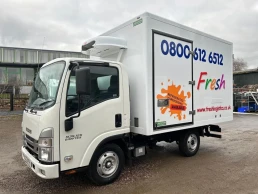
Same Day Refrigerated Courier Service
Introduction to Same Day Refrigerated Courier Service
In today’s fast-paced world, the demand for efficient and reliable shipping solutions has never been higher. When it comes to transporting temperature-sensitive goods, such as perishable foods, pharmaceuticals, and floral arrangements, the stakes are even higher. This is where the same day refrigerated courier service comes into play, offering a specialised solution tailored to meet these unique needs. Affordable Food Transfer are a critical supply chain attribute.
First a quick plug – Our sister companies Fresh Pharma whom are GDP Compliant Pharma couriers and ‘Fresh Fridge Hire‘ are our (compliant GDP) refrigerated vehicle hire.
Key Takeaways |
1. Essential Tips for Sending Items via Refrigerated Courier:Proper packaging, careful scheduling and timing, and effective communication with the courier are crucial for ensuring that temperature-sensitive items arrive at their destination in optimal condition. These best practices help maintain the desired temperature, minimise transit times, and ensure that your goods are handled with care throughout the shipping process. |
2. Future Trends in Refrigerated Courier Services:The refrigerated courier industry is evolving with technological advancements and a growing focus on sustainability. Innovations such as GPS tracking, real-time temperature monitoring, and eco-friendly practices are reshaping the industry, leading to more efficient, transparent, and environmentally conscious shipping solutions. |
3. Importance of Choosing the Right Refrigerated Courier Service:Selecting a reputable and reliable refrigerated courier service is essential for a successful shipping experience. Factors to consider include the provider’s reputation, equipment and technology, customer service and support, as well as their ability to address common challenges like maintaining temperature consistency, handling fragile items, and navigating traffic and weather conditions. |
What is a Refrigerated Courier Service?
A refrigerated courier service is a specialised logistics solution designed to transport temperature-sensitive goods in a controlled environment. Unlike traditional courier services, which focus on speed and efficiency, refrigerated couriers prioritise maintaining specific temperature ranges to ensure the freshness and quality of the items being transported. These services utilise temperature-controlled vehicles equipped with advanced cooling systems to safeguard the integrity of perishable goods throughout the transit process.
 Importance of Same Day Refrigerated Courier Service
Same day delivery has become a game-changer in the logistics industry, offering customers the convenience and immediacy they crave. In the context of refrigerated courier services, same day delivery becomes even more crucial. The shorter the transit time, the less exposure perishable items have to fluctuating temperatures, reducing the risk of spoilage and ensuring that products reach their destination in optimal condition. This not only enhances customer satisfaction but also helps businesses maintain their reputation for delivering high-quality, fresh products.
Why Choose Same Day Refrigerated Courier Service?
Freshness and Quality Assurance
When it comes to perishable goods, freshness is paramount. Same day refrigerated courier services offer an unparalleled level of freshness and quality assurance, ensuring that items like fresh produce, dairy products, and gourmet foods arrive at their destination as fresh as the moment they were dispatched. By maintaining precise temperature control and minimising transit time, these services help businesses uphold their commitment to delivering premium-quality products to their customers.
Reliability and Speed
Reliability and speed are two of the most compelling reasons to choose a same day refrigerated courier service. These services prioritise prompt deliveries without compromising on the quality and safety of the items being transported. With real-time tracking and advanced routing algorithms, refrigerated couriers ensure that perishable goods are delivered to their destination in the shortest time possible, reducing the risk of spoilage and ensuring customer satisfaction.
Cost-Effective Solutions
Contrary to popular belief, opting for a same day refrigerated courier service can be a cost-effective solution for businesses dealing with temperature-sensitive goods. By minimising the risk of product spoilage and wastage, these services help businesses save money in the long run. Additionally, the competitive pricing and customizable shipping options offered by refrigerated couriers make them a cost-effective choice for businesses of all sizes.
Industries Benefiting from Same Day Refrigerated Courier Service
Food and Beverage
The food and beverage industry heavily relies on same day refrigerated courier services to transport perishable goods. Whether it’s a local farm delivering fresh fruits and vegetables to a nearby grocery store or a gourmet bakery shipping delicate pastries to a customer’s doorstep. Refrigerated couriers play a crucial role in ensuring that these products maintain their freshness and quality throughout the transit process.
Pharmaceuticals
The pharmaceutical industry is another sector that greatly benefits from same day refrigerated courier services. Our sister company Fresh Pharma is a specialised supplier. With the strict temperature requirements for storing and transporting medications, vaccines, and other medical supplies, it’s essential to use a specialised courier service that can maintain the necessary temperature ranges to preserve the efficacy and safety of these products. Same day refrigerated couriers provide the reliability and precision required to transport sensitive pharmaceuticals without compromising their integrity.
Floral Industry
The floral industry relies on the timely and careful handling of delicate flowers and plants to ensure they arrive in perfect condition. Same day refrigerated courier services offer the perfect solution for transporting floral arrangements, bouquets, and plants, especially during peak seasons like Valentine’s Day and Mother’s Day. By maintaining the optimal temperature and humidity levels, these couriers help preserve the freshness and beauty of the flowers, ensuring they make a lasting impression on the recipient.
Same day refrigerated courier services offer a specialised and reliable solution for transporting temperature-sensitive goods across various industries. Whether it’s ensuring the freshness of perishable foods, maintaining the efficacy of pharmaceuticals, or preserving the beauty of floral arrangements, these services play a crucial role in meeting the unique shipping needs of businesses and consumers alike.
Features of a Top-notch Same Day Refrigerated Courier Service
Choosing the right refrigerated courier service can make all the difference when it comes to transporting temperature-sensitive goods safely and efficiently. But what sets a top-notch refrigerated courier service apart from the rest? Let’s explore some of the key features that define excellence in this specialised industry.
Advanced Temperature-Controlled Vehicles
One of the most critical features of a top-notch refrigerated courier service is the use of advanced temperature-controlled vehicles. These vehicles are equipped with state-of-the-art cooling systems and insulation materials that maintain precise temperature ranges throughout the transit process. Whether it’s freezing temperatures for frozen foods or specific humidity levels for floral arrangements, these advanced vehicles ensure that perishable items reach their destination in optimal condition.
Trained Personnel and Handling Procedures
In addition to advanced vehicles, a top-notch refrigerated courier service employs trained personnel who are well-versed in handling temperature-sensitive goods. From proper packaging techniques to loading and unloading procedures, these professionals follow strict protocols to minimise the risk of product spoilage and damage. Their expertise and attention to detail play a crucial role in ensuring the safe and efficient transport of perishable items.
Real-time Tracking and Updates
Transparency and communication are key when it comes to choosing a reliable refrigerated courier service. Top-notch providers offer real-time tracking and updates, allowing customers to monitor the status of their shipments. Receiving notifications about estimated delivery times. This level of transparency not only builds trust but also allows businesses and consumers to plan and manage their deliveries more effectively.
How to Choose the Right Same Day Refrigerated Courier Service
With so many refrigerated courier services available, selecting the right provider can be a daunting task. To help you make an informed decision, here are some essential factors to consider when choosing a same day refrigerated courier service.
Reputation and Reviews
One of the first things to consider is the reputation and customer reviews of the refrigerated courier service. Positive feedback from satisfied customers and a proven track record of reliable service are strong indicators of a reputable and trustworthy provider. It’s also advisable to check for any complaints or negative reviews and how the company responds to and resolves these issues.
Equipment and Technology
The quality and condition of the equipment and technology used by the refrigerated courier service are crucial factors to consider. Leading providers invest in advanced temperature-controlled vehicles, state-of-the-art cooling systems. Using cutting-edge tracking technology to ensure the safe and efficient transport of temperature-sensitive goods. It’s essential to choose a service provider that continually updates and maintains their equipment to meet industry standards and customer expectations.
Customer Service and Support
Excellent customer service and support are vital when choosing a refrigerated courier service. Responsive and knowledgeable customer service representatives can address any concerns or issues promptly. Ensuring a seamless shipping experience for businesses and consumers. Look for a service provider that offers 24/7 customer support, multiple communication channels, and a dedicated team to assist with queries, tracking, and updates.
Common Challenges and Solutions
Despite the advanced technology and expertise employed by top-notch refrigerated courier services, they still face several common challenges when transporting temperature-sensitive goods. Here are some of the most prevalent challenges and the solutions employed to overcome them.
Maintaining Temperature Consistency
Maintaining temperature consistency throughout the transit process is one of the most significant challenges faced by refrigerated courier services. Factors such as external temperatures, vehicle malfunctions, and improper handling can lead to fluctuations in temperature. This will risk the integrity of perishable items. To address this challenge, top-notch providers use advanced temperature-controlled vehicles. Conducting regular maintenance checks, and train their personnel to monitor and adjust temperatures as needed during transit.
Handling Fragile Items
Handling fragile and delicate items requires special care and attention to prevent damage and spoilage. Top-notch refrigerated courier services employ trained personnel and use specialised packaging materials to minimise the risk of breakage. Thus ensuring the safe transport of fragile items. They also follow strict handling procedures, such as gentle loading and unloading techniques. Protect the integrity of the products throughout the shipping process.
Navigating Traffic and Weather Conditions
Traffic congestion and adverse weather conditions can pose significant challenges for refrigerated courier services, leading to delays and potential product spoilage. To navigate these obstacles effectively, top-notch providers utilise advanced routing algorithms, real-time traffic updates, and contingency plans to optimise delivery routes and minimise transit times. They also monitor weather forecasts and adjust schedules accordingly to ensure the safe and timely delivery of temperature-sensitive goods.
Choosing a top-notch refrigerated courier service involves considering several key features. Such as advanced temperature-controlled vehicles, trained personnel, and real-time tracking capabilities. Additionally, evaluating the reputation, equipment, and customer service of potential service providers can help you make an informed decision. Thus meeting your unique shipping needs. By understanding and addressing common challenges like maintaining temperature consistency, handling fragile items, and navigating traffic and weather conditions, top-notch refrigerated courier services ensure the safe and efficient transport of temperature-sensitive goods across various industries.
Tips for Sending Items via Same Day Refrigerated Courier Service
Sending temperature-sensitive items via a refrigerated courier service requires careful planning and attention to detail to ensure that your goods arrive at their destination in perfect condition. Here are some essential tips to consider when sending items via a refrigerated courier.
Proper Packaging
Proper packaging is crucial when sending items via a refrigerated courier service. Use insulated containers or packaging materials designed specifically for temperature-sensitive goods to maintain the desired temperature throughout transit. Ensure that the packaging is secure and leak-proof to prevent any spills or contamination. Label the package clearly with handling instructions and temperature requirements to guide the courier and ensure the safe handling of your items.
Scheduling and Timing
Scheduling and timing are key factors in ensuring the freshness and quality of your perishable items. Coordinate with the refrigerated courier service to schedule your shipment during off-peak hours or times when traffic and weather conditions are favourable. This will help minimise transit times and reduce the risk of delays that could compromise the integrity of your goods. Plan ahead and allow sufficient time for the courier to pick up, transport, and deliver your items within the desired timeframe.
Communication with the Courier
Effective communication with the courier is essential for a successful shipping experience. Provide detailed information about your shipment, including the type of items, temperature requirements, and any special handling instructions. Stay in touch with the courier throughout the transit process to receive updates on the status of your shipment and address any concerns or issues promptly. Clear and open communication will help ensure that your items are handled with care and delivered to their destination in optimal condition.
Future Trends in Same Day Refrigerated Courier Service
The refrigerated courier industry is continuously evolving, driven by technological advancements and a growing focus on sustainability and eco-friendly practices. Here’s a look at some of the future trends shaping the industry.
Technological Advancements
Advancements in technology, such as GPS tracking, real-time temperature monitoring, and automated route optimization, are revolutionising the refrigerated courier industry. These technological innovations enhance efficiency, transparency, and reliability. Thus allowing couriers to provide faster, more accurate, and more responsive service to their customers. As technology continues to evolve, we can expect to see even more sophisticated and integrated solutions . Streamlining operations and improve the overall customer experience.
Sustainability and Eco-friendly Practices within Same Day Refrigerated Courier Service
As environmental awareness grows, refrigerated courier services are increasingly adopting sustainable and eco-friendly practices. So to reduce their carbon footprint and minimise environmental impact. From using electric or hybrid vehicles to implementing reusable packaging and recycling initiatives. Green initiatives are not only good for the planet but also resonate with environmentally conscious consumers. As sustainability becomes a key differentiator in the market. We can anticipate a continued shift towards greener and more sustainable practices within the refrigerated courier industry.
Finally
Choosing a refrigerated courier service and sending temperature-sensitive items can be a complex process. By following these tips and staying informed about future trends. You can ensure a seamless and successful shipping experience. Whether you’re sending perishable foods, pharmaceuticals, or floral arrangements, proper packaging, scheduling, and communication are essential. Thus maintaining the freshness and quality of your goods. As the refrigerated courier industry continues to evolve with technological advancements and sustainability initiatives. We can look forward to even more efficient, reliable, and eco-friendly shipping solutions in the future.
Refrigerated Delivery
- How do I know what temperature range is required for my perishable items?
The required temperature range will depend on the specific perishable item you want to transport. For example, frozen food may require a temperature range of -18°C to -20°C, while fresh produce may require a temperature range of 0°C to 5°C.b Pharma 2°C to 8°C and positive ambient 15°C to 25°C. Consult with a refrigerated delivery service to determine the temperature range needed for your specific items if you are unsure.
- How can I ensure that my items are properly packaged for transit?
Proper packaging is crucial for ensuring that perishable items remain fresh during transit. Choose packaging materials that are suitable for the specific item you’re transport and ensure that they provide adequate insulation and protection. Label the package as perishable and include instructions for handling and storage.
- What should I do if my items are damaged during transit?
If your items are damaged during transit, contact the refrigerated delivery service immediately to report the issue. They may offer a refund or replacement, depending on the circumstances. Check that they hold Goods In Transit insurance BEFORE you use them
- Can refrigerated delivery services transport items internationally?
Yes, refrigerated delivery services in the UK offer international transport for perishable items in a van. International deliveries in Europe will require the refrigerated delivery company to be awarded International Operator Licence. If the refrigerated delivery company does not have a IOL your goods could be impounded and be at a total loss with the cost of disposal is expected to be met by you.. However, additional regulations and requirements may apply, so be sure to consult with the refrigerated delivery service and research any necessary permits (Vet Cert for meats) and certifications required.
- What is the average delivery time for refrigerated delivery services?
The delivery time will depend on the distance between the pickup and delivery locations, as well as any additional transit time for customs or inspections. Consult with the refrigerated delivery service to get an Estimated Time of Arrival (ETA) for your specific shipment.
- What if I need to cancel or reschedule my shipment?
Contact the refrigerated delivery service as soon as possible to cancel or reschedule your shipment. Depending on the service’s policies, there may be a fee or penalty for cancellations or changes made after a certain point in the transport process. If you give more than 24 hours notice apart from statutory costs (pre booked ferries for example) their should not be any further costs applied. if their are you are using the wrong company.

Develop an Action Plan to Implement Logistics Strategy
How to Develop an Action Plan to Implement Logistics Strategy in the UK
Logistics strategy is critical to the success of any business that relies on transportation, distribution, and inventory management. It involves the coordination of all the activities required to move goods from the point of origin to the point of consumption. In the UK, logistics strategy has become increasingly important due to the growth of e-commerce and the global supply chain. The need and process to Develop an Action Plan has never been more important to implement logistics strategy in the UK.
First a quick plug – Our sister companies Fresh Pharma whom are GDP Compliant Pharma couriers and ‘Fresh Fridge Hire‘ are our (compliant GDP) refrigerated vehicle hire.
 Importance of Logistics Strategy to Develop an Action Plan
Logistics strategy is essential for any business that deals with the movement of goods. It helps in ensuring that the right product is delivered to the right place at the right time. Without logistics strategy, businesses would struggle to manage their supply chain effectively, resulting in delays, increased costs, and unhappy customers. In the UK, logistics strategy has become increasingly important due to the growth of e-commerce and the need for efficient transportation and inventory management.
Key Challenges in Logistics Strategy when you Develop an Action Plan
Developing a logistics strategy in the UK comes with its share of challenges. Understanding these challenges is the first step towards devising an effective plan. Some of the common hurdles businesses encounter include:
- Infrastructure: The UK’s infrastructure can vary significantly from region to region. Understanding the logistics infrastructure in the areas your business operates is essential.
- Traffic Congestion: Major cities like London often face traffic congestion, which can lead to delays in transportation. Planning routes and schedules is critical to overcoming this challenge.
- Customs and Trade Regulations: Given Brexit, navigating customs and trade regulations is more complex than ever. Staying updated on these regulations is crucial to avoid disruptions in your supply chain.
- Labour Shortages: Like many other countries, the UK has experienced labour shortages in various sectors. Finding and retaining skilled logistics professionals can be a challenge.
Regulatory Considerations
Compliance with UK regulations and laws is paramount when developing a logistics strategy. Failure to do so can result in legal issues, delays, and financial penalties. Some key regulatory aspects to consider include:
- Customs Regulations: Ensure that your logistics operations comply with customs requirements, including proper documentation and duty payments.
- Environmental Regulations: Be aware of environmental laws related to emissions, waste disposal, and eco-friendly transportation options.
- Safety Regulations: Maintain high safety standards to protect your employees and the public. Compliance with safety regulations is not only ethical but also essential for the reputation of your business.
Environmental Sustainability when you Develop an Action Plan
In recent years, environmental sustainability has gained prominence in logistics strategy development. Going green not only benefits the environment but can also lead to cost savings and enhanced brand reputation. Here are some eco-friendly logistics strategies to consider:
- Electric and Hybrid Vehicles: Invest in electric or hybrid vehicles to reduce carbon emissions in your transportation fleet.
- Optimized Routes: Use data analytics and route optimization software to plan the most fuel-efficient routes, reducing both emissions and costs.
- Packaging Materials: Choose sustainable packaging materials to minimize waste and promote recycling.
Technology Integration
The integration of technology is revolutionizing logistics planning in the UK. Here’s how you can leverage technology to enhance your logistics strategy:
- AI (Artificial Intelligence): Use AI for demand forecasting, route optimization, and predictive maintenance, which can lead to more efficient operations.
- IoT (Internet of Things): IoT sensors can provide real-time data on the condition and location of your goods, allowing for better tracking and security.
- Data Analytics: Harness the power of data analytics to gain insights into your logistics operations. This can help you identify areas for improvement and make data-driven decisions.
Supplier and Partner Collaboration is paramount when you Develop an Action Plan
Collaboration with suppliers and partners is a key aspect of successful logistics strategy development. Building strong relationships can lead to smoother operations and mutual benefits. Consider the following:
- Communication: Establish clear lines of communication with your suppliers and partners to ensure everyone is on the same page.
- Shared Goals: Align your goals and objectives with those of your suppliers and partners to create a unified approach to logistics.
- Performance Metrics: Implement performance metrics and KPIs to evaluate the effectiveness of your collaborations.
Continuous Improvement
The concept of continuous improvement is at the core of logistics strategy development. To remain competitive and efficient, businesses must continually seek ways to enhance their logistics operations. This involves:
- Regular Assessments: Periodically assess your logistics processes and identify areas where improvements can be made.
- Employee Training: Invest in training and development for your logistics team to keep them updated on industry best practices.
- Feedback Loop: Create a feedback loop where employees and partners can provide suggestions and insights for improvement.
Measuring Success
Measuring the success of your logistics strategy is essential to ensure that it aligns with your business goals. To do this effectively, consider the following:
- Key Performance Indicators (KPIs): Define KPIs specific to your logistics strategy, such as on-time delivery rates, cost per mile, or inventory turnover.
- Customer Feedback: Gather feedback from customers regarding their satisfaction with your logistics services.
- Benchmarking: Compare your logistics performance with industry benchmarks to identify areas where you excel or lag behind.
Steps to Develop an Action Plan
To develop an action plan for logistics strategy implementation, you need to follow these steps:
- Define your objectives: The first step is to define your logistics strategy objectives. What are you trying to achieve? Is it reducing transportation costs, improving delivery times, or optimising inventory management?
- Analyse your current logistics operations: The next step is to analyse your current logistics operations. What are the strengths and weaknesses of your supply chain? Are there any bottlenecks or inefficiencies that need to be addressed?
- Identify areas for improvement: Based on your analysis, identify areas for improvement. What changes need to be made to your transportation, distribution, and inventory management processes?
- Set targets: Set specific targets for improvement. For example, reduce transportation costs by 10% or improve delivery times by 20%.
- Develop an action plan: Based on your objectives, analysis, and targets, develop an action plan. What steps need to be taken to achieve your goals? Who is responsible for each step? What is the timeline for implementation?
- Monitor and evaluate progress: Finally, monitor and evaluate progress regularly. Are you on track to achieve your targets? Are there any issues that need to be addressed?
Benefits of Implementation
Implementing logistics strategy can provide several benefits for businesses in the UK. These include:
- Improved efficiency: Logistics strategy can help businesses optimise their supply chain processes, reducing costs and increasing efficiency.
- Customer service: Improved delivery time with the right product is delivered to the right place at the right time,
- Increased competitiveness: By improving their supply chain processes, businesses can become more competitive in the UK market, offering better products and services than their competitors.
- Reduced environmental impact: Logistics strategy can help businesses reduce their environmental impact by optimising their transportation and distribution processes, resulting in lower carbon emissions.
Conclusion: Developing an Action Plan to Implement a Logistics Strategy
Developing an action plan to implement a logistics strategy is essential for businesses managing the movement of goods in the UK. A well-structured plan transforms strategic objectives into tangible operational steps, providing clarity for teams and ensuring resources are allocated efficiently. Without a clear action plan, even the most well-designed logistics strategy can fail due to miscommunication, uncoordinated processes, or overlooked operational challenges.
A robust action plan begins with defining specific goals, such as reducing delivery times, optimising routes, lowering transport costs, or improving sustainability. Each objective should be linked to measurable key performance indicators (KPIs) so progress can be tracked accurately. For example, monitoring on-time delivery rates, fuel efficiency, and customer satisfaction provides clear insights into whether the strategy is effective. These metrics enable businesses to adjust actions promptly if performance falls short of expectations.
Collaboration across departments and stakeholders is crucial.
Logistics teams, suppliers, warehouse staff, and customer service personnel must understand their roles and responsibilities. Clear communication channels prevent errors, improve efficiency, and foster accountability. Assigning responsibilities for each step ensures tasks are completed on time, and potential bottlenecks are addressed before they escalate.
Regular monitoring and evaluation are integral to success. Reviewing performance data allows companies to refine processes, identify areas for improvement, and adopt new technologies or practices as required. Continuous assessment ensures that the logistics strategy remains aligned with changing market conditions, customer expectations, and regulatory requirements.
In conclusion, implementing a logistics strategy through a detailed action plan allows UK businesses to achieve operational efficiency, enhanced customer service, and competitive advantage. By defining objectives, monitoring progress, and fostering collaboration, companies can optimise their logistics operations, reduce environmental impact, and secure long-term success in the marketplace.
Action Plan
- Why is regular communication important in logistics action plan?
Regular communication can help companies identify issues early and address them before they become problems. It can also ensure that all stakeholders are informed and
- How long does it take to develop an action plan for implementing a logistics action plan?
The timeline for developing an action plan can vary depending on the complexity of your logistics operations and the goals you want to achieve. It can take anywhere from a few weeks to several months.
- How often should I review and update my logistics action plan?
You should review and update your logistics action plan regularly, at least once a year, to ensure that it remains aligned with your business goals and adapts to changing market conditions.
- Can I implement a logistics action plan on my own, or do I need to work with a logistics partner?
While it’s possible to implement a logistics action plan on your own, it’s often more efficient and effective to work with a logistics partner who has expertise in the industry and can provide the resources and infrastructure you need.
- How can I measure the ROI of implementing a logistics action plan?
You can measure the ROI of implementing a logistics action plan by tracking key performance indicators such as inventory levels, transportation costs, delivery times, and customer satisfaction. By comparing these metrics before and after implementing your strategy, you can determine the impact on your bottom line.

Healthy Safety Stock
How Much Is a Healthy Safety Stock
What Methods Can Be Used?
As businesses seek to minimise the risk of stockouts, they often resort to maintaining a Healthy Safety Stock. The question is, how much is too much or too little when it comes to the safety stock? In this article, we will explore what a safety stock is, the reasons for its existence, and how much is ideal. We will also look at various methods for determining a healthy safety stock.
First a quick plug – Our sister companies Fresh Pharma whom are GDP Compliant Pharma couriers and ‘Fresh Fridge Hire‘ are our (compliant GDP) refrigerated vehicle hire.
What is a Safety Stock?
A safety stock is a buffer inventory that a company keeps in stock to cover unexpected demand fluctuations, shipping delays, or any other unforeseen events. The purpose of maintaining a safety stock is to ensure that the company does not run out of stock and disappoint its customers. The safety stock is typically kept on top of the regular inventory, and it should be enough to cover demand for a predetermined period.
Reasons for Maintaining a Healthy Safety Stock
There are several reasons why a company may maintain a safety stock. One of the primary reasons is to prevent stockouts, which could lead to lost sales, lost customers service and even reputational damage. Additionally, a safety stock can help companies meet unexpected demand surges, prevent backorders, and reduce lead times.
Calculating a Healthy Safety Stock: Methods and Practical Applications
Calculating safety stock is essential for businesses to maintain continuity of supply and prevent stockouts. Safety stock acts as a buffer against uncertainties in demand, production, and delivery. Companies need to consider key factors such as demand variability, production lead time, and acceptable stockout risk when determining the appropriate safety stock levels. Proper calculation ensures inventory is sufficient to meet customer needs while avoiding excessive carrying costs.
Using Service Level to Determine Healthy Safety Stock
One of the most widely used methods to calculate safety stock is based on the desired service level. The service level represents the probability that a company will not run out of stock during the lead time. The formula to calculate safety stock using service level is:
Safety Stock = Z-score × Standard Deviation of Demand × √Lead Time
The Z-score is a statistical value corresponding to the desired service level. For example, a 95% service level corresponds to a Z-score of 1.65. This method accounts for variability in demand, ensuring that inventory can meet customer requirements even during periods of unexpected fluctuation. For instance, a chilled food distributor in London may use this formula to determine safety stock for perishable products, adjusting for daily sales variability and delivery lead times to minimise spoilage risk.
Economic Order Quantity (EOQ) Method
Another approach involves using the Economic Order Quantity (EOQ) to calculate safety stock. EOQ determines the optimal order quantity that balances ordering and holding costs. Once EOQ is established, safety stock can be calculated as:
Healthy Safety Stock = (Maximum Usage Rate × Maximum Lead Time) – EOQ
This approach is particularly useful for high-volume or steady-demand products, such as bottled beverages or dairy items. By combining EOQ with safety stock calculations, businesses ensure they have adequate inventory to cover peak usage without overstocking, reducing storage costs while maintaining customer satisfaction.
Using these methods, companies can systematically determine safety stock, balancing efficiency, cost, and service reliability. Proper application of these calculations enhances inventory resilience and supports smoother supply chain operations.
Healthy Safety Stock: Key Concepts and Considerations
Reorder Point
The reorder point is the inventory level at which a company should place a new order to replenish stock before it runs out. It ensures continuous supply and prevents stockouts, particularly for high-demand or essential products. The reorder point is calculated using the formula:
Reorder Point = Healthy Safety Stock + (Average Daily Demand × Lead Time)
This formula incorporates both the average demand during the lead time and the buffer provided by safety stock, ensuring that inventory levels remain sufficient even during unexpected delays. For example, a UK bakery distributing fresh bread nationwide would calculate the reorder point to ensure sufficient stock until the next delivery arrives, considering daily sales and delivery lead time.
Lead Time
Lead time refers to the total time between placing an order and receiving the product. It includes manufacturing, shipping, and potential delays. Understanding lead time is crucial for determining safety stock. Longer lead times require higher safety stock to buffer against delays, while shorter lead times reduce the need for excess inventory. Accurate measurement of lead time ensures that reorder points and stock levels align with operational realities.
Stockout Risk
Stockout risk is the probability of running out of inventory during the lead time. Businesses can estimate this risk using historical sales data or simulations. A high stockout risk requires a larger safety stock, whereas low risk allows leaner inventory management. For perishable goods, such as chilled foods, managing stockout risk is critical to prevent lost sales and customer dissatisfaction.
Carrying Cost
Carrying cost is the expense of holding inventory over time, including storage, insurance, and capital costs. Excessive safety stock increases carrying costs, reducing profitability. Companies must balance safety stock levels with carrying costs to optimise inventory efficiency.
Demand Variability effects the Healthy Safety Stock
Demand variability refers to fluctuations in product demand. Products with highly variable demand require higher safety stock to avoid shortages. Accurate analysis of historical trends helps businesses predict demand changes and adjust inventory accordingly.
Production Lead Time and Smoothing
Production lead time is the duration required to manufacture a product. Longer lead times necessitate higher safety stock. Production smoothing reduces demand variability by producing items consistently, helping maintain a healthy safety stock and ensuring supply stability.
Forecasting and Seasonality
Accurate demand forecasting enables companies to predict consumption and adjust safety stock levels, reducing unnecessary inventory. Seasonality also affects stock requirements; products with seasonal demand spikes require additional safety stock to meet peak periods. For example, chocolate manufacturers preparing for Easter or Christmas must plan higher inventory levels to meet seasonal demand.
By carefully considering these factors—reorder point, lead time, stockout risk, carrying cost, demand variability, production lead time, production smoothing, forecasting, and seasonality—businesses can maintain a healthy safety stock that balances availability, cost, and efficiency.
Maintaining Inventory Resilience and Customer Satisfaction
Maintaining a healthy safety stock is a vital strategy for companies aiming to prevent stockouts and maintain high customer satisfaction. Safety stock acts as a buffer between supply and demand, absorbing unexpected fluctuations in order volumes, supplier delays, or production interruptions. The required amount varies depending on factors such as demand variability, production lead time, seasonality, and the acceptable level of stockout risk. Companies that underestimate their safety stock risk losing sales and damaging customer trust, while excessive stock can lead to higher carrying costs and storage inefficiencies.
Several methods help businesses
Determine the optimal safety stock. Service level targets allow organisations to calculate the probability of meeting demand without stockouts. Economic Order Quantity (EOQ) helps balance ordering and holding costs while maintaining sufficient inventory. Reorder point calculations factor in lead time and average demand to trigger replenishment at the right moment. Analysing demand variability and production lead time ensures safety stock accounts for fluctuations in supply or consumption. Incorporating stockout risk allows companies to define how much inventory is required to prevent lost sales, while production smoothing and forecasting help anticipate periods of higher or lower demand. Seasonal trends must also be considered, particularly for perishable goods or high-demand periods, such as holidays or promotional campaigns.
Implementing a robust safety stock strategy requires accurate data collection, advanced inventory management systems, and collaboration across procurement, production, and logistics teams. Businesses must continually monitor actual demand, supplier performance, and lead time fluctuations to adjust safety stock levels dynamically. By optimising safety stock, companies not only reduce the risk of stockouts but also improve cash flow, warehouse efficiency, and customer satisfaction. Ultimately, maintaining the right level of safety stock enables businesses to respond to market changes proactively, sustain reliable operations, and build long-term customer trust.
Safety Stocks
- What is a safety stock?
A safety stock is a buffer inventory that a company keeps in stock to cover unexpected demand fluctuations, shipping delays, or any other unforeseen events.
- Why is maintaining a safety stock important?
Maintaining a safety stock is crucial for companies to prevent stockouts and ensure customer satisfaction.
- How is the safety stock calculated?
The safety stock can be calculated using various methods such as using the service level, Economic Order Quantity (EOQ), reorder point, lead time, stockout risk, carrying cost, demand variability, production lead time, production smoothing, forecasting, and seasonality.
- How much safety stock should a company maintain?
The amount of safety stock required depends on several factors such as demand variability, production lead time, and stockout risk.
- How can companies reduce the safety stock required?
Companies can reduce the safety stock required by using production smoothing and accurate forecasting.

Beer and Wine Quality and The Impact of Temperature
The Impact of Temperature on Beer and Wine Quality
 Beer and Wine Quality is paramount and are two of the most popular alcoholic beverages enjoyed by people worldwide. However, to fully appreciate the taste and quality of these drinks, it is important to store and serve them at the correct temperature. Temperature is a critical factor that can affect the taste, aroma, and overall quality of beer and wine. In this article, we will explore the impact of temperature on beer and wine quality
First a quick plug – Our sister companies Fresh Pharma whom are GDP Compliant Pharma couriers and ‘Fresh Fridge Hire‘ are our (compliant GDP) refrigerated vehicle hire.
Factors affecting the quality of beer and wine
Several factors can affect the taste, aroma, and overall quality of beer and wine. These include the type of beer or wine, the ingredients used, the brewing or winemaking process, and storage and serving conditions. Among these factors, temperature is one of the most critical.
The ideal temperature for storing beer and wine
The ideal temperature for storing beer and wine differs depending on the type of drink. For beer, the ideal temperature is usually between 2°C to 7°C, while for wine, it is between 7°C to 18°C.
The impact of temperature on beer quality
Temperature can affect the taste, aroma, and carbonation of beer. Here are some of the ways that temperature impacts beer quality.
Temperature and beer flavour
The flavour of beer is affected by temperature because different flavours are released at different temperatures. When beer is too cold, it can lose its flavour, and when it is too warm, it can taste overly sweet or bitter. For example, a pale ale or lager should be served at a colder temperature of around 40°F (4°C), while a stout or porter should be served slightly warmer, around 50°F (10°C), to bring out their full flavour.
Temperature and beer aroma
Beer aroma is another important factor that is affected by temperature. When beer is too cold, it can lose its aroma, making it difficult to detect its full range of flavours. When it is too warm, it can develop an unpleasant smell, affecting its overall taste. Proper temperature control can help preserve the aroma of beer and enhance its overall drinking experience.
Temperature and beer carbonation
Carbonation is an important aspect of beer quality, affecting its mouthfeel and taste. When beer is served too cold, carbonation can be suppressed, resulting in a flat or lifeless taste. When it is served too warm, carbonation can be overemphasised, leading to a fizzy and unpleasant experience.
The impact of temperature on wine quality
Like beer, temperature also affects the taste, aroma, and overall quality of wine. Here are some of the ways that temperature impacts wine quality.
Temperature and wine flavour
The flavour of wine is affected by temperature because it affects how the molecules in the wine interact with each other. When wine is served too cold, it can taste overly acidic or apart from losing its complex flavour notes. On the other hand, serving wine too warm can make it taste overly alcoholic and dull its flavour. The ideal temperature for serving red wine is between 16°C to 18°C, while for white wine, it is between 7°C to 10°C.
Temperature and wine aroma
The aroma of wine is also impacted by temperature, as the aroma compounds in wine are released at different temperatures. When wine is too cold, its aroma is suppressed, and when it is too warm, it can develop an unpleasant smell. Proper temperature control can help bring out the full range of aromas in wine, allowing for a more enjoyable drinking experience.
Temperature and wine ageing
Temperature is also crucial for wine ageing, as it can affect how quickly wine matures and how its flavour profile changes over time. When wine is stored at a consistent, cool temperature. It can age more gracefully and develop complex flavours and aromas over time. However, when it is stored in fluctuating temperatures or exposed to heat, it can spoil or lose its potential for ageing.
How to properly store and serve beer and wine
To ensure the optimal taste and quality of beer and wine, it is important to store and serve them at the correct temperature. Here are some tips for proper storage and serving.
Storing beer and wine
When storing beer and wine, it is important to keep them at a consistent temperature and avoid exposing them to extreme heat or cold. For beer, it is best to store it in a dark, cool place, such as a refrigerator or cellar, to keep it fresh and flavourful. For wine, it is best to store it on its side in a cool, dark place, such as a wine cellar or refrigerator.
Serving beer and wine
When serving beer and wine, it is important to serve them at the correct temperature. Thus bringing out their full flavour and aroma. Beer should be served in a clean, chilled glass, and wine should be served in a glass that is appropriate for the type of wine being served. It is also important to let wine breathe before serving. This can help release its full range of flavours and aromas.
Conclusion: Importance of Temperature Control for Beer and Wine
Temperature is a crucial factor in maintaining the quality, flavour, and aroma of both beer and wine. Serving or storing these beverages at incorrect temperatures can negatively affect their taste, aroma, and overall drinking experience. For example, beer served too warm may taste flat and lose its carbonation, while wine served too cold can mask its delicate bouquet and complexity. Conversely, storing wine at high temperatures can accelerate chemical reactions, leading to spoilage or loss of character over time.
Proper temperature control also supports the ageing process of wine and certain types of beer. Allowing them to develop richer flavours and more balanced profiles. Wines, particularly reds and full-bodied whites, benefit from consistent temperatures that avoid fluctuations. Which can damage the cork or oxidise the wine prematurely. Similarly, beers like stouts and lagers can maintain their intended flavour profiles and carbonation levels when stored under controlled conditions.
For businesses, restaurants, and home enthusiasts,
Investing in appropriate storage equipment such as wine fridges, climate-controlled cellars, or refrigerated beer dispensers ensures these beverages are enjoyed at their optimal quality. Additionally, temperature monitoring devices and smart thermometers provide real-time data, helping to prevent spoilage or quality deterioration.
Careful temperature management is key to fully appreciating the nuanced flavours, aromas, and textures of beer and wine. Consistent storage and serving temperatures enhance both the sensory experience and the longevity of these beverages. Ensuring that each glass reaches its full potential and delivers a memorable taste to consumers.
Beer and Wine Temperatures
- Can I store beer and wine in the same place?
Can I store beer and wine in the same place?
It is not recommended to store beer and wine together, as they require different temperature conditions for optimal storage.
- Can I serve beer and wine at room temperature?
It depends on the type of beer or wine being served. Generally, beer should be served chilled, while wine should be served at a slightly cooler temperature.
- How long can I store beer and wine for?
It depends on the type of beer or wine being stored and the conditions in which it is stored. Generally, beer should be consumed within a few months of purchase, while wine can be stored for several years under the proper conditions.

Client relationship management
Selecting and Implementing a Client Relationship Management System (CRM) in Logistics
In today’s fast-paced business environment, it is essential for logistics companies like Fresh to have a robust and effective Client Relationship Management System in place. A good CRM system can help logistics companies manage Client relationships, track Client interactions, and identify opportunities for growth. In this blog, we’ll explore the key considerations for selecting and implementing a CRM system in logistics, and provide some best practices to ensure successful implementation.
First a quick plug – Our sister companies Fresh Pharma whom are GDP Compliant Pharma couriers and ‘Fresh Fridge Hire‘ are our (compliant GDP) refrigerated vehicle hire.
Why is a Client Relationship Management system important for logistics companies?
A CRM system is important for logistics companies for several reasons. Firstly, logistics companies often have a large number of Clients, and a CRM system can help them manage Client relationships more effectively. A CRM system can also help logistics companies track Client interactions, such as phone calls and emails, which can be useful for resolving Client issues and identifying areas for improvement. Additionally, a CRM system can help logistics companies identify opportunities for growth by analysing Client data and identifying trends and patterns.
What are the key considerations for selecting a Client Relationship Management System?
When selecting a CRM system for a logistics company, there are several key considerations to keep in mind. These include:
Integrating Client Relationship with existing systems
It’s important to select a CRM system that can integrate with existing systems. Accounting software and inventory management systems integration. Integration can help ensure that data is consistent across all systems, which can reduce errors and improve efficiency.
Customisability of the Client Relationship Management System
Different logistics companies have different needs and workflows. It’s important to select a CRM system that can be customised to meet specific requirements. Customizability can also help ensure that the system is user-friendly and that employees are more likely to use it effectively.
Scalability
Logistics companies often experience periods of rapid growth. It’s important to select a CRM system that can scale as the business grows. A scalable CRM system can help ensure that the company is prepared for future growth. Thus ensuring that the system will continue to meet their needs.
Data security within Client Relationship
Data security is critical for logistics companies, as they often handle sensitive Client information. When selecting a CRM system, it’s important to ensure that the system has robust security features to protect Client data.
Cost of Client Relationship
Finally, cost is an important consideration when selecting a CRM system. It’s important to select a system that is within the company’s budget, while still providing the necessary features and functionality.
Table 1: Factors to Consider When Selecting a Client Relationship Management System for Logistics
| Factor | Description |
| Business Needs | Identify specific #business goals and requirements that the CRM system should address, such as order tracking, inventory management, or Client communication. |
| Scalability | Ensure the CRM system can grow with your logistics business, accommodating increased data, users, and functionality as needed. |
| Integration Capabilities | Evaluate the FIRM’s ability to integrate with existing logistics software, such as ERP systems, warehouse management systems (WMS), and order processing tools. |
| Data Security | Assess the CRM’s data security measures, including encryption, access controls, and compliance with data protection regulations like GDPR or HIPAA. |
| Mobility and Accessibility | Consider whether the CRM offers mobile access for remote employees, ensuring they can access critical data while in the field or on the go. |
| User-Friendliness | Choose a CRM system that is intuitive and user-friendly, reducing the learning curve for your staff and improving adoption rates. |
| Customisation | Determine the level of customisation the CRM system allows to tailor it to your logistics company’s unique processes and requirements. |
| Reporting and Analytics | Look for CRM systems that provide robust reporting and analytics tools to gain insights into Client behaviour, logistics performance, and trends. |
| Support and Training | Assess the availability of Client support and training options, as well as the vendor’s reputation for providing timely assistance and resources. |
| Total Cost of Ownership | Calculate the total cost of ownership, including upfront costs, ongoing subscription fees, and potential integration expenses, to ensure it fits your budget. |
What are some best practices for implementing a Client Relationship Management System in logistics?
Implementing a CRM system can be a complex process. But there are several best practices that can help ensure successful implementation. These include:
Defining goals and objectives
Before implementing a CRM system, it’s important to define clear goals and objectives. This can help ensure that the system is aligned with the company’s overall strategy. Ensuring employees understand why the system is being implemented.
Involving employees
Employees are often resistant to change, so it’s important to involve them in the implementation process. This can help ensure that they understand the benefits of the system and are more likely to use it effectively.
Providing training and support
Training and support are essential for successful implementation of a CRM system. It’s important to provide employees with the necessary training and support to ensure that they can use the system effectively.
Testing and refining
Once the system is implemented, it’s important to test and refine it to ensure that it meets the company’s needs. This can involve collecting feedback from employees and Clients and making changes to the system accordingly.
Monitoring and evaluating Client Relationship Management System
Finally, it’s important to monitor and evaluate the system regularly to ensure that it is meeting the
Identify Key Performance Indicators (KPIs)
- It is essential to identify and track KPIs to evaluate the effectiveness of CRM implementation. The KPIs would include Client retention rate, Client satisfaction score, lead conversion rate, etc. The KPIs should be selected based on the organisation’s goals and objectives.
Choose the Right Client Relationship System
- Selecting the right CRM system is crucial for the success of CRM implementation. There are many CRM systems available in the market, each with its unique features and benefits. It is important to select a CRM system that aligns with the organisation’s needs, goals, and budget. It is also essential to consider the ease of use, scalability, and integration capabilities of the CRM system.
Train Employees
- CRM implementation requires proper training of employees. The employees should be trained on the new system’s features and functionalities and how to use them effectively. The training should also include best practices for Client data management, Client interaction, and Client service. This will ensure that the employees are equipped to use the CRM system effectively, leading to improved Client relationships.
Monitor and Evaluate the Client Relationship system
- After implementing the CRM system, it is essential to monitor and evaluate its performance regularly. This will help identify any issues or challenges and take corrective actions to improve the CRM system’s effectiveness. The KPIs identified earlier should be regularly monitored to evaluate the CRM system’s impact on Client relationships and business performance.
- Table 2: Steps for Implementing a Client Relationship Management System in Logistics
| Step | Description |
| Needs Assessment | Begin by conducting a thorough analysis of your logistics business needs and requirements that the CRM system will address. |
| Vendor Selection | Research and evaluate CRM vendors based on their suitability for your logistics company, considering factors like features, pricing, and reputation. |
| Customization and Integration | Customise the CRM system to align with your logistics processes and integrate it with other relevant software solutions, such as WMS or ERP systems. |
| Data Migration | Plan and execute the migration of existing Client data and logistics information into the CRM system while ensuring data accuracy and integrity. |
| User Training | Provide comprehensive training to your staff on how to use the CRM system effectively, emphasising its relevance to their roles in logistics. |
| Testing and Quality Assurance | Conduct rigorous testing to identify and resolve any bugs or issues in the CRM system before it goes live in your logistics operations. |
| Rollout and Adoption | Gradually roll out the CRM system to your logistics team, monitoring adoption rates and providing ongoing support and guidance. |
| Performance Monitoring | Continuously monitor the CRM system’s performance and gather feedback from users to identify areas for improvement and optimization. |
| Data Security and Compliance | Ensure data security and compliance with relevant regulations, implementing necessary safeguards and updates as needed to protect sensitive information. |
| Continuous Improvement | Regularly assess the CRM’s effectiveness in improving logistics operations and Client relationships, making adjustments and enhancements as required. |
Conclusion
In today’s fast-paced and highly competitive logistics industry, the effective management of Client relationships has become a strategic imperative. As Client expectations continue to evolve, businesses must leverage technology to not only meet but also exceed these expectations. Selecting and implementing a Client Relationship Management System (CRM) has emerged as a pivotal step in achieving this goal. In this concluding discussion, we summarise the key takeaways from the process of selecting and implementing a CRM system in logistics and underscore its significance in the modern logistics landscape.
First and foremost,
The selection of a CRM system should be driven by a deep understanding of the unique needs and requirements of a logistics business. Logistics operations entail complex processes, ranging from order tracking and inventory management to Client communication and delivery optimization. Therefore, it is crucial to identify the specific pain points and challenges that a CRM system can address. The careful consideration of scalability, integration capabilities, and data security ensures that the selected CRM aligns seamlessly with the logistics ecosystem.
Integration,
In particular, is a critical aspect of CRM adoption in logistics. Modern logistics businesses often rely on a multitude of software solutions, including Enterprise Resource Planning (ERP) systems, Warehouse Management Systems (WMS), and order processing tools. An effective CRM system should have robust integration capabilities to ensure a cohesive flow of information across these platforms. This interconnectedness enhances operational efficiency and enables real-time decision-making, ultimately leading to improved Client service.
User-friendliness and customisation
are additional factors that can significantly impact the success of CRM implementation. A user-friendly CRM reduces the learning curve for employees, increasing user adoption rates and enhancing productivity. Customization, on the other hand, allows logistics companies to tailor the CRM to their specific processes and workflows. This adaptability is vital, given the diversity of logistics operations across different organisations.
The power of data
Cannot be overstated in the logistics sector. A CRM system equipped with advanced reporting and analytics tools empowers logistics professionals to derive valuable insights from Client data, logistics performance metrics, and industry trends. These insights drive informed decision-making, enabling logistics businesses to optimise their operations, streamline processes, and proactively address Client needs.
Once the CRM system is selected, the implementation phase comes into play. Implementing a CRM system in logistics involves several critical steps, starting with a needs assessment. This phase is where logistics businesses should clearly define their objectives and align the CRM implementation strategy accordingly. Vendor selection is equally vital, as the choice of CRM provider can significantly impact the long-term success of the project.
Customisation and integration
Follow vendor selection, and they require meticulous planning and execution. Data migration, a complex task, should be undertaken with utmost care to ensure that valuable Client information is accurately transferred into the CRM system. Effective user training is paramount to ensure that employees can harness the full potential of the CRM.
The testing and quality assurance phase provides an opportunity to identify and rectify any issues or bugs before the CRM system goes live. Once the system is operational, careful rollout and user adoption strategies should be employed to ensure a seamless transition. Performance monitoring, data security, and compliance must be ongoing concerns, reflecting the ever-evolving landscape of data protection regulations.
Finally,
Selecting and implementing a CRM system in logistics is not merely a technological upgrade; it is a strategic investment in the future success of a logistics business. The integration of CRM capabilities into logistics operations enables businesses to enhance Client relationships and streamline processes. Gain a competitive edge in a rapidly evolving industry. By understanding the factors to consider and diligently following the implementation steps. Logistics companies can harness the full potential of CRM technology and position themselves for sustained growth and success in the modern logistics landscape. Embracing CRM is not just a choice but a necessity for those who aim to thrive in the logistics sector, where Client satisfaction and operational efficiency are paramount.
The time required to implement a CRM system depends on various factors, including the size of the organisation, the complexity of the system, and the customization required. However, on average, it takes around 3-6 months to implement a CRM system in logistics. The cost of implementing a CRM system depends on various factors, including the size of the organisation, the complexity of the system, and the customization required. However, on average, the cost of implementing a CRM system in logistics can range from £5,000 to £50,000. Yes, a CRM system can improve customer relationships in logistics by providing real-time customer data, streamlining customer interactions, and improving customer service. This can lead to increased customer satisfaction, retention, and loyalty. A CRM system can help in logistics operations by streamlining customer interactions, providing real-time customer data, automating processes, and improving collaboration between teams. This can lead to increased efficiency, productivity, and profitability. Yes, a CRM system can be integrated with other systems in logistics, such as ERP systems, warehouse management systems, and transportation management systems. This can improve data accuracy, reduce manual data entry, and provide a holistic view of the logistics operations.CRM
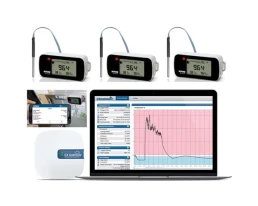
Temperature Monitoring in Transport
Top Technologies for Temperature Monitoring in Transport: A Complete UK Guide
Temperature Monitoring in Transport is essential for protecting temperature-sensitive goods across the UK supply chain.
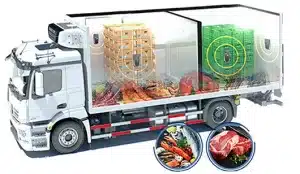
Pharmaceuticals, vaccines, fresh produce, dairy, seafood, and specialist chemicals all depend on strict thermal control. Even a short exposure outside the recommended range can damage product integrity. This can result in waste, regulatory breaches, and reputational harm. In the UK, strict frameworks such as GDP guidelines require documented proof of temperature compliance. Businesses must demonstrate that products remain within validated ranges throughout transit.
This includes road haulage, air freight, rail, and sea transport. Modern Temperature Monitoring in Transport solutions provide visibility from dispatch to delivery. They offer alerts, audit trails, and performance analytics. These systems reduce manual checks and human error. They also support insurance claims and quality assurance audits. For example, chilled food typically requires storage between 0°C and 5°C. Frozen goods often require temperatures below -18°C.
Many vaccines must remain between 2°C and 8°C. A single deviation may render stock unusable. Advanced monitoring tools allow transport managers to respond immediately to mechanical failures. They also enable route optimisation and risk mitigation. Selecting the correct technology depends on load value, journey length, and compliance requirements. UK businesses increasingly adopt integrated digital systems for improved oversight. The following sections explore leading technologies supporting Temperature Monitoring in Transport across the UK.
First a quick plug – Our sister companies Fresh Pharma whom are GDP Compliant Pharma couriers and ‘Fresh Fridge Hire‘ are our (compliant GDP) refrigerated vehicle hire.
Types of Temperature Monitoring in Transport: Technologies Explained
RFID Systems in Temperature Monitoring in Transport
Radio Frequency Identification plays a growing role in Temperature Monitoring in Transport. RFID tags attach directly to pallets, cartons, or containers. These tags transmit temperature and identification data using radio waves. A reader installed inside the vehicle collects the data automatically. This allows continuous monitoring without manual scanning. RFID systems are ideal for high-value pharmaceuticals and biologics. They reduce handling time and improve traceability. In the UK healthcare sector, RFID supports compliance with GDP standards. The system can integrate with warehouse management software. Alerts trigger when temperature thresholds are exceeded. The table below summarises key advantages and considerations.
| Feature | Benefit | Example Use in UK |
| Real-time data | Immediate alerts | Vaccine transport between NHS facilities |
| Contactless scanning | Faster processing | Distribution centres in Birmingham |
| Unique ID tracking | Improved traceability | High-value biologics |
| Integration capability | Central monitoring | National logistics networks |
RFID does require infrastructure investment. However, long-term efficiency gains often justify the cost.
Data Loggers in Temperature Monitoring in Transport
Data loggers remain the most cost-effective Temperature Monitoring in Transport solution. These compact devices record temperature at set intervals. They operate using internal batteries and onboard memory. After delivery, data downloads via USB or wireless connection. This provides a full temperature history for audit purposes. Data loggers are widely used in UK food distribution. They are also common in independent pharmacy deliveries. Their simplicity makes them attractive for smaller operators. The table below outlines core characteristics.
| Feature | Benefit | Typical Application |
| Low cost | Budget-friendly | Artisan food producers |
| Portable design | Flexible placement | Parcel shipments |
| Historical records | Audit support | MHRA inspections |
| Simple operation | Minimal training | Regional couriers |
However, they do not provide live alerts unless network-enabled. This limits rapid intervention during transit.
Wireless Sensors in Temperature Monitoring in Transport
Wireless sensors offer real-time Temperature Monitoring in Transport with remote access. These battery-powered devices measure both temperature and humidity. Data transmits to a central platform using mobile networks. Fleet managers can monitor conditions from any location. Alerts notify teams immediately if thresholds are exceeded. This allows corrective action before goods are compromised. UK supermarket chains commonly use wireless monitoring. Pharmaceutical distributors also favour this solution for nationwide deliveries. The comparison below highlights system capabilities.
| Feature | Advantage | UK Use Case |
| Real-time alerts | Immediate response | National grocery fleets |
| Humidity monitoring | Broader protection | Fresh produce shipments |
| Cloud dashboards | Remote oversight | Multi-site logistics firms |
| Data analytics | Trend analysis | Long-term compliance reporting |
Wireless systems require network coverage. Signal loss may occur in remote rural routes.
Infrared Thermography in Temperature Monitoring in Transport
Infrared thermography enhances Temperature Monitoring in Transport through surface scanning. Thermal cameras detect heat patterns across cargo areas. They identify hot or cold spots rapidly. This method works well during loading inspections. It provides instant visual confirmation of cooling performance. UK cold storage operators often use this for compliance checks. It does not replace internal probes but complements them. The technology is especially useful for frozen goods. Below is a feature overview.
| Feature | Benefit | Example |
| Rapid scanning | Quick diagnostics | Pre-departure checks |
| Visual heat maps | Easy interpretation | Distribution depots |
| Non-contact method | Hygienic assessment | Food handling environments |
| Fault detection | Prevents breakdown losses | Refrigeration maintenance |
Thermography measures surface temperature only. Internal readings still require probe-based systems.
GPS Tracking
GPS technology strengthens Temperature Monitoring in Transport by combining location and thermal data. Integrated devices track vehicle movement and cargo temperature simultaneously. This improves route visibility and security. Long-distance UK deliveries benefit greatly from this system. Managers can reroute vehicles during traffic delays. They can also investigate temperature breaches alongside journey data. The table below outlines its advantages.
| Feature | Benefit | Application |
| Live location tracking | Route optimisation | Cross-country deliveries |
| Combined temperature data | Full oversight | Pharmaceutical distribution |
| Geofencing alerts | Security control | Port transfers |
| Journey history | Compliance evidence | Retail supply chains |
GPS-enabled systems offer comprehensive oversight. They support insurance claims and contractual transparency.
Choosing the Right Solution
Temperature Monitoring in Transport is fundamental to product safety and regulatory compliance within the UK. Each technology offers distinct strengths. RFID provides automation and traceability. Data loggers offer affordability and simplicity. Wireless sensors deliver real-time oversight. Infrared thermography enhances inspection processes. GPS integration adds logistical intelligence. Businesses must assess journey duration, cargo value, and compliance requirements. Pharmaceutical transport demands stricter validation than ambient goods. Food logistics require hygiene-focused solutions. Budget constraints also influence system selection. Many UK organisations now combine multiple technologies. This layered approach improves reliability and audit readiness. Investing in advanced Temperature Monitoring in Transport reduces waste and financial loss. It strengthens brand reputation and customer confidence. It also ensures alignment with UK regulatory standards. By adopting suitable monitoring solutions, organisations futureproof their supply chains. They demonstrate commitment to quality, safety, and operational excellence.
Temperature Monitoring
- How do temperature monitoring technologies work?
Temperature monitoring technologies work by measuring and tracking temperature and humidity levels during transport using various devices such as sensors, data loggers, and RFID tags.
- What are the benefits of temperature monitoring for transport?
Temperature monitoring helps ensure that temperature-sensitive goods are transported safely and securely, reducing the risk of spoilage, contamination, and financial losses.
- Are there any regulatory requirements for temperature monitoring during transport?
Yes, there are various regulatory requirements for temperature monitoring, especially in industries such as pharmaceuticals and food and beverage, to ensure that goods are transported within the desired temperature range.
What should companies consider when choosing a temperature monitoring solution?
Companies should consider factors such as the nature of the goods being transported, the distance and duration of transport, and regulatory requirements when choosing a temperature monitoring solution.
What are some common temperature monitoring technologies used in transport?
Common temperature monitoring technologies include sensors, data loggers, RFID tags, infrared thermography, and GPS tracking.
- What should companies consider when choosing a temperature monitoring solution?
Companies should consider factors such as the nature of the goods being transported, the distance and duration of transport, and regulatory requirements when choosing a temperature monitoring solution.
- What are some common temperature monitoring technologies used in transport?
Common temperature monitoring technologies include sensors, data loggers, RFID tags, infrared thermography, and GPS tracking.

Myths and Misconceptions - Busted
Common Myths and Misconceptions about Temperature Controlled Logistics
Temperature-controlled logistics is a vital aspect of many industries, including food and pharmaceuticals. The transportation and storage of these sensitive goods require strict temperature control to maintain their quality and efficacy. However, there are several common myths and misconceptions surrounding temperature-controlled logistics. In this article, we will explore these misconceptions and provide accurate information to help businesses better understand temperature-controlled logistics.
First a quick plug – Our sister companies Fresh Pharma whom are GDP Compliant Pharma couriers and ‘Fresh Fridge Hire‘ are our (compliant GDP) refrigerated vehicle hire.

Temperature-Controlled Logistics – An Overview
Temperature-controlled logistics, also known as cold chain logistics, is the specialised process of transporting and storing temperature-sensitive goods to maintain their quality, safety, and efficacy. This critical aspect of the supply chain is essential for industries such as food and beverages, pharmaceuticals, biotechnology, and perishable goods, where exposure to incorrect temperatures can lead to spoilage, reduced product effectiveness, or safety risks.
Temperature-controlled logistics involves maintaining a precise temperature range at every stage—from storage in refrigerated warehouses to transportation in chilled or frozen vehicles. Advanced technologies, including IoT-enabled sensors, real-time monitoring, and automated alerts, play a vital role in ensuring that goods remain within their required temperature parameters throughout the supply chain.
Proper implementation of temperature-controlled logistics helps businesses reduce product loss, comply with regulatory standards, and deliver high-quality goods to customers. By safeguarding sensitive products, companies can enhance operational efficiency, customer trust, and profitability, while also minimising environmental impact through reduced waste.
Myths and Misconceptions – Temperature Control is not Necessary for Short Transport Distances
One of the most common myths surrounding temperature-controlled logistics is that temperature control is not necessary for short transport distances. Many businesses believe that if the transport distance is short, they can transport their products without temperature control. However, this is far from the truth. Temperature control is crucial for all transport distances, regardless of the distance covered. Even a short distance of a few miles can result in temperature fluctuations that can impact the quality and efficacy of the goods.
Myths and Misconceptions – All Temperature-Sensitive Products Require the Same Temperature Conditions
Another common myth surrounding temperature-controlled logistics is that all temperature-sensitive products require the same temperature conditions. This is not true. Different products have different temperature requirements, and it is essential to maintain the correct temperature for each product. For example, vaccines require a temperature range of 2 to 8°C , while frozen foods require a temperature range of -18°C or below.
Myths and Misconceptions – Standard Vehicles Can Transport Temperature-Sensitive Products
Many businesses believe that standard vehicles can transport temperature-sensitive products. However, this is not true. Standard trucks do not have temperature control features, and they cannot maintain a consistent temperature for sensitive products. Temperature-controlled trucks or reefers are specially designed to transport temperature-sensitive products, and they have features such as temperature sensors, insulation, and cooling systems to maintain the correct temperature range.
Myths and Misconceptions – Temperature Control is Expensive
Another common myth is that temperature control is expensive. While temperature-controlled logistics may seem costly, it is essential to consider the cost of product loss due to temperature fluctuations. Products that are exposed to incorrect temperature conditions can become ineffective, resulting in product loss and decreased profits. Temperature control is a necessary investment to ensure the quality and efficacy of temperature-sensitive products.
Bursting the Myths and Misconceptions – Accurate Information on Temperature Controlled Logistics
Now that we have debunked some of the common myths surrounding temperature-controlled logistics, let’s explore some accurate information on this topic.
Myths and Misconceptions – Temperature Control is Necessary for all Transport Distances
Temperature control is necessary for all transport distances, regardless of the distance covered. Even a short distance of a few miles can result in temperature fluctuations that can impact the quality and efficacy of the goods. It is essential to maintain a consistent temperature range to ensure the quality and efficacy of temperature-sensitive products.
Myths and Misconceptions – Different Products Require Different Temperature Conditions
Different products have different temperature requirements, and it is essential to maintain the correct temperature for each product. The temperature range for vaccines is 2 to 8°C , while frozen foods require a temperature range of -18°C or below. It is crucial to understand the temperature requirements for each product to ensure the quality and efficacy of the goods.
Myths and Misconceptions – Temperature-Controlled Trucks are Necessary
Temperature-controlled trucks or reefers are necessary to transport temperature-sensitive products. These trucks have temperature sensors, insulation, and cooling systems to maintain the correct temperature range. Standard trucks do not have these features, and they cannot maintain a consistent temperature for sensitive products.
Myths and Misconceptions – Temperature Control is an Investment
Temperature control is an investment in ensuring the quality and efficacy of temperature-sensitive products. While it may seem expensive, the cost of product loss due to temperature fluctuations can be even higher. Temperature-controlled logistics is a necessary investment for businesses that transport and store temperature-sensitive goods.
Benefits of Temperature-Controlled Logistics
Temperature-controlled logistics, often referred to as cold chain management, is essential for businesses that handle perishable or temperature-sensitive products, including food, pharmaceuticals, and biotech products. By maintaining strict temperature control throughout storage, handling, and transportation, businesses can achieve significant operational, financial, and regulatory advantages.
Benefit 1 – Maintains Product Quality and Efficacy
One of the primary advantages of temperature-controlled logistics is its ability to maintain the quality, freshness, and efficacy of products. For industries such as pharmaceuticals, vaccines, and specialty foods, even small deviations in temperature can compromise product integrity. By using advanced solutions like IoT sensors, real-time monitoring, and automated alerts, businesses can ensure that products remain within the optimal temperature range. This not only reduces spoilage but also protects brand reputation, enhances customer satisfaction, and ensures that end-users receive safe and effective products.
Benefit 2 – Reduces Product Loss and Waste
Temperature fluctuations are a leading cause of product loss in the supply chain, resulting in financial losses and increased waste. Implementing robust temperature-controlled logistics systems helps businesses minimise these losses by ensuring that all products are transported and stored under ideal conditions. Reduced product loss translates into cost savings, increased profit margins, and a lower environmental impact due to decreased food or pharmaceutical waste. Advanced technologies, such as predictive analytics, can further optimise storage and transportation conditions, proactively preventing potential spoilage before it occurs.
Benefit 3 – Ensures Regulatory Compliance
Many industries, particularly pharmaceuticals, biotechnology, and perishable food sectors, operate under strict regulatory frameworks, such as GDP (Good Distribution Practice), FDA guidelines, or EU cold chain regulations. Temperature-controlled logistics helps businesses remain compliant by providing documented evidence of temperature monitoring throughout the supply chain. Compliance protects businesses from legal penalties, supports audits, and strengthens partnerships with suppliers and customers who rely on the safe handling of temperature-sensitive goods.
Benefit 4 – Enhances Operational Efficiency and Visibility
Beyond quality and compliance, temperature-controlled logistics improves supply chain efficiency. With real-time data from IoT-enabled sensors and cloud-based tracking platforms, companies gain full visibility of their cold chain operations. This allows for faster decision-making, optimised route planning, and proactive management of potential risks, such as delays or equipment malfunctions. Enhanced efficiency reduces operational costs while ensuring timely delivery of products in optimal condition.
Benefit 5 – Supports Sustainability Initiatives
By reducing product spoilage, waste, and inefficient energy use in storage and transport, temperature-controlled logistics contributes to a more sustainable supply chain. Companies can leverage energy-efficient refrigeration systems, smart route planning, and predictive maintenance to minimise carbon emissions, supporting both environmental goals and corporate social responsibility initiatives.
Conclusion: Importance of Temperature-Controlled Logistics
Temperature-controlled logistics is a vital process for any business transporting or storing temperature-sensitive products. From perishable foods to pharmaceuticals, maintaining the correct temperature throughout the supply chain ensures that products arrive in optimal condition. Without proper temperature control, goods can spoil, degrade, or lose efficacy, resulting in financial losses, wasted resources, and reputational damage.
It is equally important to understand and dispel common myths and misconceptions about temperature-controlled logistics. Many assume it is only necessary for frozen goods, but in reality, chilled, ambient-sensitive, and even some packaged products require precise temperature management. Another misconception is that investing in temperature-controlled logistics is prohibitively expensive. In truth, the cost is offset by reduced waste, extended product shelf life, and higher customer satisfaction. Educating stakeholders on these facts ensures better adoption and investment decisions.
By implementing robust temperature-controlled logistics systems,
By implementing robust temperature-controlled logistics systems, businesses can significantly enhance operational efficiency. Ensuring compliance with food safety and regulatory standards, and build stronger trust with their customers. Leveraging advanced technologies such as real-time monitoring, IoT-enabled sensors, and predictive analytics further improves supply chain reliability, reduces losses, and increases transparency across all stages of product handling.
In conclusion, temperature-controlled logistics is far more than a compliance requirement—it is a strategic investment. It safeguards product quality, protects brand reputation, boosts customer confidence, and drives sustainable business growth. Companies that prioritise efficient and technology-enabled cold chain management can minimise risks. Reducing operational costs, and maintain a competitive advantage in an increasingly demanding market. In today’s fast-paced logistics environment, investing in temperature-controlled solutions is essential for businesses that want to maximise profitability while delivering safe, high-quality products consistently.
Myths and Misconceptions
- What temperature range is required for transporting vaccines?
In the main, Vaccines require a temperature range of 2 to 8°C .
- Can standard trucks transport temperature-sensitive products?
No, standard trucks do not have temperature control features and cannot maintain a consistent ‘controlled’ temperature for sensitive products.
- Is temperature control necessary for short transport distances?
Yes, temperature control is necessary for all transport distances, regardless of the distance covered.
- Is temperature-controlled logistics expensive?
While it may seem expensive, temperature-controlled logistics is a necessary investment in ensuring the quality and efficacy of temperature-sensitive products.
- What are the benefits of temperature-controlled logistics?
The benefits of temperature-controlled logistics include maintaining product quality and efficacy, reducing product loss, and complying with regulatory requirements.

Pharma Logistics
Pharma Logistics – Impact of Temperature
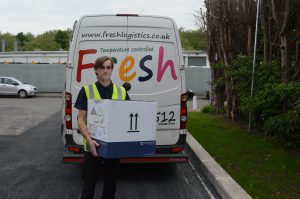 Temperature plays a pivotal role in Pharma Logistics or Pharmaceutical Logistics , where the efficacy and safety of drugs are of utmost importance. The impact of temperature on Pharma products is a critical aspect that cannot be understated. Variations in temperature during manufacturing, storage, and transportation can significantly affect the quality and stability of these products. This article delves into the multifaceted relationship between temperature and Pharmaceuticals, highlighting the importance of maintaining precise temperature control throughout the product life cycle.
First a quick plug – Our sister companies Fresh Pharma whom are GDP Compliant Pharma couriers and ‘Fresh Fridge Hire‘ are our (compliant GDP) refrigerated vehicle hire.
The Role of Temperature in Pharma Logistics
Temperature control in Pharmaceuticals (Pharma for short) is not a mere formality but a fundamental requirement. The chemical composition, physical properties, and biological activity of Pharma products are intricately linked to temperature. Here are some key aspects of the role temperature plays in Pharma:
| Effect | Description | Impact |
| Chemical Degradation | Elevated temperatures can lead to chemical degradation, resulting in impurities or breakdown of active ingredients. Low temperatures can slow reactions, affecting drug release and efficacy. | Compromised drug quality and effectiveness. |
| Microbial Growth | Temperature influences microbial growth, which can contaminate Pharmaceuticals. Correct temperatures prevent microbial contamination, ensuring safety. | Maintains product safety for consumption. |
| Shelf Life | Temperature directly impacts shelf life. Higher temperatures accelerate degradation, shortening shelf life, while lower temps extend stability. | Affects product longevity and effectiveness. |
| Dosage Accuracy | Temperature fluctuations may alter viscosity or consistency in liquid or semi-solid formulations, impacting accurate dosing. | Potential dosing errors, reduced efficacy. |
| Pharmacokinetics | Temperature changes can alter drug pharmacokinetics (absorption, distribution, metabolism, excretion), affecting drug effectiveness and safety. | Variations in drug performance in the body. |
| Drug Delivery Systems | Temperature affects drug delivery systems. For example, it can disrupt controlled drug release mechanisms in implants or stents. | Compromises precise drug delivery. |
Storage Conditions in Pharma Logistics
Proper storage conditions are vital for maintaining the quality and efficacy of Pharma products. The following factors must be considered when storing Pharma:
| Factor | Description | Impact |
| Temperature Range | Pharmaceuticals have specific temperature requirements (e.g., CRT, refrigerated, frozen) provided by manufacturers. | Ensures product stability and efficacy. |
| Humidity | High humidity can lead to moisture uptake, causing degradation or microbial growth in some formulations. | Affects product quality and safety. |
| Light Exposure | Sensitivity to light can result in photochemical degradation, altering the chemical composition of Pharmaceuticals. | Requires light-resistant packaging. |
| Container Integrity | Airtight, tamper-evident, and light-resistant packaging is crucial to maintain the stability and quality of products. | Preserves product integrity during storage and transport. |
| Cold Chain Management | Certain Pharmaceuticals, like vaccines and biologics, require strict cold chain management to maintain their potency. | Ensures the effectiveness of critical medications. |
| Temperature Monitoring | Temperature monitoring systems provide real-time data and alerts in case of temperature deviations during storage. | Enables timely corrective actions and data-driven decisions. |
| Regulatory Compliance | Regulatory authorities (e.g., MHRA) have strict guidelines for temperature control and storage of Pharmaceuticals. | Non-compliance can lead to recalls and legal consequences. |
The impact of temperature on Pharma products cannot be overstated. Temperature plays a critical role in determining the safety, efficacy, and shelf life of drugs. Proper temperature control is essential throughout the Pharma product lifecycle, from manufacturing to storage and transportation. Deviations from recommended temperature conditions can result in chemical degradation, reduced shelf life, compromised drug effectiveness, and even patient harm. Pharma companies, healthcare providers, and regulatory authorities must prioritise temperature control and storage conditions to ensure the quality and safety of Pharma products.
Stability within Pharma Logistics
Transportation is a critical component of the Pharma supply chain, ensuring that life-saving medications reach patients around the world. However, the transportation of Pharma products poses significant challenges, particularly concerning temperature control.
Transportation Challenges in Pharma Logistics
Pharmaceutical transportation is a highly specialised field that faces numerous challenges, primarily centred around ensuring the safe and effective delivery of temperature-sensitive drugs. These challenges include:
| Challenge | Description | Impact |
| Temperature Control | Pharmaceuticals are sensitive to temperature variations, leading to degradation and compromised efficacy if not controlled. | Impaired drug quality and patient safety. |
| Global Distribution | Pharmaceuticals are shipped worldwide, requiring robust logistics and infrastructure to maintain temperature control. | Ensures product integrity across diverse climates. |
| Regulatory Compliance | Regulatory authorities (e.g., MRHA) impose strict guidelines on temperature control during pharmaceutical transportation. | Non-compliance can result in recalls and legal issues. |
| Costs | Implementing temperature-controlled transportation systems can be expensive, requiring a balance between cost-effectiveness and product integrity. | Challenges in managing transportation costs. |
Temperature’s Effect on Drug Stability
The impact of temperature on Pharma products is profound, particularly during transportation. Temperature fluctuations can lead to various issues affecting drug stability:
| Effect | Description | Impact |
| Chemical Degradation | Elevated temperatures can accelerate chemical reactions, leading to the degradation of active ingredients. This can result in impurities or breakdown products, compromising drug efficacy or safety. | Compromised drug quality and safety. |
| Physical Changes | Temperature variations can induce physical changes such as viscosity alterations, crystallisation, or solidification. These changes can affect product usability and administration. | Altered drug characteristics and dosing. |
| Loss of Potency | Exposure to temperatures outside specified ranges can cause drugs to lose potency, leading to under dosing and rendering the medication ineffective in treating the intended condition. | Reduced therapeutic efficacy and effectiveness. |
| Shortened Shelf Life | Prolonged exposure to improper temperatures during transportation can shorten the shelf life of pharmaceutical products. This results in financial losses and potential risks to patients. | Affects product longevity, financial implications, and patient safety. |
Chemical Degradation in Pharma Logistics
Chemical degradation is a significant concern in Pharma transportation. Temperature plays a crucial role in accelerating or decelerating chemical reactions within drugs. Some common forms of chemical degradation include:
| Chemical Reaction | Description | Impact |
| Hydrolysis | Many pharmaceuticals are susceptible to hydrolysis, a chemical reaction involving bond breakdown in the presence of water. Elevated temperatures can accelerate hydrolysis, leading to impurity formation. | Formation of impurities, compromised safety. |
| Oxidation | Oxidation reactions are common in pharmaceuticals and can be exacerbated by higher temperatures. Oxidation leads to active ingredient degradation, resulting in reduced drug efficacy. | Loss of therapeutic effectiveness. |
| Isomerization | Some drugs exist in multiple isomeric forms, and temperature variations can induce isomerization. This alters the drug’s properties, potentially affecting its therapeutic effect. | Changes in drug characteristics and efficacy. |
| Decomposition | Elevated temperatures can cause the decomposition of certain drugs, generating toxic by products. This poses significant safety concerns for patients. | Serious safety risks for patients. |
Physical Changes
Temperature fluctuations during transportation can also induce physical changes in Pharma products, including:
| Physical Property | Description | Impact |
| Crystallisation | Some drugs may crystallise when exposed to low temperatures. This can affect the drug’s solubility and bioavailability, leading to inconsistent therapeutic effects. | Altered drug characteristics and dosing. |
| Viscosity Changes | Liquid pharmaceutical formulations can experience changes in viscosity with temperature variations. This can impact the accurate dispensing and administration of the medication. | Potential dosing errors and reduced efficacy. |
| Freezing | Extremely low temperatures can cause freezing of liquid pharmaceuticals, rendering them unusable. Frozen products may lose their effectiveness or suffer from structural damage. | Loss of product integrity and efficacy. |
Regulatory Guidelines within Pharma Logistics
To address the challenges of Pharma transportation and ensure product quality and patient safety, regulatory authorities have established strict guidelines and requirements. Key regulatory considerations include:
Good Distribution Practices (GDP) are essential guidelines that outline the necessary steps to ensure the quality and integrity of pharmaceutical products during their distribution process. These guidelines encompass several crucial aspects:
| Aspect | Description |
| Temperature Control | Maintaining proper temperature control throughout the distribution chain, especially for temperature-sensitive pharmaceuticals. Temperature monitoring systems are essential for tracking and recording temperature data. |
| Monitoring | Continuous monitoring of temperature conditions during transportation, using advanced equipment and technology to ensure pharmaceuticals stay within the specified temperature range, preventing potential quality compromises. |
| Documentation | Comprehensive and accurate documentation of temperature data from origin to destination, serving as evidence that proper temperature controls were maintained throughout the distribution process. |
| Cold Chain Management | Specialised guidelines for transporting temperature-sensitive pharmaceuticals, emphasising consistent temperature maintenance, proper packaging, and handling to prevent temperature fluctuations. |
| Reporting | Regulatory requirements mandating the reporting of temperature deviations during transportation. Deviations must be reported, investigated, and corrected to maintain product quality, ensuring transparency and accountability. |
| Validation and Qualification | The need for pharmaceutical companies to validate and qualify their transportation processes through rigorous testing and assessments to demonstrate compliance with regulatory standards, providing assurance of product quality maintenance. |
GDP guidelines are critical for safeguarding the quality and integrity of pharmaceuticals during distribution. Proper temperature control, monitoring, documentation, adherence to cold chain management, and reporting of deviations are essential components. Validation and qualification processes further ensure that pharmaceutical companies are in compliance with regulatory standards, ultimately contributing to the safe and effective distribution of pharmaceutical products.
Temperature Monitoring and Control in Pharma Logistics
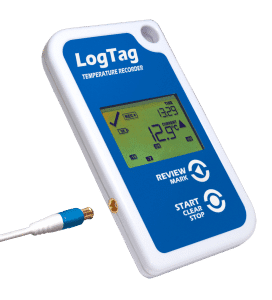 Effective temperature monitoring and control are essential to mitigate the risks associated with Pharma transportation. The following strategies and technologies are commonly employed:
| Solution | Description |
| Temperature Data Loggers | Data loggers equipped with temperature sensors are used for continuous monitoring and recording of temperature conditions during transportation. They provide real-time data and alerts in case of temperature deviations. |
| Temperature-Controlled Packaging | Specialised packaging, including insulated containers and thermal blankets, is employed to maintain the desired temperature range during transit. Phase-change materials are often used to regulate temperature within the packaging. |
| Refrigerated and Insulated Vehicles | Refrigerated trucks and containers are equipped with cooling systems to maintain low temperatures for pharmaceutical transportation. Insulated vehicles help protect products from extreme heat or cold. |
| GPS Tracking | GPS tracking systems enable real-time monitoring of the location and temperature conditions of pharmaceutical shipments. This data is crucial for identifying potential issues during transit and ensuring timely interventions. |
| Remote Temperature Monitoring | Remote monitoring systems allow transportation companies and pharmaceutical manufacturers to monitor temperature conditions in real-time and make immediate adjustments if necessary to maintain product integrity. |
Storage Solutions in Pharma Logistics
To address temperature-related challenges during Pharma transportation, various storage solutions are employed:
Cold Storage Facilities
These facilities are equipped with temperature-controlled environments, including refrigerated and frozen storage areas. Pharma products can be stored here before distribution to ensure they remain within the specified temperature range.
Temperature-Controlled Packaging
As mentioned earlier, specialised packaging is designed to maintain temperature control during transportation. This includes vacuum-insulated containers, temperature-regulated packaging, and passive cooling systems.
Temperature-Controlled Containers
Some Pharma shipments require specialised containers equipped with refrigeration or heating capabilities. These containers provide a consistent temperature environment during transit.
Temperature-Controlled Supply Chain
Many Pharma companies and logistics providers have adopted end-to-end temperature-controlled supply chain solutions. These integrated systems ensure temperature control from manufacturing to delivery.
The challenges of Pharma transportation are complex, with temperature control being a critical factor in ensuring drug stability and patient safety. Temperature variations during transportation can lead to chemical degradation, physical changes, and loss of potency in Pharma products. Strict regulatory guidelines, temperature monitoring, and specialised storage solutions are essential for mitigating these risks. The Pharma industry continues to invest in innovative technologies and best practices to ensure that temperature-sensitive drugs reach patients in optimal condition, ultimately improving global healthcare outcomes.
Table 1: Common Temperature Ranges for Pharma Logistics
| Pharma Product | Recommended Temperature
Range (°C) |
Remarks |
| Vaccines | 2°C to 8°C | Protects vaccine potency |
| Biologics | -20°C or lower | Maintains biological activity |
| Insulin | 2°C to 8°C | Preserves insulin stability |
| Antibiotics | 15°C to 25°C | Typical ambient storage
range |
| Blood and Plasma Products | -30°C to -40°C | Prevents coagulation
and degradation |
| Chemotherapy Drugs | 20°C to 25°C | Standard room temperature
range |
| Controlled Room Temperature (CRT) | 15°C to 25°C | General storage for many
drugs |
Pharma Logistics also known as cold chain
The Pharma cold chain is a specialised segment of the supply chain dedicated to the storage and transportation of temperature-sensitive Pharmaceuticals. These products range from vaccines and biologics to various medications, all of which require stringent temperature control to maintain their effectiveness. The cold chain encompasses various stages, including manufacturing, storage, distribution, and final delivery to healthcare providers or patients.
Importance of Temperature Control in Pharma Logistics
Precise temperature control within the Pharma cold chain is paramount for several reasons:
Product Efficacy
Many pharmaceuticals are highly sensitive to temperature variations. Deviations from recommended temperature ranges can lead to chemical degradation and the loss of therapeutic efficacy. Ensuring proper temperature control is crucial to maintain the effectiveness of pharmaceutical products.
Patient Safety
Patients rely on pharmaceutical products to treat their medical conditions or prevent diseases. Ensuring that these products maintain their intended efficacy through proper temperature control is essential for patient safety. Inaccurate temperature control can potentially harm patients or lead to ineffective treatments.
Regulatory Compliance
Regulatory agencies such as the MHRA and EMA (European Medicines Agency) have strict guidelines regarding temperature control in pharmaceutical transportation. Non-compliance with these regulations can have severe consequences, including product recalls, fines, and damage to a company’s reputation. Adhering to regulatory standards is essential for legal and ethical reasons.
Financial Implications
Temperature excursions during transportation can lead to product losses, reducing the shelf life of pharmaceuticals and resulting in financial losses for pharmaceutical companies. Effective temperature control not only ensures product efficacy but also helps prevent financial setbacks associated with product spoilage or waste.
Challenges in the Pharma Logistics
Despite the critical importance of temperature control, several challenges persist within the Pharma cold chain:
| Challenge | Description |
| Global Distribution | Pharmaceuticals are transported worldwide, often across diverse climates and conditions. Ensuring temperature control in all these regions can be logistically challenging. |
| Compliance and Monitoring | Meeting regulatory requirements and continuous temperature monitoring during transportation can be resource-intensive. |
| Costs | Implementing temperature-controlled transportation and storage solutions can be expensive. |
| Infrastructure | Some regions lack the necessary infrastructure to support temperature-controlled transportation and storage. |
| Supply Chain Complexity | The Pharma supply chain is complex, involving multiple stakeholders, including manufacturers, logistics providers, and distributors. Coordination and communication are vital to maintaining temperature control. |
Innovations in Pharma Logistics
To address the challenges of temperature control in Pharma transportation, several innovations have emerged:
Table 2: Innovations in Pharma Logistics
| Innovation | Description | Impact |
| Advanced Packaging | Utilises vacuum-insulated panels, phase-change materials, and more to maintain temperature stability during transportation. | Reduces temperature excursions and product losses. |
| Smart Sensors and Data Loggers | IoT-enabled sensors continuously monitor temperature conditions and send real-time alerts in case of deviations. | Improves visibility and control over temperature-sensitive products. |
| Blockchain Technology | Provides transparent and tamper-proof recording of temperature data, ensuring data integrity and regulatory compliance. | Enhances data security and compliance in the supply chain. |
| Drones and Autonomous Vehicles | Adoption of drones and autonomous vehicles for Pharma transport reduces delivery times and enhances temperature control. | Enables faster and more reliable delivery of temperature-sensitive drugs. |
The Future of Pharma Logistics
The future of temperature control in Pharma logistics holds promising developments:
Enhanced Data Analytics
Data analytics and machine learning algorithms will be increasingly used to predict and prevent temperature excursions, optimising supply chain efficiency. These technologies will enable proactive measures to maintain temperature control.
Sustainable Packaging
There will be a growing emphasis on sustainable packaging materials and practices to reduce environmental impact in the pharmaceutical industry. Sustainable packaging options aim to minimise waste and promote eco-friendly solutions.
Global Standardisation
Efforts to standardise temperature control practices globally will lead to greater consistency and compliance across the pharmaceutical industry. Standardisation will help ensure that temperature-sensitive products are handled consistently and safely worldwide.
Innovative Transportation
Autonomous vehicles and drones. These technologies offer faster and more reliable transportation solutions, enhancing the efficiency of supply chains.
Conclusion
Temperature control within the Pharma cold chain is pivotal in ensuring the quality, safety, and efficacy of Pharma products. Best practices in Pharma transportation highlight the importance of precise temperature management and monitoring. Ongoing innovations in packaging, sensors, and logistics technology promise a more reliable and efficient future for Pharma temperature control. As global demand for Pharma products continues to grow, the industry must remain committed to maintaining the integrity of these life-saving medications throughout their journey from manufacturing to the hands of patients.
The Impact of Temperature on Pharmaceutical Products
- What temperature range should pharmaceutical products be stored in?
The temperature regime depends on the specific product, but most pharmaceutical products should be stored between 2-8°C or positive ambient of +15°C-+25°C.
- What happens if pharmaceutical products are exposed to temperatures outside of their recommended range?
Exposure to temperatures outside of the recommended range can cause degradation, loss of efficacy, and reduced shelf-life of pharmaceutical products. This is called a ‘temp outage’.
- How do pharmaceutical companies ensure the appropriate temperature is maintained during transport?
Pharmaceutical companies use temperature-controlled transport systems, including refrigerated trucks and containers, to ensure the appropriate temperature is maintained during transport.
- What is the role of temperature validation in the pharmaceutical industry?
Temperature validation ensures that the appropriate temperature is maintained during storage and transport, thus preserving the efficacy and safety of pharmaceutical products.
- How can I ensure the pharmaceutical products I purchase are safe and effective?
It is important to purchase pharmaceutical products from reputable sources and ensure they are stored and used according to the manufacturer’s instructions.

Dirty Data in Your Logistics Business
Dirty Data and Its Impact on Your Logistics Business
As a logistics business owner or manager, you are constantly dealing with vast amounts of potentially Dirty data.

You rely on this data to make important decisions, optimise your routes, operations, and improve customer satisfaction. However, not all data is created equal, and dirty data can significantly impact your business’s efficiency and profitability. In this blog, we will discuss what dirty data is, how it affects your temperature controlled logistics business in particular. The principles are the same in any logistics business, and how you can mitigate its impact. See our blog Data Policy and Strategy
First a quick plug – Our sister companies Fresh Pharma whom are GDP Compliant Pharma couriers and ‘Fresh Fridge Hire‘ are our (compliant GDP) refrigerated vehicle hire.
What is Dirty Data?
Types of Dirty Data
Dirty data can take different forms, including:
Inaccurate Data:
When data is incorrect, it can lead to incorrect insights and decision-making. For example, if your inventory data shows that you have a certain product in stock, but it’s actually out of stock, you may make wrong delivery promises.
Incomplete Data:
When data is missing critical information, it can create gaps in your knowledge and lead to ineffective decision-making. For example, if your delivery data doesn’t include the customer’s preferred delivery time, you may miss their delivery window.
Inconsistent Data:
When data is conflicting or contradictory, it can create confusion and uncertainty. For example, if your inventory data shows different stock levels for the same product, you may not know which one is accurate.
Duplicated Data:
When data is replicated in different sources, it can create redundant information and waste resources. For example, if you have the same customer data stored in multiple systems, you may waste time and effort updating them separately.
How Dirty Data Affects Your Logistics Business
Dirty data can have various negative impacts on your logistics business, such as:
Inaccurate Inventory Management
If your inventory data is inaccurate, it can lead to stockouts or overstocking, which can result in lost sales or wasted resources. For example, if your inventory data shows that you have more of a product than you actually do, you may accept more orders than you can fulfil, leading to delayed or cancelled orders and dissatisfied customers. On the other hand, if your inventory data shows that you have less of a product than you actually do, you may reorder more than you need, tying up valuable capital and space.
Inefficient Routing and Delivery
Dirty data can also impact your routing and delivery processes, leading to inefficient and costly operations. For example, if your delivery data doesn’t include accurate customer addresses, your drivers may waste time and fuel searching for the right location, leading to delayed deliveries and higher operational costs. Similarly, if your routing data doesn’t consider traffic patterns or road construction, your drivers may take longer routes or encounter roadblocks, leading to delayed deliveries and lower customer satisfaction.
Delayed or Missed Deliveries
Dirty data can also result in delayed or missed deliveries, which can damage your business’s reputation and customer loyalty. For example, if your delivery data doesn’t include accurate delivery time estimates, your customers may not be available to receive their orders, leading to missed deliveries and disappointed customers. Similarly, if your delivery data doesn’t account for weather conditions or other external factors, your drivers may encounter unexpected delays or obstacles, leading to delayed deliveries and frustrated customers.
Mitigating the Impact of Dirty Data on Your Logistics Business
To minimise the impact of dirty data on your logistics business, you can implement various strategies, such as:
Implementing Data Cleaning Processes
Regularly cleaning your data can help identify and correct inaccuracies, duplications, and other forms of dirty data. You can use data cleaning tools or hire data cleaning experts to audit your data and ensure its accuracy and completeness.
Training Employees to prevent Dirty data
Providing your employees with data entry training and guidelines can help reduce human errors and ensure consistent and accurate data. You can also incentivize accurate data entry and provide regular feedback on data quality.
Using Automation Tools to cleanse Dirty Data
Leveraging automation tools such as machine learning algorithms, artificial intelligence, and predictive analytics can help detect and correct in real-time, leading to faster and more accurate decision-making.
The Importance of eliminating Dirty Data in Logistics
Maintaining high data quality in logistics is crucial for various reasons, such as:
Improved Decision-Making
Accurate and timely data can provide valuable insights into your business’s performance, customer behaviour, market trends, and other critical factors. This information can help you make informed decisions that improve your operations, reduce costs, and increase revenue.
Enhanced Customer Satisfaction
Clean data can help you provide a seamless and personalised customer experience, leading to higher customer satisfaction and loyalty. For example, accurate delivery estimates, real-time tracking, and tailored recommendations can all contribute to a positive customer experience.
Increased Operational Efficiency
High-quality data can help you optimise your operations, streamline your processes, and reduce waste. For example, accurate inventory data can help you avoid overstocking or stockouts, leading to better resource allocation and lower costs.
Conclusion: The Importance of Managing Dirty Data in Logistics
Dirty data can have a profound effect on a logistics business, affecting operational efficiency, profitability, and customer satisfaction. Inaccurate, incomplete, inconsistent, or duplicated data can disrupt supply chains, delay deliveries, and result in poor decision-making. For example, an incorrect inventory record may lead to stockouts or overstocking, while inaccurate delivery addresses can cause failed shipments and dissatisfied customers.
To mitigate the impact of dirty data, logistics companies should implement structured data cleaning processes. Regular audits, validation checks, and automated monitoring can identify errors before they propagate throughout the system. Staff training is equally critical, ensuring employees understand best practices for data entry and maintenance, reducing human error. Leveraging automation tools, such as AI-driven data validation or real-time monitoring systems, can further enhance data accuracy and reliability.
Maintaining high-quality data is not just a technical exercise—
it is a strategic necessity. Reliable data supports informed decision-making, enables efficient resource allocation, and improves customer experiences. It also helps businesses comply with regulatory requirements, maintain trust with partners, and optimise supply chain performance.
In conclusion, addressing dirty data proactively strengthens a logistics organisation’s foundation. By combining employee training, automated tools, and ongoing monitoring, companies can ensure that their data remains accurate, consistent, and actionable. This commitment to high data quality ultimately drives operational efficiency, reduces costs, and enhances customer satisfaction, giving logistics businesses a competitive edge in a fast-moving and increasingly data-driven industry.
Refrigerated Van Fleet
- What is refrigerated van fleet management?
Refrigerated van fleet management refers to the process of overseeing and optimising a fleet of refrigerated vans used to transport temperature-sensitive goods. It includes tasks such as scheduling, maintenance, monitoring temperature, and compliance with regulations.
- Why is refrigerated van fleet management important?
Proper refrigerated van fleet management is crucial in ensuring the safe and timely transport of temperature-sensitive goods. It helps to maintain the quality of the goods, prevent spoilage, reduce waste, and ensure compliance with regulations. Effective fleet management can also lead to cost savings and increased efficiency.
- Toggle Title
Some of the common challenges in refrigerated van fleet management include maintaining consistent temperature, complying with regulations, minimising fuel consumption, reducing maintenance costs, and ensuring timely delivery.
- How can I ensure the temperature inside the refrigerated van is consistent?
To ensure consistent temperature inside the refrigerated van, you should regularly calibrate the temperature sensors and thermometers, monitor the temperature during transport, and make sure the refrigeration unit is well-maintained. You can also use telematics or GPS tracking systems to monitor the temperature and location of the van in real-time.
- How often should I perform maintenance on my refrigerated van fleet?
Regular maintenance is critical in ensuring the reliability and longevity of your refrigerated van fleet. It is recommended to perform maintenance at least once a year or every 10,000 to 15,000 miles. However, you should also perform routine checks daily

Disability Pride Month
Disability Pride Month
As a disabled MD running 5 successful companies, July is a special month for many as it marks Disability Pride Month. A time to honour and celebrate the disabled community. This month is dedicated to promoting visibility, equality, and pride for individuals with disabilities. But what makes this month so significant?
 The Significance of Disability Pride Month
Disability Pride Month, celebrated every July, is a powerful observance dedicated to honouring and uplifting the disabled community. This month is significant for many reasons, as it focuses on recognizing the achievements and contributions of disabled individuals while also addressing the challenges they face. It’s a time for the disabled community to express pride in their identity and foster a sense of unity and empowerment.
Recognition of Achievements and Contributions
One of the central themes of Disability Pride Month is the recognition of the remarkable achievements and contributions of disabled individuals. Throughout history, people with disabilities have made significant impacts in various fields, including science, art, politics, and sports. Celebrating these accomplishments not only highlights the capabilities and talents of disabled individuals but also challenges the stereotypes and misconceptions often associated with disability.
For instance, individuals like Stephen Hawking, Frida Kahlo, and Helen Keller have left indelible marks on their respective fields, proving that disability does not hinder one’s ability to achieve greatness. By recognising such figures during Disability Pride Month, society is reminded of the diverse strengths and perspectives that disabled individuals bring to the table.
Addressing Challenges
While Disability Pride Month is a time of celebration, it is also a time to acknowledge and address the numerous challenges that the disabled community faces. Despite significant legislative advancements, such as the Equality Act 2010, barriers to accessibility and inclusion persist. Many buildings, public spaces, and digital platforms still lack the necessary accommodations for disabled individuals, making everyday activities more difficult.
Moreover, societal attitudes and misconceptions about disability often lead to discrimination and exclusion. Disability Pride Month serves as a platform to raise awareness about these issues and advocate for systemic changes that promote true inclusion and equality. By bringing these challenges to light, Disability Pride Month encourages a collective effort to create a more accessible and inclusive society.
When I was engaged with a forensic accountants their Terms and Conditions discriminated against me. I asked them to adapt their T+Cs. They charged £500 to change their T+Cs so as to not discriminate against me. .
When I asked Dains accountants can they please adapt their systems so as to assist me….they refused to reply. This is exceptionally poor behaviour. I have found most antiquated industries (accountant, solicitors, courts) the worst offenders. To be fair most forward thinking modern firms are more than happy to help.
The Equality Act 2010 is OK. Only the person discriminated against (disabled person) can take the massive corporation to court.
Fostering Pride and Empowerment
At its core, Disability Pride Month is about fostering a sense of pride and empowerment within the disabled community. It encourages individuals to embrace their identities and celebrate their unique experiences and perspectives. This sense of pride is crucial for self-esteem and mental well-being, as it counters the often negative narratives surrounding disability.
Pride in one’s identity also promotes solidarity and community. During Disability Pride Month, disabled individuals and their allies come together to share their stories, support one another, and celebrate their collective identity. This sense of community is empowering, as it reinforces the idea that disabled individuals are not alone in their experiences and that their voices matter.
Historical Background
Disability Pride Month has its roots in the Americans with Disabilities Act (ADA), signed into law on July 26, 1990. This landmark legislation prohibited discrimination against people with disabilities and paved the way for greater inclusion and accessibility.
Understanding Disability Pride
What Does Disability Pride Mean?
Disability pride is about embracing one’s identity as a disabled person. It’s a rejection of the notion that disabilities are something to be ashamed of and a celebration of the unique perspectives and strengths that come with being disabled.
The Symbolism of the Flag and Colours
The Disability Pride flag, designed by Ann Magill, features a black background with diagonal stripes of red, gold, white, blue, and green. Each colour represents a different aspect of disability: red for physical disabilities, gold for neurodiversity, white for invisible and undiagnosed disabilities, blue for emotional and psychiatric disabilities, and green for sensory perception disabilities.
The History of Disability Rights
Key Milestones in Disability Rights History
The journey toward disability rights has been marked by numerous significant milestones. The passage of the ADA was a monumental step, but earlier efforts, such as the Rehabilitation Act of 1973, laid the groundwork by prohibiting discrimination in federal programs.
Important Legislation and Policies
Other key pieces of legislation include the Individuals with Disabilities Education Act (IDEA), which ensures students with disabilities receive free and appropriate public education, and the Fair Housing Act, which protects against discrimination in housing.
Celebrating Disability Pride Month
Events and Activities
Throughout July, various events and activities take place to celebrate Disability Pride Month. These include parades, workshops, panel discussions, and cultural festivals that highlight the talents and contributions of disabled individuals.
Community Involvement and Participation
Community involvement is crucial during Disability Pride Month. It’s a time for people to come together, share experiences, and build solidarity. Participation can range from attending events to engaging in online discussions.
Prominent Figures in the Disability Rights Movement
The disability rights movement has been shaped by numerous trailblazers, and the United Kingdom has seen its fair share of influential advocates who have significantly contributed to advancing the rights and inclusion of disabled individuals. These pioneers have dedicated their lives to fighting for equality, accessibility, and recognition for the disabled community.
Pioneers of Disability Advocacy
Paul Hunt
One of the early pioneers in the UK disability rights movement was Paul Hunt. He was instrumental in founding the Union of the Physically Impaired Against Segregation (UPIAS) in the early 1970s. Hunt’s work laid the groundwork for the social model of disability, which shifts the focus from the individual’s impairment to the societal barriers that disable people.
Baroness Jane Campbell
Baroness Jane Campbell is another prominent figure in the UK disability rights movement. As a lifelong advocate for disabled people’s rights, she has worked extensively on policy and legislation. Her efforts have significantly influenced disability equality laws, and she has been a vocal supporter of independent living for disabled individuals. Campbell’s work in the House of Lords continues to drive forward the disability rights agenda.
Jack Ashley
Jack Ashley, later Baron Ashley of Stoke, was a tireless campaigner for disabled people’s rights. After losing his hearing, Ashley became a passionate advocate for the deaf community and broader disability rights. His work in Parliament led to several important legislative changes, including improvements in access to telecommunications and broadcasting for deaf individuals.
Modern-Day Advocates
Liz Sayce
Liz Sayce, former CEO of Disability Rights UK, has been a leading voice in disability advocacy. Her work has focused on creating inclusive workplaces, promoting disability rights in policy-making, and ensuring that disabled individuals have a say in decisions that affect their lives. Sayce’s contributions have been instrumental in shaping disability policy and practice in the UK.
Frances Ryan
Frances Ryan is a journalist and author known for her powerful writing on disability issues. Her book, “Cripped: Austerity and the Demonization of Disabled People,” explores the impact of government policies on disabled individuals in the UK. Ryan’s work has raised public awareness about the challenges faced by the disabled community and has been a catalyst for change.
Ade Adepitan
Ade Adepitan, a Paralympian and television presenter, uses his platform to advocate for disability rights and inclusion. His work in the media has helped to change perceptions of disability and promote a more inclusive society. Adepitan’s efforts to highlight the achievements and potential of disabled individuals have made a significant impact.
How Media Shapes Perception
Media plays a significant role in shaping public perception of disability. Unfortunately, disabled individuals are often underrepresented or portrayed in a negative light, reinforcing harmful stereotypes. The way disability is depicted in media can have far-reaching effects on societal attitudes and the treatment of disabled individuals.
The Power of Representation
Media, in all its forms—television, film, literature, news, and social media—has a powerful influence on how we perceive the world. When disabled individuals are consistently underrepresented or misrepresented, it can perpetuate myths and misconceptions about disability. Positive and accurate representation, on the other hand, can challenge these stereotypes and foster a more inclusive society.
Common Misrepresentations
Stereotypes and Tropes
Disabled characters in media are often reduced to stereotypes or tropes. These include the “inspirational hero” who overcomes their disability through sheer determination, the “tragic figure” who elicits pity, or the “comic relief” whose disability is used for humour. These portrayals can be damaging because they reduce complex individuals to one-dimensional characters, ignoring the diverse experiences and identities of disabled people.
Lack of Authenticity
Many portrayals of disability in media lack authenticity, often because disabled roles are played by non-disabled actors. This practice, known as “crippling up,” not only denies disabled actors opportunities but also leads to inaccurate and insensitive portrayals. Authentic representation requires casting disabled actors to tell their own stories and ensuring that disabled voices are involved in the creative process.
The Impact of Negative Portrayals
Negative portrayals of disability can reinforce harmful attitudes and beliefs. When the media repeatedly presents disabled individuals as objects of pity or inspiration, it can influence how people perceive and interact with them in real life. This can lead to condescending attitudes, discrimination, and exclusion, making it more difficult for disabled individuals to achieve true equality and inclusion.
Positive Representation and Its Effects (promoted during Disability Pride Month)
Challenging Stereotypes
Positive representation in media can challenge and dismantle harmful stereotypes. When disabled characters are portrayed as fully realized individuals with their own stories, strengths, and challenges, it helps to humanize them and change public perceptions. Shows like “Special” and “Speechless” have been praised for their authentic and nuanced portrayals of disability.
Promoting Inclusion
Accurate and positive representation can also promote inclusion by raising awareness about the experiences and rights of disabled individuals. Documentaries, news stories, and social media campaigns that highlight disability issues can educate the public and encourage advocacy and support for disability rights. At Fresh we are recruiting disabled drivers by adapting vehicles. We entered the CILT Awards to promote this technology and approach but we were unsuccessful to get in the finals.
The Role of Disabled Creators
Disabled creators—writers, directors, actors, and influencers—play a crucial role in improving media representation. By telling their own stories and controlling how they are portrayed, disabled individuals can ensure more accurate and respectful representation. Supporting and amplifying the voices of disabled creators is essential for changing how disability is depicted in media.
Challenges Faced by the Disabled Community
Common Misconceptions and Stereotypes
One of the biggest challenges is overcoming misconceptions and stereotypes. These can range from viewing disabled individuals as inspirational solely for living their lives to underestimating their capabilities.
Barriers to Accessibility and Inclusion
Despite legislative progress, barriers to accessibility and inclusion persist. Many buildings, websites, and services are still not fully accessible, making it difficult for disabled individuals to navigate the world freely.
Promoting Inclusion and Accessibility during Disability Pride Month
Creating Inclusive Spaces
Creating truly inclusive spaces involves more than just meeting legal requirements. It requires a commitment to understanding and addressing the diverse needs of disabled individuals, from physical accommodations to sensory-friendly environments.
Technological Advances in Accessibility
Technology has the potential to significantly enhance accessibility. Innovations such as screen readers, voice recognition software, and accessible design standards are making it easier for disabled individuals to access information and services.
The Importance of Allyship
How to Be an Ally
Being an ally means actively supporting and advocating for the rights and inclusion of disabled individuals. This can involve educating oneself about disability issues, speaking out against discrimination, and amplifying disabled voices.
Supporting Disabled Individuals in Everyday Life
Support can be as simple as being mindful of accessibility needs, offering assistance when asked, and treating disabled individuals with the same respect and dignity as anyone else.
Personal Stories and Testimonials promoted during Disability Pride Month
Inspirational Stories from Disabled Individuals
Personal stories can be incredibly powerful. Hearing from disabled individuals about their experiences, challenges, and triumphs can inspire and educate others, fostering a deeper understanding and appreciation for the disability community.
The Impact of Sharing Personal Experiences
Sharing personal experiences not only empowers the storyteller but also helps to break down barriers and combat stigma. It creates a sense of connection and community, showing that disabled individuals are not alone in their journeys.
Educational Initiatives promoted during Disability Pride Month
Teaching Disability History and Awareness in Schools
Education is key to fostering a more inclusive society. Teaching disability history and awareness in schools can help to challenge misconceptions and promote empathy and understanding from a young age.
Resources for Teachers and Parents
There are numerous resources available to help teachers and parents teach about disability. Books, online courses, and community programs can provide valuable information and support.
Global Perspectives on Disability Pride
Disability Pride Around the World
Disability Pride is not limited to one country. Around the world, various cultures and communities celebrate and advocate for disability rights in unique ways, highlighting the global nature of the movement.
International Movements and Celebrations
Internationally, events like the United Nations’ International Day of Persons with Disabilities on December 3rd, further the cause of disability rights and celebrate the achievements of disabled individuals globally.
The Future of Disability Rights promoted during Disability Pride Month
Emerging Issues and Trends
The fight for disability rights is ongoing, with new issues and trends emerging. Topics such as digital accessibility, mental health, and intersectionality are gaining more attention and prompting further advocacy and action.
The Role of the Next Generation
The next generation has a crucial role to play in advancing disability rights. Young activists are bringing fresh perspectives and energy to the movement, continuing the work of their predecessors and pushing for even greater progress.
How to Get Involved
Ways to Participate in Disability Pride Month
There are many ways to get involved in Disability Pride Month. Attend events, participate in online discussions, volunteer with organisations, or simply educate yourself and others about disability issues.
Organisations to Support in the UK not only in Disability Pride Month
Numerous organisations in the UK are dedicated to supporting disabled individuals and advocating for their rights. These organisations work tirelessly to promote equality, accessibility, and inclusion, ensuring that disabled people have the resources and opportunities they need to thrive. Here are some notable ones:
Scope
Scope is a prominent disability charity in the UK that provides support, information, and advice to disabled individuals and their families. Their work encompasses a wide range of services, including employment support, community engagement, and advocacy for disability rights. Scope also conducts research and campaigns to influence policy and bring about systemic change.
Disability Rights UK during in Disability Pride Month
Disability Rights UK (DR UK) is a leading national organisation that promotes the rights and inclusion of disabled people. They provide vital resources, such as information on benefits, education, and independent living. DR UK also engages in policy advocacy, working to ensure that disabled people’s voices are heard in decision-making processes. Their campaigns aim to tackle discrimination and promote equal opportunities.
Leonard Cheshire
Leonard Cheshire is a charity that supports disabled people to live, learn, and work as independently as possible. They offer a variety of services, including residential care, supported living, and educational programs. Leonard Cheshire also advocates for disability rights on a national and international level, striving to create a more inclusive society.
Mencap in Disability Pride Month
Mencap focuses on supporting people with learning disabilities and their families. They provide a range of services, from advice and support to housing and employment assistance. Mencap is also involved in campaigning for better policies and practices that affect people with learning disabilities, ensuring that their rights are respected and upheld.
The National Autistic Society
The National Autistic Society (NAS) is dedicated to supporting individuals with autism and their families. They offer a wealth of resources, including educational programs, employment support, and community services. NAS also works to raise awareness about autism and influence policy to improve the lives of autistic people.
Support RNIB (Royal National Institute of Blind People) in Disability Pride Month
RNIB is a leading charity supporting people with sight loss. They provide practical and emotional support, including technology training, employment advice, and counseling services. RNIB also advocates for better accessibility and inclusion for blind and partially sighted individuals, striving to break down barriers to independence.
Action on Hearing Loss (formerly RNID)
Action on Hearing Loss is the UK’s largest charity supporting people with hearing loss, deafness, and tinnitus. They offer information and support services, campaign for equality, and fund research into hearing loss treatments. Their work aims to ensure that individuals with hearing impairments can enjoy the same opportunities as everyone else.
Inclusion London in Disability Pride Month
Inclusion London is a disability rights organisation that works to promote equality for disabled people in London. They provide support to disabled people’s organisations (DPOs) and campaign on issues such as accessible transport, housing, and social care. Inclusion London also offers training and resources to help DPOs advocate effectively for their communities.
Mind
Mind is a mental health charity that provides support and advice to people experiencing mental health problems. While not exclusively focused on disability, Mind’s work is crucial for many disabled individuals who also face mental health challenges. They offer a range of services, including helplines, online resources, and local support groups.
Promote ‘Sense’ in Disability Pride Month
Sense supports people with complex disabilities, including those who are deafblind. They provide tailored services to help individuals communicate, develop skills, and participate in their communities. Sense also campaigns for better policies and practices to improve the quality of life for people with complex disabilities.
Supporting these organisations is vital for advancing the rights and inclusion of disabled individuals in the UK. Whether through donations, volunteering, or advocacy, your involvement can make a significant difference. By backing these organisations, we can help create a society where all disabled people are valued, respected, and given the opportunity to thrive.
Conclusion
Disability Pride Month is a time to celebrate the achievements, resilience, and contributions of the disabled community. It’s an opportunity to reflect on the progress made, recognize the challenges that remain, and commit to continued advocacy and support. By embracing disability pride, we can create a more inclusive and equitable society for all.
Disability
- Is Disability Pride Month a thing?
Yes — Disability Pride Month is celebrated each July in the UK and elsewhere to recognise, celebrate, and promote pride in disability identity, people’s contributions and to challenge stigma and ableism. It has roots in the Disability Rights movement and is now a global observance.
- What month is disability awareness month in the UK?
In the UK, Disability History Month (often used as a broader awareness period) runs from mid‑November to mid‑December — in 2025 it is from 20 November to 20 December. It focuses on the history, achievements and struggles of disabled people.
- Is there a pride flag for disabled people?
Yes — the Disability Pride Flag represents people with disabilities and the Disability Pride movement worldwide. It was designed by Ann Magill and updated in 2021 to be more accessible to people with visual sensitivity and colour blindness.
- Does Disability Pride Month include ADHD?
Yes. Disability Pride Month is inclusive of various disabilities, including neurodivergence such as ADHD, because the flag’s colours and the broader movement represent both visible and invisible disabilities. The gold stripe on the Disability Pride Flag often symbolises neurodiversity — including conditions like autism and ADHD.
- Why can't you say “handicapped” anymore?
The term “handicapped” is considered outdated and potentially offensive because it can imply limitation or focus on disability as a deficit. Modern inclusive language guidelines recommend using respectful wording like “disabled people” or “people with disabilities” to emphasise dignity and individuality.
- Do you say “Happy Disability Pride Month”?
Yes — it is common to acknowledge Disability Pride Month with supportive greetings such as “Happy Disability Pride Month”. The phrase is used by organisations and communities to celebrate disabled people’s identities and contributions
- What colour is Disability Pride Month?
The Disability Pride Flag features a charcoal grey background with five diagonal coloured stripes:
- Red — physical disabilities
- Gold — neurodivergence
- White — invisible/undiagnosed disabilities
- Blue — emotional/psychiatric conditions
- Green — sensory disabilities
The charcoal/grey background symbolises mourning, strength and protest against ableism.
- What are the 21 disabilities lists?
There isn’t a single standard “21 disabilities list” for the UK. Disability can cover a broad range of conditions under UK law — physical, sensory, mental health, cognitive, learning and hidden disabilities. Organisations may list multiple conditions for awareness or administrative purposes, but terms like “21 disabilities” are not official legal categories. Definitions often vary by context (e.g., NHS, education, employment).
- Why was the disability pride flag changed?
The original flag was redesigned in 2021 to make it more accessible to people with visually triggered conditions (e.g., migraines or photosensitivity) and to improve distinction for people with colour vision differences. The lightning bolt was replaced with straighter diagonal stripes and muted colours.
- What is the hardest disability to prove?
There’s no official “hardest disability to prove” category — it varies by context (benefits, legal protections, workplace adjustments). Often invisible disabilities (e.g., chronic pain, mental health conditions, fatigue disorders) are harder to demonstrate because they don’t have visible markers and may require detailed medical evidence. Each case depends on clinical documentation and assessment criteria rather than a fixed list.
Good Distribution Practice
Good Distribution Practice (GDP) in the UK
Good Distribution Practice is paramount In the complex and critical world of pharmaceuticals. Ensuring the safety, efficacy, and integrity of medicinal products is of paramount importance. One of the cornerstones of achieving these objectives is Good Distribution Practice (GDP). GDP, as mandated by regulatory authorities in the United Kingdom and beyond, plays a pivotal role in maintaining the quality and integrity of pharmaceutical products throughout their distribution journey.
First a quick plug – Our sister companies Fresh Pharma whom are GDP Compliant Pharma couriers and ‘Fresh Fridge Hire‘ are our (compliant GDP) refrigerated vehicle hire.
| Takeaway | Description |
| Significance of GDP | Good Distribution Practice (GDP) is crucial for ensuring the quality, safety, and integrity of pharmaceutical products during distribution. It upholds patient safety and the industry’s reputation. |
| Regulatory Framework | In the UK, GDP is regulated by the Medicines and Healthcare products Regulatory Agency (MHRA) and aligns with EU and international guidelines, promoting consistency and global credibility. |
| Key Principles of GDP | GDP encompasses temperature control, documentation, personnel training, and risk management, all essential for maintaining product quality and safety. |

The Significance of Good Distribution Practice GDP
Good Distribution Practice, or GDP, is a set of stringent guidelines and standards that govern the distribution of pharmaceutical products. It ensures that these products are handled, stored, and transported in a manner that preserves their quality, efficacy, and safety. GDP isn’t merely a set of rules; it is a comprehensive framework designed to safeguard the well-being of patients and uphold the reputation of the pharmaceutical industry.
In this comprehensive guide, we’ll delve into the intricacies of GDP in the United Kingdom, exploring its regulatory framework, core principles, and the critical role it plays in the pharmaceutical supply chain.
II. The Regulatory Framework
Regulatory Bodies Responsible for Good Distribution Practice in the UK
Before delving into the specifics of GDP, it’s essential to understand the regulatory bodies overseeing its implementation in the UK. The primary regulatory authority in this context is the Medicines and Healthcare products Regulatory Agency (MHRA). The MHRA, as an executive agency of the Department of Health and Social Care, plays a central role in ensuring that pharmaceutical distribution practices adhere to the highest standards of safety and quality.
Alignment with EU and International Regulations
The scope of pharmaceutical distribution often extends beyond national borders. In an era of globalisation, it’s crucial for the UK’s GDP regulations to align with broader EU and international standards. This alignment not only promotes consistency in practices but also facilitates the smooth movement of pharmaceuticals across borders.
In compliance with EU regulations, the UK has adopted the principles of Good Distribution Practice outlined in the EU GDP guidelines. This harmonisation ensures that pharmaceutical products distributed within the UK meet the same rigorous standards as those within the EU, reinforcing the credibility of the British pharmaceutical industry on the global stage.
See our slide share power point
 III. Key Principles of Good Distribution Practice GDP
Temperature Control and Monitoring
Temperature control is a foundational principle of GDP, especially in the context of pharmaceuticals. Many medicinal products are highly sensitive to temperature variations. Deviations from recommended temperature ranges can lead to chemical degradation, rendering the products ineffective or even harmful. To mitigate this risk, GDP mandates the establishment of robust temperature control and monitoring systems.
These systems involve the use of sophisticated temperature data loggers, sensors, and monitoring equipment throughout the distribution process. These devices provide real-time data and alerts if temperature deviations occur. Continuous monitoring ensures that pharmaceuticals are kept within the specified temperature range at all times, preventing potential quality compromises.
Documentation and Record-Keeping
Comprehensive and accurate documentation is another cornerstone of GDP. Every step of the distribution process, from the point of origin to the final destination, must be meticulously recorded and maintained. This extensive documentation serves as evidence that proper temperature controls were in place throughout the distribution journey. It is not merely a matter of record-keeping but an integral aspect of accountability and transparency.
Documentation also plays a vital role in demonstrating compliance with regulatory requirements. Regulatory authorities expect pharmaceutical companies and distributors to maintain comprehensive records, which can be audited to verify compliance with GDP.
Personnel Training and Qualifications
Ensuring that personnel involved in pharmaceutical distribution are adequately trained and qualified is a critical aspect of GDP. This principle recognizes that the human factor is central to maintaining the integrity of pharmaceutical products. Well-trained staff members are essential for implementing and adhering to GDP standards.
Personnel involved in handling pharmaceuticals must undergo appropriate training to understand the importance of temperature control, documentation, and other GDP principles. Training programs encompass topics such as proper storage procedures, handling techniques, and emergency response protocols. Qualified personnel are more likely to recognize and respond effectively to deviations or potential risks during distribution.
Risk Assessment and Management
Risk assessment and management are inherent to the practice of GDP. The pharmaceutical supply chain is not without its challenges, and risks can arise at various stages of distribution. Identifying and mitigating these risks is essential to maintain the integrity and safety of pharmaceutical products.
Risk assessment involves a systematic evaluation of potential hazards and vulnerabilities within the distribution process. This assessment helps companies anticipate and plan for possible risks, such as temperature excursions, equipment failures, or transportation delays. It also allows for the development of risk management strategies and contingency plans to address these issues swiftly and effectively.
In the realm of pharmaceuticals, adhering to Good Distribution Practice is not just a regulatory requirement; it’s a commitment to ensuring that patients receive safe and effective medicines. By upholding the principles of GDP, the UK pharmaceutical industry plays a pivotal role in maintaining the health and well-being of its citizens and those around the world. Implementing Good Distribution Practice (GDP) standards in the pharmaceutical industry is essential for maintaining the quality and safety of pharmaceutical products throughout the distribution process. However, it comes with its own set of challenges. In this article, we will discuss some common challenges faced by pharmaceutical companies in adhering to GDP standards and explore solutions and best practices for overcoming them.
Common Challenges in Implementing Good Distribution Practice GDP
1. Complex Regulatory Landscape
One of the primary challenges in implementing GDP is navigating the complex regulatory landscape. Pharmaceutical companies must comply with a multitude of regulations and guidelines, including those set by national authorities, the European Medicines Agency (EMA), and the World Health Organization (WHO). Keeping up with evolving regulations can be daunting.
Solution:
Regularly monitor regulatory updates and engage with regulatory agencies to stay informed about changes. Establish a dedicated regulatory affairs team to ensure compliance.
2. Temperature Control and Monitoring in Good Distribution Practice
Maintaining proper temperature control throughout the distribution chain is critical for GDP. However, fluctuations in temperature can occur during transportation, storage, and handling, risking the integrity of pharmaceutical products.
Solution:
Invest in advanced temperature monitoring systems, data loggers, and temperature-controlled packaging. Implement robust standard operating procedures (SOPs) for temperature control and conduct regular training for personnel.
3. Documentation and Record-Keeping to ensure Good Distribution Practice
Comprehensive and accurate documentation is an integral part of GDP. Maintaining detailed records of every aspect of the distribution process can be time-consuming and prone to errors.
Solution:
Implement digital documentation systems to streamline record-keeping. Train personnel on the importance of accurate documentation and conduct periodic audits to ensure compliance.
4. Personnel Training and Qualifications
Ensuring that personnel involved in pharmaceutical distribution are adequately trained and qualified is a significant challenge. Inadequately trained staff can lead to errors and non-compliance.
Solution:
Develop a robust training program that covers GDP principles, temperature control, risk assessment, and documentation practices. Continuously assess and improve the skills of your workforce.
5. Risk Assessment and Management
Identifying and mitigating risks within the distribution process can be challenging. Risks may include temperature excursions, supply chain disruptions, and product damage during transportation.
Solution:
Conduct regular risk assessments and develop comprehensive risk management plans. Collaborate with partners to address shared risks and establish clear communication channels for risk-related issues.
6. Costs of Compliance
Implementing GDP standards can be expensive. Costs are associated with technology investments, personnel training, compliance audits, and maintaining temperature-controlled facilities.
Solution:
Balance cost considerations by conducting a cost-benefit analysis. Invest strategically in areas critical to compliance while exploring cost-effective solutions.
Best Practices for Overcoming Good Distribution Practice GDP Challenges
| Strategy | Description |
Robust Quality Management Systems |
Implement a robust quality management system (QMS) that encompasses all aspects of GDP compliance. This includes clear Standard Operating Procedures (SOPs), document control procedures, and a risk-based approach to quality management. |
Collaboration and Partnerships |
Collaborate closely with supply chain partners, including manufacturers, logistics providers, and distributors. Establish mutual agreements and expectations regarding GDP compliance to ensure alignment throughout the supply chain. |
Continuous Training and Education |
Prioritise ongoing training and education for your workforce. Ensure that all personnel understand their roles in maintaining GDP standards and are well-versed in best practices. |
Invest in Technology |
Invest in state-of-the-art technology, including temperature monitoring systems, data loggers, and temperature-controlled packaging. These tools not only enhance compliance but also provide real-time visibility into product conditions. |
Regular Audits and Assessments |
Conduct regular internal and external audits to assess compliance with GDP standards. Address any non-compliance issues promptly and make continuous improvements based on audit findings. |
Risk-Based Approach |
Implement a risk-based approach to GDP compliance. Prioritise resources and efforts on areas with the highest risk impact, such as temperature control and documentation. |
Regulatory Engagement |
Engage proactively with regulatory authorities to seek clarification on guidelines and ensure alignment with evolving regulations. Establish open lines of communication to address compliance concerns. |
IV. Recent Developments and Future Trends in Good Distribution Practice
Recent Changes in Good Distribution Practice GDP Regulations in the UK
Staying abreast of regulatory changes is paramount. Recent developments in Good Distribution Practice (GDP) regulations have aimed to further enhance the safety and quality of pharmaceutical products throughout their distribution journey.
One notable change
The post-Brexit regulatory landscape. With the UK’s departure from the European Union, the Medicines and Healthcare products Regulatory Agency (MHRA) has assumed an even more pivotal role in overseeing GDP compliance. Companies operating in the UK market must now align with MHRA regulations, including the latest guidelines on GDP.
Additionally,
The MHRA has been actively involved in the development of the Falsified Medicines Directive (FMD), which mandates the implementation of safety features on packaging for certain medicinal products. These features include unique identifiers and tamper-evident seals to combat counterfeit medicines entering the supply chain. Pharmaceutical companies must adhere to these requirements to ensure patient safety.
Emerging Trends and Technologies in Good Distribution Practice
The pharmaceutical distribution landscape is undergoing a transformation, driven by emerging trends and innovative technologies. These developments are poised to shape the future of GDP compliance and pharmaceutical supply chains.
1. Temperature Control Technologies
Advanced temperature monitoring and control technologies are becoming more sophisticated. IoT (Internet of Things) devices and real-time tracking systems enable companies to monitor temperature conditions with unprecedented accuracy. These technologies provide immediate alerts in the event of temperature excursions, enhancing product safety.
2. Blockchain for Supply Chain Transparency within Good Distribution Practice
Blockchain technology is gaining traction for ensuring transparency and traceability in pharmaceutical distribution. It offers an immutable ledger of all transactions, which can be invaluable in tracking the movement of pharmaceutical products and verifying their authenticity.
3. Artificial Intelligence (AI) and Machine Learning
AI and machine learning are being employed for predictive analytics. These technologies can forecast potential supply chain disruptions, optimize distribution routes, and predict temperature excursions before they occur, allowing for proactive interventions.
4. Sustainable Packaging is paramount in Good Distribution Practice
There is a growing emphasis on sustainable packaging materials and practices to reduce the environmental impact of pharmaceutical distribution. Companies are exploring eco-friendly packaging solutions to align with sustainability goals.
5. Cold Chain Innovations in Good Distribution Practice
Innovations in cold chain management are essential for temperature-sensitive pharmaceuticals. Companies are investing in advanced refrigerated vehicles, temperature-controlled packaging, and phase-change materials to maintain consistent temperature conditions.
6. Autonomous Delivery Vehicles
The use of autonomous vehicles and drones is on the horizon for pharmaceutical distribution. These technologies offer faster and more reliable transportation solutions, reducing the risk of temperature excursions and supply chain disruptions.
V. Conclusion
In the ever-evolving landscape of pharmaceutical distribution, the importance of Good Distribution Practice (GDP) cannot be overstated. GDP serves as the guardian of pharmaceutical quality and safety, ensuring that patients receive medicines that are effective, free from contamination, and of the highest quality.
Compliance with GDP regulations, as highlighted in the UK’s evolving regulatory landscape, is not merely a legal requirement but a commitment to patient well-being. The recent changes in GDP regulations, including the MHRA’s post-Brexit role and the implementation of safety features like those outlined in the Falsified Medicines Directive, underscore the industry’s dedication to enhancing pharmaceutical safety.
As we look toward the future, the pharmaceutical distribution industry is poised for transformation. Emerging trends and technologies offer exciting opportunities to enhance GDP compliance and pharmaceutical supply chain efficiency. From advanced temperature control systems to blockchain transparency and sustainable packaging, these innovations will contribute to the ongoing mission of ensuring pharmaceutical quality and safety.
In conclusion, GDP is the cornerstone of pharmaceutical distribution, and its importance cannot be underestimated. Therefore It is not only about adhering to regulations but also about a commitment to patients who rely on pharmaceutical products to improve their health and well-being. As we embrace the future of pharmaceutical distribution, let us continue to prioritise GDP, maintain regulatory compliance, and uphold the highest standards of patient safety. By doing so, we not only advance the pharmaceutical industry but also ensure the health and trust of the patients we serve.
GDP
- What are Good Distribution Practices?
Good Distribution Practices (GDP) are a set of guidelines and standards to ensure that medicinal products are stored, transported, and distributed safely and securely, while maintaining their quality and efficacy. The guidelines are established to ensure the prevention of contamination, damage, or tampering of the products during their transportation and storage.
- Why is GDP important in the UK?
GDP guidelines are essential to maintain the quality, safety, and efficacy of medicinal products during their transportation and storage. The UK pharmaceutical industry follows strict GDP regulations to ensure that all medicinal products meet the required standards and regulations.
- What are the consequences of not following GDP guidelines?
Failure to follow GDP guidelines can result in the contamination, damage or tampering of medicinal products. This can lead to serious health risks to patients, financial losses for the pharmaceutical industry, and loss of public trust in the safety and efficacy of medicinal products.
- How are GDP guidelines enforced in the UK?
The GDP guidelines are enforced in the UK by regulatory bodies such as the Medicines and Healthcare products Regulatory Agency (MHRA). The MHRA carries out inspections to ensure that pharmaceutical companies are complying with the GDP guidelines and takes appropriate actions if any violations are found.
- How can pharmaceutical companies ensure compliance with GDP guidelines?
Pharmaceutical companies can ensure compliance with GDP guidelines by:
- Providing appropriate training to all personnel involved in the distribution of medicinal products.
- Establishing and following the guidelines and standard operating procedures (SOPs) for all activities involved in the distribution of medicinal products.
- Regularly reviewing and updating the documentation and record-keeping procedures.
- Ensuring that all premises and equipment used for the storage and transportation of medicinal products are suitable and maintained appropriately.
- Conducting regular self-inspections to identify any areas for improvement.
- Are there any recent changes to GDP guidelines in the UK?
The GDP guidelines are regularly reviewed and updated to ensure that they are up-to-date and reflect the latest regulatory requirements.
- What is the role of the MHRA in ensuring the safety of medicinal products?
The Medicines and Healthcare products Regulatory Agency (MHRA) is responsible for ensuring the safety, quality, and efficacy of medicinal products in the UK. The MHRA carries out inspections to ensure that pharmaceutical companies are complying with the GDP guidelines and takes appropriate actions if any contraventions are found. The MHRA also monitors the safety of medicinal products after they have been authorised for use in the UK market.
- Are there any international standards for GDP?
Yes, there are international standards for GDP that have been established by the World Health Organization (WHO). These standards provide a framework for the management of the distribution of medicinal products and are recognized by regulatory authorities around the world.
- What is GDP compliance in the UK?
GDP stands for Good Distribution Practice.
GDP compliance ensures that the quality and integrity of medicines and pharmaceutical products are maintained during storage, transportation, and distribution. In the UK, GDP compliance is required by the MHRA (Medicines and Healthcare products Regulatory Agency) to prevent contamination, deterioration, or falsification of medicines. - What are the GDP requirements?
The key UK GDP requirements include:
- Quality Management System (QMS): Establish policies and procedures to ensure product integrity.
- Personnel: Employees must be trained and qualified for handling pharmaceuticals.
- Premises and Equipment: Facilities must protect products from contamination and damage.
- Documentation: Maintain records for traceability (shipping, storage, delivery).
- Operations: Ensure proper storage, transportation, and distribution practices.
- Complaints and Returns Handling: Investigate complaints and manage returned products correctly.
- Audits: Regular self-inspections and external audits to ensure compliance.
- What is GDP and GMP compliance?
- GDP (Good Distribution Practice): Focuses on distribution, storage, and transport of medicines.
- GMP (Good Manufacturing Practice): Focuses on manufacturing and production of medicines.
Compliance with both ensures medicines are consistently produced and handled according to quality standards from factory to patient.
- Wht are the 4 elements of GDP?
The 4 main elements of GDP are:
- Quality Management System (QMS) – Policies, procedures, audits.
- Personnel – Training, qualifications, roles.
- Premises and Equipment – Storage, security, and environmental controls.
- Operations and Documentation – Handling, transportation, traceability, and record-keeping.
- What are the 4 criteria for GDP?
The key criteria for GDP compliance are:
- Product quality and integrity – Medicines must remain safe and effective.
- Traceability – Ability to track products from manufacturer to patient.
- Regulatory compliance – Adherence to MHRA and EU/UK GDP guidelines.
- Risk management – Identify and mitigate risks during distribution.
- What are the 5 principles of good documentation?
Good documentation in pharmaceutical compliance should follow:
- Accuracy – Data must be correct and precise.
- Legibility – Clearly readable by others.
- Completeness – Include all relevant details.
- Timeliness – Document activities at the time they occur.
- Traceability – Easy to track who did what, when, and why.
- How does GDP stand for?
GDP = Good Distribution Practice
- What are the 5 GMP practices?
Key GMP practices include:
- Quality management – Systems for consistent quality.
- Personnel training and hygiene – Competent staff and hygiene standards.
- Premises and equipment control – Safe, clean, and suitable facilities.
- Documentation and record keeping – Accurate batch records and traceability.
- Process validation and control – Ensure manufacturing processes produce consistent results.
- What are GDP guidelines?
GDP guidelines outline how to properly store, transport, and distribute medicinal products, including:
- Temperature control and storage conditions
- Secure transport and anti-tampering measures
- Documentation and record-keeping
- Handling of returned products and complaints
- Staff training and auditing
These guidelines are based on EU Guidelines on Good Distribution Practice of Medicinal Products for Human Use, adapted for UK law by the MHRA.

Profitability and Sustainability
Unlocking Profitability and Sustainability: The Role of Technology in Logistics Companies in the UK
I. Introduction
The logistics industry in the United Kingdom is a dynamic and critical sector that fuels the nation’s economic engine. It serves as the backbone of supply chains, ensuring that goods are efficiently transported from manufacturers to consumers. However, as the demands on the logistics sector continue to grow, so do the challenges it faces. This article delves into the pivotal role that technology plays in reshaping the logistics landscape, driving profitability, and promoting sustainability.
First a quick plug – Our sister companies Fresh Pharma whom are GDP Compliant Pharma couriers and ‘Fresh Fridge Hire‘ are our (compliant GDP) refrigerated vehicle hire.

These takeaways highlight the importance of technology adoption.
| Key Takeaway | Description |
| Embrace Technology for Growth | Logistics companies should adopt and invest in innovative technologies to enhance profitability, increase efficiency, and improve customer experiences. |
| Prioritise Sustainability | Sustainable practices, such as using electric vehicles and eco-friendly packaging, not only reduce the environmental impact but also position companies as socially responsible and future-ready. |
| Collaboration and Adaptability | Collaboration with logistics partners, investing in workforce training, and fostering adaptability are essential for navigating the digital landscape and ensuring successful technological adoption. |
The Significance of Profitability and Sustainability in Logistics
In the fast-paced world of logistics, profitability and sustainability are not mere buzzwords; they are fundamental pillars that underpin the success of logistics companies. Profitability ensures the financial health of these enterprises, enabling them to reinvest in their operations, improve services, and remain competitive. On the other hand, sustainability has gained paramount importance in recent years. It goes beyond eco-friendly practices; it encompasses the responsible stewardship of resources, reducing carbon footprints, and minimising environmental impact. In essence, profitability ensures the survival and growth of logistics companies, while sustainability safeguards the planet for future generations.
The Game-Changing Role of Technology IN Profitability and Sustainability
In the pursuit of profitability and sustainability, technology emerges as a powerful ally. The logistics industry has undergone a profound transformation driven by technological advancements. These innovations not only streamline operations but also open new avenues for improving sustainability. Technology acts as a bridge between profitability and sustainability, allowing logistics companies to achieve both objectives simultaneously. In the following sections, we will explore the current state of logistics in the UK, the impact of technology on profitability, and how technology is advancing sustainability within the industry.
II. The Current State of Logistics in the UK
Statistics on the Size and Significance of the Logistics Sector
The logistics sector in the United Kingdom is vast and vital. It encompasses a wide range of activities, including transportation, warehousing, distribution, and inventory management. To appreciate its magnitude, consider this: the UK logistics industry is estimated to be worth over £100 billion annually. It employs hundreds of thousands of individuals across the country and directly influences the operations of countless businesses, from small enterprises to multinational corporations.
Challenges Faced by Logistics Companies on Profitability and Sustainability
While the UK logistics industry thrives, it is not without its share of challenges. Intense competition within the sector drives companies to constantly seek ways to differentiate themselves. This competition, coupled with customer demands for faster and more cost-effective deliveries, exerts pressure on profit margins. Moreover, the logistics industry faces a growing imperative to address environmental concerns. The transportation of goods contributes significantly to greenhouse gas emissions, making it crucial for logistics companies to adopt sustainable practices.
The Need for Innovative Solutions
To thrive in this competitive and environmentally conscious landscape, logistics companies must embrace innovation. Innovative solutions not only enhance competitiveness but also drive profitability and sustainability. As technology evolves, logistics companies are presented with unprecedented opportunities to address these challenges effectively.
III. The Impact of Technology on Profitability and Sustainability
Optimising Operations, Reducing Costs, and Increasing Efficiency
Technology has revolutionised the way logistics companies operate. The adoption of advanced technologies such as the Internet of Things (IoT), data analytics, and automation has enabled logistics providers to optimise their operations. IoT sensors provide real-time visibility into the location and condition of goods, allowing for better tracking and monitoring. Data analytics harnesses the power of big data to make informed decisions, optimise routes, and reduce fuel consumption. Automation streamlines various processes, from order fulfilment to warehouse management, resulting in significant cost reductions and improved efficiency.
Examples of Technologies to enhance Profitability and Sustainability
| Technology | Description |
| IoT | IoT devices in vehicles and warehouses transmit data on temperature, humidity, and location. This data ensures the integrity of goods, especially in industries like pharmaceuticals and food. |
| Data Analytics | Advanced analytics tools process vast amounts of data to identify patterns, predict demand, and optimise supply chain operations. This enhances resource allocation and minimises waste. |
| Automation | Warehouse automation, including robotics and autonomous vehicles, speeds up order processing and reduces labour costs. |
Case Studies on Profitability and Sustainability
Several logistics companies in the UK have harnessed technology to boost profitability. For example, A major e-commerce logistics provider, implemented AI-driven route optimization software. By analysing traffic patterns and delivery routes in real-time, they reduced delivery times by 15%, resulting in lower fuel costs and improved customer satisfaction. A national courier service, invested in an IoT-based cold chain monitoring system. This allowed them to transport temperature-sensitive pharmaceuticals with strict temperature controls, gaining the trust of pharmaceutical manufacturers and securing high-value contracts.
IV. Advancing Profitability and Sustainability Through Technology
Reducing Environmental Footprint
Sustainability in logistics extends to minimising the environmental footprint of transportation and warehousing. Technology has played a pivotal role in this endeavour. For instance, the adoption of electric vehicles (EVs) and hybrid trucks in logistics fleets has significantly reduced emissions. Electric delivery vans produce zero tailpipe emissions, contributing to cleaner air in urban areas.
Green Logistics Practices
Green logistics practices encompass eco-friendly initiatives such as recycling, waste reduction, and energy-efficient facilities. Technology contributes to these practices through smart building management systems, which optimise lighting, heating, and cooling based on occupancy and demand. Additionally, the use of eco-friendly packaging materials and practices, including reusable packaging and biodegradable materials, further reduces the environmental impact of logistics operations.
Case Studies on Sustainability
The implementation of sustainability-focused technologies in logistics is not just theoretical; it’s happening now. Company C, a leading logistics provider, adopted a fleet of electric delivery vans powered by renewable energy sources. This move reduced their carbon emissions by 30% in
Exploring the Concept of Digital Transformation
Digital transformation has become a buzzword across industries, and the logistics sector is no exception. It refers to the integration of digital technologies into various aspects of a business, fundamentally changing how it operates and delivers value to customers. In the context of logistics, digital transformation entails leveraging advanced technologies to streamline operations, enhance customer experiences, and drive overall efficiency.
Relevance to the Logistics Sector
The logistics sector has traditionally relied on manual processes, paper-based documentation, and physical paperwork. However, the advent of digital transformation is reshaping this landscape. Logistics companies are increasingly recognizing the importance of adopting digital technologies to stay competitive and relevant in today’s rapidly evolving market.
Transformative Technologies
Cloud Computing
One of the foundational technologies enabling digital transformation in logistics is cloud computing. Cloud platforms provide the scalability and flexibility needed to handle the massive amounts of data generated in the logistics sector. Companies can store, access, and analyse data in real-time, leading to improved decision-making and enhanced operational efficiency.
Artificial Intelligence (AI)
AI is a game-changer in logistics. It enables predictive analytics, route optimization, demand forecasting, and even autonomous vehicles. AI-powered algorithms can analyse historical data to identify patterns and trends, helping logistics companies make more informed decisions. Additionally, AI-driven chatbots and virtual assistants enhance customer service and support.
Blockchain
Blockchain technology is gaining traction for its potential to revolutionise logistics operations. It creates an immutable ledger of all transactions, enhancing transparency and traceability in the supply chain. Blockchain can be used to verify the authenticity of products, track shipments, and ensure the integrity of data throughout the logistics journey.
Benefits of Embracing Digital Transformation
Enhanced Visibility
Digital transformation provides logistics companies with real-time visibility into their supply chains. With IoT sensors and data analytics, they can track the location and condition of goods, monitor vehicle performance, and predict maintenance needs. This visibility leads to better decision-making, reduced risks, and improved customer satisfaction.
Efficiency Gains
Automation and AI-driven processes streamline operations, reduce manual errors, and optimise routes. This results in cost savings, faster delivery times, and improved resource allocation. Warehouse automation, for example, can significantly increase picking and packing efficiency.
Customer-Centric Solutions
Digital transformation allows logistics companies to offer personalised and customer-centric solutions. From real-time tracking to self-service portals, customers benefit from enhanced experiences. Companies that prioritise customer satisfaction often gain a competitive edge.
VI. Challenges and Barriers
Identifying Common Challenges to Profitability and Sustainability
While the benefits of digital transformation are undeniable, logistics companies face several challenges and barriers in adopting technology.
Cybersecurity Concerns
As logistics operations become increasingly digital, they become more susceptible to cybersecurity threats. Data breaches, hacking attempts, and ransomware attacks can disrupt operations and compromise sensitive information. Ensuring robust cybersecurity measures is essential.
Data Privacy
Logistics companies handle vast amounts of data, including customer information, shipment details, and inventory data. Compliance with data privacy regulations, such as the General Data Protection Regulation (GDPR), is crucial. Mishandling data can result in legal consequences and damage to reputation.
Workforce Adaptation
The transition to digital operations requires a skilled workforce capable of using and managing new technologies. Resistance to change and the need for upskilling existing employees can be barriers to digital transformation. It’s essential to invest in training and change management strategies.
Strategies to Overcome Challenges in Profitability and Sustainability
Addressing these challenges requires a proactive approach:
| Action | Description |
| Invest in Cybersecurity | Implement robust cybersecurity measures, including firewalls, encryption, and regular vulnerability assessments. Stay informed about emerging threats and continuously update security protocols. |
| Data Governance | Develop clear data governance policies and ensure compliance with data privacy regulations. Educate employees on data handling best practices. |
| Employee Training | Invest in employee training and development programs to enhance digital literacy and technology adoption. Foster a culture of innovation and adaptability within the organisation. |
VII. Government Initiatives and Regulations to assist Profitability and Sustainability
Government Initiatives in the UK
The United Kingdom has been actively promoting sustainability in logistics through various initiatives and regulations. These efforts align with the broader goal of reducing greenhouse gas emissions and mitigating the environmental impact of transportation.
Incentives and Policies
The UK government offers incentives to encourage the adoption of green technologies and practices in logistics. These incentives include grants for electric vehicles, tax incentives for eco-friendly fleet management, and funding for research and development in sustainable transportation solutions.
Compliance with Environmental Standards
To promote sustainability, logistics companies must comply with environmental standards and regulations. This includes adhering to emissions targets, investing in energy-efficient vehicles, and adopting green logistics practices.
VIII. The Future of Technology in UK Logistics
Predictions for the Future
The future of technology in the UK logistics industry is poised for remarkable advancements. Predictive analytics will continue to play a vital role in optimising routes and predicting demand, reducing costs, and minimising waste. The Internet of Things (IoT) will see wider adoption, leading to more extensive real-time tracking and monitoring capabilities.
Emerging Technologies and Trends
Emerging technologies like 5G connectivity will enable faster data transmission, enhancing real-time communication and coordination. Autonomous vehicles and drones will become more prevalent, revolutionising last-mile deliveries. Additionally, sustainability will remain a central focus, driving innovation in electric and hydrogen-powered vehicles, as well as eco-friendly packaging solutions.
Potential for Further Improvements in Profitability and Sustainability
The future of technology in UK logistics holds the potential for further profitability and sustainability improvements. As logistics companies embrace digital transformation, they position themselves to meet the evolving needs of customers while reducing their environmental impact. By investing in technology and sustainability initiatives, the UK logistics industry is poised for a brighter and more efficient future.
Digital transformation is reshaping the logistics industry in the United Kingdom, unlocking new opportunities for profitability and sustainability. While challenges exist, proactive strategies, government initiatives, and emerging technologies are paving the way for a more efficient and eco-friendly logistics sector. As logistics companies continue to embrace digital transformation, they position themselves at the forefront of innovation and sustainability in the ever-evolving world of logistics.
IX. Success Stories in Profitability and Sustainability
Showcasing Technological Triumphs in Profitability and Sustainability
The United Kingdom’s logistics sector has seen a remarkable transformation in recent years, driven by the adoption of advanced technologies. In this section, we delve into some inspiring success stories of logistics companies that have harnessed technology to enhance profitability and sustainability.
Case Study 1: Ocado – Revolutionising Grocery Deliveries
Innovative Approach
Ocado, the online grocery giant, has emerged as a pioneer in utilising robotics and automation for order fulfilment. Their highly automated warehouses, known as Customer Fulfilment Centers (CFCs), are equipped with thousands of robots working in harmony to pick, pack, and dispatch orders with remarkable efficiency.
The Impact Profitability and Sustainability has on Business
The implementation of robotics has significantly increased Ocado’s order accuracy and reduced the time required to assemble orders. This, in turn, has led to improved customer satisfaction and loyalty. Moreover, their streamlined operations have contributed to reduced energy consumption and emissions, aligning with sustainability goals.
Case Study 2: DPD UK – Electric Dreams Turned Reality enhancing Profitability and Sustainability
Innovative Approach
DPD UK, a parcel delivery company, has committed to electrifying its delivery fleet. They’ve invested heavily in electric vehicles (EVs) and charging infrastructure, aiming to create a more sustainable and eco-friendly delivery network.
Impact on Business
By switching to electric delivery vans, DPD UK has not only reduced its carbon footprint but also benefited from lower operating costs. EVs are more energy-efficient and require less maintenance compared to traditional diesel vehicles. This transition has not only contributed to sustainability but also improved the company’s bottom line.
Case Study 3: Hermes UK – Embracing Data-Driven Decision-Making
Innovative Approach
Hermes UK, a leading parcel delivery service, has leveraged data analytics to optimise its delivery routes and processes. They use real-time data to predict delivery times accurately, enabling customers to track their parcels with precision.
Impact on Business
The implementation of data analytics has led to more efficient routing, reducing fuel consumption and emissions. This not only aligns with sustainability objectives but also cuts operational costs. Additionally, improved delivery accuracy has enhanced customer satisfaction and loyalty, translating into increased business.
X. Conclusion
Embracing Technology for a Brighter Future in UK Logistics
As we conclude our exploration of technology’s role in unlocking profitability and sustainability in the UK logistics sector, it becomes evident that embracing technological advancements is no longer an option but a necessity. The logistics landscape is evolving rapidly, and technology is the driving force behind this transformation.
Significance of Technology in Profitability and Sustainability
Profitability: Technology has redefined how logistics companies operate, leading to increased profitability through cost savings, enhanced efficiency, and improved customer experiences. Success stories like Ocado, DPD UK, and Hermes UK exemplify the tangible benefits of technological adoption.
Sustainability: The integration of technology in logistics is pivotal for reducing environmental impact. Electric vehicles, data analytics, and automation are just a few examples of how technology can promote sustainable practices. Companies that prioritise sustainability not only contribute to a greener future but also position themselves as socially responsible entities.
The Call to Action to icrease Profitability and Sustainability
To logistics companies in the UK and beyond, our message is clear: embrace technology as a catalyst for growth and sustainability. The success stories we’ve examined illustrate the transformative power of innovation. Whether it’s automating warehousing operations, electrifying delivery fleets, or harnessing data for smarter decisions, technology offers an array of solutions.
Investment:
Consider investing in technologies that align with your business objectives. Start with a clear strategy that outlines your goals and the role technology will play in achieving them.
Training and Talent:
Equip your workforce with the skills needed to navigate the digital landscape. Continuous learning and adaptability are key in a technology-driven world.
Collaboration for all to enhance Profitability and Sustainability:
Collaborate with partners and stakeholders in the logistics ecosystem. Sharing best practices and resources can accelerate technological adoption and drive industry-wide change.
Sustainability:
Prioritise sustainability in your operations. From electric vehicles to eco-friendly packaging, explore sustainable practices that reduce your carbon footprint.
Unlocking a Brighter Future to enhance Profitability and Sustainability
The logistics industry in the United Kingdom is at a pivotal juncture, poised for a brighter and more sustainable future. Technology is the key to unlocking this potential. By harnessing innovation, logistics companies can achieve higher profitability, reduce environmental impact, and enhance customer satisfaction.
In the journey towards a more tech-enabled and sustainable logistics sector, the possibilities are limitless. Embrace the opportunities, learn from success stories, and be part of the transformation. As we navigate the ever-evolving logistics landscape, let technology be your guiding light towards a prosperous and eco-conscious future.
In the words of William Gibson, “The future is already here—it’s just not evenly distributed.” The future of profitable and sustainable logistics through technology is within reach. It’s up to logistics companies to seize it and make it a reality.
Profitability and Sustainabilty
- How can technology help logistics companies implement lean principles?
Technology can help logistics companies implement lean principles by automating manual processes, providing real-time data for decision-making, and optimising operations.
- What are transportation management systems (TMS)?
- What are warehouse management systems (WMS)?
- What other technologies can logistics companies use to implement lean principles?
Logistics companies can also use technologies such as RFID tracking, autonomous vehicles, and predictive analytics to implement lean principles and improve their operations.
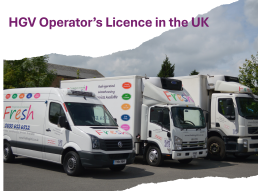
Operator’s Licence
Heavy Goods Vehicle (HGV) Operator’s Licence in the UK
The Heavy Goods Vehicle (HGV) operator’s licence is a critical component for anyone looking to operate large vehicles in the UK. At Fresh we use our ‘O’ Licence for our Cold Chain Transport. Whether you’re a business owner managing a fleet of trucks or an individual looking to drive HGVs for employment, understanding the requirements and processes involved is essential. This article will guide you through everything you need to know about obtaining and maintaining an HGV operator’s licence in the UK.
 What is an HGV Operator’s Licence?
An HGV operator’s licence is a legal requirement for those who wish to operate heavy goods vehicles in the UK. This licence ensures that operators meet specific standards related to vehicle safety, driver competence, and environmental considerations. The primary purpose of the licence is to regulate the operation of large vehicles to ensure safety on the roads and compliance with environmental standards.
First a quick plug – Our sister companies Fresh Pharma whom are GDP Compliant Pharma couriers and ‘Fresh Fridge Hire‘ are our (compliant GDP) refrigerated vehicle hire.
Types of HGV Operator’s Licence
Standard National Operator’s Licence
A Standard National Licence allows you to carry your own goods within the UK and other people’s goods for hire or reward in the UK.
Standard International Operator’s Licence
This licence permits you to carry your own goods internationally and other people’s goods for hire or reward both in the UK and abroad. It’s essential for businesses that operate across borders.
Restricted Operator’s Licence
A Restricted Licence is limited to carrying your own goods within the UK and does not permit carrying goods for hire or reward.
Who Needs an HGV Operator’s Licence?
Business Owners
If you operate a business that involves transporting goods using heavy vehicles, you will need an HGV operator’s licence. This requirement applies to various types of businesses, including:
- Logistics Companies: Firms that manage the transportation of goods on behalf of other businesses.
- Delivery Services: Companies that deliver goods directly to customers, such as courier services.
- Manufacturing and Retail Businesses: Companies that use their own vehicles to transport products from warehouses to retail locations or directly to customers.
- Construction Firms: Businesses that transport heavy materials and equipment to and from construction sites.
By obtaining an HGV operator’s licence, business owners ensure that their operations comply with regulatory standards, enhancing safety and legal compliance.
Private Operator’s Licence
Individuals who own and operate heavy goods vehicles for personal use must also obtain an HGV operator’s licence. This ensures that all operators, regardless of their commercial or private status, adhere to the same safety and regulatory standards. Examples include:
- Hobbyists: Individuals who own heavy goods vehicles for personal projects or recreational use, such as restoring and driving classic trucks.
- Agricultural Users: Farmers who use heavy vehicles to transport produce, livestock, or machinery.
Ensuring compliance with licensing requirements helps maintain safety on the roads and ensures that all heavy vehicle operators meet the necessary legal and environmental standards.
Operator Licence: Promoting Fair Competition and Ensuring Driver Safety, Hours, and Rights
The operator licence system in the UK plays a pivotal role in fostering fair competition between large corporations and smaller enterprises within the logistics and transportation sector. It also prioritises driver safety, regulates working hours, and safeguards the rights of drivers.
Promoting Fair Competition within the Operator’s Licence
- Level Playing Field
- Regulation: Operator licences ensure that all companies, regardless of size, comply with the same safety and operational standards. This prevents larger companies from gaining an unfair advantage based solely on their resources.
- Compliance: Companies must meet stringent criteria to obtain and maintain an operator licence, including demonstrating financial stability and adherence to vehicle maintenance schedules.
- Opportunities for Small Companies
- Accessibility: The licensing framework allows smaller companies to enter the market and compete effectively by meeting regulatory requirements. This promotes diversity and innovation within the industry.
- Market Access: Small companies can expand their operations and customer base knowing they operate on an equal regulatory footing with larger competitors.
Driver Safety enhanced by Operator’s Licence
- Vehicle Standards
- Regulated Maintenance: Operator licences mandate regular vehicle inspections and maintenance schedules to ensure that all vehicles are safe and roadworthy.
- Safety Standards: Companies must adhere to strict safety protocols, reducing the risk of accidents and ensuring the protection of drivers and other road users.
- Training and Compliance
- Driver Competence: Companies must employ drivers who have undergone proper training and hold relevant certifications, such as the Certificate of Professional Competence (CPC).
- Continued Education: Ongoing training and development programs ensure drivers remain updated on safety practices and regulations, enhancing overall road safety.
Working Hours and Rights stated by the Operator’s Licence
-
Regulation of Hours
- Legal Limits: Operator licences include provisions for monitoring and limiting driver working hours to prevent fatigue-related accidents.
- Rest Breaks: Companies are required to schedule adequate rest breaks for drivers to ensure they remain alert and compliant with legal requirements.
-
Protection of Rights
- Fair Treatment: Licences include provisions to protect drivers’ rights, such as ensuring fair pay, adequate working conditions, and access to grievance procedures.
- Legal Compliance: Companies must uphold employment laws and regulations concerning drivers’ rights, fostering a culture of respect and fairness.
Eligibility Criteria for an Operator’s Licence
Age Requirements
You must be at least 18 years old to apply for an HGV operator’s licence. This ensures that operators have the necessary maturity and responsibility to manage heavy vehicles safely.
Health Requirements
Applicants must meet specific health standards, including having good eyesight and overall physical fitness. A medical examination is required to certify that the applicant is fit to drive an HGV.
Professional Competence
Operators must demonstrate professional competence, usually through obtaining a Certificate of Professional Competence (CPC). This certification ensures that operators have the necessary knowledge and skills to manage heavy vehicles effectively.
Grandfather Rights to acquire an Operator’s Licence
Grandfather rights refer to an exemption that allows individuals who previously held a certain qualification or license to continue operating under the old regulations, even after new standards or requirements have been introduced. In the context of HGV (Heavy Goods Vehicle) operation in the UK, these rights are particularly relevant for drivers who obtained their licences before certain regulatory changes were implemented.
Understanding Grandfather Rights for HGV Operator’s Licence
-
Historical Context
Prior to the introduction of the Certificate of Professional Competence (CPC) requirements in September 2009, HGV drivers who had already been driving professionally were granted ‘grandfather rights’. This meant they were exempt from the new training and qualification requirements introduced at that time.
-
Scope of Grandfather Rights
Drivers with grandfather rights are allowed to continue operating HGVs without needing to complete the CPC certification that new drivers must obtain. However, these rights are specific to those who were actively driving HGVs professionally before the cut-off date in 2009 and have maintained their licence since then.
-
Maintaining Grandfather Rights
To retain their grandfather rights, drivers must ensure their HGV licence remains valid and they continue to meet any medical and legal requirements. If a driver allows their licence to lapse or fails to comply with other regulatory standards, they may lose these rights and be required to obtain CPC certification to resume driving.
-
Limitations and Conditions
While grandfather rights provide a valuable exemption for experienced drivers, they come with certain limitations. For example:
- Drivers with grandfather rights are still required to undergo periodic training and medical examinations to ensure they remain fit to drive.
- The rights do not extend to new types of vehicles or additional licences obtained after the cut-off date.
-
Importance for Employers
Employers in the logistics and transportation industry should be aware of which of their drivers possess grandfather rights and ensure they remain compliant with all other regulatory requirements. This helps in planning training schedules and managing workforce qualifications effectively.
Application Process for an Operator’s Licence
Step-by-Step Guide
- Determine the Type of Licence Needed: Choose between a Standard National, Standard International, or Restricted Licence based on your operational needs.
- Complete the Application Form: Available from the Driver and Vehicle Standards Agency (DVSA) website.
- Submit Required Documentation: This includes proof of professional competence, financial standing, and health certificates.
- Pay the Application Fee: Fees vary depending on the type of licence.
- Await Approval: The DVSA will review your application and may request additional information or an interview.
Required Documentation
- Proof of professional competence (CPC) or CILT
- Financial standing proof
- Medical certificate
- Details of vehicles and maintenance arrangements
CPC vs Membership of Professional Organisations – CILT
When considering a career in heavy goods vehicle (HGV) operation in the UK, individuals often encounter the choice between obtaining a Certificate of Professional Competence (CPC) and acquiring membership in a professional organisation such as the Chartered Institute of Logistics and Transport (CILT). Both options offer distinct benefits and serve different purposes in advancing a career in the logistics and transportation sector.
Certificate of Professional Competence (CPC) for your Operator’s Licence
-
Purpose and Requirements
- Purpose: The CPC is a mandatory qualification for HGV operators in the UK. It ensures that drivers possess the necessary skills and knowledge to operate heavy vehicles safely and in compliance with legal and environmental regulations.
- Requirements: To obtain a CPC, individuals must pass both theoretical and practical exams administered by accredited training providers. The certification covers areas such as road safety, vehicle maintenance, and legal requirements.
-
Benefits
- Legal Requirement: Holding a CPC is essential for anyone looking to operate HGVs professionally in the UK.
- Enhanced Skills: The training and certification process improve drivers’ competence, enhancing their ability to handle complex logistical challenges.
- Career Advancement: Having a CPC may open doors to better job opportunities and career advancement within the transport and logistics industry.
Membership of Professional Organisations like CILT can gain your Operator’s Licence
-
Purpose and Benefits
- Purpose: Membership in professional organisations like CILT demonstrates a commitment to professional development and industry standards within logistics and transport.
- Benefits: Members gain access to a network of professionals, industry updates, training opportunities, and resources that can enhance their knowledge and career prospects.
- Recognition: Membership signifies adherence to professional ethics and standards, boosting credibility and trustworthiness in the industry.
-
Complementary Role
- Enhanced Professionalism: Combining CPC certification with membership in organisations like CILT enhances professional credibility and demonstrates a well-rounded commitment to excellence in logistics and transport.
- Continuous Learning: Professional organisations offer ongoing professional development opportunities, ensuring members stay abreast of industry trends and best practices.
-
Considerations
- Cost and Time: CPC certification involves specific training and examination costs, while membership fees for professional organisations vary.
- Career Goals: Individuals should consider their career goals and whether they prioritise legal compliance and operational skills (CPC) or broader professional development and networking opportunities (CILT membership).
In Contrast to obtain your Operator’s Licence
Both CPC certification and membership in professional organisations like CILT play crucial roles in advancing a career in HGV operation and logistics. While CPC ensures legal compliance and operational competence, membership in CILT enhances professional development, networking, and career opportunities within the broader logistics and transport industry.
Cost of an HGV Operator’s Licence
Initial Application Fee
The initial fee for applying for an HGV operator’s licence can range from £257 to £401, depending on the type of licence and number of vehicles.
Renewal Fees
Renewal fees are generally lower than the initial application fee and must be paid periodically to maintain the licence.
Additional Costs
Additional costs can include medical examinations, CPC training, and any modifications needed to meet compliance standards.
Financial Requirements for an HGV Operator’s Licence
When applying for an HGV operator’s licence in the UK, operators must demonstrate financial stability to ensure they can maintain their vehicles and comply with legal standards. One of the key financial requirements is having a specified amount of funds available in the bank per vehicle. As of the latest updates, the financial standing requirements are as follows:
Financial Standing Requirements for Operator’s Licence
- Standard National and International Licences
- First Vehicle: Operators must have at least £8,000 available in the bank for the first vehicle.
- Each Additional Vehicle: For each additional vehicle, operators need to have an extra £4,450 available.
- Restricted Licences
- First Vehicle: For restricted licence, operators must have at least £3,100 available for the first vehicle.
- Each Additional Vehicle: For each additional vehicle, operators need to have an extra £1,700 available.
Example Calculation
If you are applying for a standard national licence and plan to operate three vehicles, you would need:
- First Vehicle: £8,000
- Second Vehicle: £4,450
- Third Vehicle: £4,450
Total: £8,000 + £4,450 + £4,450 = £16,900
Why These Requirements Matter
The financial standing requirements are in place to ensure that operators have sufficient resources to maintain their vehicles, cover operating costs, and handle unforeseen expenses. This helps promote safety and reliability in the transport industry, reducing the risk of accidents and breakdowns.
Demonstrating Financial Standing
To demonstrate financial standing, operators must provide evidence of their funds, which can include:
- Bank statements showing available funds
- Audited accounts
- Credit facilities (such as overdraft agreements)
Training and Certification required for your Operator’s Licence
CPC Certification
The Certificate of Professional Competence (CPC) is a mandatory qualification for HGV operators. It involves passing both theoretical and practical exams to demonstrate your competence.
Accredited Training Providers
Numerous accredited training providers offer CPC courses. It’s essential to choose a reputable provider to ensure high-quality training and successful certification.
Maintaining Compliance within your Operator’s Licence
Regular Vehicle Checks
Operators must conduct regular checks to ensure their vehicles are roadworthy. This includes daily checks and more detailed periodic inspections.
Record Keeping
Maintaining accurate records of vehicle maintenance, driver hours, and operational activities is crucial. These records may be reviewed during inspections or audits.
Reporting Changes
Any significant changes, such as changes in business structure, vehicle fleet, or operating base, must be reported to the DVSA promptly.
Penalties for Non-Compliance
Fines and Penalties
Non-compliance with HGV regulations can result in substantial fines. These fines are designed to ensure that operators adhere to safety and environmental standards.
Legal Consequences
In severe cases, non-compliance can lead to legal action, including the revocation of the HGV operator’s licence and potential criminal charges.
Benefits of Holding an HGV Operator’s Licence
Business Opportunities
Holding an HGV operator’s licence opens up numerous business opportunities, allowing you to legally operate heavy goods vehicles and expand your services.
Legal Protection
An HGV operator’s licence provides legal protection, ensuring that you operate within the bounds of the law and avoid penalties.
Professional Credibility
Having a valid HGV operator’s licence enhances your professional credibility, demonstrating your commitment to safety and compliance.
Common Challenges with the Operator’s Licence and How to Overcome Them
Navigating the Application Process
The application process can be complex, but thorough preparation and understanding the requirements can simplify it. Consulting with professionals or using resources from the DVSA can be helpful.
Staying Compliant with Operator’s Licence Regulations
Keeping up with changing regulations can be challenging. Regular training, staying informed through industry news, and using compliance management tools can help you stay on track. The training and compliance is increased when involved with refrigerated fleet selection.
Updates and Changes to HGV Operator’s Licence Regulations
Recent Changes
Recent updates to HGV licence regulations include changes to the CPC requirements and modifications to the application process to streamline operations.
Future Outlook
Future changes may focus on increasing environmental standards, incorporating more digital processes, and enhancing road safety measures.
Conclusion
Obtaining an HGV operator’s licence is a significant step for anyone looking to operate heavy goods vehicles in the UK. It ensures you meet all legal requirements, enhances your business opportunities, and provides peace of mind knowing you are compliant with safety and environmental standards. By understanding the types of licences, the application process, and how to maintain compliance, you can navigate this essential aspect of HGV operations with confidence.
Protecting Your Operator Licence
- How long does it take to get an HGV Operator’s Licence?
Obtaining an HGV (Heavy Goods Vehicle) Operator’s Licence typically takes around 9 to 12 weeks. This period includes the time needed to submit your application, undergo the necessary checks, and wait for the Traffic Commissioner’s decision. The process involves ensuring that you meet all the legal and safety requirements, including financial standing and proper maintenance facilities for your vehicles.
- How long does it take to get an HGV licence?
To get an HGV licence, the process generally takes between 6 to 10 weeks. This timeframe includes the time needed to apply for a provisional HGV licence, complete the required medical examination, undergo training, and pass both the theory and practical driving tests. The exact duration can vary depending on the availability of training courses and test appointments.
- How much does it cost for an operator's licence?
The cost of an HGV Operator’s Licence in the UK typically involves several fees. The application fee is around £257, and there is an additional fee of £401 for the grant of the licence. Therefore, the total cost comes to approximately £658. Additional costs may be incurred for compliance with safety and maintenance requirements, including regular vehicle inspections and maintenance.
- Can I go straight for HGV licence?
Yes, you can go straight for an HGV licence, but there are prerequisites you must meet. You need to be at least 18 years old and hold a full car driving licence. Before starting your HGV training, you must obtain a provisional HGV licence and pass a medical examination. Once these steps are completed, you can begin your training and take the necessary theory and practical tests to obtain your HGV licence.
- How long does it take to get an operator's licence?
The process of obtaining an HGV Operator’s Licence usually takes about 9 to 12 weeks. This includes submitting the application, undergoing financial and safety checks, and receiving approval from the Traffic Commissioner. Delays can occur if additional information or clarifications are needed, so it’s important to ensure all application details are accurate and complete.

Cleaning Data in Logistics
Cleaning Data in Your Logistics Business
Cleaning Data in the logistics industry will help ensure accurate and reliable data which is crucial for smooth operations and efficient decision-making. However, data can often become messy and inconsistent, leading to errors and inefficiencies. Data cleansing, also known as data scrubbing or data cleaning, is the process of identifying and correcting or removing errors, inconsistencies, and inaccuracies from a dataset. This article will provide a comprehensive guide on how to cleaning data in your logistics business, ensuring the reliability and quality of your data. Read our blog Data Policy and Strategy for a clear vision
First a quick plug – Our sister companies Fresh Pharma whom are GDP Compliant Pharma couriers and ‘Fresh Fridge Hire‘ are our (compliant GDP) refrigerated vehicle hire.
 Understanding the Importance of Cleaning Data
Enhanced Decision-Making
Cleaning Data plays a vital role in enhancing decision-making processes within your logistics business. By ensuring the accuracy and reliability of your data, you can make informed decisions based on trustworthy information. Clean data provides valuable insights into various aspects of your operations, such as inventory management, transportation planning, and demand forecasting, enabling you to optimise your processes and achieve better outcomes.
Improved Operational Efficiency
Messy and inconsistent data can severely impact the efficiency of your logistics operations. By cleansing your data, you eliminate duplicate records, correct errors, and standardise formats, resulting in improved operational efficiency. Clean data helps streamline processes, minimise delays, and reduce costly mistakes, ultimately leading to enhanced productivity and customer satisfaction.
The Cleaning Data Process
1. Identify Data Quality Issues
The first step in the data cleansing process is to identify data quality issues. This involves examining your datasets for common problems such as duplicate entries, missing values, incorrect formats, and inconsistent naming conventions. Utilise data profiling tools or scripts to analyse your data and generate reports highlighting potential issues.
2. Define Data Cleaning Rules
Once you have identified the data quality issues, define data cleaning rules that outline how each issue should be addressed. For example, you may decide to remove duplicate records, fill in missing values using appropriate techniques (e.g., mean imputation or regression), and standardise formats and naming conventions. Clearly document these rules to ensure consistency and facilitate future data cleansing efforts.
3. Actually Cleaning Data
Now that you have defined the data cleaning rules, it’s time to execute them and cleaning your data. Depending on the size and complexity of your datasets, you can employ various techniques such as data deduplication, data validation, data transformation, and outlier detection. Utilise data cleansing tools and software to automate the process and save time and effort.
4. Validate and Verify
After cleansing the data, it’s crucial to validate and verify its accuracy. Perform data integrity checks, cross-reference with external sources, and conduct sample audits to ensure the reliability of the cleaning data. This step helps identify any remaining errors or inconsistencies that may have been overlooked during the cleansing process.
5. Maintain Data Quality
Data cleansing is not a one-time task but an ongoing process. To maintain data quality in your logistics business, establish data governance policies and procedures. Regularly monitor data quality, implement data validation rules, and train your staff on proper data entry and maintenance practices. By prioritising data quality, you can ensure the longevity and effectiveness of your data cleansing efforts.
Conclusion to Cleaning Data
Data cleansing is a critical process for any logistics business aiming to leverage accurate and reliable data for decision-making and operational efficiency. By following the steps outlined in this guide, you can effectively cleaning your data, mitigate errors and inconsistencies, and optimise your logistics operations. Remember that data cleansing is an ongoing effort, requiring continuous monitoring and maintenance to ensure the
How to Future-Proof Your Data and Ensure Long-Term Cleaning Data
1. Implement Data Governance Policies
To future-proof your data and maintain its cleanliness, it is essential to establish robust data governance policies. Data governance involves defining roles, responsibilities, and processes for managing and maintaining data quality. Develop clear guidelines on data entry, validation, and maintenance procedures, ensuring that all employees understand and follow them consistently.
2. Regular Data Quality Assessments
Performing regular data quality assessments helps you stay ahead of potential issues and maintain data cleanliness over time. Set up a schedule for conducting data audits, where you evaluate the accuracy, completeness, consistency, and relevance of your data. Identify any emerging patterns or trends in data quality problems and address them promptly to prevent data degradation.
3. Data Validation and Error Handling for Cleaning Data
Implement robust data validation procedures to catch errors at the point of entry. Use validation rules and checks to ensure that data conforms to predefined criteria. For example, you can validate numeric fields, check for proper formatting, or verify the consistency of data across different fields. Develop error handling protocols to handle data entry mistakes promptly and prevent them from propagating throughout the system.
4. Data Integration and Standardisation
When integrating data from multiple sources or systems, inconsistencies and errors can arise. Establish data integration processes that focus on standardising data formats, naming conventions, and coding structures. Implement data cleansing techniques, such as data transformation and matching algorithms, to reconcile and merge disparate datasets effectively.
5. Invest in Automation and AI Solutions for Cleaning Data
Leverage automation and artificial intelligence (AI) solutions to streamline and future-proof your data cleansing efforts. Explore data cleansing tools that automate repetitive tasks like duplicate identification and elimination, outlier detection, and data validation. AI technologies, such as machine learning algorithms, can help identify patterns and anomalies, improving data accuracy and minimising manual intervention.
6. Continual Staff Training
Regular training sessions for your staff on data management best practices are vital for maintaining data cleanliness. Educate employees on the importance of data quality, provide training on data entry standards, and ensure they understand the impact of their actions on data integrity. Encourage a data-centric culture within your logistics business, where every employee understands the significance of clean data and actively contributes to its maintenance.
7. Monitor Data Quality Metrics
Establish key performance indicators (KPIs) to measure data quality and monitor them consistently. Track metrics such as data accuracy, completeness, consistency, and timeliness. By regularly monitoring these metrics, you can identify trends, detect potential issues, and take proactive measures to rectify data quality problems promptly.
8. Establish Data Stewardship Roles when Cleaning Data
Appoint data stewards within your organisation who are responsible for overseeing data quality and data cleansing initiatives. Data stewards act as champions for data cleanliness, ensuring adherence to data governance policies, and resolving data quality issues. These individuals possess the expertise to identify data problems, develop remediation strategies, and implement necessary improvements.
Conclusion to Cleaning Data
Data cleansing is an ongoing process that requires a proactive and long-term approach to future-proof your data. By implementing robust data governance policies, conducting regular data quality assessments, and investing in automation and AI solutions, you can ensure that your data remains clean and reliable. Combine these efforts with continual staff training, data integration standardisation, and effective data stewardship to maintain high-quality data for your logistics business. Remember, clean data is the foundation for informed decision-making, operational efficiency, and sustainable growth in the ever-evolving logistics industry.
Data Cleaning
- Why is data cleansing important for logistics businesses?
Data cleansing is crucial for logistics businesses as it ensures accurate and reliable data, which is essential for making informed decisions, optimising operations, and improving overall efficiency. Clean data helps minimise errors, reduce delays, and enhance customer satisfaction.
- What are common data quality issues in logistics data?
Common data quality issues in logistics data include duplicate records, missing values, inconsistent formats, inaccurate measurements, and outdated or incorrect information. These issues can lead to inaccurate inventory management, inefficient route planning, and unreliable demand forecasting.
- How often should data cleansing be performed in a logistics business?
Data cleansing should be performed on a regular basis, depending on the volume and rate of data accumulation. It is recommended to conduct data cleansing activities quarterly or semi-annually. However, critical data, such as customer information or inventory data, may require more frequent cleansing to maintain accuracy.
- Can data cleansing be automated in logistics businesses?
Yes, data cleansing can be automated in logistics businesses using specialised software tools and algorithms. These tools can help identify and resolve data quality issues such as duplicates, inconsistencies, and formatting errors. Automation saves time, reduces human error, and ensures consistent data cleansing processes.
- How can data cleansing contribute to cost savings in logistics businesses?
Data cleansing contributes to cost savings in logistics businesses by improving operational efficiency. Clean data enables accurate demand forecasting, leading to optimise inventory levels and reduced storage costs. It also minimises errors in transportation planning, resulting in efficient route management and decreased fuel and labour expenses. Additionally, clean data improves customer satisfaction, leading to repeat business and reduced customer acquisition costs.

Profitable and Sustainable Logistics
How the Right Technology Allows Profitable and Sustainable Logistics
In today’s fast-paced and ever-changing business world, companies are constantly searching for new ways to remain Profitable and Sustainable Logistics companies. Fortunately, advancements in technology have made it easier than ever before to achieve both of these goals simultaneously. By implementing the right technology solutions, companies can improve their bottom line while also reducing their impact on the environment. In this blog, we’ll explore how the right technology allows companies to be both profitable and sustainable.
First a quick plug – Our sister companies Fresh Pharma whom are GDP Compliant Pharma couriers and ‘Fresh Fridge Hire‘ are our (compliant GDP) refrigerated vehicle hire.

Introduction
In recent years, sustainability has become a key concern for companies across all industries. Consumers are increasingly demanding that businesses take steps to reduce their environmental impact, and governments are implementing new regulations to ensure that companies are held accountable for their actions. At the same time, companies are under pressure to remain profitable in a highly competitive market. The right technology solutions can help companies to meet both of these challenges by reducing costs, improving efficiency, and promoting sustainability.
The Importance of Profitable and Sustainable Logistics
Sustainability refers to the ability to meet the needs of the present without compromising the ability of future generations to meet their own needs. It encompasses a range of issues, including reducing greenhouse gas emissions, conserving natural resources, and minimising waste. Sustainability is important for several reasons:
- Environmental impact: Human activities have a significant impact on the environment, including the depletion of natural resources, pollution, and climate change. Sustainability aims to minimise these impacts and preserve the planet for future generations.
- Social responsibility: Companies have a responsibility to their stakeholders, including customers, employees, and the communities in which they operate. By promoting sustainability, companies can improve their reputation and build trust with their stakeholders.
- Economic benefits: Sustainability can also bring economic benefits, including cost savings, increased efficiency, and new business opportunities. By reducing waste and conserving resources, companies can lower their operating costs and improve their bottom line.
The Role of Technology in Profitable and Sustainable Logistics
Technology plays a crucial role in promoting sustainability by providing innovative solutions to complex environmental challenges. Here are some of the ways in which technology can help companies to be both profitable and sustainable:
Energy Efficiency
One of the most effective ways to reduce a company’s environmental impact is to improve energy efficiency. By using energy more efficiently, companies can reduce greenhouse gas emissions, lower their energy bills, and improve their bottom line. Technology solutions such as smart metres, energy management systems, and energy-efficient lighting can help companies to achieve these goals.
Automation and Optimization
Automation and optimization can help companies to reduce waste, increase efficiency, and improve productivity. By using sensors, data analytics, and artificial intelligence, companies can optimise their operations to minimise waste and maximise efficiency.
Sustainable Transportation
Transportation is another significant area where logistics companies can promote sustainability. By using technology solutions such as electric or hybrid vehicles, biodiesel, or other alternative fuels, logistics companies can reduce emissions and improve sustainability in transportation. Additionally, technology solutions such as route optimization software can help to reduce fuel consumption and emissions while also improving delivery times and customer satisfaction.
Waste Reduction
Waste reduction is another important aspect of sustainability. By reducing waste, companies can lower their environmental impact and improve their bottom line. Technology solutions such as recycling programs, waste-to-energy systems, and composting can help companies to achieve these goals.
Circular Economy
The circular economy is a regenerative system in which waste is minimised and resources are kept in use for as long as possible. This can be achieved through the use of sustainable materials, product design, and closed-loop systems. Technology solutions such as blockchain and the Internet of Things (IoT) can help to facilitate the transition to a circular economy.
Green Supply Chain in Profitable and Sustainable Logistics
The supply chain is a key area where companies can promote sustainability. By working with suppliers that provide sustainable products and services, companies can reduce their environmental impact and promote sustainability. Technology solutions such as supply chain analytics, blockchain, and IoT can help to improve transparency, traceability, and accountability in the supply chain.
Sustainable Packaging
Packaging is another area where companies can promote sustainability. By using sustainable materials and reducing packaging waste, companies can lower their environmental impact and improve their bottom line. Technology solutions such as biodegradable and compostable packaging, as well as reusable packaging models, can help companies to achieve these goals.
Renewable Energy
Renewable energy sources such as solar, wind, and hydro power can help companies to reduce their carbon footprint and promote sustainability. By installing renewable energy systems, companies can generate their own energy and reduce their dependence on fossil fuels. Technology solutions such as energy storage systems and demand response programs can help to optimise the use of renewable energy.
Environmental Monitoring
Environmental monitoring can help companies to track their environmental impact and identify areas for improvement. By using sensors and data analytics, companies can monitor air and water quality, energy consumption, and waste generation. This data can then be used to optimise operations and improve sustainability.
Data Analytics and Insights
Data analytics and insights can help companies to identify opportunities for improvement and make data-driven decisions. By analysing data on energy consumption, waste generation, and other sustainability metrics, companies can identify areas for improvement and optimise their operations.
Lean Principles in Profitable and Sustainable Logistics
Lean principles are a set of management practices that focus on maximising value for customers while minimising waste. By incorporating lean principles into their operations, logistics companies can reduce costs, improve efficiency, and enhance customer satisfaction. However, to fully reap the benefits of lean principles, logistics companies need to use the right technology.
The right technology can help logistics companies achieve lean principles in several ways. For example, it can automate manual processes, eliminate errors, and provide real-time data for decision-making. With the right technology in place, logistics companies can streamline their operations and reduce waste, resulting in increased profitability and sustainability.
One way that technology can help logistics companies implement lean principles is through the use of transportation management systems (TMS). TMS software can optimise routing and scheduling, reduce empty miles, and improve delivery accuracy, all of which contribute to lean principles. TMS software can also provide visibility into the supply chain, allowing logistics companies to identify and address inefficiencies.
Another technology that can help logistics companies implement lean principles is warehouse management systems (WMS). WMS software can improve inventory accuracy, reduce overstocking, and increase warehouse productivity, all of which contribute to lean principles. WMS software can also provide real-time data on inventory levels and location, allowing logistics companies to optimise their warehouse operations.
TMS and WMS in Profitable and Sustainable Logistics
Logistics companies can also use other technologies to implement lean principles, such as RFID tracking, autonomous vehicles, and predictive analytics. By using these technologies, logistics companies can improve their operations and reduce waste, leading to increased profitability and sustainability.
In conclusion, the implementation of lean principles with the right technology can enable logistics companies to be both profitable and sustainable. By reducing waste, improving efficiency, and enhancing customer satisfaction, logistics companies can achieve their business goals while also contributing to a more sustainable future.
Collaboration and Knowledge Sharing
Collaboration and knowledge sharing can help companies to learn from each other and promote sustainability. By sharing best practices, innovative solutions, and success stories, companies can work together to achieve common sustainability goals.
Employee Engagement
Employee engagement is crucial for promoting sustainability within a company. By educating employees on sustainability issues and involving them in sustainability initiatives, companies can build a culture of sustainability and promote long-term success.
Conclusion to Profitable and Sustainable Logistics
In conclusion, the right technology solutions can help companies to be both profitable and sustainable. By improving energy efficiency, reducing waste, promoting circular economy models, and implementing sustainable supply chain practices, companies can lower their environmental impact while also improving their bottom line. It’s important for companies to embrace sustainability as a core value and to use technology as a tool for achieving their sustainability goals.
Green Logistics
- What are green transportation methods?
Green transportation methods are eco-friendly ways to move people or goods, including electric vehicles, public transit, cycling, walking, and rail transport that reduce emissions.
- What are the 5 strategies for sustainable development?
They include efficient resource use, renewable energy adoption, waste reduction, sustainable transportation, and environmental protection policies.
- What are the strategies of green logistics?
Green logistics strategies focus on reducing carbon emissions, optimizing routes, using energy-efficient vehicles, recycling packaging, and adopting eco-friendly supply chain practices.
- What are the 5 transport methods?
The five main transport methods are road, rail, air, water, and pipeline transport.
- What are the 4 methods of transport?
The four common methods are road, rail, air, and water transport.
- How can we promote green transportation?
We can promote green transportation by encouraging public transit, using electric or hybrid vehicles, developing cycling infrastructure, and supporting carpooling initiatives.
- What are the 4 types of transportation?
The four types are road, rail, air, and water transportation.
- What are five types of green technology?
Five types include solar power, wind energy, electric vehicles, energy-efficient buildings, and smart grids.
- What are the 5 types of transportation?
They are road, rail, air, water, and pipeline transportation.
- What are green techniques?
Green techniques are practices that reduce environmental impact, such as using renewable energy, minimizing waste, recycling, and adopting eco-friendly manufacturing and transport methods.
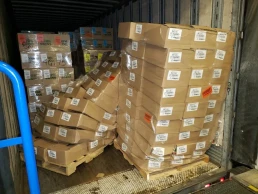
Rejected loads
Preventing and Dealing with Rejected Loads in Logistics in the UK
Logistics and transportation are crucial components of any supply chain, and they play a vital role in the UK’s economy. However, one of the most significant challenges that logistics companies face is preventing rejected loads also known as ‘bounced loads’ Bounced loads are a considerable problem for logistics companies, as they can lead to increased costs, delays, and damage to the company’s reputation. In this article, we will discuss some of the ways logistics companies in the UK can prevent rejected loads.
First a quick plug – Our sister companies Fresh Pharma whom are GDP Compliant Pharma couriers and ‘Fresh Fridge Hire‘ are our (compliant GDP) refrigerated vehicle hire.
Understanding the Reasons for Rejected Loads

Before we delve into the ways to prevent loads from being rejected, it’s essential to understand why loads get rejected. Some of the common reasons for load rejection include incorrect labelling, incorrect weight, incorrect temperature, damaged packaging, and incorrect documentation. By understanding the reasons for loads rejection, logistics companies can take steps to prevent them from happening.
Implementing Quality Control Procedures
One of the most effective ways to prevent load being rejection is to implement quality control procedures. Quality control procedures ensure that all loads meet the required standards and specifications. Logistics companies can implement quality control procedures such as checking for correct labelling, weight, temperature, and packaging before the load leaves the warehouse. By doing so, they can identify any issues and address them before the load leaves, preventing it from being rejected.
Investing in Training and Education
Another way to prevent load rejection is to invest in training and education. Logistics companies can train their employees on the correct procedures and best practices for loading and unloading goods. By doing so, they can reduce the risk of errors that can lead to rejected loads. Additionally, providing ongoing education and training to employees can help them stay relevant with the latest regulations and requirements, ensuring that they can comply with them.
Utilising Technology
Logistics companies can also prevent rejected loads by using technology. For instance, they can use sensors to monitor the temperature and humidity of the product during transportation. They can also use GPS tracking and temperature monitoring devices to track the location and temp. of the product, ensuring that it is delivered to the correct destination. Additionally, they can use RFID tags to track the inventory and ensure that the correct items are loaded onto the truck.
Maintaining Communication to Prevent Rejected Loads in UK Logistics
Maintaining clear communication with all parties involved in the logistics process is vital to preventing rejected loads in the UK. Logistics providers must keep open lines with customers, suppliers, and carriers to address any issues before they escalate. For example, if a chilled meat delivery in Manchester is running late due to traffic, notifying the supermarket allows adjustments in receiving schedules and prevents rejection.
Regular updates, real-time tracking, and transparent reporting build trust and enable proactive problem-solving. Communication channels can include phone, email, instant messaging, or telematics dashboards integrated into refrigerated vans. Sharing temperature data in real time allows clients to verify that goods remain within required parameters, such as 0°C–4°C for dairy products or -18°C for frozen seafood.
Key Communication Practices
| Practice | Purpose | Example |
|---|---|---|
| Real-Time Alerts | Address issues promptly | IoT sensors notifying temperature deviations |
| Customer Updates | Reduce risk of rejection | Informing supermarkets of late arrivals |
| Supplier Coordination | Ensure compliant loading | Confirm temperature settings before dispatch |
| Carrier Communication | Resolve transit delays | Alternative route suggestions for traffic disruptions |
Developing a Contingency Plan for Rejected Loads in UK Logistics
Even with robust planning, rejected loads can still occur. Developing a contingency plan mitigates the financial and operational impact. The plan should outline steps to follow when a load is rejected, including contacting the customer, re-routing, or reworking the shipment.
For example, if a chilled fruit delivery fails inspection due to minor packaging damage but remains compliant, the logistics provider might find a nearby buyer or reroute to a local retailer. If the load is spoiled due to temperature excursion, safe disposal is necessary in accordance with UK waste regulations, possibly with a tax-deductible donation to a food bank.
Essential Elements of a Contingency Plan
| Element | Purpose | Example |
|---|---|---|
| Customer Notification | Immediate awareness | Phone call or email alert |
| Re-routing Options | Minimise delays | Deliver to alternate compliant site |
| Re-working Shipments | Salvage partial load | Repack produce or separate salvageable items |
| Disposal Procedures | Regulatory compliance | Approved waste sites or food bank donations |
By combining strong communication with a detailed contingency plan, UK logistics companies reduce rejected load risks, maintain customer satisfaction, and protect product quality across the cold chain.
Dealing with Rejected loads
Fresh Logistics has worked in the supply chain for many years. The fact is that dealing with Rejected loads is one of the things that all the stakeholders in the whole supply chain hate most.
After transporting across the country, it’s painful for all involved to arrive at the customer’s destination only to find that the receiver won’t accept a portion or the entirety of the vehicle’s load. This is costly to all involved, no one gets away with zero cost, except the driver. When dealing with the rejected load defaults back to the seller and not the carrier, it can be difficult to get some sellers to accept this and sour the customer relationship. Furthermore, communicating the rejection can be difficult when out of hours to ascertain what to do with the rejected product, leaving the vehicle idling away their precious time.
Dealing with rejected loads isn’t easy for the original seller to manage, either. At best, they’re faced with accepting a lower price for their product than what was originally agreed to. However, the more common scenario is that the seller gets nothing for a rejected load–except, possibly, a tax write-off.
The Logistics company has a allocated vehicle full of rejected product awaiting decisions, which is damaging as much to the logistics company
Goods in transit insurance are sketchy at best. The haulier does not own the goods and insurers use the reason that the goods owners should claim on their insurance.
Rejected Loads in UK Temperature-Controlled Logistics
In UK temperature-controlled logistics, rejected loads most commonly involve perishable food. These occur when goods fail to meet regulatory, safety, or customer standards. Transporting perishable items is complex, requiring strict temperature control, compliant packaging, and accurate documentation. Using professional transporters, such as Fresh Logistics, reduces the likelihood of rejected loads and ensures compliance with industry regulations.
Rejected loads can result from a temperature outage, physical spoilage, incorrect documentation, or non-compliance with agreed specifications. For instance, chilled poultry arriving at a supermarket above 4°C would be rejected to prevent bacterial growth and protect consumer safety. Similarly, soft fruit exceeding the temperature range or showing visible damage may be refused. Upon arrival, the ‘goods in’ dock evaluates the products, packaging, and storage chamber condition. If any criteria are not met, the load is formally declared unacceptable.
Handling Rejected Loads
| Scenario | Recommended Action | Example |
|---|---|---|
| Visual Rejection (Still Compliant) | Attempt resale locally | Nearby manufacturer may buy surplus vegetables |
| Non-Compliant Temperature or Spoilage | Disposal required | Chilled fish exposed above 2°C for hours |
| Donation Option | Food bank donation if acceptable | Bakery surplus items |
| Regulatory Documentation | Record incident for traceability | Temperature logs, FSA compliance |
In many cases, rejected loads cannot be resold and may end up at a local tip or be donated with a tax credit. If the load was rejected due to temperature excursions, the only option is safe disposal. Preventing rejected loads is therefore critical. Implementing proper temperature monitoring, robust packaging, real-time alerts, and professional transporters ensures goods arrive safely, reduces financial losses, and minimises waste.
Prevention, rather than reaction, protects both product quality and operational efficiency, while safeguarding compliance and brand reputation in the UK cold chain industry.
Conclusion: Preventing and Handling Rejected Loads in UK Temperature-Controlled Transport
Preventing and handling rejected loads in UK logistics requires careful planning, preparation, and collaboration across the transportation process. Rejected loads occur when goods fail to meet quality, temperature, or regulatory standards, leading to financial loss, customer dissatisfaction, and operational delays. Minimising these risks involves proactive measures at every stage of the cold chain, from warehouse handling to last-mile delivery.
Proper load handling starts with correct packaging, palletisation, and segregation to prevent damage or contamination. Temperature-sensitive cargo should be monitored using calibrated sensors and real-time tracking to ensure conditions remain within specified ranges. For example, chilled pharmaceuticals delivered from a Manchester depot to hospitals must remain between 2°C and 8°C; deviations could result in rejection by the recipient.
Effective communication with clients, drivers, and warehouse teams ensures any deviations or delays are quickly addressed. Documentation of temperature logs, handling procedures, and transport conditions provides traceability and regulatory compliance, protecting businesses from liability.
Key Measures to Prevent Rejected Loads
| Measure | Purpose | Example |
|---|---|---|
| Proper Handling | Reduce physical damage | Correct stacking and securing of pallets |
| Temperature Monitoring | Maintain compliance and safety | IoT sensors on chilled vans |
| Communication | Resolve issues promptly | Alerts to driver and recipient for delays |
| Documentation | Ensure traceability and accountability | Digital logs for FSA or GDP inspections |
| Contingency Planning | Minimise financial and operational impact | Backup refrigeration units or alternative routes |
By implementing these strategies, UK businesses can transport goods safely, reduce risk of rejection, and protect both product quality and operational efficiency. Careful planning and continuous monitoring are critical to maintaining customer trust, regulatory compliance, and profitability.
Handling rejected loads proactively strengthens brand reputation and ensures resilience within the temperature-controlled logistics sector.
Rejected loads are shipments that are rejected by the receiver due to various reasons, such as incorrect labelling, incorrect weight, incorrect temperature, damaged packaging, and incorrect documentation. Rejected loads can lead to increased costs, delays, and damage to the company’s reputation, not to talk about disposal of the load. Logistics companies can prevent rejected loads by implementing quality control procedures, investing in training and education, utilising technology, maintaining communication, and developing a contingency plan. A contingency plan is a plan that outlines the steps to be taken in case of unexpected events, such as rejected loads. It helps logistics companies minimise the impact of rejected loads and ensure that the shipment is still delivered as efficiently as possible. Maintaining open lines of communication with all parties involved in the logistics process can help logistics companies address any issues promptly, preventing them from escalating into rejected loads. It ensures that everyone is on the same page, and any potential issues can be addressed proactively.Rejected Load

Warehousing Automation in 2026
Development in Warehousing Automation in 2026
In the fast-evolving world of Warehousing Automation and supply chain management, the warehouse stands as a critical hub for businesses. With the growing importance of efficient operations and timely deliveries, staying on the cutting edge of technology is paramount. In 2026, we anticipate significant advancements in the field of Warehousing Automation, promising a paradigm shift that can redefine the way businesses manage their inventories and streamline their operations.
First a quick plug – Our sister companies Fresh Pharma whom are GDP Compliant Pharma couriers and ‘Fresh Fridge Hire‘ are our (compliant GDP) refrigerated vehicle hire.
Key Takeaways on Warehousing Automation in 2026
| Takeaway | Description |
| Advancements in Robotics | Warehousing Automation in 2026 is characterised by significant advancements in robotics. Robots, including autonomous mobile robots and collaborative robots (cobots), are poised to redefine warehouse operations. They enhance efficiency in tasks like picking, packing, and inventory management, promising faster and more accurate order fulfilment. |
| Data-Driven Decision-Making | The integration of IoT sensors and AI-driven analytics empowers businesses to make informed decisions in real-time. This data-driven approach optimises inventory management, enables predictive maintenance, and equips businesses to respond effectively to dynamic market conditions. |
| Workforce Transformation | While automation promises substantial benefits, it also raises concerns about workforce implications. Manual labour jobs may be displaced, necessitating reskilling and redeployment of workers into more supervisory and technical roles. The workforce of the future in warehouse operations will blend human expertise with automation technology. |
Current State of Warehousing Automation
As of 2023, Warehousing Automation has already made substantial strides. Key trends and technologies that have shaped the landscape include:
| Technology | Description |
| Robotics Integration | The utilisation of robotic systems in warehouses to handle repetitive tasks, from picking and packing to even some advanced order fulfilment functions. |
| IoT Sensors | The Internet of Things (IoT) has made headway with the deployment of sensors to monitor stock levels, temperature, and other environmental factors. These sensors enable real-time tracking and data collection. |
| AI and Machine Learning | Artificial intelligence (AI) and machine learning algorithms are being employed for demand forecasting, inventory optimization, and predictive maintenance. These technologies help in efficient inventory management. |
| Automation Software | The rise of sophisticated automation software that orchestrates the various elements of a warehouse, from conveyor belts to inventory management systems. |
Anticipated Trends and Innovations Warehousing Automation for 2026
Looking ahead to 2026, several trends and innovations are expected to reshape the Warehousing Automation landscape:
1. Advanced Robotics and Cobots:
Warehouse robots are evolving rapidly, becoming more agile, adaptable, and capable of working alongside human workers. Collaborative robots, or “cobots,” will become more prevalent, offering increased flexibility in warehouse operations. These advanced robots are expected to reduce manual labour, increase picking accuracy, and speed up order fulfilment.
2. Enhanced IoT Integration:
IoT sensors will continue to advance, providing even more real-time data and analytics. The integration of IoT with AI will allow for predictive maintenance, automated inventory restocking, and more efficient resource allocation. Warehouse operators will rely on IoT data to make proactive decisions that optimise their operations.
3. AI-Driven Decision-Making:
AI and machine learning algorithms will become more sophisticated, enabling better demand forecasting and inventory optimization. These technologies will not only automate routine tasks but also provide actionable insights, helping businesses make informed decisions and adapt to changing customer demands rapidly.
4. Sustainable Warehousing:
Sustainability will play a more prominent role in Warehousing Automation. Eco-friendly practices, such as energy-efficient lighting, optimised routing for reduced fuel consumption, and environmentally responsible packaging, will be prioritised. Sustainable practices not only reduce a business’s environmental footprint but also appeal to eco-conscious consumers.
5. Blockchain for Transparency:
Blockchain technology will be employed for enhancing transparency and traceability in the supply chain. This technology can ensure secure and verifiable records, which is crucial for tracking the movement and origins of products in complex global supply chains.
6. Voice and Augmented Reality (AR):
Voice-activated systems and AR technology will be used to improve order picking and packing. Workers will receive real-time instructions and information through AR glasses, enhancing their efficiency and accuracy.
7. Autonomous Vehicles and Drones:
Autonomous vehicles and drones will become more common for last-mile delivery and intra-warehouse transport. These technologies will help reduce delivery times and improve overall logistics efficiency.
8. 3D Printing Integration:
3D printing technology will find its place in the warehouse, enabling on-demand, localised production of spare parts and custom products. This innovation reduces inventory costs and enables rapid customization.
In conclusion, 2026 promises to be a pivotal year in the evolution of Warehousing Automation. The anticipated trends and innovations discussed here will significantly impact businesses and the supply chain. Staying ahead of these developments will be crucial for companies seeking to remain competitive, efficient, and environmentally responsible in the ever-changing world of warehousing.
Technologies Driving the Advancements in Warehousing Automation
The evolution of Warehousing Automation in 2026 is driven by a convergence of cutting-edge technologies. Some of the key technologies playing pivotal roles include:
| Technology | Description |
| Artificial Intelligence (AI) | AI is at the forefront of the automation revolution, enabling machines to learn, adapt, and make decisions. Machine learning algorithms enhance the intelligence of robots, making them capable of performing complex tasks with precision. |
| Robotics | Advanced robotics systems, from autonomous mobile robots to collaborative robots (cobots), are set to redefine warehouse operations. They offer increased efficiency in tasks like picking, packing, and even inventory management. |
| Internet of Things (IoT) | IoT sensors continue to provide real-time data on warehouse conditions and stock levels. This data is harnessed for predictive maintenance, ensuring that equipment and systems remain in optimal working condition. |
| Automation Software | Sophisticated automation software is the backbone of Warehousing Automation, seamlessly integrating various elements of the warehouse. It orchestrates conveyor belts, robots, and inventory management systems to work harmoniously. |
Benefits and Implications in Warehousing Automation
As these advancements take hold in Warehousing Automation, businesses can expect a host of benefits:
| Aspect | Description |
| Efficiency | Automation reduces the time required for tasks like picking and packing, leading to faster order fulfilment. |
| Cost Savings | Lower operational costs are achieved through reduced labour requirements, minimised errors, and optimised inventory management. |
| Accuracy | Automation systems, especially when powered by AI and machine learning, enhance the accuracy of order fulfilment and inventory tracking. |
| Workforce Implications | While automation promises substantial benefits, it does raise concerns about workforce implications. Some manual labour jobs may be displaced, requiring reskilling and redeployment of workers into more supervisory and technical roles. |
| Scalability | Automated systems can adapt to changes in order volumes, making it easier for businesses to scale their operations in response to market demands. |
| Data-Driven Decision-Making | Real-time data from IoT sensors and AI-driven analytics empower businesses to make informed decisions, optimise inventory, and respond to dynamic market conditions. |
Case Studies in Warehousing Automation
Real-world examples of companies that have embraced advanced Warehousing Automation provide valuable insights:
- Amazon: The e-commerce giant employs an army of robots to move products in its warehouses. These robots work collaboratively with human workers to enhance order fulfilment speed and efficiency.
- Alibaba: Alibaba’s smart logistics network employs AI and big data to optimise the entire supply chain, from production to last-mile delivery. This approach has significantly reduced delivery times and improved customer satisfaction.
- Ocado: Ocado, Online grocery retailer, has developed highly automated fulfilment centres that use a combination of robots and AI to efficiently pick and pack customer orders. Their automated warehouses have set new standards for order accuracy and speed.
The Role of AI and Machine Learning in Warehousing Automation
The integration of AI and machine learning in Warehousing Automation is instrumental in enhancing operations:
-
Predictive Maintenance:
AI-driven predictive maintenance helps anticipate when equipment might fail, allowing proactive maintenance to prevent downtime. By continuously monitoring the condition of machinery and systems, AI algorithms can detect anomalies and patterns that indicate potential issues. This proactive approach reduces the risk of unexpected breakdowns and the associated downtime, ultimately leading to increased operational efficiency.
-
Demand Forecasting:
Machine learning algorithms analyse historical data to provide accurate demand forecasts, enabling businesses to stock inventory optimally. By examining past sales trends, seasonality, and other relevant factors, these algorithms can generate predictions about future demand. This ensures that warehouses maintain the right inventory levels, preventing overstocking or stockouts. As a result, businesses can reduce carrying costs and meet customer demands more effectively.
-
Optimisation:
AI-driven systems optimise routes, inventory levels, and order picking sequences, ensuring efficiency in operations and cost savings. AI’s ability to process vast amounts of data in real-time allows for dynamic decision-making. For instance, it can determine the most efficient route for order fulfilment, taking into account variables like traffic conditions and order priority. Such optimization not only reduces transportation costs but also enhances order accuracy and timeliness.
Sustainability in Warehousing Automation
Sustainability is gaining importance in Warehousing Automation, addressing environmental concerns. Key aspects include:
-
Energy Consumption:
Eco-friendly lighting and energy-efficient systems help reduce energy consumption, lowering the carbon footprint of warehouse operations. Implementing energy-efficient lighting, HVAC systems, and equipment can significantly reduce the energy demands of a warehouse. Additionally, using renewable energy sources, such as solar panels, further contributes to sustainability by reducing reliance on non-renewable energy.
-
Waste Reduction:
Automation reduces packaging waste through precision in order fulfilment and eliminates manual errors that often result in unnecessary waste. Automated systems ensure accurate picking and packing, reducing the likelihood of damaged or incorrectly packaged products. This not only minimizes waste but also enhances customer satisfaction by delivering orders correctly and in good condition.
-
Eco-Friendly Practices:
Sustainable transportation and delivery options, including electric vehicles and reduced emissions, are becoming more prevalent, aligning with eco-conscious consumers’ expectations. Warehouses are increasingly adopting eco-friendly practices in their transportation and delivery processes. Electric vehicles and hybrid transportation options contribute to reduced emissions and lower environmental impact. This aligns with the expectations of environmentally conscious consumers and demonstrates a commitment to sustainability.
As Warehousing Automation continues to evolve with these technologies, businesses must balance the advantages and challenges posed by these innovations, ensuring they are not only efficient but also environmentally responsible and supportive of the workforce. Striking this balance is essential for long-term success and competitiveness in an evolving marketplace.
Challenges and Hurdles in Warehousing Automation
As Warehousing Automation advances in 2026, several challenges and hurdles are expected:
- High Implementation Costs: The upfront costs of implementing advanced automation technologies can be substantial, requiring significant financial investment. Businesses need to carefully assess the return on investment.
- Technological Complexities: Managing the complex integration of various automation technologies can be challenging. Ensuring that these systems work seamlessly and securely together demands specialised expertise.
- Workforce Adaptation: The introduction of advanced automation may lead to workforce displacement or require reskilling. Adapting the workforce to these changes and addressing potential resistance is a vital consideration.
- Security Concerns: As warehouses become more interconnected and reliant on digital technologies, there is an increased vulnerability to cybersecurity threats. Protecting data and ensuring the security of automated systems is crucial.
- Scalability: Scalability issues may arise as businesses attempt to expand or modify their automated systems to accommodate changing demand. Ensuring that automation systems can adapt to various workloads is essential.
Further Warehousing Automation
-
Strategy Description Investment Allocate resources for the research, development, and implementation of advanced automation technologies. Assess the cost-benefit analysis and ensure that the investment aligns with business goals. Upskilling and Training Invest in upskilling and training programs for the workforce. Equip employees with the necessary skills to manage, maintain, and supervise automation systems. Integration Strategy Develop a comprehensive integration strategy to ensure that automation technologies work together harmoniously. Seek professional guidance if necessary to streamline the integration process. Data Security Prioritize cybersecurity measures to safeguard sensitive data and prevent unauthorized access to automated systems. Regularly update and monitor security protocols. Sustainable Practices Incorporate eco-friendly and sustainable practices in Warehousing Automation, not only to reduce environmental impact but also to appeal to environmentally conscious consumers.
Conclusion
The developments in warehouse automation for 2026 are poised to revolutionise the way businesses manage their inventory and streamline their operations. As we’ve explored, these advancements promise greater efficiency, cost savings, and accuracy, along with workforce challenges and environmental considerations.
In a dynamic business environment, staying updated with these innovations is crucial for companies looking to remain competitive and efficient. By embracing these advancements, businesses can position themselves for success in 2026 and beyond, aligning with the future of Warehousing Automation.
Warehouse Automation
- What is warehouse automation?
Warehouse automation involves using technology and machinery to automate processes within a warehouse, such as inventory management and order fulfilment.
- What are the benefits of warehouse automation?
Warehouse automation offers several benefits, including increased efficiency, cost-effectiveness, and accuracy.
- What is collaborative robotics?
Collaborative robotics involves robots working alongside humans, taking on repetitive or physically demanding tasks to reduce the strain on human workers.
- What is edge computing?
Edge computing involves processing data closer to where it is generated, reducing latency and improving response times.
- What are the challenges associated with warehouse automation?
Challenges associated with warehouse automation include the need to upskill workers, ensuring cybersecurity measures are in place, and the need for companies to be vigilant in monitoring and responding to potential threats. Another challenge is the high initial cost of implementing warehouse automation, although the long-term benefits can outweigh these costs.

Hospitality food services -10 Strategies to Use
Hospitality food servicesCan Use in 2026
In the ever-evolving landscape of Hospitality food services, staying ahead of the curve is essential to success. The year 2026 brings with it a host of

opportunities and challenges for the industry. As we venture into this year, it’s crucial to embrace innovative strategies that cater to changing customer expectations and market dynamics. Here are ten strategies that can help Hospitality food services businesses thrive in 2026.
First a quick plug – Our sister companies Fresh Pharma whom are GDP Compliant Pharma couriers and ‘Fresh Fridge Hire‘ are our (compliant GDP) refrigerated vehicle hire.
Key Takeaways:
| Takeaway | Description |
| Digital menus are the future. | In 2026, interactive digital menus enhance the dining experience, offering rich visuals and details. |
| Sustainability is paramount. | Emphasising sustainable and local sourcing is crucial to align with customer values and reduce the carbon footprint. |
| Personalization drives loyalty. | Tailoring experiences and recommendations based on customer data fosters loyalty and repeat business. |
Strategy 1: Embracing Digital Menus within Hospitality food services
The Menu of Tomorrow
In 2026, the traditional printed menu is giving way to interactive digital menus. Customers expect more than just a list of dishes; they want engaging and informative experiences. Digital menus offer the opportunity to showcase dishes with high-quality images, detailed descriptions, and even videos. They can also provide allergen information and pairings with beverages, enhancing the overall dining experience.
Why Embrace Digital Menus?
| Key Takeaways |
| Enhanced Visual Appeal: Digital menus allow you to showcase your dishes with vibrant, high-quality images. This visual appeal can entice customers and stimulate their appetites, leading to more orders and higher customer satisfaction. |
| Detailed Descriptions: Traditional menus often have limited space for describing dishes. Digital menus, on the other hand, provide ample room for detailed descriptions. You can highlight the ingredients, preparation methods, and the story behind each dish, creating a more immersive experience for your customers. |
| Allergen Information: Many diners have food allergies or dietary restrictions. Digital menus can include allergen information, ensuring that customers can make safe and informed choices. This not only caters to a broader audience but also enhances their trust in your restaurant. |
| Beverage Pairings: Pairing food with the right beverages can elevate the dining experience. Digital menus can suggest wine, beer, or cocktail pairings for each dish, helping customers make complementary choices and enhancing their overall satisfaction. |
| Effortless Updates: With traditional printed menus, any change in dishes or pricing necessitates costly reprints. Digital menus can be updated instantly, ensuring that your customers always see the most current offerings and prices. |
| Sustainability: Embracing digital menus is also an environmentally conscious choice. It reduces the need for printing and helps in reducing paper waste. |
In 2026, digital menus are not just a trend; they are the menu of tomorrow. Embracing this technology enhances the dining experience, provides essential information, and showcases your offerings in the best possible light. It’s a step towards the future of dining that caters to the evolving expectations of your customers.
Strategy 2: Sustainable Sourcing in Hospitality food services
Local and Sustainable Ingredients
The shift towards sustainability is not new, but in 2026, it’s a critical focus. Consumers are increasingly conscious of where their food comes from, and they appreciate establishments that source ingredients locally and sustainably. Collaborate with local farms and suppliers to reduce the carbon footprint, support the community, and offer fresher, more environmentally responsible meals.
Why Embrace Sustainable Sourcing?
- Environmental Responsibility: Sourcing ingredients locally and sustainably reduces the carbon footprint of your restaurant. It minimises the environmental impact associated with long-distance transportation and encourages responsible farming and fishing practices.
- Community Support: Collaborating with local farms and suppliers strengthens the community. It supports local businesses and helps them thrive. The partnership between your restaurant and local producers creates a mutually beneficial relationship.
- Freshness and Quality: Locally sourced ingredients are often fresher and of higher quality. They don’t have to endure long journeys, ensuring that your customers enjoy the best possible taste and texture. This commitment to quality can lead to greater customer satisfaction and loyalty.
- Transparency: Embracing sustainable sourcing demonstrates transparency and integrity. When you can trace the origins of your ingredients and highlight your efforts to support local and sustainable practices, it builds trust with your customers.
- Adaptation to Consumer Trends: Sustainability is not just a buzzword; it’s a significant consumer trend. Diners actively seek out restaurants that align with their values. Embracing sustainable sourcing meets this demand, attracting more environmentally conscious customers.
- Legal and Ethical Considerations: Many regions have regulations and guidelines for sustainable sourcing. Adhering to these standards is both a legal requirement and an ethical commitment to responsible food production.
In 2026, sustainable sourcing isn’t just a choice; it’s an expectation. Collaborating with local farms and suppliers, reducing the carbon footprint, and offering environmentally responsible meals align with the values of your customers and contribute to a more sustainable and socially responsible future for the restaurant industry.
Strategy 3: Technology-Enhanced Ordering within Hospitality food services
Streamlining the Process
In 2026, the emphasis is on streamlining. Implementing technology to enhance the ordering process is not just about convenience; it’s about efficiency. By integrating digital ordering kiosks, mobile apps, or tableside tablets, you can reduce wait times, minimise order errors, and enhance the overall dining experience. These technologies also provide opportunities for upselling and cross-selling.
The Benefits of Technology-Enhanced Ordering
- Reduced Wait Times: One of the primary advantages of technology-enhanced ordering is the reduction in wait times. Customers can place their orders swiftly, and the orders are transmitted directly to the kitchen. This means quicker service and less time spent waiting for food.
- Minimised Order Errors: Digital orders are more accurate, with fewer chances of miscommunication between customers and waitstaff. This minimises the risk of incorrect dishes being served, leading to higher customer satisfaction.
- Enhanced Dining Experience: The use of technology in ordering enhances the overall dining experience. It’s a novel and engaging way for customers to interact with your restaurant. Interactive menus, attractive visuals, and customization options create a memorable impression.
- Upselling and Cross-Selling: Digital platforms provide opportunities for upselling and cross-selling. They can suggest additional items or upgrades, increasing the average check per customer.
- Order Customization: Technology allows customers to customise their orders easily. Whether it’s adjusting ingredients, portion sizes, or dietary preferences, digital ordering caters to individual tastes.
- Data Insights: Digital ordering systems capture valuable data on customer preferences and ordering habits. This data can be used for targeted marketing, menu adjustments, and better understanding your clientele.
- Contactless Dining: In an era where hygiene and safety are paramount, technology-enhanced ordering offers a contactless dining option, reducing physical contact and minimising health concerns.
- Efficient Payment Processing: Many digital ordering platforms include efficient payment processing, allowing customers to pay directly through the app or kiosk, further expediting the dining experience.
In 2026, technology-enhanced ordering is more than a trend; it’s a transformative strategy for your Hospitality food services business. Embracing these innovations streamlines operations, enhances customer satisfaction, and positions your restaurant as a tech-savvy and customer-centric establishment.
Strategy 4: Hospitality food services Personalised Customer Experiences
The Power of Personalisation
Customer loyalty is no longer solely driven by great food; it’s about memorable experiences. In 2026, harness the power of personalisation. Utilise customer data to offer tailored recommendations and special promotions. Remembering a customer’s favourite dish or drink goes a long way in creating a loyal following.
Why Embrace Personalised Customer Experiences?
- Enhanced Customer Engagement: Personalised experiences engage customers on a deeper level. When you remember their preferences, it shows that you value their patronage. This engagement leads to stronger emotional connections with your restaurant.
- Increased Customer Loyalty: Customers who receive personalised recommendations and promotions are more likely to return. Loyal customers not only provide recurring business but also act as brand advocates, referring friends and family.
- Higher Average Spending: Personalisation can lead to higher average spending. When customers are offered suggestions that align with their tastes, they are more inclined to try new dishes, order extras, or opt for premium options.
- Valuable Data Insights: Gathering and analysing customer data provides valuable insights into preferences and behaviours. This data can inform menu adjustments, marketing strategies, and targeted promotions.
- Competitive Advantage: Offering personalised experiences sets your restaurant apart from competitors. It’s a unique selling point that can attract customers looking for more than just a meal.
- Memorable Dining Experiences: Memorable experiences lead to positive reviews and word-of-mouth recommendations. Customers are more likely to share their exceptional experiences with friends and on social media.
In 2026, personalization is not a luxury; it’s an expectation. Using customer data to create tailored experiences is a powerful tool for building customer loyalty, increasing engagement, and ensuring the continued success of your Hospitality food services business.
Strategy 5: Contactless Payments in Hospitality food services
Safe and Convenient Transactions
The events of the past few years have accelerated the adoption of contactless payments. In 2026, this trend continues. Offering a variety of contactless payment options not only enhances safety but also provides a more convenient way for customers to settle their bills.
Why Embrace Contactless Payments?
- Safety and Hygiene: Contactless payments minimise physical contact between staff and customers, contributing to a safer and more hygienic dining environment.
- Speed and Efficiency: Contactless transactions are faster and more efficient, reducing wait times for customers and streamlining payment processing.
- Convenience: Many customers prefer the convenience of contactless payments. They can pay using mobile apps, credit cards, or digital wallets, providing options that suit their preferences.
- Reduced Error Rates: Contactless payments reduce the risk of errors associated with manual payment processing. This ensures that bills are settled accurately.
- Enhanced Customer Satisfaction: Offering contactless payments aligns with customer expectations for modern and convenient payment methods. Satisfied customers are more likely to return.
- Adaptation to Industry Trends: The foodservice industry is moving towards digital and contactless solutions. Embracing this trend keeps your restaurant competitive and aligned with industry standards.
In 2026, contactless payments are more than a convenience; they are a necessity. They enhance safety, convenience, and customer satisfaction, making them an integral part of your restaurant’s operations.
Strategy 6: Food Delivery and Takeout Integration
Expanding Beyond the Four Walls
The lines between dining in, takeout, and delivery are blurring. In 2026, it’s essential to seamlessly integrate these services. Consider dedicated takeout and delivery counters, optimised packaging for delivery, and partnerships with third-party delivery services to extend your reach.
Why Embrace Food Delivery and Takeout Integration?
| Key Takeaways |
| Increased Revenue Streams: Integrating takeout and delivery services provides additional revenue streams. Customers who prefer dining at home or the office can still enjoy your cuisine. |
| Convenience for Customers: Offering takeout and delivery caters to customers seeking convenience. It’s a way to meet their needs and preferences. |
| Wider Audience Reach: Partnering with third-party delivery services extends your restaurant’s reach. You can tap into a broader audience without the need for extensive marketing. |
| Optimised Packaging: Specialised packaging for delivery ensures that your food arrives in excellent condition, maintaining its quality and presentation. |
| Adaptation to Changing Habits: Consumer habits have changed, with a growing demand for takeout and delivery. Adapting to these changes ensures your restaurant remains relevant. |
| Competition in the Industry: Many restaurants offer takeout and delivery. Integration allows you to compete effectively in this aspect of the industry. |
In 2026, seamless food delivery and takeout integration are essential. They open new revenue opportunities, cater to changing customer habits, and position your restaurant as versatile and responsive to modern dining preferences
Strategy 7: Staff Training and Retention in Hospitality food services industry
Invest in Your Team
In 2026, your staff is more than just the workforce; they are the face of your restaurant. Investing in their training and development is not just an option; it’s a strategic imperative. Here’s why this strategy is vital:
Exceptional Customer Service
Your staff is the bridge between your restaurant and your customers. They interact directly with patrons, take orders, offer recommendations, and ensure a pleasant dining experience. Investing in their training equips them with the knowledge and skills to deliver exceptional customer service consistently. From menu knowledge to conflict resolution, well-trained staff can handle various situations, creating a positive impression on your customers.
Reduced Turnover
High turnover can be detrimental to your restaurant’s operations. It not only disrupts the workflow but also incurs recruitment and training costs. Investing in staff training demonstrates your commitment to their growth, making them feel valued and motivated. When employees see opportunities for development, they are more likely to stay with your restaurant. Lower turnover rates lead to a stable and experienced team, resulting in smoother operations and a more consistent dining experience.
Team Cohesion
Well-trained staff members work cohesively as a team. They understand their roles and responsibilities, which leads to efficient and harmonious operations. This unity is reflected in the quality of service provided to your customers. A seamless dining experience, from the moment customers walk in until they leave, is a testament to the well-coordinated efforts of your team.
Adaptability
The restaurant industry is dynamic, with changing trends, new menu items, and evolving customer preferences. Well-trained staff can adapt to these changes swiftly. They can grasp new concepts, understand the intricacies of new dishes, and respond to evolving customer demands. This adaptability keeps your restaurant competitive and ensures that your team remains well-prepared for the challenges of the industry.
Employee Satisfaction
Investing in staff training and development contributes to employee satisfaction. When your team feels that their skills are improving and their career paths are valued, they are happier and more engaged at work. A content and motivated staff is more likely to go the extra mile to provide excellent service.
In 2026, investing in your team is an investment in the success and reputation of your restaurant. Well-trained, satisfied, and motivated staff members are essential to delivering outstanding customer service, reducing turnover, and adapting to the ever-changing landscape of the restaurant industry. This strategy not only improves the customer experience but also contributes to the overall growth and stability of your business.
Strategy 8: Health and Safety Measures within Hospitality food services
Continuing the Commitment
In 2026, ensuring the health and safety of your customers and staff remains a top priority. Here’s why continuing your commitment to health and safety measures is crucial:
Public Health Concerns:
The events of the past few years have heightened public awareness of health and safety. Customers are more conscious than ever about the cleanliness and safety of dining establishments. By consistently upholding stringent health and safety standards, you reassure your patrons that their well-being is your utmost concern.
Customer Confidence:
A commitment to health and safety measures instil confidence in your restaurant. When customers see visible measures like regular sanitization, staff wearing appropriate protective gear, and well-ventilated spaces, they feel more comfortable dining at your establishment. Their positive experience can lead to repeat visits and word-of-mouth recommendations.
Compliance with Regulations:
Health and safety regulations are in place to protect both customers and businesses. Non-compliance can result in fines, legal issues, and damage to your reputation. By staying current with regulations and diligently implementing recommended practices, you avoid these potential pitfalls.
Staff Morale:
A safe and healthy work environment is crucial for staff morale. When your employees see that you prioritise their well-being, it fosters a positive atmosphere and encourages a committed and motivated team. Happy and motivated staff members are more likely to deliver exceptional service.
Adaptation to Circumstances:
The landscape of health and safety is ever-evolving. By staying informed and adaptable, you can respond to changing circumstances promptly. For example, in the face of health crises or new information, you can adjust your protocols, ensuring the continued protection of your customers and staff.
In 2026, the commitment to health and safety measures is not just a necessity; it’s a cornerstone of your restaurant’s reputation and success. By consistently upholding these measures, you create a safe and comfortable environment for your patrons, build trust, and contribute to the overall well-being of your staff and customers.
Strategy 9: Menu Innovation within Hospitality food services
Regularly Refresh and Revamp
In 2026, don’t let your menu become stagnant. Regularly updating it with new, exciting dishes is the key to keeping customers engaged and eager to return. Here’s why this strategy is essential:
Seasonal Menus
Embracing seasonal menus is an effective way to infuse freshness into your offerings. By crafting menus that celebrate the best produce of each season, you not only provide your customers with the highest quality ingredients but also create a sense of anticipation. For example, in the spring, you can feature dishes that incorporate vibrant, locally-sourced spring vegetables. In the summer, fresh and light options can take centre stage. As the leaves turn in the fall, hearty and comforting dishes can capture the essence of the season. By rotating your menu with the changing seasons, you demonstrate a commitment to quality and variety.
Chef’s Specials for the Hospitality food services industry
Introducing chef’s specials is another powerful tool in your menu innovation arsenal. These are unique, limited-time dishes created by your chef that showcase their culinary skills and creativity. Chef’s specials often incorporate unique or rare ingredients and inventive cooking techniques. These dishes add an element of surprise to your menu and provide your customers with something to look forward to on each visit. They can be a great conversation starter among diners and create a buzz around your restaurant. Chef’s specials not only keep your regulars excited but also attract new patrons eager to try something extraordinary.
Themed Nights
Themed dining experiences are a fun and engaging way to captivate your customers. By designating certain nights as themed nights, you can create a unique atmosphere and dining adventure. For example, you could have a “Mediterranean Night” featuring dishes from the Mediterranean region, complete with music and décor that transport your customers. Another night could be a “Seafood Extravaganza” with an array of seafood dishes. Themed nights can be tied to seasons, holidays, or global culinary explorations. They offer a change of pace and an opportunity to explore diverse cuisines, keeping your diners coming back for the next themed adventure.
In 2026, the regular refreshment and revamping of your menu is not just about introducing new dishes; it’s about creating a dynamic and evolving dining experience. By offering seasonal menus, chef’s specials, and themed nights, you not only entice customers to return but also demonstrate your commitment to providing exceptional and innovative dining experiences. This strategy keeps your menu exciting and your patrons looking forward to their next visit.
Strategy 10: Market Research and Data Analytics within Hospitality food services
Informed Decision-Making
In 2026, the power of data cannot be overstated. Market research and data analytics are your strongest allies in making informed decisions that drive the success of your Hospitality food services business. Here’s a deeper look at the significance of this strategy:
Understanding Customer Preferences within Hospitality food services
Market research and data analytics allow you to gain deep insights into customer preferences. By collecting and analysing data on what dishes are most popular, which drinks are frequently ordered, and when your restaurant experiences peak hours, you can tailor your offerings and optimise your operations. For example, if you notice that certain dishes consistently receive positive feedback, you can focus on promoting those and even consider developing variations or seasonal adaptations. If your data indicates that your restaurant is busiest during specific times or days, you can adjust staffing and inventory accordingly to provide efficient service.
Tracking Dining Trends
The restaurant industry is constantly evolving with new dining trends and fads emerging regularly. With market research, you can keep an eye on these trends and determine which ones align with your brand and customer base. Whether it’s a rising interest in plant-based cuisine, an increasing demand for unique craft beverages, or a surge in themed dining experiences, data can help you identify opportunities to stay relevant and attract new patrons. By staying ahead of dining trends, you can proactively incorporate fresh ideas into your menu and marketing strategies.
Operational Improvements to Hospitality food services
Data analytics extends beyond what’s on the menu. It also encompasses operational aspects of your restaurant. By analysing data related to inventory management, staff efficiency, and even energy consumption, you can identify areas for improvement. For instance, by tracking inventory turnover rates, you can minimise food waste and optimise stock levels to prevent overstocking or stockouts. Data-driven insights into staff performance can help you identify training needs or areas where your team excels. You can also optimise energy usage by tracking data on lighting and climate control, contributing to both cost savings and environmental responsibility.
Strategic Marketing Decisions for Hospitality food services
Market research and data analytics are invaluable when it comes to marketing decisions. Understanding customer demographics, preferences, and behaviours allows you to craft targeted and effective marketing campaigns. For instance, if your data shows that a significant portion of your clientele prefers weekday dining, you can create special promotions for midweek dinners. If a particular age group frequents your restaurant, you can tailor social media advertising and campaigns to reach that demographic effectively.
Monitoring Customer Feedback
Data analytics not only provides insights but also aids in tracking customer feedback. By aggregating online reviews, feedback forms, and even social media comments, you can identify areas where your customers are particularly satisfied and areas that may need improvement. Engaging with customers through these platforms, thanking them for their positive reviews, and addressing concerns effectively demonstrates your commitment to providing excellent service.
In 2026, the strategic use of market research and data analytics is pivotal to Hospitality food services. It empowers you to understand your customers, adapt to changing trends, improve operations, and make informed decisions across all aspects of your Hospitality food services business. By leveraging data as your ally, you can stay ahead of the curve and ensure the continued success and growth of your establishment.
Conclusion
As we step into 2026,Hospitality food services industry confronts a dynamic and challenging landscape. These ten strategies offer a comprehensive guide for navigating the year ahead. By embracing technology, prioritising sustainability, and creating memorable experiences for your customers, your establishment can flourish in a competitive market and deliver exceptional dining experiences.
In this ever-changing industry, the ability to adapt to evolving customer needs is the key to long-term success. Continuously innovating, safeguarding the well-being of your staff and customers, and staying abreast of the latest trends positions your Hospitality food services business for growth and sustained excellence. Here’s to a prosperous and fulfilling year ahead in 2026.
By incorporating technologies like digital menus, online ordering, and mobile payment systems, businesses can improve efficiency, reduce wait times, and offer a more convenient experience for customers. Composting, reducing food waste, and using eco-friendly packaging are all Composting, reducing food waste, and using eco-friendly packaging are all great examples of sustainable practices that foodservice hospitality businesses can implement. By reducing their environmental impact, businesses can appeal to eco-conscious consumers and stand out in the industry. Businesses can offer personalised experiences by creating customised menus, personalised promotions, and loyalty programs. By tailoring their offerings to individual customers, businesses can increase customer satisfaction and build loyalty. QR codes, mobile payments, and touchless kiosks are all examples of contactless ordering and payment options that businesses can implement in 2023 to improve safety and reduce contact. Businesses can prioritise employee well-being by offering benefits like mental health support, paid time off, and flexible schedules. By taking care of their employees, businesses can improve productivity and create a positive work environment.10 Strategies Foodservice

Buying a fridge van,
Advice for buying a fridge van
Buying a fridge van, can be for refrigerated food transport or pharma delivery? Are you unsure of exactly what to go for? Different refrigerated vehicles will come with different specifications, so you’ll always find an option that’s going to suit your needs and requirements. See our blog Best Refrigerated Vans. At Fresh Logistics we have decades of experience of buying fridge vans indeed all types of vehicles as a consumer which is an alternative view.
If you are in the market for a fridge van in the UK? Whether you’re a caterer, florist, or run any other business that requires temperature-controlled transportation, buying a fridge van is a significant investment. Here’s what you need to know before making a purchase.
First a quick plug – Our sister companies Fresh Pharma whom are GDP Compliant Pharma couriers and ‘Fresh Fridge Hire‘ are our (compliant GDP) refrigerated vehicle hire.
Determine your exact requirements when buying a fridge van:

Before you start browsing different models, determine your requirements. Consider the size of the van you need, the type of cargo you will be transporting, and the distance you will be travelling. These factors will help you narrow down your options.
Check the Van’s Temperature Range for Fridge Van Purchase
When buying a fridge van in the UK, checking the temperature range is crucial. Different cargo requires specific temperature conditions. For instance, chilled foods such as dairy, fresh vegetables, or pharmaceuticals usually require 0°C to 4°C, while frozen items like ice cream or frozen seafood need -18°C or lower. Choosing a van that cannot consistently maintain the required temperature risks spoilage, bacterial growth, and regulatory non-compliance.
Modern refrigerated vans are equipped with thermostatically controlled refrigeration units. Some advanced models include dual-zone compartments, allowing simultaneous chilled and frozen transport. For example, a London catering business delivering both chilled desserts and frozen pastries benefits from a van capable of maintaining separate zones at 4°C and -18°C. Real-time temperature monitoring ensures compliance with UK Food Standards Agency (FSA) regulations and supports traceability.
Recommended Temperature Ranges for Common Cargo
| Cargo Type | Required Temperature | Example |
|---|---|---|
| Fresh Produce | 0°C – 8°C | Leafy greens, tomatoes |
| Dairy | 0°C – 4°C | Milk, yoghurt, cheese |
| Meat & Poultry | 0°C – 5°C | Chicken, beef, lamb |
| Frozen Foods | -18°C or lower | Ice cream, frozen vegetables |
| Pharmaceuticals | 2°C – 8°C | Vaccines, medicines |
Ensuring your van can maintain the required temperature safeguards product quality, reduces waste, and guarantees compliance with UK safety standards.
Consider the Van’s Insulation for Fridge Van Purchase
Insulation is critical when Buying a fridge van. It maintains a stable internal temperature and prevents energy loss. The thicker the insulation, the longer the van can sustain the desired temperature, even in the UK’s variable weather. A standard recommendation is at least 50 mm of high-density insulation in walls, floors, and ceilings. Thin or poor-quality insulation increases load temperature fluctuation, especially during long deliveries in hot summers or cold winters.
Insulation materials commonly used include polyurethane foam and composite panels, which provide excellent thermal resistance. For example, a catering company delivering chilled meals from Birmingham to Manchester needs insulation to maintain 2°C to 4°C despite external temperatures ranging from -2°C to 28°C. High-quality insulation also reduces refrigeration unit strain, improving fuel efficiency and lowering operational costs.
Insulation Considerations for Fridge Vans
| Feature | Importance | Example |
|---|---|---|
| Thickness | ≥50 mm recommended | Prevents temperature fluctuations |
| Material | Polyurethane or composite | High thermal resistance |
| Coverage | Walls, ceiling, floor | Complete coverage ensures stability |
| Efficiency | Reduces refrigeration unit energy use | Lower fuel consumption on long routes |
Proper insulation is essential for consistent product quality, extended van efficiency, and cost-effective refrigerated transport.
Check the Van’s Refrigeration Unit for Fridge Van Purchase
The refrigeration unit is the core of a fridge van’s cold chain performance. When Buying a fridge van, selecting a reliable and efficient unit is critical. The unit must maintain precise temperatures under varying load weights, UK weather conditions, and route distances. Popular refrigeration brands provide robust warranties and easy maintenance for long-term reliability.
For example, a van delivering chilled pharmaceuticals across multiple urban stops in Manchester requires a unit capable of maintaining 2°C to 8°C while handling frequent door openings. Units with digital controllers, remote monitoring, and alarms reduce risks of temperature excursions. Choosing a unit that is easy to maintain or repair ensures minimal downtime and avoids potential product loss. Some vans also offer dual-temperature units to transport chilled and frozen items simultaneously.
Refrigeration Unit Features to Consider
| Feature | Importance | Example |
|---|---|---|
| Reliability | Essential for uninterrupted cooling | Trusted brands with service support |
| Maintenance | Easy to service and repair | Replaceable filters and compressors |
| Temperature Control | Accurate, digital monitoring | ±1°C stability for pharmaceuticals |
| Energy Efficiency | Reduces operational costs | Fuel-efficient compressors for urban delivery |
| Dual Zones | Chilled and frozen compartments | Simultaneous transport of desserts and ice cream |
Selecting a high-quality refrigeration unit guarantees safe, compliant, and efficient delivery of temperature-sensitive cargo.
Check the Van’s Loading Capacity for Fridge Van Purchase
Loading capacity is a crucial consideration when Buying a fridge van in the UK. The gross vehicle weight (GVW) of most panel vans is 3,500 kg. However, typical payload capacity without a fridge fit-out ranges between 1,200 kg and 1,500 kg. Once a refrigeration unit and insulation are installed, usable payload reduces, often to 750 kg on average, with the best examples reaching 960 kg.
Payload is particularly important for transporting bulky or heavy goods like meat, fruit, vegetables, or pre-packed groceries. Pharmaceutical transport usually requires lighter loads, so payload limitations are less critical. For example, a London-based chilled meat distributor must carefully plan shipments to avoid exceeding the reduced payload while maintaining cold chain integrity. ADR-certified temperature-controlled vans may operate near maximum weight limits, requiring careful route planning to comply with UK vehicle regulations.
Typical Fridge Van Loading Capacities
| Van Type | GVW (kg) | Average Payload after Fit-Out (kg) | Notes |
|---|---|---|---|
| Standard Panel Van | 3,500 | 750 | Average payload with fridge and insulation |
| High-Spec Panel Van | 3,500 | 960 | Maximum payload observed for premium fit-out |
| ADR-Certified Van | 3,500 | Up to GVW limit | Used for regulated, temperature-controlled goods |
Considering load capacity ensures safe, compliant, and efficient delivery while maintaining product quality throughout the UK cold chain.
Check Vehicle Warranty When Buying a Fridge Van Under Three Years Old
When buying a fridge van under three years old in the UK, checking the vehicle warranty is essential. Most brands offer a standard warranty covering 100,000 miles or three years. However, manufacturers such as VW (MAN), Mercedes-Benz, and Isuzu provide unlimited mileage warranties for three years. Choosing the right warranty depends on the type and scale of your refrigerated operation.
For businesses offering large-scale refrigerated distribution, the 100,000-mile limit may not cover high-mileage routes. For example, a nationwide chilled food distributor could easily exceed this mileage in under two years. Conversely, small local delivery operations, such as a local butcher using a Nissan or Ford refrigerated van, may operate well within the 100,000-mile limit, making the standard warranty sufficient. Extended warranties or maintenance packages can provide additional peace of mind, covering refrigeration unit repairs, engine issues, or compressor faults.
Typical Fridge Van Warranty Options
| Brand | Standard Warranty | Mileage Limit | Notes |
|---|---|---|---|
| VW / MAN | 3 Years | Unlimited | Ideal for high-mileage operators |
| Mercedes-Benz | 3 Years | Unlimited | Suitable for national distribution |
| Isuzu | 3 Years | Unlimited | Covers both chassis and refrigeration unit |
| Nissan / Ford | 3 Years | 100,000 miles | Suitable for local delivery and small businesses |
Selecting a fridge van with the correct warranty ensures reliability, reduces downtime, and protects your business investment.
Review Fuel Efficiency
Fuel efficiency is a critical consideration when Buying a fridge van in the UK. Rising fuel costs and the removal of rebated red diesel have made fuel consumption a major operational expense. Efficient vehicles reduce running costs and increase profitability for chilled and frozen deliveries.
Refrigerated vans are heavier due to insulation, refrigeration units, and load capacity, which affects fuel consumption. Choosing vans with fuel-efficient engines, hybrid options, or eco-friendly technologies can significantly reduce operational costs. For example, urban multi-drop deliveries benefit from diesel or hybrid vans with stop-start technology, while long-haul routes may require larger, efficient diesel engines for consistent speed. Real-world fuel efficiency varies with load weight, route profile, and refrigeration usage, so businesses should compare vans based on combined transport and refrigeration efficiency.
Fuel Efficiency Considerations for Fridge Vans
| Factor | Importance | Example |
|---|---|---|
| Engine Efficiency | Reduces running costs | Turbo-diesel with low CO₂ emissions |
| Refrigeration Energy Use | Optimises fuel consumption | Energy-efficient compressors |
| Vehicle Weight | Lighter vans consume less fuel | Minimise unnecessary load or fridge unit weight |
| Route Type | Urban vs long-haul | Hybrid vans for city deliveries, diesel for long routes |
| Maintenance | Keeps efficiency high | Regular servicing of engine and refrigeration unit |
Prioritising fuel efficiency ensures sustainable operations, reduces costs, and supports environmental responsibility, making it a vital consideration for UK fridge van buyers.
Dual temperature also called ‘split chamber’ ‘mattress’ ‘dual compartment’.
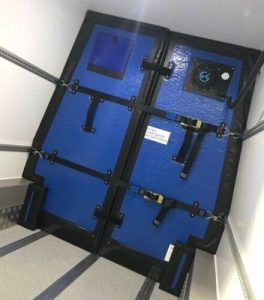
Vehicles carry a mobile mattress that can be moved up and down the chamber to create two chambers.
The vehicle can hold two evaporators. One for each chamber or a cheaper option of a single evaporator with a fan in the mattress.
Handling and transporting samples includes strict protocols. Samples should be kept at the necessary temperature and in a similar quality condition of the sample’s time of sampling. Refrigerated vans with partitions are a great option, ideally with dual refrigeration units. This is so that samples can be kept at a constant temperature. The racks can be fold away but although aluminium still cut into the vehicles carrying weight
Do you want Single temperature or Multi Temp. (MT)?
At Fresh Logistics our vehicle heat as well as cools, so if it’s a cold morning at – 5°c and transporting bananas with a +12°c unlike our competitors we can transport the bananas within the product spec. At Fresh Pharma the heated vehicles are a must to carry out as a positive ambient courier for pharma and food industry.
Finally
Buying a fridge van in the UK represents a major investment for businesses handling temperature-sensitive goods. Making an informed decision is essential to ensure safe, efficient, and compliant transport of chilled or frozen products. Factors such as temperature range, insulation quality, refrigeration unit performance, and load capacity directly affect the cold chain integrity and operational efficiency.
Temperature range is crucial for maintaining product safety. Chilled vans typically operate between 0°C and 8°C, while frozen vans must maintain -18°C or lower. Insulation ensures minimal temperature fluctuation during transit, even in unpredictable UK weather conditions. The refrigeration unit must be reliable, energy-efficient, and suitable for the intended cargo. Additionally, van loading capacity must match business requirements, whether transporting small parcels of pharmaceuticals or large supermarket deliveries.
Other considerations include vehicle size, fuel type, maintenance costs, and regulatory compliance. Electric and hybrid fridge vans are becoming increasingly popular in the UK for reducing emissions and operating costs, particularly in urban environments. Training drivers in correct loading, unloading, and temperature monitoring procedures further safeguards product quality.
Key Considerations When Buying a Fridge Van
| Factor | Importance | Example |
|---|---|---|
| Temperature Range | Maintain product safety | Chilled dairy: 0°C–4°C |
| Insulation | Reduce temperature fluctuations | High-density panels for frozen meals |
| Refrigeration Unit | Ensure reliable cooling | Energy-efficient compressor with backup |
| Load Capacity | Match operational needs | Multi-drop deliveries for supermarkets |
| Vehicle Type | Adapt to delivery routes | Small van for urban, large van for distribution |
With careful planning and the right fridge van, UK businesses can transport temperature-sensitive goods safely, maintain quality, reduce waste, and improve operational efficiency. Investing wisely ensures long-term reliability and maximises cold chain performance.
Buying a Fridge Van
- Do I need a special licence to drive a fridge van?
- Can I buy a used fridge van?
Yes, you can buy a used fridge van. However, ensure that the van has been well-maintained and has a good service history.
- How much does a fridge van cost?
The cost of a fridge van can vary depending on the model and features. A new van can cost anywhere from £35,000 to £80,000, while a used van can cost anywhere from £5,000 to £20,000.
- Q. Can I lease a fridge van instead of buying one?
Yes, leasing is a popular option for businesses that don’t want to make a significant upfront investment. Leasing allows you to use the van for a set period of time and make monthly payments.
- How long do fridge vans typically last?
The lifespan of a fridge van can vary depending on how well it’s maintained and how often it’s used. Generally, a well-maintained fridge van can last up to 10 years or more.
- Can I customise a fridge van to meet my specific needs?
Yes, many manufacturers offer customisation options to meet specific requirements. This may include adding shelving or storage compartments, installing a specific type of refrigeration unit, or adding additional insulation.
- Are there any government grants available for buying a fridge van?

Petrol in a diesel vehicle
When you accidently put Petrol in a Diesel vehicle

Putting petrol in a diesel vehicle is a surprisingly common mistake across the UK. Many drivers experience this issue when refuelling quickly or using unfamiliar vehicles. While it may seem minor, the consequences can be serious if the situation is not handled correctly. Petrol and diesel fuels have different chemical properties and combustion processes. When the wrong fuel enters the system, it can damage vital engine components.
Understanding what to do immediately after the mistake can prevent severe mechanical damage and expensive repairs. Acting quickly and following the correct steps reduces risk and protects the vehicle’s fuel system. This guide explains why petrol in a diesel engine is problematic and outlines practical actions to minimise damage.
First a quick plug – Our sister companies Fresh Pharma whom are GDP Compliant Pharma couriers and ‘Fresh Fridge Hire‘ are our (compliant GDP) refrigerated vehicle hire.
If petrol is accidentally put into a diesel car, the key is to avoid running the engine and remove the contaminated fuel.
Action points only:
- Do NOT start the engine.
- Do NOT turn the ignition on (in some cars this activates the fuel pump).
- Push the car away from the pump area to a safe location.
- Inform the petrol station staff if the mistake happened there.
- Arrange for the vehicle to be towed — do not drive it.
- Drain the fuel tank completely.
- Flush the fuel system (fuel lines and pump).
- Replace the fuel filter.
- Refill the tank with correct diesel fuel.
- Prime the fuel system if required and then start the engine.
If the engine was already started, additional checks for injectors and high-pressure fuel pump damage may be required.
Petrol in a Diesel Vehicle Introduction: Understanding Engine Differences
Before understanding the consequences of misfuelling, it is important to know how petrol and diesel engines operate. Although both engines burn fuel to generate power, their ignition methods differ significantly.
Diesel engines rely on high compression to ignite fuel. The fuel is injected into compressed air inside the cylinder, causing spontaneous combustion. Petrol engines, however, require spark plugs to ignite a fuel and air mixture. This difference means petrol lacks the lubricating properties required by diesel fuel systems.
Diesel fuel lubricates critical components, including fuel pumps and injectors. Petrol acts more like a solvent, reducing lubrication and increasing friction. When petrol circulates through a diesel system, it can damage pumps, injectors, and seals. If the engine runs with petrol contamination, severe mechanical failure may occur.
Key Differences Between Petrol and Diesel Engines
| Feature | Diesel Engine | Petrol Engine |
|---|---|---|
| Ignition Method | Compression ignition | Spark plug ignition |
| Fuel Characteristics | High lubrication properties | Lower lubrication |
| Efficiency | Higher torque and fuel economy | Higher engine speed |
| Typical Use | Vans, lorries, commercial vehicles | Cars and small vehicles |
Understanding these differences highlights why misfuelling can cause significant mechanical problems. Acting quickly and avoiding engine start can prevent further damage and reduce repair costs.
Diesel and Petrol Engine differences.
Diesel and petrol engines are two different types of internal combustion engines, and they have several differences. Here are the five main differences:
- Fuel type: The most obvious difference is the type of fuel they use. Diesel engines use diesel fuel, which is a heavier and less refined fuel, while petrol engines use gasoline, which is a lighter and more refined fuel.
- Ignition process: Diesel engines use compression ignition, which means the fuel is ignited by the heat of compressed air in the combustion chamber. Petrol engines use spark ignition, which means the fuel is ignited by a spark from the spark plug.
- Efficiency: Diesel engines are generally more fuel-efficient than petrol engines. This is because they have a higher compression ratio, which allows for more complete combustion of the fuel.
- Torque: Diesel engines produce more torque than petrol engines. Torque is the twisting force that causes rotation, and diesel engines produce more torque at lower RPMs, which makes them better for towing and hauling heavy loads.
- Emissions: Petrol engines produce more emissions than diesel engines. Petrol engines produce more carbon dioxide, which contributes to climate change, while diesel engines produce more nitrogen oxides, which contribute to air pollution.
Why is it a Problem?
When petrol is added to a diesel engine, it reduces the lubrication and increases friction. This can cause serious damage to the fuel pump, injectors, and engine. The petrol also reduces the cetane rating of diesel fuel, which affects the combustion process and can cause the engine to misfire or stall.
What to Do If You Put Petrol in a Diesel Vehicle?
If you realise you’ve put petrol in your diesel vehicle, the first thing to do is not to start the engine. Starting the engine can cause the petrol to circulate and cause more damage. Here are the steps you should take:
- Don’t Panic: While it can be a stressful situation, try to stay calm and take the necessary steps to prevent further damage.
- Stop Pumping: If you’re still at the petrol station, stop pumping petrol immediately. If you’ve already left the station, find a safe place to pull over.
- Do Not Start Your Vehicle: As mentioned earlier, starting the engine can cause more damage, so don’t attempt to start it.
- Call for Help: If you have breakdown cover, call your provider and ask for assistance. They’ll arrange to have your vehicle towed to a garage where the fuel system can be drained and cleaned. If you don’t have breakdown cover, call a local mechanic or towing service.
Prevent Putting Petrol in a Diesel Vehicle: Practical Prevention Tips
Prevent putting petrol in a diesel vehicle by adopting careful refuelling habits and simple preventative measures. Misfuelling occurs more frequently than many drivers realise, especially during busy travel schedules or when driving unfamiliar vehicles. Preventative actions reduce the risk of engine damage, breakdowns, and costly repairs.
Drivers of commercial vans, delivery vehicles, and company fleets should implement clear procedures to avoid mistakes. Fleet managers often introduce refuelling policies, training, and visual reminders for drivers. For example, a delivery driver using multiple vehicles during a working week can easily confuse fuel types without proper checks. Simple preventative practices significantly reduce this risk.
Common Causes of Misfuelling and Prevention
| Cause | Prevention Method | Example |
|---|---|---|
| Driver Distraction | Focus fully during refuelling | Avoid using mobile phones |
| Unfamiliar Vehicles | Confirm fuel type before refuelling | Check dashboard label |
| Poor Lighting | Refuel in well-lit areas | Service stations with clear signage |
| Rushed Refuelling | Slow down and double-check pump | Verify nozzle before pumping |
Taking a moment to confirm the correct fuel type can prevent costly engine damage and unnecessary stress.
Be Aware of Fuel Types to Prevent Putting Petrol in a Diesel Vehicle
Always confirm the fuel type required for your vehicle before refuelling. Diesel and petrol pumps are normally labelled clearly across UK forecourts, although mistakes still happen. Diesel nozzles are usually larger than petrol nozzles, which helps prevent incorrect fuelling. However, petrol can still enter a diesel tank if the driver selects the wrong pump.
For example, drivers using rental vehicles or company vans should always confirm the fuel type before refuelling. The vehicle handbook, dashboard display, or fuel cap label normally indicates whether the vehicle uses petrol or diesel. Taking a moment to check avoids confusion and reduces misfuelling risk.
Fuel Pump Differences
| Feature | Diesel Pump | Petrol Pump |
|---|---|---|
| Nozzle Size | Larger nozzle | Smaller nozzle |
| Typical Vehicles | Vans, lorries, commercial vehicles | Cars and small vehicles |
| Pump Labelling | Black or yellow labels common | Green labels common |
Understanding these differences helps drivers confidently select the correct pump.
Label the Fuel Cap to Prevent Putting Petrol in a Diesel Vehicle
Label the fuel cap clearly with the correct fuel type. This simple step acts as an immediate visual reminder during refuelling. Many drivers place a sticker reading “Diesel Only” inside the fuel flap or directly on the cap.
Fleet vehicles often include labelled caps as part of vehicle preparation procedures. This approach is particularly useful when multiple drivers share the same vehicle. For example, a refrigerated delivery van used by several drivers may require clear labelling to prevent accidental petrol refuelling.
Fuel Cap Labelling Benefits
| Benefit | Description | Example |
|---|---|---|
| Visual Reminder | Quick confirmation during refuelling | “Diesel Only” sticker |
| Fleet Safety | Reduces driver mistakes | Shared delivery vehicles |
| Cost Prevention | Avoids expensive repairs | Prevents misfuelling incidents |
Clear labels provide a simple yet effective prevention method.
Pay Attention When Refuelling to Prevent Putting Petrol in a Diesel Vehicle
Distractions are a leading cause of misfuelling incidents. Drivers should remain focused while refuelling and avoid mobile phone use or conversations. A brief check before pumping ensures the correct nozzle is selected.
For instance, delivery drivers refuelling during busy schedules may rush the process. Slowing down and confirming the pump label prevents mistakes. Always double-check the pump handle and the fuel grade displayed on the screen.
Safe Refuelling Practices
| Practice | Purpose | Example |
|---|---|---|
| Check Pump Label | Confirm correct fuel type | Verify diesel before pumping |
| Avoid Distractions | Maintain focus | Put phone away during refuelling |
| Confirm Vehicle Fuel | Check dashboard or fuel cap | Diesel indicator inside fuel flap |
A careful refuelling routine significantly reduces misfuelling risk.
Keep a Fuel Diary to Prevent Putting Petrol in a Diesel Vehicle
Maintaining a simple fuel diary helps drivers track fuel usage and vehicle refuelling patterns. Recording refuelling details can improve awareness and reduce mistakes. Businesses managing fleets often use digital systems to monitor fuel consumption and vehicle activity.
For example, a refrigerated logistics company may record the date, fuel type, and litres added for each vehicle. This information supports cost monitoring and helps identify unusual fuel consumption. Drivers also become more aware of vehicle requirements through regular recording.
Use Fuel Additives to Protect Diesel Engines
Fuel additives can support engine performance and improve diesel fuel lubricity. Some additives help protect fuel pumps and injectors from wear. They can also improve fuel efficiency and reduce carbon deposits in diesel engines.
However, additives should never replace proper refuelling procedures. They provide supplementary protection rather than preventing misfuelling incidents. Businesses using refrigerated vans or delivery fleets sometimes include approved additives as part of regular vehicle maintenance.
Benefits of Diesel Fuel Additives
| Benefit | Description | Example |
|---|---|---|
| Improved Lubrication | Protects fuel pumps and injectors | Diesel system protection |
| Better Fuel Efficiency | Improves combustion | Reduced fuel consumption |
| Engine Protection | Reduces deposits and wear | Cleaner injectors |
Always follow manufacturer recommendations before using fuel additives.
Conclusion: Prevent Putting Petrol in a Diesel Vehicle
Prevent putting petrol in a diesel vehicle by adopting careful refuelling habits and clear preventative procedures. Misfuelling can cause serious mechanical damage and expensive repairs. Fortunately, simple precautions greatly reduce the likelihood of this mistake. Drivers should always check the fuel type before refuelling, especially when driving unfamiliar vehicles or company vans. A brief verification of the pump label and nozzle type prevents many incidents.
Labelling the fuel cap with “Diesel Only” provides a constant visual reminder. This practice is particularly valuable for shared fleet vehicles and delivery vans. Remaining attentive during refuelling is equally important. Distractions such as mobile phones or rushed schedules often lead to mistakes. Taking a few extra seconds to confirm the correct pump protects the engine and avoids unnecessary repair costs.
Fleet operators should also provide driver training and implement clear refuelling procedures. Recording fuel use through a simple fuel log improves awareness and accountability. Businesses managing refrigerated vans or delivery fleets often track fuel consumption to monitor costs and vehicle performance. These preventative measures strengthen operational reliability and reduce the risk of misfuelling incidents.
Key Prevention Practices
| Prevention Method | Purpose | Example |
|---|---|---|
| Check Fuel Type | Confirm correct pump before refuelling | Verify diesel label on pump |
| Label Fuel Cap | Provide visual reminder | “Diesel Only” sticker inside fuel flap |
| Avoid Distractions | Maintain focus during refuelling | No phone use at the pump |
| Record Fuel Use | Track fuel type and consumption | Fleet fuel log for delivery vans |
| Driver Training | Reduce mistakes in company vehicles | Refuelling procedures for fleet drivers |
By following these simple guidelines, drivers and businesses can significantly reduce the risk of misfuelling. Preventative practices protect engines, lower operating costs, and ensure vehicles remain reliable for everyday transport operations.
Petrol in a Diesel Tank
- Can I drive my diesel vehicle if I accidentally put petrol in it?
No, you should not drive your diesel vehicle if you’ve accidentally put petrol in it. Starting the engine can cause more damage, so it’s best to call for assistance and have the fuel system drained and cleaned.
- Will putting petrol in a diesel engine cause permanent damage?
It depends on the amount of petrol and how long the engine has been running. If caught early, the damage can be minimal, but if left unchecked, it can cause permanent damage to the fuel system and engine.
- Can I fix the problem myself?
- How much will it cost to fix the problem?
The cost of fixing the problem can vary depending on the extent of the damage. It can range from a few hundred to several thousand pounds.
- Can I claim for the damage on my insurance?
It depends on your insurance policy. Some policies may cover the damage, while others may not. It’s best to check with your insurance provider.

Emerging Technologies are Boosting Business Growth
Boosting Business Growth with Emerging Technology
In the fast-paced world of business, companies need to stay ahead of the curve to survive and thrive. One key way to do this is by utilising traceability data and emerging technologies to boost growth. In this blog, we’ll explore what traceability data is, how it can help your business, and the emerging technologies that are shaping the future of traceability.
First a quick plug – Our sister companies Fresh Pharma whom are GDP Compliant Pharma couriers and ‘Fresh Fridge Hire‘ are our (compliant GDP) refrigerated vehicle hire.
 In today’s highly competitive business landscape, it’s more important than ever to utilise all the tools at your disposal to boost growth. One key tool that many businesses overlook is traceability data. By leveraging the power of traceability data and emerging technologies, businesses can gain insights into their operations that were previously impossible to obtain. This can lead to improved efficiency, increased profitability, and ultimately, sustained growth.
What is Traceability Data?
Traceability data is data that tracks the movement of goods and products throughout the supply chain. This can include everything from raw materials to finished goods, and can provide valuable insights into the efficiency and effectiveness of a company’s operations. Traceability data can be collected through a variety of means, including barcodes, RFID tags, and GPS tracking.
The Benefits of Traceability Data in Emerging Technologies
The benefits of traceability data are numerous. For one, it allows businesses to track the movement of goods throughout the supply chain, providing valuable insights into the efficiency of their operations. This can lead to improved logistics, reduced waste, and increased profitability.
Traceability data also enables businesses to identify and mitigate supply chain risks. By tracking the movement of goods, businesses can quickly identify issues such as delays, bottlenecks, and quality control problems. Taking steps to address them before they become major issues.
Finally, traceability data can help businesses improve their relationships with customers. By providing real-time information about the movement of goods, businesses can improve communication with customers, build trust, and ultimately, increase customer satisfaction.
Emerging Technologies in Traceability
As technology continues to evolve, so too do the possibilities for traceability. Here are just a few of the emerging technologies that are shaping the future of traceability:
Blockchain
Blockchain technology is already being used in supply chain management to improve transparency and traceability. By using a decentralised ledger to track the movement of goods, businesses can ensure that data is secure, tamper-proof, and accessible to all parties involved in the supply chain.
Emerging Technologies of the Internet of Things (IoT)
The Internet of Things (IoT) is also playing a major role in traceability. By using sensors and other connected devices to track the movement of goods,. Businesses can gain real-time insights into the status of their operations. This can lead to improved efficiency, reduced waste, and increased profitability.
Artificial Intelligence (AI) revolutionised Emerging Technologies
Artificial intelligence (AI) is also being used to improve traceability. By using machine learning algorithms to analyse traceability data, businesses can gain insights into their operations that were previously impossible to obtain. This can lead to improved efficiency, reduced waste, and increased profitability.
Mobile phone apps increase accessibility to traceability?
Mobile phone apps have revolutionised the way businesses manage and share traceability data. With the increasing use of mobile devices, businesses can easily collect and track information on their products and operations in real-time. Making it easier to identify and address issues along the supply chain.
One of the main benefits of Emerging Technologies mobile phone apps is their ease of use. Apps can be downloaded and used on-the-go, making it easier for businesses to collect data from multiple sources and share it with partners along the supply chain. Additionally, many apps provide real-time alerts and notifications, allowing businesses to quickly respond to any issues that arise.
Another benefit of mobile phone apps is their ability to improve data accuracy. By using automated data collection methods and integrating with other systems, apps can reduce the risk of manual errors and ensure that data is up-to-date and accurate.
Mobile phone apps can also improve collaboration and communication along the supply chain. By sharing traceability data in real-time, businesses can work together to address issues and identify opportunities for improvement. This can lead to increased efficiency, reduced waste, and enhanced quality throughout the entire supply chain.
In conclusion, mobile phone apps are an important tool for businesses looking to increase accessibility to traceability data. With their ease of use, improved data accuracy, and ability to improve collaboration and communication, mobile phone apps are a valuable asset for businesses seeking to optimise their operations and boost growth.
 Reduction in costs of Apps
Emerging Technologies via the increasing use of mobile phone apps is due to the reduction in costs with development and deployment. In the past, businesses would have to invest significant resources in developing custom software. Hiring IT professionals to manage their data collection and management processes. However, the advent of low-code and no-code app development platforms has made it easier and more affordable for businesses to develop and deploy apps on their own.
Low-code and no-code platforms provide pre-built components and drag-and-drop interfaces. Thus allowing users to create custom apps without needing extensive coding knowledge. This has significantly reduced the costs associated with app development, making it accessible to businesses of all sizes.
Furthermore, the proliferation of cloud-based app deployment has further reduced costs by eliminating the need for businesses to invest in expensive hardware and infrastructure. With cloud-based apps, businesses can deploy their apps on a subscription basis, paying only for the resources they use.
The reduction in costs associated with app development and deployment has made it easier for businesses to collect and manage traceability data, leading to increased adoption of traceability technologies. This, in turn, has led to improved supply chain visibility, increased efficiency, and enhanced product quality.
Round Up
In conclusion, traceability data and emerging technologies are playing an increasingly important role in the world of business. By leveraging the power of traceability data and the latest technologies,. Businesses can gain insights into their operations that were previously impossible to obtain. This can lead to improved efficiency, increased profitability, and sustained growth.
Traceability data is data that tracks the movement of goods and products throughout the supply chain. Traceability data can help businesses improve their operations, identify and mitigate risks, and improve their relationships with customers. Emerging technologies in traceability include blockchain, Internet of Things (IoT), and artificial intelligence (AI). Blockchain technology uses a decentralised ledger to track the movement of goods, ensuring that data is secure, tamper-proof, and accessible to all parties involved in the supply chain. The IoT uses sensors and other connected devices to track the movement of goods in real-time, providing businesses with valuable insights into the status of their operations. AI uses machine learning algorithms to analyse traceability data, providing businesses with insights into their operations that were previously impossible to obtain.Emerging Technologies

Combat Inflation Losses - Tactics and Moves.
How Logistics Companies Can Combat Inflation Losses in the UK
Logistics companies in the UK face a significant challenge as inflation hits the economy. The increasing prices of fuel, wages, and raw materials are impacting their bottom lines. In this article, we’ll explore various strategies that logistics companies can implement to combat inflation losses and remain profitable.
First a quick plug – Our sister companies Fresh Pharma whom are GDP Compliant Pharma couriers and ‘Fresh Fridge Hire‘ are our (compliant GDP) refrigerated vehicle hire.
 Understanding inflation and its impact on logistics companies
Inflation refers to the general increase in the price of goods and services in an economy. In the UK, inflation has been on the rise due to factors such as Brexit, COVID-19, Ukraine war, and global supply chain disruptions. This rise in inflation has resulted in an increase in the cost of fuel, raw materials, and wages, which has had a direct impact on logistics companies.
Logistics companies that operate fleets of vehicles are particularly vulnerable to inflation. The rising cost of fuel can quickly erode their profit margins. Moreover, logistics companies that offer warehousing and distribution services face additional challenges, as the cost of storing and transporting goods also increases.
Strategies to Combat Inflation Losses Through Efficient Fleet Management
Efficient fleet management is central to strategies to combat inflation losses within UK logistics operations. Fuel remains one of the largest operating expenses, particularly during volatile pricing periods. Businesses can reduce exposure by investing in Euro 6 compliant vehicles, hybrid vans, or electric HGVs suitable for urban distribution.
Lower emissions often align with reduced fuel consumption, particularly across short-haul routes. Route optimisation software helps planners avoid congestion hotspots such as the M25 or city centre low emission zones. Reducing unnecessary mileage directly lowers fuel spend and vehicle wear. Driver training in eco-driving techniques also produces measurable savings. Smooth acceleration, controlled braking, and limited engine idling can reduce fuel usage by up to ten percent.
Preventative maintenance schedules ensure tyres remain correctly inflated and engines run efficiently. Poorly maintained vehicles consume more fuel and increase breakdown risks. Telematics systems provide detailed performance data for each vehicle. Managers can identify excessive idling, harsh braking, or inefficient routes.
| Fleet Strategy | Cost Impact | Operational Benefit | Example in Practice |
| Electric vans | Lower fuel costs | Reduced emissions | Urban deliveries in Manchester |
| Route software | Less mileage | Faster delivery times | Avoiding peak M6 traffic |
| Driver training | Lower fuel use | Safer driving | Quarterly eco-driving workshops |
| Preventative servicing | Reduced repairs | Improved reliability | Scheduled fleet inspections |
Consistent fleet evaluation ensures long-term resilience against inflationary pressures.
Strategies to Combat Inflation Losses by Optimising the Supply Chain
Optimising the supply chain forms another pillar of strategies to combat inflation losses. Inefficiencies increase operational costs during inflationary cycles. Waste reduction should begin with demand forecasting accuracy. Overstocking ties up capital and increases warehousing costs.
Understocking creates emergency transport expenses and reputational damage. Just-in-time delivery models reduce inventory holding costs when managed carefully. However, contingency planning is essential to protect service continuity. Streamlined warehouse layouts reduce picking times and labour expenditure. Digital inventory management systems improve stock visibility and reduce duplication.
Supplier rationalisation can also generate cost stability. Working with fewer trusted UK suppliers reduces transport complexity and administrative overheads. Energy consumption within warehouses should be monitored. LED lighting, insulation upgrades, and smart heating systems reduce utility costs significantly. Packaging optimisation lowers material expenses and transportation weight.
| Supply Chain Action | Financial Advantage | Efficiency Gain | Example |
| Demand forecasting software | Reduced excess stock | Better planning | Seasonal retail peaks |
| Warehouse layout redesign | Lower labour hours | Faster order picking | Midlands distribution hub |
| Supplier consolidation | Better pricing terms | Simplified logistics | Regional food supplier |
| Energy-efficient lighting | Reduced electricity costs | Lower carbon footprint | LED retrofits |
Continuous review of processes ensures competitiveness during sustained inflation.
Strategies to Combat Inflation Losses Through Adopting New Technologies
Adopting modern technologies strengthens strategies to combat inflation losses across logistics networks. Telematics and GPS tracking provide real-time fleet data. Managers can monitor fuel consumption, route adherence, and driver performance instantly. This visibility supports informed cost control decisions.
Automation within warehouses reduces dependency on fluctuating labour markets. Robotic picking systems improve speed and accuracy during peak demand. Automated guided vehicles move pallets efficiently across distribution centres. Artificial intelligence supports predictive maintenance planning. Early detection of mechanical issues prevents costly downtime.
Cloud-based transport management systems integrate scheduling, billing, and compliance records. Digital documentation reduces paperwork errors and administrative costs. Data analytics tools help forecast fuel expenditure trends. Scenario modelling allows managers to prepare for rising operating expenses.
| Technology | Cost Control Benefit | Operational Improvement | Example Use |
| GPS tracking | Reduced fuel waste | Route optimisation | Nationwide parcel fleet |
| Warehouse robotics | Lower labour costs | Faster order fulfilment | E-commerce distribution |
| Predictive maintenance software | Avoided breakdown costs | Increased uptime | HGV servicing alerts |
| Cloud management systems | Lower admin costs | Real-time data access | Integrated invoicing |
Strategic technology adoption enhances resilience during prolonged inflation.
Strategies to Combat Inflation Losses Through Implementing Cost-Saving Measures
Implementing structured cost-saving measures reinforces strategies to combat inflation losses. Detailed expense audits identify hidden inefficiencies. Subscription services, unused software licences, and surplus storage space often increase overheads. Renegotiating supplier contracts can stabilise pricing structures.
Bulk purchasing agreements may secure favourable rates for fuel or packaging materials. Overtime management reduces payroll inflation. Efficient workforce scheduling prevents unnecessary labour costs. Energy audits highlight avoidable expenditure across depots. Installing smart meters improves monitoring accuracy. Insurance policies should be reviewed annually. Competitive tendering may reduce premiums without reducing cover.
Travel expenses and discretionary spending require consistent oversight.
| Cost Measure | Financial Effect | Practical Example |
| Supplier renegotiation | Lower procurement costs | Annual contract review |
| Workforce scheduling software | Reduced overtime pay | Shift planning tool |
| Energy audits | Lower utility bills | Smart meter installation |
| Insurance comparison | Reduced premiums | Fleet policy tender |
Proactive cost management safeguards profitability against economic pressures.
Strategies to Combat Inflation Losses by Diversifying Revenue Streams
Diversification plays a significant role within strategies to combat inflation losses. Relying on a single service line increases vulnerability. Logistics firms can expand into contract packing services. Assembly and kitting services attract manufacturing clients. Temperature-controlled distribution supports pharmaceutical and food sectors.
Cross-docking services reduce storage time and generate handling fees. E-commerce fulfilment services respond to growing online demand across the UK. International freight forwarding may broaden client bases. Offering consultancy in supply chain planning adds advisory revenue.
| Revenue Stream | Profit Potential | Target Sector |
| Contract packing | Increased margins | Retail suppliers |
| Temperature-controlled logistics | Premium pricing | Food producers |
| E-commerce fulfilment | Recurring contracts | Online retailers |
| Supply chain consultancy | Advisory fees | SMEs |
Multiple revenue channels provide financial cushioning during inflationary periods.
Strategies to Combat Inflation Losses Through Building Strong Partnerships
Strong partnerships enhance strategies to combat inflation losses. Collaborative relationships create stability during market fluctuations. Long-term agreements with suppliers often secure predictable pricing. Transparent communication fosters mutual trust and flexibility. Joint forecasting improves planning accuracy. Shared warehousing arrangements may reduce property costs.
Strategic alliances with regional carriers expand service coverage without fleet expansion. Participation in logistics networks increases referral opportunities.
| Partnership Type | Strategic Advantage | Example |
| Supplier alliances | Stable input costs | Packaging provider |
| Carrier partnerships | Expanded reach | Regional haulier |
| Shared warehousing | Lower overheads | Midlands storage facility |
| Industry networks | Business referrals | Trade association membership |
Collaborative ecosystems strengthen resilience against sustained inflation.
Strategies to Combat Inflation Losses Through Offering Value-Added Services
Offering value-added services strengthens strategies to combat inflation losses by increasing perceived client value. Real-time tracking portals enhance transparency. Customers gain confidence in delivery reliability. Temperature-controlled storage commands premium pricing within food distribution. Reverse logistics services manage returns efficiently. Customs clearance assistance simplifies international trade.
Sustainable packaging options appeal to environmentally conscious clients.
| Value-Added Service | Competitive Benefit | Example Application |
| Real-time tracking | Enhanced transparency | Online retail deliveries |
| Temperature-controlled storage | Premium rates | Chilled goods |
| Returns management | Improved customer loyalty | Fashion retail |
| Sustainable packaging | Brand enhancement | Organic product suppliers |
Differentiation reduces price sensitivity among customers.
Strategies to Combat Inflation Losses Through Investing in Employee Training and Development
Employee development underpins strategies to combat inflation losses by improving operational efficiency. Skilled staff perform tasks more accurately and quickly. Forklift certification training reduces accident risks and downtime. Leadership development programmes enhance management capability. Digital literacy training supports new technology adoption. Cross-training increases workforce flexibility during peak periods. Apprenticeship schemes build long-term talent pipelines.
| Training Initiative | Operational Benefit | Cost Impact |
| Eco-driving courses | Lower fuel use | Reduced vehicle costs |
| Digital systems training | Faster processing | Lower admin errors |
| Health and safety workshops | Fewer incidents | Lower insurance claims |
| Cross-training | Workforce flexibility | Reduced agency spend |
Investment in people strengthens organisational resilience.
Strategies to Combat Inflation Losses Through Negotiating Contracts
Contract negotiation remains critical within strategies to combat inflation losses. Longer-term agreements provide predictable revenue streams. Indexed pricing clauses protect against fuel volatility. Volume commitments may secure favourable rates. Service level agreements ensure accountability. Clear escalation clauses manage unexpected cost surges. Transparent communication improves renewal prospects.
| Contract Feature | Financial Protection | Example |
| Fuel adjustment clause | Margin stability | Quarterly review |
| Multi-year agreement | Revenue security | Three-year logistics contract |
| Volume discount | Lower unit costs | High-volume retailer |
| Escalation clause | Inflation coverage | Indexed pricing |
Strategic contracts create stability during uncertain economic conditions.
Strategies to Combat Inflation Losses by Passing on Costs to Customers
Passing on selected costs forms part of balanced strategies to combat inflation losses. Transparent communication is essential to maintain trust. Fuel surcharges reflect fluctuating diesel prices. Incremental pricing adjustments minimise client resistance. Value-based pricing emphasises service quality rather than cost alone. Clear contractual terms prevent disputes.
| Pricing Strategy | Benefit | Example |
| Fuel surcharge | Margin protection | Monthly diesel adjustment |
| Tiered pricing | Flexible structure | Express delivery premium |
| Annual review clause | Predictable adjustments | Indexed contract |
| Value-based pricing | Improved perception | Specialist handling services |
Careful implementation protects profitability without damaging relationships.
Strategies to Combat Inflation Losses Through Efficient Fleet Management
Efficient fleet management remains a cornerstone strategy to combat inflation losses within the UK logistics sector. Fuel prices, vehicle maintenance, and insurance premiums often rise sharply during inflationary periods. Companies must therefore adopt disciplined asset management practices. Investing in Euro 6 compliant vehicles improves fuel economy and reduces emissions charges within clean air zones such as London and Birmingham.
Route optimisation software enables dispatch teams to avoid congestion hotspots including the M25 and A1 corridors. Reduced idling lowers diesel consumption and engine wear. Driver training in eco-driving techniques delivers measurable savings. Smooth acceleration and controlled braking reduce fuel usage by up to ten percent. Preventative maintenance programmes also extend vehicle lifespan.
Fleet telematics provides real-time diagnostics and alerts. This data prevents costly roadside breakdowns. The table below outlines key fleet strategies.
| Strategy | Practical Example | Financial Impact |
| Fuel-efficient vehicles | Upgrading to hybrid vans for urban deliveries | Lower fuel and emission costs |
| Route optimisation | Using digital mapping to avoid peak congestion | Reduced mileage and overtime |
| Eco-driver training | Quarterly driver efficiency workshops | Lower fuel and maintenance bills |
| Preventative servicing | Scheduled inspections every 8 weeks | Fewer unexpected repairs |
These combined actions improve cost control and strengthen resilience against inflationary pressures.
Optimising Supply Chain Operations
Supply chain optimisation is another essential strategy to combat inflation losses. Rising energy costs and raw material prices directly affect warehousing and distribution margins. Businesses must review procurement cycles and warehouse layouts. Just-in-time delivery models reduce excessive stockholding. Lower inventory levels decrease storage costs and insurance premiums.
Waste reduction also plays a vital role. Lean methodologies identify inefficiencies in picking, packing, and transport scheduling. For example, cross-docking within Midlands distribution hubs minimises storage time. Digital inventory management systems improve stock accuracy. Accurate forecasting prevents over-ordering. The table below summarises optimisation techniques.
| Optimisation Method | Application Example | Cost Benefit |
| Just-in-time delivery | Coordinated supplier drop-offs | Reduced storage overheads |
| Lean warehousing | Streamlined picking routes | Faster order fulfilment |
| Digital stock control | Barcode scanning systems | Lower shrinkage losses |
| Energy management | LED lighting in warehouses | Reduced electricity costs |
Supply chain optimisation strengthens cash flow management and protects profitability during economic uncertainty.
Adopting New Technologies
Adopting technology-driven solutions offers powerful strategies to combat inflation losses. Technological investment may appear costly initially. However, it delivers substantial long-term savings. GPS tracking systems monitor vehicle performance and driver behaviour. Real-time visibility reduces unauthorised mileage and fuel misuse.
Automated warehouse robotics improve picking accuracy. Robotics reduce labour reliance during wage inflation. Artificial intelligence forecasting tools enhance demand planning. These systems reduce surplus stock and markdowns. Digital freight platforms improve load matching. Fewer empty return journeys increase revenue per mile. The following table illustrates practical applications.
| Technology | Operational Use | Financial Advantage |
| GPS fleet tracking | Monitoring idle time | Lower fuel expenditure |
| Warehouse robotics | Automated pallet movement | Reduced staffing costs |
| AI forecasting | Predicting seasonal demand | Better stock planning |
| Digital freight exchanges | Matching backloads | Higher vehicle utilisation |
By embedding technology within operations, logistics companies improve productivity and shield margins from inflationary erosion.
Implementing Cost-Saving Measures
Implementing structured cost-saving measures is central to strategies to combat inflation losses. Inflation increases supplier pricing and wage expectations. Careful expense auditing identifies controllable outgoings. Renegotiating supplier contracts often secures better bulk rates. Consolidating service providers simplifies invoicing and reduces duplication.
Monitoring overtime prevents payroll inflation. Energy audits uncover inefficiencies in warehouse heating and lighting. Outsourcing non-core services can lower overheads. Companies operating in Manchester or Glasgow frequently benefit from shared warehousing arrangements. The table below demonstrates practical measures.
| Cost-Saving Measure | Practical Approach | Expected Outcome |
| Supplier negotiation | Annual contract reviews | Lower procurement rates |
| Overtime control | Revised shift planning | Reduced wage expenses |
| Energy efficiency | Smart thermostats | Lower utility bills |
| Expense monitoring | Monthly cost analysis reports | Improved budgeting discipline |
Disciplined financial management enables logistics firms to remain competitive despite rising economic pressures.
Finally
Inflation is a significant challenge for logistics companies in the UK. However, there are various strategies that logistics companies can use to remain profitable. By managing their fleets efficiently, optimising their supply chains, adopting new technologies, implementing cost-saving measures, diversifying their revenue streams, building strong partnerships, offering value-added services, investing in employee training, negotiating contracts, and passing on costs to customers, logistics companies can improve their bottom lines.
Inflation refers to the general increase in the price of goods and services in an economy. It affects logistics companies by increasing the cost of fuel, raw materials, and wages, which can erode their profit margins. Fleet management refers to the process of managing a company’s vehicles efficiently. It can help logistics companies combat inflation losses by reducing fuel consumption, optimising routes, and ensuring that drivers are trained in eco-driving techniques. Value-added services are additional services that logistics companies can offer to their customers, such as packaging, labelling, and assembly. They can help logistics companies combat inflation losses by generating additional revenue and improving their profitability. Logistics companies can negotiate contracts with their customers by offering longer-term contracts that provide a stable revenue stream and reduce the risk of price fluctuations. Yes, logistics companies can pass on some of the cost increases to their customers by negotiating price increases or implementing fuel surcharges. However, this may affect their customer relationships and competitiveness in the market.Combat Inflation

Value-Added Services
Value-Added Services – Enhancing Value from the Warehouse
The Role of Value-Added Services in Warehousing
Warehouses are no longer just storage facilities; they have evolved into strategic hubs that add significant value to the supply chain.  As customer expectations rise, businesses must look beyond traditional logistics and embrace value-added services (VAS) to enhance efficiency, improve product quality, and create a competitive edge.
Value-added services in warehousing refer to customised solutions that go beyond simple storage and distribution. These services optimise supply chain processes, enhance product presentation, ensure compliance, and ultimately improve customer satisfaction.
First a quick plug – Our sister companies Fresh Pharma whom are GDP Compliant Pharma couriers and ‘Fresh Fridge Hire‘ are our (compliant GDP) refrigerated vehicle hire.
The Growing Demand for Customised Logistics Solutions
With the boom of e-commerce, fast-moving consumer goods (FMCG), and global supply chains, businesses require more than just warehousing—they need tailored solutions that reduce costs, improve lead times, and enhance product quality.
Key Trends Driving VAS Growth:
- Rising e-commerce expectations for faster and more flexible delivery.
- The need for customisation and personalisation in packaging.
- Increasing regulatory compliance in sectors like pharmaceuticals and food logistics.
- A shift towards sustainable and eco-friendly logistics solutions.
2. Understanding Value-Added Services in Warehousing
What Are Value-Added Services (VAS)?
Value-added services in warehousing refer to additional processes performed within the warehouse to enhance product value before it reaches the end customer. These services optimise supply chain operations by reducing transit time, improving product quality, and increasing efficiency.
Common Examples of VAS:
- Kitting & Assembly – Combining multiple products into a single package.
- Labelling & Repackaging – Ensuring compliance with regulations and market requirements.
- Quality Control & Inspection – Checking for defects before dispatch.
- Reverse Logistics – Handling product returns efficiently.
- Sustainable Packaging – Reducing waste and improving eco-friendliness.
Key Benefits of Value-Added Services in Warehousing
Value-added services are a game-changer for businesses that want to streamline operations and enhance customer satisfaction. Below is an overview of the key benefits:
| Benefit | Description |
| Faster Time-to-Market | Reduces delays by performing essential tasks within the warehouse. |
| Improved Accuracy | Ensures that labelling, packaging, and orders are correct before dispatch. |
| Cost Savings | Minimises errors, reducing returns and additional handling costs. |
| Greater Flexibility | Customised solutions help meet diverse market demands. |
| Sustainability | Sustainable packaging and eco-friendly processes reduce environmental impact. |
Impact of Value-Added Services on Warehouse Efficiency
Here’s how value-added services can improve key logistics metrics:
| Logistics Metric | Without VAS | With VAS |
| Order Accuracy | 85% | 98% |
| Processing Time | 5-7 days | 2-3 days |
| Returns Rate | 10% | 4% |
| Customer Satisfaction | 70% | 95% |
By integrating VAS, businesses can achieve higher efficiency, reduce operational risks, and enhance customer trust.
3. The Importance of Value-Added Services for Modern Supply Chains
In today’s fast-paced logistics environment, speed, accuracy, and flexibility are crucial. Value-added services play a critical role in helping businesses meet customer expectations and maintain a competitive advantage.
How VAS Helps Meet Customer Expectations
Customers today expect fast, customisable, and high-quality products. Warehouses that integrate VAS can provide:
- Personalised packaging and branding for e-commerce businesses.
- Pre-assembled kits that reduce end-user assembly time.
- Smoother returns processes that enhance customer experience.
- Regulatory-compliant labelling for international shipments.
Case Study: E-Commerce Boom & VAS
A global online retailer implemented custom packaging and automated labelling in its warehouses. This reduced processing time by 40% and lowered return rates due to improved order accuracy.
Enhancing Speed, Accuracy, and Efficiency
By performing essential tasks within the warehouse, businesses can eliminate inefficiencies and accelerate the order fulfilment process.
Traditional vs. VAS-Enabled Warehousing
| Factor | Traditional Warehousing | With Value-Added Services |
| Processing Time | Longer due to separate processing hubs. | Faster as modifications are made within the warehouse. |
| Error Rates | Higher due to multiple handovers. | Lower due to on-site verification and automation. |
| Customer Satisfaction | Limited due to basic fulfilment. | Higher due to personalised offerings. |
Key Takeaway: Warehouses that invest in VAS can cut costs, reduce inefficiencies, and boost customer satisfaction, making them a vital component of the modern supply chain.
4. Types of Value-Added Services in Warehousing
Value-added services span multiple industries, providing businesses with tailored solutions to improve product quality, packaging, and order fulfilment.
Overview of Common Value-Added Services
| VAS Type | Description | Industry Application |
| Kitting & Assembly | Grouping multiple items into a single package. | E-commerce, automotive, electronics. |
| Labelling & Repackaging | Adding barcodes, ingredient labels, or rebranding. | Pharmaceuticals, food, FMCG. |
| Quality Control & Inspection | Checking for defects, ensuring compliance. | Retail, medical supplies. |
| Reverse Logistics | Managing returns, refurbishing products. | E-commerce, consumer electronics. |
| Sustainable Packaging | Using eco-friendly materials, reducing waste. | Fashion, food industry. |
Example: How Kitting & Assembly Optimises Order Fulfilment
A warehouse providing pre-assembled product kits for an electronics brand reduced processing time from 5 days to 1 day, boosting efficiency and reducing errors.
5. Customisation & Personalisation: Meeting Customer Needs for Value-Added Services
With consumers demanding greater personalisation, warehouses must adapt by offering flexible, custom-tailored services.
The Role of Personalisation in Modern Warehousing
Customers today want unique, branded, and high-quality packaging. Warehouses offering customisation services provide:
- Personalised branding – Adding logos, special messages, and tailored packaging.
- Bespoke order configurations – Allowing customers to choose product combinations.
- Subscription box assembly – Pre-packaged monthly kits tailored to customer preferences.
The Rise of Personalisation in E-Commerce
| Year | % of Customers Expecting Personalised Packaging |
| 2018 | 45% |
| 2021 | 68% |
| 2024 | 82% |
As the demand for customisation grows, warehouses that integrate personalisation services gain a significant competitive advantage.
How Tailored Packaging & Assembly Improve Customer Satisfaction
Personalised packaging enhances the unboxing experience, builds brand loyalty, and increases repeat purchases.
Example: Subscription Box Services & Customised Packaging
A beauty brand offering subscription boxes saw a 35% increase in repeat customers after introducing customised packaging and personalised product selections.
Key Takeaway: Customisation is no longer optional—it’s a necessity for brands that want to build stronger customer relationships.
6. Kitting & Assembly: Streamlining Product Readiness for Value-Added Services
What is Kitting & Assembly?
Kitting and assembly involve grouping multiple products or components together to create a ready-to-ship package. Instead of shipping individual parts separately, businesses can pre-assemble kits within the warehouse, making it easier for customers to receive and use the product immediately.
Examples of Kitting & Assembly:
- Subscription Boxes – Pre-packaged beauty, food, or gadget kits.
- Electronics Bundles – Phones with pre-packaged chargers and accessories.
- Retail Product Sets – Multi-item gift boxes or seasonal product collections.
How Kitting & Assembly Reduce Time-to-Market
By preparing kits within the warehouse, businesses can:
- Reduce order processing time – Pre-assembled products are shipped faster.
- Improve accuracy – Minimises errors by ensuring all items are correctly included.
- Enhance cost-efficiency – Reduces shipping costs and unnecessary handling.
Impact of Kitting on Order Fulfilment Time
| Process | Without Kitting | With Kitting |
| Order Processing | 2-3 days | 1 day |
| Shipping Time | 5-7 days | 3-5 days |
| Error Rate | 8% | 3% |
Case Study: An online electronics retailer reduced order fulfilment time by 35% after implementing warehouse-based kitting services.
7. Labelling & Repackaging: Compliance & Branding within Value-Added Services
The Importance of Accurate Labelling in Supply Chains
Labelling is essential for regulatory compliance, product identification, and branding. Warehouses offering labelling services help businesses avoid fines, improve traceability, and ensure international shipping compliance.
Key Label Types:
Barcode & QR Code Labels – For inventory tracking.
Regulatory Labels – Food safety, pharmaceutical compliance, etc.
Custom Branding Labels – Enhances brand visibility.
How Repackaging Supports Branding & Compliance
Repackaging services allow businesses to customise product packaging to meet different market needs. Whether for retail, e-commerce, or international shipping, warehouses can:
- Rebrand products for different markets.
- Comply with local regulations.
- Reduce waste by using sustainable packaging options.
Example: A global skincare brand repackaged products with multi-language labels for international shipping, ensuring compliance and improving customer satisfaction.
8. Quality Control & Inspection Services for Value-Added Services
Ensuring Product Quality Before Dispatch
Quality control (QC) is crucial in warehousing to minimise defects and improve customer trust. Warehouses offering QC inspections ensure that damaged, expired, or incorrect items are removed before shipping.
Common Quality Control Checks in Warehousing:
Product Inspection – Checking for physical damage or defects.
Functionality Testing – Ensuring electronics and mechanical products work.
Expiry Date Verification – Essential for food and pharmaceutical products.
Reducing Returns & Improving Customer Trust
Implementing strict quality checks at the warehouse stage can significantly reduce returns and enhance customer loyalty.
Impact of Quality Control on Return Rates
| Without QC | With QC |
| 12% return rate | 4% return rate |
| Frequent customer complaints | Increased brand trust |
Example: A warehouse implementing automated QC reduced return rates by 67%, improving customer satisfaction and reducing costs.
9. Reverse Logistics & Returns Management in Value-Added Services
The Role of Warehouses in Managing Returns Efficiently
Reverse logistics is the process of handling customer returns, repairs, and product recycling. A well-managed returns process can minimise waste and reduce costs for businesses.
Common Reverse Logistics Services:
- Product Refurbishing – Repairing and reselling returned items.
- Recycling & Disposal – Ensuring eco-friendly waste management.
- Restocking & Redistribution – Reintroducing returned goods into inventory.
How VAS Improve Sustainability & Cost Savings
By integrating reverse logistics into warehouse operations, businesses can:
- Reduce waste by refurbishing and reselling products.
- Improve efficiency with automated return processing.
- Enhance sustainability by recycling damaged goods responsibly.
Reverse Logistics: Cost Savings & Environmental Impact
| Metric | Without Reverse Logistics | With Reverse Logistics |
| Waste Generation | High | Reduced by 40% |
| Revenue Loss from Returns | Significant | Minimized through refurbishment |
Case Study: A leading fashion retailer reduced return-related losses by 30% after implementing an automated returns management system in its warehouse.
10. Inventory Management & Demand Forecasting in Value-Added Services
Enhancing Stock Visibility & Accuracy
Effective inventory management helps businesses track stock levels, reduce overstocking, and prevent shortages. Warehouses use real-time tracking to monitor inventory more efficiently.
Key Inventory Management Techniques:
- RFID & Barcode Scanning – Automates stock tracking.
- AI-Powered Demand Forecasting – Predicts future stock needs.
- Warehouse Management Systems (WMS) – Centralised stock control.
How Predictive Analytics & AI Improve Inventory Planning
Benefits of AI-Driven Inventory Forecasting:
- Reduces stockouts by 40%
- Improves storage efficiency by 25%
- Cuts waste from expired products.
Example: A grocery retailer used AI-driven forecasting to reduce perishable waste by 30%, improving profit margins and sustainability.
11. Sustainable Packaging & Eco-Friendly Initiatives in Value-Added Services
How Value-Added Services Support Green Logistics
Sustainability is becoming a top priority for modern supply chains. Warehouses offering sustainable packaging solutions and eco-friendly initiatives help businesses reduce waste, lower carbon footprints, and meet environmental regulations.
♻️ Key Green Logistics Practices in Warehousing:
- Use of biodegradable packaging materials (e.g., compostable mailers).
- Recyclable and reusable packaging solutions (e.g., returnable crates).
- Optimised packaging designs to reduce material waste.
- Energy-efficient warehousing operations (e.g., solar-powered facilities).
Impact of Sustainable Packaging on Business & Environment
| Sustainability Initiative | Cost Savings | Environmental Impact |
| Biodegradable Packaging | 15-20% savings on waste disposal | Reduces landfill waste |
| Recyclable Materials | 10-30% savings on packaging costs | Lowers carbon footprint |
| Reduced Plastic Use | 5-15% supply chain savings | Minimises ocean pollution |
Example: A global fashion brand switched to recyclable shipping bags and reduced plastic waste by 40% while cutting packaging costs.
The Impact of Sustainable Materials & Practices
Businesses that integrate eco-friendly materials into their supply chains benefit from:
- Lower environmental impact and regulatory compliance.
- Improved brand reputation among eco-conscious consumers.
- Potential tax incentives for sustainable business practices.
12. Technology-Driven Value-Added Services
The Role of Automation, AI & Robotics in Value-Added Services
Technology is revolutionising warehouse operations, enhancing efficiency, reducing errors, and lowering costs. Value-added services powered by automation, AI, and robotics are streamlining processes like inventory management, order fulfilment, and packaging.
- Key Tech-Driven VAS Include:
- Automated Picking & Packing – Reduces manual labour and speeds up order fulfilment.
- AI-Powered Inventory Management – Predicts stock needs and optimises storage.
- Robotics in Warehousing – Improves accuracy and reduces processing time.
- IoT & Smart Sensors – Provides real-time tracking for enhanced visibility.
Impact of Automation on Warehousing Efficiency
| Technology | Productivity Increase | Error Reduction |
| AI Inventory Forecasting | 30% | 40% |
| Robotics in Order Picking | 50% | 60% |
| Automated Packing | 35% | 45% |
Example: A logistics provider implemented robotic picking systems and increased order fulfilment speed by 50%, reducing operational costs.
How Digital Solutions Optimise Warehouse Operations
Businesses using digital solutions for warehouse management experience:
-
- Faster processing times and fewer delays.
- Improved accuracy in order fulfilment.
- Lower costs through predictive analytics.
Future Trend: AI-driven demand forecasting will help businesses maintain optimal inventory levels, preventing overstocking and shortages.
13. The Financial Benefits of Value-Added Services
Cost Savings & Improved Efficiency in Warehouse Management
Value-added services (VAS) streamline operations, reduce waste, and improve order accuracy, leading to significant cost savings for businesses.
How VAS Reduce Costs:
- Optimised packaging reduces shipping expenses.
- Kitting & assembly lower handling costs.
- Automation improves labour efficiency.
Cost Savings from Implementing VAS
| VAS Strategy | Cost Reduction |
| Kitting & Assembly | 20-30% |
| Automated Labelling | 25% |
| AI-Powered Inventory Management | 40% |
How VAS Create New Revenue Opportunities for Businesses
Beyond cost savings, VAS generate additional revenue streams by enhancing service offerings:
Custom packaging & branding increase product appeal.
Faster order fulfilment improves customer retention.
Sustainability initiatives attract eco-conscious consumers.
Example: A retailer introduced custom labelling and personalised packaging, leading to a 15% increase in repeat purchases.
14. Choosing the Right Warehousing Partner for Value-Added Services
Key Factors to Consider When Selecting a Logistics Provider
Not all warehouses offer the same level of value-added services. When selecting a logistics partner, businesses should evaluate:
Scalability – Can the provider support future growth?
Flexibility – Can they customise solutions to fit your needs?
Technology Integration – Do they use automation and AI to improve efficiency?
Sustainability Practices – Are they committed to green logistics?
Regulatory Compliance – Do they adhere to industry standards?
Checklist for Choosing a VAS-Enabled Warehousing Partner
| Factor | Why It’s Important |
| Scalability | Ensures the warehouse can support future business growth. |
| Technology | Increases efficiency through automation and AI. |
| Customisation | Allows personalised services to enhance customer satisfaction. |
| Sustainability | Aligns with environmental goals and regulations. |
Tip: Look for a provider offering a Warehouse Management System (WMS) for real-time stock tracking and analytics.
15. Conclusion: The Future of Value-Added Services in Warehousing
The logistics industry is evolving rapidly, with value-added services playing a crucial role in enhancing efficiency, reducing costs, and improving customer satisfaction.
Predictions for Future Trends & Technological Advancements
What’s Next for Value-Added Services?
Increased Automation – AI-driven warehouses with robotic fulfilment.
Sustainable Supply Chains – Expansion of green logistics and eco-friendly packaging.
Hyper-Personalisation – Customised packaging and real-time order modifications.
Blockchain Integration – Enhanced supply chain transparency and traceability.
Future Impact of VAS on Logistics Efficiency
| Future Trend | Expected Benefit |
| AI Automation | 50% reduction in order processing time |
| Eco-Friendly Packaging | 60% lower carbon footprint |
| Personalised Fulfilment | 20% higher customer retention |
Final Thoughts
Businesses that embrace value-added services will stay ahead of competitors by optimising operations, reducing costs, and delivering exceptional customer experiences. Warehouses offering these services are no longer just storage spaces—they are strategic partners in supply chain success.
Next Steps: Ready to enhance your warehouse operations with value-added services? Find the right logistics partner today!
Refrigerated Storage
- What is the legal requirement in the UK for chilled foods to be stored at?
Under UK food hygiene law (retained EU Regulation 852/2004 and Food Safety Act guidance):
- Chilled high-risk foods must be kept at 8°C or below.
- However, best practice (Food Standards Agency guidance) recommends 5°C or below.
Environmental Health Officers generally expect fridges to operate at ≤5°C for safety.
- What is the difference between refrigeration and cold storage?
Refrigeration Cold Storage Cooling food to slow bacterial growth A broader term for any temperature-controlled storage Usually 0–8°C Can include chilled (0–8°C) or frozen (≤ –18°C) Used in domestic & commercial fridges Includes cold rooms, warehouses, distribution centers So, refrigeration is a type of cold storage.
- What is the storage temperature for chilled foods?
- Legal maximum (UK): 8°C
- Recommended safe range: 0–5°C
- Freezer temperature: –18°C or below
High-risk chilled foods include:
- Cooked meats
- Dairy products
- Ready-to-eat foods
- Seafood
- How cold is a refrigerated warehouse?
Typical ranges:
- Chilled warehouse: 0–5°C
- Frozen warehouse: –18°C to –25°C
- Some specialist storage (e.g., pharmaceuticals): 2–8°C
- What are the refrigerated storage guidelines?
General UK food safety guidance:
- Keep fridge at ≤5°C
- Do not overload fridge (air must circulate)
- Store raw meat separately (bottom shelf)
- Cover and label food
- Use FIFO (First In, First Out)
- Check temperatures daily (commercial settings)
- What is the 4 hour / 2 hour rule?
Used in food safety to manage time out of refrigeration (more common in catering guidance):
- Under 2 hours: Food can be returned to the fridge.
- 2–4 hours: Must be used immediately.
- Over 4 hours: Must be thrown away.
This applies to high-risk chilled foods kept above 8°C.
- What is the 2-2-2 rule for food?
The “2-2-2 rule” is informal guidance sometimes used in catering:
- 2 hours at room temperature max
- 2 days in the fridge for leftovers
- Reheat to at least 2 minutes until piping hot
It’s not official law but a memory aid for safe handling.
- Where should food be stored in the fridge?
Typical fridge layout:
- Top shelf: Ready-to-eat foods
- Middle shelves: Dairy, cooked foods
- Bottom shelf: Raw meat/fish (covered, in drip-proof container)
- Drawer: Fruit & vegetables
- Door: Sauces, drinks (warmest part)
Raw food should always be stored below cooked food.
- Why do the UK not put eggs in the fridge?
In the United Kingdom:
- Eggs are not washed after laying.
- The natural protective coating (cuticle) remains intact.
- Washing (common in the United States) removes this layer, requiring refrigeration.
UK guidance: keep eggs in a cool, dry place, ideally in their box, and avoid temperature fluctuations.
- How long can chilled food be left out of the fridge?
General guidance for high-risk food:
- Maximum 2 hours at room temperature
- In hot weather (>30°C), reduce to 1 hour
After that, bacteria can multiply rapidly.

Logistics During Peak Season
How to Manage Logistics During Peak Season: A Strategic UK Guide to Logistics During Peak Season
Logistics During Peak Season presents considerable operational pressure for UK businesses. Demand often rises sharply during Christmas, Black Friday, Easter, and summer tourism periods.  E-commerce fulfilment centres experience order surges beyond normal capacity. Without preparation, bottlenecks quickly emerge across warehousing, transport, and last-mile delivery. Customer expectations also increase during high-demand periods.
Delays or stockouts can damage brand reputation and customer loyalty. Logistics During Peak Season therefore requires structured planning and proactive management. Businesses must coordinate suppliers, carriers, and warehouse teams effectively. Accurate forecasting reduces uncertainty and prevents overreaction. Technology plays an increasingly vital role in maintaining visibility. Real-time data supports faster decisions under pressure.
Clear communication reduces confusion and improves accountability. A resilient approach combines forecasting, inventory control, transport optimisation, and contingency planning. UK retailers, wholesalers, and distributors must treat peak operations as strategic priorities. With correct preparation, peak demand becomes an opportunity rather than a risk.
First a quick plug – Our sister companies Fresh Pharma whom are GDP Compliant Pharma couriers and ‘Fresh Fridge Hire‘ are our (compliant GDP) refrigerated vehicle hire.
| Key Takeaway | What It Means | Why It Matters to Your Business |
| Temperature Control & Compliance Are Non-Negotiable | The subcontractor must provide calibrated temperature monitoring, documented maintenance records, and compliance with UK food or pharmaceutical regulations. | Protects product integrity, prevents spoilage, and avoids costly compliance breaches or reputational damage. |
| Fleet Reliability & Capacity Ensure Continuity | A modern, well-maintained fleet with sufficient capacity and contingency vehicles reduces breakdown risk and service disruption. | Maintains delivery schedules during peak periods and safeguards customer service levels. |
| Communication & Transparency Build Trust | Clear reporting, real-time tracking, named contacts, and transparent pricing structures indicate professionalism and accountability. | Enables quick issue resolution, improves visibility, and strengthens long-term supply chain partnerships. |
Introduction to Logistics During Peak Season: Preparing for Increased Demand in Logistics During Peak Season
Logistics During Peak Season refers to periods when product demand rises significantly above normal levels. In the UK retail sector, Christmas represents the largest annual peak. Garden centres often experience peaks during spring and early summer. Stationery suppliers see increased activity during the back-to-school period. Hospitality businesses face strong demand during holiday seasons. During these periods, warehouse throughput can double or triple. Transport networks also experience congestion and capacity constraints. Without effective planning, the supply chain becomes vulnerable to disruption. The table below highlights common UK peak periods.
| Industry Sector | Typical Peak Period | Logistics Pressure |
| Retail | November–December | High parcel volumes |
| Tourism | June–August | Increased freight deliveries |
| Stationery | August–September | Rapid stock turnover |
| Food & Beverage | December | Chilled distribution strain |
Logistics During Peak Season demands proactive resource allocation. Staff scheduling, transport contracts, and inventory buffers must align with forecasted demand. Understanding peak timing allows businesses to mitigate disruption and protect profitability.
Understanding Logistics During Peak Season: Analysing Demand Patterns in Logistics During Peak Season
Understanding Logistics During Peak Season begins with analysing historical sales trends. Demand patterns often repeat annually, although growth rates may vary. Reviewing previous performance reveals peak order volumes and product categories. Weather trends also influence seasonal demand in the UK. Cold winters increase heating product sales. Warm summers boost beverage and outdoor equipment demand. Consumer behaviour analysis supports better planning decisions. Businesses should examine promotional calendars and marketing campaigns. These activities frequently drive temporary volume spikes. Accurate insight enables capacity adjustments before demand surges.
| Data Source | Insight Provided | Operational Benefit |
| Historical sales data | Volume trends | Improved forecasting |
| Marketing calendar | Promotional spikes | Staffing adjustments |
| Carrier performance data | Transit reliability | Better carrier selection |
| Weather history | Seasonal demand shifts | Inventory preparation |
Logistics During Peak Season planning depends on data accuracy. Without analysis, forecasting errors increase significantly. Informed preparation protects service levels and operational stability.
The Importance of Planning and Forecasting Logistics During Peak Season: Strategic Forecasting for Logistics During Peak Season
Effective Logistics During Peak Season management relies on structured forecasting and planning. Businesses must estimate demand accurately and align resources accordingly. Historical data provides baseline projections. Collaborative forecasting improves reliability further. Sharing projections with suppliers reduces replenishment delays. Carriers can also allocate capacity more effectively when informed early. Planning should consider warehouse space, labour availability, and vehicle capacity. Safety stock calculations must reflect potential disruption risks.
| Planning Element | Key Consideration | Benefit During Peak |
| Demand Forecasting | Historical trend analysis | Reduced stockouts |
| Supplier Collaboration | Shared production schedules | Stable replenishment |
| Carrier Agreements | Reserved capacity | On-time deliveries |
| Workforce Planning | Temporary staff recruitment | Maintained throughput |
Logistics During Peak Season forecasting reduces uncertainty and improves responsiveness. Businesses that plan early maintain smoother operations and protect revenue.
Managing Inventory Logistics During Peak Season: Inventory Control in Logistics During Peak Season
Inventory management remains critical during Logistics During Peak Season. Insufficient stock leads to lost sales and dissatisfied customers. Excess stock increases storage costs and working capital strain. Accurate demand forecasting supports balanced inventory levels. Safety stock must reflect lead times and supplier reliability. High-turnover products should be placed near dispatch zones.
| Inventory Strategy | Practical Application | Operational Result |
| Safety Stock | Buffer against delays | Reduced stockouts |
| ABC Analysis | Prioritised storage zones | Faster picking |
| Real-Time Tracking | Live stock visibility | Better replenishment |
| Automated Reordering | System-based triggers | Lower human error |
Technology enhances inventory control significantly. Warehouse Management Systems provide real-time visibility. Automated alerts prevent unexpected shortages. During Logistics During Peak Season, accurate stock control directly influences customer satisfaction and revenue protection.
Optimising Transport Logistics During Peak Season: Transport Efficiency in Logistics During Peak Season
Transport optimisation ensures timely delivery during Logistics During Peak Season. Carrier capacity becomes limited as demand increases nationwide. Early contract negotiation secures reliable service levels. Route optimisation software reduces delivery times and fuel consumption. Consolidating deliveries by region minimises backtracking.
| Transport Optimisation | Benefit | UK Example |
| Carrier Diversification | Reduced reliance risk | Multiple regional hauliers |
| Route Optimisation | Shorter transit times | Urban parcel routes |
| Real-Time Tracking | Improved visibility | Live parcel monitoring |
| Delivery Consolidation | Lower transport cost | Grouped retail drops |
Transportation Management Systems improve decision-making speed. Logistics During Peak Season requires constant monitoring of transit performance. Rapid response prevents escalation of delays.
Ensuring Effective Communication in Logistics During Peak Season: Communication Excellence in Logistics During Peak Season
Clear communication underpins successful Logistics During Peak Season operations. Suppliers require updated forecasts and delivery schedules. Carriers must receive precise loading instructions. Internal warehouse teams need daily performance briefings. Transparent communication reduces confusion and errors. Customers also expect proactive updates.
| Communication Channel | Purpose | Outcome |
| Supplier Meetings | Align production | Reduced shortages |
| Carrier Briefings | Confirm schedules | Fewer delays |
| Customer Notifications | Manage expectations | Increased satisfaction |
| Internal Dashboards | Track performance | Faster response |
Logistics During Peak Season success depends on consistent information flow. Proactive updates prevent misunderstandings and strengthen stakeholder confidence.
Contingency Planning for Logistics During Peak Season: Risk Management in Logistics During Peak Season
Unexpected disruptions can severely affect Logistics During Peak Season. Severe weather, vehicle breakdowns, or labour shortages create delays. Contingency planning reduces vulnerability. Backup carriers provide transport alternatives. Additional safety stock cushions supply interruptions. Emergency communication protocols ensure rapid coordination.
| Risk Scenario | Contingency Action | Risk Mitigation |
| Severe Weather | Alternate routes | Reduced delays |
| Carrier Shortage | Secondary contracts | Maintained capacity |
| Inventory Delay | Safety stock use | Continued fulfilment |
| IT System Failure | Manual processes | Operational continuity |
Logistics During Peak Season resilience depends on preparation. Structured contingency plans ensure continuity and protect customer trust.
How to Select a Refrigerated Vehicle Sub Contractor to support Logistics During Peak Season
Selecting a refrigerated vehicle sub contractor is a critical decision for any temperature-sensitive supply chain. Food producers, pharmaceutical distributors, and florists all depend on reliable cold chain transport. A poor choice can result in spoiled goods, compliance breaches, and reputational damage. The selection process must therefore be structured and evidence-based. Below is a practical UK-focused guide to making the right decision.
1. Verify Temperature Control Capabilities
The core requirement is consistent temperature management. The subcontractor must operate vehicles suitable for chilled, frozen, or multi-temperature distribution. Ask for evidence of calibrated temperature monitoring systems. Vehicles should provide continuous digital temperature recording. Real-time tracking is increasingly expected within UK cold chain operations.
Confirm whether vehicles meet relevant UK standards for food and pharmaceutical transport. Insulated bodies must be well maintained and regularly serviced. Request recent maintenance logs and refrigeration unit service records. If transporting medicines, check alignment with GDP (Good Distribution Practice) requirements.
Key checks:
- Temperature range capability (e.g. -25°C to +8°C).
- Multi-compartment flexibility.
- Real-time monitoring and reporting access.
- Calibration certification records.
2. Assess Compliance and Accreditation
Compliance is non-negotiable in temperature-controlled logistics. Ensure the subcontractor holds valid Operator’s Licence documentation. Confirm adequate Goods in Transit insurance. Public liability and employer’s liability cover must also be current.
Food transport operators should follow Food Standards Agency guidance. Pharmaceutical carriers should demonstrate GDP compliance knowledge. Ask whether drivers receive cold chain handling training.
Look for recognised accreditations, which demonstrate operational discipline. Examples include:
- FORS (Fleet Operator Recognition Scheme).
- ISO 9001 for quality management.
- BRCGS Storage and Distribution certification.
Accreditation alone is insufficient. However, it provides reassurance regarding structured processes and audit readiness.
3. Evaluate Fleet Condition and Capacity
Fleet quality directly affects service reliability. Inspect vehicle age profiles and replacement schedules. Modern refrigeration units are typically more fuel efficient and reliable. Older units may increase breakdown risk during peak periods.
Confirm fleet size relative to your projected demand. A subcontractor operating only a few vehicles may struggle during seasonal peaks. Ask about contingency planning and access to additional vehicles.
| Evaluation Area | What to Check | Why It Matters |
| Vehicle Age | Average fleet age | Reliability and efficiency |
| Refrigeration Units | Service history | Temperature stability |
| Fleet Size | Number of vehicles | Capacity resilience |
| Backup Arrangements | Spare vehicle access | Reduced disruption risk |
A well-maintained fleet reduces breakdowns and protects product integrity.
4. Review Experience in Your Sector
Sector-specific experience significantly reduces operational risk. Transporting fresh seafood differs from handling pharmaceuticals. Each product type has unique handling and documentation requirements.
Ask for references from similar UK businesses. Review case studies or testimonials. An experienced subcontractor will understand loading times, hygiene protocols, and compliance documentation.
Clarify whether drivers understand product segregation requirements. Cross-contamination risks must be controlled. Experience improves problem-solving speed during unexpected delays.
5. Analyse Technology and Reporting Systems
Modern refrigerated logistics relies on visibility. Subcontractors should provide GPS tracking and temperature reporting access. Digital proof of delivery improves accountability.
Transport Management System integration is increasingly beneficial. Automated updates reduce administrative workload. Real-time alerts allow rapid intervention if temperature deviations occur.
Ask for demonstration access where possible. Clear reporting improves compliance audits and customer confidence.
6. Examine Communication and Service Culture
Strong communication is often overlooked During Peak Season. During disruption, communication becomes critical. Evaluate response times during the tender process. Delays at this stage may indicate future service gaps.
Confirm named operational contacts and escalation procedures. Understand out-of-hours support availability. Cold chain deliveries often operate overnight. Support must match operational hours.
Professionalism, transparency, and responsiveness are strong indicators of service quality.
7. Compare Cost Transparently
Cost should never be the sole selection factor. Extremely low rates may indicate compromised maintenance or staffing standards. Request a detailed breakdown of pricing structures.
Clarify:
- Mileage charges.
- Waiting time fees.
- Fuel surcharge mechanisms.
- Temperature monitoring costs.
Transparent pricing prevents disputes later. Value should be measured against reliability and compliance assurance.
Final Considerations
Selecting a refrigerated vehicle sub contractor requires due diligence. Focus on compliance, fleet quality, sector experience, and communication standards. Cold chain integrity depends on consistent temperature control and operational discipline.
A structured evaluation process reduces risk and strengthens supply chain resilience. When chosen carefully, the right subcontractor becomes a long-term strategic partner rather than simply a transport provider.
Logistics During Peak Season: Achieving Resilient Performance in Logistics During Peak Season
The Season demands far more than reactive management. It requires disciplined preparation, cross-functional collaboration, and operational agility. During high-demand periods such as Christmas or major promotional events, order volumes can rise sharply within days. Without structured planning, warehouse congestion, delayed dispatches, and transport bottlenecks quickly emerge. Resilient performance depends on aligning forecasting, procurement, warehousing, and distribution strategies well before peak demand begins.
Accurate forecasting forms the operational foundation. Historical sales data, promotional calendars, and market trends must inform demand projections. These forecasts should then drive workforce planning, stock positioning, and transport capacity reservations. Temporary labour recruitment should be secured early to avoid last-minute shortages. Carrier agreements should include guaranteed capacity allocations to protect delivery schedules.
Inventory, transport, and communication systems must operate seamlessly together. High-demand environments expose inefficiencies that remain hidden during normal trading conditions. Warehouse layouts should be reviewed to prioritise fast-moving stock. Picking routes must be optimised to reduce congestion. Real-time tracking tools improve visibility across the supply chain and support faster decision-making.
Technology significantly strengthens performance resilience. Warehouse Management Systems and Transport Management Systems reduce manual errors and improve operational transparency. Automated reporting ensures managers can monitor throughput and respond quickly to emerging delays.
Contingency planning is equally critical. Severe weather, vehicle breakdowns, or supplier delays can quickly escalate during peak periods. Backup carriers, safety stock buffers, and defined escalation procedures reduce disruption impact.
When executed effectively, Logistics During Peak Season becomes a strategic advantage. UK organisations that prepare thoroughly maintain service reliability, protect margins, and enhance customer loyalty. Peak season then shifts from operational risk to sustainable growth opportunity.
helpie_faq group_id=’334’/]

Last-leg delivery
How to Improve Last-leg Delivery Performance
I. Introduction to the Last-leg Delivery
Definition of Last-leg Delivery : Last-leg delivery refers to the final stage of the supply chain, where goods are delivered from a distribution centre or warehouse to the end consumer’s doorstep.
It is often considered the most critical and challenging part of the delivery process.
First a quick plug – Our sister companies Fresh Pharma whom are GDP Compliant Pharma couriers and ‘Fresh Fridge Hire‘ are our (compliant GDP) refrigerated vehicle hire.
Importance of Last-leg Delivery
Last-leg delivery plays a crucial role in customer satisfaction and loyalty. It is the last impression a customer has of a company and can significantly impact their overall experience.
The Challenges Faced in Last-leg Delivery
Last-leg delivery is fraught with challenges such as congested urban areas, unpredictable traffic conditions, and the need for timely and accurate deliveries.
Purpose of the Last-leg Delivery Blog
This blog aims to provide valuable insights and strategies for businesses looking to enhance their Last-leg delivery performance. We will explore key factors affecting Last-leg delivery and practical strategies to overcome its challenges.
Key Takeaways for Last-leg Delivery:
Key Challenges in Last-leg Delivery |
Strategies for Enhancing Last-leg Delivery |
Future Trends in Last-leg Delivery |
| Customer expectations play a pivotal role in Last-leg delivery, with demands for fast, reliable, and convenient deliveries with real-time tracking. | Optimising delivery routes using technology like route optimization software and real-time traffic monitoring. | The future of Last-leg delivery includes drone deliveries, hyperlocal warehousing, AI in logistics, electric and autonomous vehicles, and blockchain for transparency, with a strong focus on sustainability. Embracing these trends can lead to faster, more efficient, and environmentally responsible delivery methods. |
| Traffic and road conditions can lead to delays, making efficient routing crucial to overcome congestion and adapt to unexpected situations. | Effective inventory management, including inventory visibility, strategic warehouse placement, and demand forecasting. | |
| Efficient inventory management ensures the right products are in stock and available for immediate delivery. | Efficient communication with customers through notifications, delivery tracking, and two-way communication. | |
| Transparent communication and visibility are essential for building trust with customers. | Integration of technology like IoT devices, automation, drones, and autonomous vehicles. | |
| Enhancing the customer experience through personalization, flexible delivery time options, and soliciting feedback and reviews. | ||
| Prioritizing sustainability by exploring eco-friendly delivery options, electric vehicles, and reducing the carbon footprint. |
II. Key Factors Affecting Last-leg Delivery.
Customer Expectations
Meeting or exceeding customer expectations is paramount in Last-leg delivery. Customers now expect fast, reliable, and convenient deliveries, with options for tracking and flexible delivery times.
Table 1: Key Challenges in Last-leg Delivery
| Challenge | Description |
| Customer Expectations | Demands for fast, reliable, and convenient deliveries with real-time tracking. |
| Traffic and Road Conditions | Congested roads and unpredictable traffic that can lead to delays. |
| Efficient Routing | Optimising routes to minimise delivery times and reduce fuel consumption. |
| Inventory Management | Ensuring the right products are in stock and available for immediate delivery. |
| Communication and Visibility | Transparent communication and real-time visibility to build trust with customers. |
III. Strategies to Enhance Last-leg Delivery Performance.
The Last-leg of any delivery journey is often the most critical, yet notoriously challenging, part of the logistics puzzle. It’s the stage where consignments make their final sprint from a distribution centre to the customer’s doorstep, and where customer satisfaction is either solidified or compromised. In today’s fast-paced and highly competitive market, the pressure to optimise Last-leg delivery has never been greater.
It’s a journey into the heart of logistics, where we dissect the complexities of customer expectations, traffic hurdles, inventory management, communication, and technological innovations—all of which converge in this final leg of the supply chain.
From optimising delivery routes through cutting-edge technology to crafting memorable and personalised customer experiences, we’ll delve into the tactics that leading businesses are employing to outshine the competition and exceed customer demands. Sustainability also takes centre stage as the world grapples with environmental concerns, making eco-friendly delivery options and reduced carbon footprints integral components of the Last-leg equation.
Table 2: Strategies for Enhancing Last-leg Delivery
| Strategy | Description |
| Optimising Delivery Routes | Use of route optimisation software, real-time traffic monitoring, and geolocation technology. |
| Inventory Management and Stocking Strategies | Inventory visibility, strategic warehouse placement, and demand forecasting. |
| Efficient Communication | Customer notifications, delivery tracking, and two-way communication options. |
| Technology Integration | IoT devices, automation in sorting and packaging, and exploring drones and autonomous vehicles. |
| Customer Experience Enhancement | Personalization, flexible delivery time windows, and actively seeking feedback and reviews. |
| Sustainability in Last-leg | Eco-friendly delivery options, electric vehicles, and reducing the carbon footprint. |
IV. Inventory Management and Stocking Strategies.
A. Inventory Visibility Maintaining real-time visibility into inventory levels helps ensure that products are in stock and ready for immediate delivery.
B. Warehouse Proximity Locating distribution centres or warehouses strategically closer to the end consumers can reduce delivery times and costs.
C. Demand Forecasting Accurate demand forecasting helps businesses anticipate inventory needs and prevent stock outs or overstock situations.
V. Efficient Communication.
A. Customer Notifications Regular notifications to customers regarding the status of their delivery, estimated arrival times, and any delays help manage expectations.
B. Delivery Tracking Offering delivery tracking options allows customers to monitor their orders in real-time, reducing anxiety and enhancing their overall experience.
C. Two-way Communication Providing channels for customers to communicate with delivery personnel can address specific needs and preferences, further improving satisfaction.
VI. Technology Integration.
A. Use of IoT Devices Internet of Things (IoT) devices, such as smart sensors and RFID tags, enable real-time monitoring of goods, ensuring their safety and security during transit.
B. Automation in Sorting and Packaging Automated sorting and packaging systems increase efficiency and reduce errors in the order fulfilment process.
C. Drones and Autonomous Vehicles Exploring the use of drones and autonomous vehicles for Last-leg deliveries can potentially reduce costs and delivery times, especially in densely populated areas.
VII. Customer Experience Enhancement.
A. Personalization Tailoring delivery options and communication to individual customer preferences can create a more personalised and satisfying experience.
B. Time Window Options Offering flexible delivery time windows allows customers to choose when their orders will be delivered, increasing convenience.
C. Feedback and Reviews Encouraging customers to provide feedback and reviews can help identify areas for improvement and build trust with future customers.
VIII. Sustainability in Last-leg Delivery
Eco-Friendly Delivery Options Exploring environmentally friendly delivery options, such as electric vehicles and bike couriers, can reduce carbon emissions and support sustainability goals.
Electric Vehicles
Transitioning to electric delivery vehicles can reduce the environmental impact of Last-leg deliveries and contribute to cleaner air in urban areas.
Reducing Carbon Footprint
Implementing measures to reduce the carbon footprint of Last-leg deliveries, such as optimising routes for fuel efficiency, is crucial for sustainable logistics.
IX. Future Trends in Last-leg Delivery.
The Last-leg delivery landscape is undergoing a rapid transformation, driven by technological advancements, changing consumer behaviours, and the need for greater efficiency and sustainability. As we look ahead, several compelling trends are poised to reshape the way goods are delivered to our doorsteps.
Drone Deliveries:
- Unmanned aerial vehicles, or drones, are set to revolutionise Last-leg delivery. Companies like Amazon and UPS have been testing drone delivery systems that promise swift and efficient deliveries, particularly in densely populated urban areas. While regulatory hurdles remain, the potential for faster, contactless deliveries is undeniable.
Hyperlocal Warehousing:
- The rise of hyperlocal warehousing involves placing smaller distribution centres or micro-fulfilment centres in urban areas. This trend reduces the distance between the storage point and the end consumer, enabling quicker and more cost-effective deliveries
Artificial Intelligence (AI) in Logistics:
- AI is playing an increasingly significant role in optimising Last-leg delivery operations. Machine learning algorithms can predict demand, optimise routes, and even enable autonomous vehicles, enhancing efficiency and reducing costs.
Electric and Autonomous Vehicles:
- Electric vehicles (EVs) are becoming a staple in Last-leg delivery fleets, offering a more sustainable alternative to traditional gas-powered vehicles. Additionally, autonomous vehicles are being explored, promising safer and more efficient deliveries, especially in geofenced areas.
Blockchain for Transparency:
- Blockchain technology is being used to enhance transparency and traceability in the supply chain. This can help in tracking products from source to destination, reducing the risk of fraud and ensuring authenticity.
Sustainability Initiatives:
- Eco-friendly delivery options, such as cargo bikes, are gaining traction as companies commit to reducing their carbon footprint. Consumers are increasingly choosing environmentally responsible delivery options, putting pressure on businesses to adopt sustainable practices.
These future trends in Last-leg delivery demonstrate a shift towards faster, more efficient, and environmentally responsible methods. Businesses that embrace these trends are not only likely to enhance their delivery performance but also position themselves for success in a dynamic and evolving market.
X. Conclusion
In the ever-evolving landscape of logistics and supply chain management, Last-leg delivery stands as the linchpin that bridges the gap between businesses and their valued customers. As we conclude this comprehensive guide on how to improve Last-leg delivery performance, it is abundantly clear that mastering this critical aspect of the supply chain is not just a matter of operational efficiency—it’s about delivering exceptional customer experiences, fostering loyalty, and staying competitive in today’s fast-paced market.
Throughout this guide, we’ve delved into the intricacies of Last-leg delivery, understanding its definition, appreciating its immense importance, acknowledging the formidable challenges it presents, and recognizing the overarching purpose of our discussion. Armed with this knowledge, we’ve ventured deeper into the realm of Last-leg logistics, exploring the key factors that influence its success.
Customer expectations,
in all their complexity, are at the forefront of Last-leg delivery. The modern consumer demands a seamless, personalised, and transparent experience, replete with real-time updates, multiple delivery options, and an unwavering commitment to punctuality. Navigating the maze of customer expectations requires a strategic approach that incorporates the latest technologies, thoughtful planning, and a human touch.
Traffic and road conditions, often unpredictable and uncontrollable, can throw a wrench into the most meticulously crafted delivery plan. Efficient routing, driven by cutting-edge route optimization software, real-time traffic monitoring, and geolocation technology, emerges as a lifesaver in the face of congestion and detours. The power to adapt and reroute swiftly is a distinguishing feature of successful Last-leg delivery operations.
Effective inventory management
Bolstered by inventory visibility, strategic warehouse placement, and precise demand forecasting, ensures that products are not only available but also within arm’s reach for immediate dispatch. No longer can businesses afford stock outs or overstock situations, which can be detrimental to both customer satisfaction and operational costs.
Transparent communication and visibility have become non-negotiable elements of a successful Last-leg delivery. Customers crave the ability to track their orders in real-time, receive timely notifications, and even communicate directly with delivery personnel. The role of two-way communication in addressing specific customer needs cannot be underestimated.
Technology integration
From IoT devices and automation in sorting and packaging to the potential of drones and autonomous vehicles, is propelling Last-leg delivery into the future. These innovations hold the promise of increased efficiency, reduced errors, and lower operational costs, paving the way for greater customer satisfaction.
But it’s not just about the mechanics of delivery; it’s about the overall customer experience. Personalization, offering flexible delivery time windows, and actively seeking feedback and reviews all contribute to making customers feel valued and understood. A satisfied customer is more likely to become a loyal one, and loyal customers are the lifeblood of any business.
As we look to the horizon
Sustainability emerges as an imperative in Last-leg delivery. Embracing eco-friendly delivery options, adopting electric vehicles, and proactively reducing the carbon footprint of operations are not just ethical choices; they’re strategic decisions that resonate with environmentally conscious consumers and align with global sustainability goals.
Our journey through this guide also included a glimpse into the future of Last-leg delivery, where drone deliveries, hyperlocal warehousing, and the integration of artificial intelligence are set to revolutionise the industry. These emerging trends hold the potential to reshape how we think about logistics, bringing forth exciting opportunities and challenges.
In closing
It is undeniable that Last-leg delivery is both a challenge and an opportunity. It’s a challenge because it demands flexibility, adaptability, and a commitment to excellence. It’s also an opportunity to build customer relationships, innovate with technology, and leave a positive mark on the planet.
To enhance your Last-leg delivery performance, remember that it’s not just about the final mile. It’s about the lasting impression you leave with your customers. With the right strategies and a customer-centric mindset, you can master the art of Last-leg delivery and unlock a world of possibilities for your business. So, take the first step, embrace change, and strive for excellence in every Last-leg . Your customers, and your success, await.
Last-mile delivery is the final stage of the delivery process where goods are transported from the distribution centre to the end customer. Some of the common challenges of last-mile delivery include traffic congestion, delivery density, time sensitivity, and last-minute changes. You can manage customer expectations and communications by providing accurate delivery estimates, offering delivery tracking, and providing clear communication channels.Last Mile
Last Mile
- Why is last-mile refrigerated delivery more expensive than regular last-mile delivery?
Last-mile refrigerated delivery is more expensive than regular last-mile delivery because it requires specialised equipment, such as refrigerated trucks and containers, as well as additional processes and expertise to ensure that products are delivered within a specified temperature range.
- How can real-time monitoring help reduce last-mile refrigerated delivery costs?
Real-time monitoring can help reduce last-mile refrigerated delivery costs by providing businesses with timely information about the location, temperature, and other vital parameters of the products being transported. This can help businesses identify and rectify any issues promptly, reducing the risk of product spoilage and associated costs.
- What are some examples of innovative delivery models that businesses can adopt?
Some examples of innovative delivery models that businesses can adopt include self-service lockers, in-home delivery, and subscription-based services. These models can help reduce the cost of delivery while providing customers with more flexibility and convenience.
- How can collaborating with other businesses help reduce last-mile refrigerated delivery costs?
Collaborating with other businesses can help reduce last-mile refrigerated delivery costs by sharing resources and optimising delivery routes. For example, businesses can collaborate with other businesses in the same area to share delivery vehicles and drivers. This can help reduce the cost of delivery while improving efficiency and sustainability.
- How important is reducing last-mile refrigerated delivery costs for businesses?
Reducing last-mile refrigerated delivery costs is critical for businesses that operate in the cold chain supply chain as it can significantly impact their profitability and competitiveness. By reducing last-mile refrigerated delivery costs, businesses can improve their bottom line and provide customers with better value for money.
Manage Logistics During a Crisis
Manage Logistics During a Crisis: A Comprehensive Guide for UK Businesses
Manage Logistics During a Crisis is the ability to manage logistics can mean the difference between survival and failure for businesses. Effective logistics management helps ensure the timely delivery of goods and services, maintain customer satisfaction, and minimise disruption to operations. With the ongoing COVID-19 pandemic and the increasing frequency of Extreme Weather Conditions, it’s more important than ever for UK businesses to have a solid logistics management plan in place. In this article, we will discuss the key steps that businesses can take to manage logistics during a crisis.
First a quick plug – Our sister companies Fresh Pharma whom are GDP Compliant Pharma couriers and ‘Fresh Fridge Hire‘ are our (compliant GDP) refrigerated vehicle hire.
1. Introduction to Manage Logistics During a Crisis
In crisis situations, managing logistics becomes significantly more complex as disruptions and uncertainties can rapidly affect the entire supply chain. Effective logistics management during such times requires businesses to be flexible, adaptable, and proactive. The ability to swiftly respond to changing conditions is crucial for minimising risks and maintaining operations. This article will discuss the best practices for managing logistics during a crisis and offer practical tips specifically for UK businesses to ensure continued success.
Manage Logistics During a Crisis
To successfully navigate logistics during a crisis, businesses must prioritise flexibility. This involves being prepared to alter transportation routes, adjust inventory levels, and find alternative suppliers quickly. Adaptability is equally important, allowing businesses to modify their strategies in response to new challenges. For instance, leveraging technology to gain real-time insights into supply chain activities can help in making informed decisions promptly.
Proactive planning
Another key element in crisis logistics management. Businesses should develop comprehensive contingency plans that address potential disruptions. This includes identifying critical supply chain vulnerabilities and establishing protocols for emergency situations. By anticipating possible scenarios and preparing responses in advance, companies can reduce the impact of crises on their operations.
Moreover, maintaining clear and open communication with all stakeholders, including suppliers, customers, and employees, is essential. Transparent communication ensures that everyone is informed about the situation and any changes being implemented, which helps in managing expectations and fostering cooperation.
Manage Logistics During a Crisis For UK businesses
It is particularly important to stay informed about regulatory changes and government guidelines during a crisis. Compliance with these regulations can prevent legal complications and ensure smooth operations.
In summary, managing logistics during a crisis requires a strategic approach that emphasises flexibility, adaptability, and proactive planning. By implementing these best practices, UK businesses can effectively mitigate risks and sustain their operations even in the face of significant challenges.
2. Assessing Risks to Manage Logistics During a Crisis
The first step in managing logistics during a crisis is to assess potential risks and develop a robust contingency plan. This plan should comprehensively identify possible disruptions and outline necessary actions to minimise their impact on operations. Key elements of this plan include a clear communication strategy and an established chain of command for decision-making.
Risk assessment are critical to Manage Logistics During a Crisis
analysing various factors that could threaten the supply chain, such as natural disasters, political instability, and economic downturns. By identifying these risks, businesses can better understand their vulnerabilities and prioritise areas that require immediate attention.
Once risks are identified, the next step is to develop strategies to mitigate them. This might involve diversifying suppliers to avoid dependence on a single source, increasing inventory levels to buffer against supply delays, or enhancing transportation routes to bypass affected areas. Each strategy should be tailored to the specific risks identified during the assessment phase.
Contingency plan another critical element to Manage Logistics During a Crisis
A critical component of the contingency plan is a clear communication plan. This ensures that all stakeholders, including suppliers, customers, and employees, are kept informed about the situation and any changes in operations. Effective communication helps manage expectations and facilitates coordination among all parties involved.
Additionally
Establishing a clear chain of command is essential for effective decision-making during a crisis. This includes designating key personnel responsible for overseeing the implementation of the contingency plan and making critical decisions swiftly. A well-defined chain of command ensures that there is no confusion about roles and responsibilities, enabling a more organised and efficient response to the crisis.
In summary, assessing risks and developing a contingency plan are fundamental steps in managing logistics during a crisis. By proactively identifying potential disruptions, creating mitigation strategies, and ensuring clear communication and decision-making processes, businesses can better navigate the complexities of a crisis and maintain their operations.
3. Establishing Communication Channels to ensure you Manage Logistics During a Crisis
Effective communication is crucial during a crisis, and businesses should establish multiple communication channels to ensure that all stakeholders are kept informed. These channels can include email, phone, text messaging, social media, and other collaboration tools. It’s important to ensure that all employees have access to these channels and are trained on their use.
Implementing a diverse range of communication channels helps to reach different stakeholders promptly and efficiently. Email remains a reliable method for detailed updates and official communication. Phone calls and text messaging are essential for urgent notifications and immediate responses. Social media can be used to disseminate information quickly to a broader audience, including customers and the public. Additionally, collaboration tools like Slack, Microsoft Teams, or Zoom facilitate real-time communication and coordination among employees, especially those working remotely.
Training
Training employees on the proper use of these communication tools is equally important. Regular training sessions should be conducted to familiarise staff with the functionalities and protocols associated with each channel. This ensures that everyone knows how to access information, report issues, and stay connected during a crisis.
Establishing a centralised communication hub can also enhance efficiency. A dedicated team or platform responsible for managing and disseminating information can prevent misinformation and ensure consistency in messaging. This hub can act as the single source of truth, providing updates, instructions, and support as needed.
Furthermore,
Regular communication drills and simulations can help in preparing for actual crises. These exercises can identify potential gaps in the communication strategy and provide opportunities for improvement.
In summary, establishing robust communication channels is essential for effective crisis management. By diversifying communication methods, training employees, and centralising information, businesses can ensure that all stakeholders are informed and coordinated, enabling a more efficient and effective response to crises.
4. Securing the Supply Chain
During a crisis, supply chains can be disrupted, causing delays and shortages of critical goods and services. To secure the supply chain, businesses should identify alternative suppliers and establish relationships with them. They should also ensure that suppliers have their own contingency plans in place and can provide timely updates on their operations.
5. Manage Logistics During a Crisis – Inventory
Maintaining adequate inventory levels is critical during a crisis to ensure that there are no shortages or delays in delivering goods and services. Businesses should have a clear understanding of their inventory levels and establish a process for monitoring and replenishing them. They should also consider adjusting their inventory levels based on anticipated demand changes.
6. Adapting Transport Strategies
Transportation is a key component of logistics management, and businesses should be prepared to adapt their transportation strategies during a crisis. This may include changing transportation modes, routes, and carriers. Businesses should also consider implementing safety protocols for transportation employees and ensuring that they have the necessary resources to perform their duties.
7. Maintaining Compliance and Regulations
During a crisis, businesses may be required to comply with new regulations and safety standards. It’s important to stay up-to-date with these regulations and ensure that all employees are trained on the new requirements. Businesses should also consider conducting audits and inspections to ensure compliance.
8. Manage Logistics During a Crisis to ensure Employee Safety and Welfare
The safety and welfare of employees are critical during a crisis. Businesses should implement safety protocols to protect employees from health and safety risks. They should also ensure that employees have the necessary resources to perform their duties, including personal protective equipment and access to healthcare. Businesses should also consider providing support services for employees, such as mental health counselling.
9. Collaborating with Partners and Stakeholders
During a crisis, businesses should collaborate with their partners and stakeholders to ensure the smooth functioning of their supply chain. This may include sharing information and resources, establishing joint contingency plans, and implementing joint risk management strategies. Businesses should also consider building long-term relationships with their partners and stakeholders to ensure a sustainable and resilient supply chain.
10. Embracing Technology and Automation
Technology and automation can play a critical role in managing logistics during a crisis. Businesses should consider implementing supply chain management systems, automated inventory management, and real-time tracking systems to increase visibility and control over their operations. They should also explore the use of advanced analytics and predictive modelling to anticipate potential disruptions and make data-driven decisions.
Finally – How to Manage Logistics During a Crisis in the UK
In conclusion, managing logistics during a crisis requires more than reactive decision-making; it demands structured planning, proactive preparation, and disciplined execution. Crises—ranging from severe weather events, supply chain disruptions, labour shortages, or global emergencies—pose significant operational risks to UK businesses. Effective crisis logistics management ensures continuity, protects profitability, and safeguards brand reputation.
UK businesses can begin by conducting a thorough risk assessment to identify potential vulnerabilities in their supply chain. This includes evaluating supplier reliability, transport bottlenecks, inventory constraints, and regulatory risks. Once risks are identified, developing comprehensive contingency plans becomes essential. These plans should outline alternative supply routes, backup suppliers, emergency staffing strategies, and procedures for rapid response to unexpected disruptions.
Communication
Establishing clear and reliable communication channels is critical. Stakeholders—including suppliers, carriers, employees, and customers—must receive timely, accurate information to reduce confusion and maintain operational alignment. Maintaining supply chain security is equally vital, ensuring that goods, especially high-value or temperature-sensitive items, remain protected throughout transit.
Effective inventory management helps mitigate shortages or overstocking during crises. Businesses should consider safety stock, reorder triggers, and location-based inventory strategies to ensure availability while avoiding waste. Adapting transportation strategies, including route optimisation, carrier diversification, and flexible delivery options, ensures that products reach their destinations efficiently.
Compliance
UK regulations and industry standards remains critical, even in emergency situations. Additionally, employee safety and welfare must be prioritised, including contingency staffing plans and health protocols. Collaboration with partners, suppliers, and industry stakeholders strengthens resilience. Embracing technology and automation, such as warehouse management systems, transport management software, and real-time tracking, enhances visibility, efficiency, and rapid response capabilities.
By following these comprehensive best practices, UK businesses can maintain operational continuity, respond effectively to crises, and continue meeting customer needs. In challenging circumstances, well-prepared logistics operations become a strategic advantage, ensuring resilience, reliability, and long-term competitiveness.
Logistics Crisis
- What are the key risks to logistics during a crisis?
The key risks to logistics during a crisis include disruptions to transportation networks, shortages of essential goods and materials, and workforce absences due to illness or quarantine measures.
- How can businesses assess and mitigate these risks?
Businesses can assess and mitigate risks to logistics during a crisis by conducting risk assessments, developing contingency plans, establishing communication channels with suppliers and customers, implementing supply chain management systems, and securing their supply chain through partnerships and collaborations.
- What communication channels should businesses establish during a crisis?
Businesses should establish communication channels with their suppliers, customers, and employees during a crisis. This may include regular updates on inventory levels, delivery schedules, and workforce availability.
- How can businesses secure their supply chain during a crisis?
Businesses can secure their supply chain during a crisis by collaborating with partners and stakeholders, implementing risk management strategies, establishing alternate sources of supply, and maintaining compliance with regulations.
- What technology and automation solutions are available for logistics management during a crisis?
There are several technology and automation solutions available for logistics management during a crisis, including supply chain management systems, real-time tracking systems, automated inventory management, and advanced analytics and predictive modelling tools. These solutions can help businesses increase visibility and control over their operations and make data-driven decisions.
Temperature-Controlled Vehicles
The Ultimate Guide to Temperature-Controlled Vehicles in the UK
Temperature-Controlled Vehicles are a crucial component of the supply chain, ensuring the safe transportation of temperature-sensitive goods.  From food and beverages to pharmaceuticals and hazardous materials, temperature-controlled vehicles (TCVs) play an indispensable role in maintaining product integrity. The need for reliable Temperature-Controlled Vehicles has increased due to stringent safety regulations and consumer demand for fresh, high-quality products.
In this guide, we will explore temperature-controlled vehicles in detail, covering their types, features, industries that rely on them, and the regulatory landscape in the UK. Understanding these factors will help businesses make informed decisions when investing in Temperature-Controlled Vehicles.
First a quick plug – Our sister companies Fresh Pharma whom are GDP Compliant Pharma couriers and ‘Fresh Fridge Hire‘ are our (compliant GDP) refrigerated vehicle hire.
What Are Temperature-Controlled Vehicles?
See our slide share power point
 Temperature-controlled vehicles (TCVs) are specially designed transport units equipped with refrigeration or heating systems to maintain a constant temperature during transit. These vehicles are essential for the delivery of perishable goods, preventing spoilage, contamination, and loss of efficacy in temperature-sensitive products.
How They Work
Temperature-controlled vehicles operate using insulated compartments combined with active refrigeration or heating systems. These systems regulate internal temperatures, ensuring products remain within specified temperature ranges. The technology includes:
- Refrigeration units: Powered by diesel, electric, or hybrid systems, refrigeration units maintain a controlled environment within the cargo space.
- Insulated panels: High-quality insulation helps retain cold or warm air, reducing energy consumption.
- Temperature monitoring systems: Real-time tracking ensures compliance with safety regulations and maintains quality assurance.
- Multi-temperature compartments: Some vehicles feature multiple compartments, allowing for the transportation of different products at varying temperatures within a single journey.
Types of Temperature-Controlled Vehicles
Temperature-Controlled Vehicles offer different vehicle types tailored to specific business needs. Common options include:
| Type | Description | Typical Use |
| Refrigerated Vans | Small to medium-sized vehicles with built-in cooling systems. | Ideal for last-mile deliveries and small-scale distribution. |
| Refrigerated Lorries | Larger than vans, offering more cargo space and enhanced insulation. | Used for intercity and regional transport of perishable goods. |
| Refrigerated Trailers | Designed to be towed by lorries, allowing for bulk transport. | Common in large-scale logistics and international shipments. |
| Hybrid/Electric Refrigerated Vehicles | Environmentally friendly alternatives using electric or hybrid engines. | Reducing carbon footprint while maintaining temperature control. |
Industries That Rely on Temperature-Controlled Vehicles
Food & Beverage
The food industry heavily depends on temperature-controlled vehicles to transport perishable goods, including:
- Fresh produce – Fruits and vegetables require optimal humidity and temperature control to maintain freshness.
- Dairy products – Milk, cheese, and yoghurts need strict refrigeration to prevent bacterial growth.
- Meat and seafood – Highly perishable products that must be transported at ultra-low temperatures to prevent contamination.
- Frozen foods – Ice cream and ready-to-eat meals require sub-zero storage to maintain quality.
Pharmaceuticals & Healthcare
The pharmaceutical industry is bound by strict temperature regulations to ensure medicine efficacy. Examples include:
- Vaccines – Many vaccines must be stored between 2-8°C or lower to retain potency.
- Biopharmaceuticals – Temperature-sensitive drugs such as insulin require precise conditions.
- Blood products and organs – Essential for transfusions and transplants, needing stringent cold chain management.
Chemicals & Hazardous Materials
Many chemicals and hazardous materials require temperature control for stability and safety:
- Certain industrial chemicals can degrade or become hazardous if exposed to high temperatures.
- Laboratory samples need precise temperature conditions to maintain integrity.
- Specialty adhesives and coatings require controlled environments to prevent spoilage.
Floristry & Agriculture
Flowers and plants are highly perishable and need specific temperature ranges to stay fresh:
- Cut flowers must be transported in controlled environments to prevent wilting.
- Seedlings and young plants require stable temperatures to avoid damage during transport.
- Organic produce benefits from refrigerated transport to extend shelf life.
Key Features of Temperature-Controlled Vehicles
Insulation and Refrigeration Units
High-quality insulation and refrigeration units are essential for maintaining the desired temperature. Insulated panels help retain cold air, reducing energy loss. Modern refrigeration units use environmentally friendly refrigerants that comply with sustainability regulations.
Temperature Monitoring Systems
Real-time temperature monitoring ensures compliance and reduces the risk of spoilage. Advanced systems provide:
- GPS tracking integrated with temperature data.
- Alerts for temperature fluctuations.
- Automated reporting for regulatory compliance.
Multi-Temperature Compartments
Many temperature-controlled vehicles now feature multi-temperature compartments, enabling the simultaneous transport of different goods with varied temperature requirements. This is particularly useful in mixed-load deliveries.
Types of Refrigerated Vehicles
Vans vs. Lorries vs. Trailers
| Vehicle Type | Pros | Cons |
| Vans | Cost-effective for small businesses, easy to manoeuvre | Limited cargo space, shorter range |
| Lorries | More capacity, ideal for regional transport | Higher fuel consumption, requires HGV licence |
| Trailers | Large-scale transport, suitable for bulk loads | Requires a compatible lorry to tow, higher upfront costs |
Single-Temperature vs. Multi-Temperature Vehicles
Single-temperature vehicles are best for transporting a single type of perishable good, whereas multi-temperature vehicles allow for diverse cargo types, increasing operational efficiency.
Hybrid and Electric Refrigerated Vehicles
As the UK moves towards net-zero emissions, hybrid and electric refrigerated vehicles are gaining popularity. Benefits include:
- Reduced emissions.
- Lower running costs.
- Compliance with clean air regulations in major cities.
Compliance & Regulations for Temperature-Controlled Transport in the UK
UK and EU Regulations for Cold Chain Logistics
The UK follows stringent cold chain regulations to ensure food safety and pharmaceutical efficacy. Key legislations include:
- The Food Safety Act 1990 – Mandates safe food handling and storage.
- GDP (Good Distribution Practice) for Pharmaceuticals – Ensures medicinal products are transported under appropriate conditions.
F-Gas Regulations for Refrigerants
The UK government enforces F-Gas regulations to reduce greenhouse gas emissions from refrigerants. Businesses must:
- Use low Global Warming Potential (GWP) refrigerants.
- Ensure regular maintenance to prevent leaks.
HACCP Requirements for Food Safety
Hazard Analysis and Critical Control Points (HACCP) guidelines require food transport businesses to:
- Monitor temperature at critical control points.
- Maintain records of temperature logs.
- Train staff on cold chain management.
By understanding the different types of temperature-controlled vehicles, key features, and industry-specific needs, businesses can make informed decisions to optimise their Temperature-Controlled Vehicles.
Choosing the Right Temperature-Controlled Vehicle
Selecting the appropriate temperature-controlled vehicle is crucial in ensuring the integrity of perishable goods throughout the cold chain. Whether transporting pharmaceuticals, fresh produce, or frozen foods, businesses must carefully assess various factors to maintain optimal temperature conditions. Below are key considerations when choosing the right Temperature-Controlled Vehicles.
Factors to Consider When Selecting a Temperature-Controlled Vehicle
Several elements determine the suitability of a temperature-controlled vehicle for specific logistical needs. These include:
Load Size and Capacity
Understanding the volume and weight of the goods being transported is essential in selecting the right vehicle. Temperature-controlled vehicles come in various sizes, from small vans for urban deliveries to large articulated lorries for long-haul transportation.
| Vehicle Type | Load Capacity (approx.) | Common Use Cases |
| Small Van | 2 – 3 cubic metres | Last-mile deliveries, small businesses |
| Medium Van | 3 – 10 cubic metres | Regional distribution, fresh produce |
| Large Lorry | 10 – 40 cubic metres | Bulk shipments, nationwide logistics |
Temperature Range
Different products require specific temperature ranges. For instance, frozen food must remain at -18°C or lower, whereas fresh produce typically requires temperatures between 0°C and 5°C. Multi-temperature vehicles allow the transportation of varied goods simultaneously, enhancing efficiency.
Distance and Journey Duration
The distance and length of transportation affect refrigeration needs. Short-distance deliveries may require simple insulation, while long-haul logistics demand advanced refrigeration systems to maintain consistent temperatures.
New vs. Used Temperature-Controlled Vehicles
Advantages of New Vehicles:
- Advanced refrigeration technology
- Greater fuel efficiency
- Manufacturer warranty and lower maintenance costs
Advantages of Used Vehicles:
- Lower upfront cost
- Availability of tested and reliable models
- Faster procurement compared to ordering a new vehicle
Custom vs. Standard Refrigeration Units
Businesses must decide whether a standard refrigeration unit meets their needs or if a customised solution is necessary. Custom-built units allow for specific temperature zones and advanced insulation but come at a higher cost.
The Role of Technology in Temperature-Controlled Vehicles
Technology has revolutionised Temperature-Controlled Vehicles, improving efficiency, traceability, and compliance. Key technological advancements include:
Real-Time Temperature Monitoring
Modern temperature-controlled vehicles feature real-time monitoring systems, allowing businesses to track temperature fluctuations instantly. These systems alert operators of deviations, enabling prompt corrective action.
GPS Tracking and Telematics
GPS tracking provides real-time location data, enhancing delivery route optimisation and security. Telematics systems integrate vehicle diagnostics with logistics software, providing insights into fuel consumption, maintenance needs, and driver performance.
AI and Automation in Cold Chain Logistics
Artificial intelligence (AI) optimises delivery routes, predicts maintenance requirements, and enhances overall supply chain efficiency. Automated temperature controls adjust cooling levels based on real-time conditions, reducing energy consumption and preventing spoilage.
Benefits of Using Temperature-Controlled Vehicles
Utilising temperature-controlled vehicles offers numerous advantages:
Ensuring Product Quality and Safety
Temperature-Controlled Vehicles maintain product integrity by preventing spoilage, contamination, and bacterial growth. This is crucial for food, pharmaceuticals, and chemicals that require precise temperature conditions.
Reducing Wastage and Losses
Proper temperature control minimises product spoilage, reducing financial losses for businesses and lowering food wastage rates. This benefits both economic sustainability and environmental conservation.
Enhancing Business Reputation and Compliance
Adhering to regulatory requirements ensures businesses meet safety standards, reducing legal risks and improving customer trust. Compliance with UK regulations, such as HACCP and GDP for pharmaceuticals, is vital in maintaining a strong industry reputation.
Maintenance and Servicing of Temperature-Controlled Vehicles
Regular maintenance ensures that temperature-controlled vehicles remain operational and efficient.
Routine Maintenance Tips
- Inspect refrigeration units daily
- Check door seals for leaks
- Ensure temperature sensors are calibrated correctly
Common Issues and Troubleshooting
| Issue | Possible Cause | Solution |
| Inconsistent temperature | Faulty thermostat | Replace or recalibrate |
| Excessive fuel consumption | Inefficient refrigeration unit | Service or upgrade system |
Cost Considerations for Repairs and Servicing
Regular servicing helps avoid costly breakdowns. Businesses should factor in maintenance costs when budgeting for temperature-controlled logistics.
The Future of Temperature-Controlled Vehicles in the UK
Electric and Hybrid Refrigerated Vehicles
The UK is moving towards sustainability, and electric or hybrid refrigerated vehicles are gaining popularity. These vehicles reduce carbon emissions and operating costs compared to traditional diesel-powered trucks.
Sustainability and Eco-Friendly Refrigerants
New refrigerants with lower Global Warming Potential (GWP) are being adopted. CO2 and hydrofluoroolefin (HFO) refrigerants are replacing hydrofluorocarbons (HFCs), reducing environmental impact.
Impact of Brexit on Cold Chain Logistics
Brexit has introduced regulatory changes in import/export procedures, affecting Temperature-Controlled Vehicles. Businesses must comply with new customs requirements and consider the impact on supply chain timelines.
By integrating advanced technology, sustainable practices, and efficient vehicle selection, businesses can enhance their Temperature-Controlled Vehicles, ensuring product integrity and operational success.
Cost Factors for Temperature-Controlled Vehicles
Buying vs. Leasing
When considering Temperature-Controlled Vehicles, businesses must decide between buying and leasing temperature-controlled vehicles. Each option has advantages and drawbacks depending on the company’s financial capacity, operational needs, and long-term plans.
Buying a Temperature-Controlled Vehicle
Purchasing a temperature-controlled vehicle outright requires a significant initial investment but offers long-term benefits. Ownership allows businesses to have complete control over their fleet, enabling them to customise vehicles to suit their specific Temperature-Controlled Vehicles. Moreover, the asset remains on the company’s books, potentially increasing its net worth.
However, owning a vehicle means handling depreciation, maintenance, and replacement costs. A business must also account for technological advancements, as refrigeration systems evolve and regulations change, necessitating upgrades to remain compliant. Additionally, the resale value of such vehicles can decline rapidly, particularly if they have high mileage or outdated refrigeration units.
Temperature-Controlled Vehicle – Leasing
Leasing provides flexibility and lower initial costs, making it a viable option for businesses with fluctuating transport needs. Leasing agreements often include maintenance and servicing, reducing the burden on businesses. Moreover, it allows companies to upgrade to newer, more efficient refrigerated vehicles without the financial strain of outright purchases.
However, leasing costs can add up over time, and businesses may face restrictions on mileage and vehicle modifications. Additionally, leasing a fleet for an extended period could result in a higher overall expenditure than purchasing a vehicle outright.
Key Considerations
| Factor | Buying | Leasing |
| Initial Cost | High upfront cost | Low initial cost |
| Maintenance | Owner’s responsibility | Often included in lease agreement |
| Flexibility | Limited; vehicle remains in company’s fleet | High; vehicles can be upgraded easily |
| Depreciation | Business absorbs depreciation | No depreciation concerns for lessee |
| Long-Term Cost | Potentially lower over time | Can be higher over extended periods |
Running Costs (Fuel, Servicing, Insurance)
Fuel Costs
Fuel is one of the most significant expenses in Temperature-Controlled Vehicles. Diesel remains the most common fuel type for refrigerated vehicles, though electric and hybrid models are becoming more popular due to lower emissions and fuel efficiency. Businesses must consider fuel consumption rates, which can be impacted by vehicle size, load weight, and route planning.
Servicing and Maintenance
Regular servicing ensures that temperature-controlled vehicles remain compliant and efficient. Maintenance costs include:
- Refrigeration unit servicing
- Engine and mechanical upkeep
- Replacement of insulation materials
- Routine checks to prevent costly breakdowns
Ignoring maintenance can lead to vehicle downtime, loss of perishable goods, and regulatory non-compliance, all of which can severely impact a business.
Insurance Costs
Insurance for temperature-controlled vehicles is higher than for standard vans due to the added risk of transporting perishable or sensitive goods. Policies must cover vehicle damage, refrigeration unit failure, and cargo insurance to mitigate financial risks associated with spoilage.
Challenges in Temperature-Controlled Vehicles
Rising Fuel and Operational Costs
The rising price of fuel and increasing operational expenses put pressure on logistics businesses. Fleet managers must explore ways to optimise routes, use fuel-efficient vehicles, and invest in alternative energy sources to mitigate costs.
Meeting Stringent Regulatory Requirements
Temperature-controlled logistics must comply with strict UK regulations, including:
- HACCP (Hazard Analysis and Critical Control Points) for food transport
- MHRA (Medicines and Healthcare Products Regulatory Agency) guidelines for pharmaceuticals
- EU and UK Transport Regulations governing temperature monitoring and vehicle specifications
Failing to comply with these regulations can result in fines, legal action, and reputational damage.
Managing Temperature Fluctuations
Maintaining the correct temperature throughout transit is essential. Key challenges include:
- Ensuring refrigeration units function optimally
- Preventing temperature fluctuations due to frequent door openings
- Using advanced telematics and monitoring systems to track real-time temperature data
How to Hire a Temperature-Controlled Vehicle in the UK
Short-Term vs. Long-Term Rental
Short-term rental suits businesses with seasonal needs, while long-term leasing offers stability and cost savings for continuous operations.
Where to Hire
Major providers include Northgate Vehicle Hire, Enterprise Flex-E-Rent, and CoolVan. Costs vary depending on:
- Duration of hire
- Vehicle model and size
- Additional services like GPS tracking or insurance
Tips for Choosing a Provider
- Compare rental terms and maintenance inclusions.
- Check for hidden costs such as excess mileage fees.
- Ensure the rental provider complies with UK transport regulations.
Finally
Temperature-Controlled Vehicles are vital for industries requiring temperature-sensitive transportation. Businesses must consider costs, compliance, and vehicle selection carefully. Adopting eco-friendly and technologically advanced solutions will enhance efficiency and sustainability.
Temperature Control
- What is Temperature-Controlled Transportation?
Temperature-controlled transportation refers to the transport of goods that require specific temperature conditions to maintain their quality and integrity. This type of transportation uses specialized vehicles equipped with refrigeration or heating units to keep the cargo within a designated temperature range throughout the journey.
- What is a Temperature-Controlled Truck?
A temperature-controlled truck is a type of vehicle designed to transport goods at specific temperature conditions. These trucks are equipped with refrigeration or heating systems that can be adjusted to maintain the required temperature, ensuring the cargo remains in optimal condition. These trucks are commonly used for transporting perishable items such as food, pharmaceuticals, and certain chemicals.
- What is an Example of Temperature-Controlled Cargo?
An example of temperature-controlled cargo includes:
- Pharmaceuticals: Medicines and vaccines that must be kept at specific temperatures to ensure their efficacy and safety.
- Perishable Foods: Fresh produce, dairy products, meat, and seafood that need to be kept cool or frozen to prevent spoilage.
- Floral Products: Flowers and plants that require specific temperature conditions to remain fresh and vibrant.
- Certain Chemicals: Chemicals that must be stored at certain temperatures to maintain their stability and effectiveness.
- What is Temperature-Controlled Transport?
Temperature-controlled transport is the process of moving goods that require specific temperature conditions using specialized vehicles equipped with refrigeration or heating units. This type of transport ensures that the cargo remains within the required temperature range from the point of origin to the final destination, preventing spoilage, degradation, or loss of efficacy.
- What is a Temperature-Controlled Van?
A temperature-controlled van is a smaller vehicle equipped with refrigeration or heating systems, similar to those found in larger temperature-controlled trucks. These vans are used for the transport of smaller quantities of temperature-sensitive goods, providing the same level of control over the cargo’s temperature conditions. They are ideal for local deliveries and situations where access to larger vehicles might be limited.
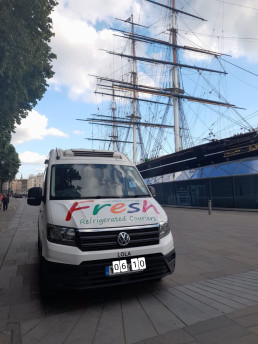
Cold Storage Vans
Cold Storage Vans – A Comprehensive Guide to Refrigerated Logistics Solutions
Introduction to Refrigerated Logistics Solutions Using Cold Storage Vans
Cold Storage Vans are essential for businesses that handle temperature-sensitive goods, ensuring that perishable items reach their destination in perfect condition. 
Key Takeaways:
- Regular maintenance minimises breakdown risks and ensures efficiency.
- Investment in technology like AI and eco-friendly refrigerants improves sustainability and cost savings.
- Choosing the right van acquisition method (buying, hiring, or leasing) impacts long-term business success.
By implementing robust maintenance practices, leveraging technological advancements, and selecting suitable procurement options, businesses can achieve efficiency, cost-effectiveness, and regulatory compliance in refrigerated logistics solutions.
At the heart of these logistics solutions are cold storage vans, also known as refrigerated or chiller vans. These vehicles play a crucial role in the transportation industry by providing controlled environments that maintain specific temperature ranges, thereby preventing spoilage and preserving product quality.
Cold storage vans are widely used across various industries, including food and beverage, pharmaceuticals, floristry, and biotechnology. With advancements in refrigeration technology and the increasing demand for reliable cold chain logistics, modern refrigerated vans are more energy-efficient, environmentally friendly, and cost-effective than ever before. Innovations such as hybrid refrigeration units, real-time temperature monitoring, and improved insulation materials have significantly enhanced the performance and sustainability of these vehicles.
Whether for small businesses requiring a compact chiller van or large corporations needing fleet solutions, understanding how these vehicles function and their various configurations is essential for making informed decisions. This guide provides a detailed exploration of how refrigerated logistics solutions work, their applications, and the factors to consider when selecting the right cold storage van for your business.
First a quick plug – Our sister companies Fresh Pharma whom are GDP Compliant Pharma couriers and ‘Fresh Fridge Hire‘ are our (compliant GDP) refrigerated vehicle hire.
How Do Refrigerated Logistics Solutions Work in Cold Storage Vans?
Cold storage vans operate using a combination of insulated compartments, refrigeration units, and temperature regulation systems to maintain specific temperature conditions. These systems ensure that perishable goods are transported safely, adhering to strict industry standards.
Key Components of a Cold Storage Van
| Component | Function |
| Insulated Panels | Constructed from high-density materials to minimise heat exchange and maintain a stable internal temperature. |
| Refrigeration Unit | Utilises a compressor, evaporator, and condenser to cool or freeze cargo as per requirements. |
| Temperature Control | Ensures that the internal environment remains within the designated temperature range, preventing fluctuations. |
| Airflow System | Distributes cold air evenly to avoid temperature inconsistencies within the cargo space. |
| Power Supply Options | Can be powered by the vehicle’s engine or an independent unit for enhanced reliability. |
Cold storage vans typically maintain different temperature settings depending on the cargo:
- Chilled conditions: +2°C to +8°C (ideal for fresh produce, dairy, and flowers)
- Frozen conditions: -18°C and below (suitable for frozen foods, seafood, and vaccines)
- Dual-compartment solutions: Allow businesses to transport both chilled and frozen goods in a single trip, optimising efficiency.
Advanced refrigerated logistics solutions now incorporate telematics and IoT-based monitoring, enabling businesses to track temperature fluctuations in real time and receive alerts if conditions deviate from set parameters. This level of control is vital for ensuring compliance with food safety regulations and pharmaceutical storage standards.
Industries That Rely on Cold Storage Vans
Several industries depend on refrigerated logistics solutions to maintain product integrity and prevent spoilage during transportation. Below are the key sectors that rely heavily on cold storage vans:
Food & Beverage Industry
The food industry is one of the primary users of refrigerated logistics solutions. Businesses such as supermarkets, catering services, and meal delivery companies depend on cold storage vans to transport perishable goods safely. Examples include:
- Fresh produce (vegetables, fruits, dairy products)
- Meat and seafood
- Bakery items that require specific humidity and temperature levels
- Ready-made meals and meal prep services
Pharmaceutical & Healthcare Industry
Pharmaceuticals and healthcare products often require strict temperature control during transit. Many vaccines, insulin, and other medicines must be kept within precise temperature ranges to maintain their effectiveness. Cold storage vans are essential for:
- Transporting temperature-sensitive vaccines and medicines
- Delivering blood and plasma supplies
- Moving lab samples and diagnostic specimens
Floristry and Horticulture Industry
Flowers and plants are delicate products that wilt quickly if not stored under proper conditions. Florists and garden centres use refrigerated logistics solutions to transport flowers and fresh-cut plants while maintaining their visual appeal and longevity.
Chemical & Biotechnology Industry
Certain chemicals and biological samples require a stable temperature during transportation. Cold storage vans help prevent chemical degradation and maintain the integrity of sensitive substances.
Types of Cold Storage Vans
Refrigerated vans come in various configurations tailored to different business needs. Choosing the correct type depends on the cargo, distance, and temperature requirements.
| Van Type | Temperature Range | Best For |
| Chiller Vans | +2°C to +8°C | Dairy, fresh produce, flowers, beverages |
| Freezer Vans | -18°C and below | Frozen foods, ice cream, pharmaceutical products |
| Dual-Temp Vans | Split compartments | Mixed loads requiring both chilled and frozen sections |
Modern refrigerated logistics solutions also offer electric-powered cold storage vans as an eco-friendly alternative to traditional diesel-powered models. These vehicles reduce carbon emissions and operating costs, making them an attractive choice for businesses committed to sustainability.
Choosing the Right Cold Storage Van for Your Business
Selecting the right refrigerated van is crucial to ensuring smooth operations and cost-effectiveness. Consider the following factors when investing in a cold storage vehicle:
1. Payload Capacity
Ensure that the van can accommodate your business’s cargo without exceeding weight limits. Overloading can damage the refrigeration system and increase fuel consumption.
2. Temperature Requirements
Choose a vehicle that maintains the correct temperature range for your products. For instance:
- Chilled vans are suitable for dairy and fresh produce.
- Freezer vans are necessary for transporting frozen goods.
- Dual-compartment vans are ideal for businesses dealing with both types of cargo.
3. Energy Efficiency and Sustainability
Look for vans equipped with fuel-efficient or electric refrigeration units to reduce operating costs and environmental impact. Some modern vans feature solar-assisted refrigeration, which enhances energy efficiency.
4. Van Size and Configuration
Cold storage vans come in small, medium, and large sizes to accommodate different business needs. Consider the layout, such as whether a side-loading door or rear-loading configuration suits your operations best.
5. Compliance with Industry Regulations
Ensure that the refrigerated van meets UK food safety and transportation regulations, such as:
- HACCP (Hazard Analysis and Critical Control Points)
- GDP (Good Distribution Practice) for pharmaceuticals
- DEFRA (Department for Environment, Food & Rural Affairs) standards for food transport
The Role of Insulation in Cold Storage Vans
Insulation plays a fundamental role in refrigerated logistics solutions, particularly in cold storage vans. Effective insulation ensures temperature stability, reduces energy consumption, and enhances the longevity of transported perishable goods. Without proper insulation, temperature fluctuations can compromise food safety, pharmaceutical integrity, and overall cargo quality.
Why Insulation Matters
A well-insulated refrigerated van minimises heat transfer between the external environment and the interior cold storage area. This reduces the need for excessive cooling, thereby lowering fuel consumption and operational costs. In addition to energy savings, proper insulation helps maintain consistent temperatures throughout the transportation process, ensuring that goods remain within the required temperature range.
Types of Insulation Materials
Several types of insulation materials are used in refrigerated logistics solutions, each offering distinct advantages and limitations:
| Insulation Material | Benefits | Limitations |
| Polyurethane Panels | Lightweight, excellent thermal resistance, durable | Higher cost than some alternatives |
| Styrofoam Insulation | Cost-effective, easy to install | Less durable, prone to degradation over time |
| Vacuum Insulation Panels | Superior insulation, highly efficient | Expensive, complex installation |
| Fibreglass Insulation | Resistant to moisture, long lifespan | Heavier than other options, requires maintenance |
| Extruded Polystyrene (XPS) | High compressive strength, good moisture resistance | Moderate thermal efficiency compared to others |
Insulation Best Practices
- Seamless Installation: Proper sealing of insulation panels prevents thermal leaks.
- Regular Maintenance: Checking insulation integrity reduces potential temperature inconsistencies.
- Optimising Thickness: Thicker insulation enhances thermal efficiency but should not compromise cargo space.
- Combining Materials: Using multi-layered insulation solutions can enhance effectiveness.
Ensuring high-quality insulation in refrigerated vans significantly contributes to energy efficiency, temperature consistency, and long-term cost savings.
Temperature Control & Monitoring Systems in Cold Storage Vans
Maintaining precise temperature control is crucial for refrigerated logistics solutions. Modern technology enables real-time monitoring, helping fleet managers maintain quality standards, prevent spoilage, and comply with regulatory requirements.
Advanced Temperature Control Technologies
Refrigerated vans are equipped with sophisticated temperature control and monitoring systems, including:
- Digital Thermostats: Provide accurate temperature regulation within compartments.
- Automated Cooling Adjustments: Adapt cooling levels based on ambient temperature.
- Multi-Compartment Cooling: Allows different temperature zones within the same van, enabling transport of various goods simultaneously.
Real-Time Monitoring Solutions
| Technology | Function | Benefit |
| GPS Tracking with Sensors | Monitors location and temperature in real-time | Enhances route planning and ensures compliance |
| Remote Monitoring Software | Allows offsite access to temperature data | Immediate corrective actions can be taken |
| Automated Alerts | Notifies fleet managers of fluctuations | Prevents spoilage and reduces product loss |
| Cloud-Based Data Logging | Stores historical temperature records | Facilitates regulatory compliance and auditing |
Benefits of Advanced Monitoring
- Reduced Spoilage: Quick response to temperature deviations ensures goods remain viable.
- Enhanced Compliance: Automated record-keeping aligns with UK and EU standards.
- Operational Efficiency: Reduces human error and improves logistical planning.
Compliance & Regulations for Cold Storage Vans in the UK
Strict compliance with UK and EU regulations is necessary for businesses operating in refrigerated logistics solutions. Failure to adhere to these guidelines can result in legal consequences, financial penalties, and reputational damage.
Key Regulations & Standards
| Regulation | Requirement | Industry Application |
| HACCP (Hazard Analysis & Critical Control Points) | Identifies and controls potential hazards | Food transportation & pharmaceuticals |
| GDP (Good Distribution Practice) | Ensures medicines are stored & transported correctly | Pharmaceutical industry |
| ATP (Accord Transport Perishable) | Regulates international perishable goods transport | Frozen and chilled food sectors |
| F-Gas Regulations | Controls refrigerant emissions | Refrigeration system maintenance |
| Temperature Log Maintenance | Businesses must retain temperature data records | Audits and regulatory inspections |
Ensuring Compliance
- Regular Vehicle Inspections: Ensuring refrigeration systems function optimally.
- Employee Training: Drivers and handlers should be knowledgeable about regulatory requirements.
- Automated Documentation: Digital records simplify compliance reporting and auditing.
- Temperature Verification Protocols: Conducting routine checks to validate system accuracy.
Complying with UK and EU regulations safeguards product quality and maintains industry credibility.
Fuel Efficiency & Running Costs in Cold Storage Vans
Operating refrigerated vans is costly due to refrigeration units consuming additional fuel. However, optimising fuel efficiency can significantly lower operational expenses.
Factors Affecting Fuel Consumption
- Refrigeration System Efficiency: Newer, energy-efficient models consume less fuel.
- Aerodynamics: Poorly designed vans increase drag and fuel use.
- Driving Habits: Rapid acceleration and harsh braking waste fuel.
- Route Optimisation: Efficient planning reduces unnecessary mileage.
Strategies for Reducing Running Costs of Cold Storage Vans
| Strategy | Benefit |
| Use Aerodynamic Vans | Reduces wind resistance, improves fuel efficiency |
| Regular Maintenance | Ensures refrigeration units function optimally |
| Load Optimisation | Prevents overloading, reducing excess fuel use |
| Eco-Driving Techniques | Reduces fuel consumption through efficient driving habits |
| Alternative Fuel Options | Reduces dependency on traditional diesel |
By implementing these strategies, businesses can maintain cost-effective refrigerated logistics solutions while ensuring reliable temperature-controlled transport.
Electric vs Diesel Cold Storage Vans: Pros & Cons
With sustainability concerns growing, businesses are considering the shift from diesel to electric refrigerated vans. Each option has its advantages and drawbacks.
Comparing Electric & Diesel Cold Storage Vans
| Factor | Electric Vans | Diesel Vans |
| Fuel Cost | Lower (Electric charging) | Higher (Diesel fuel) |
| Maintenance | Fewer moving parts, lower costs | Requires regular servicing |
| Emissions | Zero emissions | Higher CO₂ output |
| Range | Limited | Longer driving range |
| Government Incentives | Grants & tax benefits available | Subject to fuel duty increases |
| Infrastructure | Requires charging points | Established refuelling network |
Choosing the Right Option
- Electric Vans: Best suited for urban deliveries with short routes and access to charging infrastructure.
- Diesel Vans: Ideal for long-haul transportation where charging stations are scarce.
- Hybrid Solutions: Some businesses opt for hybrid refrigeration systems to balance sustainability and efficiency.
As the UK moves towards net-zero emissions, electric refrigerated vans are likely to become more prevalent in refrigerated logistics solutions.
Common Challenges in Cold Storage Vans
Refrigerated logistics solutions are essential for transporting perishable goods such as food, pharmaceuticals, and flowers. However, businesses operating in this sector face several challenges that can impact efficiency, cost-effectiveness, and product quality. Below, we explore the most common obstacles and how they can be mitigated.
Temperature Fluctuations
One of the primary challenges in refrigerated logistics solutions is maintaining a consistent temperature throughout the supply chain. Temperature variations can occur due to:
- Mechanical failure in refrigeration units, leading to overheating or freezing.
- Human error during loading, unloading, or monitoring.
- External factors such as extreme weather conditions affecting cooling systems.
- Poor insulation in vehicles, resulting in heat ingress or cold air loss.
Mitigation Strategies
| Challenge | Solution |
| Mechanical failure | Regular maintenance and backup refrigeration systems |
| Human error | Employee training and automated temperature monitoring |
| Extreme weather | Adjusting refrigeration unit settings in response to climate variations |
| Poor insulation | High-quality insulation materials and advanced door-sealing technology |
Vehicle Breakdowns
Unexpected vehicle failures can cause costly delivery delays and compromise product integrity. Common causes of breakdowns include engine issues, tyre punctures, and refrigeration unit failures.
Preventative Measures
- Routine vehicle servicing to ensure optimal engine and refrigeration unit performance.
- Monitoring tyre pressure and wear to reduce the risk of punctures.
- Carrying emergency repair kits and having contingency plans for breakdowns.
Strict Regulatory Compliance
The UK has stringent regulations for transporting perishable goods, including:
- The Cold Chain Regulations, which set minimum temperature standards for different products.
- HACCP (Hazard Analysis and Critical Control Points), requiring businesses to document and manage food safety risks.
- GDP (Good Distribution Practice) guidelines for pharmaceuticals to ensure quality during transportation.
Solution: Businesses must invest in accurate temperature monitoring, real-time data logging, and compliance training to meet these regulations.
Maintenance Tips for Cold Storage Vans
Regular maintenance is crucial for refrigerated logistics solutions vans to ensure efficient operation and avoid costly repairs. Below are essential maintenance practices.
Refrigeration Unit Inspections
Frequent checks on refrigeration units help prevent temperature fluctuations. Key aspects to inspect include:
- Compressor efficiency to ensure optimal cooling.
- Coolant levels to prevent overheating.
- Evaporator coils for blockages or frost build-up.
Door Seal and Insulation Maintenance
Damaged door seals lead to air leaks, causing temperature instability and increased energy consumption.
- Regularly check seals for wear and tear.
- Replace faulty seals to maintain insulation integrity.
- Inspect insulation panels for damage that could impact cooling efficiency.
Battery and Electrical System Checks
Since refrigerated vans rely on battery power for temperature control, ensuring a well-functioning electrical system is vital.
- Check battery health regularly to prevent unexpected failures.
- Inspect wiring connections to avoid short circuits that could disrupt refrigeration.
- Use backup power sources for added reliability.
The Future of Cold Storage Vans
The refrigerated logistics sector is evolving, driven by technological advancements and environmental considerations. Below are key trends shaping the future.
Eco-Friendly Refrigerants
Traditional refrigerants like hydrofluorocarbons (HFCs) contribute to global warming. The industry is shifting to sustainable alternatives such as:
- CO₂-based refrigerants with lower environmental impact.
- Hydrocarbon refrigerants like propane and isobutane.
AI-Driven Route Optimisation
Artificial Intelligence (AI) enhances efficiency by:
- Optimising delivery routes to reduce fuel consumption.
- Predicting vehicle maintenance needs before breakdowns occur.
- Analysing traffic patterns to avoid delays.
Solar-Powered Refrigeration Units
To reduce energy costs, businesses are investing in:
- Solar panels on refrigerated vehicles to supplement power needs.
- Hybrid refrigeration systems combining solar and traditional energy sources.
Where to Buy or Hire Cold Storage Vans in the UK
Businesses in the UK have multiple options for acquiring refrigerated vans, depending on their needs and budget.
Buying New or Used Vans
| Option | Pros | Cons |
| New vans | Latest technology, energy efficiency, and warranty | Higher initial cost |
| Used vans | Lower cost, immediate availability | Potential maintenance issues, shorter lifespan |
Hiring Cold Storage Vans
Short-term rental is ideal for:
- Seasonal businesses needing additional vehicles.
- Companies testing different van models before purchase.
- Emergency replacements for broken-down vehicles.
Leasing for Long-Term Flexibility
Leasing provides:
- Lower upfront costs compared to purchasing.
- Regular maintenance included in agreements.
- Ability to upgrade vehicles as business needs evolve.
Finally: The Importance of Reliable Cold Storage Vans
Cold storage vans play a vital role in maintaining the integrity of perishable goods during transportation. Whether in the food industry, pharmaceutical sector, floristry, or biotechnology, businesses depend on these vehicles to ensure their products remain in optimal condition throughout the supply chain. Without efficient and reliable refrigerated logistics solutions, temperature-sensitive items would be at risk of spoilage, contamination, or degradation, leading to financial losses, reputational damage, and potential legal consequences.
Beyond preserving product quality, cold storage vans also help businesses comply with UK regulations and safety standards, including HACCP (Hazard Analysis and Critical Control Points), GDP (Good Distribution Practice), and DEFRA (Department for Environment, Food & Rural Affairs) guidelines. These regulations ensure that perishable goods, especially consumables and medical supplies, are stored and transported under strict conditions to protect consumers and patients.
As advancements in refrigeration technology continue, businesses now have access to energy-efficient, environmentally friendly, and cost-effective refrigerated transport options. From hybrid and electric-powered refrigeration units to real-time temperature monitoring and GPS tracking, modern cold storage vans provide improved efficiency and enhanced cold chain visibility. Investing in the right refrigerated logistics solutions ensures not only compliance and operational efficiency but also customer satisfaction and long-term business success.
For any business handling temperature-sensitive goods, choosing the right cold storage van is not just a logistical necessity but a strategic decision that directly impacts quality, compliance, and profitability. Ensuring proper vehicle selection, maintenance, and adherence to best practices in refrigerated transport will help businesses stay ahead in an increasingly competitive and regulation-driven market.
Refrigerated Van Fleet
- What is refrigerated van fleet management?
Refrigerated van fleet management refers to the process of overseeing and optimising a fleet of refrigerated vans used to transport temperature-sensitive goods. It includes tasks such as scheduling, maintenance, monitoring temperature, and compliance with regulations.
- Why is refrigerated van fleet management important?
Proper refrigerated van fleet management is crucial in ensuring the safe and timely transport of temperature-sensitive goods. It helps to maintain the quality of the goods, prevent spoilage, reduce waste, and ensure compliance with regulations. Effective fleet management can also lead to cost savings and increased efficiency.
- Toggle Title
Some of the common challenges in refrigerated van fleet management include maintaining consistent temperature, complying with regulations, minimising fuel consumption, reducing maintenance costs, and ensuring timely delivery.
- How can I ensure the temperature inside the refrigerated van is consistent?
To ensure consistent temperature inside the refrigerated van, you should regularly calibrate the temperature sensors and thermometers, monitor the temperature during transport, and make sure the refrigeration unit is well-maintained. You can also use telematics or GPS tracking systems to monitor the temperature and location of the van in real-time.
- How often should I perform maintenance on my refrigerated van fleet?
Regular maintenance is critical in ensuring the reliability and longevity of your refrigerated van fleet. It is recommended to perform maintenance at least once a year or every 10,000 to 15,000 miles. However, you should also perform routine checks daily

Logistics Strategies
What is Logistics Strategies and Why Your Business Needs One
In today’s fast-paced and interconnected business world, Logistics Strategies a pivotal role in the success of any enterprise. 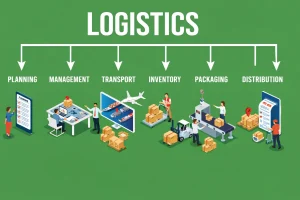 The efficient movement of goods, services, and information has become the lifeblood of modern commerce. To thrive in this environment, businesses must adopt a well-defined logistics strategy. According to recent statistics, companies that implement effective logistics strategies experience a 15% reduction in operational costs, on average. Strategic convergence is important to beware of and is covered in this link.
In this blog post, we will explore the concept of a logistics strategy, why it is crucial for businesses, and the key components that make it successful.
First a quick plug – Our sister companies Fresh Pharma whom are GDP Compliant Pharma couriers and ‘Fresh Fridge Hire‘ are our (compliant GDP) refrigerated vehicle hire.
Key Takeaways from the Article |
| 1. Logistics is Vital for Modern Business |
| – Efficient logistics is crucial for the success of businesses in the fast-paced and interconnected business world. |
| – It involves the movement of goods, services, and information, influencing various aspects of a business, including customer satisfaction and cost control. |
| 2. A Well-Defined Logistics Strategy is Essential |
| – Implementing a logistics strategy is necessary to achieve a 15% reduction in operational costs, on average. |
| – The strategy encompasses planning, implementation, and control of various activities, from procurement to customer service. |
| 3. Key Components and Benefits of a Logistics Strategy |
| – The logistics strategy includes components like transportation, warehousing, inventory management, and order fulfilment. |
| – Benefits include cost savings, efficiency improvements, and enhanced customer satisfaction.
|
Section 1: Understanding Logistics Strategies
Defining Logistics
Logistics, at its core, involves the planning, implementation, and control of the movement of goods, services, and information from their point of origin to their final destination. It encompasses a broad spectrum of activities, from procurement to production, warehousing, transportation, distribution, and customer service. Efficient logistics ensures the right products reach the right place at the right time, while minimising costs.
The Role of Logistics in Supply Chain Management
Logistics is the backbone of supply chain management. A seamless supply chain depends on the effective flow of materials, information, and finances. Inadequate logistics can disrupt this flow, resulting in delayed deliveries, increased costs, and customer dissatisfaction. Therefore, businesses must integrate logistics into their supply chain strategies to ensure optimal performance and competitiveness.
Impact of Logistics on Various Business Aspects
Logistics isn’t just about moving goods; it extends its influence across various aspects of a business. Here are some key areas where logistics plays a crucial role:
Customer Satisfaction
Timely and accurate deliveries lead to satisfied customers, repeat business, and positive reviews. Effective logistics ensures customers receive what they expect when they expect it.
Cost Control
Optimised logistics can significantly reduce operational costs. By streamlining processes and improving efficiency, businesses can save on transportation, inventory, and storage expenses.
Market Expansion
Efficient logistics can open doors to new markets and regions. It enables businesses to reach a wider customer base and tap into previously inaccessible opportunities.
Environmental Sustainability
Sustainable logistics practices, such as reducing emissions and minimising waste, are not only environmentally responsible but can also enhance a company’s reputation and appeal to eco-conscious consumers.
Section 2: The Basics of Logistics Strategies
Defining a Logistics Strategies
A logistics strategy is a comprehensive plan that outlines how a business will manage its logistics operations to achieve specific goals and objectives. It involves the strategic alignment of logistical activities with the overall business strategy. A well-defined logistics strategy provides a roadmap for all logistics-related decisions and actions.
Logistics Strategies v Tactics
It’s essential to distinguish between logistics tactics and a comprehensive strategy. Tactics involve the day-to-day activities and decisions made to execute a logistics strategy. In contrast, a logistics strategy provides the overarching framework that guides these tactics. Tactics are the “how,” while strategy is the “what” and “why.”
Objectives of Developing Logistics Strategies
Why should a business invest time and resources in developing a logistics strategy? Here are the primary objectives:
Efficiency and Cost Reduction
A logistics strategy aims to streamline processes and reduce costs. By optimising routes, minimising inventory levels, and enhancing warehouse operations, businesses can operate more efficiently and profitably.
Service Excellence
An effective logistics strategy focuses on delivering top-tier service to customers. This includes prompt deliveries, order accuracy, and responsive customer support.
Risk Mitigation
Businesses face various risks, such as supply chain disruptions or regulatory changes. A logistics strategy should include contingency plans to mitigate these risks and ensure business continuity.
Competitive Advantage
Incorporating logistics into the overall business strategy can provide a competitive edge. By offering superior service and value to customers, a business can stand out in the marketplace.
In conclusion, a logistics strategy is not just an option; it’s a necessity for businesses looking to thrive in the modern competitive landscape. It encompasses the very essence of efficient and cost-effective operations, customer satisfaction, and strategic positioning. As we delve deeper into the world of logistics strategy, you’ll gain a more profound understanding of its intricacies and learn how to develop one that suits your business needs.
Section 3: Key Components of Logistics Strategies
In the world of logistics strategy, success hinges on the careful integration of various components, each playing a pivotal role in the overall efficiency of supply chain operations. This section will delve into these key components, such as transportation, warehousing, inventory management, and order fulfilment, elucidating their significance and providing real-life examples or case studies to illustrate their relevance.
Transportation
Transportation is the lifeblood of logistics. It involves the movement of goods from one point to another, and the mode of transport chosen can significantly impact a business’s efficiency. Whether it’s by road, rail, sea, or air, selecting the most suitable transportation method is critical for ensuring timely and cost-effective deliveries.
Importance:
- Speed and Efficiency: Faster transportation options like air freight can reduce lead times and enable quicker order fulfilment.
- Cost Control: Choosing the most cost-effective transportation method helps in reducing operational expenses.
- Customer Satisfaction: On-time deliveries boost customer satisfaction and loyalty.
Example: Amazon’s Prime delivery service is an excellent example of the significance of transportation in logistics. By offering two-day or even same-day delivery to its Prime members, Amazon has set a new standard for customer expectations. The company’s extensive transportation network, including its fleet of delivery vans and partnerships with courier services, ensures rapid and reliable product delivery.
Warehousing
Warehousing is more than just a place to store goods. It involves the systematic storage, management, and movement of products within the facility. The strategic placement of warehouses can help minimise transportation costs and optimise order fulfilment.
Importance:
- Inventory Management: Warehousing facilitates efficient inventory management by providing space to store goods while minimising the risk of stockouts.
- Cross-Docking: Some warehouses are designed for cross-docking, enabling the seamless transfer of products directly from inbound to outbound vehicles, reducing storage time.
- Order Consolidation: Warehousing allows for the consolidation of various products, leading to more efficient order picking and packing.
Example: DHL’s global network of warehouses is a testament to the role of warehousing in logistics. DHL strategically places its warehouses to serve as central hubs for efficient distribution. This enables them to reduce transit times and provide cost-effective and reliable services to their customers worldwide.
Inventory Management
Inventory management is the art of finding the perfect balance between maintaining enough stock to meet customer demands and minimising carrying costs. Effective inventory management helps businesses avoid overstocking, understocking, and obsolescence.
Importance:
- Cost Efficiency: Proper inventory management reduces storage and holding costs while preventing stockouts and over-ordering.
- Order Accuracy: Well-managed inventory leads to accurate and on-time order fulfilment, enhancing customer satisfaction.
- Risk Mitigation: Managing inventory effectively can help a business withstand supply chain disruptions or unexpected demand spikes.
Example: Walmart’s inventory management system is a prime illustration of efficient inventory management. Walmart leverages technology to monitor stock levels in real-time, which allows for precise reordering. This approach ensures that their shelves are well-stocked with the right products, resulting in satisfied customers and efficient operations.
Order Fulfilment
Order fulfilment involves the process from the moment an order is placed to the point of delivery. It encompasses order processing, picking, packing, and shipping. Smooth order fulfilment ensures that customers receive their products in a timely and accurate manner.
Importance:
- Customer Satisfaction: A streamlined order fulfilment process leads to timely deliveries, order accuracy, and satisfied customers.
- Operational Efficiency: Efficient order fulfilment reduces labour costs, minimises order errors, and expedites the dispatch of goods.
- Competitive Advantage: Businesses with superior order fulfilment can gain a competitive edge by providing exceptional service.
Example: Zappos, an online shoe and clothing retailer, is renowned for its exceptional order fulfilment. The company offers free shipping and a 365-day return policy, along with a dedicated focus on customer service. Zappos’ commitment to seamless order fulfilment has earned it a loyal customer base and a reputation for outstanding service.
Table of Key Components of Logistics Strategies
| Component | Importance | Example |
| Transportation | – Speed and Efficiency<>- Cost Control<>- Customer Satisfaction | Amazon’s Prime delivery service |
| Warehousing | – Inventory Management<>- Cross-Docking<>- Order Consolidation | DHL’s global network of warehouses |
| Inventory Management | – Cost Efficiency<>- Order Accuracy<>- Risk Mitigation | Walmart’s inventory management system |
| Order Fulfilment | – Customer Satisfaction<>- Operational Efficiency<>- Competitive Advantage | Zappos’ exceptional order fulfilment |
Understanding and effectively implementing these components are vital for the development and execution of a successful logistics strategy. The interplay of transportation, warehousing, inventory management, and order fulfilment can lead to substantial improvements in operational efficiency and customer satisfaction.
Section 4: Benefits of a Well-Defined Logistics Strategies
A well-defined logistics strategy isn’t just a theoretical concept; it yields tangible benefits for businesses of all sizes. In this section, we will explore the advantages that a business can gain from having a logistics strategy, backed up by statistics and testimonials.
Cost Savings
One of the most evident advantages of a well-defined logistics strategy is cost savings. By streamlining processes, optimising routes, and enhancing overall efficiency, businesses can significantly reduce their operational costs.
Statistics:
A study conducted by the Council of Supply Chain Management Professionals (CSCMP) found that businesses with robust logistics strategies achieve, on average, a 20% reduction in logistics costs compared to those with less Efficiency Improvements
Efficiency improvements are at the heart of a logistics strategy. A well-executed strategy ensures that resources are allocated optimally, resulting in faster order fulfilment and reduced wastage.
Statistics:
According to a report by Deloitte, businesses that have invested in logistics strategies experience a 25% improvement in order fulfilment cycle times on average.
Enhanced Customer Satisfaction
Satisfied customers are the lifeblood of any business. A logistics strategy that prioritises timely deliveries, order accuracy, and exceptional service can lead to enhanced customer satisfaction and loyalty.
Statistics:
A survey by McKinsey & Company revealed that 70% of customers are willing to pay more for products if they receive faster deliveries and excellent service.
In conclusion, the benefits of a well-defined logistics strategy are clear and measurable. It offers businesses the opportunity to achieve cost savings, efficiency improvements, and enhanced customer satisfaction. These advantages are not just theoretical; they are demonstrated by real-world
Section 7: Potential Pitfalls and How to Avoid Them
Implementing a logistics strategy can be a challenging endeavour, and businesses often encounter common pitfalls along the way. This section will identify these potential mistakes and provide advice on how to avoid them. It will also include tips on the importance of continuous monitoring and making necessary adjustments.
Common Pitfalls
| Common Pitfalls | Description |
| Lack of Alignment with Business Goals | Failing to align the logistics strategy with broader business objectives, leading to inefficiencies and missed opportunities. |
| Inadequate Data Utilisation | Insufficient data analysis, resulting in suboptimal decision-making due to reliance on outdated or inaccurate information, potentially leading to misguided strategies. |
| Neglecting Technology | Failure to embrace technological advancements, hindering logistics efficiency, and potentially putting businesses at a competitive disadvantage. |
| Inflexibility | Lack of adaptability in the logistics strategy, making it challenging to respond to changing market conditions and causing inefficiencies during unexpected disruptions. |
| Overlooking Sustainability | Ignoring sustainability considerations, which can lead to reputational damage and missed opportunities for cost savings, particularly in an eco-conscious business world. |
Avoiding Pitfalls
| Avoiding Pitfalls | Description |
| Align with Business Goals | Ensure that your logistics strategy is closely aligned with your business’s broader objectives. Regularly revisit and reassess your strategy to guarantee alignment. |
| Data-Driven Decision-Making | Invest in data analytics and robust tracking systems to make informed decisions. Continuously update and analyse data to adapt to changing circumstances. |
| Embrace Technology | Stay updated on logistics technology trends and invest in the latest solutions that align with your strategy. Leverage automation and digital tools to enhance efficiency. |
| Flexibility and Adaptability | Build flexibility into your logistics strategy. Have contingency plans for unexpected events and regularly review your strategy for needed adjustments. |
| Sustainability Integration | Prioritise sustainability in your logistics strategy. This not only aligns with ethical considerations but also has the potential to reduce costs through eco-friendly practices. |
Continuous Monitoring and Adjustments
Continuous monitoring is crucial for the success of a logistics strategy. Here are some tips:
- Regularly review performance metrics and KPIs.
- Seek feedback from both internal and external stakeholders.
- Conduct scenario planning to anticipate potential disruptions.
- Stay updated on industry trends and best practices.
- Be prepared to make adjustments as needed to keep your strategy in line with evolving business and market conditions.
Section 8: Future Trends in Logistics Strategies
The field of logistics is continually evolving, with emerging trends shaping the future of logistics strategy. In this section, we’ll explore these trends, including automation, sustainability, and digitalization, and explain how they might influence logistics strategy development.
Automation
Automation is revolutionising logistics. Technologies such as autonomous vehicles, robotic warehouses, and AI-driven predictive analytics are streamlining processes and reducing human labour in logistics operations. The impact on logistics strategy is significant as it necessitates the revaluation of workforce needs, infrastructure, and data utilisation.
Sustainability
Sustainability in logistics is gaining prominence due to environmental concerns and regulatory changes. Green logistics practices, such as eco-friendly transportation options and reduced carbon emissions, are becoming integral to strategy development. Businesses are also focusing on supply chain sustainability, considering the entire lifecycle of products.
Digitalisation
The digitalisation of logistics involves the integration of technologies like the Internet of Things (IoT), blockchain, and cloud-based solutions. These technologies enhance real-time tracking, secure data sharing, and remote monitoring, resulting in more agile and efficient supply chains. Logistics strategies must adapt to incorporate these digital advancements to remain competitive.
Finally,
In this blog, we’ve explored the importance of a well-defined logistics strategy, emphasising its impact on cost savings, efficiency improvements, and customer satisfaction. A logistics strategy isn’t just a set of plans; it’s a roadmap for success in today’s dynamic business environment. Businesses that invest time and resources in developing and implementing effective logistics strategies position themselves for long-term success.
We’ve also discussed common pitfalls in logistics strategy development and provided advice on how to avoid them. Flexibility, data-driven decisions, and alignment with business goals are key to success. Moreover, continuous monitoring and adaptation are essential to keep your strategy relevant.
Lastly, we’ve delved into the future trends in logistics strategy, highlighting automation, sustainability, and digitalization. As businesses look forward, they must consider these trends in their strategy development to stay competitive, efficient, and environmentally responsible.
A logistics strategy is a plan that outlines how a company will manage the movement of goods and services from the point of origin to the point of consumption. It includes decisions on transportation, storage, and distribution of products, as well as management of information and resources required for these activities. Logistics strategy is important because it helps businesses optimise their operations, reduce costs, and improve customer satisfaction. By streamlining the flow of goods and services, companies can minimise transportation and storage costs, reduce inventory holding costs, and improve delivery times. This can lead to increased profitability and competitiveness in the marketplace. The key components of a logistics strategy include network design, inventory management, transportation management, and information management. Network design involves optimising the flow of goods and services from suppliers to customers, while inventory management focuses on managing inventory levels to ensure that the right products are available at the right time and in the right quantity. Transportation management involves managing the transportation of goods from one location to another, and information management involves managing the information and resources required for logistics operations. To develop a logistics strategy, companies should start by conducting a thorough analysis of their current logistics operations. This should include an evaluation of transportation and storage costs, inventory levels, and customer satisfaction levels. Based on this analysis, companies can identify areas for improvement and develop a plan to optimise their logistics operations. This plan should align with the overall business strategy and objectives of the organisation, and should consider the needs and expectations of customers and stakeholders. Logistics strategy focuses specifically on the movement of goods and services from the point of origin to the point of consumption. Supply chain management, on the other hand, encompasses the entire process from raw material sourcing to the delivery of finished products to customers. While logistics strategy is an important component of supply chain management, it is just one piece of the larger puzzle. Logistics Strategy

Food Distribution
Food Distribution in the UK:
Overview of Food Distribution in the UK
Food distribution in the UK is a complex yet essential network that ensures fresh produce, dairy, meat, and packaged foods reach supermarkets, restaurants, and consumers efficiently. This intricate system relies on a well-organised supply chain that incorporates multiple stakeholders, including farmers, food manufacturers, wholesalers, logistics providers, and retailers. Affordable Food Transfer are a critical supply chain attribute.
The UK’s food distribution system is shaped by factors such as consumer demand, technological advancements, regulatory standards, and global trade relationships.  With a mix of local and imported goods, the supply chain must balance efficiency, sustainability, and food safety. Advanced logistics, including cold storage, transportation networks, roll cage delivery and digital tracking systems, play a vital role in maintaining the quality and availability of food products across the country.
Moreover, the sector faces ongoing challenges such as supply chain disruptions, fluctuating costs, and the impact of Brexit on import and export regulations. Despite these challenges, innovations in automation, data analytics, and sustainable practices continue to drive improvements in the efficiency and resilience of food distribution.
Understanding how food reaches consumers in the UK highlights the importance of coordination between different players in the industry. From farm to fork, every stage of the supply chain contributes to maintaining food security, minimising waste, and meeting the evolving needs of businesses and households alike
Summary of Key Points
- Local and organic food distribution is gaining traction.
- Last-mile innovations like drones and EVs are enhancing efficiency.
- Hospitality industry relies on wholesalers and specialised suppliers.
- The future of food distribution will be driven by sustainability, technology, and regulatory changes.
First a quick plug – Our sister companies Fresh Pharma whom are GDP Compliant Pharma couriers and ‘Fresh Fridge Hire‘ are our (compliant GDP) refrigerated vehicle hire.
Importance of a Robust Supply Chain
A well-functioning food supply chain is crucial to:
- Ensure food reaches consumers in optimal condition
- Reduce waste and inefficiencies
- Maintain food safety and compliance
- Respond to market demands quickly
The UK’s food distribution system is under constant pressure to remain resilient, particularly with recent disruptions such as Brexit, COVID-19, and global supply chain delays.
Key Stakeholders in Food Distribution
The UK food supply chain consists of:
| Stakeholder | Role in the Supply Chain |
| Producers | Farmers and manufacturers who produce food products |
| Distributors | Companies that transport and store food for retailers |
| Retailers | Supermarkets, wholesalers, and online grocery stores |
| Consumers | Individuals and businesses that purchase food products |
Each stakeholder plays a vital role in ensuring that food remains fresh and available across the country.
The UK Food Supply Chain
Key Components of the Food Supply Chain
The food supply chain consists of several interconnected stages:
- Production: Farming, fishing, and food manufacturing
- Processing: Cleaning, packaging, and quality control
- Logistics: Transporting food from farms to warehouses
- Retail: Selling food to end consumers via supermarkets, restaurants, and online platforms
Role of Wholesalers and Distributors
Wholesalers and distributors act as intermediaries between producers and retailers. They manage:
- Bulk purchasing to keep food costs competitive
- Storage solutions for perishable and non-perishable items
- Efficient distribution to ensure timely deliveries
Impact of Brexit on the Supply Chain
Brexit has introduced several challenges for food distribution in the UK:
| Challenge | Impact |
| Customs Delays | Longer border checks for EU imports |
| Increased Costs | Higher tariffs and supply chain expenses |
| Labour Shortages | Reduced workforce in farming and logistics |
Despite these challenges, the industry is adapting by sourcing more locally produced goods and improving supply chain efficiencies.
Key Players in UK Food Distribution
Major Supermarket Chains
The UK food retail market is dominated by several major supermarket chains, including:
- Tesco – The largest supermarket chain with extensive distribution networks
- Sainsbury’s – Known for its focus on fresh and sustainable sourcing
- Asda – Offers affordable food with a strong supply chain infrastructure
- Morrisons – Integrates food production and retail through its own farms
Wholesale Suppliers and Food Service Providers
Wholesalers play a key role in supplying food to businesses, including:
- Booker Wholesale (Part of Tesco)
- Bestway Wholesale
- Bidfood
- Brakes Group
Independent Food Distributors
Beyond the large chains, smaller distributors focus on niche markets, including:
- Organic food suppliers
- Speciality and ethnic food distributors
- Independent farm-to-table providers
Challenges in UK Food Distribution
Supply Chain Disruptions
Recent events, including Brexit and the pandemic, have caused disruptions in:
- Imports and exports: Increased border checks slowing food movement
- Transport delays: Driver shortages affecting deliveries
- Consumer demand fluctuations: Panic buying and stock shortages
Labour Shortages and Workforce Issues
The UK food sector faces a shortage of skilled workers, particularly in:
- Farming and agriculture
- Logistics and transportation
- Food processing and packaging
Rising Costs of Logistics and Storage
| Cost Factor | Impact on Distribution |
| Fuel Prices | Higher transport costs |
| Warehouse Rent | Increased storage expenses |
| Compliance & Regulations | Additional costs for safety measures |
To counteract these rising costs, businesses are investing in more efficient logistics and exploring local sourcing options.
Role of Cold Chain Logistics in Food Distribution
Importance of Temperature-Controlled Transport
Cold chain logistics is crucial for transporting perishable goods, ensuring that items like dairy, meat, and frozen foods stay within safe temperature ranges. Without proper cold storage, products risk spoilage, leading to food waste and financial losses.
Regulations for Perishable Goods
To maintain food safety, the UK enforces strict regulations for perishable goods, including:
- HACCP (Hazard Analysis and Critical Control Points) guidelines
- Food Standards Agency (FSA) requirements
- Cold storage temperature regulations
| Product Type | Recommended Storage Temperature |
| Fresh Meat | 0°C to 4°C |
| Dairy Products | 2°C to 6°C |
| Frozen Goods | -18°C or below |
Technologies Improving Cold Chain Efficiency
Innovative technologies are improving cold chain logistics, including:
- IoT Sensors: Real-time temperature tracking
- AI Route Optimisation: Reducing transit times
- Automated Refrigeration Systems: Maintaining consistent temperatures
By leveraging technology, food distributors can ensure quality, reduce waste, and optimise efficiency.
Impact of E-commerce on Food Distribution
The rapid growth of e-commerce has significantly reshaped food distribution in the UK. Online grocery shopping and quick commerce platforms are transforming how consumers access food products.
Rise of Online Grocery Shopping
- Major supermarkets like Tesco, Sainsbury’s, and Asda have expanded their online presence.
- Increased demand for home deliveries, especially post-pandemic.
- Subscription services and meal kits (e.g., HelloFresh) are gaining popularity.
Growth of Quick Commerce
Quick commerce platforms offer ultra-fast delivery services, often within 30 minutes.
| Platform | Delivery Speed | Key Features |
| Deliveroo | 20-30 mins | Partnered with supermarkets and restaurants |
| Uber Eats | 20-40 mins | Expanding grocery delivery options |
| Getir | 10-20 mins | Rapid fulfilment from dark stores |
| Gorillas | 10-15 mins | Focused on fresh food and essentials |
How Retailers are Adapting to Digital Transformation
- Investment in automated warehouses for faster order fulfilment.
- Partnerships with last-mile delivery companies to improve efficiency.
- AI-powered demand forecasting to manage stock levels effectively.
Sustainable Food Distribution Practices
Sustainability in food distribution is a growing priority as businesses strive to reduce environmental impact.
Reducing Carbon Footprint in Logistics
- Adoption of electric and hybrid delivery vehicles.
- Route optimisation using AI to reduce fuel consumption.
- Increased use of rail freight over road transport.
Eco-Friendly Packaging and Waste Management
- Transition to biodegradable and recyclable packaging.
- Supermarkets reducing plastic use in fresh produce packaging.
- Food waste reduction initiatives, including surplus redistribution.
Sustainable Sourcing and Ethical Food Distribution
| Practice | Benefit |
| Fair trade sourcing | Supports ethical farming practices |
| Locally sourced products | Reduces transportation emissions |
| Regenerative agriculture | Improves soil health and sustainability |
Companies are under pressure to adopt eco-conscious policies while maintaining cost efficiency and quality.
The Role of Technology in Modern Food Distribution
Technological advancements are revolutionising food distribution, improving efficiency, transparency, and safety.
Use of AI and Automation in Warehouses
- AI-driven inventory management reduces waste and optimises stock levels.
- Robotics streamline warehouse operations, speeding up order processing.
- Predictive analytics forecast demand and enhance distribution efficiency.
Blockchain for Traceability and Transparency
- Ensures accurate tracking of food products from source to consumer.
- Reduces fraud and enhances food safety by providing tamper-proof records.
- Helps companies comply with stringent food regulations.
IoT Solutions for Monitoring Food Safety
| Technology | Function |
| Smart Sensors | Monitor temperature and humidity during transit |
| GPS Tracking | Provides real-time location updates on shipments |
| Automated Alerts | Detects and notifies teams of supply chain disruptions |
The Effect of Brexit on UK Food Imports and Exports
Brexit has had profound effects on UK food distribution, impacting trade agreements, border procedures, and business strategies.
Changes in Trade Agreements and Tariffs
- New import/export tariffs affecting food costs.
- Restrictions on certain EU products impacting availability.
- Increased paperwork for businesses importing/exporting goods.
Delays and Border Checks
| Factor | Impact |
| Customs regulations | Slower processing at UK and EU borders |
| Workforce shortages | Fewer HGV drivers leading to supply chain delays |
| Health and safety checks | Increased scrutiny on animal and plant-based imports |
Strategies Businesses Are Using to Adapt
- Sourcing more products from domestic suppliers.
- Investing in warehouse storage to buffer against delays.
- Partnering with logistics firms specialising in post-Brexit regulations.
Food Safety and Compliance in Distribution
Ensuring food safety in distribution is crucial for protecting public health and maintaining business credibility.
UK Food Safety Laws and Regulations
- Food Standards Agency (FSA): Oversees food safety across the UK.
- Hazard Analysis and Critical Control Points (HACCP): Identifies and mitigates risks in food handling.
- Cold Chain Compliance: Ensures temperature-sensitive products are stored and transported correctly.
Importance of Hygiene and Quality Control
- Regular audits and inspections to uphold safety standards.
- Proper food handling training for warehouse and logistics staff.
- Implementation of digital records to track food storage conditions.
Preventing Contamination and Food Fraud
| Risk Factor | Prevention Method |
| Cross-contamination | Separate storage for raw and cooked foods |
| Mislabelling | Blockchain for accurate product tracing |
| Fraudulent suppliers | Strict supplier vetting and certification checks |
The Rise of Local and Organic Food Distribution
Consumer demand for locally sourced and organic food has grown significantly in the UK. This shift is driven by environmental concerns, health consciousness, and the desire to support local farmers.
Growing Demand for Farm-to-Table Supply Chains
- Consumers prefer fresh, organic produce with minimal processing.
- Farm-to-table networks reduce food miles, lowering carbon emissions.
- Many restaurants and retailers now promote locally sourced ingredients as a key selling point.
Role of Farmers’ Markets and Local Cooperatives
| Initiative | Benefit |
| Farmers’ markets | Direct sales from farmers to consumers, ensuring freshness. |
| Local cooperatives | Small producers collaborate to improve distribution reach. |
| Community-supported agriculture (CSA) | Consumers subscribe to receive seasonal farm produce. |
Challenges of Scaling Local Food Distribution
- Higher costs due to small-scale production.
- Limited infrastructure for cold storage and transport.
- Logistics complexities in meeting large retail demand.
Innovations in Last-Mile Food Delivery
Last-mile delivery is a crucial element of food distribution, ensuring timely delivery to consumers and businesses.
Impact of Drone and Robotic Delivery Services
- Drones can deliver fresh produce quickly, reducing transit times.
- Autonomous robots are being used for short-distance food deliveries.
- Trials in UK cities show promising results for faster, contactless delivery.
Use of Electric Vehicles in Food Logistics
- Supermarkets and food delivery services are switching to electric vans.
- Government incentives support sustainable fleet upgrades.
- Reduction in carbon emissions and fuel costs.
Same-Day and Express Delivery Trends
| Delivery Type | Features |
| Same-day delivery | Increasing demand for rapid grocery restocks. |
| Express food couriers | Uber Eats and Just Eat driving fast meal delivery. |
| Micro-fulfilment centres | Small urban warehouses improving delivery speed. |
Food Distribution for the Hospitality Industry
The hospitality sector relies on efficient food distribution to maintain quality and consistency in restaurants, hotels, and catering businesses.
How Restaurants, Hotels, and Caterers Source Food
- Many rely on large wholesalers for bulk purchases.
- Some prioritise local and sustainable suppliers.
- Digital platforms streamline ordering and inventory management.
Challenges in Bulk Food Supply
- Fluctuating prices of ingredients affect budgeting.
- Storage limitations require careful inventory planning.
- Supply chain disruptions can impact menu availability.
Role of Wholesalers and Specialist Suppliers
| Supplier Type | Function |
| Wholesale food distributors | Bulk supply for hotels and caterers. |
| Specialist food suppliers | Niche products like organic, vegan, or gourmet items. |
| Ethnic and international food importers | Supplying ingredients for diverse cuisines. |
The Future of Food Distribution in the UK
The UK’s food distribution landscape is evolving, with emerging trends and technological advancements shaping the future.
Predicted Trends and Emerging Technologies
- AI-powered inventory management for better efficiency.
- Growth of subscription-based meal and grocery services.
- Hyper-local food production through urban vertical farming.
Potential Regulatory Changes
- Stricter food safety and labelling laws post-Brexit.
- New sustainability mandates affecting packaging and emissions.
- Improved labour policies to address workforce shortages.
The Shift Towards More Resilient Supply Chains
| Factor | Adaptation Strategy |
| Climate change impact | Investing in alternative growing methods. |
| Economic uncertainty | Strengthening UK-based food production. |
| Technology adoption | AI and automation for predictive logistics. |
Final Thoughts on Temperature-Sensitive Delivery Ensures Quality and Reliability
Temperature-sensitive delivery is a critical component for industries such as food, pharmaceuticals, and biotechnology, ensuring products remain safe and effective during transport. For e xample, vaccines must be maintained between 2°C and 8°C, while fresh seafood often requires sub-zero storage. Any deviation from specified temperatures can compromise quality, leading to financial losses and potential health risks. Modern cold chain logistics integrate advanced technologies, such as IoT-enabled sensors, which continuously monitor temperature, humidity, and vibration during transit. This allows immediate alerts if conditions fall outside safe thresholds, enabling corrective actions before damage occurs. Companies also leverage AI-driven predictive analytics to optimise routing, anticipate delays, and reduce energy usage.
Sustainable temperature-controlled transport is increasingly important, with electric and solar-powered refrigeration units reducing carbon footprints. For example, UK-based logistics providers are trialling hybrid refrigeration vehicles, lowering emissions while maintaining precise cooling. Furthermore, industry standards such as GDP (Good Distribution Practice) for pharmaceuticals require detailed documentation of temperature histories, ensuring regulatory compliance. Failure to adhere can result in product recalls or legal penalties.
The following table illustrates common temperature ranges for temperature-sensitive delivery in different sectors:
| Industry | Product Type | Ideal Temperature Range | Monitoring Technology | Example Use Case |
|---|---|---|---|---|
| Pharmaceuticals | Vaccines | 2°C – 8°C | IoT Sensors | COVID-19 vaccine distribution |
| Food & Beverage | Fresh fish | -1°C – 2°C | Data loggers | Seafood delivery to supermarkets |
| Biotech | Laboratory samples | -20°C – -80°C | GPS-enabled sensors | Transport of genetic materials |
| Dairy | Milk & cheese | 0°C – 4°C | RFID-enabled units | Farm-to-store milk distribution |
In conclusion, temperature-sensitive delivery is evolving rapidly, driven by technology, regulatory standards, and sustainability goals. Businesses adopting these innovations protect product integrity, reduce waste, and enhance customer trust. Continuous improvement in monitoring, predictive analytics, and eco-friendly refrigeration will define the future of reliable cold chain logistics.
Call to Action for Businesses and Policymakers
- Retailers should explore more local sourcing options.
- Distributors need to invest in tech-driven supply chain solutions.
- Policymakers must support food logistics with better infrastructure and regulations.
Food Logistics
- What are the key considerations when managing food logistics in the UK?
When managing food logistics in the UK, some key considerations include:
- Compliance with food safety regulations, such as the Food Safety Act and EU food hygiene regulations
- Temperature control during transportation and storage
- Traceability and record-keeping requirements
- Packaging and labelling requirements
- Customs regulations for importing and exporting food products
- Proper handling of perishable goods
- What are the regulations for importing and exporting food products in the UK?
The regulations for importing and exporting food products in the UK can vary depending on the type of product and the country of origin or destination. Some common requirements include:
- Proper labelling and packaging
- Compliance with food safety regulations in the destination country
- Obtaining necessary permits or licences for the product
- Compliance with customs regulations for importing and exporting
- How do I ensure proper temperature control during transportation and storage of food products?
Proper temperature control during transportation and storage of food products is crucial to maintain food safety and quality. This can be achieved through:
- Use of refrigerated transport or storage facilities
- Regular monitoring of temperature during transportation and storage
- Use of temperature-controlled packaging
- Proper training of personnel on temperature control procedures
- What is traceability and why is it important in food logistics?
Traceability refers to the ability to track a food product from its origin to its destination. This is important in food logistics to ensure food safety, quality, and compliance with regulations. Traceability can be achieved through proper record-keeping, labelling, and documentation.
- How do I choose a logistics provider for my food products?
When choosing a logistics provider for your food products, some factors to consider include:
- Experience and expertise in handling food products
- Compliance with food safety regulations and requirements
- Availability of temperature-controlled facilities and transportation
- Reputation and customer reviews
- Rates and fees for their services

Chilled Food Couriers
Chilled Food Couriers: The Importance of Temperature-Controlled Logistics

In the UK Chilled Food Couriers industry, maintaining the safety and quality of products is essential for both consumers and businesses. This responsibility becomes even more critical when dealing with chilled and frozen goods, which are highly perishable and sensitive to temperature fluctuations. Without proper handling, these products can deteriorate rapidly, leading to spoilage, waste, and potential health risks. Fresh produce, dairy, meat, ready meals, and frozen foods all rely on temperature-controlled logistics to reach retailers, restaurants, and consumers in optimal condition.
Chilled food couriers provide specialised transport solutions designed to maintain the cold chain from origin to destination. Their vehicles are equipped with advanced refrigeration systems and temperature monitoring technology. These systems ensure that products are kept within the recommended temperature ranges, preventing degradation and maintaining freshness. For example, fresh milk transported from a Yorkshire dairy to a London supermarket must remain consistently between 0°C and 5°C to preserve taste and safety. Similarly, frozen foods such as ice cream or ready meals must be transported at sub-zero temperatures to retain quality and texture.
First a quick plug – Our sister companies Fresh Pharma whom are GDP Compliant Pharma couriers and ‘Fresh Fridge Hire‘ are our (compliant GDP) refrigerated vehicle hire.
| Why It Matters for the UK Food Supply Chain | Practical Example | |
| Chilled food couriers protect the cold chain | Temperature-controlled transport prevents spoilage and bacterial growth in perishable foods. Maintaining correct temperatures preserves freshness, taste, and safety during distribution. | Fresh poultry transported at 0–4°C from Norfolk farms to supermarket distribution centres. |
| Chilled logistics improves efficiency and reduces waste | Reliable refrigerated transport reduces spoilage losses and extends shelf life. Businesses save money through lower disposal costs and improved stock management. | Ready meals delivered to supermarket warehouses with longer shelf life and minimal waste. |
| Chilled couriers support food safety compliance | Professional couriers follow strict UK food safety regulations and monitoring procedures. This protects businesses from product recalls, legal penalties, and reputational damage. | Temperature-logged deliveries that meet standards set by the Food Standards Agency. |
1.Introduction
Chilled food couriers play a crucial role in the food industry by providing temperature-controlled logistics services for perishable goods. Whether it’s fresh produce, dairy products, meat, or seafood, these items need to be transported under strict temperature conditions to maintain their quality and safety. In this article, we’ll explore the importance of chilled food couriers, their role in the food supply chain, and the benefits of using their services.
2. The Importance of Chilled Food Couriers
Maintaining Product Quality and Safety
One of the primary reasons why chilled food couriers are important is that they help maintain the quality and safety of perishable goods during transport. Temperature-sensitive products can quickly spoil or degrade if not handled correctly, leading to potential health hazards and financial losses for producers, manufacturers, and retailers. Chilled food couriers use specialised vehicles, equipment, and procedures to keep the products at the optimal temperature and ensure that they arrive at their destination in pristine condition.
Meeting Regulatory Requirements
Another critical aspect of transporting chilled food is compliance with regulatory requirements. In the UK, there are strict regulations governing the transport of perishable goods, including the Food Hygiene Regulations, the Food Safety Act, and the EU Food Law. Compliance with these regulations and obtain relevant certifications and accreditations to demonstrate their competence and expertise.
Minimising Waste and Losses
Proper temperature control during transport can extend the shelf life of perishable goods, reducing the risk of spoilage and the need for disposal. This can translate into cost savings for producers, manufacturers, and retailers, as well as a more sustainable and efficient food system.
Chilled Food Couriers in the UK: The Role of Chilled Food Couriers in the Food Supply Chain
Chilled food couriers in the UK play a vital role in maintaining the integrity of the national food supply chain. These specialised logistics providers transport perishable goods under controlled temperature conditions. Their services ensure fresh produce remains safe and suitable for consumption. Without temperature-controlled transport, many fresh foods would spoil before reaching shops or restaurants. The journey from farm to fork requires careful monitoring, validated refrigeration equipment, and efficient scheduling. British farmers rely heavily on chilled logistics services when distributing products such as strawberries, salad leaves, milk, and fresh poultry.
Chilled Food Couriers in the UK: The Role of Chilled Food Couriers in the Food Supply Chain
Chilled food couriers in the UK play a vital role in maintaining the integrity of the national food supply chain. These specialised logistics providers transport perishable goods under controlled temperature conditions. Their services ensure fresh produce remains safe and suitable for consumption. Without temperature-controlled transport, many fresh foods would spoil before reaching shops or restaurants. The journey from farm to fork requires careful monitoring, validated refrigeration equipment, and efficient scheduling. British farmers rely heavily on chilled logistics services when distributing products such as strawberries, salad leaves, milk, and fresh poultry.
If temperatures rise during transit, bacterial growth can accelerate rapidly. This can compromise food safety and reduce shelf life significantly. Chilled couriers therefore operate vehicles fitted with calibrated temperature monitoring systems. These systems provide real-time data and alerts if temperatures move outside acceptable ranges. This monitoring helps ensure compliance with UK food safety regulations and industry standards.
Chilled Food Couriers in the UK: Farm to Fork Transport of Perishable Goods
The farm-to-fork process involves several stages of transportation and storage. Chilled food couriers ensure temperature continuity throughout these stages. For example, dairy products collected from farms must remain between 0°C and 5°C during transport. Fresh vegetables harvested in counties such as Lincolnshire or Kent must also remain chilled to maintain freshness. These couriers coordinate collection schedules carefully to minimise time between harvest and distribution.
| Product Type | Recommended Transport Temperature | Example UK Source | Delivery Destination |
| Fresh berries | 0°C – 2°C | Kent farms | Supermarkets |
| Dairy products | 0°C – 5°C | Yorkshire dairies | Food wholesalers |
| Fresh poultry | 0°C – 4°C | Norfolk farms | Restaurants and retailers |
| Leafy vegetables | 1°C – 4°C | Lincolnshire growers | Distribution centres |
Through efficient chilled transport networks, these products reach retailers quickly. This reliability supports farmers, processors, wholesalers, retailers, and consumers across the United Kingdom.
Chilled Food Couriers in the UK: Benefits of Using Chilled Food Couriers in the UK
Chilled food couriers in the UK provide many operational advantages for food businesses. Their specialised logistics systems protect product quality and support regulatory compliance. Temperature-controlled vehicles maintain strict cold chain conditions during transit. These conditions slow bacterial growth and preserve flavour, texture, and nutritional value. As a result, products reach shops and restaurants in optimal condition. Longer shelf life benefits both retailers and consumers. Retailers can display fresh items for longer periods without waste. Consumers receive food that remains fresh after purchase.
Chilled Food Couriers in the UK: Improved Product Quality and Shelf Life
Maintaining consistent temperature conditions prevents spoilage during transport. Chilled couriers reduce the likelihood of deterioration caused by heat exposure. For example, ready meals transported at 5°C remain stable and safe for sale. If temperatures exceed this range, bacterial growth may increase rapidly.
| Benefit | Operational Impact | Example in UK Food Industry |
| Temperature stability | Preserves freshness | Dairy delivered to supermarkets |
| Reduced spoilage | Lower waste levels | Fresh meat distribution |
| Extended shelf life | Longer retail display | Prepared meals |
| Consistent product quality | Improved customer satisfaction | Restaurant supply chains |
Chilled Food Couriers in the UK: Cost Savings through Efficient Logistics
Efficient logistics can generate measurable cost savings. Reduced spoilage lowers disposal costs and inventory losses. Consolidated routes also reduce fuel usage and operational expenses. Modern refrigerated vehicles often feature energy-efficient compressors and insulated trailers. These technologies reduce energy consumption and environmental impact. Businesses benefit through improved sustainability and lower distribution costs.
Enhanced Food Safety and Compliance
Food safety regulations in the UK require strict cold chain management. Chilled food couriers must follow guidelines established by the Food Standards Agency. Vehicles must be regularly inspected and temperature monitoring records maintained. Compliance protects businesses from fines, product recalls, and reputational damage. Reliable chilled couriers therefore play a key role in safe food distribution.
Choosing the Right Chilled Food Courier
Selecting the right chilled food courier in the UK requires careful evaluation. Food businesses depend on reliable transport to maintain product safety and quality. A suitable courier must understand temperature-controlled logistics and regulatory requirements. Experience within the food sector is often the most valuable indicator of reliability. Couriers that regularly transport dairy, meat, or prepared meals understand specific handling requirements. For example, fresh fish must travel close to 0°C to maintain quality. Knowledge of these conditions reduces operational risks.
Chilled Food Couriers in the UK: Look for Experience and Expertise
Experienced chilled food couriers operate validated refrigeration systems and trained driver teams. Drivers understand hygiene procedures, load segregation, and temperature monitoring requirements. Companies with long industry experience also build strong relationships with retailers and producers.
| Evaluation Factor | Why It Matters | Practical Example |
| Industry experience | Ensures operational reliability | Courier specialising in chilled foods |
| Temperature monitoring | Protects product safety | Real-time digital sensors |
| Fleet capability | Handles different product types | Multi-temperature vehicles |
| Delivery coverage | Supports national distribution | UK-wide logistics network |
Chilled Food Couriers in the UK: Check for Accreditation and Certification
Accreditation demonstrates commitment to food safety standards. Many chilled logistics providers operate under recognised certifications. Examples include the British Retail Consortium food safety standards and ISO food safety management systems. These certifications confirm that procedures meet strict industry guidelines.
Consider the Range of Services Offered
Some couriers offer additional services beyond transport. These may include refrigerated storage, order consolidation, and distribution planning. Businesses benefit when logistics providers manage multiple supply chain functions. A broad service range improves efficiency and simplifies operations.
Finally,
Chilled food couriers in the UK form a critical link within the national food supply chain. Their temperature-controlled logistics systems ensure perishable foods travel safely from farms and manufacturers to retailers and restaurants. By maintaining stable temperature conditions during transport, these couriers protect product quality and food safety. Fresh produce, dairy products, and ready meals all depend on reliable cold chain logistics. Efficient chilled distribution also reduces food waste and improves supply chain performance. Businesses benefit from lower losses and stronger customer satisfaction.
In addition to preserving product quality, chilled couriers help companies comply with strict UK food safety regulations. Temperature monitoring, validated refrigeration equipment, and trained drivers ensure proper handling throughout transit. Selecting the right courier requires evaluating experience, certifications, and service capabilities. Reliable providers offer advanced refrigeration fleets and nationwide distribution coverage. These qualities support efficient logistics operations for producers and retailers alike. Ultimately, chilled food couriers help ensure consumers receive fresh, safe food every day. Their role strengthens the entire UK food distribution network and supports the continued success of the British food industry.
Chilled Courier
- What temperature do refrigerated transporters maintain during transportation?
Chilled food couriers maintain temperatures between 0-5°C for perishable food items that need to be stored at a specific temperature.
- Can chilled food couriers transport frozen food items as well?
Yes, chilled food couriers can transport frozen food items using specialised refrigerated vehicles that can maintain temperatures -18°C.
- How do refrigerated transporters ensure the safety of the food items during transportation?
Refrigerated transporters use specialised refrigerated vehicles and packaging materials like insulated boxes and coolants to ensure that the food remains fresh and safe during transportation.
- Are refrigerated transporters more expensive than traditional courier services?
Refrigerated transporters can be slightly more expensive than traditional courier services due to the specialised refrigeration equipment and packaging materials required to transport perishable food items.
- Can individuals use chilled food courier services for personal use?
Yes, individuals can use refrigerated transporter services to transport perishable food items for personal use, such as for parties or gatherings.
Refrigerated Store Delivery
Refrigerated Store Delivery in the UK: Everything You Need to Know
Refrigerated store delivery is a crucial component of modern supply chains, ensuring temperature-sensitive goods reach their destinations in optimal condition.  Whether delivering fresh produce, pharmaceuticals, or perishable flowers, temperature-controlled transport is essential for maintaining product integrity.
The UK’s refrigerated logistics sector has experienced significant growth in recent years due to increased demand for fresh food delivery services, online grocery shopping, and stringent food safety regulations. As businesses and consumers expect faster, fresher deliveries, refrigerated logistics has never been more vital.
First a quick plug – Our sister companies Fresh Pharma whom are GDP Compliant Pharma couriers and ‘Fresh Fridge Hire‘ are our (compliant GDP) refrigerated vehicle hire.
Key Takeaways:
- Technology is revolutionising refrigerated logistics – GPS tracking, temperature monitoring, and automation improve efficiency.
- Sustainability is a growing focus – Eco-friendly refrigerants, electric vehicles, and green logistics help reduce carbon footprints.
- Cost management is essential – Optimising routes, maintaining equipment, and understanding hidden fees can help businesses save money.
- Common mistakes must be avoided – Poor temperature control, inadequate packaging, and unreliable partners can lead to significant losses.
- Future trends are shaping the industry – AI, IoT, and faster delivery options will transform refrigerated logistics in the coming years.
- Reliable refrigerated deliveries benefit businesses – They enhance product quality, build trust, and boost sales.
What Is Refrigerated Store Delivery?
Refrigerated store delivery refers to the transportation of perishable goods in climate-controlled vehicles or storage units. These deliveries are essential for industries that rely on perishable goods arriving in perfect condition.
Industries That Rely on Refrigerated Transport
| Industry | Common Refrigerated Goods |
| Food & Beverage | Meat, dairy, seafood, fresh produce |
| Pharmaceuticals | Vaccines, medicines, blood samples |
| Floral Industry | Fresh-cut flowers, potted plants |
| Chemicals | Laboratory samples, temperature-sensitive chemicals |
| Cosmetics | Certain skincare and beauty products |
By maintaining a stable temperature throughout the journey, businesses ensure compliance with regulations and protect their products from spoilage.
The Importance of Temperature-Controlled Logistics
Temperature-controlled logistics is about more than just keeping products cool—it ensures safety, compliance, and customer satisfaction.
Key Benefits of Refrigerated Logistics:
- Maintains Product Quality: Prevents spoilage, degradation, and contamination.
- Ensures Regulatory Compliance: Meets food and safety standards like HACCP and FSA regulations.
- Improves Customer Trust: Reliable deliveries mean happy customers and repeat business.
- Extends Shelf Life: Proper temperature control slows down spoilage and maintains freshness.
Impact of Temperature on Perishable Goods
| Temperature Range | Suitable Products |
| -25°C to -18°C | Frozen foods, ice cream |
| 0°C to 5°C | Dairy, fresh meat, seafood |
| 2°C to 8°C | Pharmaceuticals, fresh flowers |
| 10°C to 15°C | Certain cosmetics, specialty foods |
Temperature fluctuations can cause serious damage to perishable goods. Maintaining a stable environment is critical in reducing waste and meeting health and safety standards.
How Refrigerated Deliveries Work
Refrigerated store delivery involves multiple stages to ensure goods are transported safely and efficiently.
The Cold Chain Logistics Process
- Production & Packaging: Products are processed and stored at the correct temperature.
- Storage & Distribution Centres: Warehouses equipped with climate control maintain optimal conditions.
- Transport in Refrigerated Vehicles: Goods are loaded into temperature-controlled trucks for delivery.
- Retail or Final Destination: Products are delivered to stores, restaurants, or end customers.
Types of Refrigerated Vehicles
| Vehicle Type | Usage |
| Chilled Vans | Small-scale local deliveries |
| Refrigerated Lorries | Long-distance and bulk transport |
| Multi-temperature Vehicles | Mixed loads requiring different temperature zones |
| Pharmaceutical Trucks | Specialised vehicles with strict temperature control |
Key Temperature Zones for Different Products
| Product Type | Optimal Temperature |
| Frozen Goods | -18°C to -25°C |
| Chilled Food | 0°C to 5°C |
| Pharmaceuticals | 2°C to 8°C |
| Floral & Specialty Goods | 10°C to 15°C |
Refrigerated transport relies on sophisticated tracking and monitoring systems to ensure products remain within their required temperature range throughout transit.
Challenges in Refrigerated Store Delivery
Despite the importance of refrigerated logistics, there are several challenges businesses must navigate.
1. Weather & Traffic Conditions
- Unexpected road closures and delays can impact delivery times.
- Extreme temperatures (hot summers or freezing winters) put additional strain on refrigeration systems.
2. Maintaining Consistent Temperatures
- Equipment malfunctions can lead to spoilage and significant financial losses.
- Opening vehicle doors too often or improper loading can disrupt temperature control.
3. Rising Fuel Costs & Environmental Concerns
- Refrigerated transport vehicles consume more fuel, increasing operational costs.
- The industry is under pressure to reduce carbon emissions and adopt eco-friendly technologies.
4. Regulatory Compliance
- The UK has strict regulations governing the transportation of perishable goods.
- Businesses must ensure compliance with Food Standards Agency (FSA) and HACCP requirements.
Tackling Refrigerated Delivery Challenges
| Challenge | Solution |
| Traffic Delays | Route optimisation and GPS tracking |
| Equipment Failures | Regular maintenance and backup cooling systems |
| High Fuel Costs | Energy-efficient vehicles and route planning |
| Regulatory Compliance | Staff training and real-time temperature monitoring |
Regulations and Compliance in the UK
Refrigerated Store Delivery must comply with strict UK food safety laws to ensure products remain safe for consumption.
Key Regulations
- Food Standards Agency (FSA): Sets guidelines for food safety, including proper storage and transport conditions.
- HACCP (Hazard Analysis and Critical Control Points): A systematic approach to identifying and controlling food safety hazards.
Temperature Monitoring Requirements
- All refrigerated vehicles must have accurate temperature tracking systems.
- Records must be kept to show compliance with food safety laws.
- Instant alerts should be in place for temperature fluctuations.
Why Compliance Matters
| Benefit | Explanation |
| Avoids Legal Issues | Non-compliance can lead to fines and legal action |
| Ensures Consumer Safety | Prevents foodborne illnesses and spoiled products |
| Protects Brand Reputation | Consistent quality builds trust with customers |
Choosing the Right Refrigerated Store Delivery Service
Factors to Consider
- Vehicle Quality & Maintenance: Well-maintained refrigerated trucks ensure reliable service.
- Tracking & Monitoring: GPS and real-time temperature monitoring help prevent issues.
- Service Coverage: Ensure the provider covers the required delivery areas.
Questions to Ask Potential Providers
- What temperature monitoring systems do you use?
- How do you handle temperature fluctuations?
- Do you offer multi-temperature transport options?
The Role of Technology in Refrigerated Store Delivery
Modern technology has revolutionised refrigerated logistics, enhancing efficiency and reliability. Key innovations include:
- GPS Tracking and Route Optimisation: Advanced GPS systems enable real-time tracking of delivery vehicles, allowing for efficient route planning and timely deliveries.
- Temperature Monitoring Systems: Sophisticated sensors continuously monitor cargo temperatures, ensuring that perishable goods remain within specified ranges. This real-time data allows for immediate corrective actions if deviations occur.
- Automation in Cold Storage: Automated warehouses, utilise robotics and advanced storage systems to manage large volumes of frozen goods efficiently. These facilities reduce energy consumption and enhance storage density.
Sustainable Refrigerated Store Delivery
As environmental concerns grow, the logistics industry is adopting sustainable practices:
- Eco-Friendly Refrigerants and Electric Vehicles: Companies are transitioning to natural refrigerants and electric-powered refrigeration units to minimise environmental impact. Innovations like battery and solar-powered refrigerated trailers are leading the way in decarbonising the cold chain.
- Reducing Carbon Footprint: Implementing energy-efficient technologies and optimising delivery routes contribute to lower greenhouse gas emissions.
- Government Initiatives and Green Logistics: Governments worldwide are introducing regulations and incentives to promote sustainable logistics practices, encouraging companies to adopt greener technologies.
Costs of Refrigerated Store Delivery
Understanding the cost structure of refrigerated deliveries is vital for businesses:
- Factors Affecting Pricing:
- Distance: Longer routes increase fuel consumption and labour costs.
- Load Size: Larger or heavier loads may require more energy for refrigeration and transportation.
- Fuel Costs: Fluctuations in fuel prices can significantly impact overall expenses.
- Cost-Saving Strategies:
- Route Optimisation: Efficient route planning reduces fuel consumption and delivery times.
- Regular Maintenance: Well-maintained equipment operates more efficiently, reducing energy costs.
- Bulk Shipping: Consolidating shipments can lower per-unit transportation costs.
- Understanding Hidden Charges: Be aware of potential additional fees, such as fuel surcharges, accessorial charges, or penalties for delivery delays.
Common Mistakes to Avoid
To ensure the integrity of Refrigerated Store Delivery , avoid these common pitfalls:
- Inadequate Temperature Monitoring: Failing to continuously monitor temperatures can lead to spoiled goods and financial losses.
- Poor Packaging and Loading Practices: Improper packaging can compromise temperature control, while incorrect loading can obstruct airflow, affecting cooling efficiency.
- Choosing Unreliable Delivery Partners: Partnering with providers lacking experience or proper equipment can jeopardise product quality and timely deliveries.
Future Trends in Refrigerated Store Delivery
The refrigerated logistics sector is evolving with emerging trends:
- AI and IoT in Cold Chain Logistics: Artificial intelligence and the Internet of Things enable predictive analytics for maintenance and demand forecasting, enhancing operational efficiency.
- Advancements in Refrigeration Technology: Innovations like solar-powered refrigeration units are reducing reliance on traditional energy sources, promoting sustainability.
- Growing Demand for Same-Day and Express Refrigerated Deliveries: Consumer expectations for rapid delivery are increasing, prompting logistics providers to develop faster and more reliable refrigerated delivery services.
Benefits for Retailers and Businesses
Investing in high-quality refrigerated deliveries offers several advantages:
- Improved Product Shelf Life: Maintaining optimal temperatures during transit preserves product freshness, extending shelf life.
- Customer Trust and Brand Reputation: Consistently delivering quality products enhances customer satisfaction and strengthens brand loyalty.
- Increased Sales Through Reliable Deliveries: Dependable delivery services encourage repeat business and attract new customers.
How to Get Started with Refrigerated Store Delivery
For businesses looking to implement Refrigerated Store Delivery services:
- Steps to Finding a Reliable Delivery Provider:
- Research: Investigate potential providers’ experience, equipment quality, and reputation.
- References: Seek testimonials or case studies from similar businesses.
- Compliance: Ensure the provider adheres to industry regulations and standards.
- Essential Requirements for Businesses:
- Proper Packaging: Use materials that maintain temperature and protect products.
- Accurate Documentation: Keep detailed records of shipments, including temperature logs.
- Staff Training: Educate employees on best practices for handling perishable goods.
- Tips for Seamless Operations:
- Clear Communication: Maintain open lines with delivery partners to address issues promptly.
- Regular Audits: Periodically review processes and performance to identify areas for improvement.
- Stay Informed: Keep abreast of industry developments and technological advancements.
Conclusion: Refrigerated Deliveries Safeguard Supply Chain Reliability
Refrigerated deliveries are a cornerstone of the modern supply chain, ensuring perishable goods arrive safely and in optimal condition. Products such as fresh fish, dairy, ready meals, and vaccines require strict temperature control throughout transit. Any deviation from recommended temperatures can result in spoilage, financial loss, or regulatory penalties. For example, transporting fresh salmon from Scottish fisheries to supermarkets demands precise cooling at -1°C to 2°C.
Advancements in technology, sustainability, and cost management are transforming Refrigerated Store Delivery. IoT-enabled sensors monitor temperature, humidity, and vibration in real time, providing alerts for any deviations. AI-driven route optimisation ensures timely delivery while reducing fuel consumption. Energy-efficient refrigeration units and hybrid electric vehicles further lower environmental impact, supporting sustainable logistics practices.
Investing in high-quality refrigerated deliveries offers businesses multiple advantages. Product integrity is maintained, customer satisfaction increases, and repeat sales rise due to consistent quality. Furthermore, compliance with regulatory frameworks, such as GDP (Good Distribution Practice) for pharmaceuticals or FSA (Food Standards Agency) requirements for food, safeguards against legal and reputational risks.
The following table summarises common refrigerated delivery requirements by sector:
| Industry | Product Type | Ideal Transport Temperature | Technology Used | Example Use Case |
|---|---|---|---|---|
| Food & Beverage | Fresh dairy | 0°C – 4°C | IoT sensors, GPS tracking | Milk distribution to UK supermarkets |
| Seafood | Fresh fish | -1°C – 2°C | Data loggers, refrigerated trucks | Salmon delivery from Scottish fisheries |
| Pharmaceuticals | Vaccines | 2°C – 8°C | Temperature monitoring, AI logistics | NHS vaccine transport |
| Ready Meals | Frozen meals | -18°C | GPS & RFID tracking | Nationwide meal kit deliveries |
Final Thoughts & Call to Action: Refrigerated Store Delivery Are Essential
For businesses handling perishable goods, refrigerated deliveries are essential, not optional. Choosing a reliable provider with advanced technology, regulatory compliance, and logistics expertise ensures consistent product quality. Start by evaluating your current cold chain strategy, identifying weaknesses, and partnering with a trusted logistics provider. Investing in high-quality refrigerated deliveries today safeguards product integrity, boosts customer trust, and strengthens your supply chain for future growth. ❄
Common hazards when pushing a roll cage include: Yes, many roll cages are equipped with brakes or locking mechanisms on the wheels to prevent them from moving when stationary. These brakes are particularly useful on slopes or in high-traffic areas, providing additional stability when loading or unloading goods. Yes, a roll cage can break, especially if it is poorly maintained, overloaded, or damaged through frequent use. Breakages can occur in the wheels, joints, or frame, compromising its stability and posing a hazard to the user. Regular inspection and maintenance are recommended to ensure the safety and integrity of the roll cage. You should generally push a roll cage rather than pull it. Pushing allows for better control, reduces strain on the back, and minimizes the risk of the cage tipping over, especially when moving heavy loads. Pushing also improves visibility and helps you manoeuvre around obstacles more safely. To safely move a roll cage: Yes, roll cages improve safety by providing a secure, enclosed structure for goods, reducing the risk of items falling during transport. They allow for safe handling of heavy or bulky items, especially when used correctly and with appropriate weight limits, and prevent products from shifting or tipping.Roll Cages

Managing Logistics Disruptions
Best Practices for Managing Logistics Disruptions in the UK
Managing logistics disruptions can pose significant challenges for businesses in the UK, especially in today’s globalised economy. Whether it’s due to natural disasters, political instability, or unexpected market fluctuations, disruptions can lead to delays, increased costs, and reduced productivity. This is particularly true for refrigerated logistics, where maintaining the integrity of temperature-sensitive goods is critical. In this blog post, we will explore the best practices for managing logistics disruptions in the UK, providing strategies to mitigate risks and ensure business continuity.
First a quick plug – Our sister companies Fresh Pharma whom are GDP Compliant Pharma couriers and ‘Fresh Fridge Hire‘ are our (compliant GDP) refrigerated vehicle hire.
Identify Risks and Vulnerabilities

Conducting a Comprehensive Risk Assessment
One of the key steps in managing logistics disruptions is to identify potential risks and vulnerabilities in the supply chain. This involves conducting a comprehensive risk assessment to pinpoint potential threats such as weather-related events, geopolitical risks, and supply chain disruptions. By understanding these risks, businesses can develop targeted strategies to mitigate them.
Developing Contingency Plans to assist Managing Logistics Disruptions
Once risks are identified, it is essential to develop robust contingency plans. These plans should outline specific actions to take in response to various types of disruptions. For instance, if a primary transportation route is blocked, the plan should detail alternative routes and modes of transport. Contingency plans should also include communication protocols to ensure all stakeholders are informed promptly.
Diversifying the Supply Chain when Managing Logistics Disruptions
Diversifying the supply chain is another effective strategy for mitigating risks. Relying on a single supplier or transportation route can leave a business vulnerable to disruptions. By sourcing from multiple suppliers and using various transportation methods, businesses can reduce the impact of any single disruption.
Build Strong Relationships with Suppliers
Establishing Open Lines of Communication
Strong relationships with suppliers are crucial for managing logistics disruptions. Establishing open lines of communication allows businesses to quickly learn about potential issues and work collaboratively to find solutions. Regular communication also builds trust and ensures that suppliers understand the business’s needs and expectations.
Understanding Supplier Capabilities and Limitations
Understanding the capabilities and limitations of suppliers is essential. This includes knowing their production capacity, lead times, and ability to respond to emergencies. By having a clear picture of what suppliers can and cannot do, businesses can plan more effectively and avoid over-reliance on any single supplier.
Building Trust and Transparency for clearly Managing Logistics Disruptions
Building trust and transparency with suppliers fosters a collaborative environment. When suppliers feel valued and trusted, they are more likely to go above and beyond to help resolve issues. Transparent relationships also mean that suppliers will be more open about potential problems, allowing businesses to address them proactively.
Utilise Technology
Predictive Analytics
Technology plays a critical role in managing logistics disruptions. Predictive analytics, for example, can help businesses anticipate potential disruptions by analysing patterns and trends. By identifying potential issues before they occur, businesses can take proactive steps to mitigate their impact.
GPS Tracking and Real-Time Visibility effects Managing Logistics Disruptions
GPS tracking and real-time visibility technologies provide businesses with greater control over their supply chain. These tools enable companies to monitor the location and status of shipments in real-time, allowing for quick identification and response to disruptions. Real-time data can also improve decision-making and enhance overall supply chain efficiency.
Automation and AI
Automation and artificial intelligence (AI) can further enhance logistics management. Automated systems can handle routine tasks, freeing up staff to focus on strategic activities. AI can analyse vast amounts of data to optimise routes, forecast demand, and identify potential disruptions. By leveraging these technologies, businesses can improve resilience and responsiveness.
Establish Effective Contingency Plans for Managing Logistics Disruptions
Clear and Actionable Plans
Effective contingency plans are clear and actionable. They should detail specific steps to take in response to various scenarios, including who is responsible for each action. Plans should cover communication protocols, backup suppliers, and alternative transportation routes. The goal is to ensure that everyone knows what to do and that the business can continue operating with minimal disruption.
Communication Protocols influence Managing Logistics Disruptions
Communication is a critical component of any contingency plan. Establishing clear communication protocols ensures that all stakeholders are informed quickly and accurately during a disruption. This includes having contact lists, predefined messages, and communication channels in place.
Backup Suppliers and Alternative Transportation
Identifying backup suppliers and alternative transportation options is essential. This ensures that if one supplier or transportation route is unavailable, the business can switch to an alternative with minimal delay. Backup options should be regularly reviewed and tested to ensure they remain viable.
Conduct Regular Testing and Training for Managing Logistics Disruptions
Regular Testing of Contingency Plans
Even the best contingency plans are only effective if they are regularly tested and updated. Regular testing helps identify weaknesses and areas for improvement. This can involve running simulations, conducting tabletop exercises, or participating in supply chain-wide tests.
Training for Stakeholders for Managing Logistics Disruptions
Training is crucial to ensure that all stakeholders are familiar with contingency plans and know how to respond in the event of a disruption. Regular training sessions, including drills and workshops, can help ensure that everyone is prepared. Training should also cover the use of any technologies or tools that are part of the contingency plan.
Continuous Improvement
Logistics management is an ongoing process. Regular reviews and updates of contingency plans, risk assessments, and training programs are essential. By continuously improving these elements, businesses can stay ahead of potential disruptions and maintain a resilient supply chain.
Conclusion
Logistics disruptions are an unfortunate reality for businesses in the UK, particularly in the fast-paced and interconnected global economy. However, by following best practices for managing logistics disruptions, businesses can mitigate risks, ensure business continuity, and build a more resilient and agile supply chain.
Identifying potential risks and vulnerabilities, building strong relationships with suppliers, utilising technology, establishing effective contingency plans, and conducting regular testing and training are all critical components of a comprehensive strategy. By implementing these best practices, businesses can better withstand disruptions and emerge stronger in the face of adversity.
Logistics disruptions refer to situations where the normal flow of goods and services in a supply chain is interrupted. This can be caused by a variety of factors, such as natural disasters, transportation issues, or unforeseen events. The consequences of logistics disruptions can be significant, including delayed shipments, increased costs, lost revenue, and damage to a company’s reputation. In some cases, it may even lead to lost business or supply chain failure. Logistics disruptions can be managed by: Developing a robust contingency plan to mitigate potential risks Maintaining open lines of communication with suppliers and customers Investing in technology to track and monitor supply chain operations in real-time Diversifying suppliers and transportation modes to reduce reliance on a single source A contingency plan should include: Identification of potential risks and their likelihood A plan of action to mitigate risks A list of key stakeholders and their roles and responsibilities A communication plan to ensure that all stakeholders are informed in a timely manner A process for reviewing and updating the plan regularly Open communication lines can help manage logistics disruptions by enabling quick and effective collaboration between suppliers, customers, and other stakeholders. This can help identify potential issues early and allow for prompt resolution.Logistics Disruption

Frigo Transport
The Complete Guide to Frigo Transport: Ensuring Safe and Efficient Cold Chain Logistics
1. Introduction to Frigo Transport
Definition and Importance of Refrigerated Transport
Frigo transport, or refrigerated transport, Thermo Logistics, is a specialised logistics service designed to maintain temperature-sensitive products at specific temperatures during transit.  This ensures that perishable goods remain fresh and safe for consumption or use, making it a vital part of the supply chain.
Why is Frigo Transport Essential?
- Prevents spoilage and waste of perishable goods
- Ensures compliance with food and pharmaceutical regulations
- Maintains product quality and consumer trust
First a quick plug – Our sister companies Fresh Pharma whom are GDP Compliant Pharma couriers and ‘Fresh Fridge Hire‘ are our (compliant GDP) refrigerated vehicle hire.
Industries That Rely on Frigo Transport
Several industries depend on refrigerated logistics, including:
| Industry | Examples of Temperature-Sensitive Goods |
| Food & Beverage | Fresh produce, dairy, meat, seafood, frozen goods |
| Pharmaceuticals & Healthcare | Vaccines, blood samples, medications, medical equipment |
| Floral & Horticulture | Fresh flowers, plant seeds, botanical specimens |
| Chemical & Industrial | Certain adhesives, coatings, and lab samples |
Key Regulations and Standards in the UK
The UK has strict regulations governing temperature-controlled transport to ensure product safety and compliance:
- Food Safety Act 1990 – Ensures food safety throughout the supply chain.
- HACCP (Hazard Analysis and Critical Control Points) – Risk management for food safety.
- GDP (Good Distribution Practice) for Pharmaceuticals – Guidelines for medical transport.
- ATP Agreement – International standards for the transport of perishable food.
2. The Science Behind Refrigerated Logistics
How Temperature-Controlled Transport Works
Refrigerated vehicles use advanced cooling systems to regulate temperature, including:
- Compression Refrigeration – Similar to domestic fridges but on a larger scale.
- Cryogenic Cooling – Uses dry ice or liquid nitrogen for deep freezing.
- Evaporative Cooling – Maintains consistent humidity levels for fresh produce.
The Role of Refrigeration Units and Insulation
Key Components of a Refrigerated Vehicle:
| Component | Function |
| Refrigeration Unit | Cools the cargo space to the required temperature. |
| Insulated Walls | Reduces external temperature influence. |
| Airflow System | Ensures even temperature distribution. |
| Temperature Sensors | Monitors temperature fluctuations in real-time. |
Impact of Temperature Fluctuations on Perishable Goods
Even slight temperature changes can cause significant damage to sensitive products. Here’s an example:
| Product | Ideal Temperature | Effect of Temperature Deviation |
| Dairy Products | 1°C – 4°C | Spoilage, bacterial growth |
| Fresh Meat | -1°C – 2°C | Texture degradation, contamination risk |
| Vaccines | 2°C – 8°C | Loss of efficacy, regulatory non-compliance |
| Frozen Foods | -18°C or lower | Partial thawing, loss of texture and taste |
Maintaining strict temperature control is essential for ensuring quality and safety.
3. Types of Frigo Transport Vehicles
Refrigerated Vans vs. Lorries
- Refrigerated Vans – Ideal for local and short-haul deliveries, such as supermarkets and restaurants.
- Refrigerated Lorries – Used for long-haul transport with large quantities of perishable goods.
Single vs. Multi-Temperature Vehicles
- Single-Temperature Vehicles – Maintain one fixed temperature, suitable for bulk shipments of a single product type.
- Multi-Temperature Vehicles – Have separate compartments for different temperature zones, perfect for mixed cargo.
Electric and Hybrid Refrigerated Vehicles
Sustainability is becoming a key focus, leading to the rise of electric and hybrid frigo transport options. Benefits include:
- Lower carbon emissions compared to diesel-powered units.
- Reduced operating costs due to energy efficiency.
- Compliance with urban low-emission zones for city deliveries.
4. The Importance of Cold Chain Compliance
UK and EU Regulations for Temperature-Controlled Transport
Strict regulations ensure food and medical products remain safe. Compliance is required for:
- Food & Beverages – Adhering to HACCP and ATP regulations.
- Pharmaceuticals – Compliance with Good Distribution Practice (GDP) guidelines.
- Retail & Supermarkets – Following strict temperature monitoring protocols.
HACCP and Food Safety Standards
HACCP is a systematic approach to food safety that involves:
- Identifying potential hazards.
- Establishing critical control points (CCPs).
- Monitoring temperatures at each stage.
- Taking corrective action when necessary.
- Keeping detailed records for audits.
Compliance Challenges and Solutions
| Challenge | Solution |
| Temperature fluctuations | Real-time temperature monitoring systems |
| Regulatory complexity | Automated compliance tracking tools |
| Fuel costs and emissions | Adoption of electric and hybrid vehicles |
| Supply chain disruptions | Flexible contingency planning |
5. Challenges in Frigo Transport and How to Overcome Them
Fuel Costs and Energy Efficiency
Refrigerated transport requires significant energy consumption, leading to high fuel costs. Strategies to reduce energy usage include:
- Using hybrid or electric refrigeration units
- Optimising delivery routes to reduce mileage
- Regular vehicle maintenance to improve efficiency
Temperature Deviations and Monitoring Solutions
Temperature deviations can result in product spoilage and regulatory violations. Best practices include:
| Solution | Benefit |
| GPS-Enabled Temperature Sensors | Live tracking and instant alerts |
| Backup Refrigeration Systems | Prevents spoilage during equipment failure |
| AI-Powered Route Optimisation | Minimises delays and exposure to heat |
Supply Chain Disruptions and Contingency Planning
Global supply chains face unpredictable disruptions, such as:
- Extreme weather conditions – Impacting transport routes and delivery schedules.
- Equipment failures – Leading to temperature breaches and spoiled goods.
- Regulatory changes – Requiring adjustments in compliance protocols.
Best Practices for Contingency Planning:
- Alternative Routing: Use AI-powered software to find quick alternative routes.
- Backup Storage Facilities: Have emergency cold storage options available.
- Supply Chain Visibility: Use real-time tracking for proactive issue management.
6. The Technology Behind Frigo Transport: Advanced Cooling Systems
Frigo transport relies on cutting-edge refrigeration technologies to maintain the required temperature throughout the journey. As consumer expectations and business needs evolve, so does the technology behind refrigerated transport.
Latest Refrigeration Technologies in Frigo Transport
Frigo transport has evolved significantly over the years, with modern cooling systems becoming more energy-efficient and sustainable. Below are some key advancements in refrigeration technologies:
| Technology | Description |
| Electric Refrigeration Units | These units use electric power instead of traditional diesel engines, offering quieter, more eco-friendly operations. |
| Airflow Control Systems | Advanced airflow systems ensure even distribution of cool air inside the container, preventing hot spots. |
| Dual-Temperature Systems | Some frigo vehicles now feature dual-temperature refrigeration, allowing transport of goods that require different temperature settings. |
| Smart Refrigeration Units | These systems can be controlled remotely, enabling real-time monitoring and adjustments. |
| Solar-Powered Refrigeration | Solar panels are being integrated into some refrigeration units, reducing the need for fossil fuels. |
How GPS and Temperature Tracking Enhance Control
One of the biggest challenges in refrigerated transport is ensuring that the temperature remains constant from start to finish. This is where GPS and temperature tracking technologies have made a significant difference.
- Real-Time Temperature Monitoring: Modern frigo transport vehicles are equipped with sensors that monitor the internal temperature throughout the journey. This data is sent back to the central monitoring system, allowing fleet managers to ensure the temperature remains within the required range.
- Remote Control and Adjustments: If the temperature starts to deviate from the set parameters, operators can remotely adjust the refrigeration unit. This not only prevents potential spoilage but also saves time by avoiding the need to pull over for manual checks.
- GPS Tracking for Route Optimisation: GPS tracking is essential for ensuring that deliveries are made on time. With real-time tracking, companies can monitor the vehicle’s location and optimize routes for fuel efficiency and timely deliveries, ensuring temperature control is maintained throughout.
7. Regulations and Compliance in Refrigerated Transport
The transportation of perishable goods is governed by strict regulations to ensure safety and prevent spoilage. Compliance with these laws is crucial for businesses in the frigo transport industry.
Laws Regarding Temperature Control During Transportation
There are a number of regulations that mandate specific temperature ranges for various types of goods. For example:
- Food Transport: The Food Safety Modernization Act (FSMA) in the United States, and similar regulations in Europe, outline the necessary temperature controls for transporting food. For instance, frozen food must be kept at temperatures below -18°C (0°F), while fresh food like meat and dairy typically requires temperatures between 0°C and 5°C (32°F to 41°F).
- Pharmaceutical Transport: The transportation of pharmaceutical products, such as vaccines and biologics, has its own set of temperature control regulations. The World Health Organization (WHO) provides guidelines for the transport of temperature-sensitive vaccines, typically between 2°C and 8°C (36°F to 46°F). Failure to comply with these guidelines can result in the loss of efficacy of the medicines.
| Product Type | Required Temperature Range |
| Frozen Food | Below -18°C (-0.4°F) |
| Fresh Meat/Dairy | 0°C to 5°C (32°F to 41°F) |
| Pharmaceuticals | 2°C to 8°C (36°F to 46°F) |
| Flowers/Plants | 4°C to 7°C (39°F to 45°F) |
Food Safety and Pharmaceutical Industry Standards
Both the food and pharmaceutical industries are under constant scrutiny, as the consequences of improper temperature control can be severe. Here are some key standards:
- HACCP (Hazard Analysis Critical Control Point): This system is used to ensure food safety by identifying and managing potential hazards in the transportation of food. Refrigerated transport providers must adhere to HACCP guidelines to ensure the integrity of the food they transport.
- GDP (Good Distribution Practice): In the pharmaceutical industry, GxP regulations are enforced to ensure that drugs are transported under optimal conditions, preserving their efficacy and safety.
8. How to Choose a Reliable Frigo Transport Service Provider
Choosing the right refrigerated transport service provider is crucial to ensure the safe, timely, and cost-effective delivery of temperature-sensitive goods. Here’s what to consider:
What to Look for in a Refrigerated Logistics Company
| Factor | Why It Matters |
| Experience | A company with experience in your industry is more likely to understand the unique requirements of your goods. |
| Advanced Technology | Providers with modern refrigeration and tracking technologies can offer better control and monitoring. |
| Reputation | Look for customer reviews, testimonials, and case studies to ensure reliability and professionalism. |
| Flexibility and Scalability | Choose a company that can scale with your business and provide flexibility in terms of vehicle size and temperature settings. |
| Compliance with Regulations | Ensure that the provider is fully compliant with industry regulations for food, pharmaceuticals, and other sensitive goods. |
Evaluating Service Providers Based on Reliability, Technology, and Customer Feedback
Before committing to a service provider, do your research:
- Ask for Certifications: Verify that the company is certified and complies with all relevant regulations (e.g., HACCP, GxP, ISO 9001).
- Request Case Studies: Reliable providers should have examples of their work with other clients, especially those in your industry.
- Customer Support: A good transport company should offer responsive customer service and provide support in case of issues during transit.
9. The Cost of Frigo Transport: What to Expect?
Frigo transport can be more expensive than regular road transport due to the specialized equipment required to maintain temperatures. However, there are strategies businesses can use to manage these costs effectively.
Factors Influencing the Pricing of Refrigerated Transport
| Factor | Impact on Cost |
| Distance | Longer trips generally increase costs due to fuel and driver time. |
| Type of Goods | Highly sensitive goods, such as pharmaceuticals, typically cost more to transport. |
| Temperature Requirements | More complex temperature control (e.g., dual-temperature systems) can increase costs. |
| Vehicle Size | Larger refrigerated trucks can carry more goods, but also come with higher operating costs. |
| Fuel Prices | Fluctuating fuel prices can have a significant impact on transport costs. |
Cost-Effective Strategies for Businesses
- Route Optimisation: Using GPS and real-time data to optimise routes can reduce fuel consumption and transport time.
- Consolidation: Consolidating shipments from multiple suppliers can help share transport costs and improve efficiency.
- Long-Term Contracts: Negotiating long-term contracts with transport providers can lead to better rates and consistent service.
10. How Frigo Transport Affects Food Safety
Maintaining the correct temperature is essential to preserving the quality and safety of perishable food during transportation. Improper temperature control can lead to spoilage, foodborne illnesses, and significant financial losses.
Importance of Maintaining Correct Temperatures for Food Safety
If food is transported outside the required temperature range, bacteria can multiply rapidly, leading to contamination. For example:
- Meat: If not kept at the right temperature, meat can become a breeding ground for harmful bacteria like Salmonella and E. coli.
- Dairy Products: Dairy products must be kept chilled to prevent the growth of harmful microorganisms and preserve their quality.
- Frozen Foods: If frozen goods thaw during transportation, they can lose texture and taste, and may even become unsafe to eat.
Case Studies of Transport Failures and Their Impact on Public Health
- Case Study 1: In 2018, a refrigerated transport company failed to maintain the required temperature for a shipment of vaccines. The failure to monitor and adjust the temperature led to the destruction of thousands of doses, which resulted in a costly recall and loss of public trust.
- Case Study 2: A large food supplier experienced a significant loss when frozen seafood was transported without proper refrigeration. The thawing of the goods led to widespread food poisoning cases, resulting in financial and reputational damage.
11. The Environmental Impact of Frigo Transport
Refrigerated transport is a vital part of global supply chains, but it does come with certain environmental challenges. The cooling systems used in refrigerated trucks and containers consume significant amounts of energy, leading to increased fuel consumption and emissions. However, as demand for more sustainable logistics grows, several advancements are being made to reduce the environmental footprint of frigo transport.
Challenges with Energy Consumption and Emissions
One of the biggest environmental concerns in refrigerated transport is energy consumption. Traditional refrigeration units are powered by diesel engines, which are not only noisy but also produce greenhouse gas emissions. This makes frigo transport a high-emission sector compared to other logistics operations.
- Fuel Consumption: Diesel-powered refrigerated units consume significant amounts of fuel, particularly for long-haul trips. This contributes to carbon emissions, air pollution, and rising operational costs.
- Refrigerants: Many frigo vehicles still use refrigerants with high Global Warming Potential (GWP). These refrigerants, such as Hydrofluorocarbons (HFCs), are potent greenhouse gases and contribute to global warming.
Sustainable Alternatives and Greener Refrigerant Options
The good news is that the industry is moving toward more sustainable options. Several innovations are helping reduce the environmental impact of refrigerated transport:
| Sustainable Solution | Description |
| Electric Refrigeration Units | Electric-powered refrigeration units are becoming more common, reducing reliance on diesel and lowering emissions. |
| Low-GWP Refrigerants | Modern refrigeration units are switching to refrigerants with lower Global Warming Potential (e.g., CO2 or ammonia). |
| Solar-Powered Refrigeration | Some refrigerated trailers are now equipped with solar panels, which help reduce fuel consumption and carbon emissions. |
| Fuel-Efficient Vehicles | The development of fuel-efficient trucks and hybrid vehicles has led to significant reductions in the energy consumption of refrigerated transport. |
As the technology continues to evolve, there is a growing emphasis on reducing the carbon footprint of refrigerated transport, making it more eco-friendly and energy-efficient.
12. Common Challenges in Refrigerated Transport and How to Overcome Them
While refrigerated transport ensures the safe delivery of temperature-sensitive goods, it is not without its challenges. From delays and breakdowns to temperature inconsistencies, these hurdles can impact the integrity of the goods being transported. However, with the right strategies, many of these challenges can be mitigated.
Handling Delays and Breakdowns
Delays and vehicle breakdowns are an inevitable part of logistics, but in the case of frigo transport, these issues can lead to severe consequences, such as spoilage or product wastage. Here’s how to handle them:
- Regular Maintenance: Refrigerated vehicles should undergo regular maintenance checks to ensure their cooling systems, engines, and other critical components are working efficiently.
- Contingency Planning: Have contingency plans in place, such as having backup vehicles ready, or collaborating with a service provider that offers real-time monitoring of fleet conditions.
- Alternative Transport: In the event of a breakdown, work with your logistics provider to arrange for alternative refrigerated transport options to prevent product loss.
Temperature Inconsistencies and Monitoring Failures
Even minor fluctuations in temperature can lead to spoilage or compromised product quality. To overcome temperature control issues:
- Invest in Smart Technology: Use vehicles equipped with advanced temperature tracking systems that allow you to monitor temperature data in real-time. This enables proactive action if the temperature deviates from the required range.
- Temperature Logging and Alarms: Many modern refrigeration units come with temperature alarms and data logging systems that alert fleet managers immediately if temperatures go out of range.
| Common Challenge | Solution |
| Temperature Fluctuations | Use advanced temperature monitoring systems and real-time alerts. |
| Refrigeration System Failures | Regular maintenance, backups, and real-time monitoring for quick repairs. |
| Delays in Transport | Optimise routes with GPS and have contingency plans for breakdowns. |
Preventive Measures for Common Issues
In addition to reactive strategies, preventive measures are crucial in keeping your frigo transport operations running smoothly:
- Staff Training: Ensure that drivers and operators are trained in handling refrigeration equipment and emergency procedures.
- Regular Inspections: Perform daily inspections of refrigeration units, checking for any potential issues before starting the journey.
13. The Future of Frigo Transport: Trends to Watch
The world of refrigerated transport is undergoing rapid changes as businesses and logistics providers strive to meet evolving customer expectations and environmental standards. Below are some exciting trends shaping the future of frigo transport:
Innovations in Frigo Transport
- Electric Refrigerated Vehicles: As the demand for cleaner, more sustainable transport increases, electric refrigerated vehicles are becoming more common. These vehicles offer zero emissions and lower operating costs, making them a viable alternative to traditional diesel-powered vehicles.
- Autonomous Refrigerated Trucks: In the near future, self-driving refrigerated trucks could become a reality, reducing the need for human drivers and improving efficiency. These vehicles could potentially drive longer distances without breaks, ensuring better temperature control and reducing the risk of human error.
- IoT and Smart Refrigeration: The integration of the Internet of Things (IoT) into refrigerated transport systems will enable even more precise temperature control and allow businesses to monitor the conditions of their shipments in real-time. This technology will enhance transparency, traceability, and security throughout the entire logistics process.
Trends That Will Shape the Future
| Trend | Description |
| Sustainability Focus | With increasing environmental regulations, businesses are prioritising eco-friendly refrigerants and electric vehicles. |
| Blockchain for Traceability | Blockchain technology will improve supply chain transparency, providing real-time, tamper-proof records of temperature and delivery conditions. |
| Demand for Faster Delivery | The growing trend of “just-in-time” inventory management means that refrigerated transport will need to provide faster and more reliable services. |
14. Frigo Transport for the Pharmaceutical Industry
The pharmaceutical industry relies heavily on frigo transport to ensure the safe delivery of temperature-sensitive medications, such as vaccines, biologics, and other medical products. Any temperature fluctuation can compromise the efficacy of these products, making it essential to maintain strict temperature control during transit.
The Critical Role of Frigo Transport in the Distribution of Temperature-Sensitive Medicines and Vaccines
Pharmaceutical products are often highly sensitive to temperature changes. Vaccines, for example, require specific temperature ranges to remain effective. The cold chain for pharmaceuticals must be maintained from the manufacturer to the end-user, which could include hospitals, clinics, or pharmacies.
- Cold Chain Integrity: Maintaining the integrity of the cold chain is vital. Frigo transport ensures that vaccines and medications are kept within the required temperature range throughout their journey, avoiding spoilage and preserving their effectiveness.
- Regulatory Compliance: Pharmaceutical companies must comply with strict regulations governing the transport of medicines. For instance, the WHO and FDA have detailed guidelines for the transport of vaccines and other biologics, including temperature monitoring and documentation.
Specialised Refrigerated Transport for Pharmaceuticals
Given the high stakes, pharmaceutical logistics providers often use specialized refrigerated transport vehicles that are tailored to meet the unique needs of the pharmaceutical industry:
- Validated Refrigeration Units: These units are validated to ensure they maintain the necessary temperature conditions throughout the journey.
- Real-Time Monitoring and Alerts: With advanced technology, these vehicles offer real-time temperature monitoring, ensuring that any deviation from the set range is immediately addressed.
Conclusion: The Importance of Investing in Frigo Transport for Reliable Supply Chains
Frigo transport is an essential service across multiple industries, ensuring perishable goods and temperature-sensitive products reach destinations safely and on time. From fresh seafood in Cornwall to vaccines supplied to NHS hospitals, maintaining precise temperature control prevents spoilage, reduces waste, and guarantees product efficacy. Businesses relying on frigo transport can expand their market reach, offering products to wider audiences without compromising quality.
Investing in high-quality frigo transport provides measurable benefits. Advanced refrigerated vehicles, IoT-enabled temperature monitoring, and AI-driven route optimisation ensure goods remain within safe temperature ranges. Real-time alerts allow immediate corrective actions during transit, while compliance with regulations such as GDP for pharmaceuticals or FSA standards for food safeguards against penalties. Even though upfront costs may be higher, long-term savings are realised through reduced waste, fewer product returns, and improved customer satisfaction.
The following table summarises the advantages of frigo transport for different industries:
| Industry | Product Type | Ideal Transport Temperature | Key Benefits | Example Use Case |
|---|---|---|---|---|
| Food & Beverage | Fresh dairy | 0°C – 4°C | Maintains freshness, reduces spoilage | Milk and cheese deliveries to UK supermarkets |
| Seafood | Fresh fish | -1°C – 2°C | Preserves quality, extends shelf life | Scottish salmon distribution |
| Pharmaceuticals | Vaccines & insulin | 2°C – 8°C | Regulatory compliance, product safety | NHS vaccine transport |
| Frozen Meals | Meal kits | -18°C | Reduces waste, improves customer trust | Nationwide delivery of ready meals |
Call to Action: Invest in High-Quality Frigo Transport Today
For businesses handling perishable or temperature-sensitive goods, investing in reliable frigo transport is essential. By choosing providers with modern technology, regulatory expertise, and sustainable practices, businesses protect product integrity, improve customer satisfaction, and strengthen their supply chain resilience. Start by assessing your logistics strategy, identifying areas for improvement, and partnering with a trusted frigo transport provider to future-proof your operations and expand your market potential.
Fresh Logistics Courier
- How much does it cost to use a temperature controlled same-day courier service in the UK?
The cost of using a temperature controlled courier service in the UK varies depending on the size, weight, and distance of the delivery. However, a temperature controlled same-day courier services often offer competitive pricing compared to other delivery options.
- How can I track my load during transit with a temperature controlled same-day courier service in the UK?
A temperature controlled courier service in the UK provide real-time tracking updates, which can be accessed online or by phone. This allows the customer to monitor the progress of the delivery in real-time.
- Are temperature controlled same-day courier services in the UK reliable?
Yes, temperature controlled courier service in the UK are well known for their reliability. They use state-of-the-art tracking technology to monitor the progress of the delivery and provide insurance coverage to protect the customer’s load against damage or loss during transit.
- Can refrigerated courier services in the UK deliver to remote locations?
Yes, refrigerated courier services in the UK can deliver loads to any location, including remote areas where traditional services may not be available.
- How can I book a temperature controlled courier service in the UK?
A temperature controlled courier service in the UK can be booked online or by phone. The customer simply needs to provide the details of the load, including the size, weight, temperature and collection & delivery location. The courier service will take care of the rest.
Reducing Last-Mile Costs
Reducing Last-Mile Costs: Actionable Strategies for 2025
Reducing Last-Mile Costs is a paramount importance. Last-mile Costs in refrigerated deliveries is a critical part of the cold chain supply chain, where products such as fresh produce, dairy, and pharmaceuticals need to be delivered within a specified temperature range. This stage is not only expensive but also complex and requires specialised equipment, processes, and expertise. In this blog, we will discuss six actionable strategies that businesses can implement to reduce last-mile refrigerated delivery costs in 2025
First a quick plug – Our sister companies Fresh Pharma whom are GDP Compliant Pharma couriers and ‘Fresh Fridge Hire‘ are our (compliant GDP) refrigerated vehicle hire.
1. Reducing Last-Mile Costs
Last-mile refrigerated delivery is a complex and costly stage of the cold chain supply chain. In addition to maintaining the temperature range, businesses also need to ensure timely and accurate delivery. In this article, we will discuss six actionable strategies that businesses can implement to reduce last-mile refrigerated delivery costs and improve customer satisfaction.
2. Implementing Real-Time Monitoring
Implementing real-time monitoring can significantly enhance the management and optimisation of refrigerated deliveries. Real-time monitoring systems track critical parameters such as location, temperature, and humidity of the products being transported. This allows businesses to promptly identify and rectify any issues, thereby reducing the risk of product spoilage and associated costs.
Real-time tracking of location Reducing Last-Mile Costs
Ensures that businesses can monitor the progress of deliveries and make adjustments as needed. For instance, if a delivery vehicle is delayed, businesses can notify customers in advance and take corrective actions to minimise disruptions. This enhances customer satisfaction and operational efficiency.
Monitoring temperature and other vital parameters is crucial for maintaining the quality of perishable goods. Real-time data on temperature fluctuations can alert businesses to potential issues, such as a malfunctioning refrigeration unit. Immediate alerts enable quick interventions to prevent spoilage, ensuring that products reach their destination in optimal condition.
Real-time monitoring systems Reducing Last-Mile Costs
Integrating real-time monitoring systems with existing logistics software can provide a comprehensive view of the supply chain. This integration allows for better planning and decision-making, as businesses can analyse data trends and identify areas for improvement. For example, consistent temperature deviations might indicate the need for equipment maintenance or replacement.
Additionally to enhance Reducing Last-Mile Costs
Real-time monitoring systems can generate detailed reports that help in compliance with regulatory standards. Accurate records of temperature and handling conditions are essential for meeting industry regulations and ensuring accountability.
Training staff to effectively use real-time monitoring tools is also important. Employees should be knowledgeable about interpreting data and responding to alerts promptly. Regular training sessions and updates on system enhancements can keep the team proficient and responsive.
3. Optimising Delivery Routes to Reduce Last-Mile Costs
Optimising delivery routes is crucial for reducing last-mile refrigerated delivery costs. By minimising the distance travelled and time spent on the road, businesses can achieve significant savings. Route optimisation software can assist in planning the most efficient routes for delivery drivers, leading to reduced fuel consumption and less vehicle wear and tear.
Effective route optimisation will assist in Reducing Last-Mile Costs
This involves analysing various factors, such as traffic patterns, delivery windows, and geographic locations, to determine the best possible routes. Advanced software solutions can process this data in real-time, allowing businesses to adapt to changing conditions and avoid delays. This not only improves delivery times but also enhances overall customer satisfaction.
Fuel consumption assists in Reducing Last-Mile Costs
Reducing fuel consumption is one of the primary benefits of route optimisation. Shorter, more efficient routes mean less fuel is used, which directly cuts costs. Additionally, lower fuel consumption contributes to a reduced carbon footprint, supporting environmental sustainability goals.
Minimising vehicle wear and tear is another significant advantage. Efficient routing reduces the distance vehicles travel, decreasing the frequency of maintenance and extending the lifespan of the fleet. This results in lower maintenance costs and less downtime for repairs, further contributing to cost savings.
Moreover, route optimisation can help in better resource allocation. By optimising routes, businesses can ensure that delivery drivers spend more time delivering goods and less time navigating inefficient routes. This increases productivity and allows companies to handle more deliveries with the same resources.
Route optimisation software further Reducing Last-Mile Costs
Implementing route optimisation software also provides valuable insights through data analytics. Businesses can analyse delivery performance, identify bottlenecks, and continuously improve their logistics operations. These insights can lead to more strategic decisions and long-term cost reductions.
In summary, optimising delivery routes is key to reducing last-mile refrigerated delivery costs. Utilizing route optimisation software helps businesses minimize travel distance and time, leading to reduced fuel consumption, lower vehicle wear and tear, and significant cost savings. By improving efficiency and productivity, businesses can enhance customer satisfaction and achieve sustainable growth.
4. Reducing Empty Miles thus Reducing Last-Mile Costs
Reducing empty miles is essential for optimising refrigerated delivery operations and cutting costs. Empty miles occur when delivery vehicles return to the warehouse or depot without carrying any products. Businesses can minimise empty miles through improved route planning, utilising backhaul opportunities, and collaborating with other businesses.
Effective route planning Reducing Last-Mile Costs
The first step in reducing empty miles. By strategically planning routes, businesses can ensure that delivery vehicles operate at maximum efficiency. Advanced route planning software can help identify opportunities to combine deliveries and pickups, thereby minimising the number of trips vehicles need to make.
Utilising backhaul opportunities Reducing Last-Mile Costs
Another effective strategy. Backhauling involves coordinating with suppliers or other partners to transport goods on the return journey of delivery vehicles. For example, a truck delivering goods to a retail store can pick up supplies from a nearby vendor on its way back to the warehouse. This not only reduces empty miles but also generates additional revenue from otherwise wasted trips.
Collaboration assists in Reducing Last-Mile Costs
Collaborating with other businesses can further reduce empty miles. Companies operating in the same region can share delivery resources, coordinate schedules, and consolidate shipments. This cooperative approach maximises vehicle usage and reduces the number of empty trips, leading to significant cost savings for all parties involved.
Reducing empty miles also contributes to environmental sustainability by lowering fuel consumption and greenhouse gas emissions. Fewer empty trips mean less fuel is burned, which benefits both the business’s bottom line and the environment.
Moreover, optimising vehicle utilisation through reduced empty miles can extend the lifespan of the delivery fleet. Less wear and tear on vehicles translates to lower maintenance costs and reduced downtime, enhancing overall operational efficiency.
In summary, reducing empty miles is a key strategy for cutting last-mile refrigerated delivery costs. By improving route planning, utilising backhaul opportunities, and collaborating with other businesses, companies can optimise their delivery operations, reduce fuel consumption, and achieve significant cost savings while promoting sustainability.
5. Leveraging Technology and Automation
Leveraging technology and automation is essential for optimising refrigerated delivery operations and reducing costs. By incorporating advanced systems such as automated loading and unloading, temperature-controlled containers, and vehicle tracking, businesses can significantly improve efficiency and lower expenses.
Automated loading and unloading systems streamline the handling of goods, reducing the need for manual labour. These systems can quickly and accurately move products in and out of vehicles, minimising loading times and decreasing labour costs. This not only speeds up the delivery process but also reduces the risk of human error, ensuring that products are handled with care.
Temperature-controlled containers are crucial for maintaining the quality of perishable goods during transit. These containers use advanced technology to regulate temperature and humidity levels, ensuring that products remain within the required temperature range. This helps prevent spoilage and extends the shelf life of goods, reducing waste and associated costs.
Vehicle tracking systems Reducing Last-Mile Costs
provide real-time data on the location and status of delivery vehicles. This technology enables businesses to monitor deliveries, optimise routes, and quickly respond to any issues that arise. By improving route efficiency and reducing delays, vehicle tracking systems help ensure timely and accurate deliveries, enhancing customer satisfaction.
Automation
Plays a significant role in data management and analysis. Advanced software can track and analyse various metrics, such as delivery times, fuel consumption, and vehicle maintenance needs. This data-driven approach allows businesses to identify inefficiencies, predict maintenance requirements, and make informed decisions to further reduce costs.
Integrating these technologies into a cohesive logistics platform can provide a comprehensive view of the supply chain. This integration facilitates better coordination and communication among all stakeholders, leading to more efficient and cost-effective operations.
In summary, leveraging technology and automation is key to reducing last-mile refrigerated delivery costs. By using automated loading and unloading systems, temperature-controlled containers, and vehicle tracking, businesses can reduce manual labour costs, improve efficiency, and ensure timely and accurate deliveries. These advancements enable companies to optimise their operations, reduce waste, and achieve significant cost savings.
6. Adopting Innovative Delivery Models
Adopting innovative delivery models can help businesses to reduce last-mile refrigerated delivery costs and improve customer satisfaction. For example, businesses can offer self-service lockers, in-home delivery, or subscription-based services. These models can help reduce the cost of delivery while providing customers with more flexibility and convenience.
8. Conclusion
Last-mile refrigerated delivery is a critical and costly stage of the cold chain supply chain. However, businesses can reduce their costs and improve customer satisfaction by implementing the six actionable strategies discussed in this blog. By leveraging technology and automation, optimising delivery routes, and adopting innovative delivery models, businesses can increase efficiency and reduce manual labour costs. Collaborating with other businesses and implementing real-time monitoring can also help to minimise risks and optimise resources. With these strategies, businesses can reduce last-mile refrigerated delivery costs and stay competitive in 2025 and beyond.
Last Mile
- Why is last-mile refrigerated delivery more expensive than regular last-mile delivery?
Last-mile refrigerated delivery is more expensive than regular last-mile delivery because it requires specialised equipment, such as refrigerated trucks and containers, as well as additional processes and expertise to ensure that products are delivered within a specified temperature range.
- How can real-time monitoring help reduce last-mile refrigerated delivery costs?
Real-time monitoring can help reduce last-mile refrigerated delivery costs by providing businesses with timely information about the location, temperature, and other vital parameters of the products being transported. This can help businesses identify and rectify any issues promptly, reducing the risk of product spoilage and associated costs.
- What are some examples of innovative delivery models that businesses can adopt?
Some examples of innovative delivery models that businesses can adopt include self-service lockers, in-home delivery, and subscription-based services. These models can help reduce the cost of delivery while providing customers with more flexibility and convenience.
- How can collaborating with other businesses help reduce last-mile refrigerated delivery costs?
Collaborating with other businesses can help reduce last-mile refrigerated delivery costs by sharing resources and optimising delivery routes. For example, businesses can collaborate with other businesses in the same area to share delivery vehicles and drivers. This can help reduce the cost of delivery while improving efficiency and sustainability.
- How important is reducing last-mile refrigerated delivery costs for businesses?
Reducing last-mile refrigerated delivery costs is critical for businesses that operate in the cold chain supply chain as it can significantly impact their profitability and competitiveness. By reducing last-mile refrigerated delivery costs, businesses can improve their bottom line and provide customers with better value for money.

Quality Management System with HACCP
Quality Management System with HACCP and CCP for a Refrigerated Courier in the UK
A Quality Management System with HACCP is a set of policies, procedures, and processes that a company establishes to meet its quality objectives and improve its overall performance.
For chilled couriers in the UK, QMS is critical, as it ensures that the products delivered to the customers are of high quality, safe, and meet the legal requirements. This article discusses the history of QMS, the concepts of HACCP and CCP, and their significance in chilled courier services in the UK.
First a quick plug – Our sister companies Fresh Pharma whom are GDP Compliant Pharma couriers and ‘Fresh Fridge Hire‘ are our (compliant GDP) refrigerated vehicle hire.
Introduction To Quality Management System with HACCP
Chilled courier services in the UK require a rigorous quality management system (QMS) to ensure that the products delivered are of high quality, safe, and meet the legal requirements. QMS involves the development, implementation, and maintenance of policies, procedures, and processes that control and monitor quality across all business activities.
What is a QMS?
A QMS is a formalised system that documents the policies, procedures, and processes required to achieve quality objectives and improve overall performance. It involves continuous monitoring, evaluation, and improvement of all business activities to ensure that products and services meet customer needs and expectations. A QMS typically includes a set of standards, such as ISO 9001, which provide a framework for companies to follow.
History of Quality Management System with HACCP
The concept of QMS can be traced back to the early 1900s when manufacturers started implementing quality control systems to improve product quality. In the 1950s, quality management principles were developed, which laid the foundation for the modern-day QMS. The International Organisation for Standardisation (ISO) developed the ISO 9000 series of standards in the 1980s, which established the principles for QMS that are still used today.
What is HACCP?
Hazard Analysis and Critical Control Points (HACCP) is a systematic approach to food safety that identifies potential hazards and implements controls to prevent them. HACCP is a preventive approach that focuses on identifying and preventing potential hazards. Rather than detecting and correcting them after they occur. The seven principles of HACCP are:
- Conduct a hazard analysis
- Determine the critical control points (CCPs) – ESTABLISH
- Critical limits
- Monitoring procedures
- Corrective actions
- Verification procedures
- Record-keeping and documentation procedures
Why is Quality Management System with HACCP important?
HACCP is important because it helps ensure that food products are safe and meet the legal requirements. By identifying potential hazards and implementing controls to prevent them, HACCP helps prevent foodborne illnesses, reduces the risk of product recalls, and protects consumers.
What is CCP?
Critical Control Points (CCPs) are the points in a food production process where a potential hazard can be controlled or eliminated. CCPs are identified through a hazard analysis and are used to establish critical limits, monitoring procedures, and corrective actions.
Why is CCP important?
CCP is important because it helps ensure that potential hazards are controlled or eliminated at critical points in the food production process. By monitoring CCPs and implementing corrective actions when necessary, companies can prevent potential hazards from reaching the consumer.
Quality Management System with HACCP is a Business USP
Chilled courier services in the UK require a robust QMS that includes HACCP and CCP to ensure that the products delivered to the customers are of high quality, safe, and meet the legal requirements. In a chilled courier, the products are vulnerable to temperature changes that can impact their quality and safety. A QMS that includes HACCP and CCP helps identify and prevent potential hazards that may arise due to temperature fluctuations.
Chilled courier, the QMS should include policies and procedures to ensure that the chilled vehicles are properly maintained. The temperature must be continuously monitored during transportation. The QMS should also include guidelines for loading and unloading the products. Ensuring that they are handled appropriately to avoid any damages or contamination.
HACCP and CCP are crucial components of the QMS in chilled couriers. HACCP helps identify potential hazards and establish controls to prevent them. CCP helps monitor critical points in the process to prevent hazards from reaching the consumer. By implementing HACCP and CCP in their QMS, chilled couriers can ensure that the products they deliver are safe, high quality. Also meet the legal requirements.
Quality Management System with HACCP needs to follow a structure
The subjects covered by a QMS can vary depending on the company’s industry, size, and specific requirements. However, some common subjects that are typically covered in a QMS include:
Quality Policy:
The company’s overall goals and objectives regarding quality management, and the strategies to achieve them.
Organisational Structure:
The roles, responsibilities, and authorities of different stakeholders in the company, including top management, quality assurance, production, and other departments.
Resource Management:
The planning, allocation, and management of resources required to maintain quality standards, including personnel, infrastructure, equipment, and financial resources.
Product Design and Development:
The processes and procedures for designing, developing, and testing products or services to ensure they meet customer requirements and quality standards.
Supplier Management:
The processes and procedures for selecting, monitoring, and evaluating suppliers to ensure they meet the company’s quality requirements.
Production and Operations:
The processes and procedures for production, inspection, testing, and monitoring of products or services to ensure they meet quality requirements.
Continuous Improvement:
The processes and procedures for monitoring and measuring quality performance, identifying opportunities for improvement, and implementing corrective actions.
Customer Satisfaction:
The processes and procedures for monitoring and measuring customer satisfaction, addressing customer complaints, and improving customer service.
In a chilled courier service, additional subjects like temperature monitoring, HACCP and CCP, and logistics may also be included in the QMS.
Challenges in Implementing Quality Management System with HACCP
The implementation of Quality Management System (QMS) and Hazard Analysis Critical Control Points (HACCP) is essential for ensuring food safety and quality. QMS with HACCP is a systematic approach that involves identifying, evaluating, and controlling hazards at critical control points in the food production process. While implementing QMS with HACCP is essential for ensuring food safety and quality, it comes with several challenges that need to be addressed.
Overview of challenges faced
Implementing QMS with HACCP involves several challenges, including regulatory challenges, cultural challenges, and financial challenges.
Regulatory challenges
The implementation of QMS with HACCP is regulated by several laws and regulations, including the European Union’s General Food Law. Compliance with the regulations is critical for ensuring the safety and quality of food products. However, compliance with these regulations can be challenging, as they often involve complex and changing requirements.
Cultural challenges
The implementation of QMS with HACCP involves significant cultural challenges, particularly in organisations where food safety is not a top priority. Implementing QMS with HACCP requires a culture shift, with an emphasis on food safety and quality throughout the organisation. Achieving this cultural shift requires the buy-in and support of top-level management, as well as training and education for all employees.
Financial challenges
Implementing QMS with HACCP can be expensive, particularly for small and medium-sized enterprises (SMEs). The costs involved in implementing QMS with HACCP include training, equipment, and certification costs. SMEs may struggle to find the resources required to implement QMS with HACCP, leading to a competitive disadvantage in the market.
Overcoming Challenges in Quality Management System with HACCP
Overcoming the challenges in implementing QMS with HACCP is essential for ensuring the safety and quality of food products. Strategies for overcoming these challenges include:
Importance of overcoming challenges
Overcoming challenges in implementing QMS with HACCP is critical for ensuring food safety and quality. Failure to address these challenges can result in foodborne illness outbreaks, product recalls, and damage to the reputation of the organisation.
Strategies for overcoming challenges
Strategies for overcoming challenges in implementing QMS with HACCP include:
Regulatory challenges
Compliance with regulatory requirements can be achieved through training, education, and regular updates on regulatory changes. Implementing a compliance management system can help organisations stay up-to-date with changing regulations and avoid non-compliance penalties.
Cultural challenges
Achieving a cultural shift towards food safety and quality requires the buy-in and support of top-level management. Providing training and education to all employees can help to reinforce the importance of food safety and quality throughout the organisation.
Financial challenges
Implementing QMS with HACCP can be expensive, particularly for SMEs. Organisations can overcome financial challenges by seeking funding opportunities, reducing costs through process optimization, and partnering with other organisations to share costs.
Importance of learning from challenges
Learning from challenges is essential for continuous improvement in the implementation of QMS with HACCP. Organisations should document and analyse challenges faced during the implementation process, identify areas for improvement, and make changes to prevent similar challenges in the future.
Overcoming Challenges in Quality Management System with HACCP
It’s important to overcome the challenges faced during the implementation of QMS with HACCP to ensure the effectiveness and success of the system. The following strategies can help in overcoming the challenges:
Importance of overcoming challenges
Overcoming challenges can help in:
- Improving the quality and safety of the products
- Enhancing the reputation of the company
- Reducing the risks of non-compliance and legal issues
- Increasing the customer satisfaction and loyalty
- Boosting the profitability and competitiveness of the business
Strategies for overcoming challenges
The following strategies can be adopted for overcoming the challenges:
- Education and training: Proper education and training of the employees can help in overcoming the cultural and regulatory challenges. The employees should be aware of the importance and benefits of QMS with HACCP, as well as the regulations and standards that need to be followed.
- Risk assessment and management: Proper risk assessment and management can help in identifying and mitigating the financial, operational, and technical challenges. The risks should be identified, analysed, evaluated, and controlled, using appropriate methods and tools.
- Communication and collaboration: Effective communication and collaboration among the stakeholders can help in overcoming the cultural and operational challenges. The stakeholders should be involved in the decision-making process and should work together towards the common goal of implementing QMS with HACCP.
- Continuous improvement: Continuous improvement can help in overcoming the technical and financial challenges. The system should be monitored, evaluated, and improved regularly, using appropriate performance indicators and feedback mechanisms.
Importance of learning from challenges
Learning from the challenges can help in:
- Improving the effectiveness and efficiency of the system
- Enhancing the knowledge and skills of the employees
- Strengthening the resilience and adaptability of the organisation
- Providing insights and opportunities for innovation and growth
Future of Quality Management System with HACCP
The future of QMS with HACCP looks promising, with increasing awareness and demand for quality and safety in the food industry. However, there are also anticipated challenges that need to be addressed, such as:
Importance of keeping up with technological advancements
Keeping up with the technological advancements can help in:
- Enhancing the efficiency and accuracy of the system
- Providing real-time data and analytics for decision-making
- Improving the traceability and transparency of the supply chain
- Enabling the integration with other systems and platforms
Anticipated challenges
The anticipated challenges in the future of QMS with HACCP include:
- Increasing complexity and diversity of the food products and processes
- Emerging risks and threats, such as climate change, cyber attacks, and pandemics
- Evolving regulations and standards, and their enforcement
- Rising competition and consumer expectations
Case Studies of Quality Management System with HACCP
The following are examples of successful implementation of QMS with HACCP:
- Nestle: Nestle implemented a comprehensive QMS with HACCP in all its factories worldwide, and achieved significant improvements in quality, safety, and efficiency. The company also enhanced its reputation and customer satisfaction, and reduced the costs and risks of non-compliance.
- McDonald’s: McDonald’s implemented a QMS with HACCP in all its restaurants worldwide, and improved the consistency and reliability of its products and services. The company also strengthened its brand and market share, and increased the trust and loyalty of its customers.
- Coca-Cola: Coca-Cola implemented a QMS with HACCP in all its bottling plants worldwide, and achieved consistent and high-quality products and services. The company also enhanced its sustainability and social responsibility, and reduced the environmental impact and costs.
Conclusion: Quality Management System with HACCP in Chilled Courier Services
A robust quality management system (QMS) that incorporates HACCP (Hazard Analysis and Critical Control Points) and CCP (Critical Control Points) is essential for chilled courier services in the UK. Such a system ensures that perishable goods, pharmaceuticals, and other temperature-sensitive products are delivered safely, maintain quality, and comply with legal and industry regulations. Without a structured QMS, businesses risk spoilage, regulatory non-compliance, and reputational damage.
Implementing a QMS with HACCP allows chilled couriers to establish clear policies and procedures to control and monitor quality across all business operations. Critical areas include temperature monitoring, vehicle maintenance, loading and unloading processes, and staff training. For example, dairy deliveries across the UK require continuous monitoring between 0°C and 4°C to maintain freshness. Sensors and data loggers can track conditions in real time, providing alerts for any deviations, while documented procedures ensure corrective actions are promptly applied.
Sustaining a QMS also supports continuous improvement. Regular audits, employee training, and process reviews help identify inefficiencies, reduce waste, and enhance service reliability. The following table summarises core elements of a QMS with HACCP in chilled courier operations:
| QMS Component | Purpose | Example in Chilled Courier |
|---|---|---|
| HACCP Plan | Identify hazards and control risks | Temperature deviation management for vaccines |
| CCP Monitoring | Critical points where control is essential | Refrigerated vehicle loading and unloading |
| Documentation | Maintain records for compliance and traceability | Digital temperature logs for perishable deliveries |
| Vehicle Maintenance | Ensure reliability and performance | Routine checks on refrigerated truck compressors |
In conclusion, implementing a QMS with HACCP and CCP ensures chilled couriers deliver products safely, maintain regulatory compliance, and uphold high-quality standards. Businesses that embrace structured quality management protect product integrity, reduce waste, and strengthen customer trust in the competitive UK logistics market.
QMS
- What is a QMS?
A QMS is a set of policies, procedures, and processes that a company establishes to meet its quality objectives and improve its overall performance.
- What is HACCP?
Hazard Analysis and Critical Control Points (HACCP) is a systematic approach to food safety that identifies potential hazards and implements controls to prevent them.
- What is CCP?
Critical Control Points (CCPs) are the points in a food production process where a potential hazard can be controlled or eliminated.
- Why is HACCP important?
HACCP is important because it helps ensure that food products are safe and meet the legal requirements.
- Why is CCP important?
CCP is important because it helps ensure that potential hazards are controlled or eliminated at critical points in the food production process.
Beat Holiday Shortages
<span style=”font-weight: 400;”>Beat Holiday Shortages with Effective Logistics Planning
The holiday season is always a hectic time for businesses, especially those involved in logistics and transportation. It is a time where companies need to ensure that they have enough stock to meet customer demand while also handling the complexities of increased shipping volumes, varying weather conditions, and other factors. In this blog, we will explore three ways to beat holiday shortages and ensure that your business stays ahead of the competition.
First a quick plug – Our sister companies Fresh Pharma whom are GDP Compliant Pharma couriers and ‘Fresh Fridge Hire‘ are our (compliant GDP) refrigerated vehicle hire.
 Planning Ahead to Beat Holiday Shortages
The key to beating holiday shortages is to plan ahead. By starting early, you can ensure that you have enough inventory to meet customer demand, and you can also avoid the last-minute rush that often leads to increased costs and delays. Start by analysing your sales data from the previous year to identify patterns and trends. This will help you forecast demand accurately and determine the optimal inventory levels for each product.
To further optimise your inventory management, consider using technology such as RFID tagging or barcoding to track your inventory accurately. You can also use software tools like inventory management systems to automate the process and help you stay on top of your inventory levels.
Collaboration with 3PL Providers will assist you to Beat Holiday Shortages
Partnering with a 3PL (third-party logistics) provider is an excellent way to ensure that you have the resources and expertise you need to handle holiday shortages effectively. These providers offer a range of services, including warehousing, transportation, and supply chain management, which can help you optimise your logistics operations.
When choosing a 3PL provider, look for a partner with experience in your industry and a proven track record of success. They should also have the flexibility to adjust their services to meet your unique needs during the holiday season.
Optimise Your Transportation Strategy
Transportation is a critical component of your logistics operations, and optimising your transportation strategy is crucial to beating holiday shortages. Start by analysing your transport routes and identifying any inefficiencies or bottlenecks. You can then work with your transportation provider to optimise your routes and reduce shipping times.
Another effective strategy is to leverage multi-modal transportation, such as combining trucking and rail transport. This will reduce shipping costs and improve delivery times. You can also consider using intermodal containers, which allow you to transport goods seamlessly between different modes of transportation, reducing the risk of damage and delays.
<strong>Managing Absenteeism to Beat Holiday Shortages
As a UK employer, absenteeism is likely one of the biggest challenges you face. The issue of employee absenteeism can be both frustrating and costly to businesses, regardless of their size. Whether it’s an employee calling in sick or taking unauthorised leave, absenteeism can have significant effects on productivity, morale, and ultimately, the bottom line. This article provides an in-depth look at absenteeism in the UK and offers practical tips on how to manage them
What is absenteeism?
Absenteeism refers to an employee’s intentional or unintentional failure to report for work when they are scheduled to do so. This includes taking time off due to illness, personal emergencies, or other reasons that may prevent them from attending work. It can also refer to employees taking unauthorised leave or not showing up for work without any valid reason.
The impact of absenteeism on businesses
Absenteeism can have a significant impact on businesses, both in terms of cost and productivity. Here are some of the ways it can affect your business:
- Increased workload for remaining employees
- Decreased productivity and efficiency
- Reduced quality of work
- Increased stress levels among employees
- Reduced morale and motivation
- Increased overtime costs
- Loss of revenue due to missed deadlines and customer dissatisfaction
Reasons for absenteeism in the UK
There are various reasons why employees may be absent from work in the UK. Some of the most common causes of absenteeism include:
Illness and injury
Illness and injury are the most common reasons for employee absenteeism in the UK. Whether it’s a minor illness or a more serious condition, employees may need to take time off work to recover.
Stress and mental health issues
Stress, anxiety, and other mental health issues can also cause employees to be absent from work. These conditions can affect employees’ ability to perform their job duties and can also lead to long-term absences.
Personal reasons
Personal issues, such as family emergencies or childcare responsibilities, can also cause employees to be absent from work.
Unauthorised absence
Employees may also take unauthorised leave, such as calling in sick when they are not actually ill or not showing up for work without any valid reason.
How to manage absenteeism to Beat Holiday Shortages
Managing absenteeism can be challenging, but there are several steps employers can take to reduce its impact on their businesses. Here are some tips for managing absenteeism in the UK:
Develop a clear absence policy
Having a clear absence policy is essential for managing absenteeism. The policy should outline the company’s expectations for attendance, as well as the consequences for unauthorised absence.
Create a supportive work environment to Beat Holiday Shortages
Creating a supportive work environment can help reduce stress levels among employees and improve their overall well-being. This can include offering employee assistance programs and flexible work arrangements.
Encourage open communication
Encouraging open communication can help employees feel comfortable discussing any issues that may be affecting their attendance. Employers should also provide regular feedback and support to employees.
Monitor attendance
Monitoring attendance is essential for identifying patterns of absenteeism and taking appropriate action. Employers should keep accurate records of employee attendance and review them regularly.
Take action when necessary
When an employee is absent from work, employers should take appropriate action based on the circumstances. This may include providing support and accommodations, as well as disciplinary action when necessary.
Conclusion:
le=”font-weight: 400;”>The holiday season can be challenging for businesses, but with effective logistics planning and collaboration with 3PL providers, you can beat holiday shortages and ensure that your business stays ahead of the competition. By following the three strategies outlined in this article, you can optimise your logistics operations and meet customer demand effectively.
Absenteeism can be a challenging issue for employers in the UK. However, by developing a clear absence policy, creating a supportive work environment, encouraging open communication, monitoring attendance, and taking appropriate action when necessary, employers can effectively manage absenteeism and minimise its impact on their businesses.
Holiday shortages refer to the situation when demand for goods and services increases significantly during the holiday season, but the supply of these goods and services is unable to keep up with the demand. This can result in shortages of popular items and long wait times for customers. Effective logistics planning strategies to beat holiday shortages include forecasting demand and inventory levels, optimizing transportation and shipping routes, increasing warehouse capacity, and partnering with reliable suppliers and logistics providers. It also involves implementing contingency plans in case of unexpected disruptions such as weather events or supply chain issues. How can businesses prepare for the holiday season? Businesses can prepare for the holiday season by conducting a thorough analysis of their supply chain and logistics capabilities, forecasting demand and inventory levels, increasing their production capacity, and developing contingency plans. It also involves ensuring that the website and online store can handle the increased traffic and transactions, and providing excellent customer service to build loyalty and retention. What are some common challenges that businesses face during the holiday season? Common challenges that businesses face during the holiday season include unexpected spikes in demand, shortages of popular items, delays in shipping and transportation, and disruptions in the supply chain due to weather events or other factors. It also involves managing the workload and stress of employees during the busy holiday season. Businesses can prepare for the holiday season by conducting a thorough analysis of their supply chain and logistics capabilities, forecasting demand and inventory levels, increasing their production capacity, and developing contingency plans. It also involves ensuring that the website and online store can handle the increased traffic and transactions, and providing excellent customer service to build loyalty and retention. Common challenges that businesses face during the holiday season include unexpected spikes in demand, shortages of popular items, delays in shipping and transportation, and disruptions in the supply chain due to weather events or other factors. It also involves managing the workload and stress of employees during the busy holiday season.Holiday Shortages

Refrigerated logistics in the UK
Refrigerated logistics in the UK – A Comprehensive Guide
Refrigerated logistics plays a vital role in ensuring the safe and efficient transportation and storage of temperature-sensitive goods.  This system, also referred to as the cold chain, is a cornerstone of modern supply chains. By maintaining precise temperature control, refrigerated logistics protects the integrity of products like food , pharmaceuticals, and chemicals.
Industries across the UK heavily rely on refrigerated logistics to meet safety standards, reduce waste, and maintain product quality. In this comprehensive guide, we’ll explore the fundamentals of refrigerated logistics, its applications, and the technologies shaping its future.
First a quick plug – Our sister companies Fresh Pharma whom are GDP Compliant Pharma couriers and ‘Fresh Fridge Hire‘ are our (compliant GDP) refrigerated vehicle hire.
1. What Is Refrigerated Logistics?
Refrigerated logistics refers to the transportation, storage, and handling of goods that require specific temperature ranges to remain safe and effective. These processes form the cold chain, a system designed to ensure continuous temperature control from origin to destination.
Key Components of Refrigerated Logistics
| Component | Description |
| Refrigerated Vehicles | Specialised trucks, vans, and containers equipped with temperature controls. |
| Warehousing | Cold storage facilities designed to maintain consistent temperatures. |
| Monitoring Systems | Technology to track and regulate temperature in real-time during transit or storage. |
Maintaining the cold chain relies on a combination of science, engineering, and technology. Factors such as humidity, air circulation, and insulation are meticulously managed to preserve the integrity of temperature-sensitive goods.
2. The Role of Refrigerated Logistics in the Food Industry
The food industry is one of the largest sectors relying on refrigerated logistics in the UK. This system ensures the freshness and safety of perishable items like dairy, seafood, meat, and fresh produce.
Ensuring Food Safety and Reducing Waste
- Food Safety: Refrigerated logistics prevents bacterial growth and spoilage by maintaining optimal storage temperatures.
- Reducing Waste: Proper temperature control extends shelf life, reducing food waste and financial losses.
Impact on Perishable Foods
| Food Category | Optimal Temperature Range | Purpose of Refrigeration |
| Meat and Seafood | 0°C to 4°C | To slow bacterial growth and preserve freshness. |
| Dairy Products | 1°C to 4°C | To maintain texture, flavour, and nutritional value. |
| Fresh Produce | 0°C to 5°C | To delay ripening and spoilage, keeping products market-ready. |
The UK’s stringent food safety regulations, such as those outlined by the Food Standards Agency (FSA), mandate strict compliance in refrigerated logistics. Businesses must maintain detailed records of temperature monitoring to meet these requirements.
3. Pharmaceutical Cold Chain Logistics
The pharmaceutical industry is another critical sector reliant on refrigerated logistics. Medications, vaccines, and biologics often require highly controlled environments to remain effective.
Products Requiring Temperature Control
- Vaccines: Must be stored between 2°C and 8°C to retain potency.
- Biologics: These are highly sensitive to temperature fluctuations and require precise conditions.
- Clinical Trial Samples: Maintaining integrity during transport is vital for accurate research results.
Challenges in Pharmaceutical Cold Chains
- Stringent Temperature Ranges: Many products have narrow permissible temperature ranges.
- Regulatory Compliance: Adhering to UK and international guidelines such as GDP (Good Distribution Practice).
- Global Distribution: Coordinating across time zones and climates adds complexity to the cold chain.
Case Study: Vaccine Distribution in the UK
During the COVID-19 pandemic, refrigerated logistics was instrumental in distributing millions of vaccines across the UK. The deployment involved:
- Real-time temperature monitoring systems.
- Collaboration with third-party logistics providers (3PLs).
- Efficient last-mile delivery solutions to remote areas.
4. Technology in Refrigerated Logistics
Technological advancements are transforming refrigerated logistics, making it more efficient, reliable, and sustainable.
Advanced Monitoring Systems
IoT-enabled devices allow real-time tracking of temperature, humidity, and location during transit. Alerts are triggered if conditions deviate, enabling corrective actions.
Temperature-Sensitive Packaging Solutions
Innovative packaging materials like phase-change materials (PCMs) and vacuum-insulated panels (VIPs) ensure consistent temperatures even during brief power outages.
| Technology | Benefit |
| IoT Sensors | Real-time tracking of conditions. |
| Automated Alerts | Immediate notifications for anomalies. |
| AI Algorithms | Predictive maintenance for refrigeration units. |
Automation and AI
AI-powered systems optimise delivery routes, reducing transit times and energy consumption. Automation in warehouses enhances temperature consistency and operational efficiency.
5. Environmental Challenges and Solutions
While refrigerated logistics is indispensable, it has a significant environmental footprint due to energy use and refrigerant emissions. Addressing these challenges is crucial for a sustainable future.
Carbon Footprint of Refrigerated Transport
- Refrigerated vehicles consume more fuel than standard trucks due to refrigeration units.
- Refrigerants like HFCs contribute to greenhouse gas emissions.
Sustainable Practices in Refrigerated Logistics
| Sustainable Practice | Impact |
| Eco-Friendly Refrigerants | Reduced greenhouse gas emissions. |
| Renewable Energy Warehouses | Lower operational emissions by using solar or wind power. |
| Energy-Efficient Vehicles | Improved fuel economy and reduced carbon footprint. |
UK Government Initiatives
The UK government has introduced measures such as:
- Incentives for adopting low-emission refrigeration technologies.
- Funding for research into sustainable cold chain solutions.
6. Regulations Governing Refrigerated Logistics in the UK
Maintaining compliance with stringent regulations is essential in refrigerated logistics to ensure safety and quality.
Food Standards Agency (FSA) Guidelines
The FSA outlines specific requirements for food safety during transport and storage:
- Temperature Control: Maintain strict temperature ranges for various food types (e.g., chilled foods at 0–5°C and frozen foods at -18°C or below).
- Hygiene Practices: Vehicles and storage areas must be cleaned and sanitised regularly to prevent contamination.
- Traceability: Accurate records of transport conditions must be maintained to ensure accountability.
EU and UK Compliance Standards Post-Brexit
With the UK’s departure from the EU, changes to regulatory frameworks have impacted cross-border logistics:
- UK-EU Border Checks: Increased documentation for temperature-sensitive goods entering or leaving the UK.
- Alignment Challenges: Some businesses face discrepancies between UK and EU cold chain regulations, requiring meticulous planning.
- Northern Ireland Protocol: Special considerations apply to goods transported between Great Britain and Northern Ireland.
Temperature Documentation and Audits
Compliance also involves rigorous documentation:
- Temperature Logs: Continuous monitoring and recording of storage and transit conditions.
- Audits: Regular inspections ensure businesses adhere to FSA and international standards.
- Non-Compliance Penalties: Failure to meet guidelines can result in fines or the loss of licences.
7. Types of Refrigerated Vehicles
Refrigerated vehicles are a cornerstone of the cold chain, offering a range of options tailored to specific needs.
Differences Between Refrigerated Vans, Trucks, and Containers
| Vehicle Type | Features | Best Suited For |
| Refrigerated Vans | Compact, flexible, ideal for urban areas. | Small deliveries (e.g., catering). |
| Refrigerated Trucks | Larger capacity, suitable for long hauls. | Wholesale or inter-city transport. |
| Refrigerated Containers | Modular units, versatile for multi-modal transport. | International shipments. |
Pros and Cons of Each Type
| Vehicle Type | Advantages | Disadvantages |
| Vans | Manoeuvrable, cost-effective. | Limited storage capacity. |
| Trucks | High capacity, longer range. | Higher fuel consumption. |
| Containers | Versatile for various modes. | Expensive initial investment. |
Innovations in Refrigerated Vehicle Technology
- Electric and Hybrid Refrigerated Vehicles: Reducing carbon footprints while maintaining efficiency.
- Smart Refrigeration Systems: IoT-enabled technology for real-time monitoring and predictive maintenance.
- Improved Insulation Materials: Enhancing temperature stability and energy efficiency.
8. The Importance of the Cold Chain
A reliable cold chain is fundamental for safeguarding the quality and safety of temperature-sensitive goods.
Steps in a Successful Cold Chain
- Production: Goods are manufactured under controlled conditions.
- Storage: Products are kept in cold storage facilities with constant monitoring.
- Transport: Refrigerated vehicles maintain specified temperatures throughout transit.
- Distribution: Proper handling ensures products reach retailers or end-users in optimal condition.
Risks of Cold Chain Breaches and Their Consequences
- Product Loss: Compromised temperatures can render goods unusable, leading to financial losses.
- Health Risks: Breaches in the food or pharmaceutical cold chain may pose significant health hazards.
- Brand Damage: Repeated failures can tarnish a company’s reputation.
Real-World Examples of Cold Chain Failures
| Scenario | Impact |
| Pharmaceutical Mishandling | Vaccines losing efficacy due to improper temperature control. |
| Food Contamination | Spoiled meat reaching supermarkets, leading to recalls. |
| Logistics Delays | Frozen goods thawing due to unexpected transit interruptions. |
9. Key Players in the UK Refrigerated Logistics Industry
Several leading companies dominate the UK’s refrigerated logistics landscape, offering innovative solutions and extensive networks.
Overview of Leading Companies
| Company | Specialisation | Market Strength |
| Gist | Chilled food logistics. | Extensive UK-wide distribution network. |
| Culina Group | End-to-end temperature-controlled supply chains. | Strong presence in retail and food sectors. |
| Fowler Welch | Ambient and chilled logistics solutions. | Expertise in fresh produce transport. |
Market Share and Growth Trends in the UK
- The refrigerated logistics market is expected to grow due to rising demand for temperature-sensitive e-commerce.
- Increased focus on sustainability is driving innovation in eco-friendly vehicles and facilities.
Innovations Introduced by Major Players
- Gist: AI-powered route optimisation to minimise fuel usage.
- Culina Group: Investments in solar-powered cold storage facilities.
- Fowler Welch: Hybrid vehicles for reduced emissions.
10. Trends in Refrigerated Logistics
The refrigerated logistics industry is evolving rapidly to meet new challenges and opportunities.
Rising Demand for Temperature-Controlled E-Commerce
Online grocery and pharmaceutical delivery services are experiencing a surge in demand, driven by consumer preference for convenience. Businesses are investing heavily in last-mile refrigerated solutions to meet these needs.
Growth of Third-Party Logistics Providers (3PLs)
3PLs are becoming increasingly popular as businesses outsource their cold chain logistics. Benefits include:
- Reduced operational complexity.
- Access to advanced technologies.
- Scalability during peak demand periods.
Role of Big Data in Improving Operations
Data analytics is revolutionising refrigerated logistics by enabling:
- Predictive Maintenance: Reducing downtime for refrigeration units.
- Demand Forecasting: Efficient inventory management to reduce waste.
- Enhanced Route Planning: Minimising transit times and energy consumption.
11. Training and Workforce in Refrigerated Logistics
The success of refrigerated logistics hinges not just on technology and equipment but also on the skilled professionals who manage and oversee the cold chain process. A well-trained workforce is essential to ensure products remain within the correct temperature range, avoiding spoilage, loss, or non-compliance with regulations.
Importance of Skilled Professionals
The refrigerated logistics sector requires a team of highly trained individuals to handle a range of responsibilities:
- Drivers and Handlers: These professionals are responsible for maintaining the cold chain during transport and storage.
- Warehouse Technicians: They ensure that temperature-sensitive goods are correctly stored and monitored.
- Quality Control Managers: Overseeing temperature records and ensuring compliance with regulatory standards.
Training Requirements and Certifications for Drivers and Handlers
Professionals in refrigerated logistics must undergo specific training to ensure they can handle temperature-sensitive goods properly. Key certifications include:
- Food Safety and Hygiene Certification for those handling food products.
- Forklift and Warehouse Management Training for those operating in cold storage environments.
- Driver CPC (Certificate of Professional Competence) for drivers transporting refrigerated goods.
Current Workforce Challenges in the UK
The UK faces a growing shortage of skilled workers in refrigerated logistics, particularly in the areas of transportation and warehousing. This issue is exacerbated by:
- Labour Shortages Post-Brexit: Many logistics roles were traditionally filled by EU workers, and the post-Brexit immigration rules have created gaps.
- High Turnover Rates: The physically demanding nature of the job and low wages can lead to high employee turnover.
- Training Costs: Investing in training for new recruits is often seen as a significant cost burden.
12. Impact of Brexit on Refrigerated Logistics
Brexit has had a profound impact on the UK’s refrigerated logistics industry, especially concerning import and export procedures for temperature-sensitive goods.
Changes in Import/Export Procedures for Temperature-Controlled Goods
- Customs Checks and Documentation: With the UK leaving the EU, businesses must now adhere to stricter customs procedures, resulting in longer lead times and increased paperwork for temperature-sensitive shipments.
- Health and Safety Checks: More thorough inspections of perishable goods entering the UK from the EU and vice versa, particularly in relation to food and pharmaceutical products.
Challenges in Cross-Border Logistics
- Delays and Border Bottlenecks: Delays at borders, especially with refrigerated goods, can result in goods being exposed to temperatures outside the recommended range.
- Customs Tariffs and Duties: These additional costs can make cross-border trade more expensive, affecting the pricing and competitiveness of temperature-sensitive goods.
Strategies to Adapt to Post-Brexit Regulations
- Enhanced Documentation: Investing in robust tracking and customs systems to streamline border-crossing processes.
- Partnerships with Experienced 3PLs: Third-party logistics providers (3PLs) with expertise in post-Brexit trade regulations can help mitigate delays.
- Contingency Plans: Developing contingency strategies to account for potential border disruptions.
13. Future of Refrigerated Logistics
The future of refrigerated logistics is set to be shaped by new technologies, sustainability efforts, and changing market demands.
Predictions for Market Growth and Emerging Technologies
- Market Growth: The refrigerated logistics market is expected to expand, driven by rising demand in sectors like online grocery shopping, pharmaceuticals, and e-commerce.
- Emerging Technologies: Innovations such as Autonomous Refrigerated Vehicles and AI-Powered Cold Chain Management are set to streamline operations and reduce costs.
Innovations in Green Logistics
- Electric and Hybrid Refrigerated Vehicles: A shift towards electric and hybrid vehicles in refrigerated transport will reduce carbon emissions and improve sustainability.
- Sustainable Refrigerants: The use of eco-friendly refrigerants such as CO2 and natural refrigerants is increasing, as businesses move away from high-GWP (Global Warming Potential) refrigerants like HFCs.
- Energy-Efficient Cold Storage: Investments in energy-efficient insulation, refrigeration systems, and renewable energy-powered cold storage are enhancing sustainability in the sector.
The Role of Digital Transformation in Improving Efficiency
- IoT and Big Data: The integration of IoT devices and big data analytics allows for better monitoring of temperature, humidity, and other environmental factors during transport and storage, ensuring higher efficiency.
- Blockchain for Transparency: Blockchain technology is being explored for enhancing supply chain transparency, allowing real-time tracking and verifiable temperature data.
14. How to Choose a Refrigerated Logistics Partner in the UK
When selecting a refrigerated logistics provider, there are several key factors to consider:
Key Factors to Consider
- Experience and Reputation: Choose a provider with experience in handling your specific goods, whether food, pharmaceuticals, or chemicals.
- Technology and Compliance: Ensure that the provider uses the latest technology to monitor temperatures and complies with all relevant regulatory standards.
- Capacity and Coverage: Ensure the provider has the capacity to meet your needs, especially during peak demand periods, and offers coverage across the necessary regions.
Comparing Costs Without Compromising Quality
While cost is a crucial consideration, it’s essential not to sacrifice quality for price. Look for a provider that offers competitive rates while maintaining high standards in temperature control, hygiene, and service.
Importance of Customer Reviews and Case Studies
Review customer testimonials and case studies to understand how the provider performs in real-world scenarios. This can help ensure you choose a partner that can meet your expectations and industry needs.
Conclusion: Refrigerated Logistics Ensures Safety, Quality, and Compliance
Refrigerated logistics plays an indispensable role in maintaining the safety, quality, and compliance of temperature-sensitive goods across the UK. From chilled dairy and fresh seafood to pharmaceuticals and laboratory samples, precise temperature control ensures products arrive intact, safe, and compliant with regulations. Any deviation in temperature can result in spoilage, regulatory penalties, or reputational damage. For example, NHS vaccine deliveries rely on strict monitoring between 2°C and 8°C to ensure efficacy.
As technology advances, refrigerated logistics is becoming more efficient and data-driven. IoT-enabled sensors, GPS tracking, and AI-powered route optimisation improve visibility, reduce delivery delays, and minimise product loss. Businesses adopting these innovations can predict risks, optimise energy usage, and maintain product integrity throughout the cold chain. Sustainability is also becoming critical. Hybrid and electric vehicles, solar-assisted refrigeration units, and energy-efficient warehouse designs reduce carbon emissions while supporting operational efficiency.
The following table summarises key aspects of modern refrigerated logistics:
| Aspect | Purpose | Example |
|---|---|---|
| Temperature Monitoring | Real-time tracking to prevent spoilage | Fresh seafood transported to UK supermarkets |
| Route Optimisation | Efficient delivery, reduced delays | Nationwide chilled ready meal distribution |
| Regulatory Compliance | Adherence to GDP and FSA standards | Vaccine and pharmaceutical supply chains |
| Sustainable Transport | Reduce carbon footprint | Electric refrigerated vans for urban deliveries |
To optimise refrigerated logistics, businesses must invest in skilled professionals, adopt advanced technologies, and select reliable logistics partners. Staying ahead of industry trends, maintaining regulatory compliance, and prioritising sustainability ensures efficient operations, reduced waste, and improved customer satisfaction. In a competitive and evolving market, these strategies enable businesses to maintain a robust, reliable cold chain system, ensuring temperature-sensitive goods reach their destinations safely and efficiently.
Refrigerated Logistics Network
- What are logistics solutions?
Logistics solutions are services that help businesses manage the transportation, storage, and delivery of goods efficiently.
Logistics Network
- What is refrigerated transport?
What is refrigerated transport?
Refrigerated transport uses temperature-controlled vehicles to keep goods such as food or medicines cold during delivery. - What are the 4 types of logistics?
The four main types are inbound logistics, outbound logistics, reverse logistics, and third-party logistics (3PL).
- What is temperature-controlled logistics?
Temperature-controlled logistics is the transport and storage of products within a specific temperature range to protect sensitive goods.
- What are the 4 major logistics functions?
The main logistics functions are transportation, warehousing, inventory management, and order fulfilment.
- What is the highest paid job in logistics?
One of the highest-paid roles in logistics is a logistics director or supply chain director.
- What is logistics and give 5 examples?
Logistics is the process of planning and managing the movement of goods. Examples include transportation, warehousing, inventory control, packaging, and distribution.
- Who are the top 10 logistics companies?
Some of the top logistics companies include Fresh Logistics, DHL, FedEx, UPS, Maersk, DB Schenker, Kuehne + Nagel, XPO Logistics, C.H. Robinson, Nippon Express, and DHL Supply Chain.
- What are the 7 C's of logistics?
The 7 C’s are the right product, right quantity, right condition, right place, right time, right customer, and right cost.
- What is the highest salary in logistics?
Senior roles such as supply chain director or chief logistics officer can earn the highest salaries in the logistics industry. £150 – £300k
Chilled Courier Services - The Significance
Chilled Courier Services: Everything You Need to Know
Chilled Courier Services are specialised logistics solutions designed to transport temperature-sensitive goods at controlled temperatures, typically between 0°C and 8°C. This temperature regulation ensures that perishable items such as food, pharmaceuticals, and certain agricultural products maintain their quality and safety during transit. The significance of temperature-controlled transport lies in its ability to prevent spoilage, maintain product efficacy, and comply with stringent industry regulations.
See our blog called Chilled Refrigerated Delivery
First a quick plug – Our sister companies Fresh Pharma whom are GDP Compliant Pharma couriers and ‘Fresh Fridge Hire‘ are our (compliant GDP) refrigerated vehicle hire.
Industries That Require Chilled Courier Services
Several industries rely heavily on chilled courier services to ensure their products reach consumers in optimal condition:
Food & Beverage Industry
- Dairy Products: Items like milk, cheese, and yogurt require consistent refrigeration to prevent bacterial growth and spoilage.
- Meat and Poultry: Maintaining a cold chain is crucial to prevent the proliferation of pathogens and ensure freshness.
- Fresh Produce: Fruits and vegetables often need specific temperature ranges to preserve texture, flavour, and nutritional value.
Pharmaceuticals & Healthcare
- Vaccines: Many vaccines must be stored within strict temperature ranges to remain effective.
- Blood Samples and Tissues: Proper temperature control is essential to preserve the viability of biological samples.
Floral & Agricultural Industries
Flowers:
Temperature-controlled transport helps maintain the freshness and longevity of floral products.
Plants and Seeds:
Certain agricultural products require specific temperatures to prevent damage and ensure successful cultivation.
Refrigerated logistics solutions play a pivotal role in maintaining the integrity of temperature-sensitive goods across various industries. From fresh produce to life-saving pharmaceuticals, chilled courier services ensure that products are transported under optimal conditions. This section delves into the mechanisms behind these services, highlighting their importance and operational intricacies.
Chilled Courier Services: Temperature Control Methods
Refrigerated Vehicles
Refrigerated vehicles are the backbone of chilled courier services. These vehicles are equipped with advanced built-in refrigeration systems that maintain precise temperature settings throughout transit. For instance, a refrigerated van transporting fresh dairy products across the UK will ensure the temperature remains consistently between 2°C and 4°C, preventing spoilage.
Modern refrigerated vehicles often feature multi-zone cooling systems, allowing different sections of the vehicle to maintain varying temperatures. This is particularly useful for businesses that need to transport a mix of products, such as fresh vegetables and chilled meats, in a single trip.
Insulated Packaging
For shorter journeys or last-mile deliveries, insulated packaging is a cost-effective and efficient solution. These packages are designed using materials such as expanded polystyrene (EPS) or vacuum-insulated panels, which minimise temperature fluctuations. For example, a courier delivering chilled ready meals to a customer’s doorstep will use insulated boxes with gel packs to maintain the required temperature range.
Insulated packaging is also crucial for international shipments, where goods may be exposed to varying external temperatures during transit. By using high-quality insulation, businesses can ensure their products remain fresh and safe, even during extended journeys.
Chilled Courier Services: Types of Chilled Vehicles Used
Vans and Trucks
Chilled courier services utilise a range of vehicles, from small vans for urban deliveries to large trucks for long-haul transport. Small vans are ideal for navigating narrow city streets and delivering to local restaurants or grocery stores. In contrast, large refrigerated trucks are used for transporting bulk quantities of goods across the country, such as fresh produce from farms to distribution centres.
Multi-Compartment Vehicles
Multi-compartment vehicles are a game-changer in refrigerated logistics solutions. These vehicles allow for the simultaneous transport of goods requiring different temperature settings. For instance, a single truck might have one compartment set at 2°C for dairy products and another at 5°C for fresh fruits. This versatility enhances efficiency and reduces the need for multiple trips, lowering both costs and environmental impact.
Chilled Courier Services: Compliance with Regulations
Food Safety Standards
In the UK, chilled courier services must adhere to stringent food safety regulations, such as the Food Safety and Hygiene (England) Regulations 2013. These guidelines ensure that perishable goods are transported under conditions that prevent contamination and spoilage. For example, a courier transporting fresh seafood must maintain a temperature below 5°C to comply with these standards.
Pharmaceutical Guidelines
For pharmaceutical products, compliance with Good Distribution Practice (GDP) is essential. GDP guidelines ensure that medicinal products are consistently stored, transported, and handled under suitable conditions. For instance, a courier delivering vaccines must maintain a temperature range of 2°C to 8°C and provide detailed temperature logs to verify compliance.
Chilled Courier Services: The Importance of Temperature Monitoring
Real-Time Tracking & Monitoring Systems
Modern refrigerated logistics solutions rely heavily on IoT (Internet of Things) sensors and GPS integration to monitor temperature and location in real time. IoT sensors continuously track temperature and humidity levels, sending alerts if any deviations occur. For example, if a refrigerated truck transporting fresh flowers experiences a temperature spike, the system will notify the driver and logistics team immediately.
GPS integration provides additional oversight by combining location data with temperature information. This ensures that businesses can track their shipments’ condition and whereabouts at all times, enhancing transparency and accountability.
Maintaining Product Integrity & Preventing Spoilage
Consistent temperature control is vital for preserving product quality and safety. Real-time monitoring systems enable immediate corrective actions, such as adjusting the refrigeration settings or rerouting the vehicle to a nearby service centre. This proactive approach minimises the risk of spoilage and financial loss.
For example, a courier transporting organic vegetables from a farm to a supermarket can use real-time data to ensure the temperature remains within the optimal range, preserving the vegetables’ freshness and nutritional value.
Chilled Courier Services: Difference Between Chilled and Frozen Courier Services
Key Temperature Ranges Explained
Chilled services typically maintain temperatures between 0°C and 8°C, making them suitable for products that require refrigeration but not freezing. Examples include fresh produce, dairy products, and certain pharmaceuticals.
Frozen services, on the other hand, maintain temperatures below 0°C, often as low as -18°C or -25°C. These services are essential for products that must remain frozen to preserve their integrity, such as frozen foods, ice cream, and certain vaccines.
When to Use Chilled vs Frozen Logistics
Chilled logistics are ideal for products that require cool but not freezing conditions. For instance, a bakery delivering fresh pastries to local cafes would use chilled logistics to maintain the pastries’ texture and flavour.
Frozen logistics are necessary for products that must remain solidly frozen to prevent degradation. For example, a seafood supplier shipping frozen prawns to a restaurant chain would rely on frozen logistics to ensure the prawns remain safe and high-quality.
Refrigerated Logistics Solutions: Benefits of Using a Reliable Chilled Courier Service
Ensuring Freshness & Quality
A dependable chilled courier service ensures that perishable goods are transported under optimal conditions, preserving their freshness and quality. For example, a florist using chilled logistics can deliver fresh flowers that retain their vibrant colours and fragrance.
Minimising Waste & Financial Loss
By maintaining the cold chain, chilled courier services reduce the likelihood of product loss due to spoilage. This not only protects revenue but also supports sustainability efforts by minimising food waste.
Speed & Efficiency
Specialised chilled courier services often offer expedited shipping options, ensuring products reach their destination promptly. For instance, a pharmaceutical company delivering time-sensitive medications can rely on chilled logistics to meet tight deadlines.
Refrigerated Logistics Solutions: Key Challenges in Chilled Courier Services & How to Overcome Them
Temperature Fluctuations
External factors such as weather conditions or vehicle malfunctions can cause temperature variations, jeopardising product integrity. To mitigate this risk, businesses should implement robust monitoring systems and use high-quality insulated packaging.
Delivery Delays
Traffic congestion, customs procedures, or logistical errors can lead to delays, which are particularly problematic for temperature-sensitive goods. Partnering with experienced courier services that offer real-time tracking and contingency planning can help ensure timely deliveries.
Seasonal Demand Spikes
Increased demand during certain seasons, such as Christmas or summer, can strain logistics networks. Collaborating with couriers that have scalable operations and flexible resources can accommodate fluctuating demands without compromising service quality.
By understanding and addressing these challenges, businesses can optimise their refrigerated logistics solutions and ensure the safe and efficient transport of temperature-sensitive goods.
Regulations & Compliance in Chilled Courier Services
Ensuring compliance with stringent regulations is a cornerstone of effective chilled logistics. Adherence to these standards guarantees product safety and maintains consumer trust.
Food Safety Regulations
The Hazard Analysis and Critical Control Points (HACCP) system is a preventive approach to food safety, identifying potential hazards and implementing measures to mitigate risks. In the UK, the Food Standards Agency (FSA) provides guidelines to ensure that food remains safe throughout the supply chain. These guidelines encompass proper storage temperatures, hygiene practices, and transportation protocols to prevent contamination and spoilage.
Pharmaceutical Compliance
The Medicines and Healthcare products Regulatory Agency (MHRA) oversees the distribution of medicinal products in the UK. Compliance with Good Distribution Practice (GDP) standards is mandatory, ensuring that pharmaceuticals are consistently stored, transported, and handled under suitable conditions. This includes maintaining specific temperature ranges and ensuring traceability throughout the supply chain to preserve product efficacy and patient safety.
How to Choose the Best Chilled Courier Service
Selecting a chilled courier service requires careful consideration of several factors to ensure the safe and timely delivery of temperature-sensitive goods.
Factors to Consider
- Reputation and Experience: A courier service with a proven track record in chilled logistics demonstrates reliability and expertise.
- Tracking Features: Advanced tracking systems provide real-time updates, allowing businesses to monitor shipments and address potential issues promptly.
- Compliance with Standards: Ensure the service adheres to relevant regulations, such as HACCP and GDP, to maintain product integrity.
Questions to Ask Potential Service Providers
- What measures are in place to monitor and control temperatures during transit?
- Can you provide references from clients with similar logistical needs?
- How do you handle emergencies or deviations from standard procedures?
- What insurance coverage do you offer for temperature-sensitive shipments?
Eco-Friendly Chilled Courier Services Solutions
As environmental concerns intensify, the logistics industry is adopting sustainable practices to reduce its carbon footprint.
Sustainable Packaging Options
The shift towards renewable energy sources marks a pivotal trend in an industry characterised by energy-intensive operations. Refrigerated courier services increasingly leverage solar and wind energy to power their refrigeration units. This curtails carbon emissions and significantly reduces operating costs, showcasing a win-win for the environment and businesses alike.
Low-Emission Refrigerated Transport
The environmental impact of refrigeration systems is a growing concern in cold chain logistics. Traditional refrigeration units consume large amounts of energy and often rely on harmful refrigerants. However, new energy-efficient refrigeration technologies are providing more sustainable alternatives.
Role of Technology in Chilled Courier Services
Technological advancements are revolutionising chilled logistics, enhancing efficiency, transparency, and reliability.
GPS Tracking & IoT Sensors
The Internet of Things (IoT) is revolutionising refrigerated courier services, offering unparalleled visibility into the supply chain. IoT-enabled devices provide real-time data on temperature, humidity, and location, ensuring the integrity of sensitive shipments. This level of monitoring is becoming a standard expectation among consumers seeking assurance about the quality and safety of their purchases.
Automated Temperature Control Systems
Automation and artificial intelligence (AI) have revolutionised operations within the courier industry. Automation streamlines processes such as sorting packages, managing inventory, and processing orders. By eliminating manual tasks, courier companies can operate more efficiently, reduce errors, and handle larger volumes of deliveries. This efficiency translates into faster delivery times and improved customer service.
Cost Considerations in Chilled Courier Services
Understanding the cost dynamics of chilled courier services is crucial for businesses aiming to optimise their logistics budgets.
Factors Affecting Pricing
- Distance: Longer distances typically incur higher transportation costs.
- Temperature Requirements: Stricter temperature controls may necessitate specialised equipment, influencing pricing.
- Delivery Speed: Expedited services often come at a premium due to the urgency and resources required.
Cost-Saving Tips for Businesses
- Consolidate Shipments: Combining multiple orders into a single shipment can reduce per-unit costs.
- Flexible Delivery Windows: Allowing for flexible delivery times can enable couriers to optimise routes, potentially lowering costs.
- Invest in Quality Packaging: Durable, insulated packaging can minimise the risk of spoilage, reducing potential losses.
Case Studies: Businesses Benefiting from Chilled Courier Services
Real-world examples illustrate the pivotal role of chilled courier services across various industries.
Food Industry
A regional dairy producer partnered with a specialised chilled courier to expand its distribution network. By ensuring consistent refrigeration from production to retail, the company maintained product freshness, leading to increased customer satisfaction and a 15% boost in sales over six months.
Healthcare Industry
A pharmaceutical company required the transportation of vaccines that must be kept within a narrow temperature range. Utilising a courier service equipped with real-time temperature monitoring and automated control systems, the company ensured compliance with MHRA guidelines, preventing costly product losses and safeguarding public health.
Retail Industry
An online retailer specialising in gourmet chocolates faced challenges with product melting during summer deliveries. By collaborating with a chilled courier service offering insulated packaging and temperature-controlled vehicles, the retailer reduced product returns by 25% and enhanced its brand reputation for quality.
Future Trends in Chilled Courier Services
The landscape of chilled courier services is undergoing a significant transformation, driven by technological advancements and evolving consumer demands. Staying abreast of these trends is crucial for businesses aiming to maintain a competitive edge in the logistics sector. This section delves into the future trends shaping chilled courier services, focusing on innovations in refrigeration technology and the rise of same-day chilled delivery.
Innovations in Refrigeration Technology
Advancements in refrigeration technology are pivotal in enhancing the efficiency and sustainability of chilled courier services. Key innovations include:
- Eco-Friendly Refrigerants: The development of refrigerants with lower Global Warming Potential (GWP) and Ozone Depletion Potential (ODP) is reducing the environmental impact of refrigerated transport. These eco-friendly refrigerants align with global sustainability goals by minimizing the carbon footprint of logistics operations.
- Solar-Powered Refrigeration Units: Integrating solar energy into refrigeration systems offers a sustainable alternative to traditional diesel-powered units. Solar-powered refrigeration not only reduces fuel consumption but also decreases emissions, contributing to more environmentally friendly logistics solutions.
- Advanced Insulation Materials: The use of innovative insulation materials, such as vacuum insulation panels and aerogels, enhances thermal efficiency in refrigerated vehicles. These materials maintain optimal temperatures with reduced energy consumption, ensuring the integrity of temperature-sensitive goods during transit.
The Rise of Same-Day Chilled Courier Services
The growing consumer demand for rapid delivery of perishable goods has led to the emergence of same-day chilled delivery services. Factors contributing to this trend include:
- E-Commerce Expansion: The surge in online shopping, particularly for groceries and pharmaceuticals, has heightened the need for efficient last-mile delivery solutions. Chilled courier services are adapting by offering same-day delivery to meet consumer expectations for prompt service.
- Technological Advancements: The integration of technologies such as the Internet of Things (IoT) enables real-time monitoring of temperature and location, ensuring the quality and safety of perishable goods during expedited delivery.
- Urban Logistics Solutions: To facilitate same-day delivery in urban areas, logistics providers are implementing strategies like micro-fulfilment centres and electric refrigerated vehicles. These solutions reduce transit times and environmental impact, aligning with sustainability objectives.
Conclusion: Why Chilled Courier Services Are Essential
In today’s fast-paced and health-conscious society, chilled courier services play a vital role in ensuring the safe and timely delivery of temperature-sensitive products. Key points to consider include:
- Preservation of Product Integrity: Maintaining controlled temperatures during transit is crucial for preserving the quality and safety of perishable goods, such as food and pharmaceuticals.
- Compliance with Regulations: Adhering to stringent regulatory standards for transporting temperature-sensitive products is essential to avoid legal repercussions and ensure consumer safety.
- Customer Satisfaction: Reliable chilled courier services enhance customer satisfaction by delivering fresh and safe products, thereby fostering trust and loyalty.
Encouraging Investment in Reliable Chilled Courier Services
For businesses dealing with perishable goods, investing in dependable chilled logistics is not just an operational necessity but also a strategic advantage. Benefits include:
- Market Competitiveness: Efficient chilled logistics enable businesses to meet consumer demands promptly, providing a competitive edge in the market.
- Brand Reputation: Consistently delivering high-quality products enhances brand reputation, leading to increased customer retention and positive word-of-mouth.
- Operational Efficiency: Advanced refrigeration technologies and real-time monitoring systems streamline operations, reduce waste, and lower costs associated with product spoilage.
In conclusion, the future of chilled courier services is being shaped by technological innovations and the escalating demand for swift delivery of perishable goods. Businesses that embrace these trends and invest in reliable chilled logistics will be well-positioned to thrive in an increasingly competitive marketplace.
Chilled Courier
- What Is a Chilled Courier or Refrigerated Transport Service?
A chilled courier or refrigerated transport service is a type of transportation that specialises in the delivery of temperature-sensitive products. These services use refrigerated vehicles, containers, or trucks to maintain a specific temperature range throughout the delivery process. They ensure that the products being transported stay fresh and safe.
- Why Do I Need a Chilled Courier or Refrigerated Transport Service?
If you work in the food, pharmaceutical, or medical industry, you likely need a chilled courier or refrigerated transport service to transport your products safely. Temperature-sensitive products like vaccines, meat, dairy, and frozen foods require a specific temperature range to remain safe for consumption or use. A chilled courier or refrigerated transport service ensures that your products remain at the desired temperature throughout the delivery process.
- What Temperature Ranges Do Chilled Couriers or Refrigerated Transport Services Offer?
Chilled courier or refrigerated transport offer different temperature ranges based on the needs of their clients. For example, vaccines need to be transported at a temperature range of 2°C to 8°C, while ice cream needs to be transported at a temperature range of -18°C to -25°C. Most chilled courier or refrigerated transport services offer temperature ranges from -20°C to +25°C.
- What Types of Products Can Be Transported by Chilled Couriers or Refrigerated Transport Services?
Chilled courier or refrigerated transport can transport various types of products, including perishable food items, dairy products, meat, seafood, pharmaceutical products, and vaccines. They also transport products that require a controlled environment, such as chemicals, electronics, and artwork.
- How Do I Choose a Chilled Courier or Refrigerated Transport Service?
Choosing a chilled courier or refrigerated transport is essential to ensure that your products reach their destination safely and in the desired condition. To choose the right service provider, consider the following factors:
-
The company’s experience and reputation
-
The types of products they specialise in transporting
-
The temperature ranges they offer
-
The company’s location and coverage area
-
Their pricing and delivery options
-

Driver Recruitment
Driver recruitment FAQs
This blog covers Driver recruitment FAQs so if you are in the process of hiring drivers for your business this is for you.
 Whether you are a delivery service, a logistics company, or a transport provider, finding the right drivers can be a challenging task. With the increasing demand for reliable transport services, it is important to hire drivers who are not only skilled but also share your company’s values and vision.
In this blog, we will provide answers to some of the most commonly asked questions about driver recruitment. We will cover everything from job requirements to interview questions to help you make informed hiring decisions and build a team of dedicated drivers.
First a quick plug – Our sister companies Fresh Pharma whom are GDP Compliant Pharma couriers and ‘Fresh Fridge Hire‘ are our (compliant GDP) refrigerated vehicle hire.
What is the current state of driver recruitment in the UK?
A: The UK is currently experiencing a significant shortage of HGV (heavy goods vehicle) driver recruitment. According to the Road Haulage Association, the country is short of around 100,000 drivers, and the situation has been exacerbated by Brexit and the COVID-19 pandemic. The shortage is causing disruptions to supply chains, with some retailers and restaurants struggling to get goods delivered on time.
Why is there a shortage of HGV driver recruitment?
A: There are a few reasons for the difficulties in HGV driver recruitment in the UK. Firstly, there has been a decline in the number of people taking up driving as a profession. This has been partly due to changes in the industry, such as the rise of online shopping and the increased use of automation. Additionally, Brexit has led to a reduction in the number of EU drivers coming to work in the UK, and the COVID-19 pandemic has made it more difficult to train new drivers.
Q: What is being done to address Driver recruitment ?
A: The UK government has announced a number of measures to address the shortage of HGV drivers. At the time of this blog, One of these is a temporary relaxation of the rules around how long drivers can work. This will allow drivers to work longer hours than usual, in an effort to increase the amount of goods being delivered. Additionally, the government has set up a task force to examine the issue and develop a long-term solution.
Q: Driver recruitment and What are the requirements for becoming an HGV driver?
A: To become an HGV driver in the UK, you need to be over 18 years old and hold a valid UK driving license. You will also need to obtain a professional driving qualification known as a Driver Certificate of Professional Competence (CPC), which involves passing a series of tests. In addition to this, you will need to be physically fit and able to drive for long periods of time.
Q: What are the benefits of becoming an HGV driver in the UK?
A: There are a number of benefits to becoming an HGV driver in the UK. Firstly, it can be a well-paying job, with drivers earning an average of around £32,000 per year. Additionally, there is a high demand for HGV drivers, which means that there are plenty of job opportunities available. Finally, the job can be varied and interesting, with drivers travelling to different locations and meeting new people.
Q: How can I find out more about becoming an HGV driver in the UK?
A: If you’re interested in becoming an HGV driver in the UK, there are a number of resources available to help you. These include training providers, recruitment agencies, and industry bodies such as the Road Haulage Association. You can also find information online, including job listings and details about the training and qualifications required.
Why is Driver recruitment important for your business?
Recruiting the right drivers is essential for the success of any transportation or logistics business. Your drivers are the face of your company, and they play a critical role in ensuring that your customers receive their goods and services on time and in good condition. By hiring skilled and reliable drivers, you can:
- Improve customer satisfaction and loyalty
- Increase efficiency and productivity
- Reduce costs and risks
- Enhance your company’s reputation and brand image
What are the job requirements for Driver recruitment in your business?
Before you start recruiting drivers, it is important to define the job requirements and qualifications for the position. Depending on the nature of your business and the type of vehicles you operate, your job requirements may include:
Licence and qualifications
Most driver positions require a valid commercial driver’s licence (CDL) and additional endorsements, such as hazardous materials (HAZMAT) or passenger transport. Other qualifications may include:
- High school diploma or equivalent
- Completion of a certified driving school program
- Knowledge of federal and state regulations for commercial driving
Experience
Experience is a crucial factor in driver recruitment, as it can impact the driver’s safety, efficiency, and productivity. Depending on the level of experience required for the position, you may look for candidates with:
- Minimum of 1-3 years Clean driving record
A clean driving record is important for safety and liability reasons. Depending on your company’s policy and insurance requirements, you may look for candidates with no more than a certain number of points or accidents in the past few years.
Physical fitness
Driving can be a physically demanding job, especially for long distance or multi drop delivery routes. Candidates should be able to meet the physical demands of the job, such as sitting for long periods, lifting and carrying heavy objects, and operating vehicle controls.
Soft skills
In addition to technical skills and qualifications, it is important to look for drivers who possess strong soft skills, such as:
- Good communication and customer service skills
- Problem-solving and decision-making abilities
- Time management and organisational skills
- Adaptability and flexibility
What are the most effective ways for Driver recruitment?
Once you have defined your job requirements and qualifications, the next step is to attract potential candidates. Here are some of the most effective ways to recruit drivers:
Job boards and social media
Posting your job opening on online job boards and social media platforms can help you reach a wider audience and attract candidates who are actively looking for employment. Some popular job boards for driver positions include Indeed, Monster, and ZipRecruiter.
Referrals
Employee referrals can be a valuable source of quality candidates, as they are likely to have a good understanding of your company’s culture and values. Encourage your current employees to refer their friends or acquaintances who meet the job requirements.
Driver agencies
Driver staffing agencies can help you find and screen qualified candidates quickly and efficiently. These agencies typically have a large pool of pre-screened candidates and can provide temporary, permanent, or contract staffing solutions.
Career fairs and industry events
Attending career fairs and industry events can help you network with potential candidates and showcase your company’s culture and values. Consider partnering with local driving schools or industry associations to reach a targeted audience.
How can you create an effective job posting for driver positions?
An effective job posting should be clear, concise, and compelling. It should provide candidates with a good understanding of the job requirements, compensation, and company culture. Here are some tips for creating an effective job posting for driver positions:
Job title and description
Use a clear and descriptive job title that accurately reflects the position and its level of responsibility. In the job description, provide an overview of the job duties, qualifications, and expectations. Use bullet points to highlight the most important requirements and responsibilities.
Pay and benefits
Provide a clear and competitive pay package that includes salary, bonuses, and benefits such as bonus, pension plans, and paid time off. Be transparent about the pay structure and any performance-based incentives.
Company culture and values
Highlight your company’s culture and values, and explain why it is a great place to work. Provide details about your company’s mission, vision, and core values, and describe the work environment and team culture.
What are the best interview questions for Driver recruitment?
Interviews are a crucial step in the driver recruitment process, as they can help you assess the candidate’s skills, experience, and fit with your company’s culture. Here are some of the best interview questions to ask when hiring a driver:
Experience and qualifications
- Can you tell us about your previous driving experience?
- Have you ever operated a vehicle similar to ours?
- What qualifications or certifications do you hold?
Driving and safety
- How do you ensure safe driving practices?
- What would you do in case of an emergency on the road?
- How do you stay up-to-date with federal and state driving regulations?
Customer service and communication
- How do you handle difficult customers or situations?
- How do you communicate with dispatch or other team members while on the road?
- Can you give an example of a time when you went above and beyond to provide excellent customer service?
Soft skills
- How do you manage your time and stay organised while on the road?
- Can you tell us about a time when you had to solve a problem on the job?
- How do you handle stress or pressure while driving?
Conclusion to Driver recruitment Q&A
Recruiting drivers can be a challenging task, but by defining your job requirements and qualifications, ensuring you offer Driver Facilities and using effective recruitment strategies, you can attract and hire the best candidates for your company. During the recruitment process, it is important to focus not only on technical skills and qualifications, but also on soft skills such as communication, problem-solving, and customer service.
A valid commercial driver’s licence A clean driving record and experience driving the type of vehicle(s) you need. Good communication and customer service skills. Ability to work independently and follow safety regulations. Write a compelling job description that highlights the benefits of working for your company. Offer competitive pay and benefits. Use social media and job boards to advertise your job openings. Offer referral bonuses to current employees who refer qualified candidates. Conduct background checks and drug screenings. Check driving records and verify previous employment. Conduct a thorough interview to assess their communication and customer service skills. Consider recruitment candidates on a probationary basis to evaluate their performance. Use driving agency temporary to permanent recruitment process Driver shortages in certain areas can make it difficult to find qualified candidates. High turnover rates can be a challenge, particularly if you’re recruiting inexperienced drivers. Compliance with regulations, such as hours of service rules, can be challenging for drivers and companies alike. Consider using a driving simulator (talk to main dealers) or requiring a road test as part of the recruitment process. Ask for references from previous employers or colleagues who can vouch for the candidate’s driving abilities. Consider offering a training period to ensure the candidate is capable of driving your specific vehicles and following safety regulations. Provide a thorough orientation to your company’s policies and procedures. Offer training on safety regulations and safe driving practices. Assign a mentor or experienced driver to help new recruits get acclimated to their new role. Regularly check in with new drivers to ensure they have the resources they need to succeed. Offer competitive pay and benefits, and retirement plans. Provide opportunities for professional development and advancement within the company. Offer a positive work environment and recognize drivers for their hard work and dedication. Address any concerns or issues promptly and fairly. Use applicant tracking systems to streamline the recruitment process and quickly identify qualified candidates. Use telematics to monitor driver behaviour and identify areas for improvement. Use driver-facing technology, such as mobile apps, to improve communication and provide resources to drivers. Use data analytics to identify trends and patterns in driver behaviour and improve retention efforts. A clean driving record is important for safety and liability reasons, and can also impact your company’s insurance rates. DVSA monitors poor drivers. The lack of reporting to DVSA about poor drivers can affect the company’s OCRS score Offer a referral bonus or incentive, and communicate the job requirements and qualifications clearly to your employees. Failing to define clear job requirements and qualifications, using outdated recruitment strategies, and neglecting to consider soft skills and cultural fit can all lead to ineffective driver recruitment. Communicate clearly and promptly with candidates, provide a positive and respectful interview experience, and offer feedback and follow-up throughout the process Several skilled and semi-skilled roles can earn around £1,000 per week (£52,000 per year). Common examples include: Earnings often depend on overtime, shift patterns, and regional demand. DPD drivers’ salaries vary by role and location: Additional bonuses may apply for punctuality, fuel efficiency, or customer service performan The highest-paid drivers in the UK usually include: Specialised sectors, experience, and licence type (C+E) significantly increase pay. A monthly salary of £4,000 (~£48,000/year) can be achieved in: Typical UK roles paying around £20/hour include: Jobs paying £200/day (~£40k/year full-time) often include: High-paying specialist or professional roles can command £100/hour or more: These usually require expertise, qualifications, or self-employment. Roles that can earn £35,000/year without a degree include: Experience, training, and certifications are essential. Such extreme hourly rates are usually reserved for highly specialised professionals: These are exceptional and project-based rather than standard employment. High-paying unskilled roles in the UK typically include: Although “unskilled,” pay increases with experience, shift work, and willingness to operate unsocial hours. Driver Recruitment
Role
Hourly Rate
Approx. Weekly Pay
Notes
Parcel Delivery Driver
£12–£15
£480–£600
Standard daytime hours
Driver/Loader
£10–£13
£400–£520
Includes some manual handling
Self-Employed Drivers
£15–£18
£600–£720
Paid per parcel or contract

Refrigerated Roll Cage Transport
Refrigerated Roll Cage Transport: An Essential Guide for Cold Chain Logistics
Refrigerated roll cage transport is an essential solution for UK temperature-controlled logistics. It  ensures that perishable goods, pharmaceuticals, and other sensitive products remain safe, fresh, and compliant throughout transit. Roll cages are mobile, enclosed units that maintain precise temperature control, allowing secure and organised transport within warehouses, distribution centres, and during last-mile deliveries.
This system is particularly valuable for high-volume deliveries, multi-drop routes, and urban logistics where efficiency and product protection are critical. For example, chilled ready meals delivered from a UK manufacturer to multiple supermarket branches across London rely on refrigerated roll cages to maintain 0°C–4°C temperatures, preventing spoilage and reducing product loss.
The key benefits of refrigerated roll cage transport include:
| Benefit | Description | Example |
|---|---|---|
| Temperature Control | Maintains consistent temperature for sensitive products | Fresh dairy and chilled desserts |
| Efficient Loading & Unloading | Easy handling with stackable cages | Multi-drop supermarket deliveries |
| Enhanced Security | Reduces risk of damage or theft | Pharmaceutical deliveries to hospitals |
| Versatility | Suitable for warehouses, vans, and cold rooms | Distribution of frozen meals |
| Compliance | Supports regulatory requirements | FSA, GDP, and NHS standards |
By integrating refrigerated roll cage transport into logistics operations, UK businesses can optimise efficiency, improve delivery reliability, and protect product integrity. Combining this method with tracking technology, route optimisation, and skilled couriers ensures temperature-sensitive products arrive safely and on time.
First a quick plug – Our sister companies Fresh Pharma whom are GDP Compliant Pharma couriers and ‘Fresh Fridge Hire‘ are our (compliant GDP) refrigerated vehicle hire.
1. Introduction to Refrigerated Roll Cage Transport
In the realm of cold chain logistics, refrigerated roll cage transport stands out as a sophisticated solution for businesses that deal with perishable goods. From supermarkets needing fresh produce to pharmacies requiring temperature-sensitive medications, transporting goods with controlled temperatures is essential.
Refrigerated vehicles designed for roll cage transport enable companies to move large quantities of goods securely and consistently. Equipped with cooling systems and designed for easy loading and unloading, these vehicles ensure that products remain fresh and uncontaminated.
Why is Refrigerated Roll Cage Transport Important?
| Aspect | Importance in Cold Chain Logistics |
| Temperature Control | Keeps products at required temperatures throughout transit. |
| Flexibility | Facilitates transport of diverse goods across various industries. |
| Efficiency | Allows quick loading/unloading and organised transport. |
| Reliability | Minimises spoilage risk by maintaining optimal temperatures. |
By utilising refrigerated roll cage transport, companies can prevent spoilage, reduce waste, and meet strict regulatory standards—ensuring a more reliable, high-quality service for their clients.
2. What Are Refrigerated Roll Cages and Why Are They Used?
What Are Refrigerated Roll Cages?
Refrigerated roll cages are specialised cold storage cages designed to hold temperature-sensitive products safely within a set temperature range. These cages are constructed with durable, insulated materials, which protect contents from temperature fluctuations and maintain the freshness or integrity of the goods inside.
Key Features of Refrigerated Roll Cages
| Feature | Description |
| Insulation | Keeps internal temperature stable, regardless of external conditions. |
| Durable Construction | Protects items during loading, transport, and unloading. |
| Ventilation Slots | Prevents condensation build-up inside the cage. |
| Adjustable Shelves | Allows stacking and organising products for space efficiency. |
Why Are Refrigerated Roll Cages Used?
Businesses use refrigerated roll cages for several reasons:
- Consistency: They help maintain a stable temperature from the loading dock to delivery.
- Flexibility: Adjustable shelves allow various product sizes, which is especially useful for mixed loads.
- Protection: Goods remain safely protected from potential contamination and physical damage during transport.
In industries where regulatory compliance is strict—such as food safety and pharmaceutical standards—refrigerated roll cages help companies meet these requirements reliably.
3. How Refrigerated Vehicles Enhance Roll Cage Transport
Refrigerated vehicles are crucial for safe and efficient roll cage transport. Unlike standard delivery trucks, refrigerated vehicles are specially equipped to maintain low temperatures even during extended transit times.
Key Components of Refrigerated Vehicles
| Component | Function |
| Refrigeration Unit | Provides cooling, maintaining the temperature setpoint. |
| Insulated Walls | Reduces heat transfer, keeping the interior cool. |
| Temperature Control Systems | Allows real-time monitoring and adjustments to ensure consistent temperatures. |
| Air Circulation | Ensures even distribution of cold air within the vehicle. |
How Refrigerated Vehicles Support Roll Cage Transport
Using refrigerated vehicles which are mainly 18t vehicles for roll cage transport adds value by:
- Maintaining Cold Chain Integrity: The refrigeration unit keeps roll cages at the required temperatures, preserving the quality of goods.
- Protecting Product Quality: Air circulation and consistent cooling prevent hotspots and spoilage.
- Increasing Transport Flexibility: These vehicles allow for mixed-load transport, making it easier to deliver varied products on one route without compromising quality.
Together, refrigerated vehicles and roll cages offer a powerful solution for transporting temperature-sensitive products safely and reliably.
4. Types of Goods Transported in Refrigerated Vehicle Roll Cages
Refrigerated roll cages are highly versatile and accommodate a broad range of temperature-sensitive products. Each product category has its own storage needs, from precise temperature settings to specific handling practices.
Common Types of Goods
| Product Type | Transport Requirements |
| Fresh Produce | Typically kept between 0°C to 5°C to prevent spoilage. |
| Dairy Products | Requires stable temperatures to maintain freshness and prevent bacteria growth. |
| Pharmaceuticals | Often needs precise, stable temperatures to preserve efficacy. |
| Frozen Goods | Transported below -18°C to retain quality and shelf life. |
| Flowers | Kept cool to maintain freshness and longevity. |
Industries That Rely on Refrigerated Roll Cage Transport
Several industries rely on refrigerated roll cage transport, including:
- Food and Beverage: From supermarkets, Food stores to food distributors, keeping perishable goods fresh is essential.
- Pharmaceuticals: Transporting medicines requires careful temperature control to ensure efficacy.
- Horticulture: Fresh flowers and plants require controlled temperatures to avoid wilting.
These goods, which are sensitive to both temperature and time, benefit greatly from the efficiency and reliability of roll cage transport in refrigerated vehicles.
5. Benefits of Using Roll Cages in Refrigerated Vehicles
Using roll cages in refrigerated vehicles offers multiple advantages that make them a preferred choice in cold chain transport. By ensuring temperature stability, roll cages help prevent spoilage, reduce waste, and maintain product quality.
Key Benefits of Roll Cages in Refrigerated Vehicles
| Benefit | Description |
| Temperature Stability | Ensures a consistent environment for sensitive goods. |
| Efficient Loading and Unloading | Roll cages make it easier to move large quantities of goods in one go. |
| Product Protection | Prevents physical damage and contamination during transit. |
| Increased Transport Capacity | Enables loading of more goods by organising products vertically in cages. |
| Enhanced Compliance | Helps businesses meet regulatory standards in food safety and pharmaceuticals. |
Example of Roll Cage Transport Efficiency
Consider a grocery delivery company that transports both fresh and frozen items. By using refrigerated roll cages:
- Efficiency is maximised as goods can be quickly loaded and organised based on temperature needs.
- Quality assurance is enhanced, as each item is kept at its optimal temperature.
- Compliance with regulations is simpler, reducing the risk of penalties for improper transport conditions.
6. Challenges in Refrigerated Roll Cage Transport
Maintaining consistent quality and temperature in refrigerated transport comes with unique challenges. Any fluctuation can impact the integrity of temperature-sensitive products, leading to spoilage, reduced efficacy, or even compliance issues.
Common Challenges in Refrigerated Roll Cage Transport
| Challenge | Description |
| Temperature Fluctuations | External weather changes and vehicle stops can affect the stability of internal temperatures. |
| Timely Deliveries | Temperature-sensitive products require prompt deliveries, increasing pressure on logistics. |
| Energy Consumption | Constant refrigeration increases fuel and energy costs, affecting overall transport expenses. |
| Space Optimisation | Improper loading can lead to inefficient use of space, increasing the risk of temperature shifts. |
| Maintenance of Refrigeration | Refrigeration units need regular maintenance to prevent breakdowns during critical deliveries. |
One of the most significant risks in refrigerated transport is temperature fluctuation, which can occur due to delays or vehicle malfunctions. To minimise these issues, regular maintenance of both the vehicle and refrigeration units is essential, as well as real-time monitoring of temperature within the roll cages.
7. Ensuring Temperature Consistency with Refrigerated Roll Cages
Achieving temperature consistency is a top priority in cold chain logistics. Refrigerated roll cages are designed to support this goal by providing a stable environment that mitigates external temperature changes.
How Refrigerated Roll Cages Help with Temperature Control
| Feature | Role in Temperature Consistency |
| Insulated Walls | Reduces heat transfer, keeping internal temperatures stable even if external temperatures vary. |
| Refrigeration Compatibility | Refrigerated roll cages are designed to function optimally with vehicle cooling systems. |
| Air Circulation | Ensures uniform cooling inside the cage, preventing hot or cold spots within the cargo. |
| Temperature Monitoring | Real-time sensors and monitoring tools help keep temperatures consistent across transit. |
Tips for Maintaining Temperature Consistency
- Pre-Cool the Vehicle: Before loading, cool the vehicle to the desired temperature to ensure seamless temperature consistency once goods are loaded.
- Minimise Door Openings: Every time the door opens, there’s a risk of temperature fluctuation. Plan stops and loading/unloading carefully.
- Real-Time Monitoring: Use sensors and tracking tools to continuously monitor temperatures and receive alerts in case of any deviation.
By following these practices, businesses can maintain temperature integrity throughout the transport journey, minimising spoilage risks.
8. Best Practices for Loading and Securing Roll Cages in Refrigerated Vehicles
Proper loading and securing of roll cages in refrigerated vehicles ensure that cargo remains stable and safe, and that the cold chain is maintained without interruption.
Best Practices for Loading Roll Cages
- Pre-Cool Roll Cages and Vehicle: Bring both the cages and vehicle to the desired temperature before loading to prevent sudden temperature changes.
- Organise by Temperature Needs: Arrange cages according to temperature requirements, with those needing higher or more stable temperatures placed closest to the cooling unit.
- Avoid Overloading: Overloading can prevent adequate air circulation, leading to potential hot spots and spoilage risk.
Securing Roll Cages for Safe Transport
| Practice | Benefit |
| Use Secure Straps | Prevents roll cages from shifting during transit, reducing the risk of damage and temperature shifts. |
| Place Heavier Items at the Bottom | Keeps the centre of gravity low, reducing the likelihood of tipping during sharp turns. |
| Add Anti-Slip Mats | Helps to prevent sliding and shifting, even during sudden stops. |
Ensuring that roll cages are well-secured not only keeps goods in optimal condition but also prevents accidents during transport. When items are organised thoughtfully within the roll cages, temperature control is easier, and loading/unloading become more efficient.
9. Comparing Refrigerated Roll Cage Transport to Other Cold Chain Options
There are several methods available for temperature-controlled logistics, each with its own benefits and limitations. Comparing refrigerated roll cage transport to other options can help companies choose the most suitable method for their needs.
Comparison of Cold Chain Options
| Cold Chain Method | Advantages | Limitations |
| Refrigerated Roll Cages | Efficient for organised, large-volume deliveries; good air circulation and temperature stability. | May require specific vehicle configurations. |
| Insulated Containers | Portable and versatile; maintains temperature well over short periods. | Less effective for extended durations; limited airflow. |
| Palletised Cold Shipping | Suitable for bulk shipping and compatible with freight transport. | Requires additional cooling; may not be ideal for multi-stop routes. |
Why Choose Refrigerated Roll Cages?
Refrigerated roll cages offer a flexible and reliable solution for transporting temperature-sensitive goods. Their design supports large, organised loads, making them ideal for deliveries with multiple stops or varied products. Additionally, roll cages allow for easier loading and unloading, especially when combined with vehicles optimised for temperature control.
10. Optimising Routes for Refrigerated Roll Cage Transport
Route optimisation plays a key role in refrigerated roll cage transport. By planning efficient routes, companies can reduce travel time, conserve energy, and maintain temperature consistency, ultimately enhancing the cold chain’s reliability.
Benefits of Route Optimisation in Cold Chain Logistics
| Benefit | Explanation |
| Minimises Fuel Consumption | Reduces unnecessary travel, saving on fuel and energy costs. |
| Enhances Temperature Control | Reduces time on the road, helping to maintain consistent temperatures. |
| Improves Delivery Timeliness | Ensures goods arrive on schedule, preventing spoilage and customer dissatisfaction. |
Tips for Effective Route Planning
- Use Route Optimisation Software: Tools like GPS-based route planning software can calculate the most efficient routes in real-time, accounting for traffic, road closures, and weather conditions.
- Prioritise Temperature-Sensitive Deliveries: Arrange stops based on the sensitivity of products, delivering high-priority items first.
- Plan for Limited Stops: Reducing the number of stops minimises the frequency of door openings, helping to maintain a stable temperature.
Example of Route Optimisation in Practice
Consider a delivery route for fresh produce and dairy products. By strategically planning the route to prioritise high-sensitivity deliveries, and minimising the number of stops, the transport team can better maintain the cold chain integrity.
11. Choosing the Right Refrigerated Vehicle for Roll Cage Transport
Choosing the right vehicle for refrigerated roll cage transport is a key decision that impacts both temperature control and operational efficiency. Factors such as vehicle size, insulation quality, and cooling capacity determine the vehicle’s suitability for specific temperature-controlled logistics needs.
Key Factors to Consider
| Factor | Description |
| Vehicle Size | The size of the vehicle should align with the volume of goods transported to optimise space and fuel efficiency. |
| Insulation Quality | High-quality insulation is essential for maintaining stable temperatures, especially in long-distance transport. |
| Cooling Capacity | The refrigeration unit’s capacity should match the product requirements, whether for chilled, frozen, or multi-temperature transport. |
Additional Considerations
- Fleet Management: Investing in a flexible fleet with vehicles of various sizes allows businesses to handle varying transport demands more effectively.
- Temperature Zone Options: Vehicles with multiple temperature zones enable mixed loads, reducing the need for separate transport for products with different temperature requirements.
Selecting the right vehicle is essential for optimising costs, ensuring product quality, and meeting regulatory standards, especially when dealing with sensitive goods such as food and pharmaceuticals.
12. Sustainable Practices in Refrigerated Roll Cage Transport
As businesses strive to reduce their carbon footprint, sustainable practices in refrigerated logistics are becoming a priority. Incorporating eco-friendly practices can help reduce energy consumption, minimise waste, and improve the overall environmental impact of refrigerated roll cage transport.
Sustainable Practices
| Practice | Benefits |
| Fuel-Efficient Vehicles | Reduces fuel consumption and emissions, contributing to lower carbon footprints. |
| Optimised Route Planning | Minimises travel distance, which cuts down on fuel usage and lowers overall transport costs. |
| Reducing Refrigerant Waste | Regular maintenance prevents refrigerant leakage, a major contributor to greenhouse gases. |
Implementing Sustainable Changes
- Switch to Eco-Friendly Refrigerants: Traditional refrigerants can have high global warming potential (GWP). Switching to alternatives like R-290 or CO2-based systems can significantly reduce environmental impact.
- Energy-Efficient Insulation: Using high-quality insulation materials ensures that less energy is needed to maintain the desired temperature.
- Vehicle Electrification: Where feasible, consider electric refrigerated vehicles, which eliminate tailpipe emissions and are increasingly viable for short-distance urban deliveries.
Integrating sustainable practices benefits the environment and can enhance a company’s reputation, appealing to eco-conscious clients and supporting long-term cost savings.
13. Importance of Real-Time Monitoring in Refrigerated Roll Cage Transport
Real-time monitoring technology is critical in ensuring the integrity of temperature-sensitive goods throughout their journey. This technology allows for continuous tracking of temperature, location, and potential issues in real time, ensuring that products reach their destination in optimal condition.
Benefits of Real-Time Monitoring
| Benefit | Description |
| Temperature Control | Real-time data helps maintain the correct temperature throughout transport. |
| Alert System | Notifies drivers or logistics managers immediately if there’s a temperature fluctuation. |
| Data Logging | Provides historical data that supports compliance and quality assurance. |
Common Technologies Used
- IoT-Enabled Sensors: These sensors track temperature, humidity, and other environmental factors within the roll cage, sending data to central monitoring systems.
- GPS and Fleet Tracking: GPS integration allows logistics teams to track vehicle location, enabling more precise ETA calculations and optimised route adjustments.
- Cloud-Based Monitoring Platforms: These platforms compile data from multiple sensors and provide easy access to real-time metrics, ensuring consistent cold chain quality.
The combination of IoT, GPS, and cloud-based technology allows for enhanced control over cold chain logistics, reducing risks and ensuring that products arrive safely and compliantly.
14. 24-Hour Backup and Support Services for Refrigerated Roll Cage Transport
To maintain continuity in cold chain logistics, 24-hour backup and support services are essential. Equipment malfunctions, traffic delays, or other disruptions can pose serious risks to temperature-sensitive goods. Immediate support ensures that such issues do not compromise product quality.
Key Elements of 24-Hour Backup Services
| Service Component | Description |
| Emergency Vehicles | Access to additional refrigerated vehicles in case of breakdowns or equipment failures. |
| Technical Support | On-call technicians who can quickly address refrigeration or vehicle issues. |
| Replacement Refrigeration Units | Standby units that can replace malfunctioning systems without significant delay. |
Benefits of Backup Services
- Reduced Spoilage Risks: Having emergency measures in place prevents spoilage or loss due to unforeseen breakdowns.
- Customer Trust: Knowing that backup support is available can reassure clients that their products will remain protected.
- Minimised Downtime: Access to replacement vehicles and refrigeration units reduces downtime, keeping deliveries on schedule.
With 24-hour backup services, companies can build more resilient cold chain logistics, reducing the financial impact of unexpected issues and ensuring consistent quality.
15. Future Trends in Refrigerated Roll Cage Transport
The refrigerated logistics industry is constantly evolving, with innovations that promise to further enhance temperature control, sustainability, and efficiency in roll cage transport.
Emerging Trends in Refrigerated Roll Cage Transport
| Trend | Description |
| Advanced Cooling Technology | Developments in refrigeration, such as ultra-low temperature cooling and zonal cooling, improve temperature management. |
| Automation and Robotics | Automated loading and unloading systems increase efficiency and reduce labour costs. |
| Artificial Intelligence (AI) | AI optimises route planning and predictive maintenance, enhancing operational efficiency. |
| Electrification and Hybrid Vehicles | Electric and hybrid vehicles reduce emissions and meet stricter environmental standards. |
| Blockchain for Traceability | Blockchain provides a tamper-proof record of each product’s temperature history, enhancing transparency and compliance. |
How These Trends Benefit Cold Chain Logistics
- Enhanced Temperature Control: New cooling technologies allow for more precise temperature management, critical for sensitive goods like pharmaceuticals.
- Increased Efficiency: Automation, AI, and robotics speed up operations and reduce errors in loading and temperature monitoring.
- Greater Sustainability: Electric vehicles and eco-friendly refrigerants align with environmental regulations and reduce greenhouse gas emissions.
Key Takeaways for Adopting Future Trends
| Key Trend | Benefit to Cold Chain Logistics |
| Advanced Cooling | More precise temperature control for high-sensitivity goods |
| Automation and AI | Optimises loading, unloading, and route planning |
| Electrification | Reduces emissions and operating costs over time |
| Blockchain | Increases transparency, supporting traceability and compliance |
By staying up-to-date with these innovations, companies in refrigerated logistics can remain competitive, meet regulatory standards, and ensure the highest level of quality control. Embracing future trends allows cold chain companies to continue to evolve and improve in response to industry challenges and environmental demands.
Conclusion: Strategic Approaches to Refrigerated Roll Cage Transport
Refrigerated roll cage transport requires a multifaceted approach, combining the right vehicles, sustainable practices, and emerging technologies. In the UK, businesses handling chilled or frozen goods, pharmaceuticals, and other temperature-sensitive products must ensure integrity, efficiency, and compliance throughout the cold chain.
Vehicle Selection: Choosing the appropriate refrigerated vehicle is essential. Vans, lorries, or hybrid electric trucks must maintain precise temperatures, accommodate roll cages efficiently, and allow easy loading and unloading. For example, a London-based meal kit distributor uses electric refrigerated vans with stackable roll cages for urban multi-drop deliveries, ensuring products remain between 0°C–4°C.
Sustainability: Eco-friendly practices reduce environmental impact while maintaining operational efficiency. Energy-efficient refrigeration units, hybrid vehicles, and optimised routing lower carbon emissions, save fuel, and support regulatory compliance. Many UK distributors now implement solar-assisted refrigeration and biodegradable insulated packaging for perishable goods.
Technology & Monitoring: Real-time IoT sensors, GPS tracking, and predictive analytics provide continuous oversight of temperature, location, and delivery schedules. This allows proactive intervention in case of deviations, reducing spoilage risk.
Resilience & Backup Services: Establishing backup vehicles, alternative routes, and contingency plans ensures deliveries remain on schedule despite unforeseen disruptions. For instance, chilled pharmaceutical shipments often have pre-planned alternative carriers ready in case of vehicle malfunction.
Summary Table: Key Strategies for Effective Refrigerated Roll Cage Transport
| Strategy | Purpose | Example |
|---|---|---|
| Vehicle Selection | Ensure proper temperature and capacity | Electric refrigerated vans with stackable roll cages |
| Sustainability | Reduce carbon footprint | Hybrid trucks, solar-assisted refrigeration |
| Real-Time Monitoring | Maintain product integrity | IoT sensors tracking chilled goods |
| Resilience & Backup | Minimise disruption | Alternative routes for vaccine delivery |
In conclusion, prioritising vehicle selection, sustainable practices, real-time monitoring, and resilience strategies ensures safe, reliable, and environmentally responsible refrigerated roll cage transport. By adopting these measures, UK businesses can optimise their cold chain, protect product quality, and meet growing consumer and regulatory expectations.
Roll Cages
- Which of the following are hazards when pushing a roll cage?
Common hazards when pushing a roll cage include:
- Overloading: Exceeding the weight limit can make the cage hard to control, increasing the risk of tipping over or strain injuries.
- Uneven surfaces: Rough floors or slopes can cause roll cages to become unstable, making them harder to push safely.
- Obstructions: Objects in the path can cause sudden stops, leading to potential collisions or injuries.
- Poor handling posture: Incorrect pushing technique can cause muscle strains or other physical injuries.
- Do roll cages have brakes?
Yes, many roll cages are equipped with brakes or locking mechanisms on the wheels to prevent them from moving when stationary. These brakes are particularly useful on slopes or in high-traffic areas, providing additional stability when loading or unloading goods.
- Can a roll cage break?
Yes, a roll cage can break, especially if it is poorly maintained, overloaded, or damaged through frequent use. Breakages can occur in the wheels, joints, or frame, compromising its stability and posing a hazard to the user. Regular inspection and maintenance are recommended to ensure the safety and integrity of the roll cage.
- Should you push or pull a roll cage?
You should generally push a roll cage rather than pull it. Pushing allows for better control, reduces strain on the back, and minimizes the risk of the cage tipping over, especially when moving heavy loads. Pushing also improves visibility and helps you manoeuvre around obstacles more safely.
- How to move a roll cage?
To safely move a roll cage:
- Check the load: Ensure it’s not overloaded and is evenly distributed.
- Push, don’t pull: Push the cage to reduce strain and maintain control.
- Use brakes: Lock the wheels when stopping or on an incline.
- Clear the path: Ensure your route is free of obstacles.
- Use proper posture: Keep your back straight and use your legs to help push the load, which helps prevent injury.
- Does a roll cage improve safety when moving goods?
Yes, roll cages improve safety by providing a secure, enclosed structure for goods, reducing the risk of items falling during transport. They allow for safe handling of heavy or bulky items, especially when used correctly and with appropriate weight limits, and prevent products from shifting or tipping.
Refrigerated Pallet Courier
The Ultimate Guide to Refrigerated Pallet Courier Services in the UK
In today’s fast-paced and highly regulated supply chain, Refrigerated Pallet Courier ensures that perishable goods reach their destination in perfect condition. Whether it is fresh produce, dairy, seafood, pharmaceuticals, or temperature-sensitive chemicals, businesses across the UK rely on refrigerated pallet courier services to transport goods efficiently and safely.
Maintaining the integrity of the cold chain is vital for both businesses and consumers. Without proper temperature control, products can spoil, become unsafe to use, or fail to comply with stringent industry regulations. A high-quality refrigerated pallet transport service ensures that goods are delivered on time while maintaining the required temperature conditions.
This comprehensive guide will explore everything you need to know about refrigerated pallet courier services in the UK, from industry applications and compliance standards to cost considerations and future innovations.
First a quick plug – Our sister companies Fresh Pharma who are GDP Compliant Pharma couriers and ‘Fresh Fridge Hire‘ are our (compliant GDP) refrigerated vehicle hire.
Three Key Takeaways from Refrigerated Pallet Courier Services
✅ 1. Temperature Control Is Essential
Maintaining the correct temperature throughout transport is critical for perishable goods. Whether it’s frozen food, pharmaceuticals, or fresh flowers, consistent refrigeration prevents spoilage, contamination, and financial loss.
✅ 2. Choosing the Right Courier Saves Time & Money
Not all refrigerated couriers offer the same level of service. Look for reliability, compliance with UK regulations, real-time tracking, and efficient route planning to ensure your goods arrive in perfect condition while keeping costs manageable.
✅ 3. Sustainability Is the Future of Cold Logistics
The logistics industry is rapidly moving towards eco-friendly transport solutions, such as electric refrigerated vehicles, solar-powered cooling, and AI-driven efficiency. Businesses that prioritise sustainability in their supply chain can reduce their carbon footprint while improving efficiency.
Looking for a reliable refrigerated pallet courier? Get a free quote today! ❄️
What Is a Refrigerated Pallet Courier Service?
A refrigerated pallet courier service provides specialist transportation for goods that must be kept at controlled temperatures. Unlike standard pallet delivery, these services use temperature-regulated vehicles designed to maintain optimal conditions for perishable and sensitive products.
Key Features of Refrigerated Pallet Transport
| Feature | Description |
| Temperature Control | Maintains specific temperature settings (chilled, frozen, ambient) |
| Specialised Vehicles | Equipped with refrigeration units and real-time monitoring systems |
| Compliance Standards | Meets UK food safety, pharmaceutical, and logistics regulations |
| Efficient Delivery | Offers same-day, next-day, and scheduled transport options |
| GPS Tracking | Allows real-time monitoring of shipments for security and efficiency |
| Multi-Zone Storage | Vehicles can accommodate goods requiring different temperature zones |
How Refrigerated Pallet Courier Delivery Works
- Booking & Scheduling: Businesses schedule shipments based on their logistics needs, specifying required temperature settings.
- Loading & Monitoring: Goods are loaded onto pallets and secured in temperature-controlled vehicles.
- Transportation & Tracking: The courier monitors conditions throughout the journey to ensure compliance.
- Delivery & Verification: Upon arrival, goods are inspected to ensure they have remained within the required temperature range.
Why Temperature-Controlled Transport Is Essential
Maintaining the cold chain is crucial for any industry handling perishable or temperature-sensitive goods. Any deviation from the required temperature can lead to spoilage, financial losses, and even legal consequences.
Benefits of Proper Refrigeration in Transport:
- Preserves Product Quality: Prevents food spoilage, chemical degradation, and pharmaceutical inefficacy.
- Ensures Safety: Reduces the risk of bacterial growth and contamination.
- Meets Regulatory Standards: Helps businesses avoid fines, recalls, or legal actions due to non-compliance.
- Reduces Waste: Minimises financial losses from damaged or spoiled products.
Common Temperature Ranges for Refrigerated Transport
| Product Type | Temperature Range |
| Frozen Food | -18°C to -25°C |
| Chilled Food | 0°C to 5°C |
| Pharmaceuticals | 2°C to 8°C |
| Flowers & Plants | 5°C to 12°C |
| Laboratory Samples | 2°C to 25°C |
Industries That Rely on Refrigerated Pallet Courier Services in the UK
A wide range of industries depend on temperature-controlled transport to maintain product integrity and ensure compliance with UK regulations.
Key Industries Using Refrigerated Pallet Transport:
- Food & Beverage: Fresh produce, dairy products, seafood, frozen meals, and beverages.
- Pharmaceuticals & Healthcare: Vaccines, temperature-sensitive medicines, blood samples, and biopharmaceuticals.
- Floral Industry: Fresh flowers, plants, and horticultural products requiring climate-controlled transport.
- Chemical & Laboratory Supplies: Temperature-sensitive chemicals, reagents, and lab samples.
- Retail & Supermarkets: Grocery chains and suppliers requiring reliable chilled and frozen logistics.
Example Use Case:
A UK supermarket chain sources fresh dairy products from multiple suppliers across the country. To ensure freshness and compliance with food safety regulations, the retailer partners with a refrigerated pallet courier to transport milk, cheese, and yoghurt at a controlled temperature of 2°C to 5°C. With real-time tracking, the retailer can monitor each delivery, ensuring quality and reliability.
The Benefits of Using a Refrigerated Pallet Courier Service
Using a dedicated refrigerated pallet courier provides businesses with multiple advantages that extend beyond simply keeping goods cold.
Key Benefits:
| Benefit | Why It Matters |
| Product Safety | Prevents spoilage, contamination, and financial losses |
| Regulatory Compliance | Meets UK food, pharmaceutical, and transport regulations |
| Efficiency | Enables faster delivery, reduced handling, and improved reliability |
| Cost-Effective | Minimises waste, reducing financial losses from damaged goods |
| Flexible Delivery Options | Provides same-day, next-day, and scheduled transport solutions |
| Environmentally Friendly | Many services use eco-friendly vehicles and optimised routing to reduce emissions |
Real-World Example:
A UK pharmaceutical distributor needs to transport vaccine shipments across the country. The vaccines must remain between 2°C and 8°C to retain their effectiveness. Using a specialist refrigerated courier ensures that the vaccines arrive at hospitals and clinics safely and in compliance with the Medicines and Healthcare products Regulatory Agency (MHRA) guidelines.
How Refrigerated Pallet Transport Works
Refrigerated pallet transport is a crucial logistics service that ensures temperature-sensitive goods maintain their integrity throughout the supply chain. This process is particularly vital for industries such as food, pharmaceuticals, and chemicals, where temperature control is essential to prevent spoilage, contamination, or degradation. Maintaining the “cold chain”—a series of temperature-controlled environments from production to delivery—is key to ensuring product quality and safety.
Step-by-Step Refrigerated Delivery Process
The refrigerated pallet transport process follows a structured workflow to maintain optimal conditions and ensure efficiency. Below is a detailed breakdown of each stage:
1️⃣ Booking
Clients initiate the process by scheduling a pickup and providing details about their shipment. This includes:
- The type of goods being transported (e.g., fresh produce, frozen meat, pharmaceuticals)
- Required temperature range (e.g., chilled at 2°C–8°C, frozen at -18°C, deep-frozen at -25°C)Pickup and delivery locations
- Preferred delivery times
- Any special handling instructions (e.g., humidity control, shock-sensitive packaging)
2️⃣ Preparation
Before collection, goods must be properly prepared to maintain the correct temperature throughout transit. Key preparation steps include:
- Packaging: Goods are stored in insulated, food-grade packaging or temperature-resistant containers to prevent temperature fluctuations.
- Pre-cooling: Items must be cooled to the required transport temperature before being loaded onto the vehicle to ensure temperature stability.
- Labelling: Shipments are marked with handling instructions, temperature requirements, and tracking details.
3️⃣ Collection
Temperature-controlled vehicles arrive to pick up the pallets. These vehicles are equipped with:
- Insulated cargo areas designed to maintain specific temperature ranges.
- Refrigeration units that actively regulate and monitor internal temperatures.
- Trained drivers who verify that the goods are at the correct temperature before loading.
4️⃣ Transit
The transportation phase is critical for maintaining the cold chain. Key measures include:
- Real-time temperature monitoring: GPS-linked systems provide continuous updates to ensure the shipment remains within the required temperature range.
- Route optimisation: Couriers use efficient routing strategies to reduce transit times and minimise exposure to external conditions.
- Emergency protocols: In case of refrigeration unit failure, backup cooling methods or alternate vehicles are deployed.
5️⃣ Delivery
Upon arrival, the shipment undergoes verification to ensure the cold chain was maintained. This includes:
- Temperature checks using calibrated thermometers or data loggers.
- Visual inspections for signs of thawing, spoilage, or packaging damage.
- Signed proof of delivery confirming the shipment met all required conditions.
Cold Chain Efficiency Chart
Maintaining the cold chain is essential for quality assurance. Below is an analysis of how well temperature requirements are adhered to in refrigerated transport:
| Cold Chain Efficiency | % of Shipments |
| Maintained Proper Temperature | 85% |
| Minor Temperature Deviations | 10% |
| Major Temperature Failures | 5% |
Choosing the Right Refrigerated Pallet Courier Service
Selecting a reliable refrigerated pallet courier is critical for businesses that depend on strict temperature control. The right provider ensures compliance, efficiency, and cost-effectiveness while mitigating risks such as product spoilage or regulatory breaches.
Key Factors to Consider
When choosing a courier, consider the following aspects:
- Coverage: Ensure the courier services your required locations. This includes domestic and international routes if needed.
- Temperature Range: Check if the provider offers transportation for chilled, frozen, or deep-frozen goods and whether they can accommodate fluctuating temperature needs.
- Technology: Look for real-time GPS tracking, temperature monitoring, and automated alerts to ensure compliance throughout the journey.
- Experience: A proven track record in handling perishable goods can indicate reliability and expertise in cold chain logistics.
- Fleet Capability: Ensure the courier has a well-maintained fleet with backup refrigeration units to prevent unexpected failures.
- Compliance with Standards: Verify adherence to HACCP, GDP, and other regulatory frameworks (detailed in the next section).
Regulations and Compliance in the UK
Strict regulations govern the transportation of perishable and temperature-sensitive goods in the UK. Adhering to these regulations is essential to maintain product integrity and avoid legal consequences.
Important UK & EU Compliance Standards
| Regulation | Purpose |
| HACCP (Hazard Analysis and Critical Control Points) | Ensures food safety during transport by identifying and controlling risks. |
| GDP (Good Distribution Practice) | Protects pharmaceutical integrity by ensuring correct handling and storage. |
| BRC Global Standards | Sets logistics safety and quality benchmarks for food products. |
| EU Cold Chain Regulations | Prevents temperature breaches in transit and ensures compliance with industry best practices. |
Consequences of Non-Compliance
Failing to meet these regulations can result in:
- Product recalls and financial losses.
- Legal penalties, including fines and potential suspension of licences.
- Reputational damage and loss of customer trust.
Cost Factors in Refrigerated Pallet Delivery
The cost of refrigerated pallet transport varies based on several key factors. Understanding these cost components helps businesses budget effectively and optimise expenses.
What Affects the Cost?
- Distance: Longer routes incur higher fuel and labour costs. National and international transport rates differ significantly.
- Temperature Control: Temperature-Controlled Delivery (2°C–8°C) is generally more affordable than deep-frozen (-25°C) due to energy consumption.
- Urgency: Same-day or express delivery options increase costs compared to scheduled shipments.
- Load Size: Full pallet loads are more cost-effective per unit than part-load consignments.
- Additional Services: Specialised handling, weekend deliveries, and insurance coverage can add to the overall cost.
Tip: Booking in advance and consolidating shipments can reduce costs significantly by optimising vehicle space and reducing the number of trips required.
Same-Day vs Next-Day Refrigerated Pallet Delivery
When selecting a refrigerated pallet delivery service, businesses must carefully consider the balance between speed and cost-efficiency. The choice between same-day and next-day delivery significantly impacts operations, particularly for industries dealing with perishable goods, pharmaceuticals, and time-sensitive products.
Understanding the Differences in Refrigerated Pallet Delivery Services
| Service Type | Best For | Speed |
| Same-Day | Urgent, high-value perishable goods | Fastest |
| Next-Day | Standard deliveries needing cold storage | Cost-effective |
Same-Day Refrigerated Pallet Delivery
Chilled Courier Services is the quickest option available for businesses that require immediate transportation of perishable goods. This service is particularly beneficial for industries such as fresh food suppliers, pharmaceutical firms dealing with temperature-sensitive medications, and florists handling delicate flowers.
Advantages:
- Rapid transit: Ensures that perishable goods arrive within hours, reducing spoilage risks.
- Emergency solution: Ideal for urgent replenishment of stock, preventing shortages in retail or restaurant supply chains.
- Enhanced quality assurance: Maintains optimal freshness for high-value perishable goods such as seafood, dairy, and fresh produce.
Considerations:
- Higher costs: Due to the speed and dedicated service, same-day delivery is more expensive than next-day options.
- Availability constraints: Not all areas may have access to same-day refrigerated transport.
Next-Day Refrigerated Pallet Delivery
Next-day delivery is a cost-effective alternative, ideal for businesses that require reliable cold chain transport without the urgency of same-day service.
Advantages:
- Lower cost: More budget-friendly than same-day services.
- Ideal for planned logistics: Businesses can schedule deliveries in advance, ensuring stock replenishment without incurring emergency fees.
- Widely available: More carriers offer next-day services compared to same-day options.
Considerations:
- Longer transit time: May not be suitable for ultra-sensitive products requiring immediate delivery.
- Storage planning required: Businesses need to have proper refrigeration facilities for overnight storage before dispatch.
Sustainable and Eco-Friendly Refrigerated Transport
As global concerns over carbon emissions and environmental impact continue to rise, refrigerated transport companies are prioritising sustainability initiatives. The cold chain industry has traditionally relied on diesel-powered refrigeration units, but technological advancements are paving the way for greener alternatives.
Key Sustainability Initiatives in Refrigerated Transport
- Electric Refrigerated Vehicles – Battery-powered vehicles reduce fuel consumption and lower CO2 emissions. As electric vehicle infrastructure expands, adoption rates are increasing.
- Solar-Powered Refrigeration Units – Harnessing solar energy to power refrigeration systems helps reduce reliance on fossil fuels, making transport more sustainable.
- Optimised Route Planning – Logistics companies use AI-driven route planning to minimise fuel consumption and reduce unnecessary mileage, lowering emissions significantly.
Sustainability in Cold Logistics Chart
| Eco-Friendly Transport | % Adoption |
| Electric Vehicles | 30% |
| Solar Refrigeration | 15% |
| Route Optimisation | 55% |
Future of Sustainable Refrigerated Pallet Courier
The adoption of eco-friendly transport solutions is expected to rise as government regulations push for stricter emissions controls. Companies investing in sustainable logistics solutions will not only reduce their carbon footprint but also benefit from long-term cost savings due to reduced fuel consumption and efficiency improvements.
Common Challenges in Refrigerated Pallet Courier Transport
Transporting temperature-sensitive goods presents several logistical challenges. Without proper risk mitigation strategies, businesses could face losses due to spoilage, regulatory compliance failures, and supply chain disruptions.
Key Challenges in Refrigerated Pallet Courier
Weather Disruptions – Extreme temperatures, whether excessive heat or freezing conditions, can compromise the integrity of temperature-sensitive cargo. Unexpected weather conditions may require adjustments in cooling parameters to maintain product quality.
Traffic Delays – Congestion in urban areas or motorway blockages can extend delivery times, increasing the risk of temperature fluctuations. Extended delays require advanced refrigeration systems capable of maintaining stable temperatures over prolonged periods.
Equipment Failures – Malfunctioning refrigeration units or cooling system breakdowns can jeopardise the entire shipment. Investing in regular maintenance and having backup refrigeration units onboard can mitigate such risks.
Solution: Choosing a reliable refrigerated transport provider with robust contingency plans can help businesses avoid disruptions. Providers with 24/7 monitoring, emergency response teams, and redundant cooling systems ensure safer transport.
Innovations in Refrigerated Pallet Courier
Technology is rapidly transforming the cold chain, enhancing efficiency, security, and transparency in refrigerated transport. Innovations are enabling businesses to track shipments in real-time, optimise delivery routes, and maintain precise temperature controls throughout the journey.
Emerging Technologies in Refrigerated Pallet Courier Services
AI-Powered Route Optimisation – Advanced algorithms analyse traffic patterns, weather conditions, and delivery schedules to determine the most efficient routes. This reduces delivery times and minimises fuel consumption.
IoT Temperature Sensors – Internet of Things (IoT) devices provide real-time temperature monitoring, ensuring that perishable goods remain within safe temperature ranges throughout transit. Automated alerts notify logistics teams of any fluctuations, allowing for immediate corrective action.
Blockchain Tracking – Blockchain technology is enhancing transparency and security in the cold chain. By recording every stage of the transportation process on a decentralised ledger, businesses can ensure compliance with regulatory standards and prevent fraud.
The Future of Refrigerated Pallet Courier
With continued advancements in automation, artificial intelligence, and green energy solutions, refrigerated logistics is becoming more efficient and sustainable. Companies that embrace these technologies will benefit from enhanced reliability, reduced operational costs, and improved customer satisfaction.
By investing in the latest refrigerated transport solutions, businesses can ensure product integrity, reduce waste, and stay ahead in an increasingly competitive marketplace.
How to Book a Refrigerated Pallet Courier Service
Ensuring the safe and efficient transport of perishable goods is crucial for businesses dealing with food, pharmaceuticals, and other temperature-sensitive items. A refrigerated pallet courier service provides a reliable solution to maintain product integrity throughout transit. This guide will walk you through the process of booking a refrigerated pallet courier service, covering everything from selecting a provider to tracking your shipment.
✅ Step 1: Choose a Trusted Refrigerated Logistics Provider
Selecting the right logistics provider is essential when arranging refrigerated pallet transport. Not all courier services offer temperature-controlled shipping, so it is important to conduct thorough research before making a decision. Here are key factors to consider when choosing a refrigerated logistics provider:
1. Experience in Temperature-Controlled Logistics
- Look for providers with a strong track record in refrigerated transport.
- Check if they have worked with businesses in your industry (e.g., food supply chains, pharmaceuticals, floristry).
- Ensure they understand regulatory requirements, such as HACCP compliance for food safety.
2. Fleet and Equipment Quality
- Verify that the provider uses modern, well-maintained vehicles equipped with refrigeration units.
- Ask about temperature control settings and monitoring systems.
- Ensure they can transport pallets at specific temperature ranges, such as chilled (0°C to 5°C) or frozen (-18°C or lower).
3. Reputation and Reviews
- Read customer reviews on platforms such as Trustpilot and Google.
- Seek recommendations from industry peers.
- Check for certifications or memberships in professional courier associations.
4. Service Coverage and Speed
- Determine if they offer national and international delivery services.
- Ask about express delivery options for urgent shipments.
- Check if they provide same-day or next-day delivery services where needed.
By carefully evaluating these factors, you can choose a trusted refrigerated logistics provider that ensures your perishable goods arrive in perfect condition.
✅ Step 2: Confirm Temperature Requirements for Your Shipment
Temperature-sensitive shipments must be handled with precision to maintain product quality and comply with regulations. Before booking your refrigerated pallet courier service, take the following steps to confirm your temperature requirements:
1. Identify the Correct Temperature Range
Different products require specific temperature conditions. Here’s a guide to common temperature categories:
| Product Type | Temperature Requirement |
| Fresh Produce | 0°C to 5°C |
| Dairy Products | 0°C to 4°C |
| Meat & Seafood | -1°C to 2°C |
| Frozen Foods | -18°C or lower |
| Pharmaceuticals | 2°C to 8°C or as required |
2. Packaging Considerations
- Use insulated packaging if necessary.
- Ensure pallets are shrink-wrapped for added stability.
- Confirm if gel packs, dry ice, or other cooling agents are needed for extra protection.
3. Legal and Safety Regulations
- Check UK regulations such as Food Standards Agency (FSA) requirements.
- Ensure your provider follows GDP (Good Distribution Practice) guidelines for pharmaceuticals.
- Verify that the courier maintains temperature logs for audit purposes.
✅ Step 3: Schedule Pickup & Provide Accurate Shipment Details
Once you have chosen a provider and confirmed your temperature requirements, the next step is to schedule pickup and ensure all shipment details are accurate. This helps prevent delays and ensures smooth transportation.
1. Scheduling the Pickup
- Book in advance to secure a timeslot, especially during peak seasons.
- Confirm loading and unloading times with your logistics provider.
- Ensure your business premises have adequate space for courier vehicles.
2. Providing Detailed Shipment Information
To ensure a hassle-free delivery, provide the following details:
| Shipment Detail | Required Information |
| Pallet Dimensions | Length, width, height, and weight |
| Number of Pallets | Total count for accurate vehicle allocation |
| Product Description | Type of goods and special handling needs |
| Temperature Requirement | Specific range (e.g., -5°C to -10°C) |
| Delivery Address & Contact | Accurate address and recipient phone number |
3. Labelling and Documentation
- Clearly label pallets with handling instructions.
- Attach invoices, compliance documents, and customs paperwork for international shipments.
- Ensure all paperwork is accessible for quick verification during transit.
✅ Step 4: Track Your Delivery with Real-Time Monitoring
Once your shipment is on the way, monitoring its progress ensures peace of mind and allows you to proactively address any issues. Modern refrigerated pallet courier services offer real-time tracking to maintain transparency.
1. GPS Tracking & Temperature Monitoring
- Most providers offer GPS tracking via a customer portal or mobile app.
- Advanced tracking systems provide temperature logs throughout the journey.
- Alerts notify you of temperature deviations, ensuring quick action if needed.
2. Estimated Delivery Time Updates
- Many couriers provide live ETAs to help you plan for unloading.
- Delivery confirmations can be sent via email or SMS.
- Some services offer electronic proof of delivery (ePOD) to streamline record-keeping.
3. Handling Unexpected Issues
- If there are delays due to traffic or weather, real-time updates keep you informed.
- In case of temperature deviations, couriers often have contingency plans, such as alternative cooling solutions or expedited rerouting.
Conclusion: The Importance of a Reliable Refrigerated Pallet Courier Service
Booking a refrigerated pallet courier service is a vital step for businesses that rely on temperature-sensitive transport. Choosing the right provider ensures your perishable goods arrive fresh and compliant with UK regulations. By following these steps—selecting a trusted logistics partner, confirming temperature needs, scheduling with precise details, and tracking your shipment—you can maintain product integrity and reduce waste.
Need a refrigerated courier? Get a free quote today! ❄️
Refrigerated Pallet Courier
- What is an example of refrigerated cargo?
Examples of refrigerated (temperature-controlled) cargo include:
- Fresh meat and poultry
- Fish and seafood
- Dairy products (milk, cheese, yogurt)
- Fruit and vegetables
- Frozen foods
- Pharmaceuticals and vaccines
- Flowers and plants
These goods must stay within strict temperature ranges to prevent spoilage.
- What deliveries come refrigerated?
Refrigerated deliveries are common in:
- Supermarket food deliveries
- Restaurant supply chains
- Butchers and fishmongers
- Pharmaceutical distributors
- Hospital and medical suppliers
- Ice cream and frozen food distributors
Anything perishable or temperature-sensitive typically travels refrigerated.
- What is refrigerated shipping?
Refrigerated shipping (also called cold chain logistics) is the transport of goods in temperature-controlled environments to maintain product quality and safety.
It involves:
- Refrigerated trucks (reefers)
- Refrigerated shipping containers
- Cold storage warehouses
- Temperature monitoring systems
Temperatures may range from +15°C (chilled) down to –25°C (frozen) or lower.
- Do reefer loads pay more?
Yes — generally.
Reefer (refrigerated) loads often pay more than dry van freight because:
- Equipment is more expensive
- Fuel costs are higher (running the refrigeration unit)
- Stricter compliance and monitoring
- Higher risk of cargo claims
- Time-sensitive deliveries
However, profit depends on fuel prices, maintenance, and market demand.
- What are the 4 types of transport?
The four main transport modes are:
- Road – Lorries and vans
- Rail – Freight trains
- Sea – Cargo ships
- Air – Cargo aircraft
Refrigerated goods can be transported by all four.
- How much does refrigerated transport cost?
Costs vary by distance, fuel prices, and temperature requirements.
Typical factors affecting cost:
- Distance and route
- Temperature setting (frozen costs more than chilled)
- Fuel and reefer fuel usage
- Waiting time and delivery windows
- Seasonal demand
Reefer transport is usually 10–25% more expensive than standard dry freight.
- What is a refrigerated cargo ship?
A refrigerated cargo ship (often called a “reefer vessel”) is a ship designed to transport temperature-controlled goods across oceans.
They are commonly used for:
- Bananas and tropical fruit
- Meat exports
- Frozen seafood
Some ships have built-in refrigerated holds; others carry refrigerated containers.
- What is a refrigerated lorry?
A refrigerated lorry (reefer truck) is a truck fitted with an insulated trailer and refrigeration unit to maintain a set temperature during transport.
It can carry:
- Chilled goods (+2°C to +8°C)
- Frozen goods (–18°C or lower)
- What is the most common problem in refrigerated shipping containers?
The most common issues include:
- Temperature fluctuations (due to poor pre-cooling or incorrect settings)
- Power failure during transit
- Poor air circulation inside the container
- Incorrect loading blocking airflow
- Faulty door seals
Even small temperature deviations can ruin sensitive cargo.
- What is refrigerated transport?
Refrigerated transport is the movement of perishable or temperature-sensitive goods using vehicles or containers equipped with cooling systems to maintain a controlled temperature from origin to destination.
It is a critical part of the cold chain, ensuring food safety, medical integrity, and product quality.

Multidrop & Restaurant Delivery
Multidrop & Restaurant Delivery Services
Ensuring Freshness Every Time
Multidrop & Restaurant Delivery plays a vital role in maintaining food safety and quality across the UK. Temperature-controlled delivery ensure that perishable items remain at consistent, safe temperatures throughout transit. This prevents spoilage, reduces the risk of bacterial growth, and maintains the taste and texture of high-quality ingredients.
First a quick plug – Our sister companies Fresh Pharma who are GDP Compliant Pharma couriers and ‘Fresh Fridge Hire‘ are our (compliant GDP) refrigerated vehicle hire.
3 Key Giveaways
Reliable Cold Chain Management is Critical – Maintaining correct temperatures, vehicle maintenance, and trained drivers ensures food quality, safety, and compliance.
Technology and Multi-Drop Deliveries Boost Efficiency – GPS tracking, temperature sensors, and route optimisation reduce costs, improve delivery speed, and support eco-friendly logistics.
UK Restaurant Delivery Trends Demand Speed and Reliability – Consumers expect fast, fresh, and transparent deliveries. Integrating online ordering, dark kitchens, and sustainable chilled courier services strengthens customer satisfaction and business growth.
 Restaurants, food manufacturers, and importers increasingly rely on specialised chilled courier services to transport goods reliably. For instance, a gourmet bakery delivering fresh pastries to multiple cafés benefits greatly from a refrigerated Multidrop & Restaurant Delivery service, as freshness is critical to customer satisfaction.
Multidrop & Restaurant Delivery Services are also essential for dairy products, seafood, and ready-to-eat meals, where even slight temperature fluctuations can compromise safety. Perishable food transport is not only about maintaining quality but also meeting regulatory requirements set by UK food standards authorities. A robust refrigerated courier network allows businesses to extend their delivery range while guaranteeing consistent product quality. For example, a London-based importer of French cheeses can rely on a chilled courier service to safely transport delicate cheeses across the UK, preserving their flavour and texture.
Furthermore, refrigerated food delivery reduces wastage, providing economic and environmental benefits for suppliers. By integrating specialised vehicles with temperature monitoring, businesses can offer reliable delivery schedules without compromising freshness. In today’s competitive food industry, the reputation of a business can hinge on its ability to consistently deliver fresh, high-quality products.
Refrigerated food delivery ensures that businesses remain compliant, efficient, and able to satisfy discerning customers, making it an indispensable service for the modern UK food sector.
The Benefits of Using a Refrigerated Multidrop & Restaurant Delivery Services
Restaurants in the UK increasingly rely on a fresh food courier to maintain the highest quality standards. A chilled delivery service ensures that ingredients and prepared dishes arrive at their destination without temperature fluctuations. For example, a fine-dining restaurant receiving fresh seafood daily depends on refrigerated food delivery to preserve taste and texture.
Maintaining freshness through temperature-controlled logistics enhances customer satisfaction and builds brand reputation. Additionally, a reliable restaurant food delivery UK service helps minimise food waste by reducing spoilage during transit. Businesses benefit economically while also adhering to UK health and safety regulations.
A chilled courier service supports compliance with Hazard Analysis and Critical Control Points (HACCP) guidelines, which are mandatory for all food-handling operations. Fresh, high-quality deliveries also allow restaurants to expand their menus and offer seasonal items without the risk of compromised quality. For instance, farm-to-table restaurants can receive locally sourced vegetables and dairy via a chilled delivery service, ensuring optimal freshness for each dish.
Restaurants can also use chilled couriers for time-sensitive orders, such as catering events, where maintaining consistent temperature is essential. With flexible scheduling and temperature monitoring, modern fresh food couriers can accommodate multiple deliveries daily, enhancing operational efficiency.
Ultimately, the benefits of using a refrigerated courier in the UK extend beyond convenience. They include improved food safety, reduced waste, compliance with health regulations, and increased customer satisfaction. By investing in a chilled delivery service, restaurants can protect their reputation, maintain high standards, and guarantee that every dish served meets the expectations of their clientele.
Understanding Multidrop & Restaurant Delivery Services
Efficient Distribution Across the UK
refers to transporting multiple orders along a single route to several destinations efficiently. This method improves efficiency by consolidating deliveries, reducing fuel consumption, and minimising vehicle emissions. For instance, a chilled courier service can deliver fresh pastries to five cafés across London in a single trip, maintaining optimum temperature for all items.
Route optimisation is crucial in multi-drop food delivery, allowing couriers to select the fastest and most economical paths between stops. This reduces delivery times while ensuring food quality is preserved.
Food distribution UK businesses often use multi-drop methods to supply supermarkets, restaurants, and retailers with fresh produce, dairy, and ready-to-eat meals. By combining multiple deliveries on a single route, companies reduce operational costs, vehicle wear, and carbon footprint. For example, a chilled delivery service distributing dairy products across the Midlands can significantly cut fuel costs by using multi-drop scheduling.
Multidrop & Restaurant Delivery Services also provides flexibility for last-minute orders, allowing couriers to incorporate urgent deliveries without disrupting existing schedules. Chilled couriers equipped with temperature-controlled compartments ensure that each delivery retains freshness despite multiple stops.
Additionally, multi-drop services allow small and medium-sized food businesses to compete effectively by reducing per-delivery costs. By integrating advanced tracking systems and real-time temperature monitoring, businesses can provide clients with precise delivery times while guaranteeing product quality. Multi-drop food delivery is a practical, eco-friendly solution for UK food distributors seeking efficient, reliable, and cost-effective chilled transport services.
How Refrigerated Multidrop & Restaurant Delivery Support Food Manufacturers in the UK
Food manufacturers rely on temperature-controlled logistics to ensure products arrive at retailers and restaurants in perfect condition. Refrigerated couriers maintain optimum temperatures from production to delivery, preserving quality, taste, and shelf life. For instance, dairy manufacturers delivering milk, cheese, and yoghurt need a chilled distribution service to prevent spoilage. Similarly, bakery producers sending freshly baked bread or pastries benefit from refrigerated food delivery, keeping products soft and flavourful.
Frozen meal manufacturers and ready-to-eat meal providers also rely on chilled courier services to maintain safe temperatures during transit. Temperature-controlled logistics allow manufacturers to expand their distribution networks, reaching supermarkets, restaurants, and specialty shops across the UK without compromising product integrity.
Food manufacturer delivery services often include real-time monitoring, ensuring every shipment adheres to strict safety standards. By using a dedicated chilled distribution system, manufacturers reduce product returns and minimise wastage caused by temperature fluctuations. For example, a ready-meal producer can distribute meals to multiple retailers across London and Birmingham while guaranteeing they arrive fresh and safe to eat.
also help businesses comply with UK food safety regulations, including HACCP and Food Standards Agency guidelines. With flexible fleet options and route optimisation, refrigerated couriers provide reliable, efficient services tailored to the needs of the food manufacturing sector. By integrating these services into their operations, manufacturers protect brand reputation, ensure regulatory compliance, and deliver products that consistently meet consumer expectations.
Importing Perishable Foods: The Role of Refrigerated Multidrop & Restaurant Delivery in the UK
Refrigerated Multidrop & Restaurant Delivery is essential for the safe import of perishable goods such as seafood, meat, and specialty produce. Maintaining a consistent cold chain prevents spoilage, bacterial growth, and loss of quality during transport. Importers rely on temperature-controlled logistics to comply with UK and EU regulations governing food safety, labelling, and hygiene.
For example, a UK importer bringing in fresh Scottish salmon or Spanish citrus fruit requires a perishable imported UK courier to ensure the product remains fresh. Chilled couriers offer international food courier services, bridging the gap between ports, airports, and distribution centres while maintaining strict temperature controls.
These services reduce transit times, allowing products to reach retailers or restaurants promptly. Cold chain logistics also supports traceability, providing records for regulatory inspections and audits. Importers of delicate foods, such as tropical fruits or premium cheeses, benefit from specialised vehicles capable of precise temperature and humidity control.
Using refrigerated delivery mitigates risks associated with transport delays or storage errors, protecting both product quality and business reputation. Additionally, chilled courier services provide flexible solutions for both small and large import volumes, accommodating seasonal demand and urgent shipments. By integrating temperature monitoring, route optimisation, and efficient handling procedures, perishable food transport in the UK ensures that imported products remain safe, fresh, and compliant. Ultimately, reliable refrigerated delivery is a cornerstone of successful perishable imports, safeguarding consumer trust and supporting the UK’s vibrant food industry.
Key Features of a Reliable Refrigerated Multidrop & Restaurant Delivery Service
A reliable refrigerated Multidrop & Restaurant Delivery service features stringent temperature monitoring, ensuring goods remain at safe levels throughout transit. Temperature sensors inside vehicles continuously track conditions, alerting drivers to any deviations. This prevents spoilage and maintains product quality, which is essential for perishable goods such as fresh meat, dairy, or frozen produce.
Routine vehicle maintenance is equally crucial, as breakdowns can compromise the cold chain. Refrigerated vans and trucks are inspected regularly, with refrigeration units serviced to prevent failure during deliveries. Trained drivers are another core component; they understand food handling regulations, loading techniques, and emergency procedures, ensuring compliance and product integrity.
Transparency and accountability are enhanced through tracking systems. Modern refrigerated courier service features include live GPS tracking, delivery status updates, and digital proof of delivery. This allows businesses to monitor shipments in real-time, improving customer confidence and reducing disputes. For example, a supermarket chain in London can track its chilled dairy shipments to multiple stores, ensuring timely replenishment. Cold chain tracking software integrates temperature and route data, providing detailed logs for audits.
| Key Feature | Benefit | Example |
| Temperature Monitoring | Prevents spoilage | Dairy products kept at 4°C |
| Vehicle Maintenance | Reduces breakdowns | Refrigerated vans serviced monthly |
| Trained Drivers | Ensures compliance | Drivers follow HACCP protocols |
| Tracking Systems | Transparency & accountability | Live GPS updates for restaurants |
By combining these refrigerated courier service features, UK food logistics operators maintain product quality, meet safety standards, and enhance operational efficiency. Businesses that prioritise these features minimise risk, boost customer trust, and strengthen their supply chain reliability.
Multidrop & Restaurant Delivery Trends in the UK
Multidrop & Restaurant Delivery trends in the UK show rapid growth due to online food ordering and mobile applications. Consumers increasingly prefer app-based ordering for convenience, variety, and promotions. Platforms such as Just Eat, Deliveroo, and Uber Eats have expanded the reach of small restaurants, enabling access to new customer bases without additional premises.
Fast, fresh, and reliable delivery has become the core differentiator for UK restaurants. Hot food must reach customers promptly, while chilled items like salads or desserts require carefully controlled refrigeration. Failure in delivery performance often results in negative reviews and lost revenue.
Restaurants are also integrating data-driven delivery management systems. These systems predict peak order times, optimise delivery routes, and reduce wait times, supporting consistent service standards. Dark kitchens, or delivery-only kitchens, are another trend, allowing operators to reduce overheads while focusing on high-volume delivery efficiency. For example, a London-based pizza chain uses a centralised kitchen and fast chilled courier services to reach multiple districts quickly. Sustainability has emerged as a priority too, with customers favouring restaurants using recyclable packaging and eco-friendly delivery methods.
| Trend | Description | UK Example |
| Online Food Delivery | Mobile apps simplify ordering | Just Eat, Deliveroo |
| Fast & Fresh Delivery | Ensures quality & customer satisfaction | Chilled meals delivered within 45 minutes |
| Dark Kitchens | Reduce overhead, increase efficiency | London centralised pizza kitchen |
| Sustainable Logistics | Eco-friendly packaging & transport | Reusable meal containers |
Keeping pace with restaurant delivery trends, the UK ensures businesses remain competitive. Investing in fast chilled courier solutions, integrated tech, and sustainable practices supports growth in an increasingly demanding market.
How Multi-Drop Delivery Saves Costs for Businesses
A multi-drop courier service offers significant cost-effective food delivery benefits by consolidating multiple deliveries into a single route. Instead of separate journeys for each customer, goods are dropped at several locations efficiently, reducing fuel consumption, labour hours, and vehicle wear. This is particularly beneficial for manufacturers supplying multiple restaurants, supermarkets, or cafés in urban areas. For example, a Midlands bakery delivering pastries to five stores can save up to 30% on transport costs using a multi-drop strategy.
Environmental advantages also contribute to business value. Fewer trips lower CO₂ emissions, aligning with eco-friendly logistics strategies and corporate sustainability goals. Companies can measure emissions reductions and report eco-friendly delivery metrics, enhancing their public image. Multi-drop delivery also improves planning efficiency. Route optimisation software ensures drivers follow the shortest, fastest paths, considering traffic patterns, delivery windows, and vehicle capacity. Combining these factors ensures timely deliveries without compromising product quality.
| Benefit | Description | Example |
| Reduced Fuel Costs | One route covers multiple stops | Bakery delivers to 5 stores in one trip |
| Labour Savings | Fewer driver hours required | Driver completes all drops within a shift |
| Environmental Impact | Lower emissions | 40% fewer trips per week |
| Route Optimisation | Maximises efficiency | Software plans fastest route for 12 stops |
By adopting a multi-drop courier service, UK businesses enjoy both economic and environmental benefits. Cost savings are complemented by reduced carbon footprint and improved delivery reliability, supporting scalable and sustainable growth.
Ensuring Food Safety During Multidrop & Restaurant Delivery
Food safety delivery UK is non-negotiable, requiring strict adherence to HACCP chilled transport standards. Operators must identify hazards, control risks, and maintain documented processes throughout transport. Compliance with legal responsibilities ensures businesses meet UK Food Safety Act requirements and avoid penalties or recalls. Refrigerated vehicles are integral, providing consistent temperatures for perishable goods such as dairy, seafood, and chilled ready meals. Staff handling deliveries must follow hygiene protocols, wear protective clothing, and use clean equipment.
Preventing contamination during transit involves proper storage and packaging. Separate compartments for raw and ready-to-eat foods reduce cross-contamination risk. Regular temperature logging verifies cold chain compliance, and immediate corrective action is taken if temperatures deviate from safe thresholds. Digital monitoring systems allow manufacturers, restaurants, and wholesalers to access real-time data, ensuring traceability and accountability. Training programmes reinforce understanding of hygiene practices, legal obligations, and emergency procedures, creating a culture of food safety.
| Food Safety Measure | Purpose | Example |
| HACCP Compliance | Control hazards | Pre-chilled meat transported at 2–4°C |
| Refrigerated Storage | Prevent spoilage | Dairy delivered in insulated compartments |
| Staff Training | Legal and hygiene adherence | Drivers certified in food handling |
| Temperature Logging | Traceable cold chain | Sensors record data every 5 minutes |
Maintaining these food safety delivery UK practices safeguards public health, protects brand reputation, and ensures perishable goods arrive in optimal condition.
Technology in Refrigerated Multidrop & Restaurant Delivery Services
Refrigerated delivery technology has transformed UK food logistics, improving efficiency, reliability, and traceability. GPS tracking allows businesses to monitor vehicle locations and delivery times in real-time, providing transparency and accountability. Temperature sensors integrated with cloud-based platforms record continuous readings, alerting operators to deviations before spoilage occurs. Route optimisation software further enhances operations by calculating the fastest, most fuel-efficient paths while accounting for traffic, delivery windows, and vehicle capacity.
Smart courier systems support manufacturers, wholesalers, and restaurants by providing actionable insights. Analytics dashboards display delivery performance, temperature trends, and exception reports, helping managers identify bottlenecks and reduce errors. For example, a chilled meal supplier in Birmingham uses refrigerated delivery technology to coordinate multiple drops while maintaining temperatures between 0–5°C, ensuring product quality and regulatory compliance. Integration with inventory and ordering systems enables predictive planning, aligning stock levels with demand and minimising waste.
| Technology | Function | Example |
| GPS Tracking | Real-time vehicle location | Restaurants track deliveries in London |
| Temperature Sensors | Continuous cold chain monitoring | Dairy logged at 3°C during transit |
| Route Optimisation | Reduces fuel & time | Software plans 12 stops efficiently |
| Analytics Dashboard | Insights & performance | Exception alerts for delayed deliveries |
Adopting refrigerated delivery technology gives UK operators a competitive advantage, enhancing efficiency, reducing costs, and safeguarding perishable goods throughout the cold chain.
Choosing the Right Multidrop & Restaurant Delivery service for Your Business
Selecting the best Multidrop & Restaurant Delivery service for your business is critical to ensure food safety and customer satisfaction. Several factors must be carefully evaluated before making a decision. Coverage is essential; your courier should operate across the regions your business serves, whether locally within a city or nationally across the UK.
A courier with limited coverage may delay deliveries, affecting customer trust. Reliability is equally important. Check delivery performance metrics, on-time delivery rates, and temperature monitoring systems. A reputable chilled transport provider often uses real-time tracking and alerts to prevent spoilage. Experience with specific food types is another vital factor. Some products, such as dairy, seafood, or delicate pastries, require precise temperature ranges and handling expertise. For instance, a seafood supplier in Cornwall benefits from a courier familiar with chilled fish, ensuring freshness from port to restaurant.
Cost is important but should never compromise service quality. Evaluate the balance between price and reliability, considering that damaged or delayed goods can result in far greater losses. Case studies illustrate the benefits of choosing the right partner. A London-based organic food delivery service partnered with a reliable chilled transport courier, reducing spoilage by 25% and increasing repeat orders from restaurants. Another bakery supplying nationwide found that switching to a courier specialising in pastries reduced delivery complaints by 40%, strengthening its brand reputation.
Businesses should also ask for certifications such as ISO 22000 or HACCP compliance, demonstrating the courier’s commitment to food safety. Ultimately, choosing the right refrigerated courier ensures your food reaches customers in peak condition, fostering loyalty and supporting long-term growth.
Seasonal Challenges
Seasonal food delivery in the UK presents unique challenges that can impact the quality and safety of perishable products. Weather conditions significantly influence chilled transport, as extreme cold or heat can disrupt refrigeration systems.
For example, icy roads in Scotland during winter may delay deliveries, while high summer temperatures in southern England increase the risk of spoilage. Planning routes carefully is essential to mitigate these risks. Multi-drop deliveries require efficient scheduling to ensure each stop maintains correct temperature conditions. Advanced route planning software can account for traffic, weather, and distance to minimise delays.
Businesses must also invest in reliable refrigeration equipment, including insulated vans and temperature-controlled storage, to maintain the cold chain from warehouse to customer. Seasonal fluctuations in demand must be considered. During Christmas or summer festivals, higher volumes require additional vehicles and drivers trained in handling perishable goods. Case studies show that a Kent-based farm shop implemented temperature monitoring devices in every van, reducing spoilage rates during summer by 30%.
Similarly, a bakery delivering chilled desserts during winter introduced contingency routes, avoiding icy roads and maintaining timely deliveries. Communication with customers is also critical; notifying them of potential delays during extreme weather helps manage expectations and maintain trust. Ultimately, seasonal food delivery requires foresight, careful planning, and investment in equipment to prevent losses and maintain service quality. Companies that effectively manage cold chain challenges gain a competitive advantage, ensuring perishable logistics UK remains reliable throughout the year.
Sustainability and Eco-Friendly
Eco-friendly food delivery is increasingly important for businesses committed to sustainability. Refrigerated couriers can significantly reduce carbon emissions by adopting electric vehicles, optimising delivery routes, and utilising energy-efficient refrigeration systems.
Electric and hybrid vans minimise diesel consumption and noise pollution, making them suitable for urban areas like London or Manchester. Route efficiency reduces mileage, lowering fuel consumption while maintaining timely deliveries. For example, a Bristol-based food delivery company reduced emissions by 20% through advanced route planning software that avoided congested roads.
Green refrigerated courier services also invest in renewable energy for warehouse refrigeration, using solar panels or energy-efficient chillers. Businesses can align with these green initiatives to enhance their brand reputation and meet customer demand for sustainable practices. Reporting on carbon footprint and using recyclable packaging further demonstrates commitment to sustainability.
Companies collaborating with sustainable cold chain providers gain competitive advantage, appealing to eco-conscious clients. Case studies highlight successes: a Nottingham organic grocer partnered with a sustainable refrigerated courier, achieving a 15% reduction in operational emissions while maintaining strict temperature control. Similarly, a seafood distributor switched to electric refrigerated vans, promoting eco-friendly food delivery without compromising product quality.
Sustainable refrigerated delivery is not only environmentally responsible but also cost-effective in the long term, reducing fuel and maintenance costs. Adopting these practices ensures businesses remain compliant with environmental regulations and meet growing consumer expectations for sustainable cold chain solutions across the UK.
Customer Expectations in Restaurant and Multi-Drop Deliveries
Understanding customer expectations food delivery is crucial for restaurants and multi-drop services across the UK. Customers expect timely deliveries, consistent food quality, and precise temperature control. Delays or temperature variations can damage brand reputation and reduce repeat orders. Reliable restaurant courier services use temperature-monitored vans, GPS tracking, and proactive communication to meet these expectations.
For example, a London-based meal prep company provides real-time tracking updates to clients, ensuring transparency and enhancing trust. Multi-drop deliveries require careful planning to prevent product spoilage; each drop-off must maintain cold chain integrity. Case studies demonstrate that investing in specialised chilled transport improves customer satisfaction.
A Manchester bakery distributing pastries to multiple cafés implemented refrigerated vans with separate compartments, preventing cross-contamination and ensuring each item arrived fresh. Similarly, a seafood supplier in Cornwall adopted multi-drop route optimisation software, maintaining consistent quality across all deliveries. Businesses can strengthen loyalty by offering flexible delivery windows, automated notifications, and easy complaint resolution.
Staff training is also critical; drivers familiar with product handling contribute to maintaining quality. Meeting customer expectations, food delivery goes beyond speed, encompassing packaging, temperature maintenance, and professionalism. Companies that consistently deliver fresh food service in the UK gain repeat business and positive reviews. Ultimately, reliable restaurant courier services are a strategic asset, enhancing customer trust, maintaining product integrity, and supporting long-term growth in competitive food markets.
Future of Refrigerated Multidrop & Restaurant Delivery
The future of Multidrop & Restaurant Delivery is shaped by growth in online grocery shopping, takeaway services, and evolving consumer habits. Refrigerated logistics innovations are transforming how perishable goods are transported, enabling faster, safer, and more efficient deliveries. AI-powered route planning reduces travel times, optimises fuel usage, and ensures multi-drop deliveries maintain precise temperature control.
Drones and autonomous vehicles are being trialled for last-mile deliveries, particularly in congested urban areas or remote locations. Case studies show that a London-based grocery delivery service reduced spoilage by 20% using AI-driven temperature monitoring across its chilled vans. Similarly, drone trials in Cornwall demonstrate potential for rapid seafood deliveries from harbour to restaurant. Future trends also emphasise sustainability, with electric refrigerated vans and green warehouses becoming the standard.
Customers increasingly demand eco-friendly food delivery, requiring businesses to integrate sustainability into logistics planning. Expansion of subscription meal services and same-day grocery delivery is expected to increase demand for reliable refrigerated couriers. Companies that invest in technology and infrastructure are better positioned to meet evolving customer expectations and regulatory requirements.
The convergence of automation, AI, and sustainable practices promises a more resilient, efficient cold chain. Businesses embracing these innovations gain competitive advantage, offering faster, fresher, and greener deliveries. Overall, the future of refrigerated food delivery in the UK will depend on combining technology, environmental responsibility, and customer-focused service to meet the demands of modern consumers while reducing operational risks.
Multidrop & Restaurant Delivery
- What is multi-drop delivery?
Multi-drop delivery is when a driver delivers multiple parcels or orders to different addresses on a single route. It’s common in courier services, parcel companies, and food delivery.
- Example: A driver leaves a depot with 80 parcels and delivers them to 50+ homes before returning.
- What does multi-drop mean?
Multi-drop simply refers to any delivery route with multiple stops rather than one single delivery.
- What are the different types of parcel delivery?
- Standard delivery – Regular 2–5 day service
- Next-day delivery – Arrives the next working day
- Same-day delivery – Delivered within hours
- Express delivery – Priority or overnight service
- Tracked delivery – Real-time parcel tracking
- Signed-for delivery – Requires signature confirmation
- International delivery – Cross-border shipments
- How much do multi-drop drivers earn?
- Employed drivers: £11–£15/hour
- Self-employed with van provided: £120–£180/day
- Owner-driver: £150–£250+/day
Pay varies with region, volume of parcels, and whether you provide your own van. London and peak seasons (Christmas) pay more.
- What is the highest paying delivery driver?
High-paying delivery roles typically include:
- HGV Class 1 drivers (long-haul or refrigerated)
- ADR hazardous goods drivers
- Fuel tanker drivers
- Medical transport drivers
Earnings: £40,000–£60,000+ annually depending on overtime and location.
- What is multi-drop delivery experience?
it refers to experience handling:
- High-volume parcel deliveries
- Route planning and navigation
- Customer interactions and parcel scanning
- Meeting tight delivery schedules
Employers value it for efficiency and reliability.
- How much to pay a courier guy?
- Standard courier rates: £10–£15/hour for employed drivers
- Self-employed: £120–£180/day, depending on stops and distance
- Per-delivery payment is sometimes £2–£5 per parcel in gig-based work
Payment depends on whether they provide the vehicle, fuel costs, and workload.
- What is the meaning of restaurant delivery / dining delivery?
- Restaurant delivery: Bringing prepared meals from a restaurant to customers.
- Dining delivery is essentially the same term—focused on transporting meals for consumption at home or elsewhere.
- What are meal delivery services called?
Common terms include:
- Food delivery services
- Meal delivery apps
- Takeaway delivery platforms
Examples: Deliveroo, Uber Eats, Just Eat.
- What is the 30/30/30 rule for restaurants?
This rule is a financial guideline for restaurant management:
- 30% of revenue goes to food costs
- 30% to labour costs
- 30% to overheads (rent, utilities, marketing)
The remaining 10% is considered profit.
- Why am I being charged a delivery fee?
Delivery fees cover:
- Driver wages
- Fuel and vehicle costs
- Packaging and handling
- Service convenience
It’s a standard practice to offset the cost of bringing goods to your door.

Fresh News
Fresh News update
Fresh News – The East Midlands Leadership Awards, which saw 19 trophies handed out this year, celebrate leaders who embody vision, resilience, and the ability to inspire.
First a quick plug – Our sister companies Fresh Pharma whom are GDP Compliant Pharma couriers and ‘Fresh Fridge Hire‘ are our (compliant GDP) refrigerated vehicle hire.
Our MD Alan White was a finalist in 3 categories. Green Leader, Diversity and Inclusion Leader and business 51-100 employee’s leadership awards. Alan won Business leader of the year for the second year in a row. The win underscores the importance of these qualities in building a successful and sustainable business. Alan White Fresh Logistics has not only elevated the company’s reputation but has also set a benchmark for others in the industry.
Alan said to Fresh news ‘it is a really great evening and to actually win and award demonstrates we are doing something right.’


Several other awards and accolades are on the horizon so watch this space and follow us for more Fresh News
A Culture of Innovation and Excellence
Alan White Fresh Logistics has consistently been at the forefront of the logistics sector, particularly in the niche of fresh logistics—ensuring the timely and safe delivery of perishable goods. This requires a level of precision, innovation, and dedication that aligns perfectly with the leadership qualities celebrated at the awards. Alan’s ability to navigate the complexities of the industry while maintaining a focus on sustainability and employee well-being is a hallmark of his leadership style.
Fresh News – People-Centric Leadership
One of the key themes of the East Midlands Leadership Awards is the importance of people-centric leadership. Alan White’s win highlights his ability to lead with empathy. Furthermore, vision, and a deep understanding of the value of his team. At Alan White Fresh Logistics, employees are seen as the backbone of the company. Alan has made it a priority to invest in their development, foster a culture of inclusivity, and encourage innovation. This approach has not only boosted employee morale but has also driven the company’s success.

Fridge costs double
Rebated Red Diesel Use in Fridges: Fridge costs doubled
The use of rebated red diesel in fridges was stopped on 1st April 2022 which made Fridge costs double. The move was part of a government effort to reduce carbon emissions and promote cleaner energy sources. The regulation had an impact on businesses that use refrigeration unit’s and rely on red diesel for their operations. in principle overnight Fridge costs doubled
First a quick plug – Our sister companies Fresh Pharma whom are GDP Compliant Pharma couriers and ‘Fresh Fridge Hire‘ are our (compliant GDP) refrigerated vehicle hire.
 What is Rebated Red Diesel and how does it make Fridge costs double?
Rebated red diesel is a type of fuel that is used in off-road vehicles, generators, and other types of machinery. It is called “red diesel” because it is dyed red to distinguish it from white diesel, which is used in Diesel Engine Road Vehicles DERV. Rebated red diesel is cheaper than white diesel because it is subject to a lower rate of duty. However, it is only meant for use in off-road vehicles and machinery and used in refrigeration units. Fridge costs double on the 1st April 2022
Why is Rebated Red Diesel making Fridge costs double?
The use of rebated red diesel in refrigeration units contributes to carbon emissions and air pollution. The regulation is aimed at reducing greenhouse gas emissions and promoting cleaner energy sources. The UK government has set a target of reaching net-zero greenhouse gas emissions by 2050, and this move is part of the effort to achieve that goal. This is great aspiration but diesel is proven as a cleaner than though fuel. the pressure now put on SMEs due to the Fridge costs doubled
Who has been Affected by the Rebated Red Diesel Regulation?
The Rebated Red Diesel regulation affects businesses that use refrigeration units that relied on rebated red diesel. As the the Fridge costs doubled, a good outcome was that these businesses have switched to a cleaner fuel source or paid a higher rate of duty for using rebated red diesel in their fridges. The regulation does not affect businesses that use refrigeration units that run on electricity or other alleged cleaner energy sources.
How has the Rebated Red Diesel Regulation been Enforced?
The regulation is enforced by HM Revenue & Customs (HMRC). HMRC officers will conduct checks on businesses to ensure that they are compliant with the Rebated Red Diesel regulation. Businesses that are found to be using rebated red diesel in their fridges without paying the higher rate of duty may face penalties and fines.
What Are the Alternatives for when Fridge costs double?
There are several alternatives to rebated red diesel that businesses can use in their refrigeration units. These include electricity, liquefied petroleum gas (LPG), and biogas. Electric refrigeration units are becoming increasingly popular because they are efficient and produce no emissions. LPG and biogas are also cleaner alternatives to rebated red diesel.
What Are the Benefits of Switching to Cleaner Fuels?
To reduce the effect of the Fridge costs double – Switching to cleaner fuels has several benefits. It helps reduce greenhouse gas emissions and air pollution, which improves air quality and public health. It also reduces the carbon footprint of businesses, which can help them reduce their environmental impact and improve their sustainability credentials.
Unsure About the Rebated Red Diesel Regulation?
Businesses that are unsure about the Rebated Red Diesel regulation should seek advice from a qualified expert. They can also contact HMRC for guidance on how to comply with the Rebated Red Diesel regulation. It is important for businesses to ensure that they are compliant with the new regulation to avoid penalties and fines.
Conclusion to eliminate the impact when Fridge costs double
The regulation on rebated red diesel use in fridges is an important step towards reducing carbon emissions and promoting cleaner energy sources. It will have an impact on businesses that use refrigeration units and rely on red diesel for their operations. These businesses will need to switch to a cleaner fuel source or pay a higher rate of duty for using rebated red diesel in their fridges.
Rebated red diesel is a type of fuel that is used in off-road vehicles, generators, and other types of machinery. It is called “red diesel” because it is dyed red to distinguish it from white diesel. The use of rebated red diesel in refrigeration units contributes to carbon emissions and air pollution. The new regulation is aimed at reducing greenhouse gas emissions and promoting cleaner energy sources. The rebate red diesel regulation will affect businesses that use refrigeration units that rely on rebated red diesel. These businesses will have to switch to a cleaner fuel source or pay a higher rate of duty for using rebated red diesel in their fridges. There are several alternatives to rebated red diesel that businesses can use in their refrigeration units. These include electricity, liquefied petroleum gas (LPG), and biogas. Businesses that use refrigeration units that rely on rebated red diesel should explore alternative fuel sources and consider the costs and benefits of each option.Red Diesel