
Advice for buying a fridge van
Buying a fridge van, can be for refrigerated food transport or pharma delivery? Are you unsure of exactly what to go for? Different refrigerated vehicles will come with different specifications, so you’ll always find an option that’s going to suit your needs and requirements. See our blog Best Refrigerated Vans. At Fresh Logistics we have decades of experience of buying fridge vans indeed all types of vehicles as a consumer which is an alternative view.
If you are in the market for a fridge van in the UK? Whether you’re a caterer, florist, or run any other business that requires temperature-controlled transportation, buying a fridge van is a significant investment. Here’s what you need to know before making a purchase.
First a quick plug – Our sister companies Fresh Pharma whom are GDP Compliant Pharma couriers and ‘Fresh Fridge Hire‘ are our (compliant GDP) refrigerated vehicle hire.
Determine your exact requirements when buying a fridge van:

Before you start browsing different models, determine your requirements. Consider the size of the van you need, the type of cargo you will be transporting, and the distance you will be travelling. These factors will help you narrow down your options.
Check the Van’s Temperature Range for Fridge Van Purchase
When buying a fridge van in the UK, checking the temperature range is crucial. Different cargo requires specific temperature conditions. For instance, chilled foods such as dairy, fresh vegetables, or pharmaceuticals usually require 0°C to 4°C, while frozen items like ice cream or frozen seafood need -18°C or lower. Choosing a van that cannot consistently maintain the required temperature risks spoilage, bacterial growth, and regulatory non-compliance.
Modern refrigerated vans are equipped with thermostatically controlled refrigeration units. Some advanced models include dual-zone compartments, allowing simultaneous chilled and frozen transport. For example, a London catering business delivering both chilled desserts and frozen pastries benefits from a van capable of maintaining separate zones at 4°C and -18°C. Real-time temperature monitoring ensures compliance with UK Food Standards Agency (FSA) regulations and supports traceability.
Recommended Temperature Ranges for Common Cargo
| Cargo Type | Required Temperature | Example |
|---|---|---|
| Fresh Produce | 0°C – 8°C | Leafy greens, tomatoes |
| Dairy | 0°C – 4°C | Milk, yoghurt, cheese |
| Meat & Poultry | 0°C – 5°C | Chicken, beef, lamb |
| Frozen Foods | -18°C or lower | Ice cream, frozen vegetables |
| Pharmaceuticals | 2°C – 8°C | Vaccines, medicines |
Ensuring your van can maintain the required temperature safeguards product quality, reduces waste, and guarantees compliance with UK safety standards.
Consider the Van’s Insulation for Fridge Van Purchase
Insulation is critical when Buying a fridge van. It maintains a stable internal temperature and prevents energy loss. The thicker the insulation, the longer the van can sustain the desired temperature, even in the UK’s variable weather. A standard recommendation is at least 50 mm of high-density insulation in walls, floors, and ceilings. Thin or poor-quality insulation increases load temperature fluctuation, especially during long deliveries in hot summers or cold winters.
Insulation materials commonly used include polyurethane foam and composite panels, which provide excellent thermal resistance. For example, a catering company delivering chilled meals from Birmingham to Manchester needs insulation to maintain 2°C to 4°C despite external temperatures ranging from -2°C to 28°C. High-quality insulation also reduces refrigeration unit strain, improving fuel efficiency and lowering operational costs.
Insulation Considerations for Fridge Vans
| Feature | Importance | Example |
|---|---|---|
| Thickness | ≥50 mm recommended | Prevents temperature fluctuations |
| Material | Polyurethane or composite | High thermal resistance |
| Coverage | Walls, ceiling, floor | Complete coverage ensures stability |
| Efficiency | Reduces refrigeration unit energy use | Lower fuel consumption on long routes |
Proper insulation is essential for consistent product quality, extended van efficiency, and cost-effective refrigerated transport.
Check the Van’s Refrigeration Unit for Fridge Van Purchase
The refrigeration unit is the core of a fridge van’s cold chain performance. When Buying a fridge van, selecting a reliable and efficient unit is critical. The unit must maintain precise temperatures under varying load weights, UK weather conditions, and route distances. Popular refrigeration brands provide robust warranties and easy maintenance for long-term reliability.
For example, a van delivering chilled pharmaceuticals across multiple urban stops in Manchester requires a unit capable of maintaining 2°C to 8°C while handling frequent door openings. Units with digital controllers, remote monitoring, and alarms reduce risks of temperature excursions. Choosing a unit that is easy to maintain or repair ensures minimal downtime and avoids potential product loss. Some vans also offer dual-temperature units to transport chilled and frozen items simultaneously.
Refrigeration Unit Features to Consider
| Feature | Importance | Example |
|---|---|---|
| Reliability | Essential for uninterrupted cooling | Trusted brands with service support |
| Maintenance | Easy to service and repair | Replaceable filters and compressors |
| Temperature Control | Accurate, digital monitoring | ±1°C stability for pharmaceuticals |
| Energy Efficiency | Reduces operational costs | Fuel-efficient compressors for urban delivery |
| Dual Zones | Chilled and frozen compartments | Simultaneous transport of desserts and ice cream |
Selecting a high-quality refrigeration unit guarantees safe, compliant, and efficient delivery of temperature-sensitive cargo.
Check the Van’s Loading Capacity for Fridge Van Purchase
Loading capacity is a crucial consideration when Buying a fridge van in the UK. The gross vehicle weight (GVW) of most panel vans is 3,500 kg. However, typical payload capacity without a fridge fit-out ranges between 1,200 kg and 1,500 kg. Once a refrigeration unit and insulation are installed, usable payload reduces, often to 750 kg on average, with the best examples reaching 960 kg.
Payload is particularly important for transporting bulky or heavy goods like meat, fruit, vegetables, or pre-packed groceries. Pharmaceutical transport usually requires lighter loads, so payload limitations are less critical. For example, a London-based chilled meat distributor must carefully plan shipments to avoid exceeding the reduced payload while maintaining cold chain integrity. ADR-certified temperature-controlled vans may operate near maximum weight limits, requiring careful route planning to comply with UK vehicle regulations.
Typical Fridge Van Loading Capacities
| Van Type | GVW (kg) | Average Payload after Fit-Out (kg) | Notes |
|---|---|---|---|
| Standard Panel Van | 3,500 | 750 | Average payload with fridge and insulation |
| High-Spec Panel Van | 3,500 | 960 | Maximum payload observed for premium fit-out |
| ADR-Certified Van | 3,500 | Up to GVW limit | Used for regulated, temperature-controlled goods |
Considering load capacity ensures safe, compliant, and efficient delivery while maintaining product quality throughout the UK cold chain.
Check Vehicle Warranty When Buying a Fridge Van Under Three Years Old
When buying a fridge van under three years old in the UK, checking the vehicle warranty is essential. Most brands offer a standard warranty covering 100,000 miles or three years. However, manufacturers such as VW (MAN), Mercedes-Benz, and Isuzu provide unlimited mileage warranties for three years. Choosing the right warranty depends on the type and scale of your refrigerated operation.
For businesses offering large-scale refrigerated distribution, the 100,000-mile limit may not cover high-mileage routes. For example, a nationwide chilled food distributor could easily exceed this mileage in under two years. Conversely, small local delivery operations, such as a local butcher using a Nissan or Ford refrigerated van, may operate well within the 100,000-mile limit, making the standard warranty sufficient. Extended warranties or maintenance packages can provide additional peace of mind, covering refrigeration unit repairs, engine issues, or compressor faults.
Typical Fridge Van Warranty Options
| Brand | Standard Warranty | Mileage Limit | Notes |
|---|---|---|---|
| VW / MAN | 3 Years | Unlimited | Ideal for high-mileage operators |
| Mercedes-Benz | 3 Years | Unlimited | Suitable for national distribution |
| Isuzu | 3 Years | Unlimited | Covers both chassis and refrigeration unit |
| Nissan / Ford | 3 Years | 100,000 miles | Suitable for local delivery and small businesses |
Selecting a fridge van with the correct warranty ensures reliability, reduces downtime, and protects your business investment.
Review Fuel Efficiency
Fuel efficiency is a critical consideration when Buying a fridge van in the UK. Rising fuel costs and the removal of rebated red diesel have made fuel consumption a major operational expense. Efficient vehicles reduce running costs and increase profitability for chilled and frozen deliveries.
Refrigerated vans are heavier due to insulation, refrigeration units, and load capacity, which affects fuel consumption. Choosing vans with fuel-efficient engines, hybrid options, or eco-friendly technologies can significantly reduce operational costs. For example, urban multi-drop deliveries benefit from diesel or hybrid vans with stop-start technology, while long-haul routes may require larger, efficient diesel engines for consistent speed. Real-world fuel efficiency varies with load weight, route profile, and refrigeration usage, so businesses should compare vans based on combined transport and refrigeration efficiency.
Fuel Efficiency Considerations for Fridge Vans
| Factor | Importance | Example |
|---|---|---|
| Engine Efficiency | Reduces running costs | Turbo-diesel with low CO₂ emissions |
| Refrigeration Energy Use | Optimises fuel consumption | Energy-efficient compressors |
| Vehicle Weight | Lighter vans consume less fuel | Minimise unnecessary load or fridge unit weight |
| Route Type | Urban vs long-haul | Hybrid vans for city deliveries, diesel for long routes |
| Maintenance | Keeps efficiency high | Regular servicing of engine and refrigeration unit |
Prioritising fuel efficiency ensures sustainable operations, reduces costs, and supports environmental responsibility, making it a vital consideration for UK fridge van buyers.
Dual temperature also called ‘split chamber’ ‘mattress’ ‘dual compartment’.
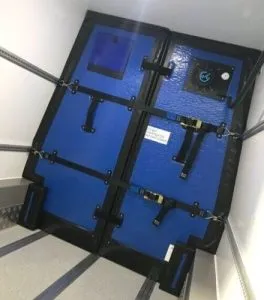
Vehicles carry a mobile mattress that can be moved up and down the chamber to create two chambers.
The vehicle can hold two evaporators. One for each chamber or a cheaper option of a single evaporator with a fan in the mattress.
Handling and transporting samples includes strict protocols. Samples should be kept at the necessary temperature and in a similar quality condition of the sample’s time of sampling. Refrigerated vans with partitions are a great option, ideally with dual refrigeration units. This is so that samples can be kept at a constant temperature. The racks can be fold away but although aluminium still cut into the vehicles carrying weight
Do you want Single temperature or Multi Temp. (MT)?
At Fresh Logistics our vehicle heat as well as cools, so if it’s a cold morning at – 5°c and transporting bananas with a +12°c unlike our competitors we can transport the bananas within the product spec. At Fresh Pharma the heated vehicles are a must to carry out as a positive ambient courier for pharma and food industry.
Finally
Buying a fridge van in the UK represents a major investment for businesses handling temperature-sensitive goods. Making an informed decision is essential to ensure safe, efficient, and compliant transport of chilled or frozen products. Factors such as temperature range, insulation quality, refrigeration unit performance, and load capacity directly affect the cold chain integrity and operational efficiency.
Temperature range is crucial for maintaining product safety. Chilled vans typically operate between 0°C and 8°C, while frozen vans must maintain -18°C or lower. Insulation ensures minimal temperature fluctuation during transit, even in unpredictable UK weather conditions. The refrigeration unit must be reliable, energy-efficient, and suitable for the intended cargo. Additionally, van loading capacity must match business requirements, whether transporting small parcels of pharmaceuticals or large supermarket deliveries.
Other considerations include vehicle size, fuel type, maintenance costs, and regulatory compliance. Electric and hybrid fridge vans are becoming increasingly popular in the UK for reducing emissions and operating costs, particularly in urban environments. Training drivers in correct loading, unloading, and temperature monitoring procedures further safeguards product quality.
Key Considerations When Buying a Fridge Van
| Factor | Importance | Example |
|---|---|---|
| Temperature Range | Maintain product safety | Chilled dairy: 0°C–4°C |
| Insulation | Reduce temperature fluctuations | High-density panels for frozen meals |
| Refrigeration Unit | Ensure reliable cooling | Energy-efficient compressor with backup |
| Load Capacity | Match operational needs | Multi-drop deliveries for supermarkets |
| Vehicle Type | Adapt to delivery routes | Small van for urban, large van for distribution |
With careful planning and the right fridge van, UK businesses can transport temperature-sensitive goods safely, maintain quality, reduce waste, and improve operational efficiency. Investing wisely ensures long-term reliability and maximises cold chain performance.
Buying a Fridge Van
- Do I need a special licence to drive a fridge van?
- Can I buy a used fridge van?
Yes, you can buy a used fridge van. However, ensure that the van has been well-maintained and has a good service history.
- How much does a fridge van cost?
The cost of a fridge van can vary depending on the model and features. A new van can cost anywhere from £35,000 to £80,000, while a used van can cost anywhere from £5,000 to £20,000.
- Q. Can I lease a fridge van instead of buying one?
Yes, leasing is a popular option for businesses that don’t want to make a significant upfront investment. Leasing allows you to use the van for a set period of time and make monthly payments.
- How long do fridge vans typically last?
The lifespan of a fridge van can vary depending on how well it’s maintained and how often it’s used. Generally, a well-maintained fridge van can last up to 10 years or more.
- Can I customise a fridge van to meet my specific needs?
Yes, many manufacturers offer customisation options to meet specific requirements. This may include adding shelving or storage compartments, installing a specific type of refrigeration unit, or adding additional insulation.
- Are there any government grants available for buying a fridge van?

Alan is the Founder and MD at the Fresh Group of companies. You are welcome to use any information you find interesting. Please give us a link back to our webpage or post. It really helps SME’s rank in the UK.