
The Ultimate Guide to Temperature Controlled Distribution in the UK
Temperature Controlled Distribution keeps products within strict temperature ranges throughout storage and transport. It protects 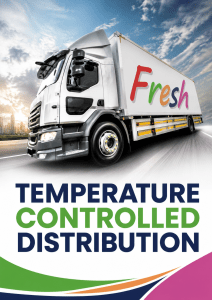 sensitive goods from damage and ensures they reach customers in perfect condition. Businesses across the UK depend on reliable temperature-controlled logistics every day. Pharmaceuticals, fresh food, laboratory samples and specialist chemicals all require controlled environments. Even brief temperature fluctuations can reduce quality or make products unusable. Modern distribution combines refrigerated vehicles, trained drivers and live monitoring technology. These systems maintain product integrity from collection through to delivery. Businesses also benefit from improved compliance and reduced financial losses. Choosing an experienced logistics provider helps protect valuable goods and strengthens customer confidence. This guide explains how Temperature Controlled Distribution works, why it matters and which industries depend on it.
First a quick plug – Our sister companies Fresh Pharma whom are GDP Compliant Pharma couriers and ‘Fresh Fridge Hire‘ are our (compliant GDP) refrigerated vehicle hire.
What Is Temperature Controlled Distribution?
Temperature Controlled Distribution is the process of transporting goods within carefully managed temperature ranges. The correct temperature remains consistent from collection until final delivery. This process forms an essential part of the cold chain. It protects products that become damaged through excessive heat or cold. Refrigerated vehicles, insulated packaging and digital monitoring systems all support safe transportation. Every stage requires careful planning and accurate temperature management.
Temperature Controlled Distribution Maintains the Cold Chain
Cold chain logistics refers to an uninterrupted temperature-controlled journey. Every transfer point must preserve the required conditions. Drivers, warehouse staff and logistics coordinators all play important roles. Live tracking systems provide constant visibility throughout each delivery.
For example, a hospital may require medicines transported between 2°C and 8°C. The delivery vehicle maintains this range throughout the journey. Digital records confirm compliance upon arrival.
Protecting Quality and Compliance
Many industries operate under strict regulatory requirements. Products must arrive within approved temperature limits. Failure can result in rejected deliveries or financial losses. Pharmaceutical companies follow Good Distribution Practice guidelines. Food businesses follow Food Standards Agency requirements. Accurate temperature records provide evidence that products remained compliant.
| Feature | Benefit |
| Refrigerated vehicles | Maintain stable temperatures |
| Live temperature monitoring | Detects changes immediately |
| GPS tracking | Provides real-time delivery visibility |
| Electronic proof of delivery | Confirms successful handover |
| Temperature reports | Demonstrate regulatory compliance |
Professional Temperature Controlled Distribution reduces waste, protects valuable products and improves customer confidence. It also supports efficient supply chains across the United Kingdom.
Why Temperature Controlled Distribution Is Important
Temperature Controlled Distribution protects products throughout every stage of the supply chain. Many goods lose quality when temperatures vary. Others become unsafe for use or consumption. Reliable distribution prevents unnecessary losses and protects business reputations. It also supports legal compliance across regulated industries.
Temperature Controlled Distribution Protects Product Integrity
Temperature-sensitive products require consistent handling. Fresh meat, dairy products and vaccines all have defined storage limits. Proper transport preserves freshness, effectiveness and shelf life. Customers receive products exactly as intended.
For example, a chilled dessert transported above its recommended temperature may spoil before reaching supermarket shelves. Proper refrigeration prevents this issue.
Preventing Spoilage and Waste
Food waste creates unnecessary costs throughout supply chains. Damaged pharmaceutical products also represent significant financial losses. Consistent temperature management reduces rejected deliveries and protects valuable stock. Businesses benefit from lower replacement costs and improved profitability.
Supporting Customer Satisfaction
Customers expect deliveries to arrive safely and on time. Reliable temperature control builds trust and strengthens long-term business relationships. Healthcare providers, retailers and manufacturers all rely on dependable logistics partners.
Temperature Controlled Distribution Strengthens UK Supply Chains
Modern supply chains depend upon dependable logistics networks. Temperature Controlled Distribution connects manufacturers, wholesalers, retailers and healthcare providers. Fast, compliant deliveries help businesses maintain stock availability and minimise disruption.
| Business Objective | How Temperature Controlled Distribution Helps |
| Product protection | Maintains correct storage temperatures |
| Reduced waste | Prevents spoilage and product rejection |
| Regulatory compliance | Meets GDP and food safety requirements |
| Customer confidence | Delivers products in perfect condition |
| Supply chain efficiency | Improves reliability and delivery performance |
| Business reputation | Demonstrates professionalism and quality standards |
Industries That Depend on Temperature Controlled Distribution
Many sectors rely on Temperature Controlled Distribution to protect valuable and sensitive products. Stable temperatures preserve quality, safety and regulatory compliance. Even small temperature changes can affect product performance or shorten shelf life. Reliable logistics providers use specialist vehicles and trained drivers to minimise risk. Every delivery follows strict handling procedures and documented temperature controls. This approach supports businesses throughout the United Kingdom.
Temperature Controlled Distribution for Pharmaceutical and Healthcare
Pharmaceutical companies transport medicines, vaccines and medical devices under strict temperature conditions. Hospitals and pharmacies also depend on reliable deliveries. Good Distribution Practice requires continuous monitoring and documented temperature records. For example, insulin and many vaccines require transport between 2°C and 8°C.
Food and Beverage
Food manufacturers, wholesalers and supermarkets require chilled and frozen transport daily. Fresh meat, seafood, dairy products and ready meals remain safe through controlled transportation. Consistent refrigeration reduces spoilage and extends shelf life.
Distribution for Specialist Industries
Biotechnology companies transport laboratory samples and research materials. Clinical trials require secure movement of investigational medicines. Hospitality businesses receive fresh ingredients before service begins. Retailers distribute chilled products between regional depots and stores. Florists preserve flowers through controlled cooling during transport. Chemical manufacturers also require temperature management for specialist products.
| Industry | Products Transported | Typical Temperature |
| Pharmaceutical | Medicines, vaccines, medical devices | 2°C to 8°C |
| Healthcare | Blood products, laboratory samples | Product specific |
| Food and beverage | Meat, dairy, seafood, ready meals | -25°C to 8°C |
| Biotechnology | Biological samples, research materials | Product specific |
| Clinical trials | Investigational medicines | Validated ranges |
| Hospitality | Fresh ingredients and desserts | 2°C to 8°C |
| Retail | Chilled and frozen goods | -18°C to 8°C |
| Floral industry | Fresh flowers and plants | 2°C to 8°C |
| Chemical products | Temperature-sensitive chemicals | Controlled ambient or specified range |
Professional Temperature Controlled Distribution enables these industries to meet regulations, reduce waste and protect product quality from collection to delivery.
Temperature Ranges Used in Distribution
Temperature Controlled Distribution relies upon precise temperature ranges for different products. Every shipment requires conditions matched to its specific requirements. Incorrect temperatures can reduce quality, create safety risks or breach industry regulations. Modern refrigerated vehicles maintain accurate conditions throughout every journey. Digital monitoring systems record temperatures continuously and alert operators if conditions change.
Frozen
Frozen transport operates between -25°C and -18°C. This range protects frozen foods, ice cream and specialist pharmaceutical products. Consistent freezing prevents thawing and maintains product quality.
Chilled
Chilled distribution normally operates between 2°C and 8°C. This range suits medicines, vaccines, dairy products, fresh meat and seafood. Many healthcare deliveries require this temperature throughout transport.
Controlled Ambient
Some products require temperatures between 8°C and 15°C. Others remain stable between 15°C and 25°C. These ranges suit confectionery, beverages, healthcare products and selected chemicals. Controlled ambient transport protects products from excessive summer heat and winter frost.
Heated
Winter conditions sometimes require heated transportation. Vehicles maintain temperatures above freezing to protect sensitive products. This service prevents frost damage during colder months across the UK.
| Temperature Range | Typical Products | Purpose |
| -25°C to -18°C | Frozen food, ice cream | Prevent thawing |
| 2°C to 8°C | Vaccines, medicines, dairy, seafood | Preserve quality and compliance |
| 8°C to 15°C | Chocolate, beverages, specialist products | Prevent heat damage |
| 15°C to 25°C | Healthcare products, chemicals, cosmetics | Maintain controlled ambient conditions |
| Heated above 2°C | Temperature-sensitive goods during winter | Prevent frost damage |
Selecting the correct temperature range is essential for successful Temperature Controlled Distribution. Accurate temperature management protects products, supports compliance and ensures customers receive goods in excellent condition.
Technology Behind Modern Temperature Controlled Distribution
Technology has transformed Temperature Controlled Distribution across the United Kingdom. Modern logistics providers rely on intelligent systems to protect products and improve operational efficiency. These technologies provide complete visibility throughout every delivery. They also reduce human error and support regulatory compliance. Customers benefit from accurate delivery information and greater confidence in the supply chain. Real-time data enables transport teams to respond quickly if problems occur. Every journey becomes safer, more efficient and fully traceable. Technology also creates detailed records for audits and customer reporting. Businesses handling pharmaceuticals, food and laboratory products particularly benefit from these advanced systems.
Uses Real-Time Tracking
GPS vehicle tracking allows transport teams to monitor every vehicle throughout its journey. Dispatchers can identify delays and adjust routes when necessary. Customers receive accurate delivery updates and estimated arrival times. Faster communication improves customer service and reduces uncertainty.
Digital Monitoring
Real-time temperature monitoring continuously measures internal vehicle temperatures. Automated alerts notify operators immediately if temperatures move outside approved limits. Drivers can respond quickly before products become compromised. Electronic Proof of Delivery, commonly called ePOD, confirms successful deliveries with digital signatures and timestamps. Digital temperature reports provide evidence that products remained compliant throughout transport.
Fleet Management
Remote fleet management allows operators to monitor refrigeration units, vehicle locations and driver performance from one platform. This improves scheduling, maintenance planning and operational efficiency.
| Technology | Purpose | Business Benefit |
| GPS vehicle tracking | Monitor vehicle locations | Improved visibility |
| Real-time temperature monitoring | Maintain product temperatures | Protects product integrity |
| Electronic Proof of Delivery (ePOD) | Confirm successful deliveries | Faster customer confirmation |
| Digital temperature records | Record temperature history | Regulatory compliance |
| Remote fleet management | Manage vehicles remotely | Improved operational efficiency |
| Automated alerts | Warn of temperature deviations | Rapid corrective action |
Modern technology makes Temperature Controlled Distribution safer, faster and more transparent. Businesses benefit from improved compliance, reduced waste and stronger customer confidence.
UK Regulations and Compliance
Temperature Controlled Distribution operates within strict regulatory frameworks across the United Kingdom. Businesses transporting temperature-sensitive products must comply with industry standards and legal requirements. Compliance protects public health, product quality and business reputation. Professional logistics providers invest heavily in training, documented procedures and validated equipment. Regular audits and accurate records demonstrate compliance during inspections. These standards also reassure customers that products remain safe throughout transportation.
Good Distribution Practice (GDP)
Good Distribution Practice, commonly known as GDP, applies to pharmaceutical transportation. GDP ensures medicines remain safe, effective and fully traceable throughout the supply chain. Drivers receive specialist training and follow documented operating procedures. Temperature records provide evidence that products remained within approved limits.
Food Safety Compliance
Food businesses follow guidance issued by the Food Standards Agency. HACCP principles identify potential hazards before they affect food safety. Businesses introduce control measures to reduce identified risks. Accurate temperature management remains one of the most important controls.
MHRA Requirements
The Medicines and Healthcare products Regulatory Agency oversees pharmaceutical distribution within the United Kingdom. Logistics providers must demonstrate suitable equipment, trained personnel and documented processes. Driver training includes temperature management, product handling and emergency procedures. Delivery documentation supports traceability and regulatory compliance.
| Regulation or Standard | Purpose | Applies To |
| Good Distribution Practice (GDP) | Safe pharmaceutical distribution | Medicines and healthcare |
| Food Standards Agency guidance | Food safety compliance | Food and beverage |
| HACCP principles | Identify and control food risks | Food manufacturers and distributors |
| MHRA requirements | Pharmaceutical regulation | Medicines supply chain |
| Driver training | Safe product handling | All temperature-controlled deliveries |
| Delivery documentation | Product traceability | Regulated industries |
Strong compliance procedures strengthen Temperature Controlled Distribution by protecting products, supporting legal requirements and maintaining customer confidence across every delivery.
Common Challenges in Temperature Controlled Distribution
Temperature Controlled Distribution requires careful planning and constant attention to detail. Even the best logistics operations face daily challenges. Unexpected delays, equipment failures and changing weather conditions can affect deliveries. Professional transport providers reduce these risks through experienced teams, modern vehicles and advanced technology. Effective contingency planning helps maintain product quality during unforeseen events. Businesses also benefit from clear communication and proactive monitoring throughout every journey. Reliable logistics partners prepare for problems before they affect customers. This approach reduces waste, protects valuable products and supports regulatory compliance.
Transport Challenges
Traffic congestion remains one of the most common delivery challenges. Roadworks, accidents and motorway closures can increase journey times. Delivery schedules may also change because customers request specific delivery windows. Experienced transport planners use live traffic information to identify faster routes and minimise delays.
Reliable Equipment
Vehicle breakdowns and refrigeration equipment failures can threaten temperature-sensitive products. Professional logistics companies reduce these risks through preventative maintenance programmes. Backup vehicles and emergency response procedures help keep deliveries moving. Regular servicing also improves vehicle reliability throughout the year.
Protecting Products During Extreme Weather
Summer heatwaves and winter freezing conditions create additional challenges. Refrigeration systems work harder during hot weather. Heated transport may become necessary during freezing temperatures. Continuous temperature monitoring ensures products remain within approved ranges regardless of external conditions.
| Challenge | Potential Impact | Solution |
| Traffic delays | Longer journey times | Live route planning |
| Vehicle breakdowns | Delivery disruption | Backup vehicles |
| Refrigeration failure | Temperature deviation | Preventative maintenance |
| Extreme weather | Product damage | Validated temperature control |
| Delivery scheduling | Missed delivery windows | Flexible transport planning |
| Product integrity | Customer rejection | Continuous monitoring |
Professional Temperature Controlled Distribution combines planning, technology and experienced personnel to overcome these challenges. Businesses benefit from reliable deliveries, improved compliance and greater customer confidence.
How to Choose the Right Temperature Controlled Distribution Partner
Selecting the right Temperature Controlled Distribution partner can protect products and strengthen your supply chain. Not every logistics company offers the same level of expertise. Temperature-sensitive products require specialist equipment, trained drivers and reliable operating procedures. Choosing an experienced provider reduces risk and improves service quality. A trusted logistics partner should demonstrate consistent performance, regulatory compliance and excellent customer support. They should also provide complete visibility throughout every delivery. Businesses benefit from dependable service and long-term operational stabili
Experience and Coverage
Nationwide coverage allows businesses to serve customers throughout the United Kingdom. A genuine 24-hour operation provides collections and deliveries whenever required. Experienced drivers understand temperature-sensitive products and follow documented handling procedures. Their knowledge helps reduce risks during transport.
Modern Equipment
A modern refrigerated fleet improves reliability and efficiency. Vehicles should include live GPS tracking and real-time temperature monitoring. Customers benefit from accurate delivery updates and complete shipment visibility. Modern equipment also reduces the likelihood of breakdowns.
Benefits from Strong Compliance
Emergency response capability provides reassurance during unexpected events. Industry certifications demonstrate commitment to recognised standards and continuous improvement. Professional logistics providers also maintain documented procedures, trained staff and validated equipment.
| Selection Criteria | Why It Matters | Customer Benefit |
| Nationwide coverage | Supports UK-wide deliveries | Greater flexibility |
| 24/7 availability | Responds to urgent requests | Faster service |
| Experienced drivers | Protects sensitive products | Reduced delivery risks |
| Modern refrigerated fleet | Reliable temperature control | Improved product protection |
| Live tracking | Real-time shipment visibility | Better communication |
| Emergency response capability | Handles unexpected situations | Business continuity |
| Industry certifications | Demonstrates professional standards | Increased confidence |
Choosing the right Temperature Controlled Distribution partner improves reliability, protects valuable products and supports long-term business success. An experienced provider becomes an important extension of your supply chain.
Benefits of Professional Temperature Controlled Distribution
Professional Temperature Controlled Distribution delivers far more than reliable transport. It protects valuable products while improving operational efficiency across the supply chain. Businesses benefit from specialist equipment, trained drivers and advanced monitoring technology. These services reduce risk and improve customer satisfaction. Reliable logistics also help organisations comply with industry regulations. Every shipment receives careful handling from collection through to final delivery. Professional providers continually invest in vehicles, technology and staff training. This commitment improves performance while protecting product quality. Whether transporting pharmaceuticals, food or laboratory samples, professional logistics reduce disruption and strengthen business operations.
Product Losses
Consistent temperature management prevents spoilage and product damage. Businesses experience fewer rejected deliveries and reduced replacement costs. Accurate handling also extends product shelf life and protects valuable inventory.
Compliance and Customer Confidence
Professional logistics providers maintain detailed temperature records throughout transportation. This documentation supports compliance with GDP, HACCP and other industry standards. Customers gain confidence knowing products arrive safely and within specification. Reliable deliveries also strengthen long-term business relationships.
Improving Supply Chain Performance
Modern tracking systems provide complete shipment visibility from collection to delivery. Faster deliveries reduce delays and improve inventory control. Better planning helps businesses maintain stock levels and respond quickly to customer demand.
| Benefit | Business Advantage | Customer Outcome |
| Reduced product losses | Lower operating costs | Higher product quality |
| Regulatory compliance | Meets legal requirements | Greater trust |
| Improved customer confidence | Stronger relationships | Reliable deliveries |
| Faster deliveries | Better operational efficiency | On-time service |
| Enhanced supply chain visibility | Real-time tracking | Complete transparency |
| Better inventory management | Reduced stock shortages | Improved availability |
Professional Temperature Controlled Distribution improves efficiency, protects valuable products and supports long-term business growth. Reliable logistics become an important competitive advantage across many industries.
Sustainable Temperature Controlled Distribution
Sustainability has become an important part of modern Temperature Controlled Distribution. Logistics providers continue investing in greener technologies and more efficient transport methods. These improvements reduce environmental impact without compromising product protection. Businesses also benefit from lower operating costs and improved fuel efficiency. Customers increasingly expect environmentally responsible transport solutions. Sustainable logistics help organisations meet environmental targets while maintaining excellent service standards. Every improvement contributes towards a cleaner and more efficient supply chain across the United Kingdom.
Cleaner Vehicles
Many fleets now include low-emission vehicles with improved fuel efficiency. These vehicles produce fewer emissions while maintaining reliable refrigeration performance. Fleet renewal also improves reliability and reduces maintenance requirements.
Improving Efficiency Through Technology
Route optimisation software identifies the shortest and most efficient delivery routes. Fewer unnecessary miles reduce fuel consumption and vehicle emissions. Energy-efficient refrigeration units also consume less power while maintaining stable temperatures. These improvements lower operating costs and reduce environmental impact.
Temperature Controlled Distribution Reduces Waste
Reliable temperature management prevents unnecessary food waste and product spoilage. Sustainable packaging materials further reduce environmental impact while protecting sensitive goods. Recyclable insulation and reusable transport containers also support greener logistics operations.
| Sustainability Initiative | Environmental Benefit | Business Benefit |
| Low-emission vehicles | Reduced exhaust emissions | Lower fuel costs |
| Route optimisation | Fewer vehicle miles | Greater efficiency |
| Energy-efficient refrigeration | Reduced energy consumption | Lower operating costs |
| Reduced food waste | Less landfill waste | Improved profitability |
| Carbon footprint reduction | Lower environmental impact | Supports sustainability goals |
| Sustainable packaging | Less packaging waste | Improved environmental performance |
Sustainable Temperature Controlled Distribution protects products while supporting environmental responsibility. Businesses benefit from greater efficiency, lower emissions and stronger environmental credentials without compromising service quality.
Temperature Controlled Distribution: Future Trends in Temperature Controlled Distribution
Technology continues to reshape Temperature Controlled Distribution across the United Kingdom. Businesses expect faster deliveries, greater visibility and improved efficiency. Logistics providers are investing in smarter systems that reduce costs and improve product protection. Artificial intelligence, connected devices and automated reporting are becoming standard features within modern fleets. These innovations improve decision-making while supporting regulatory compliance. They also help businesses reduce waste and improve customer service. Future developments will create even more efficient and sustainable supply chains. Companies adopting new technologies today will remain competitive tomorrow.
Temperature Controlled Distribution Powered by Artificial Intelligence
Artificial intelligence improves route planning by analysing traffic, weather and delivery schedules. AI recommends the most efficient routes in real time. This reduces delays, fuel consumption and operating costs. Customers also benefit from more accurate delivery times.
Temperature Controlled Distribution Uses Connected Technology
Internet of Things sensors continuously monitor vehicle temperatures and equipment performance. These sensors immediately report temperature changes to transport teams. Predictive maintenance analyses vehicle data to identify faults before breakdowns occur. This reduces downtime and improves fleet reliability.
Temperature Controlled Distribution Embraces Smarter Operations
Electric refrigerated vehicles are becoming more common as battery technology improves. Automated reporting reduces paperwork and creates instant compliance records. Smart logistics platforms combine vehicle tracking, scheduling and customer communication within one system.
| Future Technology | Purpose | Business Benefit |
| AI route optimisation | Improve delivery planning | Faster and more efficient routes |
| IoT temperature sensors | Monitor conditions continuously | Better product protection |
| Predictive maintenance | Prevent equipment failures | Reduced downtime |
| Electric refrigerated vehicles | Lower emissions | Improved sustainability |
| Automated reporting | Create instant compliance records | Less administration |
| Smart logistics platforms | Manage logistics operations | Greater operational efficiency |
Future technology will make Temperature Controlled Distribution more efficient, sustainable and reliable. Businesses adopting these innovations will improve customer service and strengthen supply chain performance.
Temperature Controlled Distribution: Frequently Asked Questions About Temperature Controlled Distribution
Businesses often ask similar questions before choosing a Temperature Controlled Distribution provider. The answers below explain the most common topics. Understanding these points helps businesses select the right logistics solution while protecting valuable products.
What is Temperature Controlled Distribution?
Temperature Controlled Distribution is the transportation of products within specific temperature ranges. It protects sensitive goods throughout storage and delivery.
What products require temperature controlled transport?
Common products include pharmaceuticals, vaccines, fresh food, frozen goods, laboratory samples, flowers, dairy products, seafood and specialist chemicals.
What temperature should chilled goods be transported at?
Most chilled products travel between 2°C and 8°C. Individual products may require different validated temperature ranges.
How is temperature monitored during delivery?
Modern vehicles use digital temperature sensors and live monitoring systems. Operators receive alerts if temperatures move outside approved limits.
What happens if the temperature changes during transport?
Professional logistics providers investigate immediately. Corrective action protects the shipment whenever possible. Temperature records help determine product suitability.
Is Temperature Controlled Distribution available across the UK?
Yes. Many specialist logistics companies provide nationwide Temperature Controlled Distribution with same-day, next-day and scheduled delivery services.
What is the difference between refrigerated and Temperature Controlled Distribution?
Refrigerated transport usually provides one chilled or frozen temperature. Temperature Controlled Distribution covers chilled, frozen, controlled ambient and heated transportation.
How quickly can a temperature controlled courier collect my goods?
Many specialist couriers offer immediate collections for urgent deliveries. Collection times depend upon your location and vehicle availability.
| Frequently Asked Question | Short Answer |
| What is Temperature Controlled Distribution? | Transport within controlled temperature ranges |
| Which products require it? | Pharmaceuticals, food, healthcare products and chemicals |
| What temperature are chilled goods transported at? | Normally between 2°C and 8°C |
| How are temperatures monitored? | Digital sensors with live monitoring |
| What happens after a temperature deviation? | Immediate investigation and corrective action |
| Is nationwide coverage available? | Yes, across the United Kingdom |
| Refrigerated or temperature controlled? | Temperature controlled covers multiple temperature ranges |
| How quickly can collection take place? | Often within hours, depending on availability |
Temperature Controlled Distribution: Why Choose Fresh Logistics for Temperature Controlled Distribution
Choosing the right logistics provider is essential when transporting temperature-sensitive products. Fresh Logistics delivers dependable Temperature Controlled Distribution services throughout the United Kingdom. Since 2008, we have supported businesses across healthcare, pharmaceuticals, food, hospitality, retail and specialist manufacturing. Our experienced team understands the importance of maintaining product quality from collection to final delivery. Every shipment receives the same professional attention, regardless of size or destination. We combine modern refrigerated vehicles, advanced technology and knowledgeable drivers to deliver outstanding service. Our commitment to reliability, compliance and customer care makes us a trusted logistics partner for businesses requiring temperature-controlled transport.
Temperature Controlled Distribution with Nationwide Coverage
Fresh Logistics provides nationwide Temperature Controlled Distribution across England, Scotland, Wales and Northern Ireland. We offer same-day, dedicated and scheduled delivery solutions to suit every requirement. Our flexible transport network supports urgent deliveries and planned distribution contracts.
Temperature Controlled Distribution Supported by Modern Technology
Our temperature-monitored fleet includes refrigerated vans, multi-temperature vehicles and larger refrigerated trucks. Live GPS tracking provides complete shipment visibility throughout every journey. Digital temperature monitoring records conditions continuously, providing customers with confidence and full traceability.
Temperature Controlled Distribution Delivered by Experienced Professionals
Our GDP-trained drivers understand the handling requirements for pharmaceutical, healthcare and temperature-sensitive products. We follow strict operating procedures and maintain accurate delivery documentation. Our team remains available 24 hours a day to respond quickly to urgent transport requests.
| Fresh Logistics Feature | Customer Benefit |
| Nationwide UK coverage | Reliable deliveries across the United Kingdom |
| 24/7 same-day and scheduled deliveries | Fast response for urgent and planned transport |
| GDP-trained drivers | Safe handling of sensitive products |
| Live vehicle tracking | Complete delivery visibility |
| Temperature-monitored fleet | Continuous product protection |
| Multi-temperature transport solutions | Multiple temperature ranges in one journey |
| Customer-focused service | Responsive communication and dependable support |
Fresh Logistics combines experience, technology and specialist knowledge to deliver dependable Temperature Controlled Distribution. We help businesses protect valuable products, maintain compliance and keep supply chains moving efficiently every day.
Temperature Controlled Distribution: Conclusion
Temperature Controlled Distribution plays a vital role in protecting sensitive products across many industries. Reliable temperature management preserves quality, supports compliance and reduces unnecessary waste. Professional logistics providers combine trained personnel, specialist vehicles and advanced technology to maintain product integrity throughout every journey. Businesses also benefit from improved efficiency, greater supply chain visibility and increased customer confidence. As technology continues to develop, Temperature Controlled Distribution will become even more intelligent, sustainable and efficient. Choosing an experienced logistics partner ensures your products remain protected from collection through to final delivery. Whether you transport pharmaceuticals, chilled food, healthcare products or specialist goods, investing in professional Temperature Controlled Distribution supports long-term business success and helps your organisation deliver consistently high standards to every customer.

Alan is the Founder and MD at the Fresh Group of companies. You are welcome to use any information you find interesting. Please give us a link back to our webpage or post. It really helps SME’s rank in the UK.