
Introduction to UK Refrigerated Logistics Services
In today’s fast-paced and globalised world, temperature-controlled logistics play a crucial role in preserving the quality and safety of perishable goods.UK refrigerated logistics services support a wide range of industries, ensuring products reach consumers in optimal condition. The rising demand for fresh, safe, and high-quality products has amplified the need for advanced logistics solutions, making refrigerated logistics essential to sectors such as food and beverage, pharmaceuticals, and healthcare.
First a quick plug – Our sister companies Fresh Pharma whom are GDP Compliant Pharma couriers and ‘Fresh Fridge Hire‘ are our (compliant GDP) refrigerated vehicle hire.
Key Industries Relying on Refrigerated Logistics
Refrigerated logistics support a diverse range of industries in the UK, each with specific requirements for temperature-controlled storage and transportation.
| Industry | Examples of Products | Logistics Needs |
| Food & Beverage | Fresh produce, dairy, meats, frozen foods, beverages | Consistent temperatures to prevent spoilage and maintain freshness |
| Pharmaceuticals | Vaccines, medicines, blood, biologics | Strict temperature control to ensure efficacy and safety |
| Healthcare | Lab samples, medical devices, diagnostic reagents | Temperature precision to avoid contamination or degradation |
| Cosmetics | Skin care products, organic cosmetics | Controlled climate to prevent chemical breakdown |
| Floral Industry | Fresh flowers, plants | Specific temperature and humidity to preserve lifespan |
How UK Refrigerated Logistics Services Work
The refrigerated logistics process is a sophisticated blend of transportation, storage, and monitoring technologies designed to maintain products within a specific temperature range. These services, often referred to as cold chain logistics, provide a temperature-controlled environment throughout every stage—from warehouse to final destination.
The Refrigeration Process in Logistics
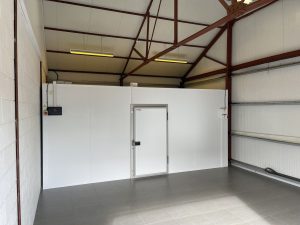 Refrigerated logistics begin with storing products at a designated temperature, followed by transportation in climate-controlled vehicles and frequent monitoring to ensure stability. Each product type has a unique temperature range that, if breached, can lead to spoilage, contamination, or reduced efficacy.
Pre-Cooling: Items are pre-cooled to the required temperature before loading. This ensures minimal temperature fluctuation during transit.
Temperature-Controlled Vehicles: Refrigerated trucks, vans, and containers are equipped to maintain consistent temperatures, often powered by robust insulation and cooling systems.
Temperature Monitoring: Advanced sensors and IoT technology enable real-time tracking of temperature, alerting logistics providers to any fluctuations, so immediate action can be taken.
Transportation and Storage Solutions
In the UK, refrigerated logistics providers offer specialised vehicles and storage facilities that meet different temperature ranges, generally classified as:
| Temperature Category | Range | Typical Use Cases |
| Frozen | -25°C to -18°C | Ice cream, frozen meat, long-term storage items |
| Chilled | 2°C to 8°C | Dairy products, fresh meat, some pharmaceuticals |
| Ambient | 12°C to 15°C | Fruit, vegetables, sensitive cosmetics |
Storage facilities and vehicles are often tailored to meet these specific needs, using various layers of insulation, cooling systems, and high-tech monitoring systems that ensure the entire logistics chain maintains its integrity.
Benefits of Using Refrigerated Logistics Services in the UK
For businesses dealing in perishable goods or temperature-sensitive products, refrigerated logistics services offer numerous advantages that go beyond simple transportation. Here are some of the most significant benefits:
Key Advantages for Businesses
Product Safety and Quality: By maintaining specific temperature ranges, refrigerated logistics services ensure products are delivered in optimal condition. This is especially critical in industries like pharmaceuticals, where even a small deviation in temperature can impact efficacy.
Extended Product Shelf Life: Proper temperature control can significantly extend the shelf life of perishable products, allowing businesses to reduce waste and manage inventory more effectively.
Regulatory Compliance: Many industries, particularly food and healthcare, are subject to strict regulations regarding the handling of temperature-sensitive goods. Using a certified logistics provider ensures compliance, protecting companies from potential fines and penalties.
Customer Satisfaction: High product quality directly impacts customer satisfaction. When products arrive fresh and safe, consumers are more likely to trust and remain loyal to the brand.
Case Studies: Ensuring Product Quality and Safety
| Business | Product | Benefit from Refrigerated Logistics |
| National Food Chain | Frozen and chilled food items | Maintained product freshness, leading to increased customer satisfaction |
| Pharma Distributor | Vaccines and biologics | Reduced spoilage due to strict temperature control during transportation |
| Floral Wholesaler | Fresh flowers | Improved flower lifespan, leading to better product quality and reduced waste |
These benefits are not just a value-add but a necessity for businesses that rely on refrigerated logistics services to meet customer expectations and regulatory requirements.
Understanding Temperature Control Standards in UK Logistics
The UK has stringent standards for temperature-controlled logistics to safeguard consumers and maintain the integrity of perishable goods. Compliance with these standards is essential for companies involved in refrigerated logistics to operate legally and reliably.
Overview of UK Regulations for Refrigerated Logistics
In the UK, several regulations govern refrigerated logistics, with industry-specific rules for sectors like food and pharmaceuticals. Compliance ensures that products reach consumers safely and in optimal condition. Some key standards and regulations include:
Food Safety Regulations (FSA): The Food Standards Agency mandates safe handling, storage, and transportation of food items. This includes maintaining consistent temperatures and avoiding contamination.
Good Distribution Practice (GDP): This standard applies to the pharmaceutical industry, ensuring that medical products are consistently transported under controlled conditions to maintain quality.
European Union Standards: While no longer a member of the EU, the UK still aligns with certain EU standards, especially in pharmaceuticals, to ensure ease of export and import across borders.
Importance of Compliance in Ensuring Quality and Safety
Maintaining compliance with these regulations is crucial for businesses, as failure to do so can lead to serious consequences, such as:
Product Recall: Companies may need to recall products if they cannot verify that proper temperatures were maintained, which is costly and damaging to reputation.
Legal Repercussions: Breaches in compliance can result in heavy fines and legal action, particularly in industries where product safety is directly tied to consumer health.
Loss of Consumer Trust: In industries like food and pharmaceuticals, customer trust is essential. If consumers lose trust due to quality issues, the brand may face long-term consequences.
| Standard/Regulation | Industry | Requirement | Importance |
| Food Safety Regulations (FSA) | Food & Beverage | Consistent temperature control, contamination prevention | Prevents foodborne illnesses |
| Good Distribution Practice (GDP) | Pharmaceuticals | Ensures stable temperature for safe and effective medications | Maintains pharmaceutical efficacy |
| European Union Standards | Cross-industry | Guidelines for quality assurance in logistics | Facilitates international trade |
Compliance is non-negotiable, and businesses that prioritise adherence to these standards strengthen their operational reliability and consumer confidence.
Cold Chain Logistics vs. Refrigerated Logistics: Key Differences
Cold chain and refrigerated logistics are two essential services in temperature-controlled transport but serve distinct purposes and industries. Understanding the differences between these systems is crucial for businesses seeking reliable temperature management solutions.
Cold Chain Logistics
Cold chain logistics refer to a series of refrigerated processes that maintain a product at a precise, often very low, temperature from production to delivery. This is especially critical in the pharmaceutical and healthcare sectors, where a minor temperature deviation can render vaccines, biologics, or other sensitive items ineffective. The cold chain process is typically continuous, involving specially designed equipment to ensure consistent conditions.
Key Features: Continuous temperature control, strict regulations, primarily for sensitive goods.
Ideal for: Pharmaceuticals, biologics, some perishable foods requiring extreme care.
Refrigerated Logistics
Refrigerated logistics, while similar, are typically more flexible. They maintain a stable, cool environment suitable for less temperature-sensitive items. This service is commonly used for general perishable goods, such as dairy products, frozen food, and floral items. Unlike cold chain logistics, which demand stringent control, refrigerated logistics have a wider range of acceptable temperatures, making them suitable for less fragile products.
Key Features: Temperature control with more flexibility, cost-effective, suitable for a range of perishable goods.
Ideal for: Fresh produce, dairy, frozen foods, flowers.
| Aspect | Cold Chain Logistics | Refrigerated Logistics |
| Temperature Control | Strict, narrow ranges | Flexible, within broader ranges |
| Primary Industries | Pharmaceuticals, healthcare | Food, beverage, floral industries |
| Cost | Generally higher due to strict controls | Lower, suited for general perishable items |
| Typical Temperature Range | Often below freezing (e.g., -70°C for some vaccines) | Typically -20°C to 10°C for general items |
Refrigerated Logistics for the Food Industry in the UK
The food industry in the UK relies heavily on refrigerated logistics to keep products fresh, safe, and ready for consumer consumption. With an increase in demand for fresh produce, meats, and dairy, the importance of refrigerated logistics has never been greater.
Importance of Temperature Control in Food Safety
Temperature control plays a pivotal role in food safety. Perishable foods are prone to bacterial growth, spoilage, and quality degradation if not kept within an appropriate temperature range. Maintaining these conditions reduces the risk of foodborne illnesses and helps meet food safety standards set by regulatory bodies.
Extended Shelf Life: Proper refrigeration extends the lifespan of products, allowing food suppliers to reach more distant markets without compromising quality.
Quality Assurance: Temperature control preserves the taste, texture, and nutritional value of food items, ensuring consumers receive high-quality products.
How UK Refrigerated Logistics Support Food Suppliers and Retailers
In the UK, logistics companies provide various refrigerated solutions to cater to the food industry’s needs. These services include storage facilities, refrigerated trucks, and temperature monitoring systems that allow real-time temperature tracking. Food suppliers and retailers benefit by ensuring their goods are kept fresh from point of origin to end consumer.
| Service | Benefit to Food Industry |
| Refrigerated Warehousing | Enables long-term storage of perishable items |
| Temperature-Controlled Transport | Ensures stable conditions during transit |
| Real-Time Monitoring | Alerts logistics teams of any temperature fluctuations |
| Multi-Temperature Vehicles | Allows transport of diverse products in the same vehicle |
Pharmaceutical and Healthcare Needs for Refrigerated Logistics in the UK
In the pharmaceutical and healthcare industries, the stakes are higher, as even a slight deviation in temperature can render medical products ineffective or harmful. These sectors have unique logistics requirements that make refrigerated and cold chain services indispensable.
Unique Requirements for Transporting Pharmaceuticals and Healthcare Products
Strict Temperature Ranges: Certain drugs and vaccines require sub-zero temperatures to remain viable, and any deviation can compromise their efficacy.
Regulatory Compliance: UK regulations require pharmaceutical products to be transported following Good Distribution Practices (GDP), ensuring safety and quality at every stage.
Special Handling: Products like blood, vaccines, and biologics need gentle handling and quick turnaround times to maintain effectiveness.
How Logistics Providers Ensure Strict Temperature Control
UK logistics providers employ specialised equipment and protocols to maintain temperature control during transport. From temperature-sensitive trucks to real-time GPS and sensor monitoring, these providers are equipped to handle the needs of the healthcare industry.
| Technology/Method | Benefit for Pharmaceuticals |
| Specialised Freezers | Provides sub-zero storage for sensitive items |
| Temperature-Sensitive Packaging | Minimises risk of temperature fluctuation |
| Real-Time Temperature Sensors | Alerts operators to any changes, enabling quick response |
| Advanced GPS Tracking | Enhances location and temperature tracking accuracy |
Technological Innovations in UK Refrigerated Logistics
The rapid development of technology has transformed UK refrigerated logistics, making it more efficient and reliable. Several cutting-edge innovations are improving the management, tracking, and performance of temperature-controlled logistics.
Emerging Technologies in Temperature Monitoring, GPS Tracking, and Fleet Management
IoT-Enabled Temperature Sensors: Internet of Things (IoT) devices allow for precise, real-time temperature tracking. These sensors are particularly beneficial for high-value items, such as pharmaceuticals, that require constant monitoring.
Blockchain for Traceability: Blockchain technology is now being used to create an immutable record of a product’s journey through the logistics chain. This is valuable for proving compliance with regulatory standards and offering transparency to consumers.
AI and Predictive Analytics: AI-powered predictive analytics help logistics companies forecast temperature trends, allowing them to pre-emptively adjust for optimal conditions.
Automated Fleet Management: GPS and fleet management systems enable companies to optimise delivery routes, track vehicle performance, and monitor fuel efficiency, reducing operational costs and improving reliability.
How These Innovations Improve Reliability and Efficiency
Technological advancements enhance the quality and speed of refrigerated logistics, ensuring products remain safe and in prime condition. These improvements benefit both the companies that rely on logistics services and the end consumers who receive fresher, safer products.
| Technology | Function | Benefit |
| IoT Temperature Sensors | Real-time temperature monitoring | Ensures consistent conditions for sensitive goods |
| Blockchain | Traceable and secure product journey | Enhances transparency and compliance |
| AI & Predictive Analytics | Forecasting and temperature adjustment | Minimises risk of spoilage |
| Automated Fleet Management | GPS tracking and route optimisation | Reduces delivery times and operational costs |
Eco-Friendly Practices
As environmental sustainability becomes a global priority, refrigerated logistics services in the UK are adopting eco-friendly practices to minimise their environmental impact. These initiatives not only reduce carbon emissions but also support companies’ commitment to sustainability.
Green Initiatives and Sustainability Efforts in Refrigerated Logistics
Electric and Hybrid Vehicles: Many logistics companies are transitioning their fleets to electric or hybrid vehicles, significantly reducing fuel emissions and operational costs.
Sustainable Packaging: Using recyclable and biodegradable packaging materials helps reduce waste, particularly in sectors like food delivery, where single-use packaging is common.
Eco-Friendly Refrigeration Systems: Modern refrigeration systems use low Global Warming Potential (GWP) refrigerants, which reduce environmental impact while maintaining cooling efficiency.
Optimised Route Planning: Using advanced route-planning software reduces fuel consumption and emissions by ensuring the most efficient delivery routes.
Examples of UK Companies Adopting Eco-Friendly Refrigeration Methods
Several UK-based logistics providers are leading the way in implementing green practices:
| Company | Green Initiative | Environmental Impact |
| Gist | Electric vehicle fleet integration | Lower carbon footprint in urban deliveries |
| Refrigerated Transport Ltd | Using low-GWP refrigerants | Reduces harmful emissions associated with refrigeration |
| Cool Transport Services | Route optimisation and eco-friendly packaging | Minimises waste and fuel consumption |
These initiatives show that refrigerated logistics providers in the UK are actively reducing their environmental impact. Setting a strong example for others in the industry to follow.
Challenges Facing the Sector
The UK’s refrigerated logistics sector faces several operational challenges. Key difficulties include high energy costs, maintenance of specialised vehicles, and adhering to strict regulatory demands. All of which impact service costs and efficiency.
Key Challenges
High Energy Costs: Refrigerated vehicles and warehouses consume significant amounts of energy. Rising fuel prices and electricity costs add financial strain, leading companies to look for more energy-efficient solutions.
Vehicle Maintenance: Maintaining a fleet of temperature-controlled vehicles is costly. These vehicles require specialised repairs and regular maintenance to ensure they meet performance standards.
Regulatory Demands: Compliance with UK and EU regulations on temperature control, handling, and traceability is mandatory for refrigerated logistics providers. Failing to meet these standards can result in legal penalties and reputational damage.
Solutions to Overcome Challenges
Companies are responding to these challenges by investing in energy-efficient systems, using predictive maintenance technologies, and training staff on regulatory compliance. Some have adopted alternative fuel vehicles to reduce energy costs and meet environmental goals.
Future Trends
The refrigerated logistics sector is evolving rapidly in the UK, driven by technology, consumer preferences, and sustainability goals.
Predicted Trends
Increased Automation: Automated warehousing and AI-driven route planning can reduce operating costs and optimise delivery times.
Focus on Eco-Friendly Solutions: Consumer and regulatory pressures are pushing companies towards electric vehicles, sustainable packaging, and low-GWP refrigerants.
Enhanced Data Analytics: Using real-time data, predictive analytics, and IoT, companies can improve monitoring, anticipate potential disruptions, and ensure consistent temperature control.
These advancements are expected to make refrigerated logistics more sustainable, efficient, and reliable in the coming years.
How to Choose a Refrigerated Logistics Provider in the UK
When selecting a refrigerated logistics provider, businesses must consider several factors to ensure quality service that meets their specific needs.
Key Factors to Consider
Reliability: Ensure the provider has a reputation for consistent, dependable service.
Pricing Structure: Compare costs across providers, looking for transparent pricing that includes distance, temperature needs, and any additional services.
Coverage and Network: Choose a provider with a robust network that covers your target regions.
Technology: Providers using advanced tech like GPS tracking and real-time monitoring offer added security and control.
Tips for Selection
Businesses should research providers’ track records, seek referrals from industry peers, and ask about their compliance with regulatory standards.
| Factor | Why It’s Important |
| Reliability | Ensures consistent temperature control and on-time delivery |
| Technology | Increases monitoring capability and real-time adjustments |
| Network Coverage | Reaches more areas, allowing flexible delivery options |
| Pricing | Helps businesses budget effectively |
Cost Breakdown of Refrigerated Logistics Services
Understanding the cost structure of refrigerated logistics can help businesses plan their budgets and minimise expenses. Costs in refrigerated logistics typically include fuel, temperature control needs, vehicle type, distance, and any required special handling.
Cost Factors
Distance: Longer distances generally increase costs, especially if cross-border shipping is involved.
Temperature Control Level: Maintaining sub-zero temperatures often incurs higher costs than general cooling.
Vehicle Type: The size and capacity of the vehicle affect pricing. Larger or multi-temperature vehicles may cost more.
Additional Services: Special requirements, such as handling fragile goods or additional safety protocols, will add to the base cost.
| Cost Factor | Description |
| Distance | Affects fuel and time expenses |
| Temperature Requirements | More intense cooling requires higher energy usage |
| Vehicle Type | Larger, custom vehicles incur higher charges |
| Additional Services | Special handling or equipment requirements add costs |
Customer Success Stories
Many businesses across the UK have benefited from using reliable refrigerated logistics services. Which help them meet regulatory standards, maintain product quality, and reach customers efficiently.
Examples of Success
Fresh Produce Supplier. A UK-based fresh produce supplier utilised a refrigerated logistics provider to expand its distribution across the country. Maintaining quality and increasing customer satisfaction.
Pharmaceutical Distributor. A major pharmaceutical company worked with a cold chain logistics provider to ensure timely delivery of vaccines. Complying with strict temperature regulations.
Online Grocer. An online grocery platform partnered with a logistics provider to deliver perishable items swiftly. Significantly reducing spoilage and improving customer reviews.
Each success story highlights how refrigerated logistics services help businesses overcome challenges and meet market demands.
| Company Type | Benefit of Refrigerated Logistics |
| Fresh Produce Supplier | Expanded reach, high-quality products upon arrival |
| Pharmaceutical Distributor | Compliance with temperature regulations, safe deliveries |
| Online Grocer | Reduced spoilage, increased customer satisfaction |
Conclusion: UK Refrigerated Logistics Safeguard Quality and Safety
UK refrigerated logistics play a crucial role in maintaining the safety and quality of temperature-sensitive products across multiple industries, from fresh food and beverages to pharmaceuticals and biotechnology. Rising consumer expectations for high-quality, fresh goods are driving the sector to adopt advanced technology, sustainable practices, and robust regulatory compliance. Real-time temperature monitoring, energy-efficient vehicles, and eco-friendly packaging allow logistics providers to meet operational challenges while reducing environmental impact, strengthening both resilience and responsibility within the cold chain.
Choosing the right refrigerated logistics provider is essential for businesses. A reliable partner ensures product integrity, supports regulatory compliance, improves operational efficiency, and enhances customer satisfaction. For example, a UK-based dairy distributor uses GPS-enabled refrigerated vans with IoT sensors to guarantee milk and cheese remain at 0°C–4°C during nationwide deliveries, ensuring freshness and safety.
Innovation is shaping the future of UK refrigerated logistics. Automation, predictive data analytics, AI-powered route optimisation, and emerging technologies like drone delivery are increasing efficiency, accuracy, and sustainability. These solutions reduce product waste, lower carbon footprints, and provide full visibility throughout the supply chain.
The following table summarises key elements driving UK refrigerated logistics success:
| Element | Purpose | Example |
|---|---|---|
| Real-time Monitoring | Ensures temperature compliance | Chilled seafood deliveries across the UK |
| Energy-Efficient Vehicles | Reduce emissions and operational costs | Hybrid refrigerated vans for urban distribution |
| Automation & AI | Optimise routes and improve efficiency | Ready meal delivery networks |
| Sustainable Packaging | Reduce environmental impact | Biodegradable insulated boxes for perishables |
In conclusion, UK refrigerated logistics are evolving to become more efficient, sustainable, and technologically advanced. By investing in the right technology and partners, businesses can safeguard product quality, meet regulatory standards, and deliver exceptional customer experiences in a competitive market.
Chilled goods transport refers to the movement of perishable items that need to be kept at temperatures above freezing but below ambient room temperature, typically between 0°C and 5°C (32°F to 41°F). This service is vital for transporting fresh produce, dairy, meats, and other perishable foods that require a cool environment to remain fresh. Transporting refrigerated food involves the following key steps: Preparation: Goods are pre-cooled to the required temperature before loading. Refrigerated Vehicles: Items are loaded into temperature-controlled vehicles equipped with refrigeration units to maintain specified conditions. Monitoring: Temperature sensors and real-time tracking devices are often used to ensure temperatures remain consistent. Unloading: Upon reaching the destination, items are quickly unloaded into a suitable storage environment to prevent temperature fluctuations. Refrigerated logistics refers to the storage, handling, and transportation of goods that require specific, lower temperatures to ensure quality and safety. This service encompasses a range of activities, including warehousing, packing, transport, and monitoring of goods at various stages, often utilising refrigerated trucks, warehouses, and temperature-tracking technology. Chilled: Refers to items stored at cool temperatures, typically between 0°C and 5°C (32°F to 41°F), suitable for fresh produce, dairy, and some perishable foods. Refrigerated: Covers a broader range of temperature-controlled environments, often including freezing temperatures (down to -20°C or below) for goods that need more substantial cooling, such as frozen foods and certain pharmaceuticals. The cold chain rule refers to the continuous, unbroken sequence of temperature-controlled environments required for sensitive products. From production to final delivery, each stage in the supply chain must maintain the necessary temperature range to prevent spoilage or degradation. This is crucial for items like vaccines, biologicals, perishable foods, and other products where strict temperature control is essential for quality and safety.Refrigerated Delivery

Alan is the Founder and MD at the Fresh Group of companies. You are welcome to use any information you find interesting. Please give us a link back to our webpage or post. It really helps SME’s rank in the UK.