
The Ultimate Guide to (LGV) Light Goods Vehicle Maintenance: Keep Your Fleet Running Smoothly
With over 25 years of hands-on experience in Light Goods Vehicle (LGV) maintenance across the UK, the author brings a wealth of practical knowledge and technical expertise to the subject.

Having worked extensively in both independent garages and large fleet maintenance operations, he has developed a deep understanding of diagnostic procedures, repair techniques, and industry best practices. His career has been marked by a commitment to safety, efficiency, and evolving with modern vehicle technologies. This guide reflects his passion for the trade and his dedication to sharing valuable insights with professionals and newcomers alike.
First a quick plug – Our sister companies Fresh Pharma whom are GDP Compliant Pharma couriers and ‘Fresh Fridge Hire‘ are our (compliant GDP) refrigerated vehicle hire.
Introduction to LGV Maintenance: Importance of Proper LGV Care for Businesses and Self-Employed Drivers
Light Goods Vehicle Maintenance is not merely a matter of vehicle longevity; it is a critical component of ensuring road safety, reducing operational costs, and complying with UK regulations. For fleet managers, small business owners, and self-employed drivers, LGVs often represent the backbone of daily operations. Whether transporting goods locally or nationally, these vehicles undergo significant wear and tear. Thus, regular maintenance is essential to avoid breakdowns, costly repairs, and downtime.
One of the most important reasons to prioritise LGV maintenance is the legal requirement set forth by UK laws, particularly under the Driver and Vehicle Standards Agency (DVSA) and Health and Safety Executive (HSE). Regular checks and maintenance are not optional; they are legal obligations designed to protect not just the driver, but everyone on the road.
From a business perspective, preventative maintenance helps reduce long-term costs. Addressing small issues early can prevent more serious mechanical failures that result in expensive repairs or total vehicle loss. Furthermore, vehicles in top condition consume fuel more efficiently, which directly impacts profitability in an environment where fuel prices can fluctuate significantly.
Safety is another paramount concern. A well-maintained LGV is far less likely to be involved in accidents caused by mechanical failure. Tyre blowouts, brake failure, or poor visibility due to faulty lights can have catastrophic consequences.
Moreover, regular maintenance enhances your professional image. Clients and partners take notice when goods arrive on time in clean, well-maintained vehicles. It communicates reliability and attention to detail, attributes that can set a business apart in a competitive marketplace.
DVSA Daily Vehicle Checks: What to Inspect Before Every Journey for Effective Light Goods Vehicle Maintenance
Conducting daily checks before setting off is a legal and practical necessity. The DVSA mandates that LGV drivers perform a walkaround inspection every day to ensure the vehicle is roadworthy. Neglecting this duty can lead to severe penalties, including fines, points on your licence, or vehicle prohibition notices.
Key Areas to Inspect For Daily Safety Checks:
| Component | What to Check |
| Lights | Ensure all lights are working, including indicators, brake lights, and hazards |
| Brakes | Listen for unusual noises, check for adequate pressure and pedal resistance |
| Tyres | Look for bulges, cuts, and ensure tread depth is above legal minimum |
| Mirrors | Confirm all mirrors are secure and give a clear view |
| Fluid Levels | Check oil, coolant, brake fluid, and windscreen washer levels |
How to Perform a Walkaround Vehicle Check (DVSA Vehicle Check):
A thorough walkaround check should be methodical and recorded either on paper or using digital tools, such as a fleet management app. Start from the driver side and work clockwise around the vehicle. Use the following checklist:
- Exterior Condition: Look for damage to the bodywork, number plates, and reflectors.
- Tyres and Wheels: Check for correct inflation, damage, and legal tread depth (1.6mm across central ¾ of the tyre).
- Lights and Indicators: Confirm all lights are functioning, including high beams and fog lights.
- Mirrors and Windows: Check for cracks and cleanliness.
- Brakes: Test brake function and check air pressure levels if applicable.
- Cab Interior: Ensure the horn, wipers, steering, and dashboard warning lights are functioning correctly.
Failing to report and rectify identified defects can result in prosecution and invalidate insurance in the event of an accident. A robust daily check routine significantly reduces the risk of unexpected issues on the road.
Weekly and Monthly Routines: Keeping Your Light Goods Vehicle Maintenance in Optimal Condition
While daily checks catch obvious and immediate issues, weekly and monthly maintenance focuses on components that degrade over time. These routines are crucial for long-term LGV performance and safety.
Weekly Tasks:
- Check Engine Oil: Top up if necessary, using the manufacturer-recommended grade.
- Battery Condition: Look for signs of corrosion or leaks, and check terminal tightness.
- Windscreen Washer Fluid: Ensure it is full, especially in winter when salt can reduce visibility.
- Tyre Pressure: Use a gauge to ensure all tyres are inflated to the correct pressure.
Monthly Tasks:
- Inspect Drive Belts: Look for signs of cracking or wear.
- Check Coolant Levels and Condition: Coolant should be between the min and max marks.
- Examine Brake Pads: Listen for squealing and check for thickness visually if possible.
- Inspect Exhaust System: Look for rust, cracks or noise that may suggest a problem.
Creating a Regular Light Goods Vehicle Maintenance Checklist:
Having a maintenance log or checklist ensures nothing is overlooked. Here’s a sample format:
| Frequency | Task | Date Completed | Notes |
| Weekly | Check engine oil | ||
| Weekly | Check battery terminals | ||
| Monthly | Inspect brake pads | ||
| Monthly | Inspect exhaust system |
Consistency is key. Assign responsibilities and set reminders to avoid skipped checks. Using spreadsheets or mobile apps helps streamline the process and provide records for compliance audits.
Understanding Your Manufacturer’s Service Schedule for Light Goods Vehicle Maintenance
Every LGV comes with a manufacturer-recommended service schedule, which must be followed to keep the vehicle running efficiently and maintain warranty cover. There are usually three levels of servicing: Interim, Full, and Major.
What Service Intervals Mean:
| Service Type | Frequency (Miles/Time) | Typical Checks Included |
| Interim | Every 6,000 miles or 6 months | Oil change, oil filter, basic safety inspection |
| Full | Every 12,000 miles or 12 months | Interim service plus air filter, fuel filter, brake checks |
| Major | Every 24,000 miles or 24 months | Full service plus spark plugs, transmission fluid, coolant |
Importance of Following the Service Schedule:
- Warranty Compliance: Ignoring service schedules may void your warranty, leaving you liable for repairs.
- Resale Value: A full service history increases resale value and reassures potential buyers.
- Performance and Efficiency: Vehicles that receive regular servicing perform better and are more fuel-efficient.
Keeping receipts and updating a service log can prove invaluable in the event of a dispute with manufacturers or insurers.
Tyre Safety and Maintenance in Light Goods Vehicle Maintenance
Tyres are one of the most critical components affecting safety, handling, and fuel economy. The UK has strict legal requirements regarding tyre condition, and non-compliance can lead to fines, points on your licence, and increased accident risk.
Legal Tread Depth Requirements:
The legal minimum tread depth in the UK for LGVs is 1.6mm across the central three-quarters of the tread width and around the entire circumference of the tyre. Failing to meet this standard can result in a fine of up to £2,500 and three penalty points per tyre.
Spotting Signs of Uneven Wear and Damage:
| Symptom | Possible Cause | Action Required |
| Centre Wear | Over-inflation | Reduce pressure to recommended level |
| Edge Wear | Under-inflation or excessive cornering | Inflate properly, adjust driving habits |
| One-Sided Wear | Misalignment | Have alignment checked professionally |
| Cupping or Scalloping | Worn suspension components | Inspect and repair suspension |
| Visible Bulges or Cuts | Impact damage or structural weakness | Replace tyre immediately |
Check tyres for embedded objects like nails or glass, and ensure that valve caps are present to maintain pressure. Rotating tyres as part of your service schedule can help extend their lifespan.
In conclusion, tyre maintenance should never be underestimated. Regular checks, adherence to legal standards, and timely replacement are all essential components of responsible LGV ownership and operation.
Brake System Care – How to Recognise Worn Brake Pads or Discs
Proper brake system care is critical for the safety and performance of any Large Goods Vehicle (LGV). One of the most vital elements is the ability to recognise when brake pads or discs are worn. Ignoring signs of wear can result in reduced stopping power, increased stopping distances, and the risk of total brake failure. LGV operators and drivers should be trained to identify early warning signs and act promptly.
Recognising Worn Brake Pads or Discs in Light Goods Vehicle Maintenance
Worn brake pads or discs often show clear, physical, and audible symptoms. A high-pitched squealing noise when braking is commonly caused by wear indicators – small metal tabs designed to alert drivers when the brake pads are close to the end of their service life. A grinding noise indicates that the pads are completely worn down, and metal is making contact with the brake disc, potentially damaging the disc.
Visual inspection is another effective method. Pads should have at least 3mm of friction material remaining. If they appear thinner, replacement is necessary. Uneven wear may point to sticking callipers or issues with the brake calliper pistons. Brake discs should be smooth and even; grooves or deep scoring can signal significant wear.
Below is a table summarising key indicators:
| Symptom | Likely Cause | Action Required |
| Squealing when braking | Brake pad wear indicators active | Inspect and possibly replace pads |
| Grinding noise | Pads completely worn | Replace pads and inspect discs |
| Vibration during braking | Warped brake discs | Replace or resurface discs |
| Vehicle pulling to one side | Uneven brake pad wear | Inspect calipers and replace as needed |
Regular inspections should be part of the preventive maintenance schedule for LGVs. Brake components on heavy vehicles endure more stress due to the vehicle’s weight and operational demands, especially in stop-start urban environments or steep descents.
Brake System Care – Importance of Regular Brake Fluid Changes
The importance of regular brake fluid changes in LGVs cannot be overstated. Brake fluid is hygroscopic, meaning it absorbs moisture over time. This leads to a decrease in boiling point, resulting in reduced braking performance or brake fade, particularly under heavy braking or in prolonged use, such as descending steep hills or during long motorway hauls.
In the UK, the climate contributes to the deterioration of brake fluid. High humidity can accelerate moisture absorption. As a rule, LGV brake fluid should be changed every two years, or according to the manufacturer’s maintenance schedule, whichever comes first.
Contaminated brake fluid can also corrode internal braking components, such as the master cylinder, brake lines, and callipers, leading to expensive repairs or dangerous failures. During a routine check, the fluid should be clear or slightly yellow. If it appears dark or murky, it’s time for a change.
A simple brake fluid tester can be used to check moisture content. If the water content is above 3%, the fluid must be replaced immediately. Many fleet operators incorporate fluid testing into their maintenance schedule, ensuring safety and compliance with UK transport regulations.
Brake Fluid Condition |
Action |
| Clear/Light Yellow | No action needed |
| Dark Yellow/Brown | Plan fluid replacement soon |
| Cloudy/Dark or Over 3% Water | Immediate fluid change required |
By maintaining optimal brake fluid quality, LGVs can retain effective braking performance, reduce wear on braking components, and uphold road safety.
Oil Changes and Engine Lubrication – How Often Oil Should Be Changed Iin Light Goods Vehicle Maintenance Schedule
Regular oil changes and engine lubrication are the lifeblood of an LGV’s mechanical longevity and efficiency. The frequency of oil changes depends on several factors, including vehicle usage, engine type, load weight, and driving conditions. In the UK, with varied terrain and stop-start urban traffic, oil degradation can happen faster.
Typically, for diesel-powered LGVs, oil changes should occur every 20,000 to 30,000 miles or every 12 months, whichever comes first. However, vehicles operating under severe conditions, such as frequent towing, hill driving, or heavy stop-start usage, may require oil changes every 10,000 to 15,000 miles.
Signs that oil needs changing include darker oil colour, a decrease in oil level, engine noise, or the oil warning light illuminating. Neglecting timely oil changes leads to increased engine wear, sludge build-up, reduced fuel efficiency, and ultimately, premature engine failure.
Modern LGVs often include oil life monitoring systems, which use sensors to track engine conditions and advise on oil change intervals. While useful, these systems should not replace physical inspections or routine maintenance records.
Operating Condition |
Recommended Oil Change Interval |
| Normal motorway use | Every 25,000–30,000 miles |
| Urban stop-start driving | Every 10,000–15,000 miles |
| Heavy towing/load hauling | Every 12,000–18,000 miles |
| Manufacturer’s guidance | As Stated |
MOT and Roadworthiness Checks: Preparing Your LGV for Its MOT Test
Ensuring your Large Goods Vehicle (LGV) is roadworthy and ready for its MOT (Ministry of Transport) test is not only a legal obligation in the UK but also a matter of safety and efficiency. A well-maintained LGV reduces the risk of breakdowns, enhances driver safety, and ensures that delivery schedules are met consistently. Preparing your LGV for its MOT involves a thorough and systematic inspection process, focusing on both common fail points and general mechanical soundness.
To begin with, drivers and fleet managers should conduct a pre-MOT check at least a few weeks before the scheduled MOT date. This includes examining brakes, lights, tyres, suspension, and emissions systems. For instance, worn brake pads or discs can lead to a failed MOT and compromise braking efficiency. Ensuring that all lights (headlamps, brake lights, indicators) are working correctly and are free from cracks or condensation is another essential step. Tyres must meet the UK minimum tread depth requirement of 1.0mm for LGVs, and they must be free from cuts, bulges, or signs of uneven wear, which could indicate alignment issues.
Documentation
Plays a critical role. Ensure that service history, previous MOT certificates, and any recent repair invoices are readily available. These documents not only prove ongoing maintenance but can also help mechanics identify recurring issues. Additionally, the cleanliness of your vehicle should not be overlooked. A clean undercarriage and cab make it easier for testers to conduct inspections and can reflect positively on your overall vehicle care.
Table: Pre-MOT Checklist for Light Goods Vehicle Maintenance
| Component | What to Check |
| Brakes | Pads, discs, fluid levels, ABS warning light |
| Tyres | Tread depth, pressure, visible damage |
| Lights | Functionality, alignment, lens condition |
| Suspension | Unusual noises, visible damage, shock absorbers |
| Emissions | Check engine light, recent exhaust smoke patterns |
| Windscreen | Chips, cracks, washer fluid levels, wiper condition |
| Horn | Functionality |
| Mirrors | Secure and clean |
By following these steps and addressing issues proactively, you increase the likelihood of a first-time MOT pass, minimise downtime, and avoid costly re-tests.
Common MOT Fails and How to Avoid Them with good Light Goods Vehicle Maintenance
Understanding the most frequent MOT failures for LGVs can significantly enhance your vehicle maintenance strategy and reduce the risk of costly delays. The Driver and Vehicle Standards Agency (DVSA) regularly publishes data on MOT failures, and several patterns emerge consistently, particularly with commercial vehicles.
Lamps
One of the leading causes of MOT failures is lighting and signalling. This includes faulty indicator bulbs, brake lights not illuminating, or headlamps not aligned correctly. These issues are usually inexpensive and quick to fix, so regular inspections and replacing bulbs as needed can make a significant difference. Investing in LED lights can also offer longer lifespans and better performance.
Another common fail point is braking systems. Worn-out brake pads, unbalanced brake forces, or faulty anti-lock braking systems (ABS) can all lead to a failed test. Regular brake performance testing should be included in your scheduled maintenance. Using brake testing rollers or scheduling periodic checks with a garage equipped with a brake tester helps ensure that your vehicle meets legal standards.
Tyre condition
Is also a recurrent issue. LGV tyres undergo significant wear and tear, especially on long hauls and under heavy loads. Uneven tyre wear can point to suspension or alignment problems, and tyres below the legal tread depth are an automatic failure. Regular rotation, alignment checks, and replacing tyres before they are near the legal limit is crucial.
Suspension and steering faults make up another chunk of MOT fails. Broken coil springs, leaking shock absorbers, or excessive play in steering components are issues that should be addressed promptly. These are not always visible without lifting the vehicle, so inspections by a qualified technician are advisable.
To summarise, here are practical tips to avoid common MOT fails:
- Conduct pre-MOT checks using a comprehensive checklist
- Schedule regular preventative maintenance
- Replace worn or questionable parts promptly
- Keep detailed service records
Table: Top 5 Common MOT Fails for LGVs and Prevention Tips
| Issue | Cause | Prevention Tip |
| Lighting | Faulty bulbs, misalignment | Test lights weekly, use LEDs |
| Brakes | Worn pads/discs, fluid issues | Monthly brake testing |
| Tyres | Low tread depth, damage | Rotate tyres, check pressure |
| Suspension | Leaking shocks, broken springs | Quarterly mechanic inspections |
| Emissions | Engine issues, poor fuel mix | Use quality fuel, service injectors |
Proactively addressing these areas will not only help pass the MOT but also maintain your LGV’s performance and safety standards.
Keeping Maintenance Records: Why It is important for Light Goods Vehicle Maintenance Operators
Keeping thorough and up-to-date maintenance records for your LGV fleet is not just good practice; it’s a legal requirement in the UK. The Driver and Vehicle Standards Agency (DVSA) mandates that operators must keep maintenance records for a minimum of 15 months and must make them available for inspection upon request. These records serve as proof that the operator is maintaining the vehicle in a roadworthy condition and following the regulations set out in the operator licensing system.
From a legal standpoint, failure to produce these records can lead to penalties, fines, or even suspension of your operator licence. In severe cases, especially if a poorly maintained LGV is involved in an accident, lack of records can result in criminal prosecution. For insurance purposes, detailed maintenance documentation can prove that a vehicle was roadworthy at the time of an incident, potentially influencing the outcome of a claim or investigation.
Beyond legality, well-kept records contribute to operational efficiency. They help identify patterns, such as recurring faults or component failures, enabling fleet managers to address root causes instead of symptoms. For example, if several vehicles show premature brake wear, it might suggest a problem with driving behaviour or load distribution. Proactive steps can then be taken to adjust training or routes accordingly.
A detailed maintenance log typically includes the date of service, type of work carried out, parts replaced, mileage at the time of service, and the name of the technician or service provider. The more precise the record, the more useful it becomes.
Table: Essential Elements of a Maintenance Record
Element |
Description |
| Date | When the maintenance occurred |
| Mileage | Vehicle mileage at the time |
| Service Type | Preventative or reactive maintenance |
| Work Done | Specific tasks completed |
| Parts Replaced | Components changed or repaired |
| Technician | Name of responsible person or garage |
| Notes | Additional observations or future work needed |
Keeping these logs not only protects your business but also builds trust with clients who value reliability and regulatory compliance.
Using Digital Logbooks or Fleet Management Apps for Light Goods Vehicle Maintenance
Modern LGV fleet management has evolved significantly with the advent of digital tools. Digital logbooks and fleet management apps are becoming the standard for efficient and accurate record-keeping. These tools not only simplify the maintenance tracking process but also ensure better compliance with UK regulations.
Digital logbooks, unlike paper-based records, are less prone to damage or loss. They provide centralised access to data, allowing fleet managers to track the condition of each vehicle in real-time. Most apps allow for custom notifications, such as service reminders based on mileage or time intervals, and can integrate with GPS systems for added functionality.
Some popular UK-based fleet management platforms include FleetCheck, r2c Online, and MyFleet. These tools typically offer dashboards for quick insights, the ability to upload photographs (useful for documenting damage or completed repairs), and multi-user access for driver and mechanic collaboration. For instance, if a driver notices a warning light, they can log it instantly, and the maintenance team can schedule a service before the issue worsens.
Furthermore, digital tools assist in compliance audits. When DVSA inspectors request records, digital systems can generate comprehensive reports in seconds, saving time and demonstrating professionalism. Insurance companies are also beginning to favour businesses with digital records, recognising them as lower risk.
In summary, moving to digital maintenance tools improves:
- Accuracy and completeness of records
- Accessibility and data security
Efficiency in maintenance scheduling
- Regulatory compliance
By embracing technology, LGV operators can streamline their operations and stay ahead of potential issues.
Seasonal Maintenance Tips for LGVs: Winterising and Summer Preparation
Seasonal changes bring unique challenges for LGV maintenance, making it essential to adapt your servicing schedule accordingly. During winter, UK roads can be hazardous due to ice, snow, and freezing temperatures. Conversely, summer presents its own concerns, such as overheating and increased tyre wear. Proactive seasonal maintenance ensures consistent performance and driver safety throughout the year.
Winterising Your LGV: De-icing, Tyres, and Heating
Winter preparation starts with checking and replacing antifreeze. This fluid prevents the engine from freezing and ensures it operates efficiently in cold weather. It’s essential to use a coolant that meets manufacturer specifications, and to test its freezing point before winter sets in.
Tyres are another critical component. In the UK, while winter tyres are not mandatory, they can significantly enhance grip and braking performance on icy or wet roads. At the very least, tyre pressures should be adjusted as cold weather can reduce inflation levels. Ensure the tread depth exceeds the legal minimum, preferably more than 3mm for winter conditions.
De-icing systems such as screen wash, wipers, and heated mirrors should be fully functional. Using a high-quality screen wash rated for sub-zero temperatures is vital. Wiper blades should be inspected for splits or wear, as they are heavily used in winter.
Heating systems must be tested to ensure cabin comfort and demisting functions are working. A malfunctioning heater can impair visibility and driver concentration. Battery checks are also crucial, as cold temperatures affect battery performance. Replace old or weak batteries before winter to prevent breakdowns.
Summer Considerations: Overheating and Air Con Checks for Light Goods Vehicle Maintenance
Hot weather poses a different set of risks. Engine overheating is common if cooling systems are not in top condition. Inspect radiators for leaks or blockages, ensure coolant levels are correct, and that the fan operates as required. Water pumps and belts should also be examined for wear.
Air conditioning isn’t just a luxury; it improves driver concentration by keeping the cabin cool. Before summer, test the air con system, checking refrigerant levels and inspecting for leaks. A non-functioning air con can lead to driver fatigue, particularly on long-haul trips.
Tyre pressure increases with heat, so regular checks are essential to avoid blowouts. Braking systems also need to be monitored, as higher temperatures can cause brake fade if components are not well maintained.
Implementing a season-specific checklist ensures your LGV is prepared, reducing the likelihood of weather-related failures.
Common Mistakes to Avoid in Light Goods Vehicle Maintenance
Maintaining a Large Goods Vehicle (LGV) involves a complex mix of routine inspections, scheduled servicing, and driver vigilance. However, despite best intentions, certain common maintenance mistakes are regularly made by LGV operators and drivers in the UK. These oversights can lead to increased operating costs, vehicle downtime, safety risks, and even legal complications. Understanding these pitfalls—and how to avoid them—is essential for any fleet manager or owner-operator.
Ignoring Warning Lights in Light Goods Vehicle Maintenance: A Costly Oversight
One of the most frequent and dangerous maintenance mistakes is ignoring dashboard warning lights. 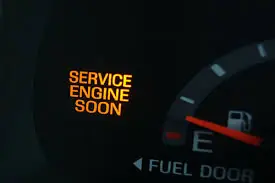 These lights serve as the vehicle’s primary method of communicating faults to the driver, often providing early warning of issues that could escalate if not addressed promptly. Common warning indicators in LGVs include the engine management light, brake system light, and oil pressure warning light. Ignoring these alerts can lead to catastrophic failures. For example, neglecting an illuminated oil warning light may result in engine seizure, necessitating costly repairs or even full engine replacement.
Unfortunately, some drivers may assume these lights are false alarms or believe they can delay action until the next scheduled service. This mindset not only jeopardises the vehicle’s mechanical health but may also invalidate warranty agreements if the manufacturer can prove the issue was neglected. It can further result in roadside breakdowns, missed delivery deadlines, and increased insurance premiums.
To prevent this, all drivers should be trained to recognise dashboard lights and understand the severity associated with each. A simple laminated dashboard warning light guide placed within the cab can be a practical tool for reference during a journey.
Table: Common LGV Warning Lights and Their Implications
| Warning Light | Meaning | Recommended Action |
| Engine Management | Engine fault or emission issue | Diagnostic check ASAP |
| Brake System | Low fluid or fault in braking | Stop immediately, inspect |
| Oil Pressure | Low oil or pump failure | Turn off engine, check oil |
| Battery | Charging issue | Inspect alternator/battery |
| ABS | ABS malfunction | Reduced braking performance |
DIY Light Goods Vehicle Maintenance That Might Invalidate Your Insurance or Warranty
Another critical mistake is the use of DIY (do-it-yourself) fixes on LGVs, particularly when these repairs are not conducted by certified professionals. While it may seem cost-effective to carry out minor repairs or diagnostics using online tutorials or generic parts, this approach carries significant risks.
Firstly, most LGV manufacturers require repairs and servicing to be conducted by trained professionals using approved parts. Any deviation from this, such as using non-OEM (original equipment manufacturer) components or skipping documented servicing, can void warranty coverage. In turn, this means the operator would bear the full cost of any future failures that might otherwise have been covered.
Secondly, insurers may refuse to pay out if a claim arises from or is exacerbated by unauthorised repairs. For example, if a self-installed brake component fails and causes an accident, an investigation may reveal that the work was not carried out by a certified mechanic, rendering the policy null and void.
Some LGV owners may attempt to disable warning lights using software or diagnostic tools rather than fixing the underlying issue. This not only breaches compliance but can also result in fines or prohibition notices if detected during a DVSA roadside inspection.
To avoid these problems:
- Only use authorised mechanics and workshops for all repairs
- Maintain detailed documentation of all services and part replacements
- Never attempt to override or disable vehicle safety systems
Ultimately, while DIY maintenance might appear cheaper in the short term, the long-term financial and legal risks far outweigh any initial savings.
When to Call a Professional Light Goods Vehicle Maintenance Provider
There is a clear distinction between basic LGV maintenance that drivers can undertake—such as checking tyre pressure or topping up fluids—and more complex diagnostics or repairs that require the expertise of a qualified professional. Recognising when a problem is beyond your ability is crucial for both safety and compliance.
Recognising Issues Beyond Basic Light Goods Vehicle Maintenance
While daily checks and minor tasks are essential parts of LGV operation, certain symptoms indicate the need for immediate professional attention. For instance, persistent noises from the engine bay, unusual vibrations, or a significant drop in fuel efficiency should not be ignored. These may signal underlying mechanical problems such as injector failure, turbocharger issues, or gearbox faults.
Similarly, any issues related to braking performance—such as longer stopping distances, grinding sounds, or brake pedal irregularities—must be investigated by a trained mechanic. Suspension irregularities, including uneven tyre wear or pulling to one side while driving, may suggest worn-out components or alignment issues that need professional equipment to assess and fix.
Table: When to Contact a Professional Light Goods Vehicle Maintenance Provider
| Symptom | Possible Issue | Action Required |
| Engine noise or knocking | Timing or combustion fault | Full diagnostic test |
| Vibration through steering wheel | Tyre imbalance or suspension wear | Mechanic inspection |
| Brake fade or spongy pedal | Brake fluid or pad issue | Immediate brake service |
| Drop in power | Turbocharger or fuel system | ECU and fuel diagnostics |
| Warning lights | Various systems | Diagnostic scanner required |
Attempting to fix these problems without proper tools or knowledge can worsen the damage and even pose safety hazards. Using uncalibrated tools or non-genuine parts may further impair vehicle integrity.
Choosing a Qualified Light Goods Vehicle Maintenance Provider in the UK
Selecting the right LGV service provider is just as important as recognising when to call one. Look for mechanics or garages that specialise in commercial vehicle maintenance and are accredited by industry bodies such as the Institute of the Motor Industry (IMI) or the Retail Motor Industry Federation (RMIF).
A good LGV service provider should:
- Offer clear pricing and itemised quotes
- Use manufacturer-approved diagnostic tools
- Provide service and repair documentation
- Be familiar with the type of LGVs you operate (e.g., box trucks, articulated lorries, refrigerated vehicles)
- Be able to provide fleet-level services if managing multiple vehicles
Additionally, mobile mechanics certified for commercial vehicles are becoming more common in the UK and offer the advantage of on-site repairs, reducing vehicle downtime.
Checking online reviews, asking for references from other fleet operators, and verifying credentials through DVSA or industry portals can help ensure you’re choosing a reliable partner.
Summary of Light Goods Vehicle Maintenance Essentials and Proactive Culture
Effective LGV maintenance is the cornerstone of safe, reliable, and compliant fleet operations in the UK. From understanding the intricacies of MOT and roadworthiness checks to using digital tools for record-keeping, the responsibilities of fleet managers and drivers are wide-ranging but manageable with the right approach. Seasonal maintenance, whether preparing for icy roads or managing summer overheating risks, plays a vital role in reducing breakdowns and ensuring consistent vehicle performance.
Crucially, avoiding common mistakes—such as ignoring warning lights or attempting unauthorised repairs—can save considerable expense and legal hassle. Recognising the limits of basic maintenance and knowing when to engage qualified mechanics ensures vehicles are maintained to the highest standards. Choosing a reputable LGV service provider offers peace of mind, regulatory compliance, and mechanical reliability.
To summarise the essential elements of LGV maintenance:
- Conduct regular inspections and pre-MOT checks
- Maintain thorough, accessible maintenance records
- Use digital fleet tools for efficiency and compliance
- Adapt maintenance to seasonal conditions
- Train drivers to identify warning signs and faults
- Avoid DIY fixes that compromise warranties or safety
- Partner with certified, experienced LGV mechanics
Fostering a proactive maintenance culture within your organisation leads to fewer breakdowns, greater operational efficiency, and enhanced driver safety. Encourage open communication between drivers and fleet managers, reward compliance with maintenance protocols, and invest in continuous training. A well-maintained LGV is not just a regulatory requirement—it’s a competitive advantage in the demanding world of logistics and commercial transport.
LGV Maintenance
- What are the legal requirements for LGV (van) maintenance in the UK?
The Driver and Vehicle Standards Agency (DVSA) is responsible for ensuring that all LGVs on UK roads are roadworthy and safe. To meet the legal requirements, you must have regular inspections, maintenance, and repairs conducted by a qualified technician. The DVSA recommends that you have a yearly MOT test and a regular service schedule based on the manufacturer’s recommendations.
- How can I keep track of LGV (van) maintenance and repairs?
You can keep track of LGV maintenance and repairs by maintaining a service logbook or using a digital maintenance tracking system. This can help you keep track of important maintenance tasks and ensure that you are meeting legal requirements.
- What should I do if I'm unsure about LGV (van) maintenance requirements?
If you are unsure about LGV maintenance, it’s always best to seek advice from a qualified technician. They can provide guidance on maintenance schedules and answer any questions you may have about your LGV.
- How often should I get my LGV (van) serviced?
The frequency of LGV servicing varies depending on the make, model, and mileage of your vehicle. As a general rule, the manufacturer’s recommended service schedule is a good starting point. You should also have your LGV serviced before any long trips or if you notice any unusual noises or performance issues.
- Can I do LGV (van) maintenance myself?
While some LGV maintenance tasks can be done by an owner or operator, it’s best to have a qualified technician handle most repairs and maintenance. This ensures that your LGV is repaired to the correct standard and meets legal requirements.
- How can I prevent LGV (van) maintenance issues?
Regular maintenance and inspections are the best way to prevent LGV maintenance issues. You should also perform daily checks on your LGV before use to identify any potential problems before they become more serious.
- How much does LGV (van) maintenance cost?
The cost of LGV maintenance varies depending on the make, model, and age of your vehicle. Regular maintenance and inspections can help keep costs down by identifying problems before they become more serious.
- Can LGV (van) maintenance improve fuel efficiency?
Yes, regular maintenance can improve fuel efficiency by ensuring that your LGV is running at peak performance. Regular oil changes, tyre pressure checks, and air filter replacements can all contribute to improved fuel efficiency.
- What should I do if my LGV (van) breaks down?
If your LGV breaks down, you should pull over to a safe location as soon as possible and turn on your hazard lights. If you are on a motorway, you should try to reach the hard shoulder if possible. You should then contact a breakdown service or a qualified technician to assist you.
- Can I drive my LGV (van) if it fails an MOT test?
No, if your LGV fails an MOT test, it is illegal to drive it on UK roads until the necessary repairs have been made.
- How can I find a qualified LGV (van) technician?
You can find qualified LGV technicians by searching for approved garages on the DVSA website. You should also check reviews and ask for recommendations from other LGV owners or operators.
- How can I keep track of LGV (van) maintenance and repairs?
You can keep track of LGV maintenance and repairs by maintaining a service logbook or using a digital maintenance tracking system. This can help you keep track of important maintenance tasks and ensure that you are meeting legal requirements.
- What should I do if I'm unsure about LGV (van) maintenance requirements?
If you are unsure about LGV maintenance, it’s always best to seek advice from a qualified technician. They can provide guidance on maintenance schedules and answer any questions you may have about your LGV.

Alan is the Founder and MD at the Fresh Group of companies. You are welcome to use any information you find interesting. Please give us a link back to our webpage or post. It really helps SME’s rank in the UK.