
Preventing and Dealing with Rejected Loads in Logistics in the UK
Logistics and transportation are crucial components of any supply chain, and they play a vital role in the UK’s economy. However, one of the most significant challenges that logistics companies face is preventing rejected loads also known as ‘bounced loads’ Bounced loads are a considerable problem for logistics companies, as they can lead to increased costs, delays, and damage to the company’s reputation. In this article, we will discuss some of the ways logistics companies in the UK can prevent rejected loads.
First a quick plug – Our sister companies Fresh Pharma whom are GDP Compliant Pharma couriers and ‘Fresh Fridge Hire‘ are our (compliant GDP) refrigerated vehicle hire.
Understanding the Reasons for Rejected Loads
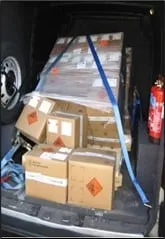
Before we delve into the ways to prevent loads from being rejected, it’s essential to understand why loads get rejected. Some of the common reasons for load rejection include incorrect labelling, incorrect weight, incorrect temperature, damaged packaging, and incorrect documentation. By understanding the reasons for loads rejection, logistics companies can take steps to prevent them from happening.
Implementing Quality Control Procedures
One of the most effective ways to prevent load being rejection is to implement quality control procedures. Quality control procedures ensure that all loads meet the required standards and specifications. Logistics companies can implement quality control procedures such as checking for correct labelling, weight, temperature, and packaging before the load leaves the warehouse. By doing so, they can identify any issues and address them before the load leaves, preventing it from being rejected.
Investing in Training and Education
Another way to prevent load rejection is to invest in training and education. Logistics companies can train their employees on the correct procedures and best practices for loading and unloading goods. By doing so, they can reduce the risk of errors that can lead to rejected loads. Additionally, providing ongoing education and training to employees can help them stay relevant with the latest regulations and requirements, ensuring that they can comply with them.
Utilising Technology
Logistics companies can also prevent rejected loads by using technology. For instance, they can use sensors to monitor the temperature and humidity of the product during transportation. They can also use GPS tracking and temperature monitoring devices to track the location and temp. of the product, ensuring that it is delivered to the correct destination. Additionally, they can use RFID tags to track the inventory and ensure that the correct items are loaded onto the truck.
Maintaining Communication to Prevent Rejected Loads in UK Logistics
Maintaining clear communication with all parties involved in the logistics process is vital to preventing rejected loads in the UK. Logistics providers must keep open lines with customers, suppliers, and carriers to address any issues before they escalate. For example, if a chilled meat delivery in Manchester is running late due to traffic, notifying the supermarket allows adjustments in receiving schedules and prevents rejection.
Regular updates, real-time tracking, and transparent reporting build trust and enable proactive problem-solving. Communication channels can include phone, email, instant messaging, or telematics dashboards integrated into refrigerated vans. Sharing temperature data in real time allows clients to verify that goods remain within required parameters, such as 0°C–4°C for dairy products or -18°C for frozen seafood.
Key Communication Practices
| Practice | Purpose | Example |
|---|---|---|
| Real-Time Alerts | Address issues promptly | IoT sensors notifying temperature deviations |
| Customer Updates | Reduce risk of rejection | Informing supermarkets of late arrivals |
| Supplier Coordination | Ensure compliant loading | Confirm temperature settings before dispatch |
| Carrier Communication | Resolve transit delays | Alternative route suggestions for traffic disruptions |
Developing a Contingency Plan for Rejected Loads in UK Logistics
Even with robust planning, rejected loads can still occur. Developing a contingency plan mitigates the financial and operational impact. The plan should outline steps to follow when a load is rejected, including contacting the customer, re-routing, or reworking the shipment.
For example, if a chilled fruit delivery fails inspection due to minor packaging damage but remains compliant, the logistics provider might find a nearby buyer or reroute to a local retailer. If the load is spoiled due to temperature excursion, safe disposal is necessary in accordance with UK waste regulations, possibly with a tax-deductible donation to a food bank.
Essential Elements of a Contingency Plan
| Element | Purpose | Example |
|---|---|---|
| Customer Notification | Immediate awareness | Phone call or email alert |
| Re-routing Options | Minimise delays | Deliver to alternate compliant site |
| Re-working Shipments | Salvage partial load | Repack produce or separate salvageable items |
| Disposal Procedures | Regulatory compliance | Approved waste sites or food bank donations |
By combining strong communication with a detailed contingency plan, UK logistics companies reduce rejected load risks, maintain customer satisfaction, and protect product quality across the cold chain.
Dealing with Rejected loads
Fresh Logistics has worked in the supply chain for many years. The fact is that dealing with Rejected loads is one of the things that all the stakeholders in the whole supply chain hate most.
After transporting across the country, it’s painful for all involved to arrive at the customer’s destination only to find that the receiver won’t accept a portion or the entirety of the vehicle’s load. This is costly to all involved, no one gets away with zero cost, except the driver. When dealing with the rejected load defaults back to the seller and not the carrier, it can be difficult to get some sellers to accept this and sour the customer relationship. Furthermore, communicating the rejection can be difficult when out of hours to ascertain what to do with the rejected product, leaving the vehicle idling away their precious time.
Dealing with rejected loads isn’t easy for the original seller to manage, either. At best, they’re faced with accepting a lower price for their product than what was originally agreed to. However, the more common scenario is that the seller gets nothing for a rejected load–except, possibly, a tax write-off.
The Logistics company has a allocated vehicle full of rejected product awaiting decisions, which is damaging as much to the logistics company
Goods in transit insurance are sketchy at best. The haulier does not own the goods and insurers use the reason that the goods owners should claim on their insurance.
Rejected Loads in UK Temperature-Controlled Logistics
In UK temperature-controlled logistics, rejected loads most commonly involve perishable food. These occur when goods fail to meet regulatory, safety, or customer standards. Transporting perishable items is complex, requiring strict temperature control, compliant packaging, and accurate documentation. Using professional transporters, such as Fresh Logistics, reduces the likelihood of rejected loads and ensures compliance with industry regulations.
Rejected loads can result from a temperature outage, physical spoilage, incorrect documentation, or non-compliance with agreed specifications. For instance, chilled poultry arriving at a supermarket above 4°C would be rejected to prevent bacterial growth and protect consumer safety. Similarly, soft fruit exceeding the temperature range or showing visible damage may be refused. Upon arrival, the ‘goods in’ dock evaluates the products, packaging, and storage chamber condition. If any criteria are not met, the load is formally declared unacceptable.
Handling Rejected Loads
| Scenario | Recommended Action | Example |
|---|---|---|
| Visual Rejection (Still Compliant) | Attempt resale locally | Nearby manufacturer may buy surplus vegetables |
| Non-Compliant Temperature or Spoilage | Disposal required | Chilled fish exposed above 2°C for hours |
| Donation Option | Food bank donation if acceptable | Bakery surplus items |
| Regulatory Documentation | Record incident for traceability | Temperature logs, FSA compliance |
In many cases, rejected loads cannot be resold and may end up at a local tip or be donated with a tax credit. If the load was rejected due to temperature excursions, the only option is safe disposal. Preventing rejected loads is therefore critical. Implementing proper temperature monitoring, robust packaging, real-time alerts, and professional transporters ensures goods arrive safely, reduces financial losses, and minimises waste.
Prevention, rather than reaction, protects both product quality and operational efficiency, while safeguarding compliance and brand reputation in the UK cold chain industry.
Conclusion: Preventing and Handling Rejected Loads in UK Temperature-Controlled Transport
Preventing and handling rejected loads in UK logistics requires careful planning, preparation, and collaboration across the transportation process. Rejected loads occur when goods fail to meet quality, temperature, or regulatory standards, leading to financial loss, customer dissatisfaction, and operational delays. Minimising these risks involves proactive measures at every stage of the cold chain, from warehouse handling to last-mile delivery.
Proper load handling starts with correct packaging, palletisation, and segregation to prevent damage or contamination. Temperature-sensitive cargo should be monitored using calibrated sensors and real-time tracking to ensure conditions remain within specified ranges. For example, chilled pharmaceuticals delivered from a Manchester depot to hospitals must remain between 2°C and 8°C; deviations could result in rejection by the recipient.
Effective communication with clients, drivers, and warehouse teams ensures any deviations or delays are quickly addressed. Documentation of temperature logs, handling procedures, and transport conditions provides traceability and regulatory compliance, protecting businesses from liability.
Key Measures to Prevent Rejected Loads
| Measure | Purpose | Example |
|---|---|---|
| Proper Handling | Reduce physical damage | Correct stacking and securing of pallets |
| Temperature Monitoring | Maintain compliance and safety | IoT sensors on chilled vans |
| Communication | Resolve issues promptly | Alerts to driver and recipient for delays |
| Documentation | Ensure traceability and accountability | Digital logs for FSA or GDP inspections |
| Contingency Planning | Minimise financial and operational impact | Backup refrigeration units or alternative routes |
By implementing these strategies, UK businesses can transport goods safely, reduce risk of rejection, and protect both product quality and operational efficiency. Careful planning and continuous monitoring are critical to maintaining customer trust, regulatory compliance, and profitability.
Handling rejected loads proactively strengthens brand reputation and ensures resilience within the temperature-controlled logistics sector.
Rejected loads are shipments that are rejected by the receiver due to various reasons, such as incorrect labelling, incorrect weight, incorrect temperature, damaged packaging, and incorrect documentation. Rejected loads can lead to increased costs, delays, and damage to the company’s reputation, not to talk about disposal of the load. Logistics companies can prevent rejected loads by implementing quality control procedures, investing in training and education, utilising technology, maintaining communication, and developing a contingency plan. A contingency plan is a plan that outlines the steps to be taken in case of unexpected events, such as rejected loads. It helps logistics companies minimise the impact of rejected loads and ensure that the shipment is still delivered as efficiently as possible. Maintaining open lines of communication with all parties involved in the logistics process can help logistics companies address any issues promptly, preventing them from escalating into rejected loads. It ensures that everyone is on the same page, and any potential issues can be addressed proactively.Rejected Load

Alan is the Founder and MD at the Fresh Group of companies. You are welcome to use any information you find interesting. Please give us a link back to our webpage or post. It really helps SME’s rank in the UK.