
From Past to Future: HACCP in Cold Chain Quality Management”
Transporting chilled and frozen foods is a complex process that demands HACCP in the Cold Chain which is a stringent quality control to ensure food safety. 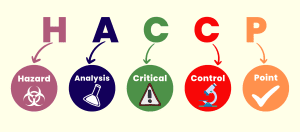 The Hazard Analysis and Critical Control Point (HACCP) system has become the industry standard for preventing contamination, spoilage, and health hazards in temperature-sensitive food transport. This comprehensive approach is essential for maintaining the integrity of the cold chain and safeguarding public health.
In this blog, we will delve into the history, importance, and future of HACCP in quality management for transporting chilled and frozen foods.
First a quick plug – Our sister companies Fresh Pharma who are GDP Compliant Pharma couriers and ‘Fresh Fridge Hire‘ are our (compliant GDP) refrigerated vehicle hire.
The Origins of HACCP in the Cold Chain
The HACCP system was developed in the 1960s through a collaboration between the National Aeronautics and Space Administration (NASA) and the Pillsbury Company. The primary objective was to produce food that was safe for astronauts during space missions, where the consequences of foodborne illnesses could be catastrophic. This initiative marked a significant shift from traditional end-product testing to a preventative approach in food safety management.
Key Milestones in HACCP Development
| Year | Event |
| 1960s | NASA and Pillsbury develop HACCP for space missions |
| 1971 | HACCP principles are publicly introduced at the National Conference on Food Protection |
| 1983 | World Health Organization (WHO) Europe endorses the use of HACCP |
| 1993 | Codex Alimentarius Commission adopts HACCP guidelines |
| 2006 | European Union (EU) regulations mandate HACCP implementation for food businesses |
In the spring of 1971, HACCP was presented to the food industry for the first time at the National Conference on Food Protection. This public introduction marked the beginning of HACCP’s adoption beyond space missions, influencing food safety practices globally. By 1983, the World Health Organization (WHO) Europe had recommended the use of HACCP, further solidifying its importance in public health initiatives. The Codex Alimentarius Commission’s adoption of HACCP guidelines in 1993 provided an international standard, promoting uniformity in food safety management across borders. In 2006, the European Union mandated HACCP implementation for all food businesses, embedding it into the legislative framework and ensuring its widespread application.
HACCP in the Cold Chain and Its Role in Food Quality Management
HACCP is a preventative approach that focuses on identifying and controlling potential hazards before they pose a risk to food safety. Unlike traditional inspection methods that rely on end-product testing, HACCP emphasizes monitoring critical points throughout the food production and distribution process. This proactive methodology ensures that hazards are addressed promptly, reducing the likelihood of contamination and spoilage.
Benefits of HACCP in the Cold Chain for Quality Management
- Reduction of Foodborne Illnesses: By systematically identifying and controlling hazards, HACCP significantly decreases the incidence of foodborne diseases, protecting public health.
- Compliance with Legal Standards: HACCP aligns with national and international food safety regulations, aiding businesses in meeting legal requirements and avoiding potential penalties.
- Enhanced Traceability and Accountability: The system requires detailed documentation, facilitating traceability of products and accountability at each stage of the supply chain.
- Prevention of Costly Recalls and Food Wastage: By ensuring food safety, HACCP helps prevent incidents that could lead to product recalls, thereby reducing financial losses and food waste.
Implementing HACCP in food quality management fosters a culture of safety and continuous improvement. It encourages businesses to regularly assess their processes, identify potential risks, and implement corrective actions proactively. This dynamic approach not only enhances food safety but also improves overall operational efficiency.
HACCP in the Cold Chain Transport
The transportation of perishable goods, particularly chilled and frozen foods, presents unique challenges that necessitate meticulous temperature control and hygiene practices. Even minor deviations in temperature can lead to the proliferation of harmful bacteria, rendering food unsafe for consumption.
Challenges in Cold Chain Logistics
- Temperature Fluctuations: Variations in temperature during transit can compromise the safety and quality of perishable goods. For instance, if frozen foods are exposed to temperatures above -18°C, they may begin to thaw, leading to bacterial growth.
- Cross-Contamination: Improper packaging or handling can result in the transfer of contaminants between products. For example, transporting raw meats alongside ready-to-eat foods without adequate separation can lead to cross-contamination.
- Delays in Transit: Unexpected delays can extend the time products spend in transit, increasing the risk of spoilage, especially if temperature control measures are inadequate.
A well-implemented HACCP plan addresses these challenges by ensuring that food products remain within safe temperature ranges throughout the transportation process. This involves the use of refrigerated vehicles equipped with real-time temperature monitoring systems, rigorous sanitation protocols, and contingency plans to manage unforeseen delays.
Key Principles of HACCP in the Cold Chain
HACCP is structured around seven core principles, each integral to maintaining food safety in cold chain logistics.
Principle 1: Conduct a Hazard Analysis
Identify potential hazards associated with food transportation, such as microbial contamination due to temperature abuse or physical hazards from improper handling.
Principle 2: Identify Critical Control Points (CCPs)
Determine points in the transportation process where control is essential to prevent or eliminate hazards. In cold chain logistics, CCPs often include temperature monitoring during loading, transit, and unloading.
Principle 3: Establish Critical Limits
Define acceptable limits for each CCP to ensure food safety. For chilled foods, this might mean maintaining temperatures between 0°C and 5°C, while frozen foods should remain at or below -18°C.
Principle 4: Implement Monitoring Procedures
Develop procedures to consistently monitor CCPs. This could involve using calibrated thermometers to record temperatures at regular intervals and employing automated systems that provide continuous temperature tracking.
Principle 5: Establish Corrective Actions
Outline steps to be taken when monitoring indicates a deviation from established critical limits. For example, if a temperature breach occurs, corrective actions might include assessing the affected products for safety, adjusting the refrigeration
Regulatory Requirements and Global Standards
The transportation of chilled and frozen foods is strictly regulated to ensure food safety, prevent contamination, and maintain the integrity of perishable goods. Various regulatory bodies and international standards mandate the application of Hazard Analysis and Critical Control Points (HACCP) principles throughout the cold supply chain.
Key Regulatory Bodies and HACCP Standards
| Regulatory Body | Key HACCP Standards |
| European Union (EU) Regulations | HACCP is a legal requirement for all food businesses, including those involved in transport and storage. Regulations such as Regulation (EC) No 852/2004 on food hygiene mandate HACCP-based food safety management. |
| Food Standards Agency (FSA) (UK) | The FSA enforces Regulation (EC) No 852/2004 and provides additional guidance on HACCP implementation in the UK, including compliance checks for food transporters. |
| Codex Alimentarius | Developed by the FAO and WHO, Codex provides international guidelines for HACCP, serving as the foundation for national regulations worldwide. It outlines seven key principles for hazard control in food safety. |
| ISO 22000 | A globally recognised food safety management system standard integrating HACCP principles into broader management frameworks, covering the entire food supply chain. |
Failure to comply with HACCP regulations can result in severe consequences, including legal penalties, food recalls, and damage to business reputation. In extreme cases, non-compliance can lead to foodborne illness outbreaks, product liability claims, and loss of consumer trust.
Common Hazards in HACCP in the Cold Chain
Chilled and frozen food transport presents multiple hazards that can compromise food safety if not properly managed. These hazards can be biological, chemical, physical, or allergenic in nature.
Hazard Categories and Examples
| Hazard Type | Examples | Potential Consequences |
| Biological | Bacterial growth due to improper temperature control (e.g., Salmonella, Listeria, E. coli). | Foodborne illnesses, recalls, and legal repercussions. |
| Chemical | Cleaning agent residues contaminating food due to improper storage of cleaning materials. | Toxicity risks, allergic reactions, and non-compliance with food safety regulations. |
| Physical | Broken packaging exposing food to external contaminants. | Foreign object contamination, product recalls, and consumer safety hazards. |
| Allergenic | Cross-contact between allergenic and non-allergenic foods during transport. | Severe allergic reactions, legal liability, and loss of consumer confidence. |
Proper training, adherence to HACCP principles, and regular monitoring help mitigate these risks and ensure the safe transport of perishable goods.
Implementing HACCP in the Cold Supply Chain
Effective HACCP implementation in the cold supply chain requires a structured approach to identifying and controlling hazards. The following key steps help ensure compliance:
- Use Temperature-Controlled Vehicles
- Refrigerated lorries and insulated containers maintain required temperature ranges.
- Regular servicing of refrigeration units prevents mechanical failures.
- Train Staff on Proper Handling Procedures
- Employees must understand HACCP principles and their role in maintaining food safety.
- Training should cover loading and unloading practices, hygiene, and emergency procedures.
- Monitor Critical Control Points (CCPs) Rigorously
- CCPs such as temperature control and handling protocols must be continuously checked.
- Digital monitoring systems should be used to track temperature fluctuations.
- Establish Emergency Protocols for Temperature Deviations
- Clear procedures should be in place for handling refrigeration failures.
- Backup storage solutions and alternative transport routes must be considered.
Temperature Monitoring and Control Technologies
Modern technology plays a crucial role in maintaining HACCP compliance and ensuring food safety in chilled and frozen food logistics. Several innovative solutions are available to improve monitoring and control.
Technological Innovations for HACCP in the Cold Chain
| Technology | Function | Benefits |
| IoT Sensors | Monitors real-time temperature conditions inside transport vehicles and storage units. | Prevents temperature excursions, enhances HACCP compliance, and provides automated alerts. |
| GPS Tracking | Tracks shipment location and estimated arrival times. | Improves logistics efficiency and allows for quick intervention if route delays occur. |
| Automated Alerts | Send notifications if temperature thresholds are breached. | Enables quick corrective actions, reducing risk of food spoilage. |
By leveraging these technologies, businesses can ensure the integrity of the cold chain and reduce the risk of food safety failures.
Digital Transformation for HACCP in the Cold Chain Logistics
The adoption of digital technologies in food logistics has significantly enhanced HACCP compliance by improving traceability, monitoring, and record-keeping. Several key digital tools have emerged as essential components of modern food safety management.
Digital Tools and Their Benefits
| Digital Tool | Benefit |
| Blockchain | Provides immutable records of food transportation, enhancing traceability and accountability. |
| AI-Based Monitoring | Predicts temperature fluctuations and identifies potential hazards before they occur. |
| Cloud-Based Documentation | Centralises HACCP record-keeping, making compliance audits more efficient and transparent. |
Digital transformation has made it easier to enforce HACCP protocols, reducing manual errors and increasing overall food safety in chilled and frozen food transport. By integrating these advanced technologies, businesses can not only comply with regulations but also enhance efficiency and customer trust in their supply chain processes.
The Impact of Poor HACCP in the Cold Chain
Hazard Analysis and Critical Control Points (HACCP) is an essential framework for ensuring not only food safety but also food security throughout the supply chain. However, failure to implement HACCP correctly can lead to severe consequences, including foodborne illness outbreaks, financial losses, and reputational damage.
Real-World Consequences of Poor HACCP in the Cold Chain
A notable UK case involved a major supermarket chain that suffered a large-scale food recall due to inadequate temperature control in frozen storage. The issue arose when refrigeration units failed to maintain the required temperature, leading to bacterial growth in perishable goods. As a result:
- Consumer safety was compromised, leading to potential health risks.
- The retailer faced substantial financial losses, amounting to millions due to product recalls and legal claims.
- Brand reputation suffered, reducing consumer trust and impacting future sales.
Another instance involved a catering company that failed to monitor cross-contamination between raw and cooked products. This led to a Salmonella outbreak affecting hundreds of consumers, resulting in:
- Negative media attention
- Closure of the business due to regulatory non-compliance
- Legal action and hefty fines
Common Failures in HACCP in the Cold Chain Implementation
| HACCP Failure | Consequences |
| Improper temperature control | Growth of pathogens like Listeria and Salmonella |
| Inadequate cleaning procedures | Contamination of food with allergens or bacteria |
| Lack of staff training | Increased human errors in handling and storage |
| Poor record-keeping | Difficulty in tracing contamination sources |
| Failure to separate raw and cooked foods | Cross-contamination and foodborne illness outbreaks |
Preventative Measures
To mitigate these risks, businesses should:
- Conduct regular internal audits to ensure compliance
- Invest in staff training to improve awareness of food safety practices
- Implement automated monitoring systems for temperature control
- Maintain comprehensive documentation to track safety protocols
By addressing these factors, companies can ensure food safety, reduce financial risks, and protect their brand reputation.
The Role of Third-Party Audits and Certification within HACCP in the Cold Chain
To ensure compliance with HACCP principles, independent third-party audits play a crucial role in assessing food transport businesses. These audits validate adherence to food safety standards and provide credibility to businesses.
Importance of Third-Party Audits
- Objective assessment: Independent auditors provide an unbiased evaluation of HACCP compliance.
- Regulatory compliance: Helps businesses meet legal food safety standards set by the UK Food Standards Agency (FSA) and European food safety regulations.
- Customer assurance: Certification demonstrates commitment to high food safety standards, increasing consumer trust.
- Risk reduction: Identifies potential hazards before they escalate into critical failures.
Key Certification Schemes
Several certification schemes validate HACCP compliance:
| Certification | Description | Benefits |
| BRC Global Standard for Food Safety | UK-based certification covering food safety management and supplier compliance | Enhanced reputation, retailer acceptance |
| ISO 22000 | International standard integrating HACCP principles with food safety management systems | Global recognition, improved efficiency |
| GFSI (Global Food Safety Initiative) Audits | Framework ensuring food safety management consistency across the supply chain | Increased consumer confidence, supply chain resilience |
Audit Process
- Pre-Audit Preparation: Review current HACCP plans, train staff, and ensure documentation is up to date.
- On-Site Inspection: Auditors evaluate storage, transport, temperature control, and hygiene practices.
- Reporting and Corrective Actions: Businesses receive a detailed report and must address non-conformities.
- Certification and Ongoing Monitoring: Upon passing the audit, businesses receive certification but must undergo periodic reviews.
Maintaining certification helps businesses improve food safety, meet regulatory requirements, and gain a competitive edge in the marketplace.
Sustainability and HACCP in Cold Chain Logistics
Sustainability is becoming a key focus in cold chain logistics. While ensuring food safety through HACCP compliance, businesses must also address environmental concerns to reduce their carbon footprint and minimise food waste.
The Intersection of Sustainability and HACCP
Sustainable food transport must balance:
- Food safety: Ensuring proper temperature control to prevent spoilage.
- Environmental impact: Reducing energy consumption and waste.
- Cost-effectiveness: Implementing efficient systems without excessive expenditure.
Sustainable Practices in HACCP in the Cold Chain
Energy-Efficient Refrigeration Units
Adoption of solar-powered refrigeration reduces reliance on fossil fuels.
Use of low-GWP (Global Warming Potential) refrigerants minimises environmental impact.
Implementation of smart monitoring systems optimises temperature regulation and reduces energy waste.
Eco-Friendly Packaging
Use of biodegradable and recyclable materials lowers plastic waste.
Adoption of vacuum-sealed packaging extends shelf life, reducing spoilage.
Integration of intelligent labelling (e.g., temperature-sensitive indicators) ensures products remain safe for consumption.
Reducing Food Waste through Better Inventory Control
First-in, first-out (FIFO) systems ensure older products are used before newer ones.
Real-time tracking technology prevents overstocking and identifies at-risk products before spoilage.
Donations of surplus food to food banks reduce waste while benefiting the community.
Case Study: UK Retailer’s Sustainable HACCP Approach
A leading UK supermarket chain implemented a green cold chain logistics strategy, incorporating:
- Hybrid refrigerated delivery vehicles, cutting CO2 emissions by 30%.
- AI-driven inventory management, reducing perishable product waste by 20%.
- Biodegradable secondary packaging, lowering plastic use by 40%.
By integrating sustainable practices into HACCP-compliant logistics, businesses can uphold food safety while contributing to environmental responsibility and cost savings.
Ensuring effective HACCP implementation, third-party audits, and sustainability in cold chain logistics is essential for food safety, regulatory compliance, and environmental conservation. Through proactive strategies, businesses can safeguard public health, protect their reputation, and contribute to a more sustainable food supply chain.
Challenges in HACCP Implementation for Small Businesses
bakery successfully obtained a local government grant aimed at supporting small food businesses in improving safety standards. This funding helped cover the costs of staff training and initial HACCP setup.
- Utilised Online Training Courses: Employees attended an affordable online HACCP training programme provided by a recognised UK food safety organisation. This equipped them with essential knowledge without the need for costly external consultants.
- Adopted a Digital Monitoring System: Instead of manual record-keeping, the bakery integrated a cost-effective digital temperature logging system. This allowed real-time monitoring of chilled storage units and ensured compliance with food safety regulations.
As a result, the bakery not only met HACCP compliance standards but also reduced food waste by 20% due to improved temperature control, demonstrating that small businesses can successfully implement HACCP with the right support and technology.
Future Trends in HACCP for Chilled and Frozen Transport
The Hazard Analysis and Critical Control Points (HACCP) system has long been a cornerstone of food safety in the transportation of chilled and frozen goods. However, evolving technological advancements, regulatory changes, and global supply chain demands are reshaping the industry. The following trends will play a significant role in the future of HACCP for chilled and frozen transport, ensuring greater safety, efficiency, and compliance.
Automated Temperature Monitoring
One of the most significant developments in HACCP for chilled and frozen transport is the implementation of automated temperature monitoring systems. Traditional temperature logging methods often rely on manual checks or basic data recorders, which may lead to delays in identifying and addressing temperature deviations. Automated systems provide real-time, continuous temperature monitoring, ensuring that any variations from the required range are immediately detected and addressed.
Key Features of Automated Temperature Monitoring:
- Real-time data transmission: Sensors continuously collect and transmit temperature data to cloud-based systems.
- Alerts and notifications: Automated alerts via SMS or email notify transport managers of any temperature deviations.
- Integration with GPS tracking: Allows companies to monitor both location and environmental conditions simultaneously.
- Data logging and analytics: Provides comprehensive reports for audits and compliance verification.
- Blockchain for data integrity: Ensures that temperature records are tamper-proof and verifiable.
Benefits to HACCP in the Cold Chain with Automated Temperature Monitoring
| Feature | Benefit |
| Continuous monitoring | Reduces the risk of undetected temperature fluctuations |
| Instant alerts | Enables quick corrective action to prevent spoilage |
| Enhanced compliance | Meets strict regulatory requirements for food safety |
| Cost efficiency | Reduces losses from spoiled goods and improves operational efficiency |
| Customer confidence | Demonstrates commitment to quality and safety |
With automated temperature monitoring, companies can mitigate risks associated with temperature fluctuations and maintain product integrity throughout the supply chain.
AI-Powered Risk Assessment
Artificial intelligence (AI) is revolutionising risk assessment in chilled and frozen transport. Traditional HACCP risk assessments rely on predefined criteria and periodic evaluations, but AI enables dynamic and predictive risk assessments that adapt to real-time data.
How AI Enhances HACCP in the Cold Chain:
- Predictive analytics: AI analyses historical data and environmental factors to anticipate potential risks before they occur.
- Machine learning algorithms: Improve risk assessment accuracy by continuously learning from past incidents and patterns.
- Automated decision-making: AI can trigger preventive actions when high-risk conditions are detected.
- Customised risk models: AI tailors risk models based on specific food products, transport routes, and climate conditions.
Examples of AI Applications for HACCP in the Cold Chain Risk Assessment
| AI Function | Application |
| Predictive maintenance | Anticipates refrigeration unit failures before they occur |
| Environmental impact analysis | Assesses risk based on external factors such as weather and road conditions |
| Anomaly detection | Identifies irregular patterns in temperature or humidity data |
| Real-time route optimisation | Suggests alternative routes to avoid delays and reduce exposure to unfavourable conditions |
By implementing AI-powered risk assessment, businesses can reduce the likelihood of foodborne illness outbreaks, minimise financial losses, and enhance regulatory compliance.
Stricter Global Compliance Regulations
The regulatory landscape for chilled and frozen transport is evolving, with stricter global compliance requirements being introduced to enhance food safety. Authorities such as the Food Standards Agency (FSA) in the UK and the European Food Safety Authority (EFSA) are tightening their regulations to address emerging risks in the supply chain.
Key Areas of Regulatory Changes:
- More stringent temperature control requirements: Regulations now demand stricter adherence to temperature thresholds for specific food categories.
- Enhanced traceability standards: New laws require more detailed tracking of food products from source to destination.
- Greater accountability for food transporters: Companies must demonstrate proactive risk management strategies.
- Increased documentation and reporting: Compliance now involves comprehensive digital records to ensure transparency.
- Sanctions for non-compliance: Heavier fines and stricter penalties for businesses that fail to meet HACCP standards.
Impact of Stricter Regulations on Businesses
| Regulatory Change | Business Impact |
| Stricter temperature control | Requires investment in advanced monitoring technology |
| Enhanced traceability | Necessitates the use of blockchain and IoT solutions |
| Increased accountability | Encourages proactive food safety management practices |
| Higher documentation demands | Pushes companies to digitise records for better compliance |
| Heavier penalties | Compels businesses to prioritise food safety measures |
With these stricter regulations, businesses must invest in advanced monitoring systems, improved training for staff, and better record-keeping practices to remain compliant and avoid costly penalties.
Conclusion and Best Practices for the Future
HACCP in the Cold Chain remains an indispensable framework for ensuring food safety in chilled and frozen transport. As regulatory expectations increase and consumer demand for high-quality, safe food grows, businesses must stay proactive in their HACCP implementation to maintain compliance and build customer trust.
Best Practices for HACCP Compliance
To enhance food safety management and efficiency, businesses should adopt the following best practices:
Implement Real-Time Temperature Monitoring
Utilising automated temperature monitoring systems helps prevent spoilage and ensures that products remain within safe temperature ranges throughout transport. Advanced monitoring solutions can provide real-time alerts and generate compliance reports.
Train Staff on Food Safety Handling
Regular training ensures that employees understand critical control points and best practices for handling perishable goods. UK food safety bodies such as the Chartered Institute of Environmental Health (CIEH) offer industry-recognised courses.
Maintain Detailed Documentation and Audits
Accurate record-keeping is essential for proving compliance and identifying potential risks. Businesses should conduct periodic audits to ensure their HACCP plans remain up to date and effective.
Invest in Sustainable and Digital Solutions
The integration of digital tools, such as AI-driven risk assessment and blockchain for traceability, can improve efficiency and reduce human error. Additionally, businesses should consider adopting eco-friendly practices to align with the growing emphasis on sustainability in the food industry.
Final Thoughts for HACCP in the Cold Chain
With increasing consumer awareness and stringent regulatory requirements, implementing HACCP in cold chain logistics is more critical than ever. Businesses that prioritise food safety not only safeguard public health but also gain a competitive edge in the market. By embracing technological advancements, ensuring continuous staff training, and maintaining stringent compliance measures, companies can enhance their operational efficiency while reinforcing consumer confidence in their products.
As the food industry evolves, staying ahead of future trends in HACCP will be essential for long-term success. By proactively adopting best practices and leveraging innovative solutions, businesses can build a resilient and compliant food supply chain that meets both regulatory expectations and consumer demands.
HACCP
- What is HACCP in refrigeration?
HACCP in refrigeration is a food safety system that ensures refrigerated storage and transport keep food at safe temperatures to prevent contamination and spoilage.
- What are the 4 components of the cold chain?
The four components are refrigerated production, cold storage, refrigerated transport, and temperature-controlled distribution.
- What is HACCP in the supply chain?
HACCP in the supply chain is a process that identifies, monitors, and controls food safety hazards during production, storage, transport, and delivery.
- What is the cold chain in food safety?
The cold chain is a temperature-controlled system used to keep food products chilled or frozen from production to final delivery.
- What are the 7 rules of HACCP?
The seven principles include hazard analysis, identifying critical control points, setting critical limits, monitoring procedures, corrective actions, verification, and record keeping.
- Is HACCP a legal requirement in the UK?
Yes, food businesses in the United Kingdom are legally required to follow food safety management procedures based on HACCP principles.
- What are the three main types of HACCP?
The three main types focus on biological hazards, chemical hazards, and physical hazards in food handling and processing.
- What is the temperature of a HACCP refrigerator?
A HACCP refrigerator should normally keep food at 0°C to 5°C to ensure safe storage of chilled products.
- What are common HACCP hazards?
Common hazards include bacteria, viruses, chemicals, allergens, and physical contaminants such as glass or metal fragments.
- What are the 12 steps in HACCP?
The 12 steps include forming the HACCP team, describing the product, identifying its intended use, creating a process flow diagram, verifying the flow diagram, conducting hazard analysis, identifying critical control points, setting limits, monitoring procedures, corrective actions, verification procedures, and record keeping.

Alan is the Founder and MD at the Fresh Group of companies. You are welcome to use any information you find interesting. Please give us a link back to our webpage or post. It really helps SME’s rank in the UK.