
Top Technologies for Temperature Monitoring in Transport: A Complete UK Guide
Temperature Monitoring in Transport is essential for protecting temperature-sensitive goods across the UK supply chain.
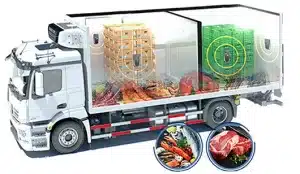
Pharmaceuticals, vaccines, fresh produce, dairy, seafood, and specialist chemicals all depend on strict thermal control. Even a short exposure outside the recommended range can damage product integrity. This can result in waste, regulatory breaches, and reputational harm. In the UK, strict frameworks such as GDP guidelines require documented proof of temperature compliance. Businesses must demonstrate that products remain within validated ranges throughout transit.
This includes road haulage, air freight, rail, and sea transport. Modern Temperature Monitoring in Transport solutions provide visibility from dispatch to delivery. They offer alerts, audit trails, and performance analytics. These systems reduce manual checks and human error. They also support insurance claims and quality assurance audits. For example, chilled food typically requires storage between 0°C and 5°C. Frozen goods often require temperatures below -18°C.
Many vaccines must remain between 2°C and 8°C. A single deviation may render stock unusable. Advanced monitoring tools allow transport managers to respond immediately to mechanical failures. They also enable route optimisation and risk mitigation. Selecting the correct technology depends on load value, journey length, and compliance requirements. UK businesses increasingly adopt integrated digital systems for improved oversight. The following sections explore leading technologies supporting Temperature Monitoring in Transport across the UK.
First a quick plug – Our sister companies Fresh Pharma whom are GDP Compliant Pharma couriers and ‘Fresh Fridge Hire‘ are our (compliant GDP) refrigerated vehicle hire.
Types of Temperature Monitoring in Transport: Technologies Explained
RFID Systems in Temperature Monitoring in Transport
Radio Frequency Identification plays a growing role in Temperature Monitoring in Transport. RFID tags attach directly to pallets, cartons, or containers. These tags transmit temperature and identification data using radio waves. A reader installed inside the vehicle collects the data automatically. This allows continuous monitoring without manual scanning. RFID systems are ideal for high-value pharmaceuticals and biologics. They reduce handling time and improve traceability. In the UK healthcare sector, RFID supports compliance with GDP standards. The system can integrate with warehouse management software. Alerts trigger when temperature thresholds are exceeded. The table below summarises key advantages and considerations.
| Feature | Benefit | Example Use in UK |
| Real-time data | Immediate alerts | Vaccine transport between NHS facilities |
| Contactless scanning | Faster processing | Distribution centres in Birmingham |
| Unique ID tracking | Improved traceability | High-value biologics |
| Integration capability | Central monitoring | National logistics networks |
RFID does require infrastructure investment. However, long-term efficiency gains often justify the cost.
Data Loggers in Temperature Monitoring in Transport
Data loggers remain the most cost-effective Temperature Monitoring in Transport solution. These compact devices record temperature at set intervals. They operate using internal batteries and onboard memory. After delivery, data downloads via USB or wireless connection. This provides a full temperature history for audit purposes. Data loggers are widely used in UK food distribution. They are also common in independent pharmacy deliveries. Their simplicity makes them attractive for smaller operators. The table below outlines core characteristics.
| Feature | Benefit | Typical Application |
| Low cost | Budget-friendly | Artisan food producers |
| Portable design | Flexible placement | Parcel shipments |
| Historical records | Audit support | MHRA inspections |
| Simple operation | Minimal training | Regional couriers |
However, they do not provide live alerts unless network-enabled. This limits rapid intervention during transit.
Wireless Sensors in Temperature Monitoring in Transport
Wireless sensors offer real-time Temperature Monitoring in Transport with remote access. These battery-powered devices measure both temperature and humidity. Data transmits to a central platform using mobile networks. Fleet managers can monitor conditions from any location. Alerts notify teams immediately if thresholds are exceeded. This allows corrective action before goods are compromised. UK supermarket chains commonly use wireless monitoring. Pharmaceutical distributors also favour this solution for nationwide deliveries. The comparison below highlights system capabilities.
| Feature | Advantage | UK Use Case |
| Real-time alerts | Immediate response | National grocery fleets |
| Humidity monitoring | Broader protection | Fresh produce shipments |
| Cloud dashboards | Remote oversight | Multi-site logistics firms |
| Data analytics | Trend analysis | Long-term compliance reporting |
Wireless systems require network coverage. Signal loss may occur in remote rural routes.
Infrared Thermography in Temperature Monitoring in Transport
Infrared thermography enhances Temperature Monitoring in Transport through surface scanning. Thermal cameras detect heat patterns across cargo areas. They identify hot or cold spots rapidly. This method works well during loading inspections. It provides instant visual confirmation of cooling performance. UK cold storage operators often use this for compliance checks. It does not replace internal probes but complements them. The technology is especially useful for frozen goods. Below is a feature overview.
| Feature | Benefit | Example |
| Rapid scanning | Quick diagnostics | Pre-departure checks |
| Visual heat maps | Easy interpretation | Distribution depots |
| Non-contact method | Hygienic assessment | Food handling environments |
| Fault detection | Prevents breakdown losses | Refrigeration maintenance |
Thermography measures surface temperature only. Internal readings still require probe-based systems.
GPS Tracking
GPS technology strengthens Temperature Monitoring in Transport by combining location and thermal data. Integrated devices track vehicle movement and cargo temperature simultaneously. This improves route visibility and security. Long-distance UK deliveries benefit greatly from this system. Managers can reroute vehicles during traffic delays. They can also investigate temperature breaches alongside journey data. The table below outlines its advantages.
| Feature | Benefit | Application |
| Live location tracking | Route optimisation | Cross-country deliveries |
| Combined temperature data | Full oversight | Pharmaceutical distribution |
| Geofencing alerts | Security control | Port transfers |
| Journey history | Compliance evidence | Retail supply chains |
GPS-enabled systems offer comprehensive oversight. They support insurance claims and contractual transparency.
Choosing the Right Solution
Temperature Monitoring in Transport is fundamental to product safety and regulatory compliance within the UK. Each technology offers distinct strengths. RFID provides automation and traceability. Data loggers offer affordability and simplicity. Wireless sensors deliver real-time oversight. Infrared thermography enhances inspection processes. GPS integration adds logistical intelligence. Businesses must assess journey duration, cargo value, and compliance requirements. Pharmaceutical transport demands stricter validation than ambient goods. Food logistics require hygiene-focused solutions. Budget constraints also influence system selection. Many UK organisations now combine multiple technologies. This layered approach improves reliability and audit readiness. Investing in advanced Temperature Monitoring in Transport reduces waste and financial loss. It strengthens brand reputation and customer confidence. It also ensures alignment with UK regulatory standards. By adopting suitable monitoring solutions, organisations futureproof their supply chains. They demonstrate commitment to quality, safety, and operational excellence.
Temperature Monitoring
- How do temperature monitoring technologies work?
Temperature monitoring technologies work by measuring and tracking temperature and humidity levels during transport using various devices such as sensors, data loggers, and RFID tags.
- What are the benefits of temperature monitoring for transport?
Temperature monitoring helps ensure that temperature-sensitive goods are transported safely and securely, reducing the risk of spoilage, contamination, and financial losses.
- Are there any regulatory requirements for temperature monitoring during transport?
Yes, there are various regulatory requirements for temperature monitoring, especially in industries such as pharmaceuticals and food and beverage, to ensure that goods are transported within the desired temperature range.
What should companies consider when choosing a temperature monitoring solution?
Companies should consider factors such as the nature of the goods being transported, the distance and duration of transport, and regulatory requirements when choosing a temperature monitoring solution.
What are some common temperature monitoring technologies used in transport?
Common temperature monitoring technologies include sensors, data loggers, RFID tags, infrared thermography, and GPS tracking.
- What should companies consider when choosing a temperature monitoring solution?
Companies should consider factors such as the nature of the goods being transported, the distance and duration of transport, and regulatory requirements when choosing a temperature monitoring solution.
- What are some common temperature monitoring technologies used in transport?
Common temperature monitoring technologies include sensors, data loggers, RFID tags, infrared thermography, and GPS tracking.

Alan is the Founder and MD at the Fresh Group of companies. You are welcome to use any information you find interesting. Please give us a link back to our webpage or post. It really helps SME’s rank in the UK.