

Revolutionised the Logistics Industry - Free Apps & Software
How Phone Apps & Free Software Have Revolutionised the Logistics Industry in the UK
The logistics industry in the UK has seen a significant transformation in recent years due to the adoption of new technologies such as phone apps, SaaS, Google, open source, and other free software. These advancements have helped logistics companies to streamline their operations, enhance their visibility, and optimise their supply chains for better performance. In this blog, we will explore the ways in which these technologies have revolutionised the logistics industry in the UK and predict what the future holds for the industry.
First a quick plug – Our sister companies Fresh Pharma whom are GDP Compliant Pharma couriers and ‘Fresh Fridge Hire‘ are our (compliant GDP) refrigerated vehicle hire.
 Phone Apps have Revolutionised the Logistics Industry
Phone apps have revolutionised the logistics industry in the UK. By enabling real-time tracking of shipments, automated communication with customers, and efficient fleet management. With the help of GPS-enabled phones, drivers can easily navigate through unfamiliar routes, optimise their routes for better efficiency, and receive real-time traffic updates. Customers can also track their shipments in real-time, receive delivery notifications, and communicate with logistics companies through phone apps.
Benefits of Phone Apps in Logistics
Real-time tracking of shipments
Automated communication with customers
Efficient fleet management
Improved visibility of supply chain
Examples of Phone Apps that Revolutionised the Logistics Industry
DHL Express: DHL Express Mobile app provides real-time shipment tracking, courier pickup scheduling, and a suite of other features to enhance the customer experience.
UPS Mobile: UPS Mobile app enables customers to track shipments, create shipments, find UPS locations, and estimate shipping costs.
SaaS have Revolutionised the Logistics Industry
SaaS (Software as a Service) has become a game-changer for the logistics industry in the UK by enabling companies to access advanced logistics software without investing in expensive infrastructure. Solutions offer a range of features, including warehouse management, transportation management, order management, and real-time tracking. These solutions are scalable, customizable, and provide enhanced visibility across the entire supply chain.
Benefits of SaaS in Logistics
Cost-effective solution
Scalable and customizable
Enhanced visibility across the supply chain
Easy access to advanced logistics software
Examples of SaaS in Logistics
ShipBob:
ShipBob is a cloud-based logistics and shipping software that offers inventory management, order fulfilment, and real-time tracking.
ShipStation:
ShipStation is a web-based shipping software that allows e-commerce retailers to import orders from multiple channels, automate order processing, and create shipping labels.
Google Maps and Sheets have Revolutionised the Logistics Industry
Google has played a significant role in the transformation of the logistics industry in the UK. By providing a range of services, including Google Maps, Google Analytics, and Google Cloud Platform. These services have helped logistics companies to optimise their routes, track their performance, and manage their data effectively.
Benefits of Google in Logistics
Accurate and up-to-date mapping data
Analytics for tracking and optimising performance
Cloud-based data management and storage
Integration with other Google services
Examples of Google in Logistics
UPS: UPS uses Google Maps to optimise their delivery routes, reducing fuel consumption and improving efficiency.
DHL: DHL uses Google Cloud Platform to manage their data, enabling them to analyse trends, track their performance, and make informed decisions.
Open Source and Other Free Software have further Revolutionised the Logistics Industry
Open source and other free software have also contributed significantly to the transformation of the logistics industry in the UK. By providing a range of tools for data management, communication, and collaboration. These software solutions are cost-effective, customizable, and accessible to all logistics companies, regardless of their size or budget.
Benefits of Open Source and Other Free Software in Logistics
Cost Savings through Automation
With the introduction of automated systems, logistics companies in the UK are now able to save on operational costs. Traditional methods of inventory management and tracking were labour-intensive and prone to errors. However with automation, companies are able to streamline their operations and reduce the need for manual labour. This has resulted in cost savings and increased efficiency across the industry.
Better Customer Service
The use of phone apps and other software has allowed logistics companies in the UK to provide better customer service. Customers are now able to track their shipments in real-time and receive notifications about any delays or changes in delivery times. This has improved customer satisfaction and loyalty, which is essential for the success of any business.
Future Predictions
The logistics industry in the UK is expected to continue to evolve rapidly in the coming years. With the advancement of technology, logistics companies will be able to further automate their operations, which will result in even greater cost savings and efficiency. Additionally, the use of drones and autonomous vehicles for delivery is also expected to become more common. The integration of artificial intelligence and machine learning will also play a key role in the future of the logistics industry in the UK.
Hardware utilisation
In addition, the use of apps and software on the driver’s own phone has led to significant cost savings. In the past, companies would provide their drivers with mobile data terminals (MDTs) to use for communication and tracking. However, these devices could become quickly outdated or damaged, requiring expensive replacements or repairs. By contrast, using apps and software on the driver’s own phone eliminates the need for companies to purchase and maintain costly hardware. This not only saves money, but also provides drivers with the flexibility to use devices that they are already familiar with and comfortable using.
Moreover, as mobile technology continues to advance, there is no doubt that we will see even more changes. For example, augmented reality (AR) and virtual reality (VR) technologies could help warehouse workers and delivery drivers navigate complex environments more easily, while drones and autonomous vehicles could revolutionise the way goods are transported. The possibilities are truly endless, and it will be exciting to see how the industry evolves in the years to come.
Overall, it is clear that the use of phone apps, SaaS, Google and other free software has revolutionised the logistics industry in the UK. By streamlining processes have helped companies become more efficient and competitive in a rapidly changing marketplace. As we look to the future, it is likely that these technologies will continue to play a key role in shaping the industry and driving innovation.

Conclusion: The Impact of Software on UK Logistics
Software has transformed the logistics industry in the UK, reshaping how companies manage operations, track shipments, and communicate with customers. Modern logistics software enables businesses to optimise routes, monitor inventory in real time, and automate repetitive tasks, leading to significant efficiency gains. For example, route optimisation tools help delivery drivers reduce fuel usage and meet delivery windows, while warehouse management systems improve inventory accuracy and reduce handling errors.
The benefits extend beyond efficiency. Software solutions improve customer service by providing real-time tracking, automated notifications, and seamless communication between shippers, carriers, and recipients. This transparency increases trust and satisfaction, which is crucial in a competitive logistics market. Advanced analytics and reporting tools also allow businesses to make data-driven decisions, from forecasting demand to managing workforce allocation effectively.
Looking ahead,
The logistics industry in the UK is set to become even more technology-driven. Automation in warehouses, drones for last-mile delivery, and autonomous vehicles will enhance speed, reliability, and cost efficiency. Meanwhile, AI and machine learning will play an increasingly important role in predictive maintenance, demand forecasting, and supply chain optimisation, helping companies respond proactively to disruptions.
For logistics businesses, staying ahead requires more than adopting new tools—it demands continuous adaptation. Companies must evaluate emerging technologies, train staff in their use, and integrate software solutions seamlessly into existing operations. By doing so, they can maintain a competitive edge, improve operational efficiency, and deliver superior customer experiences in an industry that is evolving faster than ever.
Phone Apps
- Can phone apps completely replace traditional logistics methods?
While phone apps and other software have greatly improved the logistics industry in the UK, they cannot completely replace traditional logistics methods. There will always be a need for human input and oversight in the logistics process.
- Are there any security concerns with using phone apps and other software in the logistics industry?
There are always security concerns when using any type of software, but measures can be taken to ensure that data is secure. Logistics companies should work with reputable software providers and implement proper security protocols to protect sensitive information.
- Will the use of drones and autonomous vehicles for delivery become widespread in the UK?
While the use of drones and autonomous vehicles for delivery is expected to become more common in the future, there are still regulatory and logistical hurdles that need to be overcome before they become widespread in the UK.
- Will the integration of AI and machine learning result in job loss in the logistics industry?
Will the integration of AI and machine learning result in job loss in the logistics industry?
The integration of AI and machine learning is expected to improve the efficiency of logistics operations, but it is unlikely to result in widespread job loss. Instead, it is expected to create new job opportunities in areas such as data analysis and software development.
- How can logistics companies in the UK stay ahead of the curve with regards to technology?
Logistics companies should stay up to date with the latest technological advancements in the industry and invest in software and infrastructure that will improve their operations. Additionally, they should work with reputable software providers and attend industry events to stay informed about the latest trends and developments.


Commercial Vehicle Telematics - is it worth it?
Should I Invest in Commercial Vehicle Telematics?
If you are in the logistics business in the UK, you may have heard of commercial vehicle telematics. It is a technology that allows you to track your vehicles’ location, fuel consumption, driver behaviour, and much more. It has been gaining popularity in recent years, and you may be wondering if it is worth investing in for your business. In this blog, we will explore what commercial vehicle telematics is, its benefits, its cost, and whether it is worth investing in for your business.
First a quick plug – Our sister companies Fresh Pharma whom are GDP Compliant Pharma couriers and ‘Fresh Fridge Hire‘ are our (compliant GDP) refrigerated vehicle hire.
 What is commercial vehicle Telematics?
The system allows you to monitor your fleet of vehicles using a combination of GPS tracking, onboard diagnostics, and other sensors. This technology collects data on various aspects of the vehicle’s performance, including location, speed, fuel consumption, driver behaviour, Engine performance and vehicle maintenance. The data is transmitted to a central server, where it is processed and made available to fleet managers and other authorised personnel in real-time.
Benefits of commercial vehicle Telematics
There are several benefits of investing in the technology, including:
1. Improved fleet management
The managers can monitor your the fleet in real-time, giving them insights into the vehicles’ location, driver behaviour, fuel consumption, and maintenance needs. This information can help the business optimise the fleet’s performance, reduce fuel consumption, and identify potential maintenance issues before they become costly problems.
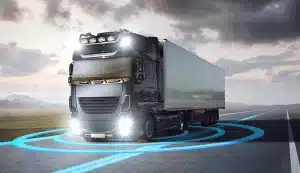 2. Enhanced driver safety
Improves driver safety by monitoring driver behaviour, such as harsh braking, speeding, and sudden lane changes. By identifying and correcting unsafe driving habits, you can reduce the risk of accidents and improve driver safety.
3. Increased operational efficiency
Identifies inefficiencies in your fleet’s operations and take corrective actions. For example, by analysing the data on fuel consumption, you can identify vehicles that are not performing optimally and take corrective actions, such as replacing the vehicle or conducting maintenance. One of the major ROI paybacks is reducing if not eliminating unneeded idle time.
4. Better customer service
You can provide better customer service by providing real-time updates on the location of the vehicle and estimated delivery times. This can help you improve communication with your customers and provide them with a better experience.
Cost of commercial vehicle Telematics
The cost varies depending on the type of system you choose and the size of your fleet. Generally, there are two types of systems available: hardware-based and software-based. Hardware-based systems require the installation of a physical device on the vehicle, which can be costly, while software-based systems can be installed on a smartphone or tablet, which is a more cost-effective option. The cost of Apps are so cheap in 2023 and this solution for an SME is a gift.
In addition to the initial installation costs, there are ongoing costs associated with telematics, such as data plan fees and maintenance costs. The overall cost of the system should be weighed against the potential benefits before making a decision to invest.
Factors to Consider Before Investing in commercial vehicle Telematics
There are several factors you should consider, including:
1. Size of your fleet
It used to be a case that it may not be cost-effective for small fleets. The consultants advice was – If you have a small fleet, it may be more affordable to monitor your vehicles manually. in the modern day it is no longer true
2. Type of Goods
If you transport high-value or perishable goods, you can add a layer of security by tracking your vehicles’ location and ensuring they arrive at their destination on time.
3. Your business goals
Investing in the project should align with your business goals in the businesses Logistics strategy. If you aim to reduce fuel consumption, improve driver safety, or enhance customer service, it is an excellent investment for your business.
4. Legal requirements
The UK government has proposed that all new lorries should be equipped with telematics devices, which could become a legal requirement in the near future. If you want to stay ahead of the curve and avoid potential penalties, investing now may be a wise decision, rather when there’s a price hike by the suppliers due to the introduction of compulsory legislation
How to Choose the Right commercial vehicle Telematics System
Choosing the right system can be challenging, given the number of options available. Here are some key factors to consider when selecting a system:
1. Features
Consider what features you need in a system. Some systems offer basic features such as GPS tracking and fuel consumption monitoring, while others provide more advanced features such as driver behaviour analysis and real-time notifications. Be mindful of ‘Paralysis by Analysis’
2. Compatibility
Ensure that the system you choose is compatible with your existing vehicles and any other systems you use, such as dispatch software.
3. Ease of use
Choose a system that is easy to use, intuitive, (ideally windows based) and does not require extensive training for your team.
4. Cost
Consider the upfront and ongoing costs associated with the system, and weigh them against the potential benefits.
How to Implement commercial vehicle Telematics in Your Business
| Steps | Description |
|---|---|
| 1. Set goals | Define the objectives you want to achieve, such as reducing fuel consumption or improving driver safety. |
| 2. Choose a system | Select a system that aligns with your goals and fits within your budget constraints. |
| 3. Install the system | Install the chosen system on your vehicles and ensure it is properly configured for effective operation. |
| 4. Train your team | Provide training to your team members on how to use the system efficiently and effectively. |
| 5. Monitor and analyse the data | Regularly monitor and analyse the data collected by the system to identify areas that require improvement or optimization. |
| 6. Create a corrective action project plan | Based on the data analysis, create a plan to address identified issues and continuously improve the project’s performance. Periodic reviews and adjustments are essential for ongoing success. |
Common Misconceptions About commercial vehicle Telematics
There are several misconceptions. Here are some of the most common ones:
| Misconception | Explanation |
|---|---|
| 1. Commercial vehicle telematics is expensive | While it used to be costly, the benefits often outweigh the initial costs. In 2023, upfront expenses can be spread over the lifespan of the product. |
| 2. Using commercial vehicle telematics is complicated | Modern systems are designed to be user-friendly and do not require extensive technical knowledge for operation. |
| 3. Telematics is only useful for large fleets | Telematics can be beneficial for fleets of any size, as long as it aligns with your business goals and needs. Size is not a limiting factor for its usefulness. |
Examples of Successful Implementation of commercial vehicle Telematics in the UK
Several UK businesses have successfully implemented the in cab system to improve their operations. Here are some examples:
1. DHL
DHL implemented the system to reduce fuel consumption and improve driver safety. The system provided real-time data on fuel consumption, vehicle speed, and driver behaviour, which helped the company reduce fuel costs and improve driver performance.
2. John Lewis
John Lewis implementing was to enhance customer service by providing real-time updates on delivery times. The system also helped the company optimise delivery routes and reduce fuel consumption.
3. Tesco
Tesco implemented so as to improve driver safety and reduce fuel consumption. The system provided real-time data on driver behaviour, such as harsh braking and accelerating, which helped the company improve driver performance and reduce fuel costs.
Conclusion: The Value of Commercial Vehicle Telematics
Investing in commercial vehicle telematics can transform fleet operations, delivering measurable benefits in efficiency, cost management, and customer satisfaction. These systems provide real-time data on vehicle location, driver behaviour, fuel usage, and maintenance needs, enabling businesses to make informed decisions and optimise their fleet performance. By monitoring key metrics, companies can reduce fuel consumption, minimise downtime, and improve delivery reliability, all of which enhance operational efficiency and profitability.
Before implementing a telematics system, businesses should carefully consider several factors. Fleet size, types of cargo, operational requirements, and legal obligations all influence the choice of system. It is essential to select a solution that aligns with strategic goals, fits the available budget, and offers user-friendly interfaces for drivers and managers. For example, a logistics company transporting temperature-sensitive goods may require telematics with integrated temperature monitoring, while a courier service might prioritise route optimisation features.
Successful implementation involves more than installation.
Setting clear objectives, training drivers and staff, and monitoring the data regularly are critical steps. Establishing benchmarks and using data-driven insights ensures that the system delivers tangible results. Telematics can also enhance compliance with safety and regulatory standards by tracking driving hours, speeds, and maintenance schedules.
In summary, commercial vehicle telematics is valuable for fleets of any size, from small local operations to large national distributors. When carefully planned and implemented, it supports operational efficiency, cost reduction, regulatory compliance, and improved customer experiences. Businesses that embrace telematics can position themselves for long-term success in an increasingly competitive and technology-driven transport landscape.
Commercial Vehicle Telematics
- How does commercial vehicle telematics work?
Commercial vehicle telematics uses GPS technology and sensors to collect data on vehicle location, speed, fuel consumption, and driver behaviour.
- How can commercial vehicle telematics reduce costs?
Commercial vehicle telematics can reduce costs by optimising delivery routes, reducing fuel consumption, and improving driver performance.
- Is commercial vehicle telematics only useful for large fleets?
Commercial vehicle telematics can be beneficial for fleets of any size, provided that it aligns with your business goals.
- What features should I look for in a commercial vehicle telematics system?
Consider features such as GPS tracking, fuel consumption monitoring, driver behaviour analysis, and real-time notifications when choosing a commercial vehicle telematics system.
- Is commercial vehicle telematics a legal requirement in the UK?
Commercial vehicle telematics is not currently a legal requirement in the UK, but the government has proposed that all new lorries should be equipped with telematics devices in the near future
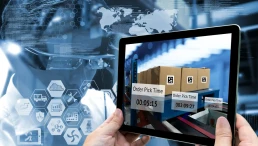
Future-Proof Supply Chains with technology
How Leveraging Standards Through Technology Can Future-Proof Supply Chains
Supply chains are the backbone of many businesses, and disruptions to the logistics network can cause significant financial losses. In recent years, supply chains have faced numerous challenges, including natural disasters and severe weather, geopolitical tensions, and pandemics. To future-proof supply chains, businesses need to leverage standards through technology. In this blog, we will discuss how technology can help businesses to achieve standardised and future-proof supply chains.
First a quick plug – Our sister companies Fresh Pharma whom are GDP Compliant Pharma couriers and ‘Fresh Fridge Hire‘ are our (compliant GDP) refrigerated vehicle hire.
 The Importance of Standards in Supply Chains to Future-Proof Supply Chains
Why Standards are Important
SOPs (Standard Operating Procedure’s) play a critical role in ensuring that supply chains run smoothly. Standards provide a common language for suppliers, manufacturers, and retailers, ensuring that everyone is on the same page. Standards also help to ensure that products are of consistent quality and meet regulatory requirements.
Different Types of Standards
There are various types of standards in supply chains, including product standards, process standards, and management standards. Product standards define the characteristics of a product, while process standards define the steps involved in producing the product. Management standards, such as ISO 9001, define the requirements for a quality management system.
Standards and Technology to Future-Proof Supply Chains
Technology Solutions for Standardisation
Emerging Technologies are Boosting Business Growth and achieve standardised supply chains by providing solutions for data sharing, traceability, and quality control. For example, blockchain technology can be used to create a transparent and traceable supply chain, while the internet of things (IoT) can be used to monitor product quality in real-time.
Benefits of Technology and Standards
By leveraging technology and standards, businesses can achieve numerous benefits, including improved efficiency, reduced costs, and enhanced customer satisfaction. For example, by implementing a transparent and traceable supply chain, businesses can reduce the risk of counterfeiting and ensure that products are ethically sourced.
Future-Proofing Supply Chains with Standards and Technology
The Importance of Future-Proofing Supply Chains
In today’s rapidly evolving business landscape, the importance of future-proofing supply chains cannot be overstated. As global markets become more interconnected and consumer expectations continue to rise, businesses must adopt strategies that allow them to remain agile and resilient. The use of digital twins in supply chain management reduce risks immensely. Future-proofing supply chains is about preparing for unforeseen disruptions, leveraging technological advancements, and staying ahead of customer demand. This proactive approach ensures sustained competitiveness and operational efficiency.
Resilience to Disruptions
One of the primary benefits of future-proofing supply chains is enhanced resilience. In recent years, supply chains have faced numerous disruptions, from natural disasters and geopolitical tensions to pandemics like COVID-19. Such events can cause significant delays, increased costs, and loss of customer trust. By implementing robust risk management strategies, businesses can mitigate the impact of these disruptions. This includes diversifying suppliers, maintaining strategic stock reserves, and investing in advanced analytics for predictive modelling. A resilient supply chain can quickly adapt to disruptions, ensuring continuity of operations and minimizing financial losses.
Leveraging Technological Advancements
Future-proofing supply chains involves the integration of cutting-edge technologies that drive efficiency and innovation. Technologies such as the Internet of Things (IoT), artificial intelligence (AI), blockchain, and automation are revolutionizing supply chain management. IoT devices enable real-time tracking of goods, providing visibility into every stage of the supply chain. Supply chain management and AI with machine learning algorithms can optimise inventory management, forecast demand more accurately, and enhance decision-making processes. Blockchain technology ensures transparency and security in transactions, reducing the risk of fraud and errors. Automation, through the use of robotics and autonomous vehicles, streamlines operations and reduces reliance on manual labour. By embracing these technologies, businesses can enhance their operational capabilities and respond swiftly to market changes.
Here’s an extended version of your blog with additional detail and depth for the section “Adapting to Changing Customer Demands” and seamless continuation into the following sections:
Adapting to Changing Customer Demands
Consumer behaviour is continually evolving, driven by factors such as technological advancements, socio-economic shifts, and changing preferences. Businesses that fail to adapt to these changes risk losing their competitive edge. Future-proofing supply chains involves understanding and anticipating customer needs and being able to fulfill them efficiently. This requires a customer-centric approach, leveraging data analytics to gain insights into buying patterns and preferences. Businesses can then tailor their supply chain strategies to ensure timely delivery of products, customization options, and superior customer service.
Agile supply chains that can adapt to varying demand levels and offer personalized experiences are more likely to retain customer loyalty and drive long-term growth. This agility not only involves rapid response to market fluctuations but also proactive planning using predictive analytics and demand forecasting tools. By integrating real-time data from multiple sources, including social media trends, e-commerce activity, and consumer feedback, businesses can identify emerging customer expectations more quickly.
Furthermore,
Companies must also focus on omnichannel fulfilment strategies, ensuring that customers receive a seamless experience whether they are shopping online, in-store, or through hybrid models such as click-and-collect. The rise of customization and personalization has further amplified the need for flexible manufacturing and distribution processes, which can cater to niche demands without sacrificing efficiency.
In addition,
Collaboration across the supply chain is essential. Businesses should foster strong partnerships with suppliers, logistics providers, and technology platforms to build responsive, resilient networks. By creating transparent and interconnected ecosystems, companies can quickly reroute shipments, source alternative materials, and adjust production schedules to meet sudden shifts in customer preferences.
Ultimately, businesses that invest in adaptability, digital capabilities, and customer-centric supply chain models will be best positioned to thrive in a marketplace where consumer demands are more dynamic and fast-changing than ever before.
Enhancing Sustainability to Future-Proof Supply Chains
Sustainability is becoming a critical factor in supply chain management. Consumers and regulators are increasingly demanding environmentally responsible practices. Future-proofing supply chains means incorporating sustainability into every aspect of operations. This includes reducing carbon footprints, minimizing waste, and sourcing materials ethically.
Sustainable practices not only meet regulatory requirements but also enhance brand reputation and appeal to eco-conscious consumers. More customers are actively choosing brands that demonstrate genuine commitment to environmental and social responsibility. To meet these expectations, businesses are adopting circular economy principles, focusing on recycling, reusing, and designing products with end-of-life considerations in mind.
Implementing green logistics will Future-Proof Supply Chains
Such as optimising transportation routes, consolidating shipments, using electric or low-emission vehicles, and transitioning to renewable energy sources in warehouses and production facilities, contributes to both cost savings and operational efficiency. Additionally, digital supply chain tools can assist in monitoring environmental performance, enabling businesses to track their sustainability metrics in real-time and make data-driven improvements.
By integrating sustainability goals with supply chain strategies, companies can also unlock new opportunities for innovation, such as developing eco-friendly packaging, partnering with green suppliers, or introducing sustainable product lines. Businesses that prioritize sustainability are better positioned to meet future regulatory changes and societal expectations while building stronger, trust-based relationships with their customers.
Future-Proof Supply Chains
Supply chains are essential to the success of many businesses. Disruptions can cause significant financial losses and long-term reputational damage. By leveraging global standards and advanced technologies. Businesses can create standardized, interconnected networks that are more resilient and transparent. Solutions such as blockchain and the Internet of Things (IoT) play a pivotal role in enhancing supply chain visibility. Enabling real-time tracking, improving traceability, and ensuring stringent quality control.
Future-proofing supply chains is not simply about reacting to challenges. It’s about building proactive, flexible systems that can evolve alongside shifting market dynamics, technological innovations, and sustainability imperatives. Businesses that embrace agility, invest in customer-focused solutions, and commit to sustainable practices. They will be best equipped to remain competitive and responsive to future changes in the global marketplace.
Standardised supply chains can lead to improved efficiency, reduced costs, and enhanced customer satisfaction. Technology solutions such as blockchain and the IoT can help achieve transparency, traceability, and quality control in supply chains. Management standards define the requirements for a quality management system, such as ISO 9001. Future-proofing supply chains is essential to remain competitive and adapt to future changes in the marketplace. Standards provide businesses with best practices and ensure that they meet regulatory and ethical requirements, which are essential for future-proofing supply chains. Some challenges businesses face when future-proofing their supply chains include the need for significant investments in technology, changes in regulatory requirements, and changes in customer demand. C Yes, technology solutions for supply chains can be customised for different industries to meet their specific needs and requirementsLeveraging Standards

Ransomware Attacks - The Impact and Cost of Attack
The Increase in Ransomware on Logistics Businesses in the UK and the True Cost
Increase in Ransomware attacks in the modern day is rife. Ransomware is a type of malware that restricts access to a computer system until a sum of money is paid. Over the past few years, the Increase in Ransomware have increased dramatically, affecting businesses of all sizes and industries. One sector that has been particularly targeted by these attacks is the logistics industry in the UK. This blog will explore the recent increase in ransomware attacks on logistics businesses in the UK, the true cost of these attacks, and what companies can do to protect themselves.
First a quick plug – Our sister companies Fresh Pharma whom are GDP Compliant Pharma couriers and ‘Fresh Fridge Hire‘ are our (compliant GDP) refrigerated vehicle hire.
What is Ransomware?
Ransomware is a form of malicious software designed to block access to computer systems or data until a payment is made. It typically works by encrypting files on a victim’s device or network. Encryption renders documents, databases, and applications unusable without a unique decryption key. Attackers then demand a ransom in exchange for restoring access.

In recent years, ransomware attacks have grown significantly more advanced. Cybercriminal groups now conduct targeted campaigns rather than random mass infections. They research organisations in advance to identify vulnerabilities and valuable data. Healthcare providers, local authorities, logistics firms, and educational institutions have all been targeted within the UK. Attackers often demand payment in cryptocurrency such as Bitcoin. Cryptocurrency transactions are harder to trace than traditional banking payments. This anonymity makes recovery and prosecution more complex.
Modern ransomware frequently involves “double extortion” tactics. Criminals not only encrypt data but also steal copies. They threaten to publish sensitive information if payment is refused. This increases pressure on organisations handling personal or commercially sensitive data. Phishing emails remain a common entry point. However, weak passwords and outdated software also create vulnerabilities.
Prevention relies on layered cybersecurity measures. Regular offline backups reduce recovery time after an incident. Multi-factor authentication limits unauthorised access. Staff awareness training reduces phishing risks. Prompt software updates close security gaps. Reporting incidents to the National Cyber Security Centre ensures coordinated support and threat intelligence sharing. Strong preparation remains the most effective defence against ransomware disruption.
The Increase in Ransomware Attacks on Logistics Businesses in the UK
The logistics sector in the United Kingdom has emerged as a prime target for ransomware attacks due to its heavy reliance on digital systems. Warehousing software, fleet management platforms, and inventory tracking all depend on uninterrupted access to data. Cybercriminals exploit these dependencies, encrypting critical systems to pressure businesses into paying ransoms. Even temporary disruptions can create cascading effects across supply chains, delaying deliveries and impacting customer commitments.
Targeted attacks often involve pre-attack reconnaissance. Hackers identify high-value data or bottleneck systems within transport and distribution networks. Operations may grind to a halt if key files, such as route planning or warehouse management databases, are inaccessible. Some UK logistics businesses have experienced full operational shutdowns lasting several days, highlighting their vulnerability. Smaller operators may be particularly at risk because they often lack dedicated IT security teams and have fewer resources to implement robust cybersecurity measures.
The disruption extends beyond the immediate business. Suppliers, retailers, and customers relying on timely deliveries experience delays, which can damage trust and contractual relationships. Recovery involves complex technical processes, often requiring external cybersecurity experts to restore encrypted files safely. As attackers evolve their methods, the logistics industry is increasingly recognising the urgent need for comprehensive prevention, detection, and response strategies to minimise the risk of operational paralysis.
The True Cost of the Increase in Ransomware Attacks on Logistics Businesses
Ransomware attacks impose substantial costs on logistics companies, far exceeding the immediate ransom demands. Beyond the payment, businesses must often invest in new hardware, software, and enhanced cybersecurity infrastructure to prevent repeat attacks. Incident response services, forensic investigations, and downtime can further inflate costs. For example, the inability to access fleet scheduling systems may force manual operations, resulting in delays, overtime payments, and additional fuel expenses.
Reputational damage also carries significant weight. Customers expect reliability in logistics services, and repeated cyber incidents can erode confidence, leading to lost contracts and reduced market share. Regulatory compliance adds another layer of financial pressure. UK laws such as the UK Data Protection Act require businesses to maintain adequate cybersecurity. Breaches may result in fines or legal proceedings if negligence is found.
Indirect costs, including staff retraining, insurance premium increases, and ongoing IT audits, can continue for months after an attack. Double extortion tactics, where stolen data is threatened to be published, can compound the financial impact. Overall, the true cost of ransomware includes operational disruption, reputational harm, regulatory risk, and the long-term expense of strengthening cybersecurity. Comprehensive preparation and investment in preventative measures are essential to reduce exposure and protect both revenue and trust within the highly interconnected logistics sector.
How to Protect Your Logistics Business from the Increase in Ransomware Attacks
There are several steps that logistics businesses can take to protect themselves from ransomware attacks. These include:
- Conducting regular security audits to identify vulnerabilities in their systems and processes.
- Investing in comprehensive cybersecurity solutions, including firewalls, anti-virus software, and intrusion detection systems.
- Educating employees on the risks of ransomware attacks and how to identify and report suspicious activity.
- Backing up all critical data on a regular basis, both on-site and off-site.
- Developing and implementing an incident response plan in case of a ransomware attack.
Do not pay the Ransom
If a business becomes the victim of a ransomware attack, it is essential to take immediate action to minimise the damage and avoid paying the ransom. Here are some steps that businesses can take to get their systems sorted out without paying the ransom:
- Isolate the infected systems: The first step is to isolate the infected systems to prevent the malware from spreading to other parts of the network. This may involve shutting down affected servers or disconnecting infected computers from the network.
- Identify the type of ransomware: The next step is to identify the type of ransomware that has infected the system. This information can help in developing a strategy to remove the malware and recover the encrypted files.
- Restore from backup: If the business has a backup of its data, it may be possible to restore the systems to a previous state before the attack occurred. This may involve wiping the infected systems clean and restoring the data from a clean backup.
- Seek professional help: In some cases, it may be necessary to seek professional help from IT security experts to remove the ransomware and recover the encrypted files. These experts may be able to use specialised tools and techniques to decrypt the files without paying the ransom.
- Improve security measures: Once the ransomware has been removed and the system is back online, it is important to review and improve the organisation’s security measures to prevent future attacks. This may involve investing in new security technologies, conducting security audits, and educating employees on how to identify and report suspicious activity.
By taking these steps, businesses can get their systems sorted out without paying the ransom and minimise the impact of a ransomware attack on their operations.
Source of Ransomware Attacks
To find out how a ransomware attack happened and where it originated from. It is important to ‘plug the hole’ so businesses can take the following steps:
- Investigate the incident: The first step is to investigate the incident thoroughly. This may involve reviewing system logs, analysing network traffic, and interviewing employees who were using the affected systems at the time of the attack.
- Look for indicators of compromise: Indicators of compromise (IOCs) are signs that an attack has taken place. These may include unusual network activity, unauthorised access attempts, or suspicious file activity. By identifying IOCs, businesses can gain insights into how the attack happened and where it came from.
- Engage a cybersecurity expert: In some cases, it may be necessary to engage a cybersecurity expert to help investigate the incident. These experts have specialised tools and techniques to identify and analyse IOCs, trace the attack back to its source, and provide guidance on how to prevent future attacks.
- Review security controls: Once the incident has been investigated, it is important to review the organisation’s security controls to identify any weaknesses that may have allowed the attack to occur. This may involve conducting a security audit, patching vulnerable systems, and implementing new security measures.
By taking these steps, businesses can gain a better understanding of how the attack happened and where it originated from. This information can be used to strengthen the organisation’s security posture and prevent similar attacks from occurring in the future.
How to choose the right protection for future Ransomware Attacks
Choosing the right protection against ransomware attacks is crucial for businesses to avoid falling victim to these malicious attacks. Here are some steps that businesses can take to choose the right protection:
Assess the organisation’s needs:
The first step is to assess the organisation’s needs based on its size, industry, and the types of data it handles. This information can help in selecting a security solution that is tailored to the organisation’s specific needs.
Evaluate different security solutions:
Once the organisation’s needs have been assessed, businesses should evaluate different security solutions that are available in the market. This may involve researching and comparing different products based on their features, performance, and cost.
Look for ransomware-specific features:
When evaluating security solutions, businesses should look for features that are specifically designed to detect and prevent ransomware attacks. This may include behaviour-based detection, ransomware rollback, and file backups.
Choose a solution that integrates with existing systems:
Businesses should choose a security solution that can integrate seamlessly with their existing systems. This can help to ensure that the solution is easy to manage and maintain.
- Consider managed services: For businesses that do not have in-house IT security expertise, it may be beneficial to consider managed security services. These services provide ongoing monitoring and support, which can help to ensure that the organisation’s security posture remains strong.
Finally
Ransomware attacks on logistics businesses in the UK have become increasingly common in recent years, with potentially devastating consequences. It is essential that businesses take steps to protect themselves from these attacks, including conducting regular security audits, investing in comprehensive cybersecurity solutions, and educating employees on the risks of ransomware attacks. https://www.ncsc.gov.uk/cyberaware
Ransomware is a type of malware that restricts access to a computer system until a sum of money is paid. Logistics businesses rely heavily on technology and data to manage their operations, making them vulnerable to ransomware attacks. The cost of a ransomware attack can be significant, both in terms of financial losses and damage to a company’s reputation. Businesses should develop and implement an incident response plan in case of a ransomware attack, including contacting law enforcement and IT security experts.Ransomware

Supply Chain Resiliency - 5 Digital Strategies in 2026
5 Digital Strategies Driving Supply chain resiliency.
In today’s globalised and interconnected world, supply chain resiliency is one of the critical aspects of businesses’ operations. The COVID-19 pandemic has demonstrated the need for businesses to show Supply chain resiliency in the face of unexpected disruptions. In this blog, we will discuss five digitised strategies that are driving supply chain resiliency.
First a quick plug – Our sister companies Fresh Pharma whom are GDP Compliant Pharma couriers and ‘Fresh Fridge Hire‘ are our (compliant GDP) refrigerated vehicle hire.
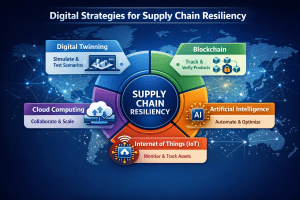 Introduction to Supply chain resiliency.
The COVID-19 pandemic has highlighted the importance of having a resilient supply chain. The pandemic disrupted global supply chains, causing shortages of essential products and increasing costs for businesses. To prevent such disruptions in the future, businesses must implement digitised strategies that increase the agility and resiliency of their supply chains.
The Importance of Supply Chain Resiliency
Supply chain resiliency is the ability of a supply chain to withstand and recover quickly from disruptions. Disruptions can be caused by various factors, such as natural disasters, geopolitical events, or unexpected demand changes. A resilient supply chain can mitigate the impact of these disruptions and ensure business continuity.
Natural Disasters and severe weather affecting supply chain resiliency
Natural disasters such as floods, hurricanes, and earthquakes can have a significant impact on the supply chain in the UK. For example, flooding in the UK has caused disruptions to transportation and logistics, resulting in delayed shipments and lost revenue for businesses.
To mitigate the impact of natural disasters on the supply chain, businesses can implement several strategies, such as identifying alternate transportation routes, diversifying suppliers, and investing in insurance policies that cover losses due to natural disasters.
Cybersecurity Threats
With the increasing reliance on technology in supply chain management, cybersecurity threats have become a major concern for businesses in the UK. Cyber attacks can result in data breaches, stolen intellectual property, and financial losses.
To mitigate the impact of cybersecurity threats, businesses can implement several strategies, such as investing in robust cybersecurity measures, conducting regular risk assessments, and providing cybersecurity training to employees.
1. Digital Twinning – Simulate & Test Scenarios
Overview:
Digital twinning creates a virtual replica of a physical supply chain, allowing companies to simulate various scenarios and test responses without disrupting actual operations.
Applications:
- Simulate the impact of a supplier failure or transportation delay.
- Test different inventory strategies to see which minimizes disruptions.
- Assess the effect of natural disasters, strikes, or geopolitical events on delivery timelines.
Benefits:
- Identifies weak points in the supply chain before they become real problems.
- Enables contingency planning and faster decision-making.
- Reduces costs by preventing trial-and-error in real operations.
Example:
A UK-based electronics company can use digital twins to simulate how a port closure would affect shipments, allowing it to pre-plan alternative routes or suppliers.
2. Blockchain – Track & Verify Products to ensure supply chain resiliency
Overview:
Blockchain is a secure, decentralised ledger that records transactions across multiple participants, ensuring transparency and traceability.
Applications:
- Track the movement of goods from supplier to customer.
- Verify the authenticity of products and prevent counterfeiting.
- Facilitate faster payments and contracts through smart contracts.
Benefits:
- Improves trust among partners by providing an immutable record.
- Enhances regulatory compliance and reporting.
- Reduces losses due to fraud, theft, or mismanagement.
Example:
A pharmaceutical company can use blockchain to trace medicine from manufacturing to pharmacy shelves, preventing counterfeit drugs from entering the market.
3. Artificial Intelligence (AI) – Automate & Optimise to ensure supply chain resiliency
Overview:
AI uses advanced algorithms and machine learning to analyse large datasets, enabling predictive insights and automated decision-making in supply chain operations.
Applications:
- Predict demand fluctuations based on historical and real-time data.
- Optimise inventory levels and reduce overstock or stockouts.
- Automate logistics planning, including route optimization and load management.
Benefits:
- Faster response to changing market conditions.
- Reduces human error and operational costs.
- Enhances supply chain efficiency and customer satisfaction.
Example:
An e-commerce retailer in the UK can use AI to predict peak order periods and adjust inventory and shipping schedules accordingly, avoiding delays.
4. Internet of Things (IoT) – Monitor & Track Assets
Overview:
IoT connects physical devices to the internet, enabling real-time monitoring and communication across the supply chain.
Applications:
- Track shipment location and condition (temperature, humidity, vibration).
- Monitor equipment health to predict maintenance needs.
- Enable automated alerts for potential disruptions.
Benefits:
- Reduces losses due to spoilage or damage.
- Provides transparency for stakeholders.
- Improves operational efficiency with real-time insights.
Example:
A food distribution company can use IoT sensors to ensure perishable goods maintain the correct temperature throughout transit, preventing spoilage.
5. Cloud Computing – Collaborate & Scale
Overview:
Cloud computing provides scalable data storage and applications accessible over the internet, enabling better collaboration across supply chain partners.
Applications:
- Centralised access to inventory, shipment, and supplier data.
- Real-time collaboration with global suppliers and partners.
- Rapid scaling of systems during peak demand periods.
Benefits:
- Improves agility and responsiveness.
- Reduces IT infrastructure costs.
- Facilitates seamless communication and coordination.
Example:
A manufacturing firm can use cloud platforms to share production schedules with suppliers worldwide, ensuring timely delivery of raw materials and reducing bottlenecks.
Finally
The COVID-19 pandemic has demonstrated the need for businesses to be agile and resilient in the face of unexpected disruptions. To increase their supply chain resiliency, businesses must implement digitalized strategies such as digital twinning, blockchain, AI, 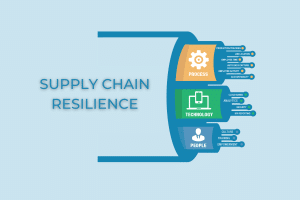 IoT, and cloud computing. These digitised strategies can help businesses identify potential weaknesses in the supply chain, automate and optimise various aspects of the supply chain, ensure transparency and accountability, and enable real-time collaboration with suppliers and partners.
By implementing these strategies, businesses can increase their supply chain resiliency and mitigate the impact of unexpected disruptions. However, businesses must also be mindful of potential drawbacks, such as data privacy concerns and the need for significant investments in technology and infrastructure.
Overall, the digitisation of supply chain management is a necessary step for businesses to remain competitive and thrive in today’s rapidly changing business landscape.
Supply chain resiliency is the ability of a supply chain to withstand and recover quickly from disruptions. These digitised strategies can help businesses identify potential weaknesses in the supply chain, automate and optimise various aspects of the supply chain, ensure transparency and accountability, and enable real-time collaboration with suppliers and partners. Yes, these strategies can be implemented in any industry that relies on a supply chain. A company can measure the effectiveness of these digitised strategies by monitoring key performance indicators (KPIs) such as lead time, inventory turnover, and customer satisfaction. Yes, potential drawbacks include data privacy concerns and the need for significant investments in technology and infrastructure. Digital Strategies
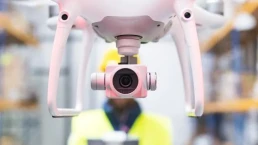
Drones Inspecting Refrigerated Warehouses
Drones: A Game-Changer for Inspecting Refrigerated Warehouses
In recent years, Drones Inspecting Refrigerated Warehouses has become increasingly popular as well in various industries. From construction to agriculture, drones have revolutionised the way businesses operate. One of the most important applications of drones is in the field of inspections. Drones can be used to inspect hard-to-reach areas and dangerous structures, thereby reducing accidents and increasing efficiency. In this article, we will explore how drones are being used to inspect solar panels, roofs, and ceilings in refrigerated warehouses to reduce accidents.
First a quick plug – Our sister companies Fresh Pharma whom are GDP Compliant Pharma couriers and ‘Fresh Fridge Hire‘ are our (compliant GDP) refrigerated vehicle hire.
 Introduction to Drones Inspecting Refrigerated Warehouses
The use of drones for inspections has become a game-changer in various industries. Drones can access hard-to-reach areas, reduce human error, and provide more accurate data. One of the most significant applications of drones is in the field of solar panel inspections.
The Need for Drones Inspecting Refrigerated Warehouses
Refrigerated warehouses are facilities used to store perishable products like fruits, vegetables, and meats at low temperatures. Maintaining the required temperature is critical in these facilities since it ensures the quality and safety of the stored products. If the temperature is not regulated, it can lead to the growth of harmful bacteria and pathogens, which can cause food poisoning and spoilage. Therefore, it is essential to conduct regular inspections to ensure that the refrigeration systems are functioning correctly.
Traditional Inspection Methods
Manual inspections have been the traditional method used to inspect refrigerated warehouses. These inspections involve sending human inspectors to check the refrigeration systems and identify any potential issues. However, this approach has limitations, as human inspectors are not always accurate, and the process is time-consuming, costly, and can pose safety risks. Moreover, manual inspections may not always detect problems with the refrigeration systems, leading to food spoilage and safety risks.
The Importance of Solar Panel Inspections
Solar panels are a significant investment, and they need to be maintained regularly to ensure optimal performance. Regular inspections can identify defects and malfunctions that could reduce efficiency and increase the risk of accidents. Traditional methods of inspection involve sending workers to climb on rooftops to inspect solar panels. This is not only time-consuming but also dangerous, especially if the roof is steep or slippery.
The Advantages of Drones Inspecting Refrigerated Warehouses
Drone inspections have numerous advantages over traditional methods. Drones can inspect solar panels, roofs, and ceilings without the need for workers to climb on the roof. This not only saves time but also reduces the risk of accidents. Drones can provide high-resolution images and videos of solar panels, allowing inspectors to identify defects and malfunctions quickly.
Safety
According to the Health and Safety Executive (HSE), falls from height are the leading cause of workplace fatalities in the UK. Accounting for more than a quarter of all fatal injuries. In 2021/22, there were 29 fatal injuries resulting from falls from height, and a total of 6,565 non-fatal injuries that required three or more days off work. This highlights the importance of implementing effective measures to prevent falls from height and ensure the safety of workers.
Employers have a legal duty to protect their workers from falls from height and must assess the risks and put in place appropriate control measures. This can include providing adequate training and equipment, such as ladders and scaffolding, and ensuring that these are used correctly. Employers should also consider alternative methods of work, such as using drones for inspections, to reduce the need for workers to work at height.
Falls from height are a serious concern in the UK workplace, and employers must take appropriate measures to prevent them. By using drones for inspections and implementing other effective control measures, employers can reduce the risk of falls from height and ensure the safety and wellbeing of their workers.
Efficiency
Drone inspections are much more efficient than traditional methods. Drones can inspect a large area in a short period, reducing the time and cost of inspections. Drones can also provide high-resolution images and videos, allowing inspectors to identify defects and malfunctions more quickly.
Cost-Effective
Drone inspections are cost-effective compared to traditional methods. Hiring workers to climb on roofs and inspect solar panels can be expensive, especially if the roof is steep or slippery. Access hard-to-reach areas is done with ease by a Drone, reducing the need for workers to climb on roofs.
Drones in Solar Panel Inspections
The inspection of solar panels is also done with ease. The most common method is to use a drone equipped with a camera to capture high-resolution images and videos of the solar panels. These images can be used to identify defects and malfunctions quickly. Drones can also be used to inspect the wiring and electrical components of the solar panels, reducing the risk of electrical hazards.
Drones Inspecting Refrigerated Warehouses roofs
Roof inspections can be dangerous, especially if the roof is steep or slippery. Drones can be used to inspect roofs without the need for workers to climb on the roof. Drones can provide high-resolution images and videos of the roof, allowing inspectors to identify defects and malfunctions quickly. This not only saves time but also reduces the risk of accidents.
Drones in Ceiling Inspections in Refrigerated Warehouses
Refrigerated warehouses are challenging to inspect due to the low temperatures and high humidity levels. Drones can be used to inspect ceilings in refrigerated warehouses without the need for workers to climb on ladders or scaffolds. Drones can provide high-resolution images and videos of the ceilings, allowing inspectors to identify defects and malfunctions quickly. This not only saves time but also reduces
The Future of Drone Inspections
Drone inspections are still in their early stages, and there is much room for growth and development. As technology advances, drones will become even more advanced and efficient, allowing for more precise inspections. The use of artificial intelligence and machine learning algorithms will enable drones to identify defects and malfunctions automatically, reducing the need for human intervention.
Conclusion: Drones Inspecting Refrigerated Warehouses
Drones inspecting refrigerated warehouses represent a transformative advancement in logistics and facility management. These unmanned aerial vehicles can access hard-to-reach areas that are difficult or dangerous for human inspectors, such as high ceilings, roof structures, or solar panel installations. By reducing the need for ladders, scaffolding, or other manual equipment, drones help lower the risk of workplace accidents and improve overall safety for warehouse personnel.
Equipped with high-resolution cameras and thermal imaging sensors, drones provide detailed images and videos, allowing inspectors to quickly detect defects, leaks, or equipment malfunctions. For example, temperature inconsistencies in cold storage units can be identified before they compromise stored goods, helping maintain product quality and reduce spoilage. The ability to capture and analyse data in real time enhances operational efficiency and enables more informed maintenance planning.
The integration of artificial intelligence and machine learning is further revolutionising drone inspections. Algorithms can automatically detect anomalies, classify defects, and even predict potential equipment failures. This reduces human error, accelerates inspection processes, and enables predictive maintenance strategies that minimise downtime.
As drone technology continues to advance, their applications in refrigerated warehouse inspections will expand. Smaller, more agile drones with longer flight times and enhanced sensors will make inspections faster, safer, and more cost-effective. In addition, integration with warehouse management systems and IoT devices will allow for seamless monitoring and automated reporting.
In conclusion, drones inspecting refrigerated warehouses are a game-changing solution. They improve safety, increase accuracy, reduce operational costs, and enable predictive maintenance. Businesses adopting drone technology can gain a competitive advantage while safeguarding both their workforce and their temperature-sensitive products.
Drones Inspecting Solar
- How accurate are drone inspections?
Drone inspections are highly accurate and provide more precise data than traditional methods. Drones can provide high-resolution images and videos, allowing inspectors to identify defects and malfunctions quickly.
- Are drone inspections cost-effective?
Yes, drone inspections are cost-effective compared to traditional methods. Drones can access hard-to-reach areas, reducing the need for workers to climb on roofs and use ladders, reducing the cost of inspections.
- What types of defects can drones identify?
Drones can identify a wide range of defects, including cracks, leaks, and broken parts. Drones can also be used to inspect electrical components and wiring, reducing the risk of electrical hazards.
- How do drones improve safety during inspections?
Drones improve safety during inspections by reducing the need for workers to climb on roofs and use ladders. Drones can access hard-to-reach areas, reducing the risk of accidents.
- What is the future of drone inspections?
As technology advances, drones will become even more advanced and efficient, allowing for more precise inspections. The use of artificial intelligence and machine learning algorithms will enable drones to identify defects and malfunctions automatically, reducing the need for human intervention.
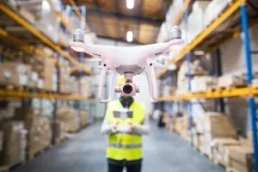
Drone-Powered Inventory Monitoring
10 Benefits of Drone-Powered Inventory Monitoring in refrigerated warehouse in the UK
At Fresh Logistics, we understand the importance of maintaining efficient inventory management systems for businesses, particularly those in the refrigerated industry. We also recognise that manual inventory monitoring can be time-consuming, labour-intensive, and prone to errors. That’s why we’ve started to investigate in drone-powered inventory monitoring to provide our clients with a reliable, cost-effective, and time-efficient solution. In this blog, we’ll explore the benefits in refrigerated warehouses in the UK.
First a quick plug – Our sister companies Fresh Pharma whom are GDP Compliant Pharma couriers and ‘Fresh Fridge Hire‘ are our (compliant GDP) refrigerated vehicle hire.
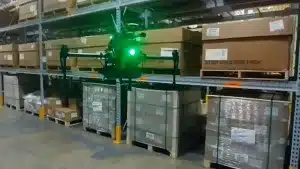
Improved Accuracy and Precision due to Drone-powered inventory monitoring
One of the key advantages is its ability to provide accurate and precise data. With manual inventory monitoring, there is always a risk of human error, such as miscounting or mislabelling. These mistakes can have significant implications for businesses, such as stock shortages or overstocking. Eliminating the risk of human error, providing businesses with reliable and accurate data to make informed decisions about their inventory levels.
Increased Efficiency and Productivity
Manual inventory monitoring can be a time-consuming and labour-intensive task, particularly for businesses with large warehouses. Labour costs can significantly be reduced due to the less time and effort required for inventory management. Drones can scan barcodes and RFID tags in a fraction of the time it takes for a human to manually scan each item. This increased efficiency can also lead to improved productivity, as employees can focus on other tasks that require human intervention.
Cost-Effective Solution
Another advantage is its cost-effectiveness. Manual inventory monitoring can require a significant investment in terms of time, labour, and resources. Costs are dramatically reduced, as drones can cover large areas in a short amount of time, with minimal human intervention required. This can result in significant cost savings for businesses, particularly those with large warehouses.
Improved Safety and Security due to Drone-powered inventory monitoring
Inventory monitoring can also present safety and security challenges for businesses. In large warehouses, employees may need to climb ladders or use forklifts to access items on high shelves, which can be hazardous. Safety risks can now be eliminated as drones can easily access items on high shelves and other hard-to-reach areas. Additionally, drones can provide enhanced security measures, such as monitoring for unauthorised access to restricted areas.
Real-Time Data and Analytics
Finally, businesses can now be provided with real-time data and analytics. With manual inventory monitoring, businesses may need to wait for hours or even days to receive updated inventory levels. However, businesses can receive real-time data and analytics, allowing you to make informed decisions about your inventory levels and adjust your operations accordingly.
Staff Management
This Tech can improve staff management in several ways. Firstly, it can reduce the need for manual labour, which can be physically demanding and time-consuming. By using drones to perform inventory tasks, staff can be freed up to focus on other tasks, such as managing customer orders or performing quality checks. This can lead to improved employee satisfaction, as staff can feel more valued and have a better work-life balance.
Secondly, drones can also improve staff safety by reducing the need for staff to climb ladders or use forklifts to access items on high shelves. This can significantly reduce the risk of accidents or injuries in the workplace. Additionally, drones can provide enhanced security measures, such as monitoring for unauthorised access to restricted areas, which can also improve staff safety.
Industrial Relations are dramatically improved due to Drone-powered inventory monitoring
Drones can also improve industrial relations by providing a
fair and impartial method of inventory monitoring. With manual inventory monitoring, there is always a risk of human error. Which can lead to disagreements and disputes between employees and management. By using drones, businesses can provide an objective and accurate method of inventory monitoring, reducing the risk of disputes and improving employee morale.

Furthermore, drones can also help to improve communication between management and employees. By using drones to perform inventory tasks. Businesses can ensure that inventory levels are accurately recorded, reducing the need for staff to manually record inventory levels. This can free up time for staff to communicate with management about any issues or concerns they may have.
24/7 Use
Tech does not sleep and can also be used 24/7. Providing businesses with a round-the-clock solution to their inventory management needs. With manual inventory monitoring, businesses may need to rely on staff working overtime. Or worse, hiring additional staff to cover inventory tasks outside of regular business hours. However, businesses can operate around the clock without the need for additional staff or overtime pay.
Conclusion
Drone-powered inventory monitoring not only provides businesses in the refrigerated industry with benefits such as improved accuracy and precision. Increased efficiency and productivity, cost-effectiveness, improved safety and security, and real-time data and analytics. Furthermore, advantages for staff management, industrial relations, and 24/7 use. At [company name], we’re committed to providing our clients with innovative solutions to their inventory management needs.
Drone-powered inventory monitoring involves using drones equipped with cameras and sensors to fly through a warehouse and capture data on inventory levels and locations. The data is then processed using software that can generate reports and analytics to help businesses make informed decisions about their inventory management. Drone-powered inventory monitoring provides several benefits, including improved accuracy and precision, increased efficiency and productivity, cost-effectiveness, improved safety and security, and real-time data and analytics. It also provides advantages for staff management, industrial relations, and 24/7 use. Any business that manages inventory can benefit from drone-powered inventory monitoring, including those in the refrigerated industry. It can be particularly useful for businesses with large warehouses or complex inventory management systems. While the initial cost of implementing drone-powered inventory monitoring may be higher than traditional inventory monitoring methods, it can provide significant cost savings in the long run by reducing the need for manual labour, improving efficiency, and reducing the risk of errors or accidents. Yes, drone-powered inventory monitoring is safe when conducted by trained professionals using properly maintained equipment. Drones can actually improve safety by reducing the need for staff to climb ladders or use forklifts to access high shelves. While drones can be operated in a variety of weather conditions, extreme weather such as heavy rain or strong winds may impact their ability to operate effectively. However, with proper planning and equipment, drone-powered inventory monitoring can be used in most weather conditions.Drone-Powered Inventory

Augmented Reality in Warehousing
Using Augmented Reality to Enhance Warehouse Operations
Augmented reality (AR) is revolutionising various industries by overlaying digital information onto the real world, providing an immersive and interactive experience. One such industry where AR holds tremendous potential is warehouse operations. In this blog, we will explore how augmented reality can be used to enhance warehouse operations, improve efficiency, and streamline processes.
First a quick plug – Our sister companies Fresh Pharma whom are GDP Compliant Pharma couriers and ‘Fresh Fridge Hire‘ are our (compliant GDP) refrigerated vehicle hire.
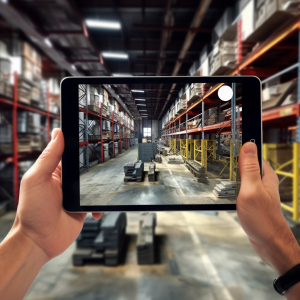
Introduction to Augmented Reality (AR)
Augmented reality is a technology that superimposes digital elements, such as images, videos, or 3D models, onto the physical environment. It enhances the user’s perception and interaction with the real world, creating a blended experience. AR can be experienced through mobile devices, smart glasses, or headsets, allowing users to see both the physical world and virtual information simultaneously.
Overview of Warehouse Operations
Warehouse operations involve various tasks, such as receiving and storing inventory, order picking and packing, inventory management, quality control, and maintenance. These operations are critical to supply chain management and require efficient execution to meet customer demands and ensure timely deliveries.
Challenges Faced in Traditional Warehouse Operations
Traditional warehouse operations often face several challenges that can hinder productivity and efficiency. Some common challenges include:
- Lack of training and onboarding: New employees require extensive training to familiarise themselves with warehouse processes, leading to delays and potential errors.
- Inefficient picking and packing processes: Manual picking and packing can be time-consuming and error-prone, resulting in delays and increased costs.
- Inaccurate inventory management: Traditional inventory management systems may lack real-time visibility, leading to stockouts or overstocking.
- Quality control and inspection: Ensuring product quality and inspecting incoming and outgoing shipments can be labour-intensive and prone to errors.
- Maintenance and repair: Equipment maintenance and repair activities can be complex and time-consuming, affecting operational uptime.
How Augmented Reality Can Enhance Warehouse Operations
Training and Onboarding
AR can greatly improve the training and onboarding process for new employees. By using AR-enabled devices, new workers can receive interactive and visual instructions overlaid onto their real-world environment. This allows them to quickly understand the tasks and procedures, reducing the learning curve and enabling faster integration into the workforce.
Picking and Packing Processes
AR can enhance picking and packing processes by providing real-time guidance to workers. Through AR headsets or smart glasses, warehouse staff can see digital overlays indicating the location of items, the optimal picking paths, and the quantities to be packed. This reduces errors, increases picking speed, and improves overall efficiency.
Inventory Management
AR can revolutionise inventory management by providing real-time visibility and accurate tracking. By scanning barcodes or using computer vision, workers can instantly retrieve product information, check stock levels, and identify the precise location of items within the warehouse. This eliminates the need for manual searching and minimises the risk of errors, ensuring efficient inventory management and reducing stock discrepancies.
Quality Control and Inspection
AR can streamline the quality control and inspection processes in warehouses. By overlaying digital instructions, workers can easily identify the specific criteria for quality checks and inspections. AR can highlight defects or anomalies, guiding workers through the inspection process and ensuring accurate and consistent results. This improves the overall quality control process, reduces errors, and enhances customer satisfaction.
Maintenance and Repair
AR can be a valuable tool for maintenance and repair activities in warehouses. By wearing AR-enabled devices, technicians can access digital manuals, schematics, and step-by-step instructions while performing equipment maintenance or repair tasks. AR overlays can provide real-time guidance, highlighting components, displaying error messages, and offering interactive troubleshooting assistance. This enables technicians to perform tasks more efficiently, reducing equipment downtime and optimising operational efficiency.
Benefits of Using Augmented Reality in Warehouses
The integration of augmented reality in warehouse operations offers several benefits:
- Increased efficiency and productivity: AR streamlines processes, reduces errors, and enhances worker performance. With real-time information and visual guidance, workers can complete tasks more quickly and accurately, leading to improved overall efficiency and productivity.
- Reduced errors and improved accuracy: AR eliminates manual data entry and provides real-time guidance, reducing the likelihood of errors and improving the accuracy of warehouse operations. This minimises order discrepancies, inventory inaccuracies, and quality control issues.
- Enhanced worker safety: AR can improve worker safety by providing real-time safety instructions and highlighting potential hazards. Workers can be alerted to dangerous areas, equipment malfunctions, or unsafe practices, reducing the risk of accidents and injuries.
- Streamlined processes and cost savings: By optimising warehouse operations, AR can streamline processes, reduce cycle times, and minimise operational costs. Improved efficiency leads to cost savings, as fewer resources are required to achieve the same output.
Case Studies and Real-World Examples of Augmented Reality in Warehouse Operations
Several companies have already implemented AR technology in their warehouse operations with impressive results. One such example is a large e-commerce company that utilised AR headsets for order picking. By providing workers with digital overlays of optimal picking paths and item locations, they experienced a 40% reduction in picking errors and a significant increase in productivity.
Another case study involves a logistics company that used AR for inventory management. By scanning barcodes with AR-enabled devices, they achieved real-time visibility of inventory levels, reducing stock outs by 30% and improving order fulfilment rates.
These real-world examples demonstrate the tangible benefits of using AR in warehouse operations and highlight its potential to transform the industry.
Implementing Augmented Reality in Warehouses
To successfully implement AR in warehouses, several key considerations must be taken into account:
- Hardware and software requirements: Determine the appropriate AR devices and software solutions based on specific operational needs. Consider factors such as device compatibility, battery life, durability, and ease of use.
- Integration with existing systems: Ensure seamless integration between AR technology and existing warehouse management systems (WMS) or enterprise resource planning (ERP) systems. Data synchronisation and compatibility are crucial for accurate inventory tracking and overall operational efficiency.
- Training and support: Provide comprehensive training programs to familiarise workers with AR devices and software. Ongoing technical support and troubleshooting resources should be readily available to address any issues or questions that may arise.
Potential Challenges and Considerations
While AR offers numerous advantages for warehouse operations, there are also potential challenges that need to be considered:
Cost and ROI analysis:
Implementing AR technology requires an investment in hardware, software, training, and support. Conduct a thorough cost and return on investment (ROI) analysis to ensure that the benefits outweigh the expenses and justify the implementation.
Adoption and change management:
Introducing AR technology may require a cultural shift within the organisation. Employees may need time to adapt to the new tools and processes. Effective change management strategies, including communication, training, and stakeholder engagement, can facilitate smooth adoption.
Data security and privacy with Augmented Reality:
AR devices may collect and process sensitive data within the warehouse environment. It is essential to implement robust security measures to protect this data from unauthorised access or breaches. Compliance with data privacy regulations should also be ensured.
User experience and usability:
AR technology should be intuitive and user-friendly. Consider the ergonomics of the devices, the clarity of digital overlays, and the ease of interaction. User feedback and continuous improvement efforts can enhance the overall usability of AR systems.
Future Trends and Developments in Augmented Reality for Warehouse Operations
The field of AR is continuously evolving, and future advancements are likely to further enhance warehouse operations. Some emerging trends and developments include:
Gesture recognition:
AR systems can incorporate gesture recognition technology, allowing workers to interact with digital interfaces using hand movements or gestures. This can further streamline processes and improve user experience.
Artificial intelligence integration:
Combining AR with artificial intelligence (AI) capabilities can enable intelligent decision-making and automation. AI algorithms can analyse data from AR devices, optimise routes, predict inventory needs, and suggest process improvements.
Collaborative AR:
Collaborative AR allows multiple workers to share the same augmented environment. This fosters teamwork, enables remote assistance, and enhances training and knowledge transfer among warehouse staff.
AR in Warehouse
- Can AR be integrated with existing warehouse management systems?
- What are the potential cost implications of implementing AR in warehouses?
Implementing AR technology in warehouses involves upfront costs for hardware, software, training, and support. However, the potential benefits, such as increased efficiency and cost savings, should be considered when evaluating the overall return on investment.
- Are there any privacy concerns related to using AR in warehouses?
Data security and privacy are important considerations when implementing AR technology. It is crucial to establish robust security measures to protect sensitive data collected by AR devices and ensure compliance with data privacy regulations.
- Can AR improve worker safety in warehouses?
- What are some future trends in AR for warehouse operations?
Future trends in AR for warehouses include gesture recognition, artificial intelligence integration, and collaborative AR, enabling more intuitive interactions, intelligent decision-making, and enhanced teamwork.

Digital Twins in Supply Chain Management
The Role of Digital Twins in Supply Chain Management
In today’s rapidly evolving business landscape, companies are constantly seeking innovative solutions to optimise their supply chain management processes. One such solution that has gained significant attention is the implementation of digital twins. Digital twins have emerged as a transformative technology that enables businesses to create virtual replicas of physical assets and processes. This blog delves into the role of digital twins in supply chain management, highlighting their benefits, use cases, challenges, and future implications.
First a quick plug – Our sister companies Fresh Pharma whom are GDP Compliant Pharma couriers and ‘Fresh Fridge Hire‘ are our (compliant GDP) refrigerated vehicle hire.

Introduction to Digital Twins in Supply Chain Management
Supply chain management is the intricate orchestration of activities such as procurement, production, inventory management, and distribution, all aimed at ensuring the seamless flow of goods and services from suppliers to customers. The increasing complexity of modern supply chains, combined with the demand for real-time visibility and agility, has spurred the adoption of advanced digital technologies. Among these, digital twins stand out as a revolutionary approach.
Applications
The application of digital twins in supply chain management offers numerous benefits. They provide a comprehensive view of the supply chain, allowing for better decision-making through real-time data insights. This real-time monitoring helps in predicting potential disruptions, optimising inventory levels, and enhancing overall efficiency. By simulating different scenarios, digital twins enable businesses to foresee the impact of various strategies and make informed adjustments proactively.
Digital twins facilitate improved collaboration across the supply chain network. By sharing a unified, up-to-date model of the supply chain, stakeholders can better coordinate their activities, reducing bottlenecks and enhancing the responsiveness to market demands. This collaborative approach ensures that all parts of the supply chain are aligned, leading to improved customer satisfaction and competitive advantage.
Digital Twins in Supply Chain Management: Introduction to Digital Twins
Digital twins are virtual replicas of physical assets, systems, or processes, built using real-time data from sensors, IoT devices, and other monitoring technologies. These digital counterparts mimic the behaviour and characteristics of their physical equivalents, allowing organisations to visualise, analyse, and optimise performance remotely. For example, a warehouse manager can create a digital twin of a storage facility to monitor temperature, humidity, and stock placement without being physically present. By bridging the physical and digital realms, digital twins provide actionable insights, support predictive decision-making, and enable more efficient operations. This technology is especially valuable in complex environments such as supply chains. Where multiple interconnected systems must work seamlessly to ensure timely delivery, product quality, and compliance.
Digital Twins in Supply Chain Management: Enhancing Operational Control
In supply chain management, digital twins enable organisations to gain unprecedented visibility and control over their logistics networks. By modelling warehouses, transport fleets, production lines, and entire distribution systems digitally. Managers can track goods in real time, monitor inventory levels, and detect inefficiencies before they escalate. For instance, a chilled food supplier in Manchester can use a digital twin to simulate the transport of perishable goods. Ensuring that refrigeration units maintain the correct temperature and identifying potential risks along the delivery route. Digital twins also allow businesses to test operational changes virtually. Such as adjusting delivery schedules or reconfiguring warehouse layouts, without disrupting live operations. This capability reduces errors, minimises waste, and ensures smoother day-to-day functioning across the supply chain.
Benefits of Digital Twins in Supply Chain Management: Predictive Maintenance
One of the most significant advantages of digital twins is predictive maintenance. By analysing historical and real-time data from machinery, vehicles, or refrigeration units, businesses can forecast potential failures before they occur. This reduces unexpected downtime, prevents costly delays, and extends the lifespan of critical assets. For example, refrigerated trucks used in frozen transport can be monitored continuously, allowing logistics managers to schedule maintenance when a component shows early signs of wear. Predictive maintenance not only protects high-value assets but also ensures that temperature-sensitive products remain safe and compliant throughout the supply chain.
Benefits of Digital Twins in Supply Chain Management: End-to-End Visibility
Digital twins provide end-to-end visibility across the supply chain, helping organisations monitor inventory, track shipments, and identify bottlenecks in real time. This visibility enhances collaboration among suppliers, distributors, and retailers by providing shared insights and data-driven dashboards. For instance, a fresh produce supplier in the UK can monitor stock levels across multiple warehouses simultaneously, ensuring that no location experiences overstocking or shortages. End-to-end transparency also enables faster response to disruptions, such as delays in transport or supplier issues, and improves overall operational efficiency.
Benefits of Digital Twins in Supply Chain Management: Scenario Simulation and Optimisation
Another key benefit of digital twins is the ability to simulate and model different operational scenarios. Supply chain managers can test changes in processes, delivery routes, or inventory allocation without impacting live operations. For example, a pharmaceutical distributor can simulate temperature-controlled deliveries during peak demand periods to identify potential risks and optimise routes. Scenario modelling allows businesses to develop resilient strategies, reduce operational costs, and improve service reliability. By experimenting digitally before implementing real-world changes, organisations can make informed, proactive decisions that strengthen the supply chain’s efficiency, flexibility, and reliability.
Use Cases of Digital Twins in Supply Chain Management
It has been identified that applications in various aspects of supply chain management can be utilised. In warehousing, the system can optimise layout design, space utilisation, and material handling processes. They can simulate different storage configurations and evaluate the impact on throughput and efficiency. For transportation, the system can monitor vehicle performance, track shipments, and optimise route planning to minimise fuel consumption. In manufacturing, it can streamline production processes, identify bottlenecks, and optimise machine utilisation. By simulating different production scenarios, businesses can optimise resource allocation and improve overall productivity.
Challenges and Limitations for Digital Twins
The system offers immense potential, their implementation also comes with challenges and limitations. One major challenge is the integration of diverse data sources and systems. They rely on accurate and real-time data to provide meaningful insights. Ensuring data compatibility and establishing secure data exchange protocols is crucial for the successful implementation in supply chain management.
Another limitation is the cost associated with developing and maintaining the system. Building an accurate virtual representation requires investment in sensors, IoT devices and data analytics platforms. Additionally, organisations need to allocate resources for continuous updates and maintenance to keep the system aligned with their physical counterparts.
Furthermore, privacy and data security concerns arise when dealing with sensitive supply chain information. Protecting data integrity and ensuring confidentiality are essential to maintain trust and mitigate the risk of unauthorised access or data breaches.
Future Implications
As technology advances, the role of the supply chain management is expected to expand further. Integration with emerging technologies such as artificial intelligence (AI), machine learning, and blockchain can enhance the capabilities, AI algorithms can analyse vast amounts of data generated to identify patterns, anomalies, and optimise decision-making. Blockchain technology can provide secure and transparent data sharing, facilitating trust and collaboration among supply chain partners.
Moreover, the increasing adoption of Internet of Things (IoT) devices and the growth of interconnected ecosystems will generate more data, enabling even deeper insights and facilitate predictive analytics. Real-time monitoring, autonomous decision-making, and adaptive supply chain networks are some of the future implications in supply chain management.
Digital Twins in Supply Chain Management Conclusion: Unlocking Efficiency and Insight
Digital twins have become a transformative tool for optimising modern supply chain management. By creating accurate virtual replicas of physical assets, processes, and logistics networks, businesses gain unprecedented real-time visibility and control. This enables managers to monitor operations continuously, identify inefficiencies, and make proactive decisions to improve performance. For example, refrigerated transport fleets, warehouses, or production lines can be modelled digitally, allowing organisations to detect potential failures or delays before they occur.
The benefits of digital twins extend across multiple operational areas. Predictive maintenance allows businesses to anticipate equipment issues and reduce costly downtime. End-to-end visibility ensures stakeholders can track inventory, shipments, and workflow processes across the entire supply chain. Simulation and scenario modelling provide opportunities to test process changes virtually, optimising routes, warehouse layouts, and resource allocation without disrupting live operations. Together, these capabilities improve efficiency, reduce costs, and enhance customer satisfaction.
However,
Implementing digital twins is not without challenges. Integrating large volumes of data from diverse systems, managing costs, and ensuring cybersecurity are critical considerations for successful adoption. Overcoming these challenges requires careful planning, skilled personnel, and investment in reliable technologies.
Looking ahead, the integration of digital twins with artificial intelligence, machine learning, and blockchain will further expand their potential. These advancements will enable smarter forecasting, automated decision-making, and enhanced traceability across supply chains. Organisations that embrace digital twin technology now will be well-positioned to navigate complex logistics landscapes, maintain competitiveness, and deliver greater operational resilience in an increasingly dynamic market.
Digital Twins
- How are digital twins different from traditional simulation models?
Digital twins differ from traditional simulation models in that they are real-time virtual replicas that mimic the behaviour of physical assets or processes. They continuously receive data from sensors and IoT devices, allowing for dynamic analysis and optimisation.
- Can digital twins be applied to all industries?
- Are there any privacy concerns with digital twins?
Yes, privacy concerns exist when dealing with sensitive data in digital twins. It is essential to implement robust security measures to protect data integrity and ensure confidentiality.
- How can digital twins improve supply chain resilience?
Digital twins enable simulation and scenario modelling, allowing supply chain managers to evaluate the impact of disruptions and devise resilient strategies. They facilitate proactive risk management and quicker response to unforeseen events.
- What are the future trends in digital twin technology?
Future trends in digital twin technology include integration with AI, machine learning, and blockchain. These advancements will enable real-time monitoring, autonomous decision-making, and adaptive supply chain networks.
Supply Chain Management and AI
The Role of Artificial Intelligence in Supply Chain Management
In today’s rapidly evolving business landscape, supply chain management plays a crucial role in ensuring the seamless flow of goods and services from suppliers to customers. With the advent of technology, artificial intelligence (AI) has emerged as a powerful tool that revolutionises supply chain operations. This blog explores the various ways AI is transforming and enhancing supply chain management.
First a quick plug – Our sister companies Fresh Pharma whom are GDP Compliant Pharma couriers and ‘Fresh Fridge Hire‘ are our (compliant GDP) refrigerated vehicle hire.
 Introduction
Supply chain management involves the coordination and integration of various activities, including procurement, production, warehousing, transportation, and distribution. It aims to optimise these processes to deliver products or services efficiently, reduce costs, and meet customer demands. The integration of AI into supply chain management has opened up new possibilities for efficiency, accuracy, and decision-making.
Definition of Supply Chain Management
Supply chain management is the strategic management of the flow of goods, services, information, and finances involved in the production and delivery of products or services from the point of origin to the point of consumption. It encompasses activities such as sourcing, procurement, production, refrigerated logistics, and customer service.
Importance of Supply Chain Management
Efficient supply chain management is vital for businesses to gain a competitive edge. It enables companies to streamline their operations, reduce costs, minimise inventory holding, and deliver products or services to customers promptly. Effective supply chain management also enhances customer satisfaction by ensuring product availability and timely deliveries.
Challenges in Supply Chain Management
Supply chain management faces several challenges that impact operational efficiency and customer satisfaction. These challenges include demand volatility, supply disruptions, complex global networks, lack of visibility, inefficient inventory management, and increasing customer expectations. AI-powered solutions have the potential to address these challenges effectively.
Role of Artificial Intelligence (AI)
Artificial intelligence refers to the simulation of human intelligence in machines that are programmed to think, learn, and make decisions. Technologies empower businesses to process vast amounts of data, analyse complex patterns, and make accurate predictions. ART INT enables real-time visibility, proactive decision-making, and automation of routine tasks.
AI Applications in Supply Chain Management
Demand Forecasting with AI
Accurate demand forecasting is crucial for optimising inventory levels, production planning, and meeting customer demands. AI algorithms can analyse historical data, market trends, external factors, and customer behaviour to generate more accurate demand forecasts. This helps companies avoid stockouts, minimise inventory costs, and optimise their supply chain processes.
AI for Inventory Management
AI-powered inventory management systems enable real-time tracking and optimisation of inventory levels. By analysing demand patterns, lead times, and supplier performance, AI algorithms can recommend optimal inventory levels, reorder points, and safety stocks. This ensures that companies maintain sufficient inventory while minimising holding costs and stockouts.
AI for Supplier Selection and Management
Selecting reliable suppliers and managing supplier relationships are critical aspects. AI can assist in supplier evaluation, risk assessment, and performance monitoring. By analysing supplier data, quality metrics, and market dynamics, AI algorithms can provide insights to optimise supplier selection and negotiate better terms.
AI for refrigerated logistics and Route Optimisation
Efficient refrigerated logistics and route optimisation are essential for timely deliveries and cost reduction. AI algorithms can analyse various parameters such as distance, traffic patterns, weather conditions, and delivery constraints to optimise delivery routes. By considering real-time data and dynamic factors, AI can help companies minimise transportation costs, reduce fuel consumption, and enhance overall refrigerated logistics efficiency.
AI for Risk Management
Supply chain management involves inherent risks such as supply disruptions, natural disasters, and market fluctuations. AI can aid in risk identification, assessment, and mitigation. By analysing data from multiple sources, including historical data, market trends, and external factors, AI algorithms can predict potential risks and provide early warnings. This allows companies to take proactive measures, develop contingency plans, and minimise the impact of disruptions on the supply chain.
AI for Customer Relationship Management
Customer satisfaction is a key driver of business success. AI can assist in enhancing customer relationship management by analysing customer data, preferences, and behaviour patterns. AI-powered chatbots and virtual assistants can provide personalised recommendations, address customer queries, and facilitate seamless interactions. By leveraging AI, companies can improve customer engagement, loyalty, and overall satisfaction.
Benefits of AI in Supply Chain Management
The integration of AI offers numerous benefits. These include:
- Improved Operational Efficiency: AI enables automation of routine tasks, data analysis, and decision-making processes, leading to increased efficiency and productivity.
- Enhanced Accuracy and Predictability: AI algorithms can analyse vast amounts of data, identifying patterns and making accurate predictions, thereby improving forecasting and planning accuracy.
- Real-time Visibility and Transparency: AI provides real-time visibility into supply chain processes, allowing companies to track inventory, monitor shipments, and identify bottlenecks promptly.
- Cost Reduction: AI-powered optimisation algorithms can minimise costs associated with inventory management, transportation, and resource allocation.
- Proactive Decision-making: AI algorithms can identify potential risks and opportunities, enabling companies to make proactive decisions and stay ahead of the competition.
Concerns and Limitations of AI
While AI offers significant advantages, it is essential to address potential concerns and limitations. These include:
- Data Security and Privacy: AI relies on vast amounts of data, raising concerns regarding data security, privacy, and compliance with regulations.
- Dependence on Technology: Overreliance on AI systems may create vulnerabilities and potential disruptions if the technology fails or malfunctions.
- Ethical Considerations: The use of AI in supply chain management raises ethical concerns, such as job displacement, algorithmic bias, and decision accountability.
- Implementation Challenges: Integrating AI into existing supply chain systems and processes may require substantial investments, technical expertise, and change management efforts.
Future Trends in AI and Supply Chain Management
The role of AI is expected to evolve further in the future. Some key trends to watch out for include:
- Advanced Predictive Analytics: AI algorithms will become more sophisticated, leveraging advanced predictive analytics techniques to enhance demand forecasting, risk management, and decision-making.
- Internet of Things (IoT) Integration: The integration of AI with IoT devices will enable real-time data collection, enabling better visibility and control over supply chain processes.
- Blockchain Technology: Blockchain technology can enhance transparency, traceability, and security in supply chain management by providing immutable records and smart contracts.
- Autonomous Vehicles and Drones: AI-powered autonomous vehicles and drones have the potential to revolutionise last-mile delivery, enabling faster and more efficient transportation.
Conclusion
Artificial intelligence is reshaping the field offering unprecedented opportunities for efficiency, accuracy, and innovation. By harnessing the power of AI, companies can streamline their operations, enhance customer satisfaction, and gain a competitive edge in the dynamic business landscape. However, it is crucial to address concerns surrounding the ethical implications, data security, and implementation challenges associated with AI adoption.
In conclusion, the role of artificial intelligence in supply chain management cannot be overstated. AI technologies have the potential to transform the way businesses operate, optimise processes, and deliver value to customers. From demand forecasting and inventory management to refrigerated logistics optimisation and risk mitigation. AI offers a range of applications that enhance efficiency, accuracy, and decision-making.
However, it is essential for businesses to approach AI implementation thoughtfully and address concerns surrounding data security, privacy, and ethical considerations. Collaboration between human expertise and AI capabilities is crucial to leverage the full potential of this technology. By embracing AI in companies can unlock new possibilities and gain a competitive edge. Navigate the complexities of the modern business landscape.
Supply Chain Management and AI
- How does AI improve demand forecasting in supply chain management?
AI utilises advanced algorithms to analyse historical data, market trends, and external factors, resulting in more accurate demand forecasts. This helps businesses optimise inventory levels, production planning, and meet customer demands effectively.
- Can AI help in reducing transportation costs in the supply chain?
Yes, AI can optimise refrigerated logistics and route planning, taking into account various parameters such as distance, traffic patterns, and delivery constraints. By minimising transportation costs and improving efficiency, AI contributes to cost reduction in the supply chain.
- What are the potential risks associated with AI adoption in supply chain management?
Some risks include data security and privacy concerns, dependence on technology, ethical considerations, and implementation challenges. It is crucial for businesses to address these risks and establish robust strategies to mitigate them.
- How does AI enhance customer relationship management in the supply chain?
AI analyses customer data, preferences, and behaviour patterns to provide personalised recommendations and address customer queries. AI-powered chatbots and virtual assistants facilitate seamless interactions, improving customer engagement and satisfaction.
- What are the future trends in AI and supply chain management?
Future trends include advanced predictive analytics, integration of AI with IoT devices, blockchain technology for transparency and security, and the use of autonomous vehicles and drones for efficient transportation.
Route Optimisation
Understanding the Importance of Route Optimisation and Reducing Delivery Times
 Route optimisation is a critical factor for businesses in the UK that rely on timely delivery of goods. Efficient routing ensures that products reach customers quickly, while simultaneously reducing fuel consumption, operational costs, and vehicle wear and tear. By planning routes intelligently, companies can avoid traffic congestion, roadworks, or other unexpected delays, helping maintain reliable delivery schedules and enhancing customer satisfaction.
Optimising routes is not just about shortest distance; it also considers factors such as delivery windows, vehicle capacity, load types, and time-sensitive products. For example, pharmaceutical or chilled food deliveries require strict adherence to temperature and time constraints, making precise routing essential. With route optimisation software or planning systems, businesses can simulate multiple delivery scenarios and identify the most efficient paths, improving both speed and reliability.
Reducing delivery times contributes to a better customer experience. Customers expect fast and predictable delivery, particularly in competitive markets such as e-commerce and perishable goods. Faster delivery also reduces the risk of product spoilage or damage, especially for temperature-sensitive items, improving brand reputation and reducing waste.
Additionally,
Optimised routes lead to environmental benefits. Fewer miles driven and less fuel consumption directly reduce greenhouse gas emissions, supporting corporate sustainability targets and compliance with environmental regulations in the UK. Efficient routing also frees up resources, allowing businesses to manage more deliveries without additional vehicles or staff, increasing scalability and profitability.
Finally, regular analysis of delivery performance and route efficiency ensures continuous improvement. Using telematics, GPS tracking, and real-time traffic data allows businesses to adapt quickly to changing conditions, minimise delays, and maintain consistent delivery standards. Optimising routes is therefore a win-win strategy for cost efficiency, customer satisfaction, and environmental responsibility.
First a quick plug – Our sister companies Fresh Pharma whom are GDP Compliant Pharma couriers and ‘Fresh Fridge Hire‘ are our (compliant GDP) refrigerated vehicle hire.
Analysing Your Delivery Routes for Optimisation
Before implementing any route optimisation strategies, it is essential to thoroughly analyse your current delivery routes. Start by collecting comprehensive data on all routes, including total miles driven, average delivery times, frequent delays, and recurring obstacles. GPS tracking and telematics systems are particularly useful for capturing this information in real time, providing accurate insights into vehicle locations, speed, and idle times. Historical delivery data can also help identify patterns of inefficiency, such as recurring traffic hotspots, delayed deliveries, or frequent returns. By understanding the current state of your logistics network, you can prioritise areas that require improvement.
Identifying Areas of Improvement in Delivery Routes for Route Optimisation
Once you have a detailed analysis, the next step is identifying areas where improvements can be made. Inefficient routes, long delivery times, or recurring delays are common issues that reduce productivity and increase costs. Route optimisation software can be invaluable here, as it considers traffic conditions, delivery windows, vehicle capacity, and other variables to calculate the most efficient routes. It is especially important to focus on last-mile logistics, as this stage is typically the most expensive and time-consuming part of the delivery process. Optimising the last mile can reduce fuel consumption, improve delivery speed, and enhance customer satisfaction. In addition, consolidating deliveries where possible, adjusting schedules, and leveraging real-time updates can further improve efficiency and reliability.
By analysing routes and identifying bottlenecks, businesses can implement strategies that reduce costs, shorten delivery times, and make their logistics operations more sustainable and customer-focused.
Practical UK-Focused Strategies and Tools for Route Optimisation
Optimising delivery routes in the UK requires a combination of strategic planning, the right tools, and ongoing performance monitoring. Businesses can implement several practical strategies to improve efficiency, reduce delivery times, and lower operational costs.
Use Advanced Route Planning Software
Modern route optimisation software can calculate the most efficient paths for multiple deliveries, taking into account traffic patterns, vehicle capacity, delivery windows, and road restrictions. Popular UK-friendly platforms include MyRouteOnline, RouteXL, and PTV Map&Guide. These tools can help businesses plan routes in advance, reduce driving distances, and avoid congestion hotspots.
Leverage GPS and Telematics Systems
Integrating GPS tracking and telematics allows fleet managers to monitor vehicles in real time. This data provides insights into actual delivery times, driver behaviour, fuel consumption, and potential delays. By analysing this information, businesses can make data-driven adjustments to routes, schedules, and driver assignments.
Plan for Time-Sensitive Deliveries
Some goods, such as pharmaceuticals or temperature-sensitive food, require strict delivery windows. When planning routes, assign high-priority deliveries first and cluster stops by location to minimise travel time. Using refrigerated vehicles with real-time temperature monitoring ensures that sensitive products maintain quality during transit.
Consider Local Traffic Patterns and Restrictions
Urban areas in the UK often have congestion zones, low-emission zones, or restricted access during peak hours. Route planning should account for these restrictions to avoid fines, delays, or additional fuel costs. Tools with live traffic updates help drivers avoid bottlenecks and plan the fastest alternative routes.
Implement Dynamic Routing
Dynamic routing allows routes to be adjusted in real time based on changing conditions such as traffic incidents, weather, or urgent delivery requests. This approach improves responsiveness and ensures customers receive their deliveries on time.
Review and Analyse Performance Regularly
Continuously monitoring delivery KPIs, such as on-time delivery rates, fuel consumption, and vehicle utilisation, allows businesses to identify inefficiencies and make improvements. Regular reviews of routes and schedules help refine operations over time.
By combining these strategies with the right technology, UK businesses can significantly reduce delivery times, cut operational costs, improve customer satisfaction, and contribute to sustainability goals.
Conclusion: Route Optimisation and Reducing Delivery Times
Route optimisation and reducing delivery times can transform your business operations. By carefully analysing delivery routes, businesses can identify inefficiencies, avoid congestion. Allowing to plan the most effective paths for their vehicles. Implementing route optimisation strategies, such as GPS tracking, AI-based planning tools, and real-time traffic updates, ensures that deliveries are faster, more reliable, and cost-effective.
The benefits of optimised routes extend beyond time savings. Reduced mileage lowers fuel costs and vehicle wear and tear, contributing to significant operational savings. Faster deliveries improve customer satisfaction, strengthen trust, and increase repeat business. In addition, efficient routing supports sustainability goals by decreasing carbon emissions associated with transportation.
Ultimately, businesses that prioritise route optimisation gain a competitive edge in the market. By continuously monitoring performance, adjusting routes based on data insights. By leveraging technology, companies can maximise efficiency while maintaining high service levels. Effective route management not only boosts revenue but also builds a reputation for reliability and professionalism in logistics operations.
Rroute Optimisation
- How much can I save by optimising my delivery routes?
The amount you can save by optimising your delivery routes depends on several factors, including the size of your fleet and the distance you typically travel. However, studies have shown that businesses can save up to 30% on fuel costs by optimising their delivery routes.
- What is dynamic routing?
Dynamic routing is a route optimisation strategy that adjusts delivery routes in real-time based on factors such as traffic, weather conditions, and delivery windows. This allows businesses to respond to unexpected changes and avoid delays.
- How can I improve customer satisfaction with faster delivery times?
Faster delivery times can improve customer satisfaction by meeting their expectations and needs. Communicate delivery times clearly to customers and offer expedited delivery options when necessary. Additionally, providing updates on delivery status can help customers feel informed and in control.

Blockchain in Temperature Controlled Logistics
The Role of Blockchain in Temperature Controlled Logistics
In today’s world, blockchain-in-temperature-controlled-logistics technology is revolutionising almost every industry.. One technology that is rapidly gaining popularity in the logistics industry is Blockchain. This is a decentralised ledger technology that has the potential to transform the way logistics operates. In this blog, we will discuss the technology.
First a quick plug – Our sister companies Fresh Pharma whom are GDP Compliant Pharma couriers and ‘Fresh Fridge Hire‘ are our (compliant GDP) refrigerated vehicle hire.
Introduction to Temperature Controlled Logistics
 Before we delve into the role of Blockchain in temperature-controlled logistics, it is essential to understand what temperature-controlled logistics is. Temperature-controlled logistics refers to the transportation of goods that require specific temperature conditions to preserve their quality and shelf-life. These goods include food, pharmaceuticals, and other perishable products that require a particular temperature range during transportation.
Challenges Faced by Temperature-Controlled Logistics
Transporting temperature-sensitive goods is a complex task with numerous challenges that can impact the quality and safety of the products. Here are some of the significant challenges faced by temperature-controlled logistics:
Temperature Variations are managed by Blockchain in Temperature Controlled Logistics
Maintaining Consistent Temperatures
One of the most critical challenges in temperature-controlled logistics is maintaining consistent temperatures throughout the transportation process. Variations in temperature can lead to spoilage or degradation of goods, especially for perishable items like food, pharmaceuticals, and certain chemicals. To address this, logistics providers must ensure:
- Properly Functioning Equipment: Refrigerated trucks and containers must be in good working order to maintain the required temperature.
- Continuous Monitoring: Real-time temperature monitoring systems are essential to track and manage temperature variations.
- Backup Systems: Redundant systems and contingency plans should be in place to handle equipment failures or unexpected temperature changes.
Environmental Factors
External environmental factors, such as extreme weather conditions, can also pose challenges. Insulating materials and advanced cooling technologies are necessary to mitigate the impact of external temperatures on transported goods.
Traceability
Ensuring Quality and Safety
Traceability is vital for ensuring the quality and safety of temperature-sensitive goods. It involves tracking the products from the point of origin to the final destination to verify that they have been stored and transported under the correct conditions. Key aspects of traceability include:
- Temperature Tracking: Implementing sensors and data loggers to monitor temperature throughout the supply chain.
- Location Tracking: Using GPS and RFID technology to track the location of shipments in real-time.
- Historical Data: Keeping records of temperature and location data to verify that goods have been handled properly.
Regulatory Compliance
Many industries, particularly food and pharmaceuticals, are subject to strict regulations regarding the handling and transportation of temperature-sensitive products. Ensuring compliance with these regulations requires robust traceability systems and thorough documentation.
Data Management with Blockchain in Temperature Controlled Logistics
Handling Large Volumes of Data
The transportation of temperature-sensitive goods generates a substantial amount of data, including temperature readings, location updates, and equipment status reports. Managing this data effectively is a significant challenge, as it requires:
- Data Integration: Combining data from various sources into a unified system for easy access and analysis.
- Accuracy and Reliability: Ensuring the data collected is accurate and reliable, with minimal errors.
- Data Storage: Implementing secure and scalable storage solutions to handle the large volumes of data generated.
Data Analysis and Insights
Beyond just collecting data, logistics providers must be able to analyse and interpret this data to make informed decisions. This involves:
- Real-Time Analysis: Using advanced analytics tools to process and analyse data in real-time.
- Predictive Analytics: Employing predictive models to anticipate potential issues and optimise logistics processes.
- Reporting: Generating detailed reports to provide insights into performance and identify areas for improvement.
The Role of Blockchain in Temperature-Controlled Logistics
Blockchain technology offers transformative potential for enhancing the efficiency, security, and transparency of temperature-controlled logistics. Below are some of the key ways in which Blockchain can revolutionise this field:
1. Temperature Monitoring
Real-Time Data Recording
Blockchain can integrate with temperature sensors to continuously monitor and record temperature data throughout the transportation process. This integration ensures that:
- Real-Time Tracking: Temperature data is recorded in real-time and stored on the Blockchain, making it easily accessible and verifiable.
- Immediate Alerts: Any deviations from the desired temperature range can trigger alerts, enabling prompt corrective actions to prevent product spoilage.
Benefits
- Enhanced Accuracy: The immutable nature of Blockchain ensures that temperature records are accurate and cannot be tampered with.
- Improved Decision-Making: Real-time data access helps logistics providers make informed decisions quickly, reducing the risk of damage to temperature-sensitive goods.
2. Smart Contracts
Automation of Temperature Control
Smart contracts are self-executing contracts with the terms of the agreement directly written into code. In temperature-controlled logistics, smart contracts can automate various processes:
- Automatic Adjustments: Smart contracts can automatically adjust temperature settings based on predefined conditions without human intervention. For example, if a shipment’s temperature exceeds the safe threshold, the contract can activate cooling systems to bring it back within the desired range.
- Conditional Actions: These contracts can execute actions based on specific conditions, such as releasing payment only when goods are confirmed to be within the required temperature range upon delivery.
Benefits
- Efficiency and Speed: Automating temperature control reduces manual intervention, streamlining logistics operations and minimising human errors.
- Cost Reduction: By automating processes, smart contracts can reduce operational costs and enhance the efficiency of temperature management.
3. Traceability and Transparency
Secure Tracking of Goods
Blockchain provides a secure and transparent platform for tracking temperature-sensitive goods throughout the supply chain. Key features include:
- Immutable Records: Each transaction or movement of goods is recorded on a permanent, unalterable ledger. This ensures that all data related to temperature and location is tamper-proof.
- Real-Time Visibility: Stakeholders can access real-time data on the location and condition of goods, enhancing transparency and trust across the supply chain.
Benefits
- Enhanced Accountability: The transparency of Blockchain ensures that all parties can verify the history and condition of goods, reducing fraud and enhancing accountability.
- Streamlined Audits: The secure and transparent records simplify compliance audits and reduce the time and effort required for verification.
4. Data Management within Blockchain in Temperature Controlled Logistics
Secure and Immutable Data Storage
Blockchain’s decentralised nature provides a robust solution for managing and storing temperature data. Features include:
- Tamper-Proof Data: Once data is recorded on the Blockchain, it cannot be altered, ensuring the integrity and security of temperature records.
- Decentralised Storage: The decentralised ledger eliminates the risk of a single point of failure, enhancing data security and availability.
Benefits
- Data Integrity: Blockchain ensures that data is accurate and reliable, which is crucial for maintaining the quality and safety of temperature-sensitive goods.
- Simplified Data Management: The decentralised and secure storage reduces the complexity of data management, making it easier to maintain and access historical records.
Benefits of Using Blockchain in Temperature-Controlled Logistics
Blockchain technology offers a range of benefits that can significantly enhance the efficiency, cost-effectiveness, and reliability of temperature-controlled logistics. Here are some key advantages:
1. Improved Efficiency
Automation and Real-Time Monitoring
Blockchain facilitates the automation of temperature adjustments and real-time monitoring of temperature data, which leads to:
- Reduced Risk of Spoilage: Continuous temperature monitoring and automatic adjustments minimise the risk of goods spoiling during transit.
- Enhanced Efficiency: Automation reduces the need for manual interventions, streamlining logistics processes and ensuring consistent temperature control.
- Preventing Degradation: Real-time data allows for immediate corrective actions, maintaining the integrity and quality of temperature-sensitive goods.
2. Cost Savings by Blockchain in Temperature Controlled Logistics
Reduced Operational Costs
Blockchain technology can lead to substantial cost savings in temperature-controlled logistics by:
- Minimising Human Intervention: Automated processes reduce the need for manual monitoring and adjustments, lowering labour costs.
- Optimising Resource Use: Efficient temperature management prevents waste and reduces energy consumption, contributing to overall cost efficiency.
- Lowering Compliance Costs: Streamlined data management and enhanced traceability reduce the costs associated with regulatory compliance and audits.
3. Enhanced Traceability
Secure and Transparent Tracking
Blockchain provides a robust platform for tracking temperature-sensitive goods, offering:
- Secure Data Storage: Immutable records ensure that all temperature and location data is securely stored and cannot be tampered with.
- Transparent Supply Chain: Real-time visibility into the condition and location of goods enhances transparency and accountability across the supply chain.
- Better Decision Making: Enhanced data mining and auditing capabilities provide valuable insights, aiding in more informed and timely decision-making.
4. Increased Customer Satisfaction using Blockchain in Temperature Controlled Logistics
Quality and Safety Assurance
Blockchain technology can significantly boost customer satisfaction by ensuring the quality and safety of goods through:
- Real-Time Tracking: Customers can access real-time updates on the status and condition of their goods, providing peace of mind and confidence in the logistics process.
- Automatic Temperature Adjustments: Automated control systems ensure that goods are maintained at the optimal temperature, preserving their quality throughout the journey.
- Reliable Deliveries: Improved efficiency and traceability lead to more reliable deliveries, enhancing overall customer satisfaction and trust.
The Future of Blockchain in Temperature-Controlled Logistics
Blockchain technology is rapidly evolving and its potential applications in temperature-controlled logistics are becoming increasingly recognized. While still in its early stages, the future of Blockchain in this field looks promising. Here’s a glimpse of what lies ahead:
Widespread Adoption
Growing Integration
As more companies become aware of the benefits, Blockchain adoption in temperature-controlled logistics is expected to increase significantly. This broader integration will lead to:
- Standardisation: As Blockchain becomes more common, industry standards will likely emerge, facilitating smoother and more consistent implementations across the logistics sector.
- Ecosystem Development: A growing network of Blockchain-enabled logistics providers, technology partners, and regulatory bodies will enhance the overall efficiency and reliability of temperature-controlled supply chains.
Enhanced Efficiency and Security with Blockchain in Temperature Controlled Logistics
Advanced Temperature Control
Blockchain technology promises to revolutionise temperature control through:
- Improved Automation: Future advancements will enable even more sophisticated automation of temperature adjustments, reducing human error and enhancing efficiency.
- Enhanced Data Security: As data security measures continue to evolve, Blockchain’s ability to provide tamper-proof records will ensure the integrity of temperature data, reducing the risk of data breaches and ensuring compliance with regulations.
Reduction in Spoilage
Real-Time Monitoring and Predictive Analytics
The future of Blockchain in temperature-controlled logistics will see:
- Real-Time Alerts: Enhanced real-time monitoring capabilities will provide instant alerts for any deviations in temperature, allowing for immediate corrective actions.
- Predictive Maintenance: Integration with predictive analytics will enable the anticipation of potential issues before they occur, further reducing the risk of spoilage.
Improved Quality of Goods
Assurance of Quality and Safety
Blockchain’s role in ensuring the quality and safety of goods will become increasingly critical:
- End-to-End Visibility: Comprehensive visibility from production to delivery will ensure that temperature-sensitive goods are handled appropriately throughout the supply chain.
- Compliance with Standards: Blockchain will help maintain compliance with stringent quality and safety standards, thereby ensuring that consumers receive high-quality products.
Cost Savings by using Blockchain in Temperature Controlled Logistics
Operational and Strategic Benefits
Blockchain technology will drive cost savings through:
- Efficiency Gains: By streamlining operations and reducing manual interventions, Blockchain will lower operational costs.
- Strategic Insights: Advanced data analytics enabled by Blockchain will provide valuable insights, helping companies optimise their logistics strategies and reduce unnecessary expenses.
Increasing Demand for Temperature-Sensitive Goods
Meeting Growing Needs
As the demand for temperature-sensitive goods continues to rise, Blockchain’s role will become more vital:
- Global Supply Chains: Blockchain will facilitate the efficient and secure movement of goods across global supply chains, meeting the needs of a growing market for temperature-sensitive products.
- Consumer Confidence: Enhanced traceability and transparency will build consumer trust, ensuring confidence in the quality and safety of temperature-controlled goods.
What Will Happen to Logistics Companies That Do Not Embrace the Blockchain in Temperature Controlled Logistics
Logistics companies are crucial in the movement and delivery of goods across the world. With the ever-increasing demand for efficient and effective logistics operations, it is crucial for logistics companies to adopt technologies that improve their processes. One of the technologies that have gained popularity in recent times is blockchain technology. In this article, we will explore what will happen to logistics companies that do not embrace blockchain technology.
Logistics Companies and Blockchain in Temperature Controlled Logistics
Examples of Logistics Companies That Have Embraced Blockchain Technology
Several logistics companies have already embraced blockchain technology to enhance their operations. For instance, Maersk, a global shipping company, has partnered with IBM to create a blockchain-based platform for managing its supply chain. The platform has helped the company to enhance its supply chain management, reduce costs, and improve customer satisfaction.
The Risks of Not Embracing Blockchain in Temperature-Controlled Logistics
In the rapidly evolving landscape of temperature-controlled logistics, adopting advanced technologies like blockchain is no longer a luxury but a necessity. Companies that fail to embrace blockchain technology risk falling behind their competitors and facing numerous operational challenges. Here are some of the key risks associated with not adopting blockchain in temperature-controlled logistics:
Reduced Competitiveness by using Blockchain in Temperature Controlled Logistics
Falling Behind Competitors
Logistics companies that do not adopt blockchain technology may struggle to keep up with competitors who leverage its benefits:
- Efficiency: Blockchain enhances operational efficiency through automation and real-time monitoring, giving a significant advantage to companies that use it.
- Transparency: Companies using blockchain can offer greater transparency in their supply chains, which is increasingly demanded by consumers and business partners.
- Security: Blockchain’s robust security features protect data integrity, making companies more reliable and trustworthy.
Inefficient Processes and High Costs can be reduced by Blockchain in Temperature Controlled Logistics
Dependence on Traditional Methods
Relying on outdated methods can lead to inefficiencies and increased costs:
- Manual Tracking: Without blockchain, tracking goods manually is time-consuming and error-prone, leading to delays and potential financial losses.
- Error-Prone Processes: Traditional methods are more susceptible to human error, which can compromise the quality and safety of temperature-sensitive goods.
- Higher Operational Costs: Inefficient processes result in higher operational costs, as more resources are needed to manage and correct issues that could be automated with blockchain.
Poor Customer Satisfaction – introduce Blockchain in Temperature Controlled Logistics
Failing to Meet Expectations
Customers today expect high levels of service and reliability. Not adopting blockchain can negatively impact customer satisfaction:
- Delays in Delivery: Inefficiencies and errors in tracking can lead to delays in delivering temperature-sensitive goods, frustrating customers and damaging the company’s reputation.
- Quality Issues: Without blockchain’s real-time monitoring, maintaining the correct temperature throughout the supply chain is challenging, which can result in spoiled or degraded products reaching customers.
- Lack of Transparency: Customers value transparency regarding the handling and condition of their goods. Without blockchain, providing this level of visibility is difficult, potentially leading to distrust and dissatisfaction.
Increased Risk of Non-Compliance using Blockchain in Temperature Controlled Logistics
Regulatory Challenges
Failure to adopt blockchain can also pose significant compliance risks:
- Traceability Issues: Many regulations require detailed traceability of temperature-sensitive goods. Blockchain provides a secure and immutable record of all transactions, ensuring compliance with these regulations.
- Data Integrity: Blockchain ensures data accuracy and integrity, which is crucial for meeting regulatory standards and avoiding penalties.
Challenges of Adopting Blockchain in Temperature-Controlled Logistics
While blockchain technology offers significant benefits for the logistics industry, especially in maintaining temperature control, its adoption is not without challenges. Here are some of the primary obstacles logistics companies face:
Lack of Awareness and Knowledge
Limited Understanding of Benefits
Many logistics companies are unaware of how blockchain can transform their operations:
- Educational Gaps: Companies may lack the necessary knowledge about blockchain technology and its applications in logistics.
- Misconceptions: There may be misunderstandings about the technology’s capabilities, leading to hesitation in exploring its potential benefits.
Need for Expertise
Implementing blockchain requires specific expertise that many logistics companies currently lack:
- Technical Skills: Skilled professionals who understand both blockchain technology and its application in logistics are in short supply.
- Training Requirements: Companies may need to invest in training their workforce, which can be time-consuming and costly.
Integration Challenges using Blockchain in Temperature Controlled Logistics
Compatibility Issues
Integrating blockchain with existing logistics systems presents significant technical challenges:
- Legacy Systems: Many logistics companies rely on legacy systems that may not be compatible with blockchain technology.
- Infrastructure Investment: Updating or replacing existing systems to accommodate blockchain can be expensive and complex.
Data Integration
Ensuring seamless data integration between blockchain and current logistics systems is crucial:
- Data Silos: Existing systems often operate in silos, making it difficult to create a unified blockchain network.
- Standardisation: There is a need for standardised data formats and protocols to ensure interoperability between different systems.
Resistance to Change implementing Blockchain in Temperature Controlled Logistics
Organisational Culture
Resistance to change is a common issue in many industries, including logistics:
- Change Management: Employees and management may resist adopting new technologies due to fear of the unknown or comfort with existing processes.
- Cultural Barriers: Shifting to a blockchain-based system requires a change in organisational culture, which can be difficult to achieve.
Concerns About Blockchain
Security and Privacy
Despite blockchain’s reputation for security, concerns remain:
- Data Privacy: Ensuring data privacy within a transparent blockchain network can be challenging.
- Security Risks: While blockchain is secure, it is not immune to attacks, and companies may be wary of potential vulnerabilities.
Cost and Complexity in Blockchain in Temperature Controlled Logistics
The perceived cost and complexity of implementing blockchain can deter adoption:
- Initial Investment: The upfront costs of implementing blockchain technology can be significant.
- Operational Complexity: Managing and maintaining a blockchain network adds an additional layer of complexity to logistics operations.
Conclusion
Adopting blockchain in temperature-controlled logistics offers numerous benefits but also presents several challenges. Lack of awareness and knowledge, integration challenges, and resistance to change are significant obstacles that companies need to overcome. Addressing these challenges requires investment in education and training, updating legacy systems, and fostering a culture that is open to technological innovation. By overcoming these hurdles, logistics companies can leverage blockchain technology to enhance efficiency, security, and customer satisfaction, ultimately gaining a competitive edge in the market.
Blockchain in Logistics
- What is Blockchain technology?
Blockchain technology is a decentralised ledger technology that enables secure, transparent, and tamper-proof transactions.
- What is temperature-controlled logistics?
Temperature-controlled logistics refers to the transportation of goods that require specific temperature conditions to preserve their quality and shelf-life.
- What are the challenges faced by temperature-controlled logistics?
The challenges faced by temperature-controlled logistics include temperature variations, traceability, and data management.
- How can Blockchain be used in temperature-controlled logistics?
Blockchain can be used in temperature-controlled logistics to monitor temperature, automate temperature adjustments, enhance traceability, and manage data securely.
- What are the benefits of using Blockchain in temperature-controlled logistics?
The benefits of using Blockchain in temperature-controlled logistics include improved efficiency, cost savings, enhanced traceability, and increased customer satisfaction.

Autonomous Vehicles: The Past, Present, and Future
The Past, Present, and Future of Autonomous Vehicles: A Look at Historical Issues and What’s on the Horizon
Autonomous vehicles, also known as self-driving cars, have come a long way in recent years. From their early beginnings in the 1920s to the present day, they have undergone significant advancements in technology and have become a hot topic of discussion in the automotive industry. This article takes a closer look at the past, present, and future of autonomous vehicles, including the historical issues they faced and what we can expect in the years to come.
First a quick plug – Our sister companies Fresh Pharma whom are GDP Compliant Pharma couriers and ‘Fresh Fridge Hire‘ are our (compliant GDP) refrigerated vehicle hire.

Historical Issues with Autonomous Vehicles
The history of autonomous vehicles dates back several decades, with early research and development focused on military applications such as unmanned aerial vehicles (UAVs) and ground-based vehicles. However, it wasn’t until the 1980s and 1990s that significant progress was made in the development of autonomous vehicles for civilian use. One of the earliest examples of an autonomous vehicle was the Navlab project, which was developed by researchers at Carnegie Mellon University in the late 1980s. This project involved modifying a conventional vehicle with a variety of sensors and computer systems to enable it to operate autonomously, with the goal of developing a vehicle that could drive itself from Pittsburgh to San Diego.
Since that time.
Numerous companies and organisations have been involved in the development of autonomous vehicles, with significant progress made in recent years thanks to advances in sensors, computer systems, and artificial intelligence. Major automakers such as Tesla, General Motors, and Ford have all invested heavily in autonomous vehicle technology, and companies such as Google’s Waymo and Uber have developed their own autonomous vehicle platforms.
The main driver
The development of autonomous vehicles has the potential for increased safety and reduced accidents. Autonomous vehicles have the potential to eliminate many of the human errors that can lead to accidents, such as distracted or impaired driving, and can also react more quickly to changing road conditions. While there have been several high-profile accidents involving autonomous vehicles in recent years. The overall trend has been towards increased safety and reliability. As the technology continues to evolve and become more widespread. It is likely that autonomous vehicles will become an increasingly common sight on roads around the world.
Challenges and Potential Roadblocks with Autonomous Vehicles
As with any emerging technology, there are still several challenges and potential roadblocks that need to be addressed before fully autonomous vehicles become a widespread reality. Some of these challenges include:
Autonomous Vehicles and the Technical Challenges
One of the biggest technical challenges is their ability to operate in a wide range of weather conditions. Heavy rain, snow, and fog can all impact the vehicle’s sensors and make it more difficult for the vehicle to “see” the road ahead.
Additionally, road construction and other temporary obstacles can also pose a challenge for autonomous vehicles. While human drivers are able to adapt to changing conditions and adjust their driving accordingly, autonomous vehicles may struggle to navigate around these obstacles.
Public Perception and Trust of Autonomous Vehicles
Another challenge is public perception and trust. While many people are excited about the potential benefits of such as increased safety and reduced traffic congestion. There are also concerns about their safety and reliability.
In particular, high-profile accidents have raised concerns about their safety, and it may take time for the public to fully trust this technology.
Legal and Regulatory Challenges
Finally, there are also legal and regulatory challenges that need to be addressed before it can become a widespread reality. Different states and countries have different regulations, and these regulations can impact the development and deployment of this technology.
Additionally, liability and insurance issues need to be addressed, as well as the potential impact on the transportation industry and job displacement.
Insurance of Autonomous Vehicles
One of the key issues is insurance and who is responsible if there is a collision. With traditional human-driven vehicles, the driver is typically responsible for any accidents or collisions that occur. However, this responsibility may shift to the automaker or technology provider.
Currently, there is no consensus on who should be held liable in the event of an accident involving an autonomous vehicle. Some argue that the automaker or technology provider should be held responsible. They are the ones developing and deploying the technology. Others argue that the responsibility should lie with the owner of the vehicle, as they are ultimately responsible for its operation.
Several states in the US have already passed legislation related to liability and insurance. For example, in California, automakers are required to carry liability insurance of at least $5 million per incident. However, this is still a relatively new area of law and regulation. It is likely that more guidance and regulations will be developed.
Another potential issue related to insurance is the cost of insurance. While some argue that insurance premiums may be lower due to their increased safety, others argue that the cost of repairing or replacing the advanced technology in these vehicles may drive up insurance costs.
Overall, the issue of insurance and liability is complex and multifaceted. It will require careful consideration and regulation as this technology continues to develop and become more widespread.
The cost of an autonomous car
Can vary widely depending on a variety of factors such as the make and model of the vehicle, the level of autonomy, and the specific technology and features included. Currently, most are in the development and testing phases, and are not yet available for purchase by consumers.
As autonomous technology continues to develop and become more widespread, it is likely that the cost will decrease over time. This is because economies of scale will come into play as more are produced. As the technology becomes more widely adopted, it will become less expensive to produce and deploy.
The Future of Autonomous Vehicles
Some experts predict that the cost could eventually be comparable to that of traditional vehicles. It could be even lower, as the technology becomes more advanced and widespread. Additionally, the potential cost savings associated with increased safety and reduced accidents may also help to make it more affordable for consumers.
It is also worth noting that there may be additional costs associated with owning an autonomous vehicle. Such as maintenance and repair costs for the advanced technology and sensors. However, it is still too early to know exactly how these costs will compare to those associated with traditional vehicles.
Overall, while the cost is likely to be higher initially. It is expected to decrease over time as the technology becomes more widespread and production costs decrease.
Not all autonomous vehicles will be electric.
While there is a growing trend towards electric vehicles in the automotive industry. Many of the most high-profile are currently in development are electric. There is no inherent connection between autonomous technology and electric propulsion. EV are preferred due to the reduced carbon footprint
In fact, many are currently in development and being built using traditional petrol or diesel engines. This is because autonomous technology is primarily focused on the systems and sensors that allow a vehicle to operate autonomously. Rather than the specific propulsion system used to power the vehicle.
However, it is worth noting that electric vehicles may be particularly well-suited to autonomous technology due to their increased efficiency. Low emissions, and reduced maintenance requirements. Additionally, many of the companies at the forefront of autonomous vehicle development. Such as Tesla are also heavily invested in electric vehicle technology.
Conclusion
In conclusion, the past, present, and future is a fascinating topic that continues to evolve. While there have been historical issues and challenges facing this technology. We are now on the brink of a new era in transportation.
Advancements in technology and collaboration between automakers and tech companies are driving the development. We can expect to see more autonomous features in production vehicles and the eventual deployment on a larger scale.
However, there are still challenges and potential roadblocks that need to be addressed it becomes a widespread reality. These include technical challenges, public perception and trust, and legal and regulatory challenges.
Despite these challenges. The future looks bright and they have the potential to revolutionise the way we travel and live our lives.
Overall, while there is no requirement to be electric. There may be significant benefits associated with the combination of autonomous and electric technology. It is likely that in the future will be electric.
Autonomous vehicle
Autonomous vehicles are capable of driving themselves without any human input, while self-driving cars require human intervention in certain situations.
While autonomous vehicles have the potential to be safer than human-driven vehicles, there have been accidents involving autonomous vehicles, highlighting the need for continued development and improvement.
While the deployment of fully autonomous vehicles has the potential to eliminate the need for drivers, it is unlikely to happen in the near future due to technical, legal, and societal challenges.
Autonomous vehicles have the potential to reduce traffic congestion by optimising traffic flow and reducing the number of accidents, but this will depend on the scale of deployment and other factors.
Artificial intelligence will play a significant role in the future of autonomous vehicles by enabling them to make decisions and adapt to changing situations in real-time.
Big Data Analytics
The Role of Big Data Analytics in Logistics Planning and Optimisation
Big data analytics plays a crucial role in logistics planning and optimisation by providing valuable insights and data-driven decision-making capabilities. The logistics industry generates vast amounts of data at every stage of the supply chain, including transport, warehousing, inventory management, and customer information. Leveraging this data through big data analytics helps organisations improve operational efficiency, reduce costs, enhance customer service, and optimise overall logistics processes.
First a quick plug – Our sister companies Fresh Pharma whom are GDP Compliant Pharma couriers and ‘Fresh Fridge Hire‘ are our (compliant GDP) refrigerated vehicle hire.
 Big Data Analytics
Here are some key ways which impacts logistics planning and optimisation:
Demand Forecasting from Big Data Analytics
Big data analytics enables accurate demand forecasting by analysing historical sales data, market trends, customer behaviour, and external factors. This information helps logistics planners anticipate demand patterns, optimise inventory levels, and plan transportation and warehousing accordingly.
Route Optimisation:
With big data analytics, logistics planners can optimise route planning and scheduling. By analysing real-time traffic data, weather conditions, and historical transportation data, organisations can identify the most efficient routes, reduce delivery times, and minimise fuel consumption.
Warehouse Management:
Data aids in optimising warehouse operations. By analysing data on inventory levels, product movement, and order fulfilment rates, logistics planners can identify bottlenecks. Thus streamline processes, and improve overall warehouse efficiency. Predictive analytics can also help forecast future storage requirements and optimise space allocation.
Supply Chain Visibility from Big Data Analytics
Big data analytics provides real-time visibility into the entire supply chain. By integrating data from various stakeholders, such as suppliers, manufacturers, distributors, and retailers, organisations can gain insights into the status of inventory, shipments, and delivery performance. This visibility enables proactive decision-making, timely issue resolution, and improved collaboration among supply chain partners.
Risk Management:
Big data analytics helps identify and mitigate risks in logistics operations. By analysing data related to transportation delays, disruptions, and external factors such as natural disasters or geopolitical events, organisations can develop contingency plans, improve resilience, and minimise the impact of disruptions on the supply chain.
Customer Experience: Logistics planners are enabled to gain a deeper understanding of customer preferences, behaviour, and satisfaction levels. By analysing customer data, such as order history, feedback, and social media interactions, organisations can personalise services, enhance the customer experience, and improve customer loyalty.
Continuous Improvement:
Big data analytics facilitates continuous improvement in logistics operations. By analysing operational data and performance metrics, organisations can identify areas for optimisation, implement process improvements, and measure the effectiveness of these changes over time. This iterative approach helps drive efficiency gains and cost savings.
Inventory Management:
Big data analytics aids in optimising inventory levels and reducing carrying costs. By analysing historical sales data, seasonality patterns, and market trends, logistics planners can accurately forecast demand, identify slow-moving or obsolete inventory, and implement effective inventory replenishment strategies. This ensures that the right products are available at the right time, minimising stockouts and excess inventory.
Cost optimisation:
Big data analytics helps identify cost-saving opportunities in logistics operations. By analysing data on transportation costs, fuel consumption, warehousing expenses, and supplier performance, organisations can identify areas for cost reduction and negotiate better contracts. For example, data analytics can identify opportunities to consolidate shipments, optimise transportation modes, or negotiate favourable rates with carriers.
Sustainability and Green Logistics:
Big data analytics can contribute to sustainable logistics practices. By analysing data on fuel consumption, emissions, and transportation routes, organisations can identify opportunities to reduce environmental impact. For instance, optimising routes to minimise distance travelled can reduce carbon emissions. While analysing energy consumption in warehouses can lead to energy-efficient practices.
Real-time Decision-making:
Big data analytics enables real-time decision-making in logistics operations. With the availability of real-time data from sensors, GPS tracking devices, and other IoT (Internet of Things) technologies, logistics planners can monitor the status of shipments, track vehicles, and respond to dynamic situations promptly. This agility allows organisations to proactively address issues, adjust plans, and ensure smooth operations.
Predictive Maintenance:
Big data analytics can help optimise maintenance processes in logistics. By analysing data from sensors and equipment monitoring systems, organisations can predict equipment failures, identify maintenance needs, and schedule maintenance activities proactively. This approach reduces unexpected breakdowns, minimises downtime, and enhances equipment reliability.
Data Security and Risk Mitigation:
Big data analytics also contributes to data security and risk mitigation in logistics operations. By analysing data access logs, user behaviour, and network traffic patterns, organisations can detect potential security breaches or unauthorised activities. Additionally, predictive analytics can help identify potential risks and develop risk mitigation strategies, such as alternative sourcing options or contingency plans.
Business Intelligence and Reporting with Big Data Analytics
Big data analytics provides powerful business intelligence capabilities for logistics planners. By visualising and reporting data through interactive dashboards and reports, organisations can gain insights into key performance indicators. Also monitor trends, and make data-driven decisions. This enhances transparency, facilitates strategic planning, and enables effective communication across the organisation.
The role of Big Data Analytics
The role of big data analytics in logistics planning and optimisation has revolutionised the way companies manage their supply chains and operations. With the exponential growth of data and advancements in technology. Logistics professionals now have access to vast amounts of information that can be harnessed to drive efficiency. Furthermore reduce costs, and enhance customer satisfaction.
Logistics planners are enabled to make more informed and data-driven decisions by analysing and interpreting large volumes of structured and unstructured data. This includes information from various sources such as transportation systems, weather patterns, customer behaviour, and inventory levels. By leveraging advanced analytics techniques, including machine learning and predictive modelling, companies can gain valuable insights into demand forecasting, route optimisation, inventory management, and risk mitigation.
The Advantages of Big Data Analytics
One advantage is in logistics planning is its ability to identify patterns and trends that were previously hidden. By analysing historical data and real-time information, logistics professionals can identify inefficiencies in the supply chain. Therefore anticipate disruptions, and proactively take corrective actions. This proactive approach not only helps in reducing delays and costs but also improves overall operational resilience.
Furthermore, facilitating collaboration and visibility across the entire supply chain network. By integrating data from multiple stakeholders, including suppliers, manufacturers, distributors, and retailers. Companies can gain a holistic view of the supply chain, enabling better coordination and synchronisation of activities. This leads to improved inventory management, reduced stockouts, and enhanced customer service levels.
It is important to note that the successful implementation of big data analytics in logistics planning requires a combination of technological capabilities. Including skilled personnel, and robust data governance frameworks. Companies need to invest in the right infrastructure and analytical tools. While also nurturing a culture of data-driven decision-making within their organisations.
Driving Smarter Supply Chain Decisions
Big data analytics has firmly established itself as a game-changer in logistics planning and optimisation. By analysing vast volumes of structured and unstructured data, businesses can gain deep insights into supply chain operations, identify patterns, and anticipate potential disruptions. This data-driven approach allows organisations to make smarter decisions, streamline workflows, and optimise routes, inventory, and resource allocation. For example, a UK-based food distributor can use big data analytics to predict peak demand periods, ensuring chilled and frozen products are delivered efficiently while minimising spoilage.
The benefits extend beyond operational efficiency. Big data enables predictive analytics, helping logistics managers forecast delays, maintenance needs, and demand fluctuations. It supports cost reduction by identifying inefficiencies in transportation and warehouse operations and provides actionable intelligence for strategic planning. Enhanced visibility and transparency across the supply chain also improve collaboration between suppliers, carriers, and retailers, resulting in better customer satisfaction and service reliability.
However,
Leveraging big data effectively requires robust data management, integration, and analytical capabilities. Organisations must ensure accurate data collection, secure storage, and advanced analytics platforms to extract meaningful insights. Skilled personnel and investment in technology are essential to realise the full potential of big data analytics in logistics.
Looking to the future, as data volumes continue to grow and technology evolves, big data analytics will become increasingly critical in driving operational excellence. Companies that adopt and integrate these capabilities will gain a competitive edge, improve decision-making, and deliver superior supply chain performance, ultimately shaping a smarter, more responsive, and customer-focused logistics landscape.
Big Data
- What is big data analytics in logistics?
Big data analytics in logistics refers to the process of analysing large and diverse datasets generated in the logistics industry to extract valuable insights and drive informed decision-making. It involves using advanced analytical techniques to identify patterns, trends, and correlations in the data, enabling organisations to optimise logistics operations, improve efficiency, and enhance overall performance.
- How does big data analytics help in logistics planning?
Big data analytics helps in logistics planning by providing accurate demand forecasting, optimising route planning, improving warehouse management, enhancing supply chain visibility, and mitigating risks. By analysing data from various sources, logistics planners can make informed decisions, streamline processes, and allocate resources effectively, resulting in improved operational efficiency and cost savings.
- What are the benefits of using big data analytics in logistics?
The benefits of using big data analytics in logistics are manifold. Some key benefits include improved demand forecasting, optimised route planning, enhanced inventory management, increased supply chain visibility, better risk management, enhanced customer experience, cost optimisation, sustainability improvements, real-time decision-making, and proactive maintenance. These benefits collectively lead to improved efficiency, reduced costs, and better customer satisfaction.
- What types of data are used in big data analytics for logistics planning?
Big data analytics in logistics utilises various types of data, including historical sales data, customer information, transportation data, weather data, market trends, social media data, sensor data from IoT devices, and more. This diverse dataset provides a comprehensive view of the logistics operations and enables better decision-making across different aspects of planning and optimisation.
- How does big data analytics contribute to sustainability in logistics?
Big data analytics contributes to sustainability in logistics by enabling organisations to optimise routes, reduce fuel consumption, minimise emissions, and implement energy-efficient practices. By analysing data on transportation routes, fuel consumption patterns, and energy usage in warehouses, organisations can identify opportunities for improvement, reduce environmental impact, and adopt more sustainable practices in their logistics operations.
- What role does real-time data play in logistics planning and optimisation?
Real-time data plays a crucial role in logistics planning and optimisation. It enables logistics planners to monitor the status of shipments, track vehicles, and respond to dynamic situations promptly. Real-time data allows organisations to make informed decisions, adjust plans in real-time, and address any issues or disruptions quickly, ensuring smooth operations and efficient logistics management.

Robotics in Cold Storage
The Role of Robotics in Cold Storage Facilities
The Robotics in Cold Storage In today’s fast-paced world, efficient and seamless operations are crucial for facilities.

These specialised warehouses play a vital role in preserving perishable goods such as food, pharmaceuticals, and chemicals. However, the unique challenges posed by cold storage environments require innovative solutions to optimise processes and maintain product integrity. This is where robotics emerges as a game-changer.
First a quick plug – Our sister companies Fresh Pharma whom are GDP Compliant Pharma couriers and ‘Fresh Fridge Hire‘ are our (compliant GDP) refrigerated vehicle hire.
1. Introduction to Robotics in Cold Storage
Cold storage facilities are designed to maintain low temperatures, typically below freezing, to preserve the quality and freshness of temperature-sensitive goods. These facilities are essential in the supply chain, ensuring that products remain in optimal condition from production to distribution. However, the intricate nature of cold storage operations presents various challenges that can be overcome with the application of robotics.
2. Challenges in cold storage operations
2.1 Temperature control and monitoring
Maintaining precise temperature control is paramount in cold storage facilities. Fluctuations in temperature can compromise the integrity of the stored goods, leading to spoilage and financial losses. Robotics can automate temperature control systems, ensuring accurate monitoring and adjustments in real-time.
2.2 Inventory management
Efficient inventory management is critical in cold storage facilities to minimise waste, reduce errors, and maximise storage capacity. Robotics can streamline this process by employing advanced algorithms and sensors to track inventory, automate stock rotation, and optimise space utilisation.
2.3 Labour-intensive tasks
Cold storage facilities often involve physically demanding and repetitive tasks, such as loading and unloading goods, which can be tiresome and time-consuming for human workers. Robotics can take over these labour-intensive activities, reducing the risk of injuries and freeing up human resources for more complex responsibilities.
3. Robotics in Cold Storage facilities
3.1 Automation of temperature control
Robotic systems equipped with temperature sensors and actuators can automatically monitor and adjust the environment in cold storage facilities. These systems ensure precise and consistent temperature levels, minimising the risk of product damage and ensuring compliance with regulatory requirements.
3.2 Robotic inventory management systems
Robotic solutions can enhance inventory management by employing barcode scanners, RFID technology, and machine vision systems. These technologies enable accurate and efficient tracking, sorting, and retrieval of products, reducing errors and improving overall operational efficiency.
3.3 Automated picking and packing
Robotic arms and grippers can automate the picking and packing process in cold storage facilities. These machines are capable of handling fragile items and operating in sub-zero temperatures with precision and speed, ensuring the safe and efficient movement of products.
4. Benefits of Robotics in Cold Storage facilities
Integrating robotics into cold storage facilities offers numerous benefits that contribute to improved operations and overall efficiency.
4.1 Improved efficiency and accuracy with Robotics in Cold Storage
By automating various tasks, robotics can significantly enhance the speed and accuracy of operations in cold storage facilities. Robots can perform repetitive actions consistently without experiencing fatigue, leading to increased productivity and reduced processing time. Additionally, their precise movements and advanced sensors minimise errors, ensuring that products are handled and stored correctly.
4.2 Enhanced product quality and safety further with Robotics in Cold Storage
Maintaining the quality and safety of perishable goods is of utmost importance in cold storage facilities. Robotics plays a crucial role in ensuring these aspects. With temperature control automation, robots can eliminate temperature fluctuations, preserving the integrity of sensitive products and reducing the risk of spoilage. Furthermore, robotic systems can handle items with care, reducing the chances of damage during handling and transportation.
4.3 Cost savings and labour optimisation with Robotics in Cold Storage
Implementing robotics in cold storage facilities can lead to significant cost savings and optimal resource allocation. With automation, the need for manual labour decreases, resulting in reduced labour costs and improved workforce utilisation. Robots can work around the clock, maximising facility efficiency without incurring additional expenses for shift differentials or overtime pay. Moreover, the increased accuracy and efficiency brought by robotics reduce waste and product loss, further contributing to cost savings.
4.4 Streamlined regulatory compliance
Cold storage facilities are subject to various regulations and quality standards to ensure the safety and integrity of stored products. Robotics can help streamline regulatory compliance by providing precise temperature monitoring, accurate record-keeping, and adherence to handling protocols. Automated systems can generate comprehensive reports and audits, simplifying the compliance process and reducing the risk of violations.
5. Examples of Robotics in Cold Storage facilities
5.1 Automated guided vehicles (AGVs)
AGVs are autonomous mobile robots that navigate within cold storage facilities to transport goods between different areas. These vehicles can operate in extreme temperatures and follow predefined paths or adapt to changing environments using advanced sensors and mapping technologies. AGVs optimise material flow, increase efficiency, and minimise the need for manual transportation.
5.2 Robotic arms and manipulators
Robotic arms equipped with specialised grippers and suction cups can handle delicate and irregularly shaped products in cold storage facilities. These arms can perform tasks such as picking, placing, and stacking items with high precision and dexterity. Robotic manipulators ensure efficient and safe handling, minimising product damage and improving overall workflow.
5.3 Autonomous drones for inventory tracking
Drones equipped with cameras and sensors can be used for inventory tracking and monitoring in large-scale cold storage facilities. These autonomous aerial vehicles can quickly scan and collect data, providing real-time information on stock levels, locating specific items, and detecting anomalies. Drones enable faster and more accurate inventory management, reducing the time and effort required for manual inspections.
6. Integration of robotics with existing infrastructure
Integrating robotics into existing cold storage infrastructure requires careful planning and considerations. Some key aspects to address include:
6.1 Retrofitting cold storage facilities with robotics
Adapting existing facilities to accommodate robotics may involve modifying infrastructure, such as installing robotic workstations, reconfiguring storage layouts, or implementing automated conveyor systems. It is crucial to assess the facility’s layout and workflows to determine the optimal integration strategy for robotics.
6.2 Training and upskilling employees
Introducing robotics in cold storage facilities necessitates training and upskilling employees to work alongside the new technology. Employees should receive proper training on operating and maintaining the robotic systems, as well as understanding their roles in supervising and collaborating with the robots. Effective communication and collaboration between humans and robots are key to successful implementation.
7. Overcoming challenges and considerations
7.1 Cybersecurity and data protection
As robotics becomes more integrated into cold storage facilities, it is crucial to address cybersecurity risks and protect sensitive data. With increased connectivity and data exchange between robots and systems, robust cybersecurity measures must be in place to safeguard against potential threats. This includes implementing secure communication protocols, regular software updates, and access controls to protect valuable information.
7.2 Maintenance and system downtime
Like any technology, robotics in cold storage facilities require regular maintenance to ensure optimal performance. It is important to establish maintenance schedules and protocols to address issues promptly and minimise system downtime. Proactive maintenance practices, such as predictive maintenance using data analytics, can help identify potential failures before they occur, reducing disruptions in operations.
7.3 Integration with other technologies
Robotic systems in cold storage facilities often need to integrate with other technologies such as warehouse management systems (WMS), inventory management software, and data analytics platforms. Ensuring seamless integration and data exchange between these systems is essential for efficient operations. Compatibility, interoperability, and standardisation should be considered during the planning and implementation stages.
8. Future trends and advancements in robotics for cold storage
8.1 Artificial intelligence and machine learning
Advancements in artificial intelligence (AI) and machine learning (ML) are expected to revolutionise robotics in cold storage facilities. AI algorithms can enable robots to learn and adapt to changing environments, improving their decision-making capabilities. ML algorithms can analyse data to optimise processes, predict maintenance needs, and identify areas for improvement, enhancing overall operational efficiency.
8.2 Internet of Things (IoT) integration
The integration of robotics with IoT technologies allows for seamless connectivity and data exchange between devices and systems in cold storage facilities. IoT sensors can provide real-time monitoring of temperature, humidity, and other environmental factors. This data, combined with robotic automation, enables proactive control and adjustments, minimising product spoilage and ensuring regulatory compliance.
8.3 Collaborative robots (cobots)
Collaborative robots, or cobots, are designed to work alongside humans, assisting them in tasks that require human-robot collaboration. Cobots can enhance the capabilities of human workers in cold storage facilities, improving productivity and safety. These robots are equipped with advanced safety features, such as force-sensing technology, to prevent accidents and injuries in shared workspaces.
9. Finally
The role of robotics in cold storage facilities is transforming the way these facilities operate. By addressing challenges such as temperature control, inventory management, and labour-intensive tasks, robotics offers numerous benefits, including improved efficiency, enhanced product quality, cost savings, and streamlined regulatory compliance. Integration of robotics with existing infrastructure requires careful planning, training, and consideration of cybersecurity and maintenance needs. As future trends and advancements continue to unfold, the potential for robotics to further optimise cold storage operations is vast.
Robotics in Cold Storage
- Can robots replace human workers in cold storage facilities?
While robots automate tasks in cold storage, complete human replacement is unlikely. Humans bring essential skills and adaptability. Robots can augment human capabilities, improve efficiency, and reduce physical strain.
- How do robots ensure accurate temperature control in cold storage?
Robots use temperature sensors and actuators to monitor and adjust conditions in real-time, ensuring precise temperature control through advanced algorithms and feedback mechanisms.
- What are the cost implications of implementing robotics in cold storage?
Implementing robotics involves upfront investment in systems, infrastructure, and training. Long-term benefits like increased efficiency and reduced costs often outweigh the initial investment.
- How do robotics and humans collaborate in cold storage?
Robots handle repetitive tasks, enabling humans to focus on complex responsibilities. Effective communication, training, and clear roles facilitate seamless collaboration between humans and robots.
- What security measures protect data and prevent cyber-attacks in robotic systems?
Data security and cyber-attack prevention involve access controls, encryption, secure communication, software updates, and employee training on cybersecurity best practices.

IoT Sensing-as-a-Service role
The Role of IoT Sensing-as-a-Service in Reducing Food Waste
IoT Sensing-as-a-Service is transforming the way the food industry tackles waste. Delivering benefits for both businesses and the environment. In the UK, up to 40% of food goes uneaten, leading to significant financial losses and unnecessary greenhouse gas emissions. By deploying IoT sensors across the supply chain—from warehouses and transportation vehicles to retail stores. Businesses can monitor critical factors such as temperature, humidity, and storage conditions in real time. This continuous monitoring enables early detection of potential spoilage, improves inventory management, and ensures that perishable products are delivered in optimal condition.
Effeciency
Beyond operational efficiency, IoT Sensing-as-a-Service helps companies meet sustainability goals by reducing food waste, lowering carbon emissions,
minimising economic losses. Leveraging this technology allows food retailers and distributors to make data-driven decisions, optimise their supply chains, and contribute to a more sustainable and profitable food system.
First a quick plug – Our sister companies Fresh Pharma whom are GDP Compliant Pharma couriers and ‘Fresh Fridge Hire‘ are our (compliant GDP) refrigerated vehicle hire.
What is IoT Sensing-as-a-Service?
IoT Sensing-as-a-Service is an innovative technology that combines Internet of Things (IoT) sensors with cloud-based analytics to monitor and optimise the food supply chain. Sensors are deployed across warehouses, refrigerated vehicles, and retail environments to track critical parameters such as temperature, humidity, and location. The data collected is transmitted in real-time to a central cloud platform. Where advanced analytics generate actionable insights and alerts for businesses. This enables companies to detect deviations from optimal conditions instantly, prevent spoilage, and maintain the quality and safety of perishable products. By leveraging IoT Sensing-as-a-Service, food retailers and distributors can improve inventory management, reduce waste, enhance operational efficiency, and make data-driven decisions throughout their supply chain. It represents a proactive approach to food logistics. Helping businesses achieve sustainability goals while safeguarding customer satisfaction and profitability.
Real-Time Monitoring
IoT Sensing-as-a-Service enables businesses to monitor food products continuously across the supply chain, from warehouses to transport vehicles and retail stores. Sensors track critical parameters such as temperature, humidity, and light exposure, ensuring that products remain within optimal storage conditions. Any deviation triggers instant alerts, allowing staff to take corrective action before spoilage occurs. For example, if a refrigerated vehicle experiences a temperature fluctuation, the system can notify drivers or warehouse managers immediately. Preventing compromised products from reaching consumers. This proactive approach not only reduces food waste but also ensures compliance with food safety regulations, maintains product quality, and protects brand reputation. By integrating IoT-based real-time monitoring into supply chain operations, companies can detect potential issues early, reduce losses, and maintain higher levels of operational efficiency. The technology also provides detailed historical data for analysis, enabling continuous improvement in logistics and storage practices.
Predictive Analytics
Another powerful way IoT Sensing-as-a-Service combats food waste is through predictive analytics. The technology collects large volumes of real-time data across the supply chain and applies advanced analytics and machine learning algorithms to detect patterns and trends. For instance, if a specific product consistently spoils during transport from warehouse to store, predictive analytics can highlight the root cause, such as inadequate refrigeration or delayed handling. Armed with these insights, businesses can implement preventive measures, such as adjusting storage practices, rerouting shipments, or modifying delivery schedules. Predictive analytics also helps in demand forecasting by identifying consumption patterns, seasonality, and product turnover rates, allowing for more accurate ordering and production planning. This reduces overstocking, prevents expired products, and ensures food is used efficiently. By leveraging IoT data for predictive insights, businesses can proactively manage their supply chains, improve sustainability, and reduce financial losses associated with wasted food.
Better Inventory Management
Optimising inventory is another critical benefit of IoT Sensing-as-a-Service in reducing food waste. By providing real-time visibility into stock levels, expiration dates, and product conditions, IoT systems allow businesses to make informed decisions about replenishment and product rotation. Overstocking is minimised because managers can track which products are selling quickly and which are at risk of expiration, enabling timely redistribution or promotional sales. Automated alerts help staff prioritise the use of items approaching their expiry date, reducing waste at the retail or warehouse level. Moreover, integrating IoT data with inventory management software improves overall supply chain planning, optimising storage space and reducing unnecessary procurement. By streamlining inventory processes with IoT technology, businesses not only reduce waste but also enhance operational efficiency, lower costs, and improve customer satisfaction by consistently providing fresh, high-quality products.
IoT Sensing-as-a-Service will Reduce Spoilage
Implementing IoT Sensing-as-a-Service allowed the UK food retailer to significantly reduce spoilage across its supply chain. Sensors placed in warehouses, trucks, and retail stores continuously monitored critical conditions. Such as temperature, humidity, and product freshness. By detecting deviations in real time, the system could alert staff to take corrective actions before spoilage occurred. For example, perishable products approaching critical thresholds were prioritised for sale or redistribution, preventing losses. This proactive approach not only helped preserve the quality of products but also ensured compliance with food safety regulations. Over time, the retailer reported a measurable reduction in unsellable stock, lowering waste disposal costs and improving sustainability credentials. By integrating real-time IoT monitoring into daily operations, the retailer could maintain the freshness of products from supplier to shelf. Reinforcing consumer trust and satisfaction while simultaneously contributing to environmental responsibility by minimising food waste.
IoT Sensing-as-a-Service will Improve Inventory Management
IoT Sensing-as-a-Service also revolutionised the retailer’s inventory management processes. The cloud-based platform collected and analysed real-time data from sensors across all locations, enabling more accurate forecasting of stock requirements. Overstocking and understocking were reduced, as the system provided actionable insights into product demand trends and shelf-life constraints. By aligning inventory levels with actual consumption patterns. The retailer could make smarter purchasing decisions, reducing unnecessary purchases and lowering holding costs. Additionally, the technology facilitated automated stock rotation. Ensuring that items nearing expiration were prioritised for sale, further reducing food waste. This data-driven approach allowed the retailer to balance supply with demand more effectively, optimise storage space, and improve order planning. The integration of IoT technology into inventory workflows empowerer staff. The focus was on strategic tasks, enhanced operational visibility, and supported sustainable supply chain practices while maintaining high customer satisfaction and product availability.
IoT Sensing-as-a-Service role will Increase Operational Efficiency
The implementation of IoT Sensing-as-a-Service delivered a substantial boost in operational efficiency for the food retailer. Real-time monitoring allowed staff to respond immediately to environmental changes or potential disruptions in the supply chain. For instance, temperature fluctuations in refrigerated storage or transit could be addressed before products were compromised, avoiding costly waste. The insights provided by IoT analytics also enabled better route planning for delivery vehicles and optimised scheduling of stock replenishment in stores. By automating data collection and analysis, employees could focus on more strategic tasks rather than manual inspections, increasing productivity across the supply chain.
Furthermore
The retailer was able to identify bottlenecks and inefficiencies, enabling continuous improvement of warehouse operations, transportation, and store-level handling. Overall, the integration of IoT technology not only reduced food waste but also streamlined workflows, lowered operational costs, and reinforced sustainability initiatives, establishing the retailer as a more efficient, environmentally responsible, and customer-focused business.
IoT Sensing-as-a-Service in Agriculture
Beyond retail, IoT Sensing-as-a-Service is transforming agriculture by providing real-time insights into soil and crop conditions. Sensors placed in fields monitor soil moisture, temperature, and nutrient levels. Thus allowing farmers to optimise irrigation and fertilisation schedules. By using precise data to determine when and where to water crops, farmers can reduce water usage, minimise runoff, and prevent crop stress, leading to higher yields and better-quality produce. This approach not only reduces operational costs but also promotes sustainable farming practices by conserving natural resources. Data collected through IoT platforms can also help predict pest infestations and environmental threats, enabling timely interventions that protect crops and improve productivity. By integrating IoT technology into agricultural operations, farmers gain unprecedented visibility and control. Transforming traditional farming methods into smart, data-driven processes that improve efficiency, reduce waste, and support environmental stewardship.
IoT Sensing-as-a-Service role in Healthcare
In healthcare, IoT Sensing-as-a-Service is being applied to monitor patient vital signs and enhance care delivery. Wearable sensors and connected devices continuously collect data such as heart rate, blood pressure, oxygen saturation, and temperature. Which is transmitted in real time to healthcare providers. This allows for early detection of health deterioration, timely interventions, and reduced risk of adverse events. Hospitals and clinics can also track equipment usage, monitor environmental conditions, and manage medication storage efficiently, ensuring compliance with safety standards. The data-driven insights from IoT systems streamline workflows, reduce manual monitoring, and enhance patient outcomes by allowing clinicians to make informed decisions quickly. By leveraging IoT technology, healthcare providers improve operational efficiency, lower costs associated with complications or readmissions, and deliver higher-quality care. This approach exemplifies how IoT can transform critical industries by combining real-time monitoring with actionable insights.
Conclusion to IoT Sensing-as-a-Service role
Food waste is a significant problem that affects not only the food industry but also the environment and economy. In the UK. By providing real-time monitoring, predictive analytics, and better inventory management, the technology can help businesses optimise their operations and reduce waste. As a result, businesses can improve their bottom line while also contributing to a more sustainable future.
We hope that this blog provides you with valuable insights into how the technology can help combat food waste. By implementing this technology, businesses can reduce waste, improve operational efficiency, and profit.
Technology
By implementing this technology, businesses can reduce waste, improve operational efficiency, and contribute to a more sustainable future. As businesses become more aware of the benefits of the technology. They can expect to see widespread adoption of this technology across the food industry.
If you’re interested in implementing the technology in your business, there are several providers available in the market. It’s essential to research and compare different solutions to find the one that best fits your business’s needs and requirements.
In summary,
Reducing food waste is crucial for businesses to remain competitive and sustainable. With the emergence of the technology, businesses now have the technology to combat food waste effectively. By implementing this technology, businesses can gain real-time insights, optimise their operations, and reduce waste, ultimately improving their bottom line and contributing to a more sustainable future.
IoT Sensing-as-a-Service
- Q: Is IoT sensing-as-a-service only relevant to the food industry?
No, IoT sensing-as-a-service can be applied to a variety of industries where environmental conditions and real-time data insights are crucial to optimising operations and reducing waste.
- How does IoT sensing-as-a-service help reduce food waste?
IoT sensing-as-a-service helps to track and monitor food waste, improve inventory management, and facilitate food donations.
- What are the challenges of implementing IoT sensing-as-a-service for food waste reduction?
Privacy concerns, implementation challenges, and cost considerations are the main challenges of implementing IoT sensing-as-a-service for food waste reduction.
- What is the future of IoT sensing-as-a-service for food waste reduction?
The future of IoT sensing-as-a-service for food waste reduction looks promising, with advancements in IoT technology and increased adoption of this service.
Role of IoT FAQs
- How much food is wasted in the UK each year?
9.5 million tonnes of food are wasted annually in the UK.
Artificial Intelligence in Modern Logistics
The Role of Artificial Intelligence in Modern Logistics
Artificial Intelligence in Modern Logistics has emerged as a transformative technology across various industries, and the logistics sector is no exception.

With its ability to process vast amounts of data, learn from patterns, and make intelligent decisions, AI is revolutionising the way logistics operations are managed and optimised. In this blog, we will explore the significant role of AI in modern logistics, highlighting its impact on efficiency, warehouse operations, last-mile delivery, customer experience, data analytics, and more.
First a quick plug – Our sister companies Fresh Pharma whom are GDP Compliant Pharma couriers and ‘Fresh Fridge Hire‘ are our (compliant GDP) refrigerated vehicle hire.
Introduction to Artificial Intelligence in Modern Logistics
In today’s fast-paced and interconnected world, logistics plays a crucial role in ensuring the smooth movement of goods and services. With the increasing complexity of supply chains and customer expectations, the need for efficient and intelligent logistics solutions has become paramount. This is where Artificial Intelligence comes into the picture.
Definition in use with Artificial Intelligence in Modern Logistics
AI refers to the development of computer systems that can perform tasks that typically require human intelligence. These tasks include learning, reasoning, problem-solving, and decision-making. AI technologies, such as machine learning, natural language processing, and computer vision, enable computers to analyse data, recognize patterns, and make informed decisions without explicit programming.
Overview of Modern Logistics
Modern logistics involves the management and coordination of various activities, including procurement, inventory management, warehousing, transportation, and distribution. The goal is to ensure the right products are delivered to the right place at the right time while minimising costs and optimising efficiency.
Transition to the Role of AI in Logistics
As the logistics industry continues to evolve, organisations are recognizing the potential of AI in overcoming challenges, improving operational efficiency, and enhancing customer satisfaction. AI-driven solutions are transforming traditional logistics processes by automating repetitive tasks, providing real-time insights, and enabling predictive capabilities.
Enhancing Efficiency in Supply Chain Management
Efficient supply chain management is crucial for businesses to meet customer demands, reduce costs, and maintain a competitive edge. AI technologies are playing a significant role in enhancing efficiency throughout the supply chain.
AI-Driven Demand Forecasting
Accurate demand forecasting is vital for effective supply chain management. AI algorithms can analyse historical sales data, market trends, weather patterns, and other relevant factors to predict future demand with greater precision. By leveraging AI-driven demand forecasting, logistics companies can optimise inventory levels, reduce stockouts, and minimise excess inventory.
Intelligent Inventory Management
AI-powered inventory management systems enable real-time monitoring and optimization of inventory levels. By analysing data on sales, lead times, and customer behaviour, AI algorithms can suggest optimal reorder points, identify slow-moving or obsolete items, and automate replenishment processes. This ensures that inventory is maintained at optimal levels, reducing carrying costs and improving order fulfilment.
Optimised Route Planning and Delivery Scheduling
Efficient route planning and delivery scheduling are essential for timely and cost-effective logistics operations. AI-based systems can analyse data on traffic conditions, delivery locations, vehicle capacity, and delivery time windows to optimise route planning. By considering multiple variables, such as delivery urgency and driver availability, AI algorithms can dynamically adjust delivery schedules, improving efficiency and customer satisfaction.
Streamlining Warehouse Operations
Warehousing is a critical component of the Artificial Intelligence in Modern Logistics process, and AI technologies are revolutionising warehouse operations, leading to increased efficiency and accuracy.
AI-Powered Inventory Tracking and Management
AI-enabled tracking systems utilise sensors, RFID tags, and computer vision technology to monitor and track inventory in real-time. This ensures accurate inventory counts, reduces errors, and enables proactive inventory replenishment. AI algorithms can also analyse data to identify optimal bin locations, improve warehouse layout, and streamline picking and put-away processes.
Autonomous Robots for Picking and Packing
Robots equipped with AI algorithms and advanced sensing capabilities can perform repetitive tasks, such as picking and packing, with greater speed and accuracy. These robots can navigate warehouse environments autonomously, identify and grasp items, and optimise picking routes. By deploying robots in warehouses, logistics companies can increase operational efficiency, reduce labour costs, and minimise errors.
Predictive Maintenance Using AI Algorithms
To ensure uninterrupted warehouse operations, predictive maintenance is crucial. AI algorithms can analyse sensor data from equipment, such as conveyors and forklifts, to detect anomalies and predict potential breakdowns. By proactively scheduling maintenance tasks based on AI-generated insights, logistics companies can minimise downtime, reduce maintenance costs, and optimise warehouse productivity.
Improving Last-Mile Delivery
The last mile of the delivery process, from the distribution centre to the end customer, is often the most challenging and costly. AI technologies are revolutionising last-mile delivery operations, making them more efficient and customer-centric.
AI-Driven Delivery Route Optimization
AI algorithms can analyse real-time data on traffic, weather, and customer locations to optimise delivery routes dynamically. By considering factors like time windows, delivery priorities, and vehicle capacities, AI-powered route optimization systems can reduce delivery time, fuel consumption, and overall transportation costs. This leads to faster and more efficient last-mile deliveries.
Delivery Drones and Autonomous Vehicles
The advent of delivery drones and autonomous vehicles is transforming the last-mile delivery landscape. AI enables these vehicles to navigate routes, avoid obstacles, and deliver packages safely. Drones and autonomous vehicles offer the potential for faster deliveries, especially in remote areas or congested urban environments. By leveraging AI-powered autonomous vehicles, logistics companies can enhance delivery speed, reduce carbon emissions, and improve customer convenience.
Real-Time Tracking and Customer Communication
AI technologies enable real-time tracking of deliveries, providing customers with accurate updates on the status of their shipments. Through AI-powered mobile applications or chatbots, customers can receive notifications, track their deliveries, and communicate with delivery personnel. This transparency and proactive communication improve customer satisfaction and help manage expectations regarding delivery times.
Enhancing Customer Experience
AI is reshaping the customer experience in logistics by enabling personalised interactions, efficient customer support, and streamlined returns and refunds management.
Personalised Recommendations and Product Suggestions
AI algorithms can analyse customer data, purchase history, and browsing behaviour to provide personalised product recommendations and suggestions. By understanding individual preferences and patterns, logistics companies can offer targeted promotions, cross-selling opportunities, and personalised shopping experiences. This enhances customer engagement, increases conversion rates, and fosters long-term loyalty.
Chatbots and Virtual Assistants available with Artificial Intelligence in Modern Logistics
AI-powered chatbots and virtual assistants are revolutionising customer support in the logistics industry. These intelligent systems can understand and respond to customer inquiries, provide real-time tracking updates, and assist with order-related issues. Chatbots offer 24/7 availability, instant responses, and consistency in service, improving customer satisfaction and reducing the burden on support teams.
AI-Powered Returns and Refunds Management
Returns and refunds management can be complex and time-consuming. AI algorithms can automate and streamline these processes by analysing return patterns, identifying fraudulent claims, and expediting refund processing. By leveraging AI-powered returns management systems, logistics companies can enhance efficiency, reduce costs, and provide a seamless customer experience.
Data Analytics / Predictive Insights available from Artificial Intelligence in Modern Logistics
AI’s ability to analyse vast amounts of data and generate predictive insights is invaluable in the logistics industry. By harnessing AI-powered data analytics, logistics companies can make informed decisions, mitigate risks, and optimise operations.
AI-Based Data Analysis and Pattern Recognition
AI algorithms can analyse large volumes of structured and unstructured data to identify patterns, trends, and correlations. This enables logistics companies to gain actionable insights into customer behaviour, market trends, and operational performance. By understanding these insights, companies can make data-driven decisions, optimise processes, and identify areas for improvement.
Predictive Analytics for Demand Forecasting
AI-powered predictive analytics models can forecast demand based on historical data, market trends, and external factors. This enables logistics companies to anticipate fluctuations in demand, optimise inventory levels, and plan resources more effectively. By leveraging predictive analytics, companies can reduce stockouts, minimise excess inventory, and improve overall supply chain efficiency.
Supply Chain Risk Management identified by Artificial Intelligence in Modern Logistics
AI algorithms can analyse various risk factors, such as supplier reliability, geopolitical events, and natural disasters, to assess and mitigate supply chain risks. By proactively identifying potential disruptions, logistics companies can implement contingency plans, diversify suppliers, and ensure business continuity. AI-driven risk management enhances resilience and enables agile responses to unexpected challenges.
Overcoming Challenges and Concerns
While AI offers significant benefits to the logistics industry, it also poses challenges and raises concerns that need to be addressed.
Data Privacy and Security within Artificial Intelligence in Modern Logistics
The use of AI in logistics involves the collection, storage, and analysis of vast amounts of sensitive data. Ensuring data privacy, protection against cybersecurity threats, and compliance with regulations are paramount. Logistics companies must implement robust security measures, establish data governance frameworks, and prioritise ethical data practices to maintain trust and mitigate risks.
Workforce Disruption and Reskilling
The adoption of AI technologies in logistics may lead to workforce disruption as certain tasks become automated. It is crucial for companies to provide reskilling and upskilling opportunities to employees to ensure a smooth transition. By equipping the workforce with AI-related skills, logistics companies can leverage technology effectively while empowering their employees for new roles and responsibilities.
Ethical Considerations within Artificial Intelligence in Modern Logistics
The ethical implications of AI in logistics should not be overlooked. Transparency, fairness, and accountability are essential when deploying AI algorithms that impact decision-making processes. Logistics companies must ensure that AI systems are free from biases, adhere to ethical standards, and maintain human oversight to prevent unintended consequences.
Future Trends and Innovations from Artificial Intelligence in Modern Logistics
The future of AI in logistics is filled with exciting possibilities and innovations that will further transform the industry.
Integration of AI with Internet of Things (IoT)
The integration of AI with the Internet of Things (IoT) will enable seamless connectivity and communication between physical devices and AI systems. IoT sensors embedded in vehicles, warehouses, and products will generate real-time data, which AI algorithms can analyse to optimise operations, track inventory, and enhance supply chain visibility. This synergy between AI and IoT will revolutionise logistics by creating a highly interconnected and intelligent ecosystem.
Blockchain Technology use with Artificial Intelligence in Modern Logistics
Blockchain technology holds immense potential in enhancing transparency, traceability, and security in logistics operations. By utilising distributed ledger technology, logistics companies can create immutable records of transactions, track goods throughout the supply chain, and ensure the authenticity of documents. Smart contracts powered by AI can automate and streamline contractual agreements, reducing administrative overhead and enhancing trust between parties.
Augmented Reality (AR) and Virtual Reality (VR) Applications within Artificial Intelligence in Modern Logistics
AR and VR technologies have the potential to revolutionise training, maintenance, and warehouse operations in logistics. By overlaying digital information onto the physical world, AR can provide real-time guidance to warehouse workers, improving picking accuracy and efficiency. VR simulations can be utilised for training purposes, allowing employees to practise complex tasks and scenarios in a virtual environment. These immersive technologies enhance operational performance and optimise resource utilisation.
Conclusion to Artificial Intelligence in Modern Logistics
Artificial Intelligence is playing an increasingly significant role in modern logistics, transforming traditional processes and revolutionising the industry. From enhancing supply chain efficiency and streamlining warehouse operations to improving last-mile delivery and elevating the customer experience, AI-driven solutions are driving innovation and competitiveness. However, challenges such as data privacy, workforce reskilling, and ethical considerations must be addressed for the responsible adoption of AI in logistics. As the technology continues to evolve, logistics companies that embrace AI and leverage its capabilities will be well-positioned to thrive in the dynamic and ever-changing landscape of the industry.
AI IN LO0GISTICS
- How is AI transforming logistics operations?
AI is transforming logistics operations by enhancing efficiency, automating processes, enabling predictive capabilities, and improving customer experiences. It optimises supply chain management, streamlines warehouse operations, and revolutionises last-mile delivery.
- What are the benefits of using AI in supply chain management?
Using AI in supply chain management leads to accurate demand forecasting, intelligent inventory management, optimised route planning, and proactive risk mitigation. It improves operational efficiency, reduces costs, and enhances customer satisfaction.
- Are there any limitations or challenges in adopting AI in logistics?
Adopting AI in logistics requires addressing challenges such as data privacy and security, workforce disruption, and ethical considerations. Logistics companies need to ensure data protection, provide reskilling opportunities, and prioritise ethical AI practices.
t
- How can AI improve last-mile delivery services?
AI improves last-mile delivery services by optimising delivery routes, leveraging delivery drones and autonomous vehicles, and providing real-time tracking and customer communication. It enhances efficiency, reduces delivery time, and improves the overall customer experience.
- What are some future trends in AI-driven logistics?
Future trends in AI-driven logistics include the integration of AI with IoT for seamless connectivity, blockchain technology for transparency and security, and the utilisation of AR and VR for training and operational optimization.
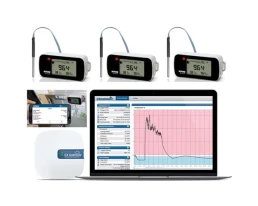
Temperature Monitoring in Transport
Top Technologies for Temperature Monitoring in Transport: A Complete UK Guide
Temperature Monitoring in Transport is essential for protecting temperature-sensitive goods across the UK supply chain.
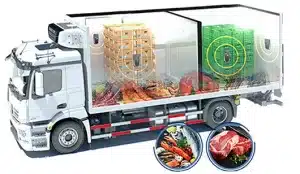
Pharmaceuticals, vaccines, fresh produce, dairy, seafood, and specialist chemicals all depend on strict thermal control. Even a short exposure outside the recommended range can damage product integrity. This can result in waste, regulatory breaches, and reputational harm. In the UK, strict frameworks such as GDP guidelines require documented proof of temperature compliance. Businesses must demonstrate that products remain within validated ranges throughout transit.
This includes road haulage, air freight, rail, and sea transport. Modern Temperature Monitoring in Transport solutions provide visibility from dispatch to delivery. They offer alerts, audit trails, and performance analytics. These systems reduce manual checks and human error. They also support insurance claims and quality assurance audits. For example, chilled food typically requires storage between 0°C and 5°C. Frozen goods often require temperatures below -18°C.
Many vaccines must remain between 2°C and 8°C. A single deviation may render stock unusable. Advanced monitoring tools allow transport managers to respond immediately to mechanical failures. They also enable route optimisation and risk mitigation. Selecting the correct technology depends on load value, journey length, and compliance requirements. UK businesses increasingly adopt integrated digital systems for improved oversight. The following sections explore leading technologies supporting Temperature Monitoring in Transport across the UK.
First a quick plug – Our sister companies Fresh Pharma whom are GDP Compliant Pharma couriers and ‘Fresh Fridge Hire‘ are our (compliant GDP) refrigerated vehicle hire.
Types of Temperature Monitoring in Transport: Technologies Explained
RFID Systems in Temperature Monitoring in Transport
Radio Frequency Identification plays a growing role in Temperature Monitoring in Transport. RFID tags attach directly to pallets, cartons, or containers. These tags transmit temperature and identification data using radio waves. A reader installed inside the vehicle collects the data automatically. This allows continuous monitoring without manual scanning. RFID systems are ideal for high-value pharmaceuticals and biologics. They reduce handling time and improve traceability. In the UK healthcare sector, RFID supports compliance with GDP standards. The system can integrate with warehouse management software. Alerts trigger when temperature thresholds are exceeded. The table below summarises key advantages and considerations.
| Feature | Benefit | Example Use in UK |
| Real-time data | Immediate alerts | Vaccine transport between NHS facilities |
| Contactless scanning | Faster processing | Distribution centres in Birmingham |
| Unique ID tracking | Improved traceability | High-value biologics |
| Integration capability | Central monitoring | National logistics networks |
RFID does require infrastructure investment. However, long-term efficiency gains often justify the cost.
Data Loggers in Temperature Monitoring in Transport
Data loggers remain the most cost-effective Temperature Monitoring in Transport solution. These compact devices record temperature at set intervals. They operate using internal batteries and onboard memory. After delivery, data downloads via USB or wireless connection. This provides a full temperature history for audit purposes. Data loggers are widely used in UK food distribution. They are also common in independent pharmacy deliveries. Their simplicity makes them attractive for smaller operators. The table below outlines core characteristics.
| Feature | Benefit | Typical Application |
| Low cost | Budget-friendly | Artisan food producers |
| Portable design | Flexible placement | Parcel shipments |
| Historical records | Audit support | MHRA inspections |
| Simple operation | Minimal training | Regional couriers |
However, they do not provide live alerts unless network-enabled. This limits rapid intervention during transit.
Wireless Sensors in Temperature Monitoring in Transport
Wireless sensors offer real-time Temperature Monitoring in Transport with remote access. These battery-powered devices measure both temperature and humidity. Data transmits to a central platform using mobile networks. Fleet managers can monitor conditions from any location. Alerts notify teams immediately if thresholds are exceeded. This allows corrective action before goods are compromised. UK supermarket chains commonly use wireless monitoring. Pharmaceutical distributors also favour this solution for nationwide deliveries. The comparison below highlights system capabilities.
| Feature | Advantage | UK Use Case |
| Real-time alerts | Immediate response | National grocery fleets |
| Humidity monitoring | Broader protection | Fresh produce shipments |
| Cloud dashboards | Remote oversight | Multi-site logistics firms |
| Data analytics | Trend analysis | Long-term compliance reporting |
Wireless systems require network coverage. Signal loss may occur in remote rural routes.
Infrared Thermography in Temperature Monitoring in Transport
Infrared thermography enhances Temperature Monitoring in Transport through surface scanning. Thermal cameras detect heat patterns across cargo areas. They identify hot or cold spots rapidly. This method works well during loading inspections. It provides instant visual confirmation of cooling performance. UK cold storage operators often use this for compliance checks. It does not replace internal probes but complements them. The technology is especially useful for frozen goods. Below is a feature overview.
| Feature | Benefit | Example |
| Rapid scanning | Quick diagnostics | Pre-departure checks |
| Visual heat maps | Easy interpretation | Distribution depots |
| Non-contact method | Hygienic assessment | Food handling environments |
| Fault detection | Prevents breakdown losses | Refrigeration maintenance |
Thermography measures surface temperature only. Internal readings still require probe-based systems.
GPS Tracking
GPS technology strengthens Temperature Monitoring in Transport by combining location and thermal data. Integrated devices track vehicle movement and cargo temperature simultaneously. This improves route visibility and security. Long-distance UK deliveries benefit greatly from this system. Managers can reroute vehicles during traffic delays. They can also investigate temperature breaches alongside journey data. The table below outlines its advantages.
| Feature | Benefit | Application |
| Live location tracking | Route optimisation | Cross-country deliveries |
| Combined temperature data | Full oversight | Pharmaceutical distribution |
| Geofencing alerts | Security control | Port transfers |
| Journey history | Compliance evidence | Retail supply chains |
GPS-enabled systems offer comprehensive oversight. They support insurance claims and contractual transparency.
Choosing the Right Solution
Temperature Monitoring in Transport is fundamental to product safety and regulatory compliance within the UK. Each technology offers distinct strengths. RFID provides automation and traceability. Data loggers offer affordability and simplicity. Wireless sensors deliver real-time oversight. Infrared thermography enhances inspection processes. GPS integration adds logistical intelligence. Businesses must assess journey duration, cargo value, and compliance requirements. Pharmaceutical transport demands stricter validation than ambient goods. Food logistics require hygiene-focused solutions. Budget constraints also influence system selection. Many UK organisations now combine multiple technologies. This layered approach improves reliability and audit readiness. Investing in advanced Temperature Monitoring in Transport reduces waste and financial loss. It strengthens brand reputation and customer confidence. It also ensures alignment with UK regulatory standards. By adopting suitable monitoring solutions, organisations futureproof their supply chains. They demonstrate commitment to quality, safety, and operational excellence.
Temperature Monitoring
- How do temperature monitoring technologies work?
Temperature monitoring technologies work by measuring and tracking temperature and humidity levels during transport using various devices such as sensors, data loggers, and RFID tags.
- What are the benefits of temperature monitoring for transport?
Temperature monitoring helps ensure that temperature-sensitive goods are transported safely and securely, reducing the risk of spoilage, contamination, and financial losses.
- Are there any regulatory requirements for temperature monitoring during transport?
Yes, there are various regulatory requirements for temperature monitoring, especially in industries such as pharmaceuticals and food and beverage, to ensure that goods are transported within the desired temperature range.
What should companies consider when choosing a temperature monitoring solution?
Companies should consider factors such as the nature of the goods being transported, the distance and duration of transport, and regulatory requirements when choosing a temperature monitoring solution.
What are some common temperature monitoring technologies used in transport?
Common temperature monitoring technologies include sensors, data loggers, RFID tags, infrared thermography, and GPS tracking.
- What should companies consider when choosing a temperature monitoring solution?
Companies should consider factors such as the nature of the goods being transported, the distance and duration of transport, and regulatory requirements when choosing a temperature monitoring solution.
- What are some common temperature monitoring technologies used in transport?
Common temperature monitoring technologies include sensors, data loggers, RFID tags, infrared thermography, and GPS tracking.
Data Policy and Strategy
Data Policy and Strategy: The Key to Effective Data Management
In the digital age, data is the most valuable asset for organisations of all sizes and industries. It provides valuable insights, enhances decision-making, and drives innovation. However, the management of data can be complex, and if not handled correctly, it can lead to serious consequences for an organisation. This is where data policy and strategy come into play. In this blog, we will discuss the importance, key components, best practices, and frequently asked questions.
First a quick plug – Our sister companies Fresh Pharma whom are GDP Compliant Pharma couriers and ‘Fresh Fridge Hire‘ are our (compliant GDP) refrigerated vehicle hire.
 Importance of Data Policy and Strategy
Data policy and strategy are critical components of an organisation’s data management framework. They provide guidance on how data is collected, processed, stored, and shared within an organisation. Without a well-defined data policy and strategy, organisations are at risk of making decisions based on inaccurate or incomplete data, facing data breaches, or violating regulatory requirements.
Benefits of having a Data Policy and Strategy
Having a data policy and strategy brings several benefits, such as:
- Ensuring data accuracy, completeness, and consistency
- Improving decision-making based on reliable data
- Enhancing data security and privacy
- Facilitating data sharing and collaboration
- Streamlining data-related processes and reducing redundancy
- Complying with regulatory requirements and avoiding penalties
- Enhancing the organisation’s reputation and trust among stakeholders
Consequences of not having a Data Policy and Strategy
Not having a data policy and strategy can lead to serious consequences, such as:
- Loss of data integrity, leading to inaccurate decisions
- Data breaches, resulting in financial and reputational damages
- Violation of privacy regulations, leading to legal and financial penalties
- Inability to share data with partners, clients, or regulators
- Inefficient data-related processes, leading to wasted resources and time
- Inability to comply with regulatory requirements, leading to fines and sanctions
- Damaged reputation and loss of trust among stakeholders
Key Components of a Data Policy and Strategy
A data policy and strategy should include several key components to ensure effective data management. Some of these components are:
Data Governance Framework
Data Policy and Strategy governance framework outlines the roles, responsibilities, and decision-making processes related to data management. It includes:
- Defining the data management structure and hierarchy
- Identifying data stewards and owners
- Establishing data-related policies and procedures
- Ensuring compliance with regulatory requirements
- Monitoring and evaluating data-related activities
Data Quality Standards
Data quality standards ensure that data is accurate, complete, consistent, and relevant. It includes:
- Defining data quality metrics and thresholds
- Establishing data quality control procedures
- Conducting regular data quality assessments and audits
- Improving data quality through data cleansing and normalisation
Data Privacy and Security Measures
Data privacy and security measures protect sensitive and confidential data from unauthorised access, use, or disclosure. It includes:
- Implementing data access controls and authentication mechanisms
- Encrypting data in transit and at rest
- Defining data retention and disposal policies
- Conducting regular security assessments and audits
- Ensuring compliance with privacy regulations, such as GDPR or CCPA
Data Access within the Data Policy and Strategy Policies
Data access and usage policies define who can access, use, or share data within an organisation. It includes:
- Defining data access roles and permissions
- Establishing data usage guidelines and restrictions
- Monitoring data access and usage activities
- Ensuring data sharing agreements and contracts
Data Retention and Disposal Procedures
Data Policy and Strategy must include Data retention and disposal procedures ensure that data is retained for as long as necessary and disposed of securely when no longer needed. It includes:
- Defining data retention periods and criteria
- Establishing data archiving and backup policies
- Ensuring secure data disposal methods, such as shredding or degaussing
- Complying with regulatory requirements, such as HIPAA or Sarbanes-Oxley
Data Integration and Interoperability Guidelines
Data integration and interoperability guidelines ensure that data can be shared and exchanged among different systems and applications. It includes:
- Defining data integration and exchange standards, such as APIs or web services
- Establishing data mapping and transformation rules
- Ensuring data interoperability across different platforms and formats
- Conducting regular data integration and interoperability testing
Best Practices for Developing and Implementing a Data Policy and Strategy
Developing and implementing a robust data policy and strategy is essential for organisations aiming to manage data effectively, securely, and in compliance with regulations. A well-defined strategy provides a clear framework for data governance, supports informed decision-making, and enhances operational efficiency. Best practices for developing and implementing a data policy and strategy include several critical steps that organisations should follow to ensure success.
Conducting a Data Audit
The first step in developing a Data Policy and Strategy is conducting a comprehensive data audit. A data audit identifies the types, sources, and storage locations of data across the organisation. It also highlights data quality issues, security vulnerabilities, and compliance gaps. Conducting an audit helps organisations understand what data exists, who has access to it, and how it is currently used. This process can be performed internally or with the assistance of external consultants, providing an objective perspective on organisational data practices. For example, a UK-based logistics company may audit customer delivery records, supplier contracts, and IoT sensor data to ensure accuracy, security, and regulatory compliance.
Involving Stakeholders and Building Consensus
Effective data policy development requires the active involvement of stakeholders from IT, legal, compliance, and business units. Engaging stakeholders early ensures that the strategy reflects operational realities and regulatory obligations. Building consensus across departments is critical to align the data policy with organisational priorities. For instance, input from finance teams can help define data retention policies, while compliance teams ensure adherence to GDPR requirements. A collaborative approach fosters ownership and accountability for data governance throughout the organisation.
Aligning with Organisational Goals and Objectives
A data policy must align with broader organisational goals, such as improving customer experience, increasing operational efficiency, reducing costs, or supporting revenue growth. Consideration of the organisation’s data culture and maturity level is equally important. Policies should be practical and actionable, supporting both short-term operational needs and long-term strategic objectives.
Ensuring Regulatory Compliance
Compliance of the Data Policy and Strategy with regulatory requirements, including GDPR in the UK and EU, is non-negotiable. A data strategy should also anticipate emerging regulations and adapt to potential legislative changes. By proactively addressing compliance, organisations mitigate legal risks, protect customer trust, and enhance brand reputation.
Regular Monitoring and Evaluation
Once implemented, a data policy requires continuous monitoring and evaluation. Regular reviews help ensure relevance, effectiveness, and responsiveness to organisational or regulatory changes. Feedback from stakeholders and lessons from past incidents should inform updates, maintaining a dynamic and resilient data governance framework.
Conclusion
In conclusion, a well-developed data policy and strategy are vital for effective data management. By conducting audits, engaging stakeholders, aligning with organisational objectives, ensuring regulatory compliance, and regularly monitoring performance, organisations can enhance decision-making, strengthen data security, and streamline processes. Investing in a structured data policy provides tangible benefits, including operational efficiency, risk reduction, and improved data-driven decision-making.
Data Policy
- What is a Data Policy?
A data policy is a set of guidelines and rules that define how data is collected, processed, stored, and shared within an organisation.
- Why is a Data Strategy important?
A data strategy is important because it helps an organisation to effectively manage and leverage its data assets to achieve its goals and objectives.
- What are the key components of a Data Policy?
The key components of a Data Policy include data quality control procedures, data privacy and security measures, data access and usage policies, and data retention and disposal procedures.
- How can organisations ensure regulatory compliance with their Data Policy?
Organisations can ensure regulatory compliance with their Data Policy by regularly monitoring regulatory requirements and trends, conducting regular assessments and audits, and engaging legal and compliance experts.
- What are the benefits of having a well-defined Data Policy and Strategy?
The benefits of having a well-defined Data Policy and Strategy include improved decision-making, enhanced data security and privacy, streamlined data-related processes, and increased organisational efficiency and effectiveness.

Dirty Data in Your Logistics Business
Dirty Data and Its Impact on Your Logistics Business
As a logistics business owner or manager, you are constantly dealing with vast amounts of potentially Dirty data.

You rely on this data to make important decisions, optimise your routes, operations, and improve customer satisfaction. However, not all data is created equal, and dirty data can significantly impact your business’s efficiency and profitability. In this blog, we will discuss what dirty data is, how it affects your temperature controlled logistics business in particular. The principles are the same in any logistics business, and how you can mitigate its impact. See our blog Data Policy and Strategy
First a quick plug – Our sister companies Fresh Pharma whom are GDP Compliant Pharma couriers and ‘Fresh Fridge Hire‘ are our (compliant GDP) refrigerated vehicle hire.
What is Dirty Data?
Types of Dirty Data
Dirty data can take different forms, including:
Inaccurate Data:
When data is incorrect, it can lead to incorrect insights and decision-making. For example, if your inventory data shows that you have a certain product in stock, but it’s actually out of stock, you may make wrong delivery promises.
Incomplete Data:
When data is missing critical information, it can create gaps in your knowledge and lead to ineffective decision-making. For example, if your delivery data doesn’t include the customer’s preferred delivery time, you may miss their delivery window.
Inconsistent Data:
When data is conflicting or contradictory, it can create confusion and uncertainty. For example, if your inventory data shows different stock levels for the same product, you may not know which one is accurate.
Duplicated Data:
When data is replicated in different sources, it can create redundant information and waste resources. For example, if you have the same customer data stored in multiple systems, you may waste time and effort updating them separately.
How Dirty Data Affects Your Logistics Business
Dirty data can have various negative impacts on your logistics business, such as:
Inaccurate Inventory Management
If your inventory data is inaccurate, it can lead to stockouts or overstocking, which can result in lost sales or wasted resources. For example, if your inventory data shows that you have more of a product than you actually do, you may accept more orders than you can fulfil, leading to delayed or cancelled orders and dissatisfied customers. On the other hand, if your inventory data shows that you have less of a product than you actually do, you may reorder more than you need, tying up valuable capital and space.
Inefficient Routing and Delivery
Dirty data can also impact your routing and delivery processes, leading to inefficient and costly operations. For example, if your delivery data doesn’t include accurate customer addresses, your drivers may waste time and fuel searching for the right location, leading to delayed deliveries and higher operational costs. Similarly, if your routing data doesn’t consider traffic patterns or road construction, your drivers may take longer routes or encounter roadblocks, leading to delayed deliveries and lower customer satisfaction.
Delayed or Missed Deliveries
Dirty data can also result in delayed or missed deliveries, which can damage your business’s reputation and customer loyalty. For example, if your delivery data doesn’t include accurate delivery time estimates, your customers may not be available to receive their orders, leading to missed deliveries and disappointed customers. Similarly, if your delivery data doesn’t account for weather conditions or other external factors, your drivers may encounter unexpected delays or obstacles, leading to delayed deliveries and frustrated customers.
Mitigating the Impact of Dirty Data on Your Logistics Business
To minimise the impact of dirty data on your logistics business, you can implement various strategies, such as:
Implementing Data Cleaning Processes
Regularly cleaning your data can help identify and correct inaccuracies, duplications, and other forms of dirty data. You can use data cleaning tools or hire data cleaning experts to audit your data and ensure its accuracy and completeness.
Training Employees to prevent Dirty data
Providing your employees with data entry training and guidelines can help reduce human errors and ensure consistent and accurate data. You can also incentivize accurate data entry and provide regular feedback on data quality.
Using Automation Tools to cleanse Dirty Data
Leveraging automation tools such as machine learning algorithms, artificial intelligence, and predictive analytics can help detect and correct in real-time, leading to faster and more accurate decision-making.
The Importance of eliminating Dirty Data in Logistics
Maintaining high data quality in logistics is crucial for various reasons, such as:
Improved Decision-Making
Accurate and timely data can provide valuable insights into your business’s performance, customer behaviour, market trends, and other critical factors. This information can help you make informed decisions that improve your operations, reduce costs, and increase revenue.
Enhanced Customer Satisfaction
Clean data can help you provide a seamless and personalised customer experience, leading to higher customer satisfaction and loyalty. For example, accurate delivery estimates, real-time tracking, and tailored recommendations can all contribute to a positive customer experience.
Increased Operational Efficiency
High-quality data can help you optimise your operations, streamline your processes, and reduce waste. For example, accurate inventory data can help you avoid overstocking or stockouts, leading to better resource allocation and lower costs.
Conclusion: The Importance of Managing Dirty Data in Logistics
Dirty data can have a profound effect on a logistics business, affecting operational efficiency, profitability, and customer satisfaction. Inaccurate, incomplete, inconsistent, or duplicated data can disrupt supply chains, delay deliveries, and result in poor decision-making. For example, an incorrect inventory record may lead to stockouts or overstocking, while inaccurate delivery addresses can cause failed shipments and dissatisfied customers.
To mitigate the impact of dirty data, logistics companies should implement structured data cleaning processes. Regular audits, validation checks, and automated monitoring can identify errors before they propagate throughout the system. Staff training is equally critical, ensuring employees understand best practices for data entry and maintenance, reducing human error. Leveraging automation tools, such as AI-driven data validation or real-time monitoring systems, can further enhance data accuracy and reliability.
Maintaining high-quality data is not just a technical exercise—
it is a strategic necessity. Reliable data supports informed decision-making, enables efficient resource allocation, and improves customer experiences. It also helps businesses comply with regulatory requirements, maintain trust with partners, and optimise supply chain performance.
In conclusion, addressing dirty data proactively strengthens a logistics organisation’s foundation. By combining employee training, automated tools, and ongoing monitoring, companies can ensure that their data remains accurate, consistent, and actionable. This commitment to high data quality ultimately drives operational efficiency, reduces costs, and enhances customer satisfaction, giving logistics businesses a competitive edge in a fast-moving and increasingly data-driven industry.
Refrigerated Van Fleet
- What is refrigerated van fleet management?
Refrigerated van fleet management refers to the process of overseeing and optimising a fleet of refrigerated vans used to transport temperature-sensitive goods. It includes tasks such as scheduling, maintenance, monitoring temperature, and compliance with regulations.
- Why is refrigerated van fleet management important?
Proper refrigerated van fleet management is crucial in ensuring the safe and timely transport of temperature-sensitive goods. It helps to maintain the quality of the goods, prevent spoilage, reduce waste, and ensure compliance with regulations. Effective fleet management can also lead to cost savings and increased efficiency.
- Toggle Title
Some of the common challenges in refrigerated van fleet management include maintaining consistent temperature, complying with regulations, minimising fuel consumption, reducing maintenance costs, and ensuring timely delivery.
- How can I ensure the temperature inside the refrigerated van is consistent?
To ensure consistent temperature inside the refrigerated van, you should regularly calibrate the temperature sensors and thermometers, monitor the temperature during transport, and make sure the refrigeration unit is well-maintained. You can also use telematics or GPS tracking systems to monitor the temperature and location of the van in real-time.
- How often should I perform maintenance on my refrigerated van fleet?
Regular maintenance is critical in ensuring the reliability and longevity of your refrigerated van fleet. It is recommended to perform maintenance at least once a year or every 10,000 to 15,000 miles. However, you should also perform routine checks daily

Cleaning Data in Logistics
Cleaning Data in Your Logistics Business
Cleaning Data in the logistics industry will help ensure accurate and reliable data which is crucial for smooth operations and efficient decision-making. However, data can often become messy and inconsistent, leading to errors and inefficiencies. Data cleansing, also known as data scrubbing or data cleaning, is the process of identifying and correcting or removing errors, inconsistencies, and inaccuracies from a dataset. This article will provide a comprehensive guide on how to cleaning data in your logistics business, ensuring the reliability and quality of your data. Read our blog Data Policy and Strategy for a clear vision
First a quick plug – Our sister companies Fresh Pharma whom are GDP Compliant Pharma couriers and ‘Fresh Fridge Hire‘ are our (compliant GDP) refrigerated vehicle hire.
 Understanding the Importance of Cleaning Data
Enhanced Decision-Making
Cleaning Data plays a vital role in enhancing decision-making processes within your logistics business. By ensuring the accuracy and reliability of your data, you can make informed decisions based on trustworthy information. Clean data provides valuable insights into various aspects of your operations, such as inventory management, transportation planning, and demand forecasting, enabling you to optimise your processes and achieve better outcomes.
Improved Operational Efficiency
Messy and inconsistent data can severely impact the efficiency of your logistics operations. By cleansing your data, you eliminate duplicate records, correct errors, and standardise formats, resulting in improved operational efficiency. Clean data helps streamline processes, minimise delays, and reduce costly mistakes, ultimately leading to enhanced productivity and customer satisfaction.
The Cleaning Data Process
1. Identify Data Quality Issues
The first step in the data cleansing process is to identify data quality issues. This involves examining your datasets for common problems such as duplicate entries, missing values, incorrect formats, and inconsistent naming conventions. Utilise data profiling tools or scripts to analyse your data and generate reports highlighting potential issues.
2. Define Data Cleaning Rules
Once you have identified the data quality issues, define data cleaning rules that outline how each issue should be addressed. For example, you may decide to remove duplicate records, fill in missing values using appropriate techniques (e.g., mean imputation or regression), and standardise formats and naming conventions. Clearly document these rules to ensure consistency and facilitate future data cleansing efforts.
3. Actually Cleaning Data
Now that you have defined the data cleaning rules, it’s time to execute them and cleaning your data. Depending on the size and complexity of your datasets, you can employ various techniques such as data deduplication, data validation, data transformation, and outlier detection. Utilise data cleansing tools and software to automate the process and save time and effort.
4. Validate and Verify
After cleansing the data, it’s crucial to validate and verify its accuracy. Perform data integrity checks, cross-reference with external sources, and conduct sample audits to ensure the reliability of the cleaning data. This step helps identify any remaining errors or inconsistencies that may have been overlooked during the cleansing process.
5. Maintain Data Quality
Data cleansing is not a one-time task but an ongoing process. To maintain data quality in your logistics business, establish data governance policies and procedures. Regularly monitor data quality, implement data validation rules, and train your staff on proper data entry and maintenance practices. By prioritising data quality, you can ensure the longevity and effectiveness of your data cleansing efforts.
Conclusion to Cleaning Data
Data cleansing is a critical process for any logistics business aiming to leverage accurate and reliable data for decision-making and operational efficiency. By following the steps outlined in this guide, you can effectively cleaning your data, mitigate errors and inconsistencies, and optimise your logistics operations. Remember that data cleansing is an ongoing effort, requiring continuous monitoring and maintenance to ensure the
How to Future-Proof Your Data and Ensure Long-Term Cleaning Data
1. Implement Data Governance Policies
To future-proof your data and maintain its cleanliness, it is essential to establish robust data governance policies. Data governance involves defining roles, responsibilities, and processes for managing and maintaining data quality. Develop clear guidelines on data entry, validation, and maintenance procedures, ensuring that all employees understand and follow them consistently.
2. Regular Data Quality Assessments
Performing regular data quality assessments helps you stay ahead of potential issues and maintain data cleanliness over time. Set up a schedule for conducting data audits, where you evaluate the accuracy, completeness, consistency, and relevance of your data. Identify any emerging patterns or trends in data quality problems and address them promptly to prevent data degradation.
3. Data Validation and Error Handling for Cleaning Data
Implement robust data validation procedures to catch errors at the point of entry. Use validation rules and checks to ensure that data conforms to predefined criteria. For example, you can validate numeric fields, check for proper formatting, or verify the consistency of data across different fields. Develop error handling protocols to handle data entry mistakes promptly and prevent them from propagating throughout the system.
4. Data Integration and Standardisation
When integrating data from multiple sources or systems, inconsistencies and errors can arise. Establish data integration processes that focus on standardising data formats, naming conventions, and coding structures. Implement data cleansing techniques, such as data transformation and matching algorithms, to reconcile and merge disparate datasets effectively.
5. Invest in Automation and AI Solutions for Cleaning Data
Leverage automation and artificial intelligence (AI) solutions to streamline and future-proof your data cleansing efforts. Explore data cleansing tools that automate repetitive tasks like duplicate identification and elimination, outlier detection, and data validation. AI technologies, such as machine learning algorithms, can help identify patterns and anomalies, improving data accuracy and minimising manual intervention.
6. Continual Staff Training
Regular training sessions for your staff on data management best practices are vital for maintaining data cleanliness. Educate employees on the importance of data quality, provide training on data entry standards, and ensure they understand the impact of their actions on data integrity. Encourage a data-centric culture within your logistics business, where every employee understands the significance of clean data and actively contributes to its maintenance.
7. Monitor Data Quality Metrics
Establish key performance indicators (KPIs) to measure data quality and monitor them consistently. Track metrics such as data accuracy, completeness, consistency, and timeliness. By regularly monitoring these metrics, you can identify trends, detect potential issues, and take proactive measures to rectify data quality problems promptly.
8. Establish Data Stewardship Roles when Cleaning Data
Appoint data stewards within your organisation who are responsible for overseeing data quality and data cleansing initiatives. Data stewards act as champions for data cleanliness, ensuring adherence to data governance policies, and resolving data quality issues. These individuals possess the expertise to identify data problems, develop remediation strategies, and implement necessary improvements.
Conclusion to Cleaning Data
Data cleansing is an ongoing process that requires a proactive and long-term approach to future-proof your data. By implementing robust data governance policies, conducting regular data quality assessments, and investing in automation and AI solutions, you can ensure that your data remains clean and reliable. Combine these efforts with continual staff training, data integration standardisation, and effective data stewardship to maintain high-quality data for your logistics business. Remember, clean data is the foundation for informed decision-making, operational efficiency, and sustainable growth in the ever-evolving logistics industry.
Data Cleaning
- Why is data cleansing important for logistics businesses?
Data cleansing is crucial for logistics businesses as it ensures accurate and reliable data, which is essential for making informed decisions, optimising operations, and improving overall efficiency. Clean data helps minimise errors, reduce delays, and enhance customer satisfaction.
- What are common data quality issues in logistics data?
Common data quality issues in logistics data include duplicate records, missing values, inconsistent formats, inaccurate measurements, and outdated or incorrect information. These issues can lead to inaccurate inventory management, inefficient route planning, and unreliable demand forecasting.
- How often should data cleansing be performed in a logistics business?
Data cleansing should be performed on a regular basis, depending on the volume and rate of data accumulation. It is recommended to conduct data cleansing activities quarterly or semi-annually. However, critical data, such as customer information or inventory data, may require more frequent cleansing to maintain accuracy.
- Can data cleansing be automated in logistics businesses?
Yes, data cleansing can be automated in logistics businesses using specialised software tools and algorithms. These tools can help identify and resolve data quality issues such as duplicates, inconsistencies, and formatting errors. Automation saves time, reduces human error, and ensures consistent data cleansing processes.
- How can data cleansing contribute to cost savings in logistics businesses?
Data cleansing contributes to cost savings in logistics businesses by improving operational efficiency. Clean data enables accurate demand forecasting, leading to optimise inventory levels and reduced storage costs. It also minimises errors in transportation planning, resulting in efficient route management and decreased fuel and labour expenses. Additionally, clean data improves customer satisfaction, leading to repeat business and reduced customer acquisition costs.

Emerging Technologies are Boosting Business Growth
Boosting Business Growth with Emerging Technology
In the fast-paced world of business, companies need to stay ahead of the curve to survive and thrive. One key way to do this is by utilising traceability data and emerging technologies to boost growth. In this blog, we’ll explore what traceability data is, how it can help your business, and the emerging technologies that are shaping the future of traceability.
First a quick plug – Our sister companies Fresh Pharma whom are GDP Compliant Pharma couriers and ‘Fresh Fridge Hire‘ are our (compliant GDP) refrigerated vehicle hire.
 In today’s highly competitive business landscape, it’s more important than ever to utilise all the tools at your disposal to boost growth. One key tool that many businesses overlook is traceability data. By leveraging the power of traceability data and emerging technologies, businesses can gain insights into their operations that were previously impossible to obtain. This can lead to improved efficiency, increased profitability, and ultimately, sustained growth.
What is Traceability Data?
Traceability data is data that tracks the movement of goods and products throughout the supply chain. This can include everything from raw materials to finished goods, and can provide valuable insights into the efficiency and effectiveness of a company’s operations. Traceability data can be collected through a variety of means, including barcodes, RFID tags, and GPS tracking.
The Benefits of Traceability Data in Emerging Technologies
The benefits of traceability data are numerous. For one, it allows businesses to track the movement of goods throughout the supply chain, providing valuable insights into the efficiency of their operations. This can lead to improved logistics, reduced waste, and increased profitability.
Traceability data also enables businesses to identify and mitigate supply chain risks. By tracking the movement of goods, businesses can quickly identify issues such as delays, bottlenecks, and quality control problems. Taking steps to address them before they become major issues.
Finally, traceability data can help businesses improve their relationships with customers. By providing real-time information about the movement of goods, businesses can improve communication with customers, build trust, and ultimately, increase customer satisfaction.
Emerging Technologies in Traceability
As technology continues to evolve, so too do the possibilities for traceability. Here are just a few of the emerging technologies that are shaping the future of traceability:
Blockchain
Blockchain technology is already being used in supply chain management to improve transparency and traceability. By using a decentralised ledger to track the movement of goods, businesses can ensure that data is secure, tamper-proof, and accessible to all parties involved in the supply chain.
Emerging Technologies of the Internet of Things (IoT)
The Internet of Things (IoT) is also playing a major role in traceability. By using sensors and other connected devices to track the movement of goods,. Businesses can gain real-time insights into the status of their operations. This can lead to improved efficiency, reduced waste, and increased profitability.
Artificial Intelligence (AI) revolutionised Emerging Technologies
Artificial intelligence (AI) is also being used to improve traceability. By using machine learning algorithms to analyse traceability data, businesses can gain insights into their operations that were previously impossible to obtain. This can lead to improved efficiency, reduced waste, and increased profitability.
Mobile phone apps increase accessibility to traceability?
Mobile phone apps have revolutionised the way businesses manage and share traceability data. With the increasing use of mobile devices, businesses can easily collect and track information on their products and operations in real-time. Making it easier to identify and address issues along the supply chain.
One of the main benefits of Emerging Technologies mobile phone apps is their ease of use. Apps can be downloaded and used on-the-go, making it easier for businesses to collect data from multiple sources and share it with partners along the supply chain. Additionally, many apps provide real-time alerts and notifications, allowing businesses to quickly respond to any issues that arise.
Another benefit of mobile phone apps is their ability to improve data accuracy. By using automated data collection methods and integrating with other systems, apps can reduce the risk of manual errors and ensure that data is up-to-date and accurate.
Mobile phone apps can also improve collaboration and communication along the supply chain. By sharing traceability data in real-time, businesses can work together to address issues and identify opportunities for improvement. This can lead to increased efficiency, reduced waste, and enhanced quality throughout the entire supply chain.
In conclusion, mobile phone apps are an important tool for businesses looking to increase accessibility to traceability data. With their ease of use, improved data accuracy, and ability to improve collaboration and communication, mobile phone apps are a valuable asset for businesses seeking to optimise their operations and boost growth.
 Reduction in costs of Apps
Emerging Technologies via the increasing use of mobile phone apps is due to the reduction in costs with development and deployment. In the past, businesses would have to invest significant resources in developing custom software. Hiring IT professionals to manage their data collection and management processes. However, the advent of low-code and no-code app development platforms has made it easier and more affordable for businesses to develop and deploy apps on their own.
Low-code and no-code platforms provide pre-built components and drag-and-drop interfaces. Thus allowing users to create custom apps without needing extensive coding knowledge. This has significantly reduced the costs associated with app development, making it accessible to businesses of all sizes.
Furthermore, the proliferation of cloud-based app deployment has further reduced costs by eliminating the need for businesses to invest in expensive hardware and infrastructure. With cloud-based apps, businesses can deploy their apps on a subscription basis, paying only for the resources they use.
The reduction in costs associated with app development and deployment has made it easier for businesses to collect and manage traceability data, leading to increased adoption of traceability technologies. This, in turn, has led to improved supply chain visibility, increased efficiency, and enhanced product quality.
Round Up
In conclusion, traceability data and emerging technologies are playing an increasingly important role in the world of business. By leveraging the power of traceability data and the latest technologies,. Businesses can gain insights into their operations that were previously impossible to obtain. This can lead to improved efficiency, increased profitability, and sustained growth.
Traceability data is data that tracks the movement of goods and products throughout the supply chain. Traceability data can help businesses improve their operations, identify and mitigate risks, and improve their relationships with customers. Emerging technologies in traceability include blockchain, Internet of Things (IoT), and artificial intelligence (AI). Blockchain technology uses a decentralised ledger to track the movement of goods, ensuring that data is secure, tamper-proof, and accessible to all parties involved in the supply chain. The IoT uses sensors and other connected devices to track the movement of goods in real-time, providing businesses with valuable insights into the status of their operations. AI uses machine learning algorithms to analyse traceability data, providing businesses with insights into their operations that were previously impossible to obtain.Emerging Technologies

Connected Supply Chains in the UK
Refrigerated Logistics Solutions: The Future of Connected Supply Chains in the UK
Introduction to Connected Supply Chains
Connected supply chains are transforming the way businesses operate, particularly in sectors requiring refrigerated logistics solutions.  By integrating advanced digital technologies such as the Internet of Things (IoT), Artificial Intelligence (AI), and blockchain, companies can achieve unparalleled visibility, efficiency, and automation. In the UK, where the demand for temperature sensitive goods like pharmaceuticals, fresh produce, and frozen foods is rising, connected supply chains are becoming indispensable.
First a quick plug – Our sister companies Fresh Pharma whom are GDP Compliant Pharma couriers and ‘Fresh Fridge Hire‘ are our (compliant GDP) refrigerated vehicle hire.
Key Technologies Driving Connectivity in Connected Supply Chains
- Internet of Things (IoT): IoT enabled sensors are critical in refrigerated logistics solutions. These sensors monitor temperature, humidity, and location in real time, ensuring that perishable goods remain within specified conditions. For example, a UK based pharmaceutical company can use IoT to track the temperature of vaccines during transit, ensuring compliance with regulatory standards.
- Artificial Intelligence (AI): AI plays a pivotal role in optimising refrigerated logistics solutions. Predictive analytics can forecast demand for cold storage, while machine learning algorithms can identify patterns in temperature fluctuations, enabling proactive adjustments. For instance, a UK supermarket chain might use AI to predict the demand for fresh produce during holiday seasons, ensuring optimal stock levels.
- Blockchain: Blockchain technology enhances transparency and security in refrigerated logistics solutions. By creating an immutable record of every transaction and temperature reading, blockchain ensures traceability and reduces the risk of fraud. A UK seafood supplier, for example, could use blockchain to prove the freshness of its products to customers.
- Cloud Computing: Cloud Based platforms enable seamless collaboration across the supply chain. Centralised data storage allows stakeholders to access real-time information, improving decision making and scalability. A UK dairy producer might use cloud computing to share real time temperature data with distributors and retailers, ensuring product quality.
Connected Supply Chains: The State of Supply Chains in the UK
The UK’s supply chain landscape is undergoing significant transformation, driven by factors such as Brexit, the COVID19 pandemic, and evolving consumer expectations. These changes have highlighted the need for robust refrigerated logistics solutions to address challenges like rising costs, logistical disruptions, and regulatory complexities.
Key Factors Affecting UK Supply Chains
| Factor | Impact on Refrigerated Logistics Solutions |
| Brexit | Stricter trade regulations and border delays have increased the complexity of transporting temperature sensitive goods across borders. |
| COVID19 | The pandemic caused widespread disruptions, including labour shortages and increased demand for cold storage for vaccines and medical supplies. |
| Digitalisation | The push for automation and real time data tracking has accelerated the adoption of refrigerated logistics solutions. |
For example, Brexit has led to delays at customs checkpoints, increasing the risk of spoilage for perishable goods. To mitigate this, UK companies are investing in IoT-enabled refrigerated containers that provide real time alerts if temperature thresholds are breached.
Refrigerated Logistics Solutions: Key Technologies Powering the Connected Supply Chain
1. Internet of Things (IoT) in Refrigerated Logistics Solutions
IoT is a gamechanger for refrigerated logistics solutions. Smart sensors embedded in refrigeration units monitor conditions in real-time, ensuring compliance with safety standards. For instance, a UK based frozen food distributor might use IoT to track the temperature of its fleet, reducing the risk of product spoilage.
2. Artificial Intelligence (AI) & Machine Learning
AI enhances refrigerated logistics solutions by optimising routes, predicting maintenance needs, and forecasting demand. A UK cold storage provider could use AI to predict equipment failures, minimising downtime and ensuring uninterrupted service.
3. Blockchain for Transparency and Security
Blockchain ensures the integrity of data in refrigerated logistics solutions. By creating a tamperproof record of every temperature reading, blockchain builds trust among stakeholders. For example, a UK organic food supplier might use blockchain to verify the authenticity of its products.
4. Cloud-Based Solutions
Cloud platforms enable real time data sharing in refrigerated logistics solutions. A UK meat processor could use cloud computing to share temperature data with retailers, ensuring compliance with food safety regulations.
Refrigerated Logistics Solutions: Benefits of a Connected Supply Chain
1. Improved Efficiency and Productivity
Automated workflows in refrigerated logistics solutions reduce manual errors and enhance operational speed. For example, a UK bakery using automated temperature monitoring can ensure consistent product quality.
2. Real-Time Visibility and Tracking
Real Time tracking in refrigerated logistics solutions allows businesses to monitor conditions and respond to issues promptly. A UK florist, for instance, could use real time data to ensure flowers remain fresh during transit.
3. Enhanced Decision-Making
AI-powered analytics provide actionable insights, enabling companies to optimise resources. A UK ice cream manufacturer might use predictive analytics to adjust production based on weather forecasts.
4. Cost Savings and Waste Reduction
Optimised logistics and inventory management in refrigerated logistics solutions minimise waste and reduce costs. A UK seafood supplier could use AI to reduce overstocking, cutting unnecessary expenses.
Connected Supply Chains: Challenges in Implementation
| Challenge | Description |
| Cybersecurity Risks | Increased vulnerability to cyberattacks, particularly in IoT enabled refrigerated logistics solutions. |
| Legacy System Integration | Difficulty integrating new technologies with outdated infrastructure in refrigerated logistics solutions. |
| High Implementation Costs | Expensive technology upgrades and training required for refrigerated logistics solutions. |
| Organisational Resistance | Resistance to change among staff and management in adopting refrigerated logistics solutions. |
For example, a UK dairy company might face challenges in integrating IoT sensors with its existing refrigeration systems, requiring significant investment and training.
By embracing refrigerated logistics solutions, UK businesses can overcome these challenges and unlock the full potential of connected supply chains. With the right strategies and technologies, the future of the cold chain sector looks promising
Connected Supply Chains: The Role of IoT in Supply Chain Connectivity
The integration of Internet of Things (IoT) technology has revolutionised refrigerated logistics solutions, enabling real time data collection and transmission to enhance efficiency across warehouses, transportation, and logistics operations. IoT devices play a pivotal role in ensuring the integrity of temperature sensitive goods, optimising inventory management, and preventing equipment failures.
IoT Applications in Refrigerated Logistics Solutions
Smart Sensors for Temperature Monitoring
Smart sensors are a cornerstone of refrigerated logistics solutions, particularly for monitoring temperature sensitive goods such as pharmaceuticals, fresh produce, and frozen foods. These sensors provide real time data on temperature, humidity, and other environmental conditions, ensuring compliance with regulatory standards and reducing the risk of spoilage. For example, a UK-based pharmaceutical company can use IoT-enabled sensors to monitor the temperature of vaccines during transit, ensuring they remain within the required range of 2°C to 8°C.
RFID Tracking for Enhanced Inventory Management
Radiofrequency identification (RFID) technology is another critical IoT application in refrigerated logistics solutions. RFID tags enable real time tracking of inventory, reducing the likelihood of stockouts or overstocking. In a refrigerated warehouse, RFID systems can automatically update inventory levels as goods move in and out, providing accurate data for demand forecasting and order fulfilment. For instance, a UK supermarket chain can use RFID to track the movement of perishable goods, ensuring optimal stock levels and minimising waste.
Predictive Maintenance to Prevent Equipment Failures
Predictive maintenance is a gamechanger for refrigerated logistics solutions, as it helps prevent costly equipment failures and downtime. IoT devices can monitor the condition of refrigeration units, vehicles, and other critical assets, alerting operators to potential issues before they escalate. For example, a UK logistics company can use IoT sensors to monitor the performance of its refrigerated trucks, scheduling maintenance only when necessary and avoiding unexpected breakdowns.
The UK Government’s Role in Supporting Connected Supply Chains
The UK government plays a pivotal role in fostering innovation and digitalisation within the supply chain sector, particularly in refrigerated logistics solutions. By implementing supportive policies, funding initiatives, and encouraging industry collaborations, the government ensures that businesses can adopt advanced technologies to enhance efficiency, sustainability, and resilience.
Regulatory Support for Refrigerated Logistics Solutions
To facilitate the adoption of cutting edge technologies like Artificial Intelligence (AI) and the Internet of Things (IoT), the UK government has established robust compliance frameworks. These regulations ensure that businesses integrating AI and IoT into their refrigerated logistics solutions adhere to safety, privacy, and ethical standards. For instance, the Data Protection Act 2018 governs how data collected through IoT sensors in cold chain logistics is stored and processed, ensuring consumer trust. Additionally, the UK National AI Strategy provides guidelines for the ethical use of AI in supply chains, encouraging businesses to adopt A powered predictive analytics for temperature control and demand forecasting.
Funding & Grants for Refrigerated Logistics Solutions
The government offers financial incentives to businesses investing in technology driven refrigerated logistics solutions. Programs such as the Innovate UK Smart Grants provide funding for projects that integrate AI, IoT, and blockchain into supply chain operations. For example, a UK based seafood distributor recently secured funding to implement IoT enabled temperature monitoring systems, ensuring the freshness of perishable goods during transit. These grants not only reduce the financial burden on businesses but also accelerate the adoption of innovative solutions across the industry.
Industry Collaborations in Refrigerated Logistics Solutions
Public Private partnerships are instrumental in driving innovation within the refrigerated logistics sector. The UK government collaborates with industry leaders to develop and test new technologies. For instance, the Cold Chain Federation works closely with the Department for Transport to pilot 5g Connected refrigeration units, which enable real time monitoring and control of temperature sensitive goods. Such collaborations ensure that the UK remains at the forefront of global supply chain innovation.
By providing regulatory support, funding, and fostering industry collaborations, the UK government empowers businesses to embrace connected refrigerated logistics solutions, ensuring a more efficient and sustainable future.
Refrigerated Logistics Solutions: Case Studies of Successful Connected Supply Chains in the UK
The UK is home to several pioneering companies that have successfully integrated connected technologies into their refrigerated logistics solutions. These case studies highlight the transformative impact of AI, IoT, and blockchain on supply chain efficiency and sustainability.
Tesco: Revolutionising Refrigerated Logistics Solutions
Tesco, one of the UK’s largest retailers, has embraced AI and IoT to optimise its refrigerated logistics operations.
- AI-Powered Inventory Management: Tesco uses AI algorithms to predict demand for perishable goods, reducing food waste by 30%. For example, during the summer months, the system accurately forecasts increased demand for ice cream and salads, ensuring optimal stock levels.
- IoT Enabled Warehouses: Tesco’s warehouses are equipped with IoT sensors that monitor temperature and humidity levels in real time. This ensures that products like dairy and meat are stored under ideal conditions, maintaining quality and extending shelf life.
Jaguar Land Rover: Ethical and Efficient Refrigerated Logistics Solutions
Jaguar Land Rover (JLR) has implemented blockchain technology to enhance transparency and efficiency in its supply chain.
- Blockchain Based Tracking: JLR uses blockchain to track the sourcing of raw materials, ensuring ethical practices. For instance, the system verifies that leather used in car interiors is sourced from sustainable farms.
- 5G Connected Manufacturing: JLR’s production facilities are equipped with 5g Enabled refrigeration units that maintain precise temperatures for sensitive components. This reduces defects and improves production speed.
These case studies demonstrate how connected refrigerated logistics solutions can drive efficiency, sustainability, and ethical practices in the UK supply chain sector.
Future Trends in the UK’s Connected Supply Chain
The future of refrigerated logistics solutions in the UK is shaped by emerging technologies that promise to revolutionise the industry. From autonomous delivery vehicles to hyper automation, these trends are set to transform how businesses manage their supply chains.
Autonomous Delivery Vehicles in Connected Supply Chains
Autonomous vehicles, including drones and self-driving trucks, are poised to redefine last mile delivery for temperature sensitive goods. For example, UK-based start-up Sky-ports is testing drone deliveries of medical supplies, ensuring rapid and efficient transport of vaccines and blood samples. Similarly, self driving refrigerated trucks are being piloted by companies like Ocado, enabling cost effective and reliable delivery of groceries.
AI Powered Risk Management for Connected Supply Chains
AI is increasingly being used to predict and mitigate risks in the cold chain. For instance, AI algorithms analyse weather patterns and traffic data to identify potential disruptions, allowing businesses to reroute shipments and maintain product quality. A UK based pharmaceutical company recently used AI to prevent spoilage of temperature sensitive drugs during a heatwave, saving millions of pounds.
Hyper Automation in Connected Supply Chains
Hyper Automation, which combines AI, IoT, and robotics, is transforming supply chains into fully automated systems. In the UK, companies like G’s Fresh are using hyper automation to streamline the harvesting, packaging, and distribution of fresh produce. Robots equipped with IoT sensors monitor temperature and humidity levels, ensuring that products remain fresh throughout the supply chain.
These trends highlight the immense potential of connected refrigerated logistics solutions to enhance efficiency, reduce costs, and improve sustainability in the UK.
How Businesses Can Implement a Connected Supply Chain Strategy
Implementing a connected supply chain strategy is essential for businesses looking to optimise their refrigerated logistics solutions. Here’s a step by step guide to help you get started:
Step 1: Assess Current Infrastructure
Begin by evaluating your existing supply chain infrastructure. Identify gaps in technology and processes that could hinder the adoption of connected solutions. For example, a UK based dairy producer discovered that its manual temperature monitoring system was prone to errors, leading to product spoilage.
Step 2: Adopt Smart Technologies
Invest in AI, IoT, and blockchain to enhance your refrigerated logistics solutions. For instance, IoT sensors can provide real time data on temperature and humidity, while AI algorithms can predict demand and optimise inventory levels.
Step 3: Optimise Logistics
Implement real time tracking and predictive analytics to streamline operations. A UK seafood distributor used predictive analytics to reduce delivery times by 20%, ensuring that products reached customers fresh.
Step 4: Ensure Cybersecurity
Protect your data with encryption and secure networks. The UK’s National Cyber Security Centre provides guidelines for safeguarding IoT devices and AI systems in supply chains.
Step 5: Monitor & Improve
Continuously refine your strategy based on data driven insights. Regularly review performance metrics and make adjustments to stay ahead of the competition.
By following these steps, businesses can successfully implement connected refrigerated logistics solutions, driving efficiency and sustainability.
Connected Supply Chains: Conclusion & Call to Action
Connected Supply Chains are revolutionising the UK supply chain sector, offering unparalleled efficiency, cost savings, and sustainability. From AI-powered inventory management to autonomous delivery vehicles, these innovations are transforming how businesses operate.
The UK government’s supportive policies, coupled with industry leading case studies and emerging trends, highlight the immense potential of connected supply chains. By adopting smart technologies and implementing a strategic approach, businesses can stay competitive in an increasingly digital world.
Ready to optimise your refrigerated logistics solutions? Contact our experts today to learn how we can help you embrace the future of supply chain innovation!
CONNECTED SUPPLY
- What is a connected supply chain?`
A connected supply chain refers to a system in which technology and data analytics are integrated into the supply chain to improve efficiency, reduce waste, and enhance product quality.
- How can food manufacturers benefit from a connected supply chain?
By adopting real-time tracking and monitoring, enhancing collaboration and communication, optimising inventory management, and improving traceability and compliance, food manufacturers can improve their efficiency, reduce waste, and enhance product quality.
- What is real-time tracking and monitoring?
Real-time tracking and monitoring refers to the use of sensors and other IoT devices to track products and monitor their condition in real-time. This helps manufacturers to identify potential issues early on, such as delays or damage to the product, and take corrective action.
- How can connected supply chains improve collaboration and communication?
Connected supply chains facilitate better collaboration and communication between all stakeholders involved in the process. This includes manufacturers, suppliers, distributors, and retailers. By sharing data and insights in real-time, all parties can work together to identify and address issues quickly.
- What is inventory management?
Inventory management refers to the process of managing inventory levels, demand, and supply. With connected supply chains, manufacturers can optimise their inventory management by providing real-time visibility into inventory levels, demand, and supply, allowing them to make informed decisions about when and how much to produce.
- Why is traceability and compliance important in the food manufacturing industry?
Traceability and compliance are critical in the food manufacturing industry to ensure that products meet all regulatory requirements and quality standards. With connected supply chains, manufacturers can track their products from farm to table, ensuring that they are safe for consumption and meet all regulatory requirements.
- How can food manufacturers improve their operations with connected supply chains?
By leveraging connected supply chains, food manufacturers can improve their efficiency, reduce waste, and enhance product quality. This can help them to stay competitive in the market and succeed in the food manufacturing industry.