
Growing Demand for EV Charging
The UK government has set ambitious targets to phase out the sales of petrol and diesel cars by 2030. This push towards electric vehicles (EVs) as a more environmentally-friendly alternative is a significant step in reducing carbon emissions. However, the growing demand for EV charging has raised concerns about the UK’s ability to support these needs, especially as more commercial fleets switch to EVs. In this blog, we will explore whether the UK National Grid can meet the growing demand for EV charging, including the charging requirements for commercial vehicles.
First a quick plug – Our sister companies Fresh Pharma whom are GDP Compliant Pharma couriers and ‘Fresh Fridge Hire‘ are our (compliant GDP) refrigerated vehicle hire.
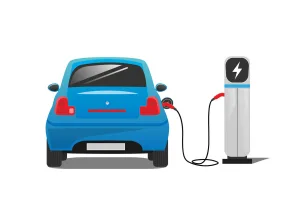
The Current State of the UK National Grid by the Growing Demand for EV Charging
The UK’s National Grid has made significant strides in increasing its capacity to support the current level of EV adoption. As of now, Great Britain has 8.4GW of interconnector capacity, with National Grid’s portfolio totaling 6.4GW—enough to power around six and a half million British homes. One of the key components of this capacity is the 2GW IFA cable, which links Sellindge in Kent with Les Mandarins in Normandy.
While this capacity is sufficient for the present level of EV adoption, there are concerns about whether it can handle the anticipated surge in demand as more people switch to EVs. The transition to electric vehicles is expected to put additional stress on the grid, especially during peak usage times.
The Impact of Growing Demand for EV Charging on the National Grid
The impact of EV charging on the National Grid largely depends on the type and location of the charging infrastructure. Let’s break down the potential effects:
Home Charging is Growing Demand for EV Charging
Home charging accounts for the majority of EV charging and generally has a minimal impact on the National Grid. This is primarily because home charging can be done during off-peak hours when overall electricity demand is lower. However, widespread adoption of home EV chargers could still increase the baseline demand on the grid. Particularly if a large number of vehicles are charged simultaneously.
Public Charging Infrastructure
Public charging stations, particularly fast chargers, pose a greater challenge. Fast chargers can draw a significant amount of power in a short amount of time, which could strain the local grid infrastructure if not properly managed. This is especially true for charging stations located in high-traffic areas or those serving large numbers of vehicles simultaneously.
Commercial Vehicle Charging
Commercial vehicles, which typically have larger batteries and higher energy requirements, represent another significant impact. As more commercial fleets switch to EVs, the demand for energy to charge these vehicles will increase. This demand is often concentrated during business hours, which can coincide with peak electricity usage periods. Exacerbating the stress on the grid.
Measures to Address the Impact of Growing Demand for EV Charging on the National Grid
To mitigate the impact of growing EV charging demand on the National Grid, several measures have been proposed or are already being implemented. These measures aim to balance demand, optimise resource use, and ensure the grid’s stability.
Smart Charging
The technology can play a crucial role in balancing the demand for electricity. Smart chargers can delay charging during peak demand periods or adjust the charging speed based on real-time availability of electricity. By distributing the charging load more evenly throughout the day, smart charging helps prevent sudden spikes in demand that could strain the grid.
Time-of-Use Tariffs
Time-of-use tariffs incentivize EV owners to charge their vehicles during off-peak hours when the demand on the National Grid is lower. By offering lower electricity rates during these periods, these tariffs can encourage a shift in charging behaviour. Helping to balance overall demand and reduce the need for additional infrastructure.
Battery Storage
Battery storage systems can significantly smooth out electricity demand on the National Grid. These systems store excess electricity generated during low-demand periods and release it during peak periods. This approach not only helps balance supply and demand but also provides a backup power source in case of sudden spikes in usage or supply disruptions.
Increased Capacity is Growing Demand for EV Charging
To support the growing demand for EV charging, the National Grid may need to invest in increasing its overall capacity. This could involve upgrading existing infrastructure, building new power plants, or enhancing the interconnectivity with other grids. Increased capacity will ensure that the grid can meet the needs of EV owners, including those with commercial fleets.
The Role of Renewable Energy
Integrating renewable energy sources into the National Grid can also help address the growing demand for EV charging. Solar, wind, and other renewable energy sources can provide additional power to meet peak demand. Reducing reliance on fossil fuels and enhancing the sustainability of the electricity supply. Effective integration of renewable energy requires advancements in grid management technologies and storage solutions to ensure a stable and reliable supply of electricity.
Challenges and Considerations
While the measures discussed can help manage the growing demand for EV charging, several challenges and considerations must be addressed to ensure their effectiveness.
Infrastructure Development
Developing the necessary infrastructure to support widespread EV adoption requires significant investment and planning. This includes not only the charging stations themselves but also the underlying grid infrastructure to handle increased loads. Coordination between government agencies, private companies, and utility providers is essential to ensure that infrastructure development keeps pace with demand.
Regulatory and Policy Support
Government policies and regulations play a critical role in facilitating the transition to electric vehicles and the associated infrastructure. Incentives for EV adoption, funding for infrastructure projects, and regulations that promote the use of renewable energy are all necessary to support the growth of EV charging networks. Clear and consistent policies can encourage investment and provide a stable environment for development.
Public Awareness and Education is Growing Demand for EV Charging
Educating the public about the benefits of EVs and the importance of responsible charging practices is crucial. Awareness campaigns can encourage EV owners to take advantage of time-of-use tariffs and smart charging technologies. Increased public awareness can also drive demand for renewable energy and support for infrastructure projects, fostering a more sustainable energy future.
Technological Advancements in Growing Demand for EV Charging
Continued advancements in technology are essential to meet the growing demand for EV charging. Innovations in battery storage, grid management, and renewable energy integration. This will help ensure that the National Grid can handle increased loads without compromising stability or reliability. Ongoing research and development efforts are necessary to keep pace with evolving needs and technological capabilities.
Conclusion
The transition to electric vehicles is a crucial step in reducing carbon emissions and combating climate change. However, the growing demand for EV charging presents significant challenges for the UK’s National Grid. While the grid currently has the capacity to support the present level of EV adoption, future demand, particularly from commercial fleets, raises concerns about its ability to cope with increased loads.
To address these concerns, a combination of smart charging technologies, time-of-use tariffs, battery storage, and increased capacity is necessary. Integrating renewable energy sources and addressing infrastructure development, regulatory support, public awareness, and technological advancements are also critical components of a comprehensive strategy.
With careful planning, investment, and collaboration, it is possible for the UK National Grid to support the growing demand for EV charging. By embracing these measures, the UK can pave the way for a cleaner, more sustainable future, ensuring that the transition to electric vehicles is both smooth and successful.
EV Charging
- What is EV charging infrastructure?
EV charging infrastructure refers to the network of charging stations and equipment that allow EVs to recharge their batteries. This includes public charging stations, private charging stations, and mobile charging units.
- Why is there a growing demand for EV charging infrastructure?
The demand for EV charging infrastructure is growing because of the increasing popularity of electric vehicles. As more people switch to EVs, there is a greater need for charging stations to be installed in public spaces and at homes and businesses.
- What types of EV charging are available?
There are several types of EV charging, including:
Level 1 charging: This is the slowest type of charging and uses a standard 120-volt outlet. It can take up to 20 hours to fully charge an EV using level 1 charging.
Level 2 charging: This is a faster type of charging and requires a 240-volt outlet. It can take between 4 and 8 hours to fully charge an EV using level 2 charging.
DC fast charging: This is the fastest type of charging and can recharge an EV to 80% in as little as 30 minutes. However, it requires specialized equipment and is typically only available at public charging stations.
- Where are EV charging stations typically located?
EV charging stations can be located in a variety of places, including public parking lots, shopping centres, rest areas, and residential neighbourhoods. Many businesses are also starting to install EV charging stations to accommodate their customers and employees.
- How are EV charging stations funded?
EV charging stations can be funded through a variety of sources, including government grants, private investment, and public-private partnerships. In some cases, businesses may also choose to install charging stations at their own expense.

Alan is the Founder and MD at the Fresh Group of companies. You are welcome to use any information you find interesting. Please give us a link back to our webpage or post. It really helps SME’s rank in the UK.