
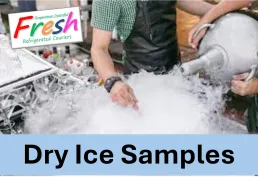
Dry Ice Samples
Dry Ice Samples: Everything You Need to Know
Dry Ice Samples contain the solid form of carbon dioxide (CO2), It is a versatile cooling agent with a wide array of applications.

It is particularly valued in scientific, medical, and industrial fields for its ability to maintain extremely low temperatures. Understanding the importance and uses of dry ice today can help us appreciate its role in preserving samples and much more.
First a quick plug – Our sister companies Fresh Pharma whom are GDP Compliant Pharma couriers and ‘Fresh Fridge Hire‘ are our (compliant GDP) refrigerated vehicle hire.
Origin of Dry Ice
Dry ice was first observed in 1835 by French chemist Charles Thilorier, who noted that solid CO2 formed when the gas was exposed to extreme cold. Since then, dry ice has evolved from a mere laboratory curiosity to a critical component in various industries.
Major Milestones
Key milestones in the development of dry ice include its commercial production in the early 20th century and its widespread use during World War II for preserving food and medical supplies. Today, dry ice is indispensable in fields ranging from transportation to entertainment.
Understanding the Composition of Dry Ice
Key Ingredients
Dry ice is composed entirely of carbon dioxide (CO₂), a colourless, odourless gas that is naturally present in Earth’s atmosphere. Unlike ice, which is made from water (H₂O), dry ice consists solely of CO₂. The process of creating dry ice involves compressing and cooling carbon dioxide gas until it reaches -78.5 degrees Celsius (-109.3 degrees Fahrenheit). At this low temperature, CO₂ solidifies into a dense, white solid known as dry ice. This solid form of carbon dioxide is unique due to its specific physical properties and its applications across various industries.
Unique Properties
One of the most distinctive characteristics of dry ice is its sublimation process. Sublimation is the transition of a substance directly from a solid to a gas without passing through the liquid phase. For dry ice, this occurs as it warms up above -78.5 degrees Celsius (-109.3 degrees Fahrenheit). Unlike water ice, which melts into liquid water before evaporating, dry ice bypasses the liquid stage entirely. This property is particularly advantageous for applications where the presence of liquid water is undesirable, such as in refrigeration and transportation of perishable goods. The absence of moisture helps prevent the growth of mould and bacteria, ensuring that products remain dry and preserved.
How Dry Ice Works
Mechanism of Action
Dry ice operates through a process known as sublimation. Sublimation is the transition of a substance from a solid state directly to a gas, bypassing the liquid phase. For dry ice, this transition occurs when it absorbs heat from its surroundings. As dry ice absorbs heat, it maintains an extremely low temperature, causing it to sublimate at -78.5 degrees Celsius (-109.3 degrees Fahrenheit). This constant absorption of heat results in a significant cooling effect in the immediate area, making dry ice an exceptionally effective cooling agent. The gaseous carbon dioxide produced during sublimation disperses into the air, ensuring that there is no liquid residue left behind.
Benefits of Using Dry Ice
The use of dry ice offers several notable benefits:
- High Cooling Capacity: Dry ice has a superior cooling capacity compared to traditional ice. It can maintain extremely low temperatures for extended periods, making it ideal for preserving temperature-sensitive materials.
- Lack of Residue: One of the most significant advantages of dry ice is that it sublimates directly into gas, leaving no liquid residue. This characteristic is particularly beneficial in applications where moisture could damage the product or create undesirable conditions, such as in electronic equipment or certain food items.
- Non-Toxicity: Dry ice is composed of carbon dioxide, a naturally occurring, non-toxic gas. It does not introduce harmful chemicals or contaminants into the environment, making it a safe option for use in various industries, including food preservation and medical fields.
Applications of Dry Ice
Medical and Scientific Uses
In the medical and scientific fields, dry ice is indispensable for preserving biological samples, vaccines, and other temperature-sensitive materials. Its ultra-cold temperature and stable cooling properties make it ideal for maintaining the integrity of these materials during storage and transport. For example, vaccines often require stringent temperature controls to remain effective. Dry ice ensures that these temperature-sensitive materials do not degrade, providing a reliable solution for the healthcare and research industries. Additionally, dry ice is used in laboratories to freeze and transport biological samples, ensuring their viability for future analysis.
Industrial Uses
Dry ice has a broad range of industrial applications due to its unique properties. One notable use is in blast cleaning, where dry ice pellets are propelled at high speeds to clean surfaces. This method, known as dry ice blasting, is effective for removing contaminants without damaging the underlying material or leaving any residue. Another application is in the shrinking of metal parts, where the cold temperature of dry ice causes metal components to contract, facilitating easier assembly or disassembly. Moreover, in stage productions and entertainment, dry ice is used to create dramatic fog effects. When combined with water, it produces dense, white fog that enhances the visual experience without the hazards associated with chemical flogger’s.
Environmental Impact
While dry ice itself does not contribute to greenhouse gas emissions, the production and transportation of CO2 can have environmental impacts. The process of capturing and converting CO2 into dry ice requires energy, and if this energy comes from fossil fuels, it can contribute to carbon emissions. However, efforts are underway to develop more sustainable methods of CO2 capture and utilisation. These include using renewable energy sources for production and improving the efficiency of CO2 capture technologies. Additionally, some initiatives focus on recycling CO2 emissions from industrial processes, turning a waste product into a useful resource, thereby reducing the overall environmental footprint.
Entertainment
How Dry Ice Fog Machines Work
Dry ice fog machines create a dramatic, dense fog effect that is commonly used in theatrical productions, concerts, and Halloween displays. The fog is produced through the sublimation of dry ice, which transitions directly from a solid to a gas when exposed to warmer temperatures. Here’s a step-by-step breakdown of how these machines operate:
- Dry Ice and Water Interaction:
- The machine contains a chamber where dry ice is placed. When hot water is added to this chamber, it rapidly heats the dry ice.
- Sublimation Process:
- The heat from the water causes the dry ice (solid CO₂) to sublimate, transforming directly into carbon dioxide gas.
- Fog Production:
- As the CO₂ gas is released, it interacts with the water vapour, creating a thick, white fog that is heavier than air and tends to stay low to the ground.
- Dispersion:
- The fog is then directed out of the machine through a nozzle, spreading across the stage or venue to create the desired atmospheric effect.
Advantages of Using Dry Ice in Fog Machines
- Dense and Long-Lasting Fog:
- Dry ice produces a dense, white fog that is visually impressive and effective for creating a mysterious or eerie ambiance. The fog tends to linger low to the ground, which is ideal for dramatic scenes.
- Non-Toxic and Residue-Free:
- The fog generated from dry ice is non-toxic and safe for use in various settings. Unlike other fogging methods that might use chemicals, dry ice leaves no residue, making it clean and easy to use.
- Immediate Effect:
- The sublimation process begins almost immediately upon adding hot water, allowing for quick setup and rapid fog production.
Applications in Entertainment
Dry ice fog machines are a staple in the entertainment industry for creating immersive environments. They are used in:
- Theatre Productions: To enhance scenes with fog effects that add mystery or highlight specific moments.
- Concerts and Events: To produce stunning visual effects that complement lighting and stage design.
- Film and Television: Dry ice fog machines are often used on set to create atmospheric effects that enhance the visual storytelling, such as eerie graveyard scenes or mystical landscapes.
- Theme Parks: Attractions and shows within theme parks frequently use dry ice fog to add to the immersive experience, from pirate-themed rides to magical fantasy lands.
- Special Events: Weddings, parties, and other special events sometimes incorporate dry ice fog machines to create a dramatic entrance or highlight key moments, such as the first dance.
Dry Ice in Sample Preservation
Importance in Sample Preservation
Dry ice plays a crucial role in sample preservation, particularly for biological and temperature-sensitive materials. Its capability to maintain ultra-low temperatures is essential for preventing degradation and ensuring the integrity of samples during storage and transportation. Biological samples, such as tissues, cells, and DNA, are highly vulnerable to damage from temperature fluctuations. Dry ice provides a stable and reliable environment, significantly extending the shelf life of these samples compared to conventional refrigeration methods.
Specific Applications in Research and Medicine
In both research and medicine, dry ice is extensively utilised for various critical applications:
- Transportation of Vaccines:
- Vaccines often require strict temperature control to maintain their potency. Dry ice is used to create a deep-freeze environment during transportation, ensuring that vaccines remain effective from production facilities to distribution points and vaccination sites.
- Storage of Biological Specimens:
- Laboratories rely on dry ice to store biological specimens that require long-term preservation at ultra-low temperatures. This includes samples used in genetic research, microbiology, and clinical diagnostics. By maintaining stable conditions, dry ice helps researchers preserve the viability and integrity of these specimens for future analysis.
- Clinical Trials:
- During clinical trials, where biological samples are collected from patients, it is essential to preserve these samples under optimal conditions to maintain their scientific validity. Dry ice provides a portable and effective solution for transporting samples from clinical sites to research laboratories without compromising their quality.
- Emergency Medicine:
- In emergency medicine scenarios, such as organ transplantation or trauma cases, where rapid transport and preservation of biological materials are critical, dry ice ensures that tissues and organs remain viable for transplantation or further analysis.
The Science Behind Dry Ice
Chemical Reactions
When dry ice sublimates, it absorbs a significant amount of heat from its surroundings, creating a cooling effect. This endothermic reaction is what makes dry ice such an effective refrigerant.
Biological Interactions
Biological materials stored with dry ice are kept in a state of suspended animation, preserving their structure and function. This is crucial for maintaining the viability of samples over extended periods.
Advantages of Dry Ice Over Alternatives
Efficiency
Dry ice is highly efficient, providing rapid cooling and maintaining low temperatures longer than traditional ice or gel packs.
Cost-Effectiveness
While the initial cost of dry ice can be higher, its efficiency and ability to keep samples preserved for longer periods can result in overall cost savings.
Environmental Benefits
Dry ice sublimates into CO2 gas, leaving no liquid residue, which can be beneficial for certain applications where moisture would be problematic.
Potential Risks and Drawbacks
Health Concerns
Handling dry ice requires caution, as it can cause severe frostbite if it comes into direct contact with skin. Additionally, sublimated CO2 can displace oxygen in confined spaces, posing a risk of suffocation.
Environmental Risks
The production and transportation of dry ice involve CO2, a greenhouse gas. However, efforts to use captured CO2 from industrial processes can mitigate some of these environmental concerns.
Handling and Safety Tips for Dry Ice
Safe Handling Practices
Always use gloves and eye protection when handling dry ice to prevent frostbite and eye injury. Avoid direct contact with skin.
Storage Guidelines
Store dry ice in a well-ventilated area to prevent the build-up of CO2 gas. Use insulated containers to slow down the sublimation process.
Transportation Tips
Transport dry ice in well-ventilated vehicles to prevent CO2 build-up. Ensure that containers are securely closed but not airtight, as the gas needs to escape to prevent pressure build-up.
Innovations and Future Prospects for Dry Ice Samples
Emerging Technologies
Innovations in dry ice production include using captured CO2 from industrial processes and developing more efficient methods of transportation and storage.
Research and Development
Ongoing research aims to improve the efficiency and sustainability of dry ice, making it even more viable for future applications.
Comparing Dry Ice to Other Preservation Methods
Liquid Nitrogen
While liquid nitrogen can achieve lower temperatures than dry ice, it is more hazardous to handle and requires specialised equipment.
Traditional Refrigeration
Traditional refrigeration is less effective for maintaining ultra-low temperatures and can introduce moisture, which is undesirable for certain samples.
Case Studies and Real-World Examples of Dry Ice Samples
Success Stories in Medicine
Dry ice has been pivotal in the transport and storage of COVID-19 vaccines, ensuring they remain viable until administration.
Industrial Applications
Industries have used dry ice for cleaning applications, where its sublimation property helps remove contaminants without leaving residue.
Entertainment Applications
Remember Christopher Lee in Count Dracula.
Environmental Considerations using Dry Ice Samples
Carbon Footprint
Efforts are being made to reduce the carbon footprint of dry ice production by using more sustainable sources of CO2.
Sustainable Alternatives
Research into alternatives to dry ice, such as other phase-change materials, is ongoing, but dry ice remains a leading option due to its effectiveness and versatility.
To Finish on Dry Ice Samples
Dry ice is a critical tool in various fields, from medicine to industry, due to its unique properties and effectiveness in maintaining low temperatures. While there are environmental and safety concerns associated with its use, ongoing innovations and research are addressing these issues. The future of dry ice looks promising, with potential for even greater applications and efficiencies.
Dry Ice Parcel
- Is dry ice parcel delivery service safe?
Yes, dry ice parcel delivery service is safe as long as it’s handled properly. It’s important to follow all safety guidelines when packaging and shipping your items to ensure that they arrive at their destination intact.
- How long does dry ice last in a shipping container?
Dry ice typically lasts for about 24 to 36 hours in a shipping container, depending on the amount of dry ice used, the size of the container, and the ambient temperature.
- Can I ship items internationally with dry ice parcel delivery service?
Yes, you can ship items internationally with dry ice parcel delivery service, but you may need to check with the courier service to ensure that you comply with any international regulations on the shipping of dry ice.
- How much dry ice do I need to use for my shipment?
The amount of dry ice you need to use will depend on the size and weight of your package, as well as the distance it needs to be shipped. You should consult with your courier service to determine the appropriate amount of dry ice to use for your shipment.
- Can I reuse the shipping container and dry ice?
In most cases, the shipping container and dry ice cannot be reused. Dry ice sublimates quickly and can cause the container to become brittle or warped, and the container may no longer be able to provide adequate insulation. It’s best to use a new container and fresh dry ice for each shipment.


Validated Packaging
Validated Packaging and Dry Ice Parcels in Logistics in the UK: A Comprehensive Guide
Logistics is a critical component of many industries in the UK. 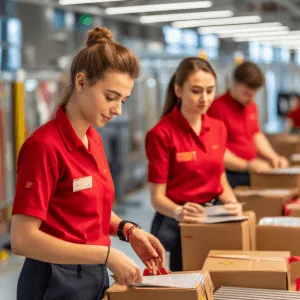 Particularly for sectors that depend on temperature-sensitive products such as pharmaceuticals, food, and biotechnology. Validated packaging and dry ice parcels have become essential solutions for maintaining product integrity during transportation. Without proper temperature control, items like medicines, vaccines, and fresh produce can quickly spoil or lose efficacy, leading to significant financial loss and compliance issues.
Validated packaging and dry ice logistics ensure that products remain within specific temperature ranges from the point of despatch to their final destination. As the demand for such services continues to grow, businesses in the UK must understand the vital role these logistics solutions play in their supply chain operations. In this guide, we will explore the importance of validated packaging and dry ice parcels in logistics, how they function, and the industries that benefit most from them.
First a quick plug – Our sister companies Fresh Pharma whom are GDP Compliant Pharma couriers and ‘Fresh Fridge Hire‘ are our (compliant GDP) refrigerated vehicle hire.
| Key Takeaway | Description |
| Validated Packaging Ensures Compliance | Strict regulations in the UK, such as GDP, require businesses to use validated packaging to maintain product integrity. |
| Dry Ice Is Vital for Cold Chain Logistics | Dry ice allows for the transport of ultra-cold goods, particularly in the pharmaceutical and food industries. |
| Eco-Friendly Packaging Alternatives Are Growing | As sustainability becomes a priority, businesses are increasingly adopting eco-friendly options like phase-change materials. |
What is Validated Packaging?
Validated packaging refers to a system that has been tested and confirmed to meet specific performance standards, particularly when it comes to maintaining temperature control for sensitive products. This type of packaging is critical for businesses that need to transport goods which are susceptible to environmental factors like temperature fluctuations, humidity, and physical handling.
Key Features of Validated Packaging:
| Feature | Description |
| Temperature Stability | Ensures the product remains within a predefined temperature range. |
| Compliance | Meets industry-specific regulatory standards, such as MHRA and GDP (Good Distribution Practice). |
| Durability | Designed to withstand handling and environmental conditions during transport. |
| Customisation | Can be tailored to specific product needs, such as size, temperature, and duration of transport. |
Validated packaging is commonly used in industries such as pharmaceuticals, biotechnology, and food, where products must remain at controlled temperatures to maintain their integrity. For example, vaccines often require cold storage between 2°C and 8°C, and failure to maintain this temperature can render them ineffective. Validated packaging ensures that these critical products reach their destination in perfect condition.
Why Validated Packaging is Crucial for Temperature-Sensitive Goods
For temperature-sensitive goods, any deviation from the required temperature range can have devastating consequences. In the case of medicines, a temperature spike can reduce the potency of drugs, affecting their efficacy. For food products, temperature abuse can lead to spoilage, resulting in waste and financial loss.
Validated packaging offers businesses peace of mind by ensuring that their products are kept within the correct temperature range throughout the entire journey. In addition, validated packaging systems help companies comply with stringent UK regulations, including those from the Food Standards Agency (FSA) and the Medicines and Healthcare products Regulatory Agency (MHRA).
How Dry Ice Parcels Work in Cold Chain Logistics
Dry ice plays a significant role in cold chain logistics, especially for products that require ultra-low temperatures, such as certain pharmaceuticals and frozen foods. Dry ice is the solid form of carbon dioxide (CO2) and sublimates (turns from solid to gas) at -78.5°C, making it ideal for keeping products frozen during long periods of transport.
How Dry Ice Works in Logistics:
| Process | Description |
| Sublimation | Dry ice sublimates, releasing CO2 gas, which absorbs heat and keeps the surrounding area cool. |
| Temperature Control | Capable of maintaining temperatures as low as -80°C, depending on the amount of dry ice used. |
| Extended Duration | Provides long-lasting cooling, ideal for long-haul shipments or items that require extended periods in transit. |
Dry ice is especially useful for transporting goods that must remain frozen, such as biological samples, certain vaccines, or frozen food products. It is a preferred solution because it offers high-performance cooling without the need for electrical power, which can be a challenge in mobile transportation settings.
Industries Benefiting from Dry Ice Parcels in the UK
Several industries in the UK rely on dry ice parcels to maintain the cold chain during transport:
- Pharmaceuticals: Many vaccines and biologics require storage at ultra-low temperatures. Dry ice ensures that these critical products remain viable during shipping, whether within the UK or internationally.
- Food: Frozen foods, ice cream, and seafood are examples of perishables that depend on dry ice to maintain their frozen state during transport to supermarkets, restaurants, or events.
- Biotechnology: Research institutions and laboratories often transport biological samples that must remain at specific temperatures to ensure their usability for scientific studies.
- Events and Catering: Mobile catering businesses that require frozen items or chilled drinks at outdoor events or festivals use dry ice to maintain product freshness.
Why Validated Packaging is Essential for Temperature-Sensitive Goods
Validated packaging is a crucial component in cold chain logistics, offering several benefits to businesses dealing with temperature-sensitive goods:
- Temperature Consistency: Validated packaging provides reliable temperature control, ensuring that products remain within the desired range throughout their journey.
- Regulatory Compliance: For pharmaceutical companies, validated packaging helps meet the strict guidelines outlined by UK regulators such as the MHRA and the European Commission’s Good Distribution Practice (GDP). These standards ensure the safe distribution of medicinal products across the UK and Europe.
- Minimised Risk of Spoilage: By using validated packaging, businesses can minimise the risk of spoilage, which can lead to financial losses, regulatory penalties, and reputational damage.
- Enhanced Efficiency: Validated packaging solutions are designed to maximise efficiency during transport. They ensure that items are protected from environmental factors like temperature changes, humidity, and physical shocks.
Key Benefits of Dry Ice for Logistics in the UK
Dry ice is a preferred solution for maintaining cold temperatures during logistics for several reasons:
| Benefit | Explanation |
| Long-Lasting Cooling | Dry ice provides sustained cooling, often lasting much longer than gel packs or refrigerated units. This makes it ideal for long-distance shipping. |
| No Need for Power | Dry ice requires no external power source, making it versatile for various types of transport, including road, air, and sea. |
| Eco-Friendly | Dry ice sublimates into CO2 gas, which disperses into the atmosphere without leaving any harmful waste. This makes it a more environmentally friendly option compared to traditional refrigerants. |
| Wide Temperature Range | Dry ice can maintain temperatures as low as -80°C, making it suitable for a wide range of products, from frozen foods to pharmaceuticals. |
Environmental Considerations for Dry Ice Use
Despite its many benefits, the use of dry ice also requires careful consideration of environmental factors. Since dry ice is derived from CO2, businesses must ensure they handle it safely and avoid contributing to excessive carbon emissions. Many UK companies are now exploring eco-friendly alternatives, such as phase-change materials (PCMs), which offer similar cooling properties without the same environmental impact.
Common Applications of Validated Packaging in UK Logistics
In the UK, validated packaging is an indispensable tool across several key industries. These industries rely heavily on temperature-controlled logistics to ensure product quality, safety, and compliance with regulatory standards. Validated packaging ensures that items are transported under precise environmental conditions, minimising the risks of temperature deviations, spoilage, or contamination.
Industries Using Validated Packaging
| Industry | Products | Importance of Validated Packaging |
| Pharmaceuticals | Medicines, vaccines, biologics | Ensures compliance with strict regulatory standards (e.g., MHRA) and protects product efficacy. |
| Food & Beverage | Perishable foods, frozen items | Prevents spoilage and maintains freshness during long-distance transport or storage. |
| Chemicals | Hazardous materials, reagents | Safeguards against contamination or degradation due to environmental factors. |
| Research | Biological samples, lab specimens | Ensures sensitive materials remain viable during transport to labs or research facilities. |
For example, the pharmaceutical industry regularly uses validated packaging to transport temperature-sensitive products such as vaccines and biologics. These products must be kept at stable temperatures to prevent any adverse effects that could compromise their effectiveness. Similarly, the food industry benefits from validated packaging by ensuring that frozen and chilled foods maintain their freshness and safety during transport.
Dry Ice in Pharmaceutical Logistics: A UK Perspective
In pharmaceutical logistics, maintaining the integrity of products during transit is of utmost importance. Dry ice plays a crucial role in this process, especially when ultra-cold temperatures are required. In the UK, dry ice is commonly used to transport vaccines, biologics, and other sensitive medicines that must be kept at extremely low temperatures to ensure their efficacy.
The Role of Dry Ice in Medicine and Vaccine Transport
Many pharmaceutical products, including certain vaccines like those for COVID-19, need to be stored at temperatures as low as -80°C. Dry ice, which sublimates at -78.5°C, is ideal for maintaining these ultra-low temperatures during long transportation periods. Without dry ice, transporting such temperature-sensitive medicines would be nearly impossible.
Key applications of dry ice in pharmaceutical logistics include:
- Vaccine transport: Ensuring vaccines remain effective by keeping them within the required temperature range.
- Biologic shipment: Safeguarding the integrity of biological materials, such as cells, tissues, or proteins, during transit.
- Clinical trials: Maintaining the viability of drugs or medical samples being transported to and from research centres.
Regulatory Standards for Dry Ice Use in Pharmaceutical Logistics
In the UK, dry ice usage in pharmaceutical logistics is regulated by stringent standards, including the Good Distribution Practice (GDP) guidelines set forth by the European Medicines Agency (EMA). These guidelines ensure that medicines are consistently stored, transported, and handled under appropriate conditions. Other regulatory bodies, such as the Medicines and Healthcare products Regulatory Agency (MHRA), oversee compliance within the UK.
Key Compliance Standards:
| Regulation/Guideline | Description |
| GDP (Good Distribution Practice) | Ensures the proper distribution of medicinal products across Europe, including temperature control standards. |
| MHRA | Governs UK-specific pharmaceutical compliance, particularly for cold chain logistics. |
| ISO 21973 | International standard for ensuring safe, temperature-controlled logistics in healthcare products. |
Meeting these regulatory requirements is essential for pharmaceutical companies and logistics providers that transport sensitive products within the UK and across international borders.
Best Practices for Using Dry Ice in Parcel Delivery
When shipping parcels with dry ice, there are certain best practices that businesses must follow to ensure safety and maintain product integrity. Mishandling dry ice can lead to safety risks or compromised shipments, making it important to adhere to guidelines for packaging, labelling, and transportation.
Safe Handling of Dry Ice for Parcel Delivery
Dry ice is a highly effective cooling agent, but it can be hazardous if not handled properly. The sublimation process releases carbon dioxide gas, which can cause breathing issues in confined spaces if there is inadequate ventilation. Therefore, strict handling protocols should be followed when preparing and shipping parcels with dry ice.
Handling Guidelines:
- Proper Ventilation: Dry ice must be stored and transported in well-ventilated areas to prevent the buildup of CO2 gas.
- Insulated Packaging: Use insulated packaging materials that allow CO2 to escape without compromising the temperature control of the product.
- Personal Protective Equipment (PPE): Handlers should use gloves to avoid frostbite and other injuries when dealing with dry ice.
- Packaging Design: Ensure that the packaging allows for CO2 to vent during sublimation, while keeping the product at the required temperature.
Labelling Requirements for Dry Ice Shipments
In the UK, dry ice is classified as a hazardous material under the International Air Transport Association (IATA) and must be properly labelled. Businesses must comply with regulations when shipping parcels containing dry ice to avoid penalties and ensure the safe transport of goods.
| Requirement | Description |
| Hazard Label | A “Class 9” hazardous material label must be visible on all parcels containing dry ice. |
| Weight of Dry Ice | The weight of the dry ice must be listed on the parcel’s shipping documentation. |
| Ventilation Requirement | Parcels must be designed to allow venting of carbon dioxide gas. |
Validated Packaging Compliance: UK Regulations and Standards
Validated packaging is subject to strict regulations and compliance requirements, particularly for businesses that transport pharmaceuticals, food, and other sensitive products. In the UK, several regulatory bodies set the standards for packaging validation, ensuring that businesses follow best practices for product safety and quality control.
Overview of Key UK Compliance Regulations
| Regulation/Standard | Description |
| MHRA (Medicines and Healthcare products Regulatory Agency) | Governs pharmaceutical distribution within the UK, with a focus on cold chain logistics. |
| GDP (Good Distribution Practice) | European standard ensuring the safe distribution of medicinal products. GDP outlines the temperature control requirements for transporting medicines and pharmaceuticals. |
| ISO 9001 | International standard for quality management, applicable to packaging solutions that guarantee product safety. |
| Food Standards Agency (FSA) | Regulates food packaging in the UK to ensure safety and compliance for perishable goods. |
Businesses in the pharmaceutical and food sectors must adhere to these regulations to maintain compliance, avoid penalties, and ensure product integrity throughout the supply chain.
Challenges and Solutions in Validated Packaging and Dry Ice Logistics
While validated packaging and dry ice logistics provide essential solutions for transporting temperature-sensitive goods, they also come with challenges. Common issues include temperature deviations, compliance risks, and the environmental impact of dry ice. However, modern packaging technologies and industry best practices can help address these challenges.
Common Challenges
| Challenge | Impact |
| Temperature Deviations | Products may be exposed to temperature extremes during transport, risking spoilage or degradation. |
| Compliance Risks | Failure to adhere to regulatory standards can lead to financial penalties and reputational damage. |
| Environmental Concerns | The carbon footprint associated with dry ice usage poses a concern for businesses focused on sustainability. |
Solutions and Innovations
| Solution | Description |
| Temperature Monitoring Systems | Advanced sensors track and log temperature throughout the shipment process, ensuring compliance and mitigating risks. |
| Phase-Change Materials (PCMs) | An eco-friendly alternative to dry ice, PCMs maintain consistent temperatures without the need for CO2 sublimation. |
| Real-Time Tracking | GPS-enabled tracking solutions offer real-time updates on the location and temperature of shipments, ensuring proactive intervention if temperature deviations occur. |
By adopting these solutions, businesses can mitigate risks, improve regulatory compliance, and ensure that their temperature-sensitive products reach their destination safely and efficiently.
Temperature Monitoring Systems in Validated Packaging
Temperature monitoring systems play a critical role in ensuring the safe transport of temperature-sensitive goods, especially when dry ice is used. As dry ice parcels are often used to maintain ultra-low temperatures, monitoring systems help track and verify that the conditions inside the parcel remain consistent throughout the journey. Temperature deviations, even minor ones, can compromise the integrity of products like vaccines, biologics, or perishable food items, making accurate monitoring essential.
Key Technologies:
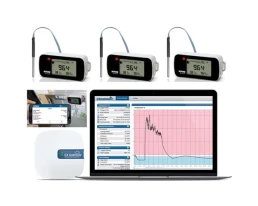
- Temperature Data Loggers: These devices are placed inside parcels to continuously record temperature data during transport. They provide valuable information about the thermal conditions that goods experience while in transit.
- Smart Sensors: Many modern parcels come equipped with smart sensors that can transmit real-time temperature data to logistics teams. This allows for immediate action if there’s a temperature deviation, ensuring better protection of sensitive products.
These technologies are vital for maintaining compliance with UK and international regulations, such as GDP (Good Distribution Practice), which mandates strict temperature control for pharmaceutical logistics. By using these monitoring systems, businesses can ensure that their products remain within the required temperature range throughout the shipping process.
Renting vs. Buying Validated Packaging Solutions for UK Businesses
When it comes to validated packaging solutions, UK businesses have the option to either rent or buy their packaging materials. Both options come with advantages and drawbacks, depending on the scale and frequency of use.
| Option | Advantages | Drawbacks |
| Renting | Lower upfront costs; ideal for short-term or seasonal needs. No maintenance responsibilities. | Limited customisation options. Long-term rentals may add up in cost. |
| Buying | Full control over customisation and long-term cost savings for frequent use. | Higher initial investment. Requires storage and maintenance. |
For small businesses or those with infrequent shipping needs, renting validated packaging may be more cost-effective. However, for larger companies with regular shipments, purchasing validated packaging solutions may offer better long-term value.
Businesses should also consider their compliance needs when choosing between renting or buying. Owning validated packaging allows for more control over ensuring the packaging is consistently maintained and meets the required standards.
How Dry Ice Parcel Logistics Are Supporting the UK’s Cold Chain
Dry ice parcel logistics play an integral role in the UK’s cold chain. Providing a reliable method of maintaining ultra-low temperatures for the transport of temperature-sensitive goods. In industry, it is critical for ensuring that products reach their destination in the right condition.
Several UK companies rely on dry ice for transporting items such as:
- Vaccines: Especially during the COVID-19 pandemic, dry ice was used to safely transport vaccines that required storage at -70°C.
- Perishable Foods: Frozen foods, seafood, and speciality meats are often shipped using dry ice to prevent spoilage over long distances.
- Biological Samples: Laboratories and research institutions frequently use dry ice to ship biological samples, ensuring they remain viable during transit.
By incorporating dry ice into their logistics, companies can maintain compliance with regulations and meet the growing demand for cold chain solutions across the UK.
Eco-Friendly Alternatives to Dry Ice in Packaging Logistics
While dry ice is highly effective for cold chain logistics, there is a growing shift towards eco-friendly alternatives. Concerns about the environmental impact of dry ice, which is made from carbon dioxide, have led many UK businesses to explore more sustainable options.
Some of these alternatives include:
- Phase-Change Materials (PCM): PCMs are materials that can absorb or release heat during phase transitions (e.g., from solid to liquid). They provide consistent temperature control and are reusable, making them an environmentally friendly alternative to dry ice.
- Gel Packs: Gel packs are another sustainable option that can maintain temperatures in chilled or frozen ranges. Unlike dry ice, gel packs don’t sublimate into gas and are non-hazardous, making them easier to handle and dispose of.
These alternatives not only reduce the carbon footprint of cold chain logistics. Also provide safer and easier-to-handle solutions for businesses. As sustainability becomes more critical in UK logistics, the adoption of these eco-friendly alternatives is likely to grow.
Finally………The Future of Validated Packaging and Dry Ice Parcel Logistics in the UK
Validated packaging and dry ice parcel logistics are essential for UK businesses that rely on temperature-sensitive transport. Particularly in industries like pharmaceuticals, food, and research. As regulations become more stringent and consumer demand for product integrity rises. Businesses must adopt validated packaging solutions that meet compliance standards and maintain product safety throughout the shipping process.
Future Trends:
- Advances in Packaging Technology. New materials and technologies, such as improved phase-change materials and smart packaging. Real-time tracking capabilities, are likely to become more widely adopted.
- Sustainability Initiatives. The push towards eco-friendly packaging solutions will continue. Businesses increasingly turning to alternatives like PCMs and gel packs to reduce their environmental impact.
As UK businesses continue to evolve. Adopting these validated packaging and cold chain solutions will be crucial for ensuring efficiency, compliance, and sustainability.
Packaging validation is the process of ensuring that packaging consistently protects and preserves products throughout their lifecycle. It involves testing and evaluating the packaging to confirm that it meets specific quality, durability, and regulatory standards, ensuring product integrity from production to end-use. Packaging validation is primarily guided by ISO 11607 for healthcare products. It outlines requirements for packaging materials and processes for terminally sterilized medical devices, including criteria for validation, sealing, and testing. Medical device packaging process validation ensures that packaging consistently maintains sterility and integrity for medical devices throughout their shelf life. This process involves rigorous testing, including sealing, environmental conditioning, and performance under simulated shipping and handling conditions. Validation is crucial for compliance with regulatory standards like ISO 11607 and FDA requirements. A validation pack (or validation packet) is a documented compilation of test results, protocols, and procedures used in validation processes. It provides detailed records to demonstrate that packaging meets all performance and safety standards, which can be submitted during audits or regulatory reviews. The four core rules of packaging include:Packaging Validation and Standards

Temperature-Sensitive Delivery
Temperature-Sensitive Delivery: Ensuring Quality and Safety
Temperature-sensitive delivery plays a critical role in ensuring that perishable goods, pharmaceuticals, and other sensitive items reach their destination in optimal condition.  Industries such as healthcare, food, and biotechnology depend heavily on precise temperature control to maintain product integrity. However, maintaining stable temperatures during transit is a complex challenge that requires specialised logistics, advanced technology, and strict adherence to regulations.
Three Key Takeaways
- Temperature-sensitive delivery is crucial for healthcare, food, and research industries. Ensuring the integrity of these goods prevents waste, maintains safety, and upholds compliance standards.
- Technology is revolutionising cold chain logistics. IoT, AI-driven analytics, and blockchain solutions enhance efficiency, security, and reliability.
- Sustainability and innovation will drive future developments. Eco-friendly refrigeration methods and AI-based logistics solutions are shaping the future of temperature-controlled shipping.
Our sister companies, Fresh Pharma, a GDP-compliant pharma courier, and Fresh Fridge Hire, offering compliant GDP refrigerated vehicle hire, provide top-tier temperature-sensitive delivery solutions.
Understanding Temperature-Sensitive Goods
Temperature-sensitive goods require specific temperature conditions during storage and transport. These include:
Categories of Temperature-Sensitive Products
| Category | Examples | Required Temperature Range |
| Pharmaceuticals & Vaccines | Insulin, vaccines, biological samples | 2°C to 8°C (cold chain) |
| Perishable Food Items | Dairy, seafood, fresh produce | 0°C to 4°C (chilled) |
| Chemicals & Lab Samples | Reagents, industrial chemicals | -20°C to -80°C (deep frozen) |
| Floral Products | Cut flowers, plants | 5°C to 10°C (cool chain) |
The Science Behind Temperature Control
Cold chain logistics ensures temperature stability through insulated packaging, refrigeration units, and temperature-monitoring systems. Real-time sensors and automated alerts help track and manage fluctuations, ensuring products remain in the optimal range.
Key Industries That Require Temperature-Sensitive Delivery
| Industry | Importance of Temperature Control |
| Healthcare & Pharmaceuticals | Ensuring medicine efficacy |
| Food & Beverage | Maintaining freshness and safety |
| Biotechnology & Research | Transporting critical samples |
| Floral & Luxury Goods | Preserving delicate, perishable items |
Challenges in Temperature-Sensitive Logistics
Several factors make cold chain logistics complex:
- External Environmental Conditions: Exposure to extreme heat or cold can affect product quality.
- Transit Delays: Shipping disruptions can lead to temperature fluctuations.
- Lack of Proper Refrigeration Infrastructure: Many regions lack reliable cold storage solutions.
Essential Components of Temperature-Sensitive Delivery
Temperature-Controlled Packaging
- Insulated containers
- Refrigerated gel packs and dry ice
- Smart packaging with temperature sensors
Real-Time Temperature Monitoring
- IoT-enabled tracking devices
- Automated alerts to detect fluctuations
Efficient Transportation Methods
- Refrigerated trucks
- Air cargo solutions
- Specialized courier services
Proper Handling and Training
- Employee training in temperature-sensitive handling
- Standard operating procedures to minimize risks
Role of Technology in Temperature-Sensitive Delivery
| Technology | Function |
| IoT & AI Integration | Enhancing tracking and predictive analytics |
| Blockchain | Securing shipment data and preventing fraud |
| GPS & Route Optimization | Ensuring timely deliveries |
Regulations and Compliance for Temperature-Sensitive Shipments
Various organizations, including the FDA, WHO, and EU GDP (Good Distribution Practice), set strict guidelines for transporting sensitive goods. Businesses must comply with these regulations to ensure product safety and avoid legal penalties.
Key Compliance Standards
| Regulatory Body | Compliance Requirement |
| FDA | Good Distribution Practices (GDP) for pharmaceuticals |
| WHO | Cold chain regulations for vaccines and biologics |
| EU GDP | Guidelines for pharmaceutical transportation |
| HACCP | Food safety and temperature control standards |
Best Practices for Temperature-Sensitive Shipping
- Pre-Shipment Preparation: Properly packing and labelling shipments
- Choosing the Right Carrier: Selecting logistics providers with expertise in cold chain transport
- Quality Checks Upon Delivery: Verifying temperature logs and product integrity
Future Trends in Temperature-Sensitive Delivery
| Trend | Impact on Cold Chain Logistics |
| Smart Packaging | Intelligent containers that adjust temperature automatically |
| AI-Driven Logistics | Machine learning for better efficiency |
| Green & Sustainable Shipping | Eco-friendly cooling solutions |
Conclusion: Temperature-Sensitive Delivery Ensures Quality and Reliability
Modern cold chain logistics integrate advanced technologies, such as IoT-enabled sensors, which continuously monitor temperature, humidity, and vibration during transit. This allows immediate alerts if conditions fall outside safe thresholds, enabling corrective actions before damage occurs. Companies also leverage AI-driven predictive analytics to optimise routing, anticipate delays, and reduce energy usage.
Sustainable temperature-controlled transport is increasingly important, with electric and solar-powered refrigeration units reducing carbon footprints. For example, UK-based logistics providers are trialling hybrid refrigeration vehicles, lowering emissions while maintaining precise cooling. Furthermore, industry standards such as GDP (Good Distribution Practice) for pharmaceuticals require detailed documentation of temperature histories, ensuring regulatory compliance. Failure to adhere can result in product recalls or legal penalties.
The following table illustrates common temperature ranges for temperature-sensitive delivery in different sectors:
| Industry | Product Type | Ideal Temperature Range | Monitoring Technology | Example Use Case |
|---|---|---|---|---|
| Pharmaceuticals | Vaccines | 2°C – 8°C | IoT Sensors | COVID-19 vaccine distribution |
| Food & Beverage | Fresh fish | -1°C – 2°C | Data loggers | Seafood delivery to supermarkets |
| Biotech | Laboratory samples | -20°C – -80°C | GPS-enabled sensors | Transport of genetic materials |
| Dairy | Milk & cheese | 0°C – 4°C | RFID-enabled units | Farm-to-store milk distribution |
In conclusion, temperature-sensitive delivery is evolving rapidly, driven by technology, regulatory standards, and sustainability goals. Businesses adopting these innovations protect product integrity, reduce waste, and enhance customer trust. Continuous improvement in monitoring, predictive analytics, and eco-friendly refrigeration will define the future of reliable cold chain logistics.
Food Logistics
- What are the key considerations when managing food logistics in the UK?
When managing food logistics in the UK, some key considerations include:
- Compliance with food safety regulations, such as the Food Safety Act and EU food hygiene regulations
- Temperature control during transportation and storage
- Traceability and record-keeping requirements
- Packaging and labelling requirements
- Customs regulations for importing and exporting food products
- Proper handling of perishable goods
- What are the regulations for importing and exporting food products in the UK?
The regulations for importing and exporting food products in the UK can vary depending on the type of product and the country of origin or destination. Some common requirements include:
- Proper labelling and packaging
- Compliance with food safety regulations in the destination country
- Obtaining necessary permits or licences for the product
- Compliance with customs regulations for importing and exporting
- How do I ensure proper temperature control during transportation and storage of food products?
Proper temperature control during transportation and storage of food products is crucial to maintain food safety and quality. This can be achieved through:
- Use of refrigerated transport or storage facilities
- Regular monitoring of temperature during transportation and storage
- Use of temperature-controlled packaging
- Proper training of personnel on temperature control procedures
- What is traceability and why is it important in food logistics?
Traceability refers to the ability to track a food product from its origin to its destination. This is important in food logistics to ensure food safety, quality, and compliance with regulations. Traceability can be achieved through proper record-keeping, labelling, and documentation.
- How do I choose a logistics provider for my food products?
When choosing a logistics provider for your food products, some factors to consider include:
- Experience and expertise in handling food products
- Compliance with food safety regulations and requirements
- Availability of temperature-controlled facilities and transportation
- Reputation and customer reviews
- Rates and fees for their services

Dry Ice Parcel Delivery
Dry Ice Parcel Delivery Service in the UK: Keeping Your Shipments Safe and Cold
In today’s world, shipping parcels has become an essential aspect of our daily lives, whether it’s for personal or business purposes.  However, not all items can be shipped easily, especially those that require specific temperatures. This is where Dry ice parcel delivery comes into play, and it’s becoming increasingly popular in the UK. In this blog, we’ll discuss everything you need to know about dry ice parcel delivery service in the UK, from its benefits to how it works.
What is Dry Ice Parcel Delivery Service?
The service involves shipping temperature-sensitive goods with the help of dry ice, a solid form of carbon dioxide. It is commonly used for items that need to be kept frozen or chilled, such as food, pharmaceuticals, medical supplies, and scientific equipment. The dry ice is packed around the items, ensuring that they stay at the required temperature throughout the shipping process. Validated packaging must be used for certain compliance.
First a quick plug – Our sister companies Fresh Pharma whom are GDP Compliant Pharma couriers and ‘Fresh Fridge Hire‘ are our (compliant GDP) refrigerated vehicle hire.
Benefits of Using Dry Ice Parcel Delivery Service
There are several benefits of using dry ice parcel delivery service, including:
- Temperature Control: Dry ice maintains a consistent temperature, ensuring that your shipment arrives at its destination in the same condition it was packed.
- Extended Shelf Life: For perishable items, dry ice can extend the shelf life of your products, giving you more time to sell or consume them.
- Cost-Effective: Compared to other temperature-controlled shipping methods, this service is often more cost-effective.
- Versatility: The service can be used for a variety of items, including food, medical supplies, and scientific equipment.
- Eco-Friendly: Dry ice is made from reclaimed carbon dioxide, making it an environmentally friendly option for shipping.
How Does Dry Ice Parcel Delivery Work?
If you’re considering using dry ice parcel delivery service in the UK, here are the steps you need to follow:
Choosing a Courier Service
The first step is to choose a courier service that offers dry ice parcel delivery. Look for a reputable courier that specialises in Same day refrigerated courier and has experience in handling dry ice. Make sure to ask about their delivery times, rates, and any restrictions they have on shipping with dry ice.
Fresh Logistics bespoke service
Call Fresh Logistics 0800 612 6512 and we will collect your product in a temperature controlled vehicle. We will , pack the product in a legal and compliant manner. Then despatch anywhere in the world and manage the whole process. Leave it to us.
Packaging Your Shipment Yourself
Once you’ve chosen a courier, you’ll need to package your shipment properly. Use an insulated shipping container that can hold both your items and the dry ice. Make sure to leave enough space for the dry ice to sublimate, which means it turns into gas without melting. This process can create pressure, so make sure to include a vent or valve in the container.
You’ll also need to determine how much dry ice you’ll need for your shipment. The amount of dry ice required will depend on the size and weight of your package. The temperature required and the time it needs to be shipped..
When it comes to shipping your package, it’s important to follow any guidelines or regulations related to the transportation of dry ice. This may include labelling your package as containing dry ice, using the proper documentation, and complying with any safety Haz. regulations.
Once your package is ready to go, you can arrange for it to be picked up by the courier service or drop it off at a designated location. From there, the courier service will handle the rest of the shipping process, ensuring that your package is delivered to its destination safely and on time.
Overall, getting a dry ice shipment delivered through a courier service requires careful planning and attention to detail.
Placing Your Order
After you’ve packaged your shipment, you can place your order with the courier. Make sure to provide all the necessary details. Including the weight and dimensions of your package, the type of items you’re shipping, and the delivery address.
Shipping Your Package
Finally, it’s time to ship your package
Shipping Your Package
Once your package is ready for shipping, the courier will collect it and transport it to the destination. During the shipping process, the dry ice will sublimate, releasing carbon dioxide gas. This gas can build up pressure in the container. It’s important to ensure that the container has a vent or valve to release the pressure. It’s also important to label the package as containing dry ice, so that handlers are aware of the potential hazards.
What Can You Ship with Dry Ice Parcel Delivery Service?
Dry ice parcel delivery service can be used to ship a wide range of items, including:
- Food and beverages: perishable foods such as meat, dairy, and seafood can be shipped with this service, ensuring that they stay fresh and safe to consume.
- Pharmaceuticals: medications and vaccines that need to be kept at a specific temperature can be shipped
- Medical supplies: items such as organs, blood, and tissue samples can be shipped with this service, ensuring that they remain viable for transplantation or testing.
- Scientific equipment: sensitive scientific instruments and samples can be shipped with this service, ensuring that they arrive at their destination intact.
Restrictions on Dry Ice Parcel Delivery
While the service offers many benefits, there are also some restrictions to be aware of. For example:
- Some countries have restrictions on the amount of dry ice that can be shipped, so it’s important to check with the courier service before shipping your package.
- Dry ice can be hazardous if not handled properly, so it’s important to follow all safety guidelines when packaging and shipping your items.
- Dry ice can create pressure as it sublimates, so it’s important to ensure that the shipping container has a vent or valve to release the gas.
How Much Does Dry Ice Parcel Delivery Cost?
The cost of the service depends on several factors, including the weight and dimensions of your package. Along with the distance it needs to be shipped, and the courier service you choose. However, the service is often more cost-effective than other temperature-controlled shipping methods, such as refrigerated vehicles or air freight.
Tips for Safe and Secure Dry Ice Parcel Delivery
When using dry ice parcel delivery service, it’s important to follow these tips to ensure the safe and secure delivery of your items:
- Use an insulated shipping container that can hold both your items and the dry ice.
- Make sure to leave enough space for the dry ice to sublimate, and include a vent or valve in the container to release the gas.
- Label your package as containing dry ice, so that handlers are aware of the potential hazards.
- Follow all safety guidelines when packaging and shipping your items.
- Choose a reputable courier service that specialises in temperature-controlled shipping and has experience in handling dry ice.
To Finish
Dry ice parcel delivery service is a convenient and cost-effective way to ship perishable and temperature-sensitive items. By following the proper guidelines and choosing a reputable courier service, you can ensure that your items arrive at their destination safely and intact. Whether you’re shipping food, medical supplies, or scientific equipment, dry ice parcel delivery service is a reliable and efficient option for your shipping needs.
Dry Ice Parcel
- Is dry ice parcel delivery service safe?
Yes, dry ice parcel delivery service is safe as long as it’s handled properly. It’s important to follow all safety guidelines when packaging and shipping your items to ensure that they arrive at their destination intact.
- How long does dry ice last in a shipping container?
Dry ice typically lasts for about 24 to 36 hours in a shipping container, depending on the amount of dry ice used, the size of the container, and the ambient temperature.
- Can I ship items internationally with dry ice parcel delivery service?
Yes, you can ship items internationally with dry ice parcel delivery service, but you may need to check with the courier service to ensure that you comply with any international regulations on the shipping of dry ice.
- How much dry ice do I need to use for my shipment?
The amount of dry ice you need to use will depend on the size and weight of your package, as well as the distance it needs to be shipped. You should consult with your courier service to determine the appropriate amount of dry ice to use for your shipment.
- Can I reuse the shipping container and dry ice?
In most cases, the shipping container and dry ice cannot be reused. Dry ice sublimates quickly and can cause the container to become brittle or warped, and the container may no longer be able to provide adequate insulation. It’s best to use a new container and fresh dry ice for each shipment.
Temperature Monitoring in Transport
Top Technologies for Temperature Monitoring in Transport: A Complete UK Guide
Temperature Monitoring in Transport is essential for protecting temperature-sensitive goods across the UK supply chain.
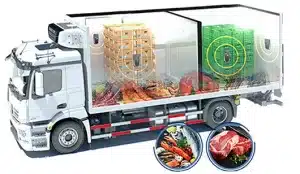
Pharmaceuticals, vaccines, fresh produce, dairy, seafood, and specialist chemicals all depend on strict thermal control. Even a short exposure outside the recommended range can damage product integrity. This can result in waste, regulatory breaches, and reputational harm. In the UK, strict frameworks such as GDP guidelines require documented proof of temperature compliance. Businesses must demonstrate that products remain within validated ranges throughout transit.
This includes road haulage, air freight, rail, and sea transport. Modern Temperature Monitoring in Transport solutions provide visibility from dispatch to delivery. They offer alerts, audit trails, and performance analytics. These systems reduce manual checks and human error. They also support insurance claims and quality assurance audits. For example, chilled food typically requires storage between 0°C and 5°C. Frozen goods often require temperatures below -18°C.
Many vaccines must remain between 2°C and 8°C. A single deviation may render stock unusable. Advanced monitoring tools allow transport managers to respond immediately to mechanical failures. They also enable route optimisation and risk mitigation. Selecting the correct technology depends on load value, journey length, and compliance requirements. UK businesses increasingly adopt integrated digital systems for improved oversight. The following sections explore leading technologies supporting Temperature Monitoring in Transport across the UK.
First a quick plug – Our sister companies Fresh Pharma whom are GDP Compliant Pharma couriers and ‘Fresh Fridge Hire‘ are our (compliant GDP) refrigerated vehicle hire.
Types of Temperature Monitoring in Transport: Technologies Explained
RFID Systems in Temperature Monitoring in Transport
Radio Frequency Identification plays a growing role in Temperature Monitoring in Transport. RFID tags attach directly to pallets, cartons, or containers. These tags transmit temperature and identification data using radio waves. A reader installed inside the vehicle collects the data automatically. This allows continuous monitoring without manual scanning. RFID systems are ideal for high-value pharmaceuticals and biologics. They reduce handling time and improve traceability. In the UK healthcare sector, RFID supports compliance with GDP standards. The system can integrate with warehouse management software. Alerts trigger when temperature thresholds are exceeded. The table below summarises key advantages and considerations.
| Feature | Benefit | Example Use in UK |
| Real-time data | Immediate alerts | Vaccine transport between NHS facilities |
| Contactless scanning | Faster processing | Distribution centres in Birmingham |
| Unique ID tracking | Improved traceability | High-value biologics |
| Integration capability | Central monitoring | National logistics networks |
RFID does require infrastructure investment. However, long-term efficiency gains often justify the cost.
Data Loggers in Temperature Monitoring in Transport
Data loggers remain the most cost-effective Temperature Monitoring in Transport solution. These compact devices record temperature at set intervals. They operate using internal batteries and onboard memory. After delivery, data downloads via USB or wireless connection. This provides a full temperature history for audit purposes. Data loggers are widely used in UK food distribution. They are also common in independent pharmacy deliveries. Their simplicity makes them attractive for smaller operators. The table below outlines core characteristics.
| Feature | Benefit | Typical Application |
| Low cost | Budget-friendly | Artisan food producers |
| Portable design | Flexible placement | Parcel shipments |
| Historical records | Audit support | MHRA inspections |
| Simple operation | Minimal training | Regional couriers |
However, they do not provide live alerts unless network-enabled. This limits rapid intervention during transit.
Wireless Sensors in Temperature Monitoring in Transport
Wireless sensors offer real-time Temperature Monitoring in Transport with remote access. These battery-powered devices measure both temperature and humidity. Data transmits to a central platform using mobile networks. Fleet managers can monitor conditions from any location. Alerts notify teams immediately if thresholds are exceeded. This allows corrective action before goods are compromised. UK supermarket chains commonly use wireless monitoring. Pharmaceutical distributors also favour this solution for nationwide deliveries. The comparison below highlights system capabilities.
| Feature | Advantage | UK Use Case |
| Real-time alerts | Immediate response | National grocery fleets |
| Humidity monitoring | Broader protection | Fresh produce shipments |
| Cloud dashboards | Remote oversight | Multi-site logistics firms |
| Data analytics | Trend analysis | Long-term compliance reporting |
Wireless systems require network coverage. Signal loss may occur in remote rural routes.
Infrared Thermography in Temperature Monitoring in Transport
Infrared thermography enhances Temperature Monitoring in Transport through surface scanning. Thermal cameras detect heat patterns across cargo areas. They identify hot or cold spots rapidly. This method works well during loading inspections. It provides instant visual confirmation of cooling performance. UK cold storage operators often use this for compliance checks. It does not replace internal probes but complements them. The technology is especially useful for frozen goods. Below is a feature overview.
| Feature | Benefit | Example |
| Rapid scanning | Quick diagnostics | Pre-departure checks |
| Visual heat maps | Easy interpretation | Distribution depots |
| Non-contact method | Hygienic assessment | Food handling environments |
| Fault detection | Prevents breakdown losses | Refrigeration maintenance |
Thermography measures surface temperature only. Internal readings still require probe-based systems.
GPS Tracking
GPS technology strengthens Temperature Monitoring in Transport by combining location and thermal data. Integrated devices track vehicle movement and cargo temperature simultaneously. This improves route visibility and security. Long-distance UK deliveries benefit greatly from this system. Managers can reroute vehicles during traffic delays. They can also investigate temperature breaches alongside journey data. The table below outlines its advantages.
| Feature | Benefit | Application |
| Live location tracking | Route optimisation | Cross-country deliveries |
| Combined temperature data | Full oversight | Pharmaceutical distribution |
| Geofencing alerts | Security control | Port transfers |
| Journey history | Compliance evidence | Retail supply chains |
GPS-enabled systems offer comprehensive oversight. They support insurance claims and contractual transparency.
Choosing the Right Solution
Temperature Monitoring in Transport is fundamental to product safety and regulatory compliance within the UK. Each technology offers distinct strengths. RFID provides automation and traceability. Data loggers offer affordability and simplicity. Wireless sensors deliver real-time oversight. Infrared thermography enhances inspection processes. GPS integration adds logistical intelligence. Businesses must assess journey duration, cargo value, and compliance requirements. Pharmaceutical transport demands stricter validation than ambient goods. Food logistics require hygiene-focused solutions. Budget constraints also influence system selection. Many UK organisations now combine multiple technologies. This layered approach improves reliability and audit readiness. Investing in advanced Temperature Monitoring in Transport reduces waste and financial loss. It strengthens brand reputation and customer confidence. It also ensures alignment with UK regulatory standards. By adopting suitable monitoring solutions, organisations futureproof their supply chains. They demonstrate commitment to quality, safety, and operational excellence.
Temperature Monitoring
- How do temperature monitoring technologies work?
Temperature monitoring technologies work by measuring and tracking temperature and humidity levels during transport using various devices such as sensors, data loggers, and RFID tags.
- What are the benefits of temperature monitoring for transport?
Temperature monitoring helps ensure that temperature-sensitive goods are transported safely and securely, reducing the risk of spoilage, contamination, and financial losses.
- Are there any regulatory requirements for temperature monitoring during transport?
Yes, there are various regulatory requirements for temperature monitoring, especially in industries such as pharmaceuticals and food and beverage, to ensure that goods are transported within the desired temperature range.
What should companies consider when choosing a temperature monitoring solution?
Companies should consider factors such as the nature of the goods being transported, the distance and duration of transport, and regulatory requirements when choosing a temperature monitoring solution.
What are some common temperature monitoring technologies used in transport?
Common temperature monitoring technologies include sensors, data loggers, RFID tags, infrared thermography, and GPS tracking.
- What should companies consider when choosing a temperature monitoring solution?
Companies should consider factors such as the nature of the goods being transported, the distance and duration of transport, and regulatory requirements when choosing a temperature monitoring solution.
- What are some common temperature monitoring technologies used in transport?
Common temperature monitoring technologies include sensors, data loggers, RFID tags, infrared thermography, and GPS tracking.

Thermo Logistics in the UK
The Status of Thermo Logistics in the UK: Trends, Challenges, and Future Outlook
1. Introduction
Lesser know titles like Thermo or Frigo Logistics in the UK, also known as temperature-controlled logistics, is a crucial component of the supply chain that ensures the safe storage and transport of perishable goods.
It plays an essential role in sectors such as food, pharmaceuticals, and chemicals, where maintaining specific temperature conditions is vital to preserving product integrity. The UK has a well-established cold chain logistics infrastructure, but it faces evolving challenges and opportunities due to technological advancements, regulatory changes, and shifting consumer demands. The need for greater efficiency, sustainability, and resilience has never been more pressing, with businesses continuously seeking innovative solutions to improve supply chain operations.
First a quick plug – Our sister companies Fresh Pharma whom are GDP Compliant Pharma couriers and ‘Fresh Fridge Hire‘ are our (compliant GDP) refrigerated vehicle hire.
2. The Growing Demand for Thermo Logistics in the UK
The demand for temperature-controlled logistics has surged in recent years, driven by the growing reliance on fresh food deliveries, pharmaceuticals, and medical supplies. The COVID-19 pandemic highlighted the critical role of thermo logistics in distributing vaccines and other essential medical products. Additionally, the rapid rise of e-commerce and online grocery shopping has placed additional pressure on the industry to provide efficient and reliable cold chain solutions. Consumers increasingly expect same-day or next-day delivery services, which adds complexity to logistics planning and execution. As a result, businesses must continually invest in infrastructure and technology to meet growing expectations.
3. Key Sectors Relying on Thermo Logistics
Several industries depend heavily on thermo logistics, including:
- Food and Beverage: Ensuring the safe transport of dairy, meat, seafood, and frozen products. With consumers demanding fresher produce and extended shelf life, food logistics companies must maintain high standards of temperature control and hygiene.
- Pharmaceutical and Healthcare: Maintaining the integrity of vaccines, biologics, and temperature-sensitive drugs. Many medications require strict temperature controls to remain effective, necessitating sophisticated monitoring systems and regulatory compliance.
- Chemical and Industrial Applications: Transporting temperature-sensitive industrial chemicals and hazardous materials. Certain chemicals require specific conditions to prevent degradation or dangerous reactions, making precise temperature management essential.
4. Cold Chain Infrastructure in the UK
The UK has a robust cold chain infrastructure comprising refrigerated warehouses, temperature-controlled transport, and advanced monitoring technologies. Large distribution hubs are strategically located near major ports and urban centres to facilitate quick and efficient deliveries. Recent innovations in refrigeration technology, energy-efficient storage solutions, and automated warehousing are enhancing operational efficiency and sustainability. Companies are also investing in alternative cooling technologies, such as phase-change materials and cryogenic refrigeration, to improve energy efficiency and reduce reliance on fossil fuels.
To support this evolving infrastructure, many logistics providers are upgrading their facilities with advanced temperature monitoring systems, AI-driven automation, and predictive maintenance solutions. Additionally, new government policies and funding initiatives are encouraging the adoption of green refrigeration technologies and electrified transport fleets to lower carbon emissions. Collaboration between industry stakeholders is also driving the development of smart logistics hubs, which integrate digital tracking systems and blockchain technology to enhance transparency and efficiency across supply chains.
The UK has a robust cold chain infrastructure comprising refrigerated warehouses, temperature-controlled transport, and advanced monitoring technologies. Large distribution hubs are strategically located near major ports and urban centres to facilitate quick and efficient deliveries. Recent innovations in refrigeration technology, energy-efficient storage solutions, and automated warehousing are enhancing operational efficiency and sustainability. Companies are also investing in alternative cooling technologies, such as phase-change materials and cryogenic refrigeration, to improve energy efficiency and reduce reliance on fossil fuels.
5. Challenges in UK Thermo Logistics
Despite advancements, the sector faces several challenges, including:
- Rising operational costs and energy consumption, which impact profitability and sustainability.
- Stringent regulatory compliance requirements that vary between domestic and international markets.
- Brexit-induced supply chain disruptions affecting cross-border trade, leading to increased paperwork, customs checks, and potential delays in the movement of perishable goods.
- Labour shortages in logistics and transportation, which have led to delays in delivery times and higher operational costs.
- The need for continued investment in infrastructure to accommodate the growth in demand for temperature-controlled logistics.
6. The Role of Technology in Thermo Logistics
Technology plays a pivotal role in enhancing the efficiency and reliability of cold chain logistics. Innovations include:
- IoT-enabled sensors for real-time temperature monitoring, allowing for instant alerts if temperature deviations occur.
- AI and automation to optimise storage, inventory management, and distribution routes, reducing costs and improving efficiency.
- Blockchain technology for improved traceability and transparency, ensuring secure data sharing and verification throughout the supply chain.
- Predictive analytics to foresee potential disruptions and optimise logistics operations.
- Drone deliveries and autonomous vehicles for last-mile delivery solutions, particularly in urban environments.
7. Sustainability in Temperature-Controlled Logistics
With increasing concerns about carbon emissions, the industry is exploring sustainable alternatives such as:
- Energy-efficient refrigeration systems that use eco-friendly refrigerants to minimise environmental impact.
- Electric and hybrid refrigerated vehicles, reducing reliance on diesel-powered trucks.
- Renewable energy integration in warehouses, such as solar panels and wind power, to reduce energy costs and carbon footprints.
- Investment in biodegradable and recyclable packaging materials to minimise waste in cold chain logistics.
- Adoption of circular economy principles, where waste heat from refrigeration units is repurposed for other energy needs.
8. The Impact of Brexit on UK Thermo Logistics
Brexit has introduced complexities in cold chain logistics, including:
- Changes in customs regulations affecting perishable goods transport, increasing administrative burdens and costs.
- Increased border checks leading to potential delays, which can significantly impact the quality of temperature-sensitive goods.
- The need for businesses to adapt to new trade agreements and compliance measures, requiring additional investment in regulatory expertise and documentation processes.
- Disruptions in labour availability, particularly for drivers and warehouse workers, impacting the efficiency of the logistics sector.
- Potential increases in costs due to tariffs, longer transit times, and additional bureaucracy.
9. Regulations and Compliance in Thermo Logistics in the UK
Regulatory compliance is critical to ensuring product safety and quality. Key regulations include:
- UK and EU standards for temperature-controlled transport, which outline strict requirements for cold chain logistics.
- HACCP (Hazard Analysis and Critical Control Points) guidelines, ensuring risk management strategies are in place.
- MHRA (Medicines and Healthcare products Regulatory Agency) oversight for pharmaceuticals, ensuring compliance with stringent safety measures.
- GDP (Good Distribution Practice) guidelines for pharmaceutical logistics, maintaining the integrity of temperature-sensitive medical products.
10. The Future of Thermo Logistics in the UK
Advancements in transport technology are shaping the future of thermo logistics. Trends include:
- Smart refrigerated vehicles with real-time tracking and temperature monitoring.
- Expansion of rail and sea freight cold chain networks to reduce road congestion and emissions.
- Innovations in last-mile delivery for perishable goods, such as refrigerated lockers and drone-based solutions.
- Development of hydrogen-powered refrigerated trucks for sustainable long-haul logistics.
11. Warehouse Innovations in Thermo Logistics in the UK
Cold storage facilities are evolving with:
- Automated and robotic solutions for inventory management, improving efficiency and reducing labour costs.
- Renewable energy-powered warehouses that utilise solar, wind, and energy recovery systems.
- Enhanced data analytics for predictive maintenance and efficiency, ensuring uninterrupted temperature control.
12. The Role of 3PL (Third-Party Logistics) Providers
Many businesses outsource their temperature-controlled logistics to third-party providers, benefiting from:
- Specialised expertise in cold chain management, ensuring compliance with industry standards.
- Cost savings through shared infrastructure and resources.
- Leading UK 3PL providers offering customised cold chain solutions with advanced tracking and security features.
13. Consumer Expectations and Market Trends in Thermo Logistics in the UK
Consumer habits are shaping the industry, with trends such as:
- Increasing demand for faster, more reliable temperature-controlled deliveries, driven by the growth of online grocery shopping and e-commerce in pharmaceuticals. Consumers expect same-day or next-day delivery with strict temperature adherence, putting pressure on logistics providers to enhance their capabilities.
- Growth of direct-to-consumer (DTC) models in food and pharmaceuticals, as more businesses bypass traditional retail channels to provide fresh, high-quality products directly to customers. This shift requires robust last-mile delivery solutions and optimised cold chain management.
- Rising expectations for transparent and sustainable supply chains, leading companies to invest in eco-friendly packaging, carbon footprint reduction, and blockchain-based traceability to assure consumers of ethical and sustainable sourcing.
- Expansion of subscription-based food and meal kit services, necessitating reliable temperature-controlled logistics to ensure freshness and compliance with health and safety regulations.
- Greater demand for personalised healthcare and temperature-sensitive pharmaceuticals, requiring more sophisticated cold storage and transport solutions to cater to precision medicine and biologics.
- Integration of smart technologies in consumer deliveries, including real-time tracking, temperature monitoring apps, and automated notifications, enhancing customer trust and satisfaction.
- Increased awareness of food safety and waste reduction, prompting retailers and logistics firms to implement stricter quality control measures and invest in AI-driven forecasting tools to minimise spoilage.
As consumer preferences continue to evolve, thermo logistics providers must innovate and invest in digital and sustainable solutions to remain competitive and meet rising market demands.
Consumer habits are shaping the industry, with trends such as:
- Increasing demand for faster, more reliable temperature-controlled deliveries.
- Growth of direct-to-consumer (DTC) models in food and pharmaceuticals.
- Rising expectations for transparent and sustainable supply chains, driving investments in eco-friendly practices.
- See our blog refrigerated logistics trends in 2025
14. Investment and Funding in Thermo Logistics in the UK
The sector is seeing significant investment, including:
- Government incentives for cold chain technology improvements, including grants and subsidies to support businesses adopting energy-efficient refrigeration and storage solutions.
- Private sector funding in refrigeration and energy-efficient solutions, with major corporations investing in state-of-the-art facilities and sustainable transport options.
- Venture capital interest in logistics startups driving innovation in sustainable cold chain solutions, focusing on AI-driven logistics management, automation, and alternative energy sources.
- Research and development grants supporting new cooling technologies, including cryogenic freezing and phase-change materials, which aim to revolutionise temperature-controlled logistics.
- Public-private partnerships (PPPs) fostering collaboration between government entities and logistics companies to improve infrastructure, enhance supply chain resilience, and reduce carbon footprints.
- Foreign investment in UK cold chain logistics, with international companies expanding their presence in the British market due to its strategic location and advanced logistics capabilities.
- Green financing initiatives, such as sustainability-linked loans, offering financial incentives for companies that meet eco-friendly operational benchmarks.
The sector is seeing significant investment, including:
- Government incentives for cold chain technology improvements.
- Private sector funding in refrigeration and energy-efficient solutions.
- Venture capital interest in logistics startups driving innovation in sustainable cold chain solutions.
Conclusion and Future Outlook: Thermo Logistics in the UK
The future of thermo logistics in the UK is shaped by technological innovation, sustainability, and rising consumer expectations. Companies face challenges such as regulatory compliance, rising energy costs, and post-Brexit trade shifts, requiring agile and forward-thinking strategies. Digitalisation is transforming the sector: IoT-enabled sensors, AI-driven predictive analytics, and blockchain for traceability improve efficiency, provide full visibility, and reduce product waste. For example, UK food distributors increasingly use real-time temperature tracking to ensure chilled and frozen goods remain within safe ranges throughout delivery.
Sustainability will play an even larger role. Low-carbon transport solutions, solar-powered refrigeration units, and energy-efficient warehouse designs are becoming standard. Many UK logistics providers are trialling electric refrigerated trucks for urban deliveries, lowering emissions while maintaining strict temperature control. Green energy adoption and waste reduction strategies not only benefit the environment but also enhance brand reputation and reduce operational costs.
Collaboration between government bodies, manufacturers, and logistics providers is critical. Standardising cold chain practices, sharing predictive analytics, and investing in workforce training ensure the UK maintains its competitive advantage in global thermo logistics.
The following table outlines emerging trends shaping UK thermo logistics:
| Trend | Description | Industry Impact | Example |
|---|---|---|---|
| IoT & AI | Real-time temperature monitoring and predictive routing | Reduced spoilage, increased efficiency | Fresh produce deliveries to London supermarkets |
| Sustainable Transport | Electric trucks, solar-powered refrigeration | Lower emissions, cost savings | Urban chilled food distribution |
| Blockchain | End-to-end supply chain transparency | Improved traceability and compliance | NHS vaccine supply chain |
| Collaboration | Industry-wide partnerships and standards | Enhanced resilience, optimised logistics | UK-wide temperature-controlled networks |
Despite challenges, the UK thermo logistics sector offers significant growth and optimisation opportunities. Businesses adopting technology, sustainability, and collaboration strategies will maintain competitive advantage, improve reliability, and meet evolving consumer demands. The coming years promise an exciting era of innovation, efficiency, and sustainable temperature-controlled logistics.
Refrigerated Logistics Network
- What are logistics solutions?
Logistics solutions are services that help businesses manage the transportation, storage, and delivery of goods efficiently.
Logistics Network
- What is refrigerated transport?
What is refrigerated transport?
Refrigerated transport uses temperature-controlled vehicles to keep goods such as food or medicines cold during delivery. - What are the 4 types of logistics?
The four main types are inbound logistics, outbound logistics, reverse logistics, and third-party logistics (3PL).
- What is temperature-controlled logistics?
Temperature-controlled logistics is the transport and storage of products within a specific temperature range to protect sensitive goods.
- What are the 4 major logistics functions?
The main logistics functions are transportation, warehousing, inventory management, and order fulfilment.
- What is the highest paid job in logistics?
One of the highest-paid roles in logistics is a logistics director or supply chain director.
- What is logistics and give 5 examples?
Logistics is the process of planning and managing the movement of goods. Examples include transportation, warehousing, inventory control, packaging, and distribution.
- Who are the top 10 logistics companies?
Some of the top logistics companies include Fresh Logistics, DHL, FedEx, UPS, Maersk, DB Schenker, Kuehne + Nagel, XPO Logistics, C.H. Robinson, Nippon Express, and DHL Supply Chain.
- What are the 7 C's of logistics?
The 7 C’s are the right product, right quantity, right condition, right place, right time, right customer, and right cost.
- What is the highest salary in logistics?
Senior roles such as supply chain director or chief logistics officer can earn the highest salaries in the logistics industry. £150 – £300k
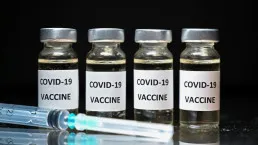
Cold Chain Vaccine
The Cold Chain Vaccine System: Ensuring Potency from Production to Patient
The Importance of the Cold Chain in Vaccine Distribution
The cold chain vaccine system is a crucial component of global public health infrastructure.  It ensures that vaccines maintain their potency and effectiveness from the point of manufacture to administration in a patient’s body. The success of immunisation programmes worldwide hinges on the ability to store and transport vaccines under strict temperature controls. A break in the cold chain at any stage can render a vaccine ineffective, potentially leading to the failure of immunisation efforts, increased disease outbreaks, and wasted resources.
Temperature-sensitive vaccines, such as those for measles, polio, and COVID-19, require precise storage conditions. If exposed to temperatures outside their recommended range, their active ingredients may degrade, making them ineffective. Consequently, governments, healthcare providers, and logistics professionals must work together to maintain an unbroken cold chain, ensuring that vaccines remain viable when they reach patients.
First a quick plug Our sister companies Fresh Pharma whom are GDP Compliant Pharma couriers and ‘Fresh Fridge Hire‘ are our (compliant GDP) refrigerated vehicle hire.
What is the Cold Chain Vaccine System?
The cold chain vaccine system refers to the meticulously controlled network of storage, transportation, and handling practices designed to maintain vaccines at their required temperatures from production to administration. It includes refrigerated warehouses, Refrigerated Pharmaceutical Transport, storage units at healthcare centres, and insulated packaging to prevent temperature fluctuations.
 Many vaccines must be kept at specific temperatures, typically between 2°C and 8°C, although some, such as the Pfizer-BioNTech COVID-19 vaccine, require ultra-cold storage at temperatures as low as -70°C. Temperature monitoring devices, such as digital thermometers, data loggers, and temperature-sensitive indicators, are essential tools used throughout the cold chain to ensure compliance with storage requirements.
Different types of vaccines have varying temperature sensitivities. Some common categories include:
| Vaccine Type | Required Temperature Range | Example Vaccines |
| Refrigerated Vaccines | +2°C to +8°C | MMR, HPV, DTP |
| Frozen Vaccines | -15°C to -50°C | Varicella, Zoster |
| Ultra-Cold Vaccines | -60°C to -80°C | Some COVID-19 Vaccines |
Why is the Cold Chain Vaccine System Important?
Preventing Vaccine Degradation
The cold chain vaccine system is vital for maintaining vaccine efficacy. When vaccines are exposed to improper temperatures, their biological components can break down, making them less effective or even completely inactive. For example, live-attenuated vaccines, such as the measles-mumps-rubella (MMR) vaccine, can become unstable if not stored correctly, rendering them useless in preventing disease.
Reducing Vaccine Wastage
A well-maintained cold chain vaccine system minimises vaccine wastage. The World Health Organization (WHO) estimates that up to 50% of vaccines are wasted globally due to inadequate storage and handling. This leads to financial losses and diminished immunisation coverage. In developing countries, where resources are already limited, ensuring proper cold chain management is critical to maximising the impact of vaccination campaigns.
Ensuring Public Health and Safety
Vaccines are a cornerstone of public health. If a vaccine loses its effectiveness due to temperature fluctuations, it can lead to outbreaks of preventable diseases. A compromised vaccine may also give a false sense of security, where individuals believe they are protected when they are not, leading to potential health crises.
Components of the Cold Chain Vaccine System
Manufacturing and Storage Facilities
The cold chain vaccine system begins at the manufacturing stage, where vaccines are produced under stringent conditions. Pharmaceutical companies must adhere to Good Manufacturing Practices (GMP) to ensure vaccines are safe, effective, and stored at the correct temperature from production. Once manufactured, vaccines are stored in large cold storage facilities before being distributed worldwide.
Key features of vaccine storage facilities include:
- Temperature-controlled environments to prevent fluctuations.
- Backup power generators to ensure storage conditions are maintained during power failures.
- Temperature monitoring systems to continuously track and log storage conditions.
Refrigerated Transportation Methods
Once vaccines leave the production facility, they must be transported under controlled conditions. The cold chain vaccine system relies on various refrigerated transportation methods, including:
| Transportation Method | Description | Example Use Cases |
| Refrigerated Trucks | Equipped with cooling systems to maintain 2°C to 8°C | Transporting vaccines within a country |
| Insulated Containers | Passive cooling using ice packs or phase change materials | Last-mile delivery in rural areas |
| Cold Chain Air Freight | Specialised cargo holds for ultra-cold storage | International vaccine shipments |
Special attention is required for last-mile distribution, particularly in remote and developing regions, where transportation infrastructure may be inadequate. Innovations such as solar-powered refrigerators and temperature-monitoring smart packaging are increasingly being deployed to bridge these gaps.
Cold Storage at Healthcare Facilities
Upon arrival at healthcare facilities, vaccines must be stored in purpose-built refrigerators or freezers until they are administered. Proper storage ensures that vaccines remain effective for patient use.
Healthcare facilities typically use:
- Vaccine refrigerators with built-in temperature controls.
- Cold boxes and carriers for short-term transport within clinics.
- Digital temperature loggers to provide real-time tracking of storage conditions.
Training healthcare workers on correct vaccine storage and handling is an essential part of maintaining the cold chain. Staff must be educated on temperature monitoring, inventory management, and contingency planning in case of power failures or equipment malfunctions.
Temperature Requirements for Different Vaccines
Overview of Different Temperature Ranges for Vaccines
Vaccine storage temperatures are crucial to maintaining the efficacy and safety of immunisations. Different vaccines require specific temperature conditions to preserve their potency, and failing to adhere to these conditions can render a vaccine ineffective. Below is an overview of the various temperature ranges required for different types of vaccines:
| Vaccine Type | Recommended Temperature | Examples |
| mRNA Vaccines | -80°C to -60°C | Pfizer-BioNTech, Moderna |
| Viral Vector Vaccines | -25°C to -15°C | AstraZeneca, Johnson & Johnson |
| Inactivated Vaccines | 2°C to 8°C | Sinopharm, Sinovac |
| Live Attenuated Vaccines | 2°C to 8°C | MMR, Yellow Fever |
| Subunit & Protein-Based Vaccines | 2°C to 8°C | Hepatitis B, HPV |
WHO Guidelines on Vaccine Storage
The World Health Organisation (WHO) has established detailed guidelines on vaccine storage to ensure potency and prevent wastage. Key principles include:
- Continuous Temperature Monitoring: Vaccine refrigerators must be fitted with temperature monitoring devices.
- Cold Chain Maintenance: The temperature must be maintained throughout transportation, from the manufacturer to the point of administration.
- Avoiding Freezing for Non-Frozen Vaccines: Some vaccines lose their effectiveness if frozen, such as diphtheria, pertussis, and hepatitis B vaccines.
- Correct Storage Arrangements: Vaccines should be organised properly in refrigerators to ensure air circulation and avoid temperature fluctuations.
Vaccine Storage and Refrigeration Technology
Types of Vaccine Refrigerators and Freezers
Modern vaccine storage relies on specialised refrigeration units designed to maintain consistent temperatures. The primary types include:
| Type of Equipment | Temperature Range | Purpose |
| Ultra-Low Freezers | -80°C to -60°C | Used for mRNA vaccines like Pfizer and Moderna . |
| Standard Freezers | -25°C to -15°C | Suitable for viral vector vaccines. |
| Pharmaceutical Refrigerators | 2°C to 8°C | Used for most traditional vaccines. |
| Solar-Powered Refrigerators | 2°C to 8°C | Ideal for regions with unreliable electricity. |
Advanced Technology Such as Smart Cold Storage
Technology has significantly enhanced vaccine storage. Smart cold storage solutions integrate digital monitoring, alarms, and real-time tracking to ensure vaccine stability. Features include:
- Remote temperature monitoring via mobile applications.
- Automated alerts in case of temperature deviations.
- Solar-powered refrigeration to support vaccine storage in remote areas.
- Energy-efficient cooling systems reducing operational costs.
Cold Chain Logistics and Distribution
How Vaccines Are Transported Globally
Vaccines are transported through a meticulously managed cold chain to ensure their integrity. The cold chain consists of:
- Manufacturing Facilities: Vaccines are produced and stored in controlled environments.
- Global Distribution Centres: These hubs, often managed by organisations like UNICEF, serve as central storage before further distribution.
- Transport via Air, Land, and Sea: Specialised temperature-controlled containers are used.
- Regional and Local Storage Facilities: These include hospitals, clinics, and immunisation centres.
- End-User Administration: Vaccines are finally delivered to healthcare providers for patient administration.
Challenges in Vaccine Distribution in Remote Areas
Some of the key challenges in delivering vaccines to remote locations include:
- Lack of Infrastructure: Poor road conditions and unreliable electricity.
- High Costs: Specialised refrigeration and transportation costs can be expensive.
- Extreme Climate Conditions: Excessive heat or cold can damage vaccines.
- Logistical Delays: Political instability and customs regulations may cause delays
- Vaccine Wastage: Improper handling can lead to loss of doses.
Solutions such as solar-powered fridges, mobile vaccination units, and improved forecasting models help overcome these challenges.
The Role of WHO and Other Regulatory Bodies
Guidelines from WHO, UNICEF, and National Health Authorities
The WHO, alongside organisations such as UNICEF and various national regulatory bodies, provides stringent guidelines to ensure vaccines remain effective throughout their journey. These guidelines include:
- Good Distribution Practice (GDP): Ensures the quality of pharmaceutical products, including vaccines, during transportation.
- WHO Performance, Quality, and Safety (PQS) Standards: Ensures vaccine storage equipment meets necessary requirements.
- UNICEF Cold Chain Equipment Optimisation Platform: Supports low-income countries in procuring reliable vaccine storage solutions.
- National Immunisation Guidelines: Individual countries adapt WHO recommendations based on local conditions.
Policies Ensuring Cold Chain Compliance
To maintain vaccine efficacy, strict policies are enforced globally:
- Mandatory Temperature Monitoring: Continuous tracking to detect and address deviations.
- Training of Healthcare Workers: Ensuring proper handling and storage of vaccines.
- Regular Audits and Inspections: Verifying compliance with cold chain standards.
- Emergency Contingency Plans: Procedures for handling power failures and equipment malfunctions.
By ensuring these policies are adhered to, vaccine distribution systems can function effectively, ultimately leading to successful immunisation campaigns worldwide.
Cold Chain Challenges in Developing Countries
The cold chain is a vital component in the transportation and storage of perishable goods, particularly in the pharmaceutical and food industries. In developing countries, maintaining an unbroken cold chain presents significant challenges due to issues with infrastructure, unreliable electricity supplies, and inefficient logistics. Addressing these problems is crucial for ensuring public health and food safety.
Infrastructure Limitations
One of the most significant cold chain challenges in developing countries is inadequate infrastructure. Many rural and remote areas lack proper storage facilities, temperature-controlled transportation, and essential road networks. Without refrigerated warehouses and distribution hubs, maintaining consistent low temperatures for vaccines, medicines, and perishable foods becomes nearly impossible.
Additionally, road networks in many developing nations are often underdeveloped, making transportation slow and inefficient. Poor road conditions increase transit times, exposing temperature-sensitive products to environmental fluctuations. In regions with extreme climates, such as sub-Saharan Africa or South Asia, this issue is further exacerbated by high ambient temperatures that accelerate spoilage.
Electricity Reliability Issues
Many developing countries experience frequent power outages and lack stable electricity grids. This presents a significant problem for cold storage facilities that require constant refrigeration. Without backup power sources such as generators or solar energy solutions, perishable goods can quickly become unfit for consumption or medical use.
In rural areas, the absence of grid electricity altogether means that cold chain solutions must rely on alternative energy sources. While some organisations have introduced solar-powered refrigeration, these solutions are not yet widely implemented and often come with high initial costs that local health authorities or food distributors struggle to afford.
Logistical Barriers
Efficient cold chain logistics depend on well-coordinated transportation networks and timely deliveries. However, in many developing nations, there is a lack of properly equipped refrigerated vehicles and trained personnel. Even when refrigeration trucks are available, maintenance challenges and fuel shortages can disrupt their operation.
Another major issue is customs delays and inefficient border control procedures. In many cases, perishable goods such as vaccines and medicines are held up at checkpoints due to bureaucratic red tape, leading to temperature excursions that render the products ineffective or unsafe.
Strategies for Overcoming Cold Chain Challenges in Developing Countries
To address these challenges, several strategies must be adopted, including investment in infrastructure, use of renewable energy solutions, and improved logistical planning.
Investment in Infrastructure
-
- Establishing localised production facilities for vaccines and other perishable goods can reduce dependency on long-distance cold chain transportation.
- Governments and international organisations must allocate funds to build better roads, storage facilities, and distribution centres.
Renewable Energy Solutions
-
- Solar-powered refrigeration units should be scaled up, particularly in off-grid area
- The use of battery-powered refrigeration units with energy storage capabilities can help maintain cold chain integrity during power outages..
Strengthening Logistical Capabilities
-
- Streamlining customs processes and reducing bureaucratic delays through digital tracking and automated clearance systems can prevent unnecessary temperature excursions.
- Developing local capacity by training healthcare workers and logistics personnel in proper cold chain management.
- Investment in refrigerated vehicles, along with proper maintenance training, is crucial.
By implementing these strategies, developing countries can significantly improve the efficiency and reliability of their cold chains, ensuring better public health outcomes and reducing food waste.
Innovations in Cold Chain Technology
As the demand for reliable cold chain solutions grows, technological advancements have played a crucial role in improving efficiency and sustainability. Several innovative approaches, such as solar-powered refrigeration and IoT-enabled monitoring systems, are revolutionising the way perishable goods are stored and transported.
Solar-Powered Refrigeration
Solar-powered refrigeration has emerged as a game-changer for maintaining the cold chain in areas with unreliable electricity. These systems harness solar energy to keep perishable goods at optimal temperatures, even in off-grid locations. Key benefits include:
- Reliability: Unlike traditional refrigeration units that depend on grid power, solar-powered units can function independently, ensuring consistent cooling.
- Sustainability: By reducing reliance on fossil fuels, solar refrigeration contributes to environmental sustainability.
- Cost-Effectiveness: While the initial investment is high, the long-term savings on electricity and fuel costs make solar refrigeration economically viable.
Several international organisations and NGOs have piloted solar refrigeration projects in regions like sub-Saharan Africa and South Asia, demonstrating their effectiveness in vaccine storage and food preservation.
IoT-Enabled Temperature Monitoring Systems
The Internet of Things (IoT) has transformed cold chain management by enabling real-time monitoring of temperature-sensitive products. IoT-enabled systems use smart sensors to track temperature, humidity, and location, transmitting data to cloud-based platforms for analysis.
- Real-Time Alerts: If temperature fluctuations occur, instant alerts allow logistics personnel to take corrective action.
- Data Analytics: Historical temperature data can help identify patterns and improve cold chain efficiency.
- Improved Compliance: IoT monitoring ensures adherence to regulatory standards by maintaining accurate temperature logs.
These technological innovations are making cold chain management more robust, helping to prevent spoilage and ensuring the safety of perishable goods.
Cold Chain Best Practices for Healthcare Workers
Healthcare workers play a crucial role in maintaining the integrity of the cold chain, particularly when handling and storing vaccines. Best practices in this area ensure that immunisation programmes remain effective and public health is protected.
Proper Handling and Storage of Vaccines
- Temperature Monitoring: Vaccines must be stored within the recommended temperature range (usually between 2°C and 8°C for most vaccines) to maintain efficacy.
- Avoiding Temperature Excursions: Exposure to excessive heat or freezing conditions can degrade vaccines, making them ineffective.
- Organisation and Labelling: Vaccines should be arranged according to their expiry dates, with older stock used first to prevent wastage.
- Regular Equipment Checks: Refrigerators and cold boxes must be routinely inspected to ensure they are functioning correctly.
Recognising and Managing Cold Chain Failures
Healthcare workers must be trained to identify cold chain failures and respond appropriately:
- Identifying Spoiled Vaccines: Visual inspections can reveal signs of temperature damage, such as changed colour or separation in liquid vaccines.
- Taking Corrective Measures: If a failure occurs, affected vaccines should be quarantined and reported to the relevant authorities.
- Emergency Plans: Contingency strategies, such as alternative storage locations and backup power sources, should be in place to prevent loss of vaccines.
The Impact of Cold Chain Failure on Public Health
Cold chain failure can have severe consequences for public health, particularly in vaccine distribution. Administering compromised vaccines can lead to ineffective immunisation programmes, increased disease outbreaks, and loss of public trust in healthcare systems.
Consequences of Administering Compromised Vaccines
- Reduced Efficacy: Vaccines exposed to incorrect temperatures may not provide immunity, leading to disease resurgence.
- Adverse Reactions: Some damaged vaccines can cause negative health effects.
- Economic Burden: Wasted vaccines increase healthcare costs and strain limited resources in developing nations.
Case Studies of Cold Chain Failures and Their Effects
- Nigeria’s Vaccine Crisis (2003): Due to a widespread cold chain failure, thousands of doses of polio vaccines were rendered ineffective, causing delays in the eradication programme.
- India’s Measles Vaccine Loss (2016): Power failures in rural vaccine storage facilities led to the spoilage of a significant stock of measles vaccines, impacting immunisation efforts.
These incidents highlight the need for robust cold chain management to protect public health and ensure the success of vaccination programmes.
Future Trends in Vaccine Cold Chain Management
The future of vaccine cold chain management is undergoing a significant transformation, driven by advancements in artificial intelligence (AI), automation, and sustainability initiatives. Ensuring vaccines remain effective from production to administration requires constant innovation, particularly as demand for immunisation programmes increases worldwide.
AI and Automation in Cold Chain Logistics
AI and automation are revolutionising vaccine cold chain logistics by enhancing efficiency, reducing human error, and improving monitoring capabilities. AI-driven predictive analytics can anticipate potential failures in refrigeration units, ensuring timely intervention before a temperature breach occurs. This capability is crucial for preserving vaccine potency, as even minor temperature deviations can render doses ineffective.
Intergration
Automation is being integrated into various aspects of the cold chain, including warehouse management, inventory control, and transport logistics. Automated storage and retrieval systems (AS/RS) streamline vaccine handling in large storage facilities, minimising exposure to temperature fluctuations. AI-powered route optimisation software enables real-time adjustments to delivery schedules, considering traffic conditions, weather disruptions, and fuel efficiency.
A key innovation is the deployment of Internet of Things (IoT)-enabled smart sensors that provide real-time temperature tracking throughout the supply chain. These sensors transmit data continuously to cloud-based platforms, allowing stakeholders to monitor shipments and respond to anomalies promptly. Blockchain technology is also emerging as a solution to enhance data integrity in vaccine distribution, ensuring transparency and security in record-keeping.
Sustainability in Vaccine Storage and Transportation
Sustainability is becoming a core focus in vaccine cold chain management, addressing both environmental concerns and operational efficiency. Traditional refrigeration systems often rely on hydrofluorocarbon (HFC) refrigerants, which have a high global warming potential. In response, there is a shift towards more sustainable cooling technologies, such as solar-powered refrigeration units and phase-change materials (PCMs) that maintain stable temperatures without constant power sources.
Efforts are also being made to reduce packaging waste by using biodegradable insulation materials and reusable cold chain containers. Sustainable logistics strategies include optimising delivery routes to reduce fuel consumption and investing in electric or hybrid refrigerated vehicles.
A growing trend in sustainability is the development of ultra-low-energy refrigeration solutions, particularly for regions with limited electricity access. Innovations like the World Health Organization (WHO)-approved Solar Direct Drive (SDD) refrigerators are proving instrumental in maintaining vaccine viability in remote locations without reliance on fossil fuels.
How the Cold Chain Supports Global Immunisation Efforts
The vaccine cold chain is a fundamental pillar of global immunisation programmes, playing a crucial role in eradicating diseases and responding to pandemics. Without robust cold chain infrastructure, many life-saving vaccines would become ineffective before reaching those in need.
Role in the Eradication of Diseases like Polio
The global fight against poliomyelitis (polio) showcases the essential role of the cold chain in disease eradication. The oral polio vaccine (OPV) is highly temperature-sensitive and requires strict adherence to cold storage conditions. Countries participating in the Global Polio Eradication Initiative (GPEI) have invested heavily in strengthening cold chain infrastructure, ensuring vaccines are stored and transported safely to remote and conflict-affected areas.
Challenges
One of the biggest challenges in polio vaccination campaigns is maintaining cold chain integrity in regions with unreliable electricity. To overcome this, innovative solutions such as solar-powered freezers and ice-lined refrigerators have been deployed in many countries. The use of vaccine vial monitors (VVMs), which indicate cumulative heat exposure, has also significantly reduced the risk of administering compromised vaccines.
Thanks to sustained investments in the cold chain, polio has been eradicated in most parts of the world, with only a few regions still reporting cases. However, continued vigilance is necessary to prevent resurgence, which underscores the need for ongoing cold chain improvements.
Cold Chain Infrastructure in Pandemic Response (e.g., COVID-19 Vaccines)
The COVID-19 pandemic highlighted the critical importance of a robust vaccine cold chain, particularly as different vaccines required varying storage conditions. mRNA-based vaccines, such as those developed by Pfizer-BioNTech and Moderna, required ultra-low temperatures of around -70°C, posing unprecedented logistical challenges.
Governments and pharmaceutical companies rapidly scaled up ultra-cold storage facilities, including the deployment of specialised freezers and the expansion of cold chain networks. Dry ice packaging became a temporary but essential solution for maintaining required temperatures during transport. To improve equitable vaccine distribution, portable cold storage solutions, including vaccine carriers with advanced insulation, were widely adopted in developing nations.
The pandemic response
Accelerated investment in digital cold chain monitoring technologies. AI-driven forecasting models helped predict vaccine demand and identify distribution bottlenecks, ensuring timely replenishment of stocks. Lessons learned from COVID-19 vaccine distribution are now informing future pandemic preparedness strategies, emphasising the need for scalable and resilient cold chain systems.
Conclusion
In summary, vaccine cold chain management is evolving with the integration of AI, automation, and sustainable practices. These advancements enhance efficiency, minimise waste, and improve vaccine accessibility worldwide. The cold chain’s role in eradicating diseases like polio demonstrates its critical importance in global health efforts, while the response to COVID-19 has underscored the need for continuous investment in infrastructure and technology.
Looking ahead, further innovations in energy-efficient refrigeration, AI-driven logistics, and environmentally friendly packaging will define the future of vaccine distribution. Governments, healthcare organisations, and private sector stakeholders must continue to prioritise cold chain improvements to safeguard immunisation programmes and ensure equitable access to vaccines for all communities.
Cold Chain Vaccine
- What are the 4 R’s of cold chain?
The 4 R’s ensure product safety and effectiveness:
- Right Product – Correct vaccine/drug.
- Right Temperature – Stored within required temperature range.
- Right Time – Maintained within limits throughout transport and storage.
- Right Documentation – Proper temperature monitoring and records.
- What is the cold chain rule for vaccines?
Most vaccines must be stored between +2°C and +8°C from manufacture to administration.
Some vaccines (like certain COVID-19 vaccines) require freezing temperatures.Breaking the temperature range—even briefly—can reduce effectiveness.
-
- What vaccines need a cold chain?
Almost all vaccines require a cold chain, including:
- Measles, MMR
- Polio
- Hepatitis B
- Influenza
- COVID-19 vaccines
- HPV
- Tetanus
- DTP (Diphtheria, Tetanus, Pertussis)
Both routine childhood vaccines and adult vaccines require temperature control.
- What are the three main components of a cold chain?
- Storage Equipment – Refrigerators, freezers, cold rooms
- Transport Equipment – Cold boxes, insulated containers, vaccine carriers
- Temperature Monitoring Devices – Thermometers, data loggers, vaccine vial monitors (VVMs)
- What is the 3-2-1 rule for vaccines?
The “3-2-1 rule” can vary by country, but commonly refers to vaccine temperature safety principles:
- 3 minutes – Minimize door opening time
- 2–8°C – Standard storage temperature
- 1 dedicated fridge – Vaccines stored separately from food/other medicines
(Some organizations use slightly different interpretations.)
- What is the cold chain rule?
The cold chain rule means maintaining required temperature conditions continuously:
- From manufacturer
- During transportation
- During storage
- Until administration
Any temperature breach is called a cold chain failure.
- What are cold chain drugs?
Cold chain drugs are temperature-sensitive medicines that must be stored within strict ranges, including:
- Vaccines
- Insulin
- Some biologics
- Certain cancer drugs
- Blood product
- Why is it called a cold chain?
It’s called a “chain” because temperature control must be unbroken at every step — manufacturing → transport → storage → clinic → patient.
If one link breaks, the entire chain fails.
- What is the cold chain vaccine?
A “cold chain vaccine” isn’t a specific vaccine.
It refers to any vaccine that requires temperature-controlled storage and transport.Almost all vaccines fall into this category.
- What are the two types of cold chains?
- Passive Cold Chain
- Uses insulated boxes and ice packs
- No power source required
- Active Cold Chain
- Uses powered refrigeration systems
- Includes medical refrigerators, refrigerated trucks, cold rooms
- Passive Cold Chain