
The Cold Chain Vaccine System: Ensuring Potency from Production to Patient
The Importance of the Cold Chain in Vaccine Distribution
The cold chain vaccine system is a crucial component of global public health infrastructure. 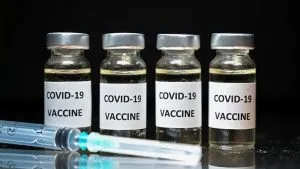 It ensures that vaccines maintain their potency and effectiveness from the point of manufacture to administration in a patient’s body. The success of immunisation programmes worldwide hinges on the ability to store and transport vaccines under strict temperature controls. A break in the cold chain at any stage can render a vaccine ineffective, potentially leading to the failure of immunisation efforts, increased disease outbreaks, and wasted resources.
Temperature-sensitive vaccines, such as those for measles, polio, and COVID-19, require precise storage conditions. If exposed to temperatures outside their recommended range, their active ingredients may degrade, making them ineffective. Consequently, governments, healthcare providers, and logistics professionals must work together to maintain an unbroken cold chain, ensuring that vaccines remain viable when they reach patients.
First a quick plug Our sister companies Fresh Pharma whom are GDP Compliant Pharma couriers and ‘Fresh Fridge Hire‘ are our (compliant GDP) refrigerated vehicle hire.
What is the Cold Chain Vaccine System?
The cold chain vaccine system refers to the meticulously controlled network of storage, transportation, and handling practices designed to maintain vaccines at their required temperatures from production to administration. It includes refrigerated warehouses, Refrigerated Pharmaceutical Transport, storage units at healthcare centres, and insulated packaging to prevent temperature fluctuations.
 Many vaccines must be kept at specific temperatures, typically between 2°C and 8°C, although some, such as the Pfizer-BioNTech COVID-19 vaccine, require ultra-cold storage at temperatures as low as -70°C. Temperature monitoring devices, such as digital thermometers, data loggers, and temperature-sensitive indicators, are essential tools used throughout the cold chain to ensure compliance with storage requirements.
Different types of vaccines have varying temperature sensitivities. Some common categories include:
| Vaccine Type | Required Temperature Range | Example Vaccines |
| Refrigerated Vaccines | +2°C to +8°C | MMR, HPV, DTP |
| Frozen Vaccines | -15°C to -50°C | Varicella, Zoster |
| Ultra-Cold Vaccines | -60°C to -80°C | Some COVID-19 Vaccines |
Why is the Cold Chain Vaccine System Important?
Preventing Vaccine Degradation
The cold chain vaccine system is vital for maintaining vaccine efficacy. When vaccines are exposed to improper temperatures, their biological components can break down, making them less effective or even completely inactive. For example, live-attenuated vaccines, such as the measles-mumps-rubella (MMR) vaccine, can become unstable if not stored correctly, rendering them useless in preventing disease.
Reducing Vaccine Wastage
A well-maintained cold chain vaccine system minimises vaccine wastage. The World Health Organization (WHO) estimates that up to 50% of vaccines are wasted globally due to inadequate storage and handling. This leads to financial losses and diminished immunisation coverage. In developing countries, where resources are already limited, ensuring proper cold chain management is critical to maximising the impact of vaccination campaigns.
Ensuring Public Health and Safety
Vaccines are a cornerstone of public health. If a vaccine loses its effectiveness due to temperature fluctuations, it can lead to outbreaks of preventable diseases. A compromised vaccine may also give a false sense of security, where individuals believe they are protected when they are not, leading to potential health crises.
Components of the Cold Chain Vaccine System
Manufacturing and Storage Facilities
The cold chain vaccine system begins at the manufacturing stage, where vaccines are produced under stringent conditions. Pharmaceutical companies must adhere to Good Manufacturing Practices (GMP) to ensure vaccines are safe, effective, and stored at the correct temperature from production. Once manufactured, vaccines are stored in large cold storage facilities before being distributed worldwide.
Key features of vaccine storage facilities include:
- Temperature-controlled environments to prevent fluctuations.
- Backup power generators to ensure storage conditions are maintained during power failures.
- Temperature monitoring systems to continuously track and log storage conditions.
Refrigerated Transportation Methods
Once vaccines leave the production facility, they must be transported under controlled conditions. The cold chain vaccine system relies on various refrigerated transportation methods, including:
| Transportation Method | Description | Example Use Cases |
| Refrigerated Trucks | Equipped with cooling systems to maintain 2°C to 8°C | Transporting vaccines within a country |
| Insulated Containers | Passive cooling using ice packs or phase change materials | Last-mile delivery in rural areas |
| Cold Chain Air Freight | Specialised cargo holds for ultra-cold storage | International vaccine shipments |
Special attention is required for last-mile distribution, particularly in remote and developing regions, where transportation infrastructure may be inadequate. Innovations such as solar-powered refrigerators and temperature-monitoring smart packaging are increasingly being deployed to bridge these gaps.
Cold Storage at Healthcare Facilities
Upon arrival at healthcare facilities, vaccines must be stored in purpose-built refrigerators or freezers until they are administered. Proper storage ensures that vaccines remain effective for patient use.
Healthcare facilities typically use:
- Vaccine refrigerators with built-in temperature controls.
- Cold boxes and carriers for short-term transport within clinics.
- Digital temperature loggers to provide real-time tracking of storage conditions.
Training healthcare workers on correct vaccine storage and handling is an essential part of maintaining the cold chain. Staff must be educated on temperature monitoring, inventory management, and contingency planning in case of power failures or equipment malfunctions.
Temperature Requirements for Different Vaccines
Overview of Different Temperature Ranges for Vaccines
Vaccine storage temperatures are crucial to maintaining the efficacy and safety of immunisations. Different vaccines require specific temperature conditions to preserve their potency, and failing to adhere to these conditions can render a vaccine ineffective. Below is an overview of the various temperature ranges required for different types of vaccines:
| Vaccine Type | Recommended Temperature | Examples |
| mRNA Vaccines | -80°C to -60°C | Pfizer-BioNTech, Moderna |
| Viral Vector Vaccines | -25°C to -15°C | AstraZeneca, Johnson & Johnson |
| Inactivated Vaccines | 2°C to 8°C | Sinopharm, Sinovac |
| Live Attenuated Vaccines | 2°C to 8°C | MMR, Yellow Fever |
| Subunit & Protein-Based Vaccines | 2°C to 8°C | Hepatitis B, HPV |
WHO Guidelines on Vaccine Storage
The World Health Organisation (WHO) has established detailed guidelines on vaccine storage to ensure potency and prevent wastage. Key principles include:
- Continuous Temperature Monitoring: Vaccine refrigerators must be fitted with temperature monitoring devices.
- Cold Chain Maintenance: The temperature must be maintained throughout transportation, from the manufacturer to the point of administration.
- Avoiding Freezing for Non-Frozen Vaccines: Some vaccines lose their effectiveness if frozen, such as diphtheria, pertussis, and hepatitis B vaccines.
- Correct Storage Arrangements: Vaccines should be organised properly in refrigerators to ensure air circulation and avoid temperature fluctuations.
Vaccine Storage and Refrigeration Technology
Types of Vaccine Refrigerators and Freezers
Modern vaccine storage relies on specialised refrigeration units designed to maintain consistent temperatures. The primary types include:
| Type of Equipment | Temperature Range | Purpose |
| Ultra-Low Freezers | -80°C to -60°C | Used for mRNA vaccines like Pfizer and Moderna . |
| Standard Freezers | -25°C to -15°C | Suitable for viral vector vaccines. |
| Pharmaceutical Refrigerators | 2°C to 8°C | Used for most traditional vaccines. |
| Solar-Powered Refrigerators | 2°C to 8°C | Ideal for regions with unreliable electricity. |
Advanced Technology Such as Smart Cold Storage
Technology has significantly enhanced vaccine storage. Smart cold storage solutions integrate digital monitoring, alarms, and real-time tracking to ensure vaccine stability. Features include:
- Remote temperature monitoring via mobile applications.
- Automated alerts in case of temperature deviations.
- Solar-powered refrigeration to support vaccine storage in remote areas.
- Energy-efficient cooling systems reducing operational costs.
Cold Chain Logistics and Distribution
How Vaccines Are Transported Globally
Vaccines are transported through a meticulously managed cold chain to ensure their integrity. The cold chain consists of:
- Manufacturing Facilities: Vaccines are produced and stored in controlled environments.
- Global Distribution Centres: These hubs, often managed by organisations like UNICEF, serve as central storage before further distribution.
- Transport via Air, Land, and Sea: Specialised temperature-controlled containers are used.
- Regional and Local Storage Facilities: These include hospitals, clinics, and immunisation centres.
- End-User Administration: Vaccines are finally delivered to healthcare providers for patient administration.
Challenges in Vaccine Distribution in Remote Areas
Some of the key challenges in delivering vaccines to remote locations include:
- Lack of Infrastructure: Poor road conditions and unreliable electricity.
- High Costs: Specialised refrigeration and transportation costs can be expensive.
- Extreme Climate Conditions: Excessive heat or cold can damage vaccines.
- Logistical Delays: Political instability and customs regulations may cause delays
- Vaccine Wastage: Improper handling can lead to loss of doses.
Solutions such as solar-powered fridges, mobile vaccination units, and improved forecasting models help overcome these challenges.
The Role of WHO and Other Regulatory Bodies
Guidelines from WHO, UNICEF, and National Health Authorities
The WHO, alongside organisations such as UNICEF and various national regulatory bodies, provides stringent guidelines to ensure vaccines remain effective throughout their journey. These guidelines include:
- Good Distribution Practice (GDP): Ensures the quality of pharmaceutical products, including vaccines, during transportation.
- WHO Performance, Quality, and Safety (PQS) Standards: Ensures vaccine storage equipment meets necessary requirements.
- UNICEF Cold Chain Equipment Optimisation Platform: Supports low-income countries in procuring reliable vaccine storage solutions.
- National Immunisation Guidelines: Individual countries adapt WHO recommendations based on local conditions.
Policies Ensuring Cold Chain Compliance
To maintain vaccine efficacy, strict policies are enforced globally:
- Mandatory Temperature Monitoring: Continuous tracking to detect and address deviations.
- Training of Healthcare Workers: Ensuring proper handling and storage of vaccines.
- Regular Audits and Inspections: Verifying compliance with cold chain standards.
- Emergency Contingency Plans: Procedures for handling power failures and equipment malfunctions.
By ensuring these policies are adhered to, vaccine distribution systems can function effectively, ultimately leading to successful immunisation campaigns worldwide.
Cold Chain Challenges in Developing Countries
The cold chain is a vital component in the transportation and storage of perishable goods, particularly in the pharmaceutical and food industries. In developing countries, maintaining an unbroken cold chain presents significant challenges due to issues with infrastructure, unreliable electricity supplies, and inefficient logistics. Addressing these problems is crucial for ensuring public health and food safety.
Infrastructure Limitations
One of the most significant cold chain challenges in developing countries is inadequate infrastructure. Many rural and remote areas lack proper storage facilities, temperature-controlled transportation, and essential road networks. Without refrigerated warehouses and distribution hubs, maintaining consistent low temperatures for vaccines, medicines, and perishable foods becomes nearly impossible.
Additionally, road networks in many developing nations are often underdeveloped, making transportation slow and inefficient. Poor road conditions increase transit times, exposing temperature-sensitive products to environmental fluctuations. In regions with extreme climates, such as sub-Saharan Africa or South Asia, this issue is further exacerbated by high ambient temperatures that accelerate spoilage.
Electricity Reliability Issues
Many developing countries experience frequent power outages and lack stable electricity grids. This presents a significant problem for cold storage facilities that require constant refrigeration. Without backup power sources such as generators or solar energy solutions, perishable goods can quickly become unfit for consumption or medical use.
In rural areas, the absence of grid electricity altogether means that cold chain solutions must rely on alternative energy sources. While some organisations have introduced solar-powered refrigeration, these solutions are not yet widely implemented and often come with high initial costs that local health authorities or food distributors struggle to afford.
Logistical Barriers
Efficient cold chain logistics depend on well-coordinated transportation networks and timely deliveries. However, in many developing nations, there is a lack of properly equipped refrigerated vehicles and trained personnel. Even when refrigeration trucks are available, maintenance challenges and fuel shortages can disrupt their operation.
Another major issue is customs delays and inefficient border control procedures. In many cases, perishable goods such as vaccines and medicines are held up at checkpoints due to bureaucratic red tape, leading to temperature excursions that render the products ineffective or unsafe.
Strategies for Overcoming Cold Chain Challenges in Developing Countries
To address these challenges, several strategies must be adopted, including investment in infrastructure, use of renewable energy solutions, and improved logistical planning.
Investment in Infrastructure
-
- Establishing localised production facilities for vaccines and other perishable goods can reduce dependency on long-distance cold chain transportation.
- Governments and international organisations must allocate funds to build better roads, storage facilities, and distribution centres.
Renewable Energy Solutions
-
- Solar-powered refrigeration units should be scaled up, particularly in off-grid area
- The use of battery-powered refrigeration units with energy storage capabilities can help maintain cold chain integrity during power outages..
Strengthening Logistical Capabilities
-
- Streamlining customs processes and reducing bureaucratic delays through digital tracking and automated clearance systems can prevent unnecessary temperature excursions.
- Developing local capacity by training healthcare workers and logistics personnel in proper cold chain management.
- Investment in refrigerated vehicles, along with proper maintenance training, is crucial.
By implementing these strategies, developing countries can significantly improve the efficiency and reliability of their cold chains, ensuring better public health outcomes and reducing food waste.
Innovations in Cold Chain Technology
As the demand for reliable cold chain solutions grows, technological advancements have played a crucial role in improving efficiency and sustainability. Several innovative approaches, such as solar-powered refrigeration and IoT-enabled monitoring systems, are revolutionising the way perishable goods are stored and transported.
Solar-Powered Refrigeration
Solar-powered refrigeration has emerged as a game-changer for maintaining the cold chain in areas with unreliable electricity. These systems harness solar energy to keep perishable goods at optimal temperatures, even in off-grid locations. Key benefits include:
- Reliability: Unlike traditional refrigeration units that depend on grid power, solar-powered units can function independently, ensuring consistent cooling.
- Sustainability: By reducing reliance on fossil fuels, solar refrigeration contributes to environmental sustainability.
- Cost-Effectiveness: While the initial investment is high, the long-term savings on electricity and fuel costs make solar refrigeration economically viable.
Several international organisations and NGOs have piloted solar refrigeration projects in regions like sub-Saharan Africa and South Asia, demonstrating their effectiveness in vaccine storage and food preservation.
IoT-Enabled Temperature Monitoring Systems
The Internet of Things (IoT) has transformed cold chain management by enabling real-time monitoring of temperature-sensitive products. IoT-enabled systems use smart sensors to track temperature, humidity, and location, transmitting data to cloud-based platforms for analysis.
- Real-Time Alerts: If temperature fluctuations occur, instant alerts allow logistics personnel to take corrective action.
- Data Analytics: Historical temperature data can help identify patterns and improve cold chain efficiency.
- Improved Compliance: IoT monitoring ensures adherence to regulatory standards by maintaining accurate temperature logs.
These technological innovations are making cold chain management more robust, helping to prevent spoilage and ensuring the safety of perishable goods.
Cold Chain Best Practices for Healthcare Workers
Healthcare workers play a crucial role in maintaining the integrity of the cold chain, particularly when handling and storing vaccines. Best practices in this area ensure that immunisation programmes remain effective and public health is protected.
Proper Handling and Storage of Vaccines
- Temperature Monitoring: Vaccines must be stored within the recommended temperature range (usually between 2°C and 8°C for most vaccines) to maintain efficacy.
- Avoiding Temperature Excursions: Exposure to excessive heat or freezing conditions can degrade vaccines, making them ineffective.
- Organisation and Labelling: Vaccines should be arranged according to their expiry dates, with older stock used first to prevent wastage.
- Regular Equipment Checks: Refrigerators and cold boxes must be routinely inspected to ensure they are functioning correctly.
Recognising and Managing Cold Chain Failures
Healthcare workers must be trained to identify cold chain failures and respond appropriately:
- Identifying Spoiled Vaccines: Visual inspections can reveal signs of temperature damage, such as changed colour or separation in liquid vaccines.
- Taking Corrective Measures: If a failure occurs, affected vaccines should be quarantined and reported to the relevant authorities.
- Emergency Plans: Contingency strategies, such as alternative storage locations and backup power sources, should be in place to prevent loss of vaccines.
The Impact of Cold Chain Failure on Public Health
Cold chain failure can have severe consequences for public health, particularly in vaccine distribution. Administering compromised vaccines can lead to ineffective immunisation programmes, increased disease outbreaks, and loss of public trust in healthcare systems.
Consequences of Administering Compromised Vaccines
- Reduced Efficacy: Vaccines exposed to incorrect temperatures may not provide immunity, leading to disease resurgence.
- Adverse Reactions: Some damaged vaccines can cause negative health effects.
- Economic Burden: Wasted vaccines increase healthcare costs and strain limited resources in developing nations.
Case Studies of Cold Chain Failures and Their Effects
- Nigeria’s Vaccine Crisis (2003): Due to a widespread cold chain failure, thousands of doses of polio vaccines were rendered ineffective, causing delays in the eradication programme.
- India’s Measles Vaccine Loss (2016): Power failures in rural vaccine storage facilities led to the spoilage of a significant stock of measles vaccines, impacting immunisation efforts.
These incidents highlight the need for robust cold chain management to protect public health and ensure the success of vaccination programmes.
Future Trends in Vaccine Cold Chain Management
The future of vaccine cold chain management is undergoing a significant transformation, driven by advancements in artificial intelligence (AI), automation, and sustainability initiatives. Ensuring vaccines remain effective from production to administration requires constant innovation, particularly as demand for immunisation programmes increases worldwide.
AI and Automation in Cold Chain Logistics
AI and automation are revolutionising vaccine cold chain logistics by enhancing efficiency, reducing human error, and improving monitoring capabilities. AI-driven predictive analytics can anticipate potential failures in refrigeration units, ensuring timely intervention before a temperature breach occurs. This capability is crucial for preserving vaccine potency, as even minor temperature deviations can render doses ineffective.
Intergration
Automation is being integrated into various aspects of the cold chain, including warehouse management, inventory control, and transport logistics. Automated storage and retrieval systems (AS/RS) streamline vaccine handling in large storage facilities, minimising exposure to temperature fluctuations. AI-powered route optimisation software enables real-time adjustments to delivery schedules, considering traffic conditions, weather disruptions, and fuel efficiency.
A key innovation is the deployment of Internet of Things (IoT)-enabled smart sensors that provide real-time temperature tracking throughout the supply chain. These sensors transmit data continuously to cloud-based platforms, allowing stakeholders to monitor shipments and respond to anomalies promptly. Blockchain technology is also emerging as a solution to enhance data integrity in vaccine distribution, ensuring transparency and security in record-keeping.
Sustainability in Vaccine Storage and Transportation
Sustainability is becoming a core focus in vaccine cold chain management, addressing both environmental concerns and operational efficiency. Traditional refrigeration systems often rely on hydrofluorocarbon (HFC) refrigerants, which have a high global warming potential. In response, there is a shift towards more sustainable cooling technologies, such as solar-powered refrigeration units and phase-change materials (PCMs) that maintain stable temperatures without constant power sources.
Efforts are also being made to reduce packaging waste by using biodegradable insulation materials and reusable cold chain containers. Sustainable logistics strategies include optimising delivery routes to reduce fuel consumption and investing in electric or hybrid refrigerated vehicles.
A growing trend in sustainability is the development of ultra-low-energy refrigeration solutions, particularly for regions with limited electricity access. Innovations like the World Health Organization (WHO)-approved Solar Direct Drive (SDD) refrigerators are proving instrumental in maintaining vaccine viability in remote locations without reliance on fossil fuels.
How the Cold Chain Supports Global Immunisation Efforts
The vaccine cold chain is a fundamental pillar of global immunisation programmes, playing a crucial role in eradicating diseases and responding to pandemics. Without robust cold chain infrastructure, many life-saving vaccines would become ineffective before reaching those in need.
Role in the Eradication of Diseases like Polio
The global fight against poliomyelitis (polio) showcases the essential role of the cold chain in disease eradication. The oral polio vaccine (OPV) is highly temperature-sensitive and requires strict adherence to cold storage conditions. Countries participating in the Global Polio Eradication Initiative (GPEI) have invested heavily in strengthening cold chain infrastructure, ensuring vaccines are stored and transported safely to remote and conflict-affected areas.
Challenges
One of the biggest challenges in polio vaccination campaigns is maintaining cold chain integrity in regions with unreliable electricity. To overcome this, innovative solutions such as solar-powered freezers and ice-lined refrigerators have been deployed in many countries. The use of vaccine vial monitors (VVMs), which indicate cumulative heat exposure, has also significantly reduced the risk of administering compromised vaccines.
Thanks to sustained investments in the cold chain, polio has been eradicated in most parts of the world, with only a few regions still reporting cases. However, continued vigilance is necessary to prevent resurgence, which underscores the need for ongoing cold chain improvements.
Cold Chain Infrastructure in Pandemic Response (e.g., COVID-19 Vaccines)
The COVID-19 pandemic highlighted the critical importance of a robust vaccine cold chain, particularly as different vaccines required varying storage conditions. mRNA-based vaccines, such as those developed by Pfizer-BioNTech and Moderna, required ultra-low temperatures of around -70°C, posing unprecedented logistical challenges.
Governments and pharmaceutical companies rapidly scaled up ultra-cold storage facilities, including the deployment of specialised freezers and the expansion of cold chain networks. Dry ice packaging became a temporary but essential solution for maintaining required temperatures during transport. To improve equitable vaccine distribution, portable cold storage solutions, including vaccine carriers with advanced insulation, were widely adopted in developing nations.
The pandemic response
Accelerated investment in digital cold chain monitoring technologies. AI-driven forecasting models helped predict vaccine demand and identify distribution bottlenecks, ensuring timely replenishment of stocks. Lessons learned from COVID-19 vaccine distribution are now informing future pandemic preparedness strategies, emphasising the need for scalable and resilient cold chain systems.
Conclusion
In summary, vaccine cold chain management is evolving with the integration of AI, automation, and sustainable practices. These advancements enhance efficiency, minimise waste, and improve vaccine accessibility worldwide. The cold chain’s role in eradicating diseases like polio demonstrates its critical importance in global health efforts, while the response to COVID-19 has underscored the need for continuous investment in infrastructure and technology.
Looking ahead, further innovations in energy-efficient refrigeration, AI-driven logistics, and environmentally friendly packaging will define the future of vaccine distribution. Governments, healthcare organisations, and private sector stakeholders must continue to prioritise cold chain improvements to safeguard immunisation programmes and ensure equitable access to vaccines for all communities.
Cold Chain Vaccine
- What are the 4 R’s of cold chain?
The 4 R’s ensure product safety and effectiveness:
- Right Product – Correct vaccine/drug.
- Right Temperature – Stored within required temperature range.
- Right Time – Maintained within limits throughout transport and storage.
- Right Documentation – Proper temperature monitoring and records.
- What is the cold chain rule for vaccines?
Most vaccines must be stored between +2°C and +8°C from manufacture to administration.
Some vaccines (like certain COVID-19 vaccines) require freezing temperatures.Breaking the temperature range—even briefly—can reduce effectiveness.
-
- What vaccines need a cold chain?
Almost all vaccines require a cold chain, including:
- Measles, MMR
- Polio
- Hepatitis B
- Influenza
- COVID-19 vaccines
- HPV
- Tetanus
- DTP (Diphtheria, Tetanus, Pertussis)
Both routine childhood vaccines and adult vaccines require temperature control.
- What are the three main components of a cold chain?
- Storage Equipment – Refrigerators, freezers, cold rooms
- Transport Equipment – Cold boxes, insulated containers, vaccine carriers
- Temperature Monitoring Devices – Thermometers, data loggers, vaccine vial monitors (VVMs)
- What is the 3-2-1 rule for vaccines?
The “3-2-1 rule” can vary by country, but commonly refers to vaccine temperature safety principles:
- 3 minutes – Minimize door opening time
- 2–8°C – Standard storage temperature
- 1 dedicated fridge – Vaccines stored separately from food/other medicines
(Some organizations use slightly different interpretations.)
- What is the cold chain rule?
The cold chain rule means maintaining required temperature conditions continuously:
- From manufacturer
- During transportation
- During storage
- Until administration
Any temperature breach is called a cold chain failure.
- What are cold chain drugs?
Cold chain drugs are temperature-sensitive medicines that must be stored within strict ranges, including:
- Vaccines
- Insulin
- Some biologics
- Certain cancer drugs
- Blood product
- Why is it called a cold chain?
It’s called a “chain” because temperature control must be unbroken at every step — manufacturing → transport → storage → clinic → patient.
If one link breaks, the entire chain fails.
- What is the cold chain vaccine?
A “cold chain vaccine” isn’t a specific vaccine.
It refers to any vaccine that requires temperature-controlled storage and transport.Almost all vaccines fall into this category.
- What are the two types of cold chains?
- Passive Cold Chain
- Uses insulated boxes and ice packs
- No power source required
- Active Cold Chain
- Uses powered refrigeration systems
- Includes medical refrigerators, refrigerated trucks, cold rooms
- Passive Cold Chain

Alan is the Founder and MD at the Fresh Group of companies. You are welcome to use any information you find interesting. Please give us a link back to our webpage or post. It really helps SME’s rank in the UK.