
Solar-Powered Refrigeration: The Future of Sustainable Cold Chain Logistics
Refrigerated Transportation: A Vital Industry
Solar-powered refrigeration is undoubtedly the future of sustainable logistics. Refrigerated transportation is essential for maintaining the integrity of perishable goods, including food, pharmaceuticals, and chemicals.
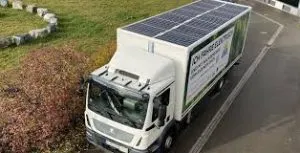 These temperature-controlled vehicles, commonly known as reefer trucks, ensure products remain fresh throughout the supply chain. However, traditional refrigerated vehicles rely heavily on diesel fuel, contributing significantly to carbon emissions and operational costs.
First a quick plug – Our sister companies Fresh Pharma whom are GDP Compliant Pharma couriers and ‘Fresh Fridge Hire‘ are our (compliant GDP) refrigerated vehicle hire.
For businesses looking to stay ahead of the curve, transitioning to renewables is a smart move. The future is green—let’s make it happen.
Key Takeaways:
- Solar-powered refrigeration offers significant cost savings and environmental benefits.
- Advances in technology continue to make solar refrigeration more efficient and accessible.
- Governments are providing incentives to help businesses transition to green logistics.
The Need for Sustainable Cold Chain Solutions
With growing environmental concerns and rising fuel prices, the logistics industry is under increasing pressure to adopt sustainable and energy-efficient solutions. Governments and businesses worldwide are seeking greener alternatives to reduce emissions, lower costs, and meet stringent environmental regulations.
Introduction to Solar-powered refrigeration
Solar-powered refrigerated vehicles present a revolutionary solution by harnessing renewable energy to power cooling systems. These vehicles utilise solar panels, battery storage, and advanced refrigeration technology to maintain optimal temperatures while significantly reducing fuel consumption and emissions.
2. Understanding Solar-powered refrigeration
Definition and Basic Working Principle
Solar-powered refrigerated vehicles integrate photovoltaic (PV) panels on their roofs to capture sunlight, which is then converted into electricity. This electricity powers the refrigeration unit, reducing dependency on diesel-powered generators.
Key Components of a Solar-Powered Refrigerated Vehicle
| Component | Function |
| Solar Panels | Capture sunlight and convert it into electrical energy. |
| Battery Storage | Stores excess energy for use during low sunlight conditions. |
| Refrigeration System | Maintains consistent cooling using solar-generated power. |
| Control Unit | Regulates energy distribution and monitors system performance. |
How They Differ from Traditional Refrigerated Vehicles
Unlike conventional refrigerated trucks, which rely on diesel-powered compressors, solar-powered vehicles use clean energy to operate cooling systems. This reduces fuel consumption, emissions, and operational costs, making them a sustainable alternative.
3. Importance of Sustainable Cold Chain Logistics
The Environmental Impact of Refrigerated Transport
Traditional refrigerated transport is a major contributor to greenhouse gas emissions due to its heavy reliance on diesel. According to industry reports:
- Refrigerated trucks account for up to 10% of total logistics emissions.
- A single diesel-powered reefer truck can emit over 100 metric tonnes of CO2 annually.
Growing Demand for Green Logistics Solutions
With global efforts to combat climate change, industries are shifting towards eco-friendly logistics. Companies are investing in renewable energy solutions to meet:
- Government sustainability targets (such as the UK’s Net Zero by 2050).
- Consumer demand for greener supply chains.
- Corporate social responsibility (CSR) goals.
How Solar Energy Contributes to Sustainability
| Benefit | Impact on Cold Chain Logistics |
| Reduced Fuel Dependency | Cuts diesel consumption, leading to cost savings. |
| Lower Carbon Emissions | Helps businesses meet emission reduction targets. |
| Energy Efficiency | Utilises abundant and renewable solar power. |
| Regulatory Compliance | Aligns with environmental laws and sustainability initiatives. |
4. How Solar-Powered Refrigeration Works in Vehicles
The Role of Solar Panels in Generating Electricity
Solar panels installed on the vehicle’s roof absorb sunlight and convert it into electrical energy through photovoltaic cells. This energy directly powers the refrigeration system or is stored in battery units for later use.
Battery Storage for Power During Low Sunlight Periods
Since solar energy availability fluctuates, battery storage systems ensure uninterrupted refrigeration. These batteries store excess solar energy during the day, allowing the system to function efficiently at night or during cloudy weather.
Integration with Traditional Refrigeration Technology
For enhanced reliability, some hybrid models integrate solar power with traditional refrigeration technology. This ensures:
- Continuous cooling even in low sunlight conditions.
- Backup power availability through secondary energy sources.
- Increased flexibility for long-haul transportation.
Energy Efficiency Comparison
| Power Source | Fuel Consumption | CO2 Emissions | Energy Efficiency |
| Diesel-Powered Refrigeration | High | High | Low |
| Hybrid Solar-Diesel | Medium | Medium | Moderate |
| Fully Solar-Powered | Low | Near Zero | High |
5. Benefits of Solar-Powered Refrigeration in Vehicles
1. Reduction in Fuel Consumption and Operational Costs
Switching to solar-powered refrigerated vehicles significantly reduces fuel consumption, leading to lower operating expenses. Over time, businesses can achieve substantial savings on fuel and maintenance costs.
2. Lower Carbon Footprint and Environmental Impact
By reducing dependency on fossil fuels,
- Cuts CO2 emissions.
- Supports businesses in meeting sustainability targets.
- Aligns with global climate change initiatives.
3. Enhanced Energy Efficiency and Long-Term Sustainability
Offers greater energy efficiency compared to conventional systems. This translates to:
- Improved performance in off-grid locations.
- Minimal environmental impact.
- Long-term savings due to lower energy costs.
4. Compliance with Green Regulations
Many governments offer tax incentives and grants for businesses adopting renewable energy solutions.
5. Improved Brand Image and Market Competitiveness
Sustainability is becoming a key differentiator in the logistics industry. Businesses that adopt green technologies gain a competitive edge by:
- Enhancing brand reputation.
- Attracting eco-conscious customers and partners.
- Meeting growing corporate sustainability expectations.
Cost Savings Over Time
| Year |
Diesel Costs (Traditional) |
Solar-Powered Refrigeration |
| Year 1 | £15,000 | £2,500 |
| Year 2 | £15,500 | £4,000 |
| Year 3 | £16,000 | £6,500 |
| Year 5 | £17,500 | £10,000 |
| Year 10 | £20,000 | £20,000 |
6. Challenges and Limitations of Solar-Powered Refrigeration
While systems offer a range of benefits, there are still a few challenges that businesses must address when adopting this technology. Here’s a breakdown of some of the key limitations:
Initial Investment Costs and ROI
One of the biggest challenges is the upfront investment. Installing solar panels and the necessary infrastructure can be expensive. However, these costs can be mitigated over time through energy savings and reduced maintenance expenses.
Factor |
Solar-Powered Refrigeration |
Traditional Refrigeration |
| Initial Investment | High initial cost | Lower upfront cost |
| Maintenance | Reduced maintenance | Frequent repairs needed |
| Energy Costs | Free from the sun | Fuel-dependent (higher cost) |
While the return on investment (ROI) may take several years to fully realise, the long-term benefits make solar-powered systems a viable choice.
Weather Dependency and Energy Storage Solutions
Solar-powered systems are dependent on sunlight, which can fluctuate depending on weather conditions. As such, energy storage solutions, such as advanced batteries, are required to maintain refrigeration during cloudy days or at night.
Maintenance and Technical Expertise
Systems require periodic maintenance to ensure their optimal functioning. Moreover, they rely on solar panel technology and battery systems, which may require specialised knowledge to repair and maintain. This could lead to additional training for staff and technicians.
7. Cost Analysis: Traditional vs Solar-Powered Refrigeration
When comparing traditional refrigeration systems to solar-powered systems, it’s crucial to examine the costs involved.
Breakdown of Fuel vs Solar-Powered Refrigeration Costs
Fuel for traditional refrigeration systems can be expensive, especially as fuel prices fluctuate. Solar energy, on the other hand, is free once the initial setup is complete.
| Cost Factor | Solar-Powered Refrigeration | Traditional Refrigeration |
| Energy Source | Free solar energy | Diesel or fuel-based |
| Fuel Costs | None | High (subject to price volatility) |
| Operational Costs | Low energy costs | High fuel costs |
Maintenance and Operational Expenses Comparison
While systems have higher initial costs, their maintenance and operational expenses are much lower in comparison to traditional systems. Solar panels require minimal maintenance, and their energy consumption costs are virtually non-existent.
Maintenance Costs |
Solar-Powered Refrigeration |
Traditional Refrigeration |
| Annual Maintenance Costs | Low | High |
| Energy Costs | Free (after installation) | Ongoing fuel costs |
Long-Term Financial Benefits of Solar-Powered Refrigeration
Solutions may have a higher upfront cost, but their long-term savings in energy costs, fuel expenses, and maintenance can lead to significant financial benefits over time.
8. Applications and Industries Benefiting from Solar-Powered Refrigeration
It is proving to be a game-changer for various industries. Here’s a look at some of the key sectors that stand to benefit the most:
Food and Beverage Industry
Solar refrigeration ensures that perishable food and beverages are transported at the correct temperatures, reducing spoilage and waste. By using solar energy, businesses can significantly cut down on fuel costs while also making their operations more sustainable.
Pharmaceutical and Healthcare Logistics
In the pharmaceutical and healthcare sectors, temperature-sensitive drugs and medical supplies require precise control during transportation. Systems provide a reliable, energy-efficient solution for ensuring that these sensitive products remain within required temperature ranges.
Agriculture and Perishable Goods Transport
Agricultural products, such as fruits, vegetables, and dairy products, often require refrigerated transport to maintain freshness. Solar refrigeration offers a sustainable method for delivering fresh produce to markets without the high environmental impact of traditional refrigeration methods.
9. Innovations and Advancements in Solar-Powered Refrigeration Technology
The solar refrigeration sector is evolving rapidly, with new technologies continuously improving efficiency and performance. Some of the latest advancements include:
Latest Developments in Solar Panel Efficiency
Modern solar panels are much more efficient than earlier versions, meaning they can produce more energy with fewer panels. This is particularly important for refrigerated vehicles, where space and weight are considerations.
Smart Energy Management Systems
Advancements in energy management technology allow solar-powered refrigeration systems to optimise energy use. Smart systems can track energy consumption, adjust for weather conditions, and ensure that refrigeration remains stable throughout transportation.
Hybrid Solutions Combining Solar with Other Renewable Sources
Hybrid systems that combine solar power with other renewable energy sources, such as wind or electric power, are becoming increasingly popular. These solutions can provide consistent energy, even during less sunny periods, ensuring that refrigeration needs are always met.
10. Case Studies and Real-World Implementations of Solar-Powered Refrigeration
Numerous companies around the world are successfully adopting solar-powered refrigerated vehicles. Here are a few examples:
Companies Adopting Solar-Powered Refrigeration in Vehicles
- Asda: The retail giant has committed to using solar-powered refrigeration in their logistics fleet, helping to cut down on fuel consumption and greenhouse gas emissions.
- Coca-Cola: Coca-Cola has implemented solar-powered refrigeration solutions for transporting beverages to remote areas where fuel availability is limited.
Success Stories and Key Takeaways
These companies are seeing tangible benefits, including reduced fuel consumption, lower emissions, and significant cost savings over time. Many are also meeting sustainability goals by reducing their carbon footprint.
Performance Analysis in Different Climates
Real-world performance of solar-powered refrigeration has proven to be effective in a variety of climates. With the proper energy storage systems in place, solar-powered refrigeration can function efficiently in both sunny and cloudy conditions.
11. Government Policies and Incentives for Solar-Powered Refrigeration
Governments worldwide are supporting the transition to sustainable energy sources, including solar-powered refrigeration, through various incentives:
UK and Global Initiatives Promoting Solar-Powered Refrigeration Solutions
- The UK Government offers grants for businesses investing in green transport technologies, including solar-powered refrigeration.
- Many countries in Europe, North America, and Asia are providing financial incentives for companies to reduce their carbon footprints, including tax rebates for businesses adopting solar technologies.
Tax Benefits and Grants for Adopting Sustainable Technologies
Governments provide tax incentives to reduce the cost burden on companies transitioning to green technologies. Businesses investing in solar refrigeration systems can take advantage of these financial aids to make the switch more affordable.
Regulations Driving the Shift Towards Green Energy in Logistics
Policies such as carbon reduction targets and emission control regulations are pushing companies to adopt cleaner, more energy-efficient logistics solutions, including solar-powered refrigeration.
12. Future Trends in Solar-Powered Refrigeration in Transport
The future of solar-powered refrigerated transport is incredibly promising. Several emerging trends point to even greater adoption and efficiency:
Advances in Battery Storage and Energy Efficiency
Battery technology continues to improve, allowing for more efficient storage of solar energy. As batteries become more powerful, solar refrigeration systems will become even more reliable, even in regions with less sunlight.
Increasing Adoption of AI and IoT for Optimised Energy Use
Artificial intelligence (AI) and the Internet of Things (IoT) are helping to optimise energy usage in solar-powered refrigeration. By integrating smart technologies, businesses can better manage their energy consumption, reducing waste and improving overall efficiency.
Potential Integration with Electric and Hydrogen-Powered Vehicles
As electric and hydrogen-powered vehicles become more widespread, solar-powered refrigeration systems could be integrated into these vehicles, creating a fully sustainable transport solution.
13. How Businesses Can Transition to Solar-Powered Refrigeration
Making the transition to solar-powered refrigeration involves several steps:
Steps to Assess Feasibility and Cost-Effectiveness
Before investing, businesses should assess their energy needs, climate conditions, and financial situation to determine whether solar-powered refrigeration is a viable option.
Partnering with Manufacturers and Service Providers
Collaborating with manufacturers who specialise in solar-powered refrigeration systems can help ensure that the right technology is selected for a company’s specific needs.
Training Staff and Maintenance Teams for Efficient Operations
Proper training for staff and maintenance teams is essential for the long-term success of solar-powered refrigeration systems. Ensuring that teams understand how to operate and maintain these systems will help maximise their lifespan and efficiency.
14. Common Misconceptions About Solar-Powered Refrigeration in Vehicles
There are a few common myths surrounding solar-powered refrigerated transport. Let’s debunk them:
“Solar Panels Alone Cannot Power Refrigeration” – Debunking Myths
While solar panels alone may not provide all the energy needed for refrigeration, with the right combination of solar panels, batteries, and energy management systems, solar-powered systems can reliably meet the cooling needs of refrigerated transport.
Reliability Concerns in Cloudy Weather
With advanced battery storage solutions, solar-powered refrigeration systems can operate effectively during cloudy weather or at night.
Addressing Doubts About Long-Term Sustainability and Durability
Modern solar refrigeration systems are durable and designed to last for many years, making them a long-term investment that continues to deliver value over time.
15. Conclusion to Solar-Powered Refrigeration
Solar-powered refrigeration is undoubtedly the future of sustainable logistics. As the world continues to grapple with the challenges of climate change and the need for cleaner, more efficient energy solutions, the logistics industry is embracing the shift towards renewable technologies. While there are some challenges, such as high initial investment costs and the requirement for advanced maintenance expertise, the long-term benefits far outweigh these concerns. In fact, the adoption of solar-powered refrigeration is not just a forward-thinking choice, but a critical step towards making the logistics sector more sustainable and cost-effective.
One of the most significant advantages of solar-powered refrigeration is its ability to drastically reduce fuel costs. Traditional refrigeration methods, which rely on diesel or other fuel-based systems, can quickly become expensive due to fluctuating fuel prices. Solar energy, on the other hand, is free, renewable, and sustainable, making it a long-term, cost-effective solution. By switching to solar-powered systems, businesses can significantly lower their operational expenses while simultaneously contributing to the reduction of carbon emissions.
Solar-Powered Refrigeration cost savings
In addition to cost savings, solar-powered refrigeration offers the opportunity to improve operational efficiency. With the integration of smart energy management systems, AI, and IoT, these systems are becoming more sophisticated and capable of optimising energy usage, ensuring that refrigeration needs are met even during less sunny periods. As technology continues to evolve, the efficiency and reliability of solar-powered refrigeration systems will only increase, making them even more practical for businesses of all sizes.
Furthermore, the growing trend towards sustainability and environmental responsibility is not just a passing phase. As government regulations and consumer expectations continue to demand greener solutions, businesses that embrace solar-powered refrigeration will be well-positioned to meet these demands. Governments worldwide are offering incentives, such as grants and tax breaks, to encourage companies to transition to sustainable technologies. By investing in solar refrigeration now, businesses can benefit from these incentives and future-proof their operations.
Ultimately, the future of logistics is undoubtedly tied to the adoption of renewable energy solutions like solar-powered refrigeration. Companies that make the switch today will not only be improving their bottom line but also contributing to a more sustainable, environmentally-friendly supply chain. As the technology continues to evolve and costs decrease, we can expect to see even wider adoption across industries—from food and beverage to pharmaceuticals and agriculture—creating a positive impact on both the economy and the environment.
Staying Ahead with Solar-Powered Refrigeration
For businesses looking to stay ahead of the curve, investing in solar-powered refrigeration is a smart, forward-thinking decision. It’s not just about reducing costs or meeting regulations; it’s about embracing a future where sustainability and profitability go hand in hand. The transition to solar-powered refrigerated transport is already underway, and the time to get involved is now.
Solar-powered refrigeration is undoubtedly the future of sustainable logistics. As the world continues to grapple with the challenges of climate change and the need for cleaner, more efficient energy solutions, the logistics industry is embracing the shift towards renewable technologies. While there are some challenges, such as high initial investment costs and the requirement for advanced maintenance expertise, the long-term benefits far outweigh these concerns. In fact, the adoption is not just a forward-thinking choice, but a critical step towards making the logistics sector more sustainable and cost-effective.
Solar-Powered Refrigeration cost savings
One of the most significant advantages is the dramatic reduction of fuel costs. Traditional refrigeration methods, which rely on diesel or other fuel-based systems, can quickly become expensive due to fluctuating fuel prices. Solar energy, on the other hand, is free, renewable, and sustainable, making it a long-term, cost-effective solution. By switching to solar-powered systems, businesses can significantly lower their operational expenses while simultaneously contributing to the reduction of carbon emissions.
In addition to cost savings, renewables offers the opportunity to improve operational efficiency. With the integration of smart energy management systems, AI, and IoT, these systems are becoming more sophisticated and capable of optimising energy usage, ensuring that refrigeration needs are met even during less sunny periods. As technology continues to evolve, the efficiency and reliability of solar-powered refrigeration systems will only increase, making them even more practical for businesses of all sizes.
Solar-Powered Refrigeration trends
Furthermore, the growing trend towards sustainability and environmental responsibility is not just a passing phase. As government regulations and consumer expectations continue to demand greener solutions, businesses that embrace renewables will be well-positioned to meet these demands. Governments worldwide are offering incentives, such as grants and tax breaks, to encourage companies to transition to sustainable technologies. By investing in solar refrigeration now, businesses can benefit from these incentives and future-proof their operations.
Ultimately, the future of logistics is undoubtedly tied to the adoption of renewable energy solutions. Companies that make the switch today will not only be improving their bottom line but also contributing to a more sustainable, environmentally-friendly supply chain. As the technology continues to evolve and costs decrease, we can expect to see even wider adoption across industries—from food and beverage to pharmaceuticals and agriculture—creating a positive impact on both the economy and the environment.
For businesses looking to stay ahead of the curve, investing in solar-powered refrigeration is a smart, forward-thinking decision. It’s not just about reducing costs or meeting regulations; it’s about embracing a future where sustainability and profitability go hand in hand. The transition to solar-powered refrigerated transport is already underway, and the time to get involved is now.
Drones Inspecting Solar
- How accurate are drone inspections?
Drone inspections are highly accurate and provide more precise data than traditional methods. Drones can provide high-resolution images and videos, allowing inspectors to identify defects and malfunctions quickly.
- Are drone inspections cost-effective?
Yes, drone inspections are cost-effective compared to traditional methods. Drones can access hard-to-reach areas, reducing the need for workers to climb on roofs and use ladders, reducing the cost of inspections.
- What types of defects can drones identify?
Drones can identify a wide range of defects, including cracks, leaks, and broken parts. Drones can also be used to inspect electrical components and wiring, reducing the risk of electrical hazards.
- How do drones improve safety during inspections?
Drones improve safety during inspections by reducing the need for workers to climb on roofs and use ladders. Drones can access hard-to-reach areas, reducing the risk of accidents.
- What is the future of drone inspections?
As technology advances, drones will become even more advanced and efficient, allowing for more precise inspections. The use of artificial intelligence and machine learning algorithms will enable drones to identify defects and malfunctions automatically, reducing the need for human intervention.

Alan is the Founder and MD at the Fresh Group of companies. You are welcome to use any information you find interesting. Please give us a link back to our webpage or post. It really helps SME’s rank in the UK.