
5 Refrigerated Logistics Trends in the UK in 2026 – A Forward-Looking Guide
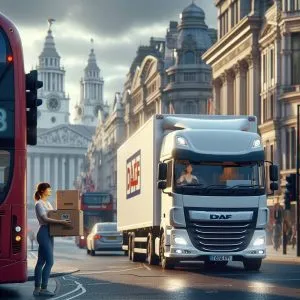 The Refrigerated Logistics Trends in 2026 in the UK plays a critical role in maintaining the integrity of refrigerated logistics, from food to pharmaceuticals. As we look to 2026, several transformative trends are set to shape the sector. These trends reflect advancements in technology, growing sustainability demands, and evolving market needs.
In this guide, we explore five key trends in refrigerated logistics and their potential impact on businesses operating in this vital sector.
First a quick plug – Our sister companies Fresh Pharma whom are GDP Compliant Pharma couriers and ‘Fresh Fridge Hire‘ are our (compliant GDP) refrigerated vehicle hire.
Adoption of Advanced Monitoring and IoT Technologies in Refrigerated Logistics Trends
The integration of Internet of Things (IoT) technologies into refrigerated logistics is revolutionising the way temperature-sensitive goods are transported and stored. By 2026, IoT’s impact on this sector is expected to reach unprecedented levels, reshaping operations, compliance, and customer trust. This transformation is driven by the need for enhanced visibility, real-time data, and precision in maintaining optimal conditions for products such as fresh produce, pharmaceuticals, and biologics.
Key Features of Advanced Monitoring Systems
IoT technologies offer a range of advanced monitoring features that improve the efficiency and reliability of refrigerated logistics. Below are the key features, their descriptions, and the impacts they have on the industry.
1. Real-Time Temperature Tracking
IoT sensors continuously monitor and report temperature fluctuations in real-time.
- Description: These sensors are installed in refrigerated vehicles, storage units, and packaging. They collect temperature data at frequent intervals and send it to a centralised monitoring platform.
- Impact: By ensuring products remain within the required temperature range, companies can prevent spoilage and maintain compliance with strict regulations. Real-time tracking provides peace of mind to stakeholders, especially in sectors like food and healthcare.
2. Automated Alerts
IoT systems generate alerts when deviations from the desired temperature range occur.
- Description: If temperatures exceed or fall below pre-set thresholds, the system automatically sends notifications to logistics managers or drivers.
- Impact: These alerts enable immediate corrective actions, such as adjusting the refrigeration system or rerouting shipments, minimising product damage and financial losses.
3. Comprehensive Data Logging
IoT systems create detailed records of temperature and environmental conditions throughout the supply chain.
- Description: Data is stored in secure digital formats, making it accessible for audits, compliance checks, and process optimisation.
- Impact: Transparent and reliable data logging enhances accountability. It also simplifies compliance with regulatory requirements, particularly for industries with strict quality standards like pharmaceuticals and food safety.
4. Predictive Maintenance
IoT devices monitor refrigeration units for signs of wear or malfunction and predict potential failures.
- Description: These systems analyse data such as compressor performance, power consumption, and temperature stability to identify patterns that indicate maintenance needs.
- Impact: Predictive maintenance reduces the likelihood of equipment breakdowns, minimising downtime and costly repairs. This proactive approach extends the lifespan of refrigeration equipment and ensures uninterrupted operations.
The Benefits of IoT Technologies in Refrigerated Logistics Trends
The adoption of IoT technologies delivers significant benefits to businesses in the refrigerated logistics sector. From operational efficiency to customer satisfaction, the advantages are far-reaching.
1. Reduced Waste and Spoilage
IoT’s real-time monitoring capabilities drastically reduce the risk of spoilage by maintaining precise temperature conditions.
- Example: In the Food Distribution industry, IoT systems can prevent perishable items like seafood or dairy products from exceeding critical temperature thresholds, reducing losses due to spoilage.
2. Enhanced Compliance with Regulations
Stringent regulations govern the transportation and storage of temperature-sensitive goods, particularly in the food and pharmaceutical industries. IoT systems simplify compliance by providing accurate records of temperature data and automated alerts.
- Example: Pharmaceutical companies can use IoT-enabled data logs to demonstrate adherence to cold chain requirements during audits.
3. Improved Customer Trust
When customers know that their products are being monitored and protected with advanced technologies, their confidence in the supply chain grows.
- Example: Retailers dealing with fresh produce can assure consumers of product quality and safety, fostering loyalty and trust.
4. Cost Savings
IoT technologies reduce operational costs by minimising waste, enabling predictive maintenance, and improving efficiency.
- Example: Companies can avoid costly spoilage-related losses and reduce fuel consumption through route optimisation enabled by IoT systems.
Real-World Applications in the UK
The UK is at the forefront of adopting IoT technologies in refrigerated logistics. Several industries have implemented advanced monitoring systems to improve operations and meet market demands.
Food Industry
Supermarkets and food delivery services rely heavily on IoT technologies to ensure freshness.
- Case Study: A leading UK supermarket chain implemented IoT sensors in its refrigerated trucks, reducing waste by 25% over a year.
Pharmaceutical Sector
Pharmaceutical companies use IoT to maintain the efficacy of temperature-sensitive medications.
- Case Study: During the COVID-19 vaccine distribution, IoT systems were essential for ensuring vaccines remained at required temperatures throughout their journey.
E-Commerce
As the demand for online grocery and meal kit deliveries grows, IoT plays a pivotal role in maintaining the cold chain.
- Example: UK-based e-commerce companies use IoT-enabled packaging to deliver fresh and frozen products directly to customers’ doorsteps.
Challenges in IoT Adoption
While IoT technologies offer significant advantages, implementing these systems in refrigerated logistics is not without challenges.
1. High Initial Investment
Setting up IoT systems requires substantial investment in hardware, software, and training.
- Solution: Businesses can start with pilot projects to test the effectiveness of IoT solutions before scaling up.
2. Data Security Concerns
IoT systems generate vast amounts of sensitive data, which must be protected from cyber threats.
- Solution: Companies should invest in robust cybersecurity measures, including encryption and regular system audits.
3. Integration with Existing Systems
Integrating IoT technologies with legacy systems can be complex.
- Solution: Partnering with experienced technology providers can simplify the integration process.
The Future of IoT in Refrigerated Logistics Trends
As IoT technologies continue to evolve, their impact on refrigerated logistics will expand. By 2026, we can expect to see further advancements that enhance efficiency and reliability.
Emerging Trends
- Blockchain Integration: IoT devices paired with blockchain technology will create immutable records of temperature data, improving traceability and transparency.
- AI-Driven Analytics: AI tools will analyse IoT data to provide actionable insights, further optimising supply chains.
- 5G Connectivity: Faster and more reliable connections will improve the speed and accuracy of IoT-enabled monitoring systems.
Long-Term Benefits
Businesses that embrace IoT technologies will gain a competitive edge, offering better service and reducing operational risks. Consumers will also benefit from improved product quality and safety, particularly in critical sectors like healthcare and food supply.
Recap,
The adoption of advanced monitoring and IoT technologies is transforming refrigerated logistics, enabling businesses to maintain the integrity of temperature-sensitive goods with unprecedented precision. Real-time temperature tracking, automated alerts, comprehensive data logging, and predictive maintenance are just a few of the features driving this revolution.
By 2026, IoT technologies will not only enhance operational efficiency and regulatory compliance but also foster greater trust among customers. As challenges like high initial investments and data security concerns are addressed, IoT adoption will become more accessible, ensuring a brighter and more sustainable future for refrigerated logistics.
For businesses aiming to remain competitive in this evolving landscape, investing in IoT technologies today is a critical step toward success.
Shift Toward Sustainable Practices in Refrigerated Logistics Trends
Sustainability is no longer just a buzzword; it has become a critical priority across the logistics industry. Refrigerated logistics, with its reliance on energy-intensive cooling systems and transportation, is under increasing scrutiny to adopt environmentally friendly practices. The push for sustainability is driving significant innovations in refrigeration technology and operations, with a focus on reducing environmental impact while maintaining efficiency and reliability.
Sustainable Refrigerated Logistics Trends
To address the environmental challenges of refrigerated logistics, the industry is embracing innovative solutions that align with global sustainability goals. Below are some key trends transforming the sector.
1. Eco-Friendly Refrigerants
Traditional refrigeration systems often use high-GWP (Global Warming Potential) refrigerants that contribute significantly to greenhouse gas emissions.
- Description: New-generation refrigerants with lower GWP are being adopted to minimise the environmental footprint of refrigeration systems. These include natural refrigerants like ammonia, carbon dioxide, and hydrocarbons.
- Benefits: Reducing the carbon footprint of refrigeration systems ensures compliance with international environmental standards and contributes to climate change mitigation.
2. Energy-Efficient Vehicles
The logistics industry is making a gradual shift toward electric and hybrid vehicles, even in temperature-controlled transport.
- Description: Electric or hybrid refrigerated vehicles are equipped with energy-efficient cooling units that use less fuel while maintaining the required temperature for goods.
- Benefits: These vehicles cut fuel consumption and reduce emissions, making them ideal for urban deliveries and short-haul transportation.
3. Renewable Energy-Powered Warehouses
Warehousing is another energy-intensive aspect of refrigerated logistics, with cooling systems running around the clock.
- Description: Warehouses powered by renewable energy sources, such as solar panels or wind turbines, are becoming more common. Some facilities also utilise energy storage systems to ensure uninterrupted operations.
- Benefits: Using renewable energy reduces operational energy costs and emissions, supporting long-term sustainability.
| Innovation | Description | Benefits |
| Eco-Friendly Refrigerants | Use of low-GWP refrigerants. | Reduces carbon footprint. |
| Energy-Efficient Vehicles | Electric or hybrid refrigerated vehicles. | Cuts fuel consumption and emissions. |
| Renewable Energy-Powered Warehouses | Warehouses powered by solar or wind energy. | Lowers operational energy costs. |
Industry Impact
Implementing sustainable practices in refrigerated logistics offers numerous advantages.
- Regulatory Compliance: Governments worldwide, including the UK, are enforcing stricter emissions standards. Adopting eco-friendly technologies helps companies meet these requirements and avoid penalties.
- Consumer Appeal: Eco-conscious consumers increasingly favour businesses committed to sustainability. A greener supply chain enhances brand reputation and customer loyalty.
- Cost Savings: While the initial investment in sustainable technologies may be high, the long-term operational savings—such as reduced energy and fuel costs—are substantial.
Sustainable logistics is becoming a competitive advantage, and companies that prioritise environmental stewardship are well-positioned to thrive in a greener economy.
Growth of Cold Chain E-Commerce
The e-commerce boom has extended into temperature-sensitive goods, creating a significant opportunity for cold chain logistics. By 2026, consumer demand for the home delivery of perishables such as groceries, pharmaceuticals, and meal kits is expected to grow substantially. This expansion presents both challenges and opportunities for the refrigerated logistics sector.
Key Factors Driving Cold Chain E-Commerce
Several factors are contributing to the rapid growth of cold chain e-commerce.
- Consumer Convenience: Consumers increasingly prefer the ease of home delivery for fresh and frozen goods, including groceries and ready-to-eat meal kits.
- Pharmaceutical Deliveries: The rise in online pharmacy services and the need for temperature-controlled medication deliveries, such as vaccines and insulin, are boosting cold chain e-commerce.
- Specialised Packaging Solutions: Innovations in packaging technology, including insulated and reusable packaging, ensure that temperature-sensitive products remain fresh during last-mile delivery.
Challenges and Innovations in Cold Chain E-Commerce
While the growth of cold chain e-commerce offers immense potential, it also presents unique challenges. However, ongoing innovations are helping the industry overcome these hurdles.
Challenge 1: Maintaining Cold Chain Integrity
Ensuring that products remain within the required temperature range during last-mile delivery is a complex task.
- Innovation: IoT-enabled real-time tracking systems monitor temperature fluctuations during transit, ensuring that goods are delivered in optimal condition.
- Outcome: This innovation prevents spoilage and enhances customer satisfaction by maintaining product quality.
Challenge 2: High Delivery Costs
The need for specialised vehicles and packaging materials increases the cost of cold chain e-commerce.
- Innovation: Automated delivery systems, including drones and autonomous vehicles, are being tested to streamline last-mile logistics and reduce costs.
- Outcome: These systems improve efficiency and shorten delivery times, making cold chain logistics more affordable.
Challenge 3: Packaging Waste
The reliance on single-use packaging in cold chain e-commerce has raised concerns about environmental impact.
- Innovation: Companies are adopting reusable and biodegradable packaging materials to minimise waste. These solutions are designed to retain the necessary insulation and protection for goods during transit.
- Outcome: Sustainable packaging reduces environmental impact and appeals to eco-conscious consumers.
| Challenge | Innovation | Outcome |
| Maintaining Cold Chain Integrity | Real-time tracking during last-mile delivery. | Ensures product quality upon delivery. |
| High Delivery Costs | Use of automated systems and drones for last-mile delivery. | Reduces operational costs and delivery times. |
| Packaging Waste | Adoption of reusable and biodegradable packaging materials. | Decreases environmental impact. |
Opportunities in Cold Chain E-Commerce for Refrigerated Logistics Trends
Businesses that invest in robust cold chain systems stand to gain a competitive edge in the e-commerce market.
- Increased Market Reach: Reliable cold chain logistics enable businesses to expand their offerings to new geographic regions.
- Customer Loyalty: Meeting or exceeding customer expectations for fast, reliable, and sustainable deliveries fosters loyalty and repeat business.
- Innovation Leadership: Companies that adopt advanced cold chain technologies and sustainable practices position themselves as leaders in the industry.
Finally
The shift toward sustainable practices and the growth of cold chain e-commerce are shaping the future of refrigerated logistics. As the industry embraces innovations like eco-friendly refrigerants, energy-efficient vehicles, and IoT-enabled monitoring, it is poised to reduce its environmental impact while improving efficiency and reliability.
Businesses that prioritise sustainability and invest in cold chain e-commerce solutions will not only meet regulatory and consumer demands but also establish themselves as leaders in a rapidly evolving market. By 2026, the combined impact of these trends will transform refrigerated logistics into a more sustainable, customer-focused, and technologically advanced sector.
Expansion of Artificial Intelligence (AI) in Refrigerated Logistics Trends
Artificial Intelligence (AI) is revolutionising refrigerated logistics, reshaping how businesses manage temperature-sensitive supply chains. By 2026, AI will play a pivotal role in ensuring efficiency, reliability, and cost-effectiveness throughout the industry. From route optimisation to demand forecasting, AI’s integration is set to enhance every aspect of refrigerated logistics, making operations more seamless and adaptive.
Applications of AI in Refrigerated Logistics Trends
AI technologies are designed to process and analyse vast amounts of data in real time. These capabilities enable businesses to make smarter, data-driven decisions. Below are the primary applications of AI in refrigerated logistics and their transformative impacts.
1. Route Optimisation
AI-powered systems analyse traffic patterns, weather conditions, and delivery schedules to determine the most efficient routes.
- Description: Algorithms evaluate multiple factors to identify routes that minimise fuel consumption and delivery time while maintaining product temperature integrity.
- Impact: Reduced fuel costs, shorter delivery times, and better cold chain compliance lead to improved operational efficiency and sustainability.
2. Demand Forecasting
Predicting demand for temperature-sensitive products can be challenging, but AI algorithms excel at identifying patterns and trends.
- Description: By analysing historical sales data, seasonal trends, and external factors, AI forecasts the demand for perishables, pharmaceuticals, and other goods.
- Impact: Accurate demand predictions help reduce waste, avoid stockouts, and optimise inventory levels, enhancing overall supply chain performance.
3. Inventory Management
AI enhances inventory control by providing insights into stock levels, storage conditions, and movement patterns.
- Description: AI systems monitor inventory in real time, flagging items approaching their expiry date or requiring special handling.
- Impact: Businesses can reduce overstock, improve stock accuracy, and maintain product freshness, ensuring efficient warehouse operations.
| Application | Description | Impact |
| Route Optimisation | AI identifies the fastest and most fuel-efficient delivery routes. | Reduces fuel costs and delivery times. |
| Demand Forecasting | AI predicts demand for temperature-sensitive goods. | Minimises waste and optimises inventory. |
| Inventory Management | AI analyses stock levels and movement patterns. | Improves accuracy and reduces overstock. |
Benefits of AI in Refrigerated Logistics Trends
The integration of AI provides multiple benefits that extend across the supply chain, contributing to operational excellence and enhanced customer experiences.
1. Enhanced Operational Efficiency
AI streamlines processes by automating routine tasks and optimising resource allocation. This reduces labour-intensive work and increases productivity.
2. Prevention of Cold Chain Breaches
Temperature-sensitive goods require stringent control. AI systems detect anomalies in real-time, triggering alerts for corrective action when temperatures deviate from required ranges.
3. Predictive Maintenance
AI monitors the performance of refrigeration units and other critical equipment. By analysing data, it predicts potential failures and schedules maintenance before breakdowns occur.
- Outcome: Reduced downtime, lower repair costs, and prolonged equipment lifespan ensure seamless operations.
4. Cost Savings
Through reduced waste, optimised inventory, and lower fuel consumption, AI drives significant cost reductions. Businesses can reallocate these savings to other areas for growth and innovation.
5. Improved Customer Satisfaction
AI enhances delivery accuracy and ensures the integrity of temperature-sensitive goods, leading to increased trust and customer loyalty.
AI-Driven Innovations in Refrigerated Logistics Trends
AI’s impact extends beyond traditional applications, with emerging innovations poised to further transform refrigerated logistics.
1. Digital Twins
- What It Is: Digital twin technology creates virtual replicas of physical systems, such as warehouses or refrigeration units.
- How It Works: AI continuously monitors and updates the digital twin with real-time data, enabling simulations and predictive insights.
- Impact: Companies can identify inefficiencies, test scenarios, and implement improvements without disrupting operations.
2. Autonomous Vehicles
- What It Is: AI-driven autonomous vehicles are being trialled for cold chain deliveries, particularly for last-mile logistics.
- How It Works: Equipped with advanced sensors and algorithms, these vehicles maintain temperature control while navigating urban environments.
- Impact: Autonomous vehicles improve delivery speed, reduce labour costs, and enhance cold chain integrity.
3. Blockchain Integration
- What It Is: AI-powered blockchain solutions enable secure, transparent tracking of temperature-sensitive goods throughout the supply chain.
- How It Works: Blockchain records every transaction and movement, creating an immutable log of temperature and handling data.
- Impact: This enhances traceability, accountability, and compliance with regulatory requirements.
Future Prospects of AI in Refrigerated Logistics Trends
The adoption of AI in refrigerated logistics is still evolving, and its full potential is yet to be realised. By 2026, we can expect:
- Wider Adoption: AI technologies will become standard across the industry, driven by advancements in computing power and affordability.
- Customised Solutions: Tailored AI applications designed for specific industries, such as pharmaceuticals or fresh produce, will emerge to address unique requirements.
- Collaborative Ecosystems: Integration of AI across multiple supply chain stakeholders—producers, transporters, and retailers—will foster greater collaboration and transparency.
- Green Logistics: AI will play a critical role in achieving sustainability goals by optimising energy consumption and reducing emissions in refrigerated logistics operations.
Finally,
AI is revolutionising refrigerated logistics by providing data-driven insights, predictive capabilities, and operational efficiencies. From optimising delivery routes to managing inventory and preventing cold chain breaches, AI is set to become a cornerstone of the industry’s future.
By 2026, businesses that embrace AI technologies will not only achieve cost savings and operational improvements but also position themselves as leaders in a rapidly evolving, competitive market. With innovations like digital twins, autonomous vehicles, and blockchain integration, AI is not just transforming refrigerated logistics—it’s setting the stage for a smarter, more sustainable future.
Post-Brexit Regulatory Adjustments: Navigating Refrigerated Logistics Trends in 2026
The UK’s departure from the European Union (EU) has created a new regulatory framework for businesses, particularly those involved in refrigerated logistics. These changes have introduced challenges such as customs procedures, compliance with differing standards, and new labelling requirements. By 2026, companies must adapt their strategies to thrive in this evolving environment and maintain the integrity of their supply chains.
Key Regulatory Changes Affecting Refrigerated Logistics Trends
Post-Brexit, refrigerated logistics companies face increased complexity when moving goods across borders. Below are the primary regulatory changes impacting the industry and their implications:
| Regulation | Description | Impact |
| Customs Checks | Increased documentation and checks for imports/exports. | Longer transit times, requiring stricter cold chain management to prevent spoilage. |
| Product Standards Compliance | Divergence between EU and UK product standards. | Additional compliance efforts for exporters, raising costs and administrative burdens. |
| Labelling Requirements | Stricter standards for labelling food and pharmaceuticals. | Increased costs for updated packaging and ensuring compliance with both UK and EU standards. |
Detailed Impact of Regulatory Changes
1. Customs Checks
The introduction of customs declarations and checks for cross-border trade means longer transit times. For temperature-sensitive goods, this poses a significant risk, as any delays can lead to cold chain breaches. Businesses must invest in technologies and processes to monitor and maintain required temperatures during extended border wait times.
- Example: Exporting fresh produce from the UK to the EU now involves phytosanitary checks, which can take hours or even days, putting perishable goods at risk of spoilage.
2. Product Standards Compliance
The regulatory divergence between the UK and the EU means businesses must ensure their products meet both sets of standards. For refrigerated logistics, this includes compliance with food safety and pharmaceutical regulations.
- Example: A pharmaceutical manufacturer exporting vaccines to the EU must comply with EU Good Distribution Practice (GDP) guidelines, in addition to any new UK standards.
3. Labelling Requirements
Post-Brexit labelling rules mandate specific information, such as the origin of products, to be displayed on packaging. For refrigerated goods like food and pharmaceuticals, this increases production costs and the risk of non-compliance fines.
- Example: Food exporters must include both UK and EU labelling information, doubling packaging requirements for some products.
Strategies for Navigating Regulatory Changes
To overcome these challenges, refrigerated logistics businesses need to adopt proactive and innovative strategies. Key approaches include:
1. Digitisation of Processes
Investing in digital tools streamlines customs documentation and compliance tracking, reducing errors and delays. Technologies like blockchain can provide an immutable record of cold chain conditions, satisfying regulatory audits.
- Example: A UK-based logistics company utilises AI-powered systems to automatically generate and submit customs declarations, ensuring faster processing at border checkpoints.
2. Collaboration with Specialists
Partnering with logistics providers and customs experts who are well-versed in post-Brexit regulations helps businesses navigate complex requirements efficiently. These specialists offer tailored solutions to ensure seamless cross-border operations.
- Example: Pharmaceutical exporters work with third-party logistics (3PL) providers that specialise in EU-UK trade, leveraging their expertise to ensure GDP compliance and timely deliveries.
3. Inventory Buffering
To mitigate delays caused by customs checks, companies store additional inventory in strategically located warehouses. While this requires upfront investment, it ensures continuity of supply and reduces the risk of stockouts.
- Example: A frozen food distributor establishes additional warehousing capacity near EU borders to buffer inventory and meet delivery schedules despite border delays.
4. Dynamic Routing
AI and data analytics help businesses dynamically reroute shipments based on real-time border conditions, minimising delays and maintaining cold chain integrity.
- Example: Real-time updates on congestion at Dover allow logistics managers to redirect shipments to alternative ports like Felixstowe or Hull.
The Role of Technology in Adapting to Post-Brexit Changes
Technology plays a crucial role in helping businesses adapt to the new regulatory landscape. Key advancements include:
1. IoT and Real-Time Monitoring
Internet of Things (IoT) devices provide live updates on the condition of goods, including temperature and humidity. This ensures regulatory compliance and reduces the risk of spoilage during customs delays.
- Impact: IoT ensures that cold chain breaches are detected and addressed immediately, enhancing product quality and compliance.
2. Digital Documentation
Automated platforms generate accurate customs paperwork, reducing the administrative burden and avoiding penalties for non-compliance.
- Impact: Faster clearance times and reduced manual errors lead to smoother cross-border operations.
3. Predictive Analytics
AI-driven analytics forecast potential delays and disruptions, allowing businesses to plan shipments more effectively.
- Impact: Improved decision-making helps businesses minimise transit risks and optimise costs.
Case Studies: Navigating Post-Brexit Challenges
Case Study 1: Food Exporter
A UK-based seafood exporter faced delays at EU borders due to stringent customs checks. By adopting IoT-based temperature monitoring and partnering with a specialist customs broker, the company maintained product quality and reduced delays by 30%.
Case Study 2: Pharmaceutical Manufacturer
A pharmaceutical firm exporting vaccines invested in blockchain technology to provide an auditable trail of cold chain data. This innovation ensured compliance with both UK and EU regulations, enhancing trust with regulatory bodies and customers.
Future Outlook: Post-Brexit Refrigerated Logistics Trends
By 2026, businesses that proactively address post-Brexit challenges will emerge as industry leaders. Trends to watch include:
- Harmonisation Efforts: Ongoing negotiations may lead to partial alignment of UK and EU standards, simplifying compliance for exporters.
- Increased Collaboration: Greater partnerships between logistics providers, regulators, and businesses will streamline operations.
- Technological Integration: The adoption of AI, blockchain, and IoT will continue to mitigate the impact of regulatory hurdles.
Looking Ahead
Adapting to regulatory changes will require strategic investments in technology and collaboration with industry experts. Businesses that stay proactive will maintain a competitive advantage.
Conclusion: Refrigerated Logistics Trends 2026 in the UK
Refrigerated logistics trends 2026 indicate a period of rapid evolution for the UK’s cold chain sector. Technological advancements such as IoT-enabled temperature sensors and AI-driven predictive analytics are enhancing operational precision, reducing waste, and improving delivery reliability. The rise of cold chain e-commerce is also reshaping priorities, requiring faster, more flexible deliveries of chilled and frozen products, from fresh groceries to ready meals.
Sustainability initiatives are increasingly important. Hybrid and electric refrigerated vehicles, alternative refrigerants, and energy-efficient warehouse systems reduce carbon emissions while maintaining strict temperature control. For instance, several UK-based food distributors are trialling solar-assisted refrigeration units to maintain freshness during long-haul deliveries, combining efficiency with environmental responsibility.
Adapting to post-Brexit regulatory changes remains a priority. Businesses must navigate customs procedures, EU import/export standards, and temperature compliance rules to avoid delays and ensure product safety. Companies that proactively integrate regulatory compliance into technology and logistics strategies gain a competitive edge.
The following table summarises key refrigerated logistics trends for 2026 and their practical impact:
| Trend | Impact | Example |
|---|---|---|
| IoT & AI Monitoring | Real-time temperature tracking, predictive delivery | Nationwide chilled dairy distribution |
| Cold Chain E-Commerce | Faster, more flexible deliveries | Online fresh food subscription services |
| Sustainable Transport | Reduced emissions, cost savings | Electric refrigerated vans for urban deliveries |
| Post-Brexit Compliance | Smooth customs clearance, regulatory adherence | Cross-channel chilled seafood shipments |
Staying ahead of these trends requires investment in advanced technology, strategic partnerships, and sustainable practices. Businesses embracing these innovations will meet growing consumer expectations for transparency, efficiency, and environmental responsibility. The future of refrigerated logistics in the UK is promising, and those who innovate today will set the industry standards of tomorrow, ensuring competitive advantage and long-term resilience.

Alan is the Founder and MD at the Fresh Group of companies. You are welcome to use any information you find interesting. Please give us a link back to our webpage or post. It really helps SME’s rank in the UK.