
Refrigerated logistics in the UK – A Comprehensive Guide
Refrigerated logistics plays a vital role in ensuring the safe and efficient transportation and storage of temperature-sensitive goods. 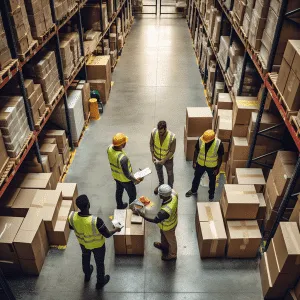 This system, also referred to as the cold chain, is a cornerstone of modern supply chains. By maintaining precise temperature control, refrigerated logistics protects the integrity of products like food , pharmaceuticals, and chemicals.
Industries across the UK heavily rely on refrigerated logistics to meet safety standards, reduce waste, and maintain product quality. In this comprehensive guide, we’ll explore the fundamentals of refrigerated logistics, its applications, and the technologies shaping its future.
First a quick plug – Our sister companies Fresh Pharma whom are GDP Compliant Pharma couriers and ‘Fresh Fridge Hire‘ are our (compliant GDP) refrigerated vehicle hire.
1. What Is Refrigerated Logistics?
Refrigerated logistics refers to the transportation, storage, and handling of goods that require specific temperature ranges to remain safe and effective. These processes form the cold chain, a system designed to ensure continuous temperature control from origin to destination.
Key Components of Refrigerated Logistics
| Component | Description |
| Refrigerated Vehicles | Specialised trucks, vans, and containers equipped with temperature controls. |
| Warehousing | Cold storage facilities designed to maintain consistent temperatures. |
| Monitoring Systems | Technology to track and regulate temperature in real-time during transit or storage. |
Maintaining the cold chain relies on a combination of science, engineering, and technology. Factors such as humidity, air circulation, and insulation are meticulously managed to preserve the integrity of temperature-sensitive goods.
2. The Role of Refrigerated Logistics in the Food Industry
The food industry is one of the largest sectors relying on refrigerated logistics in the UK. This system ensures the freshness and safety of perishable items like dairy, seafood, meat, and fresh produce.
Ensuring Food Safety and Reducing Waste
- Food Safety: Refrigerated logistics prevents bacterial growth and spoilage by maintaining optimal storage temperatures.
- Reducing Waste: Proper temperature control extends shelf life, reducing food waste and financial losses.
Impact on Perishable Foods
| Food Category | Optimal Temperature Range | Purpose of Refrigeration |
| Meat and Seafood | 0°C to 4°C | To slow bacterial growth and preserve freshness. |
| Dairy Products | 1°C to 4°C | To maintain texture, flavour, and nutritional value. |
| Fresh Produce | 0°C to 5°C | To delay ripening and spoilage, keeping products market-ready. |
The UK’s stringent food safety regulations, such as those outlined by the Food Standards Agency (FSA), mandate strict compliance in refrigerated logistics. Businesses must maintain detailed records of temperature monitoring to meet these requirements.
3. Pharmaceutical Cold Chain Logistics
The pharmaceutical industry is another critical sector reliant on refrigerated logistics. Medications, vaccines, and biologics often require highly controlled environments to remain effective.
Products Requiring Temperature Control
- Vaccines: Must be stored between 2°C and 8°C to retain potency.
- Biologics: These are highly sensitive to temperature fluctuations and require precise conditions.
- Clinical Trial Samples: Maintaining integrity during transport is vital for accurate research results.
Challenges in Pharmaceutical Cold Chains
- Stringent Temperature Ranges: Many products have narrow permissible temperature ranges.
- Regulatory Compliance: Adhering to UK and international guidelines such as GDP (Good Distribution Practice).
- Global Distribution: Coordinating across time zones and climates adds complexity to the cold chain.
Case Study: Vaccine Distribution in the UK
During the COVID-19 pandemic, refrigerated logistics was instrumental in distributing millions of vaccines across the UK. The deployment involved:
- Real-time temperature monitoring systems.
- Collaboration with third-party logistics providers (3PLs).
- Efficient last-mile delivery solutions to remote areas.
4. Technology in Refrigerated Logistics
Technological advancements are transforming refrigerated logistics, making it more efficient, reliable, and sustainable.
Advanced Monitoring Systems
IoT-enabled devices allow real-time tracking of temperature, humidity, and location during transit. Alerts are triggered if conditions deviate, enabling corrective actions.
Temperature-Sensitive Packaging Solutions
Innovative packaging materials like phase-change materials (PCMs) and vacuum-insulated panels (VIPs) ensure consistent temperatures even during brief power outages.
| Technology | Benefit |
| IoT Sensors | Real-time tracking of conditions. |
| Automated Alerts | Immediate notifications for anomalies. |
| AI Algorithms | Predictive maintenance for refrigeration units. |
Automation and AI
AI-powered systems optimise delivery routes, reducing transit times and energy consumption. Automation in warehouses enhances temperature consistency and operational efficiency.
5. Environmental Challenges and Solutions
While refrigerated logistics is indispensable, it has a significant environmental footprint due to energy use and refrigerant emissions. Addressing these challenges is crucial for a sustainable future.
Carbon Footprint of Refrigerated Transport
- Refrigerated vehicles consume more fuel than standard trucks due to refrigeration units.
- Refrigerants like HFCs contribute to greenhouse gas emissions.
Sustainable Practices in Refrigerated Logistics
| Sustainable Practice | Impact |
| Eco-Friendly Refrigerants | Reduced greenhouse gas emissions. |
| Renewable Energy Warehouses | Lower operational emissions by using solar or wind power. |
| Energy-Efficient Vehicles | Improved fuel economy and reduced carbon footprint. |
UK Government Initiatives
The UK government has introduced measures such as:
- Incentives for adopting low-emission refrigeration technologies.
- Funding for research into sustainable cold chain solutions.
6. Regulations Governing Refrigerated Logistics in the UK
Maintaining compliance with stringent regulations is essential in refrigerated logistics to ensure safety and quality.
Food Standards Agency (FSA) Guidelines
The FSA outlines specific requirements for food safety during transport and storage:
- Temperature Control: Maintain strict temperature ranges for various food types (e.g., chilled foods at 0–5°C and frozen foods at -18°C or below).
- Hygiene Practices: Vehicles and storage areas must be cleaned and sanitised regularly to prevent contamination.
- Traceability: Accurate records of transport conditions must be maintained to ensure accountability.
EU and UK Compliance Standards Post-Brexit
With the UK’s departure from the EU, changes to regulatory frameworks have impacted cross-border logistics:
- UK-EU Border Checks: Increased documentation for temperature-sensitive goods entering or leaving the UK.
- Alignment Challenges: Some businesses face discrepancies between UK and EU cold chain regulations, requiring meticulous planning.
- Northern Ireland Protocol: Special considerations apply to goods transported between Great Britain and Northern Ireland.
Temperature Documentation and Audits
Compliance also involves rigorous documentation:
- Temperature Logs: Continuous monitoring and recording of storage and transit conditions.
- Audits: Regular inspections ensure businesses adhere to FSA and international standards.
- Non-Compliance Penalties: Failure to meet guidelines can result in fines or the loss of licences.
7. Types of Refrigerated Vehicles
Refrigerated vehicles are a cornerstone of the cold chain, offering a range of options tailored to specific needs.
Differences Between Refrigerated Vans, Trucks, and Containers
| Vehicle Type | Features | Best Suited For |
| Refrigerated Vans | Compact, flexible, ideal for urban areas. | Small deliveries (e.g., catering). |
| Refrigerated Trucks | Larger capacity, suitable for long hauls. | Wholesale or inter-city transport. |
| Refrigerated Containers | Modular units, versatile for multi-modal transport. | International shipments. |
Pros and Cons of Each Type
| Vehicle Type | Advantages | Disadvantages |
| Vans | Manoeuvrable, cost-effective. | Limited storage capacity. |
| Trucks | High capacity, longer range. | Higher fuel consumption. |
| Containers | Versatile for various modes. | Expensive initial investment. |
Innovations in Refrigerated Vehicle Technology
- Electric and Hybrid Refrigerated Vehicles: Reducing carbon footprints while maintaining efficiency.
- Smart Refrigeration Systems: IoT-enabled technology for real-time monitoring and predictive maintenance.
- Improved Insulation Materials: Enhancing temperature stability and energy efficiency.
8. The Importance of the Cold Chain
A reliable cold chain is fundamental for safeguarding the quality and safety of temperature-sensitive goods.
Steps in a Successful Cold Chain
- Production: Goods are manufactured under controlled conditions.
- Storage: Products are kept in cold storage facilities with constant monitoring.
- Transport: Refrigerated vehicles maintain specified temperatures throughout transit.
- Distribution: Proper handling ensures products reach retailers or end-users in optimal condition.
Risks of Cold Chain Breaches and Their Consequences
- Product Loss: Compromised temperatures can render goods unusable, leading to financial losses.
- Health Risks: Breaches in the food or pharmaceutical cold chain may pose significant health hazards.
- Brand Damage: Repeated failures can tarnish a company’s reputation.
Real-World Examples of Cold Chain Failures
| Scenario | Impact |
| Pharmaceutical Mishandling | Vaccines losing efficacy due to improper temperature control. |
| Food Contamination | Spoiled meat reaching supermarkets, leading to recalls. |
| Logistics Delays | Frozen goods thawing due to unexpected transit interruptions. |
9. Key Players in the UK Refrigerated Logistics Industry
Several leading companies dominate the UK’s refrigerated logistics landscape, offering innovative solutions and extensive networks.
Overview of Leading Companies
| Company | Specialisation | Market Strength |
| Gist | Chilled food logistics. | Extensive UK-wide distribution network. |
| Culina Group | End-to-end temperature-controlled supply chains. | Strong presence in retail and food sectors. |
| Fowler Welch | Ambient and chilled logistics solutions. | Expertise in fresh produce transport. |
Market Share and Growth Trends in the UK
- The refrigerated logistics market is expected to grow due to rising demand for temperature-sensitive e-commerce.
- Increased focus on sustainability is driving innovation in eco-friendly vehicles and facilities.
Innovations Introduced by Major Players
- Gist: AI-powered route optimisation to minimise fuel usage.
- Culina Group: Investments in solar-powered cold storage facilities.
- Fowler Welch: Hybrid vehicles for reduced emissions.
10. Trends in Refrigerated Logistics
The refrigerated logistics industry is evolving rapidly to meet new challenges and opportunities.
Rising Demand for Temperature-Controlled E-Commerce
Online grocery and pharmaceutical delivery services are experiencing a surge in demand, driven by consumer preference for convenience. Businesses are investing heavily in last-mile refrigerated solutions to meet these needs.
Growth of Third-Party Logistics Providers (3PLs)
3PLs are becoming increasingly popular as businesses outsource their cold chain logistics. Benefits include:
- Reduced operational complexity.
- Access to advanced technologies.
- Scalability during peak demand periods.
Role of Big Data in Improving Operations
Data analytics is revolutionising refrigerated logistics by enabling:
- Predictive Maintenance: Reducing downtime for refrigeration units.
- Demand Forecasting: Efficient inventory management to reduce waste.
- Enhanced Route Planning: Minimising transit times and energy consumption.
11. Training and Workforce in Refrigerated Logistics
The success of refrigerated logistics hinges not just on technology and equipment but also on the skilled professionals who manage and oversee the cold chain process. A well-trained workforce is essential to ensure products remain within the correct temperature range, avoiding spoilage, loss, or non-compliance with regulations.
Importance of Skilled Professionals
The refrigerated logistics sector requires a team of highly trained individuals to handle a range of responsibilities:
- Drivers and Handlers: These professionals are responsible for maintaining the cold chain during transport and storage.
- Warehouse Technicians: They ensure that temperature-sensitive goods are correctly stored and monitored.
- Quality Control Managers: Overseeing temperature records and ensuring compliance with regulatory standards.
Training Requirements and Certifications for Drivers and Handlers
Professionals in refrigerated logistics must undergo specific training to ensure they can handle temperature-sensitive goods properly. Key certifications include:
- Food Safety and Hygiene Certification for those handling food products.
- Forklift and Warehouse Management Training for those operating in cold storage environments.
- Driver CPC (Certificate of Professional Competence) for drivers transporting refrigerated goods.
Current Workforce Challenges in the UK
The UK faces a growing shortage of skilled workers in refrigerated logistics, particularly in the areas of transportation and warehousing. This issue is exacerbated by:
- Labour Shortages Post-Brexit: Many logistics roles were traditionally filled by EU workers, and the post-Brexit immigration rules have created gaps.
- High Turnover Rates: The physically demanding nature of the job and low wages can lead to high employee turnover.
- Training Costs: Investing in training for new recruits is often seen as a significant cost burden.
12. Impact of Brexit on Refrigerated Logistics
Brexit has had a profound impact on the UK’s refrigerated logistics industry, especially concerning import and export procedures for temperature-sensitive goods.
Changes in Import/Export Procedures for Temperature-Controlled Goods
- Customs Checks and Documentation: With the UK leaving the EU, businesses must now adhere to stricter customs procedures, resulting in longer lead times and increased paperwork for temperature-sensitive shipments.
- Health and Safety Checks: More thorough inspections of perishable goods entering the UK from the EU and vice versa, particularly in relation to food and pharmaceutical products.
Challenges in Cross-Border Logistics
- Delays and Border Bottlenecks: Delays at borders, especially with refrigerated goods, can result in goods being exposed to temperatures outside the recommended range.
- Customs Tariffs and Duties: These additional costs can make cross-border trade more expensive, affecting the pricing and competitiveness of temperature-sensitive goods.
Strategies to Adapt to Post-Brexit Regulations
- Enhanced Documentation: Investing in robust tracking and customs systems to streamline border-crossing processes.
- Partnerships with Experienced 3PLs: Third-party logistics providers (3PLs) with expertise in post-Brexit trade regulations can help mitigate delays.
- Contingency Plans: Developing contingency strategies to account for potential border disruptions.
13. Future of Refrigerated Logistics
The future of refrigerated logistics is set to be shaped by new technologies, sustainability efforts, and changing market demands.
Predictions for Market Growth and Emerging Technologies
- Market Growth: The refrigerated logistics market is expected to expand, driven by rising demand in sectors like online grocery shopping, pharmaceuticals, and e-commerce.
- Emerging Technologies: Innovations such as Autonomous Refrigerated Vehicles and AI-Powered Cold Chain Management are set to streamline operations and reduce costs.
Innovations in Green Logistics
- Electric and Hybrid Refrigerated Vehicles: A shift towards electric and hybrid vehicles in refrigerated transport will reduce carbon emissions and improve sustainability.
- Sustainable Refrigerants: The use of eco-friendly refrigerants such as CO2 and natural refrigerants is increasing, as businesses move away from high-GWP (Global Warming Potential) refrigerants like HFCs.
- Energy-Efficient Cold Storage: Investments in energy-efficient insulation, refrigeration systems, and renewable energy-powered cold storage are enhancing sustainability in the sector.
The Role of Digital Transformation in Improving Efficiency
- IoT and Big Data: The integration of IoT devices and big data analytics allows for better monitoring of temperature, humidity, and other environmental factors during transport and storage, ensuring higher efficiency.
- Blockchain for Transparency: Blockchain technology is being explored for enhancing supply chain transparency, allowing real-time tracking and verifiable temperature data.
14. How to Choose a Refrigerated Logistics Partner in the UK
When selecting a refrigerated logistics provider, there are several key factors to consider:
Key Factors to Consider
- Experience and Reputation: Choose a provider with experience in handling your specific goods, whether food, pharmaceuticals, or chemicals.
- Technology and Compliance: Ensure that the provider uses the latest technology to monitor temperatures and complies with all relevant regulatory standards.
- Capacity and Coverage: Ensure the provider has the capacity to meet your needs, especially during peak demand periods, and offers coverage across the necessary regions.
Comparing Costs Without Compromising Quality
While cost is a crucial consideration, it’s essential not to sacrifice quality for price. Look for a provider that offers competitive rates while maintaining high standards in temperature control, hygiene, and service.
Importance of Customer Reviews and Case Studies
Review customer testimonials and case studies to understand how the provider performs in real-world scenarios. This can help ensure you choose a partner that can meet your expectations and industry needs.
Conclusion: Refrigerated Logistics Ensures Safety, Quality, and Compliance
Refrigerated logistics plays an indispensable role in maintaining the safety, quality, and compliance of temperature-sensitive goods across the UK. From chilled dairy and fresh seafood to pharmaceuticals and laboratory samples, precise temperature control ensures products arrive intact, safe, and compliant with regulations. Any deviation in temperature can result in spoilage, regulatory penalties, or reputational damage. For example, NHS vaccine deliveries rely on strict monitoring between 2°C and 8°C to ensure efficacy.
As technology advances, refrigerated logistics is becoming more efficient and data-driven. IoT-enabled sensors, GPS tracking, and AI-powered route optimisation improve visibility, reduce delivery delays, and minimise product loss. Businesses adopting these innovations can predict risks, optimise energy usage, and maintain product integrity throughout the cold chain. Sustainability is also becoming critical. Hybrid and electric vehicles, solar-assisted refrigeration units, and energy-efficient warehouse designs reduce carbon emissions while supporting operational efficiency.
The following table summarises key aspects of modern refrigerated logistics:
| Aspect | Purpose | Example |
|---|---|---|
| Temperature Monitoring | Real-time tracking to prevent spoilage | Fresh seafood transported to UK supermarkets |
| Route Optimisation | Efficient delivery, reduced delays | Nationwide chilled ready meal distribution |
| Regulatory Compliance | Adherence to GDP and FSA standards | Vaccine and pharmaceutical supply chains |
| Sustainable Transport | Reduce carbon footprint | Electric refrigerated vans for urban deliveries |
To optimise refrigerated logistics, businesses must invest in skilled professionals, adopt advanced technologies, and select reliable logistics partners. Staying ahead of industry trends, maintaining regulatory compliance, and prioritising sustainability ensures efficient operations, reduced waste, and improved customer satisfaction. In a competitive and evolving market, these strategies enable businesses to maintain a robust, reliable cold chain system, ensuring temperature-sensitive goods reach their destinations safely and efficiently.
Refrigerated Logistics Network
- What are logistics solutions?
Logistics solutions are services that help businesses manage the transportation, storage, and delivery of goods efficiently.
Logistics Network
- What is refrigerated transport?
What is refrigerated transport?
Refrigerated transport uses temperature-controlled vehicles to keep goods such as food or medicines cold during delivery. - What are the 4 types of logistics?
The four main types are inbound logistics, outbound logistics, reverse logistics, and third-party logistics (3PL).
- What is temperature-controlled logistics?
Temperature-controlled logistics is the transport and storage of products within a specific temperature range to protect sensitive goods.
- What are the 4 major logistics functions?
The main logistics functions are transportation, warehousing, inventory management, and order fulfilment.
- What is the highest paid job in logistics?
One of the highest-paid roles in logistics is a logistics director or supply chain director.
- What is logistics and give 5 examples?
Logistics is the process of planning and managing the movement of goods. Examples include transportation, warehousing, inventory control, packaging, and distribution.
- Who are the top 10 logistics companies?
Some of the top logistics companies include Fresh Logistics, DHL, FedEx, UPS, Maersk, DB Schenker, Kuehne + Nagel, XPO Logistics, C.H. Robinson, Nippon Express, and DHL Supply Chain.
- What are the 7 C's of logistics?
The 7 C’s are the right product, right quantity, right condition, right place, right time, right customer, and right cost.
- What is the highest salary in logistics?
Senior roles such as supply chain director or chief logistics officer can earn the highest salaries in the logistics industry. £150 – £300k

Alan is the Founder and MD at the Fresh Group of companies. You are welcome to use any information you find interesting. Please give us a link back to our webpage or post. It really helps SME’s rank in the UK.