
Refrigerated Roll Cage Transport: An Essential Guide for Cold Chain Logistics
Refrigerated roll cage transport is an essential solution for UK temperature-controlled logistics. It 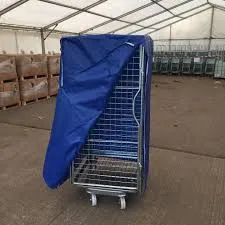 ensures that perishable goods, pharmaceuticals, and other sensitive products remain safe, fresh, and compliant throughout transit. Roll cages are mobile, enclosed units that maintain precise temperature control, allowing secure and organised transport within warehouses, distribution centres, and during last-mile deliveries.
This system is particularly valuable for high-volume deliveries, multi-drop routes, and urban logistics where efficiency and product protection are critical. For example, chilled ready meals delivered from a UK manufacturer to multiple supermarket branches across London rely on refrigerated roll cages to maintain 0°C–4°C temperatures, preventing spoilage and reducing product loss.
The key benefits of refrigerated roll cage transport include:
| Benefit | Description | Example |
|---|---|---|
| Temperature Control | Maintains consistent temperature for sensitive products | Fresh dairy and chilled desserts |
| Efficient Loading & Unloading | Easy handling with stackable cages | Multi-drop supermarket deliveries |
| Enhanced Security | Reduces risk of damage or theft | Pharmaceutical deliveries to hospitals |
| Versatility | Suitable for warehouses, vans, and cold rooms | Distribution of frozen meals |
| Compliance | Supports regulatory requirements | FSA, GDP, and NHS standards |
By integrating refrigerated roll cage transport into logistics operations, UK businesses can optimise efficiency, improve delivery reliability, and protect product integrity. Combining this method with tracking technology, route optimisation, and skilled couriers ensures temperature-sensitive products arrive safely and on time.
First a quick plug – Our sister companies Fresh Pharma whom are GDP Compliant Pharma couriers and ‘Fresh Fridge Hire‘ are our (compliant GDP) refrigerated vehicle hire.
1. Introduction to Refrigerated Roll Cage Transport
In the realm of cold chain logistics, refrigerated roll cage transport stands out as a sophisticated solution for businesses that deal with perishable goods. From supermarkets needing fresh produce to pharmacies requiring temperature-sensitive medications, transporting goods with controlled temperatures is essential.
Refrigerated vehicles designed for roll cage transport enable companies to move large quantities of goods securely and consistently. Equipped with cooling systems and designed for easy loading and unloading, these vehicles ensure that products remain fresh and uncontaminated.
Why is Refrigerated Roll Cage Transport Important?
| Aspect | Importance in Cold Chain Logistics |
| Temperature Control | Keeps products at required temperatures throughout transit. |
| Flexibility | Facilitates transport of diverse goods across various industries. |
| Efficiency | Allows quick loading/unloading and organised transport. |
| Reliability | Minimises spoilage risk by maintaining optimal temperatures. |
By utilising refrigerated roll cage transport, companies can prevent spoilage, reduce waste, and meet strict regulatory standards—ensuring a more reliable, high-quality service for their clients.
2. What Are Refrigerated Roll Cages and Why Are They Used?
What Are Refrigerated Roll Cages?
Refrigerated roll cages are specialised cold storage cages designed to hold temperature-sensitive products safely within a set temperature range. These cages are constructed with durable, insulated materials, which protect contents from temperature fluctuations and maintain the freshness or integrity of the goods inside.
Key Features of Refrigerated Roll Cages
| Feature | Description |
| Insulation | Keeps internal temperature stable, regardless of external conditions. |
| Durable Construction | Protects items during loading, transport, and unloading. |
| Ventilation Slots | Prevents condensation build-up inside the cage. |
| Adjustable Shelves | Allows stacking and organising products for space efficiency. |
Why Are Refrigerated Roll Cages Used?
Businesses use refrigerated roll cages for several reasons:
- Consistency: They help maintain a stable temperature from the loading dock to delivery.
- Flexibility: Adjustable shelves allow various product sizes, which is especially useful for mixed loads.
- Protection: Goods remain safely protected from potential contamination and physical damage during transport.
In industries where regulatory compliance is strict—such as food safety and pharmaceutical standards—refrigerated roll cages help companies meet these requirements reliably.
3. How Refrigerated Vehicles Enhance Roll Cage Transport
Refrigerated vehicles are crucial for safe and efficient roll cage transport. Unlike standard delivery trucks, refrigerated vehicles are specially equipped to maintain low temperatures even during extended transit times.
Key Components of Refrigerated Vehicles
| Component | Function |
| Refrigeration Unit | Provides cooling, maintaining the temperature setpoint. |
| Insulated Walls | Reduces heat transfer, keeping the interior cool. |
| Temperature Control Systems | Allows real-time monitoring and adjustments to ensure consistent temperatures. |
| Air Circulation | Ensures even distribution of cold air within the vehicle. |
How Refrigerated Vehicles Support Roll Cage Transport
Using refrigerated vehicles which are mainly 18t vehicles for roll cage transport adds value by:
- Maintaining Cold Chain Integrity: The refrigeration unit keeps roll cages at the required temperatures, preserving the quality of goods.
- Protecting Product Quality: Air circulation and consistent cooling prevent hotspots and spoilage.
- Increasing Transport Flexibility: These vehicles allow for mixed-load transport, making it easier to deliver varied products on one route without compromising quality.
Together, refrigerated vehicles and roll cages offer a powerful solution for transporting temperature-sensitive products safely and reliably.
4. Types of Goods Transported in Refrigerated Vehicle Roll Cages
Refrigerated roll cages are highly versatile and accommodate a broad range of temperature-sensitive products. Each product category has its own storage needs, from precise temperature settings to specific handling practices.
Common Types of Goods
| Product Type | Transport Requirements |
| Fresh Produce | Typically kept between 0°C to 5°C to prevent spoilage. |
| Dairy Products | Requires stable temperatures to maintain freshness and prevent bacteria growth. |
| Pharmaceuticals | Often needs precise, stable temperatures to preserve efficacy. |
| Frozen Goods | Transported below -18°C to retain quality and shelf life. |
| Flowers | Kept cool to maintain freshness and longevity. |
Industries That Rely on Refrigerated Roll Cage Transport
Several industries rely on refrigerated roll cage transport, including:
- Food and Beverage: From supermarkets, Food stores to food distributors, keeping perishable goods fresh is essential.
- Pharmaceuticals: Transporting medicines requires careful temperature control to ensure efficacy.
- Horticulture: Fresh flowers and plants require controlled temperatures to avoid wilting.
These goods, which are sensitive to both temperature and time, benefit greatly from the efficiency and reliability of roll cage transport in refrigerated vehicles.
5. Benefits of Using Roll Cages in Refrigerated Vehicles
Using roll cages in refrigerated vehicles offers multiple advantages that make them a preferred choice in cold chain transport. By ensuring temperature stability, roll cages help prevent spoilage, reduce waste, and maintain product quality.
Key Benefits of Roll Cages in Refrigerated Vehicles
| Benefit | Description |
| Temperature Stability | Ensures a consistent environment for sensitive goods. |
| Efficient Loading and Unloading | Roll cages make it easier to move large quantities of goods in one go. |
| Product Protection | Prevents physical damage and contamination during transit. |
| Increased Transport Capacity | Enables loading of more goods by organising products vertically in cages. |
| Enhanced Compliance | Helps businesses meet regulatory standards in food safety and pharmaceuticals. |
Example of Roll Cage Transport Efficiency
Consider a grocery delivery company that transports both fresh and frozen items. By using refrigerated roll cages:
- Efficiency is maximised as goods can be quickly loaded and organised based on temperature needs.
- Quality assurance is enhanced, as each item is kept at its optimal temperature.
- Compliance with regulations is simpler, reducing the risk of penalties for improper transport conditions.
6. Challenges in Refrigerated Roll Cage Transport
Maintaining consistent quality and temperature in refrigerated transport comes with unique challenges. Any fluctuation can impact the integrity of temperature-sensitive products, leading to spoilage, reduced efficacy, or even compliance issues.
Common Challenges in Refrigerated Roll Cage Transport
| Challenge | Description |
| Temperature Fluctuations | External weather changes and vehicle stops can affect the stability of internal temperatures. |
| Timely Deliveries | Temperature-sensitive products require prompt deliveries, increasing pressure on logistics. |
| Energy Consumption | Constant refrigeration increases fuel and energy costs, affecting overall transport expenses. |
| Space Optimisation | Improper loading can lead to inefficient use of space, increasing the risk of temperature shifts. |
| Maintenance of Refrigeration | Refrigeration units need regular maintenance to prevent breakdowns during critical deliveries. |
One of the most significant risks in refrigerated transport is temperature fluctuation, which can occur due to delays or vehicle malfunctions. To minimise these issues, regular maintenance of both the vehicle and refrigeration units is essential, as well as real-time monitoring of temperature within the roll cages.
7. Ensuring Temperature Consistency with Refrigerated Roll Cages
Achieving temperature consistency is a top priority in cold chain logistics. Refrigerated roll cages are designed to support this goal by providing a stable environment that mitigates external temperature changes.
How Refrigerated Roll Cages Help with Temperature Control
| Feature | Role in Temperature Consistency |
| Insulated Walls | Reduces heat transfer, keeping internal temperatures stable even if external temperatures vary. |
| Refrigeration Compatibility | Refrigerated roll cages are designed to function optimally with vehicle cooling systems. |
| Air Circulation | Ensures uniform cooling inside the cage, preventing hot or cold spots within the cargo. |
| Temperature Monitoring | Real-time sensors and monitoring tools help keep temperatures consistent across transit. |
Tips for Maintaining Temperature Consistency
- Pre-Cool the Vehicle: Before loading, cool the vehicle to the desired temperature to ensure seamless temperature consistency once goods are loaded.
- Minimise Door Openings: Every time the door opens, there’s a risk of temperature fluctuation. Plan stops and loading/unloading carefully.
- Real-Time Monitoring: Use sensors and tracking tools to continuously monitor temperatures and receive alerts in case of any deviation.
By following these practices, businesses can maintain temperature integrity throughout the transport journey, minimising spoilage risks.
8. Best Practices for Loading and Securing Roll Cages in Refrigerated Vehicles
Proper loading and securing of roll cages in refrigerated vehicles ensure that cargo remains stable and safe, and that the cold chain is maintained without interruption.
Best Practices for Loading Roll Cages
- Pre-Cool Roll Cages and Vehicle: Bring both the cages and vehicle to the desired temperature before loading to prevent sudden temperature changes.
- Organise by Temperature Needs: Arrange cages according to temperature requirements, with those needing higher or more stable temperatures placed closest to the cooling unit.
- Avoid Overloading: Overloading can prevent adequate air circulation, leading to potential hot spots and spoilage risk.
Securing Roll Cages for Safe Transport
| Practice | Benefit |
| Use Secure Straps | Prevents roll cages from shifting during transit, reducing the risk of damage and temperature shifts. |
| Place Heavier Items at the Bottom | Keeps the centre of gravity low, reducing the likelihood of tipping during sharp turns. |
| Add Anti-Slip Mats | Helps to prevent sliding and shifting, even during sudden stops. |
Ensuring that roll cages are well-secured not only keeps goods in optimal condition but also prevents accidents during transport. When items are organised thoughtfully within the roll cages, temperature control is easier, and loading/unloading become more efficient.
9. Comparing Refrigerated Roll Cage Transport to Other Cold Chain Options
There are several methods available for temperature-controlled logistics, each with its own benefits and limitations. Comparing refrigerated roll cage transport to other options can help companies choose the most suitable method for their needs.
Comparison of Cold Chain Options
| Cold Chain Method | Advantages | Limitations |
| Refrigerated Roll Cages | Efficient for organised, large-volume deliveries; good air circulation and temperature stability. | May require specific vehicle configurations. |
| Insulated Containers | Portable and versatile; maintains temperature well over short periods. | Less effective for extended durations; limited airflow. |
| Palletised Cold Shipping | Suitable for bulk shipping and compatible with freight transport. | Requires additional cooling; may not be ideal for multi-stop routes. |
Why Choose Refrigerated Roll Cages?
Refrigerated roll cages offer a flexible and reliable solution for transporting temperature-sensitive goods. Their design supports large, organised loads, making them ideal for deliveries with multiple stops or varied products. Additionally, roll cages allow for easier loading and unloading, especially when combined with vehicles optimised for temperature control.
10. Optimising Routes for Refrigerated Roll Cage Transport
Route optimisation plays a key role in refrigerated roll cage transport. By planning efficient routes, companies can reduce travel time, conserve energy, and maintain temperature consistency, ultimately enhancing the cold chain’s reliability.
Benefits of Route Optimisation in Cold Chain Logistics
| Benefit | Explanation |
| Minimises Fuel Consumption | Reduces unnecessary travel, saving on fuel and energy costs. |
| Enhances Temperature Control | Reduces time on the road, helping to maintain consistent temperatures. |
| Improves Delivery Timeliness | Ensures goods arrive on schedule, preventing spoilage and customer dissatisfaction. |
Tips for Effective Route Planning
- Use Route Optimisation Software: Tools like GPS-based route planning software can calculate the most efficient routes in real-time, accounting for traffic, road closures, and weather conditions.
- Prioritise Temperature-Sensitive Deliveries: Arrange stops based on the sensitivity of products, delivering high-priority items first.
- Plan for Limited Stops: Reducing the number of stops minimises the frequency of door openings, helping to maintain a stable temperature.
Example of Route Optimisation in Practice
Consider a delivery route for fresh produce and dairy products. By strategically planning the route to prioritise high-sensitivity deliveries, and minimising the number of stops, the transport team can better maintain the cold chain integrity.
11. Choosing the Right Refrigerated Vehicle for Roll Cage Transport
Choosing the right vehicle for refrigerated roll cage transport is a key decision that impacts both temperature control and operational efficiency. Factors such as vehicle size, insulation quality, and cooling capacity determine the vehicle’s suitability for specific temperature-controlled logistics needs.
Key Factors to Consider
| Factor | Description |
| Vehicle Size | The size of the vehicle should align with the volume of goods transported to optimise space and fuel efficiency. |
| Insulation Quality | High-quality insulation is essential for maintaining stable temperatures, especially in long-distance transport. |
| Cooling Capacity | The refrigeration unit’s capacity should match the product requirements, whether for chilled, frozen, or multi-temperature transport. |
Additional Considerations
- Fleet Management: Investing in a flexible fleet with vehicles of various sizes allows businesses to handle varying transport demands more effectively.
- Temperature Zone Options: Vehicles with multiple temperature zones enable mixed loads, reducing the need for separate transport for products with different temperature requirements.
Selecting the right vehicle is essential for optimising costs, ensuring product quality, and meeting regulatory standards, especially when dealing with sensitive goods such as food and pharmaceuticals.
12. Sustainable Practices in Refrigerated Roll Cage Transport
As businesses strive to reduce their carbon footprint, sustainable practices in refrigerated logistics are becoming a priority. Incorporating eco-friendly practices can help reduce energy consumption, minimise waste, and improve the overall environmental impact of refrigerated roll cage transport.
Sustainable Practices
| Practice | Benefits |
| Fuel-Efficient Vehicles | Reduces fuel consumption and emissions, contributing to lower carbon footprints. |
| Optimised Route Planning | Minimises travel distance, which cuts down on fuel usage and lowers overall transport costs. |
| Reducing Refrigerant Waste | Regular maintenance prevents refrigerant leakage, a major contributor to greenhouse gases. |
Implementing Sustainable Changes
- Switch to Eco-Friendly Refrigerants: Traditional refrigerants can have high global warming potential (GWP). Switching to alternatives like R-290 or CO2-based systems can significantly reduce environmental impact.
- Energy-Efficient Insulation: Using high-quality insulation materials ensures that less energy is needed to maintain the desired temperature.
- Vehicle Electrification: Where feasible, consider electric refrigerated vehicles, which eliminate tailpipe emissions and are increasingly viable for short-distance urban deliveries.
Integrating sustainable practices benefits the environment and can enhance a company’s reputation, appealing to eco-conscious clients and supporting long-term cost savings.
13. Importance of Real-Time Monitoring in Refrigerated Roll Cage Transport
Real-time monitoring technology is critical in ensuring the integrity of temperature-sensitive goods throughout their journey. This technology allows for continuous tracking of temperature, location, and potential issues in real time, ensuring that products reach their destination in optimal condition.
Benefits of Real-Time Monitoring
| Benefit | Description |
| Temperature Control | Real-time data helps maintain the correct temperature throughout transport. |
| Alert System | Notifies drivers or logistics managers immediately if there’s a temperature fluctuation. |
| Data Logging | Provides historical data that supports compliance and quality assurance. |
Common Technologies Used
- IoT-Enabled Sensors: These sensors track temperature, humidity, and other environmental factors within the roll cage, sending data to central monitoring systems.
- GPS and Fleet Tracking: GPS integration allows logistics teams to track vehicle location, enabling more precise ETA calculations and optimised route adjustments.
- Cloud-Based Monitoring Platforms: These platforms compile data from multiple sensors and provide easy access to real-time metrics, ensuring consistent cold chain quality.
The combination of IoT, GPS, and cloud-based technology allows for enhanced control over cold chain logistics, reducing risks and ensuring that products arrive safely and compliantly.
14. 24-Hour Backup and Support Services for Refrigerated Roll Cage Transport
To maintain continuity in cold chain logistics, 24-hour backup and support services are essential. Equipment malfunctions, traffic delays, or other disruptions can pose serious risks to temperature-sensitive goods. Immediate support ensures that such issues do not compromise product quality.
Key Elements of 24-Hour Backup Services
| Service Component | Description |
| Emergency Vehicles | Access to additional refrigerated vehicles in case of breakdowns or equipment failures. |
| Technical Support | On-call technicians who can quickly address refrigeration or vehicle issues. |
| Replacement Refrigeration Units | Standby units that can replace malfunctioning systems without significant delay. |
Benefits of Backup Services
- Reduced Spoilage Risks: Having emergency measures in place prevents spoilage or loss due to unforeseen breakdowns.
- Customer Trust: Knowing that backup support is available can reassure clients that their products will remain protected.
- Minimised Downtime: Access to replacement vehicles and refrigeration units reduces downtime, keeping deliveries on schedule.
With 24-hour backup services, companies can build more resilient cold chain logistics, reducing the financial impact of unexpected issues and ensuring consistent quality.
15. Future Trends in Refrigerated Roll Cage Transport
The refrigerated logistics industry is constantly evolving, with innovations that promise to further enhance temperature control, sustainability, and efficiency in roll cage transport.
Emerging Trends in Refrigerated Roll Cage Transport
| Trend | Description |
| Advanced Cooling Technology | Developments in refrigeration, such as ultra-low temperature cooling and zonal cooling, improve temperature management. |
| Automation and Robotics | Automated loading and unloading systems increase efficiency and reduce labour costs. |
| Artificial Intelligence (AI) | AI optimises route planning and predictive maintenance, enhancing operational efficiency. |
| Electrification and Hybrid Vehicles | Electric and hybrid vehicles reduce emissions and meet stricter environmental standards. |
| Blockchain for Traceability | Blockchain provides a tamper-proof record of each product’s temperature history, enhancing transparency and compliance. |
How These Trends Benefit Cold Chain Logistics
- Enhanced Temperature Control: New cooling technologies allow for more precise temperature management, critical for sensitive goods like pharmaceuticals.
- Increased Efficiency: Automation, AI, and robotics speed up operations and reduce errors in loading and temperature monitoring.
- Greater Sustainability: Electric vehicles and eco-friendly refrigerants align with environmental regulations and reduce greenhouse gas emissions.
Key Takeaways for Adopting Future Trends
| Key Trend | Benefit to Cold Chain Logistics |
| Advanced Cooling | More precise temperature control for high-sensitivity goods |
| Automation and AI | Optimises loading, unloading, and route planning |
| Electrification | Reduces emissions and operating costs over time |
| Blockchain | Increases transparency, supporting traceability and compliance |
By staying up-to-date with these innovations, companies in refrigerated logistics can remain competitive, meet regulatory standards, and ensure the highest level of quality control. Embracing future trends allows cold chain companies to continue to evolve and improve in response to industry challenges and environmental demands.
Conclusion: Strategic Approaches to Refrigerated Roll Cage Transport
Refrigerated roll cage transport requires a multifaceted approach, combining the right vehicles, sustainable practices, and emerging technologies. In the UK, businesses handling chilled or frozen goods, pharmaceuticals, and other temperature-sensitive products must ensure integrity, efficiency, and compliance throughout the cold chain.
Vehicle Selection: Choosing the appropriate refrigerated vehicle is essential. Vans, lorries, or hybrid electric trucks must maintain precise temperatures, accommodate roll cages efficiently, and allow easy loading and unloading. For example, a London-based meal kit distributor uses electric refrigerated vans with stackable roll cages for urban multi-drop deliveries, ensuring products remain between 0°C–4°C.
Sustainability: Eco-friendly practices reduce environmental impact while maintaining operational efficiency. Energy-efficient refrigeration units, hybrid vehicles, and optimised routing lower carbon emissions, save fuel, and support regulatory compliance. Many UK distributors now implement solar-assisted refrigeration and biodegradable insulated packaging for perishable goods.
Technology & Monitoring: Real-time IoT sensors, GPS tracking, and predictive analytics provide continuous oversight of temperature, location, and delivery schedules. This allows proactive intervention in case of deviations, reducing spoilage risk.
Resilience & Backup Services: Establishing backup vehicles, alternative routes, and contingency plans ensures deliveries remain on schedule despite unforeseen disruptions. For instance, chilled pharmaceutical shipments often have pre-planned alternative carriers ready in case of vehicle malfunction.
Summary Table: Key Strategies for Effective Refrigerated Roll Cage Transport
| Strategy | Purpose | Example |
|---|---|---|
| Vehicle Selection | Ensure proper temperature and capacity | Electric refrigerated vans with stackable roll cages |
| Sustainability | Reduce carbon footprint | Hybrid trucks, solar-assisted refrigeration |
| Real-Time Monitoring | Maintain product integrity | IoT sensors tracking chilled goods |
| Resilience & Backup | Minimise disruption | Alternative routes for vaccine delivery |
In conclusion, prioritising vehicle selection, sustainable practices, real-time monitoring, and resilience strategies ensures safe, reliable, and environmentally responsible refrigerated roll cage transport. By adopting these measures, UK businesses can optimise their cold chain, protect product quality, and meet growing consumer and regulatory expectations.
Roll Cages
- Which of the following are hazards when pushing a roll cage?
Common hazards when pushing a roll cage include:
- Overloading: Exceeding the weight limit can make the cage hard to control, increasing the risk of tipping over or strain injuries.
- Uneven surfaces: Rough floors or slopes can cause roll cages to become unstable, making them harder to push safely.
- Obstructions: Objects in the path can cause sudden stops, leading to potential collisions or injuries.
- Poor handling posture: Incorrect pushing technique can cause muscle strains or other physical injuries.
- Do roll cages have brakes?
Yes, many roll cages are equipped with brakes or locking mechanisms on the wheels to prevent them from moving when stationary. These brakes are particularly useful on slopes or in high-traffic areas, providing additional stability when loading or unloading goods.
- Can a roll cage break?
Yes, a roll cage can break, especially if it is poorly maintained, overloaded, or damaged through frequent use. Breakages can occur in the wheels, joints, or frame, compromising its stability and posing a hazard to the user. Regular inspection and maintenance are recommended to ensure the safety and integrity of the roll cage.
- Should you push or pull a roll cage?
You should generally push a roll cage rather than pull it. Pushing allows for better control, reduces strain on the back, and minimizes the risk of the cage tipping over, especially when moving heavy loads. Pushing also improves visibility and helps you manoeuvre around obstacles more safely.
- How to move a roll cage?
To safely move a roll cage:
- Check the load: Ensure it’s not overloaded and is evenly distributed.
- Push, don’t pull: Push the cage to reduce strain and maintain control.
- Use brakes: Lock the wheels when stopping or on an incline.
- Clear the path: Ensure your route is free of obstacles.
- Use proper posture: Keep your back straight and use your legs to help push the load, which helps prevent injury.
- Does a roll cage improve safety when moving goods?
Yes, roll cages improve safety by providing a secure, enclosed structure for goods, reducing the risk of items falling during transport. They allow for safe handling of heavy or bulky items, especially when used correctly and with appropriate weight limits, and prevent products from shifting or tipping.

Alan is the Founder and MD at the Fresh Group of companies. You are welcome to use any information you find interesting. Please give us a link back to our webpage or post. It really helps SME’s rank in the UK.