
Refrigerated Store Delivery in the UK: Everything You Need to Know
Refrigerated store delivery is a crucial component of modern supply chains, ensuring temperature-sensitive goods reach their destinations in optimal condition. 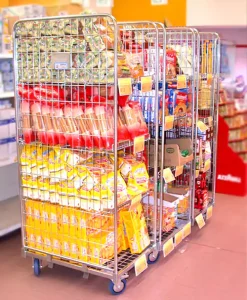 Whether delivering fresh produce, pharmaceuticals, or perishable flowers, temperature-controlled transport is essential for maintaining product integrity.
The UK’s refrigerated logistics sector has experienced significant growth in recent years due to increased demand for fresh food delivery services, online grocery shopping, and stringent food safety regulations. As businesses and consumers expect faster, fresher deliveries, refrigerated logistics has never been more vital.
First a quick plug – Our sister companies Fresh Pharma whom are GDP Compliant Pharma couriers and ‘Fresh Fridge Hire‘ are our (compliant GDP) refrigerated vehicle hire.
Key Takeaways:
- Technology is revolutionising refrigerated logistics – GPS tracking, temperature monitoring, and automation improve efficiency.
- Sustainability is a growing focus – Eco-friendly refrigerants, electric vehicles, and green logistics help reduce carbon footprints.
- Cost management is essential – Optimising routes, maintaining equipment, and understanding hidden fees can help businesses save money.
- Common mistakes must be avoided – Poor temperature control, inadequate packaging, and unreliable partners can lead to significant losses.
- Future trends are shaping the industry – AI, IoT, and faster delivery options will transform refrigerated logistics in the coming years.
- Reliable refrigerated deliveries benefit businesses – They enhance product quality, build trust, and boost sales.
What Is Refrigerated Store Delivery?
Refrigerated store delivery refers to the transportation of perishable goods in climate-controlled vehicles or storage units. These deliveries are essential for industries that rely on perishable goods arriving in perfect condition.
Industries That Rely on Refrigerated Transport
| Industry | Common Refrigerated Goods |
| Food & Beverage | Meat, dairy, seafood, fresh produce |
| Pharmaceuticals | Vaccines, medicines, blood samples |
| Floral Industry | Fresh-cut flowers, potted plants |
| Chemicals | Laboratory samples, temperature-sensitive chemicals |
| Cosmetics | Certain skincare and beauty products |
By maintaining a stable temperature throughout the journey, businesses ensure compliance with regulations and protect their products from spoilage.
The Importance of Temperature-Controlled Logistics
Temperature-controlled logistics is about more than just keeping products cool—it ensures safety, compliance, and customer satisfaction.
Key Benefits of Refrigerated Logistics:
- Maintains Product Quality: Prevents spoilage, degradation, and contamination.
- Ensures Regulatory Compliance: Meets food and safety standards like HACCP and FSA regulations.
- Improves Customer Trust: Reliable deliveries mean happy customers and repeat business.
- Extends Shelf Life: Proper temperature control slows down spoilage and maintains freshness.
Impact of Temperature on Perishable Goods
| Temperature Range | Suitable Products |
| -25°C to -18°C | Frozen foods, ice cream |
| 0°C to 5°C | Dairy, fresh meat, seafood |
| 2°C to 8°C | Pharmaceuticals, fresh flowers |
| 10°C to 15°C | Certain cosmetics, specialty foods |
Temperature fluctuations can cause serious damage to perishable goods. Maintaining a stable environment is critical in reducing waste and meeting health and safety standards.
How Refrigerated Deliveries Work
Refrigerated store delivery involves multiple stages to ensure goods are transported safely and efficiently.
The Cold Chain Logistics Process
- Production & Packaging: Products are processed and stored at the correct temperature.
- Storage & Distribution Centres: Warehouses equipped with climate control maintain optimal conditions.
- Transport in Refrigerated Vehicles: Goods are loaded into temperature-controlled trucks for delivery.
- Retail or Final Destination: Products are delivered to stores, restaurants, or end customers.
Types of Refrigerated Vehicles
| Vehicle Type | Usage |
| Chilled Vans | Small-scale local deliveries |
| Refrigerated Lorries | Long-distance and bulk transport |
| Multi-temperature Vehicles | Mixed loads requiring different temperature zones |
| Pharmaceutical Trucks | Specialised vehicles with strict temperature control |
Key Temperature Zones for Different Products
| Product Type | Optimal Temperature |
| Frozen Goods | -18°C to -25°C |
| Chilled Food | 0°C to 5°C |
| Pharmaceuticals | 2°C to 8°C |
| Floral & Specialty Goods | 10°C to 15°C |
Refrigerated transport relies on sophisticated tracking and monitoring systems to ensure products remain within their required temperature range throughout transit.
Challenges in Refrigerated Store Delivery
Despite the importance of refrigerated logistics, there are several challenges businesses must navigate.
1. Weather & Traffic Conditions
- Unexpected road closures and delays can impact delivery times.
- Extreme temperatures (hot summers or freezing winters) put additional strain on refrigeration systems.
2. Maintaining Consistent Temperatures
- Equipment malfunctions can lead to spoilage and significant financial losses.
- Opening vehicle doors too often or improper loading can disrupt temperature control.
3. Rising Fuel Costs & Environmental Concerns
- Refrigerated transport vehicles consume more fuel, increasing operational costs.
- The industry is under pressure to reduce carbon emissions and adopt eco-friendly technologies.
4. Regulatory Compliance
- The UK has strict regulations governing the transportation of perishable goods.
- Businesses must ensure compliance with Food Standards Agency (FSA) and HACCP requirements.
Tackling Refrigerated Delivery Challenges
| Challenge | Solution |
| Traffic Delays | Route optimisation and GPS tracking |
| Equipment Failures | Regular maintenance and backup cooling systems |
| High Fuel Costs | Energy-efficient vehicles and route planning |
| Regulatory Compliance | Staff training and real-time temperature monitoring |
Regulations and Compliance in the UK
Refrigerated Store Delivery must comply with strict UK food safety laws to ensure products remain safe for consumption.
Key Regulations
- Food Standards Agency (FSA): Sets guidelines for food safety, including proper storage and transport conditions.
- HACCP (Hazard Analysis and Critical Control Points): A systematic approach to identifying and controlling food safety hazards.
Temperature Monitoring Requirements
- All refrigerated vehicles must have accurate temperature tracking systems.
- Records must be kept to show compliance with food safety laws.
- Instant alerts should be in place for temperature fluctuations.
Why Compliance Matters
| Benefit | Explanation |
| Avoids Legal Issues | Non-compliance can lead to fines and legal action |
| Ensures Consumer Safety | Prevents foodborne illnesses and spoiled products |
| Protects Brand Reputation | Consistent quality builds trust with customers |
Choosing the Right Refrigerated Store Delivery Service
Factors to Consider
- Vehicle Quality & Maintenance: Well-maintained refrigerated trucks ensure reliable service.
- Tracking & Monitoring: GPS and real-time temperature monitoring help prevent issues.
- Service Coverage: Ensure the provider covers the required delivery areas.
Questions to Ask Potential Providers
- What temperature monitoring systems do you use?
- How do you handle temperature fluctuations?
- Do you offer multi-temperature transport options?
The Role of Technology in Refrigerated Store Delivery
Modern technology has revolutionised refrigerated logistics, enhancing efficiency and reliability. Key innovations include:
- GPS Tracking and Route Optimisation: Advanced GPS systems enable real-time tracking of delivery vehicles, allowing for efficient route planning and timely deliveries.
- Temperature Monitoring Systems: Sophisticated sensors continuously monitor cargo temperatures, ensuring that perishable goods remain within specified ranges. This real-time data allows for immediate corrective actions if deviations occur.
- Automation in Cold Storage: Automated warehouses, utilise robotics and advanced storage systems to manage large volumes of frozen goods efficiently. These facilities reduce energy consumption and enhance storage density.
Sustainable Refrigerated Store Delivery
As environmental concerns grow, the logistics industry is adopting sustainable practices:
- Eco-Friendly Refrigerants and Electric Vehicles: Companies are transitioning to natural refrigerants and electric-powered refrigeration units to minimise environmental impact. Innovations like battery and solar-powered refrigerated trailers are leading the way in decarbonising the cold chain.
- Reducing Carbon Footprint: Implementing energy-efficient technologies and optimising delivery routes contribute to lower greenhouse gas emissions.
- Government Initiatives and Green Logistics: Governments worldwide are introducing regulations and incentives to promote sustainable logistics practices, encouraging companies to adopt greener technologies.
Costs of Refrigerated Store Delivery
Understanding the cost structure of refrigerated deliveries is vital for businesses:
- Factors Affecting Pricing:
- Distance: Longer routes increase fuel consumption and labour costs.
- Load Size: Larger or heavier loads may require more energy for refrigeration and transportation.
- Fuel Costs: Fluctuations in fuel prices can significantly impact overall expenses.
- Cost-Saving Strategies:
- Route Optimisation: Efficient route planning reduces fuel consumption and delivery times.
- Regular Maintenance: Well-maintained equipment operates more efficiently, reducing energy costs.
- Bulk Shipping: Consolidating shipments can lower per-unit transportation costs.
- Understanding Hidden Charges: Be aware of potential additional fees, such as fuel surcharges, accessorial charges, or penalties for delivery delays.
Common Mistakes to Avoid
To ensure the integrity of Refrigerated Store Delivery , avoid these common pitfalls:
- Inadequate Temperature Monitoring: Failing to continuously monitor temperatures can lead to spoiled goods and financial losses.
- Poor Packaging and Loading Practices: Improper packaging can compromise temperature control, while incorrect loading can obstruct airflow, affecting cooling efficiency.
- Choosing Unreliable Delivery Partners: Partnering with providers lacking experience or proper equipment can jeopardise product quality and timely deliveries.
Future Trends in Refrigerated Store Delivery
The refrigerated logistics sector is evolving with emerging trends:
- AI and IoT in Cold Chain Logistics: Artificial intelligence and the Internet of Things enable predictive analytics for maintenance and demand forecasting, enhancing operational efficiency.
- Advancements in Refrigeration Technology: Innovations like solar-powered refrigeration units are reducing reliance on traditional energy sources, promoting sustainability.
- Growing Demand for Same-Day and Express Refrigerated Deliveries: Consumer expectations for rapid delivery are increasing, prompting logistics providers to develop faster and more reliable refrigerated delivery services.
Benefits for Retailers and Businesses
Investing in high-quality refrigerated deliveries offers several advantages:
- Improved Product Shelf Life: Maintaining optimal temperatures during transit preserves product freshness, extending shelf life.
- Customer Trust and Brand Reputation: Consistently delivering quality products enhances customer satisfaction and strengthens brand loyalty.
- Increased Sales Through Reliable Deliveries: Dependable delivery services encourage repeat business and attract new customers.
How to Get Started with Refrigerated Store Delivery
For businesses looking to implement Refrigerated Store Delivery services:
- Steps to Finding a Reliable Delivery Provider:
- Research: Investigate potential providers’ experience, equipment quality, and reputation.
- References: Seek testimonials or case studies from similar businesses.
- Compliance: Ensure the provider adheres to industry regulations and standards.
- Essential Requirements for Businesses:
- Proper Packaging: Use materials that maintain temperature and protect products.
- Accurate Documentation: Keep detailed records of shipments, including temperature logs.
- Staff Training: Educate employees on best practices for handling perishable goods.
- Tips for Seamless Operations:
- Clear Communication: Maintain open lines with delivery partners to address issues promptly.
- Regular Audits: Periodically review processes and performance to identify areas for improvement.
- Stay Informed: Keep abreast of industry developments and technological advancements.
Conclusion: Refrigerated Deliveries Safeguard Supply Chain Reliability
Refrigerated deliveries are a cornerstone of the modern supply chain, ensuring perishable goods arrive safely and in optimal condition. Products such as fresh fish, dairy, ready meals, and vaccines require strict temperature control throughout transit. Any deviation from recommended temperatures can result in spoilage, financial loss, or regulatory penalties. For example, transporting fresh salmon from Scottish fisheries to supermarkets demands precise cooling at -1°C to 2°C.
Advancements in technology, sustainability, and cost management are transforming Refrigerated Store Delivery. IoT-enabled sensors monitor temperature, humidity, and vibration in real time, providing alerts for any deviations. AI-driven route optimisation ensures timely delivery while reducing fuel consumption. Energy-efficient refrigeration units and hybrid electric vehicles further lower environmental impact, supporting sustainable logistics practices.
Investing in high-quality refrigerated deliveries offers businesses multiple advantages. Product integrity is maintained, customer satisfaction increases, and repeat sales rise due to consistent quality. Furthermore, compliance with regulatory frameworks, such as GDP (Good Distribution Practice) for pharmaceuticals or FSA (Food Standards Agency) requirements for food, safeguards against legal and reputational risks.
The following table summarises common refrigerated delivery requirements by sector:
| Industry | Product Type | Ideal Transport Temperature | Technology Used | Example Use Case |
|---|---|---|---|---|
| Food & Beverage | Fresh dairy | 0°C – 4°C | IoT sensors, GPS tracking | Milk distribution to UK supermarkets |
| Seafood | Fresh fish | -1°C – 2°C | Data loggers, refrigerated trucks | Salmon delivery from Scottish fisheries |
| Pharmaceuticals | Vaccines | 2°C – 8°C | Temperature monitoring, AI logistics | NHS vaccine transport |
| Ready Meals | Frozen meals | -18°C | GPS & RFID tracking | Nationwide meal kit deliveries |
Final Thoughts & Call to Action: Refrigerated Store Delivery Are Essential
For businesses handling perishable goods, refrigerated deliveries are essential, not optional. Choosing a reliable provider with advanced technology, regulatory compliance, and logistics expertise ensures consistent product quality. Start by evaluating your current cold chain strategy, identifying weaknesses, and partnering with a trusted logistics provider. Investing in high-quality refrigerated deliveries today safeguards product integrity, boosts customer trust, and strengthens your supply chain for future growth. ❄
Common hazards when pushing a roll cage include: Yes, many roll cages are equipped with brakes or locking mechanisms on the wheels to prevent them from moving when stationary. These brakes are particularly useful on slopes or in high-traffic areas, providing additional stability when loading or unloading goods. Yes, a roll cage can break, especially if it is poorly maintained, overloaded, or damaged through frequent use. Breakages can occur in the wheels, joints, or frame, compromising its stability and posing a hazard to the user. Regular inspection and maintenance are recommended to ensure the safety and integrity of the roll cage. You should generally push a roll cage rather than pull it. Pushing allows for better control, reduces strain on the back, and minimizes the risk of the cage tipping over, especially when moving heavy loads. Pushing also improves visibility and helps you manoeuvre around obstacles more safely. To safely move a roll cage: Yes, roll cages improve safety by providing a secure, enclosed structure for goods, reducing the risk of items falling during transport. They allow for safe handling of heavy or bulky items, especially when used correctly and with appropriate weight limits, and prevent products from shifting or tipping.Roll Cages

Alan is the Founder and MD at the Fresh Group of companies. You are welcome to use any information you find interesting. Please give us a link back to our webpage or post. It really helps SME’s rank in the UK.