
Cold Storage: The Hidden Engine of Modern Supply Chains
Cold storage, also known as chilled storage, plays a crucial role in maintaining the integrity, freshness, and safety of perishable goods across various industries. 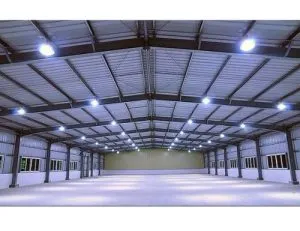 Whether it’s food products, pharmaceuticals, or even digital assets, cold storage ensures that sensitive items are preserved under optimal conditions. The ability to control temperature, humidity, and storage environments is what makes cold storage an indispensable part of modern logistics.
Without effective cold storage solutions, businesses would struggle to maintain quality, reduce waste, and meet regulatory requirements. The growing global demand for fresh produce, temperature-sensitive medicines, and secure digital storage has driven significant advancements in cold storage technology. With innovations such as IoT-based temperature monitoring, AI-driven logistics, and energy-efficient cooling solutions, the industry continues to evolve, enhancing efficiency and sustainability.
First a quick plug – Our sister companies Fresh Pharma whom are GDP Compliant Pharma couriers and ‘Fresh Fridge Hire‘ are our (compliant GDP) refrigerated vehicle hire
1. Understanding Cold Storage: A Vital Component of Logistics
Cold storage refers to temperature-controlled facilities designed to store perishable and temperature-sensitive goods. Whether it’s fresh produce, medicines, or even frozen technology components, maintaining the right conditions is essential.. Value Added Services can be carried out in the premises
Why Is Cold Storage Important?
- Prevents spoilage and waste: Reduces food and product loss due to improper storage.
- Ensures product quality and safety: Maintains optimal freshness and efficacy.
- Supports global supply chains: Extends shelf life, enabling international trade.
Cold storage is not just a convenience—it is a necessity in today’s interconnected economy.
2. The History and Evolution of Chilled warehousing
The concept of cold storage dates back centuries, but modern advancements have transformed the industry into a highly sophisticated system.
Key Milestones in Chilled warehousing Evolution:
| Era | Key Developments |
|---|---|
| Pre-19th Century | Ice houses and natural ice harvesting |
| 19th Century | Introduction of mechanical refrigeration |
| 20th Century | Expansion of refrigerated warehouses and transportation |
| 21st Century | Smart Chilled warehousing with IoT, AI, and energy-efficient systems |
3. How Chilled Warehousing Works: Key Components and Mechanisms
Cold storage facilities operate using three essential components:
- Refrigeration Systems: Maintain the required temperature levels.
- Insulation: Prevents external heat from affecting stored products.
- Temperature Monitoring: Ensures consistent storage conditions with real-time alerts.
For example, fresh produce requires a temperature range of 0°C to 4°C, while frozen goods need to be stored at -18°C or lower.
4. Different Types of Chilled warehousing Facilities
Chilled warehousing comes in various forms, each tailored to specific needs:
| Type | Temperature Range | Common Uses |
| Refrigerated Warehouses | 0°C to 10°C | Fresh produce, dairy products |
| Blast Freezers | -30°C to -40°C | Quick-freezing meat and seafood |
| Cold Rooms | Customizable | Pharmaceuticals, small-scale food storage |
5. Business Benefits of Cold Storage
Investing in Chilled warehousing solutions provides several advantages:
- Extended Shelf Life: Reduces waste and boosts profitability.
- Improved Product Quality: Maintains taste, texture, and nutritional value.
- Regulatory Compliance: Meets stringent safety and storage regulations.
Case Study: A dairy company in the UK cut spoilage rates by 30% after implementing an advanced Chilled warehousing system.
6. Cold Storage in the Food Industry
Chilled warehousing is indispensable in food logistics, helping keep products fresh from farm to table.
Applications:
- Slowing down ripening in fruits and vegetables.
- Preserving meat and seafood by preventing bacterial growth.
- Extending shelf life of dairy products and frozen foods.
Did You Know? Proper Chilled warehousing can extend the shelf life of strawberries by up to two weeks!
7. The Role of Cold Storage in Pharmaceuticals
Temperature-sensitive medicines and vaccines require precise storage conditions to maintain efficacy.
| Product | Storage Temperature |
| Insulin | 2°C to 8°C |
| COVID-19 Vaccines | -70°C (Ultra-cold) |
Improper storage can render medications ineffective, posing serious health risks.
8. Cold Storage in the Tech Industry: Protecting Digital Assets
Beyond physical goods, Chilled warehousing is also crucial in the technology sector, particularly in data security and cryptocurrency storage.
How It Works:
- Offline storage prevents cyber-attacks.
- Common examples: Hardware wallets and air-gapped computers.
Fun Fact: Over 80% of Bitcoin’s total supply is stored in Chilled warehousing to enhance security.
9. Essential Features of an Efficient Cold Storage Facility
For a cold storage facility to be truly effective, it must include:
- Advanced Temperature Control: Ensures consistent conditions.
- Energy Efficiency: Lowers costs and reduces environmental impact.
- Automation: Minimizes errors and enhances monitoring.
Pro Tip: Facilities with backup power systems prevent disruptions during outages.
10. Common Challenges in Cold Storage Management
Chilled warehousing operations face several challenges, but solutions exist to mitigate risks.
| Challenge | Solution |
| High Energy Costs | Invest in energy-efficient systems and renewable energy |
| Equipment Failure | Regular maintenance and real-time monitoring |
| Temperature Fluctuations | Advanced sensors and automated alerts |
11. Sustainability in Chilled warehousing: Reducing Environmental Impact
The cold storage industry is increasingly adopting sustainable practices.
Green Initiatives:
- Using renewable energy (e.g., solar power) to reduce electricity consumption.
- Energy-efficient refrigeration systems to cut emissions.
- Recycling waste heat generated by cooling processes.
Example: A leading UK Chilled warehousing company reduced its carbon footprint by 40% with sustainable upgrades.
12. The Impact of Technology on Cold Storage
Technology is reshaping cold storage operations with innovations like:
| Technology | Application |
| IoT | Real-time temperature monitoring |
| AI | Predictive maintenance and energy optimization |
| Blockchain | Enhancing supply chain transparency |
13. How to Choose the Right Cold Storage Provider
Selecting a reliable cold storage provider requires careful consideration.
Key Factors:
- Location: Proximity to suppliers and distribution centres.
- Capacity: Ability to meet storage volume needs.
- Cost: Transparent pricing with no hidden fees.
Checklist Before Choosing a Provider: ☑️ Visit the facility.
☑️ Verify compliance with industry standards.
☑️ Read customer reviews.
14. Future Trends in Chilled warehousing
The future of Chilled warehousing is evolving rapidly with emerging trends like:
- Smart Facilities: AI-driven, fully automated systems.
- Eco-Friendly Solutions: Enhanced sustainability measures.
- Modular Cold Storage: Scalable and portable units for dynamic needs.
15. Conclusion: Chilled Warehousing Drives Modern Logistics Efficiency
Chilled warehousing is the backbone of modern logistics, supporting food security, medical safety, and secure storage of digital assets. Efficient cold storage prevents spoilage, preserves potency, and maintains compliance with strict industry regulations. For instance, hospitals rely on temperature-controlled warehouses to store vaccines, insulin, and other life-saving medicines safely, while supermarkets depend on chilled facilities to maintain dairy, meat, and fresh produce quality. Failure to maintain proper temperatures can result in significant financial losses, safety risks, or regulatory penalties.
Modern chilled warehousing integrates advanced technologies such as IoT-enabled monitoring, AI-driven predictive analytics, and automated handling systems. IoT sensors track temperature, humidity, and airflow in real time, sending instant alerts to warehouse managers if conditions deviate from safe ranges. Predictive analytics help optimise inventory rotation and energy usage, reducing waste and carbon emissions. Automated storage and retrieval systems further enhance efficiency, minimising human error and increasing throughput for high-demand products.
Sustainability is a growing focus in chilled warehousing, with solar-powered cooling units, energy-efficient insulation, and heat-recovery systems reducing environmental impact. For example, several UK-based warehouses now operate on hybrid electricity systems, lowering operational costs while maintaining precise climate control.
The following table summarises common chilled warehousing practices across industries:
Industry |
Product Type | Ideal Storage Temperature | Technology Used | Example Use Case |
|---|---|---|---|---|
| Food & Beverage | Dairy products | 0°C – 4°C | IoT sensors, automated racks | Milk and cheese distribution to retail |
| Pharmaceuticals | Vaccines & medicines | 2°C – 8°C | Temperature loggers, AI analytics | Hospital vaccine storage |
| Biotechnology | Laboratory samples | -20°C – -80°C | RFID tracking, automated retrieval | Transport of genetic samples |
| Digital Assets | High-capacity servers | 18°C – 22°C | Climate-controlled racks, sensors | Secure data centre storage |
Final thoughts: chilled warehousing is the silent hero of modern supply chains. By embracing technological advancements and sustainable practices, it safeguards perishable goods, critical medical supplies, and sensitive assets. Staying informed about these developments ensures a more reliable, eco-friendly, and resilient logistics network for the future.
A refrigerated warehouse (also called cold storage) is a temperature-controlled facility used to store perishable goods such as food, pharmaceuticals, and chemicals. It maintains specific temperature ranges to preserve product quality and prevent spoilage. These warehouses use insulated panels, refrigeration systems, and humidity controls to maintain consistent conditions. The four main types of warehouses are: The cost varies depending on size, location, insulation, and refrigeration systems. For a 50,000 sq ft refrigerated facility, costs can range from £10 million to £20+ million, depending on specifications. Major cost factors: A reefer warehouse is simply another term for a refrigerated warehouse. The term “reefer” comes from refrigerated containers (reefers) commonly used in shipping and logistics. Temperature depends on what’s being stored: Examples include: There’s no universal legal minimum temperature, but: Work rotation and warming breaks are commonly required in extreme cold environments. Common refrigerated goods include: Refrigerated Storage

Alan is the Founder and MD at the Fresh Group of companies. You are welcome to use any information you find interesting. Please give us a link back to our webpage or post. It really helps SME’s rank in the UK.