
How to Book an 18t Refrigerated Vehicle from a UK Courier
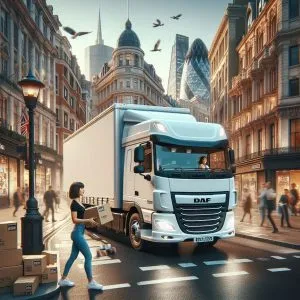 Refrigerated vehicles come in 7.5t, 18t and 26t in the main and are essential for transporting temperature-sensitive goods across the UK. Whether you’re in the food, pharmaceutical, or floral industries, reliable refrigeration during transport is crucial. This guide will help you understand why you might need an 18-tonne (18t) refrigerated vehicle, what these vehicles offer, the top couriers in the UK, and the essential features to consider before booking one.
First a quick plug – Our sister companies Fresh Pharma whom are GDP Compliant Pharma couriers and ‘Fresh Fridge Hire‘ are our (compliant GDP) refrigerated vehicle hire.
1. Why You Might Need an 18t Refrigerated Vehicle
Refrigerated vehicles play a critical role in keeping products fresh and safe during transport. Here’s why an 18t or 26t refrigerated vehicle might be essential for your business:
| Industry | Benefits of Refrigerated Vehicles |
| Food and Beverage | Keeps perishable items like dairy, meat, and fresh produce at optimal temperatures to prevent spoilage. |
| Pharmaceuticals | Essential for transporting temperature-sensitive medicines, vaccines, and lab samples that require precise temperature control. |
| Floral Industry | Flowers are delicate and can wilt quickly without proper cooling; refrigerated vehicles help maintain quality. |
| Event Catering | Ensures that fresh ingredients, meals, and beverages reach event sites in prime condition, enhancing food safety and quality for large-scale events and catering services. |
Booking a larger 18t refrigerated vehicle is particularly useful for bulk orders or when transporting a mix of items with varying temperature requirements. 18t refrigerated vehicles are predominately used for roll cage deliveries
2. What is an 18t Refrigerated Vehicle?
An 18t (18-tonne) refrigerated vehicle is a heavy-duty truck designed for large-scale transportation of temperature-controlled goods. Here’s a breakdown of what these vehicles offer:
| Specification | Description |
| Weight Capacity | 18t vehicles can carry up to 18 tonnes gross weight. This makes them suitable for transporting large volumes of goods. |
| Temperature Control | Equipped with advanced cooling systems, these vehicles can maintain precise temperature ranges, typically between -20°C to +20°C, to accommodate chilled, frozen, and ambient products. |
| Multi-Temperature Zones | Some models offer separate temperature zones, ideal for transporting different types of temperature-sensitive products simultaneously. |
| Insulation and Sealing | Thick insulation and airtight sealing ensure temperature consistency and prevent outside air from affecting internal conditions. |
| GPS and Monitoring Systems | Many refrigerated vehicles have GPS and real-time temperature monitoring systems, providing transparency and control over the shipment throughout the journey. |
An 18t refrigerated vehicle is typically chosen by businesses with large volumes of products, requiring bulk distribution without compromising product quality.
3. Key Features to Look for When Booking an 18t Refrigerated Vehicle
Booking the right refrigerated vehicle for your transport needs involves more than just selecting a size. Here are key features to consider:
| Feature | Importance |
| Temperature Control Range | Ensure the vehicle can maintain the required temperature range, especially if your goods need ultra-low or multi-temperature zones. |
| Insulation Quality | High-quality insulation ensures the vehicle can maintain consistent temperatures even during delays or in warm weather. |
| Real-Time Tracking | Real-time tracking and temperature monitoring systems are critical for monitoring temperature stability and ensuring compliance with cold chain requirements. |
| Loading Capacity and Accessibility | Confirm that the vehicle has the space and accessibility (such as loading ramps or hydraulic lifts) needed for smooth loading/unloading of bulk goods. |
| Backup Support | Check if the courier offers 24/7 support and has backup vehicles available to ensure continuity in case of breakdowns. |
When selecting a courier and vehicle, these features will contribute to the efficiency, safety, and quality of your temperature-sensitive goods during transit.
4. Steps to Book an 18t Refrigerated Vehicle from a UK Courier
Booking a refrigerated vehicle might seem complex, but following these steps can simplify the process and ensure you select the right vehicle and courier for your needs:
Step-by-Step Booking Guide
| Step | Action |
| 1. Define Your Requirements | Determine the specifics: load size, weight, temperature needs, delivery timeframe, and any special handling instructions for your goods. |
| 2. Research Couriers | Compare courier options based on services, experience, and customer reviews. Focus on those who specialise in refrigerated logistics for similar industry needs. |
| 3. Request Quotes | Contact several couriers for quotes on 18t or 26t vehicles. Provide clear details about your load to get an accurate quote and ask about any additional fees. |
| 4. Check Vehicle Availability | Ensure the vehicle you need is available for the dates and times required, especially if you need specific features like multi-temperature zones. |
| 5. Confirm Compliance | Verify that the courier complies with relevant cold chain standards (e.g., GDP for pharmaceuticals) and that their vehicle meets safety and temperature regulations. |
| 6. Review Terms | Review the terms and conditions, including insurance, liability, cancellation policies, and backup support options in case of vehicle failure. |
| 7. Finalise the Booking | After confirming all details, proceed with the booking. Ensure that you receive a written agreement outlining the delivery terms and any specific requirements. |
By following these steps, you can secure a reliable 18t refrigerated vehicle with confidence, ensuring your temperature-sensitive goods reach their destination in perfect condition.
Key Takeaways
Booking an 18t refrigerated vehicle in the UK requires a thorough understanding of your transport needs, knowledge of available couriers, and attention to key features. Ensuring your goods stay within the required temperature range during transport can make a significant difference in quality and compliance, especially in industries where safety and freshness are critical.
5. Costs Involved in Booking an 18t Refrigerated Vehicle
Booking an 18t refrigerated vehicle can involve several costs, depending on the specifics of the delivery. These include the distance, type of goods, and additional services required, such as real-time tracking, insurance, or multi-drop deliveries.
Breakdown of Common Costs
| Cost Factor | Description |
| Vehicle Rental | The base cost of renting a refrigerated vehicle, which may vary depending on the vehicle size and duration of hire. |
| Distance and Route | Longer distances generally increase the cost. Routes with challenging terrain or traffic can also lead to additional fees. |
| Temperature Requirements | Different temperature settings (chilled, frozen, multi-temperature) may affect the price, especially for more complex requirements. |
| Extra Services | Services such as real-time tracking, additional insurance, or special handling can increase costs. |
| Fuel Surcharges | Due to fluctuating fuel prices, some couriers may add a fuel surcharge, especially for long-distance or large vehicle bookings. |
| Loading and Unloading | If the vehicle needs specific equipment for loading/unloading (e.g., ramps, lifts), this can incur additional charges. |
Estimating the Cost
It’s important to get a comprehensive quote from your courier, clearly outlining all costs involved. Expect to pay for the total mileage, waiting times, and any additional handling services required for your goods. Some couriers also offer fixed prices for regular routes or specific industries, so it’s worth discussing these options.
6. Understanding the Insurance and Legal Requirements
When booking an 18t refrigerated vehicle, it is vital to understand the insurance and legal considerations involved. This ensures that both your goods and the transport process are adequately protected, and that the courier complies with all legal standards.
Key Insurance Considerations
| Insurance Type | Description |
| Goods in Transit Insurance | Covers the goods during transport against damage, loss, or theft. This type of insurance is often mandatory, especially for high-value items. |
| Vehicle Insurance | The courier’s vehicle insurance will cover damages or accidents involving the vehicle itself, but it’s important to confirm that the vehicle meets all required standards. |
| Temperature Failure Insurance | Specific coverage that protects against temperature fluctuations that may lead to the spoilage or damage of perishable goods. |
Legal Requirements for Refrigerated Transport
In the UK, refrigerated transport is governed by a number of regulations. Particularly for the transportation of food, pharmaceuticals, and medical products. Some of the key requirements include:
- Temperature Control Compliance. Goods must be transported within the required temperature range to meet health and safety standards.
- EU and UK Regulations. For goods being transported across borders, compliance with both UK and EU regulations (where applicable) is necessary. Particularly for goods like food and medicine.
- Driver Training and Qualifications: Drivers should have the correct training, such as certifications for handling temperature-sensitive cargo, and knowledge of safety and compliance standards.
- Cold Chain Integrity: Proper documentation must be maintained to prove that the temperature of the goods was continuously monitored throughout the journey.
It’s also worth checking with the courier to ensure that the vehicle meets Good Distribution Practices (GDP) for pharmaceutical shipments, if relevant.
7. Preparing Your Goods for Transportation
Proper preparation of your goods for refrigerated transport is essential to ensuring they arrive at their destination in perfect condition. The way goods are packed and loaded into the refrigerated vehicle can significantly impact their quality and safety.
Packaging and Handling Tips
| Goods Type | Preparation Tips |
| Perishable Food Items | Use insulated packaging and make sure the goods are pre-chilled before loading to prevent temperature fluctuations. |
| Pharmaceuticals | Pack in temperature-controlled containers, use gel packs, and ensure that goods are well insulated. Ensure items are kept within the desired temperature range. |
| Flowers and Plants | Use breathable packaging and place flowers in water bags to maintain hydration during transit. Avoid overpacking to allow air circulation. |
Loading and Securing Your Goods
- Avoid Overloading: Overloading can block air circulation within the vehicle, leading to uneven cooling. Ensure the goods are distributed evenly across the cargo area.
- Use Roll Cages and Pallets: These are essential for securing your goods and preventing movement during transport, which could damage the items or disrupt temperature control.
- Label Temperature-Sensitive Goods: Clearly label all temperature-sensitive items to help the driver take extra care when handling and unloading.
Ensuring the goods are packed correctly, clearly labelled, and secure is key to a smooth transport process.
8. Ensuring Timely Deliveries with the 18t Refrigerated Vehicle
Timely delivery is crucial in refrigerated transport, especially when transporting perishable goods. Ensuring your goods arrive on time and at the correct temperature requires careful planning and reliable logistics.
Steps to Ensure Timely Deliveries
| Factor | Actions to Ensure Timeliness |
| Optimise Routes | Plan the most efficient route to minimise delays. Avoid high-traffic areas, ensure that you have access to up-to-date route information, and factor in any roadworks. |
| Schedule Buffer Time | Always add extra time to your schedule to account for unexpected delays such as traffic or weather. |
| Monitor Weather Conditions | Keep an eye on weather forecasts, particularly for areas that could experience extreme weather, which can delay transport. |
| Real-Time Tracking and Communication | Use GPS tracking and maintain communication with the driver to address any issues quickly and adjust the delivery plan if needed. |
Communication is Key
Communication with both the courier and the recipient is essential for ensuring that goods are unloaded promptly upon arrival. This reduces the time spent in the vehicle, which helps maintain product quality.
9. What to Do in Case of Temperature Fluctuations within the 18t Refrigerated Vehicle
Despite careful planning and high-tech vehicles, there may be instances where temperature fluctuations occur. If you notice any temperature changes during transport, it’s essential to act quickly to avoid spoilage or damage to the goods.
What to Do if Temperature Fluctuations Occur
| Issue | Action |
| Minor Temperature Changes | Check the vehicle’s cooling system. If the issue persists, notify the driver immediately and request a detour to the nearest service point to assess the system. |
| Major Temperature Fluctuation | If the temperature moves outside the acceptable range (either too high or too low), consider halting the transport and finding a local refrigerated warehouse for storage until the issue is resolved. |
| Temperature Logs | If the vehicle is equipped with a temperature monitoring system, review the data logs to assess the cause of fluctuations. Ensure this information is shared with all parties. |
Proactive Measures
- Regular Checks: Ensure regular checks of the refrigeration system during transport to catch any potential issues early.
- Emergency Contingency Plan: Make sure both you and your courier have a contingency plan in place for emergencies. Include alternative storage or transport solutions if a breakdown occurs.
By being prepared for potential issues, you can mitigate the risks of temperature-related problems. Thus to ensure that your goods arrive safely.
10. Sustainability Considerations in 18t Refrigerated Vehicle Use
Sustainability is an increasingly important factor for businesses, especially in sectors reliant on refrigerated transport. The environmental impact of using 18t refrigerated vehicles can be significant. but there are several strategies and technologies that help reduce their carbon footprint and improve fuel efficiency.
Key Sustainable Practices
| Sustainability Initiative | Description |
| Fuel-Efficient Refrigeration Systems | Many modern refrigerated vehicles are equipped with fuel-efficient refrigeration units that reduce both fuel consumption and CO2 emissions. |
| Electric Refrigerated Vehicles | Some logistics companies are investing in electric refrigerated trucks, which produce zero tailpipe emissions and are an eco-friendly alternative. |
| Optimising Routes | By planning the most efficient routes, courier companies can reduce unnecessary mileage, resulting in lower fuel consumption and fewer emissions. |
| Carbon Offsetting Programs | Some courier services offer carbon offset programs that compensate for the emissions caused by transportation activities, often through funding renewable energy projects. |
| Temperature Monitoring | Real-time temperature monitoring helps reduce fuel waste by ensuring the refrigeration units are only running when necessary, avoiding unnecessary energy usage. |
Benefits of Sustainable Practices
- Lower Operating Costs: By using fuel-efficient vehicles and reducing energy waste. Logistics companies can reduce fuel consumption, leading to lower operational costs.
- Brand Reputation: Companies that adopt sustainable practices often enhance their reputation with environmentally conscious customers.
- Compliance: Adopting greener transport practices may help your business comply with increasing environmental regulations.
As environmental responsibility becomes more important, many logistics companies are focusing on making their refrigerated vehicle fleet more sustainable. When booking an 18t refrigerated vehicle, ask the courier about their sustainability initiatives.
11. Customer Reviews and Testimonials from Users of 18t Refrigerated Vehicles
When choosing a refrigerated vehicle provider, it’s essential to consider the experiences of other customers. Reviews and testimonials can provide valuable insight into the reliability and quality of service offered by couriers. As well as the condition of the vehicles.
Key Aspects to Consider in Reviews
| Review Aspect | What to Look For |
| Reliability | Customers often praise providers who maintain reliable vehicles and ensure timely deliveries without temperature failures. |
| Customer Service | Good customer service is key, especially if you have specific requirements or need assistance with troubleshooting. |
| Temperature Control Efficiency | Check if customers report maintaining optimal temperature ranges and if any temperature fluctuations occurred during transport. |
| Flexibility | Positive feedback may highlight a courier’s flexibility in handling unexpected requests or changes in delivery schedules. |
| Value for Money | Customers often highlight whether the service provided was worth the cost, especially in terms of service quality and reliability. |
Customer Testimonials Example
Many couriers proudly share customer testimonials on their websites. Which can give you a clear understanding of how their 18t refrigerated vehicles perform in real-world conditions. Look for reviews that mention on-time delivery, careful handling, and any special services like temperature monitoring.
12. Questions to Ask Your Courier Before Booking an 18t Refrigerated Vehicle
Before finalising your booking, it’s important to ask a few key questions to ensure the courier is a good fit for your needs. Here are some essential questions to ask:
| Question | Why It’s Important |
| What temperature range can your refrigerated vehicle maintain? | This ensures the vehicle can meet the specific temperature needs of your goods. |
| Do you provide real-time temperature tracking? | This gives peace of mind that the cargo is being kept at the correct temperature throughout the journey. |
| How do you handle delays or breakdowns? | Understanding their contingency plan ensures you’re prepared for any unexpected circumstances. |
| What are the fuel surcharge rates and additional fees? | Be clear on the total cost upfront to avoid surprises. |
| Can you accommodate special handling requests? | If your goods require special handling, such as fragile packaging or specific storage, confirm this is possible. |
These questions will help you select a reliable courier that can meet your refrigerated transport requirements efficiently.
13. Common Challenges and How to Avoid Them When Using an 18t Refrigerated Vehicle
While 18t refrigerated vehicle transport is reliable, there are several challenges that may arise. Understanding these challenges and how to avoid them is essential to ensuring smooth delivery.
Common Challenges and Solutions
| Challenge | Solution |
| Temperature Fluctuations | Ensure the vehicle is equipped with a high-quality refrigeration system and track temperatures throughout the journey. |
| Delays Due to Traffic or Road Conditions | Plan routes ahead of time, check real-time traffic data, and allow for extra time in case of unexpected delays. |
| Unexpected Vehicle Breakdown | Confirm that the courier has a contingency plan, such as a backup vehicle or roadside assistance for emergencies. |
| Unloading Delays | Coordinate unloading times with the recipient to avoid unnecessary waiting, which can affect the temperature of goods. |
| Handling of Fragile or Sensitive Goods | Choose a courier that offers careful handling and ensures proper packaging to prevent damage during transport. |
By being proactive in addressing these challenges. You can reduce the risk of delays and damage, ensuring the success of your refrigerated transport.
14. Conclusion: Making the Right Choice for Your 18t Refrigerated Transport Needs
Choosing the right 18t refrigerated vehicle for your business is a critical decision. That can impact the safety, quality, and efficiency of your deliveries. By following the tips and advice outlined in this guide. You can make an informed choice and ensure a smooth, hassle-free refrigerated transport experience.
Final Considerations
- Assess Your Needs: Understand the specific requirements of your goods, including temperature needs and delivery timelines.
- Research Couriers: Take the time to compare different couriers. Asking the right questions and reading customer reviews to find a reliable provider.
- Plan for Challenges: Be prepared for potential issues such as delays or temperature fluctuations and have contingency plans in place.
- Sustainability: Consider choosing couriers that offer eco-friendly options to reduce the environmental impact of your refrigerated logistics.
By making informed decisions and preparing in advance. You can ensure that your 18t refrigerated transport meets your business needs while keeping your products secure, and on time.
Refrigerated Vehicle
- How much weight can an 18T vehicle carry?
An 18T vehicle, also known as an 18-tonne truck, typically has a maximum payload capacity of around 9-11 tonnes (9,000-11,000 kg), depending on the weight of the vehicle itself and any fitted equipment, such as refrigeration units.
- How big is an 18T lorry?
An 18T lorry generally measures:
- Length: Around 9-11 meters
- Width: Approximately 2.5 meters
- Height: About 3.5 meters
These dimensions can vary based on the manufacturer and specific model but provide a good sense of its size, making it suitable for larger loads without exceeding road regulations.
- What is a refrigerated vehicle?
A refrigerated vehicle is a truck or van equipped with a temperature control system to transport perishable goods. This system can chill or freeze items, maintaining a specific temperature range (usually from -20°C to +5°C or more) throughout transportation to keep goods fresh, such as food, pharmaceuticals, and biological materials.
- What size is a refrigerator truck?
Refrigerator trucks come in various sizes, including:
- Small Vans: Suitable for city deliveries, holding up to 1-2 pallets.
- Larger Box Trucks: Typically 7.5-18 tonnes, capable of carrying larger volumes and commonly used in regional transport.
- Semi-Trailers: Can exceed 18 tonnes and handle 26-33 Euro pallets or more, typically used for long-distance haulage and large volumes.
- How many pallets are on an 18T?
How many pallets are on an 18T?
An 18T vehicle typically holds 14-16 standard UK chep pallets (1.2m x 1.0m) or 18-20 Euro pallets (1.2m x 0.8m), depending on the vehicle’s internal dimensions and specific configuration. This pallet capacity makes it ideal for medium to large deliveries.
- What does 18T MGW mean?
18T MGW stands for 18-tonne Maximum Gross Weight. This refers to the maximum legally permitted combined weight of the vehicle, its cargo, and passengers, as regulated by transport authorities. An 18T MGW vehicle can legally carry up to 18,000 kg in total, factoring in its payload capacity along with the vehicle’s unladen weight.

Alan is the Founder and MD at the Fresh Group of companies. You are welcome to use any information you find interesting. Please give us a link back to our webpage or post. It really helps SME’s rank in the UK.