
1. Introduction to Chilled Refrigerated Delivery in the UK
Chilled refrigerated delivery in the UK is a cornerstone of the modern logistics industry, playing a vital role in ensuring that reach their destinations in optimal condition. 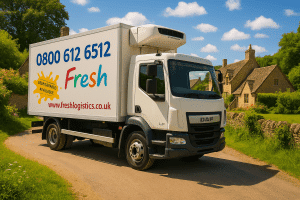 These delivery services involve transporting perishable goods within a specific chilled temperature range, typically between 0°C and 8°C, to maintain quality, freshness, and safety. With the rise of consumer demand for fresh products and strict regulations in food safety and pharmaceutical handling, temperature-controlled logistics have become more important than ever.
The importance of chilled refrigerated delivery services cannot be overstated. The UK government, through agencies like the Food Standards Agency (FSA) and Medicines and Healthcare products Regulatory Agency (MHRA), has imposed stringent regulations to ensure public safety. Delivering goods at the correct temperature helps to prevent bacterial growth, spoilage, and degradation of sensitive items, particularly food, medicines, and certain cosmetic or chemical products.
First a quick plug – Our sister companies Fresh Pharma whom are GDP Compliant Pharma couriers and ‘Fresh Fridge Hire‘ are our (compliant GDP) refrigerated vehicle hire.
1. Sustainability Is a Competitive Advantage
Investing in eco-friendly refrigeration methods (like CO₂ or cryogenic systems), electric vehicles, and route optimisation not only reduces environmental impact but also enhances brand image. Businesses that embrace sustainable cold chain logistics are more attractive to environmentally conscious customers and may benefit from government incentives.
2. Cost Isn’t Just About Distance
The price of chilled delivery depends on multiple factors including required temperature range, delivery time sensitivity, load volume, and even access conditions at the destination. Understanding these variables can help businesses make informed decisions and negotiate better service agreements.
3. Shared Logistics & Tech Drive Efficiency
Using shared transport solutions (multi-drop or pooled deliveries) and leveraging modern technology like real-time temperature tracking and route optimisation software can significantly cut costs without sacrificing reliability or safety in delivery.
A wide range of sectors depend on chilled refrigerated delivery services. The most common users include:
- Food and beverage producers: Dairy, meat, seafood, ready meals, and fresh produce.
- Pharmaceutical companies: Vaccines, insulin, and other temperature-sensitive drugs.
- Florists and agricultural suppliers: Fresh flowers and plant materials.
- Catering and hospitality businesses: Hotels, restaurants, and event venues.
Each of these industries relies on reliable chilled transportation to maintain their reputation, meet compliance standards, and deliver high-quality products to end users.
2. What Is Chilled Refrigerated Delivery in the UK?
Chilled refrigerated delivery in the UK refers to the transportation of goods in vehicles equipped with temperature control systems, specifically designed to maintain a chilled environment (0°C to 8°C) throughout the journey. This differs from frozen delivery, where goods are kept at sub-zero temperatures, often at -18°C or lower.
Key Differences Between Chilled and Frozen Delivery
| Feature | Chilled Delivery | Frozen Delivery |
| Temperature Range | 0°C to 8°C | -18°C or below |
| Typical Products | Fresh produce, dairy, meat | Ice cream, frozen meals |
| Shelf Life Impact | Extended but limited | Much longer preservation |
| Energy Requirements | Moderate | High |
| Unloading Time Sensitivity | High | Moderate |
Chilled delivery is more sensitive to fluctuations during unloading or transit delays, as items may quickly rise above safe temperatures, leading to spoilage.
Industries That Rely on Chilled Refrigerated Delivery
- Supermarkets and retailers: Daily restocking of fresh produce, meat, dairy, and chilled drinks.
- Catering services: Delivery of prepared meals and fresh ingredients to events and restaurants.
- Pharmaceutical and healthcare services: Critical for medicines like insulin, certain vaccines, and clinical trial materials.
- Agriculture and horticulture: Ensuring fresh flowers and plants remain viable in transit.
With the increase in online shopping and grocery delivery, the demand for reliable chilled transport solutions continues to grow, prompting advancements in vehicle technology and logistics management systems.
3. How Does Chilled Refrigerated Delivery Work in the UK?
Chilled refrigerated delivery in the UK operates through a comprehensive cold chain logistics system. This system ensures that products are kept within their required temperature range from the point of origin to the final destination.
Cold Chain Logistics Explained
The cold chain is a temperature-controlled supply chain that includes:
- Production site (e.g., food processing plant or pharmaceutical lab)
- Cold storage facilities
- Temperature-controlled transport (chilled vans or lorries)
- Retail or distribution centres
- Final delivery to the customer or end-user
Each stage of the cold chain must be meticulously managed to prevent temperature breaches. Even short periods outside the specified range can compromise product integrity.
Types of Refrigerated Vehicles and Technology Used
- Chilled Vans: Ideal for short, local deliveries. Often used by local butchers, bakers, and caterers.
- Refrigerated Lorries: Suitable for long-distance or large-volume transport. Feature powerful refrigeration units.
- Multi-Temperature Vehicles: Equipped with compartments to carry both chilled and frozen goods simultaneously.
Monitoring Systems in Chilled Refrigerated Delivery
Modern refrigerated delivery systems utilise advanced technologies:
- IoT Sensors: Continuously monitor and record internal temperature, humidity, and location.
- Telematics Systems: Provide real-time updates to fleet managers and alert them of any anomalies.
- Temperature Loggers: Ensure compliance by creating historical records for regulatory review.
These systems not only help meet regulatory requirements but also build customer trust by providing transparency and traceability.
4. Benefits of Chilled Refrigerated Delivery in the UK
Implementing a reliable chilled refrigerated delivery system in the UK provides numerous benefits across multiple sectors.
Ensures Product Freshness and Safety
Maintaining a consistent chilled environment prevents spoilage and bacterial growth. This is especially critical for items like dairy products, meat, and seafood. For example, milk kept above 8°C for several hours can spoil and become unsafe for consumption.
Compliance with UK Food Safety Regulations
UK businesses must adhere to regulations such as:
- The Food Hygiene (England) Regulations 2013
- The Food Safety and Hygiene (Scotland) Regulations 2013
- MHRA Guidelines for pharmaceuticals
Chilled refrigerated delivery services help businesses remain compliant by ensuring proper temperature control during transport.
Reduces Waste and Extends Shelf Life
Perishable goods that remain within the recommended temperature range experience less spoilage, leading to:
- Reduced financial loss from discarded products
- Fewer customer complaints
- More sustainable operations
For instance, extending the shelf life of prepared meals by even one or two days can significantly reduce waste for supermarkets.
Enhances Business Reputation
Reliability in chilled delivery leads to improved customer satisfaction and brand trust. Businesses that consistently deliver fresh, safe products are more likely to retain customers and receive positive reviews.
5. Industries That Depend on Chilled Refrigerated Delivery in the UK
A wide array of industries across the UK are deeply reliant on chilled refrigerated delivery services to maintain product quality, meet compliance, and satisfy consumer expectations.
Food and Beverage Industry
Perhaps the largest user of chilled logistics, the food and beverage industry includes:
- Supermarkets: Require daily restocking of fresh dairy, meats, fruits, and vegetables.
- Restaurants and Cafes: Depend on timely delivery of fresh ingredients.
- Online Grocery Services: Companies like Ocado and Tesco deliver chilled goods directly to households.
Even small businesses like local bakeries or delis require reliable chilled transport to keep their products fresh.
Pharmaceutical and Healthcare Sector
Pharmaceutical products often have strict temperature requirements:
- Vaccines and biologics: Often require temperatures between 2°C and 8°C.
- Clinical trial samples: Must remain stable and uncontaminated.
- Blood and tissue samples: Require careful handling and documentation.
Reliable delivery systems are critical to ensure patient safety and maintain regulatory compliance.
Floral and Perishable Goods
Fresh flowers are sensitive to temperature and humidity. Chilled refrigerated delivery helps preserve:
- Colour and appearance
- Fragrance and freshness
- Lifespan of flowers and plants
This is especially important for businesses supplying weddings, events, and retail florists.
Overall, chilled refrigerated delivery in the UK forms the backbone of perishable logistics, enabling a wide range of industries to function efficiently, safely, and sustainably.
6. UK Regulations for Chilled Refrigerated Delivery
Ensuring compliance with UK regulations for chilled refrigerated delivery is essential for businesses involved in the transport of perishable goods, particularly within the food and pharmaceutical sectors. The United Kingdom enforces strict legal standards to maintain food safety, protect public health, and ensure proper logistics management. Adhering to these regulations not only safeguards consumers but also protects businesses from legal repercussions and reputational damage.
Food Standards Agency (FSA) Guidelines
The Food Standards Agency (FSA) is a government department responsible for food safety and hygiene in England, Wales, and Northern Ireland. The FSA outlines critical standards for transporting perishable items, especially chilled goods, ensuring that they remain safe throughout the supply chain.
One of the core principles is that perishable foods such as meat, dairy, and seafood must be transported at specific temperatures—usually between 0°C and 5°C for chilled goods. FSA guidelines dictate that vehicles used for chilled refrigerated delivery must be regularly cleaned, sanitised, and inspected. Drivers and handlers are required to follow food hygiene protocols, including proper handwashing, the use of clean clothing, and avoidance of cross-contamination.
HACCP & GDP Compliance
Hazard Analysis and Critical Control Point (HACCP) is a globally recognised food safety system adopted across the UK. Businesses involved in chilled refrigerated delivery must implement HACCP to identify, monitor, and control biological, chemical, and physical hazards in their supply chain.
HACCP requires the identification of critical control points (CCPs) such as loading, unloading, and the maintenance of specific temperature thresholds. If temperatures rise above the safe limit, swift corrective actions—such as removing affected goods or rerouting deliveries—must be taken.
Good Distribution Practice (GDP), particularly relevant for pharmaceutical logistics, ensures that medical products are consistently stored and transported under suitable conditions. In the context of chilled refrigerated delivery, GDP requires the use of qualified vehicles, validated temperature monitoring systems, and full traceability of delivery routes and storage conditions.
Legal Requirements for Refrigerated Logistics
In the UK, legal frameworks governing chilled refrigerated delivery include The Food Safety Act 1990 and The General Food Law Regulation (EC) 178/2002. These laws mandate that food must not be placed on the market if it is unsafe, and businesses must have procedures in place to recall products if necessary.
All logistics companies must maintain full documentation, including:
| Document Type | Purpose |
| Temperature Logs | Evidence of compliance with chill chain requirements |
| Vehicle Maintenance Records | Proof that vehicles are roadworthy and refrigeration units are functional |
| Cleaning Schedules | Ensure hygiene standards are consistently met |
| Staff Training Certificates | Show that staff are knowledgeable in food handling and hygiene |
These legal obligations are regularly monitored by Environmental Health Officers (EHOs), who conduct routine inspections and can issue penalties or shutdown orders for non-compliance.
In summary, maintaining adherence to UK regulatory frameworks is vital in chilled refrigerated delivery. By following FSA guidelines, ensuring HACCP and GDP compliance, and meeting legal requirements, businesses can operate efficiently, ethically, and safely.
7. Choosing the Right Chilled Refrigerated Delivery Service
Selecting the right partner for chilled refrigerated delivery is a critical decision for any business that relies on the safe transport of temperature-sensitive goods. Whether you operate in the food, pharmaceutical, or horticultural sectors, ensuring that your delivery provider can meet your specific logistical needs can affect both customer satisfaction and regulatory compliance.
Key Factors to Consider: Temperature Control, Reliability, and Coverage
When choosing a chilled refrigerated delivery provider, the following elements must be closely evaluated:
- Temperature Control Capabilities
Look for a provider that offers precise, real-time temperature regulation. Some providers offer multi-compartment vehicles, allowing different temperature zones within a single van or lorry. This is especially beneficial for businesses delivering both frozen and chilled items simultaneously. - Reliability and Punctuality
The freshness and safety of chilled goods are dependent on timely delivery. An ideal provider should have a strong track record of on-time deliveries, even in challenging conditions like adverse weather or high-traffic urban zones. - Geographical Coverage
Consider whether you need a local or national delivery network. Local services may provide faster, more responsive delivery times, whereas national providers may offer better economies of scale and extended reach. - Fleet Size and Availability
A larger, well-maintained fleet ensures flexibility and resilience in case of vehicle breakdowns or peak delivery periods. - Technology and Tracking Systems
Advanced tracking, real-time updates, and temperature logging systems are invaluable tools that provide transparency and control throughout the logistics process.
Questions to Ask Potential Providers
To assess whether a potential chilled refrigerated delivery partner is the right fit, here are key questions to pose:
- What is your standard delivery temperature range?
- How often are your vehicles serviced and sanitised?
- Can I access real-time temperature and location data for my shipments?
- Do you provide contingency planning in the event of vehicle breakdowns?
- Are your drivers trained in food hygiene and HACCP standards?
- Do you offer bespoke solutions for multi-drop or time-sensitive deliveries?
The answers to these questions will reveal the provider’s capacity to meet your specific operational and regulatory requirements.
Comparing Local vs. National Services
Each type of provider has its own advantages, and the best choice often depends on your delivery footprint and business size:
| Service Type | Advantages | Drawbacks |
| Local Providers | Faster response times, more personalised service, flexibility | Limited reach, fewer vehicles and backup options |
| National Providers | Wider coverage, economies of scale, standardised service levels | May lack local knowledge or offer less customisation |
In conclusion, selecting a chilled refrigerated delivery service should be based on a comprehensive evaluation of operational needs, compliance expectations, and technological capabilities. A reliable logistics partner will protect the integrity of your goods and the reputation of your brand.
8. Challenges in Chilled Refrigerated Logistics
Operating in the realm of chilled refrigerated delivery involves navigating a range of logistical, technological, and regulatory challenges. The need to maintain constant temperatures, mitigate delays, and manage high operational costs makes cold chain logistics one of the most complex areas in modern supply chains.
Maintaining Consistent Temperatures
Perhaps the most crucial aspect of chilled refrigerated delivery is maintaining an uninterrupted cold chain from the point of origin to the final delivery destination. A lapse in temperature—even briefly—can lead to spoilage, safety concerns, and legal liability.
Factors that can disrupt temperature consistency include:
- Traffic delays causing extended journey times
- Equipment failures, such as faulty refrigeration units
- Door openings during multi-drop routes
- Poor packaging and insulation
To counter these risks, companies often use data loggers, temperature alarms, and backup cooling units. Continuous staff training is also vital, ensuring drivers understand the significance of rapid loading/unloading and door-sealing techniques.
Higher Operational Costs
The operational expenses involved in chilled refrigerated delivery are significantly higher compared to ambient logistics. This is due to:
- Specialised vehicles fitted with insulation and cooling systems
- High fuel usage by refrigeration units
- Regular vehicle maintenance and cleaning to meet hygiene standards
- Cost of monitoring technology and compliance documentation
Rising fuel prices, wage inflation, and equipment depreciation further add to these costs. Many businesses address this by investing in electric or hybrid refrigerated vehicles and route-optimisation software to improve efficiency.
Handling Delays and Breakdowns
Delays can be catastrophic in chilled refrigerated delivery, particularly when dealing with highly perishable goods like seafood, fresh dairy, or biological materials. Vehicle breakdowns, road accidents, or weather disruptions can result in spoiled cargo and broken contracts.
To mitigate these risks, logistics companies must:
- Maintain emergency protocols, such as rerouting deliveries
- Keep backup vehicles on standby
- Inform customers of delays in real time
- Use predictive maintenance systems to identify potential faults before they occur
Proactive contingency planning is critical. For example, a cold chain distributor supplying chilled artisan cheeses across the UK might equip its fleet with GPS-monitored, dual-compressor refrigeration systems and maintain partnerships with local couriers as backup.
Ultimately, the success of a chilled refrigerated delivery operation depends on its ability to pre-empt and resolve these challenges swiftly and efficiently.
9. Technology in Chilled Refrigerated Delivery
The integration of technology has transformed the landscape of chilled refrigerated delivery, improving transparency, reliability, and efficiency across the entire cold chain. Innovations like real-time temperature tracking, GPS-based fleet management, and automation have made it easier to meet increasingly strict safety and compliance standards.
Real-Time Temperature Monitoring
One of the most important technological advancements in chilled refrigerated delivery is the use of real-time temperature sensors. These IoT-enabled devices continuously monitor the internal temperature of delivery vehicles and transmit data to central monitoring systems.
Benefits include:
- Immediate alerts if temperatures fall outside safe limits
- Detailed historical logs for audits or inspections
- Enhanced accountability and proof of compliance
For example, a meat supplier distributing across England might use thermograph sensors that track compartment temperatures and alert drivers if readings breach 5°C. This allows for immediate action, such as diverting to a backup unit or adjusting the refrigeration system mid-route.
GPS Tracking for Refrigerated Vehicles
Global Positioning System (GPS) tracking enhances visibility and control over chilled refrigerated delivery operations. Managers can monitor the exact location of each vehicle, anticipate arrival times, and identify inefficiencies in real-time.
Key advantages include:
- Route optimisation to avoid traffic or weather delays
- Enhanced security, with alerts for unauthorised stops
- Improved customer satisfaction via live delivery updates
Combined with geofencing, GPS can automate alerts when vehicles enter or leave designated zones—ensuring faster responses to potential issues.
AI and Automation in Cold Storage
Artificial Intelligence (AI) is playing a growing role in chilled refrigerated delivery, particularly within cold storage facilities. AI-powered systems can predict demand patterns, optimise inventory placement, and automatically adjust storage temperatures based on product type.
Automated Guided Vehicles (AGVs) and robotic arms are also being deployed to handle delicate goods, reducing human error and improving speed. For example, an AI system in a refrigerated warehouse in Manchester could autonomously assign picking routes to robotic pickers, ensuring that chilled foods are stored and dispatched in the correct order.
Furthermore, AI-driven predictive maintenance systems can analyse data from refrigeration units and suggest repairs before breakdowns occur—minimising disruption and cost.
10. Sustainable Chilled Refrigerated Delivery in the UK
Sustainable chilled refrigerated delivery in the UK is becoming an increasingly vital aspect of modern logistics. As environmental concerns grow and regulations tighten, businesses must find ways to balance efficiency with eco-conscious practices. The cold chain industry, which involves the transportation of temperature-sensitive goods such as dairy, meat, pharmaceuticals, and fresh produce, is particularly energy-intensive. Therefore, adopting sustainable methods is both a moral and operational imperative.
Eco-Friendly Refrigeration Methods
Traditional refrigeration systems rely heavily on hydrofluorocarbons (HFCs), potent greenhouse gases that contribute to global warming. In response, many UK logistics providers are transitioning to natural refrigerants such as carbon dioxide (CO2), ammonia (NH3), and hydrocarbons like propane. These alternatives have significantly lower Global Warming Potential (GWP) and are more efficient in certain conditions.
For instance, CO2-based refrigeration systems, often referred to as transcritical CO2 systems, perform well in the cooler UK climate. These systems are increasingly used in refrigerated delivery vans and larger refrigerated trailers. Moreover, cryogenic cooling, which uses liquefied gases such as nitrogen, offers a chemical-free alternative ideal for urban deliveries where emissions and noise are tightly regulated.
Another advancement includes the integration of phase-change materials (PCMs), which can store and release thermal energy during the delivery process. These are particularly useful for maintaining a stable temperature without constant energy input, thus reducing power demands during transportation.
Electric & Hybrid Refrigerated Vehicles
One of the most promising trends in sustainable chilled refrigerated delivery is the rise of electric and hybrid vehicles. These vehicles eliminate or significantly reduce tailpipe emissions, which is crucial in meeting the UK’s Net Zero goals by 2050.
Electric refrigerated vans, such as the Renault Kangoo E-Tech and the Mercedes eSprinter, are gaining popularity in urban centres. These vehicles often incorporate solar panels on the roof to power refrigeration units, reducing strain on the battery. Hybrid options, which combine internal combustion engines with electric motors, provide a balance of range and efficiency for longer routes.
To further support the transition, the UK government has rolled out incentives such as the Plug-in Van Grant and offers for charging infrastructure development. These schemes make it more financially viable for companies to invest in green technology.
Reducing Carbon Footprint in Cold Chain Logistics
Beyond vehicles and refrigerants, there are numerous ways to minimise the carbon footprint of chilled refrigerated delivery. Route optimisation using GPS and AI helps reduce fuel consumption by avoiding traffic congestion and minimising idle times. Consolidated deliveries also help reduce the number of trips, enhancing both cost efficiency and environmental performance.
Packaging plays a crucial role too. Reusable insulated containers and biodegradable materials not only keep products at the right temperature but also cut down on single-use plastics. Additionally, digital temperature monitoring and real-time tracking ensure that goods are stored and transported under optimal conditions, reducing waste due to spoilage.
Investment in logistics hubs closer to urban centres also helps reduce emissions. By reducing the last-mile delivery distance, businesses can rely on smaller, electric-powered vehicles and reduce overall carbon output.
In conclusion, sustainable chilled refrigerated delivery in the UK requires a multifaceted approach—adopting cleaner technologies, refining operational practices, and adhering to stricter environmental standards. With growing consumer awareness and regulatory pressure, businesses that invest in sustainability are likely to gain a competitive edge in the years to come.
11. Cost of Chilled Refrigerated Delivery Services in the UK
Understanding the cost of chilled refrigerated delivery services in the UK is essential for businesses managing temperature-sensitive supply chains. This section explores the factors influencing pricing, how to manage costs effectively, and how to compare quotes to find the best value.
Pricing Factors: Distance, Temperature Requirements, Volume
Several key variables influence the cost of chilled refrigerated delivery in the UK.
- Distance: Longer routes naturally incur higher costs due to fuel consumption, driver hours, and vehicle wear and tear. Urban deliveries may involve additional costs related to congestion charges or limited access zones.
- Temperature Requirements: The colder the required temperature (e.g., frozen vs. chilled), the more energy the refrigeration unit must use, increasing operational costs. Highly sensitive items may require specialised equipment.
- Volume and Load Type: Larger or bulkier loads require bigger vehicles, which consume more fuel and space. Partial loads might incur higher costs per unit unless bundled with other deliveries (multi-drop logistics).
- Time Sensitivity: Deliveries that require same-day or timed delivery slots can be more expensive due to increased coordination and potential for dedicated vehicles.
- Access Conditions: Remote or hard-to-reach delivery locations can increase costs due to additional time, fuel, and vehicle suitability requirements.
| Factor | Impact on Cost |
| Long Distance | Increases fuel and labour costs |
| Sub-zero Temperature | Requires more powerful and expensive refrigeration |
| Large Volume | Necessitates larger vehicles, affecting fuel usage |
| Multi-drop Efficiency | Can reduce per-unit delivery cost |
| Timed Deliveries | May need bespoke scheduling, increasing costs |
| Challenging Access | Can require special vehicles or longer unloading |
How to Reduce Costs Without Compromising Quality
There are several ways businesses can keep costs manageable without sacrificing the quality of chilled deliveries:
- Optimise Delivery Schedules: Consolidating orders and planning efficient routes can significantly lower mileage and fuel costs.
- Negotiate Contracts: Long-term partnerships often result in better rates than ad-hoc bookings.
- Leverage Technology: Real-time temperature tracking ensures compliance without manual checks, reducing labour costs and improving efficiency.
- Choose the Right Vehicle Size: Using appropriately sized vehicles prevents underutilisation and lowers fuel consumption.
- Shared Transport Solutions: Collaborating with other businesses to share delivery vehicles can cut costs while maintaining reliability.
- Flexible Delivery Windows: Offering a broader delivery window can reduce the need for premium timed services.
Comparing Quotes from Different Providers
When comparing quotes for chilled refrigerated delivery, it’s important to look beyond just the price tag. Consider:
- Service Inclusions: Does the quote include insurance, temperature monitoring, and unloading?
- Experience: Does the provider specialise in your industry (e.g., food, pharmaceuticals)?
- Reputation: Reviews and testimonials can offer insights into reliability and customer service.
- Sustainability Practices: Choosing a green provider may offer long-term cost savings and align with CSR goals.
- Technology Use: Modern tracking, route optimisation, and data reporting can ensure smoother logistics operations.
Creating a comparison table may help in assessing multiple providers:
| Provider | Base Price | Temperature Range | Inclusions | Sustainable Options | Client Ratings |
| ColdChain Ltd | £50/load | 0°C to 5°C | GPS, Temp Tracker, Unloading | Electric Fleet | 4.8/5 |
| ChillFast UK | £45/load | -1°C to +7°C | Basic insurance only | None | 4.2/5 |
| EcoFreeze Ltd | £55/load | -5°C to +4°C | Full package + CO2 cooling | Solar & Hybrid | 4.9/5 |
In summary, while chilled refrigerated delivery services in the UK come with significant costs, understanding pricing factors and applying strategic cost-saving measures can help businesses optimise their logistics budgets effectively.
12. Same-Day & Next-Day Chilled Refrigerated Delivery in the UK
When speed is of the essence, businesses across the United Kingdom increasingly rely on same-day and next-day chilled refrigerated delivery to ensure the freshness, quality, and compliance of perishable goods. Whether you operate in the food, pharmaceutical, or floral industries, having a rapid-response cold chain logistics solution is essential for customer satisfaction and regulatory adherence.
When Urgent Chilled Refrigerated Delivery Is Needed
There are numerous scenarios in which a company might require urgent chilled refrigerated delivery. For instance:
- Emergency resupply of perishable food to restaurants or supermarkets due to unexpected demand.
- Pharmaceutical deliveries where temperature-sensitive medicines or vaccines must be maintained within strict temperature ranges.
- Special events and catering, such as weddings or corporate gatherings, which may demand fresh ingredients or chilled beverages at short notice.
- E-commerce or subscription boxes offering same-day or next-day delivery of gourmet foods or chilled produce.
In each of these cases, the timely arrival of goods is as important as maintaining the correct temperature range, often between 0°C and 8°C for chilled items.
Best Providers for Fast Chilled Logistics in the UK
Selecting the right provider for chilled refrigerated delivery involves more than simply choosing a courier. It requires assurance that your products will be handled with the utmost care using industry-standard equipment and protocols. Top UK providers often include:
| Provider | Coverage Area | Services Offered | Technology Used |
|---|---|---|---|
| Reed Boardall | Nationwide | Chilled and frozen logistics, warehousing | Real-time tracking, telematics |
| M&H Transport | London & South East | Urgent same-day chilled delivery | Temperature-monitored vans |
| Nagel Langdons | National & EU-wide | Multi-temperature transport | Dual-compartment lorries |
| FreshLinc | UK & Europe | Time-critical chilled food logistics | IoT monitoring, real-time data |
It’s also crucial to look for operators with FORS accreditation, ISO certifications, and those compliant with HACCP standards, which ensure proper handling of food and medical products.
How to Ensure Speed Without Sacrificing Safety in Chilled Refrigerated Delivery
Balancing speed with safety in chilled refrigerated delivery requires robust processes and cutting-edge technology. Businesses should look for logistics partners who offer:
- Real-time temperature monitoring, with alerts if a consignment goes out of range.
- GPS tracking for live ETAs and route optimisation to reduce delays.
- Well-maintained refrigerated fleets, including multi-temperature vehicles to carry mixed loads.
- Trained drivers who understand the specific requirements of chilled goods and comply with food safety regulations.
Ultimately, the success of same-day or next-day deliveries hinges on tight coordination between warehouse, transport and client communication teams. Investing in logistics software or partnering with tech-enabled couriers can significantly reduce the risk of product spoilage during transit.
13. Case Study: Successful Chilled Refrigerated Delivery in the UK
Real-world examples provide valuable insights into how chilled refrigerated delivery transforms operational efficiency and customer satisfaction. This case study highlights a UK-based meal prep company that revolutionised its delivery process using high-quality chilled logistics.
Example of a Business Benefiting from Chilled Logistics
Company: FreshFit Meals Ltd (Leeds, West Yorkshire)
FreshFit Meals, a fast-growing meal prep company serving health-conscious consumers across the UK, faced logistical challenges with product freshness and delivery consistency. With expanding online orders and rising customer expectations, maintaining product integrity became a top priority.
Challenges:
- Frequent delays with general couriers not specialised in cold chain delivery.
- Customer complaints about warm or spoiled meals.
- Inability to track deliveries in real-time.
- High wastage rates and compliance concerns with food safety regulations.
Solution Implemented: FreshFit partnered with a specialist chilled refrigerated delivery provider offering same-day and next-day services. This included:
- GPS-tracked refrigerated vans with 24/7 temperature logs.
- Integration of booking systems with FreshFit’s e-commerce platform for seamless logistics.
- Custom packaging to reduce transit vibration and maintain freshness.
Results:
- 35% increase in customer satisfaction scores.
- 45% reduction in food spoilage and wastage.
- 60% improvement in delivery punctuality.
- Stronger compliance with environmental health standards.
Key Takeaways for Other Companies
- Specialised delivery partners matter: Working with providers who understand your product and industry ensures better outcomes.
- Data and visibility are vital: Being able to track both location and temperature in real-time prevents losses.
- Customer loyalty improves with reliability: FreshFit saw a marked increase in repeat customers once they improved the delivery experience.
For any company operating in the food, floral, or pharmaceutical sectors, investing in quality chilled logistics isn’t just a matter of operational necessity—it’s a competitive edge.
14. Future Trends in Chilled Refrigerated Delivery in the UK
As technology evolves, so too does the landscape of chilled refrigerated delivery in the UK. Several key trends are set to reshape the industry over the next decade, promising improved efficiency, sustainability, and speed.
Advances in Cooling Technology
One of the biggest shifts is in the development of eco-friendly refrigeration units and battery-powered cooling systems. Traditional diesel-powered fridge units are under scrutiny due to environmental concerns, and innovations now include:
- Electric refrigeration systems: Used in electric delivery vans, reducing carbon emissions.
- Phase-change materials (PCM): These gels or panels can maintain set temperatures for long periods without mechanical cooling.
- Solar-powered chillers: Ideal for remote or off-grid deliveries, especially useful in rural parts of the UK.
Moreover, new smart sensors can adjust cooling levels based on ambient temperature and product requirements, extending product life and reducing energy waste.
Drone & Autonomous Refrigerated Deliveries
Although still in early testing stages, drone and autonomous vehicle deliveries offer exciting potential. For example:
- Medical deliveries: Small refrigerated drones have been used in remote parts of Wales for urgent medicine delivery trials.
- Urban deliveries: Autonomous pods, such as those developed by Starship Technologies, could eventually include cooled compartments for fresh goods.
As regulatory frameworks evolve and pilot schemes increase, these technologies could make niche, high-speed deliveries more accessible and reduce inner-city congestion.
Growing Demand for Cold Chain Logistics
Consumer behaviour is a key driver in the evolution of chilled refrigerated delivery:
- Online grocery and meal kit services are booming, creating high demand for reliable cold chain fulfilment.
- Pharmaceutical and vaccine logistics are expanding, with NHS contracts increasingly dependent on compliant temperature-controlled supply chains.
- Sustainability concerns are pushing companies to audit their supply chains for carbon impact, incentivising greener cold chain solutions.
With these factors at play, businesses must remain agile, tech-savvy, and forward-looking to stay competitive in this rapidly evolving sector.
15. Finding the Right Chilled Refrigerated Delivery Partner in the UK
Summary of Key Points
Chilled refrigerated delivery is an essential service for a wide array of industries in the UK, including food production, healthcare, and floristry. Key considerations include:
- The importance of reliable, same-day or next-day options for perishable goods.
- Choosing a delivery provider with advanced temperature tracking, route optimisation, and industry-specific expertise.
- Staying informed about emerging technologies such as electric refrigeration, smart sensors, and autonomous transport systems.
How to Find the Best Chilled Refrigerated Delivery Partner
When selecting a provider, consider the following criteria:
| Criteria | Why It Matters |
|---|---|
| Temperature control technology | Ensures product integrity throughout transit |
| Speed and flexibility | Supports dynamic business needs and consumer demand |
| Industry experience | Reduces risk of compliance issues or mishandling |
| Environmental credentials | Helps meet sustainability goals and consumer values |
Ask for references, inspect their fleet, and request a trial delivery to evaluate real-world performance.
If your business depends on the timely and safe delivery of temperature-sensitive products, it’s time to elevate your logistics strategy. Partner with a trusted chilled refrigerated delivery expert that understands your needs.
Refrigerated Delivery
- What are the primary uses of refrigerated Lorry services?
Refrigerated Lorry services are primarily used for transporting perishable goods such as food, pharmaceuticals, flowers, and chemicals that require specific temperature conditions to remain fresh and effective.
- How do refrigerated Lorry services ensure product safety?
Refrigerated Lorry services ensure product safety by maintaining precise temperature control, using high-quality insulation materials, and employing real-time temperature monitoring systems.
W
- What are the most common challenges faced in refrigerated Transport?
The most common challenges include maintaining consistent temperature, high operational costs, regulatory compliance, and environmental impact.
- How is technology improving refrigerated Lorry services?
Technology is improving refrigerated Lorry services through advanced refrigeration units, real-time temperature monitoring, automation, and IoT integration, which enhance efficiency and reliability.
- What should I consider when choosing a refrigerated Lorry service provider?
When choosing a provider, consider factors such as reliability, experience, technology, customer service, compliance with regulations, and how they handle emergencies or temperature deviations.
Refrigerated Delivery
- How do I know what temperature range is required for my perishable items?
The required temperature range will depend on the specific perishable item you want to transport. For example, frozen food may require a temperature range of -18°C to -20°C, while fresh produce may require a temperature range of 0°C to 5°C.b Pharma 2°C to 8°C and positive ambient 15°C to 25°C. Consult with a refrigerated delivery service to determine the temperature range needed for your specific items if you are unsure.
- How can I ensure that my items are properly packaged for transit?
Proper packaging is crucial for ensuring that perishable items remain fresh during transit. Choose packaging materials that are suitable for the specific item you’re transport and ensure that they provide adequate insulation and protection. Label the package as perishable and include instructions for handling and storage.
- What should I do if my items are damaged during transit?
If your items are damaged during transit, contact the refrigerated delivery service immediately to report the issue. They may offer a refund or replacement, depending on the circumstances. Check that they hold Goods In Transit insurance BEFORE you use them
- Can refrigerated delivery services transport items internationally?
Yes, refrigerated delivery services in the UK offer international transport for perishable items in a van. International deliveries in Europe will require the refrigerated delivery company to be awarded International Operator Licence. If the refrigerated delivery company does not have a IOL your goods could be impounded and be at a total loss with the cost of disposal is expected to be met by you.. However, additional regulations and requirements may apply, so be sure to consult with the refrigerated delivery service and research any necessary permits (Vet Cert for meats) and certifications required.
- What is the average delivery time for refrigerated delivery services?
The delivery time will depend on the distance between the pickup and delivery locations, as well as any additional transit time for customs or inspections. Consult with the refrigerated delivery service to get an Estimated Time of Arrival (ETA) for your specific shipment.
- What if I need to cancel or reschedule my shipment?
Contact the refrigerated delivery service as soon as possible to cancel or reschedule your shipment. Depending on the service’s policies, there may be a fee or penalty for cancellations or changes made after a certain point in the transport process. If you give more than 24 hours notice apart from statutory costs (pre booked ferries for example) their should not be any further costs applied. if their are you are using the wrong company.

Alan is the Founder and MD at the Fresh Group of companies. You are welcome to use any information you find interesting. Please give us a link back to our webpage or post. It really helps SME’s rank in the UK.