
Food Fraud Within Food Manufacturers in the UK:
Understanding the Problem and Solutions
 Food is an essential aspect of our lives, and we expect it to be safe and nutritious. However, the food industry has been experiencing a growing problem in recent years of Food Fraud . A significant challenge that food manufacturers face, affecting not only consumers’ health but also the industry’s reputation and finances.
This article explores the problem within food manufacturers in the UK. We will discuss what food fraud is, its impact on the food industry, the common types and causes of food fraud in the food industry. How to detect and prevent damaging activity
First a quick plug – Our sister companies Fresh Pharma whom are GDP Compliant Pharma couriers and ‘Fresh Fridge Hire‘ are our (compliant GDP) refrigerated vehicle hire.
What is Food Fraud?
The intentional act of deceiving consumers by misrepresenting food products, ingredients, or packaging for financial gain. It can involve the substitution, addition, tampering, or misrepresentation of food products, packaging, or labelling. Food fraud is not the same as food safety issues, which occur due to contamination, toxins, or other hazards.
The Impact on the Food Industry
Creates severe consequences for the food industry. The reputational damage caused can result in loss of consumer trust, and ultimately, reduced sales and profits. The financial losses caused can also be significant, with some estimates suggesting that it costs the industry billions of pounds every year. Compromising food safety, causing illnesses and deaths.
Common Types of Food Fraud
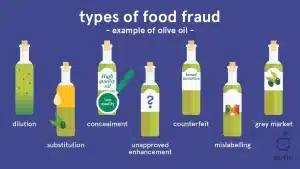
There are several types that food manufacturers can fall victim to. Some common examples include:
- Substitution: Substituting one ingredient for another cheaper or inferior ingredient.
- Dilution: Adding a cheaper ingredient to the product to increase its weight or volume.
- Adulteration: Adding an unauthorised substance to the product, such as a colouring agent, to enhance its appearance or flavour.
- Mislabelling: Falsely labelling the product or its ingredients, such as labelling a product as organic when it is not.
- Counterfeiting: Creating fake products or packaging to mimic a popular product.
The Causes in the Food Industry
There are several reasons why, in the food industry. Some of the common causes include:
- Profit Motive: The primary reason is financial gain. The desire to maximise profits can lead to fraudulent activities.
- Complex Supply Chains: The food industry has complex supply chains that can make it difficult to trace the origin of ingredients, making it easier to simpler to commit.
- Weak Regulations: The lack of strict regulations can make it easier to deceive consumers and the industry.
- Lack of Transparency: Lack of transparency in the food industry can make it challenging for easy detection.
- Low Risk of Detection: The low risk of detection can make an attractive option for fraudsters.
How to Detect Food Fraud in the Food Industry
Detecting food fraud can be challenging, but there are several ways to identify it, including:
- Analysing the product’s composition: This involves testing the product to detect any adulteration or substitution.
- Examining the product’s labelling: Examining the product’s label to check for any discrepancies or mislabeling.
- Conducting audits: Regular audits can help identify any irregularities in the supply chain.
- Monitoring social media and consumer complaints: Monitoring social media and consumer complaints can provide early warning signs.
Preventing Food Fraud in the Food Industry
Prevention requires a concerted effort from all players in the food industry, including manufacturers, suppliers, regulators, and consumers. Some ways to prevent food fraud include:
- Establishing strict regulations: Implementing strict regulations can deter illegality and provide a legal framework for prosecuting offenders.
- Enhancing transparency: Improving transparency in the supply chain can help detection and prevention.
- Conducting regular audits: Regular audits can help identify any vulnerabilities in the supply chain and preventative actions
- Educating consumers: Educating consumers can help them identify and report any suspicious activities.
The UK Landscape
It is a significant problem in the UK, with some estimates suggesting that it costs the industry billions of pounds every year. The UK government has taken steps to address the issue, including establishing the Food Crime Unit, which aims to tackle food crime and protect consumers.
Cases in the UK
The UK has had several high-profile cases in recent years. Some examples include:
- The horsemeat scandal: In 2013, it was discovered that several beef products contained horsemeat, causing a significant public outcry.
- The olive oil scandal: In 2015, it was discovered that some olive oil products contained lower-quality oils, which were falsely labelled as extra-virgin olive oil.
- The honey laundering scandal: In 2018, it was discovered that some honey products contained illegal antibiotics and other substances.
-
The Role of Government in Preventing Food Fraud
The UK government plays a crucial role in preventing food fraud and protecting both consumers and businesses. Effective prevention requires strong regulation, active enforcement, and collaboration with the food industry. Through regulatory frameworks and dedicated investigative bodies, the government works to detect fraudulent practices and maintain trust within the national food supply chain. These measures help ensure that food products are accurately labelled, safe to consume, and traceable throughout the supply chain.
One important step taken by the government is the establishment of the National Food Crime Unit. This specialist unit investigates serious food fraud offences and works with enforcement agencies to prosecute offenders. By targeting organised criminal activity within the food sector, the unit helps deter fraudulent practices and safeguard public health. The presence of a dedicated investigative body also improves intelligence sharing between regulators, law enforcement, and industry stakeholders.
The UK has also introduced strict regulatory requirements to improve transparency in the food supply chain. Measures such as mandatory country-of-origin labelling help consumers understand where their food comes from and make informed purchasing decisions. These regulations also encourage suppliers and distributors to maintain accurate records, reducing opportunities for misrepresentation or substitution of products.
Collaboration between government and industry is equally important. Regulators work closely with producers, manufacturers, logistics providers, and retailers to develop strategies that strengthen supply chain integrity. Joint initiatives, guidance programmes, and industry partnerships allow businesses to adopt best practices for fraud prevention. Through these combined efforts, the government helps create a safer and more transparent food system.
The Role of Technology in Detecting and Preventing Food Fraud
Technology is becoming a powerful tool in detecting and preventing food fraud across the supply chain. Advanced technologies provide improved visibility, traceability, and verification of food products, allowing businesses and regulators to identify suspicious activities quickly. By combining digital monitoring systems with scientific testing methods, companies can strengthen their defence against fraudulent practices.
One emerging solution is blockchain technology, which provides a secure and transparent digital ledger for recording supply chain transactions. Each stage of the food production and distribution process can be recorded and verified, creating a permanent record that cannot easily be altered. This allows businesses to trace ingredients back to their source and quickly identify inconsistencies in the supply chain. Blockchain systems also improve accountability among suppliers and distributors.
DNA testing is another valuable method used to verify product authenticity. This scientific technique can identify whether a food product has been adulterated or substituted with another ingredient. For example, DNA analysis can confirm whether meat products contain the species listed on the label. This testing method became widely recognised after previous food fraud scandals, demonstrating its effectiveness in protecting consumers.
Smart packaging technologies are also helping prevent food fraud and maintain product quality. Packaging equipped with sensors can monitor temperature, humidity, and potential tampering during transportation and storage. These systems provide real-time alerts if conditions fall outside acceptable ranges or if packaging integrity is compromised.
By combining government oversight with modern technological solutions, the food industry can significantly reduce the risks associated with food fraud. These tools improve traceability, strengthen supply chain transparency, and help ensure that food products remain authentic, safe, and trustworthy for consumers.g.
Conclusion: Addressing the Growing Problem of Food Fraud
Food fraud is an increasing concern that presents serious risks to both the food industry and consumers. It involves the deliberate substitution, mislabelling, or adulteration of food products for financial gain. These practices can undermine consumer trust, damage brand reputations, and create significant public health risks. When fraudulent products enter the supply chain, businesses may unknowingly distribute goods that fail to meet safety standards or regulatory requirements.
Preventing food fraud requires a multi-layered approach that involves every participant in the food supply chain. Producers, processors, distributors, retailers, and logistics providers all share responsibility for ensuring product authenticity and traceability. Businesses must implement robust supplier verification processes, maintain clear documentation, and use reliable traceability systems to track products throughout the supply chain. Regular audits, quality checks, and staff training are also essential to detect suspicious activity and maintain high standards of food integrity.
Technology also plays an increasingly important role in combating food fraud. Digital traceability systems, blockchain platforms, and real-time monitoring tools allow companies to verify product origins and identify inconsistencies quickly. These technologies enhance transparency across supply chains and provide stronger evidence when investigating potential fraud.
The UK Government has also recognised the seriousness of food fraud and taken steps to address the issue through stronger regulatory frameworks and enforcement initiatives. Organisations such as the Food Standards Agency continue to monitor threats and support businesses in protecting food authenticity.
In conclusion, tackling food fraud requires collaboration, vigilance, and strong regulatory support. By adopting proactive prevention measures and strengthening supply chain transparency, the food industry can protect consumers, maintain product integrity, and safeguard public confidence in the food system.
Food Fraud
- What is food fraud?
Food fraud involves the intentional act of deceiving consumers by misrepresenting food products, ingredients, or packaging for financial gain.
- What are the common types of food fraud?
Common types of food fraud include substitution, dilution, adulteration, mislabelling, and counterfeiting.
- How can food fraud be detected?
Food fraud can be detected by analysing the product’s composition, examining the product’s labelling, conducting audits, and monitoring social media and consumer complaints.
- How can consumers protect themselves from food fraud?
Consumers can protect themselves from food fraud by buying products from reputable sources, reading the labels carefully, being aware of any suspicious activities, and reporting any concerns to the appropriate authorities.
- What are the potential health risks associated with food fraud?
Food fraud can pose significant health risks to consumers, such as exposure to harmful substances or allergens, foodborne illnesses, and decreased nutritional value. It can also undermine public trust in the food industry and regulatory authorities.

Alan is the Founder and MD at the Fresh Group of companies. You are welcome to use any information you find interesting. Please give us a link back to our webpage or post. It really helps SME’s rank in the UK.