
Roll Cages Delivery on a Refrigerated Specialised 18t Lorry
Introduction to Refrigerated 18t and 26t Lorries in Food Logistics for Roll Cages Delivery
Overview of the Role of Refrigerated Lorries in UK Food Logistics
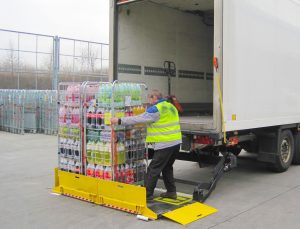
Refrigerated lorries are a vital component in the UK’s food logistics sector, transporting temperature-sensitive goods such as fresh produce, dairy, meat, and frozen products in Roll Cages Delivery. As consumers demand faster deliveries and higher standards of freshness, the need for vehicles that can maintain consistent cold chain management has become more crucial than ever.
These lorries are equipped with advanced refrigeration units to ensure that products remain at the correct temperature throughout the delivery process. By preventing spoilage and reducing food waste, they ensure that goods reach their destination in optimal condition, which is key for both retailers and consumers.
Before this blog starts on Roll Cages Delivery. First a quick plug – Our sister companies Fresh Pharma whom are GDP Compliant Pharma couriers and ‘Fresh Fridge Hire‘ are our (compliant GDP) refrigerated vehicle hire.
Key Takeaways for Roll Cages Delivery
| Takeaway | Description |
| Temperature Control | Essential for food safety and quality |
| Operational Efficiency | Larger lorries optimise delivery processes |
| Sustainability | Reducing carbon footprints through consolidated deliveries |
Introduction to 18-tonne and 26-tonne Specialised Lorries for Roll Cages Delivery
Within the category of refrigerated lorries, 18t and 26t vehicles are particularly useful for transporting roll cages—mobile, wheeled containers that allow for the easy movement of goods. These lorries are large enough to carry multiple roll cages, making them ideal for businesses that handle high volumes of perishable items.
- 18-tonne lorries are suitable for medium-sized deliveries, commonly used by supermarkets, grocery stores, and regional food distributors.
- 26-tonne lorries offer a higher capacity, making them ideal for large-scale deliveries, particularly for national distribution centres and bulk orders.
Importance of Using the Right Vehicles for Efficient Roll Cages Delivery
Selecting the right-sized lorry is critical for maximising delivery efficiency. Overloading a vehicle can lead to delays, safety risks, and compromised refrigeration, while under utilising a vehicle results in wasted resources and higher operational costs. 18t and 26t lorries strike a balance between capacity and manoeuvrability, enabling businesses to handle larger loads without sacrificing efficiency or safety.
| Feature | 18t Lorry | 26t Lorry |
| Capacity | Medium capacity (suitable for regional deliveries) | Large capacity (suitable for national distribution) |
| Ideal Use | Supermarkets, small to medium grocery stores | Large distribution centres, bulk deliveries |
| Manoeuvrability | More manoeuvrable in urban areas | Less manoeuvrable, but ideal for high-volume routes |
| Operational Costs | Lower fuel costs due to smaller size | Higher fuel costs but more cost-efficient for large deliveries |
2. What Are Roll Cages Delivery and Their Role in Food Logistics?
Defining Roll Cages and Their Function in Food Logistics
Roll cages are mobile, four-wheeled containers used for transporting goods in a safe and organised manner. Typically made of metal, they are designed to hold multiple layers of products and can be easily moved around warehouses, into delivery vehicles, and directly to the store or point of sale. In the food logistics industry, they are used to transport temperature-sensitive products such as fresh produce, dairy, and frozen goods.
Key Benefits of Roll Cages in Food Logistics
The use of roll cages in food logistics provides several key advantages:
- Flexibility: Roll cages can be easily loaded and unloaded from lorries, making them ideal for fast-paced food logistics operations.
- Organisation: Goods are neatly arranged within the roll cage, reducing the risk of damage during transit and making it easier to track items.
- Ease of Movement: Since roll cages are wheeled, they can be moved around with minimal effort, reducing manual labour and speeding up the loading and unloading process.
Why Roll Cages Are Crucial for Temperature-Sensitive Goods
Maintaining the cold chain is essential for perishable items. By using roll cages in conjunction with refrigerated lorries, businesses can ensure that products remain at the optimal temperature throughout the transportation process. The cages make it easier to load and unload goods without compromising refrigeration, and their compact design allows for efficient stacking and organisation inside the lorry, ensuring consistent airflow and cooling.
| Feature | Benefit |
| Mobility | Easily moved around by hand, reducing manual handling efforts |
| Organisation | Keeps products arranged neatly, improving load management |
| Temperature Maintenance | Efficient stacking ensures consistent refrigeration |
| Versatility | Suitable for transporting different types of perishable goods |
3. Why Choose 18t or 26t Lorries for Roll Cages Delivery?
Overview of 18t and 26t Lorries in Logistics
Refrigerated 18t and 26t lorries play a critical role in ensuring efficient and cost-effective deliveries for the food industry. Their primary advantage lies in their capacity and size:
- 18-tonne lorries are the perfect balance between size and capacity, offering enough room for a significant number of roll cages while maintaining good manoeuvrability, particularly in urban areas.
- 26-tonne lorries are ideal for larger deliveries, offering even more capacity, and are typically used for long-distance hauls or bulk deliveries between distribution centres.
Why These Vehicle Sizes Are Ideal for Handling Roll Cage Deliveries
When it comes to transporting roll cages, the size of the lorry matters. Both 18t and 26t lorries offer enough space for a significant number of roll cages without overloading, which helps in maintaining the cold chain during transit. These vehicles are large enough to maximise delivery efficiency but small enough to navigate through urban and regional areas.
For businesses, choosing the right size lorry ensures that:
- Goods are delivered on time without compromising on safety or temperature control.
- More goods can be delivered in a single trip, reducing the number of journeys required.
- Space inside the vehicle is optimised, meaning roll cages can be properly arranged to ensure consistent airflow for refrigeration.
Efficiency Gains from Using Properly Sized Lorries in UK Food Distribution
The choice between an 18t or 26t lorry can have a significant impact on efficiency. Smaller vehicles may need to make multiple trips to deliver the same amount of goods that a single larger lorry could handle in one go. On the other hand, a larger vehicle like the 26t lorry allows businesses to:
- Reduce fuel costs by minimising the number of trips.
- Optimise delivery routes, improving the speed and reliability of deliveries.
- Lower operational costs by reducing wear and tear on smaller vehicles that might not be suitable for larger deliveries.
| Feature | 18t Lorry | 26t Lorry |
| Capacity | Ideal for medium-sized deliveries | Suitable for large or bulk deliveries |
| Fuel Efficiency | More efficient for smaller loads | More efficient for high-capacity loads |
| Urban Navigation | Easier to navigate through cities | Best for regional or long-distance routes |
| Delivery Volume | Medium volume deliveries | High-volume deliveries in fewer trips |
4. Benefits of Using Specialised Refrigerated Lorries for Roll Cage Delivery
Ensuring Temperature Control for Large Deliveries with Multiple Roll Cages
One of the key benefits of using specialised refrigerated lorries for roll cage deliveries is the ability to maintain temperature control for large volumes of goods. Unlike standard delivery vehicles, these lorries are equipped with sophisticated refrigeration systems that ensure the entire load remains within the desired temperature range.
When dealing with multiple roll cages, this is crucial for preserving the freshness and quality of products such as dairy, meat, and fresh produce. The refrigeration units in these vehicles are designed to cool evenly across the entire load, ensuring that even the roll cages at the back of the lorry are kept at the correct temperature.
Improved Operational Efficiency for Transporting Large Quantities of Goods
Using an 18t or 26t refrigerated lorry enhances operational efficiency by allowing businesses to transport large quantities of goods in a single trip. This is particularly beneficial for larger grocery chains, distribution centres, and wholesalers, who need to move high volumes of perishable goods quickly and efficiently.
By minimising the number of trips required, businesses can also reduce fuel costs, cut down on vehicle wear and tear, and optimise delivery schedules, all of which contribute to a more efficient logistics operation.
5. Understanding Lane Segregation in Refrigerated Lorries for Roll Cages Delivery
Defining Lane Segregation and Its Importance in a Refrigerated Lorry
Lane segregation refers to the division of the cargo space within a refrigerated lorry into different sections or “lanes,” which can be used to transport different types of goods at varying temperatures. This is especially important when handling roll cages filled with a mix of fresh, chilled, and frozen products, as each type of product
6. Challenges in Food Logistics and How Specialised Lorries Address Roll Cages Delivery
Common Logistical Challenges
Food logistics is inherently complex, presenting various challenges that can impact delivery efficiency and product quality. Here are some of the most common logistical challenges:
- Route Optimisation: Delivering perishable goods requires careful planning to ensure that products arrive at their destination in a timely manner. Delays can lead to spoilage, affecting both customer satisfaction and business profitability.
- Vehicle Capacity: Insufficient vehicle capacity can result in multiple trips, increasing operational costs and delivery times. Conversely, overloading can compromise safety and temperature control.
- Temperature Stability: Maintaining the correct temperature during transit is vital for food safety. Fluctuations can lead to spoilage, waste, and potential legal issues.
How 18t and 26t Lorries Equipped with Roll Cages Address These Challenges
Refrigerated lorries in the 18t and 26t categories are specifically designed to tackle these logistical challenges effectively:
- Route Optimisation: Equipped with modern GPS and route planning technology, these lorries allow logistics companies to determine the most efficient delivery routes. This helps reduce travel time and ensure that products reach customers quickly, maintaining freshness.
- Increased Capacity: With their larger load capabilities, 18t and 26t lorries can transport multiple roll cages in a single trip, effectively reducing the number of journeys required. This not only optimises fuel usage but also decreases delivery times.
- Enhanced Temperature Stability: Advanced refrigeration systems ensure that the internal temperature remains consistent throughout the journey. Insulation and airflow management within the lorry further support maintaining the cold chain, mitigating the risk of spoilage.
Role of Technology and Design in Improving Food Logistics Efficiency
Modern refrigerated lorries are outfitted with technology that enhances operational efficiency. For instance, real-time temperature monitoring systems provide alerts if the temperature strays from the ideal range, allowing for immediate corrective action. Additionally, ergonomic designs facilitate easier loading and unloading of roll cages, minimising handling time and improving overall workflow.
| Challenge | Solution Provided by 18t/26t Lorries |
| Route Optimisation | GPS technology for efficient route planning |
| Vehicle Capacity | Increased load capacity reduces trips |
| Temperature Stability | Advanced refrigeration systems maintain consistent temps |
| Operational Efficiency | Ergonomic designs enhance loading/unloading processes |
7. Temperature Control and Cold Chain Management for Roll Cages Delivery
Importance of Maintaining a Consistent Cold Chain During Food Deliveries
The cold chain is a temperature-controlled supply chain essential for preserving the quality and safety of perishable goods. It encompasses all steps in the logistics process, from storage to transportation and final delivery. Any break in this chain can result in significant food spoilage, which poses health risks and financial losses.
How Specialised Lorries Keep Different Food Products at the Right Temperature
Specialised refrigerated lorries maintain the cold chain through several mechanisms:
- Efficient Insulation: High-quality insulation materials prevent external heat from affecting the internal environment, ensuring that food products remain at the required temperatures.
- Refrigeration Units: Equipped with powerful refrigeration units, these lorries can quickly adjust temperatures to match specific needs—whether for frozen, chilled, or ambient goods.
- Airflow Management: Advanced airflow designs within the lorry ensure that cold air circulates effectively around all roll cages, preventing hot spots and ensuring even cooling.
Preventing Food Spoilage and Waste with Effective Temperature Management
Effective temperature management is crucial for preventing spoilage and minimising waste. By consistently maintaining optimal temperatures throughout the journey, refrigerated lorries reduce the risk of foodborne illnesses and ensure that products arrive at their destination fresh and safe for consumption.
| Temperature Management Feature | Benefit |
| High-Quality Insulation | Maintains internal temperatures |
| Powerful Refrigeration Units | Quickly adjusts temperatures as needed |
| Airflow Management | Ensures even cooling throughout the load |
| Real-Time Monitoring | Alerts for temperature deviations |
8. Advantages of Lane Segregation for Roll Cages Delivery
How Lane Segregation Helps Organise Different Food Products Within the Same Load
Lane segregation involves dividing the cargo area of refrigerated lorries into designated sections for different types of goods. This practice is particularly useful for transporting mixed loads of perishable items that require varying temperature settings.
Importance of Separating Fresh, Frozen, and Chilled Items for Safety and Quality
The separation of goods is critical for several reasons:
- Temperature Control: Different food items have specific temperature requirements. For instance, frozen goods need to be kept at -18°C, while fresh produce may only require temperatures between 0°C and 4°C. Segregating these items ensures that each type is kept within its ideal temperature range.
- Preventing Cross-Contamination: By keeping different types of food products separated, the risk of cross-contamination is minimised, ensuring food safety and quality.
How Businesses Benefit from Improved Load Management in Food Logistics
Businesses that utilise lane segregation can experience several benefits:
- Enhanced Efficiency: Load management becomes more streamlined, allowing for faster loading and unloading processes.
- Reduced Spoilage: With proper segregation, businesses can ensure that products remain in optimal condition, leading to less waste and higher customer satisfaction.
- Better Inventory Control: Organised loads make it easier to track inventory, facilitating more accurate stock management and order fulfilment.
| Benefit | Description |
| Enhanced Efficiency | Streamlined loading/unloading processes |
| Reduced Spoilage | Maintains optimal conditions for different items |
| Better Inventory Control | Easier tracking and management of stock |
| Food Safety | Minimises the risk of cross-contamination |
9. Cost Efficiency of Using Larger Refrigerated Lorries in Roll Cages Delivery
How Using 18t or 26t Lorries Reduces Costs by Optimising Load Capacity
Using larger refrigerated lorries, such as 18t and 26t vehicles, allows businesses to optimise their load capacity significantly. This optimisation reduces the overall cost per delivery, leading to increased profitability for logistics operations.
Savings on Fuel, Labour, and Delivery Times by Reducing the Number of Trips
By transporting larger volumes of goods in a single journey, businesses can realise substantial savings across various operational metrics:
- Fuel Costs: Fewer trips mean lower fuel consumption, directly translating to reduced fuel expenses.
- Labour Costs: With larger loads, businesses can employ fewer drivers, thus lowering labour costs associated with delivery.
- Delivery Times: Streamlined operations result in quicker deliveries, enhancing customer satisfaction and allowing companies to take on more business.
Benefits of Using Fewer but Larger Deliveries for UK Businesses
The efficiency gained from using fewer but larger deliveries translates into improved service offerings. Businesses can respond more effectively to customer demands, ensuring that products are delivered fresh and on time. Additionally, the operational simplicity of handling fewer trips reduces logistical complexities, further streamlining business processes.
| Cost Factor | Benefit |
| Fuel Costs | Lower due to fewer trips |
| Labour Costs | Reduced by employing fewer drivers |
| Delivery Times | Enhanced efficiency leads to quicker deliveries |
| Operational Simplicity | Easier management of logistics and planning |
10. Compliance with UK Food Safety Standards and Regulations when Roll Cages Delivery
Overview of Key UK Regulations Related to Food Transport and Safety
In the UK, stringent regulations govern the transport of food to ensure safety and quality. Key regulations include:
- Food Safety Act 1990: Establishes the legal framework for food safety, ensuring that all food is safe to consume.
- Hygiene Regulations: Require businesses to maintain specific hygiene standards during the storage and transportation of food.
- The Cold Chain Management Guidelines: Set standards for temperature control throughout the food supply chain, emphasising the importance of maintaining a consistent cold chain.
How Specialised Refrigerated Lorries Meet Regulatory Requirements
Specialised refrigerated lorries are designed to comply with these regulations. They feature advanced refrigeration systems that help maintain temperature control, and many are equipped with monitoring devices that log temperature data throughout the delivery process. This data can be invaluable during compliance audits and inspections.
The Importance of Documented Cold Chain Integrity in Compliance Audits
Documenting cold chain integrity is crucial for meeting regulatory requirements and passing compliance audits. By maintaining accurate records of temperature control, businesses can demonstrate adherence to food safety standards. This documentation helps protect against legal liabilities and strengthens customer trust in the brand.
| Regulation | Compliance Feature Provided by Lorries |
| Food Safety Act 1990 | Advanced refrigeration systems for safety |
| Hygiene Regulations | Clean, well-maintained vehicle interiors |
| Cold Chain Guidelines | Real-time temperature monitoring and logging |
| Compliance Documentation | Data logging for audits and inspections |
11. Technology and Innovation in Specialised Refrigerated Lorries
Discuss Technology Like IoT Sensors for Real-Time Temperature Monitoring
The integration of Internet of Things (IoT) technology in refrigerated lorries has significantly enhanced food logistics. IoT sensors provide real-time temperature monitoring throughout the transport process, ensuring that food items remain within the designated temperature range. This technology alerts drivers and logistics managers if temperatures deviate from acceptable levels, allowing immediate corrective action.
Role of GPS and Route Optimisation in Making Food Deliveries More Efficient
The use of GPS technology and advanced route optimisation software has transformed delivery efficiency. These tools allow logistics companies to:
- Identify the fastest routes: Minimising travel time helps preserve the quality of perishable goods.
- Monitor traffic conditions: Adjusting routes based on real-time traffic data to avoid delays.
- Plan deliveries: Efficiently scheduling deliveries to meet customer needs without compromising quality.
Innovations in Refrigeration and Energy-Saving Features for Lorries
Modern refrigerated lorries are equipped with innovative refrigeration technologies that enhance energy efficiency. These include:
- Variable Speed Compressors: Adjust cooling power based on the load, reducing energy consumption.
- Solar Panels: Some lorries incorporate solar technology to assist with refrigeration, promoting sustainability.
- Advanced Insulation Materials: These materials improve thermal efficiency, reducing the workload on refrigeration units.
| Technology/Innovation | Benefit |
| IoT Sensors | Real-time temperature monitoring |
| GPS Route Optimisation | Efficient delivery scheduling |
| Energy-Saving Features | Reduced energy consumption and costs |
12. Industries Benefiting from 18t and 26t Refrigerated Lorry Deliveries
Key Sectors Using Roll Cage Deliveries: Supermarkets, Restaurants, and Food Service Providers
Various industries rely on refrigerated lorries for transporting temperature-sensitive goods. Key sectors include:
- Supermarkets: Ensure fresh produce, dairy, and frozen goods are delivered efficiently to stores.
- Restaurants: Require timely deliveries of fresh ingredients to maintain quality and service standards.
- Food Service Providers: Depend on consistent supplies of perishable goods for catering and meal preparation.
Case Studies of Businesses Benefiting from Large-Capacity Refrigerated Lorries
Case Study 1: A Leading Supermarket Chain
A prominent UK supermarket chain upgraded its logistics operations by incorporating 26t refrigerated lorries with roll cages. As a result, they reported a 25% reduction in delivery times and significant improvements in product quality, thanks to effective temperature control.
Case Study 2: A National Restaurant Chain
A national restaurant chain adopted 18t refrigerated lorries for their deliveries. They achieved a 30% decrease in food waste due to enhanced temperature management and efficient delivery schedules, allowing them to maintain high-quality service across all locations.
How These Lorries Are Transforming Supply Chains for UK Food Businesses
The introduction of larger refrigerated lorries is transforming supply chains by:
- Increasing delivery capacity: Businesses can fulfil larger orders in fewer trips, improving overall logistics efficiency.
- Enhancing product freshness: Consistent temperature control leads to higher quality food products reaching consumers.
| Industry | Benefit |
| Supermarkets | Improved delivery efficiency |
| Restaurants | Consistent quality of ingredients |
| Food Service Providers | Reduced food waste and improved service |
13. Sustainability and Environmental Considerations
How Using Larger Refrigerated Lorries Can Reduce the Carbon Footprint
Using 18t and 26t refrigerated lorries allows businesses to consolidate deliveries, reducing the number of trips required and consequently lowering carbon emissions. This consolidation helps organisations meet their sustainability goals and reduce their overall environmental impact.
Energy-Efficient Refrigeration Technologies Used in Modern Lorries
The latest refrigerated lorries feature energy-efficient technologies that contribute to environmental sustainability, such as:
- Eco-friendly refrigerants: These alternatives have a lower global warming potential than traditional refrigerants.
- Fuel-efficient engines: Improved fuel efficiency in modern vehicles reduces emissions associated with transport.
Sustainable Practices in Fleet Management and Logistics
In addition to vehicle technology, businesses are adopting sustainable practices in fleet management:
- Regular vehicle maintenance: Ensures optimal performance and reduces emissions.
- Driver training programs: Focus on eco-driving techniques to improve fuel efficiency.
| Sustainability Practice | Benefit |
| Consolidated Deliveries | Reduced carbon footprint |
| Eco-Friendly Refrigerants | Lower environmental impact |
| Driver Training | Improved fuel efficiency |
14. Future Trends in Refrigerated Lorry Logistics
Emerging Trends in the UK Food Logistics Sector
The food logistics sector is evolving, with emerging trends shaping the future landscape. Some key trends include:
- Automation: The rise of automated systems for loading, unloading, and inventory management.
- Smart Lorries: Integration of advanced technology for enhanced logistics management, including predictive maintenance systems.
Innovations Such as Electric Refrigerated Lorries and Automation
As the logistics industry seeks to reduce its carbon footprint, electric refrigerated lorries are gaining traction. These vehicles offer several advantages:
- Zero emissions: Contribute to cleaner urban environments.
- Lower operational costs: Electric vehicles generally have lower fuel and maintenance costs.
How Businesses Can Prepare for Future Developments in Logistics
To remain competitive, businesses should invest in technology and training that align with future trends, such as:
- Investing in automation: Streamlining operations to improve efficiency.
- Adopting electric vehicles: Transitioning to sustainable transport solutions to meet regulatory and consumer expectations.
| Future Trend | Description |
| Automation | Streamlined operations for efficiency |
| Electric Vehicles | Reduced emissions and operational costs |
| Smart Lorries | Enhanced logistics management with technology |
15. Conclusion: Why Specialised Refrigerated 18t and 26t Lorries Are Essential for UK Food Logistics
In conclusion, specialised refrigerated 18t and 26t lorries play a pivotal role in the UK food logistics sector. They offer numerous advantages for transporting roll cages, including:
- Improved temperature control: Ensuring food safety and quality.
- Increased efficiency: Optimising delivery processes and reducing operational costs.
- Enhanced sustainability: Helping businesses meet environmental goals through reduced carbon footprints.
As the food logistics landscape continues to evolve, adopting specialised refrigerated lorries will be crucial for businesses seeking to remain competitive and ensure the safety of their products.
Roll Cages
- Which of the following are hazards when pushing a roll cage?
Common hazards when pushing a roll cage include:
- Overloading: Exceeding the weight limit can make the cage hard to control, increasing the risk of tipping over or strain injuries.
- Uneven surfaces: Rough floors or slopes can cause roll cages to become unstable, making them harder to push safely.
- Obstructions: Objects in the path can cause sudden stops, leading to potential collisions or injuries.
- Poor handling posture: Incorrect pushing technique can cause muscle strains or other physical injuries.
- Do roll cages have brakes?
Yes, many roll cages are equipped with brakes or locking mechanisms on the wheels to prevent them from moving when stationary. These brakes are particularly useful on slopes or in high-traffic areas, providing additional stability when loading or unloading goods.
- Can a roll cage break?
Yes, a roll cage can break, especially if it is poorly maintained, overloaded, or damaged through frequent use. Breakages can occur in the wheels, joints, or frame, compromising its stability and posing a hazard to the user. Regular inspection and maintenance are recommended to ensure the safety and integrity of the roll cage.
- Should you push or pull a roll cage?
You should generally push a roll cage rather than pull it. Pushing allows for better control, reduces strain on the back, and minimizes the risk of the cage tipping over, especially when moving heavy loads. Pushing also improves visibility and helps you manoeuvre around obstacles more safely.
- How to move a roll cage?
To safely move a roll cage:
- Check the load: Ensure it’s not overloaded and is evenly distributed.
- Push, don’t pull: Push the cage to reduce strain and maintain control.
- Use brakes: Lock the wheels when stopping or on an incline.
- Clear the path: Ensure your route is free of obstacles.
- Use proper posture: Keep your back straight and use your legs to help push the load, which helps prevent injury.
- Does a roll cage improve safety when moving goods?
Yes, roll cages improve safety by providing a secure, enclosed structure for goods, reducing the risk of items falling during transport. They allow for safe handling of heavy or bulky items, especially when used correctly and with appropriate weight limits, and prevent products from shifting or tipping.

Alan is the Founder and MD at the Fresh Group of companies. You are welcome to use any information you find interesting. Please give us a link back to our webpage or post. It really helps SME’s rank in the UK.