Reducing Last-Mile Costs: Actionable Strategies for 2025
Reducing Last-Mile Costs is a paramount importance. Last-mile Costs in refrigerated deliveries is a critical part of the cold chain supply chain, where products such as fresh produce, dairy, and pharmaceuticals need to be delivered within a specified temperature range. This stage is not only expensive but also complex and requires specialised equipment, processes, and expertise. In this blog, we will discuss six actionable strategies that businesses can implement to reduce last-mile refrigerated delivery costs in 2025
First a quick plug – Our sister companies Fresh Pharma whom are GDP Compliant Pharma couriers and ‘Fresh Fridge Hire‘ are our (compliant GDP) refrigerated vehicle hire.
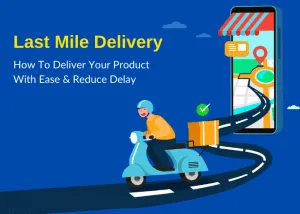 1. Reducing Last-Mile Costs
Last-mile refrigerated delivery is a complex and costly stage of the cold chain supply chain. In addition to maintaining the temperature range, businesses also need to ensure timely and accurate delivery. In this article, we will discuss six actionable strategies that businesses can implement to reduce last-mile refrigerated delivery costs and improve customer satisfaction.
2. Implementing Real-Time Monitoring
Implementing real-time monitoring can significantly enhance the management and optimisation of refrigerated deliveries. Real-time monitoring systems track critical parameters such as location, temperature, and humidity of the products being transported. This allows businesses to promptly identify and rectify any issues, thereby reducing the risk of product spoilage and associated costs.
Real-time tracking of location Reducing Last-Mile Costs
Ensures that businesses can monitor the progress of deliveries and make adjustments as needed. For instance, if a delivery vehicle is delayed, businesses can notify customers in advance and take corrective actions to minimise disruptions. This enhances customer satisfaction and operational efficiency.
Monitoring temperature and other vital parameters is crucial for maintaining the quality of perishable goods. Real-time data on temperature fluctuations can alert businesses to potential issues, such as a malfunctioning refrigeration unit. Immediate alerts enable quick interventions to prevent spoilage, ensuring that products reach their destination in optimal condition.
Real-time monitoring systems Reducing Last-Mile Costs
Integrating real-time monitoring systems with existing logistics software can provide a comprehensive view of the supply chain. This integration allows for better planning and decision-making, as businesses can analyse data trends and identify areas for improvement. For example, consistent temperature deviations might indicate the need for equipment maintenance or replacement.
Additionally to enhance Reducing Last-Mile Costs
Real-time monitoring systems can generate detailed reports that help in compliance with regulatory standards. Accurate records of temperature and handling conditions are essential for meeting industry regulations and ensuring accountability.
Training staff to effectively use real-time monitoring tools is also important. Employees should be knowledgeable about interpreting data and responding to alerts promptly. Regular training sessions and updates on system enhancements can keep the team proficient and responsive.
3. Optimising Delivery Routes to Reduce Last-Mile Costs
Optimising delivery routes is crucial for reducing last-mile refrigerated delivery costs. By minimising the distance travelled and time spent on the road, businesses can achieve significant savings. Route optimisation software can assist in planning the most efficient routes for delivery drivers, leading to reduced fuel consumption and less vehicle wear and tear.
Effective route optimisation will assist in Reducing Last-Mile Costs
This involves analysing various factors, such as traffic patterns, delivery windows, and geographic locations, to determine the best possible routes. Advanced software solutions can process this data in real-time, allowing businesses to adapt to changing conditions and avoid delays. This not only improves delivery times but also enhances overall customer satisfaction.
Fuel consumption assists in Reducing Last-Mile Costs
Reducing fuel consumption is one of the primary benefits of route optimisation. Shorter, more efficient routes mean less fuel is used, which directly cuts costs. Additionally, lower fuel consumption contributes to a reduced carbon footprint, supporting environmental sustainability goals.
Minimising vehicle wear and tear is another significant advantage. Efficient routing reduces the distance vehicles travel, decreasing the frequency of maintenance and extending the lifespan of the fleet. This results in lower maintenance costs and less downtime for repairs, further contributing to cost savings.
Moreover, route optimisation can help in better resource allocation. By optimising routes, businesses can ensure that delivery drivers spend more time delivering goods and less time navigating inefficient routes. This increases productivity and allows companies to handle more deliveries with the same resources.
Route optimisation software further Reducing Last-Mile Costs
Implementing route optimisation software also provides valuable insights through data analytics. Businesses can analyse delivery performance, identify bottlenecks, and continuously improve their logistics operations. These insights can lead to more strategic decisions and long-term cost reductions.
In summary, optimising delivery routes is key to reducing last-mile refrigerated delivery costs. Utilizing route optimisation software helps businesses minimize travel distance and time, leading to reduced fuel consumption, lower vehicle wear and tear, and significant cost savings. By improving efficiency and productivity, businesses can enhance customer satisfaction and achieve sustainable growth.
4. Reducing Empty Miles thus Reducing Last-Mile Costs
Reducing empty miles is essential for optimising refrigerated delivery operations and cutting costs. Empty miles occur when delivery vehicles return to the warehouse or depot without carrying any products. Businesses can minimise empty miles through improved route planning, utilising backhaul opportunities, and collaborating with other businesses.
Effective route planning Reducing Last-Mile Costs
The first step in reducing empty miles. By strategically planning routes, businesses can ensure that delivery vehicles operate at maximum efficiency. Advanced route planning software can help identify opportunities to combine deliveries and pickups, thereby minimising the number of trips vehicles need to make.
Utilising backhaul opportunities Reducing Last-Mile Costs
Another effective strategy. Backhauling involves coordinating with suppliers or other partners to transport goods on the return journey of delivery vehicles. For example, a truck delivering goods to a retail store can pick up supplies from a nearby vendor on its way back to the warehouse. This not only reduces empty miles but also generates additional revenue from otherwise wasted trips.
Collaboration assists in Reducing Last-Mile Costs
Collaborating with other businesses can further reduce empty miles. Companies operating in the same region can share delivery resources, coordinate schedules, and consolidate shipments. This cooperative approach maximises vehicle usage and reduces the number of empty trips, leading to significant cost savings for all parties involved.
Reducing empty miles also contributes to environmental sustainability by lowering fuel consumption and greenhouse gas emissions. Fewer empty trips mean less fuel is burned, which benefits both the business’s bottom line and the environment.
Moreover, optimising vehicle utilisation through reduced empty miles can extend the lifespan of the delivery fleet. Less wear and tear on vehicles translates to lower maintenance costs and reduced downtime, enhancing overall operational efficiency.
In summary, reducing empty miles is a key strategy for cutting last-mile refrigerated delivery costs. By improving route planning, utilising backhaul opportunities, and collaborating with other businesses, companies can optimise their delivery operations, reduce fuel consumption, and achieve significant cost savings while promoting sustainability.
5. Leveraging Technology and Automation
Leveraging technology and automation is essential for optimising refrigerated delivery operations and reducing costs. By incorporating advanced systems such as automated loading and unloading, temperature-controlled containers, and vehicle tracking, businesses can significantly improve efficiency and lower expenses.
Automated loading and unloading systems streamline the handling of goods, reducing the need for manual labour. These systems can quickly and accurately move products in and out of vehicles, minimising loading times and decreasing labour costs. This not only speeds up the delivery process but also reduces the risk of human error, ensuring that products are handled with care.
Temperature-controlled containers are crucial for maintaining the quality of perishable goods during transit. These containers use advanced technology to regulate temperature and humidity levels, ensuring that products remain within the required temperature range. This helps prevent spoilage and extends the shelf life of goods, reducing waste and associated costs.
Vehicle tracking systems Reducing Last-Mile Costs
provide real-time data on the location and status of delivery vehicles. This technology enables businesses to monitor deliveries, optimise routes, and quickly respond to any issues that arise. By improving route efficiency and reducing delays, vehicle tracking systems help ensure timely and accurate deliveries, enhancing customer satisfaction.
Automation
Plays a significant role in data management and analysis. Advanced software can track and analyse various metrics, such as delivery times, fuel consumption, and vehicle maintenance needs. This data-driven approach allows businesses to identify inefficiencies, predict maintenance requirements, and make informed decisions to further reduce costs.
Integrating these technologies into a cohesive logistics platform can provide a comprehensive view of the supply chain. This integration facilitates better coordination and communication among all stakeholders, leading to more efficient and cost-effective operations.
In summary, leveraging technology and automation is key to reducing last-mile refrigerated delivery costs. By using automated loading and unloading systems, temperature-controlled containers, and vehicle tracking, businesses can reduce manual labour costs, improve efficiency, and ensure timely and accurate deliveries. These advancements enable companies to optimise their operations, reduce waste, and achieve significant cost savings.
6. Adopting Innovative Delivery Models
Adopting innovative delivery models can help businesses to reduce last-mile refrigerated delivery costs and improve customer satisfaction. For example, businesses can offer self-service lockers, in-home delivery, or subscription-based services. These models can help reduce the cost of delivery while providing customers with more flexibility and convenience.
8. Conclusion
Last-mile refrigerated delivery is a critical and costly stage of the cold chain supply chain. However, businesses can reduce their costs and improve customer satisfaction by implementing the six actionable strategies discussed in this blog. By leveraging technology and automation, optimising delivery routes, and adopting innovative delivery models, businesses can increase efficiency and reduce manual labour costs. Collaborating with other businesses and implementing real-time monitoring can also help to minimise risks and optimise resources. With these strategies, businesses can reduce last-mile refrigerated delivery costs and stay competitive in 2025 and beyond.
Last Mile
- Why is last-mile refrigerated delivery more expensive than regular last-mile delivery?
Last-mile refrigerated delivery is more expensive than regular last-mile delivery because it requires specialised equipment, such as refrigerated trucks and containers, as well as additional processes and expertise to ensure that products are delivered within a specified temperature range.
- How can real-time monitoring help reduce last-mile refrigerated delivery costs?
Real-time monitoring can help reduce last-mile refrigerated delivery costs by providing businesses with timely information about the location, temperature, and other vital parameters of the products being transported. This can help businesses identify and rectify any issues promptly, reducing the risk of product spoilage and associated costs.
- What are some examples of innovative delivery models that businesses can adopt?
Some examples of innovative delivery models that businesses can adopt include self-service lockers, in-home delivery, and subscription-based services. These models can help reduce the cost of delivery while providing customers with more flexibility and convenience.
- How can collaborating with other businesses help reduce last-mile refrigerated delivery costs?
Collaborating with other businesses can help reduce last-mile refrigerated delivery costs by sharing resources and optimising delivery routes. For example, businesses can collaborate with other businesses in the same area to share delivery vehicles and drivers. This can help reduce the cost of delivery while improving efficiency and sustainability.
- How important is reducing last-mile refrigerated delivery costs for businesses?
Reducing last-mile refrigerated delivery costs is critical for businesses that operate in the cold chain supply chain as it can significantly impact their profitability and competitiveness. By reducing last-mile refrigerated delivery costs, businesses can improve their bottom line and provide customers with better value for money.
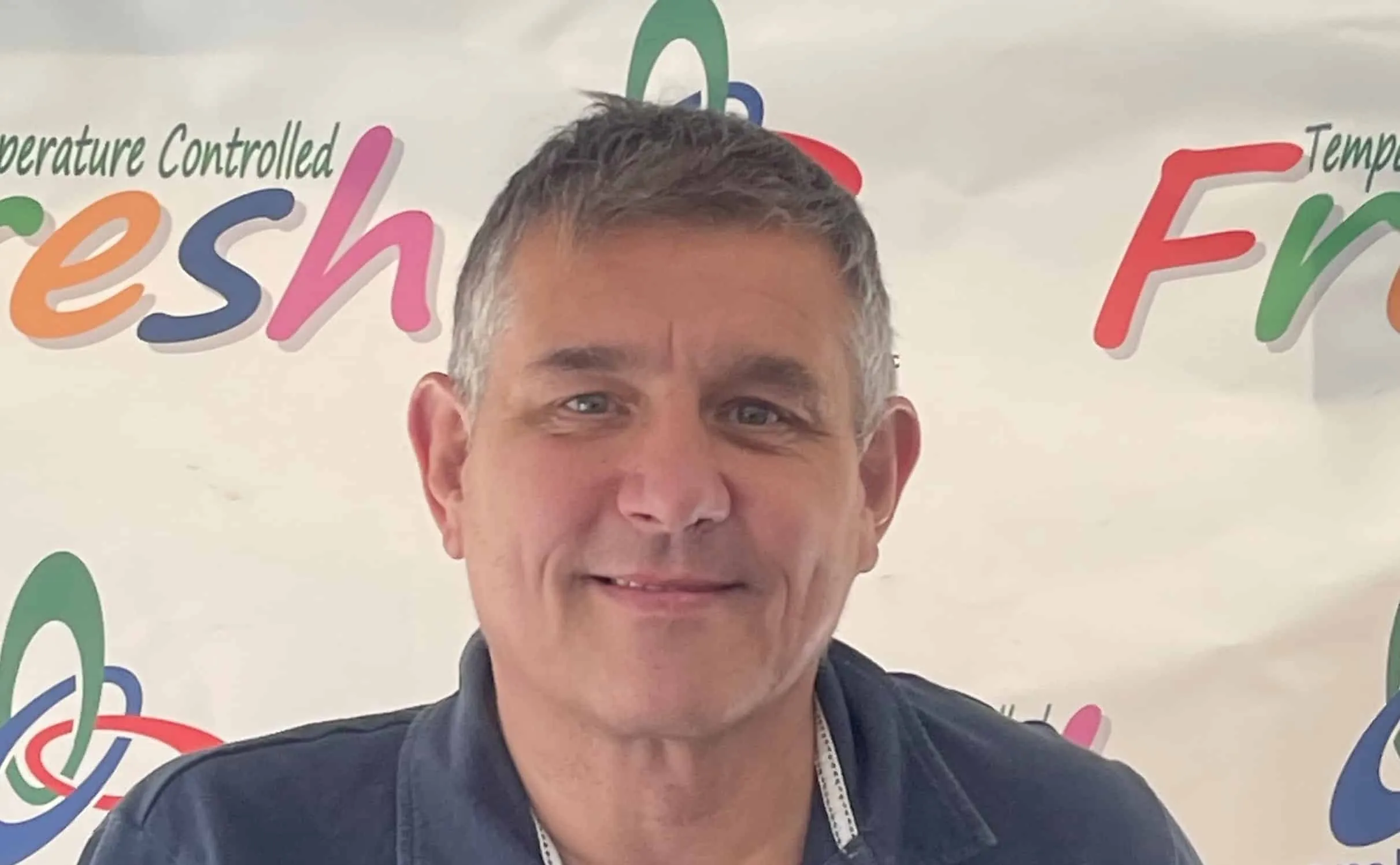
Alan is the Founder and MD at the Fresh Group of companies. You are welcome to use any information you find interesting. Please give us a link back to our webpage or post. It really helps SME’s rank in the UK.