
Refrigerated Logistics Solutions: The Ultimate Guide to Efficient Cold Chain Management
Refrigerated logistics solutions refer to the transportation, storage, and handling of temperature-sensitive goods to ensure they remain in optimal condition from origin to destination. 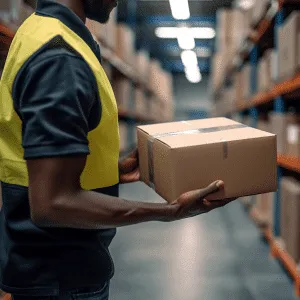 These solutions are critical for industries such as food and beverage, pharmaceuticals, floriculture, and chemicals, where maintaining precise temperature control is essential for product quality and safety.
The demand for refrigerated logistics solutions has surged in recent years, driven by increasing consumer expectations for fresh produce, the growth of online grocery shopping, and the pharmaceutical industry’s reliance on temperature-controlled supply chains. Without proper refrigerated logistics solutions, perishable goods may degrade, leading to financial losses, regulatory non-compliance, and potential health risks.
Final Takeaways:
Technology is the backbone of efficient refrigerated logistics solutions. AI, IoT, and automation will continue to revolutionise the industry, ensuring greater efficiency and product safety.
Sustainability is becoming a priority. Businesses are adopting eco-friendly refrigeration systems, electric delivery vehicles, and waste reduction strategies to align with environmental regulations.
Best practices in handling, transport, and compliance are essential. Adopting industry standards and leveraging technological advancements ensures the safe and efficient movement of perishable goods.
First a quick plug – Our sister companies Fresh Pharma who are GDP Compliant Pharma couriers and ‘Fresh Fridge Hire‘ are our (compliant GDP) refrigerated vehicle hire.
Instructions on how to switch on/ off and set the temperature on a GAH fridge.
Why Are Refrigerated Logistics Solutions Important?
The significance of refrigerated logistics solutions can be understood through their role in ensuring:
- Food Safety and Reduced Spoilage: Proper temperature control prevents bacterial growth and extends the shelf life of perishable food items.
- Pharmaceutical Integrity: Many medicines, including vaccines and biologics, require strict temperature management to maintain efficacy.
- Sustainability and Waste Reduction: Effective cold chain management helps minimise waste, aligning with environmental sustainability goals.
- Economic Efficiency: Reducing spoilage and maintaining quality throughout the supply chain results in lower financial losses for businesses and retailers.
The Importance of Cold Chain Management in Refrigerated Logistics Solutions
Cold chain management is a crucial aspect of refrigerated logistics solutions, ensuring that perishable goods remain within a specified temperature range throughout transportation and storage. Any fluctuation outside the required parameters can lead to compromised product quality, financial losses, and even health risks for consumers.
Key Benefits of Effective Cold Chain Management
| Benefit | Impact |
| Extended Shelf Life | Reduces waste and financial losses. |
| Regulatory Compliance | Ensures adherence to UK safety standards, such as those set by the Food Standards Agency (FSA) and Medicines and Healthcare products Regulatory Agency (MHRA). |
| Consumer Satisfaction | Ensures fresh, high-quality products reach consumers, improving brand reputation and customer loyalty. |
| Reduced Environmental Impact | Minimises the carbon footprint associated with wasted goods and excess production. |
Effective cold chain management within refrigerated logistics solutions relies on advanced technologies, including real-time temperature monitoring, insulated packaging, and predictive analytics to prevent temperature deviations.
Key Components of an Effective Refrigerated Logistics Solutions System
A successful refrigerated logistics solution is built on several essential components that work together to maintain product integrity from supplier to end-user.
1. Refrigerated Transport
Transporting temperature-sensitive goods requires specialised vehicles equipped with refrigeration units. In the UK, refrigerated lorries and vans are commonly used for domestic deliveries, while temperature-controlled shipping containers are essential for international transport.
- Types of Refrigerated Transport:
- Refrigerated Lorries and Vans: Used for local and regional distribution of perishable goods.
- Temperature-Controlled Shipping Containers: Essential for international trade, ensuring goods remain fresh during long-haul transportation.
- Air Freight with Cold Storage Facilities: Frequently used for urgent pharmaceutical and food shipments.
2. Cold Storage Facilities
Cold storage warehouses play a vital role in refrigerated logistics solutions, ensuring goods are stored at the correct temperature before distribution. These facilities can include:
- Frozen Storage (-18°C to -30°C): Used for frozen food products such as meat, seafood, and ice cream.
- Chilled Storage (0°C to 5°C): Ideal for fresh produce, dairy, and ready-to-eat meals.
- Pharmaceutical Cold Storage (2°C to 8°C): Ensures medications and vaccines remain within regulatory temperature requirements.
3. Real-Time Monitoring and IoT Solutions
Technological advancements in refrigerated logistics solutions allow for real-time tracking of temperature, humidity, and other environmental conditions. IoT-enabled temperature monitoring systems provide instant alerts when temperature deviations occur, enabling proactive intervention to prevent spoilage.
4. Efficient Packaging Solutions
Temperature-sensitive goods require specialised packaging to maintain stable conditions. Some of the most effective packaging methods include:
- Insulated Containers: Maintain temperature stability during short-term transport.
- Gel Packs and Dry Ice: Used for pharmaceutical and frozen food shipments.
- Vacuum-Sealed Packaging: Reduces oxygen exposure to extend shelf life.
Industries That Depend on Refrigerated Logistics Solutions
Refrigerated logistics solutions are essential across multiple industries that rely on temperature-controlled supply chains.
1. Food & Beverage Industry
The food and beverage sector is one of the most significant users of refrigerated logistics solutions. Without proper temperature control, food items can deteriorate rapidly, leading to food safety risks and financial losses.
| Product Type | Temperature Requirement |
| Dairy Products | 0°C to 4°C |
| Fresh Meat | -1°C to 2°C |
| Seafood | -2°C to 0°C |
| Fresh Produce | 0°C to 10°C |
| Frozen Foods | -18°C to -30°C |
2. Pharmaceutical Industry
The pharmaceutical industry heavily depends on refrigerated logistics solutions to transport and store temperature-sensitive medications, ensuring they remain effective for patient use.
| Product Type | Temperature Requirement |
| Vaccines | 2°C to 8°C |
| Insulin | 2°C to 8°C |
| Biologics | 2°C to 8°C |
| Blood Products | 1°C to 6°C |
3. Floriculture Industry
Floriculture businesses rely on refrigerated logistics solutions to transport flowers and plants under precise climate conditions to maintain freshness and appearance.
| Floral Product | Temperature Requirement |
| Cut Flowers | 2°C to 5°C |
| Potted Plants | 5°C to 10°C |
4. Chemical and Laboratory Industry
Certain chemicals and laboratory samples require strict temperature management to prevent degradation and maintain stability.
| Product Type | Temperature Requirement |
| Laboratory Samples | -20°C to -80°C |
| Temperature-Sensitive Chemicals | 5°C to 25°C |
Challenges in Refrigerated Logistics Solutions
Managing a cold chain network comes with significant challenges that can impact efficiency, compliance, and cost-effectiveness. The integrity of temperature-sensitive goods such as food, pharmaceuticals, and chemicals relies on precise temperature control and streamlined logistics. Below are the key challenges in refrigerated logistics solutions:
Temperature Fluctuations
One of the primary challenges in refrigerated logistics solutions is maintaining consistent temperatures throughout the supply chain. Various factors can lead to fluctuations, such as:
- Power Failures: Unexpected power outages can cause refrigeration systems to shut down, leading to spoilage of perishable goods.
- Poor Insulation: Inadequate insulation in storage facilities or transport vehicles can allow external temperatures to affect the goods.
- Frequent Door Openings: Every time a refrigerated unit is opened, warm air enters, potentially disrupting the controlled environment.
- Long Transit Times: Extended shipping times, especially for international logistics, can increase the risk of temperature deviations.
Example of Impact
For instance, frozen seafood transported from the UK to mainland Europe requires a stable temperature of -18°C or lower. If a refrigeration unit fails for even a few hours, the quality of the product may deteriorate, leading to potential financial losses and regulatory non-compliance.
Regulatory Compliance in Refrigerated Logistics Solutions
Refrigerated logistics solutions must adhere to various regulations depending on the region and type of goods being transported. Compliance issues can arise due to:
- Different Regional Standards: Countries have distinct food safety and pharmaceutical regulations, which can complicate international shipments.
- Documentation and Audits: Comprehensive record-keeping is necessary to prove adherence to standards such as HACCP (Hazard Analysis and Critical Control Points) and GDP (Good Distribution Practice).
- Pharmaceutical Regulations: Cold chain logistics for pharmaceuticals must comply with MHRA (Medicines and Healthcare products Regulatory Agency) standards in the UK, ensuring temperature-sensitive medicines remain effective.
Table: Key Refrigerated Logistics Regulations
| Regulation | Region | Purpose |
| HACCP | UK, EU | Ensures food safety and prevents contamination |
| GDP (Good Distribution Practice) | Global | Governs pharmaceutical logistics and storage |
| FSA Guidelines | UK | Food safety and hygiene compliance |
High Costs
The operational expenses of refrigerated logistics solutions are significantly higher than standard logistics due to:
- Specialised Vehicles: Refrigerated trucks and containers require costly insulation and cooling systems.
- Energy Consumption: Maintaining temperature-controlled environments consumes large amounts of electricity or fuel.
- Maintenance Costs: Regular servicing of refrigeration units is essential to prevent breakdowns.
- Insurance Premiums: Cold chain failures can result in substantial financial losses, leading to higher insurance costs.
Supply Chain Disruptions
Unforeseen delays can severely impact refrigerated logistics solutions. These disruptions can occur due to:
- Customs Delays: Strict import/export regulations for perishable goods can slow down shipments.
- Weather Conditions: Adverse weather, such as snow or storms, can delay transport and compromise temperature control.
- Mechanical Failures: Malfunctioning refrigeration units or vehicle breakdowns can result in spoilage.
Advanced Technologies in Refrigerated Logistics Solutions
Technology is transforming refrigerated logistics solutions, improving efficiency, transparency, and reliability. Innovations such as IoT, blockchain, and artificial intelligence are enhancing supply chain management.
IoT Sensors
Internet of Things (IoT) technology enables real-time temperature monitoring, reducing the risk of spoilage. IoT sensors:
- Continuously track temperature and humidity.
- Send alerts if conditions deviate from the required range.
- Allow remote monitoring by logistics managers.
Blockchain for Transparency
Blockchain technology enhances traceability and fraud prevention in refrigerated logistics solutions by:
- Creating immutable digital records of shipments.
- Ensuring compliance with safety regulations.
- Reducing the risk of tampering or counterfeiting.
AI & Machine Learning
Artificial intelligence optimises refrigerated logistics solutions through:
- Predictive Maintenance: Identifying potential equipment failures before they occur.
- Route Optimisation: Analysing traffic and weather conditions to determine the most efficient delivery routes.
- Demand Forecasting: Predicting inventory needs to prevent overstocking or shortages.
Table: Examples of Technology in Refrigerated Logistics Solutions
| Technology | Benefit |
| IoT Sensors | Real-time temperature tracking |
| AI Route Optimisation | Reduces delays and fuel consumption |
| Blockchain Records | Ensures authenticity and compliance |
Sustainability in Refrigerated Logistics Solutions
Sustainability is an increasing priority in refrigerated logistics solutions. Companies are adopting eco-friendly practices to reduce environmental impact while maintaining efficiency.
Eco-friendly Refrigerants
Traditional refrigerants contribute to greenhouse gas emissions. Sustainable alternatives include:
- Natural Refrigerants: CO2, ammonia, and hydrocarbons have a lower environmental impact.
- HFOs (Hydrofluoroolefins): Designed to replace harmful HFCs (hydrofluorocarbons).
Energy-efficient Vehicles
Refrigerated logistics solutions are adopting:
- Hybrid Refrigerated Trucks: These vehicles use electric and fuel-powered cooling systems to reduce emissions.
- Fully Electric Refrigerated Vans: Companies like Waitrose and Ocado in the UK are investing in electric delivery fleets.
Optimised Packaging
Reducing waste through improved packaging methods, such as:
- Biodegradable Insulation: Using eco-friendly materials instead of polystyrene.
- Reusable Packaging: Minimising waste by using returnable crates and containers.
Regulatory Compliance and Standards in Refrigerated Logistics Solutions
Compliance is crucial in refrigerated logistics solutions to ensure food and pharmaceutical safety, prevent contamination, and meet legal requirements.
Key Regulations in Refrigerated Logistics Solutions
| Regulation | Region | Purpose |
| HACCP | UK, EU | Ensures food safety |
| GDP (Good Distribution Practice) | Global | Governs pharmaceutical logistics |
| FSA Guidelines | UK | Food safety and hygiene regulations |
Challenges in Compliance
- Changing Regulations: Brexit has altered UK-EU food safety requirements, requiring updated compliance strategies.
- Strict Documentation Requirements: Detailed temperature logs and transport records must be maintained.
- Enforcement and Penalties: Companies failing to comply can face fines or product recalls.
Cost Considerations in Refrigerated Logistics Solutions
Refrigerated logistics solutions involve significant financial investment due to the need for specialised infrastructure, technology, and stringent compliance measures. The complexity of maintaining cold chains across various stages of transport, storage, and distribution can lead to high costs. However, businesses can implement strategic measures to optimise expenses without compromising efficiency or product integrity.
Key Cost Factors in Refrigerated Logistics Solutions
- Transportation Costs Transport accounts for a substantial portion of overall expenditure in refrigerated logistics solutions. Specialised refrigerated vehicles (reefers) consume more fuel due to their temperature control systems. Costs also fluctuate based on factors such as:
- Fuel Prices: With fuel being a primary expense, fluctuations in prices can significantly impact overall costs.
- Vehicle Maintenance: Refrigerated trucks require regular maintenance to ensure proper cooling system functionality.
- Toll Fees & Regulations: UK motorways and urban areas impose charges that add to transport costs.
- Storage and Warehousing Cold storage facilities are integral to refrigerated logistics solutions, ensuring perishable goods maintain quality. Storage costs include:
- Energy Consumption: Refrigeration units must operate continuously, contributing to high electricity bills.
- Warehouse Leasing: Urban warehouses are more expensive but offer faster distribution, while rural facilities may be cheaper but require longer transport routes.
- Labour Costs: Skilled personnel are needed to handle goods safely and monitor temperature-sensitive storage environments.
- Compliance and Monitoring Maintaining regulatory compliance is crucial for refrigerated logistics solutions. Costs arise from:
- Temperature Monitoring Systems: IoT-enabled monitoring devices ensure compliance with safety standards but involve capital investment.
- Regulatory Compliance: Meeting UK and EU food safety standards requires documentation, audits, and certifications.
- Insurance & Liability: Refrigerated goods are prone to spoilage, making insurance coverage essential.
- Packaging Costs Proper packaging ensures temperature stability and product integrity. Costs include:
- Insulated Packaging Materials: High-quality insulation minimises temperature fluctuations.
- Weight Considerations: Lightweight but effective packaging reduces fuel costs.
- Sustainability Initiatives: Businesses adopting eco-friendly packaging may face higher initial costs but benefit from long-term savings and regulatory compliance.
Cost Breakdown of Refrigerated Logistics Solutions
| Expense | Percentage of Total Cost |
| Transportation | 40% |
| Storage | 30% |
| Compliance & Monitoring | 20% |
| Packaging | 10% |
Strategies to Reduce Costs
- Optimising Routes: Using GPS and AI-powered route planning to minimise fuel consumption and delivery time.
- Smart Packaging Solutions: Implementing advanced insulation materials to reduce the reliance on active cooling.
- Leveraging Technology: AI-driven demand forecasting helps prevent overstocking and reduces waste.
- Partnering with 3PL Providers: Outsourcing to third-party logistics providers can offer cost-effective and scalable solutions.
Best Practices for Temperature-Controlled Transport in Refrigerated Logistics Solutions
Ensuring efficiency and maintaining product quality in refrigerated logistics solutions requires adherence to best practices. These measures help minimise risks such as temperature fluctuations, contamination, and spoilage.
Key Best Practices
- Pre-Cooling Vehicles Before loading perishable goods, refrigerated trucks should be pre-cooled to the required temperature. This prevents temperature shock, which can degrade product quality. For example, fresh dairy products should be stored at 1–4°C to prevent spoilage during transit.
- Real-Time Temperature Monitoring Implementing IoT-enabled sensors allows continuous monitoring of temperature conditions. If fluctuations occur, instant alerts enable immediate corrective action, reducing spoilage risks.
- Proper Staff Training Logistics personnel should be well-trained in handling temperature-sensitive goods. Training includes:
- Understanding the specific storage requirements of different perishable products.
- Loading and unloading techniques to minimise temperature exposure.
- Following hygiene and contamination control protocols.
- Effective Airflow Management Proper stacking and spacing of goods in a refrigerated vehicle allow even airflow, preventing temperature inconsistencies. Using air circulation barriers can help distribute cool air efficiently.
- Regular Equipment Maintenance Ensuring that refrigeration units, sensors, and vehicles are in optimal working condition is crucial. Regular servicing helps prevent unexpected failures that could compromise product quality.
Common Temperature Ranges for Perishable Goods
| Product Category | Recommended Temperature |
| Fresh Meat | 0-2°C |
| Dairy Products | 1-4°C |
| Frozen Foods | -18°C or lower |
| Fresh Vegetables | 5-10°C |
| Pharmaceuticals | 2-8°C |
Role of 3PL Providers in Refrigerated Logistics Solutions
Third-party logistics (3PL) providers play a vital role in optimising refrigerated logistics solutions. By outsourcing logistics to specialised 3PL companies, businesses can focus on their core operations while ensuring high-quality cold chain management.
Benefits of 3PL Providers in Refrigerated Logistics Solutions
- Access to Specialised Infrastructure 3PL providers invest in advanced refrigerated transport and warehousing facilities, ensuring compliance with food safety and pharmaceutical regulations.
- Cost Savings Partnering with a 3PL provider reduces capital investment in fleet acquisition, maintenance, and cold storage facilities. Businesses also save on operational costs, including labour, compliance, and energy expenses.
- Scalability and Flexibility Demand for refrigerated logistics solutions fluctuates seasonally. 3PL providers offer flexible solutions, allowing businesses to scale up or down based on demand.
- Advanced Tracking and Visibility Most 3PL companies use real-time tracking and temperature monitoring solutions, ensuring end-to-end visibility in the supply chain.
- Regulatory Compliance Compliance with UK and EU regulations is complex. 3PL providers ensure adherence to industry standards such as HACCP (Hazard Analysis and Critical Control Points) and BRCGS (British Retail Consortium Global Standards).
Choosing the Right 3PL Provider
When selecting a 3PL provider for refrigerated logistics solutions, businesses should consider:
- Experience and Industry Reputation: Providers with a strong track record in cold chain logistics.
- Technology and Monitoring Systems: Ensuring the provider offers real-time tracking and compliance reporting.
- Geographical Coverage: Evaluating whether their distribution network aligns with business needs.
- Customer Support: Assessing response times and issue resolution processes
Innovations Shaping the Future of Refrigerated Logistics Solutions
The refrigerated logistics solutions industry is undergoing a significant transformation, driven by cutting-edge technologies that enhance efficiency, sustainability, and reliability. As the demand for fresh produce, pharmaceuticals, and perishable goods increases, logistics companies must embrace these innovations to ensure safe and timely deliveries. Below are some of the key technological advancements shaping the future of refrigerated logistics solutions.
Drones for Last-Mile Delivery
Drones are revolutionising last-mile delivery in urban areas by providing rapid transportation for perishable goods. These unmanned aerial vehicles (UAVs) can navigate congested cities and remote locations more efficiently than traditional delivery methods. Key benefits include:
- Speed: Drones significantly reduce delivery times, ensuring that perishable items like fresh seafood, dairy products, and pharmaceuticals reach customers in optimal condition.
- Reduced Carbon Footprint: By using electric-powered drones, companies can cut down on fuel consumption and emissions, supporting sustainability initiatives.
- Improved Accessibility: Drones can reach areas where traditional delivery vehicles struggle, such as high-rise buildings and rural communities.
For example, major UK supermarkets and logistics firms are conducting trials to deploy drones for grocery and medicine deliveries in metropolitan areas, promising a game-changing approach to fresh logistics.
Self-Driving Refrigerated Trucks
The advent of autonomous, refrigerated vehicles is set to redefine long-haul logistics by reducing human error and operational costs. These self-driving trucks are equipped with:
- Advanced AI Navigation Systems: These ensure optimal route planning, avoiding traffic congestion and adverse weather conditions.
- Automated Temperature Control: Ensuring consistent refrigeration settings to prevent spoilage.
- Enhanced Safety Features: Sensors and AI-based predictive analytics help prevent accidents and mechanical failures.
Companies like Ocado and other major UK retailers are exploring autonomous vehicle trials to optimise their supply chains, ensuring faster and more cost-effective deliveries of fresh produce.
AI-Powered Demand Forecasting
Artificial Intelligence (AI) is playing a crucial role in reducing food waste and improving supply chain efficiency. AI-driven demand forecasting helps businesses:
- Predict Consumer Demand: By analysing historical data, weather patterns, and shopping trends, AI can anticipate demand fluctuations, preventing overstocking and shortages.
- Reduce Spoilage: Optimising inventory levels ensures that perishable goods are stocked in appropriate quantities, minimising waste.
- Enhance Supplier Coordination: AI-driven insights enable better collaboration between suppliers, retailers, and distributors, ensuring timely deliveries and inventory replenishments.
Retailers like Tesco are leveraging AI-based solutions to streamline their cold chain operations, improving efficiency and reducing costs.
Common Mistakes in Refrigerated Logistics Solutions and How to Avoid Them
Ensuring the integrity of perishable goods during transportation requires meticulous planning and execution. Here are some common mistakes and their solutions:
| Mistake | Solution |
| Incorrect Temperature Settings | Implement automated temperature control systems that adjust settings in real-time. |
| Poor Route Planning | Utilise AI-driven logistics software to optimise delivery routes and avoid delays. |
| Inadequate Packaging | Invest in insulated, leak-proof packaging to maintain product integrity. |
| Lack of Real-Time Monitoring | Install IoT sensors to provide continuous tracking and condition updates. |
By addressing these challenges with modern technology, companies can prevent losses, enhance efficiency, and improve customer satisfaction.
Case Studies: Success Stories in Refrigerated Logistics Solutions
Tesco’s Cold Chain Excellence
Tesco, one of the UK’s largest supermarket chains, has pioneered innovative refrigerated logistics solutions to enhance efficiency and reduce food waste. Key initiatives include:
- AI-Driven Route Optimisation: Tesco uses advanced route planning software to streamline deliveries, reducing delays and maintaining product freshness.
- Real-Time Monitoring: IoT-enabled temperature sensors track conditions throughout the supply chain, ensuring compliance with food safety regulations.
- Sustainable Refrigeration: Tesco is investing in eco-friendly refrigeration systems that lower emissions and energy consumption.
These initiatives have helped Tesco cut food waste by over 40%, demonstrating the effectiveness of technology-driven logistics solutions.
Pfizer’s Pharmaceutical Refrigerated Logistics Solutions Success
Pharmaceutical logistics requires precise temperature control, especially for temperature-sensitive products such as vaccines. Pfizer has revolutionised the industry by implementing:
- IoT-Enabled Containers: These ensure real-time tracking of temperature, humidity, and location, reducing spoilage risks.
- Advanced Data Analytics: AI-driven analytics provide predictive insights, preventing supply chain disruptions.
- Stringent Regulatory Compliance: Pfizer’s logistics solutions meet strict UK and EU regulatory requirements, ensuring product safety and efficacy.
Through these measures, Pfizer has successfully transported millions of vaccine doses across the world while maintaining strict quality standards.
Conclusion and Future Outlook for Refrigerated Logistics Solutions
The future of refrigerated logistics solutions looks promising, driven by technological advancements and sustainability initiatives. Companies that invest in smart, innovative logistics solutions will gain a competitive edge by improving efficiency, reducing waste, and minimising costs.
With the right strategies in place, businesses can enhance operational efficiency, reduce costs, and contribute to a sustainable future for refrigerated logistics solutions. ❄️
Refrigerated Logistics Network
- What are logistics solutions?
Logistics solutions are services that help businesses manage the transportation, storage, and delivery of goods efficiently.
Logistics Network
- What is refrigerated transport?
What is refrigerated transport?
Refrigerated transport uses temperature-controlled vehicles to keep goods such as food or medicines cold during delivery. - What are the 4 types of logistics?
The four main types are inbound logistics, outbound logistics, reverse logistics, and third-party logistics (3PL).
- What is temperature-controlled logistics?
Temperature-controlled logistics is the transport and storage of products within a specific temperature range to protect sensitive goods.
- What are the 4 major logistics functions?
The main logistics functions are transportation, warehousing, inventory management, and order fulfilment.
- What is the highest paid job in logistics?
One of the highest-paid roles in logistics is a logistics director or supply chain director.
- What is logistics and give 5 examples?
Logistics is the process of planning and managing the movement of goods. Examples include transportation, warehousing, inventory control, packaging, and distribution.
- Who are the top 10 logistics companies?
Some of the top logistics companies include Fresh Logistics, DHL, FedEx, UPS, Maersk, DB Schenker, Kuehne + Nagel, XPO Logistics, C.H. Robinson, Nippon Express, and DHL Supply Chain.
- What are the 7 C's of logistics?
The 7 C’s are the right product, right quantity, right condition, right place, right time, right customer, and right cost.
- What is the highest salary in logistics?
Senior roles such as supply chain director or chief logistics officer can earn the highest salaries in the logistics industry. £150 – £300k

Alan is the Founder and MD at the Fresh Group of companies. You are welcome to use any information you find interesting. Please give us a link back to our webpage or post. It really helps SME’s rank in the UK.