
A Comprehensive Guide to Refrigerated Containers in the UK: Ensuring Efficiency in Cold Chain Logistics
1. Introduction to Refrigerated Containers
Refrigerated containers, also known as reefers, are essential components in the transportation of temperature-sensitive goods. 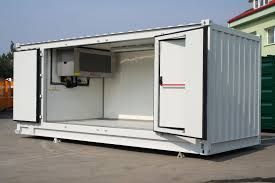 These containers maintain specific temperature ranges, allowing businesses to safely transport perishable items such as food, pharmaceuticals, and chemicals. In the UK, reefers play a crucial role in ensuring products remain fresh and safe during transit, particularly in industries that rely on cold chain logistics.
The UK’s logistics industry depends heavily on refrigerated containers to meet the growing demands for fresh produce and temperature-controlled goods, supporting both domestic and international trade.
First a quick plug – Our sister companies Fresh Pharma whom are GDP Compliant Pharma couriers and ‘Fresh Fridge Hire‘ are our (compliant GDP) refrigerated vehicle hire.
2. How Refrigerated Containers Work
Temperature Control
Refrigerated containers are equipped with refrigeration units that control the internal temperature. The temperature inside the container can be adjusted depending on the product’s needs, ranging from frozen to chilled conditions. This is crucial for maintaining the quality of perishable goods throughout their journey.
Airflow
Inside a reefer, airflow is strategically designed to ensure even cooling. Cool air circulates from the bottom to the top of the container, ensuring no hot spots develop, which can damage the cargo. Ensuring that products are loaded to allow optimal airflow is essential for maintaining consistent temperatures.
Energy Efficiency
Energy efficiency is a growing concern for logistics providers using refrigerated containers. Modern reefer units are designed to reduce energy consumption, contributing to lower operational costs and supporting sustainability efforts. Energy-efficient units help companies meet environmental regulations while maintaining product quality.
3. Types of Refrigerated Containers
Standard Reefers
The most common type of refrigerated container is the standard reefer, available in 20ft and 40ft sizes. These are ideal for transporting various perishable goods, such as frozen foods, fresh produce, and pharmaceuticals.
Modified Containers
Modified refrigerated containers are designed for specific cargo requirements. For instance, containers used for pharmaceuticals may include additional temperature control features to ensure precise conditions during transport. Modified reefers are often used in industries with stringent temperature requirements.
Dual-Temperature Containers
Dual-temperature containers are designed to handle multiple temperature zones within a single container. This allows businesses to transport different products, such as frozen and chilled goods, in the same container, making logistics operations more flexible and cost-effective.
4. The Importance of Refrigerated Containers in the UK Cold Chain
Market Size
The UK cold chain logistics market has experienced significant growth in recent years, driven by increased demand for temperature-sensitive goods. According to industry reports, the market is expected to continue growing as businesses expand their reach and rely more on refrigerated containers to maintain product integrity.
Key Industries
Refrigerated containers are essential across various UK industries, including food and beverage, pharmaceuticals, and chemicals. These industries rely on precise temperature control to ensure the safety and quality of their products during transportation.
| Industry | Example Products |
| Food & Beverage | Fresh produce, frozen meats |
| Pharmaceuticals | Vaccines, temperature-sensitive medications |
| Chemicals | Hazardous materials requiring specific conditions |
5. Advantages of Using Refrigerated Containers
Product Safety
Refrigerated containers protect perishable goods from spoilage and contamination by maintaining controlled temperature environments. This is particularly important for food and pharmaceuticals, where small fluctuations in temperature can compromise product safety.
Extended Shelf Life
By keeping products at the optimal temperature, refrigerated containers help extend the shelf life of perishables, reducing waste and ensuring that goods reach their destination in good condition.
Flexibility
Portable refrigerated containers offer flexibility in logistics operations. Companies can move temperature-sensitive goods across long distances, ensuring that products remain fresh, even when external conditions are unpredictable.
6. Best Practices for Loading Refrigerated Containers
Proper Packaging
Using temperature-resistant packaging helps ensure that products remain at their required temperature, even during short periods when the container doors are open. Proper packaging is vital for reducing the risk of damage and spoilage.
Airflow Considerations
It’s essential to load goods in a way that allows air to circulate freely throughout the container. This prevents hot spots and ensures that the temperature remains consistent, reducing the risk of product damage.
Securing Cargo
Properly securing cargo prevents shifting during transit, which can lead to damaged goods or blockages in airflow. Using dunnage and strapping can help keep goods in place while maintaining optimal airflow.
7. Refrigerated Containers Regulations in the UK
Compliance
Businesses operating refrigerated containers in the UK must comply with food safety and transportation standards, including those set out by the Food Safety Act 1990 and the EU’s General Food Law Regulation (EC) No 178/2002. These regulations ensure that food products are handled safely during transport.
HACCP and ISO Standards
To ensure product safety, businesses must follow the Hazard Analysis and Critical Control Points (HACCP) system, which identifies risks and establishes controls throughout the supply chain. Additionally, UK businesses should comply with ISO 22000 for food safety management systems.
Customs Requirements
For imports and exports, businesses must comply with UK customs regulations for refrigerated containers. This includes ensuring proper documentation and adhering to temperature control standards for perishable goods during transit.
8. Energy Efficiency and Sustainability of Reefer Containers
Green Technologies
Energy-efficient refrigeration units reduce fuel consumption and operating costs, contributing to greener supply chains. Innovations such as variable speed compressors and advanced insulation materials are helping reduce energy use in reefers.
Solar-Powered Reefers
Solar-powered refrigerated containers are an emerging solution in eco-friendly shipping. Solar panels mounted on the container provide additional power, reducing reliance on traditional energy sources and lowering emissions.
Sustainable Cold Chain
Refrigerated containers support sustainability initiatives by reducing food waste, improving energy efficiency, and minimising environmental impacts. These advancements align with the UK’s goals for reducing carbon emissions in logistics.
9. Technological Advancements in Refrigerated Containers
IoT Monitoring
Real-time temperature monitoring through IoT sensors allows businesses to track temperature changes and humidity inside the container, providing better control over product conditions. This helps prevent spoilage and ensures that goods arrive in the best possible condition.
Smart Reefer Containers
AI-driven systems enable predictive maintenance, reducing the risk of breakdowns and optimising refrigeration performance. These systems also track cargo conditions, providing valuable data for logistics planning.
Automated Loading Systems
Automation in refrigerated container logistics is improving efficiency. Automated systems can load and unload goods faster, ensuring that products are exposed to ambient temperatures for a shorter period.
10. Challenges in Refrigerated Containers Logistics
Temperature Fluctuations with Refrigerated Containers
One of the most common challenges in reefer container logistics is maintaining a stable internal temperature. Temperature fluctuations can result from poor airflow, door openings, or inadequate insulation. Regular monitoring and proper cargo placement help mitigate these risks.
Energy Costs of Refrigerated Containers
It can be costly due to the energy required to maintain optimal temperatures. Businesses must focus on improving energy efficiency to reduce operational costs.
Equipment Maintenance
Regular maintenance is essential to ensure they operate efficiently. Preventive maintenance helps avoid equipment failures that could lead to product spoilage.
11. Refrigerated Containers Leasing vs. Buying
| Key Factors | Leasing | Buying |
| Flexibility | Ideal for short-term or seasonal use | Better for long-term, continuous operations |
| Initial Costs | Lower upfront investment | Higher initial cost |
| Maintenance Responsibility | Often included in the lease agreement | Owner is responsible for all maintenance |
12. Case Studies of Refrigerated Containers Use in the UK
Example 1: A UK Food Company
A large UK-based food exporter successfully uses refrigerated containers to transport frozen seafood to international markets. By leveraging real-time temperature monitoring, the company ensures that products arrive fresh, reducing spoilage by 20%.
Example 2: Pharmaceutical Success
A UK pharmaceutical company uses advanced temperature-controlled containers to ship vaccines across Europe. By investing in dual-temperature reefers, the company transports different products in the same container, optimising efficiency.
13. Refrigerated Containers Providers in the UK
Top Providers of Refrigerated Containers
There are several reputable refrigerated container suppliers and leasing companies in the UK, such as DFDS, Maersk, and Culina Group. These companies offer leasing options, maintenance services, and modern reefer units to meet the specific needs of different industries.
Service Considerations
When selecting a refrigerated container provider, businesses should consider factors such as maintenance services, availability, and technology. Providers offering 24/7 support and real-time tracking can ensure that logistics operations run smoothly.
Custom Solutions
Many businesses require custom-built solutions to suit specific products or industry requirements. Providers that offer bespoke solutions help meet unique challenges in cold chain logistics.
14. Future Trends for Refrigerated Containers in the UK
Sustainability
As sustainability becomes a key concern, demand for eco-friendly reefer containers is expected to grow. Businesses are looking for energy-efficient solutions to meet environmental regulations and reduce their carbon footprints.
Automation
The rise of AI and robotics is shaping the future of refrigerated container logistics. Automated loading systems and predictive maintenance tools will enhance operational efficiency and reduce human error.
Growth of E-commerce has great demand on Refrigerated Containers
The increase in online grocery shopping is driving demand for cold chain logistics in the UK. As consumers continue to order fresh and frozen goods online, the need for reliable solution are expected to grow.
15. Conclusion: The Essential Role of Refrigerated Containers in UK Logistics
In conclusion, Ensuring the safe and efficient transportation of perishable goods in the UK. From the food industry to pharmaceuticals, reefers help preserve product quality, extend shelf life, and contribute to a more sustainable supply chain. Businesses investing in modern technologies and energy-efficient solutions will stay ahead of the curve, benefiting from improved logistics operations and a reduced environmental impact.
Air v Sea
- What is a refrigerated container called?
A refrigerated container is commonly called a “reefer” container in shipping and logistics. It’s a specialised container with a built‑in refrigeration unit to maintain a set temperature for perishable goods in transit or storage.
- How much should I pay for a 20‑foot container (UK)?
Typical UK container purchase prices vary by condition:
Container Type Approx UK Price Standard 20ft dry container – used ~£1,200–£2,500 Standard 20ft – new ~£2,400–£4,500 20ft reefer (refrigerated) – used ~£6,000–£8,500 20ft reefer – new ~£9,000–£12,500 Prices vary with condition, location, delivery and modifications.
- Noise & vibration: Refrigeration units can be noisy at sites.
- How much does a 20ft container cost to hire (UK)?
Hiring (renting) a 20ft container in the UK typically costs around:
- £100–£300 per month for dry containers.
- Reefers (refrigerated) usually cost more — often £12–£17 per day (dependent on supplier, hire period and location).
- Can you legally live in a shipping container in the UK?
You can only live in a container legally if you get planning permission and satisfy building regulations.
- A container used as a permanent dwelling is normally classed as a building, so full planning permission will almost always be needed.
- Simply placing a container on your land temporarily may not require permission, but living in it requires approval. Always check with your local planning authority
- Which container is best for storing food in the fridge?
For food that must stay chilled or frozen (e.g., dairy, fruit, meat), a refrigerated “reefer” container with active temperature control is best.
If you only need to maintain temperature without active cooling, an insulated container (no power) may work for short durations but won’t control temperature like a reefer. - Are there refrigerated containers?
Yes — they are called reefer containers. They are widely used in the UK for transporting/storing perishables (food, pharmaceuticals, flowers, etc.) at set temperatures.
- How much is a reefer container?
In the UK, rough cost ranges (2025 figures):
- 20ft reefer (used): ~£6,000–£8,500
- 20ft reefer (new): ~£9,000–£12,500
- 40ft reefer (used): ~£9,000–£13,500
- 40ft reefer (new): ~£14,000–£20,000
(These are typical market prices and can vary.
- What is a Yeti container?
In freight/logistics context, “Yeti” container isn’t an official term — people sometimes use it informally to describe a rugged, heavy‑duty insulated/refrigerated cooler (not a standard shipping container).
In consumer terms, YETI is a brand of high‑performance coolers and drinkware known for insulation, but it’s not a type of shipping container. - What does reefer smell like?
A refrigerated container shouldn’t smell if clean and well‑maintained.
Common smells arise if:- Food has spoiled
- Condensation causes mildew
- Drains or insulation hold moisture
Proper cleaning and ventilation help keep odours down.
- What is the difference between insulated and refrigerated containers?
- Refrigerated (reefer) containers:
- Have a built‑in refrigeration system to maintain specific temperatures actively.
- Used for long journeys or storage where precise temp control is required.
- Insulated containers:
- No active cooling — they maintain temperature by insulation alone.
- Suitable only for short trips or maintaining temperature after pre‑cooling.
- Cheaper and less energy‑intensive but not as precise as reefers.
- Refrigerated (reefer) containers:
- What are the risks of reefers?
Refrigerated containers are excellent for cold transport/storage, but there are some risks:
- Power dependency: Refrigeration units need a reliable power source (mains, generator) — failure can spoil goods.
- Maintenance costs: Reefers require annual servicing and regular checks.
- Environmental impact: Refrigerants and energy use can have higher carbon impact.

Alan is the Founder and MD at the Fresh Group of companies. You are welcome to use any information you find interesting. Please give us a link back to our webpage or post. It really helps SME’s rank in the UK.